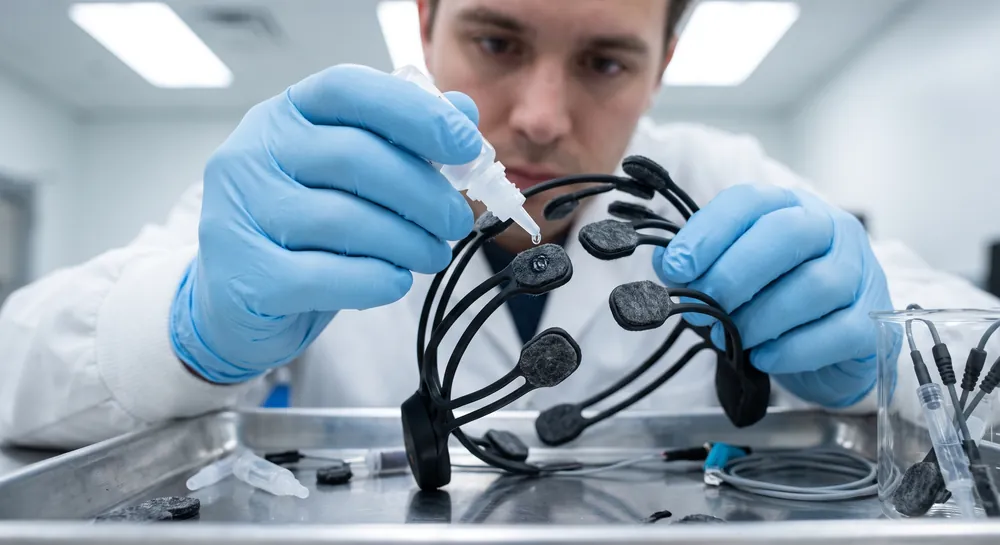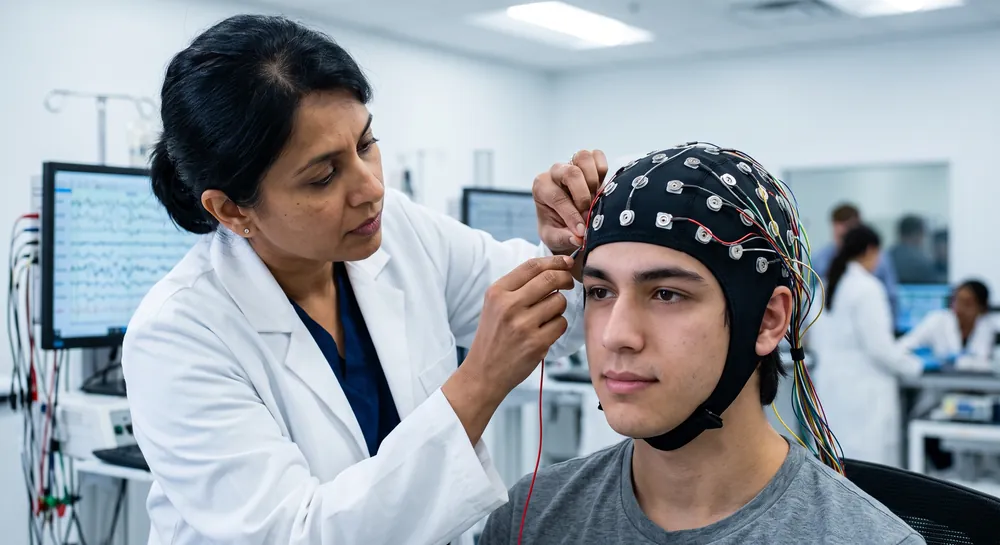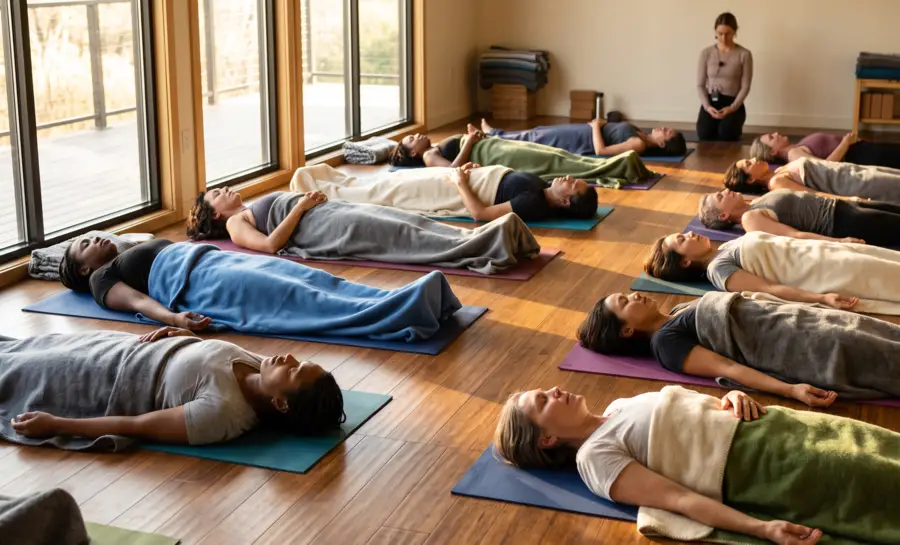
Breathwork, broadly defined as the intentional control of breathing patterns, has become a common recommendation in stress management and general wellness circles.
Much of the popular interest centers on a specific idea: that changing how we breathe can influence the autonomic nervous system, the branch of the nervous system that regulates heart rate, blood pressure, and digestion largely outside of conscious awareness.
What is Breathwork?
Breathwork encompasses a diverse range of intentional breathing techniques designed to influence physical, mental, and spiritual well-being. Unlike the automatic respiration governed by the brainstem, conscious breathing requires deliberate control over the depth, pace, and rhythm of inhalation and exhalation.
Modern research increasingly validates these ancient practices, mapping how conscious breathing alters biological markers and systemic performance.
The Science Behind Breathwork
The physiological effects of conscious breathing are deeply connected to the field of neuroscience. When breathing patterns are deliberately altered, the mechanics of the respiratory system interact with the autonomic nervous system.
Slow, deep breathing stimulates the vagus nerve, which in turn increases parasympathetic activity, slows the heart rate, and lowers blood pressure. Conversely, rapid, shallow patterns can stimulate sympathetic arousal.
To illustrate how different respiration patterns shift physiological parameters, the following table outlines typical biological responses:
Breathing Pattern | Dominant Nervous System Branch | Typical Heart Rate Variability (HRV) Response | Primary Biomarker Shift |
|---|---|---|---|
Slow, deep diaphragmatic | Parasympathetic | Increased HRV | Lowered salivary cortisol |
Rapid, cyclical (Hyperventilation) | Sympathetic | Decreased HRV | Temporary blood pH alkalization |
Equal ratio box breathing | Balanced / Homeostatic | Stabilized HRV | Regulated arterial carbon dioxide |
These biological changes demonstrate that respiration is not merely a passive metabolic function, but a dynamic regulatory mechanism. By deliberately modifying the rate and volume of air intake, people can directly influence their systemic chemistry, thereby shifting their baseline state from alert reactivity to restorative calm.
Benefits of Breathwork
Engaging in systematic breathing practices delivers measurable advantages across multiple dimensions of human physiology. By establishing a regular routine, practitioners can cultivate lasting resilience against daily stressors while optimizing fundamental biological processes.
The systematic adjustments in gas exchange and neural signaling promote overall systemic efficiency.
Stress Reduction and Anxiety Relief
Conscious breathing serves as a direct intervention for acute and chronic stress. By engaging in slow, rhythmic exhalations, individuals signal to the brain that the immediate environment is secure. This shift reduces the secretion of stress hormones like cortisol and adrenaline. Practicing mindfulness alongside these habits further stabilizes the autonomic nervous system, helping to prevent the physical symptoms of stress, such as chronic muscle tension and digestive discomfort.
Improved Sleep Quality
Quality sleep requires a transition into a parasympathetic-dominant state prior to bedtime. Implementing slow, focused breathing sequences before sleeping helps lower the heart rate and calm a racing mind, easing the transition into deep sleep stages.
This practice mitigates night-time arousal and reduces instances of insomnia by preparing the neurological pathways for deep, restorative rest.
Enhanced Emotional Regulation
Regular breathing sessions strengthen conscious control over immediate emotional reactions. When faced with challenging stimuli, the instinctive response is often shallow breathing, which exacerbates agitation.
Regulating the breath promotes emotional stability by delaying impulsive reactions, giving the prefrontal cortex sufficient time to process emotional inputs and dictate a balanced, rational response.
Different Types of Breathwork Techniques
Numerous disciplined breathing methodologies exist, each tailored to produce specific physiological and psychological outcomes. Selecting the appropriate technique depends on whether the goal is immediate relaxation, cognitive focus, or deeper emotional processing.
Integrating these practices into daily schedules can significantly optimize overall brain health.
Diaphragmatic Breathing
Often called belly breathing, this foundational technique emphasizes the active engagement of the diaphragm rather than the shallow chest muscles. Practitioners draw air deep into the lungs, allowing the abdomen to expand outward during inhalation and gently contract during exhalation.
This maximizes oxygen exchange efficiency and minimizes the muscular strain often associated with shallow breathing patterns.
Box Breathing
This technique utilizes four equal segments: an inhale, a holding period, an exhale, and another holding period, typically structured around a four-second count for each phase.
Box breathing is widely utilized by high-stress professionals, including military personnel and first responders, to rapidly restore mental clarity and physiological equilibrium under intense pressure.
Holotropic Breathwork
Developed in the 1970s, this specialized method involves rapid, hyper-vigilant breathing patterns conducted over an extended duration, usually supported by evocative music. It is designed to induce altered states of consciousness, allowing practitioners to access deeper psychological states.
Due to its intense physiological nature, it is typically conducted under the guidance of trained, certified facilitators.
How to Get Started with Breathwork
Beginning a personal breathing practice does not require complex equipment or extensive prior experience.
Beginners can start with short, simple sessions lasting only a few minutes each day, gradually increasing the duration as comfort and physical stamina improve. Consistency is far more impactful than session length when establishing these neurological habits.
Finding Breathwork Classes Near Me
For those seeking guided structure, searching for local classes is a highly effective entry point. Local yoga centers and meditation spaces frequently offer dedicated sessions focused entirely on respiratory control.
Utilizing a structured guide to yoga practices can help individuals identify local facilities that offer targeted pranayama and specialized breath sessions suited to their experience levels.
Breathwork Near Me: How to Find a Practitioner or Studio
When exploring regional directories or search platforms for specific studios, certain professional criteria should be prioritized. The selection process should focus on safety, credentials, and style compatibility:
Confirm that the facilitator holds a recognized, accredited certification in breath instructional methods.
Assess the class environment to ensure it is clean, quiet, and properly supported with mats and cushions.
Inquire about the specific methodology taught to ensure it aligns with personal physical limitations and goals.
By systematically verifying these elements, practitioners can ensure a secure, supportive environment that minimizes risk and maximizes the potential benefits of the practice.
Breathwork Facilitator Training and Certification
As public interest in somatic practices continues to rise, the demand for qualified instructors has grown proportionally.
Professional facilitator training programs offer an in-depth exploration of respiratory anatomy, safe pacing, psychological holding space, and contraindications. Comprehensive coursework typically combines theoretical lectures on physiology with intensive hands-on teaching practice to ensure candidates can confidently guide groups and individuals.
These rigorous certification tracks instruct prospective teachers on how to monitor physiological responses and adapt techniques for people with cardiovascular or respiratory conditions.
Safe practice is paramount, as certain hyperventilation-based techniques can trigger intense emotional releases or physical spasms if mismanaged. As a result, robust training curricula place a heavy emphasis on ethical boundaries, trauma-informed guidance, and emergency protocols.
Obtaining a credential from a reputable training organization establishes professional credibility and assures prospective participants of high safety standards. Certified facilitators play a crucial role in demystifying these ancient techniques, translating them into accessible, evidence-based practices for modern wellness and clinical settings alike.
This structured preparation ensures that the integration of conscious breathing into communities remains safe, sustainable, and scientifically grounded.
Where in the Brain Does the Rhythm of Breathing Begin?
The basic rhythm of breathing, the automatic in-and-out cycle that continues whether or not we pay attention to it, is generated by clusters of neurons in the brainstem. The primary rhythm generator sits in the medulla, in a region called the pre-Bötzinger complex, with additional timing input from centers in the pons.
These respiratory networks sit directly beside, and exchange signals with, the neurons that govern heart rate and blood vessel tone, collectively known as the autonomic nuclei.
Because the circuits controlling breath and the circuits controlling cardiovascular function are wired together, a change in breathing pattern has a direct route to influence the body's balance between its “fight or flight” sympathetic system and its “rest and digest” parasympathetic system.
How Does the Body Send Feedback Signals Back to the Brain?
Breathing is not a one-way command from the brain to the lungs. Specialized sensors throughout the body continuously report back to the brainstem, and this incoming information shapes the outgoing autonomic signals in real time.
Peripheral chemoreceptors, located in the carotid and aortic bodies, detect drops in blood oxygen and rises in carbon dioxide. Their signals travel along the glossopharyngeal and vagus nerves to a relay station in the medulla called the nucleus tractus solitarius (NTS), essentially the brainstem's central switchboard for visceral sensory information.
A study demonstrated how forceful this pathway can be: exposing subjects to simulated altitude (a hypobaric chamber equivalent to 5,000 meters) triggered strong chemoreceptor-driven activation, and slow breathing measurably altered that response.
Moreover, arterial baroreceptors, found in the carotid sinus and aortic arch, perform a parallel function for blood pressure. They fire in proportion to how much the arterial wall stretches with each heartbeat, sending that beat-by-beat pressure information through the same nerve pathways to the NTS. A study by Joseph et al., directly quantified this baroreflex pathway and showed its sensitivity changes depending on breathing rate.
Lastly, a third input comes from pulmonary stretch receptors in the lungs, which travel via the vagus nerve and also terminate in the NTS.
Together, these three streams of sensory data, chemical, pressure-related, and mechanical, converge on the NTS, which integrates them and passes the combined picture on to both the respiratory rhythm generators and the autonomic premotor neurons that will decide the next cardiovascular response.
Peripheral chemoreceptors in carotid/aortic bodies monitor blood O₂ and CO₂ levels.
Arterial baroreceptors in carotid sinus and aortic arch sense blood pressure via vessel stretch.
Pulmonary stretch receptors in the lungs signal inflation via the vagus nerve.
What Happens When the Brain Sends Commands Back to the Heart?
Once the NTS has processed incoming signals, the brainstem issues outgoing commands along two distinct autonomic routes.
The parasympathetic route originates largely in the nucleus ambiguus and the dorsal motor nucleus of the vagus. From here, vagal preganglionic neurons send fast-acting signals directly to the sinoatrial node, the heart's natural pacemaker.
This pathway is responsible for respiratory sinus arrhythmia (RSA), the normal pattern in which heart rate rises slightly during inhalation and falls during exhalation. Because RSA is driven almost entirely by vagal (parasympathetic) activity, it serves as a useful, noninvasive index of cardiac vagal tone.
A 2009 study used a clinical version of this measure, the expiration-to-inspiration (E/I) ratio, and found it improved specifically after three months of slow-breathing training in hypertensive patients.
Meanwhile, the sympathetic route works differently. Neurons in the rostral ventrolateral medulla (RVLM) drive sympathetic preganglionic neurons down the spinal cord, which then activate the heart and blood vessels to raise heart rate and constrict vessels when needed.
Research has evaluated this sympathetic side using spectral analysis of blood pressure and heart rate variability, and both found that slow breathing dampened these sympathetic bursts.
The relative weight given to each of these two outflows at any moment is often called sympathovagal balance, and researchers frequently estimate it using the ratio of low-frequency to high-frequency power in heart rate variability, referred to as the LF/HF ratio.
For instance, slow yogic breathing performed at simulated altitude reduced this LF/HF ratio, a pattern consistent with a shift toward greater parasympathetic influence relative to sympathetic drive.
Aspect | Parasympathetic | Sympathetic |
|---|---|---|
Origin | Nucleus ambiguus, DMV | RVLM (medulla) |
Signal Path | Vagus to sinoatrial node | Spinal cord to heart/vessels |
HR Effect | Slows heart rate | Speeds heart rate |
Index Measure | RSA, E/I ratio | LF/HF ratio |
How Do the Baroreflex and Chemoreflex Loops Work in Real Time?
The baroreflex is a continuous feedback loop: when blood pressure rises, baroreceptors fire more, this increased firing stimulates parasympathetic outflow and suppresses sympathetic outflow, and heart rate and pressure fall back down. The strength, or gain, of this loop is known as baroreflex sensitivity (BRS), and it can be measured directly.
The aforementioned study by Joseph et al. provides the clearest data on this mechanism.
Researchers had hypertensive patients and healthy controls breathe at a slow rate of six breaths per minute and compared this to a faster rate of fifteen breaths per minute.
Slow breathing increased baroreflex sensitivity in hypertensive subjects from 5.8 to 10.3 milliseconds per millimeter of mercury, and in controls from 10.9 to 16.0 ms/mmHg.
The faster breathing rate produced no such improvement in either group.
This is a meaningful distinction: it was not breathing itself that changed the reflex, but the specific slow pace.
The chemoreflex loop runs on a related but separate logic. A drop in oxygen or a rise in carbon dioxide activates the chemoreceptors described earlier, which triggers increased ventilation along with sympathetically driven increases in heart rate and vessel constriction.
The study by Luciano et al. captured this loop directly: acute hypoxia at simulated altitude increased sympathetic markers, including the LF/HF ratio and low-frequency oscillations in blood pressure, in control subjects.
In yoga trainees using slow breathing, that sympathetic surge was blunted, and blood oxygenation was maintained without any compensatory rise in minute ventilation (the total volume of air breathed per minute). This suggests a more efficient pattern of gas exchange under the same low-oxygen conditions, rather than simply breathing harder to compensate.
What Does the Evidence Show About Slow Breathing and Heart Rate Variability?
Beyond the immediate reflex measurements, several studies tracked how sustained slow-breathing practice changed autonomic function over weeks or months.
The 2009 study by Mourya et al. followed hypertensive patients for three months, comparing a slow-breathing group, a fast-breathing group, and an untreated control group.
The E/I ratio, along with other parasympathetic indices such as the standing-to-lying ratio and the 30:15 ratio (a measure of immediate heart rate response upon standing), improved significantly only in the slow-breathing group. Neither the fast-breathing nor the control group showed comparable change.
The same study also tested sympathetic reactivity using a hand grip test and a cold pressor test, both of which provoke a blood pressure response through sympathetic activation. Again, improvement occurred only in the slow-breathing arm, indicating a dampened sympathetic stress response specific to that intervention.
Outside the laboratory, a 2012 study examined workplace-based mind-body programs, comparing a yoga-based program and two versions of a mindfulness-based program (delivered online and in person) against an untreated control group of employees.
Compared to controls, the mind-body groups showed significantly greater improvement in the heart rhythm coherence ratio of heart rate variability, a measure reflecting more ordered, parasympathetically influenced heart rate patterns. This finding extends the laboratory-based results into a real-world setting, though it comes with an important caveat as these programs combine breathing techniques with broader relaxation and attentional training, making it difficult to isolate the breathing component from the overall mind-body practice.
Readers interested in how structured attentional practices intersect with mindfulness more broadly may find this distinction relevant when evaluating similar claims elsewhere.
Does Mental State Change How Breathing Affects the Body?
A separate line of evidence complicates the picture in an important way. Not all slow, deep breathing produces the same physiological result. The outcome appears to depend heavily on the mental state accompanying the breath.
A 2012 experimental study tested this directly by comparing two versions of deep and slow breathing (DSB) matched for the same rate and depth.
In one version, subjects breathed while deliberately relaxing. In the other, subjects performed the identical breathing pattern while following a respiratory feedback task that demanded sustained concentration and attention.
Skin conductance level, a measure that reflects sympathetic cholinergic activity independent of the heart, dropped significantly during the relaxed version but showed no significant change during the attentive version. Thermal pain thresholds followed the same pattern, rising after relaxed breathing but not after attentive breathing.
Both conditions did reduce negative mood states such as tension, anger, and depression to a similar degree, suggesting slow breathing has some mood-related effect regardless of mental focus. But the specific physiological markers of sympathetic arousal and pain sensitivity only shifted when relaxation, not just respiratory mechanics, was present.
This distinction matters for interpreting breathwork research generally as the rate and depth alone do not account for the full effect, and the accompanying mental state appears to be a necessary ingredient rather than an incidental one.
Conclusion
In summary, breathwork represents a scientifically validated tool for enhancing physiological regulation and mental clarity. By deliberately managing respiratory rhythms, people can influence their autonomic nervous systems, mitigate chronic stress, and support emotional-somatic balance.
Whether practicing foundational diaphragmatic breathing independently or participating in advanced, specialist-guided sessions, utilizing the breath serves as an accessible pathway toward systematic self-regulation and overall neurological health.
References
Bernardi, L., Passino, C., Wilmerding, V., Dallam, G. M., Parker, D. L., Robergs, R. A., & Appenzeller, O. (2001). Breathing patterns and cardiovascular autonomic modulation during hypoxia induced by simulated altitude. Journal of hypertension, 19(5), 947-958.
Joseph, C. N., Porta, C., Casucci, G., Casiraghi, N., Maffeis, M., Rossi, M., & Bernardi, L. (2005). Slow breathing improves arterial baroreflex sensitivity and decreases blood pressure in essential hypertension. hypertension, 46(4), 714-718. https://doi.org/10.1161/01.HYP.0000179581.68566.7d
Mourya, M., Mahajan, A. S., Singh, N. P., & Jain, A. K. (2009). Effect of slow-and fast-breathing exercises on autonomic functions in patients with essential hypertension. The Journal of Alternative and Complementary Medicine: Paradigm, Practice, and Policy Advancing Integrative Health, 15(7), 711-717. https://doi.org/10.1089/acm.2008.0609
Wolever, R. Q., Bobinet, K. J., McCabe, K., Mackenzie, E. R., Fekete, E., Kusnick, C. A., & Baime, M. (2012). Effective and viable mind-body stress reduction in the workplace: a randomized controlled trial. Journal of occupational health psychology, 17(2), 246. https://doi.org/10.1037/a0027278
Busch, V., Magerl, W., Kern, U., Haas, J., Hajak, G., & Eichhammer, P. (2012). The effect of deep and slow breathing on pain perception, autonomic activity, and mood processing—an experimental study. Pain Medicine, 13(2), 215-228. https://doi.org/10.1111/j.1526-4637.2011.01243.x
Frequently Asked Questions
What is breathwork?
Breathwork is an umbrella term for various conscious breathing techniques where individuals intentionally change their breathing patterns to improve physical, mental, and emotional health.
Is breathwork safe for everyone?
While general slow breathing is safe for most individuals, intense breathing styles like holotropic breathwork may not be suitable for pregnant women or individuals with cardiovascular issues, severe asthma, or psychiatric conditions.
What is the difference between meditation and breathwork?
Meditation generally involves passive observation of thoughts and the natural breath, whereas breathwork actively changes and regulates the breathing pattern to achieve specific physiological states.
Can breathing exercises improve sleep quality?
Yes, practicing slow, rhythmic breathing before bed helps transition the nervous system into a relaxed, parasympathetic state, making it easier to fall asleep and stay asleep.
Where does the basic rhythm of breathing come from?
The rhythm is generated by a group of neurons in the brainstem, primarily the pre-Bötzinger complex in the medulla, with additional input from the pons. Because these neurons are wired directly to the autonomic nuclei that control heart rate and blood pressure, changes in breathing can directly influence the body’s stress and relaxation responses.
How does the body send feedback about breathing and blood pressure to the brain?
Specialized sensors, including chemoreceptors that detect blood oxygen and carbon dioxide, baroreceptors that monitor blood pressure, and stretch receptors in the lungs, all send signals through the vagus and glossopharyngeal nerves to the nucleus tractus solitarius in the brainstem. This hub integrates the information and adjusts the outgoing autonomic signals to the heart and vessels.
What makes slow breathing at a particular pace so effective for calming the body?
Slow breathing can enhance baroreflex sensitivity—the body’s ability to regulate blood pressure fluctuations—and boost vagal (parasympathetic) activity. The specific slow pace aligns with the natural resonant frequency of the baroreflex system, which amplifies these calming effects more than breathing at other rates.
Does my mental state change how breathing exercises affect my body?
Yes. Research shows that slow, deep breathing only produces noticeable drops in sympathetic arousal and increased pain tolerance when the breath is paired with a relaxed mental state, not when the mind is focused on a demanding task. The mood-lifting effect may occur regardless, but the deeper physiological shift requires relaxation alongside the breathing pattern.
What is respiratory sinus arrhythmia, and why do researchers measure it?
Respiratory sinus arrhythmia (RSA) is the natural rhythm where your heart rate speeds up slightly when you inhale and slows down when you exhale. Because RSA is driven almost entirely by the parasympathetic (vagus) nerve, measuring it provides a noninvasive window into how strongly the “rest and digest” branch of the nervous system is influencing the heart.
What evidence supports the idea that slow breathing improves heart rate variability?
Several small studies found that practicing slow breathing over weeks or months increased parasympathetic indices of heart rate variability, such as the expiration-to-inspiration ratio, and reduced sympathetic surges during physical stress tests. However, these findings come from limited, short-term trials, often in hypertensive patients, so broader claims require further confirmation.
Can slow breathing lower blood pressure?
Short-term studies observed modest reductions in blood pressure among hypertensive individuals who practiced slow, relaxed breathing regularly. While the effect is measurable, it is not dramatic, and the long-term sustainability of these changes remains uncertain.
Emotiv is a neurotechnology leader helping advance neuroscience research through accessible EEG and brain data tools.
Medical Disclaimer: The information provided on this website is for educational and informational purposes only and is not intended as medical or health advice. This content may contain errors and should not be relied upon to make life-altering health, medical, or lifestyle choices. Always seek the advice of your physician or other qualified health provider with any questions you may have regarding a medical condition or treatment.
Christian Burgos