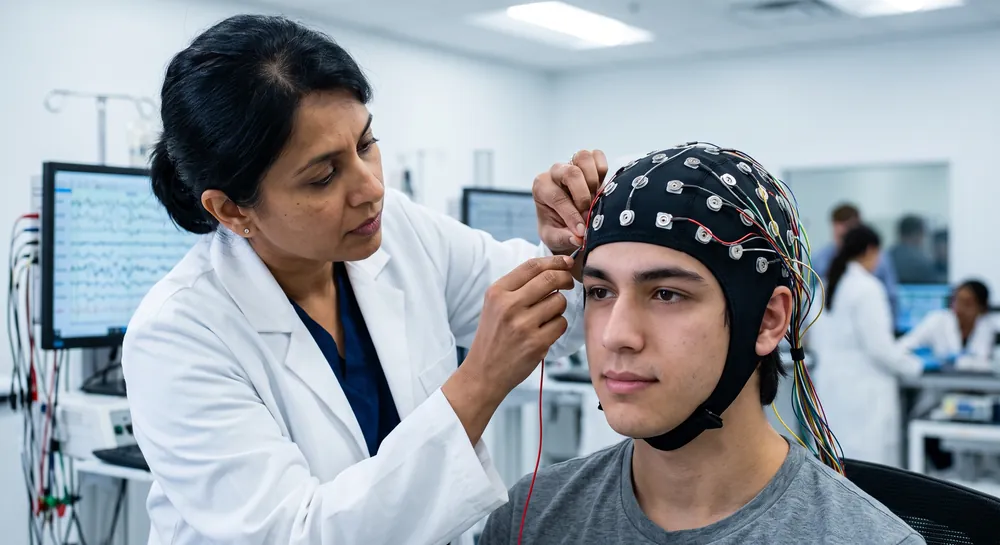
Modern culture frequently frames yoga as a superficial fitness trend. However, its true foundation is a highly sophisticated, multi-millennial discipline engineered to integrate physical architecture, breath regulation, and cognitive clarity.
Far from a standard flexibility workout, research reveals that yoga acts as a direct modulator of the human autonomic nervous system, systematically downregulating stress hormones while optimizing cardiovascular and metabolic baselines.
What is Yoga?
Yoga is a practice that originated in ancient India, combining physical postures, breathing techniques, and meditation. The word "yoga" itself comes from the Sanskrit root "yuj," meaning to "yoke" or "join."
Essentially, it's a discipline aimed at uniting the body, mind, and spirit. While many people today associate yoga primarily with physical exercise, its scope is much broader, encompassing mental and spiritual development.
Historically, yoga has been a part of Hindu, Jain, and Buddhist traditions, with the goal of controlling the body and mind to achieve a state of liberation or enlightenment. Early forms of yoga can be traced back to Vedic texts, but systematic approaches began to emerge around the 5th and 6th centuries BCE. The classical text, the Yoga Sutras of Patanjali, further defined yoga as the "stilling of the movements of the mind," emphasizing concentration and awareness.
Modern yoga, as practiced in many parts of the world, often focuses on the physical postures, or asanas, and breathing exercises, known as pranayama. However, these are just components of a larger system.
The ultimate aim, in many traditional contexts, is to achieve a deeper connection with oneself and the universe, moving beyond the distractions of everyday life.
Benefits of Yoga
Regular yoga practice can contribute to improved physical fitness, including increased muscle strength, endurance, and flexibility.
Many people find that yoga positively impacts their cardiovascular health. Studies suggest it can help lower blood pressure in those with hypertension and improve lipid profiles in both healthy individuals and those with coronary artery disease.
Beyond the physical, yoga cultivates a greater sense of mindfulness. This heightened awareness can carry over into daily life, influencing how one interacts with their environment and even their eating habits.
Research indicates that yoga practitioners tend to be more attuned to their bodies' signals, potentially leading to more mindful eating patterns and a more positive relationship with food. This increased body awareness and self-acceptance are also why yoga is sometimes incorporated into programs aimed at improving body image and self-esteem.
Some of the key benefits observed include:
Improved cardiovascular health markers.
Increased flexibility and muscle strength.
Enhanced mindfulness and body awareness.
Potential aid in managing stress and anxiety.
Support for healthier eating habits.
Yoga for Mental Health
Yoga is recognized for its capacity to reduce mental tension and anxiety. The practice involves physical postures, breathing techniques, and meditation, which together can influence the nervous system and promote a sense of calm.
Regular engagement with yoga has been linked to improvements in various aspects of mental well-being.
Yoga for Stress Relief
Stress is a common experience, and yoga offers a structured approach to managing its effects.
The physical movements in yoga can help release pent-up tension in the muscles, a common physical manifestation of stress. Coupled with focused breathing exercises (pranayama), yoga encourages a shift from a state of heightened alert to one of relaxation.
This combination can lead to a reduction in stress hormones like cortisol.
Yoga for Anxiety Management
Anxiety often involves racing thoughts and a feeling of unease. Yoga's emphasis on present-moment awareness can help people detach from anxious thought patterns. By focusing on the breath and bodily sensations, practitioners learn to observe their thoughts without getting carried away by them.
This practice can be particularly helpful in managing symptoms associated with generalized anxiety disorder, social anxiety, and panic disorder. The calming effect of yoga on the nervous system, combined with the development of self-awareness, contributes to a more stable emotional state.
Yoga Meditation
Meditation is a core component of yoga, often seen as a way to quiet the mind and connect with the self. It's not just about sitting still; it involves various techniques aimed at cultivating focus and awareness.
The practice of meditation within yoga seeks to achieve a state of mental clarity and inner peace.
Yoga Nidra
Yoga Nidra, often translated as "yogic sleep," is a guided meditation technique. It systematically leads the practitioner through different states of consciousness, from wakefulness to deep sleep, while maintaining awareness.
This practice typically involves a body scan, breath awareness, and visualization. It is often used to promote deep relaxation and reduce stress.
Stillness Meditation or Dhyana
This form of meditation focuses on cultivating a steady and unwavering attention. In Dhyana, the practitioner directs their focus onto a single point or object, such as the breath or a mantra.
The goal is to achieve a state of sustained concentration, where the mind becomes calm and settled. This practice is foundational for developing mental discipline and insight.
Pranayama Meditation
Pranayama refers to the control and regulation of breath. In the context of meditation, specific breathing techniques are used to influence the mind and body. These techniques can range from simple deep breathing to more complex patterns.
The intention is to use the breath as an anchor for the mind, promoting calmness and energy balance. Common practices include:
Ujjayi Breath: A gentle, audible breath often described as an ocean sound, used to build internal heat and focus.
Nadi Shodhana (Alternate Nostril Breathing): A technique to balance the breath in the left and right nostrils, believed to harmonize the nervous system.
Bhastrika (Bellows Breath): A rapid, forceful exhalation and inhalation, used to energize the body and clear the mind.
Getting Started with Yoga
Embarking on a yoga journey can seem a bit daunting with all the different styles and poses out there. But really, it's about finding what works for you.
The core idea is to connect your body and mind, and there are two main ways people usually start: through physical postures and through breathing exercises.
Yoga Poses
Yoga postures, known as asanas, are the physical shapes you make with your body. They range from simple seated positions to more complex inversions.
When you're starting, the focus is on learning the basic shapes and how to move into and out of them safely. Many beginners find that starting with foundational poses helps build strength and flexibility.
Here are a few common starting points:
Mountain Pose (Tadasana): Standing tall with feet together, grounding yourself. This pose teaches balance and posture.
Downward-Facing Dog (Adho Mukha Svanasana): An inverted V shape that stretches the hamstrings and shoulders. It's often used as a resting pose.
Child's Pose (Balasana): A resting pose where you kneel and fold forward, resting your forehead on the mat. It's very calming.
Cobra Pose (Bhujangasana): Lying on your stomach and lifting your chest slightly, strengthening the spine.
Yoga Exercises
Beyond just holding poses, yoga also involves movement and breathwork. These can be thought of as exercises that flow from one posture to the next, often coordinated with your breath. This flowing movement is a key part of many yoga styles.
Sun Salutations (Surya Namaskar): A series of poses linked together in a flowing sequence, often done at the beginning of a practice to warm up the body. There are different variations, but they generally involve moving through poses like Mountain Pose, Forward Fold, Plank, and Cobra.
Breath-Controlled Exercises (Pranayama): These are specific techniques to regulate your breathing. Simple practices like deep diaphragmatic breathing can be very beneficial for calming the nervous system. More advanced techniques involve specific patterns of inhalation, exhalation, and retention.
Flowing Sequences (Vinyasa): This refers to linking breath with movement, where each inhale or exhale corresponds to a specific movement between poses. This creates a dynamic and often vigorous practice.
Types of Yoga
Over centuries, yoga has evolved, branching into various styles, each with its own focus and approach. Understanding these different paths can help people find a practice that best suits their needs and interests.
Hatha Yoga
Hatha yoga is often considered the foundation for many modern yoga styles. Its roots trace back to ancient texts, with early references appearing in Buddhist works around the 8th century.
This style emphasizes physical postures (asanas) and breathing techniques (pranayama) to build both physical and mental strength.
Historically, Hatha yoga texts like the Hatha Yoga Pradipika detailed specific postures and breathing exercises. While modern Hatha yoga is often practiced as a gentle form of exercise, its original intent was a more rigorous path toward spiritual development.
It's usually a good starting point for beginners looking to learn basic poses and breathing control.
Vinyasa Yoga
Vinyasa yoga is known for its dynamic and flowing sequences. The word "vinyasa" itself refers to the synchronization of breath with movement.
Classes typically move at a faster pace, linking one pose to the next with inhalations and exhalations. This creates a continuous flow, often building internal heat and promoting a sense of meditative movement.
Sequences can vary greatly between instructors, making each class a unique experience. It's a style that appeals to those who enjoy a more vigorous, dance-like practice.
Yin Yoga
In contrast to the more active styles, Yin yoga focuses on deep stretching and relaxation. This practice involves holding passive poses for extended periods, typically three to five minutes or even longer.
The aim is to work with the deeper connective tissues of the body, such as ligaments and fascia, rather than just the muscles. Yin yoga often targets the hips, pelvis, and spine.
It's a slower, more introspective practice that can complement more active forms of exercise and is known for its ability to increase flexibility and promote a sense of calm.
Somatic Yoga
Somatic yoga emphasizes gentle, mindful movements that focus on the internal experience of the body. Rather than performing complex poses, practitioners are guided through slow, deliberate movements designed to increase body awareness and release habitual patterns of tension.
The goal is to reconnect with the body's natural intelligence and improve movement efficiency. It's a therapeutic approach that can be beneficial for people experiencing chronic pain, stiffness, or limited mobility, helping them to move with greater ease and comfort.
Kundalini Yoga
Kundalini yoga is a more spiritually focused practice that aims to awaken the dormant energy (kundalini) believed to reside at the base of the spine.
This style incorporates a unique blend of postures, dynamic breathing techniques (pranayama), chanting (mantra), meditation, and hand gestures (mudras). The practice is designed to purify the body and mind, balance the energy centers (chakras), and ultimately lead to a state of heightened consciousness and spiritual awareness.
Classes can be quite intense and are often characterized by repetitive movements and powerful breathwork.
Conclusion
Yoga, originating in ancient India, is a multifaceted practice that connects the body, mind, and spirit. While its roots are deeply spiritual, according to neuroscience, modern yoga is widely embraced for its physical and mental health benefits.
From improving flexibility and strength to reducing stress and anxiety, yoga offers a holistic approach to well-being.
References
Singh, V., & Shah, S. R. (2024). Enhancing cardiovascular health: The positive impact of yoga on blood flow and circulation. Indian Journal of Yoga Exercise & Sport Science and Physical Education, 23-34. https://doi.org/10.58914/ijyesspe.2024-9.2.4
ROLE OF YOGA IN PROMOTING BODY AWARENESS AND ITS IMPLICATIONS FOR INTUITIVE EATING. (2023). Journal of Research Administration, 5(2), 1227-1242. https://journlra.org/index.php/jra/article/view/327
Frequently Asked Questions
What exactly is yoga?
Yoga is an old practice from India that helps you connect your body, mind, and spirit. It's like a way to get your body and thoughts working together smoothly.
Is yoga just about stretching?
No, yoga is much more than just stretching. It includes poses, breathing exercises, and meditation, all working together to help you feel better overall.
What are the main benefits of doing yoga?
Yoga can make you stronger and more flexible. It also helps calm your mind, reduce stress, and can even help you sleep better.
Can yoga help with stress?
Yes, yoga is really good at helping people relax and feel less stressed. The breathing and poses help calm down your nervous system.
Are there different kinds of yoga?
There are many types. Hatha yoga is often for beginners and focuses on basic poses. Vinyasa yoga is more flowing, like a dance. Yin yoga holds poses longer to stretch deep tissues.
What is Yoga Nidra?
Yoga Nidra is often called 'yogic sleep.' It's a guided relaxation practice that helps you deeply relax your body and mind, almost like a guided nap.
What is Pranayama?
Pranayama is all about controlling your breath. It involves different breathing techniques that can help you feel more energized or calm.
How often should I practice yoga to see benefits?
Even practicing yoga once or twice a week can make a difference. Consistency is key, so find a schedule that works for you and stick with it.
Can yoga help with anxiety?
Yes, many people find that regular yoga practice helps them manage feelings of anxiety. The focus on breath and present moment awareness can be very calming.
Emotiv is a neurotechnology leader helping advance neuroscience research through accessible EEG and brain data tools.
Medical Disclaimer: The information provided on this website is for educational and informational purposes only and is not intended as medical or health advice. This content may contain errors and should not be relied upon to make life-altering health, medical, or lifestyle choices. Always seek the advice of your physician or other qualified health provider with any questions you may have regarding a medical condition or treatment.
Christian Burgos