Breathwork involves intentional manipulation of breathing patterns to influence physical and mental states. It spans ancient traditions and modern therapeutic applications, helping to manage stress and nervous system activity.
What is Breathwork? A Simple Definition
At its core, breathwork refers to any breathing technique performed with the intentional goal of improving one's mental, physical, or emotional state.
While the concept has gained significant visibility in modern wellness, it is deeply rooted in historical practices like yoga and traditional Eastern medicine. By shifting focus from automatic respiration to deliberate, conscious patterns, the practitioner moves away from the external chaos of daily life.
Many people explore this practice because persistent mental stress often leads to a cycle of shallow, restricted breathing. This habit signals the body to remain in a heightened state of alert, which can exacerbate fatigue or tension. Engaging in purposeful, controlled breaths serves as a fundamental point of mindfulness, allowing the body to return to a baseline of quietude.
There is no single "right" way to perform these exercises, though most methods emphasize deep abdominal engagement and rhythmic consistency. Thus, by slowing down the respiratory rate, the practitioner encourages a shift in the body's primary chemistry.
This simple, reliable act creates a necessary pause, making it an accessible tool for maintaining balance without requiring specialized equipment or external intervention.
Types of Breathwork Techniques
There are numerous ways to approach intentional breathing, each designed to elicit specific physiological or psychological effects. Some instructors focus on slow, resonant patterns that maximize carbon dioxide tolerance, while others might encourage rapid, intense breath patterns to explore emotional depth.
Beginners often start with methods that prioritize simplicity and clarity, ensuring the practice is sustainable and safe for daily home use, as outlined in the yoga guide.
Deep Abdominal Breathing: Focuses on expanding the belly during inhalation to maximize diaphragm engagement.
4-7-8 Technique: A rhythmic pattern of inhaling for four counts, holding for seven, and exhaling for eight.
Alternate Nostril Breathing: A method involving the sequential closing of nostrils to focus and quiet the mental chatter.
These methods are not meant to force the body into submission but rather to invite a state of cooperation between the respiratory center and the nervous system. Whether the goal is to calm down before sleep or increase alertness in the morning, the structure of the breath serves as a dial.
By selecting a technique that matches the desired outcome, a person can gently shift their energy levels throughout the day.
What is Breathwork Therapy?
Therapeutic breathwork utilizes specific breathing protocols under the guidance of trained professionals to address emotional, mental, and physical conditions. Unlike general wellness practices, this approach is often goal-oriented, moving in concert with other therapeutic modalities to improve the quality of life. It provides a structured path for people to confront and process lingering tensions that manifest physically in the body.
Practitioners of this therapy often emphasize the environment, ensuring the setting is secure and supportive for the participant. This safety is critical because intentionally altering one's breathing can occasionally bring deep-seated emotions to the surface, which need to be processed meaningfully. The therapist guides this process, helping the individual manage their reactions throughout each session.
Healthcare providers may use these techniques to treat specific symptoms, including anxiety, muscle tightness, and gastrointestinal distress. It is an internal, non-invasive method that relies on the body’s own capacity for self-regulation. By integrating these sessions into a broader healing plan, many find a more holistic approach to managing pain and emotional volatility.
How Much of the Popular Breathwork Narrative Is Actually Supported?
Breathwork programs are frequently marketed with grand claims that extend into radically lowering cortisol, altering immune function, reversing psychiatric disorders, or unlocking elite cognitive performance.
Historically, critics pointed out a lack of rigorous, direct data to validate these assertions. However, contemporary clinical research and robust meta-analyses are beginning to map exactly where the evidence meets the hype, revealing that breathwork does indeed exert measurable influence across psychological, biochemical, and neurophysiological domains.
When evaluating self-reported psychological outcomes, the data is highly encouraging but grounded. A comprehensive 2023 meta-analysis of randomized controlled trials (RCTs) encompassing 785 adult participants demonstrated that deliberate breathing practices yield a statistically significant, small-to-medium positive effect on mental health:
Subjective Stress Reduction: Associated with a notable decrease in self-reported stress profiles (g \= -0.35).
Anxiety Management: Demonstrated measurable improvements in clinical and situational anxiety (g \= -0.32).
Depressive Symptoms: Yielded its most pronounced therapeutic effect in mitigating depressive symptom scores (g \= -0.40).
While these pooled meta-analytic results clearly support the therapeutic potential of breathwork, researchers urge caution. Because many underlying trials carry a moderate risk of bias, these outcomes should be viewed as strong evidence for stress management, rather than a definitive, standalone psychiatric cure.
Furthermore, popular claims regarding cortisol and immune modulation are no longer completely untested hypotheses. A clinical trial evaluating Conscious Connected Breathing (CCB) in breast cancer patients undergoing radiotherapy provided the first direct, within-subject biochemical look at an active session. By the tenth session, when participants achieved technical proficiency, tracking revealed profound acute physiological and neuroendocrine-immune interactions:
Autonomic and Blood Gas Shifts: The deep, rhythmic nasal hyperventilation induced a state of mild respiratory alkalosis, significantly increasing blood pH while decreasing carbon dioxide (pCO_2) and oxygen (pO_2) tissue delivery parameters.
Hormonal & Immune Adjustments: The session triggered an acute, statistically significant decrease in serum cortisol and Immunoglobulin A (IgA) levels, paired with a significant rise in prolactin (an immunostimulatory hormone).
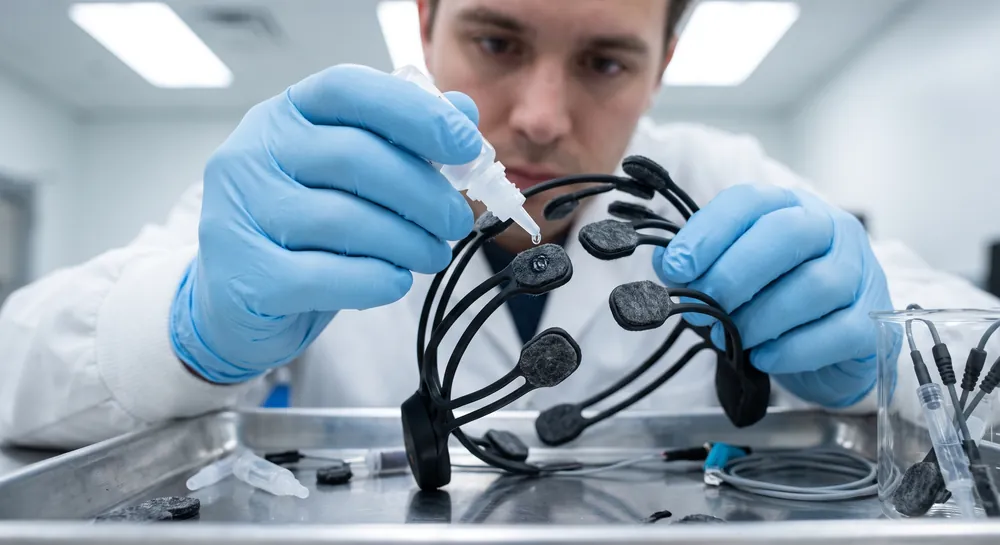
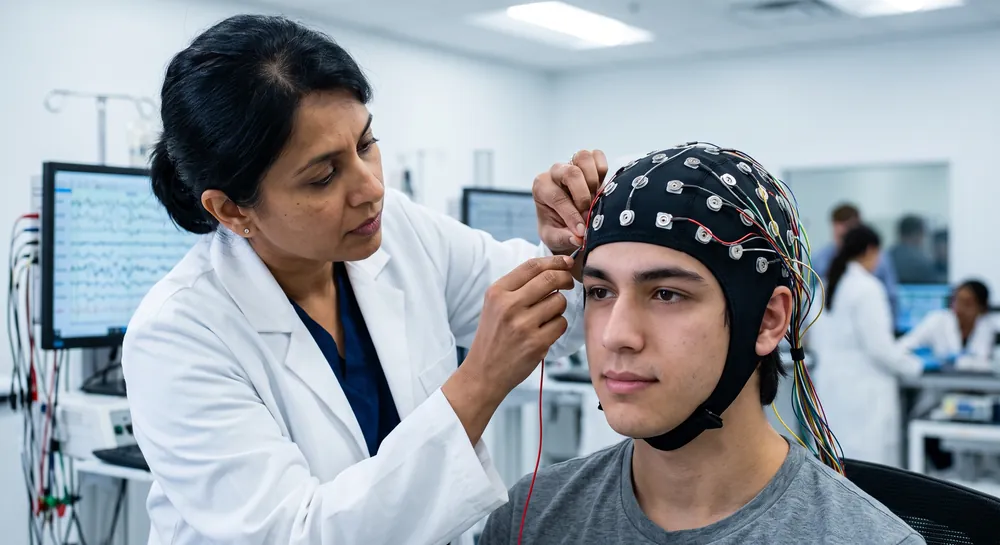
Finally, the narrative surrounding breathwork and cognitive enhancement has found preliminary backing in the corporate and engineering sectors. An applied, data-driven pilot innovation study conducted with professional engineers at Audi AG utilized real-time in-ear EEG measurements to contrast different breathing modalities against an inactive control group.
The study highlighted that targeted protocols can dynamically shift brainwave frequencies to match specific cognitive requirements:
Alpha Breathwork (Coherent Breathing): Maximized alpha-band power (0.693), which directly corresponded to higher-quality divergent thinking, boosting composite creativity scores by 24.6% over controls due to superior idea novelty and feasibility.
Gamma Breathwork (Rapid Nasal Cycles): Amplified high-frequency gamma activity (0.404), which significantly accelerated total creative output and analytical problem-solving, generating a 20.8% increase in total idea volume.
Noteworthy, while this applied engineering data provides fascinating directional insights into workplace innovation, it was conducted as an industrial pilot experiment rather than a peer-reviewed clinical trial.
Taken together, this expanding body of evidence moves breathwork out of the realm of pure speculation, proving it acts as a legitimate physiological modulator, even if long-term, low-bias replication is still required to fully cement its clinical boundaries.
What Does This Body of Evidence Add Up To?
The brainstem's respiratory network is directly wired into the brain's autonomic control centers. Afferent signals arriving from peripheral baroreceptors and chemoreceptors continuously shape the balance between sympathetic "fight-or-flight" and parasympathetic "rest-and-digest" pathways. This coupling is the anatomical foundation through which breath control alters global physiology.
When synthesized, the latest data shifts our understanding of breathwork from a simple, isolated relaxation exercise into a multi-tiered, systemic intervention:
Domain | Specific Effects of Controlled Breathwork |
|---|---|
Autonomic | Increases baroreflex sensitivity and enhances vagal tone |
Psychological | Small-to-medium reductions in subjective stress, anxiety, and depressive symptoms |
Neuroendocrine | Acute reductions in serum cortisol paired with significant increases in prolactin |
Neurophysiological | Specific alpha and gamma EEG frequency tuning optimized for cognitive flexibility and innovation |
This structural architecture gives a highly plausible, cross-disciplinary account for why controlled breathing practices yield such widespread benefits. Slow, coherent protocols (near six breaths per minute) optimize baroreflex sensitivity and expand vagal tone, creating a state of relaxed alertness that can be measured via alpha-band synchrony on an EEG.
Simultaneously, faster, more intense circular breathing techniques purposefully stress the system, inducing safe, transient respiratory alkalosis and neuroendocrine shifts that acutely lower cortisol while mobilizing immune-supportive hormones like prolactin.
Ultimately, the evidence proves that breathwork can be an effective, data-backed mechanism for immediate self-regulation, cognitive tuning, and stress mitigation. It does not yet establish these brief, acute biochemical or electrophysiological shifts as permanent, structural cures for chronic disease or severe psychiatric illness. However, by validating everything from real-time brainwave modulation in corporate settings to neuroendocrine-immune adjustments in oncology wards, neuroscience confirms that changing how you breathe fundamentally alters how your brain and body function.
Conclusion
Breathwork serves as a bridge between conscious intention and the involuntary rhythm of life, offering a practical way to manage the nervous system's response to environmental stress. By embracing these techniques, people unlock a simple, natural mechanism that supports mental well-being and physical balance.
Whether through quick daily exercises or structured therapeutic sessions, the persistent application of conscious breathing remains a powerful, evidence-based approach to fostering resilience.
References
Fincham, G. W., Strauss, C., Montero-Marin, J., & Cavanagh, K. (2023). Effect of breathwork on stress and mental health: A meta-analysis of randomised-controlled trials. Scientific reports, 13(1), 432. https://doi.org/10.1038/s41598-022-27247-y
Heyda, A., Gdowicz-Kłosok, A., Bugowska, M., Krzempek, M., Dębiec, K., Mrochem-Kwarciak, J., & Składowski, K. (2025). Take a Breather—Physiological Correlates of a Conscious Connected Breathing Session in a Trained Group of Breast Cancer Patients. Cancers, 17(22), 3690. https://doi.org/10.3390/cancers17223690
Patel, P., Ahmed, R., van Woerkum, P., Laechelin, P., & Hainzlmaier, A. (2026). The Neural Impact of Breathwork on Innovation and Creativity in Engineers A Pilot Study. Available at SSRN 6156426. https://dx.doi.org/10.2139/ssrn.6156426
Frequently Asked Questions
How long does a typical breathwork session last?
Sessions vary significantly depending on the goal, but they often range from five to twenty minutes. Consistency is more important than the length of time spent in each individual practice.
Can breathwork replace traditional medicine?
It is viewed as a complementary practice that supports overall health rather than a replacement for professional medical diagnosis or treatment. It functions effectively alongside conventional strategies to improve systemic well-being.
Does breathwork require special equipment?
One of the primary benefits of this practice is its accessibility, as it requires no equipment beyond the ability to breathe intentionally. Comfortable clothing and a quiet space are the only prerequisites for most standard techniques.
Does a person's mental state change the physical effect of slow breathing?
Mental state is a critical factor, as performing an identical slow-breathing pattern in a relaxed versus an effortful, attention-demanding way produces different physiological outcomes. A relaxed state leads to measurable decreases in sympathetic arousal and increased pain tolerance, while an attentive state producing the same respiratory rate does not trigger those same shifts.
Emotiv is a neurotechnology leader helping advance neuroscience research through accessible EEG and brain data tools.
Medical Disclaimer: The information provided on this website is for educational and informational purposes only and is not intended as medical or health advice. This content may contain errors and should not be relied upon to make life-altering health, medical, or lifestyle choices. Always seek the advice of your physician or other qualified health provider with any questions you may have regarding a medical condition or treatment.
Christian Burgos