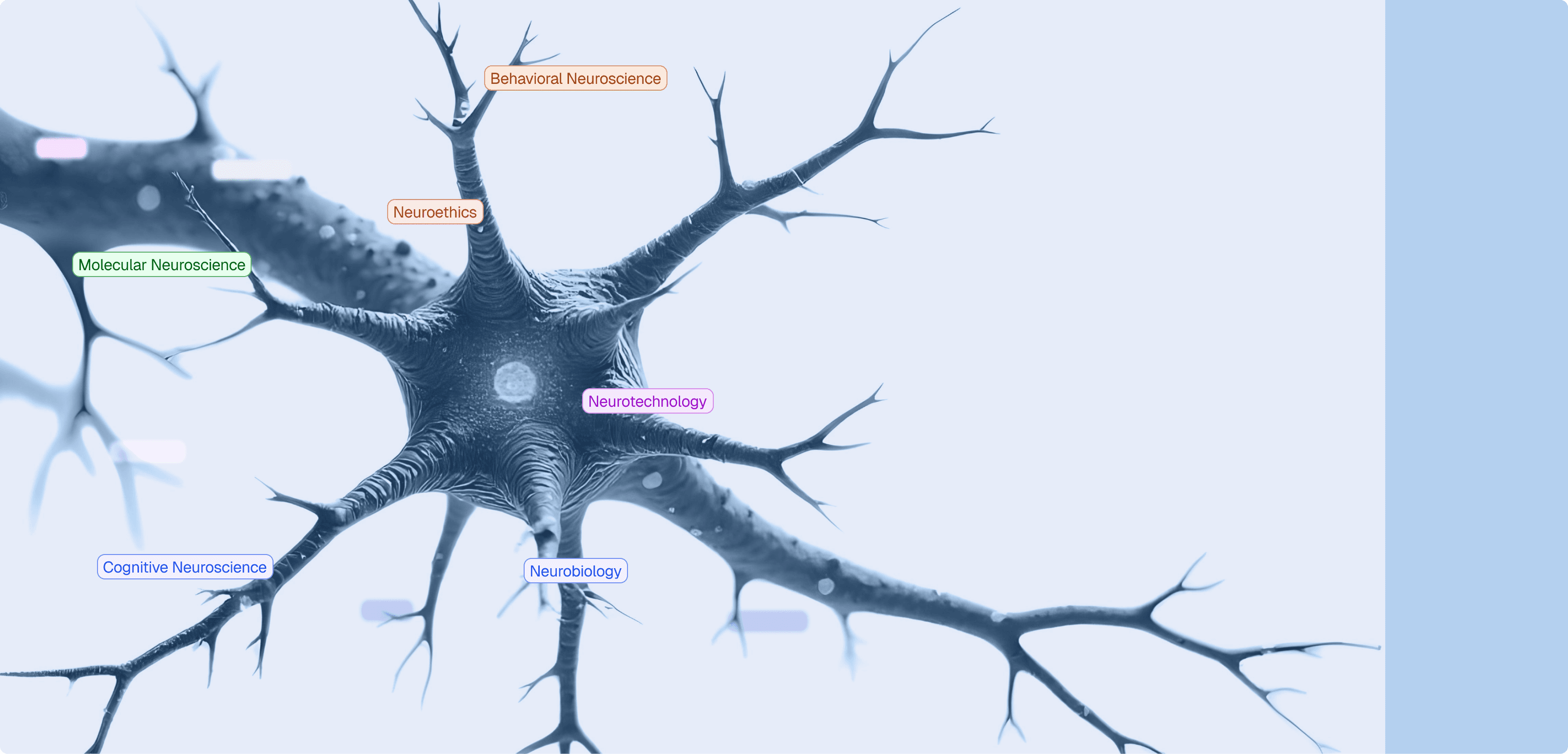



Neuroscience is the study of the nervous system, which includes the brain, spinal cord, and all the nerves in your body. It's a big field that tries to figure out how everything works, from how you think and feel to how your body moves. Scientists in this area look at everything from tiny cells to how we act and interact with the world. It’s all about understanding the complex wiring that makes us who we are.
Key Takeaways
Neuroscience is the scientific exploration of the nervous system, focusing on the brain's structure, function, and impact on behavior.
The field is vast, encompassing many specialized areas like cognitive, computational, clinical, molecular, and systems neuroscience.
Understanding the brain involves various methods, from studying individual cells to observing overall brain activity.
New technologies, like brain-computer interfaces, are emerging from neuroscience research.
Maintaining brain health involves understanding and addressing disorders, as well as promoting mental wellbeing.
Biomarkers play a role in assessing brain health and identifying potential issues early on.
Research also looks into how lifestyle choices, such as nutrition and sleep, affect brain function and aging.
Cognitive reserve and brain training are explored as ways to support healthy brain aging.
What is Neuroscience
Neuroscience is the scientific exploration of the nervous system, which includes the brain, spinal cord, and all the nerves that connect them. It's a field that tries to figure out how this complex system works, from the tiniest cells to how we think and act. Scientists in this area look at everything from the basic building blocks of the nervous system to how it develops, functions, and what happens when things go wrong.
Think of it as a massive puzzle with many pieces. Neuroscientists come from all sorts of backgrounds – biology, psychology, chemistry, engineering, and even philosophy – all working together to understand the brain.
They study how nerve cells, called neurons, communicate with each other, how memories are formed, why we feel emotions, and what causes neurological and mental health conditions. It's a field that's constantly growing as we develop new ways to observe and interact with the brain.
The ultimate goal is to understand the biological basis of behavior, thought, and consciousness, and to find better ways to treat disorders that affect the nervous system. Understanding the scope of practice is important for those involved in neuroscience research and clinical trials.
Neuroscience is also deeply concerned with what happens when the nervous system is affected by disorders. This includes a wide range of conditions, from developmental issues present from birth to neurodegenerative diseases that appear later in life. Researchers aim to uncover the underlying mechanisms of these conditions to develop more effective diagnostic tools and treatments.
History of Neuroscience
Neuroscience did not start as a modern lab science. Some of the earliest records come from ancient Egypt, where medical texts described symptoms after head injuries.
At the same time, many early cultures treated the brain as less important than the heart, which was often seen as the seat of thought and feeling. That view shaped medicine for centuries, even as people noticed that brain injuries could change movement, speech, and behavior.
A major shift came in the ancient Greek and Roman worlds. Hippocrates argued that the brain played a central role in sensation and intelligence, and later physicians such as Galen linked brain damage to losses in mental function based on clinical observation. Over time, the brain began to look less like passive tissue and more like the control center of the nervous system.
From the medieval period onward, medical scholarship continued to grow across regions, and Renaissance era anatomy pushed the study of the nervous system forward through dissection and clearer descriptions of brain structure. As scientific tools improved, the nervous system became something researchers could test directly rather than only theorize about.
In the 1800s and early 1900s, discoveries about electrical signaling in nerves and early recordings of brain activity laid groundwork for modern methods. New staining techniques made it possible to visualize individual neurons, supporting the idea that neurons are the basic working units of the brain. At the same time, studies of brain injury and early mapping efforts strengthened the view that specific regions contribute to specific functions.
By the 20th century, neuroscience became a distinct discipline that combined biology, medicine, psychology, and computing. Researchers developed models of nerve impulses and synapses, clinicians refined functional mapping in patients, and brain imaging accelerated human research.
Today, neuroscience continues to expand, linking fundamental biology to brain health and neurotechnology, including practical tools that measure brain activity and support real-world applications.
Branches of Neuroscience
Neuroscience is a vast field, and researchers often specialize in specific areas to tackle complex questions about the brain and nervous system. These specializations, or branches, allow for focused study at different scales and using various approaches.
Cognitive and Behavioral Neuroscience
This area looks at how the brain supports mental processes like thinking, memory, and decision-making, and how these relate to observable actions. Researchers in cognitive neuroscience often use techniques like brain imaging to see which parts of the brain are active during specific tasks.
They might study how we form and retrieve memories, for instance, which is key to understanding how past experiences guide our actions. Behavioral neuroscience, closely related, focuses more directly on the biological underpinnings of behavior, examining how genetics, hormones, and brain structures influence what we do.
Computational Neuroscience
Computational neuroscience uses mathematical models and computer simulations to understand how the brain processes information. Think of it as trying to build a computer model of a brain circuit or a cognitive function.
This approach helps researchers test theories about brain function that might be difficult to examine directly through experiments. It draws on fields like physics, mathematics, and computer science to create these models.
Clinical and Translational Neuroscience
This branch bridges the gap between basic research and patient care. Clinical neuroscience focuses on understanding neurological disorders and diseases, while translational neuroscience aims to convert laboratory findings into practical applications for diagnosis, treatment, and prevention.
For example, research into brain-computer interfaces falls under this umbrella, with the goal of developing technologies that can help restore function after injury or illness. The connection between the gut microbiome and brain health is another area of active translational research, exploring how imbalances in nasal microbes might affect central nervous system conditions.
Molecular and Cellular Neuroscience
At the smallest scale, molecular and cellular neuroscience examines the building blocks of the nervous system. Molecular neuroscience investigates the roles of individual molecules, such as neurotransmitters and receptors, in brain function. Cellular neuroscience delves into the structure and properties of individual neurons and glial cells.
Understanding these basic components is vital for comprehending how the entire system operates and what goes wrong in disease.
Neural Circuits and Systems
This area focuses on how groups of neurons, or neural circuits, work together to perform specific functions. Researchers study how these circuits are organized and how they communicate to process information, control movement, or generate sensory experiences.
Studying neural circuits and systems often involves looking at the brain from a broader perspective than cellular neuroscience, examining how different brain regions interact. Population neuroscience, for example, examines the brain across the lifespan, integrating various contexts and tools to understand how it changes and functions in groups.
Measuring the Brain and Nervous System
Researching the brain and nervous system involves a variety of methods to observe and measure its structure and function. These techniques range from looking at the smallest cellular components to observing the entire organ in action. The development of sophisticated tools has been key to the rapid progress in neuroscience.
Scientists use several approaches to study the nervous system. At the cellular level, techniques like electrophysiology and advanced microscopy allow for detailed examination of individual neurons and their connections, known as synapses.
These methods help in classifying different types of brain cells and understanding how they communicate. For instance, patch-sequencing combines electrophysiological recording, single-cell genetic sequencing, and microscopy to gather extensive data on cell types, revealing similarities and differences between species, such as between human and mouse brains.
To study the nervous system on a larger scale, neuroimaging techniques are widely employed. Methods such as functional Magnetic Resonance Imaging (fMRI), Positron Emission Tomography (PET), and Electroencephalography (EEG) provide insights into brain activity and structure.
These tools are invaluable for observing how different brain regions work together during various tasks, and they can also help identify abnormalities associated with neurological or psychiatric conditions. Brain imaging can offer objective biological data that aids in diagnosis and tracking patient progress.
Researchers are also developing ways to map the intricate network of connections within the brain, often referred to as the connectome. Recent technological advancements are making it possible to map these synaptic connections in larger neural circuits and even entire brains. This detailed mapping is crucial for understanding how information flows through the brain and what happens when these pathways are disrupted.
The ability to see detailed images of the brain also helps researchers determine how damage, for example, from conditions like multiple sclerosis or dementia, affects motor skills and cognitive functions. The study of these neural connections is a major aim of current neuroscience research, seeking to understand how this wiring functions and what occurs when it is damaged.
Key methods for measuring the brain and nervous system include:
Microscopy: High-resolution imaging to visualize cellular structures and connections.
Electrophysiology: Recording electrical activity from neurons and neural networks.
Neuroimaging: Techniques like fMRI, PET, and EEG to observe brain structure and function in vivo.
Genetic Sequencing: Analyzing the genetic makeup of brain cells to understand their function and development.
Connectomics: Mapping the complete set of neural connections within a nervous system.
Neurotechnology and Brain-Computer Interfaces
Neurotechnology is a field that's really changing how we think about the brain. It's all about creating tools and systems that can interact with the nervous system. Think of it as building a bridge between our thoughts and the outside world, or even between different parts of our brain.
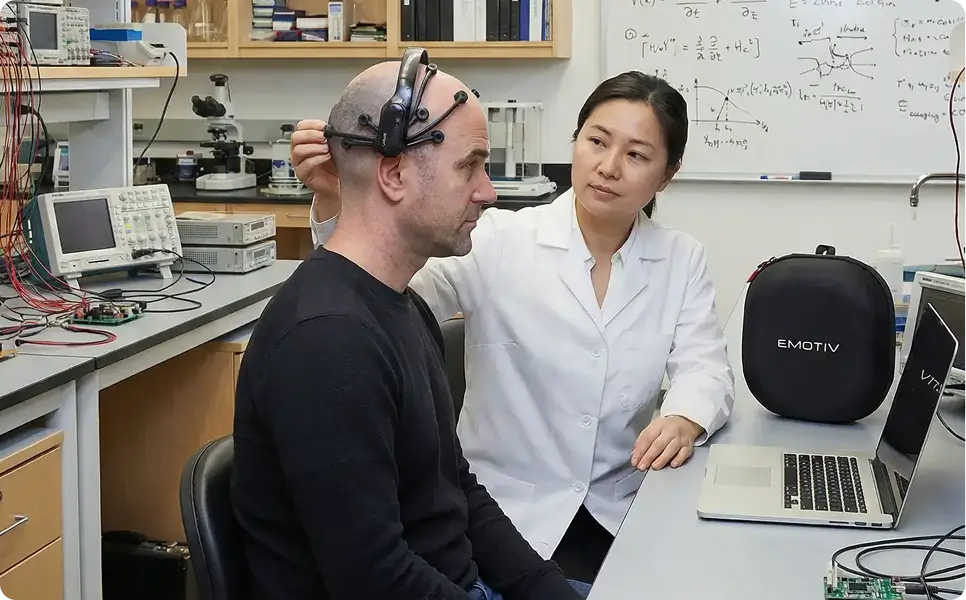
One of the most exciting areas is Brain-Computer Interfaces, or BCIs. These systems allow direct communication pathways between the brain and an external device. BCIs can translate brain signals into commands for computers, prosthetics, or communication devices. This has huge potential for people with severe motor disabilities, offering them new ways to interact with their environment.
For instance, a person who cannot move their limbs might be able to control a wheelchair or type messages using only their thoughts. The technology works by detecting specific patterns in brain activity, often through sensors placed on the scalp (non-invasive) or sometimes implanted directly into the brain (invasive). These patterns are then processed by algorithms to generate a command.
Research is ongoing to improve the accuracy and speed of these systems, making them more practical for everyday use. Studies are exploring how to identify electrical neuro-markers for various states, which could lead to more refined BCI applications.
Beyond BCIs, neurotechnology also includes tools for measuring and influencing brain activity. Techniques like EEG, fMRI, and transcranial magnetic stimulation (TMS) are vital for research and increasingly for clinical applications. These technologies help us understand brain function in real-time and can be used in therapies aimed at retraining brain activity.
For example, neurofeedback, a type of neurotherapy, uses real-time displays of brain activity to teach self-regulation of brain function. This approach focuses on creating tools designed to target brain networks crucial for decision-making. The field is rapidly evolving, with ongoing work to develop more sophisticated and accessible neurotechnologies that can help us better understand and support brain health.
Brain Health and Brain-Related Conditions
Maintaining brain health is a significant area of focus within neuroscience. This involves looking at how the brain develops, how it functions normally, and what happens when things go wrong. It also includes exploring ways to support brain function throughout life and address conditions that affect the nervous system.
Brain Disorders and Neurodevelopmental Conditions
Brain disorders encompass a wide range of conditions that affect the brain's structure, function, or electrical activity. These can include neurodevelopmental conditions, which arise during early development and can impact cognitive, emotional, and motor skills. Examples include conditions like autism spectrum disorder and attention-deficit/hyperactivity disorder (ADHD), which are characterized by differences in brain development and connectivity.
Other brain disorders can be acquired later in life due to injury, infection, or degenerative processes. These might involve conditions such as stroke, epilepsy, or neurodegenerative diseases like Alzheimer's or Parkinson's disease. Diagnosis often involves a combination of clinical evaluation, neurological examinations, and imaging techniques like MRI or CT scans.
Treatment approaches vary widely depending on the specific disorder and can include medications, therapies, and lifestyle adjustments aimed at managing symptoms and improving quality of life.
Mindfulness and Mental Wellbeing Practices
Practices like mindfulness and meditation are increasingly being studied for their potential impact on brain health and mental well-being. Mindfulness involves paying attention to the present moment without judgment. Research suggests that regular practice can lead to changes in brain structure and function, particularly in areas related to attention, emotional regulation, and self-awareness.
These practices are explored as complementary approaches to support mental health, potentially helping to manage stress, anxiety, and improve overall cognitive function. While not a replacement for medical treatment, incorporating these practices may contribute to a more resilient and balanced mental state.
Biomarkers and Brain Health Measurement
Biomarkers are measurable indicators of a biological state or condition. In the context of brain health, biomarkers can help in the early detection, diagnosis, and monitoring of neurological and psychiatric conditions. These can include specific molecules found in blood or cerebrospinal fluid, patterns in brain imaging (like MRI or PET scans), or electrophysiological signals (like EEG).
For example, certain protein levels might indicate the presence or progression of neurodegenerative diseases. The development and validation of reliable biomarkers are key to advancing personalized medicine in neurology and psychiatry, allowing for more targeted interventions and a better understanding of disease processes.
Brain Supplements and Evidence-Based Considerations
The market for brain supplements, often marketed to boost memory, focus, or overall cognitive function, is extensive. These supplements can include vitamins, minerals, herbs, and other compounds. While some nutrients are indeed vital for brain function (e.g., omega-3 fatty acids, B vitamins), the evidence supporting the efficacy of many specific supplements for cognitive enhancement in healthy individuals is often limited or inconclusive.
It is important to approach claims about brain supplements with a critical, evidence-based perspective. Consulting with healthcare professionals is recommended to understand individual nutritional needs and to discuss the potential benefits and risks of any supplement, especially when considering them for specific health concerns or as a replacement for established medical treatments.
Longevity and Healthy Brain Aging
As we get older, keeping our brains sharp and healthy becomes a bigger focus. It's not just about living longer, but living better, with our minds working well. This involves a mix of lifestyle choices and understanding how the brain changes over time.
Nutrition for Brain Longevity
What we eat plays a big role in how our brain ages. Certain foods are thought to support brain health.
Think about diets rich in fruits, vegetables, whole grains, and healthy fats, like those found in fish and nuts. These foods often contain antioxidants and omega-3 fatty acids, which are believed to protect brain cells.
Research is ongoing into how specific nutrients might impact brain function and potentially slow down age-related cognitive decline.
Sleep Hygiene and Cognitive Function
Getting enough quality sleep is really important for the brain. During sleep, the brain does a lot of work, like consolidating memories and clearing out waste products.
Poor sleep can affect concentration, memory, and overall mood. Therefore, establishing good sleep habits, like sticking to a regular sleep schedule and creating a relaxing bedtime routine, can help improve sleep quality. This, in turn, supports better cognitive function as we age.
Exercise and Neuroplasticity
Exercise supports brain health by strengthening the brain’s ability to adapt, a process known as neuroplasticity. Physical activity increases blood flow to the brain and supports chemical systems involved in mood, attention, and learning, which can make cognition feel sharper over time.
It also tends to support sleep quality and stress regulation, which are both closely tied to how well the brain functions as we age.
Brain Training and Cognitive Reserve
Keeping the brain active is another key aspect of healthy aging. This can involve learning new things, engaging in mentally challenging activities, or even playing strategy games. The idea is to build what's called 'cognitive reserve' – essentially, the brain's ability to cope with damage or decline.
Research also suggests that motivational differences can play a part in how people perform on cognitive tasks as they age, with some older adults increasing effort to keep up. Studying how neurophysiological traits change across a lifespan is also an active area of research.
Studying and Working in Neuroscience
Neuroscience is one of those fields where your path depends a lot on how far you want to go in training and what kind of work you want to do day to day.
At the undergraduate level, many people start in hands-on roles that build practical research or healthcare experience, like lab work, clinical support, biotech operations, or science writing and communication. Some also move into adjacent areas such as policy, advocacy, or nonprofit work, especially if they are interested in how brain science connects to education, public health, or access to care.
With a master’s degree, the options often widen into more specialized, applied tracks. Some people use this level to move toward health professions or patient facing roles, while others focus on research management, public health, data heavy work, or technical specialties such as neuroimaging. It can also be a stepping stone for people aiming for clinical programs or a doctorate.
If your goal is to lead research, run a lab, teach at a university, or become a highly specialized clinician, that usually requires an advanced degree. A PhD is the standard route for independent research and academic careers, while clinical doctorates and medical degrees are common for careers that diagnose and treat brain related conditions.
In practice, many neuroscience teams are mixed, with research scientists, clinicians, engineers, and analysts working together, so there are multiple ways to contribute depending on your strengths. Therefore, a useful way to think about it is to match the level of training to the kind of impact you want. If you like structured support roles and getting experience quickly, bachelor’s level paths can be a strong start.
If you want a more specialized applied role, a master’s can help you pivot into clinical, technical, or public health directions. If you want to generate new knowledge, lead studies, or teach, advanced training is usually the clearest route.
Where Neuroscience Is Headed and Why It Matters
So, that's a quick look at neuroscience. It's a huge field, really, and it's always changing. We've talked about how it looks at the brain and the whole nervous system, from the tiny cells to how we think and act. It pulls in ideas from all sorts of other areas, like biology, psychology, and even computer science.
As we learn more with new tools, we're getting a better picture of how everything works, and also what goes wrong when there are problems. It’s pretty amazing stuff, and there’s still so much more to figure out.
References
Brandt, T., Dieterich, M., & Huppert, D. (2024). Human senses and sensors from Aristotle to the present. Frontiers in Neurology, 15, 1404720. https://doi.org/10.3389/fneur.2024.1404720
Elsevier. (n.d.). Molecular neuroscience. ScienceDirect Topics. Retrieved February 5, 2026, from https://www.sciencedirect.com/topics/neuroscience/molecular-neuroscience
Purves, D., Augustine, G. J., Fitzpatrick, D., Katz, L. C., LaMantia, A.-S., McNamara, J. O., & Williams, S. M. (Eds.). (2001). Neuroscience (2nd ed.). Sinauer Associates. https://www.ncbi.nlm.nih.gov/books/NBK11154/
Lipovsek, M., Bardy, C., Cadwell, C. R., Hadley, K., Kobak, D., & Tripathy, S. J. (2021). Patch-seq: Past, present, and future. Journal of Neuroscience, 41(5), 937-946. https://doi.org/10.1523/JNEUROSCI.1653-20.2020
Sporns, O., Tononi, G., & Kötter, R. (2005). The human connectome: a structural description of the human brain. PLoS computational biology, 1(4), e42. https://doi.org/10.1371/journal.pcbi.0010042
Calderone, A., Latella, D., Impellizzeri, F., de Pasquale, P., Famà, F., Quartarone, A., & Calabrò, R. S. (2024). Neurobiological changes induced by mindfulness and meditation: A systematic review. Biomedicines, 12(11), 2613. https://doi.org/10.3390/biomedicines12112613
Frequently Asked Questions
What exactly is neuroscience?
Neuroscience is the study of the brain and the entire nervous system. It's like being a detective for your brain, figuring out how it works, how it helps us think, feel, and move, and what happens when things go wrong.
Is neuroscience just about the brain?
While the brain is a major focus, neuroscience also includes the spinal cord and all the nerves that connect throughout your body. It's the whole communication network of your body.
What do neuroscientists do?
Neuroscientists try to understand how the nervous system is built, how it functions normally, and what causes problems like brain diseases or learning difficulties. They use many different scientific tools to explore these questions.
What are some different areas within neuroscience?
Neuroscience is a big field with many parts! Some focus on how our thoughts and feelings work (cognitive and behavioral), others on how drugs affect the brain (molecular and cellular), and some even use computers to understand brain processes (computational).
How do scientists study the brain?
Scientists use many cool methods! They might look at brain scans like MRIs, record brain activity with electrodes, or even study tiny parts of the brain under a microscope. It's all about finding ways to see what the brain is doing.
What are brain-computer interfaces?
These are like special tools that let a person's brain talk directly to a computer or machine. They can help people who have trouble moving by letting them control devices with their thoughts.
How does neuroscience relate to mental health?
Understanding the brain helps us understand mental health conditions. Neuroscience research can lead to better ways to treat issues like anxiety, depression, and other brain-related disorders.
What is the difference between neuroscience and psychology?
Psychology mostly studies behavior and the mind. Neuroscience looks at the biological side – the brain and nerves – that make behavior and thinking happen. They often work together.
Can neuroscience help us age better?
Neuroscience explores how our brains change as we get older and what we can do to keep them healthy. This includes things like eating well, sleeping enough, and keeping our minds active.
What is 'cognitive reserve' in neuroscience?
Cognitive reserve is like a backup system for your brain. It's built up by learning new things and challenging your brain, which can help it work better even if some parts are a bit worn down by age or disease.
Are brain supplements helpful for brain health?
Some supplements are marketed for brain health, but it's important to be careful. While certain nutrients are vital, many claims aren't backed by strong scientific proof. It's best to get nutrients from a balanced diet and talk to a doctor.
How does sleep affect our brain?
While you sleep, your brain cleans itself, sorts information, and prepares for the next day. Not getting enough sleep can really mess with your thinking and mood.
Emotiv is a neurotechnology leader helping advance neuroscience research through accessible EEG and brain data tools.