

Taking care of your brain is important at every age. Your brain controls everything you do, from thinking and remembering to moving and feeling.

Overview
Brain health refers to how well your brain functions in different areas like thinking, learning, and remembering, allowing you to live your life to the fullest.
Brain health can be evaluated through clinical assessments, behavioral tests, and neuroimaging techniques.
Various brain disorders exist, including neurodegenerative diseases, mental health conditions, developmental issues, and injuries like TBI.
Understanding the risk factors for mental health disorders is important for prevention and early intervention.
Recognizing common signs of poor brain health, such as memory problems or changes in mood, can prompt seeking help.
What Is a Healthy Brain?
A healthy brain is one that functions well across different areas, allowing an individual to reach their full potential throughout life. This state of well-being isn't just about the absence of illness; it involves the intricate coordination of cognitive, sensory, social-emotional, behavioral, and motor functions.
Think of it as a complex system where billions of nerve cells, or neurons, communicate effectively to manage everything from your thoughts and emotions to your movements. When these neurons aren't working right, it can affect how smoothly you move, how you feel sensations, and even how quickly you think. Unlike some other cells in the body, damaged or lost neurons aren't typically replaced, making their protection and care particularly important.
Factors influencing brain health are broad and encompass physical health, environmental conditions, safety, continuous learning, social connections, and access to appropriate care. Addressing these elements can help the brain adapt and respond to challenges. Maintaining brain health is a lifelong process, and taking steps to support it can lead to better overall well-being and cognitive function.
For instance, engaging in regular physical activity, like brisk walking for at least 150 minutes a week, is linked to sharper minds and may even reduce the risk of conditions like Alzheimer's disease. Protecting your head from injury is also a key component.
Furthermore, keeping your blood vessels healthy by monitoring blood pressure, blood sugar, and cholesterol is critical, as arterial health directly impacts the brain. Staying mentally active through activities like reading or puzzles, and remaining socially involved to ward off stress and depression, also play significant roles in preserving cognitive abilities.
Understanding these interconnected factors helps in developing strategies for both promoting brain health and preventing issues that can arise from disruptions in brain growth or function, including various genetic brain disorders.
How Is Brain Health Measured or Assessed?
Assessing brain health involves a look at how well the brain functions across different areas, including thinking, learning, remembering, and emotional well-being. It's about the overall capacity of the brain to perform its tasks throughout a person's life. This evaluation can involve several methods, from talking with a healthcare provider to more specialized tests.
Clinical and Behavioral Assessments
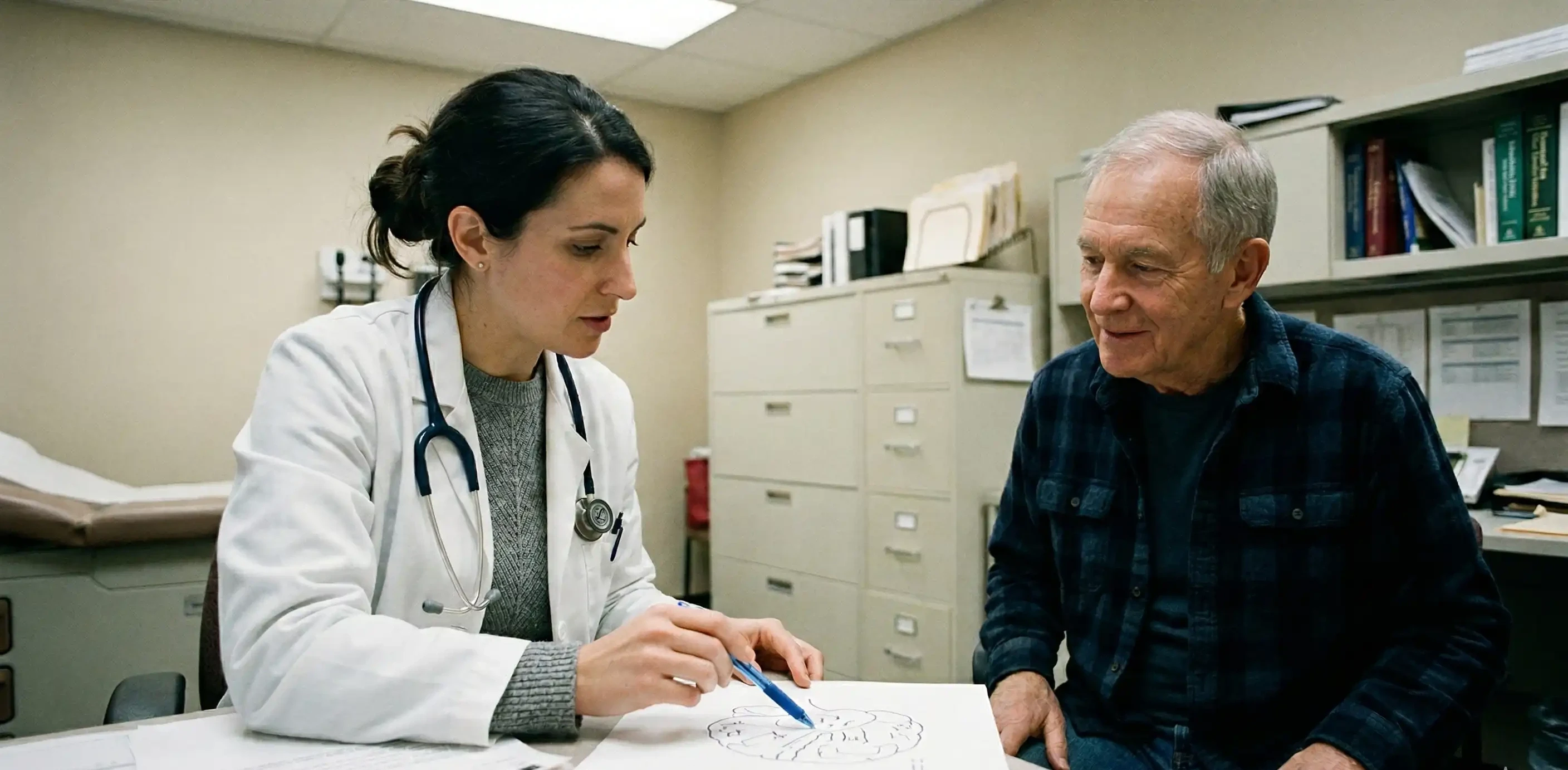
These are often the first steps in understanding brain health. A healthcare professional will typically talk with you about your medical history, lifestyle, and any concerns you might have about your memory, mood, or thinking abilities. They might ask about changes you've noticed in your daily life, such as difficulty with tasks you used to find easy, or shifts in your personality or behavior. This conversation helps paint a picture of your current cognitive and emotional state.
Following this discussion, various tests might be used:
Cognitive Screening Tests: These are brief tests designed to check memory, attention, language, and problem-solving skills. Examples include the Mini-Mental State Examination (MMSE) or the Montreal Cognitive Assessment (MoCA). They provide a quick snapshot of cognitive function.
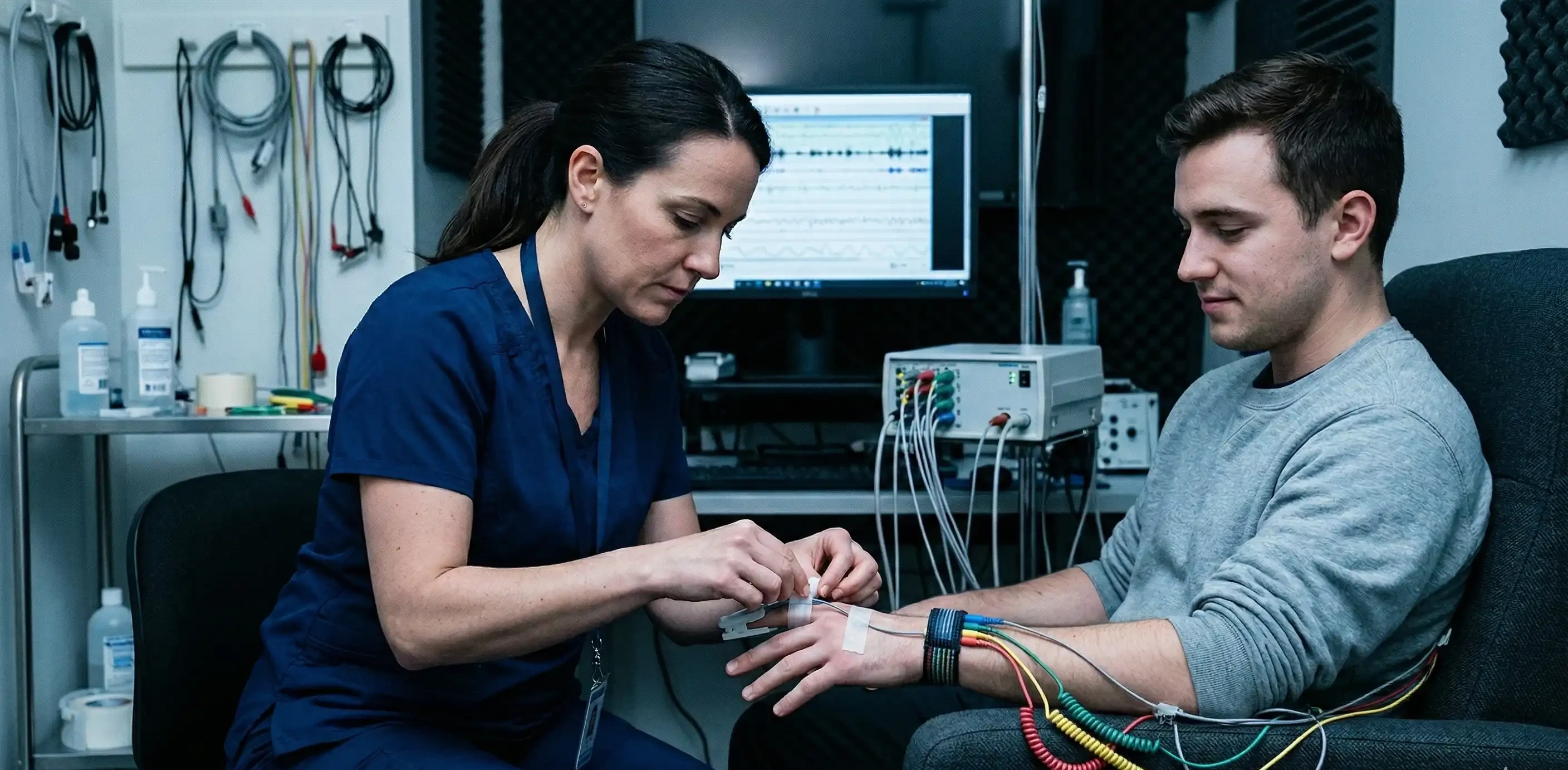
Neurological Examination: This involves checking reflexes, coordination, balance, and sensory function. It helps identify any physical signs that might indicate a neurological issue.
Behavioral and Psychological Assessments: These can include questionnaires or interviews to evaluate mood, anxiety levels, and overall mental well-being. They are important because mental health is closely linked to brain health.
The results from these assessments help determine if further investigation is needed. They are foundational in identifying potential areas of concern and guiding subsequent diagnostic steps.
Structural and Functional Neuroimaging
Neuroimaging refers to a group of techniques that allow clinicians and researchers to examine the brain’s structure and function. Some methods focus on anatomy, looking for changes such as atrophy, lesions, bleeding, or tumours.
Others focus on activity, showing biomarkers and patterns related to blood flow, metabolism, or neurochemistry. Neuroimaging is not used as a universal screening tool, but it can be important when symptoms or clinical findings suggest a neurological condition.
Structural imaging produces detailed pictures of the brain’s anatomy. Common examples include:
Computed Tomography (CT): Uses X-rays to create cross-sectional images. It is often used in urgent settings to assess concerns such as intracranial bleeding, stroke, or head injury.
Magnetic Resonance Imaging (MRI): Uses strong magnets and radio waves to generate high-resolution images of brain tissue. It can help identify more subtle structural changes, including patterns associated with neurodegenerative disease, inflammation, or demyelination.
Functional imaging focuses on how the brain works rather than what it looks like. Common examples include:
Functional MRI (fMRI): Estimates brain activity by measuring changes in blood oxygenation, which can increase when a brain region is more active. It is often used to study cognition, attention, and memory, and may be used clinically in specific contexts.
Positron Emission Tomography (PET): Uses a tracer to examine metabolic activity and, in some cases, the presence of specific biological markers. It can support evaluation in certain neurological disorders when clinically appropriate.
Neuroimaging results are meaningful when interpreted alongside clinical history, behavioral assessments, and other tests. The choice of method depends on the question being asked, the person’s symptoms, and clinical judgement.
Electroencephalography (EEG)
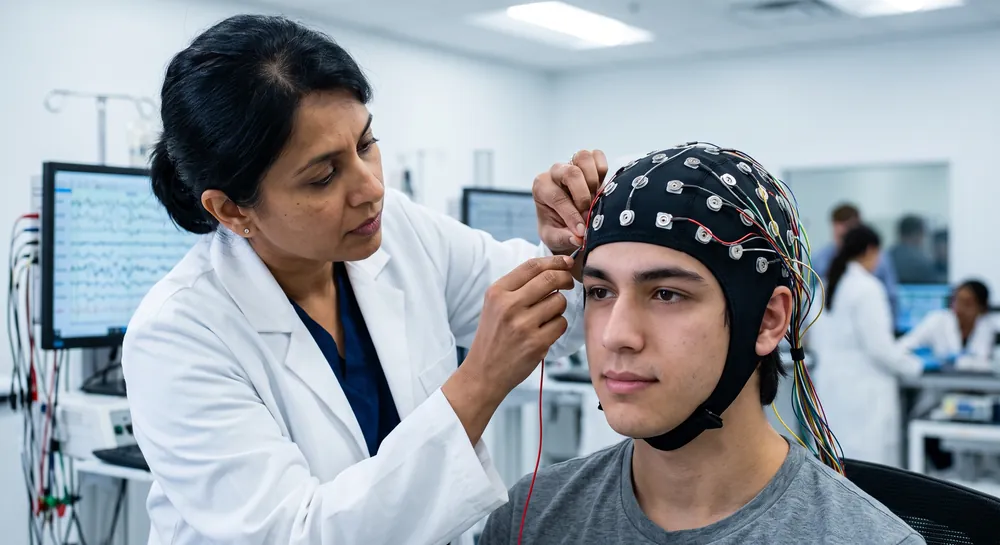
Electroencephalography, commonly known as EEG, is a non-invasive technique used to record the electrical activity of the brain. It works by placing small metal discs, called electrodes, on the scalp. These electrodes detect tiny electrical charges that result from brain cell activity. An EEG can provide valuable insights into brain function and is often used to help diagnose various neurological conditions.
When brain cells communicate, they do so using electrical impulses. EEG captures these impulses, which are then amplified and recorded by a computer. The resulting patterns, called brain waves, can vary in frequency and amplitude depending on a person's state, such as being awake, asleep, or experiencing certain medical events. Different patterns are associated with different brain states and activities.
Uses of EEG:
Diagnosing Seizure Disorders: EEG is a primary tool for identifying and characterizing epilepsy and other seizure disorders by detecting abnormal electrical discharges.
Evaluating Sleep Disorders: It helps in diagnosing conditions like insomnia, narcolepsy, and sleep apnea by monitoring brain wave patterns during sleep.
Assessing Brain Damage: EEG can help determine the extent of brain damage following head injuries, strokes, or infections.
Monitoring Brain Activity: It is used during surgery or in intensive care units to check brain function and detect changes.
Research: EEG is also employed in cognitive neuroscience research to study brain processes related to attention, memory, and perception. This study investigates neurobiological and behavioral changes associated with cognitive rehabilitation. It incorporates functional neuroimaging, dietary monitoring, and genetic profiling to gain a comprehensive understanding of the rehabilitation process.
While EEG is excellent at showing the timing and patterns of brain activity, it has limitations in pinpointing the exact location of that activity within the brain. Other neuroimaging techniques, like fMRI or PET scans, are often used in conjunction with EEG to provide a more complete picture of brain structure and function.
Brain Disorders
The brain, a complex organ, can be affected by a variety of conditions that disrupt its normal functioning. These brain disorders can impact cognitive abilities, emotions, behavior, and physical movements. Understanding these conditions is the first step toward effective management and care.
Neurodegenerative Disorders
These conditions are characterized by the progressive loss of structure or function of neurons, including the death of neurons. They often lead to a decline in cognitive and motor skills over time. Examples include Alzheimer's disease, Parkinson's disease, and Huntington's disease.
While there is no cure for most neurodegenerative diseases, treatments focus on managing symptoms and improving quality of life. Research is ongoing to find ways to slow or halt disease progression. For instance, Creutzfeldt-Jakob disease (CJD) is a rare, fatal brain disorder that primarily affects older adults, leading to dementia and other neurological problems, with no known treatment or cure.
Mental Health Conditions
Mental health conditions, also known as psychiatric disorders, affect a person's thinking, feeling, mood, or behavior. These can range from mild to severe and can impact daily life. Common examples include depression, anxiety disorders, bipolar disorder, and schizophrenia.
Treatment often involves a combination of therapy (psychotherapy), medication, and lifestyle adjustments. Early intervention and consistent support are key to managing these conditions effectively.
Neurodevelopmental Disorders
These disorders arise during the developmental period of the brain and can affect cognitive, emotional, behavioral, and motor functions. They are typically diagnosed in childhood but can persist into adulthood.
Examples include autism spectrum disorder (ASD), attention-deficit/hyperactivity disorder (ADHD), and intellectual disabilities. Management strategies are tailored to the individual and may include educational support, behavioral therapies, and sometimes medication to address specific symptoms.
Traumatic Brain Injury (TBI)
A TBI occurs when an external force causes a sudden, violent blow to the head or a penetrating injury that disrupts brain function. The severity can range from mild (concussion) to severe and life-threatening. Symptoms can include physical, cognitive, emotional, and behavioral changes.
Recovery depends on the injury's severity and can involve rehabilitation services such as physical therapy, occupational therapy, and speech therapy. Protective measures, like wearing helmets and seat belts, are important for preventing TBIs.
Risk Factors of Developing Mental Health Disorders
Several factors can increase a person's likelihood of developing mental health conditions. These influences often interact, meaning one factor can make another more impactful. Understanding these risks is a step toward prevention and early intervention.
Genetics and family history play a significant role. If close relatives have experienced mental health disorders, the risk for others in the family may be higher. However, having a family history does not guarantee that a disorder will develop.
Environmental factors are also important. Early life experiences, such as trauma, abuse, or neglect, can have lasting effects on brain development and emotional regulation. Exposure to significant stress, whether from personal circumstances, work, or societal issues, can also trigger or worsen mental health problems.
Physical health conditions can contribute as well. Chronic illnesses, brain injuries, or even certain infections can impact brain function and mood.
For instance, conditions affecting the heart and blood vessels can indirectly affect brain health, influencing overall well-being. Mental health significantly impacts daily feelings, activities, and overall functioning. It influences social connections, engagement in physical activity, eating habits, and general well-being.
Lifestyle choices and social factors are also considered.
Substance use: Regular use of alcohol or drugs can alter brain chemistry and increase vulnerability to mental health issues.
Social isolation: Lack of strong social connections and support systems is linked to a higher risk of depression and anxiety.
Poor sleep: Chronic sleep disturbances can negatively affect mood and cognitive function.
Diet: While not a direct cause, an unbalanced diet may affect overall health, which can indirectly influence mental well-being.
Conclusion
Taking care of your brain is something you can start doing at any age. It's not just about avoiding problems later in life; it's about feeling better and thinking clearer right now. Simple things like moving your body regularly, eating well, staying connected with people, and getting enough sleep all add up.
References
National Library of Medicine. (2025). Genetic brain disorders. MedlinePlus. https://medlineplus.gov/geneticbraindisorders.html
Akramova, G. (2023). The science of brain imaging: Techniques and limitations. Perspectives, 13(1), 647. https://doi.org/10.37532/1758-2008.2023.13(1).647
Jack, L., Jr. (2025). Factors associated with mental health outcomes across the lifespan. www.cdc.gov. https://www.cdc.gov/pcd/issues/2025/25_0371.htm
About cerebral palsy. (2026b). Cerebral Palsy (CP). https://www.cdc.gov/cerebral-palsy/about/index.html
Lohela, J., Lehtiö, K., Inget, K., Karhula, S. S., Piironen, S., Suutari, A., Knuutinen, A., Jänkälä, M., Lammentausta, E., Bode, M. K., Nikkinen, J., Salokorpi, N., & Keinänen, T. (2025). Improved brain tumor diagnostics and follow-up with novel magnetic resonance imaging methods: A single center study protocol. PLoS ONE, 20(11), e0336387. https://doi.org/10.1371/journal.pone.0336387
Frequently Asked Questions
What exactly is good brain health?
Good brain health means your brain is working well in all areas. This includes how you think, learn, remember, and interact with others. It allows you to reach your full potential throughout your life, even if you have a health condition.
How do doctors check if someone's brain is healthy?
Doctors use different methods to assess brain health. They might talk to you about how you're thinking and behaving, or they may use special tests and machines like EEG, which measures brain waves, or imaging scans like MRIs and CT scans to see the brain's structure and activity.
What are some common brain problems?
There are several types of brain issues. These include diseases that get worse over time, like Alzheimer's, mental health conditions such as depression, problems with how the brain develops, and injuries from accidents called traumatic brain injuries.
What can put someone at risk for mental health problems?
Many things can increase the risk of mental health issues. These can include genetics, stressful life events, difficult childhood experiences, ongoing physical health problems, and substance use. Social factors like isolation can also play a role.
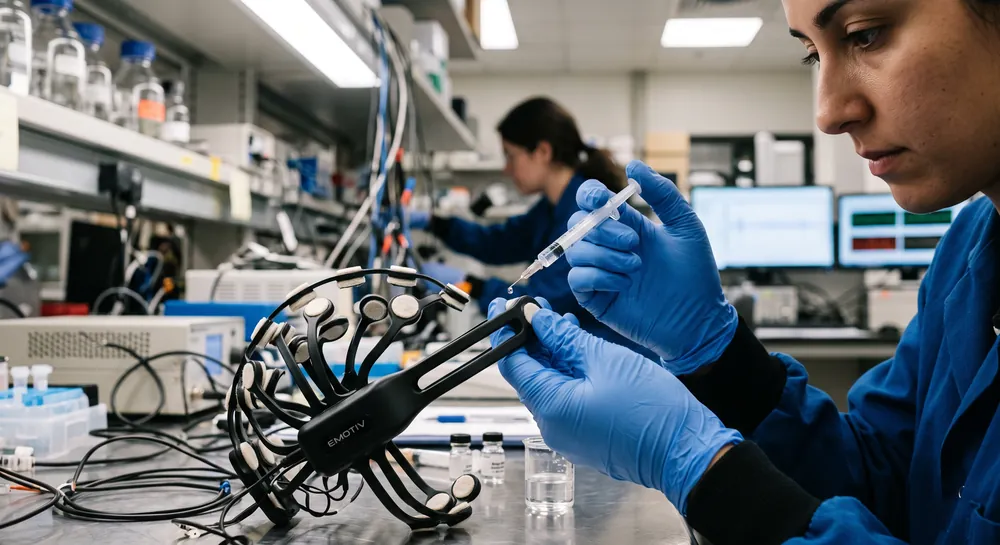
Emotiv is a neurotechnology leader helping advance neuroscience research through accessible EEG and brain data tools.
Medical Disclaimer: The information provided on this website is for educational and informational purposes only and is not intended as medical or health advice. This content may contain errors and should not be relied upon to make life-altering health, medical, or lifestyle choices. Always seek the advice of your physician or other qualified health provider with any questions you may have regarding a medical condition or treatment.
Emotiv