Our brains are amazing, complex organs, and understanding how they work, or sometimes don't work, is a big deal. Neuroscientists are looking at all sorts of things, called biomarkers, to get a better picture.
These markers can tell us if the brain is functioning normally, if there's a problem brewing, or how well a treatment is doing its job. It's like having clues that help us figure out what's going on inside our heads.
What are Biomarkers?
Biomarkers are objective indicators of biological states. They can show us if a biological process is working normally, if something is going wrong (like a disease process starting), or how a medication is affecting the body.
In the context of brain health, biomarkers are incredibly useful. They can help doctors figure out what might be causing certain symptoms, assess the risk of developing a particular brain disorder, or even predict how a disease might progress. They also play a role in tracking how well a treatment is working. If a treatment isn't having the desired effect, biomarkers can signal that a change might be needed.
For a long time, it was thought that the brain's protective barrier would prevent significant amounts of brain-specific markers from appearing in the blood. However, recent advances in technology have changed that.
We can now detect very small amounts of brain-derived substances in blood samples with high sensitivity. This is a big deal because blood is much easier to access than other invasive biomarkers.
Biomarkers of Normal Brain Function
Biomarkers of normal brain function refer to measurable indicators that reflect typical neurobiological activity, structure, or processes in healthy people. These tools help researchers and clinicians map out how the brain works day-to-day, giving a foundation for spotting issues later.
Neurotransmitters and Their Metabolites
Neurotransmitters are chemicals that transmit signals between nerve cells. Measuring levels of these substances, and their metabolites, helps track brain activity patterns. Common neurotransmitters include:
Dopamine (linked to pleasure, motivation, and movement)
Serotonin (regulates mood, sleep, and appetite)
Glutamate (main excitatory messenger, central to learning and memory)
Routine techniques involve analyzing blood, urine, or cerebrospinal fluid (CSF) for these markers. For example, doctors may measure levels of homovanillic acid, a dopamine metabolite, to understand dopamine turnover.
Brain-Derived Neurotrophic Factor (BDNF)
Brain-Derived Neurotrophic Factor (BDNF) is a protein that helps neurons grow, survive, and adapt. High BDNF levels are usually associated with greater learning ability and memory.
Neuroscientists can measure BDNF in the blood, so tracking its levels is far less invasive compared to some other brain-derived measurements. In people with neuropsychiatric conditions, BDNF levels sometimes drop.
Key points about BDNF:
Supports brain plasticity
Essential for long-term memory formation
Lower levels may be linked with cognitive decline
Cerebrospinal Fluid (CSF) Analysis
Cerebrospinal fluid is the clear liquid surrounding the brain and spinal cord. Studying CSF is valuable for identifying proteins and molecules that mirror brain activity. Because CSF is in direct contact with brain tissues, it contains rich information about neural proteins, metabolites, and signaling molecules.
The process, called lumbar puncture, draws a sample that can be analyzed for biomarkers such as:
Biomarker | What It Reflects |
|---|---|
Glucose | Brain metabolism |
Lactate | Energy use by brain cells |
Neuropeptides | Communication between neurons |
Beta-amyloid/Phospho-tau | Early Alzheimer’s detection |
Collectively, these markers set the baseline for what normal brain function looks like. Comparing patient results with these standards helps clarify if (and how) something is amiss with brain activity or structure.
Biomarkers of Brain Dysfunction and Disease
When the brain isn't working right, it can show up in different ways. Sometimes, this is due to injury, like a bump on the head that causes a traumatic brain injury (TBI). Other times, it's part of a longer-term condition, such as Alzheimer's disease or a psychiatric disorder like depression.
Figuring out what's going on often involves looking for specific signs, or biomarkers, that tell us about the brain's health.
Stress Markers
Stress can have a real impact on the brain. When we're stressed, our bodies release certain hormones, like cortisol. Measuring these hormones, often through blood or saliva tests, can give us an idea of how much stress a person is experiencing.
High levels of cortisol over a long period can affect brain areas involved in memory and mood. Understanding these stress markers can help in managing conditions that are worsened by chronic stress.
Alzheimer's Biomarkers
Alzheimer's disease is a complex condition, and finding reliable ways to detect it early is a big focus in research. Biomarkers for Alzheimer's often involve looking for specific proteins in the CSF or blood. For example, abnormal forms of amyloid and tau proteins are key indicators.
While CSF analysis requires a lumbar puncture, blood tests for these proteins are becoming more advanced. These tests can help doctors diagnose Alzheimer's earlier, predict how the disease might progress, and potentially track how well treatments are working.
Inflammatory Biomarkers
Inflammation in the brain, known as neuroinflammation, is linked to many neurological conditions. Biomarkers for inflammation can include certain proteins or immune cells in the blood or CSF.
For instance, markers like C-reactive protein (CRP) can indicate general inflammation in the body, which may also be present in the brain. Identifying neuroinflammation is important because it can be a target for treatments aimed at slowing down disease progression in conditions like multiple sclerosis.
Biomarkers for Traumatic Brain Injury (TBI)
When someone experiences a TBI, certain proteins are released into the bloodstream as brain cells are damaged. Measuring these proteins, such as glial fibrillary acidic protein (GFAP) and neurofilament light chain (NfL), can help confirm a brain injury and assess its severity.
These blood tests are particularly useful because they can be done quickly after an injury, potentially helping doctors decide on the best course of action and monitor recovery. The development of sensitive blood tests for TBI biomarkers is changing how these injuries are managed.
Biomarkers for Psychiatric Disorders (e.g., Depression, Schizophrenia)
Diagnosing psychiatric disorders can be challenging, as they often rely on a person's reported symptoms and a clinician's observations. However, researchers are exploring biomarkers that might help. These could include changes in neurotransmitter levels, patterns in brain activity measured by EEG, or even genetic factors.
While not yet standard practice for diagnosis, these biomarkers hold promise for identifying individuals at risk, understanding the biological basis of these disorders, and developing more targeted treatments.
Biomarker Testing
Biomarker Blood Test
Currently, we can often detect brain-related markers in blood. This is a big deal because blood tests are much easier to do, less risky, and can be done more often. Think of it like this: even though the brain has a protective barrier, certain molecules can still make their way into the bloodstream when there's activity or damage happening inside.
The goal is to find substances that reliably indicate a specific brain state. This could be anything from early signs of a neurodegenerative disease to the effects of stress or injury.
Developing these tests involves a careful process. Scientists first identify a potential marker, then develop highly sensitive ways to measure it in blood. This requires rigorous testing to make sure the results are accurate and consistent.
Key factors for a good blood biomarker test include:
Accuracy: It needs to correctly identify who has a condition and who doesn't, minimizing false positives or negatives.
Practicality: The test should be easy to perform with readily available samples, like blood.
Reliability: The results shouldn't change drastically due to minor variations in how the sample is collected or handled.
Clinical Relevance: The information from the test must actually help doctors make better decisions about diagnosis, treatment, or monitoring a patient's progress.
Digital Biomarkers
Beyond traditional lab tests, we're also seeing the rise of digital biomarkers. These aren't substances in your blood, but rather data collected from everyday devices. Think about your smartphone or wearable fitness tracker. These devices can collect information on things like:
Sleep patterns
Activity levels (how much you move)
Heart rate and its variability
Voice patterns
Typing speed and accuracy
Changes in these digital metrics can sometimes reflect underlying changes in brain function or mental state. For example, a significant shift in sleep quality or a noticeable decrease in physical activity might be early indicators that something needs attention.
The idea is to use these readily available data streams to get a continuous, real-world picture of a person's health, potentially flagging issues before they become severe or even before a person notices them themselves. This area is still developing, but it holds a lot of promise for monitoring brain health in a less intrusive way.
The Future of Brain Biomarker Research
The field of brain biomarkers is rapidly evolving, moving beyond traditional methods to embrace new technologies and approaches. The ultimate goal is to achieve earlier, more accurate diagnoses and personalized treatment strategies for a wide range of neurological and psychiatric conditions.
EEG as a Dynamic Biomarker for Brain Health
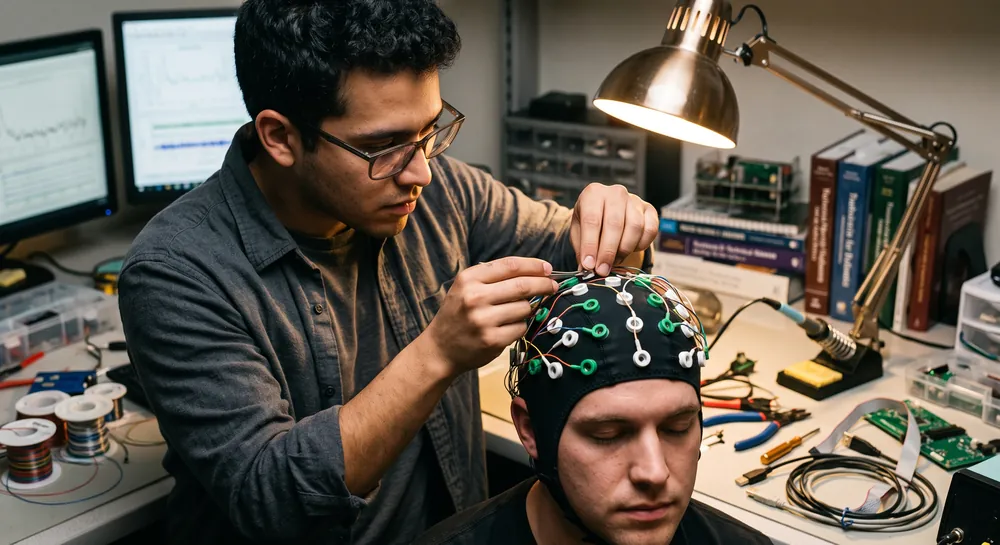
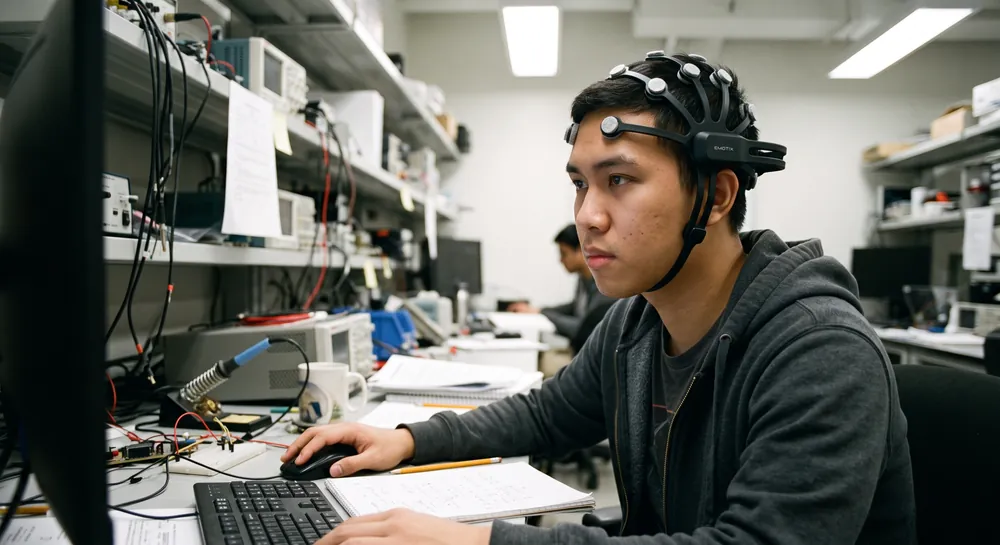
Electroencephalography (EEG), a technique that measures electrical activity in the brain, is gaining traction as a dynamic biomarker. Unlike static measures, EEG can capture real-time brain function, offering insights into how the brain responds to stimuli or changes over time. This dynamic nature makes it particularly useful for tracking subtle shifts in brain health that might precede overt symptoms.
Monitoring Neurological Disorders: EEG patterns can help identify abnormalities associated with conditions like epilepsy, sleep disorders, and even early signs of cognitive decline.
Assessing Treatment Efficacy: Changes in EEG activity can indicate whether a particular therapy is positively impacting brain function.
Understanding Brain States: EEG can differentiate between various states of consciousness, alertness, and cognitive load, providing a nuanced view of brain activity.
Role of Genomic Sequencing in Identifying Molecular Biomarkers
Genomic sequencing is opening new avenues for discovering molecular biomarkers. By analyzing an individual's genetic makeup, researchers can identify predispositions to certain brain conditions or predict responses to specific treatments. This personalized approach promises to revolutionize how we understand and manage brain health.
Predicting Disease Risk: Identifying genetic variants associated with increased risk for conditions like Alzheimer's disease or Parkinson's disease.
Guiding Treatment Selection: Determining which medications might be most effective or have fewer side effects based on an person's genetic profile.
Uncovering Novel Pathways: Discovering new biological mechanisms underlying brain function and dysfunction through genetic analysis.
Heart Rate Variability
Heart rate variability, often shortened to HRV, is a measure that looks at the slight changes in the time between each heartbeat. It's not about how fast your heart is beating, but rather the variation in those beats.
Think of it like a tiny rhythm section in your body, constantly adjusting. This variability is controlled by your autonomic nervous system (ANS), which manages many of our body's automatic functions, like breathing, digestion, and stress responses.
When your ANS is balanced, you tend to see a healthy range of HRV. This suggests your body is good at adapting to different situations, whether it's a stressful event or a moment of relaxation. On the other hand, lower HRV can sometimes indicate that your body is under stress or not recovering well. It's like the rhythm section is a bit off-beat.
Researchers are looking into how HRV might relate to brain function. Some studies suggest that changes in HRV could be linked to how well different parts of the brain communicate with each other. For example, certain patterns in HRV might be associated with how the brain processes emotions or handles stress.
Here's a simplified look at what HRV can reflect:
Stress Response: Higher HRV often means your body can switch between stress and relaxation effectively.
Autonomic Balance: It gives a glimpse into the balance between the sympathetic (fight-or-flight) and parasympathetic (rest-and-digest) branches of your nervous system.
Overall Health: Consistent, healthy HRV patterns are generally seen as a sign of good physical and mental well-being.
While HRV isn't a direct measure of brain activity itself, it's considered a window into the body's overall regulatory system, which is closely tied to brain health. It's a non-invasive way to get a snapshot of how your body is coping with daily demands.
Looking Ahead: The Future of Brain Biomarkers
For a long time, we mostly relied on imaging, which works but can be a pain to get and are costly. Now, with better neurotech, we can spot tiny signs of brain trouble in blood.
This could make it way easier to figure out what's going on, track diseases like Alzheimer's or MS, and see if treatments are actually helping. It’s not just for common problems either; even rare genetic conditions are starting to benefit.
While there's still work to do to get these blood tests into every doctor's office, the progress is undeniable. It feels like we're on the verge of a new way to understand and manage brain health, making things more accessible and hopefully leading to better outcomes for everyone.
Frequently Asked Questions
What exactly is a biomarker?
A biomarker is like a sign or a clue that can be measured. It helps us understand what's happening inside the body, like if things are working normally, if there's a problem, or how a medicine is working.
What is the role of neurotransmitters as biomarkers?
Neurotransmitters are like messengers in the brain. Measuring the levels of these messengers and their byproducts can show how well brain cells are communicating, which is key to normal function.
Can blood tests reveal brain health issues?
Yes, in the past, it was thought that the brain was too protected for its signals to reach the blood. However, new technology allows us to detect tiny amounts of brain-related substances in blood, offering a less invasive way to check brain health.
How does heart rate variability relate to brain function?
Heart rate variability, or how much your heart rate changes from beat to beat, can reflect how your nervous system is responding to stress. It can offer clues about the brain's ability to manage stress and stay balanced.
How do inflammatory biomarkers help us understand brain health?
Inflammation in the body can affect the brain. Measuring inflammatory markers can show if there's an ongoing inflammatory process that might be impacting brain function or contributing to brain diseases.
What are digital biomarkers for the brain?
Digital biomarkers use technology, like smartphone apps or wearable devices, to track changes in behavior or body signals that can indicate brain health. This could include things like sleep patterns or how you type.
How are biomarkers used for mental health conditions like depression?
For conditions like depression or schizophrenia, biomarkers might involve measuring certain chemicals, looking at brain activity patterns, or identifying inflammatory signals that are different from those in healthy individuals.
What is the future outlook for brain biomarker research?
The future looks promising, with ongoing research into using tools like EEG to monitor brain activity dynamically and using genetic information to find new molecular clues about brain health and disease.
Emotiv is a neurotechnology leader helping advance neuroscience research through accessible EEG and brain data tools.
Medical Disclaimer: The information provided on this website is for educational and informational purposes only and is not intended as medical or health advice. This content may contain errors and should not be relied upon to make life-altering health, medical, or lifestyle choices. Always seek the advice of your physician or other qualified health provider with any questions you may have regarding a medical condition or treatment.
Christian Burgos