While the concept of chakras is frequently dismissed as New Age mysticism, beneath the metaphysical vocabulary lies a remarkably sophisticated historical map of human somatic experience. Strikingly, modern neuroscience and body-oriented psychology reveal that these traditional energy hubs align almost perfectly with major autonomic nerve plexuses, endocrine glands, and measurable shifts in brainwave activity.
This evidence-aware guide cuts through the esoteric hype to explore how chakra meditation functions as a practical, biologically grounded tool for stress regulation and emotional resilience.
What Are Chakras?
Chakras are energy centers within the body, often described as spinning wheels of light. The concept originates from ancient Indian traditions, particularly within yoga and Tantra.
While there are said to be many chakras, the focus in many practices, including chakra meditation, is on seven main ones. These are believed to be located along the central channel of energy that runs from the base of the spine to the crown of the head.
The Seven Main Chakras
The seven primary chakras are considered key points in the subtle energy system. Each chakra is associated with different physical areas, emotional states, and psychological functions. They are thought to influence our overall mental well-being, from our sense of security to our spiritual connection.
When these energy centers are balanced, energy is believed to flow freely, supporting physical health and mental clarity. Conversely, imbalances are sometimes linked to various challenges.
Here is a brief overview of the seven main chakras:
Root Chakra (Muladhara): Located at the base of the spine, associated with grounding, security, and basic needs.
Sacral Chakra (Svadhisthana): Situated in the lower abdomen, linked to creativity, emotions, and sexuality.
Solar Plexus Chakra (Manipura): Found in the upper abdomen, related to personal power, self-esteem, and willpower.
Heart Chakra (Anahata): Positioned at the center of the chest, associated with love, compassion, and relationships.
Throat Chakra (Vishuddha): Located in the throat area, linked to communication and self-expression.
Third Eye Chakra (Ajna): Situated between the eyebrows, related to intuition, insight, and imagination.
Crown Chakra (Sahasrara): Found at the top of the head, associated with spiritual connection and consciousness.
It is important to note that while these associations are common in many teachings, the specific interpretations and emphasis can vary across different traditions and schools of thought.
Benefits of Chakra Meditation
Practicing chakra meditation is associated with a range of positive effects on an individual's overall well-being. The consistent application of these techniques can lead to a noticeable improvement in how one feels, both internally and externally.
Regular engagement with chakra meditation is often linked to a more balanced state of being.
Emotional and Mental Well-being
Chakra meditation can contribute to a calmer and more centered emotional state. By focusing on the energy centers within the body, people may find a reduction in feelings of stress and anxiety.
This practice can also support a greater sense of emotional resilience, allowing for more effective management of daily challenges. A more settled mind often follows, potentially leading to improved focus and a clearer perspective on personal matters.
Physical Health Improvements
While not a substitute for medical care, chakra meditation is believed by some to influence physical health.
The concept is that by balancing the energy flow, certain physical discomforts may lessen. Practices that involve breathwork and focused awareness are thought to promote relaxation, which can have a positive impact on the body's systems.
This may translate to reduced feelings of fatigue and a general sense of increased vitality. The subtle energy shifts experienced during meditation are thought to support the body's natural state of balance.
Spiritual Growth and Connection
For many, chakra meditation offers a pathway to deeper self-awareness and a stronger sense of connection. By exploring the different energy centers, people can gain insight into their inner landscape.
This introspective process can lead to a greater understanding of one's personal journey and purpose. A sense of interconnectedness with oneself and the world around may also develop. This can manifest as a feeling of peace and a more profound appreciation for life's experiences.
How to Practice Chakra Meditation
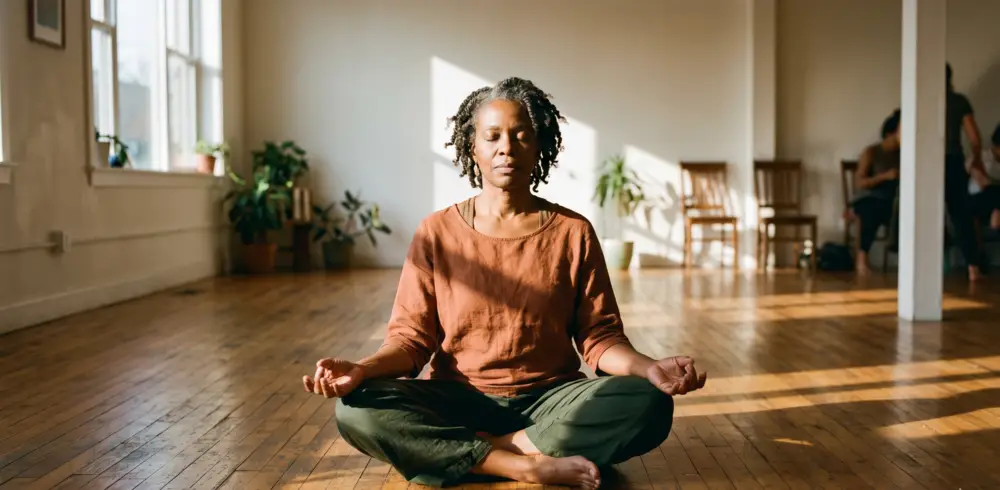
Practicing chakra meditation usually involves a series of steps designed to bring awareness and balance to the body's energy centers. The core principle is to gently guide your attention through each chakra, from the base of the spine upwards, without force.
Preparation and Setting
Before beginning, it is advisable to prepare the space. This might involve dimming the lights, lighting a candle, or using calming scents like incense or essential oils. Ensure that you will not be interrupted for the duration of the meditation, typically between 15 to 30 minutes.
Taking a few moments to simply breathe and relax the body can help transition into a more receptive state. This initial settling period is important for establishing a calm foundation for the meditation.
Guided Meditation Techniques
Many people find guided meditations helpful, especially when starting. These guided sessions, often available through audio recordings or apps, provide verbal cues that lead the practitioner through the process.
A guide might instruct on breathing techniques, visualization, or the use of specific sounds or colors associated with each chakra. The focus is on following the instructions with a gentle, non-judgmental awareness.
The intention is to allow the guidance to direct the flow of attention, rather than trying to force specific sensations or experiences.
Focusing on Each Chakra
The practice typically involves moving awareness sequentially through the seven main chakras.
This begins at the root chakra (Muladhara), located at the base of the spine, and progresses upwards through the sacral chakra (Svadhisthana), solar plexus chakra (Manipura), heart chakra (Anahata), throat chakra (Vishuddha), third eye chakra (Ajna), and finally the crown chakra (Sahasrara) at the top of the head.
For each chakra, spend a few minutes holding your awareness there, breathing naturally. It is not uncommon to experience subtle sensations, such as warmth, tingling, or a sense of energy flow. However, if no specific sensations arise, simply maintaining a calm awareness is sufficient.
The consistent, gentle attention itself aids in balancing the energy centers. After moving through all seven chakras, a few moments of rest with eyes closed can be beneficial before gradually returning to your surroundings.
Can Chakras Be Mapped to Modern Anatomy and Physiology?
The attempt to correlate traditional chakra locations with modern anatomical structures represents one of the most intriguing intersections between ancient contemplative mapping and contemporary biomedical knowledge.
While chakras were never intended as literal anatomical descriptions, their traditional locations show remarkable correspondence with major components of the nervous and endocrine systems, suggesting that contemplative practitioners may have identified physiologically significant regions through sustained introspective attention.
What Is the Proposed Relationship Between Chakras and the Body's Nerve Plexuses?
The seven major chakras appear to align closely with the locations of significant nerve plexuses and endocrine glands along the central axis of the human body.
The root chakra corresponds to the pelvic plexus and the coccygeal nerve network, regions that control basic elimination and reproductive functions.
The sacral chakra maps to the sacral plexus, which innervates the hip and thigh muscles and influences sexual and creative energies in ways that parallel traditional associations.
The solar plexus chakra directly overlays the celiac plexus, the largest autonomic nerve center in the abdomen, which regulates digestive function and gut-brain communication.
The heart chakra's location corresponds to the cardiac plexus and the thymus gland, structures central to cardiovascular function and immune system development.
The throat chakra aligns with the thyroid and parathyroid glands, which regulate metabolism and calcium balance, processes traditionally associated with communication and creative expression.
The third eye chakra corresponds to the pituitary gland, often called the master endocrine gland, while the crown chakra aligns with the pineal gland, which produces melatonin and has been associated with circadian rhythms and transcendent states.
However, this anatomical mapping faces significant limitations. The correspondence relies on approximate locations rather than precise anatomical relationships.
For instance, the nerve plexuses and glands in question serve specific physiological functions that don't necessarily align with the psychological and spiritual attributes traditionally assigned to their corresponding chakras. The correlation may reflect the human tendency to find meaningful patterns in complex systems rather than evidence of direct functional relationships.
Additionally, the mapping assumes that contemplative practitioners somehow intuited anatomical structures that remained unknown to Western medicine until the development of modern surgical techniques. While sustained introspective attention might indeed reveal physiological sensations and patterns invisible to casual awareness, the leap from subjective experience to accurate anatomical mapping requires more rigorous investigation.
How Does the Chakra Model Align With Theories in Developmental Psychology?
The progression of themes associated with the seven major chakras bears some similarities to established models of human psychological development, suggesting that contemplative traditions may have identified fundamental patterns in the maturation of consciousness and identity.
This parallel offers a framework for understanding chakra concepts through the lens of developmental psychology while avoiding metaphysical claims about energy centers or spiritual evolution.
Do the Chakras Parallel Frameworks Like Maslow's Hierarchy of Needs?
The correspondence between the chakra system and Abraham Maslow's hierarchy of needs provides one of the most compelling examples of convergence between ancient contemplative psychology and modern developmental theory.
Both systems describe a progression from basic survival concerns to increasingly sophisticated expressions of human potential, with each level building upon the successful integration of previous stages.
Root chakra → Physiological needs
Sacral chakra → Safety needs
Solar plexus chakra → Love and belonging needs
Heart chakra → Esteem
Higher chakras → Self-transcendence and peak experiences
Can Chakra Imbalances Be Viewed Through a Somatic Psychology Lens?
The traditional concept of chakra imbalances as stored emotional patterns or traumatic residues in specific body regions finds significant support in contemporary somatic psychology and trauma research.
The idea that unresolved psychological material manifests as physical symptoms and sensations has become central to body-oriented therapeutic approaches, providing a scientific framework for understanding traditional chakra healing concepts.
Somatic psychology recognizes that traumatic experiences and chronic stress patterns create persistent changes in muscle tension, breathing patterns, and nervous system activation that can be addressed through body-awareness practices. The traditional association of specific emotional themes with particular chakra locations often corresponds to areas where somatic practitioners observe characteristic tension patterns and trauma responses.
For example, root chakra issues, for example, are traditionally associated with anxiety, fear, and difficulty feeling safe in the world. Somatic psychology identifies similar symptoms in people with trauma histories, noting characteristic patterns of pelvic floor tension, shallow breathing, and hypervigilance that develop as protective responses to perceived threats.
The grounding practices emphasized in root chakra work closely resemble the orientation and stabilization techniques used in trauma-informed somatic therapy.
Can EEG Provide Objective Feedback During a Chakra Sequencing Session?
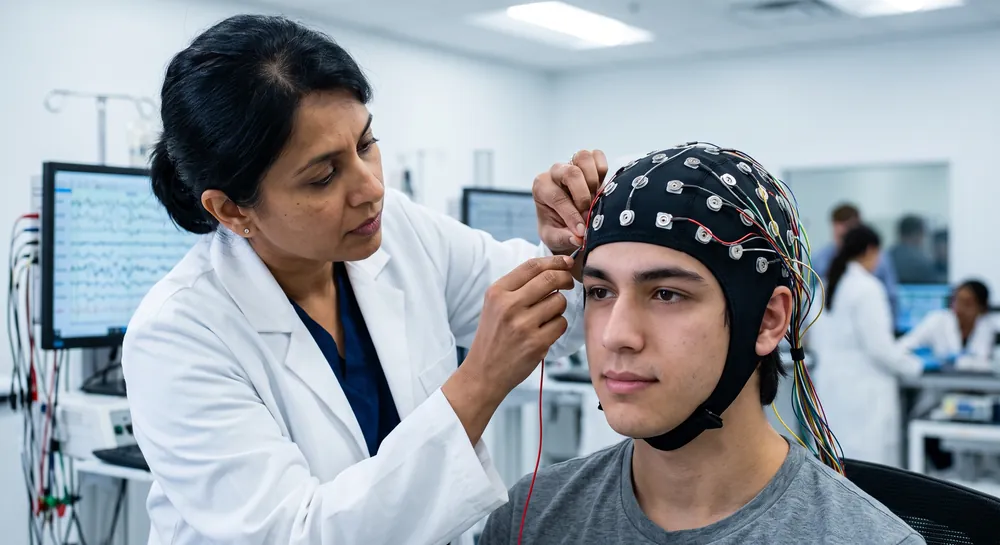
Investigational electroencephalography (EEG) research provides an evidence-aware vocabulary for mapping the cortical signatures that occur when practitioners engage in structured meditation sequences, such as full-body energy or chakra visualizations.
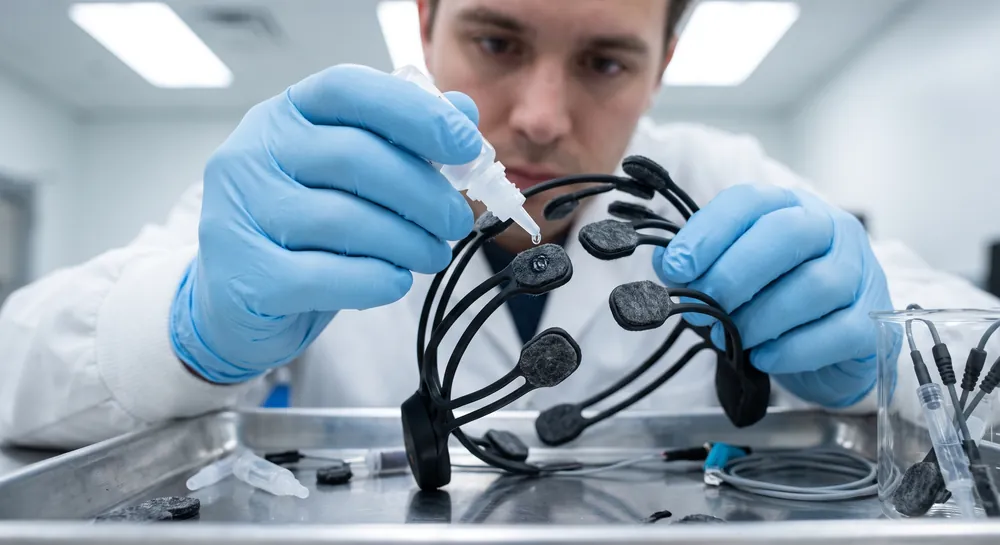
Rather than measuring esoteric energy centers directly, portable EEG devices measure the localized shifts in electrical activity that accompany the specific cognitive demands of these sessions—namely, sustained somatic attention, vocalized mantras, and mental imagery.
When practitioners engage in rhythmic mantra repetition, electrophysiological studies frequently capture shifts in frontal theta (4–8 Hz) power, reflecting the high demands on executive focus and working memory needed to maintain the auditory rhythm.
To evaluate how these distinct mental states integrate during a full-body sequencing session, neurofeedback practitioners may employ multi-site EEG monitoring to track functional connectivity across frontal, central, and parietal regions. This exploratory approach looks at network coherence (the degree of synchronized firing between disparate brain areas) as a potential neural correlate for the subjective feeling of systemic alignment or deep somatic integration.
While these multi-channel setups can map how the brain transitions through different phases of a body-scanning practice, it is crucial to clarify that this remains an exploratory, investigational domain. These electrophysiological patterns are understood as markers of top-down attentional control and somatosensory representation rather than validation for metaphysical claims or diagnostic profiles, serving as a functional tool to study how complex, multi-modal meditations impact real-time cortical dynamics.
Conclusion: Embracing Balance Through Chakra Meditation
Regular engagement with chakra meditation can lead to a more balanced state of being. This practice, focused on the body's energy centers, aims to harmonize the flow of vital life force. By bringing attention to each chakra, practitioners work towards aligning these centers, which are believed to influence physical, emotional, and spiritual well-being.
When the chakras are functioning optimally, a sense of inner peace and vitality may emerge. This can manifest as improved emotional regulation, clearer thinking, and a greater sense of connection to oneself and the world.
References
Tiwari, M., Mishra, S., Singh, S., Pandey, H. R., & Shukla, A. (2025). The seven chakras and their systemic influence on the human body: From traditional roots to modern perspectives. https://www.doi.org/10.22271/yogic.2025.v10.i2i.1861
Das, D., Kalita, B., Deb, N., & Choudhury, S. S. (2025, February). Brief Mantra meditation increases theta power in frontal regions. In 2025 3rd International Conference on Intelligent Systems, Advanced Computing and Communication (ISACC) (pp. 287-292). IEEE. https://doi.org/10.1109/ISACC65211.2025.10969192
Frequently Asked Questions
What exactly are chakras?
Think of chakras as spinning wheels of energy in your body. There are seven main ones that run from the base of your spine up to the top of your head. They are like energy hubs that affect how you feel, both inside and out.
What happens during chakra meditation?
You usually sit or lie down and bring your attention to each chakra, one by one, starting from the base of your spine. You might focus on your breath, imagine colors, or simply feel the energy in that area.
Do chakra locations align with any known anatomical features?
There is a striking correspondence between the seven major chakra sites and key nerve plexuses and endocrine glands along the body’s central axis, such as the pelvic plexus and cardiac plexus. However, this mapping is approximate and does not confirm that ancient practitioners knew of these structures.
How does somatic psychology explain the experience of chakra imbalances?
Somatic psychology views unresolved emotional issues as physical tension patterns in specific body regions, which closely match traditional chakra associations. For instance, chronic fear may create pelvic floor tension, mirroring root chakra imbalances, and can be addressed through body-awareness practices.
Are the metaphysical claims of chakras as energy centers scientifically supported?
No direct evidence supports claims of spinning energy wheels or subtle energy manipulation. However, the contemplative techniques associated with chakras reliably produce changes in nervous system function, which may account for their perceived effects without validating the metaphysical framework.
Emotiv is a neurotechnology leader helping advance neuroscience research through accessible EEG and brain data tools.
Medical Disclaimer: The information provided on this website is for educational and informational purposes only and is not intended as medical or health advice. This content may contain errors and should not be relied upon to make life-altering health, medical, or lifestyle choices. Always seek the advice of your physician or other qualified health provider with any questions you may have regarding a medical condition or treatment.
Christian Burgos