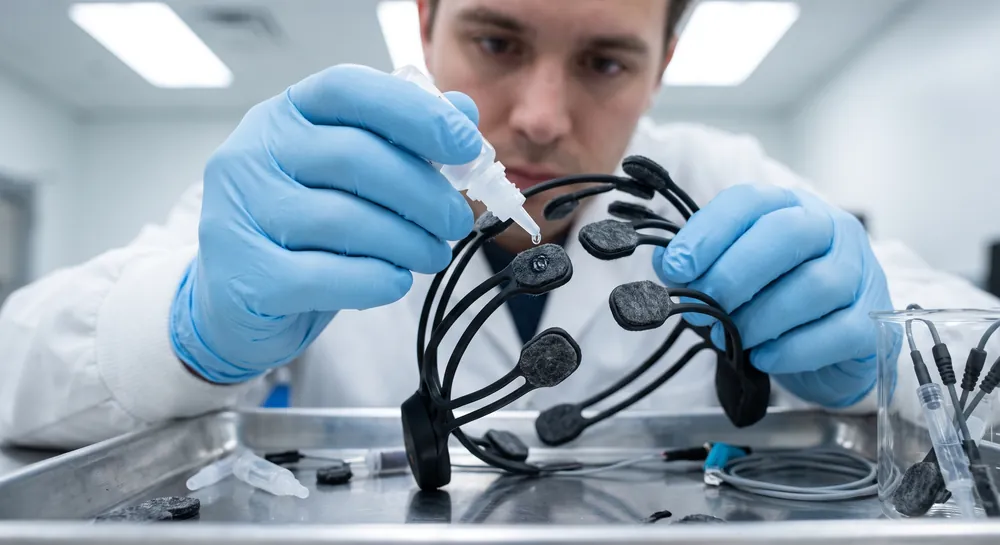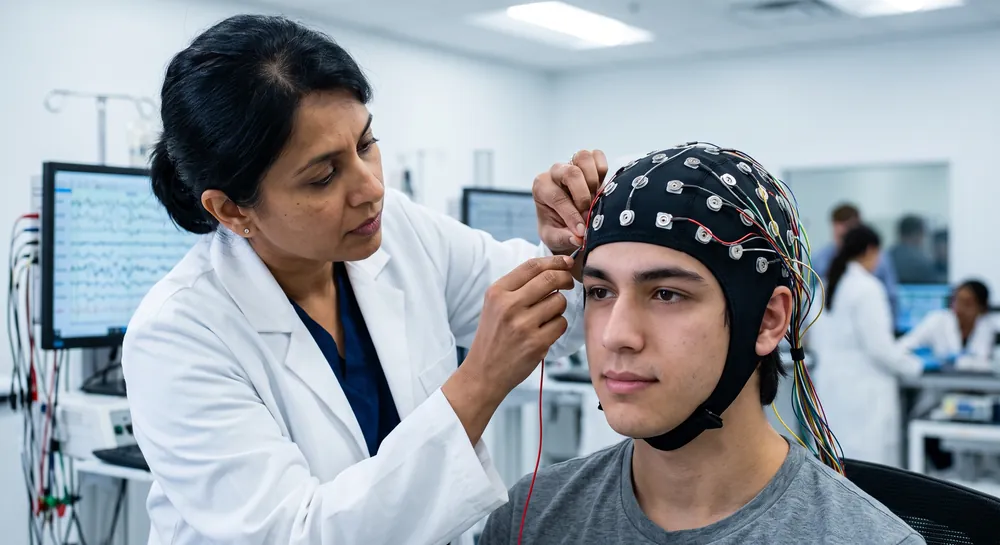
The idea that physical postures and controlled breathing could reshape the brain's architecture sounds like a stretch. However, over the past two decades, researchers equipped with functional MRI scanners, saliva cortisol assays, and autonomic monitoring equipment have moved yoga from the category of wellness practice into the domain of measurable neuroscience.
Understanding those changes requires looking at the nervous system from the bottom up, starting with the most fundamental regulatory pathway in the body.
How Yoga Benefits Mental Health
Yoga is recognized for its positive impact on mental well-being, acting as a tool to help manage stress and improve overall mood.
The practice integrates physical postures, breathing techniques, and meditation, which together can influence brain function and emotional regulation.
Reducing Stress and Anxiety
Regular yoga practice has been shown to help lower levels of stress hormones in the body. The combination of mindful movement and controlled breathing can activate the body's relaxation response, counteracting the effects of chronic stress.
The focus on the present moment during yoga can also help individuals develop better coping mechanisms for stressful situations, leading to a more balanced emotional state.
Improving Mood and Combating Depression
Beyond stress reduction, yoga can contribute to an improved mood. The physical activity involved releases endorphins, which are natural mood boosters.
Furthermore, yoga may influence brain chemistry by increasing levels of gamma-aminobutyric acid (GABA), a neurotransmitter associated with better mood and reduced anxiety. For some people, yoga has been found to be a beneficial complementary approach alongside traditional treatments for depression.
Enhancing Focus and Mindfulness
Yoga encourages a state of mindfulness, drawing attention to the present experience, including bodily sensations, breath, and thoughts, without judgment.
Research indicates that consistent yoga practice may lead to structural and functional changes in the brain, potentially improving cognitive skills related to attention and information processing. This can translate to better focus in daily activities.
Promoting Better Sleep
Many people experience sleep disturbances due to stress and anxiety. Yoga's calming effects on the nervous system can help prepare the body and mind for rest. By reducing mental chatter and promoting physical relaxation, a regular yoga routine can contribute to falling asleep more easily and experiencing more restful sleep.
The emphasis on deep, slow breathing, in particular, is linked to activating the parasympathetic nervous system, which promotes a state of calm conducive to sleep.
What Are Yoga's Effects on Key Neurotransmitter Systems?
Gamma-aminobutyric acid (GABA) is the brain's primary inhibitory neurotransmitter, acting as a critical brake system to reduce neuronal excitability and dampen the overactive signaling patterns associated with mood and anxiety disorders.
Because pharmacological treatments for anxiety frequently target the GABAergic system, researchers and neuroscientists have sought to determine whether behavioral interventions can naturally mirror these biochemical effects.
To isolate the specific mechanisms of yoga, a randomized controlled study evaluated healthy subjects over a 12-week period, comparing a yoga posture intervention (60 minutes, three times a week) against a metabolically matched walking program.
Using magnetic resonance spectroscopy to measure live chemical concentrations in the brain, researchers scanned participants at baseline, after the 12-week intervention, and immediately following an acute 60-minute session of their respective exercise.
The results demonstrated a distinct therapeutic advantage for the yoga cohort over the walking control group. Subjects in the yoga group reported significantly greater improvements in overall mood and more pronounced decreases in anxiety.
Crucially, the study established a direct, positive correlation between these psychological improvements and elevated GABA levels within the thalamus.
How Does Yoga Change Brain Structure and Function Over Time?
Neurotransmitter changes and autonomic shifts are functional responses. They occur within an existing brain.
With sustained practice, yoga begins to change the physical structure of that brain, a property neuroscientists call experience-dependent neuroplasticity. The brain responds to repeated patterns of activation by growing new synaptic connections, thickening the cortical tissue in heavily used regions, and pruning pathways that fall into disuse.
How Does Yoga Meditation Affect Gray Matter Volume and Executive Function?
Voxel-based morphometry (VBM) studies comparing disciplined hatha yoga meditation practitioners with matched, meditation-naïve controls have identified significantly greater gray matter volume (GMV) across several key structural regions of the brain. Rather than operating as a general consequence of physical exercise, these neuroplastic differences correlate directly with the duration of an individual's yoga experience and correspond to objective improvements in daily cognitive control.
Preliminary neuroimaging data highlights volumetric increases in three major regions central to executive function and internal awareness:
The Prefrontal Cortex: Practitioners exhibit greater gray matter volume in the bilateral orbital frontal and right middle frontal gyri. These regions are primary hubs for cognitive control, the inhibition of automatic responses, and context-appropriate decision-making.
The Hippocampus and Parahippocampal Gyrus: Volumetric increases are present in these limbic structures, which are vital for memory consolidation, attention baseline maintenance, and integrated information processing.
The Insula: The study notes significantly larger gray matter volume in the left insula. As the cortical region responsible for processing proprioceptive and interoceptive inputs, the insula maps internal bodily signals (e.g., respiration and physical posture) which are continuously monitored during hatha yoga practices.
How Does Yoga Influence Large-Scale Brain Networks During Aging?
The human brain organizes its resting-state activity into large-scale neural networks, among which the Default Mode Network (DMN) is highly critical. The DMN consists of an anterior hub—the medial prefrontal cortex (MPFC)—and posterior hubs, including the posterior cingulate cortex and precuneus.
During the natural senescence (aging) process, the brain characteristically suffers functional connectivity losses, particularly a decoupling of the communication between these anterior and posterior DMN structures. This neural degradation is a primary driver of the progressive cognitive decline and reduced mental flexibility often observed in older adults.
To evaluate whether contemplative practices can counteract this decline, a functional magnetic resonance imaging (fMRI) study compared healthy elderly women with at least 8 years of regular Hatha yoga experience against a highly matched group of yoga-naïve controls.
The resting-state fMRI data revealed that instead of suppressing the network, long-term yoga practice actively preserves and strengthens its architecture. When analyzing the anterior hub (MPFC) as a seed region, the yoga group demonstrated a significantly higher functional correlation with the right angular gyrus (AGr) compared to the control group.
Therefore, elderly women who practiced yoga at least twice a week for over 8 years presented significantly greater intra-network anteroposterior functional connectivity within the DMN. This indicates that the intensive attentional demands of yoga can effectively preserve critical brain pathways that normally fade with age.
Can EEG Show Yoga-Induced Changes in Brainwave Activity?
An 8-week longitudinal study tracking moderate-intensity yoga practice in healthy participants demonstrated that instead of changing general brainwave states globally, long-term training reorganizes specific alpha-band sub-frequencies during an eyes-closed resting state.
Rather than occurring in real-time during movement or altering general frontal-central regions, the chronic neural impact of an 8-week yoga regimen is highly localized within the bilateral frontotemporal regions.
The Dual Alpha-Subfrequency Signature of Yoga
Low-Frequency Alpha Enhancement: Practitioners demonstrate a significant increase in low-frequency alpha power (centered around \~8.4 Hz) in the bilateral temporal zones, indicating a distinct state of internalized resting awareness.
High-Frequency Alpha Reduction: Concurrently, the exact same cohort exhibits a significant decrease in high-frequency alpha power (centered around \~11.9 Hz).
These localized electrical adjustments directly track with tangible, real-world improvements. Following the 8-week intervention, the yoga group achieved a significant increase in body balance duration and a notable upgrade in sleep quality. Furthermore, statistical analysis showed that changes in high-alpha activity positively correlated with these shifts in sleep quality.
By demonstrating opposing movements within the low- and high-alpha sub-bands, this research proves that yoga's chronic impact on the brain is highly specialized. Instead of providing a generic sedative effect, a consistent yoga practice creates a sophisticated structural tuning of resting-state alpha dynamics that directly mirrors measurable gains in physical balance and sleep architecture.
In A Nutshell
Yoga offers a holistic approach to improving mental well-being. By integrating physical postures, breathwork, and mindfulness, it helps manage stress, anxiety, and depression, while also sharpening cognitive functions.
Whether you are new to exercise or a seasoned athlete, yoga can be adapted to suit your needs. Remember to consult with a doctor before starting any new exercise program, especially if you have existing health conditions, and consider seeking guidance from a qualified yoga instructor to maximize the benefits and ensure safety.
References
Streeter, C. C., Whitfield, T. H., Owen, L., Rein, T., Karri, S. K., Yakhkind, A., Perlmutter, R., Prescot, A., Renshaw, P. F., Ciraulo, D. A., & Jensen, J. E. (2010). Effects of yoga versus walking on mood, anxiety, and brain GABA levels: a randomized controlled MRS study. Journal of alternative and complementary medicine (New York, N.Y.), 16(11), 1145–1152. https://doi.org/10.1089/acm.2010.0007
Froeliger, B., Garland, E. L., & McClernon, F. J. (2012). Yoga meditation practitioners exhibit greater gray matter volume and fewer reported cognitive failures: results of a preliminary voxel-based morphometric analysis. Evidence-based complementary and alternative medicine : eCAM, 2012, 821307. https://doi.org/10.1155/2012/821307
Santaella, D. F., Balardin, J. B., Afonso, R. F., Giorjiani, G. M., Sato, J. R., Lacerda, S. S., Amaro, E., Jr, Lazar, S., & Kozasa, E. H. (2019). Greater Anteroposterior Default Mode Network Functional Connectivity in Long-Term Elderly Yoga Practitioners. Frontiers in aging neuroscience, 11, 158. https://doi.org/10.3389/fnagi.2019.00158
Shi, K., Lei, H., Chen, L., Wang, X., Li, M., Haihambo, N., Zhang, Z., Qu, X., Li, X., Peng, J., Zikereya, T., & Han, C. (2025). Distinct Mechanisms of Multiple Alpha-Band Activities in Frontal Regions Following an 8-Week Medium- (Yoga) and High-Intensity (Pamela) Exercise Intervention. CNS neuroscience & therapeutics, 31(5), e70405. https://doi.org/10.1111/cns.70405
Frequently Asked Questions
Can yoga really help with stress?
Yoga uses deep breathing and slow movements that help calm your body's stress response. It's like hitting a reset button for your mind when things get overwhelming.
What neurotransmitter change explains yoga’s anti-anxiety effect?
Yoga can increase levels of GABA, the brain’s primary inhibitory neurotransmitter that calms overactive neural firing. This chemical shift provides a natural anxiety-reducing effect without the dependency risks of benzodiazepine drugs.
Can long-term yoga change the physical structure of the brain?
Regular practice has the potential to modulate gray matter volume in the hippocampus, prefrontal cortex, and insula. These structural adaptations often support better emotional regulation, body awareness, and executive control, counteracting the atrophy caused by chronic stress.
How does yoga affect the brain network linked to rumination?
Yoga decreases activity in the default mode network, particularly its posterior cingulate hub, reducing mind-wandering and repetitive negative self-focus. This quieting helps break cycles of depressive rumination.
Emotiv is a neurotechnology leader helping advance neuroscience research through accessible EEG and brain data tools.
Medical Disclaimer: The information provided on this website is for educational and informational purposes only and is not intended as medical or health advice. This content may contain errors and should not be relied upon to make life-altering health, medical, or lifestyle choices. Always seek the advice of your physician or other qualified health provider with any questions you may have regarding a medical condition or treatment.
Christian Burgos