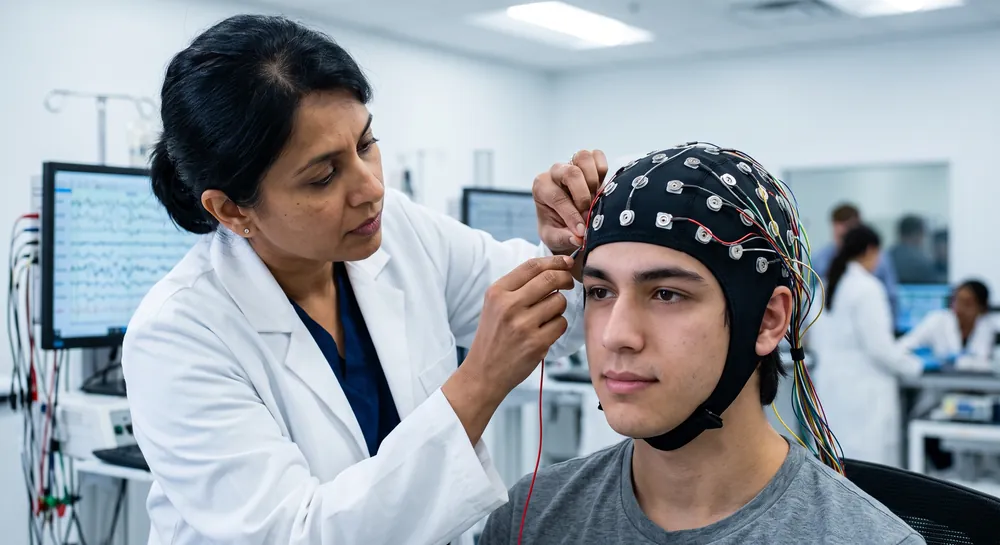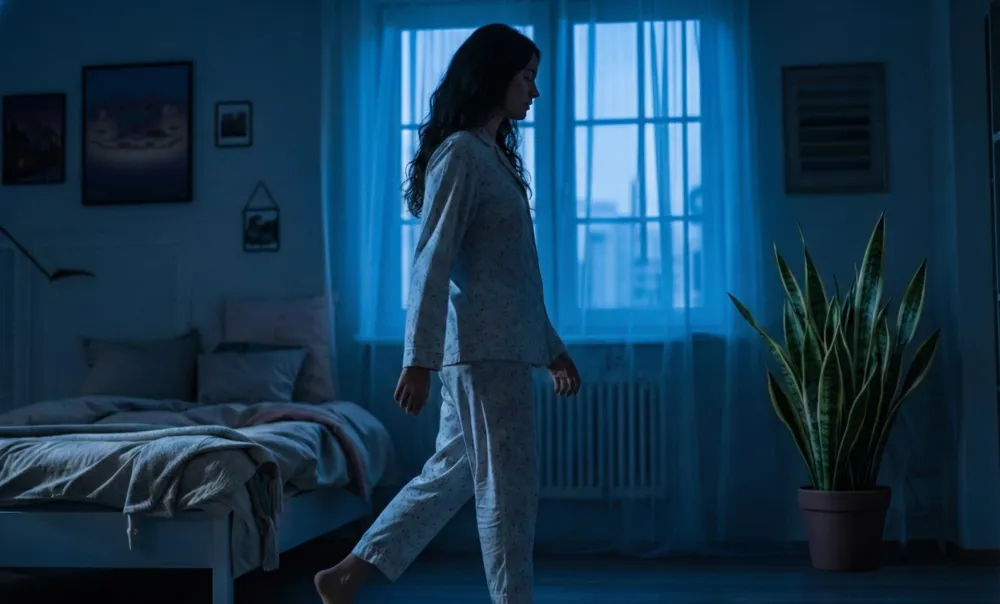
অনেকে অনিদ্রায় ভোগেন, যার ফলে তাদের প্রয়োজনীয় ঘুম পাওয়া কঠিন হয়ে পড়ে। এটি কেবল একটি খারাপ রাতের ঘুমের চেয়েও বেশি কিছু; এটি আপনার দৈনন্দিন জীবনকে সত্যিই ব্যাহত করতে পারে।
ইনসোমনিয়া ডিজঅর্ডার কী এবং এটি কীভাবে ঘুমে প্রভাব ফেলে
ইনসোমনিয়া বা অনিদ্রা রোগ হলো একটি সাধারণ সমস্যা যা ঘুমের পর্যাপ্ত সুযোগ থাকা সত্ত্বেও ঘুমাতে অসুবিধা হওয়া, ঘুম ধরে রাখতে না পারা বা তৃপ্তিদায়ক ঘুম না হওয়ার লক্ষণ দ্বারা চিহ্নিত। এই ঘুমের ব্যাঘাত দিনের বেলার স্বাভাবিক কাজকর্মকে মারাত্মকভাবে ব্যাহত করে কারণ এটি একটি দীর্ঘস্থায়ী সমস্যা যা সামগ্রিক স্বাস্থ্য এবং সুস্থতার ওপর প্রভাব ফেলে।
লক্ষ লক্ষ প্রাপ্তবয়স্ক মানুষ অনিদ্রার লক্ষণ অনুভব করেন, তবুও তাদের একটি বড় অংশ কোনো আনুষ্ঠানিক রোগ নির্ণয় বা উপযুক্ত চিকিৎসা পান না। এর ফলে খারাপ ঘুম এবং দিনের বেলার কর্মক্ষমতা হ্রাসের একটি চক্র তৈরি হতে পারে।
ইনসোমনিয়া ডিজঅর্ডারের প্রভাব সুদূরপ্রসারী হতে পারে। স্বল্প মেয়াদে, আক্রান্ত ব্যক্তিরা ক্লান্তি, খিটখিটে মেজাজ এবং মনোযোগ দিতে অসুবিধা অনুভব করতে পারেন। এর ফলে দুর্ঘটনার ঝুঁকিও বৃদ্ধি পায়, বিশেষ করে গাড়ি চালানোর সময়।
সময়ের সাথে সাথে, দীর্ঘস্থায়ী অনিদ্রা আরও গুরুতর স্বাস্থ্য সমস্যার কারণ হতে পারে। এর মধ্যে রোগ প্রতিরোধ ক্ষমতা দুর্বল হয়ে পড়া, কার্ডিওভাসকুলার বা হৃদরোগের উচ্চ ঝুঁকি এবং হতাশা ও উদ্বেগের মতো মানসিক স্বাস্থ্য সমস্যার সৃষ্টি বা অবনতি হওয়া অন্তর্ভুক্ত। দীর্ঘমেয়াদী ঘুমের অভাবের সাথে ওজন বৃদ্ধি এবং বিপাকীয় ব্যাঘাতও জড়িত।
তদুপরি, অনিদ্রা প্রায়শই অন্যান্য স্বাস্থ্যগত সমস্যার সাথে সহাবস্থান করে। এটি দীর্ঘস্থায়ী ব্যথা নিয়ন্ত্রণ করা আরও কঠিন করে তুলতে পারে, ডায়াবেটিস এবং উচ্চ রক্তচাপের মতো অবস্থার চিকিৎসাকে জটিল করে তুলতে পারে এবং এটি প্রায়শই স্লিপ অ্যাপনিয়ার মতো অন্যান্য ঘুমের ব্যাঘাতজনিত সমস্যার সাথে দেখা যায়।
ইনসোমনিয়া ডিজঅর্ডারের প্রধান প্রভাবগুলোর মধ্যে রয়েছে:
দিনের বেলায় ক্লান্তি এবং শক্তির স্বল্পতা অনুভব করা।
মেজাজের পরিবর্তন, যেমন খিটখিটে ভাব এবং মানসিক চাপের প্রতি সংবেদনশীলতা বৃদ্ধি পাওয়া।
মনোযোগ, স্মৃতিশক্তি এবং সিদ্ধান্ত নেওয়ার ক্ষেত্রে সমস্যা সহ জ্ঞানীয় অসুবিধা।
কর্মক্ষেত্রে বা পড়াশোনায় পারফরম্যান্স হ্রাস পাওয়া।
দুর্ঘটনা ও আঘাতের ঝুঁকি বৃদ্ধি পাওয়া।
অন্যান্য শারীরিক ও মানসিক স্বাস্থ্য সমস্যা তৈরি হওয়া বা আরও খারাপ হওয়ার সম্ভাবনা।
ইনসোমনিয়ার প্রকারভেদ এবং ক্লিনিকাল শ্রেণিবিভাগ
চিকিৎসকেরা অনিদ্রার প্রকৃতি আরও ভালোভাবে বুঝতে এবং চিকিৎসায় দিকনির্দেশনা দিতে প্রায়শই এটিকে কয়েকটি ভাগে ভাগ করেন। সাধারণত, অনিদ্রার স্থায়িত্বের ওপর ভিত্তি করে এটিকে তীব্র (স্বল্পমেয়াদী) বা দীর্ঘস্থায়ী (দীর্ঘমেয়াদী) হিসেবে শ্রেণিবদ্ধ করা যেতে পারে। তবে, আরও কিছু নির্দিষ্ট শ্রেণিবিভাগ রয়েছে যা এই ব্যাধির অনন্য প্রকাশগুলোকে তুলে ধরে।
ফ্যাটাল ফ্যামিলিয়াল ইনসোমনিয়া (Fatal Familial Insomnia)
এটি একটি অত্যন্ত বিরল, বংশগত প্রিয়ন (prion) রোগ যা মস্তিষ্কের থ্যালামাস অংশকে প্রভাবিত করে। এটি ঘুমানোর ক্রমাগত অক্ষমতা দ্বারা চিহ্নিত করা হয়, যা গুরুতর শারীরিক ও মানসিক অবনতির দিকে নিয়ে যায়।
ফ্যাটাল ফ্যামিলিয়াল ইনসোমনিয়া অনিবার্যভাবে মারাত্মক বা প্রাণঘাতী, যেখানে লক্ষণ দেখা দেওয়ার পর থেকে মৃত্যু পর্যন্ত সাধারণত 7 থেকে 36 মাস সময় লাগে। এর বিরলতা এবং জেনেটিক প্রকৃতির কারণে এটি সাধারণ ইনসোমনিয়া থেকে আলাদা।
স্পোরাডিক ফ্যামিলিয়াল ইনসোমনিয়া (Sporadic Familial Insomnia)
ফ্যাটাল ফ্যামিলিয়াল ইনসোমনিয়ার মতো এই প্রকারটিতেও একটি জেনেটিক উপাদান জড়িত থাকে তবে এটি সরাসরি মেন্ডেলীয় পদ্ধতিতে উত্তরাধিকারসূত্রে প্রাপ্ত হয় না। এটি অনিদ্রা সহ বিভিন্ন ধরণের ঘুমের ব্যাঘাত নিয়ে প্রকাশ পায়, তবে এতে অন্যান্য নিউরোলজিক্যাল বা স্নায়বিক লক্ষণও থাকতে পারে। এর তীব্রতা এবং অবনতির মাত্রা ভিন্ন ভিন্ন হতে পারে।
প্যারাডক্সিক্যাল ইনসোমনিয়া (Paradoxical Insomnia)
স্লিপ স্টেট মিসপারসেপশন (sleep state misperception) নামেও পরিচিত, প্যারাডক্সিক্যাল ইনসোমনিয়া এমন একটি অবস্থা যেখানে আক্রান্ত ব্যক্তিরা ঘুমাতে মারাত্মক সমস্যার কথা জানান, অথচ অবজেক্টিভ স্লিপ স্টাডিজ বা ঘুমের পরীক্ষা (যেমন পলিসমনোগ্রাফি) দেখায় যে তারা আসলে স্বাভাবিক বা স্বাভাবিকের কাছাকাছি সময় ধরেই ঘুমাচ্ছেন।
এই সমস্যায় আক্রান্ত ব্যক্তিরা প্রায়শই তাদের ঘুমের ডেটা যাই বলুক না কেন, ঘুম থেকে ওঠার পর ক্লান্ত বোধ করেন। এটি একটি ব্যক্তিগত অভিজ্ঞতা যেখানে ঘুমের অনুভূতিটি বিঘ্নিত হয়, যদিও প্রকৃতপক্ষে ঘুম পুরোপুরি অনুপস্থিত বা মারাত্মকভাবে খণ্ডিত থাকে না।
ইনসোমনিয়া কেন হয়?
ইনসোমনিয়া বা অনিদ্রা নানা কারণে হতে পারে, যা এর উৎসকে জটিল এবং বহুমুখী করে তোলে। সাময়িক অনিদ্রা, যা অ্যাকিউট ইনসোমনিয়া নামে পরিচিত, সাধারণত নিজে থেকেই ঠিক হয়ে যায়, তবে দীর্ঘস্থায়ী অনিদ্রা বা ক্রনিক ইনসোমনিয়া দৈনন্দিন কাজকর্ম এবং সামগ্রিক স্বাস্থ্যের ওপর মারাত্মক প্রভাব ফেলতে পারে।
ইনসোমনিয়া কি বংশগত?
যদিও সব ধরণের অনিদ্রা সরাসরি বংশগত নয়, তবে জেনেটিক প্রবণতা একজন ব্যক্তির ঘুমের ব্যাঘাতের সংবেদনশীলতার ক্ষেত্রে ভূমিকা রাখতে পারে। অনিদ্রার কিছু বিরল ও মারাত্মক রূপ, যেমন ফ্যাটাল ফ্যামিলিয়াল ইনসোমনিয়া, সরাসরি জেনেটিক মিউটেশনের সাথে সম্পর্কিত।
তবে, আরও সাধারণ ধরণের অনিদ্রার ক্ষেত্রে, জেনেটিক্স পরিবেশগত কারণগুলোর সাথে মিথস্ক্রিয়া করে ঘুমের ধরণকে প্রভাবিত করতে পারে। আমাদের জিন এবং আমাদের শান্তিময় ঘুম পাওয়ার ক্ষমতার মধ্যকার জটিল সম্পর্ক নিয়ে গবেষণা এখনও চলছে।
নারীদের অনিদ্রার কারণ এবং সাধারণ হরমোনজনিত কারণ
নারীরা হরমোনের ওঠানামা এবং জীবনের বিভিন্ন পর্যায়ের এক অনন্য মিথস্ক্রিয়ার কারণে অনিদ্রা অনুভব করতে পারেন। গর্ভাবস্থার শুরুর দিকের অনিদ্রা অত্যন্ত সাধারণ, যা প্রায়শই অস্বস্তি, উদ্বেগ এবং হরমোনের পরিবর্তনের সাথে সম্পর্কিত। মেনোপজ বা রজোনিবৃত্তিও ইস্ট্রোজেন এবং প্রোজেস্টেরনের মাত্রার পরিবর্তনের কারণে প্রায়শই ঘুমের ব্যাঘাত ঘটায়।
এই নির্দিষ্ট পর্যায়গুলোর বাইরেও, মানসিক চাপ, উদ্বেগ এবং বিষণ্নতা সবার ক্ষেত্রেই অনিদ্রার বড় কারণ, তবে সামাজিক চাপ এবং জৈবিক কারণগুলো কখনও কখনও নারীদের মধ্যে এই সমস্যাগুলোকে আরও বাড়িয়ে দিতে পারে।
তাছাড়া, কিছু নির্দিষ্ট শারীরিক সমস্যা এবং ওষুধ ঘুমের ব্যাঘাত ঘটাতে পারে। এটি মনে রাখা গুরুত্বপূর্ণ যে অনিদ্রা অন্যান্য অন্তর্নিহিত স্বাস্থ্য সমস্যার লক্ষণও হতে পারে এবং মূল কারণটি সমাধান করার জন্য সঠিক রোগ নির্ণয় অত্যন্ত জরুরি।
অনিদ্রার জন্য সাধারণ সহায়ক কারণগুলোর মধ্যে রয়েছে:
মানসিক কারণসমূহ: মানসিক চাপ, উদ্বেগ, বিষণ্নতা এবং ঘুম না হওয়া নিয়ে অতিরিক্ত চিন্তা করা।
জীবনযাত্রার ধরণ: অনিয়মিত ঘুমের সময়সূচী, অতিরিক্ত ক্যাফেইন বা অ্যালকোহল গ্রহণ, শারীরিক পরিশ্রমের অভাব এবং ঘুমানোর আগে স্ক্রিন ব্যবহার করা।
শারীরিক সমস্যা: দীর্ঘস্থায়ী ব্যথা, শ্বাসকষ্টজনিত সমস্যা, স্নায়বিক রোগ এবং হরমোনের ভারসাম্যহীনতা।
পরিবেশগত কারণসমূহ: শয়নকক্ষে কোলাহল বা অতিরিক্ত আলো থাকা, ঘুমানোর জন্য অস্বস্তিকর তাপমাত্রা এবং ভ্রমণের কারণে ঘুমের ব্যাঘাত হওয়া।
ইনসোমনিয়ার লক্ষণ এবং দৈনন্দিন জীবনে এর প্রকাশ
অনিদ্রায় ভুগছেন এমন ব্যক্তিরা প্রায়শই পর্যাপ্ত সুযোগ থাকা সত্ত্বেও ঘুমাতে অসুবিধা হওয়া, মাঝরাতে ঘুম ভেঙে যাওয়া বা উদ্দেশ্যর চেয়ে অনেক ভোরে ঘুম ভেঙে যাওয়ার কথা জানান। এর পরিণতি প্রায়শই দিনের বেলাতেও প্রভাব ফেলে, যা মেজাজ, শক্তির মাত্রা এবং চিন্তাভাবনার ক্ষমতাকে ব্যাহত করে।
আপনি কীভাবে বুঝবেন যে আপনার অনিদ্রা বা ইনসোমনিয়া আছে? ঘুমের প্রত্যক্ষ সমস্যাগুলো ছাড়াও, দিনের বেলার বেশ কিছু লক্ষণ এর উপস্থিতি নির্দেশ করতে পারে। এগুলোর মধ্যে অতিরিক্ত ক্লান্ত বোধ করা, শক্তির অভাব অনুভব করা এবং কোনো কিছুতে মনোযোগ দিতে বা মনে রাখতে সমস্যা হওয়া অন্তর্ভুক্ত থাকতে পারে।
খিটখিটে মেজাজ, মেজাজের দ্রুত পরিবর্তন এবং সাধারণভাবে অসুস্থ বোধ করাও সাধারণ লক্ষণ। কিছু ব্যক্তি ভুল করার প্রবণতা বৃদ্ধি পাওয়া বা দক্ষতার সাথে কাজ করার ক্ষমতা হ্রাস পাওয়ার বিষয়ও লক্ষ্য করতে পারেন।
অনিদ্রা শনাক্ত করার জন্য, চিকিৎসকেরা ইনসোমনিয়া ডে-টাইম সিম্পটমস অ্যান্ড ইমপ্যাক্টস কোয়েশ্চেনিয়ার (IDSIQ) ব্যবহার করতে পারেন যাতে দিনের বেলা একজন ব্যক্তির সতর্কতা, চিন্তাভাবনা এবং মেজাজের ওপর অনিদ্রা কীভাবে প্রভাব ফেলে তা মূল্যায়ন করা যায়, যা এই ব্যাধির প্রভাবের একটি সম্পূর্ণ চিত্র প্রদান করে।
সামনে এগিয়ে যাওয়া: আপনার সুনিদ্রার পথ
অনিদ্রা দূর করা একটি প্রক্রিয়া, এটি রাতারাতি সম্ভব নয়। আমাদের চিন্তাভাবনা কীভাবে ঘুমকে প্রভাবিত করে তা বোঝা থেকে শুরু করে দৈনন্দিন অভ্যাস পরিবর্তন করার মতো আলোচিত স্নায়ুবিজ্ঞান-ভিত্তিক কৌশলগুলো একটি সঠিক পথ দেখায়। এটি মনে রাখা গুরুত্বপূর্ণ যে অগ্রগতি সর্বদা সোজা পথে নাও হতে পারে। কিছু রাত অন্যদের চেয়ে ভালো কাটবে, এবং সেটি স্বাভাবিক।
তথ্যসূত্র
Benjafield, A. V., Sert Kuniyoshi, F. H., Malhotra, A., Martin, J. L., Morin, C. M., Maurer, L. F., Cistulli, P. A., Pépin, J. L., Wickwire, E. M., & medXcloud group (2025). Estimation of the global prevalence and burden of insomnia: a systematic literature review-based analysis. Sleep medicine reviews, 82, 102121\. https://doi.org/10.1016/j.smrv.2025.102121
Salame, A., Mathew, S., Bhanu, C., Bazo-Alvarez, J. C., Bhamra, S. K., Heinrich, M., ... & Frost, R. (2025). Over-the-counter products for insomnia in adults: A scoping review of randomised controlled trials. Sleep Medicine. https://doi.org/10.1016/j.sleep.2025.02.027
Rezaie, L., Fobian, A. D., McCall, W. V., & Khazaie, H. (2018). Paradoxical insomnia and subjective–objective sleep discrepancy: A review. Sleep medicine reviews, 40, 196-202. https://doi.org/10.1016/j.smrv.2018.01.002
Sehgal, A., & Mignot, E. (2011). Genetics of sleep and sleep disorders. Cell, 146(2), 194–207. https://doi.org/10.1016/j.cell.2011.07.004
Hudgens, S., Phillips-Beyer, A., Newton, L., Seboek Kinter, D., & Benes, H. (2021). Development and Validation of the Insomnia Daytime Symptoms and Impacts Questionnaire (IDSIQ). The patient, 14(2), 249–268. https://doi.org/10.1007/s40271-020-00474-z
প্রায়শই জিজ্ঞাসিত প্রশ্নাবলী
আসলে ইনসোমনিয়া বা অনিদ্রা কী?
পর্যাপ্ত ঘুমানোর সুযোগ থাকা সত্ত্বেও যখন আপনার ঘুমাতে সমস্যা হয়, বারবার ঘুম ভেঙে যায় অথবা উভয় সমস্যাই দেখা দেয়, তখন তাকে ইনসোমনিয়া বলে। এটি কেবল একটি খারাপ রাত কাটানো নয়; এটি আপনার দৈনন্দিন জীবনকে নিয়মিতভাবে ব্যাহত করতে পারে।
অনিদ্রার পেছনে কি জিনগত কারণ থাকতে পারে?
হ্যাঁ, কখনও কখনও পারে। যদিও অনেক কারণেই অনিদ্রা হতে পারে, গবেষণা দেখায় যে জিনগত বৈশিষ্ট্যের কারণে কিছু মানুষের এই সমস্যা হওয়ার সম্ভাবনা বেশি থাকে। এর অর্থ হলো এটি কোনো কোনো ক্ষেত্রে পরিবারেও চলতে পারে।
অনিদ্রা কি বিভিন্ন ধরণের হতে পারে?
হ্যাঁ, অবশ্যই। অনিদ্রা স্বল্পমেয়াদী হতে পারে, যাকে সাধারণত অ্যাকিউট ইনসোমনিয়া বলা হয় এবং এটি সাধারণত নিজে থেকেই ঠিক হয়ে যায়। অন্যটি হলো দীর্ঘস্থায়ী বা ক্রনিক ইনসোমনিয়া, যা তিন মাস বা তার বেশি সময় ধরে স্থায়ী হয় এবং এর জন্য চিকিৎসার প্রয়োজন পড়ে।
দিনের বেলা অনিদ্রার সাধারণ লক্ষণগুলো কী কী?
পর্যাপ্ত ঘুম না হলে আপনি ক্লান্ত বোধ করতে পারেন, মনোযোগ দিতে সমস্যা হতে পারে, সহজে রেগে যেতে পারেন অথবা দিনের বেলাতেও ঘুম ঘুম ভাব হতে পারে। এই দৈনন্দিন সমস্যাগুলো নির্দেশ করে যে আপনার ঘুম ব্যাহত হচ্ছে।
ঘুম নিয়ে অতিরিক্ত চিন্তা করলে কি অনিদ্রা আরও বেড়ে যেতে পারে?
একেবারে সত্যি। ঘুম না হওয়া নিয়ে আপনি যত বেশি চিন্তা করবেন, আপনি তত বেশি সজাগ এবং উদ্বিগ্ন হয়ে উঠবেন। এই উদ্বেগ এমন একটি চক্র তৈরি করতে পারে যেখানে ঘুমানোর অতিরিক্ত চেষ্টা আসলে আপনার ঘুমকে আরও দূরে সরিয়ে দেয়।
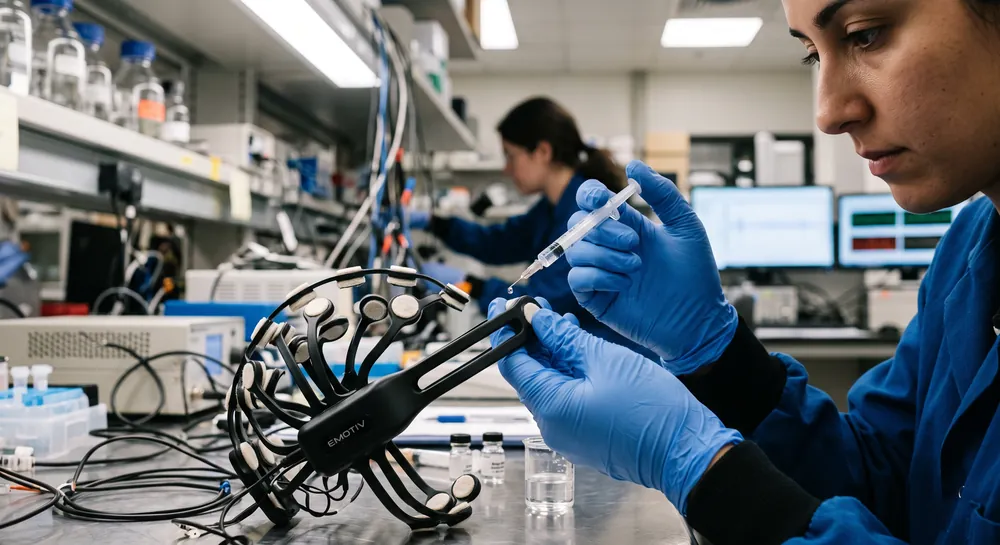
Emotiv একটি নিউরোটেকনোলজি শীর্ষস্থানীয় প্রতিষ্ঠান, যা সহজলভ্য EEG এবং ব্রেন ডেটা টুলের মাধ্যমে স্নায়ুবিজ্ঞান গবেষণার অগ্রগতিতে সহায়তা করে।
চিকিৎসা সংক্রান্ত দাবিত্যাগ: এই ওয়েবসাইটে দেওয়া তথ্য শুধুমাত্র শিক্ষামূলক এবং তথ্যগত উদ্দেশ্যে এবং এটি চিকিৎসা বা স্বাস্থ্য সংক্রান্ত পরামর্শ হিসেবে উদ্দেশ্য নয়। এই বিষয়বস্তুতে ভুল থাকতে পারে এবং জীবন পরিবর্তনকারী স্বাস্থ্য, চিকিৎসা বা জীবনযাত্রার পছন্দগুলি করার জন্য এর ওপর নির্ভর করা উচিত নয়। কোনো চিকিৎসাগত অবস্থা বা চিকিৎসার বিষয়ে আপনার যেকোনো প্রশ্ন থাকলে সর্বদা আপনার চিকিৎসক বা অন্য কোনো যোগ্য স্বাস্থ্যসেবা প্রদানকারীর পরামর্শ নিন।
ক্রিশ্চিয়ান বারগোস