Insomnia, a common sleep issue, can affect anyone. It's a pattern that impacts how we feel and function each day. Understanding the various insomnia symptoms is the first step toward finding ways to get better rest.
This article takes a closer look at what insomnia looks and feels like, both during the night and throughout the day.
What Nighttime Sleep Problems Do Doctors Use To Diagnose Insomnia?
Insomnia, at its heart, is defined by disruptions that happen during the night. These aren't just occasional bad nights; they are patterns that interfere with getting enough restful sleep. When professionals assess insomnia, they look closely at the specific ways sleep is disturbed.
What Is The Difference Between Trouble Falling Asleep And Waking Up During The Night?
One of the primary ways insomnia manifests is through difficulty initiating sleep, often called sleep onset insomnia. This means spending a significant amount of time in bed trying to fall asleep, with the mind racing or the body feeling restless.
On the other hand, sleep maintenance insomnia involves waking up during the night and then having trouble falling back asleep. This can lead to fragmented sleep, where periods of wakefulness interrupt the natural sleep cycle. The key is that these difficulties occur despite having adequate opportunity and a suitable environment for sleep.
Why Do I Keep Waking Up Too Early And Not Fall Back Asleep?
Another common nighttime symptom is early morning awakening. This occurs when an individual wakes up much earlier than intended and cannot return to sleep.
Unlike simply waking up briefly, this early awakening is often accompanied by a feeling of being fully awake and unable to drift back into slumber. This can significantly shorten the total amount of sleep obtained, contributing to the daytime consequences of insomnia.
How Long Do Insomnia Symptoms Need To Last To Count As Insomnia?
For a diagnosis of insomnia, these nighttime disturbances need to occur with a certain frequency and persist over time.
Professionals look for these sleep problems happening multiple nights per week, often for at least three months. This consistent pattern is what distinguishes a temporary sleep issue from a clinical sleep disorder.
The duration and regularity of these symptoms are critical factors in understanding the scope of the problem and planning appropriate interventions.
What Are The Daytime Symptoms Of Insomnia?
While the inability to fall asleep or stay asleep is the hallmark of insomnia, the consequences often extend far beyond the bedroom, significantly impacting daily life. These daytime effects, sometimes referred to as the "daytime fallout," are critical in understanding the full scope of the condition and its impact on an individual's functioning.
How Does Insomnia Affect Your Brain And Thinking?
Lack of restorative sleep can noticeably impair cognitive functions. People may experience difficulties with concentration, making it harder to focus on tasks at work or during conversations.
Memory recall can also be affected, leading to forgetfulness or trouble retaining new information. Problem-solving abilities might diminish, and decision-making processes can become slower or less effective. This cognitive fog can make even routine daily activities feel more challenging.
How Does Insomnia Affect Mood, Anxiety, And Motivation?
The emotional landscape is frequently altered by persistent sleep disturbances. Irritability is a common complaint, and patients may find themselves more prone to mood swings or feeling easily frustrated.
A general sense of fatigue can sap motivation, making it difficult to engage in activities that were once enjoyable. Some may experience increased feelings of anxiety or a general sense of unease. These emotional shifts can also influence behavior, potentially leading to procrastination or a reduced capacity to manage stress effectively.
What Physical Symptoms Can Insomnia Cause?
Beyond mental and emotional effects, insomnia can manifest physically. Persistent fatigue and a general lack of energy are widespread.
Headaches, particularly tension headaches, can occur more frequently. Some individuals report increased muscle tension or aches and pains.
A general feeling of being unwell or run down is also common, contributing to a reduced overall sense of physical well-being. These physical symptoms can further complicate daily life and reduce an individual's capacity to engage in physical activities.
How Can Insomnia Affect Your Relationships And Social Life?
Insomnia casts a long shadow over your interactions with others. When you're not getting enough rest, your ability to connect and engage socially can take a significant hit.
Can Insomnia Cause Social Withdrawal And Apathy?
One of the first things people notice when they're struggling with sleep is a dwindling desire to socialize.
The energy required for conversations, outings, or even just being around others can feel overwhelming. This can lead to a general sense of apathy, where activities that once brought joy now seem like too much effort.
You might find yourself declining invitations more often, preferring the solitude of your home, not because you don't care about your friends or family, but because your internal resources are depleted. This withdrawal can sometimes be misinterpreted by others as disinterest or unfriendliness, creating a difficult cycle.
Can Lack Of Sleep Reduce Empathy And Make Social Cues Harder To Read?
Sleep deprivation can also blunt your emotional responsiveness. This means you might find it harder to understand or share the feelings of others, a key component of empathy.
Social interactions rely heavily on picking up subtle cues – a change in tone, a fleeting facial expression, body language. When you're tired, your brain's ability to process this information is impaired.
This can lead to misunderstandings, awkward moments, and a feeling of being out of sync with the people around you. It's as if the social world is playing on fast-forward, and you can't quite catch up.
Why Does Insomnia Make Me Irritable And Trigger More Conflict?
Irritability is a common companion to insomnia since when you're constantly tired, your patience wears thin. Small annoyances can quickly escalate into arguments, and you might find yourself snapping at loved ones more easily than usual.
This increased reactivity can put a strain on even the strongest relationships. What might have been a minor disagreement when you were well-rested can become a significant conflict when sleep is lacking.
Rebuilding trust and understanding after these episodes can take time and effort, highlighting how deeply sleep impacts our connections with others.
How Symptoms Vary Across Different Types of Insomnia
Insomnia isn't a one-size-fits-all condition. The way it shows up can differ quite a bit depending on the specific type of insomnia someone is experiencing.
Symptoms Associated with Comorbid Insomnia
When insomnia occurs alongside another health condition, its symptoms can sometimes be intertwined with or influenced by that other condition. This is known as comorbid insomnia.
For instance, someone with depression might experience insomnia characterized by very early morning awakenings and a persistent low mood upon waking. Conversely, anxiety can lead to a racing mind at bedtime, making it difficult to fall asleep, and a feeling of being constantly on edge even during the day.
Other conditions, like chronic pain or restless legs syndrome, can directly disrupt sleep, leading to frequent awakenings and a sense of unrefreshing sleep. The key here is that the insomnia symptoms are often a direct consequence or amplification of the primary health issue.
The Unique Subjective Symptoms of Paradoxical Insomnia
Paradoxical insomnia, sometimes called sleep state misperception, is a bit different. People with this type of insomnia believe they are not sleeping or are sleeping very little, even when objective measures (like sleep studies) show they are actually getting a normal or near-normal amount of sleep.
The distress comes from the perception of sleeplessness, not necessarily the lack of sleep itself. They might report lying in bed for hours, feeling wide awake, yet their body is in a sleep state. This disconnect between perceived and actual sleep can lead to significant anxiety about bedtime and a profound sense of exhaustion during the day, even if they've slept more than they realize.
How Professionals Measure and Assess Your Symptoms
When you talk to a doctor about sleep troubles, they usually start by asking a lot of questions. They want to know about your sleep habits, what you do during the day, and any other health issues you might have.
A key part of this is understanding the pattern of your sleep problems. This often involves keeping a sleep diary for a week or two. In this diary, you'd note when you go to bed, when you wake up, how long you think you slept, and how you felt during the day. This gives doctors a clearer picture than just trying to remember everything later.
Doctors might also use questionnaires to get a better idea of how severe your insomnia is. Tools like the Pittsburgh Sleep Quality Index are common. They help measure things like how satisfied you are with your sleep and how much your sleep problems affect your daily life.
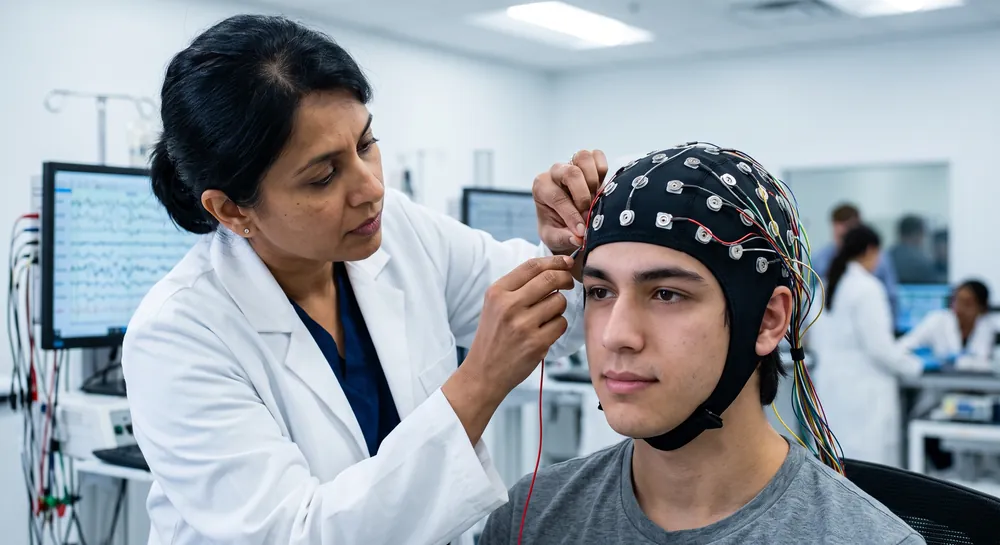
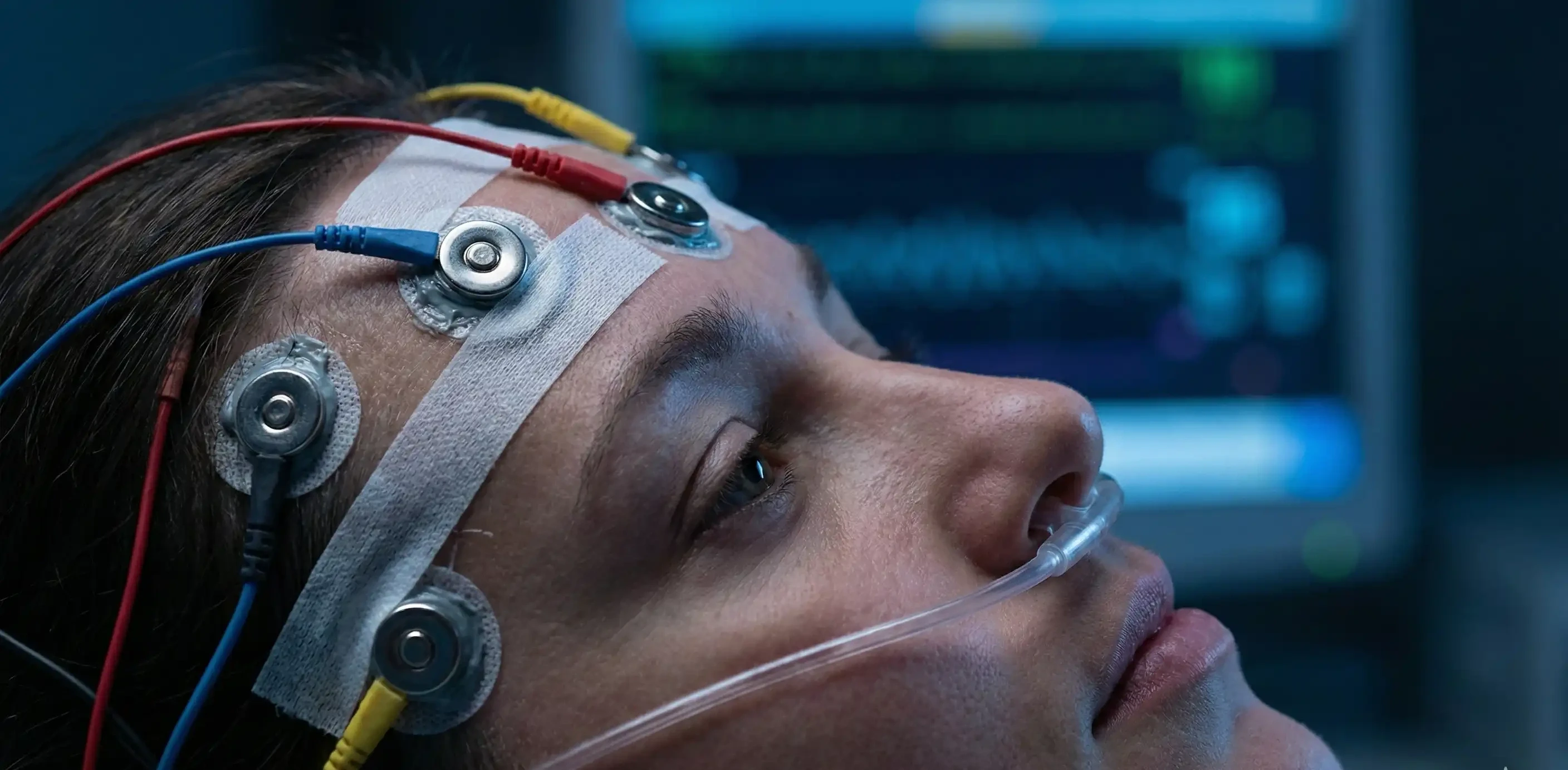
Sometimes, to figure out if something else is going on, like another sleep disorder, they might suggest a sleep study. This is usually done in a special neuroscience lab where they can monitor your sleep closely.
Treatment approaches depend a lot on how long you've had trouble sleeping and what might be causing it. If your insomnia is linked to another condition, like anxiety or sleep apnea, treating that condition often helps your sleep improve.
For short-term sleep issues, focusing on good sleep habits, sometimes called sleep hygiene, is common. In some cases, a doctor might suggest a short course of sleep medication if the insomnia is causing a lot of distress.
For longer-lasting insomnia, a type of therapy called Cognitive Behavioral Therapy for Insomnia, or CBT-I, is often recommended. This therapy helps people change the thoughts and behaviors that get in the way of sleep. It's a structured approach that many find very helpful over time.
Understanding Insomnia: A Path Forward
Recognizing the signs of insomnia, whether it's a mind that won't switch off or feeling more tired than usual, is the first step. It's important to remember that insomnia often develops over time, influenced by our thoughts, feelings, and daily habits.
While self-help strategies can be beneficial, seeking professional guidance from a doctor or sleep specialist is key for a proper diagnosis and effective treatment plan. By understanding the various factors that contribute to sleeplessness and working with healthcare providers, individuals can find ways to improve their sleep and overall well-being.
Frequently Asked Questions
What is insomnia?
Insomnia is a sleep disorder where a person has trouble falling asleep, staying asleep, or wakes up too early and cannot go back to sleep. This can make them feel tired and unfocused during the day.
What are the most common symptoms of insomnia?
The most common symptoms include difficulty falling asleep, waking up often during the night, waking up too early, feeling tired after waking up, and having trouble focusing or remembering things during the day.
How often do these sleep problems need to happen to be called insomnia?
To be diagnosed with insomnia, sleep problems usually need to happen at least three times a week and last for at least three months.
Can insomnia cause problems during the day?
Yes, insomnia can lead to daytime problems like feeling very tired, having low energy, being irritable, and having trouble paying attention or remembering things.
What are some causes of insomnia?
Insomnia can be caused by stress, changes in routine, anxiety, depression, certain medications, or health conditions. Sometimes, habits like drinking caffeine late in the day or using screens before bed can also play a role.
Are there different types of insomnia?
Yes, there are types such as acute (short-term) insomnia, chronic (long-term) insomnia, and insomnia that happens with other conditions like depression or anxiety. There is also paradoxical insomnia, where people feel they sleep less than they actually do.
How do doctors check for insomnia?
Doctors usually ask about your sleep habits, daily routines, and how you feel during the day. Sometimes, they may ask you to keep a sleep diary or do a sleep study if needed.
Can children and teenagers have insomnia too?
Yes, insomnia can affect people of any age, including children and teenagers. It may look a bit different in younger people, but they can still have trouble sleeping and feel tired during the day.
Is insomnia genetic?
Insomnia can run in families, so genetics might play a part. However, lifestyle and environment are also important factors.
Can insomnia be cured?
For many people, insomnia can get better with the right changes in habits, therapy, or treatment. Sometimes, it goes away on its own, but other times, it may need ongoing management.
Are there natural ways to help with insomnia?
Some natural ways include keeping a regular sleep schedule, making your bedroom comfortable and quiet, avoiding caffeine late in the day, and practicing relaxing activities before bed.
When should I see a doctor about my sleep problems?
If you have trouble sleeping for more than a few weeks and it starts to affect your daily life, it's a good idea to talk to a doctor. They can help find out what's causing your sleep problems and suggest ways to help.
Emotiv is a neurotechnology leader helping advance neuroscience research through accessible EEG and brain data tools.
Medical Disclaimer: The information provided on this website is for educational and informational purposes only and is not intended as medical or health advice. This content may contain errors and should not be relied upon to make life-altering health, medical, or lifestyle choices. Always seek the advice of your physician or other qualified health provider with any questions you may have regarding a medical condition or treatment.
Christian Burgos