When Data Isn’t Decision-Ready
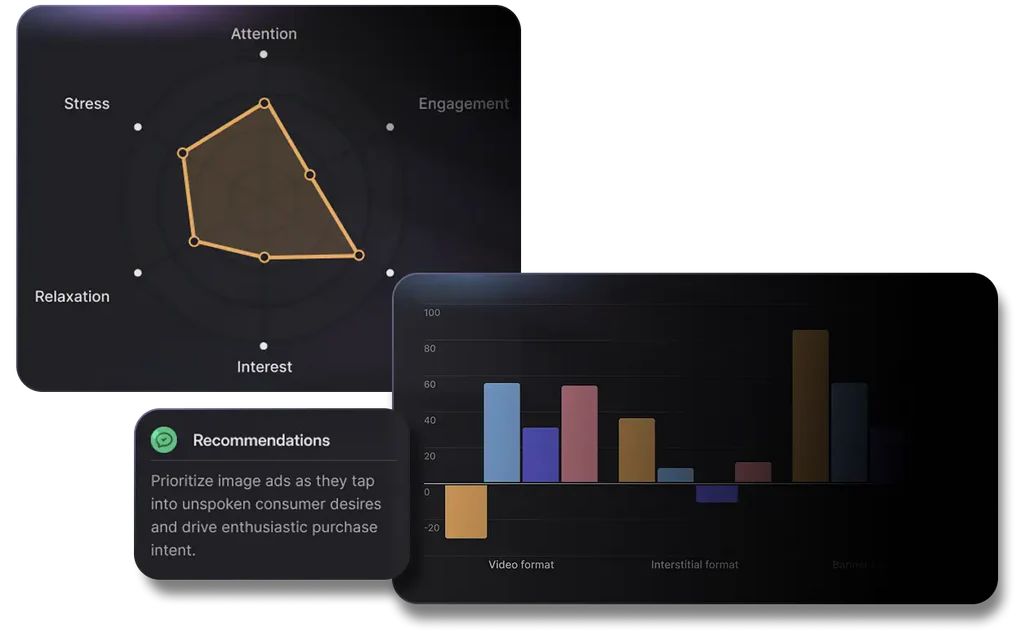
The Investment vs. Reliability Gap Is Real
By the numbers
In CPG/retail, roughly 75% of launches fail to reach $7.5M in first-year sales, never attaining the levels of adoption necessary to support ongoing production.1
“Bad experiences” cost $3.1T in global consumer spending every year.2
Between 54% and 58% of consumer survey participants indicate that they intend to purchase a product, but do not convert.3
Why Traditional Methods
Fall Short
Real-time consumer insights, powered by neuroscience
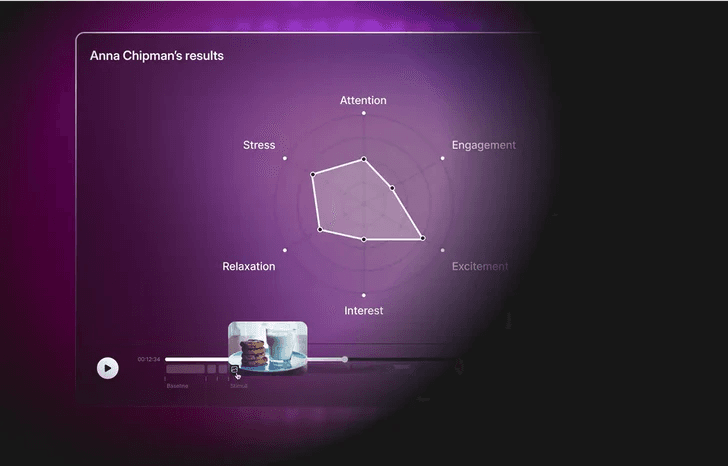
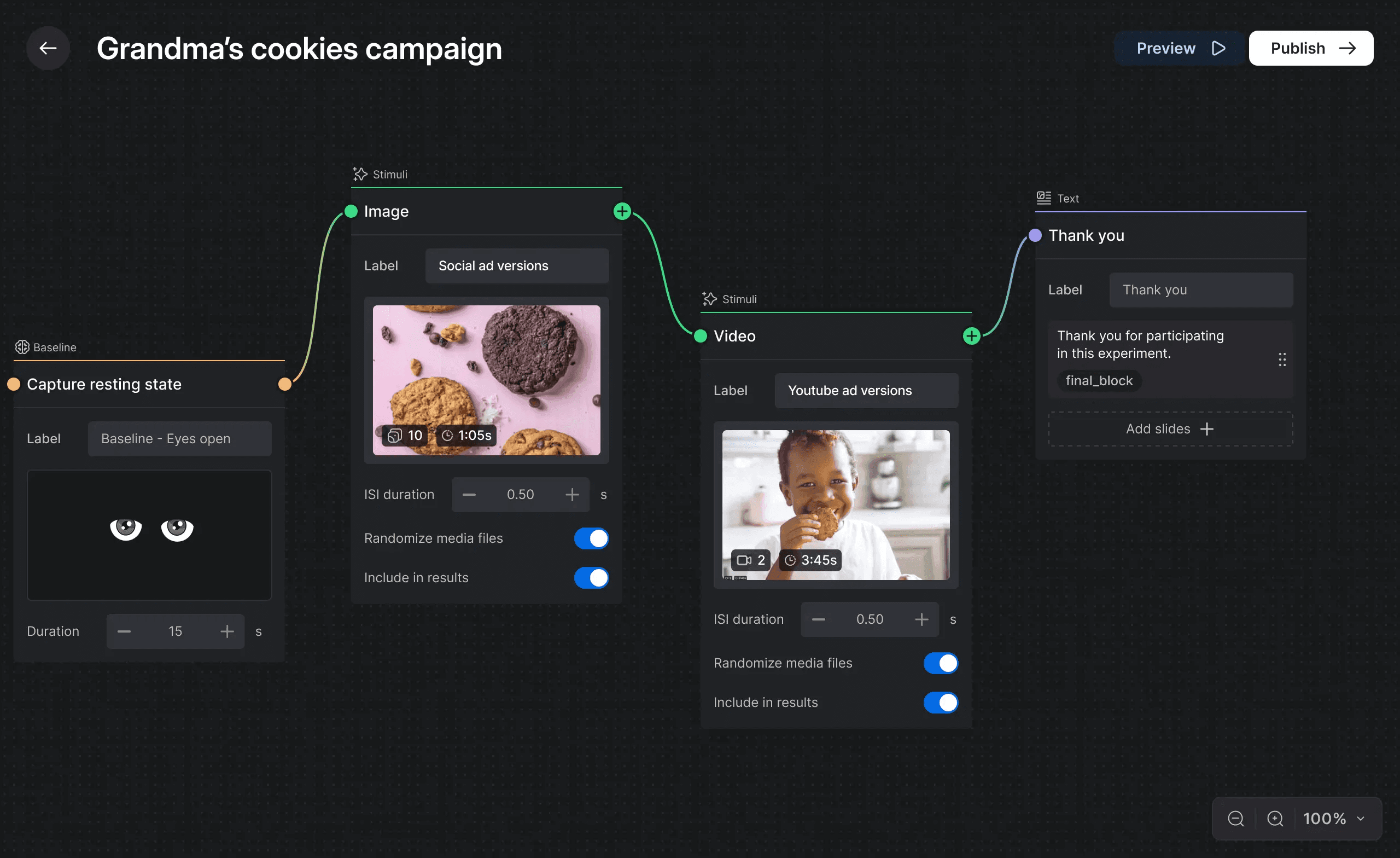
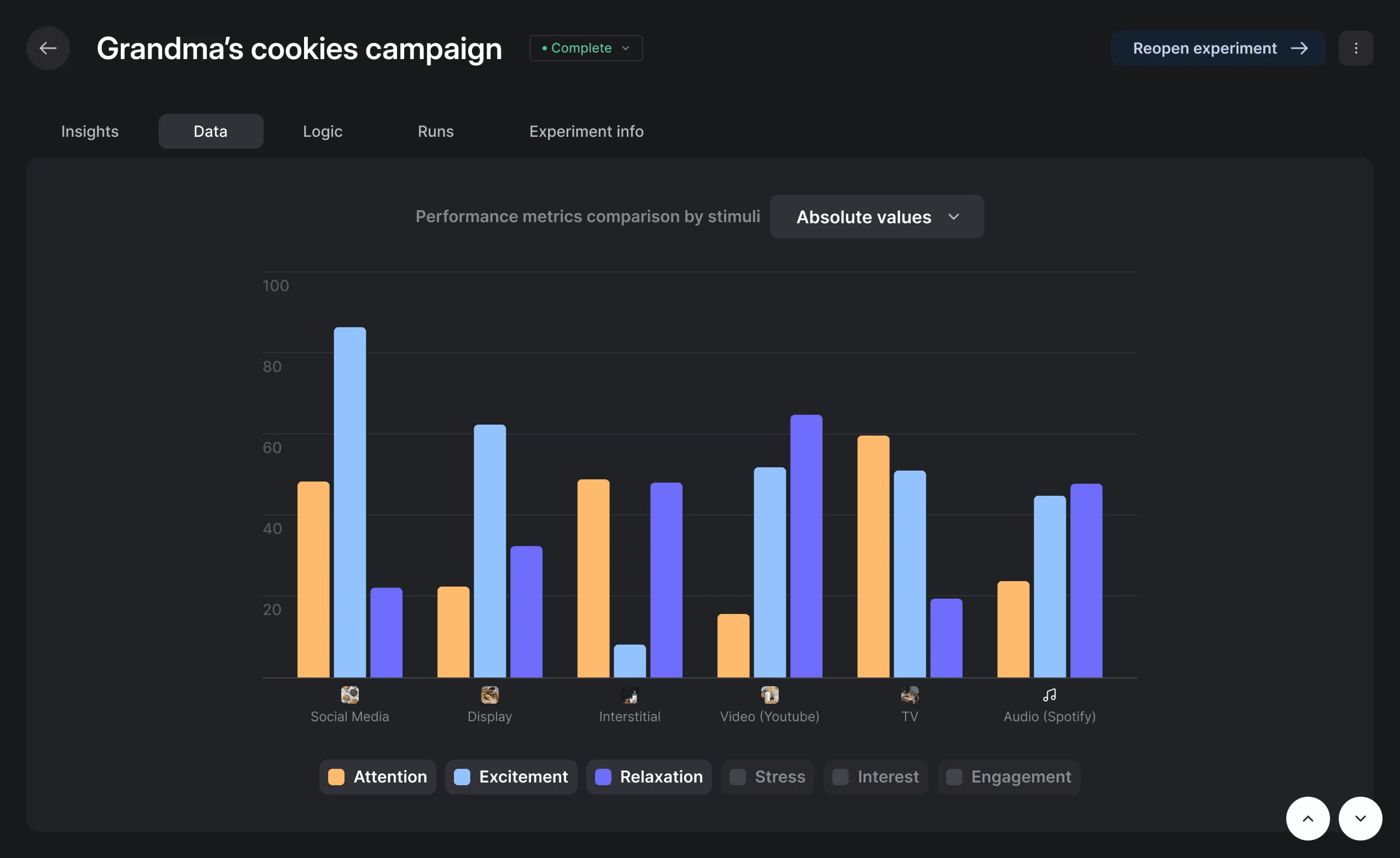
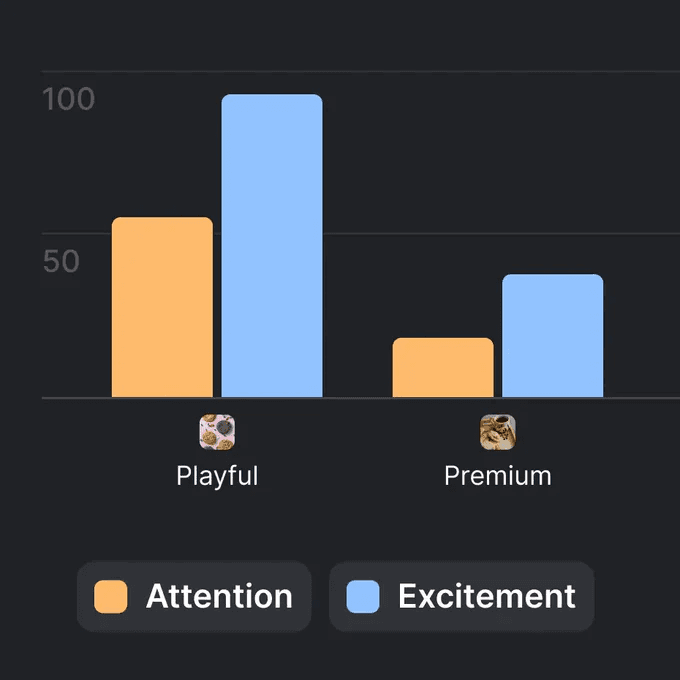
Event-timed measurement. Responses are aligned to each scene, screen, or stimulus, so you know what changed and when.
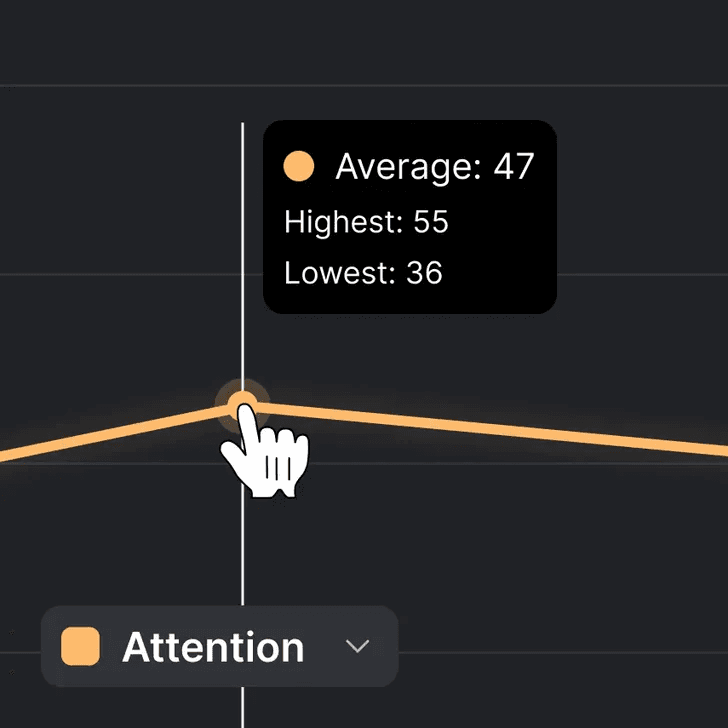
Moment-by-moment tracking. EEG captures rapid changes in response as they happen, giving you a clear timeline of audience reactions.
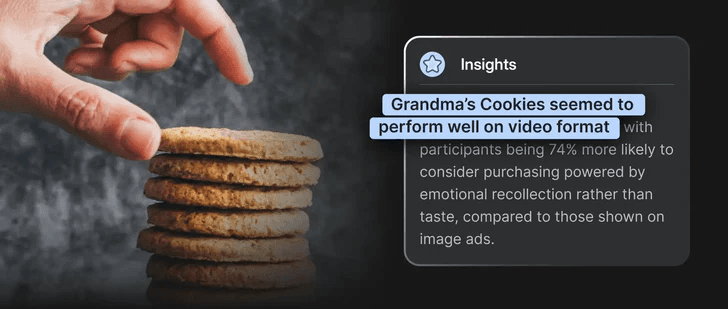
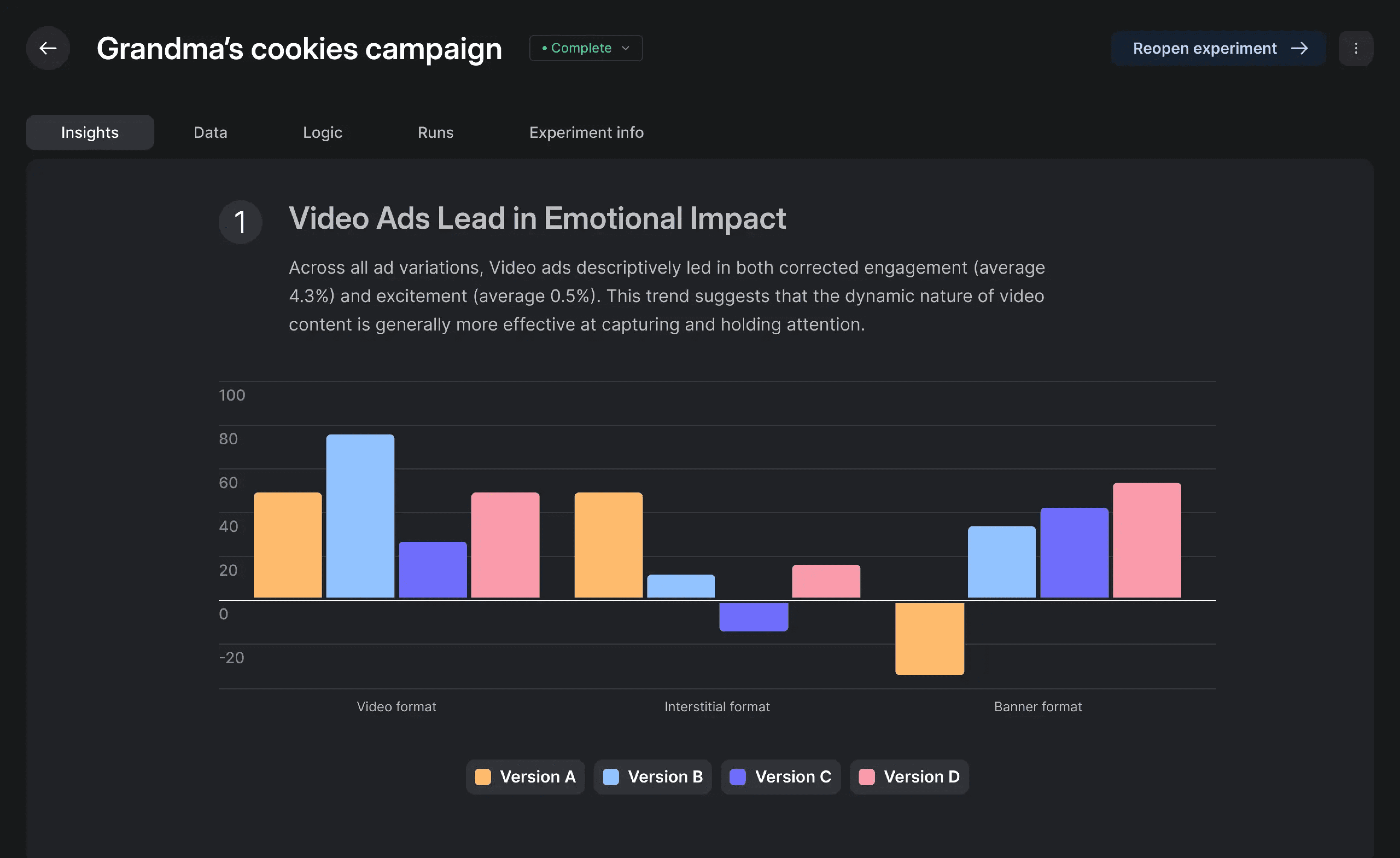
Faster insights. Results aggregate in the cloud with EmotivIQ™, so you can iterate in minutes—not weeks.

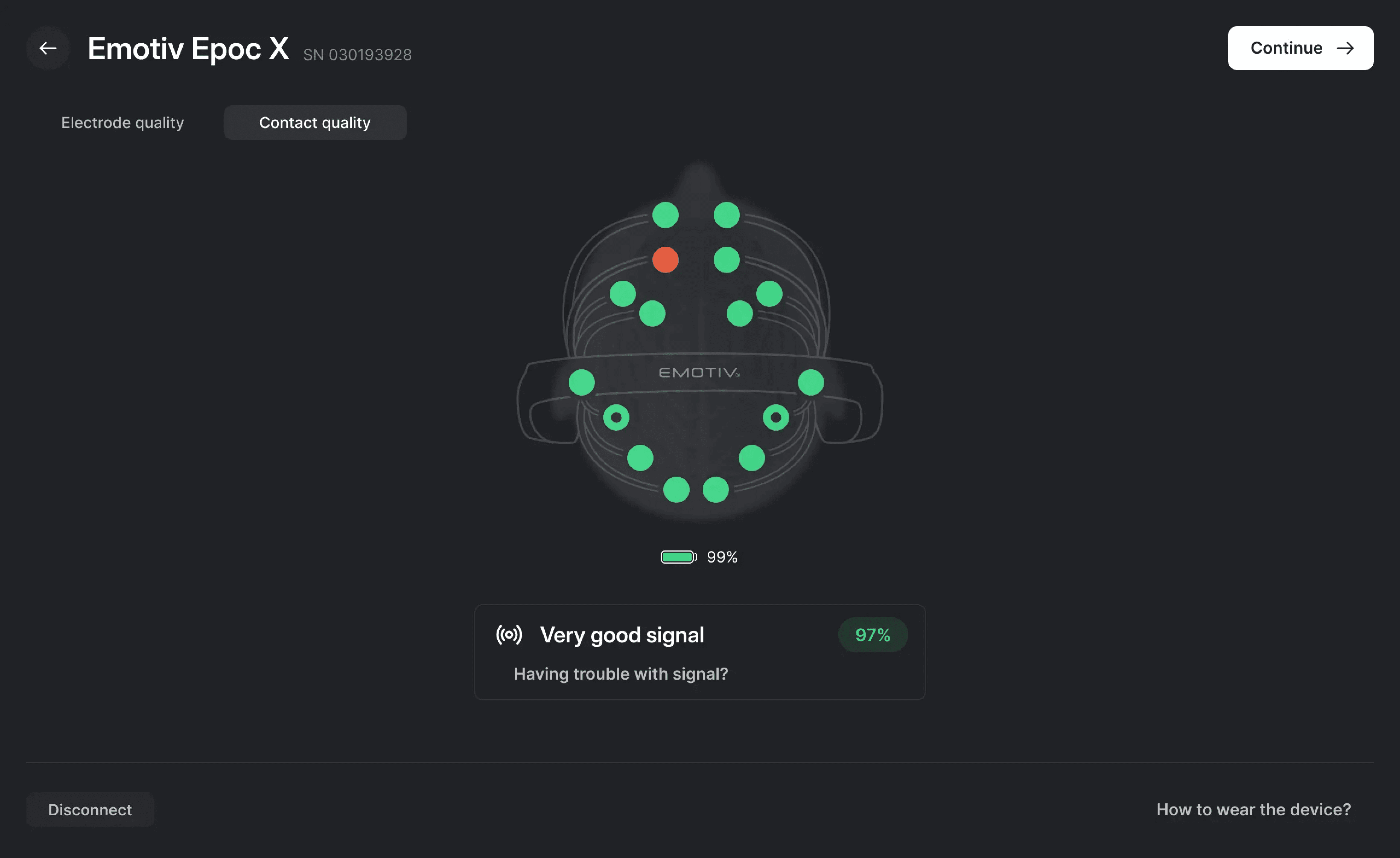
Bias reduction. Instead of relying on recall or socially desirable answers, you’re measuring nonverbal neural signals as they occur.
What this unlocks for you
Solutions you can depend on

Where it fits in your workflow
Case Studies:
Value unlocked
Turning cleaning into emotional engagement
Emotiv’s EEG-based insights showed that everyday cleaning can evoke strong positive emotions (e.g., 37% of participants felt better cleaning the toilet than petting puppies; wiping a counter felt 6% better than getting a massage). Clorox used these findings to reframe its Clean Feels Good platform around small, emotionally meaningful moments—improving creative resonance.

Precision matching for better conversions
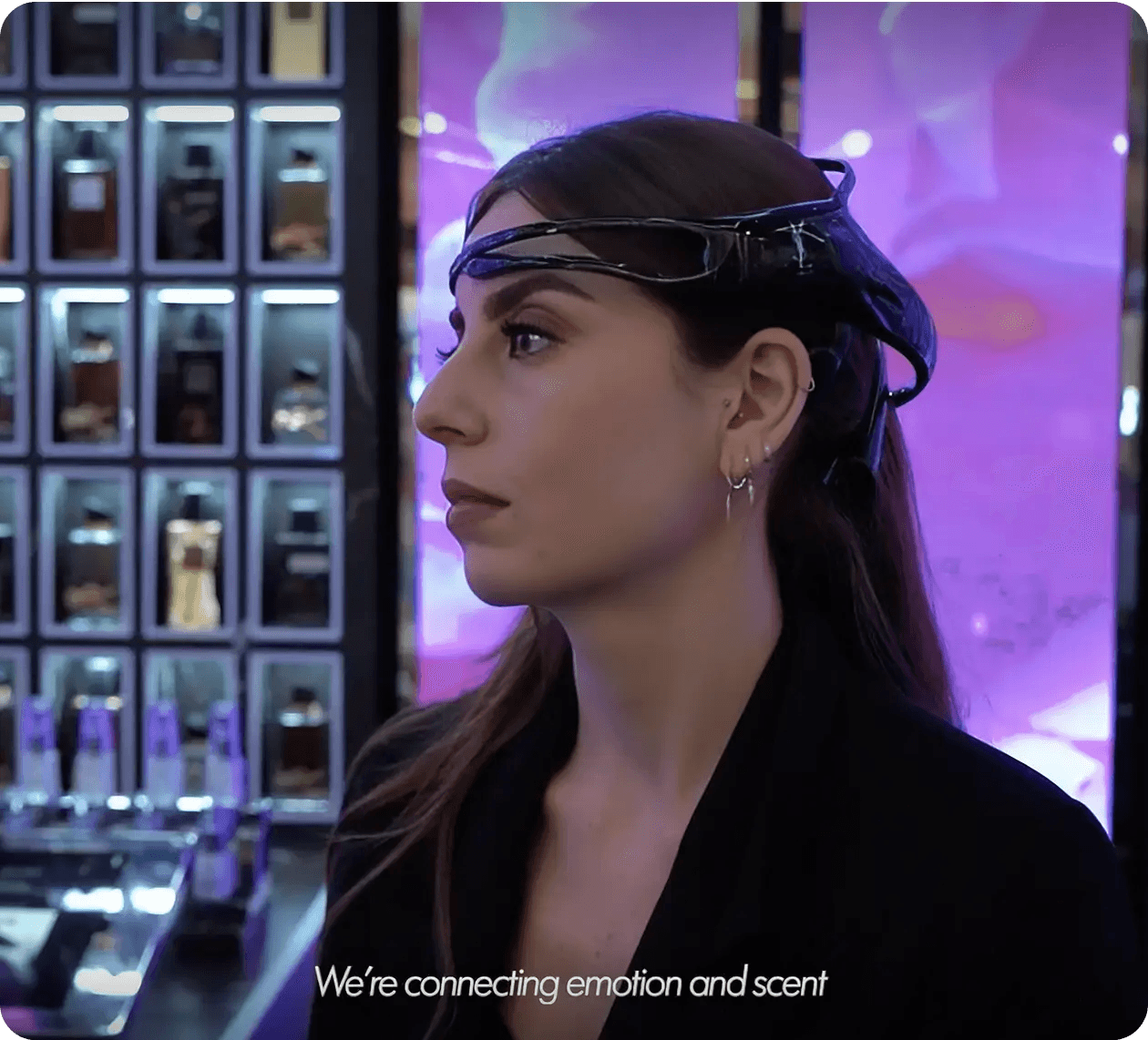
By pairing EEG with an in-store A/B experience, YSL’s Scent-Sation matched shoppers to fragrances based on subconscious responses; leadership reported 95% of people were matched to the “right” scent—reducing choice overload and streamlining purchase.

Messaging that strengthens connection
Measuring caregiver responses with EEG revealed a 36% uplift in well-being when messages expressed appreciation; the brand emphasized gratitude to boost recall and long-term trust.

Why Emotiv
From data to decisions
Sources
1. J. Schneider and J. Hall, “Why most product launches fail,” Apr. 01, 2011. https://hbr.org/2011/04/why-most-product-launches-fail
2. “Bad experiences put $3.1 trillion in annual global consumer spending at risk - Qualtrics,” Qualtrics. https://www.qualtrics.com/news/bad-experiences-put-3-1-trillion-in-annual-global-consumer-spending-at-risk/https://www.qualtrics.com/news/bad-experiences-put-3-1-trillion-in-annual-global-consumer-spending-at-risk/
3. T. Kato, S. Minigeshi, R. Kobayashi, and T. Umeyama, “Relationship between Purchase Intention Response Speed and Purchase Behavior,” International Journal of Japan Association for Management Systems, vol. 17, no. 1, pp. 41–46, Jan. 2025, doi: https://doi.org/10.14790/ijams.17.1_41