How to Buy a Professional EEG Headset (2025 Guide)
Emotiv
Updated on
Dec 5, 2025
How to Buy a Professional EEG Headset (2025 Guide)
Emotiv
Updated on
Dec 5, 2025
How to Buy a Professional EEG Headset (2025 Guide)
Emotiv
Updated on
Dec 5, 2025
Let’s get one thing straight: EEG headsets can’t read your thoughts. Despite what you’ve seen in movies, this technology doesn’t decode specific ideas or memories. Instead, it measures the broad electrical patterns of your brain, giving us incredible insight into cognitive states like focus, stress, and engagement. Once you move past the sci-fi myths, you find a powerful tool used by researchers, developers, and neuromarketers every day. But with this power comes choice. Understanding the real capabilities and limitations of EEG is the first step. This article will guide you through the facts, helping you make an informed decision when you’re ready to buy professional eeg headset.
Key Takeaways
Choose the Right Tool for the Job: Your specific application—whether it’s detailed academic research or BCI development—should determine your headset’s channel count and features, not the other way around.
Look Beyond the Hardware: A professional EEG system is an entire ecosystem; the right software for analysis and robust developer tools are what turn raw brain data into actionable insights and custom applications.
Understand What EEG Actually Does: This technology doesn’t read thoughts but measures broad patterns of electrical activity. Knowing this distinction is essential for designing effective experiments and interpreting your data correctly.
What Defines a “Professional” EEG Headset?
When you hear “professional EEG headset,” you might picture a complex web of wires in a sterile lab. While that’s one version, the definition has expanded quite a bit. A professional headset isn’t defined by a single feature but by a combination of its capabilities, design, and the quality of the data it produces. It’s about having a reliable tool that can meet the demands of serious applications, whether that’s for academic research, developing a brain-computer interface, or gathering consumer insights.
The key difference between a professional device and a consumer-grade gadget lies in precision, flexibility, and data integrity. A professional headset gives you access to cleaner, more detailed brain data and provides the software support needed to analyze it effectively. It’s built for specific, often rigorous, use cases where accuracy is non-negotiable. This means it has been validated for research and comes with robust software for data acquisition and analysis. Think of it as the difference between a point-and-shoot camera and a DSLR—both take pictures, but one gives you far more control and higher-quality results for specialized work. In the following sections, we’ll break down the core components that make a headset truly professional, from its channel count to its ergonomic design.
Why Channel Count and Data Quality Matter
The number of channels, or electrodes, on a headset is one of the first things people look at, and for good reason. The number and placement of these sensors are critical factors that determine the quality and spatial resolution of the data you collect. A higher channel count allows you to gather information from more areas of the brain simultaneously, giving you a more detailed picture of neural activity. This is especially important for complex research that aims to understand how different brain regions interact.
However, it’s not just a numbers game. The quality of the sensors and the headset’s data processing capabilities are just as important. Technological advancements have made modern EEG sensors more reliable and user-friendly, ensuring you get a clean signal with minimal noise. A professional-grade device combines a sufficient channel count with high-quality components to deliver accurate, research-ready data.
Choosing Between Wireless and Wired Setups
The debate between wireless and wired EEG systems is all about balancing mobility with data transmission. Wireless headsets have become increasingly popular in neuroscience research because they allow subjects to move freely and naturally. This is a game-changer for studies that take place outside of a traditional lab, involve physical tasks, or use virtual reality. The freedom of a wireless setup helps reduce data artifacts caused by cable movement and creates a more comfortable experience for the participant.
Modern wireless systems also benefit from powerful integrations, including AI-driven analytics and brain-computer interface applications that enable real-time data processing. While wired systems are still a staple in some clinical settings for their direct, stable connection, the performance and convenience of today’s wireless professional headsets make them the go-to choice for a huge range of applications.
Designing for Comfort and Extended Use
If a research participant is uncomfortable, it can affect their mental state and introduce noise into the data. That’s why ergonomics are a crucial, though often overlooked, feature of a professional EEG headset. When sessions can last for an hour or more, comfort is key to collecting high-quality, consistent data. Professional headsets are designed for these long-term sessions, often featuring lightweight materials, adjustable frames, and flexible sensor arrangements to fit a wide range of head shapes and sizes.
A well-designed headset minimizes pressure points and ensures a secure but gentle fit. This not only makes the experience better for the user but also ensures the sensors maintain good contact with the scalp throughout the session. As this brainwave device guide explains, a comfortable and stable fit is fundamental to reliable data acquisition, making it a hallmark of any professional system.
How to Choose the Right Professional EEG Headset
Finding the perfect professional EEG headset feels a lot like choosing the right tool for a big project. You need something that not only gets the job done but also fits your specific needs and workflow. It’s not just about the technology inside; it’s about how that technology serves your goals, whether you’re conducting in-depth academic research, developing a new brain-computer interface, or exploring consumer behavior.
To make the right choice, you’ll want to look at a few key areas: the number of channels, the sensor technology, practical features like battery life, the software ecosystem, and of course, comfort. Let’s walk through what to look for in each of these categories to make sure you find a headset that’s a perfect match for your work.
Match the Channel Count to Your Application
The number of channels on an EEG headset determines how many locations on the scalp you can collect data from simultaneously. It’s easy to think that more is always better, but the ideal channel count really depends on your application. If you’re focused on overall cognitive states like focus or stress, a headset with fewer channels, like our 5-channel Insight, can provide the data you need without a complex setup.
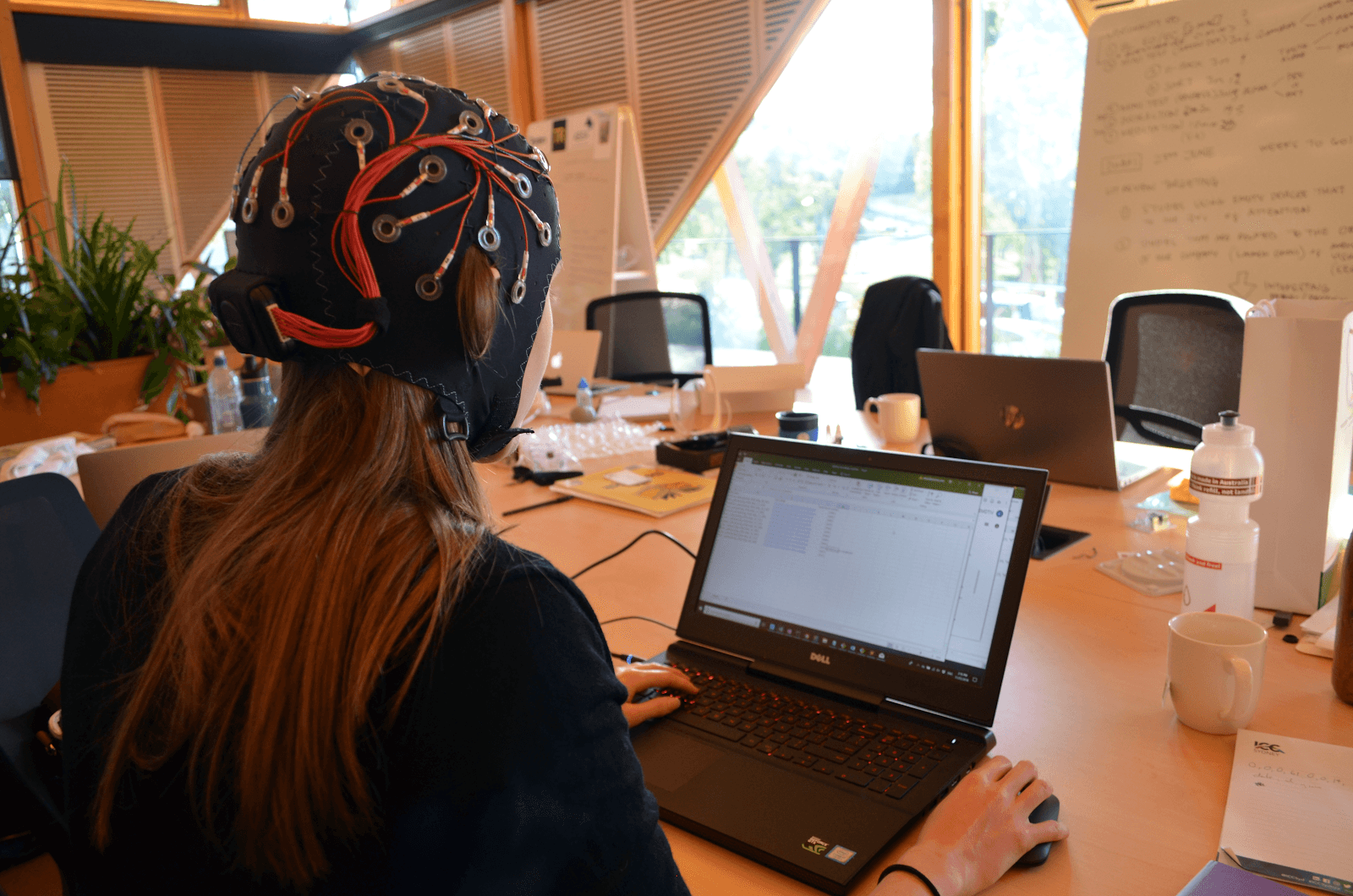
For more detailed spatial analysis or source localization in research, you’ll want a higher channel count. A 14-channel device like the Epoc X offers a great balance for many research applications, while a 32-channel system like Flex provides the high-density data needed for advanced brain mapping. Think about your project’s scope first, then choose the channel count that aligns with your goals.
Evaluate Sensor Technology and Signal Accuracy
The quality of your EEG data starts with the sensors. Different headsets use different types of sensors—primarily saline, gel, or dry. Saline-based sensors, like those on our Epoc X and Flex Saline headsets, offer a fantastic blend of convenience and signal quality. They use simple saline solution to create a connection, and the felt pads are easy to rehydrate, which helps maintain a strong signal throughout your session.
Gel-based sensors, found on our Flex Gel system, are the go-to for researchers who need the most stable connection possible for very long recordings. The setup takes a bit more time, but the resulting signal quality is excellent. When choosing, consider the trade-off between setup speed and the duration of your data collection sessions.
Check Battery Life and Connectivity
Practical features like battery life and connectivity can make or break your research session. There’s nothing worse than a device dying in the middle of an important experiment. Look for a headset with a battery that can comfortably last through your longest planned sessions. For example, the Epoc X offers up to 12 hours of use with its USB receiver for a stable, stationary setup, or up to 6 hours with Bluetooth for greater mobility.
This flexibility is key. A stable USB connection is often preferred for lab settings to minimize potential interference, while Bluetooth is essential for studies that involve movement or real-world environments. Make sure the headset you choose offers the connectivity options that best suit your research design.
Look for Software and Developer Support
A great EEG headset is more than just hardware; it’s a gateway to an entire ecosystem of software and support. The right software can streamline everything from data recording to analysis. With a solution like EmotivPRO, you can view and record EEG data in real-time, insert event markers, and analyze the results all in one place. This is especially valuable in fields like neuromarketing, where quick insights are crucial.
If you’re a developer, look for robust support like SDKs and APIs. Having access to these tools allows you to build custom applications, create novel brain-computer interfaces, or integrate brain data into your own projects. A strong developer community and accessible resources can significantly accelerate your work.
Prioritize Comfort for Long Research Sessions
Finally, never underestimate the importance of comfort. An uncomfortable headset can be distracting for a participant, leading to fidgeting and movement artifacts that contaminate your data. For studies that last more than a few minutes, a comfortable and secure fit is essential.
Look for designs that are lightweight, adjustable, and built for extended wear. The Epoc X, for instance, was designed with a rotating headband and flexible arms to ensure it fits comfortably and securely during data collection. A comfortable participant is more likely to remain still and engaged, which ultimately leads to cleaner, more reliable data. When you’re investing in a professional device, make sure it’s one people can actually wear without issue.
What’s the Price Tag on a Professional EEG Headset?
Figuring out the cost of a professional EEG headset can feel a bit like shopping for a car—the price range is huge, and what you pay depends entirely on what you need under the hood. The cost is tied directly to the headset’s capabilities, from the number of channels it has to the quality of its sensors and the sophistication of its software. A higher price tag generally gets you more sensors for higher-density data, more advanced hardware, and more powerful analysis tools.
Whether you’re just starting to explore brain data for a personal project or you’re running a complex, multi-participant research study, there’s a device that fits your budget and your goals. It’s not about finding the most expensive option, but about matching the technology to your specific application. Understanding the different price tiers will help you make an informed decision and ensure you’re investing in a tool that will actually help you achieve your objectives without overspending on features you don’t need. Let’s break down the typical price points to give you a clearer picture of what to expect.
Entry-Level Options for Newcomers
If you’re new to the world of EEG, you don’t need to spend a fortune to get started. Entry-level devices are perfect for learning the basics and running simple experiments. You can find starter kits on the market for around $130 that provide a solid introduction to brainwave data. These headsets typically have a lower channel count but are designed to be user-friendly, often coming with tutorials and free apps. They’re a great, low-risk way to get hands-on experience and explore applications in areas like accessing cognitive wellness tools before committing to a more advanced system. This is the ideal starting point for students, hobbyists, and anyone curious about seeing their brain activity in real-time.
Mid-Range Devices for Dedicated Research
When you’re ready to move beyond the basics, mid-range headsets offer a significant step up in performance without reaching the highest price points. For around $1,000, you can get a powerful wireless device like our Epoc X, which provides a great balance of functionality and cost. These systems are built for more demanding applications, featuring higher channel counts (like 14 channels) for more detailed brain data. They are a popular choice in academic labs and for developers who need reliable, high-quality signals for their projects. This tier is where serious research and development truly begin, offering the robust data needed for peer-reviewed studies and innovative BCI applications.
High-End Systems for Complex Applications
For advanced researchers who require the highest precision and data density, high-end systems are the way to go. Prices for these devices can start around $1,400 and go up from there, reflecting their sophisticated capabilities. These headsets often feature 32 or more channels, offering comprehensive brain coverage for complex studies in neuroscience or clinical research. For example, our Flex headset is designed for this level of work, providing the flexibility to place sensors across the entire scalp. The investment in a high-end system gives you access to top-tier sensor technology and the granular data needed to push the boundaries of what’s possible with EEG.
Key Factors That Influence the Price
So, what exactly are you paying for? Several key factors determine a headset’s price. The number of channels is the most obvious one—more sensors mean more data and a higher cost. The type of sensor (e.g., saline vs. gel) also plays a role in both price and performance. Beyond the hardware, the bundled software is a major value component. Access to powerful analysis platforms like EmotivPRO or developer kits for building custom applications adds significant utility. As technology evolves, these features become more refined, making professional-grade EEG more accessible, but the most advanced capabilities will always command a premium.
Exploring Top Professional EEG Headsets
Once you have a clear idea of your project’s needs, you can start exploring specific headsets. The right device for you will balance channel count, sensor type, and form factor with your budget and goals. Let’s look at some of the top professional EEG headsets to see how they stack up for different applications.
Emotiv Epoc X: The Versatile 14-Channel Headset
The Emotiv Epoc X is a true workhorse and one of the most popular wireless EEG headsets for a reason. With 14 channels, it strikes a great balance between providing detailed brain data and maintaining a user-friendly, portable design. This makes it incredibly versatile for a wide range of applications, from academic research and education to developing new brain-computer interface commands. It’s a fantastic choice if you need a reliable, high-performance device that can adapt to different projects and environments without being tethered by wires. The setup is straightforward, allowing you to get up and running with quality data collection relatively quickly.
Emotiv Flex Saline: A Flexible 32-Channel System for Researchers
When your research demands a higher density of brain data, the Emotiv Flex Saline is the way to go. This headset features a cap with 32 channels, allowing you to get a much more comprehensive look at brain activity across the entire scalp. The “saline” part refers to the sensors, which use simple saline-soaked felt pads. This makes preparation quick and cleanup easy, which is a huge plus for studies involving multiple participants or long recording sessions. It’s designed for researchers who need the flexibility to place sensors according to standard layouts and require robust data for complex analysis.
Emotiv Flex Gel: The Premium 32-Channel Option
For researchers who need the absolute highest signal quality, the Emotiv Flex Gel is the premium choice. Like its saline counterpart, it offers a high-density 32-channel setup for detailed brain mapping. The key difference is its use of gel-based electrodes. While applying the gel takes a bit more prep time, it creates an exceptional connection that minimizes noise and artifacts in the data. This level of precision is essential for studies where the subtlest brain signals matter. If your work involves sensitive experiments or you simply can’t compromise on data integrity, the Flex Gel system is built to deliver.
Emotiv Insight: Your Portable 5-Channel Solution
If you’re looking for a headset that’s both powerful and easy to wear, the Emotiv Insight is an excellent option. This sleek, lightweight device features 5 channels and is designed for everyday use and personal science projects. Its minimalist design makes it comfortable to wear for extended periods, allowing you to gather data in real-world settings, not just in a lab. The Insight is perfect for developers creating applications for cognitive wellness or for individuals who want an accessible entry point into understanding their own brain activity. It’s a great tool for bringing brain-computer interface technology out of the lab and into daily life.
Emotiv MN8: Discreet Brain Data with 2-Channel Earbuds
The Emotiv MN8 completely rethinks the EEG form factor. These are essentially smart earbuds that contain two channels of EEG sensors, making them incredibly discreet and practical for use in public or professional settings. Because they are so unobtrusive, the MN8 is an ideal tool for consumer research and neuromarketing studies, where you want to capture genuine reactions without participants feeling self-conscious. They are also designed for individuals interested in accessing cognitive wellness tools throughout their workday. The MN8 proves that you don’t always need a full headset to gather meaningful brain data, opening up new possibilities for real-world applications.
Clearing Up Common EEG Misconceptions
EEG technology is fascinating, but it’s also surrounded by a lot of hype and misunderstanding, thanks in part to science fiction. Let’s clear the air and separate the facts from the fiction. Understanding what EEG can—and can’t—do is the first step to using it effectively for your projects.
Fact vs. Fiction: Can EEG Read Thoughts?
This is probably the biggest myth out there, so let’s tackle it head-on: No, EEG cannot read your thoughts. An EEG headset measures the electrical activity of your brain—the tiny electrical pulses generated when large groups of neurons communicate with each other. Think of it like listening to the roar of a crowd at a stadium. You can tell if the crowd is excited, calm, or agitated based on the overall noise, but you can’t pick out individual conversations. Similarly, EEG detects broad patterns of brain activity related to states like focus, relaxation, or excitement, but it can’t decipher the specific content of your thoughts. These patterns become powerful tools for understanding how the brain is responding when used in a well-designed brain-computer interface or research study.
The Real Difference Between Pro and Consumer-Grade Devices
You might see a wide range of EEG devices on the market and wonder what separates them. The key difference isn’t about one being “good” and the other “bad,” but about their intended purpose and data resolution. Professional-grade systems, like our Emotiv Flex, are designed for in-depth research and offer a higher channel count. This provides a more detailed map of brain activity across the scalp. Consumer-focused devices, on the other hand, prioritize ease of use, comfort, and a faster setup for more specific applications. They may have fewer channels but are perfect for developers, educators, or anyone getting started with brain data. It’s all about choosing the right tool for your specific goals.
Are They Really That Hard to Set Up?
The idea of using an EEG headset can seem intimidating, bringing to mind images of complicated, gel-filled caps in a sterile lab. While that was once the reality, technology has come a long way. Many modern EEG systems, including ours, are designed for accessibility and ease of use. The myth that EEG is only for medical patients or highly technical experts is outdated. Today, headsets are used by a diverse community of academic researchers, developers, and creators who want direct access to brain data. While high-density systems still require care, many portable devices can be set up in just a few minutes, making brain science more accessible than ever.
Understanding the Limits of EEG Data
While EEG data is incredibly rich, it’s not a crystal ball. The raw data stream of electrical signals doesn’t provide simple, black-and-white answers. Instead, its value comes from interpretation within a specific context. Through analysis, we can identify measurable patterns, or biomarkers, that correlate with certain cognitive or emotional states. For example, in neuromarketing studies, we can observe patterns related to engagement or cognitive load in response to an ad. However, this doesn’t tell us with 100% certainty if someone will buy a product. The data provides powerful insights and probabilities, but its meaning is always dependent on good experimental design and thoughtful analysis.
Who Uses Professional EEG Headsets?
Professional EEG headsets aren’t just for scientists in white lab coats anymore. The technology has become so accessible that it’s now used across a surprising range of fields. From university classrooms to marketing agencies and even your own living room, people are using EEG to explore the human brain in new and exciting ways. Let’s look at some of the key groups who are putting these powerful tools to work.
For Academic Research and Education
For decades, studying the brain meant booking time with massive, expensive machines in a dedicated lab. Portable EEG has completely changed the game for academic research. Now, researchers can conduct studies in more natural settings, gathering data on how the brain functions during everyday activities. This accessibility also makes it a fantastic educational tool. Instead of just reading about brainwaves in a textbook, students can see their own neural activity in real time, bringing complex neuroscience concepts to life. It opens up a world of hands-on learning and allows for more dynamic and engaging research projects without the need for a multi-million dollar budget.
For Brain-Computer Interface (BCI) Development
At its core, a brain-computer interface (BCI) is a system that allows you to control a device or application using only your brain activity. Professional EEG headsets are the essential hardware that makes this possible. Developers use them to build everything from assistive technologies that help people with motor impairments communicate and interact with their environment, to next-generation gaming experiences that respond to a player’s emotional state. With access to raw EEG data and powerful software development kits (SDKs), creators can design custom commands and translate brain patterns into actions, pushing the boundaries of human-computer interaction. It’s a field full of creative potential, and it all starts with reliable brain data.
For Neuromarketing and Consumer Insights
Surveys and focus groups can tell you what people think they feel, but EEG can show you their unfiltered, subconscious reactions. This is the foundation of neuromarketing. By using EEG headsets, market researchers can measure a person’s genuine emotional engagement, cognitive load, and attention levels while they experience an advertisement, browse a website, or test a new product. These insights help brands understand what truly captures a consumer’s interest. The accessibility of portable EEG headsets allows teams to conduct neuromarketing studies more easily than ever, leading to more effective campaigns and products that genuinely resonate with their audience.
For Accessing Cognitive Wellness Tools
Beyond research and development, many people use EEG headsets for personal insight and self-exploration. These devices provide access to a new generation of cognitive wellness tools that can help you better understand your own mental states. For example, you can observe your brain’s patterns during a meditation session to see how your focus shifts or use an app to visualize your levels of relaxation throughout the day. It’s not about diagnosing or treating conditions, but about gaining a new layer of self-awareness. By seeing objective data related to your cognitive processes, you can explore different techniques and activities to support your mental clarity and performance in a more informed way.
Completing Your Setup: Software and Accessories
Getting your hands on the right EEG headset is a huge first step, but it’s only part of the equation. To truly get the most out of your device, you’ll need the right software to make sense of the data and a few key accessories to ensure everything runs smoothly. Think of it like buying a great camera—the lenses and editing software are what bring your vision to life. Let’s walk through the essential components that will complete your professional EEG setup.
Must-Have Accessories for Peak Performance
To get clean, reliable data, you need to make sure your headset is performing at its best. This often comes down to having the right accessories on hand. For our saline-based headsets like the Epoc X, using the recommended saline solution is key for achieving great conductivity. It’s also a good idea to have extra felt sensor pads available, especially if you plan on running frequent or long sessions with multiple users. These small details make a significant difference in signal quality and help you maintain your equipment for the long haul, ensuring your research or development work isn’t interrupted by minor logistical issues.
Finding the Right Software and Analysis Tools
An EEG headset collects raw brainwave data, but it’s the software that translates those signals into something you can actually use. Your choice of software will depend entirely on your goals. For a quick look at your cognitive states, our Emotiv App provides an accessible interface. For more serious academic or commercial work, a platform like EmotivPRO is essential. It allows you to view and analyze raw EEG data, see performance metrics, and record data for detailed post-session analysis. The right software is the bridge between the data your headset gathers and the insights you’re looking for.
Building Custom Apps with Developer Kits
If you’re a developer, you probably want to do more than just analyze data—you want to build with it. That’s where a Software Development Kit (SDK) comes in. Our developer tools give you the access you need to create your own custom applications that interact with Emotiv headsets. Whether you’re designing a new brain-computer interface, creating an interactive art installation, or developing a unique application for cognitive wellness, our SDK provides the foundation. This flexibility allows you to move beyond standard analysis and bring your own innovative ideas to life using real-time brain data.
Where to Buy and What to Know About Warranties
When you’re ready to purchase, I always recommend buying directly from the official Emotiv website. This ensures you receive a genuine product, a full warranty, and access to our dedicated support team if you have any questions. It’s also important to be aware of potential import fees if you’re ordering from outside the United States. These customs charges are standard for international shipping and can vary depending on your country. Taking a moment to understand the warranty policy and potential shipping costs upfront will help make the entire purchasing process smooth and predictable, so you can focus on the exciting work ahead.
Related Articles
Frequently Asked Questions
I’m new to EEG. Which headset is the best for a beginner? If you’re just getting started, I’d point you toward the Emotiv Insight. It has a sleek, 5-channel design that’s incredibly user-friendly and comfortable, making it perfect for learning the ropes and exploring your own cognitive states. For something even more discreet, the MN8 earbuds are a fantastic option. They allow you to gather 2-channel data in a completely natural way, which is great for personal wellness applications or simple BCI projects without the look of a traditional headset.
How long does it actually take to set up a headset before collecting data? This has gotten so much faster over the years. With a saline-based headset like the Epoc X, you can go from unboxing to collecting data in about five to ten minutes. The main steps are hydrating the felt sensor pads with saline solution and then adjusting the headset to ensure you have a good connection. Our software even shows you the contact quality for each sensor in real-time, so you know exactly when you’re ready to go.
What kind of data will I be able to see with the software? Our software gives you a few different views into your brain activity. With a platform like EmotivPRO, you can see the raw EEG stream, which looks like a series of flowing lines representing the electrical signals from each sensor. Beyond that, the software also processes this complex data to provide you with more straightforward performance metrics. These are measures that correspond to cognitive states like focus, stress, or engagement, giving you a more immediate and understandable look at what’s happening.
Can I use an Emotiv headset for medical diagnosis or treatment? This is a really important question, and the answer is a clear no. Our headsets are not medical devices and should not be used for diagnosing, treating, or curing any medical conditions. They are designed as powerful tools for academic research, BCI development, neuromarketing, and for individuals who want to access cognitive wellness tools. Think of them as instruments for exploration and innovation, not for medical applications.
Do I need a powerful computer to run the software and analyze data? For recording data, most modern laptops and desktop computers will work just fine. Our software is designed to be efficient, so you don’t need a high-end gaming rig to simply collect and view your EEG stream. However, if you plan on doing very complex, large-scale data analysis with high-density recordings from a headset like Flex, then having a computer with more processing power and RAM will certainly help you run your analyses much faster.
Let’s get one thing straight: EEG headsets can’t read your thoughts. Despite what you’ve seen in movies, this technology doesn’t decode specific ideas or memories. Instead, it measures the broad electrical patterns of your brain, giving us incredible insight into cognitive states like focus, stress, and engagement. Once you move past the sci-fi myths, you find a powerful tool used by researchers, developers, and neuromarketers every day. But with this power comes choice. Understanding the real capabilities and limitations of EEG is the first step. This article will guide you through the facts, helping you make an informed decision when you’re ready to buy professional eeg headset.
Key Takeaways
Choose the Right Tool for the Job: Your specific application—whether it’s detailed academic research or BCI development—should determine your headset’s channel count and features, not the other way around.
Look Beyond the Hardware: A professional EEG system is an entire ecosystem; the right software for analysis and robust developer tools are what turn raw brain data into actionable insights and custom applications.
Understand What EEG Actually Does: This technology doesn’t read thoughts but measures broad patterns of electrical activity. Knowing this distinction is essential for designing effective experiments and interpreting your data correctly.
What Defines a “Professional” EEG Headset?
When you hear “professional EEG headset,” you might picture a complex web of wires in a sterile lab. While that’s one version, the definition has expanded quite a bit. A professional headset isn’t defined by a single feature but by a combination of its capabilities, design, and the quality of the data it produces. It’s about having a reliable tool that can meet the demands of serious applications, whether that’s for academic research, developing a brain-computer interface, or gathering consumer insights.
The key difference between a professional device and a consumer-grade gadget lies in precision, flexibility, and data integrity. A professional headset gives you access to cleaner, more detailed brain data and provides the software support needed to analyze it effectively. It’s built for specific, often rigorous, use cases where accuracy is non-negotiable. This means it has been validated for research and comes with robust software for data acquisition and analysis. Think of it as the difference between a point-and-shoot camera and a DSLR—both take pictures, but one gives you far more control and higher-quality results for specialized work. In the following sections, we’ll break down the core components that make a headset truly professional, from its channel count to its ergonomic design.
Why Channel Count and Data Quality Matter
The number of channels, or electrodes, on a headset is one of the first things people look at, and for good reason. The number and placement of these sensors are critical factors that determine the quality and spatial resolution of the data you collect. A higher channel count allows you to gather information from more areas of the brain simultaneously, giving you a more detailed picture of neural activity. This is especially important for complex research that aims to understand how different brain regions interact.
However, it’s not just a numbers game. The quality of the sensors and the headset’s data processing capabilities are just as important. Technological advancements have made modern EEG sensors more reliable and user-friendly, ensuring you get a clean signal with minimal noise. A professional-grade device combines a sufficient channel count with high-quality components to deliver accurate, research-ready data.
Choosing Between Wireless and Wired Setups
The debate between wireless and wired EEG systems is all about balancing mobility with data transmission. Wireless headsets have become increasingly popular in neuroscience research because they allow subjects to move freely and naturally. This is a game-changer for studies that take place outside of a traditional lab, involve physical tasks, or use virtual reality. The freedom of a wireless setup helps reduce data artifacts caused by cable movement and creates a more comfortable experience for the participant.
Modern wireless systems also benefit from powerful integrations, including AI-driven analytics and brain-computer interface applications that enable real-time data processing. While wired systems are still a staple in some clinical settings for their direct, stable connection, the performance and convenience of today’s wireless professional headsets make them the go-to choice for a huge range of applications.
Designing for Comfort and Extended Use
If a research participant is uncomfortable, it can affect their mental state and introduce noise into the data. That’s why ergonomics are a crucial, though often overlooked, feature of a professional EEG headset. When sessions can last for an hour or more, comfort is key to collecting high-quality, consistent data. Professional headsets are designed for these long-term sessions, often featuring lightweight materials, adjustable frames, and flexible sensor arrangements to fit a wide range of head shapes and sizes.
A well-designed headset minimizes pressure points and ensures a secure but gentle fit. This not only makes the experience better for the user but also ensures the sensors maintain good contact with the scalp throughout the session. As this brainwave device guide explains, a comfortable and stable fit is fundamental to reliable data acquisition, making it a hallmark of any professional system.
How to Choose the Right Professional EEG Headset
Finding the perfect professional EEG headset feels a lot like choosing the right tool for a big project. You need something that not only gets the job done but also fits your specific needs and workflow. It’s not just about the technology inside; it’s about how that technology serves your goals, whether you’re conducting in-depth academic research, developing a new brain-computer interface, or exploring consumer behavior.
To make the right choice, you’ll want to look at a few key areas: the number of channels, the sensor technology, practical features like battery life, the software ecosystem, and of course, comfort. Let’s walk through what to look for in each of these categories to make sure you find a headset that’s a perfect match for your work.
Match the Channel Count to Your Application
The number of channels on an EEG headset determines how many locations on the scalp you can collect data from simultaneously. It’s easy to think that more is always better, but the ideal channel count really depends on your application. If you’re focused on overall cognitive states like focus or stress, a headset with fewer channels, like our 5-channel Insight, can provide the data you need without a complex setup.
For more detailed spatial analysis or source localization in research, you’ll want a higher channel count. A 14-channel device like the Epoc X offers a great balance for many research applications, while a 32-channel system like Flex provides the high-density data needed for advanced brain mapping. Think about your project’s scope first, then choose the channel count that aligns with your goals.
Evaluate Sensor Technology and Signal Accuracy
The quality of your EEG data starts with the sensors. Different headsets use different types of sensors—primarily saline, gel, or dry. Saline-based sensors, like those on our Epoc X and Flex Saline headsets, offer a fantastic blend of convenience and signal quality. They use simple saline solution to create a connection, and the felt pads are easy to rehydrate, which helps maintain a strong signal throughout your session.
Gel-based sensors, found on our Flex Gel system, are the go-to for researchers who need the most stable connection possible for very long recordings. The setup takes a bit more time, but the resulting signal quality is excellent. When choosing, consider the trade-off between setup speed and the duration of your data collection sessions.
Check Battery Life and Connectivity
Practical features like battery life and connectivity can make or break your research session. There’s nothing worse than a device dying in the middle of an important experiment. Look for a headset with a battery that can comfortably last through your longest planned sessions. For example, the Epoc X offers up to 12 hours of use with its USB receiver for a stable, stationary setup, or up to 6 hours with Bluetooth for greater mobility.
This flexibility is key. A stable USB connection is often preferred for lab settings to minimize potential interference, while Bluetooth is essential for studies that involve movement or real-world environments. Make sure the headset you choose offers the connectivity options that best suit your research design.
Look for Software and Developer Support
A great EEG headset is more than just hardware; it’s a gateway to an entire ecosystem of software and support. The right software can streamline everything from data recording to analysis. With a solution like EmotivPRO, you can view and record EEG data in real-time, insert event markers, and analyze the results all in one place. This is especially valuable in fields like neuromarketing, where quick insights are crucial.
If you’re a developer, look for robust support like SDKs and APIs. Having access to these tools allows you to build custom applications, create novel brain-computer interfaces, or integrate brain data into your own projects. A strong developer community and accessible resources can significantly accelerate your work.
Prioritize Comfort for Long Research Sessions
Finally, never underestimate the importance of comfort. An uncomfortable headset can be distracting for a participant, leading to fidgeting and movement artifacts that contaminate your data. For studies that last more than a few minutes, a comfortable and secure fit is essential.
Look for designs that are lightweight, adjustable, and built for extended wear. The Epoc X, for instance, was designed with a rotating headband and flexible arms to ensure it fits comfortably and securely during data collection. A comfortable participant is more likely to remain still and engaged, which ultimately leads to cleaner, more reliable data. When you’re investing in a professional device, make sure it’s one people can actually wear without issue.
What’s the Price Tag on a Professional EEG Headset?
Figuring out the cost of a professional EEG headset can feel a bit like shopping for a car—the price range is huge, and what you pay depends entirely on what you need under the hood. The cost is tied directly to the headset’s capabilities, from the number of channels it has to the quality of its sensors and the sophistication of its software. A higher price tag generally gets you more sensors for higher-density data, more advanced hardware, and more powerful analysis tools.
Whether you’re just starting to explore brain data for a personal project or you’re running a complex, multi-participant research study, there’s a device that fits your budget and your goals. It’s not about finding the most expensive option, but about matching the technology to your specific application. Understanding the different price tiers will help you make an informed decision and ensure you’re investing in a tool that will actually help you achieve your objectives without overspending on features you don’t need. Let’s break down the typical price points to give you a clearer picture of what to expect.
Entry-Level Options for Newcomers
If you’re new to the world of EEG, you don’t need to spend a fortune to get started. Entry-level devices are perfect for learning the basics and running simple experiments. You can find starter kits on the market for around $130 that provide a solid introduction to brainwave data. These headsets typically have a lower channel count but are designed to be user-friendly, often coming with tutorials and free apps. They’re a great, low-risk way to get hands-on experience and explore applications in areas like accessing cognitive wellness tools before committing to a more advanced system. This is the ideal starting point for students, hobbyists, and anyone curious about seeing their brain activity in real-time.
Mid-Range Devices for Dedicated Research
When you’re ready to move beyond the basics, mid-range headsets offer a significant step up in performance without reaching the highest price points. For around $1,000, you can get a powerful wireless device like our Epoc X, which provides a great balance of functionality and cost. These systems are built for more demanding applications, featuring higher channel counts (like 14 channels) for more detailed brain data. They are a popular choice in academic labs and for developers who need reliable, high-quality signals for their projects. This tier is where serious research and development truly begin, offering the robust data needed for peer-reviewed studies and innovative BCI applications.
High-End Systems for Complex Applications
For advanced researchers who require the highest precision and data density, high-end systems are the way to go. Prices for these devices can start around $1,400 and go up from there, reflecting their sophisticated capabilities. These headsets often feature 32 or more channels, offering comprehensive brain coverage for complex studies in neuroscience or clinical research. For example, our Flex headset is designed for this level of work, providing the flexibility to place sensors across the entire scalp. The investment in a high-end system gives you access to top-tier sensor technology and the granular data needed to push the boundaries of what’s possible with EEG.
Key Factors That Influence the Price
So, what exactly are you paying for? Several key factors determine a headset’s price. The number of channels is the most obvious one—more sensors mean more data and a higher cost. The type of sensor (e.g., saline vs. gel) also plays a role in both price and performance. Beyond the hardware, the bundled software is a major value component. Access to powerful analysis platforms like EmotivPRO or developer kits for building custom applications adds significant utility. As technology evolves, these features become more refined, making professional-grade EEG more accessible, but the most advanced capabilities will always command a premium.
Exploring Top Professional EEG Headsets
Once you have a clear idea of your project’s needs, you can start exploring specific headsets. The right device for you will balance channel count, sensor type, and form factor with your budget and goals. Let’s look at some of the top professional EEG headsets to see how they stack up for different applications.
Emotiv Epoc X: The Versatile 14-Channel Headset
The Emotiv Epoc X is a true workhorse and one of the most popular wireless EEG headsets for a reason. With 14 channels, it strikes a great balance between providing detailed brain data and maintaining a user-friendly, portable design. This makes it incredibly versatile for a wide range of applications, from academic research and education to developing new brain-computer interface commands. It’s a fantastic choice if you need a reliable, high-performance device that can adapt to different projects and environments without being tethered by wires. The setup is straightforward, allowing you to get up and running with quality data collection relatively quickly.
Emotiv Flex Saline: A Flexible 32-Channel System for Researchers
When your research demands a higher density of brain data, the Emotiv Flex Saline is the way to go. This headset features a cap with 32 channels, allowing you to get a much more comprehensive look at brain activity across the entire scalp. The “saline” part refers to the sensors, which use simple saline-soaked felt pads. This makes preparation quick and cleanup easy, which is a huge plus for studies involving multiple participants or long recording sessions. It’s designed for researchers who need the flexibility to place sensors according to standard layouts and require robust data for complex analysis.
Emotiv Flex Gel: The Premium 32-Channel Option
For researchers who need the absolute highest signal quality, the Emotiv Flex Gel is the premium choice. Like its saline counterpart, it offers a high-density 32-channel setup for detailed brain mapping. The key difference is its use of gel-based electrodes. While applying the gel takes a bit more prep time, it creates an exceptional connection that minimizes noise and artifacts in the data. This level of precision is essential for studies where the subtlest brain signals matter. If your work involves sensitive experiments or you simply can’t compromise on data integrity, the Flex Gel system is built to deliver.
Emotiv Insight: Your Portable 5-Channel Solution
If you’re looking for a headset that’s both powerful and easy to wear, the Emotiv Insight is an excellent option. This sleek, lightweight device features 5 channels and is designed for everyday use and personal science projects. Its minimalist design makes it comfortable to wear for extended periods, allowing you to gather data in real-world settings, not just in a lab. The Insight is perfect for developers creating applications for cognitive wellness or for individuals who want an accessible entry point into understanding their own brain activity. It’s a great tool for bringing brain-computer interface technology out of the lab and into daily life.
Emotiv MN8: Discreet Brain Data with 2-Channel Earbuds
The Emotiv MN8 completely rethinks the EEG form factor. These are essentially smart earbuds that contain two channels of EEG sensors, making them incredibly discreet and practical for use in public or professional settings. Because they are so unobtrusive, the MN8 is an ideal tool for consumer research and neuromarketing studies, where you want to capture genuine reactions without participants feeling self-conscious. They are also designed for individuals interested in accessing cognitive wellness tools throughout their workday. The MN8 proves that you don’t always need a full headset to gather meaningful brain data, opening up new possibilities for real-world applications.
Clearing Up Common EEG Misconceptions
EEG technology is fascinating, but it’s also surrounded by a lot of hype and misunderstanding, thanks in part to science fiction. Let’s clear the air and separate the facts from the fiction. Understanding what EEG can—and can’t—do is the first step to using it effectively for your projects.
Fact vs. Fiction: Can EEG Read Thoughts?
This is probably the biggest myth out there, so let’s tackle it head-on: No, EEG cannot read your thoughts. An EEG headset measures the electrical activity of your brain—the tiny electrical pulses generated when large groups of neurons communicate with each other. Think of it like listening to the roar of a crowd at a stadium. You can tell if the crowd is excited, calm, or agitated based on the overall noise, but you can’t pick out individual conversations. Similarly, EEG detects broad patterns of brain activity related to states like focus, relaxation, or excitement, but it can’t decipher the specific content of your thoughts. These patterns become powerful tools for understanding how the brain is responding when used in a well-designed brain-computer interface or research study.
The Real Difference Between Pro and Consumer-Grade Devices
You might see a wide range of EEG devices on the market and wonder what separates them. The key difference isn’t about one being “good” and the other “bad,” but about their intended purpose and data resolution. Professional-grade systems, like our Emotiv Flex, are designed for in-depth research and offer a higher channel count. This provides a more detailed map of brain activity across the scalp. Consumer-focused devices, on the other hand, prioritize ease of use, comfort, and a faster setup for more specific applications. They may have fewer channels but are perfect for developers, educators, or anyone getting started with brain data. It’s all about choosing the right tool for your specific goals.
Are They Really That Hard to Set Up?
The idea of using an EEG headset can seem intimidating, bringing to mind images of complicated, gel-filled caps in a sterile lab. While that was once the reality, technology has come a long way. Many modern EEG systems, including ours, are designed for accessibility and ease of use. The myth that EEG is only for medical patients or highly technical experts is outdated. Today, headsets are used by a diverse community of academic researchers, developers, and creators who want direct access to brain data. While high-density systems still require care, many portable devices can be set up in just a few minutes, making brain science more accessible than ever.
Understanding the Limits of EEG Data
While EEG data is incredibly rich, it’s not a crystal ball. The raw data stream of electrical signals doesn’t provide simple, black-and-white answers. Instead, its value comes from interpretation within a specific context. Through analysis, we can identify measurable patterns, or biomarkers, that correlate with certain cognitive or emotional states. For example, in neuromarketing studies, we can observe patterns related to engagement or cognitive load in response to an ad. However, this doesn’t tell us with 100% certainty if someone will buy a product. The data provides powerful insights and probabilities, but its meaning is always dependent on good experimental design and thoughtful analysis.
Who Uses Professional EEG Headsets?
Professional EEG headsets aren’t just for scientists in white lab coats anymore. The technology has become so accessible that it’s now used across a surprising range of fields. From university classrooms to marketing agencies and even your own living room, people are using EEG to explore the human brain in new and exciting ways. Let’s look at some of the key groups who are putting these powerful tools to work.
For Academic Research and Education
For decades, studying the brain meant booking time with massive, expensive machines in a dedicated lab. Portable EEG has completely changed the game for academic research. Now, researchers can conduct studies in more natural settings, gathering data on how the brain functions during everyday activities. This accessibility also makes it a fantastic educational tool. Instead of just reading about brainwaves in a textbook, students can see their own neural activity in real time, bringing complex neuroscience concepts to life. It opens up a world of hands-on learning and allows for more dynamic and engaging research projects without the need for a multi-million dollar budget.
For Brain-Computer Interface (BCI) Development
At its core, a brain-computer interface (BCI) is a system that allows you to control a device or application using only your brain activity. Professional EEG headsets are the essential hardware that makes this possible. Developers use them to build everything from assistive technologies that help people with motor impairments communicate and interact with their environment, to next-generation gaming experiences that respond to a player’s emotional state. With access to raw EEG data and powerful software development kits (SDKs), creators can design custom commands and translate brain patterns into actions, pushing the boundaries of human-computer interaction. It’s a field full of creative potential, and it all starts with reliable brain data.
For Neuromarketing and Consumer Insights
Surveys and focus groups can tell you what people think they feel, but EEG can show you their unfiltered, subconscious reactions. This is the foundation of neuromarketing. By using EEG headsets, market researchers can measure a person’s genuine emotional engagement, cognitive load, and attention levels while they experience an advertisement, browse a website, or test a new product. These insights help brands understand what truly captures a consumer’s interest. The accessibility of portable EEG headsets allows teams to conduct neuromarketing studies more easily than ever, leading to more effective campaigns and products that genuinely resonate with their audience.
For Accessing Cognitive Wellness Tools
Beyond research and development, many people use EEG headsets for personal insight and self-exploration. These devices provide access to a new generation of cognitive wellness tools that can help you better understand your own mental states. For example, you can observe your brain’s patterns during a meditation session to see how your focus shifts or use an app to visualize your levels of relaxation throughout the day. It’s not about diagnosing or treating conditions, but about gaining a new layer of self-awareness. By seeing objective data related to your cognitive processes, you can explore different techniques and activities to support your mental clarity and performance in a more informed way.
Completing Your Setup: Software and Accessories
Getting your hands on the right EEG headset is a huge first step, but it’s only part of the equation. To truly get the most out of your device, you’ll need the right software to make sense of the data and a few key accessories to ensure everything runs smoothly. Think of it like buying a great camera—the lenses and editing software are what bring your vision to life. Let’s walk through the essential components that will complete your professional EEG setup.
Must-Have Accessories for Peak Performance
To get clean, reliable data, you need to make sure your headset is performing at its best. This often comes down to having the right accessories on hand. For our saline-based headsets like the Epoc X, using the recommended saline solution is key for achieving great conductivity. It’s also a good idea to have extra felt sensor pads available, especially if you plan on running frequent or long sessions with multiple users. These small details make a significant difference in signal quality and help you maintain your equipment for the long haul, ensuring your research or development work isn’t interrupted by minor logistical issues.
Finding the Right Software and Analysis Tools
An EEG headset collects raw brainwave data, but it’s the software that translates those signals into something you can actually use. Your choice of software will depend entirely on your goals. For a quick look at your cognitive states, our Emotiv App provides an accessible interface. For more serious academic or commercial work, a platform like EmotivPRO is essential. It allows you to view and analyze raw EEG data, see performance metrics, and record data for detailed post-session analysis. The right software is the bridge between the data your headset gathers and the insights you’re looking for.
Building Custom Apps with Developer Kits
If you’re a developer, you probably want to do more than just analyze data—you want to build with it. That’s where a Software Development Kit (SDK) comes in. Our developer tools give you the access you need to create your own custom applications that interact with Emotiv headsets. Whether you’re designing a new brain-computer interface, creating an interactive art installation, or developing a unique application for cognitive wellness, our SDK provides the foundation. This flexibility allows you to move beyond standard analysis and bring your own innovative ideas to life using real-time brain data.
Where to Buy and What to Know About Warranties
When you’re ready to purchase, I always recommend buying directly from the official Emotiv website. This ensures you receive a genuine product, a full warranty, and access to our dedicated support team if you have any questions. It’s also important to be aware of potential import fees if you’re ordering from outside the United States. These customs charges are standard for international shipping and can vary depending on your country. Taking a moment to understand the warranty policy and potential shipping costs upfront will help make the entire purchasing process smooth and predictable, so you can focus on the exciting work ahead.
Related Articles
Frequently Asked Questions
I’m new to EEG. Which headset is the best for a beginner? If you’re just getting started, I’d point you toward the Emotiv Insight. It has a sleek, 5-channel design that’s incredibly user-friendly and comfortable, making it perfect for learning the ropes and exploring your own cognitive states. For something even more discreet, the MN8 earbuds are a fantastic option. They allow you to gather 2-channel data in a completely natural way, which is great for personal wellness applications or simple BCI projects without the look of a traditional headset.
How long does it actually take to set up a headset before collecting data? This has gotten so much faster over the years. With a saline-based headset like the Epoc X, you can go from unboxing to collecting data in about five to ten minutes. The main steps are hydrating the felt sensor pads with saline solution and then adjusting the headset to ensure you have a good connection. Our software even shows you the contact quality for each sensor in real-time, so you know exactly when you’re ready to go.
What kind of data will I be able to see with the software? Our software gives you a few different views into your brain activity. With a platform like EmotivPRO, you can see the raw EEG stream, which looks like a series of flowing lines representing the electrical signals from each sensor. Beyond that, the software also processes this complex data to provide you with more straightforward performance metrics. These are measures that correspond to cognitive states like focus, stress, or engagement, giving you a more immediate and understandable look at what’s happening.
Can I use an Emotiv headset for medical diagnosis or treatment? This is a really important question, and the answer is a clear no. Our headsets are not medical devices and should not be used for diagnosing, treating, or curing any medical conditions. They are designed as powerful tools for academic research, BCI development, neuromarketing, and for individuals who want to access cognitive wellness tools. Think of them as instruments for exploration and innovation, not for medical applications.
Do I need a powerful computer to run the software and analyze data? For recording data, most modern laptops and desktop computers will work just fine. Our software is designed to be efficient, so you don’t need a high-end gaming rig to simply collect and view your EEG stream. However, if you plan on doing very complex, large-scale data analysis with high-density recordings from a headset like Flex, then having a computer with more processing power and RAM will certainly help you run your analyses much faster.
Let’s get one thing straight: EEG headsets can’t read your thoughts. Despite what you’ve seen in movies, this technology doesn’t decode specific ideas or memories. Instead, it measures the broad electrical patterns of your brain, giving us incredible insight into cognitive states like focus, stress, and engagement. Once you move past the sci-fi myths, you find a powerful tool used by researchers, developers, and neuromarketers every day. But with this power comes choice. Understanding the real capabilities and limitations of EEG is the first step. This article will guide you through the facts, helping you make an informed decision when you’re ready to buy professional eeg headset.
Key Takeaways
Choose the Right Tool for the Job: Your specific application—whether it’s detailed academic research or BCI development—should determine your headset’s channel count and features, not the other way around.
Look Beyond the Hardware: A professional EEG system is an entire ecosystem; the right software for analysis and robust developer tools are what turn raw brain data into actionable insights and custom applications.
Understand What EEG Actually Does: This technology doesn’t read thoughts but measures broad patterns of electrical activity. Knowing this distinction is essential for designing effective experiments and interpreting your data correctly.
What Defines a “Professional” EEG Headset?
When you hear “professional EEG headset,” you might picture a complex web of wires in a sterile lab. While that’s one version, the definition has expanded quite a bit. A professional headset isn’t defined by a single feature but by a combination of its capabilities, design, and the quality of the data it produces. It’s about having a reliable tool that can meet the demands of serious applications, whether that’s for academic research, developing a brain-computer interface, or gathering consumer insights.
The key difference between a professional device and a consumer-grade gadget lies in precision, flexibility, and data integrity. A professional headset gives you access to cleaner, more detailed brain data and provides the software support needed to analyze it effectively. It’s built for specific, often rigorous, use cases where accuracy is non-negotiable. This means it has been validated for research and comes with robust software for data acquisition and analysis. Think of it as the difference between a point-and-shoot camera and a DSLR—both take pictures, but one gives you far more control and higher-quality results for specialized work. In the following sections, we’ll break down the core components that make a headset truly professional, from its channel count to its ergonomic design.
Why Channel Count and Data Quality Matter
The number of channels, or electrodes, on a headset is one of the first things people look at, and for good reason. The number and placement of these sensors are critical factors that determine the quality and spatial resolution of the data you collect. A higher channel count allows you to gather information from more areas of the brain simultaneously, giving you a more detailed picture of neural activity. This is especially important for complex research that aims to understand how different brain regions interact.
However, it’s not just a numbers game. The quality of the sensors and the headset’s data processing capabilities are just as important. Technological advancements have made modern EEG sensors more reliable and user-friendly, ensuring you get a clean signal with minimal noise. A professional-grade device combines a sufficient channel count with high-quality components to deliver accurate, research-ready data.
Choosing Between Wireless and Wired Setups
The debate between wireless and wired EEG systems is all about balancing mobility with data transmission. Wireless headsets have become increasingly popular in neuroscience research because they allow subjects to move freely and naturally. This is a game-changer for studies that take place outside of a traditional lab, involve physical tasks, or use virtual reality. The freedom of a wireless setup helps reduce data artifacts caused by cable movement and creates a more comfortable experience for the participant.
Modern wireless systems also benefit from powerful integrations, including AI-driven analytics and brain-computer interface applications that enable real-time data processing. While wired systems are still a staple in some clinical settings for their direct, stable connection, the performance and convenience of today’s wireless professional headsets make them the go-to choice for a huge range of applications.
Designing for Comfort and Extended Use
If a research participant is uncomfortable, it can affect their mental state and introduce noise into the data. That’s why ergonomics are a crucial, though often overlooked, feature of a professional EEG headset. When sessions can last for an hour or more, comfort is key to collecting high-quality, consistent data. Professional headsets are designed for these long-term sessions, often featuring lightweight materials, adjustable frames, and flexible sensor arrangements to fit a wide range of head shapes and sizes.
A well-designed headset minimizes pressure points and ensures a secure but gentle fit. This not only makes the experience better for the user but also ensures the sensors maintain good contact with the scalp throughout the session. As this brainwave device guide explains, a comfortable and stable fit is fundamental to reliable data acquisition, making it a hallmark of any professional system.
How to Choose the Right Professional EEG Headset
Finding the perfect professional EEG headset feels a lot like choosing the right tool for a big project. You need something that not only gets the job done but also fits your specific needs and workflow. It’s not just about the technology inside; it’s about how that technology serves your goals, whether you’re conducting in-depth academic research, developing a new brain-computer interface, or exploring consumer behavior.
To make the right choice, you’ll want to look at a few key areas: the number of channels, the sensor technology, practical features like battery life, the software ecosystem, and of course, comfort. Let’s walk through what to look for in each of these categories to make sure you find a headset that’s a perfect match for your work.
Match the Channel Count to Your Application
The number of channels on an EEG headset determines how many locations on the scalp you can collect data from simultaneously. It’s easy to think that more is always better, but the ideal channel count really depends on your application. If you’re focused on overall cognitive states like focus or stress, a headset with fewer channels, like our 5-channel Insight, can provide the data you need without a complex setup.
For more detailed spatial analysis or source localization in research, you’ll want a higher channel count. A 14-channel device like the Epoc X offers a great balance for many research applications, while a 32-channel system like Flex provides the high-density data needed for advanced brain mapping. Think about your project’s scope first, then choose the channel count that aligns with your goals.
Evaluate Sensor Technology and Signal Accuracy
The quality of your EEG data starts with the sensors. Different headsets use different types of sensors—primarily saline, gel, or dry. Saline-based sensors, like those on our Epoc X and Flex Saline headsets, offer a fantastic blend of convenience and signal quality. They use simple saline solution to create a connection, and the felt pads are easy to rehydrate, which helps maintain a strong signal throughout your session.
Gel-based sensors, found on our Flex Gel system, are the go-to for researchers who need the most stable connection possible for very long recordings. The setup takes a bit more time, but the resulting signal quality is excellent. When choosing, consider the trade-off between setup speed and the duration of your data collection sessions.
Check Battery Life and Connectivity
Practical features like battery life and connectivity can make or break your research session. There’s nothing worse than a device dying in the middle of an important experiment. Look for a headset with a battery that can comfortably last through your longest planned sessions. For example, the Epoc X offers up to 12 hours of use with its USB receiver for a stable, stationary setup, or up to 6 hours with Bluetooth for greater mobility.
This flexibility is key. A stable USB connection is often preferred for lab settings to minimize potential interference, while Bluetooth is essential for studies that involve movement or real-world environments. Make sure the headset you choose offers the connectivity options that best suit your research design.
Look for Software and Developer Support
A great EEG headset is more than just hardware; it’s a gateway to an entire ecosystem of software and support. The right software can streamline everything from data recording to analysis. With a solution like EmotivPRO, you can view and record EEG data in real-time, insert event markers, and analyze the results all in one place. This is especially valuable in fields like neuromarketing, where quick insights are crucial.
If you’re a developer, look for robust support like SDKs and APIs. Having access to these tools allows you to build custom applications, create novel brain-computer interfaces, or integrate brain data into your own projects. A strong developer community and accessible resources can significantly accelerate your work.
Prioritize Comfort for Long Research Sessions
Finally, never underestimate the importance of comfort. An uncomfortable headset can be distracting for a participant, leading to fidgeting and movement artifacts that contaminate your data. For studies that last more than a few minutes, a comfortable and secure fit is essential.
Look for designs that are lightweight, adjustable, and built for extended wear. The Epoc X, for instance, was designed with a rotating headband and flexible arms to ensure it fits comfortably and securely during data collection. A comfortable participant is more likely to remain still and engaged, which ultimately leads to cleaner, more reliable data. When you’re investing in a professional device, make sure it’s one people can actually wear without issue.
What’s the Price Tag on a Professional EEG Headset?
Figuring out the cost of a professional EEG headset can feel a bit like shopping for a car—the price range is huge, and what you pay depends entirely on what you need under the hood. The cost is tied directly to the headset’s capabilities, from the number of channels it has to the quality of its sensors and the sophistication of its software. A higher price tag generally gets you more sensors for higher-density data, more advanced hardware, and more powerful analysis tools.
Whether you’re just starting to explore brain data for a personal project or you’re running a complex, multi-participant research study, there’s a device that fits your budget and your goals. It’s not about finding the most expensive option, but about matching the technology to your specific application. Understanding the different price tiers will help you make an informed decision and ensure you’re investing in a tool that will actually help you achieve your objectives without overspending on features you don’t need. Let’s break down the typical price points to give you a clearer picture of what to expect.
Entry-Level Options for Newcomers
If you’re new to the world of EEG, you don’t need to spend a fortune to get started. Entry-level devices are perfect for learning the basics and running simple experiments. You can find starter kits on the market for around $130 that provide a solid introduction to brainwave data. These headsets typically have a lower channel count but are designed to be user-friendly, often coming with tutorials and free apps. They’re a great, low-risk way to get hands-on experience and explore applications in areas like accessing cognitive wellness tools before committing to a more advanced system. This is the ideal starting point for students, hobbyists, and anyone curious about seeing their brain activity in real-time.
Mid-Range Devices for Dedicated Research
When you’re ready to move beyond the basics, mid-range headsets offer a significant step up in performance without reaching the highest price points. For around $1,000, you can get a powerful wireless device like our Epoc X, which provides a great balance of functionality and cost. These systems are built for more demanding applications, featuring higher channel counts (like 14 channels) for more detailed brain data. They are a popular choice in academic labs and for developers who need reliable, high-quality signals for their projects. This tier is where serious research and development truly begin, offering the robust data needed for peer-reviewed studies and innovative BCI applications.
High-End Systems for Complex Applications
For advanced researchers who require the highest precision and data density, high-end systems are the way to go. Prices for these devices can start around $1,400 and go up from there, reflecting their sophisticated capabilities. These headsets often feature 32 or more channels, offering comprehensive brain coverage for complex studies in neuroscience or clinical research. For example, our Flex headset is designed for this level of work, providing the flexibility to place sensors across the entire scalp. The investment in a high-end system gives you access to top-tier sensor technology and the granular data needed to push the boundaries of what’s possible with EEG.
Key Factors That Influence the Price
So, what exactly are you paying for? Several key factors determine a headset’s price. The number of channels is the most obvious one—more sensors mean more data and a higher cost. The type of sensor (e.g., saline vs. gel) also plays a role in both price and performance. Beyond the hardware, the bundled software is a major value component. Access to powerful analysis platforms like EmotivPRO or developer kits for building custom applications adds significant utility. As technology evolves, these features become more refined, making professional-grade EEG more accessible, but the most advanced capabilities will always command a premium.
Exploring Top Professional EEG Headsets
Once you have a clear idea of your project’s needs, you can start exploring specific headsets. The right device for you will balance channel count, sensor type, and form factor with your budget and goals. Let’s look at some of the top professional EEG headsets to see how they stack up for different applications.
Emotiv Epoc X: The Versatile 14-Channel Headset
The Emotiv Epoc X is a true workhorse and one of the most popular wireless EEG headsets for a reason. With 14 channels, it strikes a great balance between providing detailed brain data and maintaining a user-friendly, portable design. This makes it incredibly versatile for a wide range of applications, from academic research and education to developing new brain-computer interface commands. It’s a fantastic choice if you need a reliable, high-performance device that can adapt to different projects and environments without being tethered by wires. The setup is straightforward, allowing you to get up and running with quality data collection relatively quickly.
Emotiv Flex Saline: A Flexible 32-Channel System for Researchers
When your research demands a higher density of brain data, the Emotiv Flex Saline is the way to go. This headset features a cap with 32 channels, allowing you to get a much more comprehensive look at brain activity across the entire scalp. The “saline” part refers to the sensors, which use simple saline-soaked felt pads. This makes preparation quick and cleanup easy, which is a huge plus for studies involving multiple participants or long recording sessions. It’s designed for researchers who need the flexibility to place sensors according to standard layouts and require robust data for complex analysis.
Emotiv Flex Gel: The Premium 32-Channel Option
For researchers who need the absolute highest signal quality, the Emotiv Flex Gel is the premium choice. Like its saline counterpart, it offers a high-density 32-channel setup for detailed brain mapping. The key difference is its use of gel-based electrodes. While applying the gel takes a bit more prep time, it creates an exceptional connection that minimizes noise and artifacts in the data. This level of precision is essential for studies where the subtlest brain signals matter. If your work involves sensitive experiments or you simply can’t compromise on data integrity, the Flex Gel system is built to deliver.
Emotiv Insight: Your Portable 5-Channel Solution
If you’re looking for a headset that’s both powerful and easy to wear, the Emotiv Insight is an excellent option. This sleek, lightweight device features 5 channels and is designed for everyday use and personal science projects. Its minimalist design makes it comfortable to wear for extended periods, allowing you to gather data in real-world settings, not just in a lab. The Insight is perfect for developers creating applications for cognitive wellness or for individuals who want an accessible entry point into understanding their own brain activity. It’s a great tool for bringing brain-computer interface technology out of the lab and into daily life.
Emotiv MN8: Discreet Brain Data with 2-Channel Earbuds
The Emotiv MN8 completely rethinks the EEG form factor. These are essentially smart earbuds that contain two channels of EEG sensors, making them incredibly discreet and practical for use in public or professional settings. Because they are so unobtrusive, the MN8 is an ideal tool for consumer research and neuromarketing studies, where you want to capture genuine reactions without participants feeling self-conscious. They are also designed for individuals interested in accessing cognitive wellness tools throughout their workday. The MN8 proves that you don’t always need a full headset to gather meaningful brain data, opening up new possibilities for real-world applications.
Clearing Up Common EEG Misconceptions
EEG technology is fascinating, but it’s also surrounded by a lot of hype and misunderstanding, thanks in part to science fiction. Let’s clear the air and separate the facts from the fiction. Understanding what EEG can—and can’t—do is the first step to using it effectively for your projects.
Fact vs. Fiction: Can EEG Read Thoughts?
This is probably the biggest myth out there, so let’s tackle it head-on: No, EEG cannot read your thoughts. An EEG headset measures the electrical activity of your brain—the tiny electrical pulses generated when large groups of neurons communicate with each other. Think of it like listening to the roar of a crowd at a stadium. You can tell if the crowd is excited, calm, or agitated based on the overall noise, but you can’t pick out individual conversations. Similarly, EEG detects broad patterns of brain activity related to states like focus, relaxation, or excitement, but it can’t decipher the specific content of your thoughts. These patterns become powerful tools for understanding how the brain is responding when used in a well-designed brain-computer interface or research study.
The Real Difference Between Pro and Consumer-Grade Devices
You might see a wide range of EEG devices on the market and wonder what separates them. The key difference isn’t about one being “good” and the other “bad,” but about their intended purpose and data resolution. Professional-grade systems, like our Emotiv Flex, are designed for in-depth research and offer a higher channel count. This provides a more detailed map of brain activity across the scalp. Consumer-focused devices, on the other hand, prioritize ease of use, comfort, and a faster setup for more specific applications. They may have fewer channels but are perfect for developers, educators, or anyone getting started with brain data. It’s all about choosing the right tool for your specific goals.
Are They Really That Hard to Set Up?
The idea of using an EEG headset can seem intimidating, bringing to mind images of complicated, gel-filled caps in a sterile lab. While that was once the reality, technology has come a long way. Many modern EEG systems, including ours, are designed for accessibility and ease of use. The myth that EEG is only for medical patients or highly technical experts is outdated. Today, headsets are used by a diverse community of academic researchers, developers, and creators who want direct access to brain data. While high-density systems still require care, many portable devices can be set up in just a few minutes, making brain science more accessible than ever.
Understanding the Limits of EEG Data
While EEG data is incredibly rich, it’s not a crystal ball. The raw data stream of electrical signals doesn’t provide simple, black-and-white answers. Instead, its value comes from interpretation within a specific context. Through analysis, we can identify measurable patterns, or biomarkers, that correlate with certain cognitive or emotional states. For example, in neuromarketing studies, we can observe patterns related to engagement or cognitive load in response to an ad. However, this doesn’t tell us with 100% certainty if someone will buy a product. The data provides powerful insights and probabilities, but its meaning is always dependent on good experimental design and thoughtful analysis.
Who Uses Professional EEG Headsets?
Professional EEG headsets aren’t just for scientists in white lab coats anymore. The technology has become so accessible that it’s now used across a surprising range of fields. From university classrooms to marketing agencies and even your own living room, people are using EEG to explore the human brain in new and exciting ways. Let’s look at some of the key groups who are putting these powerful tools to work.
For Academic Research and Education
For decades, studying the brain meant booking time with massive, expensive machines in a dedicated lab. Portable EEG has completely changed the game for academic research. Now, researchers can conduct studies in more natural settings, gathering data on how the brain functions during everyday activities. This accessibility also makes it a fantastic educational tool. Instead of just reading about brainwaves in a textbook, students can see their own neural activity in real time, bringing complex neuroscience concepts to life. It opens up a world of hands-on learning and allows for more dynamic and engaging research projects without the need for a multi-million dollar budget.
For Brain-Computer Interface (BCI) Development
At its core, a brain-computer interface (BCI) is a system that allows you to control a device or application using only your brain activity. Professional EEG headsets are the essential hardware that makes this possible. Developers use them to build everything from assistive technologies that help people with motor impairments communicate and interact with their environment, to next-generation gaming experiences that respond to a player’s emotional state. With access to raw EEG data and powerful software development kits (SDKs), creators can design custom commands and translate brain patterns into actions, pushing the boundaries of human-computer interaction. It’s a field full of creative potential, and it all starts with reliable brain data.
For Neuromarketing and Consumer Insights
Surveys and focus groups can tell you what people think they feel, but EEG can show you their unfiltered, subconscious reactions. This is the foundation of neuromarketing. By using EEG headsets, market researchers can measure a person’s genuine emotional engagement, cognitive load, and attention levels while they experience an advertisement, browse a website, or test a new product. These insights help brands understand what truly captures a consumer’s interest. The accessibility of portable EEG headsets allows teams to conduct neuromarketing studies more easily than ever, leading to more effective campaigns and products that genuinely resonate with their audience.
For Accessing Cognitive Wellness Tools
Beyond research and development, many people use EEG headsets for personal insight and self-exploration. These devices provide access to a new generation of cognitive wellness tools that can help you better understand your own mental states. For example, you can observe your brain’s patterns during a meditation session to see how your focus shifts or use an app to visualize your levels of relaxation throughout the day. It’s not about diagnosing or treating conditions, but about gaining a new layer of self-awareness. By seeing objective data related to your cognitive processes, you can explore different techniques and activities to support your mental clarity and performance in a more informed way.
Completing Your Setup: Software and Accessories
Getting your hands on the right EEG headset is a huge first step, but it’s only part of the equation. To truly get the most out of your device, you’ll need the right software to make sense of the data and a few key accessories to ensure everything runs smoothly. Think of it like buying a great camera—the lenses and editing software are what bring your vision to life. Let’s walk through the essential components that will complete your professional EEG setup.
Must-Have Accessories for Peak Performance
To get clean, reliable data, you need to make sure your headset is performing at its best. This often comes down to having the right accessories on hand. For our saline-based headsets like the Epoc X, using the recommended saline solution is key for achieving great conductivity. It’s also a good idea to have extra felt sensor pads available, especially if you plan on running frequent or long sessions with multiple users. These small details make a significant difference in signal quality and help you maintain your equipment for the long haul, ensuring your research or development work isn’t interrupted by minor logistical issues.
Finding the Right Software and Analysis Tools
An EEG headset collects raw brainwave data, but it’s the software that translates those signals into something you can actually use. Your choice of software will depend entirely on your goals. For a quick look at your cognitive states, our Emotiv App provides an accessible interface. For more serious academic or commercial work, a platform like EmotivPRO is essential. It allows you to view and analyze raw EEG data, see performance metrics, and record data for detailed post-session analysis. The right software is the bridge between the data your headset gathers and the insights you’re looking for.
Building Custom Apps with Developer Kits
If you’re a developer, you probably want to do more than just analyze data—you want to build with it. That’s where a Software Development Kit (SDK) comes in. Our developer tools give you the access you need to create your own custom applications that interact with Emotiv headsets. Whether you’re designing a new brain-computer interface, creating an interactive art installation, or developing a unique application for cognitive wellness, our SDK provides the foundation. This flexibility allows you to move beyond standard analysis and bring your own innovative ideas to life using real-time brain data.
Where to Buy and What to Know About Warranties
When you’re ready to purchase, I always recommend buying directly from the official Emotiv website. This ensures you receive a genuine product, a full warranty, and access to our dedicated support team if you have any questions. It’s also important to be aware of potential import fees if you’re ordering from outside the United States. These customs charges are standard for international shipping and can vary depending on your country. Taking a moment to understand the warranty policy and potential shipping costs upfront will help make the entire purchasing process smooth and predictable, so you can focus on the exciting work ahead.
Related Articles
Frequently Asked Questions
I’m new to EEG. Which headset is the best for a beginner? If you’re just getting started, I’d point you toward the Emotiv Insight. It has a sleek, 5-channel design that’s incredibly user-friendly and comfortable, making it perfect for learning the ropes and exploring your own cognitive states. For something even more discreet, the MN8 earbuds are a fantastic option. They allow you to gather 2-channel data in a completely natural way, which is great for personal wellness applications or simple BCI projects without the look of a traditional headset.
How long does it actually take to set up a headset before collecting data? This has gotten so much faster over the years. With a saline-based headset like the Epoc X, you can go from unboxing to collecting data in about five to ten minutes. The main steps are hydrating the felt sensor pads with saline solution and then adjusting the headset to ensure you have a good connection. Our software even shows you the contact quality for each sensor in real-time, so you know exactly when you’re ready to go.
What kind of data will I be able to see with the software? Our software gives you a few different views into your brain activity. With a platform like EmotivPRO, you can see the raw EEG stream, which looks like a series of flowing lines representing the electrical signals from each sensor. Beyond that, the software also processes this complex data to provide you with more straightforward performance metrics. These are measures that correspond to cognitive states like focus, stress, or engagement, giving you a more immediate and understandable look at what’s happening.
Can I use an Emotiv headset for medical diagnosis or treatment? This is a really important question, and the answer is a clear no. Our headsets are not medical devices and should not be used for diagnosing, treating, or curing any medical conditions. They are designed as powerful tools for academic research, BCI development, neuromarketing, and for individuals who want to access cognitive wellness tools. Think of them as instruments for exploration and innovation, not for medical applications.
Do I need a powerful computer to run the software and analyze data? For recording data, most modern laptops and desktop computers will work just fine. Our software is designed to be efficient, so you don’t need a high-end gaming rig to simply collect and view your EEG stream. However, if you plan on doing very complex, large-scale data analysis with high-density recordings from a headset like Flex, then having a computer with more processing power and RAM will certainly help you run your analyses much faster.
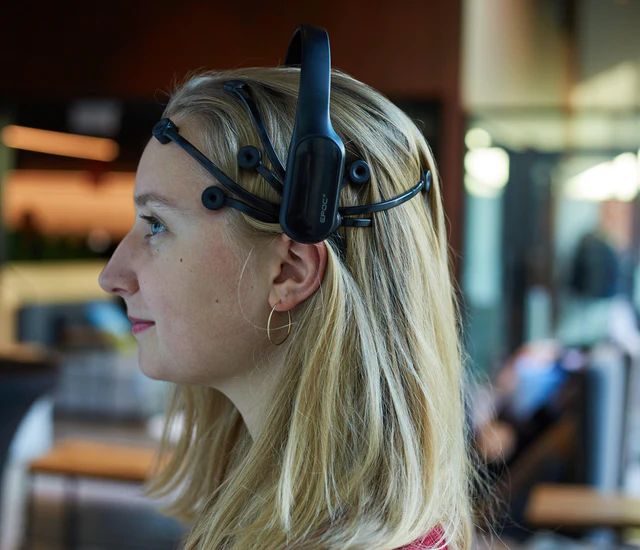
Continue reading