EEG for Academic Research: A Complete Guide
Duong Tran
Updated on
Oct 29, 2025
EEG for Academic Research: A Complete Guide
Duong Tran
Updated on
Oct 29, 2025
EEG for Academic Research: A Complete Guide
Duong Tran
Updated on
Oct 29, 2025
Portable EEG for Academic Research: A Practical Guide
Not long ago, brain research was confined to specialized labs with bulky, expensive equipment. This limited the scope of studies and made the field inaccessible to many. Today, that has completely changed. Modern EEG systems are portable, user-friendly, and cost-effective, breaking down the barriers that once stood in the way of innovative neuroscience. This shift allows you to take your work out of the lab and into the real world—studying student engagement in a classroom or a user’s focus at their desk. This guide explains how accessible technology works and how you can leverage portable EEG for academic research to ask new questions and find answers in more natural, relevant settings.
Key Takeaways
EEG Provides a Direct Window Into Brain Activity: It offers unmatched timing precision for cognitive events, and modern portable systems make it an accessible, cost-effective tool for research in diverse environments.
Success Depends on a Complete Research System: Beyond choosing the right headset, you need robust analysis software to interpret your data and a controlled space to ensure you’re measuring clean, high-quality signals.
Uphold the Highest Standards for Credible Results: Your findings are only as strong as your methods. Meticulously clean data through signal processing, and prioritize ethical conduct by protecting participant privacy and ensuring informed consent.
What Is EEG and How Does It Work?
If you’re looking for a way to measure brain activity without invasive procedures, electroencephalography (EEG) is one of the most powerful tools available. At its core, an electroencephalogram is a method that measures the electrical activity generated by the brain. Think of it this way: the brain is constantly buzzing with activity as billions of neurons communicate by firing tiny electrical signals. EEG technology uses small sensors, called electrodes, placed on the scalp to pick up these signals.
This process is non-invasive and safe, which is a major reason why it’s widely used in academic research. The measured signals provide a direct, real-time view of brain function, allowing you to see how the brain responds to different stimuli, tasks, or states of mind. Whether you’re studying attention, emotion, or learning processes, EEG offers a dynamic window into the neural processes underlying cognition and behavior. It’s a versatile technique that has opened doors for studies across psychology and neuroscience.
A Look at Different Brain Signals
The electrical activity measured by EEG forms distinct patterns known as brain waves, categorized by frequency (Hz). Each band is associated with different mental states and cognitive functions.
Delta waves (0.5–4Hz): Typically associated with deep, dreamless sleep.
Theta waves (4–8Hz): Linked to drowsiness, deep meditation, or early sleep stages.
Alpha waves (8–12Hz): Present during quiet, wakeful relaxation (e.g., eyes closed).
Beta waves (12–30Hz): Associated with active thinking, focus, and alertness.
Temporal vs. Spatial Resolution: What’s the Difference?
Temporal resolution refers to precision in time; spatial resolution refers to precision in location. EEG is celebrated for excellent temporal resolution, detecting changes in milliseconds—ideal for studying the timing of cognitive events (e.g., how quickly the brain processes a sound or image). Its spatial resolution is lower than techniques like fMRI because signals are measured at the scalp, making it harder to pinpoint deep sources. Keep this trade-off in mind when designing academic research.
The Key Components of an EEG System
An EEG system includes electrodes (sensors) that contact the scalp to detect brain signals, an amplifier that strengthens faint signals and filters noise, and software that records, processes, and displays data. Software such as EmotivPRO supports recording and analysis. To ensure consistency across studies, researchers often use standardized electrode placements like the international 10–20 system. Together, the headset and software form the toolkit for gathering high-quality brain data.
EEG in Action: Applications in Academic Research
EEG is versatile, offering a direct look at neural activity as it happens across many fields.
Cognitive Science
Timing matters. With millisecond-level precision, EEG can measure brain activity at the moment a stimulus occurs. By analyzing event-related potentials (ERPs), researchers map the timeline of perception, attention, memory, and decision-making.
Psychology
EEG provides objective indicators of cognitive and emotional states that self-reports may miss. In neuromarketing, for example, EEG can estimate engagement during exposure to ads or products, offering insight into the subconscious processes behind behavior.
Education
Portable EEG enables in-classroom studies of learning and engagement. Researchers can assess cognitive load, attention, and participation during real activities. The Emotiv Insight headset enables in-context research with minimal setup.
Sleep Studies
EEG is foundational in sleep science. Distinct brainwave patterns define stages from light sleep to deep sleep and REM. Understanding these signatures supports research into sleep mechanisms and disorders.
Neuroscience
EEG is indispensable for investigating neural oscillations, connectivity, and neurological conditions. It is also core to brain-computer interfaces (BCIs), which enable interaction with technology using brain signals alone. Explore BCI fundamentals at this overview.
Why Choose EEG for Your Research?
Selecting the right methods is critical. EEG measures the electrical signals produced by neurons, offering a real-time view of cognition with temporal precision other modalities can’t match.
Unlike large, stationary, and expensive systems, modern EEG is portable, user-friendly, and cost-effective. This accessibility enables studies in naturalistic settings—classrooms, homes, and field environments. Whether you’re investigating attention, emotional responses, or motor control, EEG provides scalable, high-quality data without prohibitive costs.
Collect Data That’s Accessible and Cost-Effective
Modern portable EEG has lowered financial and logistical barriers, empowering more researchers, universities, and students to run sophisticated studies. This democratizes academic research and education, from small pilots to large, multi-participant experiments.
Gain Flexibility to Conduct Research Anywhere
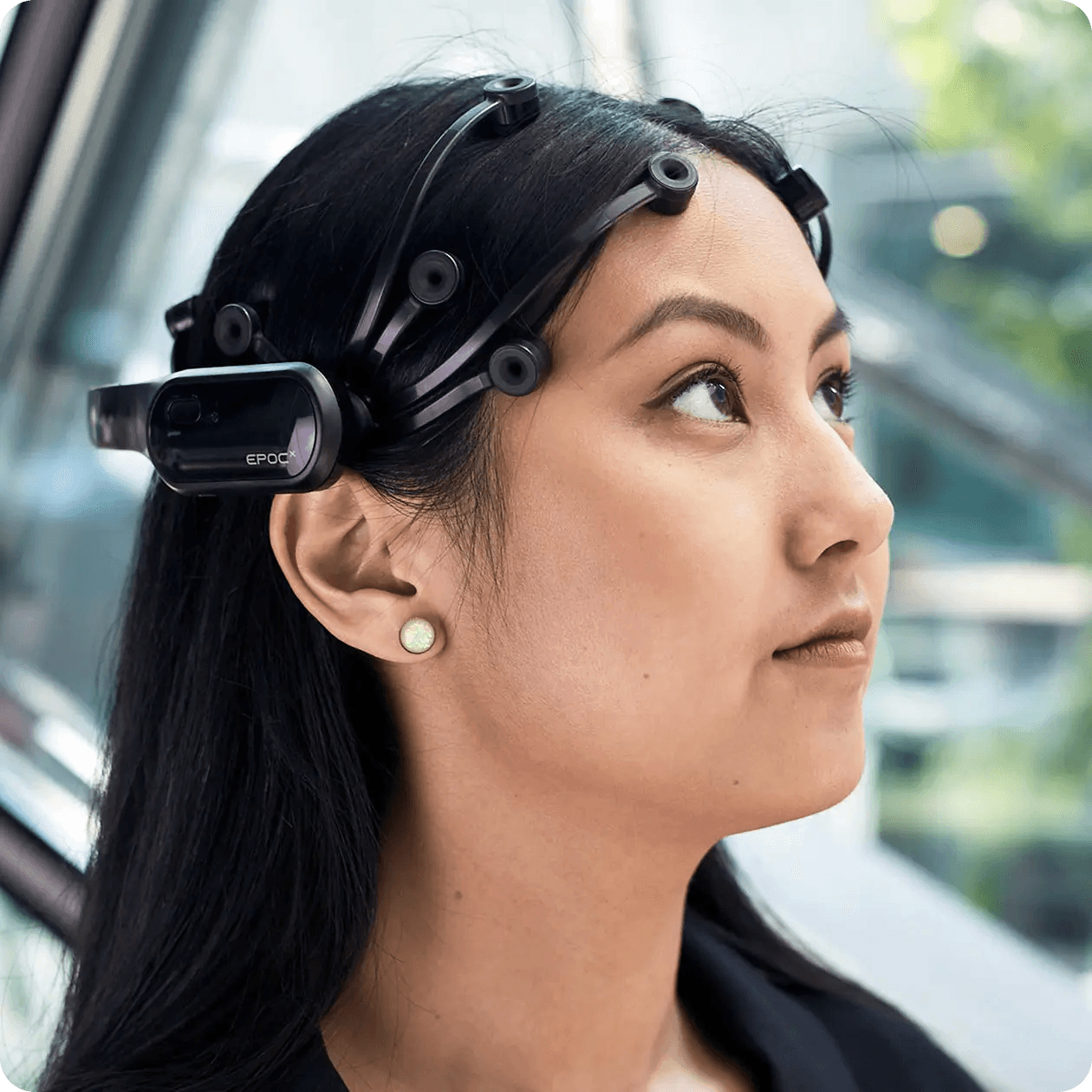
Portable headsets support ecologically valid designs by measuring brain activity where behavior naturally occurs. With a device like Emotiv Epoc X, you can gather high-quality data in many environments.
Get Real-Time Data for Immediate Insights
EEG excels at millisecond-level timing. With EmotivPRO, you can visualize rapid changes and interpret neural dynamics in real time for psychology, neuroscience, and neuromarketing studies.
Use a Safe and Non-Invasive Method
EEG is non-invasive and safe: sensors rest on the scalp and measure tiny electrical signals naturally produced by the brain. There’s no radiation or strong magnetic field, supporting diverse participant groups, including children and older adults.
Your EEG Research Toolkit
A complete setup ensures reliable data and efficient analysis—headset, software, and environment all matter.
Choose Your Multi-Channel System
Channel count determines spatial detail. A 5-channel system like Emotiv Insight supports foundational studies. A 14-channel or 32-channel system like Emotiv Epoc X or Emotiv Flex provides higher spatial detail for region-specific questions. Choose based on your research scope and complexity.
Find a Portable EEG Solution
Portable systems enable studies in classrooms, offices, and field sites. Emotiv headsets are designed for adaptable academic research and education.
Select the Right Analysis Software
Interpretation is where insights emerge. Look for tools that filter noise, support real-time analysis, and offer clear visualizations. EmotivPRO lets you view raw EEG, inspect performance metrics, and mark events in real time.
Set Up Your Research Space
Control environmental and electrical noise. Keep participants comfortable to reduce muscle artifacts. Dim lights as needed, manage temperature, and choose quiet spaces so the signals you measure reflect brain activity—not interference.
How to Collect and Analyze EEG Data
Analysis turns raw signals into answers. Key stages include preprocessing, artifact removal, feature extraction, modeling, and visualization.
Apply Key Signal Processing Techniques
Use filtering to reduce noise and Fourier transforms to inspect frequency content. Proper preprocessing is the foundation of valid analysis.
Remove Artifacts for Cleaner Data
Artifacts (e.g., eye blinks, jaw tension, or nearby electronics) can distort results. Techniques such as Independent Component Analysis (ICA) help separate artifacts from neural signals. Clean datasets are essential for credible research.
Integrate AI and Machine Learning
After cleaning, apply machine learning to classify brain states and discover subtle patterns. This is especially useful for BCI applications, where models learn to map brain patterns to specific commands and actions.
Visualize Your Findings With the Right Tools
Topographic maps show spatial distributions across the scalp; time-frequency plots reveal changes over time. Clear visuals help you interpret results and communicate them in publications and presentations.
Take Your Research Further With Advanced Applications
Beyond the basics, combine modalities, collect data in the wild, and analyze in real time to answer complex questions.
Combine EEG With Other Imaging Techniques
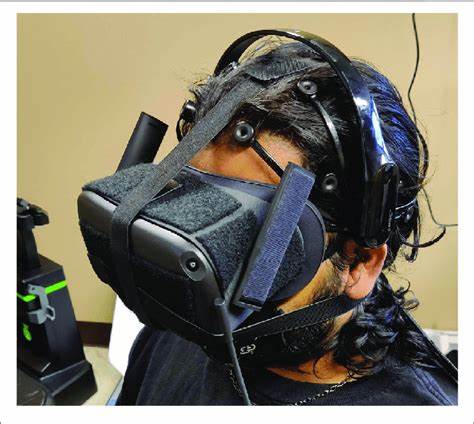
Pair EEG’s temporal precision with fMRI or fNIRS for better spatial detail, yielding a more comprehensive understanding of brain function.
Conduct Research on the Go With Mobile EEG
Portable, wireless systems allow ecologically valid studies in classrooms, clinics, and outdoor settings—valuable for education, developmental psychology, and human-computer interaction. See more on academic research and education.
Use Real-Time Analysis for Dynamic Studies
Modern software supports real-time analysis, enabling adaptive experiments where stimuli change based on cognitive state (e.g., attention or relaxation). This is central to brain-computer interface workflows.
Perform Simultaneous EEG-fMRI Studies
Advances in hardware and artifact-reduction methods have made simultaneous EEG-fMRI more feasible. Measuring both signals at once links EEG’s timing with fMRI’s spatial precision for especially rich insights.
Uphold Research Standards and Best Practices
Responsible research builds trust and advances the field.
Follow Essential Safety Protocols
Obtain approval from an Institutional Review Board (IRB) or equivalent ethics committee before recruitment. Ensure participants understand procedures and risks, and maintain a safe, welcoming environment.
Address Key Ethical Considerations
Be transparent about risks and benefits. Informed consent is an ongoing conversation—not just a form. Participants should understand purpose, procedures, data use, and the right to withdraw without penalty.
Protect Participant Data and Privacy
Brain data is personal. Communicate clearly how data will be stored and who can access it. De-identify data and use secure, encrypted storage. Follow recognized data security standards.
Document Your Work Effectively
Thoroughly document study design, participant demographics, acquisition parameters, preprocessing, and analysis decisions. Transparency strengthens your conclusions and enables replication.
Validate Your Methods and Results
Use appropriate statistics, avoid overstating findings, and discuss limitations. For generalizable claims, ensure diverse samples and rigorous validation. Peer review remains a key step for verification.
What’s Next in EEG Technology?
EEG is becoming more accessible, powerful, and user-friendly, expanding its impact on research and real-world applications.
The Future of EEG Hardware
Portability is accelerating adoption. Lightweight, wireless devices support studies in natural settings. Emotiv continues to focus on comfort and scientific rigor—e.g., MN8 EEG earbuds integrate measurement into familiar form factors for seamless, everyday use. See trends in portable EEG technology.
New Frontiers in EEG Software
AI and machine learning are streamlining analysis and surfacing patterns at scale—such as improved sleep staging via AI-assisted programs. Emotiv software like EmotivPRO provides powerful analysis out of the box for faster paths from raw data to insight.
Improvements in Data Analysis Tools
Cloud-based pipelines help manage large datasets and automate preprocessing. For custom builds, Emotiv developer tools enable tailored workflows that turn brain data into actionable results.
Where EEG Research Is Headed
Expect broader use across education and cognitive wellness, alongside serious attention to neuroethics and legal and ethical issues around privacy and data use. As a community, we must ensure responsible, transparent, and beneficial applications.
Related Articles
Frequently Asked Questions
What’s the main difference between EEG and other methods like fMRI? EEG offers excellent temporal resolution—capturing activity in milliseconds—ideal for studying when processes occur. fMRI offers superior spatial resolution—showing where activity occurs. Using both provides a more complete picture.
Is using an EEG headset safe for participants? Yes. EEG is non-invasive and passively measures electrical signals at the scalp. There’s no radiation or strong magnetic field, making it suitable for diverse populations.
How do I know how many channels I need for my research? It depends on your questions. For general brain states (e.g., engagement, relaxation), fewer channels (e.g., Emotiv Insight) may suffice. For region-specific questions or source analysis, more channels (e.g., Emotiv Epoc X or Emotiv Flex) provide higher spatial detail.
What are “artifacts,” and why is it important to remove them? Artifacts are non-neural signals (e.g., blinks, jaw movement, electronics). Removing them preserves data integrity and prevents misleading conclusions.
Can I conduct high-quality research outside a traditional lab? Yes. Portable systems are designed for real-world environments, enabling data collection in classrooms, offices, or homes for ecologically valid findings.
Portable EEG for Academic Research: A Practical Guide
Not long ago, brain research was confined to specialized labs with bulky, expensive equipment. This limited the scope of studies and made the field inaccessible to many. Today, that has completely changed. Modern EEG systems are portable, user-friendly, and cost-effective, breaking down the barriers that once stood in the way of innovative neuroscience. This shift allows you to take your work out of the lab and into the real world—studying student engagement in a classroom or a user’s focus at their desk. This guide explains how accessible technology works and how you can leverage portable EEG for academic research to ask new questions and find answers in more natural, relevant settings.
Key Takeaways
EEG Provides a Direct Window Into Brain Activity: It offers unmatched timing precision for cognitive events, and modern portable systems make it an accessible, cost-effective tool for research in diverse environments.
Success Depends on a Complete Research System: Beyond choosing the right headset, you need robust analysis software to interpret your data and a controlled space to ensure you’re measuring clean, high-quality signals.
Uphold the Highest Standards for Credible Results: Your findings are only as strong as your methods. Meticulously clean data through signal processing, and prioritize ethical conduct by protecting participant privacy and ensuring informed consent.
What Is EEG and How Does It Work?
If you’re looking for a way to measure brain activity without invasive procedures, electroencephalography (EEG) is one of the most powerful tools available. At its core, an electroencephalogram is a method that measures the electrical activity generated by the brain. Think of it this way: the brain is constantly buzzing with activity as billions of neurons communicate by firing tiny electrical signals. EEG technology uses small sensors, called electrodes, placed on the scalp to pick up these signals.
This process is non-invasive and safe, which is a major reason why it’s widely used in academic research. The measured signals provide a direct, real-time view of brain function, allowing you to see how the brain responds to different stimuli, tasks, or states of mind. Whether you’re studying attention, emotion, or learning processes, EEG offers a dynamic window into the neural processes underlying cognition and behavior. It’s a versatile technique that has opened doors for studies across psychology and neuroscience.
A Look at Different Brain Signals
The electrical activity measured by EEG forms distinct patterns known as brain waves, categorized by frequency (Hz). Each band is associated with different mental states and cognitive functions.
Delta waves (0.5–4Hz): Typically associated with deep, dreamless sleep.
Theta waves (4–8Hz): Linked to drowsiness, deep meditation, or early sleep stages.
Alpha waves (8–12Hz): Present during quiet, wakeful relaxation (e.g., eyes closed).
Beta waves (12–30Hz): Associated with active thinking, focus, and alertness.
Temporal vs. Spatial Resolution: What’s the Difference?
Temporal resolution refers to precision in time; spatial resolution refers to precision in location. EEG is celebrated for excellent temporal resolution, detecting changes in milliseconds—ideal for studying the timing of cognitive events (e.g., how quickly the brain processes a sound or image). Its spatial resolution is lower than techniques like fMRI because signals are measured at the scalp, making it harder to pinpoint deep sources. Keep this trade-off in mind when designing academic research.
The Key Components of an EEG System
An EEG system includes electrodes (sensors) that contact the scalp to detect brain signals, an amplifier that strengthens faint signals and filters noise, and software that records, processes, and displays data. Software such as EmotivPRO supports recording and analysis. To ensure consistency across studies, researchers often use standardized electrode placements like the international 10–20 system. Together, the headset and software form the toolkit for gathering high-quality brain data.
EEG in Action: Applications in Academic Research
EEG is versatile, offering a direct look at neural activity as it happens across many fields.
Cognitive Science
Timing matters. With millisecond-level precision, EEG can measure brain activity at the moment a stimulus occurs. By analyzing event-related potentials (ERPs), researchers map the timeline of perception, attention, memory, and decision-making.
Psychology
EEG provides objective indicators of cognitive and emotional states that self-reports may miss. In neuromarketing, for example, EEG can estimate engagement during exposure to ads or products, offering insight into the subconscious processes behind behavior.
Education
Portable EEG enables in-classroom studies of learning and engagement. Researchers can assess cognitive load, attention, and participation during real activities. The Emotiv Insight headset enables in-context research with minimal setup.
Sleep Studies
EEG is foundational in sleep science. Distinct brainwave patterns define stages from light sleep to deep sleep and REM. Understanding these signatures supports research into sleep mechanisms and disorders.
Neuroscience
EEG is indispensable for investigating neural oscillations, connectivity, and neurological conditions. It is also core to brain-computer interfaces (BCIs), which enable interaction with technology using brain signals alone. Explore BCI fundamentals at this overview.
Why Choose EEG for Your Research?
Selecting the right methods is critical. EEG measures the electrical signals produced by neurons, offering a real-time view of cognition with temporal precision other modalities can’t match.
Unlike large, stationary, and expensive systems, modern EEG is portable, user-friendly, and cost-effective. This accessibility enables studies in naturalistic settings—classrooms, homes, and field environments. Whether you’re investigating attention, emotional responses, or motor control, EEG provides scalable, high-quality data without prohibitive costs.
Collect Data That’s Accessible and Cost-Effective
Modern portable EEG has lowered financial and logistical barriers, empowering more researchers, universities, and students to run sophisticated studies. This democratizes academic research and education, from small pilots to large, multi-participant experiments.
Gain Flexibility to Conduct Research Anywhere
Portable headsets support ecologically valid designs by measuring brain activity where behavior naturally occurs. With a device like Emotiv Epoc X, you can gather high-quality data in many environments.
Get Real-Time Data for Immediate Insights
EEG excels at millisecond-level timing. With EmotivPRO, you can visualize rapid changes and interpret neural dynamics in real time for psychology, neuroscience, and neuromarketing studies.
Use a Safe and Non-Invasive Method
EEG is non-invasive and safe: sensors rest on the scalp and measure tiny electrical signals naturally produced by the brain. There’s no radiation or strong magnetic field, supporting diverse participant groups, including children and older adults.
Your EEG Research Toolkit
A complete setup ensures reliable data and efficient analysis—headset, software, and environment all matter.
Choose Your Multi-Channel System
Channel count determines spatial detail. A 5-channel system like Emotiv Insight supports foundational studies. A 14-channel or 32-channel system like Emotiv Epoc X or Emotiv Flex provides higher spatial detail for region-specific questions. Choose based on your research scope and complexity.
Find a Portable EEG Solution
Portable systems enable studies in classrooms, offices, and field sites. Emotiv headsets are designed for adaptable academic research and education.
Select the Right Analysis Software
Interpretation is where insights emerge. Look for tools that filter noise, support real-time analysis, and offer clear visualizations. EmotivPRO lets you view raw EEG, inspect performance metrics, and mark events in real time.
Set Up Your Research Space
Control environmental and electrical noise. Keep participants comfortable to reduce muscle artifacts. Dim lights as needed, manage temperature, and choose quiet spaces so the signals you measure reflect brain activity—not interference.
How to Collect and Analyze EEG Data
Analysis turns raw signals into answers. Key stages include preprocessing, artifact removal, feature extraction, modeling, and visualization.
Apply Key Signal Processing Techniques
Use filtering to reduce noise and Fourier transforms to inspect frequency content. Proper preprocessing is the foundation of valid analysis.
Remove Artifacts for Cleaner Data
Artifacts (e.g., eye blinks, jaw tension, or nearby electronics) can distort results. Techniques such as Independent Component Analysis (ICA) help separate artifacts from neural signals. Clean datasets are essential for credible research.
Integrate AI and Machine Learning
After cleaning, apply machine learning to classify brain states and discover subtle patterns. This is especially useful for BCI applications, where models learn to map brain patterns to specific commands and actions.
Visualize Your Findings With the Right Tools
Topographic maps show spatial distributions across the scalp; time-frequency plots reveal changes over time. Clear visuals help you interpret results and communicate them in publications and presentations.
Take Your Research Further With Advanced Applications
Beyond the basics, combine modalities, collect data in the wild, and analyze in real time to answer complex questions.
Combine EEG With Other Imaging Techniques
Pair EEG’s temporal precision with fMRI or fNIRS for better spatial detail, yielding a more comprehensive understanding of brain function.
Conduct Research on the Go With Mobile EEG
Portable, wireless systems allow ecologically valid studies in classrooms, clinics, and outdoor settings—valuable for education, developmental psychology, and human-computer interaction. See more on academic research and education.
Use Real-Time Analysis for Dynamic Studies
Modern software supports real-time analysis, enabling adaptive experiments where stimuli change based on cognitive state (e.g., attention or relaxation). This is central to brain-computer interface workflows.
Perform Simultaneous EEG-fMRI Studies
Advances in hardware and artifact-reduction methods have made simultaneous EEG-fMRI more feasible. Measuring both signals at once links EEG’s timing with fMRI’s spatial precision for especially rich insights.
Uphold Research Standards and Best Practices
Responsible research builds trust and advances the field.
Follow Essential Safety Protocols
Obtain approval from an Institutional Review Board (IRB) or equivalent ethics committee before recruitment. Ensure participants understand procedures and risks, and maintain a safe, welcoming environment.
Address Key Ethical Considerations
Be transparent about risks and benefits. Informed consent is an ongoing conversation—not just a form. Participants should understand purpose, procedures, data use, and the right to withdraw without penalty.
Protect Participant Data and Privacy
Brain data is personal. Communicate clearly how data will be stored and who can access it. De-identify data and use secure, encrypted storage. Follow recognized data security standards.
Document Your Work Effectively
Thoroughly document study design, participant demographics, acquisition parameters, preprocessing, and analysis decisions. Transparency strengthens your conclusions and enables replication.
Validate Your Methods and Results
Use appropriate statistics, avoid overstating findings, and discuss limitations. For generalizable claims, ensure diverse samples and rigorous validation. Peer review remains a key step for verification.
What’s Next in EEG Technology?
EEG is becoming more accessible, powerful, and user-friendly, expanding its impact on research and real-world applications.
The Future of EEG Hardware
Portability is accelerating adoption. Lightweight, wireless devices support studies in natural settings. Emotiv continues to focus on comfort and scientific rigor—e.g., MN8 EEG earbuds integrate measurement into familiar form factors for seamless, everyday use. See trends in portable EEG technology.
New Frontiers in EEG Software
AI and machine learning are streamlining analysis and surfacing patterns at scale—such as improved sleep staging via AI-assisted programs. Emotiv software like EmotivPRO provides powerful analysis out of the box for faster paths from raw data to insight.
Improvements in Data Analysis Tools
Cloud-based pipelines help manage large datasets and automate preprocessing. For custom builds, Emotiv developer tools enable tailored workflows that turn brain data into actionable results.
Where EEG Research Is Headed
Expect broader use across education and cognitive wellness, alongside serious attention to neuroethics and legal and ethical issues around privacy and data use. As a community, we must ensure responsible, transparent, and beneficial applications.
Related Articles
Frequently Asked Questions
What’s the main difference between EEG and other methods like fMRI? EEG offers excellent temporal resolution—capturing activity in milliseconds—ideal for studying when processes occur. fMRI offers superior spatial resolution—showing where activity occurs. Using both provides a more complete picture.
Is using an EEG headset safe for participants? Yes. EEG is non-invasive and passively measures electrical signals at the scalp. There’s no radiation or strong magnetic field, making it suitable for diverse populations.
How do I know how many channels I need for my research? It depends on your questions. For general brain states (e.g., engagement, relaxation), fewer channels (e.g., Emotiv Insight) may suffice. For region-specific questions or source analysis, more channels (e.g., Emotiv Epoc X or Emotiv Flex) provide higher spatial detail.
What are “artifacts,” and why is it important to remove them? Artifacts are non-neural signals (e.g., blinks, jaw movement, electronics). Removing them preserves data integrity and prevents misleading conclusions.
Can I conduct high-quality research outside a traditional lab? Yes. Portable systems are designed for real-world environments, enabling data collection in classrooms, offices, or homes for ecologically valid findings.
Portable EEG for Academic Research: A Practical Guide
Not long ago, brain research was confined to specialized labs with bulky, expensive equipment. This limited the scope of studies and made the field inaccessible to many. Today, that has completely changed. Modern EEG systems are portable, user-friendly, and cost-effective, breaking down the barriers that once stood in the way of innovative neuroscience. This shift allows you to take your work out of the lab and into the real world—studying student engagement in a classroom or a user’s focus at their desk. This guide explains how accessible technology works and how you can leverage portable EEG for academic research to ask new questions and find answers in more natural, relevant settings.
Key Takeaways
EEG Provides a Direct Window Into Brain Activity: It offers unmatched timing precision for cognitive events, and modern portable systems make it an accessible, cost-effective tool for research in diverse environments.
Success Depends on a Complete Research System: Beyond choosing the right headset, you need robust analysis software to interpret your data and a controlled space to ensure you’re measuring clean, high-quality signals.
Uphold the Highest Standards for Credible Results: Your findings are only as strong as your methods. Meticulously clean data through signal processing, and prioritize ethical conduct by protecting participant privacy and ensuring informed consent.
What Is EEG and How Does It Work?
If you’re looking for a way to measure brain activity without invasive procedures, electroencephalography (EEG) is one of the most powerful tools available. At its core, an electroencephalogram is a method that measures the electrical activity generated by the brain. Think of it this way: the brain is constantly buzzing with activity as billions of neurons communicate by firing tiny electrical signals. EEG technology uses small sensors, called electrodes, placed on the scalp to pick up these signals.
This process is non-invasive and safe, which is a major reason why it’s widely used in academic research. The measured signals provide a direct, real-time view of brain function, allowing you to see how the brain responds to different stimuli, tasks, or states of mind. Whether you’re studying attention, emotion, or learning processes, EEG offers a dynamic window into the neural processes underlying cognition and behavior. It’s a versatile technique that has opened doors for studies across psychology and neuroscience.
A Look at Different Brain Signals
The electrical activity measured by EEG forms distinct patterns known as brain waves, categorized by frequency (Hz). Each band is associated with different mental states and cognitive functions.
Delta waves (0.5–4Hz): Typically associated with deep, dreamless sleep.
Theta waves (4–8Hz): Linked to drowsiness, deep meditation, or early sleep stages.
Alpha waves (8–12Hz): Present during quiet, wakeful relaxation (e.g., eyes closed).
Beta waves (12–30Hz): Associated with active thinking, focus, and alertness.
Temporal vs. Spatial Resolution: What’s the Difference?
Temporal resolution refers to precision in time; spatial resolution refers to precision in location. EEG is celebrated for excellent temporal resolution, detecting changes in milliseconds—ideal for studying the timing of cognitive events (e.g., how quickly the brain processes a sound or image). Its spatial resolution is lower than techniques like fMRI because signals are measured at the scalp, making it harder to pinpoint deep sources. Keep this trade-off in mind when designing academic research.
The Key Components of an EEG System
An EEG system includes electrodes (sensors) that contact the scalp to detect brain signals, an amplifier that strengthens faint signals and filters noise, and software that records, processes, and displays data. Software such as EmotivPRO supports recording and analysis. To ensure consistency across studies, researchers often use standardized electrode placements like the international 10–20 system. Together, the headset and software form the toolkit for gathering high-quality brain data.
EEG in Action: Applications in Academic Research
EEG is versatile, offering a direct look at neural activity as it happens across many fields.
Cognitive Science
Timing matters. With millisecond-level precision, EEG can measure brain activity at the moment a stimulus occurs. By analyzing event-related potentials (ERPs), researchers map the timeline of perception, attention, memory, and decision-making.
Psychology
EEG provides objective indicators of cognitive and emotional states that self-reports may miss. In neuromarketing, for example, EEG can estimate engagement during exposure to ads or products, offering insight into the subconscious processes behind behavior.
Education
Portable EEG enables in-classroom studies of learning and engagement. Researchers can assess cognitive load, attention, and participation during real activities. The Emotiv Insight headset enables in-context research with minimal setup.
Sleep Studies
EEG is foundational in sleep science. Distinct brainwave patterns define stages from light sleep to deep sleep and REM. Understanding these signatures supports research into sleep mechanisms and disorders.
Neuroscience
EEG is indispensable for investigating neural oscillations, connectivity, and neurological conditions. It is also core to brain-computer interfaces (BCIs), which enable interaction with technology using brain signals alone. Explore BCI fundamentals at this overview.
Why Choose EEG for Your Research?
Selecting the right methods is critical. EEG measures the electrical signals produced by neurons, offering a real-time view of cognition with temporal precision other modalities can’t match.
Unlike large, stationary, and expensive systems, modern EEG is portable, user-friendly, and cost-effective. This accessibility enables studies in naturalistic settings—classrooms, homes, and field environments. Whether you’re investigating attention, emotional responses, or motor control, EEG provides scalable, high-quality data without prohibitive costs.
Collect Data That’s Accessible and Cost-Effective
Modern portable EEG has lowered financial and logistical barriers, empowering more researchers, universities, and students to run sophisticated studies. This democratizes academic research and education, from small pilots to large, multi-participant experiments.
Gain Flexibility to Conduct Research Anywhere
Portable headsets support ecologically valid designs by measuring brain activity where behavior naturally occurs. With a device like Emotiv Epoc X, you can gather high-quality data in many environments.
Get Real-Time Data for Immediate Insights
EEG excels at millisecond-level timing. With EmotivPRO, you can visualize rapid changes and interpret neural dynamics in real time for psychology, neuroscience, and neuromarketing studies.
Use a Safe and Non-Invasive Method
EEG is non-invasive and safe: sensors rest on the scalp and measure tiny electrical signals naturally produced by the brain. There’s no radiation or strong magnetic field, supporting diverse participant groups, including children and older adults.
Your EEG Research Toolkit
A complete setup ensures reliable data and efficient analysis—headset, software, and environment all matter.
Choose Your Multi-Channel System
Channel count determines spatial detail. A 5-channel system like Emotiv Insight supports foundational studies. A 14-channel or 32-channel system like Emotiv Epoc X or Emotiv Flex provides higher spatial detail for region-specific questions. Choose based on your research scope and complexity.
Find a Portable EEG Solution
Portable systems enable studies in classrooms, offices, and field sites. Emotiv headsets are designed for adaptable academic research and education.
Select the Right Analysis Software
Interpretation is where insights emerge. Look for tools that filter noise, support real-time analysis, and offer clear visualizations. EmotivPRO lets you view raw EEG, inspect performance metrics, and mark events in real time.
Set Up Your Research Space
Control environmental and electrical noise. Keep participants comfortable to reduce muscle artifacts. Dim lights as needed, manage temperature, and choose quiet spaces so the signals you measure reflect brain activity—not interference.
How to Collect and Analyze EEG Data
Analysis turns raw signals into answers. Key stages include preprocessing, artifact removal, feature extraction, modeling, and visualization.
Apply Key Signal Processing Techniques
Use filtering to reduce noise and Fourier transforms to inspect frequency content. Proper preprocessing is the foundation of valid analysis.
Remove Artifacts for Cleaner Data
Artifacts (e.g., eye blinks, jaw tension, or nearby electronics) can distort results. Techniques such as Independent Component Analysis (ICA) help separate artifacts from neural signals. Clean datasets are essential for credible research.
Integrate AI and Machine Learning
After cleaning, apply machine learning to classify brain states and discover subtle patterns. This is especially useful for BCI applications, where models learn to map brain patterns to specific commands and actions.
Visualize Your Findings With the Right Tools
Topographic maps show spatial distributions across the scalp; time-frequency plots reveal changes over time. Clear visuals help you interpret results and communicate them in publications and presentations.
Take Your Research Further With Advanced Applications
Beyond the basics, combine modalities, collect data in the wild, and analyze in real time to answer complex questions.
Combine EEG With Other Imaging Techniques
Pair EEG’s temporal precision with fMRI or fNIRS for better spatial detail, yielding a more comprehensive understanding of brain function.
Conduct Research on the Go With Mobile EEG
Portable, wireless systems allow ecologically valid studies in classrooms, clinics, and outdoor settings—valuable for education, developmental psychology, and human-computer interaction. See more on academic research and education.
Use Real-Time Analysis for Dynamic Studies
Modern software supports real-time analysis, enabling adaptive experiments where stimuli change based on cognitive state (e.g., attention or relaxation). This is central to brain-computer interface workflows.
Perform Simultaneous EEG-fMRI Studies
Advances in hardware and artifact-reduction methods have made simultaneous EEG-fMRI more feasible. Measuring both signals at once links EEG’s timing with fMRI’s spatial precision for especially rich insights.
Uphold Research Standards and Best Practices
Responsible research builds trust and advances the field.
Follow Essential Safety Protocols
Obtain approval from an Institutional Review Board (IRB) or equivalent ethics committee before recruitment. Ensure participants understand procedures and risks, and maintain a safe, welcoming environment.
Address Key Ethical Considerations
Be transparent about risks and benefits. Informed consent is an ongoing conversation—not just a form. Participants should understand purpose, procedures, data use, and the right to withdraw without penalty.
Protect Participant Data and Privacy
Brain data is personal. Communicate clearly how data will be stored and who can access it. De-identify data and use secure, encrypted storage. Follow recognized data security standards.
Document Your Work Effectively
Thoroughly document study design, participant demographics, acquisition parameters, preprocessing, and analysis decisions. Transparency strengthens your conclusions and enables replication.
Validate Your Methods and Results
Use appropriate statistics, avoid overstating findings, and discuss limitations. For generalizable claims, ensure diverse samples and rigorous validation. Peer review remains a key step for verification.
What’s Next in EEG Technology?
EEG is becoming more accessible, powerful, and user-friendly, expanding its impact on research and real-world applications.
The Future of EEG Hardware
Portability is accelerating adoption. Lightweight, wireless devices support studies in natural settings. Emotiv continues to focus on comfort and scientific rigor—e.g., MN8 EEG earbuds integrate measurement into familiar form factors for seamless, everyday use. See trends in portable EEG technology.
New Frontiers in EEG Software
AI and machine learning are streamlining analysis and surfacing patterns at scale—such as improved sleep staging via AI-assisted programs. Emotiv software like EmotivPRO provides powerful analysis out of the box for faster paths from raw data to insight.
Improvements in Data Analysis Tools
Cloud-based pipelines help manage large datasets and automate preprocessing. For custom builds, Emotiv developer tools enable tailored workflows that turn brain data into actionable results.
Where EEG Research Is Headed
Expect broader use across education and cognitive wellness, alongside serious attention to neuroethics and legal and ethical issues around privacy and data use. As a community, we must ensure responsible, transparent, and beneficial applications.
Related Articles
Frequently Asked Questions
What’s the main difference between EEG and other methods like fMRI? EEG offers excellent temporal resolution—capturing activity in milliseconds—ideal for studying when processes occur. fMRI offers superior spatial resolution—showing where activity occurs. Using both provides a more complete picture.
Is using an EEG headset safe for participants? Yes. EEG is non-invasive and passively measures electrical signals at the scalp. There’s no radiation or strong magnetic field, making it suitable for diverse populations.
How do I know how many channels I need for my research? It depends on your questions. For general brain states (e.g., engagement, relaxation), fewer channels (e.g., Emotiv Insight) may suffice. For region-specific questions or source analysis, more channels (e.g., Emotiv Epoc X or Emotiv Flex) provide higher spatial detail.
What are “artifacts,” and why is it important to remove them? Artifacts are non-neural signals (e.g., blinks, jaw movement, electronics). Removing them preserves data integrity and prevents misleading conclusions.
Can I conduct high-quality research outside a traditional lab? Yes. Portable systems are designed for real-world environments, enabling data collection in classrooms, offices, or homes for ecologically valid findings.