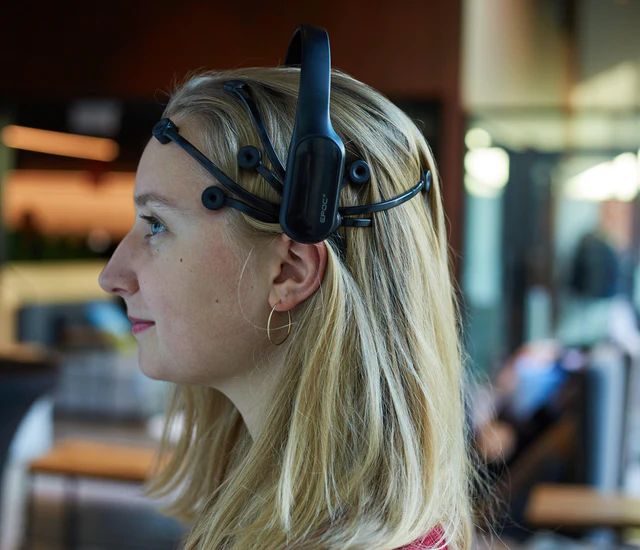
Wearable Brainwave Sensor: The Ultimate Guide
Doung Tran
Updated on
Dec 4, 2025
Wearable Brainwave Sensor: The Ultimate Guide
Doung Tran
Updated on
Dec 4, 2025
Wearable Brainwave Sensor: The Ultimate Guide
Doung Tran
Updated on
Dec 4, 2025
For decades, understanding the brain’s electrical signals required expensive, complex equipment and a team of specialists. That era is over. The modern wearable brainwave sensor has brought this powerful technology out of the lab and into the real world, making it accessible to researchers, creators, and curious minds everywhere. This shift has sparked a wave of innovation in fields from cognitive science to interactive entertainment. In this guide, we’ll explore this new generation of EEG devices. We’ll look at how they work, what sets them apart, and what you can realistically achieve with them, whether you’re conducting a formal study or just starting to explore your own brain.
Key Takeaways
Match the Device to Your Goal: The best brainwave sensor is the one that fits your project. A device with fewer channels is perfect for accessing personal wellness tools and simple brain-computer interfaces (BCIs), while a multi-channel headset provides the high-density data needed for academic research.
Understand the Practical Applications: This technology has real-world uses you can explore today. You can build a brain-computer interface, conduct research outside of a traditional lab, access cognitive wellness tools, or use neurofeedback to support your mental fitness.
Evaluate the Entire Ecosystem: A great device is more than just its hardware specs. Consider the whole package, including the user-friendliness of the software, the availability of developer tools for custom projects, and the overall comfort and fit for your intended use.
What Is a Wearable Brainwave Sensor?
At its core, a wearable brainwave sensor is a device designed to measure the electrical activity of your brain from outside your head. Think of it as a way to listen in on the conversations happening between your brain cells, or neurons. These devices use a technology called electroencephalography (EEG), which involves placing small sensors on the scalp to measure the faint electrical signals your brain naturally produces. This isn’t science fiction; it’s a non-invasive way to get a glimpse into your brain’s patterns and states.
These sensors come in various forms, from full headsets to discreet earbuds, making them accessible for all kinds of applications. Whether you’re a researcher conducting a study, a developer building a new application, or just curious about your own cognitive processes, these tools open up a world of possibilities. They translate complex neural signals into data that can be used for everything from academic research to powering brain-computer interfaces (BCIs). The goal is to make understanding the brain more approachable for everyone.
A Quick Look at How EEG Works
So, how does EEG actually work? Every time you think, feel, or perform an action, your neurons communicate using tiny electrical impulses. EEG technology uses sensitive electrodes placed on your scalp to detect the combined activity of thousands of these neurons. This collective electrical activity forms patterns known as brainwaves.
Different brainwave patterns are associated with different mental states. For example, the patterns your brain produces when you’re deeply focused on a task look different from the ones it makes when you’re relaxed or drowsy. By measuring these patterns, an EEG device can provide insights into your cognitive and emotional states in real time. It’s a powerful way to understand brain activity without any invasive procedures, simply by listening to the electrical rhythm of the brain.
Exploring the Different Types of Sensors
Wearable brainwave sensors aren’t a one-size-fits-all solution. They come in a wide range of designs, each suited for different needs. You can find devices with just a few channels, like our Emotiv MN8 earbuds, which are great for everyday applications. On the other end of the spectrum, you have multi-channel headsets like the Emotiv Epoc X, which provide more detailed data for in-depth research.
The number of sensors, the type of electrodes (saline or gel), and the device’s form factor all play a role in its performance and what it can be used for. For instance, some designs are specifically engineered to reduce “artifacts,” which is the electrical noise from muscle movements that can interfere with the brain signal. The variety ensures that whether you need a simple device for personal use or a robust system for a scientific study, there’s likely a sensor that fits your goals.
Who Are the Key Players in Wearable EEG?
The wearable EEG market has expanded significantly, offering a wide array of devices for different needs. From simple headbands for personal use to complex multi-channel systems for advanced studies, there’s a tool for nearly every application. Understanding the key players and their specializations is the first step in finding the right device for your goals. As a pioneer in making this technology accessible, we’ve seen the landscape evolve. Let’s take a look at where Emotiv fits in and what other types of devices are available.
An Introduction to Emotiv EEG Devices
Emotiv devices are designed to make brain data accessible for a huge range of real-world applications. We offer a whole ecosystem of hardware and software to fit your needs, whether you’re a researcher, developer, or just curious about your own brain. For example, our Emotiv MN8 brings EEG into everyday life with a discreet earbud design, making it a great fit for personal cognitive wellness tools and mobile BCI projects. On the other end of the spectrum, our multi-channel headsets like the Emotiv Epoc X have been used across the globe for everything from academic research and neuromarketing studies to controlling robotic limbs. Our goal is to provide reliable, user-friendly tools to help you explore the human brain.
A Glimpse at Other Brands in the Space
The world of wearable EEG is bigger than just one company, and it’s helpful to know what else is out there. Many brands focus on a specific niche. For instance, you’ll find headbands designed almost exclusively to guide meditation, using brainwave feedback to help you with mindfulness practices. Other companies are exploring different approaches to at-home cognitive training. For example, some headsets are designed as a neurofeedback device to help users with focus and stress management from home. Some advanced systems even combine EEG with other technologies, like fNIRS, to provide different kinds of data about brain activity. Understanding these different specializations can help you clarify what you’re looking for in a device.
How Do Different Brainwave Sensors Stack Up?
When you start looking at different EEG devices, you’ll quickly notice they aren’t all the same. The right sensor for you depends entirely on what you want to accomplish. A developer building a brain-computer interface has different needs than a researcher studying cognitive states. The price and capabilities of a device are shaped by its internal technology, the number of sensors it has, and the sophistication of its software. To make a smart choice, you need to compare them across a few key areas: the number of channels, overall comfort and fit, battery and connectivity, and the software that brings the data to life. Breaking down these factors will help you see which device aligns with your goals.
Comparing Channel Count and Signal Quality
The channel count on an EEG device refers to the number of sensors, or electrodes, that make contact with your scalp. A higher channel count generally provides more detailed spatial information about your brain’s electrical activity. For example, a device like our 2-channel Emotiv MN8 is great for measuring broad brain states, making it ideal for wellness applications. For more complex academic research, a multi-channel device like the 14-channel Emotiv Epoc X or 32-channel Emotiv Flex Saline provides the higher-density data needed to analyze activity in specific brain regions. More channels allow for more granular data, but it’s important to match the device’s capabilities to your project’s requirements.
Finding a Comfortable and Wearable Fit
If you plan to use your brainwave sensor for more than a few minutes at a time, comfort is non-negotiable. An uncomfortable headset can be distracting and may even affect the quality of your data if you’re constantly readjusting it. Look for a design that feels secure but not too tight. The type of electrodes also plays a big role in comfort and setup time. Dry electrodes are often quicker to set up, while saline- and gel-based electrodes, like those used in our Emotiv Flex Saline headset, are designed to ensure a high-quality connection for long-duration sessions. The best fit is one you can practically forget you’re wearing.
Understanding Battery Life and Connectivity
As with any wireless technology, practical features like battery life and connectivity are crucial. You’ll want to know how long you can run a session before needing to recharge, especially for lengthy experiments or all-day use. Most wearable sensors connect via Bluetooth, so a stable, reliable connection to your computer or mobile device is essential for uninterrupted data streaming. Dropped signals can mean lost data, so look for devices known for their robust wireless performance. These details might seem small, but they make a huge difference in the day-to-day experience of using a brainwave sensor and helping ensure the integrity of your work.
Evaluating Software and Real-Time Feedback
A brainwave sensor’s hardware is only half of the equation. The software is what translates raw electrical signals from the brain into meaningful insights. When evaluating a device, look at the accompanying software. Does it offer real-time data visualization? Can you easily log and export data for later analysis? Our EmotivPRO software, for instance, is built for researchers who need to analyze, save, and export high-density EEG data. For developers, access to an SDK is critical for creating custom applications, such as a brain-computer interface that responds to your brain activity in real time. The right software makes your data accessible and actionable.
What Can You Actually Do With a Brainwave Sensor?
So, you have this incredible device that can listen to your brain’s electrical activity. What’s next? The applications are more practical and accessible than you might think. From controlling devices with your mind to gaining deeper insights into your own cognitive patterns, a brainwave sensor opens up a world of possibilities. Our EEG devices are being used in hundreds of real-world applications to better understand the human brain and behavior. Let’s look at some of the most common ways people are using this technology.
Powering Brain-Computer Interfaces
At its core, a brain-computer interface (BCI) is a system that allows you to control a computer or another device using only your brain activity. It sounds like science fiction, but it’s a rapidly growing field. With a device like our Emotiv Epoc X headset and our EmotivBCI software, you can train the system to recognize specific mental commands. Imagine steering a wheelchair, typing on a screen, or interacting with a smart home environment without lifting a finger. This technology has profound implications for accessibility, and it’s also a fascinating area for developers and hobbyists to explore new, hands-free ways of interacting with technology.
Advancing Academic Research and Education
For decades, brain research was confined to expensive labs with bulky equipment. Portable EEG sensors have completely changed the landscape. Now, researchers can conduct studies in more natural, real-world environments, gathering richer and more relevant data. This has been a game-changer for fields like psychology, neuroscience, and ergonomics. In education, these devices make learning about the brain interactive and tangible. Students can see their own brainwaves in real time, making complex neuroscience concepts click in a way that textbooks never could. It’s an incredible tool for fostering the next generation of brain scientists and innovators in academic research and education.
Accessing Cognitive Wellness Applications
Many people are drawn to brainwave sensors to get a better handle on their own mental states. While these devices aren’t medical tools, they can provide access to powerful cognitive wellness applications. For instance, you can see how your brain responds to different stressors or relaxation techniques. By visualizing your brain activity during meditation or a focusing exercise, you can gain insights that help you understand your patterns. Our technology is designed to give you a window into your cognitive world, offering tools to explore mindfulness, attention, and stress management in a data-driven way, which you can explore with our Emotiv App.
Using Neurofeedback for Mental Fitness
Neurofeedback is a way to train your brain for better performance, much like you’d train your body at the gym. It works by giving you real-time feedback on your brain activity. For example, an app might play a calming sound when your brain enters a relaxed state or provide a visual cue when you’re maintaining focus. Over time, this process helps you learn how to consciously guide your brain into more desirable states. People use neurofeedback to work on their focus, manage stress, and generally support their mental fitness. It’s an active, engaging way to work with your brain’s natural plasticity and build healthier cognitive habits.
How to Choose the Right Brainwave Sensor for You
With a growing number of brainwave sensors on the market, picking the right one can feel like a big decision. The best device for you really comes down to what you want to achieve. Are you a researcher who needs high-density, granular data for a study? A developer building the next generation of brain-computer interface applications? Or are you simply curious about exploring your own cognitive states? To help you find the perfect fit, let’s walk through four key areas you should consider before making a choice. Thinking through these points will help you match a device’s features to your specific goals.
Prioritizing Signal Accuracy and Electrode Type
First and foremost, you need data you can trust. Signal accuracy is the foundation of any meaningful work with EEG, so it should be a top priority. The quality of the signal is influenced by several factors, including the internal electronics, the number of electrodes, and the type of sensors used. For example, devices with more channels can provide more detailed spatial information about brain activity, which is essential for advanced research. You’ll also find different electrode types, like saline-based sensors which offer great conductivity with a simple setup, or traditional gel-based sensors. A research-grade headset like our Emotiv Flex Saline is a great example of a high-density system designed for precision.
Checking for Multi-Signal Capability
Your brain doesn’t operate in a vacuum, and sometimes, EEG data alone doesn’t tell the whole story. Some devices offer multi-signal capabilities, integrating other sensors to capture a more complete picture of a person’s physiological state. For instance, many modern headsets, including our Emotiv Epoc X, include motion sensors that can detect head movements. This is incredibly useful for projects where you need to account for or analyze physical motion alongside brain activity. Before you choose a device, ask yourself if your project could benefit from these additional data streams. Capturing multiple signals at once can provide richer context and lead to more powerful insights.
Finding a User-Friendly Interface
The most advanced hardware in the world won’t do you much good if the software is impossible to use. A clean, intuitive, and powerful software interface is essential for a good experience. You want to be able to easily connect your device, check signal quality, visualize data in real time, and export your recordings without a headache. For researchers and professionals, a platform like EmotivPRO provides the tools needed for in-depth analysis and experiment building. Before you buy, I recommend watching video tutorials or looking at screenshots of the software to make sure its workflow and features align with your needs.
Looking for SDK Access and Customization
If you’re a developer, tinkerer, or a researcher with a highly specific project, this one’s for you. If you plan to build your own applications, integrate brain data into existing software, or create custom real-time feedback loops, you’ll need a device that comes with a Software Development Kit (SDK). An SDK gives you direct access to the data streams, allowing you to go far beyond the out-of-the-box software. This level of customization is what powers innovation in fields like brain-computer interface technology. If you have a unique vision, make sure to check for available developer tools to ensure you have the freedom and flexibility to bring your ideas to life.
Let’s Talk Price: What Do Brainwave Sensors Cost?
The cost of a wearable brainwave sensor can vary quite a bit, from a few hundred dollars to several thousand. It’s a question I get a lot, and the honest answer is: it depends entirely on what you want to do. The price tag reflects a combination of factors, from the internal technology and the number of sensors to the sophistication of the software. Think of it like buying a camera—a simple point-and-shoot is perfect for casual photos, but a professional photographer needs a high-end DSLR with interchangeable lenses. Your goals will determine the right level of investment for you.
Whether you’re just starting to explore your own brain activity or you’re conducting large-scale academic research, there’s a device that fits your needs and budget. Let’s break down the different price points and what you can expect to get for your money.
Options for Personal Use
If you’re curious about brain-computer interfaces or want to access tools for cognitive wellness, you don’t need to spend a fortune. Devices designed for personal use are the most accessible entry point into the world of EEG. Some consumer headsets focused on meditation or relaxation can range from about $250 to nearly $500. These devices typically have fewer sensors and are designed for specific applications.
Our own offerings, like the Emotiv MN8 earbuds and the 5-channel Emotiv Insight headset, are built to provide an affordable yet powerful way to get started. They give you access to real-time brainwave data and performance metrics, making them great for personal projects, self-exploration, and building your first brain-computer interface.
Tools for Professional Research
When you move into professional research or advanced development, the requirements for data quality and channel count increase, and so does the price. Research-grade devices are built for precision, offering higher-density sensor arrays and more robust software for data analysis. These tools are investments for university labs, neuromarketing firms, and R&D teams who need reliable, high-fidelity brain data.
This is where our more advanced headsets, like the 14-channel Emotiv Epoc X and the 32-channel Emotiv Flex Saline, come in. They are designed to meet the rigorous demands of scientific study and complex application development. The higher cost reflects their expanded capabilities, from measuring more nuanced brain activity across the entire cortex to integrating with powerful software platforms like our EmotivPRO.
What Influences the Final Price?
So, what exactly are you paying for when you buy an EEG headset? The final price is influenced by several key factors. The number of channels, or sensors, is one of the biggest drivers—more sensors allow for more detailed spatial resolution of brain activity. The type of sensor technology, such as saline versus gel-based electrodes, also plays a role in both cost and signal quality.
Beyond the hardware, the software ecosystem is a huge part of the value. Access to raw EEG data, advanced analysis software, and a software development kit (SDK) for creating custom applications are often included with professional-grade devices. As a developer, having this level of control is essential. Finally, factors like wireless capability, battery life, and ergonomic design contribute to the overall cost and user experience.
Are They Effective? What Users and Experts Say
When you’re exploring new technology, the big question is always: Does it actually work? With wearable brainwave sensors, the answer depends on the device you choose and what you want to accomplish. The effectiveness isn’t just about the hardware; it’s about the quality of the data, the sophistication of the software, and how well it all aligns with your goals.
The good news is that EEG technology has a long and trusted history in clinical and research settings. The rise of portable, user-friendly devices has simply made this technology more accessible. Both everyday users and scientific experts have found incredible value in these tools, offering a well-rounded picture of what you can expect. From personal wellness journeys to groundbreaking academic studies, the feedback highlights a clear trend: these sensors are powerful tools when used correctly.
Real User Experiences and Feedback
Diving into user reviews for various brain-sensing wearables, you’ll find common themes of people seeking to better understand their own minds. Many users report that these devices provide valuable feedback for managing focus and handling stress in their daily lives. The goal for many is to have a tool that fits seamlessly into their routine, offering insights without being intrusive.
This is exactly why we designed our Emotiv MN8 earbuds to be as discreet as they are functional. The feedback we receive often centers on how this form factor makes it easier to access cognitive wellness tools and explore mobile brain-computer interface applications throughout the day. For many, the ability to integrate this technology into everyday life is where they find the most significant benefit.
Expert Takes on Accuracy and Reliability
Beyond personal stories, expert validation provides a crucial layer of confidence. Researchers and developers need to know that the data they’re collecting is reliable. The accuracy of an EEG device is influenced by everything from its internal technology and number of sensors to the quality of its software. These factors are key to helping ensure the data is clean and meaningful.
When experts evaluate a device, they often look at its history and application in demanding fields. For example, a 10-year scoping review of our Emotiv Epoc headset found it was used in a huge range of applications, from controlling robotic limbs to authenticating users. This kind of track record in academic research and education demonstrates a level of reliability that professionals depend on for their work.
Commonly Reported Benefits
So, what are the most common benefits people report? At its core, a wearable brainwave sensor gives you a window into your brain’s activity. This is made possible by the combination of advanced sensor technology and sophisticated algorithms that process the data in real time. This fundamental capability is what unlocks a wide range of applications.
Users and experts alike point to the value of this data for everything from personal mental fitness to professional research. For example, some systems use brainwave data to send alerts that can help reduce driving fatigue, a direct and practical safety benefit. In other fields, this same core technology provides the deep insights needed for neuromarketing studies or the control signals for advanced BCI systems.
What Are the Common Challenges to Consider?
As exciting as wearable brainwave technology is, it’s smart to go in with a clear picture of the practical side of things. Like any sophisticated tool, there are a few common challenges to be aware of before you make a choice. Thinking about these factors ahead of time will help you find a device that truly fits your needs and sets you up for success from day one. Let’s walk through a few key considerations: getting accurate data, staying comfortable during use, and understanding how your data is handled.
Understanding Accuracy and Environmental Factors
Getting clean, reliable data is the whole point of using a brainwave sensor. These devices work by using electroencephalography (EEG) to detect the tiny electrical signals your brain produces. However, the quality of these signals can be affected by your environment. Things like electrical interference from nearby electronics or even small movements like blinking or clenching your jaw can create “noise” in the data. To get the best results, you’ll want a device with high-quality sensors and a good fit to help ensure a strong connection. Learning a few best practices for data acquisition will also make a huge difference in your experience.
A Note on Comfort for Extended Wear
If you plan on using your brainwave sensor for long research sessions or for daily cognitive wellness exercises, comfort is non-negotiable. An uncomfortable device will just end up collecting dust on a shelf. The design, weight, and material of the sensor all play a role in how it feels over time. Some people might prefer the minimal contact of an earbud-style device, while others might need the comprehensive coverage of a full headset like the Emotiv Epoc X. Think honestly about how long you’ll be wearing the device in a typical session and choose a form factor that matches your intended use.
Thinking About Data Privacy and Security
Brainwave data is incredibly personal, so it’s essential to understand how it’s being protected. Before you commit to a device, take some time to review the company’s privacy policy. You’ll want to know how your data is collected, where it’s stored, and who has access to it. Reputable companies will be transparent about their data security measures and are often compliant with regulations like GDPR. Making sure you’re comfortable with a company’s approach to data privacy is a crucial step in making a responsible and informed choice.
Your First Steps With a Brainwave Sensor
So you’ve chosen your EEG device—that’s a huge step! Now comes the fun part: getting it set up. It might seem intimidating, but the process is more straightforward than you think. Getting the initial setup right is the key to gathering clean, meaningful data from the start. Let’s walk through the essential steps to get your new brainwave sensor up and running smoothly.
Setting Up and Calibrating Your Device
First, you’ll need to get the device properly fitted. Wearable brainwave sensors use electroencephalography (EEG) to detect the tiny electrical signals your brain produces, so the sensors need good contact with your scalp. Devices like our Emotiv Epoc X come with clear instructions to help you get a great fit. Once it’s on, you’ll go through a quick calibration. This step is crucial because it helps the device adapt to your unique brain activity and supports accurate readings. It’s a simple but essential step for getting quality data.
Installing the Right Software
Your EEG headset is powerful, but it’s the software that brings the data to life. To get the most from your device, you’ll need the right application for your goals. Are you conducting in-depth studies? EmotivPRO is designed for that. Maybe you’re a developer looking to build something new? Our developer tools are what you’ll need. Or perhaps you’re exploring cognitive wellness applications? The Emotiv App is the perfect starting point. The key is to choose software that’s compatible with your device and has the features you need to turn raw brainwave data into useful insights.
Tips for Getting the Best Performance
Once you’re set up, a few simple practices can make a big difference in your data quality. First, try to minimize movement, especially during initial readings, as muscle tension can create noise in the EEG signal. It’s also a good idea to be in a space with minimal electrical interference from other devices. Think of it as creating a quiet environment for your brainwaves to be heard clearly. Modern EEG headsets have come a long way with user-friendly interfaces and advanced sensors, which helps a lot. Following these guidelines will give you a great foundation for gathering clean, actionable brain-computer interface data.
Related Articles
MN8 – 2 Channel EEG Headphones
Frequently Asked Questions
What’s the main difference between a personal device and a professional one? The biggest difference comes down to your goals. Personal devices, like our 5-channel Emotiv Insight headset, are designed to be accessible and are perfect for exploring your own cognitive states or building your first brain-computer interface project. Professional devices, such as our 32-channel Emotiv Flex Saline, are built for the demands of academic research. They have a much higher number of sensors to provide more detailed spatial data about brain activity, which is essential for scientific studies and complex application development.
Is it complicated to set up and use a brainwave sensor for the first time? Not at all. We’ve put a lot of thought into making our devices as user-friendly as possible. The process typically involves fitting the headset securely, hydrating the sensors if needed, and running a quick calibration through our software. The software interface guides you by showing the signal quality for each sensor, so you can be confident you have a good connection before you even start collecting data.
How many sensors or “channels” do I actually need? This really depends on what you want to see. A device with fewer channels, like our 2-channel Emotiv MN8, is great for measuring broad brain states related to focus or relaxation, making it ideal for personal wellness applications. For more detailed analysis, like identifying activity in specific brain regions for a research study, you’ll want a device with more channels, such as the 14-channel Emotiv Epoc X. Think of it as the difference between a wide-angle photo of a landscape and a detailed close-up of a single flower.
Can I create my own software or games with these devices? Absolutely. This is a huge area of innovation, and we provide the tools you need to get creative. If you’re a developer, you’ll want to choose a device that comes with a Software Development Kit, or SDK. This gives you direct access to the brain data streams, allowing you to build custom applications, create interactive experiences, or integrate brain activity into your own software projects.
How can I make sure I’m getting good, clean data? Getting clean data starts with a good setup. The first step is ensuring the headset fits well and that the sensors have solid contact with your scalp. Our software helps by showing you the connection quality in real time. It’s also helpful to be in a quiet environment with minimal electrical interference and to stay relatively still during a session, as muscle movements from clenching your jaw or blinking can create noise in the signal. Following these simple steps will give you a strong foundation for reliable results.
For decades, understanding the brain’s electrical signals required expensive, complex equipment and a team of specialists. That era is over. The modern wearable brainwave sensor has brought this powerful technology out of the lab and into the real world, making it accessible to researchers, creators, and curious minds everywhere. This shift has sparked a wave of innovation in fields from cognitive science to interactive entertainment. In this guide, we’ll explore this new generation of EEG devices. We’ll look at how they work, what sets them apart, and what you can realistically achieve with them, whether you’re conducting a formal study or just starting to explore your own brain.
Key Takeaways
Match the Device to Your Goal: The best brainwave sensor is the one that fits your project. A device with fewer channels is perfect for accessing personal wellness tools and simple brain-computer interfaces (BCIs), while a multi-channel headset provides the high-density data needed for academic research.
Understand the Practical Applications: This technology has real-world uses you can explore today. You can build a brain-computer interface, conduct research outside of a traditional lab, access cognitive wellness tools, or use neurofeedback to support your mental fitness.
Evaluate the Entire Ecosystem: A great device is more than just its hardware specs. Consider the whole package, including the user-friendliness of the software, the availability of developer tools for custom projects, and the overall comfort and fit for your intended use.
What Is a Wearable Brainwave Sensor?
At its core, a wearable brainwave sensor is a device designed to measure the electrical activity of your brain from outside your head. Think of it as a way to listen in on the conversations happening between your brain cells, or neurons. These devices use a technology called electroencephalography (EEG), which involves placing small sensors on the scalp to measure the faint electrical signals your brain naturally produces. This isn’t science fiction; it’s a non-invasive way to get a glimpse into your brain’s patterns and states.
These sensors come in various forms, from full headsets to discreet earbuds, making them accessible for all kinds of applications. Whether you’re a researcher conducting a study, a developer building a new application, or just curious about your own cognitive processes, these tools open up a world of possibilities. They translate complex neural signals into data that can be used for everything from academic research to powering brain-computer interfaces (BCIs). The goal is to make understanding the brain more approachable for everyone.
A Quick Look at How EEG Works
So, how does EEG actually work? Every time you think, feel, or perform an action, your neurons communicate using tiny electrical impulses. EEG technology uses sensitive electrodes placed on your scalp to detect the combined activity of thousands of these neurons. This collective electrical activity forms patterns known as brainwaves.
Different brainwave patterns are associated with different mental states. For example, the patterns your brain produces when you’re deeply focused on a task look different from the ones it makes when you’re relaxed or drowsy. By measuring these patterns, an EEG device can provide insights into your cognitive and emotional states in real time. It’s a powerful way to understand brain activity without any invasive procedures, simply by listening to the electrical rhythm of the brain.
Exploring the Different Types of Sensors
Wearable brainwave sensors aren’t a one-size-fits-all solution. They come in a wide range of designs, each suited for different needs. You can find devices with just a few channels, like our Emotiv MN8 earbuds, which are great for everyday applications. On the other end of the spectrum, you have multi-channel headsets like the Emotiv Epoc X, which provide more detailed data for in-depth research.
The number of sensors, the type of electrodes (saline or gel), and the device’s form factor all play a role in its performance and what it can be used for. For instance, some designs are specifically engineered to reduce “artifacts,” which is the electrical noise from muscle movements that can interfere with the brain signal. The variety ensures that whether you need a simple device for personal use or a robust system for a scientific study, there’s likely a sensor that fits your goals.
Who Are the Key Players in Wearable EEG?
The wearable EEG market has expanded significantly, offering a wide array of devices for different needs. From simple headbands for personal use to complex multi-channel systems for advanced studies, there’s a tool for nearly every application. Understanding the key players and their specializations is the first step in finding the right device for your goals. As a pioneer in making this technology accessible, we’ve seen the landscape evolve. Let’s take a look at where Emotiv fits in and what other types of devices are available.
An Introduction to Emotiv EEG Devices
Emotiv devices are designed to make brain data accessible for a huge range of real-world applications. We offer a whole ecosystem of hardware and software to fit your needs, whether you’re a researcher, developer, or just curious about your own brain. For example, our Emotiv MN8 brings EEG into everyday life with a discreet earbud design, making it a great fit for personal cognitive wellness tools and mobile BCI projects. On the other end of the spectrum, our multi-channel headsets like the Emotiv Epoc X have been used across the globe for everything from academic research and neuromarketing studies to controlling robotic limbs. Our goal is to provide reliable, user-friendly tools to help you explore the human brain.
A Glimpse at Other Brands in the Space
The world of wearable EEG is bigger than just one company, and it’s helpful to know what else is out there. Many brands focus on a specific niche. For instance, you’ll find headbands designed almost exclusively to guide meditation, using brainwave feedback to help you with mindfulness practices. Other companies are exploring different approaches to at-home cognitive training. For example, some headsets are designed as a neurofeedback device to help users with focus and stress management from home. Some advanced systems even combine EEG with other technologies, like fNIRS, to provide different kinds of data about brain activity. Understanding these different specializations can help you clarify what you’re looking for in a device.
How Do Different Brainwave Sensors Stack Up?
When you start looking at different EEG devices, you’ll quickly notice they aren’t all the same. The right sensor for you depends entirely on what you want to accomplish. A developer building a brain-computer interface has different needs than a researcher studying cognitive states. The price and capabilities of a device are shaped by its internal technology, the number of sensors it has, and the sophistication of its software. To make a smart choice, you need to compare them across a few key areas: the number of channels, overall comfort and fit, battery and connectivity, and the software that brings the data to life. Breaking down these factors will help you see which device aligns with your goals.
Comparing Channel Count and Signal Quality
The channel count on an EEG device refers to the number of sensors, or electrodes, that make contact with your scalp. A higher channel count generally provides more detailed spatial information about your brain’s electrical activity. For example, a device like our 2-channel Emotiv MN8 is great for measuring broad brain states, making it ideal for wellness applications. For more complex academic research, a multi-channel device like the 14-channel Emotiv Epoc X or 32-channel Emotiv Flex Saline provides the higher-density data needed to analyze activity in specific brain regions. More channels allow for more granular data, but it’s important to match the device’s capabilities to your project’s requirements.
Finding a Comfortable and Wearable Fit
If you plan to use your brainwave sensor for more than a few minutes at a time, comfort is non-negotiable. An uncomfortable headset can be distracting and may even affect the quality of your data if you’re constantly readjusting it. Look for a design that feels secure but not too tight. The type of electrodes also plays a big role in comfort and setup time. Dry electrodes are often quicker to set up, while saline- and gel-based electrodes, like those used in our Emotiv Flex Saline headset, are designed to ensure a high-quality connection for long-duration sessions. The best fit is one you can practically forget you’re wearing.
Understanding Battery Life and Connectivity
As with any wireless technology, practical features like battery life and connectivity are crucial. You’ll want to know how long you can run a session before needing to recharge, especially for lengthy experiments or all-day use. Most wearable sensors connect via Bluetooth, so a stable, reliable connection to your computer or mobile device is essential for uninterrupted data streaming. Dropped signals can mean lost data, so look for devices known for their robust wireless performance. These details might seem small, but they make a huge difference in the day-to-day experience of using a brainwave sensor and helping ensure the integrity of your work.
Evaluating Software and Real-Time Feedback
A brainwave sensor’s hardware is only half of the equation. The software is what translates raw electrical signals from the brain into meaningful insights. When evaluating a device, look at the accompanying software. Does it offer real-time data visualization? Can you easily log and export data for later analysis? Our EmotivPRO software, for instance, is built for researchers who need to analyze, save, and export high-density EEG data. For developers, access to an SDK is critical for creating custom applications, such as a brain-computer interface that responds to your brain activity in real time. The right software makes your data accessible and actionable.
What Can You Actually Do With a Brainwave Sensor?
So, you have this incredible device that can listen to your brain’s electrical activity. What’s next? The applications are more practical and accessible than you might think. From controlling devices with your mind to gaining deeper insights into your own cognitive patterns, a brainwave sensor opens up a world of possibilities. Our EEG devices are being used in hundreds of real-world applications to better understand the human brain and behavior. Let’s look at some of the most common ways people are using this technology.
Powering Brain-Computer Interfaces
At its core, a brain-computer interface (BCI) is a system that allows you to control a computer or another device using only your brain activity. It sounds like science fiction, but it’s a rapidly growing field. With a device like our Emotiv Epoc X headset and our EmotivBCI software, you can train the system to recognize specific mental commands. Imagine steering a wheelchair, typing on a screen, or interacting with a smart home environment without lifting a finger. This technology has profound implications for accessibility, and it’s also a fascinating area for developers and hobbyists to explore new, hands-free ways of interacting with technology.
Advancing Academic Research and Education
For decades, brain research was confined to expensive labs with bulky equipment. Portable EEG sensors have completely changed the landscape. Now, researchers can conduct studies in more natural, real-world environments, gathering richer and more relevant data. This has been a game-changer for fields like psychology, neuroscience, and ergonomics. In education, these devices make learning about the brain interactive and tangible. Students can see their own brainwaves in real time, making complex neuroscience concepts click in a way that textbooks never could. It’s an incredible tool for fostering the next generation of brain scientists and innovators in academic research and education.
Accessing Cognitive Wellness Applications
Many people are drawn to brainwave sensors to get a better handle on their own mental states. While these devices aren’t medical tools, they can provide access to powerful cognitive wellness applications. For instance, you can see how your brain responds to different stressors or relaxation techniques. By visualizing your brain activity during meditation or a focusing exercise, you can gain insights that help you understand your patterns. Our technology is designed to give you a window into your cognitive world, offering tools to explore mindfulness, attention, and stress management in a data-driven way, which you can explore with our Emotiv App.
Using Neurofeedback for Mental Fitness
Neurofeedback is a way to train your brain for better performance, much like you’d train your body at the gym. It works by giving you real-time feedback on your brain activity. For example, an app might play a calming sound when your brain enters a relaxed state or provide a visual cue when you’re maintaining focus. Over time, this process helps you learn how to consciously guide your brain into more desirable states. People use neurofeedback to work on their focus, manage stress, and generally support their mental fitness. It’s an active, engaging way to work with your brain’s natural plasticity and build healthier cognitive habits.
How to Choose the Right Brainwave Sensor for You
With a growing number of brainwave sensors on the market, picking the right one can feel like a big decision. The best device for you really comes down to what you want to achieve. Are you a researcher who needs high-density, granular data for a study? A developer building the next generation of brain-computer interface applications? Or are you simply curious about exploring your own cognitive states? To help you find the perfect fit, let’s walk through four key areas you should consider before making a choice. Thinking through these points will help you match a device’s features to your specific goals.
Prioritizing Signal Accuracy and Electrode Type
First and foremost, you need data you can trust. Signal accuracy is the foundation of any meaningful work with EEG, so it should be a top priority. The quality of the signal is influenced by several factors, including the internal electronics, the number of electrodes, and the type of sensors used. For example, devices with more channels can provide more detailed spatial information about brain activity, which is essential for advanced research. You’ll also find different electrode types, like saline-based sensors which offer great conductivity with a simple setup, or traditional gel-based sensors. A research-grade headset like our Emotiv Flex Saline is a great example of a high-density system designed for precision.
Checking for Multi-Signal Capability
Your brain doesn’t operate in a vacuum, and sometimes, EEG data alone doesn’t tell the whole story. Some devices offer multi-signal capabilities, integrating other sensors to capture a more complete picture of a person’s physiological state. For instance, many modern headsets, including our Emotiv Epoc X, include motion sensors that can detect head movements. This is incredibly useful for projects where you need to account for or analyze physical motion alongside brain activity. Before you choose a device, ask yourself if your project could benefit from these additional data streams. Capturing multiple signals at once can provide richer context and lead to more powerful insights.
Finding a User-Friendly Interface
The most advanced hardware in the world won’t do you much good if the software is impossible to use. A clean, intuitive, and powerful software interface is essential for a good experience. You want to be able to easily connect your device, check signal quality, visualize data in real time, and export your recordings without a headache. For researchers and professionals, a platform like EmotivPRO provides the tools needed for in-depth analysis and experiment building. Before you buy, I recommend watching video tutorials or looking at screenshots of the software to make sure its workflow and features align with your needs.
Looking for SDK Access and Customization
If you’re a developer, tinkerer, or a researcher with a highly specific project, this one’s for you. If you plan to build your own applications, integrate brain data into existing software, or create custom real-time feedback loops, you’ll need a device that comes with a Software Development Kit (SDK). An SDK gives you direct access to the data streams, allowing you to go far beyond the out-of-the-box software. This level of customization is what powers innovation in fields like brain-computer interface technology. If you have a unique vision, make sure to check for available developer tools to ensure you have the freedom and flexibility to bring your ideas to life.
Let’s Talk Price: What Do Brainwave Sensors Cost?
The cost of a wearable brainwave sensor can vary quite a bit, from a few hundred dollars to several thousand. It’s a question I get a lot, and the honest answer is: it depends entirely on what you want to do. The price tag reflects a combination of factors, from the internal technology and the number of sensors to the sophistication of the software. Think of it like buying a camera—a simple point-and-shoot is perfect for casual photos, but a professional photographer needs a high-end DSLR with interchangeable lenses. Your goals will determine the right level of investment for you.
Whether you’re just starting to explore your own brain activity or you’re conducting large-scale academic research, there’s a device that fits your needs and budget. Let’s break down the different price points and what you can expect to get for your money.
Options for Personal Use
If you’re curious about brain-computer interfaces or want to access tools for cognitive wellness, you don’t need to spend a fortune. Devices designed for personal use are the most accessible entry point into the world of EEG. Some consumer headsets focused on meditation or relaxation can range from about $250 to nearly $500. These devices typically have fewer sensors and are designed for specific applications.
Our own offerings, like the Emotiv MN8 earbuds and the 5-channel Emotiv Insight headset, are built to provide an affordable yet powerful way to get started. They give you access to real-time brainwave data and performance metrics, making them great for personal projects, self-exploration, and building your first brain-computer interface.
Tools for Professional Research
When you move into professional research or advanced development, the requirements for data quality and channel count increase, and so does the price. Research-grade devices are built for precision, offering higher-density sensor arrays and more robust software for data analysis. These tools are investments for university labs, neuromarketing firms, and R&D teams who need reliable, high-fidelity brain data.
This is where our more advanced headsets, like the 14-channel Emotiv Epoc X and the 32-channel Emotiv Flex Saline, come in. They are designed to meet the rigorous demands of scientific study and complex application development. The higher cost reflects their expanded capabilities, from measuring more nuanced brain activity across the entire cortex to integrating with powerful software platforms like our EmotivPRO.
What Influences the Final Price?
So, what exactly are you paying for when you buy an EEG headset? The final price is influenced by several key factors. The number of channels, or sensors, is one of the biggest drivers—more sensors allow for more detailed spatial resolution of brain activity. The type of sensor technology, such as saline versus gel-based electrodes, also plays a role in both cost and signal quality.
Beyond the hardware, the software ecosystem is a huge part of the value. Access to raw EEG data, advanced analysis software, and a software development kit (SDK) for creating custom applications are often included with professional-grade devices. As a developer, having this level of control is essential. Finally, factors like wireless capability, battery life, and ergonomic design contribute to the overall cost and user experience.
Are They Effective? What Users and Experts Say
When you’re exploring new technology, the big question is always: Does it actually work? With wearable brainwave sensors, the answer depends on the device you choose and what you want to accomplish. The effectiveness isn’t just about the hardware; it’s about the quality of the data, the sophistication of the software, and how well it all aligns with your goals.
The good news is that EEG technology has a long and trusted history in clinical and research settings. The rise of portable, user-friendly devices has simply made this technology more accessible. Both everyday users and scientific experts have found incredible value in these tools, offering a well-rounded picture of what you can expect. From personal wellness journeys to groundbreaking academic studies, the feedback highlights a clear trend: these sensors are powerful tools when used correctly.
Real User Experiences and Feedback
Diving into user reviews for various brain-sensing wearables, you’ll find common themes of people seeking to better understand their own minds. Many users report that these devices provide valuable feedback for managing focus and handling stress in their daily lives. The goal for many is to have a tool that fits seamlessly into their routine, offering insights without being intrusive.
This is exactly why we designed our Emotiv MN8 earbuds to be as discreet as they are functional. The feedback we receive often centers on how this form factor makes it easier to access cognitive wellness tools and explore mobile brain-computer interface applications throughout the day. For many, the ability to integrate this technology into everyday life is where they find the most significant benefit.
Expert Takes on Accuracy and Reliability
Beyond personal stories, expert validation provides a crucial layer of confidence. Researchers and developers need to know that the data they’re collecting is reliable. The accuracy of an EEG device is influenced by everything from its internal technology and number of sensors to the quality of its software. These factors are key to helping ensure the data is clean and meaningful.
When experts evaluate a device, they often look at its history and application in demanding fields. For example, a 10-year scoping review of our Emotiv Epoc headset found it was used in a huge range of applications, from controlling robotic limbs to authenticating users. This kind of track record in academic research and education demonstrates a level of reliability that professionals depend on for their work.
Commonly Reported Benefits
So, what are the most common benefits people report? At its core, a wearable brainwave sensor gives you a window into your brain’s activity. This is made possible by the combination of advanced sensor technology and sophisticated algorithms that process the data in real time. This fundamental capability is what unlocks a wide range of applications.
Users and experts alike point to the value of this data for everything from personal mental fitness to professional research. For example, some systems use brainwave data to send alerts that can help reduce driving fatigue, a direct and practical safety benefit. In other fields, this same core technology provides the deep insights needed for neuromarketing studies or the control signals for advanced BCI systems.
What Are the Common Challenges to Consider?
As exciting as wearable brainwave technology is, it’s smart to go in with a clear picture of the practical side of things. Like any sophisticated tool, there are a few common challenges to be aware of before you make a choice. Thinking about these factors ahead of time will help you find a device that truly fits your needs and sets you up for success from day one. Let’s walk through a few key considerations: getting accurate data, staying comfortable during use, and understanding how your data is handled.
Understanding Accuracy and Environmental Factors
Getting clean, reliable data is the whole point of using a brainwave sensor. These devices work by using electroencephalography (EEG) to detect the tiny electrical signals your brain produces. However, the quality of these signals can be affected by your environment. Things like electrical interference from nearby electronics or even small movements like blinking or clenching your jaw can create “noise” in the data. To get the best results, you’ll want a device with high-quality sensors and a good fit to help ensure a strong connection. Learning a few best practices for data acquisition will also make a huge difference in your experience.
A Note on Comfort for Extended Wear
If you plan on using your brainwave sensor for long research sessions or for daily cognitive wellness exercises, comfort is non-negotiable. An uncomfortable device will just end up collecting dust on a shelf. The design, weight, and material of the sensor all play a role in how it feels over time. Some people might prefer the minimal contact of an earbud-style device, while others might need the comprehensive coverage of a full headset like the Emotiv Epoc X. Think honestly about how long you’ll be wearing the device in a typical session and choose a form factor that matches your intended use.
Thinking About Data Privacy and Security
Brainwave data is incredibly personal, so it’s essential to understand how it’s being protected. Before you commit to a device, take some time to review the company’s privacy policy. You’ll want to know how your data is collected, where it’s stored, and who has access to it. Reputable companies will be transparent about their data security measures and are often compliant with regulations like GDPR. Making sure you’re comfortable with a company’s approach to data privacy is a crucial step in making a responsible and informed choice.
Your First Steps With a Brainwave Sensor
So you’ve chosen your EEG device—that’s a huge step! Now comes the fun part: getting it set up. It might seem intimidating, but the process is more straightforward than you think. Getting the initial setup right is the key to gathering clean, meaningful data from the start. Let’s walk through the essential steps to get your new brainwave sensor up and running smoothly.
Setting Up and Calibrating Your Device
First, you’ll need to get the device properly fitted. Wearable brainwave sensors use electroencephalography (EEG) to detect the tiny electrical signals your brain produces, so the sensors need good contact with your scalp. Devices like our Emotiv Epoc X come with clear instructions to help you get a great fit. Once it’s on, you’ll go through a quick calibration. This step is crucial because it helps the device adapt to your unique brain activity and supports accurate readings. It’s a simple but essential step for getting quality data.
Installing the Right Software
Your EEG headset is powerful, but it’s the software that brings the data to life. To get the most from your device, you’ll need the right application for your goals. Are you conducting in-depth studies? EmotivPRO is designed for that. Maybe you’re a developer looking to build something new? Our developer tools are what you’ll need. Or perhaps you’re exploring cognitive wellness applications? The Emotiv App is the perfect starting point. The key is to choose software that’s compatible with your device and has the features you need to turn raw brainwave data into useful insights.
Tips for Getting the Best Performance
Once you’re set up, a few simple practices can make a big difference in your data quality. First, try to minimize movement, especially during initial readings, as muscle tension can create noise in the EEG signal. It’s also a good idea to be in a space with minimal electrical interference from other devices. Think of it as creating a quiet environment for your brainwaves to be heard clearly. Modern EEG headsets have come a long way with user-friendly interfaces and advanced sensors, which helps a lot. Following these guidelines will give you a great foundation for gathering clean, actionable brain-computer interface data.
Related Articles
MN8 – 2 Channel EEG Headphones
Frequently Asked Questions
What’s the main difference between a personal device and a professional one? The biggest difference comes down to your goals. Personal devices, like our 5-channel Emotiv Insight headset, are designed to be accessible and are perfect for exploring your own cognitive states or building your first brain-computer interface project. Professional devices, such as our 32-channel Emotiv Flex Saline, are built for the demands of academic research. They have a much higher number of sensors to provide more detailed spatial data about brain activity, which is essential for scientific studies and complex application development.
Is it complicated to set up and use a brainwave sensor for the first time? Not at all. We’ve put a lot of thought into making our devices as user-friendly as possible. The process typically involves fitting the headset securely, hydrating the sensors if needed, and running a quick calibration through our software. The software interface guides you by showing the signal quality for each sensor, so you can be confident you have a good connection before you even start collecting data.
How many sensors or “channels” do I actually need? This really depends on what you want to see. A device with fewer channels, like our 2-channel Emotiv MN8, is great for measuring broad brain states related to focus or relaxation, making it ideal for personal wellness applications. For more detailed analysis, like identifying activity in specific brain regions for a research study, you’ll want a device with more channels, such as the 14-channel Emotiv Epoc X. Think of it as the difference between a wide-angle photo of a landscape and a detailed close-up of a single flower.
Can I create my own software or games with these devices? Absolutely. This is a huge area of innovation, and we provide the tools you need to get creative. If you’re a developer, you’ll want to choose a device that comes with a Software Development Kit, or SDK. This gives you direct access to the brain data streams, allowing you to build custom applications, create interactive experiences, or integrate brain activity into your own software projects.
How can I make sure I’m getting good, clean data? Getting clean data starts with a good setup. The first step is ensuring the headset fits well and that the sensors have solid contact with your scalp. Our software helps by showing you the connection quality in real time. It’s also helpful to be in a quiet environment with minimal electrical interference and to stay relatively still during a session, as muscle movements from clenching your jaw or blinking can create noise in the signal. Following these simple steps will give you a strong foundation for reliable results.
For decades, understanding the brain’s electrical signals required expensive, complex equipment and a team of specialists. That era is over. The modern wearable brainwave sensor has brought this powerful technology out of the lab and into the real world, making it accessible to researchers, creators, and curious minds everywhere. This shift has sparked a wave of innovation in fields from cognitive science to interactive entertainment. In this guide, we’ll explore this new generation of EEG devices. We’ll look at how they work, what sets them apart, and what you can realistically achieve with them, whether you’re conducting a formal study or just starting to explore your own brain.
Key Takeaways
Match the Device to Your Goal: The best brainwave sensor is the one that fits your project. A device with fewer channels is perfect for accessing personal wellness tools and simple brain-computer interfaces (BCIs), while a multi-channel headset provides the high-density data needed for academic research.
Understand the Practical Applications: This technology has real-world uses you can explore today. You can build a brain-computer interface, conduct research outside of a traditional lab, access cognitive wellness tools, or use neurofeedback to support your mental fitness.
Evaluate the Entire Ecosystem: A great device is more than just its hardware specs. Consider the whole package, including the user-friendliness of the software, the availability of developer tools for custom projects, and the overall comfort and fit for your intended use.
What Is a Wearable Brainwave Sensor?
At its core, a wearable brainwave sensor is a device designed to measure the electrical activity of your brain from outside your head. Think of it as a way to listen in on the conversations happening between your brain cells, or neurons. These devices use a technology called electroencephalography (EEG), which involves placing small sensors on the scalp to measure the faint electrical signals your brain naturally produces. This isn’t science fiction; it’s a non-invasive way to get a glimpse into your brain’s patterns and states.
These sensors come in various forms, from full headsets to discreet earbuds, making them accessible for all kinds of applications. Whether you’re a researcher conducting a study, a developer building a new application, or just curious about your own cognitive processes, these tools open up a world of possibilities. They translate complex neural signals into data that can be used for everything from academic research to powering brain-computer interfaces (BCIs). The goal is to make understanding the brain more approachable for everyone.
A Quick Look at How EEG Works
So, how does EEG actually work? Every time you think, feel, or perform an action, your neurons communicate using tiny electrical impulses. EEG technology uses sensitive electrodes placed on your scalp to detect the combined activity of thousands of these neurons. This collective electrical activity forms patterns known as brainwaves.
Different brainwave patterns are associated with different mental states. For example, the patterns your brain produces when you’re deeply focused on a task look different from the ones it makes when you’re relaxed or drowsy. By measuring these patterns, an EEG device can provide insights into your cognitive and emotional states in real time. It’s a powerful way to understand brain activity without any invasive procedures, simply by listening to the electrical rhythm of the brain.
Exploring the Different Types of Sensors
Wearable brainwave sensors aren’t a one-size-fits-all solution. They come in a wide range of designs, each suited for different needs. You can find devices with just a few channels, like our Emotiv MN8 earbuds, which are great for everyday applications. On the other end of the spectrum, you have multi-channel headsets like the Emotiv Epoc X, which provide more detailed data for in-depth research.
The number of sensors, the type of electrodes (saline or gel), and the device’s form factor all play a role in its performance and what it can be used for. For instance, some designs are specifically engineered to reduce “artifacts,” which is the electrical noise from muscle movements that can interfere with the brain signal. The variety ensures that whether you need a simple device for personal use or a robust system for a scientific study, there’s likely a sensor that fits your goals.
Who Are the Key Players in Wearable EEG?
The wearable EEG market has expanded significantly, offering a wide array of devices for different needs. From simple headbands for personal use to complex multi-channel systems for advanced studies, there’s a tool for nearly every application. Understanding the key players and their specializations is the first step in finding the right device for your goals. As a pioneer in making this technology accessible, we’ve seen the landscape evolve. Let’s take a look at where Emotiv fits in and what other types of devices are available.
An Introduction to Emotiv EEG Devices
Emotiv devices are designed to make brain data accessible for a huge range of real-world applications. We offer a whole ecosystem of hardware and software to fit your needs, whether you’re a researcher, developer, or just curious about your own brain. For example, our Emotiv MN8 brings EEG into everyday life with a discreet earbud design, making it a great fit for personal cognitive wellness tools and mobile BCI projects. On the other end of the spectrum, our multi-channel headsets like the Emotiv Epoc X have been used across the globe for everything from academic research and neuromarketing studies to controlling robotic limbs. Our goal is to provide reliable, user-friendly tools to help you explore the human brain.
A Glimpse at Other Brands in the Space
The world of wearable EEG is bigger than just one company, and it’s helpful to know what else is out there. Many brands focus on a specific niche. For instance, you’ll find headbands designed almost exclusively to guide meditation, using brainwave feedback to help you with mindfulness practices. Other companies are exploring different approaches to at-home cognitive training. For example, some headsets are designed as a neurofeedback device to help users with focus and stress management from home. Some advanced systems even combine EEG with other technologies, like fNIRS, to provide different kinds of data about brain activity. Understanding these different specializations can help you clarify what you’re looking for in a device.
How Do Different Brainwave Sensors Stack Up?
When you start looking at different EEG devices, you’ll quickly notice they aren’t all the same. The right sensor for you depends entirely on what you want to accomplish. A developer building a brain-computer interface has different needs than a researcher studying cognitive states. The price and capabilities of a device are shaped by its internal technology, the number of sensors it has, and the sophistication of its software. To make a smart choice, you need to compare them across a few key areas: the number of channels, overall comfort and fit, battery and connectivity, and the software that brings the data to life. Breaking down these factors will help you see which device aligns with your goals.
Comparing Channel Count and Signal Quality
The channel count on an EEG device refers to the number of sensors, or electrodes, that make contact with your scalp. A higher channel count generally provides more detailed spatial information about your brain’s electrical activity. For example, a device like our 2-channel Emotiv MN8 is great for measuring broad brain states, making it ideal for wellness applications. For more complex academic research, a multi-channel device like the 14-channel Emotiv Epoc X or 32-channel Emotiv Flex Saline provides the higher-density data needed to analyze activity in specific brain regions. More channels allow for more granular data, but it’s important to match the device’s capabilities to your project’s requirements.
Finding a Comfortable and Wearable Fit
If you plan to use your brainwave sensor for more than a few minutes at a time, comfort is non-negotiable. An uncomfortable headset can be distracting and may even affect the quality of your data if you’re constantly readjusting it. Look for a design that feels secure but not too tight. The type of electrodes also plays a big role in comfort and setup time. Dry electrodes are often quicker to set up, while saline- and gel-based electrodes, like those used in our Emotiv Flex Saline headset, are designed to ensure a high-quality connection for long-duration sessions. The best fit is one you can practically forget you’re wearing.
Understanding Battery Life and Connectivity
As with any wireless technology, practical features like battery life and connectivity are crucial. You’ll want to know how long you can run a session before needing to recharge, especially for lengthy experiments or all-day use. Most wearable sensors connect via Bluetooth, so a stable, reliable connection to your computer or mobile device is essential for uninterrupted data streaming. Dropped signals can mean lost data, so look for devices known for their robust wireless performance. These details might seem small, but they make a huge difference in the day-to-day experience of using a brainwave sensor and helping ensure the integrity of your work.
Evaluating Software and Real-Time Feedback
A brainwave sensor’s hardware is only half of the equation. The software is what translates raw electrical signals from the brain into meaningful insights. When evaluating a device, look at the accompanying software. Does it offer real-time data visualization? Can you easily log and export data for later analysis? Our EmotivPRO software, for instance, is built for researchers who need to analyze, save, and export high-density EEG data. For developers, access to an SDK is critical for creating custom applications, such as a brain-computer interface that responds to your brain activity in real time. The right software makes your data accessible and actionable.
What Can You Actually Do With a Brainwave Sensor?
So, you have this incredible device that can listen to your brain’s electrical activity. What’s next? The applications are more practical and accessible than you might think. From controlling devices with your mind to gaining deeper insights into your own cognitive patterns, a brainwave sensor opens up a world of possibilities. Our EEG devices are being used in hundreds of real-world applications to better understand the human brain and behavior. Let’s look at some of the most common ways people are using this technology.
Powering Brain-Computer Interfaces
At its core, a brain-computer interface (BCI) is a system that allows you to control a computer or another device using only your brain activity. It sounds like science fiction, but it’s a rapidly growing field. With a device like our Emotiv Epoc X headset and our EmotivBCI software, you can train the system to recognize specific mental commands. Imagine steering a wheelchair, typing on a screen, or interacting with a smart home environment without lifting a finger. This technology has profound implications for accessibility, and it’s also a fascinating area for developers and hobbyists to explore new, hands-free ways of interacting with technology.
Advancing Academic Research and Education
For decades, brain research was confined to expensive labs with bulky equipment. Portable EEG sensors have completely changed the landscape. Now, researchers can conduct studies in more natural, real-world environments, gathering richer and more relevant data. This has been a game-changer for fields like psychology, neuroscience, and ergonomics. In education, these devices make learning about the brain interactive and tangible. Students can see their own brainwaves in real time, making complex neuroscience concepts click in a way that textbooks never could. It’s an incredible tool for fostering the next generation of brain scientists and innovators in academic research and education.
Accessing Cognitive Wellness Applications
Many people are drawn to brainwave sensors to get a better handle on their own mental states. While these devices aren’t medical tools, they can provide access to powerful cognitive wellness applications. For instance, you can see how your brain responds to different stressors or relaxation techniques. By visualizing your brain activity during meditation or a focusing exercise, you can gain insights that help you understand your patterns. Our technology is designed to give you a window into your cognitive world, offering tools to explore mindfulness, attention, and stress management in a data-driven way, which you can explore with our Emotiv App.
Using Neurofeedback for Mental Fitness
Neurofeedback is a way to train your brain for better performance, much like you’d train your body at the gym. It works by giving you real-time feedback on your brain activity. For example, an app might play a calming sound when your brain enters a relaxed state or provide a visual cue when you’re maintaining focus. Over time, this process helps you learn how to consciously guide your brain into more desirable states. People use neurofeedback to work on their focus, manage stress, and generally support their mental fitness. It’s an active, engaging way to work with your brain’s natural plasticity and build healthier cognitive habits.
How to Choose the Right Brainwave Sensor for You
With a growing number of brainwave sensors on the market, picking the right one can feel like a big decision. The best device for you really comes down to what you want to achieve. Are you a researcher who needs high-density, granular data for a study? A developer building the next generation of brain-computer interface applications? Or are you simply curious about exploring your own cognitive states? To help you find the perfect fit, let’s walk through four key areas you should consider before making a choice. Thinking through these points will help you match a device’s features to your specific goals.
Prioritizing Signal Accuracy and Electrode Type
First and foremost, you need data you can trust. Signal accuracy is the foundation of any meaningful work with EEG, so it should be a top priority. The quality of the signal is influenced by several factors, including the internal electronics, the number of electrodes, and the type of sensors used. For example, devices with more channels can provide more detailed spatial information about brain activity, which is essential for advanced research. You’ll also find different electrode types, like saline-based sensors which offer great conductivity with a simple setup, or traditional gel-based sensors. A research-grade headset like our Emotiv Flex Saline is a great example of a high-density system designed for precision.
Checking for Multi-Signal Capability
Your brain doesn’t operate in a vacuum, and sometimes, EEG data alone doesn’t tell the whole story. Some devices offer multi-signal capabilities, integrating other sensors to capture a more complete picture of a person’s physiological state. For instance, many modern headsets, including our Emotiv Epoc X, include motion sensors that can detect head movements. This is incredibly useful for projects where you need to account for or analyze physical motion alongside brain activity. Before you choose a device, ask yourself if your project could benefit from these additional data streams. Capturing multiple signals at once can provide richer context and lead to more powerful insights.
Finding a User-Friendly Interface
The most advanced hardware in the world won’t do you much good if the software is impossible to use. A clean, intuitive, and powerful software interface is essential for a good experience. You want to be able to easily connect your device, check signal quality, visualize data in real time, and export your recordings without a headache. For researchers and professionals, a platform like EmotivPRO provides the tools needed for in-depth analysis and experiment building. Before you buy, I recommend watching video tutorials or looking at screenshots of the software to make sure its workflow and features align with your needs.
Looking for SDK Access and Customization
If you’re a developer, tinkerer, or a researcher with a highly specific project, this one’s for you. If you plan to build your own applications, integrate brain data into existing software, or create custom real-time feedback loops, you’ll need a device that comes with a Software Development Kit (SDK). An SDK gives you direct access to the data streams, allowing you to go far beyond the out-of-the-box software. This level of customization is what powers innovation in fields like brain-computer interface technology. If you have a unique vision, make sure to check for available developer tools to ensure you have the freedom and flexibility to bring your ideas to life.
Let’s Talk Price: What Do Brainwave Sensors Cost?
The cost of a wearable brainwave sensor can vary quite a bit, from a few hundred dollars to several thousand. It’s a question I get a lot, and the honest answer is: it depends entirely on what you want to do. The price tag reflects a combination of factors, from the internal technology and the number of sensors to the sophistication of the software. Think of it like buying a camera—a simple point-and-shoot is perfect for casual photos, but a professional photographer needs a high-end DSLR with interchangeable lenses. Your goals will determine the right level of investment for you.
Whether you’re just starting to explore your own brain activity or you’re conducting large-scale academic research, there’s a device that fits your needs and budget. Let’s break down the different price points and what you can expect to get for your money.
Options for Personal Use
If you’re curious about brain-computer interfaces or want to access tools for cognitive wellness, you don’t need to spend a fortune. Devices designed for personal use are the most accessible entry point into the world of EEG. Some consumer headsets focused on meditation or relaxation can range from about $250 to nearly $500. These devices typically have fewer sensors and are designed for specific applications.
Our own offerings, like the Emotiv MN8 earbuds and the 5-channel Emotiv Insight headset, are built to provide an affordable yet powerful way to get started. They give you access to real-time brainwave data and performance metrics, making them great for personal projects, self-exploration, and building your first brain-computer interface.
Tools for Professional Research
When you move into professional research or advanced development, the requirements for data quality and channel count increase, and so does the price. Research-grade devices are built for precision, offering higher-density sensor arrays and more robust software for data analysis. These tools are investments for university labs, neuromarketing firms, and R&D teams who need reliable, high-fidelity brain data.
This is where our more advanced headsets, like the 14-channel Emotiv Epoc X and the 32-channel Emotiv Flex Saline, come in. They are designed to meet the rigorous demands of scientific study and complex application development. The higher cost reflects their expanded capabilities, from measuring more nuanced brain activity across the entire cortex to integrating with powerful software platforms like our EmotivPRO.
What Influences the Final Price?
So, what exactly are you paying for when you buy an EEG headset? The final price is influenced by several key factors. The number of channels, or sensors, is one of the biggest drivers—more sensors allow for more detailed spatial resolution of brain activity. The type of sensor technology, such as saline versus gel-based electrodes, also plays a role in both cost and signal quality.
Beyond the hardware, the software ecosystem is a huge part of the value. Access to raw EEG data, advanced analysis software, and a software development kit (SDK) for creating custom applications are often included with professional-grade devices. As a developer, having this level of control is essential. Finally, factors like wireless capability, battery life, and ergonomic design contribute to the overall cost and user experience.
Are They Effective? What Users and Experts Say
When you’re exploring new technology, the big question is always: Does it actually work? With wearable brainwave sensors, the answer depends on the device you choose and what you want to accomplish. The effectiveness isn’t just about the hardware; it’s about the quality of the data, the sophistication of the software, and how well it all aligns with your goals.
The good news is that EEG technology has a long and trusted history in clinical and research settings. The rise of portable, user-friendly devices has simply made this technology more accessible. Both everyday users and scientific experts have found incredible value in these tools, offering a well-rounded picture of what you can expect. From personal wellness journeys to groundbreaking academic studies, the feedback highlights a clear trend: these sensors are powerful tools when used correctly.
Real User Experiences and Feedback
Diving into user reviews for various brain-sensing wearables, you’ll find common themes of people seeking to better understand their own minds. Many users report that these devices provide valuable feedback for managing focus and handling stress in their daily lives. The goal for many is to have a tool that fits seamlessly into their routine, offering insights without being intrusive.
This is exactly why we designed our Emotiv MN8 earbuds to be as discreet as they are functional. The feedback we receive often centers on how this form factor makes it easier to access cognitive wellness tools and explore mobile brain-computer interface applications throughout the day. For many, the ability to integrate this technology into everyday life is where they find the most significant benefit.
Expert Takes on Accuracy and Reliability
Beyond personal stories, expert validation provides a crucial layer of confidence. Researchers and developers need to know that the data they’re collecting is reliable. The accuracy of an EEG device is influenced by everything from its internal technology and number of sensors to the quality of its software. These factors are key to helping ensure the data is clean and meaningful.
When experts evaluate a device, they often look at its history and application in demanding fields. For example, a 10-year scoping review of our Emotiv Epoc headset found it was used in a huge range of applications, from controlling robotic limbs to authenticating users. This kind of track record in academic research and education demonstrates a level of reliability that professionals depend on for their work.
Commonly Reported Benefits
So, what are the most common benefits people report? At its core, a wearable brainwave sensor gives you a window into your brain’s activity. This is made possible by the combination of advanced sensor technology and sophisticated algorithms that process the data in real time. This fundamental capability is what unlocks a wide range of applications.
Users and experts alike point to the value of this data for everything from personal mental fitness to professional research. For example, some systems use brainwave data to send alerts that can help reduce driving fatigue, a direct and practical safety benefit. In other fields, this same core technology provides the deep insights needed for neuromarketing studies or the control signals for advanced BCI systems.
What Are the Common Challenges to Consider?
As exciting as wearable brainwave technology is, it’s smart to go in with a clear picture of the practical side of things. Like any sophisticated tool, there are a few common challenges to be aware of before you make a choice. Thinking about these factors ahead of time will help you find a device that truly fits your needs and sets you up for success from day one. Let’s walk through a few key considerations: getting accurate data, staying comfortable during use, and understanding how your data is handled.
Understanding Accuracy and Environmental Factors
Getting clean, reliable data is the whole point of using a brainwave sensor. These devices work by using electroencephalography (EEG) to detect the tiny electrical signals your brain produces. However, the quality of these signals can be affected by your environment. Things like electrical interference from nearby electronics or even small movements like blinking or clenching your jaw can create “noise” in the data. To get the best results, you’ll want a device with high-quality sensors and a good fit to help ensure a strong connection. Learning a few best practices for data acquisition will also make a huge difference in your experience.
A Note on Comfort for Extended Wear
If you plan on using your brainwave sensor for long research sessions or for daily cognitive wellness exercises, comfort is non-negotiable. An uncomfortable device will just end up collecting dust on a shelf. The design, weight, and material of the sensor all play a role in how it feels over time. Some people might prefer the minimal contact of an earbud-style device, while others might need the comprehensive coverage of a full headset like the Emotiv Epoc X. Think honestly about how long you’ll be wearing the device in a typical session and choose a form factor that matches your intended use.
Thinking About Data Privacy and Security
Brainwave data is incredibly personal, so it’s essential to understand how it’s being protected. Before you commit to a device, take some time to review the company’s privacy policy. You’ll want to know how your data is collected, where it’s stored, and who has access to it. Reputable companies will be transparent about their data security measures and are often compliant with regulations like GDPR. Making sure you’re comfortable with a company’s approach to data privacy is a crucial step in making a responsible and informed choice.
Your First Steps With a Brainwave Sensor
So you’ve chosen your EEG device—that’s a huge step! Now comes the fun part: getting it set up. It might seem intimidating, but the process is more straightforward than you think. Getting the initial setup right is the key to gathering clean, meaningful data from the start. Let’s walk through the essential steps to get your new brainwave sensor up and running smoothly.
Setting Up and Calibrating Your Device
First, you’ll need to get the device properly fitted. Wearable brainwave sensors use electroencephalography (EEG) to detect the tiny electrical signals your brain produces, so the sensors need good contact with your scalp. Devices like our Emotiv Epoc X come with clear instructions to help you get a great fit. Once it’s on, you’ll go through a quick calibration. This step is crucial because it helps the device adapt to your unique brain activity and supports accurate readings. It’s a simple but essential step for getting quality data.
Installing the Right Software
Your EEG headset is powerful, but it’s the software that brings the data to life. To get the most from your device, you’ll need the right application for your goals. Are you conducting in-depth studies? EmotivPRO is designed for that. Maybe you’re a developer looking to build something new? Our developer tools are what you’ll need. Or perhaps you’re exploring cognitive wellness applications? The Emotiv App is the perfect starting point. The key is to choose software that’s compatible with your device and has the features you need to turn raw brainwave data into useful insights.
Tips for Getting the Best Performance
Once you’re set up, a few simple practices can make a big difference in your data quality. First, try to minimize movement, especially during initial readings, as muscle tension can create noise in the EEG signal. It’s also a good idea to be in a space with minimal electrical interference from other devices. Think of it as creating a quiet environment for your brainwaves to be heard clearly. Modern EEG headsets have come a long way with user-friendly interfaces and advanced sensors, which helps a lot. Following these guidelines will give you a great foundation for gathering clean, actionable brain-computer interface data.
Related Articles
MN8 – 2 Channel EEG Headphones
Frequently Asked Questions
What’s the main difference between a personal device and a professional one? The biggest difference comes down to your goals. Personal devices, like our 5-channel Emotiv Insight headset, are designed to be accessible and are perfect for exploring your own cognitive states or building your first brain-computer interface project. Professional devices, such as our 32-channel Emotiv Flex Saline, are built for the demands of academic research. They have a much higher number of sensors to provide more detailed spatial data about brain activity, which is essential for scientific studies and complex application development.
Is it complicated to set up and use a brainwave sensor for the first time? Not at all. We’ve put a lot of thought into making our devices as user-friendly as possible. The process typically involves fitting the headset securely, hydrating the sensors if needed, and running a quick calibration through our software. The software interface guides you by showing the signal quality for each sensor, so you can be confident you have a good connection before you even start collecting data.
How many sensors or “channels” do I actually need? This really depends on what you want to see. A device with fewer channels, like our 2-channel Emotiv MN8, is great for measuring broad brain states related to focus or relaxation, making it ideal for personal wellness applications. For more detailed analysis, like identifying activity in specific brain regions for a research study, you’ll want a device with more channels, such as the 14-channel Emotiv Epoc X. Think of it as the difference between a wide-angle photo of a landscape and a detailed close-up of a single flower.
Can I create my own software or games with these devices? Absolutely. This is a huge area of innovation, and we provide the tools you need to get creative. If you’re a developer, you’ll want to choose a device that comes with a Software Development Kit, or SDK. This gives you direct access to the brain data streams, allowing you to build custom applications, create interactive experiences, or integrate brain activity into your own software projects.
How can I make sure I’m getting good, clean data? Getting clean data starts with a good setup. The first step is ensuring the headset fits well and that the sensors have solid contact with your scalp. Our software helps by showing you the connection quality in real time. It’s also helpful to be in a quiet environment with minimal electrical interference and to stay relatively still during a session, as muscle movements from clenching your jaw or blinking can create noise in the signal. Following these simple steps will give you a strong foundation for reliable results.
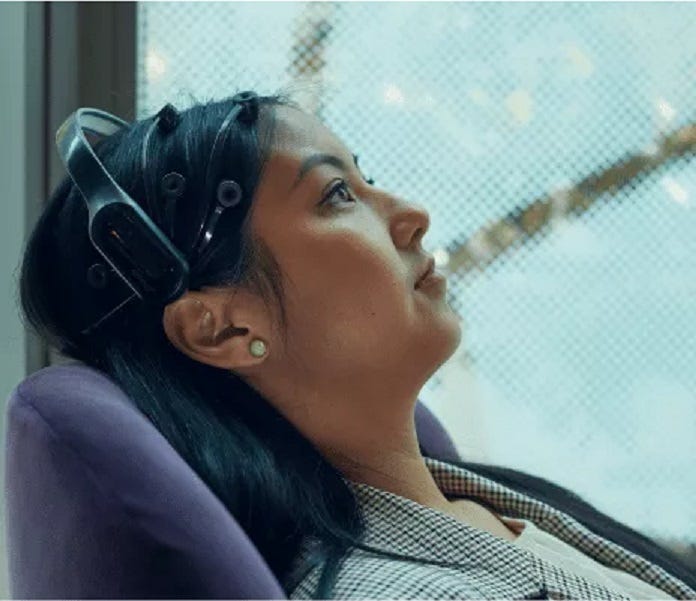
Continue reading