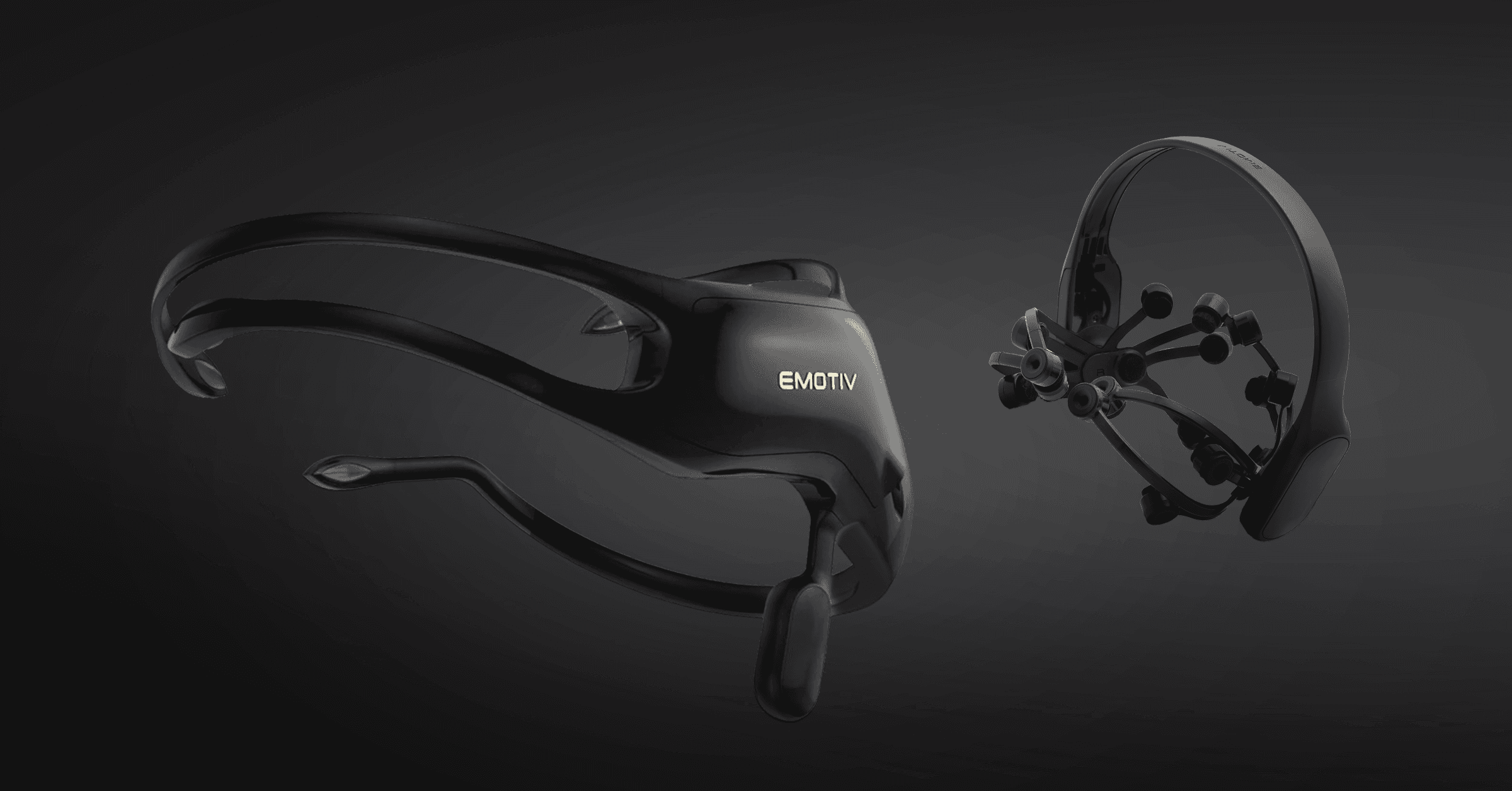
Your Guide to Choosing a Brainwave Monitoring Device
Duong Tran
Updated on
Oct 17, 2025
Your Guide to Choosing a Brainwave Monitoring Device
Duong Tran
Updated on
Oct 17, 2025
Your Guide to Choosing a Brainwave Monitoring Device
Duong Tran
Updated on
Oct 17, 2025
Get the Most Out of Your Device
Once you have your EEG device, the next step is capturing clean, reliable data—essential for any project, from academic research to personal exploration.
Think of your headset as a precision instrument: the right setup, care, and environment will make all the difference in data quality and consistency.
Set Up Your Device for Success
A great session starts with a great setup. Before you begin, ensure your headset fits securely yet comfortably to maintain consistent electrode contact. A loose fit can introduce noise or movement artifacts that distort your signal.
For saline-based headsets like the Epoc X or Flex, hydrate sensors according to your device’s instructions to ensure proper conductivity. Devices with fewer channels typically offer faster setup for personal use, while higher channel counts provide richer data for complex analysis.
Follow your headset’s specific setup guide to ensure clean, high-quality signal collection from the very first session.
Learn to Read Your Data
Looking at raw EEG data for the first time can feel unfamiliar, but it becomes straightforward with practice. EEG doesn’t read thoughts—it measures measurable patterns of electrical activity in the brain.
Software such as EmotivPRO visualizes data across frequency bands like Alpha, Beta, and Theta, which correspond to measurable patterns associated with relaxation, focus, and cognitive engagement.
The accessibility of modern EEG allows anyone to explore how their brain responds during focus, rest, or creative flow.
Keep Your Device in Top Shape
Your EEG headset is a sophisticated piece of technology, and consistent care ensures lasting performance.
After each session, clean the sensors according to your model’s Cleaning Your Emotiv Headset guide.
Store the headset in its original protective case, away from heat or moisture.
Inspect sensor connections periodically to ensure stable contact and longevity.
Well-maintained sensors and components lead to cleaner data and a better overall experience.
Follow Best Practices for Better Results
To capture the clearest data possible:
Minimize head and facial movements, since muscle tension can create electrical noise.
Minimize interference from nearby electronic devices.
Conduct sessions in a calm, quiet environment.
If you plan to publish findings, follow Emotiv’s Academic Research Guidelines.
Following these best practices helps ensure your findings are reproducible, high-quality, and artifact-free.
How to Troubleshoot Common Issues
If you experience weak signals or intermittent dropouts, try these quick fixes:
Rehydrate or adjust your sensors for better scalp contact.
Ensure Bluetooth connectivity is stable and unobstructed.
Restart the device or app if a software glitch is suspected.
Interpreting EEG data takes practice. Over time, your brain will produce more consistent patterns as you become familiar with the equipment. If challenges persist, contact the Emotiv Support Team for personalized troubleshooting.
Related Articles
Frequently Asked Questions
Can these devices read my thoughts
No. EEG devices detect patterns of electrical activity in the brain but cannot interpret specific thoughts, words, or images. They measure overall patterns—similar to listening to an engine’s hum to gauge its speed, not its destination.
Is it safe to put an EEG device on my head
Yes. EEG is entirely safe and passive—it only detects the natural electrical activity your brain produces. The sensors never emit electricity into your scalp. This non-invasive method has been used safely for over a century in research and clinical settings (Niedermeyer & da Silva, 2004).
How do I know how many channels I need
It depends on your goal.
For personal wellness or BCI exploration, a device with fewer channels (like MN8 or Insight) offers simplicity and portability.
For academic or high-resolution research, devices like Epoc X or Flex provide more detailed data across the scalp.
Do I need a science degree to use these devices
Not at all. While EEG is rooted in neuroscience, Emotiv hardware and software are designed for accessibility. Tools like EmotivPRO Lite and EmotivBCI translate complex data into clear, intuitive feedback, so anyone can begin exploring their cognitive activity.
What’s the difference between using EEG for research and personal wellness
The primary difference is purpose and data depth. Research applications focus on collecting high-fidelity, analyzable data suitable for publication. Personal wellness tools emphasize real-time feedback for focus, calm, or meditation. Both use the same core technology—optimized for different experiences.
References
Niedermeyer, E., & da Silva, F. L. (2004). Electroencephalography: Basic Principles, Clinical Applications, and Related Fields. Lippincott Williams & Wilkins.
U.S. Food and Drug Administration. (n.d.). Electroencephalograph (EEG) Device Classification (510(k) K161109). Retrieved from https://www.fda.gov
Emotiv Inc. (n.d.). Research Publications. Retrieved from /pages/research-publications
Get the Most Out of Your Device
Once you have your EEG device, the next step is capturing clean, reliable data—essential for any project, from academic research to personal exploration.
Think of your headset as a precision instrument: the right setup, care, and environment will make all the difference in data quality and consistency.
Set Up Your Device for Success
A great session starts with a great setup. Before you begin, ensure your headset fits securely yet comfortably to maintain consistent electrode contact. A loose fit can introduce noise or movement artifacts that distort your signal.
For saline-based headsets like the Epoc X or Flex, hydrate sensors according to your device’s instructions to ensure proper conductivity. Devices with fewer channels typically offer faster setup for personal use, while higher channel counts provide richer data for complex analysis.
Follow your headset’s specific setup guide to ensure clean, high-quality signal collection from the very first session.
Learn to Read Your Data
Looking at raw EEG data for the first time can feel unfamiliar, but it becomes straightforward with practice. EEG doesn’t read thoughts—it measures measurable patterns of electrical activity in the brain.
Software such as EmotivPRO visualizes data across frequency bands like Alpha, Beta, and Theta, which correspond to measurable patterns associated with relaxation, focus, and cognitive engagement.
The accessibility of modern EEG allows anyone to explore how their brain responds during focus, rest, or creative flow.
Keep Your Device in Top Shape
Your EEG headset is a sophisticated piece of technology, and consistent care ensures lasting performance.
After each session, clean the sensors according to your model’s Cleaning Your Emotiv Headset guide.
Store the headset in its original protective case, away from heat or moisture.
Inspect sensor connections periodically to ensure stable contact and longevity.
Well-maintained sensors and components lead to cleaner data and a better overall experience.
Follow Best Practices for Better Results
To capture the clearest data possible:
Minimize head and facial movements, since muscle tension can create electrical noise.
Minimize interference from nearby electronic devices.
Conduct sessions in a calm, quiet environment.
If you plan to publish findings, follow Emotiv’s Academic Research Guidelines.
Following these best practices helps ensure your findings are reproducible, high-quality, and artifact-free.
How to Troubleshoot Common Issues
If you experience weak signals or intermittent dropouts, try these quick fixes:
Rehydrate or adjust your sensors for better scalp contact.
Ensure Bluetooth connectivity is stable and unobstructed.
Restart the device or app if a software glitch is suspected.
Interpreting EEG data takes practice. Over time, your brain will produce more consistent patterns as you become familiar with the equipment. If challenges persist, contact the Emotiv Support Team for personalized troubleshooting.
Related Articles
Frequently Asked Questions
Can these devices read my thoughts
No. EEG devices detect patterns of electrical activity in the brain but cannot interpret specific thoughts, words, or images. They measure overall patterns—similar to listening to an engine’s hum to gauge its speed, not its destination.
Is it safe to put an EEG device on my head
Yes. EEG is entirely safe and passive—it only detects the natural electrical activity your brain produces. The sensors never emit electricity into your scalp. This non-invasive method has been used safely for over a century in research and clinical settings (Niedermeyer & da Silva, 2004).
How do I know how many channels I need
It depends on your goal.
For personal wellness or BCI exploration, a device with fewer channels (like MN8 or Insight) offers simplicity and portability.
For academic or high-resolution research, devices like Epoc X or Flex provide more detailed data across the scalp.
Do I need a science degree to use these devices
Not at all. While EEG is rooted in neuroscience, Emotiv hardware and software are designed for accessibility. Tools like EmotivPRO Lite and EmotivBCI translate complex data into clear, intuitive feedback, so anyone can begin exploring their cognitive activity.
What’s the difference between using EEG for research and personal wellness
The primary difference is purpose and data depth. Research applications focus on collecting high-fidelity, analyzable data suitable for publication. Personal wellness tools emphasize real-time feedback for focus, calm, or meditation. Both use the same core technology—optimized for different experiences.
References
Niedermeyer, E., & da Silva, F. L. (2004). Electroencephalography: Basic Principles, Clinical Applications, and Related Fields. Lippincott Williams & Wilkins.
U.S. Food and Drug Administration. (n.d.). Electroencephalograph (EEG) Device Classification (510(k) K161109). Retrieved from https://www.fda.gov
Emotiv Inc. (n.d.). Research Publications. Retrieved from /pages/research-publications
Get the Most Out of Your Device
Once you have your EEG device, the next step is capturing clean, reliable data—essential for any project, from academic research to personal exploration.
Think of your headset as a precision instrument: the right setup, care, and environment will make all the difference in data quality and consistency.
Set Up Your Device for Success
A great session starts with a great setup. Before you begin, ensure your headset fits securely yet comfortably to maintain consistent electrode contact. A loose fit can introduce noise or movement artifacts that distort your signal.
For saline-based headsets like the Epoc X or Flex, hydrate sensors according to your device’s instructions to ensure proper conductivity. Devices with fewer channels typically offer faster setup for personal use, while higher channel counts provide richer data for complex analysis.
Follow your headset’s specific setup guide to ensure clean, high-quality signal collection from the very first session.
Learn to Read Your Data
Looking at raw EEG data for the first time can feel unfamiliar, but it becomes straightforward with practice. EEG doesn’t read thoughts—it measures measurable patterns of electrical activity in the brain.
Software such as EmotivPRO visualizes data across frequency bands like Alpha, Beta, and Theta, which correspond to measurable patterns associated with relaxation, focus, and cognitive engagement.
The accessibility of modern EEG allows anyone to explore how their brain responds during focus, rest, or creative flow.
Keep Your Device in Top Shape
Your EEG headset is a sophisticated piece of technology, and consistent care ensures lasting performance.
After each session, clean the sensors according to your model’s Cleaning Your Emotiv Headset guide.
Store the headset in its original protective case, away from heat or moisture.
Inspect sensor connections periodically to ensure stable contact and longevity.
Well-maintained sensors and components lead to cleaner data and a better overall experience.
Follow Best Practices for Better Results
To capture the clearest data possible:
Minimize head and facial movements, since muscle tension can create electrical noise.
Minimize interference from nearby electronic devices.
Conduct sessions in a calm, quiet environment.
If you plan to publish findings, follow Emotiv’s Academic Research Guidelines.
Following these best practices helps ensure your findings are reproducible, high-quality, and artifact-free.
How to Troubleshoot Common Issues
If you experience weak signals or intermittent dropouts, try these quick fixes:
Rehydrate or adjust your sensors for better scalp contact.
Ensure Bluetooth connectivity is stable and unobstructed.
Restart the device or app if a software glitch is suspected.
Interpreting EEG data takes practice. Over time, your brain will produce more consistent patterns as you become familiar with the equipment. If challenges persist, contact the Emotiv Support Team for personalized troubleshooting.
Related Articles
Frequently Asked Questions
Can these devices read my thoughts
No. EEG devices detect patterns of electrical activity in the brain but cannot interpret specific thoughts, words, or images. They measure overall patterns—similar to listening to an engine’s hum to gauge its speed, not its destination.
Is it safe to put an EEG device on my head
Yes. EEG is entirely safe and passive—it only detects the natural electrical activity your brain produces. The sensors never emit electricity into your scalp. This non-invasive method has been used safely for over a century in research and clinical settings (Niedermeyer & da Silva, 2004).
How do I know how many channels I need
It depends on your goal.
For personal wellness or BCI exploration, a device with fewer channels (like MN8 or Insight) offers simplicity and portability.
For academic or high-resolution research, devices like Epoc X or Flex provide more detailed data across the scalp.
Do I need a science degree to use these devices
Not at all. While EEG is rooted in neuroscience, Emotiv hardware and software are designed for accessibility. Tools like EmotivPRO Lite and EmotivBCI translate complex data into clear, intuitive feedback, so anyone can begin exploring their cognitive activity.
What’s the difference between using EEG for research and personal wellness
The primary difference is purpose and data depth. Research applications focus on collecting high-fidelity, analyzable data suitable for publication. Personal wellness tools emphasize real-time feedback for focus, calm, or meditation. Both use the same core technology—optimized for different experiences.
References
Niedermeyer, E., & da Silva, F. L. (2004). Electroencephalography: Basic Principles, Clinical Applications, and Related Fields. Lippincott Williams & Wilkins.
U.S. Food and Drug Administration. (n.d.). Electroencephalograph (EEG) Device Classification (510(k) K161109). Retrieved from https://www.fda.gov
Emotiv Inc. (n.d.). Research Publications. Retrieved from /pages/research-publications
Continue reading