
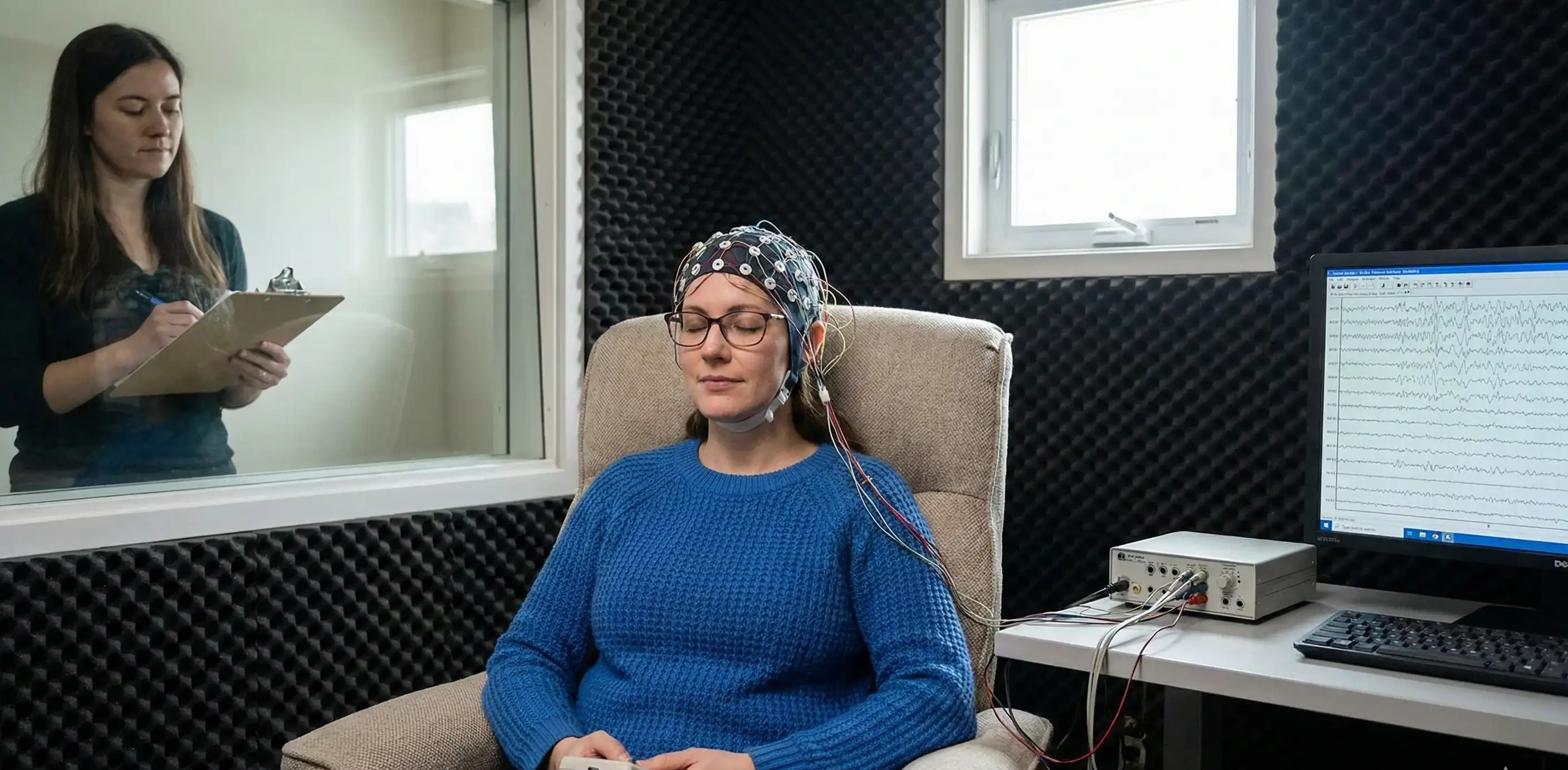
Ever wondered what's going on inside your head? Your brain is a busy place, constantly sending electrical signals.
An electroencephalogram, or EEG, is a way to peek at that activity. Think of it like listening to the brain's electrical chatter. This test helps doctors understand how your brain is working, especially if there might be something unusual happening.
We'll walk through what an EEG is, why you might need one, and what the whole process is like.
The Short Version
An EEG records the electrical activity of the brain using small sensors attached to the scalp.
This test helps diagnose various neurological conditions, including epilepsy, sleep disorders, and other issues affecting brain function.
The EEG process involves placing electrodes on the head, which are connected to a machine that displays brain waves.
Preparation for an EEG typically includes washing hair, avoiding certain substances like caffeine, and following specific instructions about sleep.
During the test, you might be asked to perform actions like deep breathing or looking at flashing lights to observe brain responses.
What is an Electroencephalogram (EEG)?
An electroencephalogram, or EEG, is a way to look at what's happening electrically inside your brain. Think of your brain cells as constantly sending tiny electrical signals to each other. These signals are how your brain communicates and controls everything you do.
What are EEG devices?
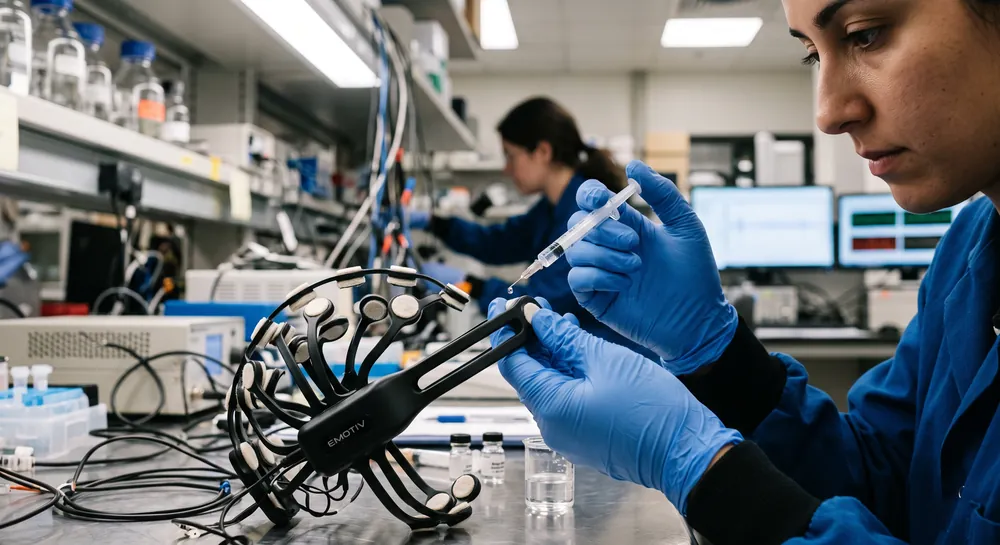
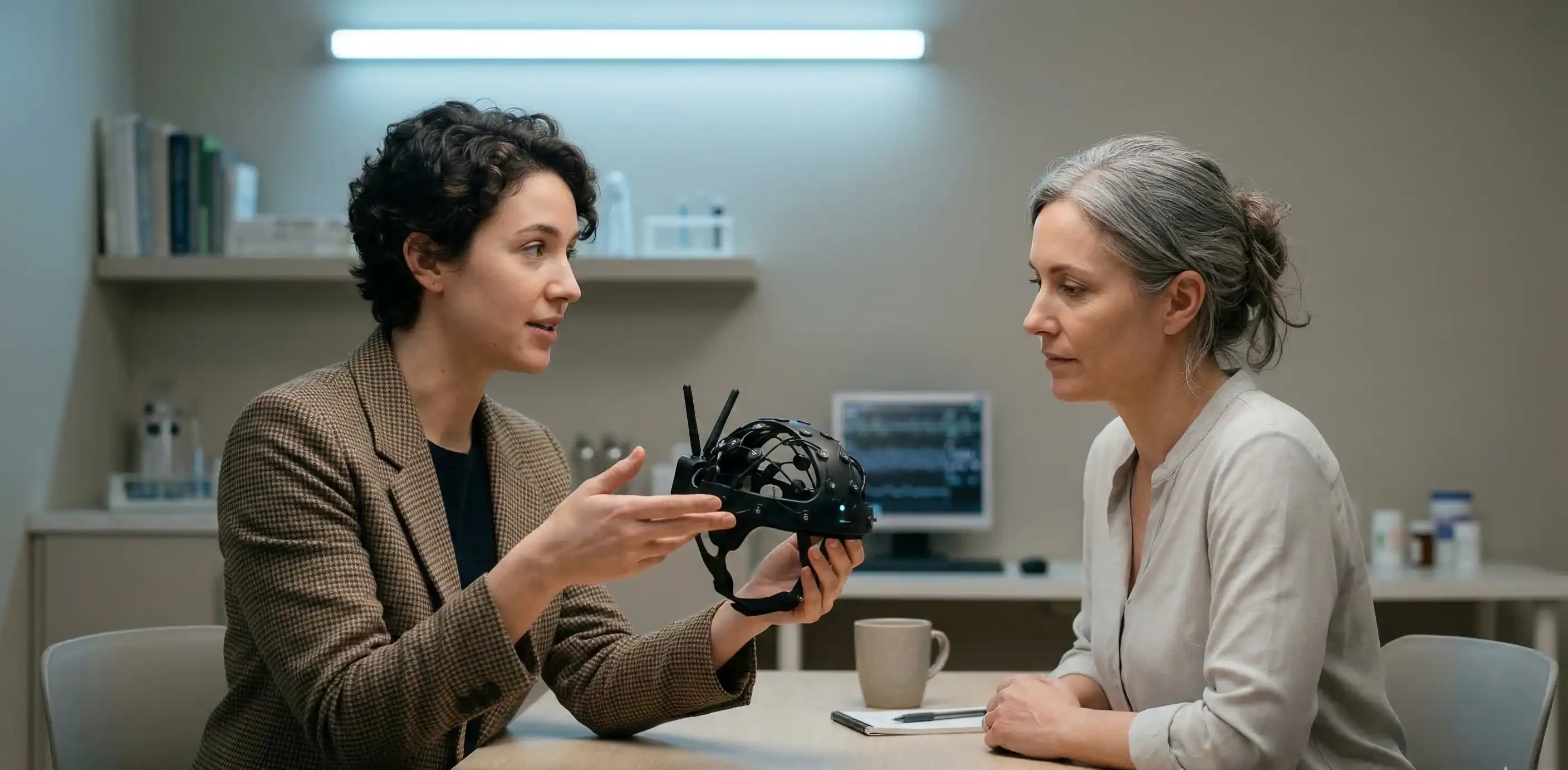
EEG devices are essentially the tools used to capture those brain signals. The core components include a set of electrodes and an amplifier connected to a recording machine.
The electrodes are small, usually metal discs, that are attached to your scalp. They act like tiny antennas, picking up the faint electrical activity generated by your brain cells. These signals are then sent through wires to an amplifier, which makes them stronger so they can be recorded.
The recording machine, which is often a computer nowadays, then displays these amplified signals as wavy lines on a screen or prints them out. These wavy lines are what we call brain waves.
What Are the Different Types of EEG Electrodes?
There are a few ways electrodes are applied, but they all serve the same purpose: to pick up brain activity.
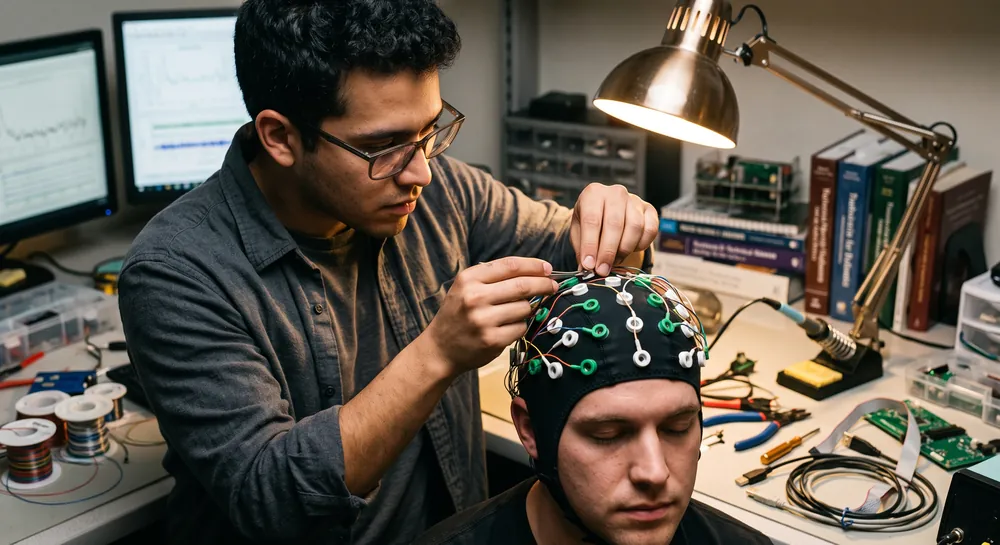
The most common type for routine EEGs are surface electrodes. These are typically small, metal discs, often made of silver or tin, that are attached to the scalp using a special conductive paste or glue. They're non-invasive, meaning they don't go under the skin.
For more specialized and invasive EEGs, there are also intracranial electrodes. These are placed directly on the surface of the brain (epidural or subdural electrodes) or even inserted into the brain tissue itself (depth electrodes). They are only used in very specific situations, usually when someone is already undergoing brain surgery for another reason, as they require an invasive procedure.
The choice of electrode type depends on the specific diagnostic question being asked and the level of detail required.
How Does an EEG Device Work?
It all starts with the electrical activity of your brain. Your neurons communicate through electrical impulses. When large groups of these neurons fire together in a synchronized way, they create electrical fields that can be detected on the scalp.
An EEG machine works by measuring the voltage differences between different points on your scalp using pairs of electrodes. Imagine placing two tiny microphones on your head; each microphone picks up slightly different sounds. Similarly, each pair of electrodes picks up the electrical signals from specific areas of your brain.
The machine amplifies these very small signals – they are measured in microvolts, which is a millionth of a volt – and records them over time. The resulting recording shows patterns of brain waves, which can vary depending on whether you are awake, asleep, or experiencing certain brain events.
The pattern and frequency of these brain waves provide valuable information about your brain's overall function.
What Causes the Electrical Activity of the Brain?
The electrical activity recorded by an EEG originates primarily from the synchronized firing of large populations of neurons, particularly the pyramidal cells in the cerebral cortex. These neurons generate small electrical potentials as they communicate.
When many of these neurons fire in unison, their combined electrical output becomes strong enough to be detected by electrodes placed on the scalp. This activity isn't random; it often occurs in rhythmic patterns, which are categorized by their frequency (measured in Hertz, or cycles per second) and amplitude (the height of the wave).
Different states of consciousness and brain activity are associated with distinct brain wave patterns. For example, when you're awake and alert, you tend to have faster, lower-amplitude waves (beta waves), while during deep sleep, you exhibit slower, higher-amplitude waves (delta waves).
Abnormal electrical activity, such as that seen in epilepsy, can manifest as sudden, unusual spikes or sharp waves superimposed on the normal background rhythm.
What Is an EEG Test
An EEG is a non-invasive medical test that directly records the brain's electrical signals to identify patterns of function and timing with millisecond precision. It serves as a high-speed diagnostic tool that measures the brain's "electrical chatter" through scalp sensors, offering a more accessible and time-sensitive alternative to other imaging methods.
MEG vs. EEG
While both Magnetoencephalography (MEG) and Electroencephalography measure brain activity, they do so in fundamentally different ways.
EEG records the electrical fields produced by the synchronized activity of neurons. Think of it like listening to the electrical chatter directly. MEG, on the other hand, measures the tiny magnetic fields that are generated by these same electrical currents.
It's like detecting the magnetic ripples caused by that chatter. Because magnetic fields are less distorted by the skull and scalp than electrical fields, MEG can sometimes offer more precise spatial information about where activity is happening in the brain.
However, EEG equipment is generally more accessible and less expensive than MEG systems, making it a more widely used tool in clinical settings.
EEG vs. EKG
It's easy to confuse EEG with EKG (Electrocardiogram), but they measure activity in entirely different organs.
An EEG monitors the electrical activity of the brain, as we've discussed, looking for patterns that indicate brain function or dysfunction. An EKG, however, records the electrical activity of the heart. It's used to detect heart rhythm problems and other cardiac issues.
The electrodes for an EEG are placed on the scalp, while EKG electrodes are typically attached to the chest, arms, and legs. Both are non-invasive tests that use electrodes to pick up electrical signals, but their targets are distinct: brain versus heart.
EEG vs. fMRI
Functional Magnetic Resonance Imaging (fMRI) is another brain imaging technique, but it measures brain activity indirectly. Instead of detecting electrical signals like EEG, fMRI tracks changes in blood flow and blood oxygenation. The idea is that when a part of the brain is more active, it requires more oxygen, leading to increased blood flow to that area.
fMRI provides excellent spatial resolution, meaning it can pinpoint the location of brain activity with great accuracy. However, it has poorer temporal resolution compared to EEG.
EEG can detect changes in brain activity within milliseconds, giving a very detailed picture of the timing of neural events. fMRI, because it relies on blood flow changes, is much slower, typically measuring activity over seconds. So, while fMRI is great for seeing where activity is happening, EEG excels at showing when it's happening.
EEG vs. EMG
While both tests measure electrical activity in the body, an EEG focuses on the brain while an EMG (Electromyogram) evaluates the health of muscles and the nerve cells that control them. An EEG uses sensors on the scalp to detect brain wave patterns, whereas an EMG involves placing small sensors on the skin or inserting fine needles into muscle tissue to record activity during rest and contraction.
These tests are used for different diagnostic purposes. A doctor might order an EEG to investigate seizures or sleep issues, but they would request an EMG if a patient is experiencing symptoms like muscle weakness, numbness, or cramping that suggest a nerve or muscle disorder.
Why Is an EEG Test Performed?
An EEG is a diagnostic tool that can be used to help doctors and neuroscientists understand what's happening inside your brain. This test is particularly useful for a few key reasons:
What Neurological Conditions Can an EEG Diagnose?
One of the primary uses of an EEG is to help diagnose a variety of neurological conditions. Because brain activity can change significantly when something isn't quite right, an EEG can pick up on these differences. It's especially valuable for identifying issues related to abnormal electrical activity.
Epilepsy and Seizures: This is perhaps the most well-known application of EEG. During a seizure, brain activity often changes dramatically, and an EEG can record these changes. Even between seizures, abnormal electrical patterns, sometimes called epileptiform discharges, can often be seen, giving doctors clues about the likelihood of seizures.
Sleep Disorders: EEGs are a key part of a sleep study (polysomnography). They help doctors differentiate between different sleep stages and identify disorders like insomnia, narcolepsy, or sleep apnea by looking at the brain's electrical patterns during sleep.
Brain Injuries and Inflammation: EEGs can help assess the overall function of the brain after an injury, such as a concussion or stroke, or in cases of brain swelling (encephalitis). Significant changes in brain waves can indicate the severity of the problem.
Encephalopathy: This is a general term for any brain disease, damage, or abnormality. EEGs can help detect widespread problems with brain function that might not be obvious otherwise.
Brain Death: In critical situations, an EEG can be used to help determine if there is any electrical activity remaining in the brain, which is a factor in declaring brain death.
How Is an EEG Used to Measure Brain Activity?
Beyond just diagnosing problems, EEGs are also used to monitor brain function in various situations:
Monitoring Anesthesia: During surgery, an EEG can help anesthesiologists gauge the depth of anesthesia. It can show if the brain is responding as expected or if adjustments are needed.
Assessing Coma: For patients in a coma, an EEG can provide information about the level of brain activity and help predict outcomes.
Research: EEGs are widely used in research to study how the brain works during different cognitive tasks, learning, or in response to stimuli. This helps scientists learn more about normal brain function and the mechanisms behind various neurological conditions.
What Should I Expect During an EEG Test?
Preparing for an electroencephalogram involves a few key steps to ensure the most accurate results. Understanding the process beforehand can help alleviate any concerns.
How Do I Prepare for an EEG Test?
Before the test, it's important to follow specific instructions provided by your healthcare provider. Generally, this includes:
Hair Care: Wash your hair the night before the test. Avoid using conditioners, styling products, or hairsprays, as these can interfere with the electrode adhesion. Ensure your hair is dry and free of tangles. Braids or weaves should be avoided.
Dietary Restrictions: You may be asked to avoid caffeine and high-sugar foods or drinks for a period before the test. This helps ensure you can relax and that brain activity is not artificially stimulated.
Sleep Schedule: Your provider might ask you to alter your sleep schedule, such as staying awake longer the night before the test. This is often done to make it easier to capture brain activity during sleep if that is part of the testing protocol.
Medications: Continue taking your prescribed medications as usual unless specifically instructed otherwise by your doctor. It is important to inform your provider about all medications and supplements you are taking.
What Is the Procedure for a Routine EEG?
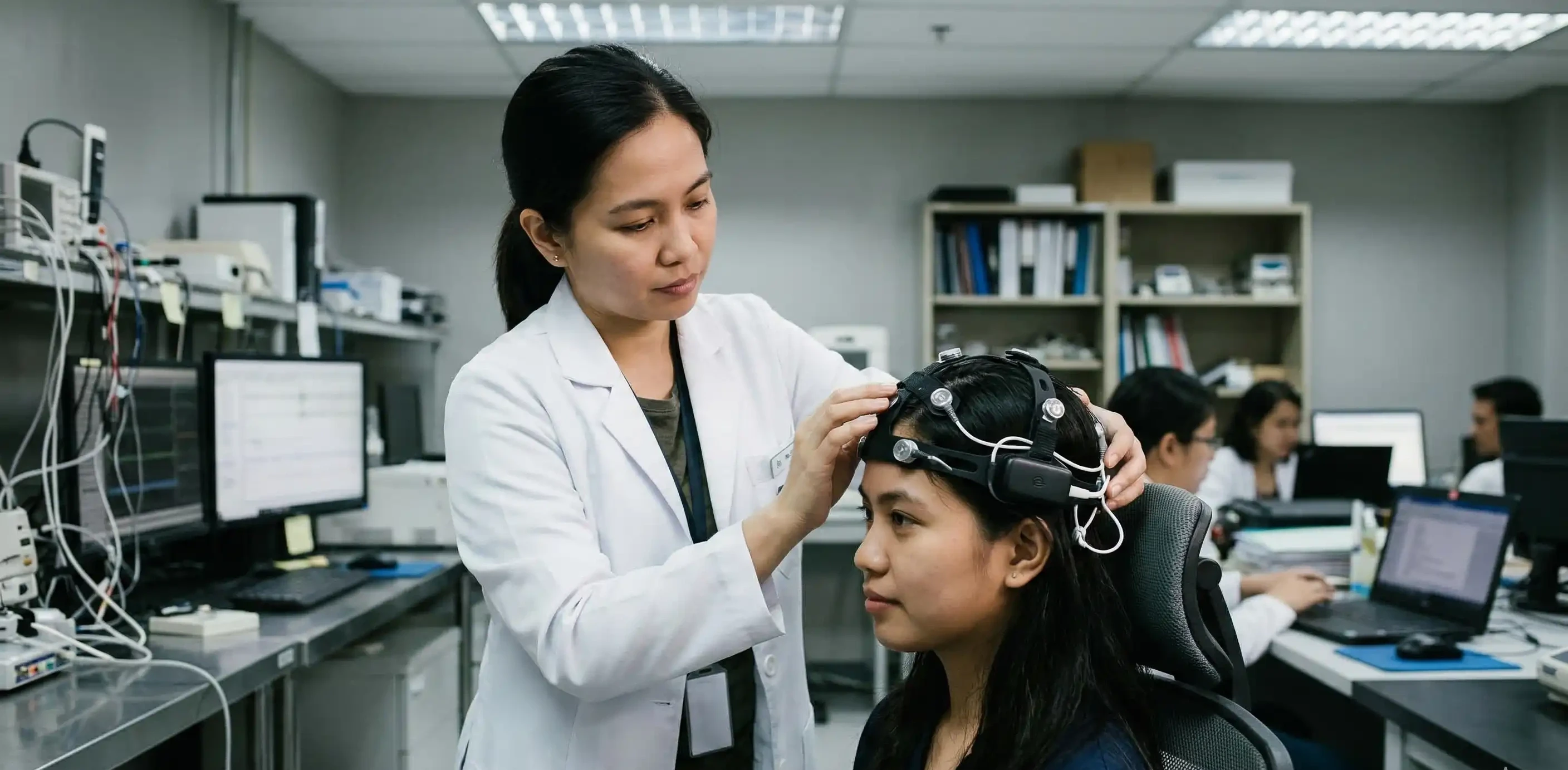
During a routine EEG, you will typically sit in a comfortable chair or lie down on a bed. A technologist will place small, metal discs called electrodes onto your scalp. These electrodes are sometimes attached using a special gel and are connected to wires that lead to a recording machine. The technologist will then ensure they are securely attached to capture your brain's electrical signals.
While the electrodes are in place, you will be asked to relax. You might be instructed to close your eyes, open them, or look at a flashing light. You may also be asked to perform certain actions, such as taking deep breaths (hyperventilation).
These activities help the technologist observe how your brain responds to different stimuli and conditions. The entire process is non-invasive and does not involve any electrical stimulation of the brain.
How Long Does an EEG Take
The duration of an EEG test can vary depending on the specific type of recording needed. A standard EEG typically lasts between 20 to 60 minutes.
However, if the test requires monitoring during sleep or involves extended recording periods, it can take several hours or even be conducted overnight (ambulatory EEG).
What Happens After the EEG Test Is Finished?
Once the recording is complete, the electrodes will be gently removed from your scalp. If glue or paste was used, you can usually wash your hair thoroughly at home to remove any residue.
Most people can resume their normal activities immediately after the test. If any unusual sensations or side effects occur, such as dizziness from hyperventilation, it is important to inform the technologist or your healthcare provider.
How to Read an EEG
Interpreting an electroencephalogram (EEG) involves analyzing the patterns of electrical activity recorded from the brain. The primary goal is to identify deviations from normal brain wave patterns that might indicate a neurological issue.
EEG recordings display brain activity as waveforms, with time plotted horizontally and voltage vertically. Several factors can be adjusted during the review process to better visualize these waveforms:
Sensitivity (Gain): This setting controls the height of the waveforms. Increasing sensitivity makes smaller voltage changes more apparent, while decreasing it can help manage overly large signals.
Time Scale (Epoch): This determines how much time is represented on the screen. A shorter time scale allows for detailed examination of brief events, like spikes, whereas a longer scale is useful for observing slower changes over minutes.
Filters: Digital filters can be applied to reduce unwanted electrical noise (artifacts). However, these must be used cautiously, as they can also alter or obscure the actual brain activity.
What Factors Are Considered When Reviewing EEG Patterns?
Normal Rhythms: Different states of consciousness, such as wakefulness, drowsiness, and sleep, are associated with distinct brain wave frequencies and amplitudes. For example, alpha waves are typically seen during relaxed wakefulness with eyes closed.
Epileptiform Discharges: These are abnormal patterns, often appearing as spikes or sharp waves, that can indicate a predisposition to seizures. Their duration and morphology are key characteristics.
Artifacts: Electrical signals not originating from the brain, such as muscle movements, eye blinks, or electrical interference, can contaminate the EEG.
What Are the Polarity Conventions in EEG Reading?
EEG interpretation relies on understanding polarity, which refers to the direction of the electrical potential difference between electrodes. By convention:
An upward deflection often signifies a negative electrical potential at the active electrode relative to the reference electrode.
A downward deflection typically indicates a positive potential.
This convention helps in localizing the source of the electrical activity.
Clinical Applications
Interpreting an EEG is a specialized task performed by trained professionals. The findings are considered alongside the patient's clinical history and other diagnostic tests to reach a diagnosis and guide treatment.
For instance, specific EEG patterns are characteristic of different types of epilepsy, and changes in brain activity can be monitored during surgery or in critical care settings.
How Can I Find a Qualified EEG Technologist?
To find a qualified EEG technologist, you can look for professionals who are credentialed by recognized boards, such as ABRET (the American Board of Registration of Electroencephalographic and Evoked Potential Technologists). These individuals are specifically trained to apply electrodes correctly, read the recording for accuracy, and identify various brain wave patterns and artifacts during the procedure.
Where Are EEG Technologists Typically Located?
Most EEG technologists work in specialized environments such as hospital neurology departments, epilepsy monitoring units (EMUs), and sleep study centers.
You can often find them by receiving a referral from your primary care physician or a neurologist who has determined that an EEG is necessary for your diagnostic path.
What Qualifications Should an EEG Technologist Have?
A reliable technologist should have a background in neurodiagnostic technology and, in many cases, a formal certification like a Registered EEG Technologist (R. EEG T.) designation.
This ensures they have the expertise to handle the sensitive equipment, follow strict safety protocols—especially during stimulation activities like hyperventilation—and provide high-quality data for the neurologist to interpret.
Why Is EEG a Vital Tool for Brain Health?
From its early days with Berger to today's advanced tech, EEG has really helped doctors and researchers figure out what's going on, especially with things like seizures and sleep issues.
While it's not perfect and sometimes other signals can get in the way, trained eyes can sort through it. It's a safe test, and while it might take a little prep, like washing your hair or maybe staying awake the night before, it gives doctors important clues.
It's a window into brain function that's been around for a while and continues to be a key part of understanding brain health.
Frequently Asked Questions
What exactly is an EEG?
An Electroencephalogram, or EEG, is a special test that listens to the electrical chatter happening inside your brain. Think of your brain cells as tiny communicators sending messages with electrical signals. An EEG is like a recording of these conversations, shown as wavy lines on a screen.
How do doctors record brain activity?
Doctors use small, metal discs called electrodes. These are attached to your scalp, usually with a sticky paste or glue. These electrodes act like tiny antennas, picking up the faint electrical signals from your brain cells and sending them to a machine that records them.
What do the wavy lines on an EEG mean?
Those wavy lines are called brain waves. They show how active your brain is and how different parts are communicating. The patterns can change depending on whether you are awake, asleep, or if something unusual is happening in your brain.
Why would a doctor order an EEG test?
Doctors use EEGs to help figure out what might be causing problems with the brain. It's particularly helpful for diagnosing conditions like epilepsy, which causes seizures, and other issues that affect brain function, including sleep disorders.
What should I do to prepare for an EEG?
Usually, you'll be asked to wash your hair the night before but avoid using conditioners or styling products. It's also important to follow any instructions about sleeping the night before, as sometimes doctors want you to be a little tired to get a better reading. They might also ask you to avoid caffeine.
What happens during the EEG test itself?
You'll typically sit in a chair or lie down. A technician will place the electrodes on your scalp. Then, you'll be asked to relax, perhaps with your eyes closed or open. Sometimes, they might ask you to do things like take deep breaths or look at flashing lights to see how your brain responds.
How long does an EEG test usually take?
A standard EEG test usually takes about 20 to 30 minutes. However, some types of EEGs might take a bit longer, and the technician will let you know beforehand what to expect regarding the duration.
Are there any side effects from an EEG?
Side effects are very rare. Some people might feel a little dizzy if asked to do deep breathing. In very specific cases, flashing lights or deep breathing might trigger a seizure in someone with epilepsy, but this is uncommon, and the technician is prepared to handle it.
What happens after the EEG test is finished?
Once the recording is done, the technician will carefully remove the electrodes. You might notice slight redness on your scalp where they were attached, but this is temporary. You can usually go back to your normal activities right away, and you can wash your hair to remove any leftover paste.
Emotiv is a neurotechnology leader helping advance neuroscience research through accessible EEG and brain data tools.
Medical Disclaimer: The information provided on this website is for educational and informational purposes only and is not intended as medical or health advice. This content may contain errors and should not be relied upon to make life-altering health, medical, or lifestyle choices. Always seek the advice of your physician or other qualified health provider with any questions you may have regarding a medical condition or treatment.
Christian Burgos