Dealing with a brain cancer diagnosis brings a lot of challenges. Beyond the disease itself, the treatments used to fight it can bring their own set of issues.
This article looks at some of the common side effects from these brain cancer therapies and offers practical advice on how to manage them, aiming to help patients and their families navigate this difficult journey with more confidence and less discomfort.
We'll cover physical, neurological, and emotional aspects, as well as what life might look like after treatment.
How Can Patients Cope with the Acute Physical Side Effects of Brain Cancer Therapy?
Treatments for brain cancer, while designed to fight the disease, can bring about a range of immediate physical challenges. Understanding these potential side effects and knowing how to manage them is a key part of the treatment journey.
What Are the Best Strategies to Combat Fatigue and Sleep Issues Caused by Brain Cancer Treatment?
Fatigue is a very common experience during brain cancer treatment. It's often described as a persistent tiredness that doesn't improve with rest. This can stem from the cancer itself, the treatments, or the emotional toll of the diagnosis.
Sleep disturbances, such as insomnia or excessive sleepiness, can also occur, further impacting energy levels. Managing these issues often involves a multi-faceted approach.
Pacing Activities: Breaking down tasks into smaller, manageable steps can help conserve energy. Prioritizing activities and allowing for rest periods throughout the day is important.
Sleep Hygiene: Establishing a regular sleep schedule, creating a relaxing bedtime routine, and ensuring the sleep environment is dark, quiet, and cool can promote better sleep.
Gentle Exercise: While it might seem counterintuitive, light physical activity, such as walking, can sometimes help combat fatigue. It's important to discuss any exercise plans with a healthcare provider.
Nutritional Support: Ensuring adequate hydration and a balanced diet can also play a role in managing energy levels.
How Are Nausea and Vomiting Managed to Maintain Nutrition During Brain Cancer Therapy?
Nausea and vomiting are frequently encountered side effects, particularly with chemotherapy. These can make eating difficult, leading to concerns about maintaining adequate nutrition, which is vital for recovery and overall mental well-being.
Fortunately, various strategies and medications are available to help control these symptoms.
Medication: Anti-nausea medications, often referred to as antiemetics, are highly effective and can be prescribed by the care team. These are often most effective when taken before nausea begins.
Dietary Adjustments: Eating smaller, more frequent meals instead of large ones can be easier to tolerate. Bland foods, such as crackers, toast, or rice, may be better tolerated than rich or spicy options. Staying hydrated with clear liquids is also important.
Timing of Meals: Avoiding strong odors and trying to eat when feeling least nauseous can be helpful.
How Should You Care for Your Skin and Scalp During Radiation for a Brain Tumor?
Radiation therapy, especially when directed at the head, can affect the skin and scalp. Patients may experience redness, dryness, itching, or sensitivity, sometimes described as similar to a mild sunburn. In some cases, hair loss may occur in the treated area.
The following are some practical recommendations that may help when dealing with skin issues due to radiation therapy:
Gentle Cleansing: Using mild, unscented soaps and lukewarm water for washing the scalp and skin is often recommended. Patting the area dry gently instead of rubbing is also advised.
Moisturizing: Applying a gentle, fragrance-free moisturizer can help alleviate dryness and itching. It is important to check with the care team about which products are safe to use.
Scalp Protection: Protecting the scalp from sun exposure, wind, and extreme temperatures is important. Wearing a soft hat or scarf can provide comfort and protection.
Hair Care: If hair loss occurs, gentle handling of the scalp is advised. Some individuals choose to shave their heads for comfort and manageability.
How Are Steroid Side Effects Like Swelling and Mood Swings Handled in Brain Cancer Patients?
Steroids, such as dexamethasone, are often used to manage brain swelling and reduce inflammation associated with brain tumors and their treatments. While beneficial, these medications can also lead to a range of side effects.
Commonly observed effects include fluid retention, which can cause swelling, particularly in the face and extremities, and changes in mood, ranging from irritability and anxiety to euphoria or restlessness.
Fluid Retention: Monitoring weight and fluid intake can be helpful. Dietary adjustments, such as reducing salt intake, may be suggested by the healthcare team.
Mood Changes: Open communication with the care team about mood fluctuations is important. They can offer strategies for coping or adjust medication if necessary.
Sleep Disturbances: Steroids can interfere with sleep. Taking the medication earlier in the day, as prescribed, may help mitigate this.
Blood Sugar: Steroids can affect blood sugar levels. Regular monitoring may be necessary, especially for individuals with diabetes or those at risk.
How Can You Protect Your Neurological and Cognitive Health While Undergoing Brain Cancer Treatment?
Brain tumors and their treatments can affect how the brain works. This can lead to changes in thinking, memory, and physical abilities. It's important to understand these potential effects and the ways to manage them.
What Is the Best Way to Understand and Navigate "Chemo Brain" and Cognitive Fog?
Many people undergoing chemotherapy experience what is commonly called “chemo brain” or cognitive fog. This can manifest as difficulty concentrating, problems with short-term memory, slower thinking, and trouble finding the right words.
These changes are thought to be related to the effects of chemotherapy drugs on the brain, though the exact mechanisms are still being studied. It's not just about memory; it can affect your ability to process information and perform complex tasks.
Difficulty with focus and attention
Memory lapses, especially short-term memory
Slower processing speed
Trouble with organization and planning
While the experience can be frustrating, it's often temporary and may improve over time after treatment ends. Open communication with your healthcare team about these symptoms is key, as they can offer strategies and support.
What Is the Role of Rehabilitative Therapy in Brain Cancer Recovery?
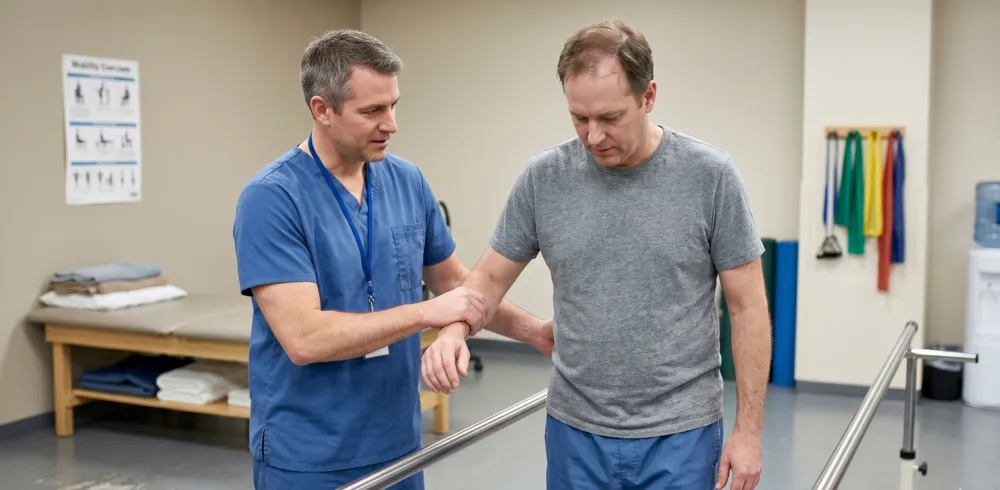
Rehabilitative therapies play a significant role in helping patients regain lost functions and adapt to changes caused by brain cancer or its treatment. These therapies are tailored to each person's specific needs.
Physical Therapy (PT): Focuses on improving strength, balance, coordination, and mobility. This can help with walking, transferring between surfaces, and overall physical endurance.
Occupational Therapy (OT): Aims to help individuals maintain or regain independence in daily activities. This includes tasks like dressing, eating, bathing, and managing household chores. OT can also help with cognitive strategies for daily living.
Speech Therapy: Addresses difficulties with communication, such as speaking, understanding language, and swallowing. It can also help with cognitive-linguistic issues related to attention and memory.
These therapies work together to support a person's return to daily life and improve their quality of life.
What Are the Practical Tips for Managing Seizure Risk and Neuropathy in Brain Cancer Patients?
Seizures can be a concern for people with brain tumors, as the tumor itself or changes in brain activity can increase seizure risk. Neuropathy, or nerve damage, can also occur as a side effect of certain treatments, leading to symptoms like tingling, numbness, or pain, often in the hands and feet.
Managing Seizure Risk:
Adhering to prescribed anti-seizure medications is paramount.
Avoiding triggers that may be known to provoke seizures, such as extreme fatigue or flashing lights, if identified.
Maintaining a consistent sleep schedule and managing stress levels can be beneficial.
Managing Neuropathy:
Discussing any symptoms of neuropathy with your healthcare provider promptly.
Certain medications may be prescribed to help manage nerve pain.
Protective measures, such as wearing comfortable shoes and being mindful of temperature extremes, can help prevent injury to affected areas.
How Is Neurotechnology Used to Address Cognitive Changes Caused by Brain Cancer?
How Does Quantitative EEG (qEEG) Provide an Objective Assessment of Chemo Brain?
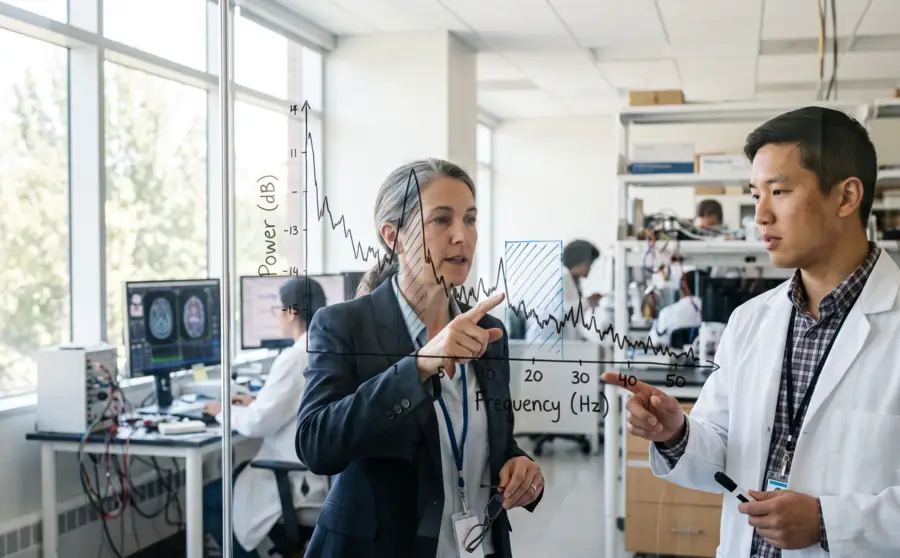
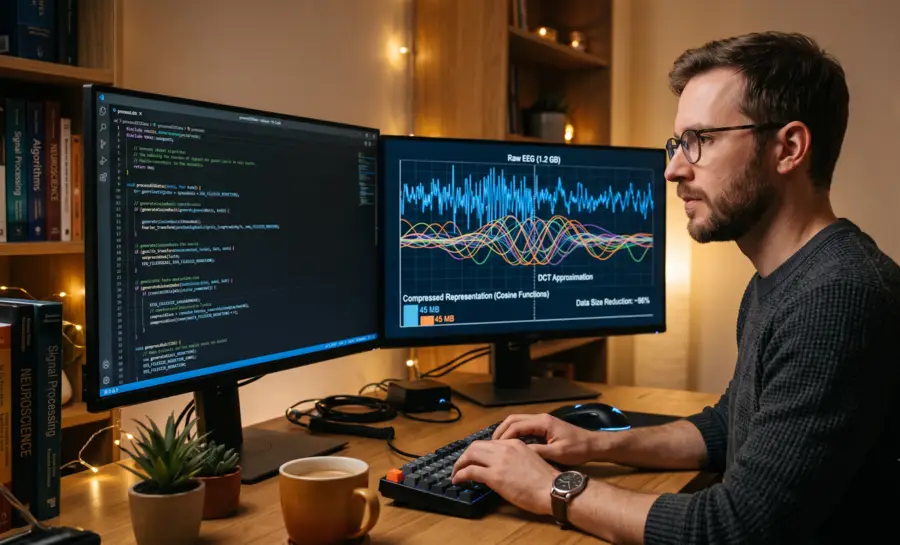
Many patients experience a frustrating cognitive fog following cancer treatment, commonly referred to as "chemo brain." Because these cognitive shifts (e.g., memory lapses, mental fatigue, or difficulty concentrating) are subjective and can be difficult to quantify, quantitative electroencephalography (qEEG) is increasingly being utilized to provide objective data.
By mapping the brain's real-time electrical activity, a qEEG can identify specific neurophysiological biomarkers associated with these cognitive disruptions. This non-invasive neuroscience-based assessment plays a crucial role in validating a patient's lived experience, proving that chemo brain is a measurable, biological reality rather than just an abstract feeling.
Furthermore, establishing this electrical baseline allows the medical team to accurately track a patient's cognitive recovery over the course of their survivorship.
Can Neurofeedback Be Used as a Valid Tool for Active Cognitive Rehabilitation?
Building on the data provided by qEEG mapping, some survivorship programs are exploring neurofeedback as a method for active cognitive rehabilitation. This non-invasive training utilizes real-time EEG monitoring to help individuals practice self-regulating the specific brainwave patterns associated with sustained attention, executive function, and mental processing speed.
By receiving immediate visual or auditory feedback (such as a video that only plays clearly when the brain enters a focused state) patients can work to gradually strengthen these targeted neural pathways.
It is important to approach this technology with realistic expectations; neurofeedback is an emerging, investigational modality rather than a guaranteed cure for treatment-related cognitive decline.
It is best utilized as a supportive therapy within a comprehensive recovery plan, serving as a complementary tool alongside established rehabilitative interventions like physical therapy, occupational therapy, and speech therapy to promote holistic healing.
How Do You Address the Emotional and Psychological Challenges of a Brain Cancer Diagnosis?
The experience of a brain cancer diagnosis and its treatment can bring about significant emotional and psychological challenges. Beyond the physical aspects of the illness and therapy, people often face a complex inner landscape.
What Are the Most Effective Techniques for Coping with Scanxiety and the Fear of Recurrence?
"Scanxiety" is a term used to describe the anxiety and stress that can build up before, during, and after medical imaging scans, such as MRIs or CT scans, which are used to monitor treatment progress or detect recurrence. This period can be particularly difficult as it involves waiting for results that may significantly impact one's outlook.
Strategies to manage this include:
Mindfulness and Relaxation: Practicing deep breathing exercises, meditation, or progressive muscle relaxation can help calm the nervous system.
Information Gathering: Understanding the purpose of the scans and what the results might indicate can sometimes reduce uncertainty, though it's important to discuss this with a healthcare provider.
Distraction Techniques: Engaging in activities that divert attention, such as listening to music, reading, or spending time with loved ones, can be helpful during waiting periods.
Professional Support: Talking with a therapist or counselor specializing in oncology can provide tools and coping mechanisms for managing anxiety.
The fear of cancer recurrence is another common emotional burden. This persistent worry can affect daily life and decision-making.
Acknowledging these fears and developing strategies to manage them, similar to those for scanxiety, is important. Focusing on the present and celebrating small victories can also be beneficial.
Why Is Palliative Care Essential for Symptom and Stress Management in Brain Tumor Patients?
Palliative care is a specialized area of medicine focused on providing relief from the symptoms and stress of a serious illness. It is not limited to end-of-life care; rather, it can be beneficial at any stage of a brain cancer diagnosis.
The goals of palliative care include:
Symptom Relief: Addressing physical symptoms such as pain, nausea, fatigue, and breathing difficulties.
Emotional Support: Providing psychological and emotional support for patients and their families.
Communication: Facilitating clear communication between patients, families, and the medical team regarding treatment goals and preferences.
Coordination of Care: Working alongside other medical specialists to ensure a cohesive treatment plan.
How Do Support Groups and Peer Mentoring Help Brain Cancer Patients Find Community?
Connecting with others who have similar experiences can be incredibly validating and helpful. Support groups, whether in-person or online, offer a space for individuals to share their stories, exchange coping strategies, and find emotional solace.
Peer mentoring programs pair people with cancer survivors who can offer guidance and encouragement based on their own journeys. These communities can help reduce feelings of isolation and provide a sense of shared understanding and hope.
What Does Life Look Like for a Long-Term Brain Cancer Survivor?
What Is a Survivorship Care Plan and Why Does a Brain Cancer Survivor Need One?
A survivorship care plan is a document that outlines a patient's cancer treatment history and provides recommendations for their follow-up care. It's like a roadmap for the future, detailing the treatments received, potential long-term effects to watch for, and suggested screening schedules.
This plan is typically created by the oncology team and shared with the patient and their primary care physician. It helps ensure that ongoing health needs related to the cancer and its treatment are addressed.
Which Long-Term and Late Effects of Treatment Should Brain Cancer Survivors Monitor?
Even after treatment concludes, some effects can emerge months or years later. These are known as long-term or late effects.
For brain cancer survivors, these might include changes in cognitive function, such as memory or processing speed, and sometimes physical effects like neuropathy or hormonal imbalances.
Radiation therapy, depending on the area treated and the dose, can increase the risk of conditions like stroke later on. Chemotherapy can also have lasting impacts, affecting nerve function or blood cell production.
Regular check-ups are important for detecting and managing these potential issues early.
What Are the Best Strategies for Re-entering the Workforce After Brain Cancer Treatment?
Returning to work and everyday activities after brain cancer treatment can be a gradual process. It often involves adjusting to any lingering physical or cognitive changes.
Some people may find they need to modify their work schedule or seek accommodations to manage fatigue or cognitive challenges. Occupational therapy and speech therapy can play a role in regaining skills needed for daily tasks and work.
Building a support system, including family, friends, and professional resources, can make this transition smoother.
How Do You Maintain Long-Term Emotional Health and Build a New Normal After Surviving Brain Cancer?
Living as a long-term survivor involves adapting to a "new normal." This can bring a range of emotions, from relief and gratitude to anxiety about recurrence.
Addressing emotional well-being is as important as physical health. Palliative care services can be beneficial not just for symptom management but also for providing emotional and psychological support.
What Are the Final Considerations for Navigating Brain Cancer Therapy?
Brain cancer therapies can be lifesaving, but the day-to-day reality often includes fatigue, nausea, skin changes, steroids effects, cognitive fog, seizure risk, and emotional strain.
The most effective path forward is usually proactive, team-based care: early symptom reporting, supportive medications, rehab services (PT/OT/speech), and mental health or palliative care integrated alongside oncology.
As survivorship begins, a clear care plan and routine monitoring help address late effects and rebuild independence. For cognitive concerns, objective tools like qEEG and structured rehabilitation—including investigational options like neurofeedback—may support a safer, more measurable recovery.
References
de Ruiter, M. A., Meeteren, A. Y. S. V., van Mourik, R., Janssen, T. W., Greidanus, J. E., Oosterlaan, J., & Grootenhuis, M. A. (2012). Neurofeedback to improve neurocognitive functioning of children treated for a brain tumor: design of a randomized controlled double-blind trial. BMC cancer, 12(1), 581. https://doi.org/10.1186/1471-2407-12-581
Frequently Asked Questions
How can patients protect their brain health and cognitive abilities while undergoing treatment?
Protecting brain health involves understanding and managing 'chemo brain,' which can cause fogginess or memory issues. Simple strategies like using planners, breaking down tasks, and getting enough sleep can be very effective. Physical, occupational, and speech therapy can also help improve or maintain brain function.
What emotional and psychological support is available for individuals dealing with brain cancer?
Many people experience 'scanxiety,' which is anxiety around scans and the fear of the cancer returning. Talking about these feelings is crucial. Palliative care isn't just for end-of-life; it helps manage symptoms and stress throughout treatment. Connecting with others who understand, like through support groups or peer mentoring, can provide immense comfort and shared experience.
What is a survivorship care plan, and why is it important for long-term survivors?
A survivorship care plan is a summary of your cancer treatment and a roadmap for your follow-up care after treatment ends. It's important because it helps you and your doctors monitor for any long-term effects of the treatment, which might appear months or even years later. It also guides you on how to get back to work and daily life, and how to maintain your emotional well-being as you build a new normal.
Emotiv is a neurotechnology leader helping advance neuroscience research through accessible EEG and brain data tools.
Christian Burgos