Dealing with a brain tumor diagnosis can feel overwhelming. There are many steps involved in treatment, and understanding what to expect can help you feel more prepared.
This guide breaks down the common stages and therapies involved in brain tumor treatment, from initial appointments to recovery.
How Is Your Personalized Brain Tumor Treatment Plan Developed?
What Is the Initial Phase After a Brain Tumor Diagnosis?
Receiving a diagnosis of a brain tumor can bring about many questions and a period of adjustment.
The initial phase after diagnosis involves understanding the specifics of the tumor, such as its type, size, and location. This information is gathered through various diagnostic tests, which might include imaging like MRI or CT scans, and sometimes a biopsy.
Once these details are known, your medical team will discuss the potential treatment paths. This conversation is a good time to ask questions about what to expect, including the timeline for starting treatment and any immediate steps you might need to take.
Who Are the Specialists in a Multidisciplinary Care Team?
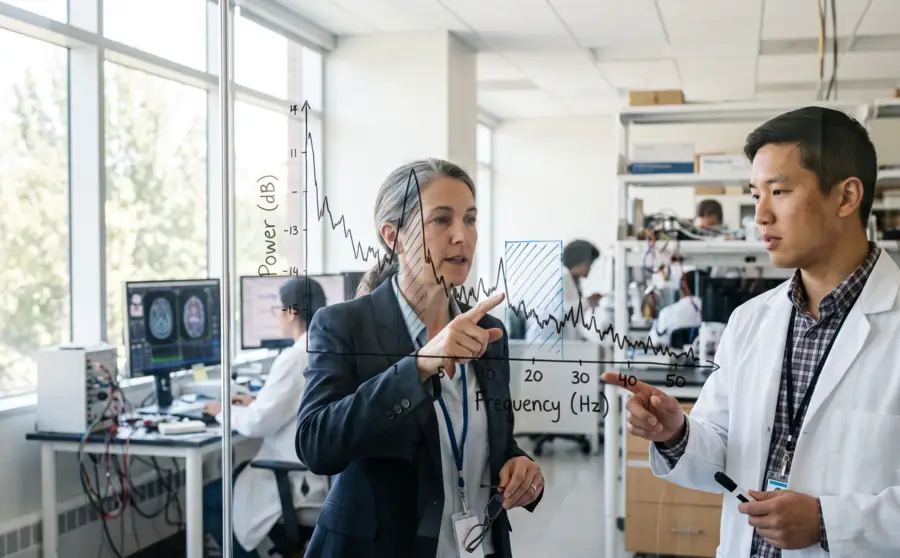
Treating brain cancer typically involves a team of specialists who work together to create and manage your care plan. This team is often referred to as a multidisciplinary care team. It usually includes:
Neurosurgeons: Specialists in operating on the brain and nervous system.
Neuro-oncologists: Doctors who specialize in treating brain tumors with chemotherapy and other medications.
Radiation oncologists: Doctors who plan and oversee radiation therapy.
Nurses: Provide direct care, education, and support.
Pathologists: Analyze tissue samples to determine the tumor type.
Radiologists: Interpret medical images.
Social workers and patient navigators: Help with practical concerns, emotional support, and coordinating appointments.
This team collaborates to review your case, discuss treatment options, and develop a personalized strategy. Having a coordinated team means that different areas of expertise are brought together to address the complexities of your specific situation.
What Should You Know About the Brain Surgery Process?
From Diagnosis to Your First Appointment
Once a brain tumor is identified, surgery might be recommended. The decision to proceed with surgery, and when, depends on several factors, including the tumor's type, size, and location, as well as your general brain health.
It's often a good idea to gather as much information as possible. This might involve asking your medical team detailed questions about the proposed surgical plan, potential outcomes, and any risks involved. Some patients find it helpful to seek a second opinion from another specialist to feel more confident in their treatment path.
Before surgery, you'll likely have appointments to discuss the procedure, review your medical history, and undergo necessary neuroscience-based tests, such as an MRI. You'll also receive specific instructions from the hospital about what to do in the days leading up to the operation, which can include dietary restrictions or medication adjustments.
Assembling Your Multidisciplinary Care Team
This team typically includes a neurosurgeon, who performs the surgery, and a neuro-oncologist, who manages medical treatments like chemotherapy. You might also work with radiologists, pathologists, nurses, and therapists.
The pathologist plays a key role after surgery by examining the tumor tissue. This examination, often called biomarker testing, helps determine the exact type of tumor and its characteristics, which is important for planning further treatment.
How Can You Prepare Mentally and Physically for Brain Surgery?
Preparing for brain surgery involves both practical steps and emotional readiness.
Physically, you'll need to follow the hospital's pre-operative instructions carefully. This might include fasting before the procedure and stopping certain medications. It's also wise to arrange for someone to help you at home after you leave the hospital, as you'll need assistance with daily tasks.
Mentally, it can be helpful to discuss your concerns with your care team and loved ones. Bringing important documents, like advance directives, to the hospital can also provide peace of mind, as these outline your wishes for medical care if you're unable to communicate them yourself.
What Happens During Your Hospital Stay
Upon arriving at the hospital for surgery, you'll likely change into a hospital gown and remove personal items like jewelry. An IV line will be placed to give you fluids and medications.
You'll meet with the anesthesiologist to discuss anesthesia and any allergies you may have. The neurosurgeon will also likely speak with you again to review the surgical plan and answer any last-minute questions.
After the surgery, you'll be moved to a recovery area for close monitoring. Once you are awake and stable, you'll be transferred to a regular hospital room.
During your stay, the medical team will manage your pain, monitor your vital signs, and check for any immediate complications. The goal is to ensure you are stable and recovering well before you go home.
What Can You Expect During the Initial Recovery Period at Home?
Recovering at home after brain surgery is a significant phase. You may experience some disorientation or fatigue as the anesthesia wears off.
Changes in thinking or speech can occur, especially if the surgery was near certain areas of the brain, but these often improve over time. It's common to have some pain at the incision site.
Your medical team will provide instructions on wound care, pain management, and activity restrictions. Follow-up appointments with your neurosurgeon and other specialists are scheduled to monitor your healing and discuss the next steps in your treatment plan, which might include further therapies or imaging scans.
What Are the Realities of Receiving Radiation Therapy for a Brain Tumor?
How Do the Simulation and Mask-Fitting Processes Ensure Precision?
Before radiation therapy begins, a detailed plan is created. This usually starts with a simulation, often using a CT scan. This scan helps the medical team map out the exact location and shape of the tumor.
During this simulation, a custom mask is made. This mask is typically a mesh material that fits snugly over your head. It's designed to hold your head perfectly still during each treatment session.
This precise positioning is important to make sure the radiation beams hit the tumor accurately and avoid nearby healthy brain tissue. You'll be able to see and breathe through the mask without issue.
What Happens During Daily Radiation Treatment Sessions?
Radiation therapy sessions are usually given once a day, Monday through Friday, for a set number of weeks, often around six weeks.
Each session itself is quite brief. While the setup to position you correctly using the mask can take some time, the actual delivery of radiation is typically only a few minutes.
Most people do not feel anything during the treatment. Anesthesia is generally not needed, though sometimes light sedation might be used for individuals who experience claustrophobia.
Some advanced techniques, like proton therapy, use a different type of energy that may offer more precise targeting.
How Are Common Side Effects Like Fatigue and Skin Changes Managed?
It's common to experience some side effects from radiation therapy, though they often don't appear until the second half of the treatment course. Fatigue is one of the most frequent side effects; it's a feeling of tiredness that can build up over time.
You might also notice skin changes in the area where the radiation is being directed. This can range from redness, similar to a sunburn, to dryness or irritation.
These short-term effects are usually manageable. Your care team can discuss strategies and recommend treatments to help alleviate symptoms like fatigue and skin irritation, allowing you to continue with your daily life as comfortably as possible.
What Is the Chemotherapy Experience Like for Brain Tumor Patients?
How Is Chemotherapy Administered for Brain Tumors?
Chemotherapy uses drugs to target and destroy cancer cells, or to slow their growth. For brain tumors, chemotherapy can be given in several ways, often depending on the specific type of tumor and its characteristics. Sometimes, a single drug is used, while other times, a combination of drugs might be prescribed.
Oral Medications: Many patients receive chemotherapy in pill form. These can be taken at home, sometimes daily, or on a specific schedule. This method is often used alone or in conjunction with radiation therapy.
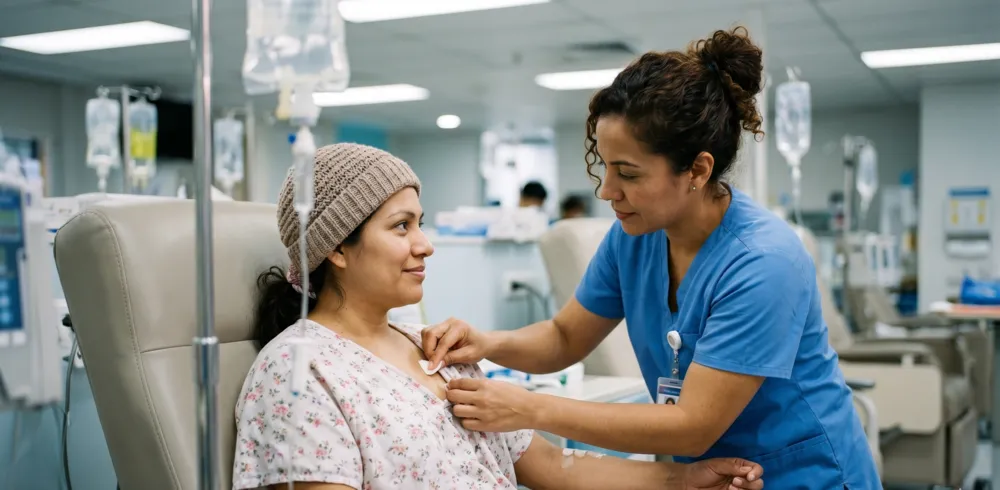
Intravenous (IV) Infusions: For some treatment plans, chemotherapy drugs are delivered directly into the bloodstream through an IV line. This is typically done in a clinic or hospital setting.
Combination Therapy: It's common for treatment plans to involve both oral medications and IV infusions.
The exact method of administration is determined by the medical team based on the tumor type and the drugs being used.
How Do Patients Cope with Chemotherapy Cycles and Side Effects?
Chemotherapy is often administered in cycles, with periods of treatment followed by rest periods. This allows the body to recover from the effects of the drugs. Managing the demands of these cycles involves understanding potential side effects and planning for them.
Common side effects can include:
Fatigue: Feeling unusually tired is very common.
Nausea and Vomiting: Medications are available to help manage these symptoms.
Hair Loss: This can occur with certain chemotherapy drugs.
Neuropathy: Some drugs can cause nerve pain or tingling, often in the hands and feet.
Changes in Blood Counts: Chemotherapy can affect the production of blood cells, which is why regular monitoring is important.
Patients are encouraged to communicate openly with their care team about any side effects they experience. Strategies and supportive care are available to help manage these challenges, making the treatment process more tolerable.
What Role Does Ongoing Health Monitoring Play Between Treatments?
Close monitoring is a key part of chemotherapy for brain tumors. Between treatment sessions or cycles, your medical team will track your progress and check for any adverse effects. This often involves:
Regular Blood Tests: These tests help monitor your blood cell counts and organ function. They ensure your body is recovering adequately and that it's safe to continue treatment.
Physical Examinations: Your doctor will assess your overall health and check for any new or worsening symptoms.
Imaging Scans: Periodic scans, such as MRIs, may be used to evaluate how the tumor is responding to the chemotherapy.
This ongoing assessment allows the healthcare team to make adjustments to the treatment plan if necessary, optimizing its effectiveness while managing side effects. Open communication with your care team about how you are feeling is vital throughout this process.
How Are Targeted Therapies and Follow-Up Imaging Integrated into Care?
Beyond the primary treatments like surgery, radiation, and chemotherapy, other therapies might be part of your treatment plan. These can work alongside or after the main treatments to target the tumor or manage its effects.
What Are Targeted Therapy and Tumor Treating Fields (TTFields)?
Targeted therapy is a type of treatment that focuses on specific changes in cancer cells that help them grow, survive, and spread.
For certain brain tumors, especially some low-grade gliomas with specific genetic mutations like IDH, targeted drugs can be an option. These medications are often taken orally, as pills, and are continued as long as they remain effective. Side effects can include digestive issues like diarrhea or constipation, which can usually be managed with guidance from your care team.
Another approach is Tumor Treating Fields (TTFields). This is a non-invasive treatment that uses electrical fields to disrupt cancer cell division. It's typically applied using a cap or device worn on the head.
TTFields are often used in combination with chemotherapy for certain types of brain tumors, like glioblastoma, after initial treatment. The device is worn continuously, with breaks for hygiene and skin care. Potential side effects are usually related to skin irritation under the electrodes.
What Is the Importance of Follow-Up MRI, CT, and PET Scans?
Imaging tests are a regular part of brain tumor treatment and follow-up. They help doctors see how the tumor is responding to treatment and monitor for any changes.
Magnetic Resonance Imaging (MRI): This is a common imaging technique that uses magnetic fields and radio waves to create detailed pictures of the brain. It's very good at showing soft tissues and can help detect tumors, assess their size, and see if they are growing or shrinking.
Computed Tomography (CT) Scan: A CT scan uses X-rays to create cross-sectional images of the body. It can be used to get a quick look at the brain, especially in emergency situations, or to help plan radiation therapy.
Positron Emission Tomography (PET) Scan: A PET scan uses a radioactive tracer to show how tissues and organs are functioning. It can sometimes help distinguish between tumor tissue and scar tissue after treatment, or detect if cancer has spread.
These scans are usually scheduled at regular intervals, both during and after active treatment. The results of these imaging studies are vital for making informed decisions about your ongoing care. Your doctor will discuss the findings with you and explain what they mean for your treatment plan.
What Does the Path to Recovery Look Like After Completing Brain Tumor Treatment?
Completing brain tumor treatment is a major milestone, but it's often just one part of a longer journey. Recovery and managing any lasting effects are key.
Many patients find that physical, occupational, or speech therapy can help regain lost functions. Regular follow-up appointments with your medical team are also important to monitor your brain disorder and address any new concerns.
It's also common to experience a range of emotions during this time. Connecting with support groups or mental health professionals can provide comfort and practical advice as you adjust to life after treatment.
Frequently Asked Questions
What is the first step after being diagnosed with a brain tumor?
After a diagnosis, your doctor will talk with you about the best ways to treat the tumor. This choice depends on things like where the tumor is, what kind it is, and how healthy you are overall. Your treatment plan will be made just for you.
What does a 'multidisciplinary care team' mean?
This is a group of different medical experts who work together to help you. It can include surgeons, oncologists (cancer doctors), nurses, and therapists. They all bring their special knowledge to create the best plan for your care.
What is a craniotomy?
A craniotomy is a surgery where doctors carefully open your skull to reach and remove the brain tumor. Sometimes they can take out the whole tumor, and other times they remove as much as they can to help with symptoms or prepare for other treatments.
What is an 'awake craniotomy'?
In some surgeries, patients are woken up during the operation. This helps the doctors be extra careful not to harm important parts of the brain that control things like speech or movement. They can talk to you and ask you to do simple tasks to check brain function.
How do I prepare for brain surgery?
Your hospital will give you specific instructions before surgery, like what to eat or not eat, and what medications to take or stop. It's also a good idea to bring important documents like an advance directive, which explains your wishes for medical care if you can't speak for yourself.
What happens in the hospital after brain surgery?
After surgery, you'll stay in the hospital for a few days, depending on how the surgery went and the tumor's location. Doctors and nurses will monitor you closely. You'll likely start physical or speech therapy soon after surgery to help you recover.
How is chemotherapy given for brain tumors?
Chemotherapy uses special drugs to fight cancer cells. For brain tumors, you might take these drugs as pills, or they might be given through an IV (a needle in your vein). Sometimes, it's combined with radiation therapy.
What are common side effects of chemotherapy?
Common side effects can include feeling very tired, feeling sick to your stomach (nausea), and losing hair. Your doctor will watch your blood counts closely to make sure they stay at safe levels. There are ways to help manage these side effects.
What is targeted therapy?
Targeted therapy is a type of treatment that focuses on specific changes in cancer cells that help them grow. These drugs are designed to attack those specific changes, often with fewer side effects than traditional chemotherapy. They are usually taken as pills.
Emotiv is a neurotechnology leader helping advance neuroscience research through accessible EEG and brain data tools.
Christian Burgos