EEG Headset Cost: Factors That Determine the Price
Emotiv
Updated on
Feb 1, 2026
EEG Headset Cost: Factors That Determine the Price
Emotiv
Updated on
Feb 1, 2026
EEG Headset Cost: Factors That Determine the Price
Emotiv
Updated on
Feb 1, 2026
Choosing an EEG headset is a lot like picking out a professional camera. A simple point-and-shoot is perfect for casual photos, but a seasoned photographer needs a high-end DSLR with specialized lenses to capture publication-quality images. Both take pictures, but they’re built for different levels of detail and control. Similarly, the right EEG device for you depends on your goals. A student exploring brain-computer interfaces has different needs than a researcher conducting a high-stakes study. Understanding the eeg headset cost is about matching the tool to your ambition. This article will help you decide which features are essential for your work and which ones you can confidently skip.
Key Takeaways
Define your project needs to find the best value: A headset's price is tied to its capabilities, like channel count and sensor type. The right choice isn't the cheapest or most expensive—it's the one that has the specific features required to achieve your goals.
Look beyond the sticker price: The initial purchase is just one part of the equation. Factor in recurring costs for software subscriptions, consumables like saline or gel, and potential replacement parts to create a realistic long-term budget.
Balance the three key components: Make a smart investment by prioritizing what's essential for your work. Decide on the channel count you need for data detail, choose a sensor type that fits your workflow, and select a software plan that provides the right analytical tools.
What Factors Into an EEG Headset's Price?
When you start looking at EEG headsets, you’ll notice prices can vary quite a bit. It’s easy to wonder why one device costs a few hundred dollars while another is priced in the thousands. The final cost isn't just about the physical hardware; it’s a blend of technology, software, research, and support. Understanding these key factors will help you see what you’re paying for and decide which features are most important for your work.
Think of it like buying a camera. A simple point-and-shoot is great for everyday photos, but a professional photographer needs a DSLR with interchangeable lenses and advanced software for editing. Both take pictures, but they’re built for different purposes and levels of detail. Similarly, the right EEG headset for you depends entirely on your goals, whether you're a developer building a brain-computer interface, a researcher conducting a detailed study, or someone exploring tools for cognitive wellness. Let's break down the main components that influence the price tag.
How Channels and Electrodes Affect Cost
One of the biggest factors in an EEG headset’s price is its channel count. Each channel corresponds to an electrode sensor that detects electrical activity from a specific area of the brain. The more channels a headset has, the more detailed and spatially precise the brain data it can collect. A device with just a few channels is great for capturing general brain states, while a high-density headset with 32 or more channels is necessary for complex academic research and education that requires a finer map of brain activity. This is why prices can range from under $1,000 for entry-level devices to well over $25,000 for advanced research systems.
The Role of Sensor Tech and Materials
The type of sensors a headset uses also plays a significant role in its cost and usability. There are three main types: gel-based, saline, and dry sensors. Gel and saline sensors generally provide a high-quality signal but require some prep time. Dry sensors offer convenience and speed but can be more susceptible to noise. The materials used in the sensors and the headset itself also affect the price. Higher-quality components that ensure a clear signal, durability, and user comfort will naturally increase the cost. For example, our Flex Saline headset is designed with flexible arms and saline-based sensors to balance performance with a comfortable user experience.
Why Software and Licensing Matter
An EEG headset is only as powerful as the software that comes with it. The hardware collects the raw brain signals, but it’s the software that helps you record, interpret, and analyze that data. Basic applications might be included with a headset, but advanced software platforms with sophisticated analysis tools often come with a separate license or subscription fee. When you invest in a system, you're also investing in the software ecosystem behind it. Our EmotivPRO software, for instance, is a comprehensive platform for researchers to analyze and visualize EEG data, adding significant value beyond the hardware itself.
The Impact of Brand and R&D
A brand's reputation is built on years of research, development, and customer trust. Established companies often invest heavily in validating their technology, refining their hardware, and providing robust customer support and documentation. This behind-the-scenes work contributes to the overall cost of the product. While you might pay more for a device from a well-known brand, you’re also paying for the assurance that the product is reliable and that you’ll have support if you run into issues. This can be especially valuable if you’re new to EEG and need a smoother learning curve.
Factoring in Compliance and Standards
It’s important to distinguish between research-grade and medical-grade EEG devices. Most portable EEG systems on the market are designed for research, wellness, or development purposes. They are not intended for medical diagnosis or treatment. Medical-grade devices must go through rigorous and costly regulatory approval processes (like from the FDA or CE) to be certified for clinical use. These compliance requirements add a substantial amount to the final price, which is why clinical-grade systems are significantly more expensive than their research-grade counterparts. This distinction ensures that devices are used safely and appropriately for their intended purpose.
What to Expect: EEG Headset Price Ranges
When you start looking at EEG headsets, you'll find a wide spectrum of prices, from a few hundred dollars to tens of thousands. The cost is directly tied to what you want to accomplish. Are you a student just starting to explore brain-computer interfaces, or are you conducting a large-scale academic study that requires high-density data? The right headset for you depends entirely on your goals and the level of spatial detail your project demands.
Generally, as the price increases, so does the number of channels (electrodes), which translates to more detailed brain data. Think of it like pixels in a camera—more channels give you a higher-resolution picture of brain activity. We can break down the pricing into a few key tiers, each suited for different applications and users. Understanding these categories will help you find the perfect fit for your work and your budget.
Entry-Level: Under $1,000
This price range is the perfect entry point for students, developers, and anyone curious about exploring brain data without a massive initial investment. Headsets in this category are designed for accessibility and ease of use, making them great for personal projects, educational purposes, or initial forays into cognitive wellness applications. They typically feature a lower channel count, like the EMOTIV Insight headset, a 5-channel wireless device that provides a solid foundation for students, developers, and anyone exploring EEG for the first time, which provides a solid foundation for learning the fundamentals of EEG and building basic brain-computer interface applications. If you're just getting started, this tier offers a fantastic way to get hands-on experience.
Mid-Range Research: $1,000–$10,000
This is the sweet spot for many researchers in academia and commercial R&D. Headsets in the mid-range offer a great balance of performance, portability, and price. They are considered "research-grade," providing reliable, high-quality data suitable for peer-reviewed studies. With a higher channel count—like the 14 channels on our Emotiv Epoc X—you can conduct more complex experiments and gain deeper insights. These devices are robust enough for rigorous lab work but often portable enough for studies in real-world environments. This tier is ideal for serious academic research and education that demands credible, repeatable results. These systems are commonly used in fields like cognitive neuroscience, human–computer interaction, and applied psychology, where reliable, repeatable EEG data is essential.
Premium Research: $10,000–$25,000
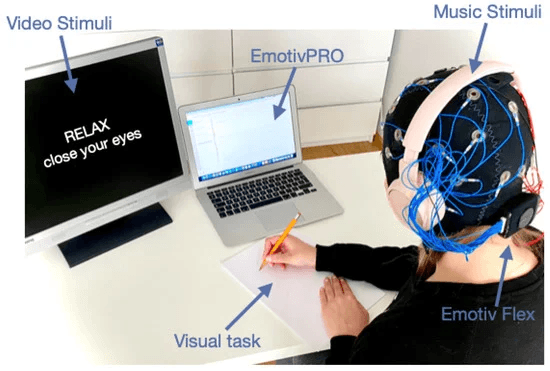
When your research requires the highest possible spatial resolution, you’ll be looking at premium, high-density EEG systems. These headsets are built for advanced scientific inquiry where capturing granular detail across the entire scalp is critical. With 32 channels or more, devices like our Emotiv Flex allow researchers to investigate complex cognitive processes with incredible precision. This level of detail is essential for demanding fields like advanced neuroscience, clinical research trials, and high-stakes neuromarketing studies. These systems are for professionals who need the most comprehensive data available for their work.
Clinical-Grade: $25,000+
At the highest end of the spectrum are clinical-grade EEG systems. These devices are designed specifically for medical settings and are used by neurologists and other healthcare professionals for diagnostic purposes, such as identifying seizure activity or other neurological conditions. They often feature a very high number of channels (from 64 to 256) and must meet stringent medical regulations and standards. While Emotiv’s headsets are designed for research, it’s helpful to know this category exists as it represents the pinnacle of EEG technology, built for the exacting demands of patient care and medical diagnostics.
How Do Features Change with Price?
When you’re looking at different EEG headsets, you’ll notice that the price can vary quite a bit. So, what are you actually paying for as the cost goes up? Generally, a higher price tag corresponds with more advanced capabilities across a few key areas. You’re not just buying the hardware; you’re investing in the quality of the data, the power of the software, the durability of the device, and the comfort of the user experience. Understanding how these features scale with price will help you find the right balance for your specific needs and budget.
Signal Quality and Data Precision
As the price of an EEG headset increases, you can expect a significant step up in data quality. More expensive headsets typically offer better sensitivity, precision, and a higher number of sensors, which is essential for detailed academic research and education. These devices are engineered with better shielding to reduce environmental noise and higher sampling rates to capture brain activity with greater fidelity. For example, a system with more channels, like our 32-channel Flex headset, allows you to gather data from more regions of the brain simultaneously. This level of detail is crucial for complex studies where spatial resolution and clean signals are non-negotiable.
Software and Analysis Capabilities
The headset is only half of the equation; the software is what turns raw brain signals into meaningful insights. As we often say, good software is what helps you understand the data. Entry-level devices might come with basic applications for viewing data, but premium systems provide access to sophisticated analysis platforms. Our EmotivPRO software, for instance, lets you analyze data in real time, view performance metrics, and record data for post-processing. Investing in a headset with a robust software ecosystem gives you the powerful tools needed to conduct in-depth analysis, whether you're exploring brain-computer interfaces or conducting neuromarketing studies.
Build Quality and Durability
How well a headset is made directly affects its comfort, lifespan, and the clarity of its signals. A higher price often reflects the use of premium, lightweight, and durable materials. This ensures the device can withstand regular use in a lab or field setting without degrading in performance. A well-constructed headset like our Epoc X is designed to maintain consistent and stable sensor contact with the scalp, which is critical for minimizing artifacts and collecting reliable data over time. Better build quality means a longer-lasting device and a more dependable research tool, making it a smart long-term investment.
Comfort and User Experience
Comfort is more than just a luxury—it’s a critical factor for data quality. A headset that fits well means less noise in your data and happier, more engaged participants. This is especially true for studies requiring long sessions or for personal use in cognitive wellness applications. Pricier headsets often feature ergonomic designs, adjustable components, and lighter materials to ensure a secure yet comfortable fit for various head shapes and sizes. An uncomfortable headset can lead to participant fidgeting, which introduces movement artifacts into the data. By investing in a device designed for user comfort, you’re also investing in the integrity of your results.
What Are the Hidden Costs of an EEG Headset?
When you're budgeting for an EEG headset, it’s easy to focus on the number on the price tag. But the initial purchase is just one piece of the puzzle. To make a smart investment, you need to think about the total cost of ownership. The price of the headset isn't the only cost you'll encounter. You also need to plan for software, extra parts, and consumables like gel or saline solution.
Thinking ahead about these additional expenses will save you from surprises down the road and ensure you have everything you need to get your project off the ground smoothly. From the software that brings your data to life to the small parts that keep your device running, these ongoing costs are a normal part of working with sophisticated equipment. Let’s break down what those hidden costs might look like so you can create a realistic budget and choose a device that truly fits your long-term needs.
Software Subscriptions and Fees
An EEG headset is only as powerful as the software that powers it. While some devices come with basic software, you’ll often need more advanced programs to collect, analyze, and interpret brain data for research or application development. This is where subscription fees or licensing costs come in. Before you buy, check to see what’s included. You might find that the features you need require a separate purchase or an ongoing subscription to a platform like EmotivPRO. For developers, access to specific SDKs or tools like EmotivBCI might also involve additional costs. Factoring these into your budget from the start is key. For example, advanced analysis platforms such as EMOTIV PRO software may require a subscription, which is an important factor to include when calculating the total cost of ownership.
Replacement Parts and Consumables
Just like any piece of high-tech equipment, EEG headsets have parts that need to be replaced over time. Consumables are the most common recurring cost. If you’re using a saline-based headset like our Flex Saline, you’ll need to keep a supply of saline solution on hand. For gel-based systems, you’ll need to regularly purchase conductive gel. Beyond that, the sensors themselves can wear out with frequent use and may need to be replaced to maintain high-quality data acquisition. The frequency of these purchases will depend on how often you use the headset, but it’s wise to budget for them as part of your regular operating expenses.
Training and Technical Support
Getting started with EEG technology can have a learning curve. While many companies provide free online documentation and basic tutorials, you might need more personalized help. Some manufacturers offer paid training sessions, workshops, or premium technical support plans. It’s worth investigating what level of support comes standard with your purchase. Good customer support, clear instructions, and a solid warranty are incredibly helpful, especially when you’re troubleshooting. For those building custom applications, having access to a strong developer community and resources can also be a huge, time-saving advantage that adds value beyond the initial price.
Ongoing Maintenance
Proper care is essential for protecting your investment and ensuring your EEG headset performs accurately for years to come. While you might not have formal maintenance fees, there are costs associated with upkeep. This includes buying proper storage cases to protect the device from damage, as well as any recommended cleaning supplies to keep the sensors and components in top condition. Taking good care of your device will make it last longer and give you better data. Think of these small expenses as an investment in the longevity and reliability of your equipment, helping you avoid the much higher cost of a major repair or replacement.
How to Find the Best Value in an EEG Headset
Finding the right EEG headset can feel like a balancing act between your budget and your project's needs. The key is to understand that "value" isn't just about finding the lowest price. It’s about getting the features, data quality, and support you need to achieve your goals, whether you're conducting formal academic research, developing a new BCI application, or exploring tools for cognitive wellness. The price of an EEG headset is a direct reflection of its technology, from the number of channels to the type of sensors and the sophistication of its software. A higher price often corresponds with greater data precision and more advanced analytical capabilities, which are essential for serious research.
Think of it this way: a simple, single-channel device might be perfect for a hobbyist project, but it won't provide the spatial resolution needed for complex neuroscience studies. On the other hand, a 64-channel clinical system is overkill if you're just starting to explore brain-computer interfaces. The best value lies in the middle ground—finding a device that meets your current requirements and offers room to grow without overspending on features you'll never use. In the following sections, we'll break down how to assess the value of a headset by looking at our own product lineup, comparing different market segments, and explaining what you're really paying for when you invest in a trusted brand. This will help you make an informed decision that aligns with both your budget and your ambitions.
A Look at Emotiv's Lineup and Pricing
Our goal at Emotiv has always been to make high-quality brain data accessible. Our product lineup reflects this, offering a range of options for different applications and budgets. For those new to EEG or working on consumer-facing applications, the Insight headset is a great starting point. At $499, this 5-channel wireless device is designed for ease of use, making it ideal for personal wellness applications and introductory BCI projects. For more demanding research, the Epoc X provides 14 channels for broader scalp coverage. It’s a significant step up in data resolution, designed for academic and commercial researchers who need reliable, high-quality data without the complexity of traditional lab equipment.
Comparing Emotiv to Other Brands
When you look at the EEG market, you'll see devices ranging from simple consumer gadgets to complex clinical systems costing tens of thousands of dollars. Emotiv headsets are designed to occupy a crucial space in between. Many affordable headsets under $1,000 offer a limited number of channels, which can be great for basic applications but may not be sufficient for robust scientific studies. Our headsets, like the 5-channel Insight, provide a more reliable and feature-rich alternative in this entry-level research category. For those needing more power, our mid-range devices offer a significant portion of the capabilities found in much more expensive research-grade systems, giving you access to high-density data for cognitive science at a more accessible price point.
What Are You Paying for in a Brand Name?
When you invest in an Emotiv headset, you're getting more than just the hardware. You're buying into a complete ecosystem built on years of research and development. The price reflects the quality of the sensors, the precision of the data, and the durability of the device itself. But just as importantly, it includes access to our powerful software platforms like EmotivPRO, which provides advanced data analysis and visualization tools right out of the box. You also get the support of a dedicated team and a global community of researchers and developers. This comprehensive support system is invaluable, especially when you're pushing the boundaries of what's possible with brain data. It’s the difference between buying a product and investing in a platform.
Common Myths About EEG Headset Costs
When you’re trying to find the right EEG headset for your budget, it’s easy to get tripped up by a few common misconceptions. Let’s clear the air on some of the biggest myths about EEG pricing so you can make a smart investment.
Myth: A Higher Price Means Better Data
It’s easy to assume that the most expensive headset will automatically give you the best data, but that’s not always the case. While it’s true that you often get what you pay for—higher-priced devices typically offer more channels, greater sensitivity, and more precise sensors—the "best" data really depends on your specific needs. For some applications, a simple and affordable device is all you need. However, for detailed academic research and education, a headset with more sensors and higher fidelity is essential for capturing the nuanced brain activity required for your studies. The key is to match the device's capabilities to your project's goals, not just to go by the price tag.
Myth: The Sticker Price Is the Total Cost
The initial purchase price of an EEG headset is just the beginning. To get a true sense of the cost, you need to consider the total cost of ownership over time. This includes ongoing expenses that can add up, such as software subscriptions and licensing fees. For example, advanced analysis software like EmotivPRO often requires a subscription to access its full suite of features. You should also factor in the cost of consumables like saline solution or electrode gels, as well as potential replacement parts. Thinking about these long-term costs upfront will help you budget more accurately and avoid any surprises down the road.
Myth: Used Equipment Is Always a Bargain
Finding a used EEG headset at a steep discount can feel like a major win, but it’s important to proceed with caution. A secondhand device might come with hidden issues that make it less of a bargain than it seems. Before you buy, check to see if the warranty is still valid and if the hardware is compatible with the latest software updates. The condition of the sensors is also critical, as worn-out electrodes can compromise your data quality. While you might find a great deal, it’s worth weighing the risks against the savings. Sometimes, investing in a new device from our line of products provides more peace of mind and better long-term value.
How to Prioritize Features for Your Budget
When you're ready to invest in an EEG headset, it’s easy to get caught up in the technical specifications. But the best choice isn’t always the one with the most features—it’s the one that aligns perfectly with your goals and your budget. Think of it less like buying a gadget and more like choosing the right tool for a specific job. You wouldn't use a sledgehammer to hang a picture frame, right? The same principle applies here.
Making a smart investment means understanding the trade-offs. A higher price tag often brings more sensors and greater data precision, but you might not need that level of detail for your project. By focusing on what’s essential for your work, you can find a headset that delivers exactly what you need without overspending. Let’s walk through the three key areas to consider: the number of channels, the type of sensors, and the software that brings your data to life. Prioritizing these elements will help you find the sweet spot between capability and cost.
Match the Channel Count to Your Application
The number of channels on an EEG headset directly relates to the spatial detail of the brain activity data you can collect. Think of it like the resolution of a camera: more channels provide a more detailed, comprehensive picture. For some applications, a simple snapshot is all you need. If you’re exploring basic brain-computer interface commands or accessing cognitive wellness tools, a device with fewer channels, like our 2-channel MN8 earbuds, can be a perfect fit.
However, for complex academic research or detailed neuromarketing studies, you’ll want a higher-resolution view. Headsets with 14 to 32 channels, such as our Epoc X or Flex, capture data from more regions of the brain simultaneously. The key is to match the channel count to your project’s requirements. Don’t pay for more detail than you’ll actually use.
Choose the Right Sensor Type
The type of sensor a headset uses—dry, saline, or gel—plays a big role in its cost, setup time, and overall user experience. Dry sensors are incredibly convenient, offering a quick and easy setup that’s ideal for daily use or applications where speed is a priority. They make getting started with EEG accessible to almost anyone.
Saline-based sensors, like those in our Flex Saline headset, offer a great middle ground. They require a simple saline solution to ensure a good connection, providing reliable data quality with minimal prep time. For the highest signal fidelity, many researchers turn to gel-based sensors. While they require more time for application and cleanup, the quality of the data can be worth the extra effort for sensitive experiments. Your choice here depends on balancing convenience with the data precision your work demands.
Balance Software Needs with Your Budget
The headset is your data collection tool, but the software is where that data becomes truly useful. The right software can save you countless hours of analysis, so it’s a critical part of your budget. Some applications and headsets work perfectly with our free Emotiv App, which provides a great entry point for exploring brain data. It’s an excellent way to get started without an initial software investment.
For more demanding projects, you’ll want to consider a more powerful platform. Our EmotivPRO software, for example, is designed for researchers who need to perform in-depth analysis, visualize data in real-time, and manage complex experiments. While it comes with a subscription fee, its advanced capabilities can streamline your workflow significantly. When planning your budget, be sure to account for any software costs to ensure you have the analytical power you need from day one.
Where to Find EEG Headset Deals
Finding the right EEG headset is one thing, but finding it at the right price is another. The good news is that you don't always have to pay the full sticker price. With a little planning and research, you can find deals and discounts that make your investment more manageable. Whether you're buying for a university lab or your own personal projects, knowing where and when to look can make a significant difference in the final cost.
Academic and Educational Pricing
If you're a student, teacher, or researcher affiliated with an academic institution, you may be eligible for special pricing. Many companies offer discounts to support the next wave of scientific discovery. These programs are designed to make professional-grade tools more accessible for learning and research purposes. Before making a purchase, always check if there's an educational discount available. It’s also a great idea to connect with product experts who can help you select the best device for your specific academic research and education goals, ensuring your budget is well spent.
Direct Manufacturer Offers
Going straight to the source often has its perks. When you buy directly from the manufacturer, you’re guaranteed to receive the latest version of the product, a full warranty, and access to dedicated customer support. Manufacturers also run exclusive promotions, sales, or bundle deals that you won’t find anywhere else. This is especially true for specialized equipment like our Epoc X headset. Buying direct gives you a clear line of communication and the peace of mind that comes with an authentic purchase, ensuring you get exactly what you need without any guesswork.
The Best Time to Buy
Patience can pay off when it comes to purchasing new technology. Keep an eye out for sales events like Black Friday, Cyber Monday, or back-to-school promotions. For institutions, end-of-fiscal-year sales can also be a prime time to buy. As you plan your purchase, remember to look beyond the initial price of the headset. The total cost of ownership includes ongoing expenses for software subscriptions, consumables like saline or gel, and any necessary accessories. Factoring in the cost of a powerful software platform like EmotivPRO from the start will help you create a realistic budget and avoid surprises down the road.
Find the Right EEG Headset for Your Budget
When you start looking for an EEG headset, you’ll quickly notice that prices are all over the map. You can find basic hobbyist devices for under $100, while advanced clinical systems can cost more than $25,000. This wide range exists because the price is tied directly to the headset's capabilities. Factors like the number of channels, the precision of the sensors, and the materials used all play a significant role in the final cost. For example, an entry-level consumer model like our Insight headset offers a great starting point, while more complex systems are built for highly detailed research applications.
As a general rule, you get what you pay for when it comes to data quality. If your work depends on capturing subtle and precise brain activity, investing in a headset with higher sensitivity is essential. For those conducting serious academic research, a higher-end device provides the data integrity needed for publication and peer review. It’s less about one device being better than another and more about matching the tool’s capabilities to the demands of your project.
It’s also important to look beyond the initial sticker price. The total cost of ownership includes more than just the hardware. You’ll need to budget for software, accessories, and consumables. Some headsets require specific gels or saline solutions to function correctly, which are recurring costs. Additionally, accessing advanced data analysis features often involves a software subscription, like our EmotivPRO platform. Factoring in these additional expenses from the start will give you a much clearer picture of the total investment and help you avoid any surprises. By planning for the complete package, you can make a smart decision that aligns with both your research goals and your budget.
Related Articles
Frequently Asked Questions
Why do some EEG headsets cost a few hundred dollars while others cost thousands? The price of an EEG headset is a reflection of its technology, materials, and the software that supports it. A major factor is the number of channels, or sensors, which determines how much detailed brain data you can collect. More channels mean a higher spatial resolution. The cost also accounts for the quality of the sensors, the durability of the headset, and the years of research and development that go into making the device reliable. A higher price often includes access to more powerful software for analyzing your data.
How many channels do I actually need? This really depends on what you want to accomplish. If you're just starting to explore brain-computer interfaces or are interested in personal wellness applications, a headset with a lower channel count, like our 2-channel MN8 or 5-channel Insight, is a great place to start. For serious academic research or complex neuromarketing studies where you need to see activity across many brain regions at once, you’ll want a device with more channels, like our 14-channel Epoc X or 32-channel Flex.
Are there any costs I should plan for besides the headset itself? Yes, it’s smart to think about the total cost of ownership. The initial price covers the hardware, but you should also budget for any software subscriptions you might need for advanced data analysis, like our EmotivPRO platform. You’ll also want to consider consumables. For example, if you choose a saline-based headset, you'll need to keep saline solution on hand to ensure a good connection and clean data.
Can I use an Emotiv headset for medical diagnosis? No, our headsets are designed specifically for research, development, and providing access to cognitive wellness tools. They are not medical devices and are not intended for diagnosing or treating any medical conditions. Devices that are certified for clinical use must go through a rigorous and expensive regulatory approval process, which is why they fall into a much higher price category.
Is it better to buy a more expensive headset just to be safe? Not necessarily. The best value comes from matching the headset's features to your project's specific needs. Spending more on a high-density headset with 32 channels is a great investment if your research requires that level of detail, but it would be overkill for a simpler application. The goal is to find the right tool for the job. Clearly defining your goals first will help you choose a device that gives you exactly what you need without overspending on capabilities you won't use.
Choosing an EEG headset is a lot like picking out a professional camera. A simple point-and-shoot is perfect for casual photos, but a seasoned photographer needs a high-end DSLR with specialized lenses to capture publication-quality images. Both take pictures, but they’re built for different levels of detail and control. Similarly, the right EEG device for you depends on your goals. A student exploring brain-computer interfaces has different needs than a researcher conducting a high-stakes study. Understanding the eeg headset cost is about matching the tool to your ambition. This article will help you decide which features are essential for your work and which ones you can confidently skip.
Key Takeaways
Define your project needs to find the best value: A headset's price is tied to its capabilities, like channel count and sensor type. The right choice isn't the cheapest or most expensive—it's the one that has the specific features required to achieve your goals.
Look beyond the sticker price: The initial purchase is just one part of the equation. Factor in recurring costs for software subscriptions, consumables like saline or gel, and potential replacement parts to create a realistic long-term budget.
Balance the three key components: Make a smart investment by prioritizing what's essential for your work. Decide on the channel count you need for data detail, choose a sensor type that fits your workflow, and select a software plan that provides the right analytical tools.
What Factors Into an EEG Headset's Price?
When you start looking at EEG headsets, you’ll notice prices can vary quite a bit. It’s easy to wonder why one device costs a few hundred dollars while another is priced in the thousands. The final cost isn't just about the physical hardware; it’s a blend of technology, software, research, and support. Understanding these key factors will help you see what you’re paying for and decide which features are most important for your work.
Think of it like buying a camera. A simple point-and-shoot is great for everyday photos, but a professional photographer needs a DSLR with interchangeable lenses and advanced software for editing. Both take pictures, but they’re built for different purposes and levels of detail. Similarly, the right EEG headset for you depends entirely on your goals, whether you're a developer building a brain-computer interface, a researcher conducting a detailed study, or someone exploring tools for cognitive wellness. Let's break down the main components that influence the price tag.
How Channels and Electrodes Affect Cost
One of the biggest factors in an EEG headset’s price is its channel count. Each channel corresponds to an electrode sensor that detects electrical activity from a specific area of the brain. The more channels a headset has, the more detailed and spatially precise the brain data it can collect. A device with just a few channels is great for capturing general brain states, while a high-density headset with 32 or more channels is necessary for complex academic research and education that requires a finer map of brain activity. This is why prices can range from under $1,000 for entry-level devices to well over $25,000 for advanced research systems.
The Role of Sensor Tech and Materials
The type of sensors a headset uses also plays a significant role in its cost and usability. There are three main types: gel-based, saline, and dry sensors. Gel and saline sensors generally provide a high-quality signal but require some prep time. Dry sensors offer convenience and speed but can be more susceptible to noise. The materials used in the sensors and the headset itself also affect the price. Higher-quality components that ensure a clear signal, durability, and user comfort will naturally increase the cost. For example, our Flex Saline headset is designed with flexible arms and saline-based sensors to balance performance with a comfortable user experience.
Why Software and Licensing Matter
An EEG headset is only as powerful as the software that comes with it. The hardware collects the raw brain signals, but it’s the software that helps you record, interpret, and analyze that data. Basic applications might be included with a headset, but advanced software platforms with sophisticated analysis tools often come with a separate license or subscription fee. When you invest in a system, you're also investing in the software ecosystem behind it. Our EmotivPRO software, for instance, is a comprehensive platform for researchers to analyze and visualize EEG data, adding significant value beyond the hardware itself.
The Impact of Brand and R&D
A brand's reputation is built on years of research, development, and customer trust. Established companies often invest heavily in validating their technology, refining their hardware, and providing robust customer support and documentation. This behind-the-scenes work contributes to the overall cost of the product. While you might pay more for a device from a well-known brand, you’re also paying for the assurance that the product is reliable and that you’ll have support if you run into issues. This can be especially valuable if you’re new to EEG and need a smoother learning curve.
Factoring in Compliance and Standards
It’s important to distinguish between research-grade and medical-grade EEG devices. Most portable EEG systems on the market are designed for research, wellness, or development purposes. They are not intended for medical diagnosis or treatment. Medical-grade devices must go through rigorous and costly regulatory approval processes (like from the FDA or CE) to be certified for clinical use. These compliance requirements add a substantial amount to the final price, which is why clinical-grade systems are significantly more expensive than their research-grade counterparts. This distinction ensures that devices are used safely and appropriately for their intended purpose.
What to Expect: EEG Headset Price Ranges
When you start looking at EEG headsets, you'll find a wide spectrum of prices, from a few hundred dollars to tens of thousands. The cost is directly tied to what you want to accomplish. Are you a student just starting to explore brain-computer interfaces, or are you conducting a large-scale academic study that requires high-density data? The right headset for you depends entirely on your goals and the level of spatial detail your project demands.
Generally, as the price increases, so does the number of channels (electrodes), which translates to more detailed brain data. Think of it like pixels in a camera—more channels give you a higher-resolution picture of brain activity. We can break down the pricing into a few key tiers, each suited for different applications and users. Understanding these categories will help you find the perfect fit for your work and your budget.
Entry-Level: Under $1,000
This price range is the perfect entry point for students, developers, and anyone curious about exploring brain data without a massive initial investment. Headsets in this category are designed for accessibility and ease of use, making them great for personal projects, educational purposes, or initial forays into cognitive wellness applications. They typically feature a lower channel count, like the EMOTIV Insight headset, a 5-channel wireless device that provides a solid foundation for students, developers, and anyone exploring EEG for the first time, which provides a solid foundation for learning the fundamentals of EEG and building basic brain-computer interface applications. If you're just getting started, this tier offers a fantastic way to get hands-on experience.
Mid-Range Research: $1,000–$10,000
This is the sweet spot for many researchers in academia and commercial R&D. Headsets in the mid-range offer a great balance of performance, portability, and price. They are considered "research-grade," providing reliable, high-quality data suitable for peer-reviewed studies. With a higher channel count—like the 14 channels on our Emotiv Epoc X—you can conduct more complex experiments and gain deeper insights. These devices are robust enough for rigorous lab work but often portable enough for studies in real-world environments. This tier is ideal for serious academic research and education that demands credible, repeatable results. These systems are commonly used in fields like cognitive neuroscience, human–computer interaction, and applied psychology, where reliable, repeatable EEG data is essential.
Premium Research: $10,000–$25,000
When your research requires the highest possible spatial resolution, you’ll be looking at premium, high-density EEG systems. These headsets are built for advanced scientific inquiry where capturing granular detail across the entire scalp is critical. With 32 channels or more, devices like our Emotiv Flex allow researchers to investigate complex cognitive processes with incredible precision. This level of detail is essential for demanding fields like advanced neuroscience, clinical research trials, and high-stakes neuromarketing studies. These systems are for professionals who need the most comprehensive data available for their work.
Clinical-Grade: $25,000+
At the highest end of the spectrum are clinical-grade EEG systems. These devices are designed specifically for medical settings and are used by neurologists and other healthcare professionals for diagnostic purposes, such as identifying seizure activity or other neurological conditions. They often feature a very high number of channels (from 64 to 256) and must meet stringent medical regulations and standards. While Emotiv’s headsets are designed for research, it’s helpful to know this category exists as it represents the pinnacle of EEG technology, built for the exacting demands of patient care and medical diagnostics.
How Do Features Change with Price?
When you’re looking at different EEG headsets, you’ll notice that the price can vary quite a bit. So, what are you actually paying for as the cost goes up? Generally, a higher price tag corresponds with more advanced capabilities across a few key areas. You’re not just buying the hardware; you’re investing in the quality of the data, the power of the software, the durability of the device, and the comfort of the user experience. Understanding how these features scale with price will help you find the right balance for your specific needs and budget.
Signal Quality and Data Precision
As the price of an EEG headset increases, you can expect a significant step up in data quality. More expensive headsets typically offer better sensitivity, precision, and a higher number of sensors, which is essential for detailed academic research and education. These devices are engineered with better shielding to reduce environmental noise and higher sampling rates to capture brain activity with greater fidelity. For example, a system with more channels, like our 32-channel Flex headset, allows you to gather data from more regions of the brain simultaneously. This level of detail is crucial for complex studies where spatial resolution and clean signals are non-negotiable.
Software and Analysis Capabilities
The headset is only half of the equation; the software is what turns raw brain signals into meaningful insights. As we often say, good software is what helps you understand the data. Entry-level devices might come with basic applications for viewing data, but premium systems provide access to sophisticated analysis platforms. Our EmotivPRO software, for instance, lets you analyze data in real time, view performance metrics, and record data for post-processing. Investing in a headset with a robust software ecosystem gives you the powerful tools needed to conduct in-depth analysis, whether you're exploring brain-computer interfaces or conducting neuromarketing studies.
Build Quality and Durability
How well a headset is made directly affects its comfort, lifespan, and the clarity of its signals. A higher price often reflects the use of premium, lightweight, and durable materials. This ensures the device can withstand regular use in a lab or field setting without degrading in performance. A well-constructed headset like our Epoc X is designed to maintain consistent and stable sensor contact with the scalp, which is critical for minimizing artifacts and collecting reliable data over time. Better build quality means a longer-lasting device and a more dependable research tool, making it a smart long-term investment.
Comfort and User Experience
Comfort is more than just a luxury—it’s a critical factor for data quality. A headset that fits well means less noise in your data and happier, more engaged participants. This is especially true for studies requiring long sessions or for personal use in cognitive wellness applications. Pricier headsets often feature ergonomic designs, adjustable components, and lighter materials to ensure a secure yet comfortable fit for various head shapes and sizes. An uncomfortable headset can lead to participant fidgeting, which introduces movement artifacts into the data. By investing in a device designed for user comfort, you’re also investing in the integrity of your results.
What Are the Hidden Costs of an EEG Headset?
When you're budgeting for an EEG headset, it’s easy to focus on the number on the price tag. But the initial purchase is just one piece of the puzzle. To make a smart investment, you need to think about the total cost of ownership. The price of the headset isn't the only cost you'll encounter. You also need to plan for software, extra parts, and consumables like gel or saline solution.
Thinking ahead about these additional expenses will save you from surprises down the road and ensure you have everything you need to get your project off the ground smoothly. From the software that brings your data to life to the small parts that keep your device running, these ongoing costs are a normal part of working with sophisticated equipment. Let’s break down what those hidden costs might look like so you can create a realistic budget and choose a device that truly fits your long-term needs.
Software Subscriptions and Fees
An EEG headset is only as powerful as the software that powers it. While some devices come with basic software, you’ll often need more advanced programs to collect, analyze, and interpret brain data for research or application development. This is where subscription fees or licensing costs come in. Before you buy, check to see what’s included. You might find that the features you need require a separate purchase or an ongoing subscription to a platform like EmotivPRO. For developers, access to specific SDKs or tools like EmotivBCI might also involve additional costs. Factoring these into your budget from the start is key. For example, advanced analysis platforms such as EMOTIV PRO software may require a subscription, which is an important factor to include when calculating the total cost of ownership.
Replacement Parts and Consumables
Just like any piece of high-tech equipment, EEG headsets have parts that need to be replaced over time. Consumables are the most common recurring cost. If you’re using a saline-based headset like our Flex Saline, you’ll need to keep a supply of saline solution on hand. For gel-based systems, you’ll need to regularly purchase conductive gel. Beyond that, the sensors themselves can wear out with frequent use and may need to be replaced to maintain high-quality data acquisition. The frequency of these purchases will depend on how often you use the headset, but it’s wise to budget for them as part of your regular operating expenses.
Training and Technical Support
Getting started with EEG technology can have a learning curve. While many companies provide free online documentation and basic tutorials, you might need more personalized help. Some manufacturers offer paid training sessions, workshops, or premium technical support plans. It’s worth investigating what level of support comes standard with your purchase. Good customer support, clear instructions, and a solid warranty are incredibly helpful, especially when you’re troubleshooting. For those building custom applications, having access to a strong developer community and resources can also be a huge, time-saving advantage that adds value beyond the initial price.
Ongoing Maintenance
Proper care is essential for protecting your investment and ensuring your EEG headset performs accurately for years to come. While you might not have formal maintenance fees, there are costs associated with upkeep. This includes buying proper storage cases to protect the device from damage, as well as any recommended cleaning supplies to keep the sensors and components in top condition. Taking good care of your device will make it last longer and give you better data. Think of these small expenses as an investment in the longevity and reliability of your equipment, helping you avoid the much higher cost of a major repair or replacement.
How to Find the Best Value in an EEG Headset
Finding the right EEG headset can feel like a balancing act between your budget and your project's needs. The key is to understand that "value" isn't just about finding the lowest price. It’s about getting the features, data quality, and support you need to achieve your goals, whether you're conducting formal academic research, developing a new BCI application, or exploring tools for cognitive wellness. The price of an EEG headset is a direct reflection of its technology, from the number of channels to the type of sensors and the sophistication of its software. A higher price often corresponds with greater data precision and more advanced analytical capabilities, which are essential for serious research.
Think of it this way: a simple, single-channel device might be perfect for a hobbyist project, but it won't provide the spatial resolution needed for complex neuroscience studies. On the other hand, a 64-channel clinical system is overkill if you're just starting to explore brain-computer interfaces. The best value lies in the middle ground—finding a device that meets your current requirements and offers room to grow without overspending on features you'll never use. In the following sections, we'll break down how to assess the value of a headset by looking at our own product lineup, comparing different market segments, and explaining what you're really paying for when you invest in a trusted brand. This will help you make an informed decision that aligns with both your budget and your ambitions.
A Look at Emotiv's Lineup and Pricing
Our goal at Emotiv has always been to make high-quality brain data accessible. Our product lineup reflects this, offering a range of options for different applications and budgets. For those new to EEG or working on consumer-facing applications, the Insight headset is a great starting point. At $499, this 5-channel wireless device is designed for ease of use, making it ideal for personal wellness applications and introductory BCI projects. For more demanding research, the Epoc X provides 14 channels for broader scalp coverage. It’s a significant step up in data resolution, designed for academic and commercial researchers who need reliable, high-quality data without the complexity of traditional lab equipment.
Comparing Emotiv to Other Brands
When you look at the EEG market, you'll see devices ranging from simple consumer gadgets to complex clinical systems costing tens of thousands of dollars. Emotiv headsets are designed to occupy a crucial space in between. Many affordable headsets under $1,000 offer a limited number of channels, which can be great for basic applications but may not be sufficient for robust scientific studies. Our headsets, like the 5-channel Insight, provide a more reliable and feature-rich alternative in this entry-level research category. For those needing more power, our mid-range devices offer a significant portion of the capabilities found in much more expensive research-grade systems, giving you access to high-density data for cognitive science at a more accessible price point.
What Are You Paying for in a Brand Name?
When you invest in an Emotiv headset, you're getting more than just the hardware. You're buying into a complete ecosystem built on years of research and development. The price reflects the quality of the sensors, the precision of the data, and the durability of the device itself. But just as importantly, it includes access to our powerful software platforms like EmotivPRO, which provides advanced data analysis and visualization tools right out of the box. You also get the support of a dedicated team and a global community of researchers and developers. This comprehensive support system is invaluable, especially when you're pushing the boundaries of what's possible with brain data. It’s the difference between buying a product and investing in a platform.
Common Myths About EEG Headset Costs
When you’re trying to find the right EEG headset for your budget, it’s easy to get tripped up by a few common misconceptions. Let’s clear the air on some of the biggest myths about EEG pricing so you can make a smart investment.
Myth: A Higher Price Means Better Data
It’s easy to assume that the most expensive headset will automatically give you the best data, but that’s not always the case. While it’s true that you often get what you pay for—higher-priced devices typically offer more channels, greater sensitivity, and more precise sensors—the "best" data really depends on your specific needs. For some applications, a simple and affordable device is all you need. However, for detailed academic research and education, a headset with more sensors and higher fidelity is essential for capturing the nuanced brain activity required for your studies. The key is to match the device's capabilities to your project's goals, not just to go by the price tag.
Myth: The Sticker Price Is the Total Cost
The initial purchase price of an EEG headset is just the beginning. To get a true sense of the cost, you need to consider the total cost of ownership over time. This includes ongoing expenses that can add up, such as software subscriptions and licensing fees. For example, advanced analysis software like EmotivPRO often requires a subscription to access its full suite of features. You should also factor in the cost of consumables like saline solution or electrode gels, as well as potential replacement parts. Thinking about these long-term costs upfront will help you budget more accurately and avoid any surprises down the road.
Myth: Used Equipment Is Always a Bargain
Finding a used EEG headset at a steep discount can feel like a major win, but it’s important to proceed with caution. A secondhand device might come with hidden issues that make it less of a bargain than it seems. Before you buy, check to see if the warranty is still valid and if the hardware is compatible with the latest software updates. The condition of the sensors is also critical, as worn-out electrodes can compromise your data quality. While you might find a great deal, it’s worth weighing the risks against the savings. Sometimes, investing in a new device from our line of products provides more peace of mind and better long-term value.
How to Prioritize Features for Your Budget
When you're ready to invest in an EEG headset, it’s easy to get caught up in the technical specifications. But the best choice isn’t always the one with the most features—it’s the one that aligns perfectly with your goals and your budget. Think of it less like buying a gadget and more like choosing the right tool for a specific job. You wouldn't use a sledgehammer to hang a picture frame, right? The same principle applies here.
Making a smart investment means understanding the trade-offs. A higher price tag often brings more sensors and greater data precision, but you might not need that level of detail for your project. By focusing on what’s essential for your work, you can find a headset that delivers exactly what you need without overspending. Let’s walk through the three key areas to consider: the number of channels, the type of sensors, and the software that brings your data to life. Prioritizing these elements will help you find the sweet spot between capability and cost.
Match the Channel Count to Your Application
The number of channels on an EEG headset directly relates to the spatial detail of the brain activity data you can collect. Think of it like the resolution of a camera: more channels provide a more detailed, comprehensive picture. For some applications, a simple snapshot is all you need. If you’re exploring basic brain-computer interface commands or accessing cognitive wellness tools, a device with fewer channels, like our 2-channel MN8 earbuds, can be a perfect fit.
However, for complex academic research or detailed neuromarketing studies, you’ll want a higher-resolution view. Headsets with 14 to 32 channels, such as our Epoc X or Flex, capture data from more regions of the brain simultaneously. The key is to match the channel count to your project’s requirements. Don’t pay for more detail than you’ll actually use.
Choose the Right Sensor Type
The type of sensor a headset uses—dry, saline, or gel—plays a big role in its cost, setup time, and overall user experience. Dry sensors are incredibly convenient, offering a quick and easy setup that’s ideal for daily use or applications where speed is a priority. They make getting started with EEG accessible to almost anyone.
Saline-based sensors, like those in our Flex Saline headset, offer a great middle ground. They require a simple saline solution to ensure a good connection, providing reliable data quality with minimal prep time. For the highest signal fidelity, many researchers turn to gel-based sensors. While they require more time for application and cleanup, the quality of the data can be worth the extra effort for sensitive experiments. Your choice here depends on balancing convenience with the data precision your work demands.
Balance Software Needs with Your Budget
The headset is your data collection tool, but the software is where that data becomes truly useful. The right software can save you countless hours of analysis, so it’s a critical part of your budget. Some applications and headsets work perfectly with our free Emotiv App, which provides a great entry point for exploring brain data. It’s an excellent way to get started without an initial software investment.
For more demanding projects, you’ll want to consider a more powerful platform. Our EmotivPRO software, for example, is designed for researchers who need to perform in-depth analysis, visualize data in real-time, and manage complex experiments. While it comes with a subscription fee, its advanced capabilities can streamline your workflow significantly. When planning your budget, be sure to account for any software costs to ensure you have the analytical power you need from day one.
Where to Find EEG Headset Deals
Finding the right EEG headset is one thing, but finding it at the right price is another. The good news is that you don't always have to pay the full sticker price. With a little planning and research, you can find deals and discounts that make your investment more manageable. Whether you're buying for a university lab or your own personal projects, knowing where and when to look can make a significant difference in the final cost.
Academic and Educational Pricing
If you're a student, teacher, or researcher affiliated with an academic institution, you may be eligible for special pricing. Many companies offer discounts to support the next wave of scientific discovery. These programs are designed to make professional-grade tools more accessible for learning and research purposes. Before making a purchase, always check if there's an educational discount available. It’s also a great idea to connect with product experts who can help you select the best device for your specific academic research and education goals, ensuring your budget is well spent.
Direct Manufacturer Offers
Going straight to the source often has its perks. When you buy directly from the manufacturer, you’re guaranteed to receive the latest version of the product, a full warranty, and access to dedicated customer support. Manufacturers also run exclusive promotions, sales, or bundle deals that you won’t find anywhere else. This is especially true for specialized equipment like our Epoc X headset. Buying direct gives you a clear line of communication and the peace of mind that comes with an authentic purchase, ensuring you get exactly what you need without any guesswork.
The Best Time to Buy
Patience can pay off when it comes to purchasing new technology. Keep an eye out for sales events like Black Friday, Cyber Monday, or back-to-school promotions. For institutions, end-of-fiscal-year sales can also be a prime time to buy. As you plan your purchase, remember to look beyond the initial price of the headset. The total cost of ownership includes ongoing expenses for software subscriptions, consumables like saline or gel, and any necessary accessories. Factoring in the cost of a powerful software platform like EmotivPRO from the start will help you create a realistic budget and avoid surprises down the road.
Find the Right EEG Headset for Your Budget
When you start looking for an EEG headset, you’ll quickly notice that prices are all over the map. You can find basic hobbyist devices for under $100, while advanced clinical systems can cost more than $25,000. This wide range exists because the price is tied directly to the headset's capabilities. Factors like the number of channels, the precision of the sensors, and the materials used all play a significant role in the final cost. For example, an entry-level consumer model like our Insight headset offers a great starting point, while more complex systems are built for highly detailed research applications.
As a general rule, you get what you pay for when it comes to data quality. If your work depends on capturing subtle and precise brain activity, investing in a headset with higher sensitivity is essential. For those conducting serious academic research, a higher-end device provides the data integrity needed for publication and peer review. It’s less about one device being better than another and more about matching the tool’s capabilities to the demands of your project.
It’s also important to look beyond the initial sticker price. The total cost of ownership includes more than just the hardware. You’ll need to budget for software, accessories, and consumables. Some headsets require specific gels or saline solutions to function correctly, which are recurring costs. Additionally, accessing advanced data analysis features often involves a software subscription, like our EmotivPRO platform. Factoring in these additional expenses from the start will give you a much clearer picture of the total investment and help you avoid any surprises. By planning for the complete package, you can make a smart decision that aligns with both your research goals and your budget.
Related Articles
Frequently Asked Questions
Why do some EEG headsets cost a few hundred dollars while others cost thousands? The price of an EEG headset is a reflection of its technology, materials, and the software that supports it. A major factor is the number of channels, or sensors, which determines how much detailed brain data you can collect. More channels mean a higher spatial resolution. The cost also accounts for the quality of the sensors, the durability of the headset, and the years of research and development that go into making the device reliable. A higher price often includes access to more powerful software for analyzing your data.
How many channels do I actually need? This really depends on what you want to accomplish. If you're just starting to explore brain-computer interfaces or are interested in personal wellness applications, a headset with a lower channel count, like our 2-channel MN8 or 5-channel Insight, is a great place to start. For serious academic research or complex neuromarketing studies where you need to see activity across many brain regions at once, you’ll want a device with more channels, like our 14-channel Epoc X or 32-channel Flex.
Are there any costs I should plan for besides the headset itself? Yes, it’s smart to think about the total cost of ownership. The initial price covers the hardware, but you should also budget for any software subscriptions you might need for advanced data analysis, like our EmotivPRO platform. You’ll also want to consider consumables. For example, if you choose a saline-based headset, you'll need to keep saline solution on hand to ensure a good connection and clean data.
Can I use an Emotiv headset for medical diagnosis? No, our headsets are designed specifically for research, development, and providing access to cognitive wellness tools. They are not medical devices and are not intended for diagnosing or treating any medical conditions. Devices that are certified for clinical use must go through a rigorous and expensive regulatory approval process, which is why they fall into a much higher price category.
Is it better to buy a more expensive headset just to be safe? Not necessarily. The best value comes from matching the headset's features to your project's specific needs. Spending more on a high-density headset with 32 channels is a great investment if your research requires that level of detail, but it would be overkill for a simpler application. The goal is to find the right tool for the job. Clearly defining your goals first will help you choose a device that gives you exactly what you need without overspending on capabilities you won't use.
Choosing an EEG headset is a lot like picking out a professional camera. A simple point-and-shoot is perfect for casual photos, but a seasoned photographer needs a high-end DSLR with specialized lenses to capture publication-quality images. Both take pictures, but they’re built for different levels of detail and control. Similarly, the right EEG device for you depends on your goals. A student exploring brain-computer interfaces has different needs than a researcher conducting a high-stakes study. Understanding the eeg headset cost is about matching the tool to your ambition. This article will help you decide which features are essential for your work and which ones you can confidently skip.
Key Takeaways
Define your project needs to find the best value: A headset's price is tied to its capabilities, like channel count and sensor type. The right choice isn't the cheapest or most expensive—it's the one that has the specific features required to achieve your goals.
Look beyond the sticker price: The initial purchase is just one part of the equation. Factor in recurring costs for software subscriptions, consumables like saline or gel, and potential replacement parts to create a realistic long-term budget.
Balance the three key components: Make a smart investment by prioritizing what's essential for your work. Decide on the channel count you need for data detail, choose a sensor type that fits your workflow, and select a software plan that provides the right analytical tools.
What Factors Into an EEG Headset's Price?
When you start looking at EEG headsets, you’ll notice prices can vary quite a bit. It’s easy to wonder why one device costs a few hundred dollars while another is priced in the thousands. The final cost isn't just about the physical hardware; it’s a blend of technology, software, research, and support. Understanding these key factors will help you see what you’re paying for and decide which features are most important for your work.
Think of it like buying a camera. A simple point-and-shoot is great for everyday photos, but a professional photographer needs a DSLR with interchangeable lenses and advanced software for editing. Both take pictures, but they’re built for different purposes and levels of detail. Similarly, the right EEG headset for you depends entirely on your goals, whether you're a developer building a brain-computer interface, a researcher conducting a detailed study, or someone exploring tools for cognitive wellness. Let's break down the main components that influence the price tag.
How Channels and Electrodes Affect Cost
One of the biggest factors in an EEG headset’s price is its channel count. Each channel corresponds to an electrode sensor that detects electrical activity from a specific area of the brain. The more channels a headset has, the more detailed and spatially precise the brain data it can collect. A device with just a few channels is great for capturing general brain states, while a high-density headset with 32 or more channels is necessary for complex academic research and education that requires a finer map of brain activity. This is why prices can range from under $1,000 for entry-level devices to well over $25,000 for advanced research systems.
The Role of Sensor Tech and Materials
The type of sensors a headset uses also plays a significant role in its cost and usability. There are three main types: gel-based, saline, and dry sensors. Gel and saline sensors generally provide a high-quality signal but require some prep time. Dry sensors offer convenience and speed but can be more susceptible to noise. The materials used in the sensors and the headset itself also affect the price. Higher-quality components that ensure a clear signal, durability, and user comfort will naturally increase the cost. For example, our Flex Saline headset is designed with flexible arms and saline-based sensors to balance performance with a comfortable user experience.
Why Software and Licensing Matter
An EEG headset is only as powerful as the software that comes with it. The hardware collects the raw brain signals, but it’s the software that helps you record, interpret, and analyze that data. Basic applications might be included with a headset, but advanced software platforms with sophisticated analysis tools often come with a separate license or subscription fee. When you invest in a system, you're also investing in the software ecosystem behind it. Our EmotivPRO software, for instance, is a comprehensive platform for researchers to analyze and visualize EEG data, adding significant value beyond the hardware itself.
The Impact of Brand and R&D
A brand's reputation is built on years of research, development, and customer trust. Established companies often invest heavily in validating their technology, refining their hardware, and providing robust customer support and documentation. This behind-the-scenes work contributes to the overall cost of the product. While you might pay more for a device from a well-known brand, you’re also paying for the assurance that the product is reliable and that you’ll have support if you run into issues. This can be especially valuable if you’re new to EEG and need a smoother learning curve.
Factoring in Compliance and Standards
It’s important to distinguish between research-grade and medical-grade EEG devices. Most portable EEG systems on the market are designed for research, wellness, or development purposes. They are not intended for medical diagnosis or treatment. Medical-grade devices must go through rigorous and costly regulatory approval processes (like from the FDA or CE) to be certified for clinical use. These compliance requirements add a substantial amount to the final price, which is why clinical-grade systems are significantly more expensive than their research-grade counterparts. This distinction ensures that devices are used safely and appropriately for their intended purpose.
What to Expect: EEG Headset Price Ranges
When you start looking at EEG headsets, you'll find a wide spectrum of prices, from a few hundred dollars to tens of thousands. The cost is directly tied to what you want to accomplish. Are you a student just starting to explore brain-computer interfaces, or are you conducting a large-scale academic study that requires high-density data? The right headset for you depends entirely on your goals and the level of spatial detail your project demands.
Generally, as the price increases, so does the number of channels (electrodes), which translates to more detailed brain data. Think of it like pixels in a camera—more channels give you a higher-resolution picture of brain activity. We can break down the pricing into a few key tiers, each suited for different applications and users. Understanding these categories will help you find the perfect fit for your work and your budget.
Entry-Level: Under $1,000
This price range is the perfect entry point for students, developers, and anyone curious about exploring brain data without a massive initial investment. Headsets in this category are designed for accessibility and ease of use, making them great for personal projects, educational purposes, or initial forays into cognitive wellness applications. They typically feature a lower channel count, like the EMOTIV Insight headset, a 5-channel wireless device that provides a solid foundation for students, developers, and anyone exploring EEG for the first time, which provides a solid foundation for learning the fundamentals of EEG and building basic brain-computer interface applications. If you're just getting started, this tier offers a fantastic way to get hands-on experience.
Mid-Range Research: $1,000–$10,000
This is the sweet spot for many researchers in academia and commercial R&D. Headsets in the mid-range offer a great balance of performance, portability, and price. They are considered "research-grade," providing reliable, high-quality data suitable for peer-reviewed studies. With a higher channel count—like the 14 channels on our Emotiv Epoc X—you can conduct more complex experiments and gain deeper insights. These devices are robust enough for rigorous lab work but often portable enough for studies in real-world environments. This tier is ideal for serious academic research and education that demands credible, repeatable results. These systems are commonly used in fields like cognitive neuroscience, human–computer interaction, and applied psychology, where reliable, repeatable EEG data is essential.
Premium Research: $10,000–$25,000
When your research requires the highest possible spatial resolution, you’ll be looking at premium, high-density EEG systems. These headsets are built for advanced scientific inquiry where capturing granular detail across the entire scalp is critical. With 32 channels or more, devices like our Emotiv Flex allow researchers to investigate complex cognitive processes with incredible precision. This level of detail is essential for demanding fields like advanced neuroscience, clinical research trials, and high-stakes neuromarketing studies. These systems are for professionals who need the most comprehensive data available for their work.
Clinical-Grade: $25,000+
At the highest end of the spectrum are clinical-grade EEG systems. These devices are designed specifically for medical settings and are used by neurologists and other healthcare professionals for diagnostic purposes, such as identifying seizure activity or other neurological conditions. They often feature a very high number of channels (from 64 to 256) and must meet stringent medical regulations and standards. While Emotiv’s headsets are designed for research, it’s helpful to know this category exists as it represents the pinnacle of EEG technology, built for the exacting demands of patient care and medical diagnostics.
How Do Features Change with Price?
When you’re looking at different EEG headsets, you’ll notice that the price can vary quite a bit. So, what are you actually paying for as the cost goes up? Generally, a higher price tag corresponds with more advanced capabilities across a few key areas. You’re not just buying the hardware; you’re investing in the quality of the data, the power of the software, the durability of the device, and the comfort of the user experience. Understanding how these features scale with price will help you find the right balance for your specific needs and budget.
Signal Quality and Data Precision
As the price of an EEG headset increases, you can expect a significant step up in data quality. More expensive headsets typically offer better sensitivity, precision, and a higher number of sensors, which is essential for detailed academic research and education. These devices are engineered with better shielding to reduce environmental noise and higher sampling rates to capture brain activity with greater fidelity. For example, a system with more channels, like our 32-channel Flex headset, allows you to gather data from more regions of the brain simultaneously. This level of detail is crucial for complex studies where spatial resolution and clean signals are non-negotiable.
Software and Analysis Capabilities
The headset is only half of the equation; the software is what turns raw brain signals into meaningful insights. As we often say, good software is what helps you understand the data. Entry-level devices might come with basic applications for viewing data, but premium systems provide access to sophisticated analysis platforms. Our EmotivPRO software, for instance, lets you analyze data in real time, view performance metrics, and record data for post-processing. Investing in a headset with a robust software ecosystem gives you the powerful tools needed to conduct in-depth analysis, whether you're exploring brain-computer interfaces or conducting neuromarketing studies.
Build Quality and Durability
How well a headset is made directly affects its comfort, lifespan, and the clarity of its signals. A higher price often reflects the use of premium, lightweight, and durable materials. This ensures the device can withstand regular use in a lab or field setting without degrading in performance. A well-constructed headset like our Epoc X is designed to maintain consistent and stable sensor contact with the scalp, which is critical for minimizing artifacts and collecting reliable data over time. Better build quality means a longer-lasting device and a more dependable research tool, making it a smart long-term investment.
Comfort and User Experience
Comfort is more than just a luxury—it’s a critical factor for data quality. A headset that fits well means less noise in your data and happier, more engaged participants. This is especially true for studies requiring long sessions or for personal use in cognitive wellness applications. Pricier headsets often feature ergonomic designs, adjustable components, and lighter materials to ensure a secure yet comfortable fit for various head shapes and sizes. An uncomfortable headset can lead to participant fidgeting, which introduces movement artifacts into the data. By investing in a device designed for user comfort, you’re also investing in the integrity of your results.
What Are the Hidden Costs of an EEG Headset?
When you're budgeting for an EEG headset, it’s easy to focus on the number on the price tag. But the initial purchase is just one piece of the puzzle. To make a smart investment, you need to think about the total cost of ownership. The price of the headset isn't the only cost you'll encounter. You also need to plan for software, extra parts, and consumables like gel or saline solution.
Thinking ahead about these additional expenses will save you from surprises down the road and ensure you have everything you need to get your project off the ground smoothly. From the software that brings your data to life to the small parts that keep your device running, these ongoing costs are a normal part of working with sophisticated equipment. Let’s break down what those hidden costs might look like so you can create a realistic budget and choose a device that truly fits your long-term needs.
Software Subscriptions and Fees
An EEG headset is only as powerful as the software that powers it. While some devices come with basic software, you’ll often need more advanced programs to collect, analyze, and interpret brain data for research or application development. This is where subscription fees or licensing costs come in. Before you buy, check to see what’s included. You might find that the features you need require a separate purchase or an ongoing subscription to a platform like EmotivPRO. For developers, access to specific SDKs or tools like EmotivBCI might also involve additional costs. Factoring these into your budget from the start is key. For example, advanced analysis platforms such as EMOTIV PRO software may require a subscription, which is an important factor to include when calculating the total cost of ownership.
Replacement Parts and Consumables
Just like any piece of high-tech equipment, EEG headsets have parts that need to be replaced over time. Consumables are the most common recurring cost. If you’re using a saline-based headset like our Flex Saline, you’ll need to keep a supply of saline solution on hand. For gel-based systems, you’ll need to regularly purchase conductive gel. Beyond that, the sensors themselves can wear out with frequent use and may need to be replaced to maintain high-quality data acquisition. The frequency of these purchases will depend on how often you use the headset, but it’s wise to budget for them as part of your regular operating expenses.
Training and Technical Support
Getting started with EEG technology can have a learning curve. While many companies provide free online documentation and basic tutorials, you might need more personalized help. Some manufacturers offer paid training sessions, workshops, or premium technical support plans. It’s worth investigating what level of support comes standard with your purchase. Good customer support, clear instructions, and a solid warranty are incredibly helpful, especially when you’re troubleshooting. For those building custom applications, having access to a strong developer community and resources can also be a huge, time-saving advantage that adds value beyond the initial price.
Ongoing Maintenance
Proper care is essential for protecting your investment and ensuring your EEG headset performs accurately for years to come. While you might not have formal maintenance fees, there are costs associated with upkeep. This includes buying proper storage cases to protect the device from damage, as well as any recommended cleaning supplies to keep the sensors and components in top condition. Taking good care of your device will make it last longer and give you better data. Think of these small expenses as an investment in the longevity and reliability of your equipment, helping you avoid the much higher cost of a major repair or replacement.
How to Find the Best Value in an EEG Headset
Finding the right EEG headset can feel like a balancing act between your budget and your project's needs. The key is to understand that "value" isn't just about finding the lowest price. It’s about getting the features, data quality, and support you need to achieve your goals, whether you're conducting formal academic research, developing a new BCI application, or exploring tools for cognitive wellness. The price of an EEG headset is a direct reflection of its technology, from the number of channels to the type of sensors and the sophistication of its software. A higher price often corresponds with greater data precision and more advanced analytical capabilities, which are essential for serious research.
Think of it this way: a simple, single-channel device might be perfect for a hobbyist project, but it won't provide the spatial resolution needed for complex neuroscience studies. On the other hand, a 64-channel clinical system is overkill if you're just starting to explore brain-computer interfaces. The best value lies in the middle ground—finding a device that meets your current requirements and offers room to grow without overspending on features you'll never use. In the following sections, we'll break down how to assess the value of a headset by looking at our own product lineup, comparing different market segments, and explaining what you're really paying for when you invest in a trusted brand. This will help you make an informed decision that aligns with both your budget and your ambitions.
A Look at Emotiv's Lineup and Pricing
Our goal at Emotiv has always been to make high-quality brain data accessible. Our product lineup reflects this, offering a range of options for different applications and budgets. For those new to EEG or working on consumer-facing applications, the Insight headset is a great starting point. At $499, this 5-channel wireless device is designed for ease of use, making it ideal for personal wellness applications and introductory BCI projects. For more demanding research, the Epoc X provides 14 channels for broader scalp coverage. It’s a significant step up in data resolution, designed for academic and commercial researchers who need reliable, high-quality data without the complexity of traditional lab equipment.
Comparing Emotiv to Other Brands
When you look at the EEG market, you'll see devices ranging from simple consumer gadgets to complex clinical systems costing tens of thousands of dollars. Emotiv headsets are designed to occupy a crucial space in between. Many affordable headsets under $1,000 offer a limited number of channels, which can be great for basic applications but may not be sufficient for robust scientific studies. Our headsets, like the 5-channel Insight, provide a more reliable and feature-rich alternative in this entry-level research category. For those needing more power, our mid-range devices offer a significant portion of the capabilities found in much more expensive research-grade systems, giving you access to high-density data for cognitive science at a more accessible price point.
What Are You Paying for in a Brand Name?
When you invest in an Emotiv headset, you're getting more than just the hardware. You're buying into a complete ecosystem built on years of research and development. The price reflects the quality of the sensors, the precision of the data, and the durability of the device itself. But just as importantly, it includes access to our powerful software platforms like EmotivPRO, which provides advanced data analysis and visualization tools right out of the box. You also get the support of a dedicated team and a global community of researchers and developers. This comprehensive support system is invaluable, especially when you're pushing the boundaries of what's possible with brain data. It’s the difference between buying a product and investing in a platform.
Common Myths About EEG Headset Costs
When you’re trying to find the right EEG headset for your budget, it’s easy to get tripped up by a few common misconceptions. Let’s clear the air on some of the biggest myths about EEG pricing so you can make a smart investment.
Myth: A Higher Price Means Better Data
It’s easy to assume that the most expensive headset will automatically give you the best data, but that’s not always the case. While it’s true that you often get what you pay for—higher-priced devices typically offer more channels, greater sensitivity, and more precise sensors—the "best" data really depends on your specific needs. For some applications, a simple and affordable device is all you need. However, for detailed academic research and education, a headset with more sensors and higher fidelity is essential for capturing the nuanced brain activity required for your studies. The key is to match the device's capabilities to your project's goals, not just to go by the price tag.
Myth: The Sticker Price Is the Total Cost
The initial purchase price of an EEG headset is just the beginning. To get a true sense of the cost, you need to consider the total cost of ownership over time. This includes ongoing expenses that can add up, such as software subscriptions and licensing fees. For example, advanced analysis software like EmotivPRO often requires a subscription to access its full suite of features. You should also factor in the cost of consumables like saline solution or electrode gels, as well as potential replacement parts. Thinking about these long-term costs upfront will help you budget more accurately and avoid any surprises down the road.
Myth: Used Equipment Is Always a Bargain
Finding a used EEG headset at a steep discount can feel like a major win, but it’s important to proceed with caution. A secondhand device might come with hidden issues that make it less of a bargain than it seems. Before you buy, check to see if the warranty is still valid and if the hardware is compatible with the latest software updates. The condition of the sensors is also critical, as worn-out electrodes can compromise your data quality. While you might find a great deal, it’s worth weighing the risks against the savings. Sometimes, investing in a new device from our line of products provides more peace of mind and better long-term value.
How to Prioritize Features for Your Budget
When you're ready to invest in an EEG headset, it’s easy to get caught up in the technical specifications. But the best choice isn’t always the one with the most features—it’s the one that aligns perfectly with your goals and your budget. Think of it less like buying a gadget and more like choosing the right tool for a specific job. You wouldn't use a sledgehammer to hang a picture frame, right? The same principle applies here.
Making a smart investment means understanding the trade-offs. A higher price tag often brings more sensors and greater data precision, but you might not need that level of detail for your project. By focusing on what’s essential for your work, you can find a headset that delivers exactly what you need without overspending. Let’s walk through the three key areas to consider: the number of channels, the type of sensors, and the software that brings your data to life. Prioritizing these elements will help you find the sweet spot between capability and cost.
Match the Channel Count to Your Application
The number of channels on an EEG headset directly relates to the spatial detail of the brain activity data you can collect. Think of it like the resolution of a camera: more channels provide a more detailed, comprehensive picture. For some applications, a simple snapshot is all you need. If you’re exploring basic brain-computer interface commands or accessing cognitive wellness tools, a device with fewer channels, like our 2-channel MN8 earbuds, can be a perfect fit.
However, for complex academic research or detailed neuromarketing studies, you’ll want a higher-resolution view. Headsets with 14 to 32 channels, such as our Epoc X or Flex, capture data from more regions of the brain simultaneously. The key is to match the channel count to your project’s requirements. Don’t pay for more detail than you’ll actually use.
Choose the Right Sensor Type
The type of sensor a headset uses—dry, saline, or gel—plays a big role in its cost, setup time, and overall user experience. Dry sensors are incredibly convenient, offering a quick and easy setup that’s ideal for daily use or applications where speed is a priority. They make getting started with EEG accessible to almost anyone.
Saline-based sensors, like those in our Flex Saline headset, offer a great middle ground. They require a simple saline solution to ensure a good connection, providing reliable data quality with minimal prep time. For the highest signal fidelity, many researchers turn to gel-based sensors. While they require more time for application and cleanup, the quality of the data can be worth the extra effort for sensitive experiments. Your choice here depends on balancing convenience with the data precision your work demands.
Balance Software Needs with Your Budget
The headset is your data collection tool, but the software is where that data becomes truly useful. The right software can save you countless hours of analysis, so it’s a critical part of your budget. Some applications and headsets work perfectly with our free Emotiv App, which provides a great entry point for exploring brain data. It’s an excellent way to get started without an initial software investment.
For more demanding projects, you’ll want to consider a more powerful platform. Our EmotivPRO software, for example, is designed for researchers who need to perform in-depth analysis, visualize data in real-time, and manage complex experiments. While it comes with a subscription fee, its advanced capabilities can streamline your workflow significantly. When planning your budget, be sure to account for any software costs to ensure you have the analytical power you need from day one.
Where to Find EEG Headset Deals
Finding the right EEG headset is one thing, but finding it at the right price is another. The good news is that you don't always have to pay the full sticker price. With a little planning and research, you can find deals and discounts that make your investment more manageable. Whether you're buying for a university lab or your own personal projects, knowing where and when to look can make a significant difference in the final cost.
Academic and Educational Pricing
If you're a student, teacher, or researcher affiliated with an academic institution, you may be eligible for special pricing. Many companies offer discounts to support the next wave of scientific discovery. These programs are designed to make professional-grade tools more accessible for learning and research purposes. Before making a purchase, always check if there's an educational discount available. It’s also a great idea to connect with product experts who can help you select the best device for your specific academic research and education goals, ensuring your budget is well spent.
Direct Manufacturer Offers
Going straight to the source often has its perks. When you buy directly from the manufacturer, you’re guaranteed to receive the latest version of the product, a full warranty, and access to dedicated customer support. Manufacturers also run exclusive promotions, sales, or bundle deals that you won’t find anywhere else. This is especially true for specialized equipment like our Epoc X headset. Buying direct gives you a clear line of communication and the peace of mind that comes with an authentic purchase, ensuring you get exactly what you need without any guesswork.
The Best Time to Buy
Patience can pay off when it comes to purchasing new technology. Keep an eye out for sales events like Black Friday, Cyber Monday, or back-to-school promotions. For institutions, end-of-fiscal-year sales can also be a prime time to buy. As you plan your purchase, remember to look beyond the initial price of the headset. The total cost of ownership includes ongoing expenses for software subscriptions, consumables like saline or gel, and any necessary accessories. Factoring in the cost of a powerful software platform like EmotivPRO from the start will help you create a realistic budget and avoid surprises down the road.
Find the Right EEG Headset for Your Budget
When you start looking for an EEG headset, you’ll quickly notice that prices are all over the map. You can find basic hobbyist devices for under $100, while advanced clinical systems can cost more than $25,000. This wide range exists because the price is tied directly to the headset's capabilities. Factors like the number of channels, the precision of the sensors, and the materials used all play a significant role in the final cost. For example, an entry-level consumer model like our Insight headset offers a great starting point, while more complex systems are built for highly detailed research applications.
As a general rule, you get what you pay for when it comes to data quality. If your work depends on capturing subtle and precise brain activity, investing in a headset with higher sensitivity is essential. For those conducting serious academic research, a higher-end device provides the data integrity needed for publication and peer review. It’s less about one device being better than another and more about matching the tool’s capabilities to the demands of your project.
It’s also important to look beyond the initial sticker price. The total cost of ownership includes more than just the hardware. You’ll need to budget for software, accessories, and consumables. Some headsets require specific gels or saline solutions to function correctly, which are recurring costs. Additionally, accessing advanced data analysis features often involves a software subscription, like our EmotivPRO platform. Factoring in these additional expenses from the start will give you a much clearer picture of the total investment and help you avoid any surprises. By planning for the complete package, you can make a smart decision that aligns with both your research goals and your budget.
Related Articles
Frequently Asked Questions
Why do some EEG headsets cost a few hundred dollars while others cost thousands? The price of an EEG headset is a reflection of its technology, materials, and the software that supports it. A major factor is the number of channels, or sensors, which determines how much detailed brain data you can collect. More channels mean a higher spatial resolution. The cost also accounts for the quality of the sensors, the durability of the headset, and the years of research and development that go into making the device reliable. A higher price often includes access to more powerful software for analyzing your data.
How many channels do I actually need? This really depends on what you want to accomplish. If you're just starting to explore brain-computer interfaces or are interested in personal wellness applications, a headset with a lower channel count, like our 2-channel MN8 or 5-channel Insight, is a great place to start. For serious academic research or complex neuromarketing studies where you need to see activity across many brain regions at once, you’ll want a device with more channels, like our 14-channel Epoc X or 32-channel Flex.
Are there any costs I should plan for besides the headset itself? Yes, it’s smart to think about the total cost of ownership. The initial price covers the hardware, but you should also budget for any software subscriptions you might need for advanced data analysis, like our EmotivPRO platform. You’ll also want to consider consumables. For example, if you choose a saline-based headset, you'll need to keep saline solution on hand to ensure a good connection and clean data.
Can I use an Emotiv headset for medical diagnosis? No, our headsets are designed specifically for research, development, and providing access to cognitive wellness tools. They are not medical devices and are not intended for diagnosing or treating any medical conditions. Devices that are certified for clinical use must go through a rigorous and expensive regulatory approval process, which is why they fall into a much higher price category.
Is it better to buy a more expensive headset just to be safe? Not necessarily. The best value comes from matching the headset's features to your project's specific needs. Spending more on a high-density headset with 32 channels is a great investment if your research requires that level of detail, but it would be overkill for a simpler application. The goal is to find the right tool for the job. Clearly defining your goals first will help you choose a device that gives you exactly what you need without overspending on capabilities you won't use.