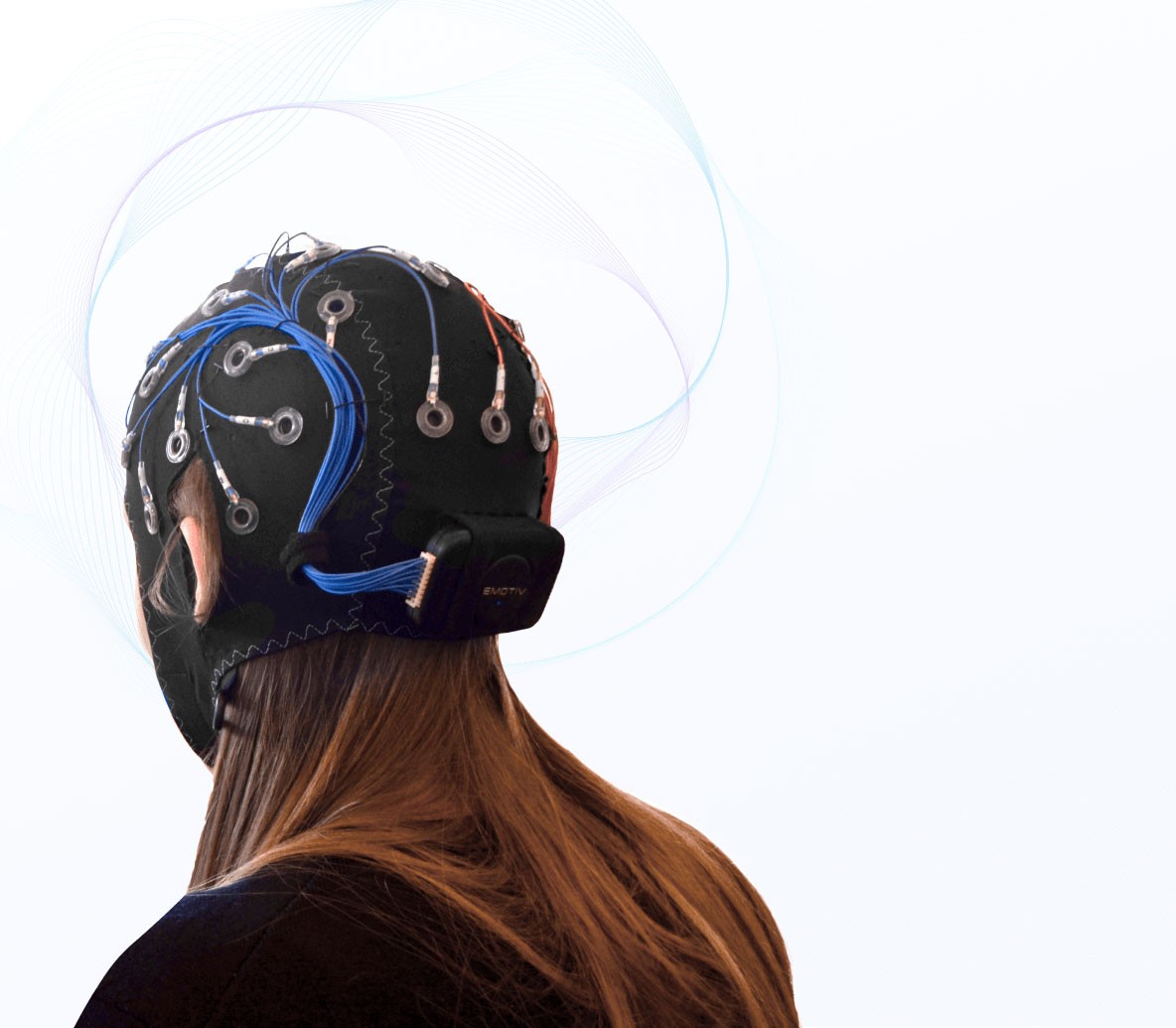
EEG Headset Price: How to Make a Smart Investment
Duong Tran
Updated on
Nov 4, 2025
EEG Headset Price: How to Make a Smart Investment
Duong Tran
Updated on
Nov 4, 2025
EEG Headset Price: How to Make a Smart Investment
Duong Tran
Updated on
Nov 4, 2025
Choosing an EEG headset is a lot like buying a professional camera. A simple point-and-shoot is fine for casual use, but a serious photographer needs a DSLR with advanced features. Similarly, the right EEG system depends entirely on your project. A researcher conducting a complex study needs a high-density channel count, while a developer building a simple BCI application has different requirements. The eeg headset price reflects these different needs. Instead of searching for the single "best" device, the goal is to find the best device for you. This article will help you match your specific goals to the right features, ensuring you invest in a tool that has everything you ne# EEG Headset Price: How to Choose the Right System for Your Project
Choosing an EEG headset is a lot like buying a professional camera. A point-and-shoot is fine for casual use; a serious photographer needs a DSLR with advanced controls. Likewise, the right EEG system depends entirely on your project. A researcher running complex studies needs higher channel density; a developer building a simple BCI may prioritize portability and quick setup. The eeg headset price reflects these different needs. Instead of hunting for a single “best” device, focus on the best device for you. This guide maps your goals to the right features so you invest in a tool that will help you succeed.
Key Takeaways
Define Your Project Before You Shop: Document goals, target analyses, channel needs, and environments. Buy for your use case—not the biggest spec sheet.
Budget for the Entire Ecosystem: Price includes more than hardware. Plan for software, accessories, and consumables to understand true long-term cost.
Prioritize Data Quality and Software Tools: Hardware captures signals; software turns them into insights. Choose a platform that scales with your work.
What Are the Different Types of EEG Headsets?
EEG headsets aren’t one-size-fits-all. Match the device to your goals, technical needs, and budget.
Consumer vs. Research-Grade
Consumer devices emphasize accessibility and fast setup—ideal for personal projects or cognitive wellness.
Research-grade systems (e.g., Epoc X, Flex) deliver higher fidelity and more electrodes for precise spatial mapping—suited to peer-reviewed studies and robust BCI development.
Understanding Channel Counts
“Channel count” = number of electrodes capturing data. More channels → richer spatial detail (think camera resolution).
Lower channel (e.g., 2–5, MN8, Insight): targeted measures and streamlined workflows.
Higher channel (e.g., 14–32, Epoc X, Flex): complex academic research and source-sensitive designs.
Common Applications
Neuroscience labs: memory, attention, affect, HCI.
Developers: brain-computer interfaces and interactive experiences.
Neuromarketing & UX: attention/engagement insights.
Personal use: focus and relaxation tools.
Why Do EEG Headset Prices Vary So Much?
You’re investing in a system—hardware + software + support—not just a wearable.
Core Technology and Components
EEG requires low-noise amplification, filtering, and precise analog-to-digital conversion. Higher-end components improve accuracy and stability—and influence price.
Number of Electrodes
More electrodes increase spatial coverage and manufacturing complexity. A 32-channel Flex maps activity more comprehensively than a 2-channel MN8—and is priced accordingly.
Signal Quality and Resolution
Sensor type (saline, gel, dry), mechanical fit, and internal electronics drive signal clarity. Better materials and ergonomics reduce noise and artifacts.
Software and Integrations
Recording, visualization, exports, and APIs matter. Platforms like EmotivPRO and EmotivBCI add significant value for analysis and development.
Brand and Support
Documentation, updates, and responsive help reduce ramp-up time and risk—important parts of total value.
How Much Do EEG Systems Actually Cost?
Pricing aligns with capability—from channel count to software.
Entry-Level: Under $1,000
Great for learning and personal projects. Example: Insight (5 channels) for wellness tools or simple BCI prototypes.
Mid-Range: $1,000–$2,000
Balance of power and portability. Example: Epoc X (14 channels) for labs, R&D, neuromarketing.
Professional: $2,000+
High-density, research-ready systems for detailed mapping and advanced analysis. Examples: Flex Saline and Flex Gel (32 channels).
Don’t Forget Hidden Costs
Plan for software (e.g., EmotivPRO), accessories (sensor packs, USB receiver, travel case), and consumables (saline or gel).
Which Features Are Worth Paying For?
Data Quality and Sampling Rate
Clean, stable signals and adequate sampling (e.g., 128–256 SPS+) are essential for rigorous analysis in academic research.
Wireless Connectivity
Stable Bluetooth (e.g., Epoc X) supports natural movement and field studies. Reliability > raw bitrate.
Battery Life
Match runtime to sessions. Longer life prevents mid-study interruptions and data loss.
Comfort and Ergonomics
Better fit = fewer artifacts and happier participants. Example: Flex Saline cap accommodates varied head shapes.
Software Capabilities
Most headsets include Pro Lite; upgrade to EmotivPRO for advanced recording, analysis, and exports.
Let’s Debunk Common Pricing Myths
“Higher Price = Better for Me”
Not always. Buy to spec: your tasks, analyses, and settings determine the “best” value—not the highest price tag.
“Hardware Cost Is the Whole Cost”
Software, updates, and support drive outcomes. Budget for the ecosystem, not just the device.
“Cheaper Upfront = Cheaper Overall”
Consider total cost of ownership: subscriptions, consumables, time saved by support, and data quality.
“Used Gear Is Always a Bargain”
Check warranty, software compatibility, sensor condition, and support status before buying used.
How to Choose the Right EEG System
Match Features to Your Project
Map hypotheses and tasks to channel needs, sensor type (saline vs. gel), comfort, and portability.
Complex multi-region studies → Flex (32-ch)
Streamlined BCIs/field work → Insight (5-ch) or Epoc X (14-ch)
Understand Software Costs
Include EmotivPRO subscriptions in budgets to avoid surprises and ensure continuous updates and support.
Ask About Academic or Volume Pricing
Students, educators, and labs can often access special programs supporting the scientific community.
Consider the Value of Support
Onboarding, docs, and responsive help accelerate results. Emotiv headsets are for research and personal use (not medical).
How to Make a Smart Investment
Evaluate Core Needs
List must-haves vs. nice-to-haves (channels, comfort, portability, software integrations).
Plan Your Budget
Include hardware, software subscriptions, accessories, and consumables to get a clear total.
Think About Future Needs
Choose a scalable ecosystem with developer tools, APIs, and integrations.
Know Where to Buy
Buy direct for latest hardware, warranty, and support. Marketplaces like LabX can be options—evaluate condition and compatibility carefully.
What to Look for in EEG Software
Basic vs. Advanced Features
Emotiv App offers friendly visualization for personal use. EmotivPRO adds raw EEG access, metrics, frequency analysis, and experiment tools.
Subscription vs. One-Time
Subscriptions provide continual updates, security patches, and support—crucial in a fast-moving field.
Data Analysis Tools
Expect scalp maps, band power, ERP tools, event markers, and clean exports to Python/MATLAB/EEGLAB.
Integration Options
For BCI and multi-sensor studies, ensure APIs/SDKs and streaming to custom apps. Emotiv software supports real-time data and developer workflows.
Related Articles
Frequently Asked Questions
How many channels do I actually need?
Match channel count to analysis depth. For simple BCIs or wellness, Insight (5-ch) is a strong start. For multi-region mapping and detailed studies, Flex (32-ch) provides higher spatial resolution.
Is a more expensive EEG headset always better?
No. “Better” equals “best fit.” Pay for the fidelity and features your project requires—no more, no less.
Why is software a subscription?
Hardware and software evolve on different cycles. A subscription for EmotivPRO funds continuous features, security, and support so your tools keep pace.
I’m a student on a budget—how do I start?
Begin with Insight, ask about academic pricing, and scale as your research grows.
What other costs should I plan for?
Software licenses, sensor packs/consumables, a USB receiver, and a protective case. Budget the full workflow to avoid surprises. ed to succeed.
Key Takeaways
Define Your Project Before You Shop: The best EEG headset is the one that fits your specific goals. Outline your needs—like channel count and data resolution—to ensure you invest in the right features for your work, not just the most expensive ones.
Budget for the Entire Ecosystem: The price tag on the headset is just the starting point. Remember to factor in recurring software costs and any essential accessories to understand the true, long-term investment in your EEG setup.
Prioritize Data Quality and Software Tools: The hardware collects signals, but the software turns them into insights. A smart investment focuses on a system that delivers clean, reliable data and is supported by a powerful software platform that can grow with your projects.
What Are the Different Types of EEG Headsets?
Before you can figure out the right price, you first need to understand that EEG headsets aren't a one-size-fits-all product. The best headset for a university neuroscience lab is very different from one someone might use at home. The type you need depends entirely on your project goals, your technical requirements, and of course, your budget. Let's break down the main categories you'll encounter.
Consumer vs. Research-Grade
The first major distinction is between consumer and research-grade devices. Consumer-grade headsets are designed for accessibility and ease of use, making them a great entry point for personal projects or for anyone looking to access cognitive wellness tools. They are typically more affordable and have a simpler setup process.
On the other hand, research-grade headsets are built for scientists, developers, and professionals who require high-fidelity data for their work. These devices, like our Epoc X or Flex headsets, offer more advanced features and a higher number of electrodes. This allows for the precise spatial mapping of brain activity needed for peer-reviewed studies and complex application development.
Understanding Channel Counts
You'll often see EEG headsets described by their "channel count," which simply refers to the number of electrodes or sensors collecting data from your scalp. Generally, a higher channel count provides more detailed and spatially rich data, giving you a more comprehensive picture of brain activity. Think of it like the resolution of a camera—more pixels create a clearer image.
For some applications, a lower channel count is perfectly sufficient. A 2-channel device like our MN8 can provide valuable insights for specific use cases. However, for complex academic research or detailed brain mapping, a 32-channel headset like our Flex is the more appropriate tool. The key is to match the channel count to the level of detail your project demands.
Common Applications
The variety in headsets reflects the incredibly diverse ways they're being used. In neuroscience labs, researchers use high-density EEG systems to study everything from memory and emotion to the underlying mechanisms of brain disorders. This fundamental research helps us understand how the brain works.
Beyond the lab, developers are creating amazing applications with brain-computer interfaces (BCIs), which translate brain signals into commands for software and devices. You'll also find EEG headsets used in fields like neuromarketing to gauge consumer responses to ads and products, as well as in personal wellness for focus and relaxation exercises. The application you have in mind will be the biggest factor in determining which type of headset is right for you.
Why Do EEG Headset Prices Vary So Much?
When you start looking at EEG headsets, you’ll notice the prices can range from a few hundred to several thousand dollars. It’s easy to wonder what justifies such a wide gap. The truth is, you’re not just buying a piece of hardware; you’re investing in a complete system designed for a specific purpose. The price tag reflects a combination of factors, from the internal technology and the number of sensors to the sophistication of the software and the level of customer support you receive.
Think of it like buying a camera. A simple point-and-shoot is great for casual photos, but a professional photographer needs a DSLR with interchangeable lenses and advanced settings. Both take pictures, but their capabilities—and prices—are worlds apart. Similarly, an EEG headset for personal wellness projects has different requirements than one designed for complex academic research. Understanding what goes into each device will help you see why the prices vary and which features are most important for your specific needs. Let’s break down the key elements that influence the cost.
Core Technology and Components
At its heart, an EEG headset is a sophisticated piece of scientific equipment. It’s designed to detect the tiny electrical signals produced by your brain’s neurons. This requires more than just a few sensors. Inside every headset, there’s a complex system that amplifies those faint signals, filters out interference from the environment and muscle movements, and converts them into digital data you can actually use. The quality of these internal components—the amplifiers, the filters, the processors—plays a huge role in the accuracy and reliability of the data. Higher-end systems use more advanced components to ensure the data is as clean and precise as possible, which is directly reflected in the cost.
Number of Electrodes
One of the most visible differences between EEG headsets is the number of electrodes, or channels, they have. A device with just a few channels, like our MN8 earbuds, is great for accessing cognitive wellness tools or simple control applications. However, a headset designed for detailed academic research, like our 32-channel Flex, provides a much more comprehensive map of brain activity. More electrodes allow you to gather data from more areas of the brain simultaneously, offering a richer, more detailed picture. The manufacturing complexity and material costs increase with each electrode, making channel count a primary driver of the final price.
Signal Quality and Resolution
Signal quality is everything when it comes to EEG. A headset’s ability to capture a clean signal with minimal noise is critical for getting usable data. This is influenced by several things: the type of sensors used (saline, gel, or dry), how well the headset fits, and the quality of the internal electronics. While EEG technology naturally has a lower spatial resolution than a massive fMRI machine, the goal is to get the best temporal resolution and signal clarity possible. Devices that invest in better sensor materials, ergonomic design for a secure fit, and advanced noise-cancellation technology will deliver higher-quality data, and that engineering effort contributes to a higher price point.
Software and Integrations
The hardware is only half the story. What you can do with the brain data is determined by the software. A basic headset might only come with an app for viewing raw data streams. In contrast, a professional system is part of a larger ecosystem. For example, our headsets integrate with powerful platforms like EmotivPRO for advanced analysis and visualization or EmotivBCI for developing brain-computer interface applications. The cost of a headset often includes access to these software platforms, which represent years of development. When you choose a headset, you’re also choosing its software, and the capabilities of that software are a major factor in the overall price.
Brand and Support
Finally, the brand behind the headset matters. When you invest in a device from an established company, you’re paying for more than just the physical product. You’re also getting the assurance of quality control, ongoing research and development, and reliable customer support. A reputable brand provides comprehensive documentation, user communities, and a support team to help you if you run into issues. This long-term support and the brand’s commitment to quality and innovation are valuable assets that are factored into the price. It’s the difference between buying a tool and investing in a solution.
How Much Do EEG Systems Actually Cost?
When you start looking at EEG systems, you'll see prices that range from a few hundred to several thousand dollars. This isn't arbitrary—the cost directly reflects the technology's capabilities, from the number of channels to the quality of the data it gathers. To make things clearer, I've broken down the pricing into three main tiers. This way, you can find a system that aligns with both your project goals and your budget, whether you're just starting out or conducting advanced research.
Entry-Level Systems: Under $1,000
If you're new to EEG or focused on personal projects, you can get started without a massive investment. Systems in this price range are designed for accessibility and ease of use. For example, our 5-channel Insight headset is a fantastic starting point for anyone interested in learning about brain data or developing simple brain-controlled applications. These devices are perfect for exploring cognitive wellness tools or getting your feet wet with brain-computer interfaces. They provide reliable data for less intensive applications, making them a popular choice for students, educators, and curious minds.
Mid-Range Systems: $1,000–$2,000
When your work requires more detailed data, it’s time to look at mid-range systems. This category is ideal for academic researchers, developers, and neuromarketers who need a balance of power and affordability. A great example is our Epoc X headset, a 14-channel wireless device that offers a significant step up in data resolution. With more sensors, you can gather more nuanced information about brain activity across different regions. This makes it a solid workhorse for university labs, R&D projects, and anyone looking to move beyond basic applications into more complex analysis and experimentation.
Professional Systems: $2,000+
For the most demanding research applications, professional-grade systems are the way to go. These devices are built for maximum data fidelity and are the standard for high-impact academic research and large-scale studies. Our 32-channel headsets, like the Flex Saline and Flex Gel, fall into this category. They use advanced sensor technology to capture high-density, research-quality data suitable for detailed brain mapping and sophisticated analysis. If your work requires the highest possible signal quality and spatial resolution, investing in a professional system ensures you have the robust tools needed to produce credible, publication-ready results.
Don't Forget Hidden Costs
When you're planning your budget, it’s important to think beyond the price of the headset itself. To get the most out of your device, you’ll need to consider the complete ecosystem. This includes software licenses, like a subscription to EmotivPRO for advanced data analysis, and any necessary accessories. Depending on your needs, you might also want to factor in the cost of extra sensor packs for longevity, a universal USB receiver for a stable wireless connection, or a travel case to protect your investment. Thinking about these additional components upfront helps ensure you have everything you need from day one.
Which Features Are Worth Paying For?
When you’re looking at a price tag, it helps to know exactly what you’re paying for. The cost of an EEG headset is a direct reflection of its technology, design, and capabilities. Some features are essential for serious research, while others are quality-of-life improvements. Let’s break down the key features that influence price so you can decide what’s a must-have for your work.
Data Quality and Sampling Rate
At the heart of any EEG system is its ability to capture clean, accurate data. This is arguably the most important feature to invest in. Data quality depends on the sensitivity of the electrodes and the system’s power to amplify and filter the brain's faint electrical signals before converting them into digital data. A higher sampling rate—the number of times per second the headset measures brain activity—provides a more detailed picture of neural dynamics. For rigorous academic research, high-fidelity data and a robust sampling rate are non-negotiable. These capabilities require advanced components, which is a primary driver of cost in mid-range and professional systems.
Wireless Connectivity
The freedom of wireless connectivity is more than just a convenience; it’s a practical necessity for many modern studies. A wireless headset allows participants to move naturally, which is crucial for experiments that involve interaction with the environment or physical tasks. Our Epoc X headset, for example, uses Bluetooth 5.0 to send brain data quickly and reliably without tethering the user to a computer. When evaluating a wireless system, look for a stable connection that minimizes the risk of data loss. This feature is standard on most modern headsets, but the quality and reliability of the connection are what justify the investment.
Battery Life
If you plan on running experiments that last more than an hour or two, battery life is a critical feature. There’s nothing worse than a device dying mid-session, forcing you to discard valuable data. Look for a headset that can comfortably last through your longest planned recording sessions. The Epoc X offers up to nine hours of battery life, giving you plenty of power for a full day of research. For shorter, more controlled lab settings, this might be less of a priority. But for fieldwork or long-form studies, investing in a device with a long-lasting battery will save you a lot of headaches.
Comfort and Ergonomics
A feature that’s easy to overlook is how the headset actually feels to wear. An uncomfortable device can distract participants, introduce movement artifacts into your data, and make longer sessions impossible. Good ergonomic design involves adjustable headbands, lightweight materials, and sensor types that are easy to set up and comfortable for extended periods. Our Flex Saline headset was designed with this in mind, offering a flexible cap to fit various head shapes and sizes. Paying for a comfortable, well-fitting headset is an investment in higher-quality data and a better experience for your participants.
Software Capabilities
The hardware gathers the data, but the software is what turns those raw signals into meaningful insights. A headset is only as powerful as the software that supports it. Most of our headsets come with Emotiv Pro Lite, but for deeper analysis, you can upgrade to a more powerful platform like EmotivPRO. This software provides advanced tools for visualizing, processing, and exporting data. When choosing a system, consider the entire ecosystem. Does the software meet your analysis needs? Does it integrate with other tools you use? A powerful and intuitive software suite can dramatically streamline your workflow, making it one of the most valuable features you can pay for.
Let's Debunk Common Pricing Myths
When you’re exploring the world of EEG, it’s easy to get tangled up in assumptions about price. You might think a higher price tag automatically means a better device, or that the hardware cost is the only number you need to worry about. But the reality is a bit more nuanced. Let’s clear up some of the most common myths so you can approach your purchase with confidence and find a system that truly fits your needs and budget. Thinking critically about these points will help you make a much smarter investment in the long run.
Does a Higher Price Always Mean Better Quality?
It’s a common belief that if something costs more, it must be better. While that can be true, it’s not a universal rule, especially with technology as specialized as EEG. The most expensive system isn’t always the right one for your specific goals. We designed our Emotiv headsets to provide professional-level EEG tools that are both portable and accessible, filling the gap between costly, stationary lab equipment and overly simple consumer gadgets. The "best" quality depends entirely on what you need to accomplish. A large-scale academic research project might require a high-density channel count, while a developer building a brain-computer interface may prioritize different features. Focus on matching the device’s capabilities to your project, not just aiming for the highest price.
Hardware vs. Software Costs
Seeing the price of a headset is just the first step. The hardware is what collects the brainwave data, but the software is what turns that raw data into meaningful insights. When you’re planning your budget, remember that the total cost includes the headset, any software subscriptions, and other items you might need. For example, our EmotivPRO software allows for in-depth analysis and recording that is essential for many research and commercial applications. Think of it as an ecosystem. The hardware and software work together, and you need to account for both to understand the full financial picture of your EEG setup.
The Total Cost of Ownership
Beyond the initial hardware and software purchase, it’s wise to consider the total cost of ownership over the lifetime of the device. This includes potential recurring costs for software licenses, consumables like saline solution for certain headsets, and the value of customer support and warranty. A system with a lower upfront cost might seem appealing, but if it comes with expensive mandatory subscriptions or lacks reliable support, it could be more costly in the long run. Viewing your purchase as a long-term investment helps you evaluate the true value you’re getting, ensuring you have the resources and support you need for the duration of your work.
The Value of Used Equipment
You might come across used EEG systems for sale, and the lower prices can be tempting. While pre-owned lab equipment can make high-end technology more affordable, it comes with significant risks. You’ll need to ask some important questions: Is the device still under warranty? Is it compatible with modern software? Are the sensors in good condition, or will they need immediate replacement? Buying used can sometimes mean inheriting outdated technology with no support. Investing in a new, fully supported system ensures you have access to the latest software updates, a full warranty, and a team you can turn to for help, providing peace of mind and a more reliable foundation for your projects.
How to Choose the Right EEG System
Finding the right EEG system feels like a big decision, but it doesn’t have to be overwhelming. The key is to move past the idea of finding the single “best” device and instead focus on finding the best device for you. Your specific goals, the type of data you need, and your budget are the most important factors. By thinking through your project requirements first, you can confidently select a system that has everything you need to succeed without paying for features you won’t use. This approach ensures you make a smart, practical investment that will support your work for years to come.
Match Features to Your Project
Before you even look at a price tag, take a moment to outline your project. What questions are you trying to answer? The answer will guide you to the right hardware. For example, a complex academic research study looking at brain activity across different regions will likely require a high-channel-count headset like our 32-channel Flex. On the other hand, if you’re a developer building a straightforward brain-computer interface application, the 5-channel Insight might be the perfect fit. Consider what you need in terms of channel count, sensor type (saline vs. gel), and comfort for your participants. Matching the features to your project ensures you get the data quality you need from the start.
Understand Software Costs
The headset is just one piece of the puzzle. To collect and analyze brain data, you need powerful software. It’s important to remember that the total cost of an EEG system includes both the hardware and any software subscriptions. For instance, our EmotivPRO software allows for advanced data recording, analysis, and visualization, and it operates on a subscription basis. This model ensures you always have access to the latest features and support. When planning your budget, be sure to account for these recurring costs. This way, you’ll have a complete picture of your investment and can avoid any financial surprises down the road.
Ask About Academic or Volume Pricing
We know that budget is a real consideration, especially for those in academia or organizations purchasing multiple devices. If you’re a student, researcher, or educator, it’s always a good idea to ask about special pricing. Emotiv is committed to making professional-grade EEG technology accessible, and we often have programs in place to support the scientific community. Similarly, if you’re outfitting a lab or a team, volume discounts may be available. Don’t hesitate to reach out and inquire about these options. Our goal is to help you get the tools you need to do your groundbreaking work without the traditionally high cost of lab-grade equipment.
Consider the Value of Support
Your relationship with an EEG provider shouldn’t end once you click “buy.” Post-purchase support is an invaluable resource, especially when you’re getting started or troubleshooting a complex experiment. Look for a company that offers comprehensive documentation, tutorials, and responsive customer service. At Emotiv, we provide extensive guides and a dedicated support team to help you get the most out of your system. It’s also important to understand the warranty, which covers any manufacturing defects. Remember, Emotiv headsets are intended for research and personal use; they are not medical devices and should not be used to diagnose or treat any conditions.
How to Make a Smart Investment
Buying an EEG headset is a big step, whether it’s for a groundbreaking research project or your own personal development. It’s more than just a purchase; it’s an investment in your work and curiosity. To make sure you get the most value, it helps to approach the decision with a clear plan. Thinking through your needs, budget, and future goals will help you choose a system that serves you well for years to come.
Evaluate Your Core Needs
Before you even look at prices, take a moment to define what you truly need. What is the primary goal of your project? Choosing the right EEG headset means balancing factors like the number of channels, comfort for long sessions, and software compatibility. For example, a simple cognitive wellness application might not require the same channel density as a complex brain-computer interface experiment. Making a list of your must-have features versus your nice-to-have features will give you a clear roadmap and prevent you from overspending on capabilities you won’t use.
Plan Your Budget
It’s easy to focus on the upfront cost of the hardware, but a smart budget considers the total investment. When you’re planning, remember to account for the headset, any necessary software subscriptions, and potential accessories. We designed our Emotiv products to fill the gap between expensive, clinical-grade lab equipment and basic consumer gadgets, offering professional tools that are accessible and portable. By mapping out all potential costs, you can get a realistic picture of your investment and find a solution that fits your financial plan without any surprises down the road.
Think About Future Needs
Your first project is just the beginning. A versatile EEG headset can become a long-term tool for ongoing discovery, so it’s wise to think about your future ambitions. Will your research questions become more complex? Might you want to explore software development or different types of data analysis later on? Choosing a system with a flexible and scalable ecosystem, like our developer tools, ensures your equipment can grow with you. An investment in a system that supports your future goals is always a smart move.
Know Where to Buy
The most direct way to purchase an EEG system is from the manufacturer. This ensures you get the latest technology, full warranty, and direct customer support. However, it’s also worth exploring other options. Online marketplaces like LabX offer a space to buy and sell both new and used neurology equipment. On these sites, you can often filter by price, condition, and manufacturer to find a system that fits your budget. Exploring all your purchasing options helps you make a well-informed decision and find the best possible deal for your specific needs.
What to Look for in EEG Software
An EEG headset is a powerful tool, but it’s only half of the equation. The hardware is responsible for collecting brain data, but you need software to see, record, and make sense of it all. Think of the software as the bridge between the raw signals from your brain and actionable insights. The right software depends entirely on your goals, whether you're conducting a formal research study, developing a new application, or exploring your own cognitive states. Choosing the right software ensures your equipment meets your specific requirements and helps you get the most out of your investment.
Basic vs. Advanced Features
EEG software can range from straightforward applications for personal use to complex platforms built for rigorous scientific research. For those just starting out, an application like the Emotiv App provides an accessible entry point, allowing you to visualize brain activity in a user-friendly way. It’s perfect for personal wellness and exploring basic brain-computer interface commands.
For academic or commercial research, you’ll need more advanced features. A platform like EmotivPRO is designed for this purpose, offering access to raw EEG data, real-time performance metrics, frequency analysis, and tools to build and run experiments. We designed our software ecosystem to fill the gap between expensive, stationary lab equipment and simple consumer gadgets, giving you professional-grade tools that are easy to use.
Subscription vs. One-Time Purchase
When you’re budgeting for an EEG system, it’s important to understand how software is priced. Most professional-grade EEG software, including ours, operates on a subscription model. This means you pay a monthly or yearly fee for access. While a one-time purchase might seem appealing, a subscription ensures you always have the latest features, security updates, and technical support. Technology in this field moves quickly, and a subscription model allows the software to evolve alongside it. Typically, opting for a yearly plan offers a more cost-effective rate compared to paying month-to-month.
Data Analysis Tools
At its core, EEG software translates electrical signals from the brain into meaningful data. The software processes these signals and looks for recognizable patterns, such as the different brainwave frequencies (alpha, beta, theta, and gamma). These patterns are associated with various mental states, like focus, relaxation, or excitement. Good software provides robust data analysis tools to help you interpret these patterns. This can include features like interactive brain maps that show activity across the scalp, charts that display frequency bands in real-time, and the ability to mark events or export data for further analysis in other programs.
Integration Options
Finally, consider how the software will fit into your larger workflow. For developers and researchers, integration is key. You might need to sync EEG data with other biometric sensors, feed it into a custom application, or use it to control external devices. This is where a powerful brain-computer interface (BCI) comes in. Our software, like EmotivBCI, is designed to be flexible, allowing you to stream data in real-time and build your own projects using our APIs. Before committing to a system, make sure its software is compatible with your hardware and offers the integration options you’ll need for your project to succeed.
Related Articles
Frequently Asked Questions
How do I know how many channels I actually need for my project? The number of channels you need really comes down to the level of detail your project requires. If you're developing a simple brain-computer interface or exploring cognitive wellness tools, a lower channel count like our 5-channel Insight headset is often a perfect starting point. However, if you're conducting academic research that requires you to see brain activity across many different regions at once, you'll want a higher channel count. A device like our 32-channel Flex provides the spatial resolution needed for that kind of detailed brain mapping.
Is a more expensive EEG headset always the better choice? Not at all. The "best" headset isn't the one with the highest price tag; it's the one that best fits your specific goals. A more expensive system will offer more channels and higher data fidelity, which is essential for certain types of research. But if your project doesn't require that level of detail, you'd be paying for features you won't use. We designed our product line to provide professional-grade tools at different price points, so you can find a system with the right capabilities for your work without overspending.
Why is the software a separate subscription? Isn't it included with the headset? The hardware and software are two parts of a complete system, and we price them separately because they serve different functions and have different development cycles. The headset is the tool that gathers the data, while a platform like EmotivPRO is what allows you to record, analyze, and interpret that data. A subscription model ensures that the software is continuously updated with the latest features and security patches, and it gives you ongoing access to our support team. This way, your analysis tools are always evolving.
I'm a student on a budget. What's the best way to get started with EEG? If you're a student or researcher, we understand that budget is a major consideration. A great starting point is an entry-level device like our Insight headset, which provides reliable data for a wide range of projects without a huge upfront investment. It’s also always a good idea to reach out to us directly to ask about academic pricing or educational discounts. We are committed to supporting the scientific community and often have programs in place to make our technology more accessible.
Besides the headset and software, what other costs should I plan for? It's smart to think about the complete ecosystem when planning your budget. Beyond the initial hardware and software subscription, you might consider some accessories that will make your work easier. For example, a universal USB receiver can ensure a stable wireless connection, and a travel case is a great idea to protect your equipment. Depending on the headset you choose, you may also want to budget for consumables like extra sensor packs to ensure the longevity of your device.
Choosing an EEG headset is a lot like buying a professional camera. A simple point-and-shoot is fine for casual use, but a serious photographer needs a DSLR with advanced features. Similarly, the right EEG system depends entirely on your project. A researcher conducting a complex study needs a high-density channel count, while a developer building a simple BCI application has different requirements. The eeg headset price reflects these different needs. Instead of searching for the single "best" device, the goal is to find the best device for you. This article will help you match your specific goals to the right features, ensuring you invest in a tool that has everything you ne# EEG Headset Price: How to Choose the Right System for Your Project
Choosing an EEG headset is a lot like buying a professional camera. A point-and-shoot is fine for casual use; a serious photographer needs a DSLR with advanced controls. Likewise, the right EEG system depends entirely on your project. A researcher running complex studies needs higher channel density; a developer building a simple BCI may prioritize portability and quick setup. The eeg headset price reflects these different needs. Instead of hunting for a single “best” device, focus on the best device for you. This guide maps your goals to the right features so you invest in a tool that will help you succeed.
Key Takeaways
Define Your Project Before You Shop: Document goals, target analyses, channel needs, and environments. Buy for your use case—not the biggest spec sheet.
Budget for the Entire Ecosystem: Price includes more than hardware. Plan for software, accessories, and consumables to understand true long-term cost.
Prioritize Data Quality and Software Tools: Hardware captures signals; software turns them into insights. Choose a platform that scales with your work.
What Are the Different Types of EEG Headsets?
EEG headsets aren’t one-size-fits-all. Match the device to your goals, technical needs, and budget.
Consumer vs. Research-Grade
Consumer devices emphasize accessibility and fast setup—ideal for personal projects or cognitive wellness.
Research-grade systems (e.g., Epoc X, Flex) deliver higher fidelity and more electrodes for precise spatial mapping—suited to peer-reviewed studies and robust BCI development.
Understanding Channel Counts
“Channel count” = number of electrodes capturing data. More channels → richer spatial detail (think camera resolution).
Lower channel (e.g., 2–5, MN8, Insight): targeted measures and streamlined workflows.
Higher channel (e.g., 14–32, Epoc X, Flex): complex academic research and source-sensitive designs.
Common Applications
Neuroscience labs: memory, attention, affect, HCI.
Developers: brain-computer interfaces and interactive experiences.
Neuromarketing & UX: attention/engagement insights.
Personal use: focus and relaxation tools.
Why Do EEG Headset Prices Vary So Much?
You’re investing in a system—hardware + software + support—not just a wearable.
Core Technology and Components
EEG requires low-noise amplification, filtering, and precise analog-to-digital conversion. Higher-end components improve accuracy and stability—and influence price.
Number of Electrodes
More electrodes increase spatial coverage and manufacturing complexity. A 32-channel Flex maps activity more comprehensively than a 2-channel MN8—and is priced accordingly.
Signal Quality and Resolution
Sensor type (saline, gel, dry), mechanical fit, and internal electronics drive signal clarity. Better materials and ergonomics reduce noise and artifacts.
Software and Integrations
Recording, visualization, exports, and APIs matter. Platforms like EmotivPRO and EmotivBCI add significant value for analysis and development.
Brand and Support
Documentation, updates, and responsive help reduce ramp-up time and risk—important parts of total value.
How Much Do EEG Systems Actually Cost?
Pricing aligns with capability—from channel count to software.
Entry-Level: Under $1,000
Great for learning and personal projects. Example: Insight (5 channels) for wellness tools or simple BCI prototypes.
Mid-Range: $1,000–$2,000
Balance of power and portability. Example: Epoc X (14 channels) for labs, R&D, neuromarketing.
Professional: $2,000+
High-density, research-ready systems for detailed mapping and advanced analysis. Examples: Flex Saline and Flex Gel (32 channels).
Don’t Forget Hidden Costs
Plan for software (e.g., EmotivPRO), accessories (sensor packs, USB receiver, travel case), and consumables (saline or gel).
Which Features Are Worth Paying For?
Data Quality and Sampling Rate
Clean, stable signals and adequate sampling (e.g., 128–256 SPS+) are essential for rigorous analysis in academic research.
Wireless Connectivity
Stable Bluetooth (e.g., Epoc X) supports natural movement and field studies. Reliability > raw bitrate.
Battery Life
Match runtime to sessions. Longer life prevents mid-study interruptions and data loss.
Comfort and Ergonomics
Better fit = fewer artifacts and happier participants. Example: Flex Saline cap accommodates varied head shapes.
Software Capabilities
Most headsets include Pro Lite; upgrade to EmotivPRO for advanced recording, analysis, and exports.
Let’s Debunk Common Pricing Myths
“Higher Price = Better for Me”
Not always. Buy to spec: your tasks, analyses, and settings determine the “best” value—not the highest price tag.
“Hardware Cost Is the Whole Cost”
Software, updates, and support drive outcomes. Budget for the ecosystem, not just the device.
“Cheaper Upfront = Cheaper Overall”
Consider total cost of ownership: subscriptions, consumables, time saved by support, and data quality.
“Used Gear Is Always a Bargain”
Check warranty, software compatibility, sensor condition, and support status before buying used.
How to Choose the Right EEG System
Match Features to Your Project
Map hypotheses and tasks to channel needs, sensor type (saline vs. gel), comfort, and portability.
Complex multi-region studies → Flex (32-ch)
Streamlined BCIs/field work → Insight (5-ch) or Epoc X (14-ch)
Understand Software Costs
Include EmotivPRO subscriptions in budgets to avoid surprises and ensure continuous updates and support.
Ask About Academic or Volume Pricing
Students, educators, and labs can often access special programs supporting the scientific community.
Consider the Value of Support
Onboarding, docs, and responsive help accelerate results. Emotiv headsets are for research and personal use (not medical).
How to Make a Smart Investment
Evaluate Core Needs
List must-haves vs. nice-to-haves (channels, comfort, portability, software integrations).
Plan Your Budget
Include hardware, software subscriptions, accessories, and consumables to get a clear total.
Think About Future Needs
Choose a scalable ecosystem with developer tools, APIs, and integrations.
Know Where to Buy
Buy direct for latest hardware, warranty, and support. Marketplaces like LabX can be options—evaluate condition and compatibility carefully.
What to Look for in EEG Software
Basic vs. Advanced Features
Emotiv App offers friendly visualization for personal use. EmotivPRO adds raw EEG access, metrics, frequency analysis, and experiment tools.
Subscription vs. One-Time
Subscriptions provide continual updates, security patches, and support—crucial in a fast-moving field.
Data Analysis Tools
Expect scalp maps, band power, ERP tools, event markers, and clean exports to Python/MATLAB/EEGLAB.
Integration Options
For BCI and multi-sensor studies, ensure APIs/SDKs and streaming to custom apps. Emotiv software supports real-time data and developer workflows.
Related Articles
Frequently Asked Questions
How many channels do I actually need?
Match channel count to analysis depth. For simple BCIs or wellness, Insight (5-ch) is a strong start. For multi-region mapping and detailed studies, Flex (32-ch) provides higher spatial resolution.
Is a more expensive EEG headset always better?
No. “Better” equals “best fit.” Pay for the fidelity and features your project requires—no more, no less.
Why is software a subscription?
Hardware and software evolve on different cycles. A subscription for EmotivPRO funds continuous features, security, and support so your tools keep pace.
I’m a student on a budget—how do I start?
Begin with Insight, ask about academic pricing, and scale as your research grows.
What other costs should I plan for?
Software licenses, sensor packs/consumables, a USB receiver, and a protective case. Budget the full workflow to avoid surprises. ed to succeed.
Key Takeaways
Define Your Project Before You Shop: The best EEG headset is the one that fits your specific goals. Outline your needs—like channel count and data resolution—to ensure you invest in the right features for your work, not just the most expensive ones.
Budget for the Entire Ecosystem: The price tag on the headset is just the starting point. Remember to factor in recurring software costs and any essential accessories to understand the true, long-term investment in your EEG setup.
Prioritize Data Quality and Software Tools: The hardware collects signals, but the software turns them into insights. A smart investment focuses on a system that delivers clean, reliable data and is supported by a powerful software platform that can grow with your projects.
What Are the Different Types of EEG Headsets?
Before you can figure out the right price, you first need to understand that EEG headsets aren't a one-size-fits-all product. The best headset for a university neuroscience lab is very different from one someone might use at home. The type you need depends entirely on your project goals, your technical requirements, and of course, your budget. Let's break down the main categories you'll encounter.
Consumer vs. Research-Grade
The first major distinction is between consumer and research-grade devices. Consumer-grade headsets are designed for accessibility and ease of use, making them a great entry point for personal projects or for anyone looking to access cognitive wellness tools. They are typically more affordable and have a simpler setup process.
On the other hand, research-grade headsets are built for scientists, developers, and professionals who require high-fidelity data for their work. These devices, like our Epoc X or Flex headsets, offer more advanced features and a higher number of electrodes. This allows for the precise spatial mapping of brain activity needed for peer-reviewed studies and complex application development.
Understanding Channel Counts
You'll often see EEG headsets described by their "channel count," which simply refers to the number of electrodes or sensors collecting data from your scalp. Generally, a higher channel count provides more detailed and spatially rich data, giving you a more comprehensive picture of brain activity. Think of it like the resolution of a camera—more pixels create a clearer image.
For some applications, a lower channel count is perfectly sufficient. A 2-channel device like our MN8 can provide valuable insights for specific use cases. However, for complex academic research or detailed brain mapping, a 32-channel headset like our Flex is the more appropriate tool. The key is to match the channel count to the level of detail your project demands.
Common Applications
The variety in headsets reflects the incredibly diverse ways they're being used. In neuroscience labs, researchers use high-density EEG systems to study everything from memory and emotion to the underlying mechanisms of brain disorders. This fundamental research helps us understand how the brain works.
Beyond the lab, developers are creating amazing applications with brain-computer interfaces (BCIs), which translate brain signals into commands for software and devices. You'll also find EEG headsets used in fields like neuromarketing to gauge consumer responses to ads and products, as well as in personal wellness for focus and relaxation exercises. The application you have in mind will be the biggest factor in determining which type of headset is right for you.
Why Do EEG Headset Prices Vary So Much?
When you start looking at EEG headsets, you’ll notice the prices can range from a few hundred to several thousand dollars. It’s easy to wonder what justifies such a wide gap. The truth is, you’re not just buying a piece of hardware; you’re investing in a complete system designed for a specific purpose. The price tag reflects a combination of factors, from the internal technology and the number of sensors to the sophistication of the software and the level of customer support you receive.
Think of it like buying a camera. A simple point-and-shoot is great for casual photos, but a professional photographer needs a DSLR with interchangeable lenses and advanced settings. Both take pictures, but their capabilities—and prices—are worlds apart. Similarly, an EEG headset for personal wellness projects has different requirements than one designed for complex academic research. Understanding what goes into each device will help you see why the prices vary and which features are most important for your specific needs. Let’s break down the key elements that influence the cost.
Core Technology and Components
At its heart, an EEG headset is a sophisticated piece of scientific equipment. It’s designed to detect the tiny electrical signals produced by your brain’s neurons. This requires more than just a few sensors. Inside every headset, there’s a complex system that amplifies those faint signals, filters out interference from the environment and muscle movements, and converts them into digital data you can actually use. The quality of these internal components—the amplifiers, the filters, the processors—plays a huge role in the accuracy and reliability of the data. Higher-end systems use more advanced components to ensure the data is as clean and precise as possible, which is directly reflected in the cost.
Number of Electrodes
One of the most visible differences between EEG headsets is the number of electrodes, or channels, they have. A device with just a few channels, like our MN8 earbuds, is great for accessing cognitive wellness tools or simple control applications. However, a headset designed for detailed academic research, like our 32-channel Flex, provides a much more comprehensive map of brain activity. More electrodes allow you to gather data from more areas of the brain simultaneously, offering a richer, more detailed picture. The manufacturing complexity and material costs increase with each electrode, making channel count a primary driver of the final price.
Signal Quality and Resolution
Signal quality is everything when it comes to EEG. A headset’s ability to capture a clean signal with minimal noise is critical for getting usable data. This is influenced by several things: the type of sensors used (saline, gel, or dry), how well the headset fits, and the quality of the internal electronics. While EEG technology naturally has a lower spatial resolution than a massive fMRI machine, the goal is to get the best temporal resolution and signal clarity possible. Devices that invest in better sensor materials, ergonomic design for a secure fit, and advanced noise-cancellation technology will deliver higher-quality data, and that engineering effort contributes to a higher price point.
Software and Integrations
The hardware is only half the story. What you can do with the brain data is determined by the software. A basic headset might only come with an app for viewing raw data streams. In contrast, a professional system is part of a larger ecosystem. For example, our headsets integrate with powerful platforms like EmotivPRO for advanced analysis and visualization or EmotivBCI for developing brain-computer interface applications. The cost of a headset often includes access to these software platforms, which represent years of development. When you choose a headset, you’re also choosing its software, and the capabilities of that software are a major factor in the overall price.
Brand and Support
Finally, the brand behind the headset matters. When you invest in a device from an established company, you’re paying for more than just the physical product. You’re also getting the assurance of quality control, ongoing research and development, and reliable customer support. A reputable brand provides comprehensive documentation, user communities, and a support team to help you if you run into issues. This long-term support and the brand’s commitment to quality and innovation are valuable assets that are factored into the price. It’s the difference between buying a tool and investing in a solution.
How Much Do EEG Systems Actually Cost?
When you start looking at EEG systems, you'll see prices that range from a few hundred to several thousand dollars. This isn't arbitrary—the cost directly reflects the technology's capabilities, from the number of channels to the quality of the data it gathers. To make things clearer, I've broken down the pricing into three main tiers. This way, you can find a system that aligns with both your project goals and your budget, whether you're just starting out or conducting advanced research.
Entry-Level Systems: Under $1,000
If you're new to EEG or focused on personal projects, you can get started without a massive investment. Systems in this price range are designed for accessibility and ease of use. For example, our 5-channel Insight headset is a fantastic starting point for anyone interested in learning about brain data or developing simple brain-controlled applications. These devices are perfect for exploring cognitive wellness tools or getting your feet wet with brain-computer interfaces. They provide reliable data for less intensive applications, making them a popular choice for students, educators, and curious minds.
Mid-Range Systems: $1,000–$2,000
When your work requires more detailed data, it’s time to look at mid-range systems. This category is ideal for academic researchers, developers, and neuromarketers who need a balance of power and affordability. A great example is our Epoc X headset, a 14-channel wireless device that offers a significant step up in data resolution. With more sensors, you can gather more nuanced information about brain activity across different regions. This makes it a solid workhorse for university labs, R&D projects, and anyone looking to move beyond basic applications into more complex analysis and experimentation.
Professional Systems: $2,000+
For the most demanding research applications, professional-grade systems are the way to go. These devices are built for maximum data fidelity and are the standard for high-impact academic research and large-scale studies. Our 32-channel headsets, like the Flex Saline and Flex Gel, fall into this category. They use advanced sensor technology to capture high-density, research-quality data suitable for detailed brain mapping and sophisticated analysis. If your work requires the highest possible signal quality and spatial resolution, investing in a professional system ensures you have the robust tools needed to produce credible, publication-ready results.
Don't Forget Hidden Costs
When you're planning your budget, it’s important to think beyond the price of the headset itself. To get the most out of your device, you’ll need to consider the complete ecosystem. This includes software licenses, like a subscription to EmotivPRO for advanced data analysis, and any necessary accessories. Depending on your needs, you might also want to factor in the cost of extra sensor packs for longevity, a universal USB receiver for a stable wireless connection, or a travel case to protect your investment. Thinking about these additional components upfront helps ensure you have everything you need from day one.
Which Features Are Worth Paying For?
When you’re looking at a price tag, it helps to know exactly what you’re paying for. The cost of an EEG headset is a direct reflection of its technology, design, and capabilities. Some features are essential for serious research, while others are quality-of-life improvements. Let’s break down the key features that influence price so you can decide what’s a must-have for your work.
Data Quality and Sampling Rate
At the heart of any EEG system is its ability to capture clean, accurate data. This is arguably the most important feature to invest in. Data quality depends on the sensitivity of the electrodes and the system’s power to amplify and filter the brain's faint electrical signals before converting them into digital data. A higher sampling rate—the number of times per second the headset measures brain activity—provides a more detailed picture of neural dynamics. For rigorous academic research, high-fidelity data and a robust sampling rate are non-negotiable. These capabilities require advanced components, which is a primary driver of cost in mid-range and professional systems.
Wireless Connectivity
The freedom of wireless connectivity is more than just a convenience; it’s a practical necessity for many modern studies. A wireless headset allows participants to move naturally, which is crucial for experiments that involve interaction with the environment or physical tasks. Our Epoc X headset, for example, uses Bluetooth 5.0 to send brain data quickly and reliably without tethering the user to a computer. When evaluating a wireless system, look for a stable connection that minimizes the risk of data loss. This feature is standard on most modern headsets, but the quality and reliability of the connection are what justify the investment.
Battery Life
If you plan on running experiments that last more than an hour or two, battery life is a critical feature. There’s nothing worse than a device dying mid-session, forcing you to discard valuable data. Look for a headset that can comfortably last through your longest planned recording sessions. The Epoc X offers up to nine hours of battery life, giving you plenty of power for a full day of research. For shorter, more controlled lab settings, this might be less of a priority. But for fieldwork or long-form studies, investing in a device with a long-lasting battery will save you a lot of headaches.
Comfort and Ergonomics
A feature that’s easy to overlook is how the headset actually feels to wear. An uncomfortable device can distract participants, introduce movement artifacts into your data, and make longer sessions impossible. Good ergonomic design involves adjustable headbands, lightweight materials, and sensor types that are easy to set up and comfortable for extended periods. Our Flex Saline headset was designed with this in mind, offering a flexible cap to fit various head shapes and sizes. Paying for a comfortable, well-fitting headset is an investment in higher-quality data and a better experience for your participants.
Software Capabilities
The hardware gathers the data, but the software is what turns those raw signals into meaningful insights. A headset is only as powerful as the software that supports it. Most of our headsets come with Emotiv Pro Lite, but for deeper analysis, you can upgrade to a more powerful platform like EmotivPRO. This software provides advanced tools for visualizing, processing, and exporting data. When choosing a system, consider the entire ecosystem. Does the software meet your analysis needs? Does it integrate with other tools you use? A powerful and intuitive software suite can dramatically streamline your workflow, making it one of the most valuable features you can pay for.
Let's Debunk Common Pricing Myths
When you’re exploring the world of EEG, it’s easy to get tangled up in assumptions about price. You might think a higher price tag automatically means a better device, or that the hardware cost is the only number you need to worry about. But the reality is a bit more nuanced. Let’s clear up some of the most common myths so you can approach your purchase with confidence and find a system that truly fits your needs and budget. Thinking critically about these points will help you make a much smarter investment in the long run.
Does a Higher Price Always Mean Better Quality?
It’s a common belief that if something costs more, it must be better. While that can be true, it’s not a universal rule, especially with technology as specialized as EEG. The most expensive system isn’t always the right one for your specific goals. We designed our Emotiv headsets to provide professional-level EEG tools that are both portable and accessible, filling the gap between costly, stationary lab equipment and overly simple consumer gadgets. The "best" quality depends entirely on what you need to accomplish. A large-scale academic research project might require a high-density channel count, while a developer building a brain-computer interface may prioritize different features. Focus on matching the device’s capabilities to your project, not just aiming for the highest price.
Hardware vs. Software Costs
Seeing the price of a headset is just the first step. The hardware is what collects the brainwave data, but the software is what turns that raw data into meaningful insights. When you’re planning your budget, remember that the total cost includes the headset, any software subscriptions, and other items you might need. For example, our EmotivPRO software allows for in-depth analysis and recording that is essential for many research and commercial applications. Think of it as an ecosystem. The hardware and software work together, and you need to account for both to understand the full financial picture of your EEG setup.
The Total Cost of Ownership
Beyond the initial hardware and software purchase, it’s wise to consider the total cost of ownership over the lifetime of the device. This includes potential recurring costs for software licenses, consumables like saline solution for certain headsets, and the value of customer support and warranty. A system with a lower upfront cost might seem appealing, but if it comes with expensive mandatory subscriptions or lacks reliable support, it could be more costly in the long run. Viewing your purchase as a long-term investment helps you evaluate the true value you’re getting, ensuring you have the resources and support you need for the duration of your work.
The Value of Used Equipment
You might come across used EEG systems for sale, and the lower prices can be tempting. While pre-owned lab equipment can make high-end technology more affordable, it comes with significant risks. You’ll need to ask some important questions: Is the device still under warranty? Is it compatible with modern software? Are the sensors in good condition, or will they need immediate replacement? Buying used can sometimes mean inheriting outdated technology with no support. Investing in a new, fully supported system ensures you have access to the latest software updates, a full warranty, and a team you can turn to for help, providing peace of mind and a more reliable foundation for your projects.
How to Choose the Right EEG System
Finding the right EEG system feels like a big decision, but it doesn’t have to be overwhelming. The key is to move past the idea of finding the single “best” device and instead focus on finding the best device for you. Your specific goals, the type of data you need, and your budget are the most important factors. By thinking through your project requirements first, you can confidently select a system that has everything you need to succeed without paying for features you won’t use. This approach ensures you make a smart, practical investment that will support your work for years to come.
Match Features to Your Project
Before you even look at a price tag, take a moment to outline your project. What questions are you trying to answer? The answer will guide you to the right hardware. For example, a complex academic research study looking at brain activity across different regions will likely require a high-channel-count headset like our 32-channel Flex. On the other hand, if you’re a developer building a straightforward brain-computer interface application, the 5-channel Insight might be the perfect fit. Consider what you need in terms of channel count, sensor type (saline vs. gel), and comfort for your participants. Matching the features to your project ensures you get the data quality you need from the start.
Understand Software Costs
The headset is just one piece of the puzzle. To collect and analyze brain data, you need powerful software. It’s important to remember that the total cost of an EEG system includes both the hardware and any software subscriptions. For instance, our EmotivPRO software allows for advanced data recording, analysis, and visualization, and it operates on a subscription basis. This model ensures you always have access to the latest features and support. When planning your budget, be sure to account for these recurring costs. This way, you’ll have a complete picture of your investment and can avoid any financial surprises down the road.
Ask About Academic or Volume Pricing
We know that budget is a real consideration, especially for those in academia or organizations purchasing multiple devices. If you’re a student, researcher, or educator, it’s always a good idea to ask about special pricing. Emotiv is committed to making professional-grade EEG technology accessible, and we often have programs in place to support the scientific community. Similarly, if you’re outfitting a lab or a team, volume discounts may be available. Don’t hesitate to reach out and inquire about these options. Our goal is to help you get the tools you need to do your groundbreaking work without the traditionally high cost of lab-grade equipment.
Consider the Value of Support
Your relationship with an EEG provider shouldn’t end once you click “buy.” Post-purchase support is an invaluable resource, especially when you’re getting started or troubleshooting a complex experiment. Look for a company that offers comprehensive documentation, tutorials, and responsive customer service. At Emotiv, we provide extensive guides and a dedicated support team to help you get the most out of your system. It’s also important to understand the warranty, which covers any manufacturing defects. Remember, Emotiv headsets are intended for research and personal use; they are not medical devices and should not be used to diagnose or treat any conditions.
How to Make a Smart Investment
Buying an EEG headset is a big step, whether it’s for a groundbreaking research project or your own personal development. It’s more than just a purchase; it’s an investment in your work and curiosity. To make sure you get the most value, it helps to approach the decision with a clear plan. Thinking through your needs, budget, and future goals will help you choose a system that serves you well for years to come.
Evaluate Your Core Needs
Before you even look at prices, take a moment to define what you truly need. What is the primary goal of your project? Choosing the right EEG headset means balancing factors like the number of channels, comfort for long sessions, and software compatibility. For example, a simple cognitive wellness application might not require the same channel density as a complex brain-computer interface experiment. Making a list of your must-have features versus your nice-to-have features will give you a clear roadmap and prevent you from overspending on capabilities you won’t use.
Plan Your Budget
It’s easy to focus on the upfront cost of the hardware, but a smart budget considers the total investment. When you’re planning, remember to account for the headset, any necessary software subscriptions, and potential accessories. We designed our Emotiv products to fill the gap between expensive, clinical-grade lab equipment and basic consumer gadgets, offering professional tools that are accessible and portable. By mapping out all potential costs, you can get a realistic picture of your investment and find a solution that fits your financial plan without any surprises down the road.
Think About Future Needs
Your first project is just the beginning. A versatile EEG headset can become a long-term tool for ongoing discovery, so it’s wise to think about your future ambitions. Will your research questions become more complex? Might you want to explore software development or different types of data analysis later on? Choosing a system with a flexible and scalable ecosystem, like our developer tools, ensures your equipment can grow with you. An investment in a system that supports your future goals is always a smart move.
Know Where to Buy
The most direct way to purchase an EEG system is from the manufacturer. This ensures you get the latest technology, full warranty, and direct customer support. However, it’s also worth exploring other options. Online marketplaces like LabX offer a space to buy and sell both new and used neurology equipment. On these sites, you can often filter by price, condition, and manufacturer to find a system that fits your budget. Exploring all your purchasing options helps you make a well-informed decision and find the best possible deal for your specific needs.
What to Look for in EEG Software
An EEG headset is a powerful tool, but it’s only half of the equation. The hardware is responsible for collecting brain data, but you need software to see, record, and make sense of it all. Think of the software as the bridge between the raw signals from your brain and actionable insights. The right software depends entirely on your goals, whether you're conducting a formal research study, developing a new application, or exploring your own cognitive states. Choosing the right software ensures your equipment meets your specific requirements and helps you get the most out of your investment.
Basic vs. Advanced Features
EEG software can range from straightforward applications for personal use to complex platforms built for rigorous scientific research. For those just starting out, an application like the Emotiv App provides an accessible entry point, allowing you to visualize brain activity in a user-friendly way. It’s perfect for personal wellness and exploring basic brain-computer interface commands.
For academic or commercial research, you’ll need more advanced features. A platform like EmotivPRO is designed for this purpose, offering access to raw EEG data, real-time performance metrics, frequency analysis, and tools to build and run experiments. We designed our software ecosystem to fill the gap between expensive, stationary lab equipment and simple consumer gadgets, giving you professional-grade tools that are easy to use.
Subscription vs. One-Time Purchase
When you’re budgeting for an EEG system, it’s important to understand how software is priced. Most professional-grade EEG software, including ours, operates on a subscription model. This means you pay a monthly or yearly fee for access. While a one-time purchase might seem appealing, a subscription ensures you always have the latest features, security updates, and technical support. Technology in this field moves quickly, and a subscription model allows the software to evolve alongside it. Typically, opting for a yearly plan offers a more cost-effective rate compared to paying month-to-month.
Data Analysis Tools
At its core, EEG software translates electrical signals from the brain into meaningful data. The software processes these signals and looks for recognizable patterns, such as the different brainwave frequencies (alpha, beta, theta, and gamma). These patterns are associated with various mental states, like focus, relaxation, or excitement. Good software provides robust data analysis tools to help you interpret these patterns. This can include features like interactive brain maps that show activity across the scalp, charts that display frequency bands in real-time, and the ability to mark events or export data for further analysis in other programs.
Integration Options
Finally, consider how the software will fit into your larger workflow. For developers and researchers, integration is key. You might need to sync EEG data with other biometric sensors, feed it into a custom application, or use it to control external devices. This is where a powerful brain-computer interface (BCI) comes in. Our software, like EmotivBCI, is designed to be flexible, allowing you to stream data in real-time and build your own projects using our APIs. Before committing to a system, make sure its software is compatible with your hardware and offers the integration options you’ll need for your project to succeed.
Related Articles
Frequently Asked Questions
How do I know how many channels I actually need for my project? The number of channels you need really comes down to the level of detail your project requires. If you're developing a simple brain-computer interface or exploring cognitive wellness tools, a lower channel count like our 5-channel Insight headset is often a perfect starting point. However, if you're conducting academic research that requires you to see brain activity across many different regions at once, you'll want a higher channel count. A device like our 32-channel Flex provides the spatial resolution needed for that kind of detailed brain mapping.
Is a more expensive EEG headset always the better choice? Not at all. The "best" headset isn't the one with the highest price tag; it's the one that best fits your specific goals. A more expensive system will offer more channels and higher data fidelity, which is essential for certain types of research. But if your project doesn't require that level of detail, you'd be paying for features you won't use. We designed our product line to provide professional-grade tools at different price points, so you can find a system with the right capabilities for your work without overspending.
Why is the software a separate subscription? Isn't it included with the headset? The hardware and software are two parts of a complete system, and we price them separately because they serve different functions and have different development cycles. The headset is the tool that gathers the data, while a platform like EmotivPRO is what allows you to record, analyze, and interpret that data. A subscription model ensures that the software is continuously updated with the latest features and security patches, and it gives you ongoing access to our support team. This way, your analysis tools are always evolving.
I'm a student on a budget. What's the best way to get started with EEG? If you're a student or researcher, we understand that budget is a major consideration. A great starting point is an entry-level device like our Insight headset, which provides reliable data for a wide range of projects without a huge upfront investment. It’s also always a good idea to reach out to us directly to ask about academic pricing or educational discounts. We are committed to supporting the scientific community and often have programs in place to make our technology more accessible.
Besides the headset and software, what other costs should I plan for? It's smart to think about the complete ecosystem when planning your budget. Beyond the initial hardware and software subscription, you might consider some accessories that will make your work easier. For example, a universal USB receiver can ensure a stable wireless connection, and a travel case is a great idea to protect your equipment. Depending on the headset you choose, you may also want to budget for consumables like extra sensor packs to ensure the longevity of your device.
Choosing an EEG headset is a lot like buying a professional camera. A simple point-and-shoot is fine for casual use, but a serious photographer needs a DSLR with advanced features. Similarly, the right EEG system depends entirely on your project. A researcher conducting a complex study needs a high-density channel count, while a developer building a simple BCI application has different requirements. The eeg headset price reflects these different needs. Instead of searching for the single "best" device, the goal is to find the best device for you. This article will help you match your specific goals to the right features, ensuring you invest in a tool that has everything you ne# EEG Headset Price: How to Choose the Right System for Your Project
Choosing an EEG headset is a lot like buying a professional camera. A point-and-shoot is fine for casual use; a serious photographer needs a DSLR with advanced controls. Likewise, the right EEG system depends entirely on your project. A researcher running complex studies needs higher channel density; a developer building a simple BCI may prioritize portability and quick setup. The eeg headset price reflects these different needs. Instead of hunting for a single “best” device, focus on the best device for you. This guide maps your goals to the right features so you invest in a tool that will help you succeed.
Key Takeaways
Define Your Project Before You Shop: Document goals, target analyses, channel needs, and environments. Buy for your use case—not the biggest spec sheet.
Budget for the Entire Ecosystem: Price includes more than hardware. Plan for software, accessories, and consumables to understand true long-term cost.
Prioritize Data Quality and Software Tools: Hardware captures signals; software turns them into insights. Choose a platform that scales with your work.
What Are the Different Types of EEG Headsets?
EEG headsets aren’t one-size-fits-all. Match the device to your goals, technical needs, and budget.
Consumer vs. Research-Grade
Consumer devices emphasize accessibility and fast setup—ideal for personal projects or cognitive wellness.
Research-grade systems (e.g., Epoc X, Flex) deliver higher fidelity and more electrodes for precise spatial mapping—suited to peer-reviewed studies and robust BCI development.
Understanding Channel Counts
“Channel count” = number of electrodes capturing data. More channels → richer spatial detail (think camera resolution).
Lower channel (e.g., 2–5, MN8, Insight): targeted measures and streamlined workflows.
Higher channel (e.g., 14–32, Epoc X, Flex): complex academic research and source-sensitive designs.
Common Applications
Neuroscience labs: memory, attention, affect, HCI.
Developers: brain-computer interfaces and interactive experiences.
Neuromarketing & UX: attention/engagement insights.
Personal use: focus and relaxation tools.
Why Do EEG Headset Prices Vary So Much?
You’re investing in a system—hardware + software + support—not just a wearable.
Core Technology and Components
EEG requires low-noise amplification, filtering, and precise analog-to-digital conversion. Higher-end components improve accuracy and stability—and influence price.
Number of Electrodes
More electrodes increase spatial coverage and manufacturing complexity. A 32-channel Flex maps activity more comprehensively than a 2-channel MN8—and is priced accordingly.
Signal Quality and Resolution
Sensor type (saline, gel, dry), mechanical fit, and internal electronics drive signal clarity. Better materials and ergonomics reduce noise and artifacts.
Software and Integrations
Recording, visualization, exports, and APIs matter. Platforms like EmotivPRO and EmotivBCI add significant value for analysis and development.
Brand and Support
Documentation, updates, and responsive help reduce ramp-up time and risk—important parts of total value.
How Much Do EEG Systems Actually Cost?
Pricing aligns with capability—from channel count to software.
Entry-Level: Under $1,000
Great for learning and personal projects. Example: Insight (5 channels) for wellness tools or simple BCI prototypes.
Mid-Range: $1,000–$2,000
Balance of power and portability. Example: Epoc X (14 channels) for labs, R&D, neuromarketing.
Professional: $2,000+
High-density, research-ready systems for detailed mapping and advanced analysis. Examples: Flex Saline and Flex Gel (32 channels).
Don’t Forget Hidden Costs
Plan for software (e.g., EmotivPRO), accessories (sensor packs, USB receiver, travel case), and consumables (saline or gel).
Which Features Are Worth Paying For?
Data Quality and Sampling Rate
Clean, stable signals and adequate sampling (e.g., 128–256 SPS+) are essential for rigorous analysis in academic research.
Wireless Connectivity
Stable Bluetooth (e.g., Epoc X) supports natural movement and field studies. Reliability > raw bitrate.
Battery Life
Match runtime to sessions. Longer life prevents mid-study interruptions and data loss.
Comfort and Ergonomics
Better fit = fewer artifacts and happier participants. Example: Flex Saline cap accommodates varied head shapes.
Software Capabilities
Most headsets include Pro Lite; upgrade to EmotivPRO for advanced recording, analysis, and exports.
Let’s Debunk Common Pricing Myths
“Higher Price = Better for Me”
Not always. Buy to spec: your tasks, analyses, and settings determine the “best” value—not the highest price tag.
“Hardware Cost Is the Whole Cost”
Software, updates, and support drive outcomes. Budget for the ecosystem, not just the device.
“Cheaper Upfront = Cheaper Overall”
Consider total cost of ownership: subscriptions, consumables, time saved by support, and data quality.
“Used Gear Is Always a Bargain”
Check warranty, software compatibility, sensor condition, and support status before buying used.
How to Choose the Right EEG System
Match Features to Your Project
Map hypotheses and tasks to channel needs, sensor type (saline vs. gel), comfort, and portability.
Complex multi-region studies → Flex (32-ch)
Streamlined BCIs/field work → Insight (5-ch) or Epoc X (14-ch)
Understand Software Costs
Include EmotivPRO subscriptions in budgets to avoid surprises and ensure continuous updates and support.
Ask About Academic or Volume Pricing
Students, educators, and labs can often access special programs supporting the scientific community.
Consider the Value of Support
Onboarding, docs, and responsive help accelerate results. Emotiv headsets are for research and personal use (not medical).
How to Make a Smart Investment
Evaluate Core Needs
List must-haves vs. nice-to-haves (channels, comfort, portability, software integrations).
Plan Your Budget
Include hardware, software subscriptions, accessories, and consumables to get a clear total.
Think About Future Needs
Choose a scalable ecosystem with developer tools, APIs, and integrations.
Know Where to Buy
Buy direct for latest hardware, warranty, and support. Marketplaces like LabX can be options—evaluate condition and compatibility carefully.
What to Look for in EEG Software
Basic vs. Advanced Features
Emotiv App offers friendly visualization for personal use. EmotivPRO adds raw EEG access, metrics, frequency analysis, and experiment tools.
Subscription vs. One-Time
Subscriptions provide continual updates, security patches, and support—crucial in a fast-moving field.
Data Analysis Tools
Expect scalp maps, band power, ERP tools, event markers, and clean exports to Python/MATLAB/EEGLAB.
Integration Options
For BCI and multi-sensor studies, ensure APIs/SDKs and streaming to custom apps. Emotiv software supports real-time data and developer workflows.
Related Articles
Frequently Asked Questions
How many channels do I actually need?
Match channel count to analysis depth. For simple BCIs or wellness, Insight (5-ch) is a strong start. For multi-region mapping and detailed studies, Flex (32-ch) provides higher spatial resolution.
Is a more expensive EEG headset always better?
No. “Better” equals “best fit.” Pay for the fidelity and features your project requires—no more, no less.
Why is software a subscription?
Hardware and software evolve on different cycles. A subscription for EmotivPRO funds continuous features, security, and support so your tools keep pace.
I’m a student on a budget—how do I start?
Begin with Insight, ask about academic pricing, and scale as your research grows.
What other costs should I plan for?
Software licenses, sensor packs/consumables, a USB receiver, and a protective case. Budget the full workflow to avoid surprises. ed to succeed.
Key Takeaways
Define Your Project Before You Shop: The best EEG headset is the one that fits your specific goals. Outline your needs—like channel count and data resolution—to ensure you invest in the right features for your work, not just the most expensive ones.
Budget for the Entire Ecosystem: The price tag on the headset is just the starting point. Remember to factor in recurring software costs and any essential accessories to understand the true, long-term investment in your EEG setup.
Prioritize Data Quality and Software Tools: The hardware collects signals, but the software turns them into insights. A smart investment focuses on a system that delivers clean, reliable data and is supported by a powerful software platform that can grow with your projects.
What Are the Different Types of EEG Headsets?
Before you can figure out the right price, you first need to understand that EEG headsets aren't a one-size-fits-all product. The best headset for a university neuroscience lab is very different from one someone might use at home. The type you need depends entirely on your project goals, your technical requirements, and of course, your budget. Let's break down the main categories you'll encounter.
Consumer vs. Research-Grade
The first major distinction is between consumer and research-grade devices. Consumer-grade headsets are designed for accessibility and ease of use, making them a great entry point for personal projects or for anyone looking to access cognitive wellness tools. They are typically more affordable and have a simpler setup process.
On the other hand, research-grade headsets are built for scientists, developers, and professionals who require high-fidelity data for their work. These devices, like our Epoc X or Flex headsets, offer more advanced features and a higher number of electrodes. This allows for the precise spatial mapping of brain activity needed for peer-reviewed studies and complex application development.
Understanding Channel Counts
You'll often see EEG headsets described by their "channel count," which simply refers to the number of electrodes or sensors collecting data from your scalp. Generally, a higher channel count provides more detailed and spatially rich data, giving you a more comprehensive picture of brain activity. Think of it like the resolution of a camera—more pixels create a clearer image.
For some applications, a lower channel count is perfectly sufficient. A 2-channel device like our MN8 can provide valuable insights for specific use cases. However, for complex academic research or detailed brain mapping, a 32-channel headset like our Flex is the more appropriate tool. The key is to match the channel count to the level of detail your project demands.
Common Applications
The variety in headsets reflects the incredibly diverse ways they're being used. In neuroscience labs, researchers use high-density EEG systems to study everything from memory and emotion to the underlying mechanisms of brain disorders. This fundamental research helps us understand how the brain works.
Beyond the lab, developers are creating amazing applications with brain-computer interfaces (BCIs), which translate brain signals into commands for software and devices. You'll also find EEG headsets used in fields like neuromarketing to gauge consumer responses to ads and products, as well as in personal wellness for focus and relaxation exercises. The application you have in mind will be the biggest factor in determining which type of headset is right for you.
Why Do EEG Headset Prices Vary So Much?
When you start looking at EEG headsets, you’ll notice the prices can range from a few hundred to several thousand dollars. It’s easy to wonder what justifies such a wide gap. The truth is, you’re not just buying a piece of hardware; you’re investing in a complete system designed for a specific purpose. The price tag reflects a combination of factors, from the internal technology and the number of sensors to the sophistication of the software and the level of customer support you receive.
Think of it like buying a camera. A simple point-and-shoot is great for casual photos, but a professional photographer needs a DSLR with interchangeable lenses and advanced settings. Both take pictures, but their capabilities—and prices—are worlds apart. Similarly, an EEG headset for personal wellness projects has different requirements than one designed for complex academic research. Understanding what goes into each device will help you see why the prices vary and which features are most important for your specific needs. Let’s break down the key elements that influence the cost.
Core Technology and Components
At its heart, an EEG headset is a sophisticated piece of scientific equipment. It’s designed to detect the tiny electrical signals produced by your brain’s neurons. This requires more than just a few sensors. Inside every headset, there’s a complex system that amplifies those faint signals, filters out interference from the environment and muscle movements, and converts them into digital data you can actually use. The quality of these internal components—the amplifiers, the filters, the processors—plays a huge role in the accuracy and reliability of the data. Higher-end systems use more advanced components to ensure the data is as clean and precise as possible, which is directly reflected in the cost.
Number of Electrodes
One of the most visible differences between EEG headsets is the number of electrodes, or channels, they have. A device with just a few channels, like our MN8 earbuds, is great for accessing cognitive wellness tools or simple control applications. However, a headset designed for detailed academic research, like our 32-channel Flex, provides a much more comprehensive map of brain activity. More electrodes allow you to gather data from more areas of the brain simultaneously, offering a richer, more detailed picture. The manufacturing complexity and material costs increase with each electrode, making channel count a primary driver of the final price.
Signal Quality and Resolution
Signal quality is everything when it comes to EEG. A headset’s ability to capture a clean signal with minimal noise is critical for getting usable data. This is influenced by several things: the type of sensors used (saline, gel, or dry), how well the headset fits, and the quality of the internal electronics. While EEG technology naturally has a lower spatial resolution than a massive fMRI machine, the goal is to get the best temporal resolution and signal clarity possible. Devices that invest in better sensor materials, ergonomic design for a secure fit, and advanced noise-cancellation technology will deliver higher-quality data, and that engineering effort contributes to a higher price point.
Software and Integrations
The hardware is only half the story. What you can do with the brain data is determined by the software. A basic headset might only come with an app for viewing raw data streams. In contrast, a professional system is part of a larger ecosystem. For example, our headsets integrate with powerful platforms like EmotivPRO for advanced analysis and visualization or EmotivBCI for developing brain-computer interface applications. The cost of a headset often includes access to these software platforms, which represent years of development. When you choose a headset, you’re also choosing its software, and the capabilities of that software are a major factor in the overall price.
Brand and Support
Finally, the brand behind the headset matters. When you invest in a device from an established company, you’re paying for more than just the physical product. You’re also getting the assurance of quality control, ongoing research and development, and reliable customer support. A reputable brand provides comprehensive documentation, user communities, and a support team to help you if you run into issues. This long-term support and the brand’s commitment to quality and innovation are valuable assets that are factored into the price. It’s the difference between buying a tool and investing in a solution.
How Much Do EEG Systems Actually Cost?
When you start looking at EEG systems, you'll see prices that range from a few hundred to several thousand dollars. This isn't arbitrary—the cost directly reflects the technology's capabilities, from the number of channels to the quality of the data it gathers. To make things clearer, I've broken down the pricing into three main tiers. This way, you can find a system that aligns with both your project goals and your budget, whether you're just starting out or conducting advanced research.
Entry-Level Systems: Under $1,000
If you're new to EEG or focused on personal projects, you can get started without a massive investment. Systems in this price range are designed for accessibility and ease of use. For example, our 5-channel Insight headset is a fantastic starting point for anyone interested in learning about brain data or developing simple brain-controlled applications. These devices are perfect for exploring cognitive wellness tools or getting your feet wet with brain-computer interfaces. They provide reliable data for less intensive applications, making them a popular choice for students, educators, and curious minds.
Mid-Range Systems: $1,000–$2,000
When your work requires more detailed data, it’s time to look at mid-range systems. This category is ideal for academic researchers, developers, and neuromarketers who need a balance of power and affordability. A great example is our Epoc X headset, a 14-channel wireless device that offers a significant step up in data resolution. With more sensors, you can gather more nuanced information about brain activity across different regions. This makes it a solid workhorse for university labs, R&D projects, and anyone looking to move beyond basic applications into more complex analysis and experimentation.
Professional Systems: $2,000+
For the most demanding research applications, professional-grade systems are the way to go. These devices are built for maximum data fidelity and are the standard for high-impact academic research and large-scale studies. Our 32-channel headsets, like the Flex Saline and Flex Gel, fall into this category. They use advanced sensor technology to capture high-density, research-quality data suitable for detailed brain mapping and sophisticated analysis. If your work requires the highest possible signal quality and spatial resolution, investing in a professional system ensures you have the robust tools needed to produce credible, publication-ready results.
Don't Forget Hidden Costs
When you're planning your budget, it’s important to think beyond the price of the headset itself. To get the most out of your device, you’ll need to consider the complete ecosystem. This includes software licenses, like a subscription to EmotivPRO for advanced data analysis, and any necessary accessories. Depending on your needs, you might also want to factor in the cost of extra sensor packs for longevity, a universal USB receiver for a stable wireless connection, or a travel case to protect your investment. Thinking about these additional components upfront helps ensure you have everything you need from day one.
Which Features Are Worth Paying For?
When you’re looking at a price tag, it helps to know exactly what you’re paying for. The cost of an EEG headset is a direct reflection of its technology, design, and capabilities. Some features are essential for serious research, while others are quality-of-life improvements. Let’s break down the key features that influence price so you can decide what’s a must-have for your work.
Data Quality and Sampling Rate
At the heart of any EEG system is its ability to capture clean, accurate data. This is arguably the most important feature to invest in. Data quality depends on the sensitivity of the electrodes and the system’s power to amplify and filter the brain's faint electrical signals before converting them into digital data. A higher sampling rate—the number of times per second the headset measures brain activity—provides a more detailed picture of neural dynamics. For rigorous academic research, high-fidelity data and a robust sampling rate are non-negotiable. These capabilities require advanced components, which is a primary driver of cost in mid-range and professional systems.
Wireless Connectivity
The freedom of wireless connectivity is more than just a convenience; it’s a practical necessity for many modern studies. A wireless headset allows participants to move naturally, which is crucial for experiments that involve interaction with the environment or physical tasks. Our Epoc X headset, for example, uses Bluetooth 5.0 to send brain data quickly and reliably without tethering the user to a computer. When evaluating a wireless system, look for a stable connection that minimizes the risk of data loss. This feature is standard on most modern headsets, but the quality and reliability of the connection are what justify the investment.
Battery Life
If you plan on running experiments that last more than an hour or two, battery life is a critical feature. There’s nothing worse than a device dying mid-session, forcing you to discard valuable data. Look for a headset that can comfortably last through your longest planned recording sessions. The Epoc X offers up to nine hours of battery life, giving you plenty of power for a full day of research. For shorter, more controlled lab settings, this might be less of a priority. But for fieldwork or long-form studies, investing in a device with a long-lasting battery will save you a lot of headaches.
Comfort and Ergonomics
A feature that’s easy to overlook is how the headset actually feels to wear. An uncomfortable device can distract participants, introduce movement artifacts into your data, and make longer sessions impossible. Good ergonomic design involves adjustable headbands, lightweight materials, and sensor types that are easy to set up and comfortable for extended periods. Our Flex Saline headset was designed with this in mind, offering a flexible cap to fit various head shapes and sizes. Paying for a comfortable, well-fitting headset is an investment in higher-quality data and a better experience for your participants.
Software Capabilities
The hardware gathers the data, but the software is what turns those raw signals into meaningful insights. A headset is only as powerful as the software that supports it. Most of our headsets come with Emotiv Pro Lite, but for deeper analysis, you can upgrade to a more powerful platform like EmotivPRO. This software provides advanced tools for visualizing, processing, and exporting data. When choosing a system, consider the entire ecosystem. Does the software meet your analysis needs? Does it integrate with other tools you use? A powerful and intuitive software suite can dramatically streamline your workflow, making it one of the most valuable features you can pay for.
Let's Debunk Common Pricing Myths
When you’re exploring the world of EEG, it’s easy to get tangled up in assumptions about price. You might think a higher price tag automatically means a better device, or that the hardware cost is the only number you need to worry about. But the reality is a bit more nuanced. Let’s clear up some of the most common myths so you can approach your purchase with confidence and find a system that truly fits your needs and budget. Thinking critically about these points will help you make a much smarter investment in the long run.
Does a Higher Price Always Mean Better Quality?
It’s a common belief that if something costs more, it must be better. While that can be true, it’s not a universal rule, especially with technology as specialized as EEG. The most expensive system isn’t always the right one for your specific goals. We designed our Emotiv headsets to provide professional-level EEG tools that are both portable and accessible, filling the gap between costly, stationary lab equipment and overly simple consumer gadgets. The "best" quality depends entirely on what you need to accomplish. A large-scale academic research project might require a high-density channel count, while a developer building a brain-computer interface may prioritize different features. Focus on matching the device’s capabilities to your project, not just aiming for the highest price.
Hardware vs. Software Costs
Seeing the price of a headset is just the first step. The hardware is what collects the brainwave data, but the software is what turns that raw data into meaningful insights. When you’re planning your budget, remember that the total cost includes the headset, any software subscriptions, and other items you might need. For example, our EmotivPRO software allows for in-depth analysis and recording that is essential for many research and commercial applications. Think of it as an ecosystem. The hardware and software work together, and you need to account for both to understand the full financial picture of your EEG setup.
The Total Cost of Ownership
Beyond the initial hardware and software purchase, it’s wise to consider the total cost of ownership over the lifetime of the device. This includes potential recurring costs for software licenses, consumables like saline solution for certain headsets, and the value of customer support and warranty. A system with a lower upfront cost might seem appealing, but if it comes with expensive mandatory subscriptions or lacks reliable support, it could be more costly in the long run. Viewing your purchase as a long-term investment helps you evaluate the true value you’re getting, ensuring you have the resources and support you need for the duration of your work.
The Value of Used Equipment
You might come across used EEG systems for sale, and the lower prices can be tempting. While pre-owned lab equipment can make high-end technology more affordable, it comes with significant risks. You’ll need to ask some important questions: Is the device still under warranty? Is it compatible with modern software? Are the sensors in good condition, or will they need immediate replacement? Buying used can sometimes mean inheriting outdated technology with no support. Investing in a new, fully supported system ensures you have access to the latest software updates, a full warranty, and a team you can turn to for help, providing peace of mind and a more reliable foundation for your projects.
How to Choose the Right EEG System
Finding the right EEG system feels like a big decision, but it doesn’t have to be overwhelming. The key is to move past the idea of finding the single “best” device and instead focus on finding the best device for you. Your specific goals, the type of data you need, and your budget are the most important factors. By thinking through your project requirements first, you can confidently select a system that has everything you need to succeed without paying for features you won’t use. This approach ensures you make a smart, practical investment that will support your work for years to come.
Match Features to Your Project
Before you even look at a price tag, take a moment to outline your project. What questions are you trying to answer? The answer will guide you to the right hardware. For example, a complex academic research study looking at brain activity across different regions will likely require a high-channel-count headset like our 32-channel Flex. On the other hand, if you’re a developer building a straightforward brain-computer interface application, the 5-channel Insight might be the perfect fit. Consider what you need in terms of channel count, sensor type (saline vs. gel), and comfort for your participants. Matching the features to your project ensures you get the data quality you need from the start.
Understand Software Costs
The headset is just one piece of the puzzle. To collect and analyze brain data, you need powerful software. It’s important to remember that the total cost of an EEG system includes both the hardware and any software subscriptions. For instance, our EmotivPRO software allows for advanced data recording, analysis, and visualization, and it operates on a subscription basis. This model ensures you always have access to the latest features and support. When planning your budget, be sure to account for these recurring costs. This way, you’ll have a complete picture of your investment and can avoid any financial surprises down the road.
Ask About Academic or Volume Pricing
We know that budget is a real consideration, especially for those in academia or organizations purchasing multiple devices. If you’re a student, researcher, or educator, it’s always a good idea to ask about special pricing. Emotiv is committed to making professional-grade EEG technology accessible, and we often have programs in place to support the scientific community. Similarly, if you’re outfitting a lab or a team, volume discounts may be available. Don’t hesitate to reach out and inquire about these options. Our goal is to help you get the tools you need to do your groundbreaking work without the traditionally high cost of lab-grade equipment.
Consider the Value of Support
Your relationship with an EEG provider shouldn’t end once you click “buy.” Post-purchase support is an invaluable resource, especially when you’re getting started or troubleshooting a complex experiment. Look for a company that offers comprehensive documentation, tutorials, and responsive customer service. At Emotiv, we provide extensive guides and a dedicated support team to help you get the most out of your system. It’s also important to understand the warranty, which covers any manufacturing defects. Remember, Emotiv headsets are intended for research and personal use; they are not medical devices and should not be used to diagnose or treat any conditions.
How to Make a Smart Investment
Buying an EEG headset is a big step, whether it’s for a groundbreaking research project or your own personal development. It’s more than just a purchase; it’s an investment in your work and curiosity. To make sure you get the most value, it helps to approach the decision with a clear plan. Thinking through your needs, budget, and future goals will help you choose a system that serves you well for years to come.
Evaluate Your Core Needs
Before you even look at prices, take a moment to define what you truly need. What is the primary goal of your project? Choosing the right EEG headset means balancing factors like the number of channels, comfort for long sessions, and software compatibility. For example, a simple cognitive wellness application might not require the same channel density as a complex brain-computer interface experiment. Making a list of your must-have features versus your nice-to-have features will give you a clear roadmap and prevent you from overspending on capabilities you won’t use.
Plan Your Budget
It’s easy to focus on the upfront cost of the hardware, but a smart budget considers the total investment. When you’re planning, remember to account for the headset, any necessary software subscriptions, and potential accessories. We designed our Emotiv products to fill the gap between expensive, clinical-grade lab equipment and basic consumer gadgets, offering professional tools that are accessible and portable. By mapping out all potential costs, you can get a realistic picture of your investment and find a solution that fits your financial plan without any surprises down the road.
Think About Future Needs
Your first project is just the beginning. A versatile EEG headset can become a long-term tool for ongoing discovery, so it’s wise to think about your future ambitions. Will your research questions become more complex? Might you want to explore software development or different types of data analysis later on? Choosing a system with a flexible and scalable ecosystem, like our developer tools, ensures your equipment can grow with you. An investment in a system that supports your future goals is always a smart move.
Know Where to Buy
The most direct way to purchase an EEG system is from the manufacturer. This ensures you get the latest technology, full warranty, and direct customer support. However, it’s also worth exploring other options. Online marketplaces like LabX offer a space to buy and sell both new and used neurology equipment. On these sites, you can often filter by price, condition, and manufacturer to find a system that fits your budget. Exploring all your purchasing options helps you make a well-informed decision and find the best possible deal for your specific needs.
What to Look for in EEG Software
An EEG headset is a powerful tool, but it’s only half of the equation. The hardware is responsible for collecting brain data, but you need software to see, record, and make sense of it all. Think of the software as the bridge between the raw signals from your brain and actionable insights. The right software depends entirely on your goals, whether you're conducting a formal research study, developing a new application, or exploring your own cognitive states. Choosing the right software ensures your equipment meets your specific requirements and helps you get the most out of your investment.
Basic vs. Advanced Features
EEG software can range from straightforward applications for personal use to complex platforms built for rigorous scientific research. For those just starting out, an application like the Emotiv App provides an accessible entry point, allowing you to visualize brain activity in a user-friendly way. It’s perfect for personal wellness and exploring basic brain-computer interface commands.
For academic or commercial research, you’ll need more advanced features. A platform like EmotivPRO is designed for this purpose, offering access to raw EEG data, real-time performance metrics, frequency analysis, and tools to build and run experiments. We designed our software ecosystem to fill the gap between expensive, stationary lab equipment and simple consumer gadgets, giving you professional-grade tools that are easy to use.
Subscription vs. One-Time Purchase
When you’re budgeting for an EEG system, it’s important to understand how software is priced. Most professional-grade EEG software, including ours, operates on a subscription model. This means you pay a monthly or yearly fee for access. While a one-time purchase might seem appealing, a subscription ensures you always have the latest features, security updates, and technical support. Technology in this field moves quickly, and a subscription model allows the software to evolve alongside it. Typically, opting for a yearly plan offers a more cost-effective rate compared to paying month-to-month.
Data Analysis Tools
At its core, EEG software translates electrical signals from the brain into meaningful data. The software processes these signals and looks for recognizable patterns, such as the different brainwave frequencies (alpha, beta, theta, and gamma). These patterns are associated with various mental states, like focus, relaxation, or excitement. Good software provides robust data analysis tools to help you interpret these patterns. This can include features like interactive brain maps that show activity across the scalp, charts that display frequency bands in real-time, and the ability to mark events or export data for further analysis in other programs.
Integration Options
Finally, consider how the software will fit into your larger workflow. For developers and researchers, integration is key. You might need to sync EEG data with other biometric sensors, feed it into a custom application, or use it to control external devices. This is where a powerful brain-computer interface (BCI) comes in. Our software, like EmotivBCI, is designed to be flexible, allowing you to stream data in real-time and build your own projects using our APIs. Before committing to a system, make sure its software is compatible with your hardware and offers the integration options you’ll need for your project to succeed.
Related Articles
Frequently Asked Questions
How do I know how many channels I actually need for my project? The number of channels you need really comes down to the level of detail your project requires. If you're developing a simple brain-computer interface or exploring cognitive wellness tools, a lower channel count like our 5-channel Insight headset is often a perfect starting point. However, if you're conducting academic research that requires you to see brain activity across many different regions at once, you'll want a higher channel count. A device like our 32-channel Flex provides the spatial resolution needed for that kind of detailed brain mapping.
Is a more expensive EEG headset always the better choice? Not at all. The "best" headset isn't the one with the highest price tag; it's the one that best fits your specific goals. A more expensive system will offer more channels and higher data fidelity, which is essential for certain types of research. But if your project doesn't require that level of detail, you'd be paying for features you won't use. We designed our product line to provide professional-grade tools at different price points, so you can find a system with the right capabilities for your work without overspending.
Why is the software a separate subscription? Isn't it included with the headset? The hardware and software are two parts of a complete system, and we price them separately because they serve different functions and have different development cycles. The headset is the tool that gathers the data, while a platform like EmotivPRO is what allows you to record, analyze, and interpret that data. A subscription model ensures that the software is continuously updated with the latest features and security patches, and it gives you ongoing access to our support team. This way, your analysis tools are always evolving.
I'm a student on a budget. What's the best way to get started with EEG? If you're a student or researcher, we understand that budget is a major consideration. A great starting point is an entry-level device like our Insight headset, which provides reliable data for a wide range of projects without a huge upfront investment. It’s also always a good idea to reach out to us directly to ask about academic pricing or educational discounts. We are committed to supporting the scientific community and often have programs in place to make our technology more accessible.
Besides the headset and software, what other costs should I plan for? It's smart to think about the complete ecosystem when planning your budget. Beyond the initial hardware and software subscription, you might consider some accessories that will make your work easier. For example, a universal USB receiver can ensure a stable wireless connection, and a travel case is a great idea to protect your equipment. Depending on the headset you choose, you may also want to budget for consumables like extra sensor packs to ensure the longevity of your device.