Brainwave Reading Equipment Price: A Buyer's Guide
Doung Tran
Updated on
Dec 3, 2025
Brainwave Reading Equipment Price: A Buyer's Guide
Doung Tran
Updated on
Dec 3, 2025
Brainwave Reading Equipment Price: A Buyer's Guide
Doung Tran
Updated on
Dec 3, 2025
Have you ever wondered why one EEG headset costs $500 while another costs $15,000? The answer lies in the technology. The brainwave reading equipment price is determined by a combination of key factors: the number of electrodes, the accuracy of the data, the power of the software, and the overall design quality. Think of it like buying a camera; a simple point-and-shoot is perfect for casual photos, but a professional needs a high-end DSLR for gallery-quality work. In this guide, we’ll break down these technical specifications in simple, straightforward terms. You’ll learn exactly how channel count, sampling rate, and software capabilities impact performance and cost, empowering you to understand what you’re paying for and to choose a device with the right features for your specific needs.
Key Takeaways
Understand What Drives the Cost: An EEG device's price is determined by its features. The number of channels, data accuracy, software capabilities, and physical design are the main factors that influence the final cost.
Choose Your EEG Based on Your Project: Define your needs first to find the right fit. Consumer-grade devices are great for personal use and learning, while research-grade systems offer the high-resolution data required for academic studies or advanced BCI development.
Consider the Long-Term Investment: The initial price is just the beginning. Factor in the total cost, including software subscriptions and supplies, and evaluate the manufacturer's warranty and support to ensure you're making a smart, well-supported choice.
What is Brainwave Reading Equipment?
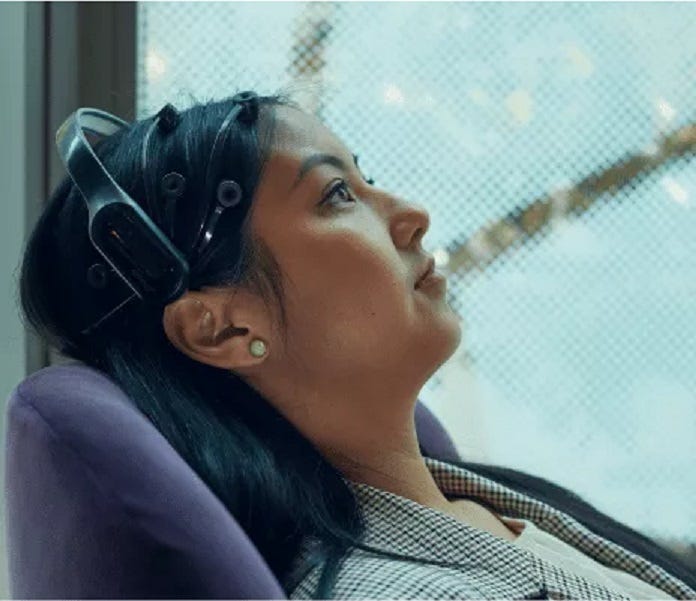
When we talk about "brainwave reading equipment," we're generally referring to devices that can measure the electrical activity happening in the brain. The most common and accessible technology for this is the electroencephalogram, or EEG. These devices use sensors, called electrodes, placed on the scalp to pick up the tiny electrical signals that our brain cells use to communicate. Think of it as listening in on the electrical conversations happening inside your head.
This technology isn't new, but it has become much more portable and user-friendly over the years. What once required a room full of equipment in a lab can now be achieved with a sleek, wireless headset. This has opened up a world of possibilities beyond the clinic, allowing researchers, developers, and curious individuals to explore brain activity in real-world settings. From academic studies to developing new brain-computer interfaces, EEG equipment is the key to understanding the brain's electrical rhythms.
The Basics of EEG Technology
So, how does an EEG actually work? It all starts with your brain cells, or neurons, which communicate with each other using tiny electrical impulses. An EEG test is designed to measure this collective activity. Small metal sensors (electrodes) are placed on your scalp, and they detect these faint electrical signals. Because the signals are so small, the headset contains an amplifier to make them stronger. This amplified data is then sent to a computer, where software can process it and display it as brainwave patterns. It’s a non-invasive way to get a direct look at brain function in real time.
Common Uses and Applications
The applications for EEG are incredibly diverse, spanning both clinical and consumer fields. In a medical setting, doctors use EEG to help diagnose and understand various brain conditions, from sleep disorders to the effects of head injuries. Beyond the clinic, EEG has become a powerful tool for academic research, allowing scientists to study everything from attention and emotion to learning processes. It's also a cornerstone of neurofeedback, a process where individuals can learn to influence their own brainwave activity, providing access to tools for cognitive wellness and performance.
Exploring Different Types of EEG Devices
When you start looking for EEG equipment, you’ll find that devices are often grouped into three main categories: consumer, research, and clinical. The lines between these can sometimes blur, but understanding the general distinctions will help you narrow down your search. The best type of device for you really depends on your goals. Are you a developer looking to build a brain-computer interface application, a researcher conducting a formal study, or a professional in a clinical setting? Each category is designed with a different user and purpose in mind, which is reflected in everything from the channel count and data quality to the software and, of course, the price. Let's break down what defines each category so you can find the right fit for your project and budget.
Consumer-Grade EEG Headsets
Consumer-grade headsets are the most accessible entry point into the world of EEG. These devices are designed for personal use, development, and general wellness applications. They typically feature a lower number of electrodes—usually between one and 14 channels—and are priced to be affordable for individuals, often under $1,000. You’ll find headsets in this category that are great for learning the basics of EEG, experimenting with BCI applications, or accessing cognitive wellness tools. While they may not offer the granular data needed for intensive academic studies, they provide a fantastic and low-cost way to start exploring brainwave data.
Research-Grade Devices
For academic studies, neuromarketing, or advanced product development, you’ll want to look at research-grade devices. These systems offer a significant step up in data quality and channel count, typically ranging from 7 to 64 channels. This category, which generally falls between $1,000 and $25,000, is where you’ll find the flexibility and power needed for serious academic research and education. Many of our Emotiv headsets, like the Epoc X and Flex, fit into this category. They are designed to provide the high-resolution, reliable data that researchers need while remaining portable and easy to use, bridging the gap between accessibility and scientific rigor.
Clinical and Medical Systems
At the highest end of the spectrum are clinical and medical EEG systems. These are the sophisticated machines you would find in a hospital or a specialized neurology clinic. Designed for diagnosing and observing medical conditions, these systems are built to meet stringent medical standards. They often feature a very high number of channels and come with advanced software for detailed clinical analysis. As you might expect, this level of precision comes with a premium price tag, often starting at $20,000 and going well into six figures. These systems are essential tools for healthcare professionals but are generally beyond the scope and needs of most researchers, developers, and personal users.
What Factors Affect EEG Equipment Pricing?
When you start looking at EEG devices, you’ll notice a wide range of prices, from a few hundred to tens of thousands of dollars. This isn't arbitrary; the cost is tied directly to the technology inside the headset and the capabilities it offers. Think of it like buying a camera: a simple point-and-shoot is great for everyday snaps, but a professional photographer needs a high-end DSLR with specialized lenses for gallery-quality work. Similarly, an EEG device for personal wellness practices will have different features and a different price tag than one designed for complex academic research.
The price of an EEG headset is determined by a combination of factors, including the number of sensors, the quality of the data it collects, the sophistication of its software, and its overall design. Understanding these elements will help you figure out which device is the right fit for your goals and your budget. Whether you're a developer building a brain-computer interface, a researcher studying cognitive states, or just curious about your own brain activity, knowing what drives the cost will make your decision much clearer. Let’s break down the four main factors that influence EEG equipment pricing.
Electrode and Channel Count
One of the most significant factors in an EEG headset's price is its channel count, which corresponds to the number of electrodes, or sensors, on the device. Each channel records electrical activity from a different location on the scalp. A device with more channels can gather data from more areas of the brain simultaneously, providing a more detailed and spatially accurate picture of brain activity. Headsets with fewer channels, like our 5-channel Insight, are excellent for everyday applications, while high-density devices like our 32-channel Flex are built for granular, research-grade analysis. Generally, the more channels a device has, the higher its cost will be.
Data Accuracy and Sampling Rate
Beyond the number of channels, the quality of the data itself is a crucial price driver. This comes down to factors like data accuracy and sampling rate. The sampling rate, measured in Hertz (Hz), is the number of times per second the device records a data point. A higher sampling rate captures brainwave activity in finer detail, which is essential for studying fast-occurring neural events. Accuracy is determined by the quality of the sensors and the internal electronics that minimize signal noise. Professional-grade devices are engineered for high-fidelity data collection, ensuring the signals you analyze are a clean and precise representation of brain activity, which is reflected in their price.
Software Capabilities
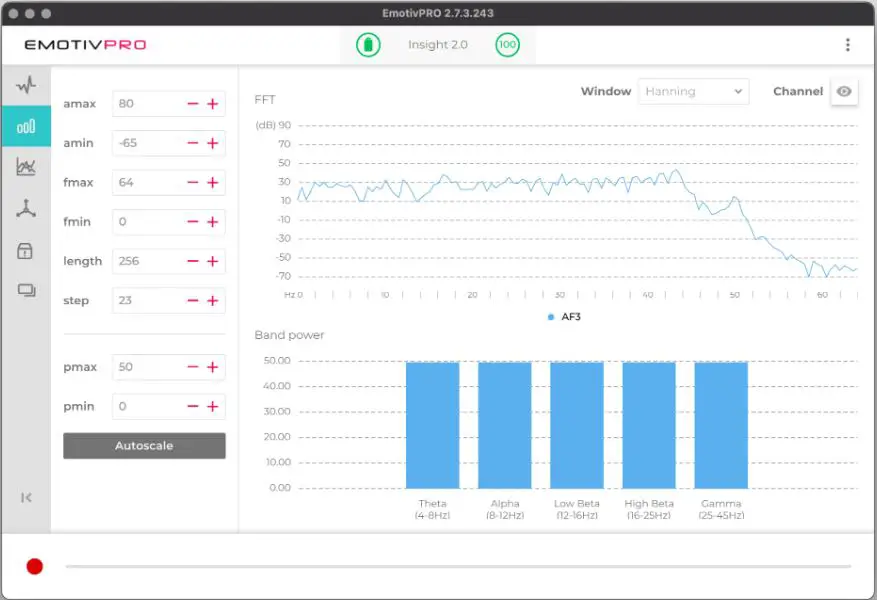
An EEG headset is only as powerful as the software that comes with it. The hardware gathers the raw data, but the software is what turns those signals into meaningful insights. The price of an EEG device often includes access to a specific software platform. Some platforms offer basic data visualization, while more advanced systems provide powerful tools for analysis, machine learning, and real-time data streaming. Our EmotivPRO software, for example, is designed for researchers who need to perform in-depth analysis and data exporting. The scope and sophistication of the accompanying software play a major role in the overall cost of the system.
Build Quality and Portability
Finally, the physical design and usability of the headset affect its price. Build quality encompasses the materials used, the comfort of the fit, and the durability of the device. Portability is another key consideration. Wireless headsets offer the freedom to move around during data collection, making them ideal for studies in more natural environments. The type of sensors also matters—saline-based sensors are often quicker to set up than traditional gel-based ones. Innovations that make a device more comfortable, portable, and easier to use, like our discreet MN8 earbuds, require advanced engineering and design, which can influence the final price.
EEG on a Budget: Devices Under $1,000
Getting started with EEG doesn't require a massive investment. If you're curious about brain-computer interfaces or want to explore cognitive wellness tools, there are several great options available for under $1,000. This price range is perfect for students, developers, and enthusiasts who want accessible hardware to begin their journey with brain data. These devices offer a low-risk entry point for experimenting with brainwave data and building foundational knowledge before committing to more advanced systems.
Emotiv Insight - 5 Channel EEG Headset
Our Emotiv Insight is a fantastic starting point in this category. It’s a 5-channel wireless headset designed for everyday use, offering a balance of performance and convenience. We created it to be a more consumer-friendly device, making it suitable for anyone interested in personal science and cognitive wellness applications. As one review noted, the Insight was designed as a "more consumer-friendly followup" to more complex equipment. It’s lightweight and provides clean data for a variety of applications, from wellness exercises to creative BCI projects.
Other Entry-Level Options
The market for consumer neurotechnology has grown, and you can find a variety of entry-level kits. The great news is that you don't need a lab-sized budget to start exploring. Research shows that "you can now get a basic unit for about $100," making the technology more accessible than ever. This has opened the door for more people to experiment with brain-computer interface technology and personal data analysis. These devices are often designed with simplicity in mind, making them a good fit for beginners or those focused on specific, non-clinical applications.
What to Expect at This Price Point
When looking at devices under $1,000, it's helpful to know what features are typical. These headsets usually have fewer electrodes, often between 1 and 14 channels. They are primarily designed for personal use, like exploring meditation states or understanding focus patterns. As one industry overview points out, "their use for serious research is limited" compared to higher-channel systems. However, they are powerful tools for education and software development. They provide a solid foundation for learning the fundamentals of EEG and building simple applications without the steep cost of more advanced systems.
Mid-Range EEG: Devices from $1,000 to $25,000
When you’re ready to move beyond entry-level devices, the mid-range category is where you’ll find a powerful balance of capability and cost. These devices, typically priced between $1,000 and $25,000, are often considered "research-grade" and are built for more demanding applications. You’ll see an increase in channel count, offering more detailed data, along with features like wireless connectivity and quicker setup times. This tier is perfect for academic labs, professional developers, and serious enthusiasts who need reliable, high-resolution data without investing in a full clinical system. Here are a couple of our solutions that fit right into this category.
Emotiv Epoc X - 14 Channel EEG Headset
Our Epoc X headset is a workhorse in this category, offering a fantastic blend of performance and accessibility. With 14 channels, it provides the high-resolution data needed for serious scientific inquiry, from neuroscience studies to neuromarketing research. The saline-based sensors make setup quick and easy—no sticky gels required—so you can get right to your research. It’s a portable and robust system designed to support a wide range of applications, whether you’re developing a new brain-computer interface or exploring cognitive performance metrics. The Epoc X is a go-to choice for university labs and commercial R&D teams around the world.
Emotiv MN8 - 2 Channel EEG Earbuds
For applications where discretion and comfort are paramount, our MN8 earbuds are a game-changer. These aren't your typical headphones; they house two EEG sensors in a familiar earbud design, making them incredibly easy to wear for long periods in real-world settings. While they have fewer channels, their strategic placement is designed for capturing key brain activity related to focus and attention. This makes the MN8 an excellent choice for anyone looking to access cognitive wellness tools or conduct studies outside of a traditional lab environment. The subtle form factor opens up new possibilities for gathering data during everyday activities without interruption.
Other Professional-Grade Options
As you explore the mid-range market, you'll find that devices become more specialized. Generally, a higher price tag in this bracket corresponds to a higher number of electrodes, ranging anywhere from 7 to 64 channels. More channels allow for greater spatial resolution, which is critical for pinpointing the source of brain activity. Many of these systems are wireless and offer advanced software for data analysis, like our EmotivPRO platform, which lets you view and analyze the raw EEG data stream in real time. This level of detail is essential for advanced academic research and the development of sophisticated BCI applications.
Premium EEG: Devices Over $25,000
When you move into the premium tier of EEG equipment, you’re entering the world of high-density, research-grade systems. These devices are the gold standard for academic and commercial labs conducting in-depth neuroscience studies. The main draw at this price point is the incredibly high channel count and exceptional signal quality, which allow for a much more detailed and granular look at brain activity. These systems are designed for researchers who need the most comprehensive data possible for their work, from complex brain-computer interface development to advanced clinical studies.
Emotiv Flex Saline - 32 Channel EEG Headset
The Emotiv Flex Saline is a powerful tool designed specifically for high-quality research applications. With 32 channels, it allows for incredibly detailed brainwave analysis across the entire scalp. What makes the Flex Saline a favorite among many neuroscientists is its combination of power and practicality. The saline-based sensors make setup quick and easy, so you can spend less time prepping and more time collecting data. This flexibility makes it a fantastic choice for a wide range of research settings, whether you're in a controlled lab environment or conducting studies that require more movement and a less cumbersome setup.
Emotiv Flex Gel - 32 Channel EEG Headset
Similar to its saline counterpart, the Emotiv Flex Gel also offers a robust 32-channel setup tailored for the most rigorous research environments. The key difference lies in the use of traditional EEG gel. While gel-based systems require a bit more cleanup, they are renowned for providing exceptionally high-quality signal acquisition. This is crucial for studies where the most accurate and stable brainwave readings are non-negotiable, especially during long recording sessions. For researchers who need to capture the cleanest possible data, the Flex Gel provides the reliability and precision required for groundbreaking work.
Other High-End Research Systems
Beyond our Flex headsets, the high-end EEG market includes systems built for the most demanding clinical and research settings. These devices often feature a massive number of electrodes, sometimes ranging from 32 all the way up to 256 channels. As noted in an overview of EEG devices, these advanced capabilities allow for extremely detailed brain signal detection. This level of detail is invaluable for comprehensive neuroscience studies, making these systems a cornerstone of modern brain research. They represent a significant investment, but for labs pushing the boundaries of what we know about the brain, the data they provide is essential.
Key Features to Compare
When you’re looking at different EEG devices, the price tag is just one piece of the puzzle. To find the right equipment for your needs, you’ll want to compare a few key features. The hardware's design, how it connects, and the software it runs on are all crucial factors that influence not only the price but also the quality of your experience and data. Thinking through these points will help you make a confident choice that aligns with your project goals and budget.
Electrode Count and Placement
Electrodes are the small sensors that make contact with your scalp to detect the brain's electrical activity. The number of electrodes on a headset, often called channels, directly impacts the level of detail you can capture. Devices with more channels can measure activity from more areas of the brain simultaneously, providing a richer, more comprehensive dataset. This is why you’ll see high-density headsets used in academic research. For general applications or brain-computer interface projects, a device with fewer channels might be perfectly suitable. Generally, as the electrode count increases, so does the price.
Comfort and Setup
If you plan on wearing your EEG device for extended periods, comfort is non-negotiable. Look for features like an ergonomic design, flexible sensor arms, and a lightweight build. The setup process is another important consideration. Some headsets use saline-based sensors that are quick to prepare—just soak and pop them in. Others use a conductive gel, which can take longer to apply but may offer a stronger signal connection for certain types of research. Our Insight headset, for example, is designed with semi-dry polymer sensors for a fast and comfortable setup, making it great for everyday use.
Battery Life and Connectivity
You don’t want your device to die in the middle of an important session. Battery life is a critical feature, especially for studies that run for several hours or for use on the go. Check the product specifications for the expected battery life and what kind of battery it uses. Connectivity is just as important. Most modern EEG devices use Bluetooth to connect wirelessly to a computer or mobile device. A stable, reliable connection ensures that your data streams smoothly without interruption. The Epoc X headset offers up to 12 hours of battery life, giving you plenty of time for your work.
Software and Analysis Tools
The hardware gathers the brain data, but the software is what turns those signals into meaningful insights. When choosing a device, look at the accompanying software ecosystem. Does it offer applications for your specific interests, like access to cognitive wellness tools or brain-computer interfaces? For researchers, a powerful analysis platform is essential. Our EmotivPRO software, for instance, lets you view and analyze raw EEG data in real time, perform frequency analysis, and see performance metrics. The right software makes all the difference in what you can achieve with your EEG data.
Where to Find the Best Deals
Finding the right EEG equipment for your budget doesn't have to be a scavenger hunt. Whether you're buying your first consumer device or outfitting a research lab, there are several avenues you can explore to find a good price. The key is knowing where to look and what to look for. From major online retailers to specialized academic programs and even the second-hand market, you have options. Let’s walk through the best places to find deals and what you should keep in mind for each.
Online Stores and Retailers
For those just starting to explore brain-computer interfaces, major online marketplaces can be a good place to begin your search. You can find a variety of brainwave-sensing headbands on sites like Amazon, many of which are designed for meditation or basic neurofeedback exercises. While these can be an accessible entry point, they often have limited channels and software capabilities. For more advanced applications in research or development, it’s usually best to purchase directly from the manufacturer. This ensures you receive full technical support, warranty coverage, and access to the most up-to-date software suites, like our EmotivPRO platform.
Academic and Research Discounts
High-quality EEG equipment is an investment, and we understand that budgets can be a major consideration for educational institutions and non-commercial research projects. That’s why many manufacturers, including Emotiv, offer special pricing for students, university faculty, and researchers. These programs are designed to make professional-grade tools more accessible for the academic community. If you’re affiliated with a university or research institution, it’s always worth checking a company’s website or contacting their sales department to ask about available academic and research discounts. This can be a great way to acquire more advanced multi-channel systems for your work without stretching your budget too thin.
Considering Used Equipment
Purchasing used EEG equipment can be a cost-effective way to get your hands on powerful hardware, but it requires careful consideration. You can sometimes find pre-owned systems on specialized marketplaces for used lab equipment. While the savings can be significant, especially for high-end clinical devices, there are risks involved. It’s crucial to buy from a reputable seller and verify the condition of the device. Be sure to ask about the warranty, check for any physical damage, and confirm that the hardware is still compatible with current software. An older device might not be able to run the analysis tools you need, so a little extra diligence upfront can save you a major headache later.
How to Choose the Right EEG for Your Budget
Finding the right EEG device feels a lot like buying a car. You’re not just looking at the sticker price; you’re looking for the model that fits your lifestyle, your goals, and your budget. The flashiest sports car isn't practical for a family of five, and a simple sedan won't cut it on the racetrack. Similarly, the most expensive EEG system isn’t always the best one for you, and an entry-level device might not have the features you need for the road ahead. The key is to find that sweet spot, balancing cost with capability.
This is about making a smart investment in your work. Whether you're a student just starting your first academic research project, a developer building the next great BCI application, or a seasoned professional running a high-level lab, there's a device that's right for you. By thinking carefully about what you want to achieve, the total investment required over time, and the support you’ll have along the way, you can choose with confidence. This approach will help you find a device that’s a perfect match for your specific project, preventing buyer's remorse and setting you up for success.
Define Your Needs
Before you even look at a price tag, take a moment to map out exactly what you need. Your ideal EEG device depends entirely on your goals. Are you a developer looking to build applications with a brain-computer interface? Or are you a researcher who needs high-density data for a complex study? The answers to these questions will point you in the right direction. Consider factors like ease of use, portability, and the number of channels required. If you’re conducting studies out in the field, a portable headset like our Insight might be perfect. If your work demands granular data from specific brain regions, the 32-channel Flex is a more suitable choice. Being clear about your project’s requirements from the start is the single best way to ensure you invest in the right equipment.
Consider the Total Cost of Ownership
The initial purchase price of an EEG headset is only one part of the equation. To get a true sense of the investment, you need to consider the total cost of ownership. This includes any software subscriptions, like our powerful EmotivPRO analysis platform, as well as consumables like saline solution or electrode gels. It’s also wise to think about your potential future needs. While a lower-channel device might seem like a bargain now, will it meet your requirements a year from now? Sometimes, investing a bit more upfront in a more capable system can save you the cost and hassle of upgrading later. Thinking of it as a long-term partnership with your equipment gives you a much clearer picture of the overall cost.
Evaluate Support and Warranties
When you’re working with sophisticated technology, having a reliable support system is invaluable. Before you buy, look into the warranty, the availability of customer service, and the resources provided by the manufacturer. A solid warranty offers peace of mind, ensuring that your investment is protected against defects. Good customer support can save you hours of frustration if you run into a technical issue, which is especially critical for professionals working on time-sensitive neuromarketing or research projects. At Emotiv, we stand behind our products with a comprehensive warranty and a dedicated support team ready to help you. Having that backup means you can focus less on troubleshooting and more on what really matters: your work.
Related Articles
Frequently Asked Questions
How many channels do I actually need? This really comes down to what you want to accomplish. If you're a developer building a brain-computer interface or you're interested in personal wellness applications, a device with fewer channels, like our 5-channel Insight, is often more than enough to get started. For serious academic research where you need to see activity across the entire brain with high spatial detail, you’ll want a device with a higher channel count, like our 32-channel Flex headset.
What's the difference between saline and gel sensors, and which is better for me? The main difference is the setup process and the type of connection they provide. Saline-based sensors, which we use in headsets like the Epoc X, are very quick to prepare—you just soak them in a saline solution. This makes them great for studies where you need to get set up quickly or for applications outside of a traditional lab. Gel-based sensors require applying a conductive gel to each electrode site. While this takes more time to apply and clean up, it can provide an exceptionally stable signal, which is ideal for long recording sessions where data quality is the absolute top priority.
Why is the software so important, and what can I do with it? The headset hardware is only half of the story; it collects the raw electrical signals from your brain. The software is what translates that raw data into something you can actually understand and use. Our software ecosystem is designed for different needs. For example, the Emotiv App provides access to cognitive wellness tools and lets you interact with BCI applications. For researchers, our EmotivPRO platform is a powerful tool that lets you view the raw data stream, perform detailed frequency analysis, and export your data for further study.
Can I use a consumer-grade headset for academic research? While it's possible to use a consumer-grade device for preliminary studies, educational purposes, or simple proof-of-concept projects, most peer-reviewed research requires the higher data quality and channel density of a research-grade system. Devices like our Epoc X and Flex are designed specifically for the demands of academic work, providing the reliable, high-resolution data that is necessary for publication and for drawing scientifically valid conclusions.
Are these headsets comfortable enough to wear for long periods or during daily activities? Comfort is a huge factor, especially if you plan on using a device for more than a few minutes at a time. We design our headsets to be as lightweight and ergonomic as possible. For studies or applications that require use in real-world environments, portability and discretion are key. Our MN8 earbuds, for example, are designed to be worn comfortably throughout the day, allowing you to gather data during normal activities without feeling like you're in a lab.
Have you ever wondered why one EEG headset costs $500 while another costs $15,000? The answer lies in the technology. The brainwave reading equipment price is determined by a combination of key factors: the number of electrodes, the accuracy of the data, the power of the software, and the overall design quality. Think of it like buying a camera; a simple point-and-shoot is perfect for casual photos, but a professional needs a high-end DSLR for gallery-quality work. In this guide, we’ll break down these technical specifications in simple, straightforward terms. You’ll learn exactly how channel count, sampling rate, and software capabilities impact performance and cost, empowering you to understand what you’re paying for and to choose a device with the right features for your specific needs.
Key Takeaways
Understand What Drives the Cost: An EEG device's price is determined by its features. The number of channels, data accuracy, software capabilities, and physical design are the main factors that influence the final cost.
Choose Your EEG Based on Your Project: Define your needs first to find the right fit. Consumer-grade devices are great for personal use and learning, while research-grade systems offer the high-resolution data required for academic studies or advanced BCI development.
Consider the Long-Term Investment: The initial price is just the beginning. Factor in the total cost, including software subscriptions and supplies, and evaluate the manufacturer's warranty and support to ensure you're making a smart, well-supported choice.
What is Brainwave Reading Equipment?
When we talk about "brainwave reading equipment," we're generally referring to devices that can measure the electrical activity happening in the brain. The most common and accessible technology for this is the electroencephalogram, or EEG. These devices use sensors, called electrodes, placed on the scalp to pick up the tiny electrical signals that our brain cells use to communicate. Think of it as listening in on the electrical conversations happening inside your head.
This technology isn't new, but it has become much more portable and user-friendly over the years. What once required a room full of equipment in a lab can now be achieved with a sleek, wireless headset. This has opened up a world of possibilities beyond the clinic, allowing researchers, developers, and curious individuals to explore brain activity in real-world settings. From academic studies to developing new brain-computer interfaces, EEG equipment is the key to understanding the brain's electrical rhythms.
The Basics of EEG Technology
So, how does an EEG actually work? It all starts with your brain cells, or neurons, which communicate with each other using tiny electrical impulses. An EEG test is designed to measure this collective activity. Small metal sensors (electrodes) are placed on your scalp, and they detect these faint electrical signals. Because the signals are so small, the headset contains an amplifier to make them stronger. This amplified data is then sent to a computer, where software can process it and display it as brainwave patterns. It’s a non-invasive way to get a direct look at brain function in real time.
Common Uses and Applications
The applications for EEG are incredibly diverse, spanning both clinical and consumer fields. In a medical setting, doctors use EEG to help diagnose and understand various brain conditions, from sleep disorders to the effects of head injuries. Beyond the clinic, EEG has become a powerful tool for academic research, allowing scientists to study everything from attention and emotion to learning processes. It's also a cornerstone of neurofeedback, a process where individuals can learn to influence their own brainwave activity, providing access to tools for cognitive wellness and performance.
Exploring Different Types of EEG Devices
When you start looking for EEG equipment, you’ll find that devices are often grouped into three main categories: consumer, research, and clinical. The lines between these can sometimes blur, but understanding the general distinctions will help you narrow down your search. The best type of device for you really depends on your goals. Are you a developer looking to build a brain-computer interface application, a researcher conducting a formal study, or a professional in a clinical setting? Each category is designed with a different user and purpose in mind, which is reflected in everything from the channel count and data quality to the software and, of course, the price. Let's break down what defines each category so you can find the right fit for your project and budget.
Consumer-Grade EEG Headsets
Consumer-grade headsets are the most accessible entry point into the world of EEG. These devices are designed for personal use, development, and general wellness applications. They typically feature a lower number of electrodes—usually between one and 14 channels—and are priced to be affordable for individuals, often under $1,000. You’ll find headsets in this category that are great for learning the basics of EEG, experimenting with BCI applications, or accessing cognitive wellness tools. While they may not offer the granular data needed for intensive academic studies, they provide a fantastic and low-cost way to start exploring brainwave data.
Research-Grade Devices
For academic studies, neuromarketing, or advanced product development, you’ll want to look at research-grade devices. These systems offer a significant step up in data quality and channel count, typically ranging from 7 to 64 channels. This category, which generally falls between $1,000 and $25,000, is where you’ll find the flexibility and power needed for serious academic research and education. Many of our Emotiv headsets, like the Epoc X and Flex, fit into this category. They are designed to provide the high-resolution, reliable data that researchers need while remaining portable and easy to use, bridging the gap between accessibility and scientific rigor.
Clinical and Medical Systems
At the highest end of the spectrum are clinical and medical EEG systems. These are the sophisticated machines you would find in a hospital or a specialized neurology clinic. Designed for diagnosing and observing medical conditions, these systems are built to meet stringent medical standards. They often feature a very high number of channels and come with advanced software for detailed clinical analysis. As you might expect, this level of precision comes with a premium price tag, often starting at $20,000 and going well into six figures. These systems are essential tools for healthcare professionals but are generally beyond the scope and needs of most researchers, developers, and personal users.
What Factors Affect EEG Equipment Pricing?
When you start looking at EEG devices, you’ll notice a wide range of prices, from a few hundred to tens of thousands of dollars. This isn't arbitrary; the cost is tied directly to the technology inside the headset and the capabilities it offers. Think of it like buying a camera: a simple point-and-shoot is great for everyday snaps, but a professional photographer needs a high-end DSLR with specialized lenses for gallery-quality work. Similarly, an EEG device for personal wellness practices will have different features and a different price tag than one designed for complex academic research.
The price of an EEG headset is determined by a combination of factors, including the number of sensors, the quality of the data it collects, the sophistication of its software, and its overall design. Understanding these elements will help you figure out which device is the right fit for your goals and your budget. Whether you're a developer building a brain-computer interface, a researcher studying cognitive states, or just curious about your own brain activity, knowing what drives the cost will make your decision much clearer. Let’s break down the four main factors that influence EEG equipment pricing.
Electrode and Channel Count
One of the most significant factors in an EEG headset's price is its channel count, which corresponds to the number of electrodes, or sensors, on the device. Each channel records electrical activity from a different location on the scalp. A device with more channels can gather data from more areas of the brain simultaneously, providing a more detailed and spatially accurate picture of brain activity. Headsets with fewer channels, like our 5-channel Insight, are excellent for everyday applications, while high-density devices like our 32-channel Flex are built for granular, research-grade analysis. Generally, the more channels a device has, the higher its cost will be.
Data Accuracy and Sampling Rate
Beyond the number of channels, the quality of the data itself is a crucial price driver. This comes down to factors like data accuracy and sampling rate. The sampling rate, measured in Hertz (Hz), is the number of times per second the device records a data point. A higher sampling rate captures brainwave activity in finer detail, which is essential for studying fast-occurring neural events. Accuracy is determined by the quality of the sensors and the internal electronics that minimize signal noise. Professional-grade devices are engineered for high-fidelity data collection, ensuring the signals you analyze are a clean and precise representation of brain activity, which is reflected in their price.
Software Capabilities
An EEG headset is only as powerful as the software that comes with it. The hardware gathers the raw data, but the software is what turns those signals into meaningful insights. The price of an EEG device often includes access to a specific software platform. Some platforms offer basic data visualization, while more advanced systems provide powerful tools for analysis, machine learning, and real-time data streaming. Our EmotivPRO software, for example, is designed for researchers who need to perform in-depth analysis and data exporting. The scope and sophistication of the accompanying software play a major role in the overall cost of the system.
Build Quality and Portability
Finally, the physical design and usability of the headset affect its price. Build quality encompasses the materials used, the comfort of the fit, and the durability of the device. Portability is another key consideration. Wireless headsets offer the freedom to move around during data collection, making them ideal for studies in more natural environments. The type of sensors also matters—saline-based sensors are often quicker to set up than traditional gel-based ones. Innovations that make a device more comfortable, portable, and easier to use, like our discreet MN8 earbuds, require advanced engineering and design, which can influence the final price.
EEG on a Budget: Devices Under $1,000
Getting started with EEG doesn't require a massive investment. If you're curious about brain-computer interfaces or want to explore cognitive wellness tools, there are several great options available for under $1,000. This price range is perfect for students, developers, and enthusiasts who want accessible hardware to begin their journey with brain data. These devices offer a low-risk entry point for experimenting with brainwave data and building foundational knowledge before committing to more advanced systems.
Emotiv Insight - 5 Channel EEG Headset
Our Emotiv Insight is a fantastic starting point in this category. It’s a 5-channel wireless headset designed for everyday use, offering a balance of performance and convenience. We created it to be a more consumer-friendly device, making it suitable for anyone interested in personal science and cognitive wellness applications. As one review noted, the Insight was designed as a "more consumer-friendly followup" to more complex equipment. It’s lightweight and provides clean data for a variety of applications, from wellness exercises to creative BCI projects.
Other Entry-Level Options
The market for consumer neurotechnology has grown, and you can find a variety of entry-level kits. The great news is that you don't need a lab-sized budget to start exploring. Research shows that "you can now get a basic unit for about $100," making the technology more accessible than ever. This has opened the door for more people to experiment with brain-computer interface technology and personal data analysis. These devices are often designed with simplicity in mind, making them a good fit for beginners or those focused on specific, non-clinical applications.
What to Expect at This Price Point
When looking at devices under $1,000, it's helpful to know what features are typical. These headsets usually have fewer electrodes, often between 1 and 14 channels. They are primarily designed for personal use, like exploring meditation states or understanding focus patterns. As one industry overview points out, "their use for serious research is limited" compared to higher-channel systems. However, they are powerful tools for education and software development. They provide a solid foundation for learning the fundamentals of EEG and building simple applications without the steep cost of more advanced systems.
Mid-Range EEG: Devices from $1,000 to $25,000
When you’re ready to move beyond entry-level devices, the mid-range category is where you’ll find a powerful balance of capability and cost. These devices, typically priced between $1,000 and $25,000, are often considered "research-grade" and are built for more demanding applications. You’ll see an increase in channel count, offering more detailed data, along with features like wireless connectivity and quicker setup times. This tier is perfect for academic labs, professional developers, and serious enthusiasts who need reliable, high-resolution data without investing in a full clinical system. Here are a couple of our solutions that fit right into this category.
Emotiv Epoc X - 14 Channel EEG Headset
Our Epoc X headset is a workhorse in this category, offering a fantastic blend of performance and accessibility. With 14 channels, it provides the high-resolution data needed for serious scientific inquiry, from neuroscience studies to neuromarketing research. The saline-based sensors make setup quick and easy—no sticky gels required—so you can get right to your research. It’s a portable and robust system designed to support a wide range of applications, whether you’re developing a new brain-computer interface or exploring cognitive performance metrics. The Epoc X is a go-to choice for university labs and commercial R&D teams around the world.
Emotiv MN8 - 2 Channel EEG Earbuds
For applications where discretion and comfort are paramount, our MN8 earbuds are a game-changer. These aren't your typical headphones; they house two EEG sensors in a familiar earbud design, making them incredibly easy to wear for long periods in real-world settings. While they have fewer channels, their strategic placement is designed for capturing key brain activity related to focus and attention. This makes the MN8 an excellent choice for anyone looking to access cognitive wellness tools or conduct studies outside of a traditional lab environment. The subtle form factor opens up new possibilities for gathering data during everyday activities without interruption.
Other Professional-Grade Options
As you explore the mid-range market, you'll find that devices become more specialized. Generally, a higher price tag in this bracket corresponds to a higher number of electrodes, ranging anywhere from 7 to 64 channels. More channels allow for greater spatial resolution, which is critical for pinpointing the source of brain activity. Many of these systems are wireless and offer advanced software for data analysis, like our EmotivPRO platform, which lets you view and analyze the raw EEG data stream in real time. This level of detail is essential for advanced academic research and the development of sophisticated BCI applications.
Premium EEG: Devices Over $25,000
When you move into the premium tier of EEG equipment, you’re entering the world of high-density, research-grade systems. These devices are the gold standard for academic and commercial labs conducting in-depth neuroscience studies. The main draw at this price point is the incredibly high channel count and exceptional signal quality, which allow for a much more detailed and granular look at brain activity. These systems are designed for researchers who need the most comprehensive data possible for their work, from complex brain-computer interface development to advanced clinical studies.
Emotiv Flex Saline - 32 Channel EEG Headset
The Emotiv Flex Saline is a powerful tool designed specifically for high-quality research applications. With 32 channels, it allows for incredibly detailed brainwave analysis across the entire scalp. What makes the Flex Saline a favorite among many neuroscientists is its combination of power and practicality. The saline-based sensors make setup quick and easy, so you can spend less time prepping and more time collecting data. This flexibility makes it a fantastic choice for a wide range of research settings, whether you're in a controlled lab environment or conducting studies that require more movement and a less cumbersome setup.
Emotiv Flex Gel - 32 Channel EEG Headset
Similar to its saline counterpart, the Emotiv Flex Gel also offers a robust 32-channel setup tailored for the most rigorous research environments. The key difference lies in the use of traditional EEG gel. While gel-based systems require a bit more cleanup, they are renowned for providing exceptionally high-quality signal acquisition. This is crucial for studies where the most accurate and stable brainwave readings are non-negotiable, especially during long recording sessions. For researchers who need to capture the cleanest possible data, the Flex Gel provides the reliability and precision required for groundbreaking work.
Other High-End Research Systems
Beyond our Flex headsets, the high-end EEG market includes systems built for the most demanding clinical and research settings. These devices often feature a massive number of electrodes, sometimes ranging from 32 all the way up to 256 channels. As noted in an overview of EEG devices, these advanced capabilities allow for extremely detailed brain signal detection. This level of detail is invaluable for comprehensive neuroscience studies, making these systems a cornerstone of modern brain research. They represent a significant investment, but for labs pushing the boundaries of what we know about the brain, the data they provide is essential.
Key Features to Compare
When you’re looking at different EEG devices, the price tag is just one piece of the puzzle. To find the right equipment for your needs, you’ll want to compare a few key features. The hardware's design, how it connects, and the software it runs on are all crucial factors that influence not only the price but also the quality of your experience and data. Thinking through these points will help you make a confident choice that aligns with your project goals and budget.
Electrode Count and Placement
Electrodes are the small sensors that make contact with your scalp to detect the brain's electrical activity. The number of electrodes on a headset, often called channels, directly impacts the level of detail you can capture. Devices with more channels can measure activity from more areas of the brain simultaneously, providing a richer, more comprehensive dataset. This is why you’ll see high-density headsets used in academic research. For general applications or brain-computer interface projects, a device with fewer channels might be perfectly suitable. Generally, as the electrode count increases, so does the price.
Comfort and Setup
If you plan on wearing your EEG device for extended periods, comfort is non-negotiable. Look for features like an ergonomic design, flexible sensor arms, and a lightweight build. The setup process is another important consideration. Some headsets use saline-based sensors that are quick to prepare—just soak and pop them in. Others use a conductive gel, which can take longer to apply but may offer a stronger signal connection for certain types of research. Our Insight headset, for example, is designed with semi-dry polymer sensors for a fast and comfortable setup, making it great for everyday use.
Battery Life and Connectivity
You don’t want your device to die in the middle of an important session. Battery life is a critical feature, especially for studies that run for several hours or for use on the go. Check the product specifications for the expected battery life and what kind of battery it uses. Connectivity is just as important. Most modern EEG devices use Bluetooth to connect wirelessly to a computer or mobile device. A stable, reliable connection ensures that your data streams smoothly without interruption. The Epoc X headset offers up to 12 hours of battery life, giving you plenty of time for your work.
Software and Analysis Tools
The hardware gathers the brain data, but the software is what turns those signals into meaningful insights. When choosing a device, look at the accompanying software ecosystem. Does it offer applications for your specific interests, like access to cognitive wellness tools or brain-computer interfaces? For researchers, a powerful analysis platform is essential. Our EmotivPRO software, for instance, lets you view and analyze raw EEG data in real time, perform frequency analysis, and see performance metrics. The right software makes all the difference in what you can achieve with your EEG data.
Where to Find the Best Deals
Finding the right EEG equipment for your budget doesn't have to be a scavenger hunt. Whether you're buying your first consumer device or outfitting a research lab, there are several avenues you can explore to find a good price. The key is knowing where to look and what to look for. From major online retailers to specialized academic programs and even the second-hand market, you have options. Let’s walk through the best places to find deals and what you should keep in mind for each.
Online Stores and Retailers
For those just starting to explore brain-computer interfaces, major online marketplaces can be a good place to begin your search. You can find a variety of brainwave-sensing headbands on sites like Amazon, many of which are designed for meditation or basic neurofeedback exercises. While these can be an accessible entry point, they often have limited channels and software capabilities. For more advanced applications in research or development, it’s usually best to purchase directly from the manufacturer. This ensures you receive full technical support, warranty coverage, and access to the most up-to-date software suites, like our EmotivPRO platform.
Academic and Research Discounts
High-quality EEG equipment is an investment, and we understand that budgets can be a major consideration for educational institutions and non-commercial research projects. That’s why many manufacturers, including Emotiv, offer special pricing for students, university faculty, and researchers. These programs are designed to make professional-grade tools more accessible for the academic community. If you’re affiliated with a university or research institution, it’s always worth checking a company’s website or contacting their sales department to ask about available academic and research discounts. This can be a great way to acquire more advanced multi-channel systems for your work without stretching your budget too thin.
Considering Used Equipment
Purchasing used EEG equipment can be a cost-effective way to get your hands on powerful hardware, but it requires careful consideration. You can sometimes find pre-owned systems on specialized marketplaces for used lab equipment. While the savings can be significant, especially for high-end clinical devices, there are risks involved. It’s crucial to buy from a reputable seller and verify the condition of the device. Be sure to ask about the warranty, check for any physical damage, and confirm that the hardware is still compatible with current software. An older device might not be able to run the analysis tools you need, so a little extra diligence upfront can save you a major headache later.
How to Choose the Right EEG for Your Budget
Finding the right EEG device feels a lot like buying a car. You’re not just looking at the sticker price; you’re looking for the model that fits your lifestyle, your goals, and your budget. The flashiest sports car isn't practical for a family of five, and a simple sedan won't cut it on the racetrack. Similarly, the most expensive EEG system isn’t always the best one for you, and an entry-level device might not have the features you need for the road ahead. The key is to find that sweet spot, balancing cost with capability.
This is about making a smart investment in your work. Whether you're a student just starting your first academic research project, a developer building the next great BCI application, or a seasoned professional running a high-level lab, there's a device that's right for you. By thinking carefully about what you want to achieve, the total investment required over time, and the support you’ll have along the way, you can choose with confidence. This approach will help you find a device that’s a perfect match for your specific project, preventing buyer's remorse and setting you up for success.
Define Your Needs
Before you even look at a price tag, take a moment to map out exactly what you need. Your ideal EEG device depends entirely on your goals. Are you a developer looking to build applications with a brain-computer interface? Or are you a researcher who needs high-density data for a complex study? The answers to these questions will point you in the right direction. Consider factors like ease of use, portability, and the number of channels required. If you’re conducting studies out in the field, a portable headset like our Insight might be perfect. If your work demands granular data from specific brain regions, the 32-channel Flex is a more suitable choice. Being clear about your project’s requirements from the start is the single best way to ensure you invest in the right equipment.
Consider the Total Cost of Ownership
The initial purchase price of an EEG headset is only one part of the equation. To get a true sense of the investment, you need to consider the total cost of ownership. This includes any software subscriptions, like our powerful EmotivPRO analysis platform, as well as consumables like saline solution or electrode gels. It’s also wise to think about your potential future needs. While a lower-channel device might seem like a bargain now, will it meet your requirements a year from now? Sometimes, investing a bit more upfront in a more capable system can save you the cost and hassle of upgrading later. Thinking of it as a long-term partnership with your equipment gives you a much clearer picture of the overall cost.
Evaluate Support and Warranties
When you’re working with sophisticated technology, having a reliable support system is invaluable. Before you buy, look into the warranty, the availability of customer service, and the resources provided by the manufacturer. A solid warranty offers peace of mind, ensuring that your investment is protected against defects. Good customer support can save you hours of frustration if you run into a technical issue, which is especially critical for professionals working on time-sensitive neuromarketing or research projects. At Emotiv, we stand behind our products with a comprehensive warranty and a dedicated support team ready to help you. Having that backup means you can focus less on troubleshooting and more on what really matters: your work.
Related Articles
Frequently Asked Questions
How many channels do I actually need? This really comes down to what you want to accomplish. If you're a developer building a brain-computer interface or you're interested in personal wellness applications, a device with fewer channels, like our 5-channel Insight, is often more than enough to get started. For serious academic research where you need to see activity across the entire brain with high spatial detail, you’ll want a device with a higher channel count, like our 32-channel Flex headset.
What's the difference between saline and gel sensors, and which is better for me? The main difference is the setup process and the type of connection they provide. Saline-based sensors, which we use in headsets like the Epoc X, are very quick to prepare—you just soak them in a saline solution. This makes them great for studies where you need to get set up quickly or for applications outside of a traditional lab. Gel-based sensors require applying a conductive gel to each electrode site. While this takes more time to apply and clean up, it can provide an exceptionally stable signal, which is ideal for long recording sessions where data quality is the absolute top priority.
Why is the software so important, and what can I do with it? The headset hardware is only half of the story; it collects the raw electrical signals from your brain. The software is what translates that raw data into something you can actually understand and use. Our software ecosystem is designed for different needs. For example, the Emotiv App provides access to cognitive wellness tools and lets you interact with BCI applications. For researchers, our EmotivPRO platform is a powerful tool that lets you view the raw data stream, perform detailed frequency analysis, and export your data for further study.
Can I use a consumer-grade headset for academic research? While it's possible to use a consumer-grade device for preliminary studies, educational purposes, or simple proof-of-concept projects, most peer-reviewed research requires the higher data quality and channel density of a research-grade system. Devices like our Epoc X and Flex are designed specifically for the demands of academic work, providing the reliable, high-resolution data that is necessary for publication and for drawing scientifically valid conclusions.
Are these headsets comfortable enough to wear for long periods or during daily activities? Comfort is a huge factor, especially if you plan on using a device for more than a few minutes at a time. We design our headsets to be as lightweight and ergonomic as possible. For studies or applications that require use in real-world environments, portability and discretion are key. Our MN8 earbuds, for example, are designed to be worn comfortably throughout the day, allowing you to gather data during normal activities without feeling like you're in a lab.
Have you ever wondered why one EEG headset costs $500 while another costs $15,000? The answer lies in the technology. The brainwave reading equipment price is determined by a combination of key factors: the number of electrodes, the accuracy of the data, the power of the software, and the overall design quality. Think of it like buying a camera; a simple point-and-shoot is perfect for casual photos, but a professional needs a high-end DSLR for gallery-quality work. In this guide, we’ll break down these technical specifications in simple, straightforward terms. You’ll learn exactly how channel count, sampling rate, and software capabilities impact performance and cost, empowering you to understand what you’re paying for and to choose a device with the right features for your specific needs.
Key Takeaways
Understand What Drives the Cost: An EEG device's price is determined by its features. The number of channels, data accuracy, software capabilities, and physical design are the main factors that influence the final cost.
Choose Your EEG Based on Your Project: Define your needs first to find the right fit. Consumer-grade devices are great for personal use and learning, while research-grade systems offer the high-resolution data required for academic studies or advanced BCI development.
Consider the Long-Term Investment: The initial price is just the beginning. Factor in the total cost, including software subscriptions and supplies, and evaluate the manufacturer's warranty and support to ensure you're making a smart, well-supported choice.
What is Brainwave Reading Equipment?
When we talk about "brainwave reading equipment," we're generally referring to devices that can measure the electrical activity happening in the brain. The most common and accessible technology for this is the electroencephalogram, or EEG. These devices use sensors, called electrodes, placed on the scalp to pick up the tiny electrical signals that our brain cells use to communicate. Think of it as listening in on the electrical conversations happening inside your head.
This technology isn't new, but it has become much more portable and user-friendly over the years. What once required a room full of equipment in a lab can now be achieved with a sleek, wireless headset. This has opened up a world of possibilities beyond the clinic, allowing researchers, developers, and curious individuals to explore brain activity in real-world settings. From academic studies to developing new brain-computer interfaces, EEG equipment is the key to understanding the brain's electrical rhythms.
The Basics of EEG Technology
So, how does an EEG actually work? It all starts with your brain cells, or neurons, which communicate with each other using tiny electrical impulses. An EEG test is designed to measure this collective activity. Small metal sensors (electrodes) are placed on your scalp, and they detect these faint electrical signals. Because the signals are so small, the headset contains an amplifier to make them stronger. This amplified data is then sent to a computer, where software can process it and display it as brainwave patterns. It’s a non-invasive way to get a direct look at brain function in real time.
Common Uses and Applications
The applications for EEG are incredibly diverse, spanning both clinical and consumer fields. In a medical setting, doctors use EEG to help diagnose and understand various brain conditions, from sleep disorders to the effects of head injuries. Beyond the clinic, EEG has become a powerful tool for academic research, allowing scientists to study everything from attention and emotion to learning processes. It's also a cornerstone of neurofeedback, a process where individuals can learn to influence their own brainwave activity, providing access to tools for cognitive wellness and performance.
Exploring Different Types of EEG Devices
When you start looking for EEG equipment, you’ll find that devices are often grouped into three main categories: consumer, research, and clinical. The lines between these can sometimes blur, but understanding the general distinctions will help you narrow down your search. The best type of device for you really depends on your goals. Are you a developer looking to build a brain-computer interface application, a researcher conducting a formal study, or a professional in a clinical setting? Each category is designed with a different user and purpose in mind, which is reflected in everything from the channel count and data quality to the software and, of course, the price. Let's break down what defines each category so you can find the right fit for your project and budget.
Consumer-Grade EEG Headsets
Consumer-grade headsets are the most accessible entry point into the world of EEG. These devices are designed for personal use, development, and general wellness applications. They typically feature a lower number of electrodes—usually between one and 14 channels—and are priced to be affordable for individuals, often under $1,000. You’ll find headsets in this category that are great for learning the basics of EEG, experimenting with BCI applications, or accessing cognitive wellness tools. While they may not offer the granular data needed for intensive academic studies, they provide a fantastic and low-cost way to start exploring brainwave data.
Research-Grade Devices
For academic studies, neuromarketing, or advanced product development, you’ll want to look at research-grade devices. These systems offer a significant step up in data quality and channel count, typically ranging from 7 to 64 channels. This category, which generally falls between $1,000 and $25,000, is where you’ll find the flexibility and power needed for serious academic research and education. Many of our Emotiv headsets, like the Epoc X and Flex, fit into this category. They are designed to provide the high-resolution, reliable data that researchers need while remaining portable and easy to use, bridging the gap between accessibility and scientific rigor.
Clinical and Medical Systems
At the highest end of the spectrum are clinical and medical EEG systems. These are the sophisticated machines you would find in a hospital or a specialized neurology clinic. Designed for diagnosing and observing medical conditions, these systems are built to meet stringent medical standards. They often feature a very high number of channels and come with advanced software for detailed clinical analysis. As you might expect, this level of precision comes with a premium price tag, often starting at $20,000 and going well into six figures. These systems are essential tools for healthcare professionals but are generally beyond the scope and needs of most researchers, developers, and personal users.
What Factors Affect EEG Equipment Pricing?
When you start looking at EEG devices, you’ll notice a wide range of prices, from a few hundred to tens of thousands of dollars. This isn't arbitrary; the cost is tied directly to the technology inside the headset and the capabilities it offers. Think of it like buying a camera: a simple point-and-shoot is great for everyday snaps, but a professional photographer needs a high-end DSLR with specialized lenses for gallery-quality work. Similarly, an EEG device for personal wellness practices will have different features and a different price tag than one designed for complex academic research.
The price of an EEG headset is determined by a combination of factors, including the number of sensors, the quality of the data it collects, the sophistication of its software, and its overall design. Understanding these elements will help you figure out which device is the right fit for your goals and your budget. Whether you're a developer building a brain-computer interface, a researcher studying cognitive states, or just curious about your own brain activity, knowing what drives the cost will make your decision much clearer. Let’s break down the four main factors that influence EEG equipment pricing.
Electrode and Channel Count
One of the most significant factors in an EEG headset's price is its channel count, which corresponds to the number of electrodes, or sensors, on the device. Each channel records electrical activity from a different location on the scalp. A device with more channels can gather data from more areas of the brain simultaneously, providing a more detailed and spatially accurate picture of brain activity. Headsets with fewer channels, like our 5-channel Insight, are excellent for everyday applications, while high-density devices like our 32-channel Flex are built for granular, research-grade analysis. Generally, the more channels a device has, the higher its cost will be.
Data Accuracy and Sampling Rate
Beyond the number of channels, the quality of the data itself is a crucial price driver. This comes down to factors like data accuracy and sampling rate. The sampling rate, measured in Hertz (Hz), is the number of times per second the device records a data point. A higher sampling rate captures brainwave activity in finer detail, which is essential for studying fast-occurring neural events. Accuracy is determined by the quality of the sensors and the internal electronics that minimize signal noise. Professional-grade devices are engineered for high-fidelity data collection, ensuring the signals you analyze are a clean and precise representation of brain activity, which is reflected in their price.
Software Capabilities
An EEG headset is only as powerful as the software that comes with it. The hardware gathers the raw data, but the software is what turns those signals into meaningful insights. The price of an EEG device often includes access to a specific software platform. Some platforms offer basic data visualization, while more advanced systems provide powerful tools for analysis, machine learning, and real-time data streaming. Our EmotivPRO software, for example, is designed for researchers who need to perform in-depth analysis and data exporting. The scope and sophistication of the accompanying software play a major role in the overall cost of the system.
Build Quality and Portability
Finally, the physical design and usability of the headset affect its price. Build quality encompasses the materials used, the comfort of the fit, and the durability of the device. Portability is another key consideration. Wireless headsets offer the freedom to move around during data collection, making them ideal for studies in more natural environments. The type of sensors also matters—saline-based sensors are often quicker to set up than traditional gel-based ones. Innovations that make a device more comfortable, portable, and easier to use, like our discreet MN8 earbuds, require advanced engineering and design, which can influence the final price.
EEG on a Budget: Devices Under $1,000
Getting started with EEG doesn't require a massive investment. If you're curious about brain-computer interfaces or want to explore cognitive wellness tools, there are several great options available for under $1,000. This price range is perfect for students, developers, and enthusiasts who want accessible hardware to begin their journey with brain data. These devices offer a low-risk entry point for experimenting with brainwave data and building foundational knowledge before committing to more advanced systems.
Emotiv Insight - 5 Channel EEG Headset
Our Emotiv Insight is a fantastic starting point in this category. It’s a 5-channel wireless headset designed for everyday use, offering a balance of performance and convenience. We created it to be a more consumer-friendly device, making it suitable for anyone interested in personal science and cognitive wellness applications. As one review noted, the Insight was designed as a "more consumer-friendly followup" to more complex equipment. It’s lightweight and provides clean data for a variety of applications, from wellness exercises to creative BCI projects.
Other Entry-Level Options
The market for consumer neurotechnology has grown, and you can find a variety of entry-level kits. The great news is that you don't need a lab-sized budget to start exploring. Research shows that "you can now get a basic unit for about $100," making the technology more accessible than ever. This has opened the door for more people to experiment with brain-computer interface technology and personal data analysis. These devices are often designed with simplicity in mind, making them a good fit for beginners or those focused on specific, non-clinical applications.
What to Expect at This Price Point
When looking at devices under $1,000, it's helpful to know what features are typical. These headsets usually have fewer electrodes, often between 1 and 14 channels. They are primarily designed for personal use, like exploring meditation states or understanding focus patterns. As one industry overview points out, "their use for serious research is limited" compared to higher-channel systems. However, they are powerful tools for education and software development. They provide a solid foundation for learning the fundamentals of EEG and building simple applications without the steep cost of more advanced systems.
Mid-Range EEG: Devices from $1,000 to $25,000
When you’re ready to move beyond entry-level devices, the mid-range category is where you’ll find a powerful balance of capability and cost. These devices, typically priced between $1,000 and $25,000, are often considered "research-grade" and are built for more demanding applications. You’ll see an increase in channel count, offering more detailed data, along with features like wireless connectivity and quicker setup times. This tier is perfect for academic labs, professional developers, and serious enthusiasts who need reliable, high-resolution data without investing in a full clinical system. Here are a couple of our solutions that fit right into this category.
Emotiv Epoc X - 14 Channel EEG Headset
Our Epoc X headset is a workhorse in this category, offering a fantastic blend of performance and accessibility. With 14 channels, it provides the high-resolution data needed for serious scientific inquiry, from neuroscience studies to neuromarketing research. The saline-based sensors make setup quick and easy—no sticky gels required—so you can get right to your research. It’s a portable and robust system designed to support a wide range of applications, whether you’re developing a new brain-computer interface or exploring cognitive performance metrics. The Epoc X is a go-to choice for university labs and commercial R&D teams around the world.
Emotiv MN8 - 2 Channel EEG Earbuds
For applications where discretion and comfort are paramount, our MN8 earbuds are a game-changer. These aren't your typical headphones; they house two EEG sensors in a familiar earbud design, making them incredibly easy to wear for long periods in real-world settings. While they have fewer channels, their strategic placement is designed for capturing key brain activity related to focus and attention. This makes the MN8 an excellent choice for anyone looking to access cognitive wellness tools or conduct studies outside of a traditional lab environment. The subtle form factor opens up new possibilities for gathering data during everyday activities without interruption.
Other Professional-Grade Options
As you explore the mid-range market, you'll find that devices become more specialized. Generally, a higher price tag in this bracket corresponds to a higher number of electrodes, ranging anywhere from 7 to 64 channels. More channels allow for greater spatial resolution, which is critical for pinpointing the source of brain activity. Many of these systems are wireless and offer advanced software for data analysis, like our EmotivPRO platform, which lets you view and analyze the raw EEG data stream in real time. This level of detail is essential for advanced academic research and the development of sophisticated BCI applications.
Premium EEG: Devices Over $25,000
When you move into the premium tier of EEG equipment, you’re entering the world of high-density, research-grade systems. These devices are the gold standard for academic and commercial labs conducting in-depth neuroscience studies. The main draw at this price point is the incredibly high channel count and exceptional signal quality, which allow for a much more detailed and granular look at brain activity. These systems are designed for researchers who need the most comprehensive data possible for their work, from complex brain-computer interface development to advanced clinical studies.
Emotiv Flex Saline - 32 Channel EEG Headset
The Emotiv Flex Saline is a powerful tool designed specifically for high-quality research applications. With 32 channels, it allows for incredibly detailed brainwave analysis across the entire scalp. What makes the Flex Saline a favorite among many neuroscientists is its combination of power and practicality. The saline-based sensors make setup quick and easy, so you can spend less time prepping and more time collecting data. This flexibility makes it a fantastic choice for a wide range of research settings, whether you're in a controlled lab environment or conducting studies that require more movement and a less cumbersome setup.
Emotiv Flex Gel - 32 Channel EEG Headset
Similar to its saline counterpart, the Emotiv Flex Gel also offers a robust 32-channel setup tailored for the most rigorous research environments. The key difference lies in the use of traditional EEG gel. While gel-based systems require a bit more cleanup, they are renowned for providing exceptionally high-quality signal acquisition. This is crucial for studies where the most accurate and stable brainwave readings are non-negotiable, especially during long recording sessions. For researchers who need to capture the cleanest possible data, the Flex Gel provides the reliability and precision required for groundbreaking work.
Other High-End Research Systems
Beyond our Flex headsets, the high-end EEG market includes systems built for the most demanding clinical and research settings. These devices often feature a massive number of electrodes, sometimes ranging from 32 all the way up to 256 channels. As noted in an overview of EEG devices, these advanced capabilities allow for extremely detailed brain signal detection. This level of detail is invaluable for comprehensive neuroscience studies, making these systems a cornerstone of modern brain research. They represent a significant investment, but for labs pushing the boundaries of what we know about the brain, the data they provide is essential.
Key Features to Compare
When you’re looking at different EEG devices, the price tag is just one piece of the puzzle. To find the right equipment for your needs, you’ll want to compare a few key features. The hardware's design, how it connects, and the software it runs on are all crucial factors that influence not only the price but also the quality of your experience and data. Thinking through these points will help you make a confident choice that aligns with your project goals and budget.
Electrode Count and Placement
Electrodes are the small sensors that make contact with your scalp to detect the brain's electrical activity. The number of electrodes on a headset, often called channels, directly impacts the level of detail you can capture. Devices with more channels can measure activity from more areas of the brain simultaneously, providing a richer, more comprehensive dataset. This is why you’ll see high-density headsets used in academic research. For general applications or brain-computer interface projects, a device with fewer channels might be perfectly suitable. Generally, as the electrode count increases, so does the price.
Comfort and Setup
If you plan on wearing your EEG device for extended periods, comfort is non-negotiable. Look for features like an ergonomic design, flexible sensor arms, and a lightweight build. The setup process is another important consideration. Some headsets use saline-based sensors that are quick to prepare—just soak and pop them in. Others use a conductive gel, which can take longer to apply but may offer a stronger signal connection for certain types of research. Our Insight headset, for example, is designed with semi-dry polymer sensors for a fast and comfortable setup, making it great for everyday use.
Battery Life and Connectivity
You don’t want your device to die in the middle of an important session. Battery life is a critical feature, especially for studies that run for several hours or for use on the go. Check the product specifications for the expected battery life and what kind of battery it uses. Connectivity is just as important. Most modern EEG devices use Bluetooth to connect wirelessly to a computer or mobile device. A stable, reliable connection ensures that your data streams smoothly without interruption. The Epoc X headset offers up to 12 hours of battery life, giving you plenty of time for your work.
Software and Analysis Tools
The hardware gathers the brain data, but the software is what turns those signals into meaningful insights. When choosing a device, look at the accompanying software ecosystem. Does it offer applications for your specific interests, like access to cognitive wellness tools or brain-computer interfaces? For researchers, a powerful analysis platform is essential. Our EmotivPRO software, for instance, lets you view and analyze raw EEG data in real time, perform frequency analysis, and see performance metrics. The right software makes all the difference in what you can achieve with your EEG data.
Where to Find the Best Deals
Finding the right EEG equipment for your budget doesn't have to be a scavenger hunt. Whether you're buying your first consumer device or outfitting a research lab, there are several avenues you can explore to find a good price. The key is knowing where to look and what to look for. From major online retailers to specialized academic programs and even the second-hand market, you have options. Let’s walk through the best places to find deals and what you should keep in mind for each.
Online Stores and Retailers
For those just starting to explore brain-computer interfaces, major online marketplaces can be a good place to begin your search. You can find a variety of brainwave-sensing headbands on sites like Amazon, many of which are designed for meditation or basic neurofeedback exercises. While these can be an accessible entry point, they often have limited channels and software capabilities. For more advanced applications in research or development, it’s usually best to purchase directly from the manufacturer. This ensures you receive full technical support, warranty coverage, and access to the most up-to-date software suites, like our EmotivPRO platform.
Academic and Research Discounts
High-quality EEG equipment is an investment, and we understand that budgets can be a major consideration for educational institutions and non-commercial research projects. That’s why many manufacturers, including Emotiv, offer special pricing for students, university faculty, and researchers. These programs are designed to make professional-grade tools more accessible for the academic community. If you’re affiliated with a university or research institution, it’s always worth checking a company’s website or contacting their sales department to ask about available academic and research discounts. This can be a great way to acquire more advanced multi-channel systems for your work without stretching your budget too thin.
Considering Used Equipment
Purchasing used EEG equipment can be a cost-effective way to get your hands on powerful hardware, but it requires careful consideration. You can sometimes find pre-owned systems on specialized marketplaces for used lab equipment. While the savings can be significant, especially for high-end clinical devices, there are risks involved. It’s crucial to buy from a reputable seller and verify the condition of the device. Be sure to ask about the warranty, check for any physical damage, and confirm that the hardware is still compatible with current software. An older device might not be able to run the analysis tools you need, so a little extra diligence upfront can save you a major headache later.
How to Choose the Right EEG for Your Budget
Finding the right EEG device feels a lot like buying a car. You’re not just looking at the sticker price; you’re looking for the model that fits your lifestyle, your goals, and your budget. The flashiest sports car isn't practical for a family of five, and a simple sedan won't cut it on the racetrack. Similarly, the most expensive EEG system isn’t always the best one for you, and an entry-level device might not have the features you need for the road ahead. The key is to find that sweet spot, balancing cost with capability.
This is about making a smart investment in your work. Whether you're a student just starting your first academic research project, a developer building the next great BCI application, or a seasoned professional running a high-level lab, there's a device that's right for you. By thinking carefully about what you want to achieve, the total investment required over time, and the support you’ll have along the way, you can choose with confidence. This approach will help you find a device that’s a perfect match for your specific project, preventing buyer's remorse and setting you up for success.
Define Your Needs
Before you even look at a price tag, take a moment to map out exactly what you need. Your ideal EEG device depends entirely on your goals. Are you a developer looking to build applications with a brain-computer interface? Or are you a researcher who needs high-density data for a complex study? The answers to these questions will point you in the right direction. Consider factors like ease of use, portability, and the number of channels required. If you’re conducting studies out in the field, a portable headset like our Insight might be perfect. If your work demands granular data from specific brain regions, the 32-channel Flex is a more suitable choice. Being clear about your project’s requirements from the start is the single best way to ensure you invest in the right equipment.
Consider the Total Cost of Ownership
The initial purchase price of an EEG headset is only one part of the equation. To get a true sense of the investment, you need to consider the total cost of ownership. This includes any software subscriptions, like our powerful EmotivPRO analysis platform, as well as consumables like saline solution or electrode gels. It’s also wise to think about your potential future needs. While a lower-channel device might seem like a bargain now, will it meet your requirements a year from now? Sometimes, investing a bit more upfront in a more capable system can save you the cost and hassle of upgrading later. Thinking of it as a long-term partnership with your equipment gives you a much clearer picture of the overall cost.
Evaluate Support and Warranties
When you’re working with sophisticated technology, having a reliable support system is invaluable. Before you buy, look into the warranty, the availability of customer service, and the resources provided by the manufacturer. A solid warranty offers peace of mind, ensuring that your investment is protected against defects. Good customer support can save you hours of frustration if you run into a technical issue, which is especially critical for professionals working on time-sensitive neuromarketing or research projects. At Emotiv, we stand behind our products with a comprehensive warranty and a dedicated support team ready to help you. Having that backup means you can focus less on troubleshooting and more on what really matters: your work.
Related Articles
Frequently Asked Questions
How many channels do I actually need? This really comes down to what you want to accomplish. If you're a developer building a brain-computer interface or you're interested in personal wellness applications, a device with fewer channels, like our 5-channel Insight, is often more than enough to get started. For serious academic research where you need to see activity across the entire brain with high spatial detail, you’ll want a device with a higher channel count, like our 32-channel Flex headset.
What's the difference between saline and gel sensors, and which is better for me? The main difference is the setup process and the type of connection they provide. Saline-based sensors, which we use in headsets like the Epoc X, are very quick to prepare—you just soak them in a saline solution. This makes them great for studies where you need to get set up quickly or for applications outside of a traditional lab. Gel-based sensors require applying a conductive gel to each electrode site. While this takes more time to apply and clean up, it can provide an exceptionally stable signal, which is ideal for long recording sessions where data quality is the absolute top priority.
Why is the software so important, and what can I do with it? The headset hardware is only half of the story; it collects the raw electrical signals from your brain. The software is what translates that raw data into something you can actually understand and use. Our software ecosystem is designed for different needs. For example, the Emotiv App provides access to cognitive wellness tools and lets you interact with BCI applications. For researchers, our EmotivPRO platform is a powerful tool that lets you view the raw data stream, perform detailed frequency analysis, and export your data for further study.
Can I use a consumer-grade headset for academic research? While it's possible to use a consumer-grade device for preliminary studies, educational purposes, or simple proof-of-concept projects, most peer-reviewed research requires the higher data quality and channel density of a research-grade system. Devices like our Epoc X and Flex are designed specifically for the demands of academic work, providing the reliable, high-resolution data that is necessary for publication and for drawing scientifically valid conclusions.
Are these headsets comfortable enough to wear for long periods or during daily activities? Comfort is a huge factor, especially if you plan on using a device for more than a few minutes at a time. We design our headsets to be as lightweight and ergonomic as possible. For studies or applications that require use in real-world environments, portability and discretion are key. Our MN8 earbuds, for example, are designed to be worn comfortably throughout the day, allowing you to gather data during normal activities without feeling like you're in a lab.