How to Buy the Right EEG Machine for Your Needs
Emotiv
Updated on
Feb 11, 2026
How to Buy the Right EEG Machine for Your Needs
Emotiv
Updated on
Feb 11, 2026
How to Buy the Right EEG Machine for Your Needs
Emotiv
Updated on
Feb 11, 2026
Not too long ago, measuring brain activity was something confined to heavily funded labs with bulky, complicated equipment. Today, that has completely changed. Powerful, research-grade EEG technology is now accessible to creators, educators, and researchers everywhere. This new accessibility is exciting, but it also means there are more choices than ever. If you’re looking to buy an EEG machine, you need a clear way to compare your options. This guide will help you do just that. We’ll explore the different types of headsets, explain the technical specs in simple terms, and give you the confidence to select the perfect tool for your project.
Key Takeaways
Define your project before you shop: The best EEG machine is the one that fits your specific goals. Knowing your objective, whether it’s for academic research or BCI development, helps you determine the right channel count and features you need, preventing you from overspending on capabilities you won’t use.
Look at the whole package, not just the hardware: A great headset is only useful if it has powerful, user-friendly software to back it up. Consider the entire ecosystem—including the analysis tools, customer support, and setup process—to ensure a smooth and productive experience from start to finish.
Budget for the long run: The initial purchase price is only part of the total cost. Remember to account for ongoing expenses like software subscriptions and consumable supplies, such as saline or gel, to get a complete and accurate picture of your investment.
What Types of EEG Machines Can You Buy?
When you start looking for an EEG machine, you’ll find they generally fall into three main categories. The right one for you depends entirely on what you plan to do, your technical expertise, and your budget. Think of it less like a ladder of “good, better, best” and more like choosing the right tool for a specific job. A system designed for diagnosing medical conditions in a hospital is built very differently from a headset meant for developing a brain-computer interface at your desk. Let’s walk through the main types so you can figure out where your needs fit.
Portable EEG Headsets
Portable EEG headsets are the most accessible entry point into the world of brain data, giving you a portable EEG device that can be set up quickly and used outside traditional lab environments. These devices are designed for ease of use, with wireless connectivity and setups that can be done in minutes, not hours. They are fantastic tools for developers, educators, independent researchers, and anyone curious about exploring brain activity outside of a traditional lab.
While some portable devices are geared toward beginners, don’t mistake portability for a lack of power. Many modern headsets, like our Epoc X, provide the high-resolution data needed for serious academic and commercial research. These systems offer a great balance of convenience and performance, making them a popular choice for a wide range of applications, from cognitive wellness projects to neuromarketing studies.
Clinical EEG Systems
Clinical EEG systems are the heavy-duty machines you’d find in a hospital or a specialist’s clinic. Their primary purpose is medical diagnostics—helping doctors identify and understand neurological conditions like epilepsy or sleep disorders. These systems are built to meet stringent medical standards, which is reflected in their complexity and cost, often running into the tens of thousands of dollars.
Because they are designed for medical use, clinical systems require trained technicians to operate them. They are typically not portable and involve a more intensive setup process, often using a full cap of electrodes. For anyone outside of a clinical setting, these machines are usually overkill and lack the flexibility needed for creative research or BCI development.
Research-Grade EEG Machines
Research-grade EEG machines are designed to give scientists the high-density, high-quality data they need for peer-reviewed studies and advanced experiments. These systems often feature a higher number of channels—32, 64, or even more—to capture brain activity with greater spatial resolution. They are the standard in university labs and corporate R&D departments for everything from cognitive psychology studies to clinical trials.
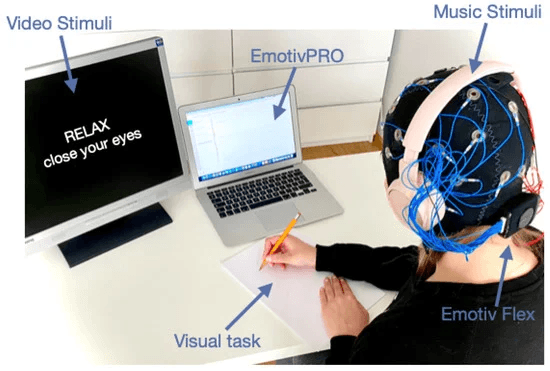
Traditionally, these systems were bulky and expensive, confining research to the lab. However, modern options like our Flex headset now offer research-grade data in a portable design. This allows researchers to conduct studies in more natural, real-world environments, opening up new possibilities for understanding the brain in action. This flexibility is especially valuable for brain research that benefits from real-world settings, where behavior and context can’t be fully replicated in a lab.
What Features Matter in an EEG Machine?
When you start comparing EEG machines, the technical specifications can feel a bit overwhelming. But once you know what to look for, it’s much easier to find the right fit for your project. The price of an EEG machine often reflects its capabilities, like how many brain signals it can measure, the quality of its components, and the software it comes with. Let’s break down the key features you’ll want to consider.
Channels and Signal Quality
The number of channels on an EEG headset tells you how many locations on the scalp it measures brain activity from. A device with more channels, like our 32-channel Flex headset, can give you a more detailed, higher-resolution picture of brain activity. For simpler applications or getting started with brain-computer interfaces, a headset with fewer channels, like the 5-channel Insight or 14-channel Epoc X, might be all you need. The key is to match the channel count to the spatial detail your research or project requires. Signal quality is just as important; you need clean, reliable data, which comes from well-designed hardware and sensors.
Electrode Types and Setup
EEG headsets use electrodes to make contact with your scalp. These come in a few different types, and the right one for you depends on your needs. Saline-based electrodes are great for quick setup times, making them ideal for studies that require getting participants ready in minutes. Gel-based electrodes, on the other hand, are designed for longer recording sessions where a stable, high-quality connection is essential. We offer both saline and gel options because we know that different projects have different demands, from rapid classroom experiments to multi-hour lab research.
Software and Analysis Tools
The hardware is only half of the equation—without an EEG analysis tool to visualize, clean, and interpret the signal, your recordings are just raw numbers. Without powerful software, your EEG data is just a stream of numbers. Good software allows you to see the data in real-time, perform complex analysis, and easily export your findings. For example, our EmotivPRO software is designed for researchers who need to visualize brain activity, view frequency data, and see performance metrics as they happen. When choosing a system, make sure its software can support the kind of analysis you plan to do, whether it’s for academic research, neuromarketing, or BCI development.
Connectivity and Portability
One of the biggest advances in EEG technology has been the move toward portable, wireless devices. Bulky, wired systems used to confine research to the lab, but that’s no longer the case. A portable EEG headset gives you the freedom to conduct studies in more natural environments, like classrooms, offices, or even outdoors. This flexibility is crucial for gathering real-world data. Wireless connectivity, usually via Bluetooth, means you can record data without tethering your subject to a computer, which is a huge advantage for any study involving movement or interaction.
Ease of Use and Setup
You shouldn’t need to be a neuroscientist to use an EEG machine. A system that is user-friendly and easy to set up saves you valuable time and reduces the chance of errors. Look for headsets that are designed for a quick and simple setup process, with clear instructions and intuitive software. This is especially important if you’re working with a team or if multiple people will be using the equipment. An intuitive interface, like the one in our Emotiv App, can make the entire process, from setup to data collection, feel straightforward and accessible.
How Much Do EEG Machines Cost?
Let’s talk about the numbers. The price of an EEG machine can vary dramatically, from a few hundred dollars for a basic consumer device to well over a hundred thousand for a clinical-grade system. The right investment for you depends entirely on your project’s scope, technical requirements, and budget. Understanding the different price tiers and what they include is the first step to making a smart purchase. It’s not just about the initial price tag; you also have to consider the ongoing costs of software, supplies, and maintenance to get a full picture of the total investment.
New EEG Machine Prices
When you look at brand-new, traditional EEG systems—the kind you might find in a hospital or a large research institution—the prices typically start around $20,000 and can go up to $150,000 or more. This significant investment gets you a high-density channel count, medical-grade certifications, and extremely sensitive sensors designed for diagnostic purposes. These systems are built for clinical precision, which is reflected in their cost. For many academic research projects or commercial applications, however, such a high-end system may be more than what’s needed, opening the door to more accessible and cost-effective solutions.
Considering a Used EEG Machine
If your budget is tight, buying a used EEG machine can seem like an attractive option. You can often find pre-owned clinical or research systems for between $5,000 and $50,000. This can certainly save you a lot of money upfront. However, it’s important to proceed with caution. A used machine may come with an expired warranty, outdated software that isn’t compatible with modern computers, or sensors that have seen significant wear. Be sure to factor in potential repair or replacement costs and verify that the seller is reputable before you commit.
Understanding the Total Cost
The initial purchase price is only part of the story. To understand the true cost of ownership, you need to account for recurring expenses. Many EEG systems require ongoing software subscriptions for data analysis, like our EmotivPRO platform, which provides powerful tools for visualizing and processing brain data. You’ll also need to budget for consumables, such as saline solution for saline-based electrodes or conductive gel for gel-based ones. Finally, consider potential maintenance or repair costs down the line. Factoring these elements into your budget from the start will help you avoid any surprises.
Which EEG Brands Offer the Best Value?
Finding the right EEG brand often comes down to defining what “value” means for your specific project. The best value isn’t always the lowest price; it’s the ideal combination of channel count, data quality, software capabilities, and support that aligns with your goals. Whether you’re conducting academic research, developing a brain-computer interface, or exploring neuromarketing, one brand’s ecosystem might fit your needs much better than another’s. The key is to look past the price tag and evaluate the entire package—from the hardware’s design and ease of use to the software’s analytical power and the community you’ll be joining.
A Look at Emotiv’s EEG Solutions
Here at Emotiv, we focus on creating accessible, research-grade tools. Our Epoc X is a 14-channel wireless headset designed for contextualized human brain research. It’s built to deliver professional-grade brain data that you can rely on. The headset pairs with our software, EmotivPRO, which lets you record, visualize, and analyze EEG data in real-time. We’re proud that our hardware is trusted by researchers in thousands of institutions and has been cited in over 20,000 scientific publications. Our goal is to provide a complete solution that empowers you to gather high-quality data, whether you’re in a lab or out in the field.
Comparing Other EEG Brands
The EEG landscape includes a variety of excellent companies, each with its own focus. You’ll find brands like NeuroScan and Brain Products, which are well-established in the traditional research space. Other companies offer unique hardware solutions. For example, Zeto has developed a headset that users report is quite user-friendly for clinical settings. Clarity Medical provides systems with up to 40 channels for detailed diagnostic work. Exploring these different EEG hardware companies can give you a better sense of the available options and help you find the technology that best matches the complexity and scope of your work.
What Users Are Saying: Reviews and Feedback
When you’re weighing your options, user feedback can provide valuable insight into a system’s real-world performance. For instance, technicians often comment on the ease of setup and use, which can be a major factor in day-to-day operations. You might find reviews highlighting how well a particular system handles motion artifacts—like blinking or small movements—which is crucial for maintaining clean data. Reading through case studies or user testimonials can help you understand the practical strengths of different devices and how they perform in scenarios similar to your own. This kind of feedback often reveals the small but important details that make a big difference in your research.
Common Challenges with EEG Equipment
Working with EEG equipment is incredibly rewarding, but it’s helpful to know about the common hurdles you might face. Understanding these challenges ahead of time makes it much easier to choose a system that minimizes frustration and lets you focus on your work. From getting a good signal to managing your data, here are a few things to keep in mind.
Getting a Clean Signal
One of the most common frustrations in EEG work is getting a clean signal. Your brain’s electrical signals are tiny, and they can easily be drowned out by “noise” or artifacts. This interference can come from anywhere—the electrical wiring in the walls, a participant clenching their jaw, or even just blinking. Sifting through this noise to find the valuable data can be a real challenge. That’s why it’s so important to choose a headset with high-quality sensors and software designed to filter out these artifacts. A system like the Epoc X that provides real-time signal quality feedback is a huge help, as it lets you adjust the headset on the spot to ensure you’re capturing the best possible data.
Hardware and Compatibility Issues
Another headache can be dealing with hardware and software that don’t play well together. You might find a headset you like, but it may not be compatible with your preferred analysis software or even your computer’s operating system. Trying to piece together a system from different manufacturers can lead to a lot of time spent troubleshooting instead of collecting data. This is why an integrated ecosystem can be a lifesaver. When the hardware and software are designed by the same team, like with our EmotivPRO platform, you can trust that they’ll work together seamlessly. This lets you get up and running quickly and avoid the logistical tangles of mismatched tech.
Navigating Research Logistics
The practical side of running an EEG study can be surprisingly complex. Traditional lab setups often involve bulky equipment that takes a long time to prepare and can feel intimidating for participants. Just scheduling people and getting them set up can eat up a significant portion of your research time. Portable, wireless headsets completely change this dynamic. A system that is easy to put on and comfortable to wear makes the entire process smoother for everyone involved. This flexibility allows you to conduct academic research not just in a controlled lab, but in more natural settings, which can lead to more authentic and valuable data.
Accessing and Managing Your Data
EEG recordings generate a massive amount of data. A single session can produce millions of data points, and managing these large files can quickly become overwhelming. Without a good system, you risk losing track of important recordings or spending more time on data organization than on analysis. This is where powerful software becomes essential. Look for a platform that not only helps you acquire data but also offers robust tools for organizing, visualizing, and analyzing it. Emotiv software allows you to manage your recordings in the cloud, making it easy to access your data from anywhere and collaborate with your team without having to transfer huge files back and forth.
What Are the Most Common Uses for EEG Machines?
EEG technology has moved far beyond the hospital walls. Today, accessible and portable EEG machines are powering innovation in a huge range of fields. From university labs to marketing agencies and even your own living room, these devices are providing incredible insights into the human brain. Let’s look at some of the most common ways people are putting EEG technology to work.
Academic Research and Education
For decades, EEG has been a vital tool in academic research and education, helping scientists understand the brain’s complexities. Researchers in psychology and neuroscience use it to study everything from sleep patterns and emotional responses to learning processes and cognitive disorders. Because it’s non-invasive and captures brain activity in real-time, it’s perfect for observing how the brain reacts to different stimuli or tasks. For example, EEG is often used to evaluate the effects of psychological treatments, like cognitive-behavioral therapy, by observing changes in brain patterns over time. It’s an essential instrument for anyone looking to gather objective data about brain function.
Brain-Computer Interface Development
One of the most exciting applications for EEG is in brain-computer interface (BCI) development. A BCI is a system that allows a person to control a computer or another external device using only their brain activity—no physical movement required. This sounds like science fiction, but it’s a rapidly growing reality. Developers use EEG headsets to build applications that can translate brain signals into commands. These commands can do anything from moving a cursor on a screen and controlling a wheelchair to interacting with virtual reality environments. With more accessible EEG hardware, developers and hobbyists now have the tools to experiment and create the next generation of hands-free technology.
Neuromarketing Applications
The field of neuromarketing uses neuroscience tools, including EEG, to understand how consumers really feel about products, brands, and advertisements. It’s not about finding a secret “buy button” in the brain, but rather about gathering unfiltered insights. While a focus group participant might say they liked an ad, their brain activity could reveal moments of confusion or low engagement. By measuring metrics like attention and emotional valence, companies can get a much clearer picture of a campaign’s effectiveness. This data helps them create more engaging and resonant experiences for their audience. It’s a powerful way to go beyond what people say and understand what they subconsciously experience.
Accessing Cognitive Wellness Tools
Consumer EEG devices are also providing new ways for people to access cognitive wellness tools. These applications aren’t for diagnosis or treatment, but for personal exploration and insight. By using an EEG headset, you can observe your own brain activity during different mental states. For example, you can see how your brain patterns change during a meditation session, while you’re focused on a task, or when you’re feeling relaxed. This biofeedback can help you better understand your own mind and how it responds to various activities and mindfulness exercises. It’s a way to engage with your cognitive processes on a deeper level and explore techniques for focus and relaxation.
Where Can You Buy an EEG Machine?
Once you have a clear idea of the features you need, the next step is figuring out where to purchase your EEG equipment. The right place to buy depends heavily on your specific requirements, budget, and whether you need a brand-new device with full support or are comfortable with a used system. Generally, you have three main avenues to explore: buying directly from the manufacturer, going through a specialized medical equipment supplier, or searching online marketplaces. Each option comes with its own set of benefits and considerations.
For cutting-edge technology and dedicated support, going directly to the source is often the best path. This is especially true for portable EEG headsets used in academic research or BCI development, where software compatibility and direct technical assistance are key. On the other hand, medical suppliers can be a great resource for clinical setups, offering a variety of brands and sometimes even installation services. Finally, online marketplaces can be a source for budget-friendly options, but they require a bit more diligence to ensure you’re getting a reliable piece of equipment. Let’s look at what each of these channels has to offer.
Directly From Manufacturers
Buying directly from the manufacturer is the most straightforward way to get a new EEG device. This route ensures you receive the latest model with a full warranty, access to official customer support, and all the necessary software and accessories. When you purchase from a company like Emotiv, you get direct access to our ecosystem of EEG headsets and software, ensuring everything works together seamlessly right out of the box. This is the ideal choice if you need reliability and a direct line for any technical questions. Other manufacturers, like Clarity Medical, also sell their clinical-grade systems directly to professionals who need powerful diagnostic tools for their practice.
Through Medical Equipment Suppliers
Medical equipment suppliers are another reliable source, especially for those setting up a professional lab or clinic. These companies often act as distributors for multiple brands, giving you a broader selection to compare. They can be a valuable resource for sourcing everything from multi-channel clinical EEG systems to the necessary gels, pastes, and caps. Some suppliers also deal in refurbished or used equipment that has been professionally inspected and certified, which can be a good way to acquire high-end gear on a tighter budget. Marketplaces like LabX specialize in connecting buyers with sellers of new and used neurology equipment, serving as a hub for these types of transactions.
Online Marketplaces: What to Know
For those looking for the most affordable options, online marketplaces like eBay can seem tempting. You can often find a wide variety of used EEG systems at significantly lower prices. However, this path comes with risks. You’re typically buying “as-is,” which may mean no warranty, no technical support, and no guarantee that the device is fully functional or calibrated correctly. You might also run into issues with missing software or proprietary connectors. If you decide to explore this option, be sure to thoroughly vet the seller, ask detailed questions about the equipment’s history and condition, and check if any return policy is offered. While you can find good deals, it’s a route best suited for experienced users who are comfortable troubleshooting hardware and software issues on their own.
How to Choose the Right EEG Machine for You
Finding the right EEG machine can feel like a huge task, but it really comes down to matching the technology to your specific goals. Instead of searching for the single “best” device on the market, focus on finding the best device for you. By breaking down your project requirements and understanding a few key technical features, you can confidently select a headset that will serve you well, whether you’re conducting formal research or building your first BCI application. Let’s walk through the four main things you should consider to make the right choice.
Define Your Needs
First things first: what do you want to accomplish? The best portable EEG machine for you depends entirely on what you plan to use it for. A student learning the basics of brain signals will have very different requirements than a professional researcher conducting a large-scale study. Are you a developer looking to build a BCI application, a neuromarketer studying consumer responses, or an individual interested in accessing cognitive wellness tools?
Answering this question is the most important step. It will help you decide how many channels you need, what kind of software is essential, and what your budget should look like. Be specific about your project to narrow your options from the start.
Evaluate the Technical Specs
Once you know your goals, you can start looking at the hardware. The cost of an EEG machine usually reflects how many brain signals it can measure (channels), its hardware quality, and the analysis software it comes with. The number of channels is a great place to start. More channels mean you can measure activity from more parts of the brain at once, giving you more detailed spatial information. For example, our Epoc X headset offers 14 channels, which is great for a wide range of research applications.
Beyond channels, consider other specs like the sampling rate (how many data points are collected per second) and the type of electrodes (saline vs. gel). Each has its own setup time and comfort level, so think about what works best for your study participants or personal use.
Consider Support and Training
An EEG device is more than just hardware; it’s an entire ecosystem. Companies with good reputations, helpful customer support, and clear instructions often have a higher price point, but this investment can save you a lot of trouble later on. Before you buy, look into the kind of support offered. Is there detailed documentation available? Is there an active community forum where you can ask questions? How responsive is the customer service team?
Good support is invaluable, especially if you’re new to EEG or are trying to troubleshoot a complex experiment. Having a reliable team to turn to for help ensures you can spend more time on your project and less time dealing with technical hurdles.
Check for Regulatory Approvals
It’s crucial to understand the intended use of the device you’re considering. Most portable EEG systems are designed for research or personal use, not for medical diagnosis or treatment. Medical-grade devices cost significantly more because they must undergo rigorous testing to get special approvals from regulatory bodies like the FDA.
For most applications in academic research and education, development, or personal wellness, a device intended for research use is perfectly suitable and much more accessible. Just be sure you’re clear on the device’s classification. If your work involves clinical diagnostics or treatment, you will need to limit your search to certified medical devices.
Related Articles
Frequently Asked Questions
How many channels do I actually need for my project? This really comes down to the level of detail you want to capture. For many brain-computer interface applications or general studies on cognitive states like focus, a headset with 5 to 14 channels provides plenty of valuable data. If you’re a researcher who needs to pinpoint activity in specific brain regions with greater precision, a higher channel count, like the 32 channels on our Flex headset, will give you that more detailed spatial map. Think of it less as “more is better” and more about matching the tool to the specific questions you’re trying to answer.
Can I use a portable EEG headset for medical purposes? This is a really important distinction to make. Our EEG devices are designed as powerful tools for research, education, and personal wellness applications. They are not intended for diagnosing or treating any medical conditions. Medical-grade devices must go through a separate, rigorous certification process to be cleared for clinical use. If your work involves medical diagnostics, you will need to use a device that has been specifically approved for that purpose.
What’s the real difference between saline and gel electrodes? The choice between saline and gel electrodes is mostly about balancing setup time with recording duration. Saline-based sensors are fantastic for getting started quickly; you can be ready to record in just a few minutes, which is perfect for classroom settings or studies with many participants. Gel-based electrodes require a bit more prep time, but they create an extremely stable connection that is ideal for longer sessions where you need to maintain a high-quality signal for several hours.
Do I need a background in neuroscience or coding to use your software? Not at all. We designed our software to be accessible, regardless of your technical background. The Emotiv App has a very straightforward interface that lets you see your brain data in an easy-to-understand way. For deeper analysis, EmotivPRO offers more advanced features, but it’s still built with a user-friendly design. While a basic understanding of EEG concepts is helpful for research, you certainly don’t need to be a programmer or a neuroscientist to get started.
Is buying a used EEG machine a good way to save money? While the lower price of a used machine can be tempting, it comes with some significant risks. You might end up with a device that has an expired warranty, outdated software that won’t run on modern computers, or sensors that are worn out. You also miss out on the direct customer support that comes with buying new. For most people, the reliability and peace of mind that come from purchasing a new, fully supported system is a much better long-term investment.
Not too long ago, measuring brain activity was something confined to heavily funded labs with bulky, complicated equipment. Today, that has completely changed. Powerful, research-grade EEG technology is now accessible to creators, educators, and researchers everywhere. This new accessibility is exciting, but it also means there are more choices than ever. If you’re looking to buy an EEG machine, you need a clear way to compare your options. This guide will help you do just that. We’ll explore the different types of headsets, explain the technical specs in simple terms, and give you the confidence to select the perfect tool for your project.
Key Takeaways
Define your project before you shop: The best EEG machine is the one that fits your specific goals. Knowing your objective, whether it’s for academic research or BCI development, helps you determine the right channel count and features you need, preventing you from overspending on capabilities you won’t use.
Look at the whole package, not just the hardware: A great headset is only useful if it has powerful, user-friendly software to back it up. Consider the entire ecosystem—including the analysis tools, customer support, and setup process—to ensure a smooth and productive experience from start to finish.
Budget for the long run: The initial purchase price is only part of the total cost. Remember to account for ongoing expenses like software subscriptions and consumable supplies, such as saline or gel, to get a complete and accurate picture of your investment.
What Types of EEG Machines Can You Buy?
When you start looking for an EEG machine, you’ll find they generally fall into three main categories. The right one for you depends entirely on what you plan to do, your technical expertise, and your budget. Think of it less like a ladder of “good, better, best” and more like choosing the right tool for a specific job. A system designed for diagnosing medical conditions in a hospital is built very differently from a headset meant for developing a brain-computer interface at your desk. Let’s walk through the main types so you can figure out where your needs fit.
Portable EEG Headsets
Portable EEG headsets are the most accessible entry point into the world of brain data, giving you a portable EEG device that can be set up quickly and used outside traditional lab environments. These devices are designed for ease of use, with wireless connectivity and setups that can be done in minutes, not hours. They are fantastic tools for developers, educators, independent researchers, and anyone curious about exploring brain activity outside of a traditional lab.
While some portable devices are geared toward beginners, don’t mistake portability for a lack of power. Many modern headsets, like our Epoc X, provide the high-resolution data needed for serious academic and commercial research. These systems offer a great balance of convenience and performance, making them a popular choice for a wide range of applications, from cognitive wellness projects to neuromarketing studies.
Clinical EEG Systems
Clinical EEG systems are the heavy-duty machines you’d find in a hospital or a specialist’s clinic. Their primary purpose is medical diagnostics—helping doctors identify and understand neurological conditions like epilepsy or sleep disorders. These systems are built to meet stringent medical standards, which is reflected in their complexity and cost, often running into the tens of thousands of dollars.
Because they are designed for medical use, clinical systems require trained technicians to operate them. They are typically not portable and involve a more intensive setup process, often using a full cap of electrodes. For anyone outside of a clinical setting, these machines are usually overkill and lack the flexibility needed for creative research or BCI development.
Research-Grade EEG Machines
Research-grade EEG machines are designed to give scientists the high-density, high-quality data they need for peer-reviewed studies and advanced experiments. These systems often feature a higher number of channels—32, 64, or even more—to capture brain activity with greater spatial resolution. They are the standard in university labs and corporate R&D departments for everything from cognitive psychology studies to clinical trials.
Traditionally, these systems were bulky and expensive, confining research to the lab. However, modern options like our Flex headset now offer research-grade data in a portable design. This allows researchers to conduct studies in more natural, real-world environments, opening up new possibilities for understanding the brain in action. This flexibility is especially valuable for brain research that benefits from real-world settings, where behavior and context can’t be fully replicated in a lab.
What Features Matter in an EEG Machine?
When you start comparing EEG machines, the technical specifications can feel a bit overwhelming. But once you know what to look for, it’s much easier to find the right fit for your project. The price of an EEG machine often reflects its capabilities, like how many brain signals it can measure, the quality of its components, and the software it comes with. Let’s break down the key features you’ll want to consider.
Channels and Signal Quality
The number of channels on an EEG headset tells you how many locations on the scalp it measures brain activity from. A device with more channels, like our 32-channel Flex headset, can give you a more detailed, higher-resolution picture of brain activity. For simpler applications or getting started with brain-computer interfaces, a headset with fewer channels, like the 5-channel Insight or 14-channel Epoc X, might be all you need. The key is to match the channel count to the spatial detail your research or project requires. Signal quality is just as important; you need clean, reliable data, which comes from well-designed hardware and sensors.
Electrode Types and Setup
EEG headsets use electrodes to make contact with your scalp. These come in a few different types, and the right one for you depends on your needs. Saline-based electrodes are great for quick setup times, making them ideal for studies that require getting participants ready in minutes. Gel-based electrodes, on the other hand, are designed for longer recording sessions where a stable, high-quality connection is essential. We offer both saline and gel options because we know that different projects have different demands, from rapid classroom experiments to multi-hour lab research.
Software and Analysis Tools
The hardware is only half of the equation—without an EEG analysis tool to visualize, clean, and interpret the signal, your recordings are just raw numbers. Without powerful software, your EEG data is just a stream of numbers. Good software allows you to see the data in real-time, perform complex analysis, and easily export your findings. For example, our EmotivPRO software is designed for researchers who need to visualize brain activity, view frequency data, and see performance metrics as they happen. When choosing a system, make sure its software can support the kind of analysis you plan to do, whether it’s for academic research, neuromarketing, or BCI development.
Connectivity and Portability
One of the biggest advances in EEG technology has been the move toward portable, wireless devices. Bulky, wired systems used to confine research to the lab, but that’s no longer the case. A portable EEG headset gives you the freedom to conduct studies in more natural environments, like classrooms, offices, or even outdoors. This flexibility is crucial for gathering real-world data. Wireless connectivity, usually via Bluetooth, means you can record data without tethering your subject to a computer, which is a huge advantage for any study involving movement or interaction.
Ease of Use and Setup
You shouldn’t need to be a neuroscientist to use an EEG machine. A system that is user-friendly and easy to set up saves you valuable time and reduces the chance of errors. Look for headsets that are designed for a quick and simple setup process, with clear instructions and intuitive software. This is especially important if you’re working with a team or if multiple people will be using the equipment. An intuitive interface, like the one in our Emotiv App, can make the entire process, from setup to data collection, feel straightforward and accessible.
How Much Do EEG Machines Cost?
Let’s talk about the numbers. The price of an EEG machine can vary dramatically, from a few hundred dollars for a basic consumer device to well over a hundred thousand for a clinical-grade system. The right investment for you depends entirely on your project’s scope, technical requirements, and budget. Understanding the different price tiers and what they include is the first step to making a smart purchase. It’s not just about the initial price tag; you also have to consider the ongoing costs of software, supplies, and maintenance to get a full picture of the total investment.
New EEG Machine Prices
When you look at brand-new, traditional EEG systems—the kind you might find in a hospital or a large research institution—the prices typically start around $20,000 and can go up to $150,000 or more. This significant investment gets you a high-density channel count, medical-grade certifications, and extremely sensitive sensors designed for diagnostic purposes. These systems are built for clinical precision, which is reflected in their cost. For many academic research projects or commercial applications, however, such a high-end system may be more than what’s needed, opening the door to more accessible and cost-effective solutions.
Considering a Used EEG Machine
If your budget is tight, buying a used EEG machine can seem like an attractive option. You can often find pre-owned clinical or research systems for between $5,000 and $50,000. This can certainly save you a lot of money upfront. However, it’s important to proceed with caution. A used machine may come with an expired warranty, outdated software that isn’t compatible with modern computers, or sensors that have seen significant wear. Be sure to factor in potential repair or replacement costs and verify that the seller is reputable before you commit.
Understanding the Total Cost
The initial purchase price is only part of the story. To understand the true cost of ownership, you need to account for recurring expenses. Many EEG systems require ongoing software subscriptions for data analysis, like our EmotivPRO platform, which provides powerful tools for visualizing and processing brain data. You’ll also need to budget for consumables, such as saline solution for saline-based electrodes or conductive gel for gel-based ones. Finally, consider potential maintenance or repair costs down the line. Factoring these elements into your budget from the start will help you avoid any surprises.
Which EEG Brands Offer the Best Value?
Finding the right EEG brand often comes down to defining what “value” means for your specific project. The best value isn’t always the lowest price; it’s the ideal combination of channel count, data quality, software capabilities, and support that aligns with your goals. Whether you’re conducting academic research, developing a brain-computer interface, or exploring neuromarketing, one brand’s ecosystem might fit your needs much better than another’s. The key is to look past the price tag and evaluate the entire package—from the hardware’s design and ease of use to the software’s analytical power and the community you’ll be joining.
A Look at Emotiv’s EEG Solutions
Here at Emotiv, we focus on creating accessible, research-grade tools. Our Epoc X is a 14-channel wireless headset designed for contextualized human brain research. It’s built to deliver professional-grade brain data that you can rely on. The headset pairs with our software, EmotivPRO, which lets you record, visualize, and analyze EEG data in real-time. We’re proud that our hardware is trusted by researchers in thousands of institutions and has been cited in over 20,000 scientific publications. Our goal is to provide a complete solution that empowers you to gather high-quality data, whether you’re in a lab or out in the field.
Comparing Other EEG Brands
The EEG landscape includes a variety of excellent companies, each with its own focus. You’ll find brands like NeuroScan and Brain Products, which are well-established in the traditional research space. Other companies offer unique hardware solutions. For example, Zeto has developed a headset that users report is quite user-friendly for clinical settings. Clarity Medical provides systems with up to 40 channels for detailed diagnostic work. Exploring these different EEG hardware companies can give you a better sense of the available options and help you find the technology that best matches the complexity and scope of your work.
What Users Are Saying: Reviews and Feedback
When you’re weighing your options, user feedback can provide valuable insight into a system’s real-world performance. For instance, technicians often comment on the ease of setup and use, which can be a major factor in day-to-day operations. You might find reviews highlighting how well a particular system handles motion artifacts—like blinking or small movements—which is crucial for maintaining clean data. Reading through case studies or user testimonials can help you understand the practical strengths of different devices and how they perform in scenarios similar to your own. This kind of feedback often reveals the small but important details that make a big difference in your research.
Common Challenges with EEG Equipment
Working with EEG equipment is incredibly rewarding, but it’s helpful to know about the common hurdles you might face. Understanding these challenges ahead of time makes it much easier to choose a system that minimizes frustration and lets you focus on your work. From getting a good signal to managing your data, here are a few things to keep in mind.
Getting a Clean Signal
One of the most common frustrations in EEG work is getting a clean signal. Your brain’s electrical signals are tiny, and they can easily be drowned out by “noise” or artifacts. This interference can come from anywhere—the electrical wiring in the walls, a participant clenching their jaw, or even just blinking. Sifting through this noise to find the valuable data can be a real challenge. That’s why it’s so important to choose a headset with high-quality sensors and software designed to filter out these artifacts. A system like the Epoc X that provides real-time signal quality feedback is a huge help, as it lets you adjust the headset on the spot to ensure you’re capturing the best possible data.
Hardware and Compatibility Issues
Another headache can be dealing with hardware and software that don’t play well together. You might find a headset you like, but it may not be compatible with your preferred analysis software or even your computer’s operating system. Trying to piece together a system from different manufacturers can lead to a lot of time spent troubleshooting instead of collecting data. This is why an integrated ecosystem can be a lifesaver. When the hardware and software are designed by the same team, like with our EmotivPRO platform, you can trust that they’ll work together seamlessly. This lets you get up and running quickly and avoid the logistical tangles of mismatched tech.
Navigating Research Logistics
The practical side of running an EEG study can be surprisingly complex. Traditional lab setups often involve bulky equipment that takes a long time to prepare and can feel intimidating for participants. Just scheduling people and getting them set up can eat up a significant portion of your research time. Portable, wireless headsets completely change this dynamic. A system that is easy to put on and comfortable to wear makes the entire process smoother for everyone involved. This flexibility allows you to conduct academic research not just in a controlled lab, but in more natural settings, which can lead to more authentic and valuable data.
Accessing and Managing Your Data
EEG recordings generate a massive amount of data. A single session can produce millions of data points, and managing these large files can quickly become overwhelming. Without a good system, you risk losing track of important recordings or spending more time on data organization than on analysis. This is where powerful software becomes essential. Look for a platform that not only helps you acquire data but also offers robust tools for organizing, visualizing, and analyzing it. Emotiv software allows you to manage your recordings in the cloud, making it easy to access your data from anywhere and collaborate with your team without having to transfer huge files back and forth.
What Are the Most Common Uses for EEG Machines?
EEG technology has moved far beyond the hospital walls. Today, accessible and portable EEG machines are powering innovation in a huge range of fields. From university labs to marketing agencies and even your own living room, these devices are providing incredible insights into the human brain. Let’s look at some of the most common ways people are putting EEG technology to work.
Academic Research and Education
For decades, EEG has been a vital tool in academic research and education, helping scientists understand the brain’s complexities. Researchers in psychology and neuroscience use it to study everything from sleep patterns and emotional responses to learning processes and cognitive disorders. Because it’s non-invasive and captures brain activity in real-time, it’s perfect for observing how the brain reacts to different stimuli or tasks. For example, EEG is often used to evaluate the effects of psychological treatments, like cognitive-behavioral therapy, by observing changes in brain patterns over time. It’s an essential instrument for anyone looking to gather objective data about brain function.
Brain-Computer Interface Development
One of the most exciting applications for EEG is in brain-computer interface (BCI) development. A BCI is a system that allows a person to control a computer or another external device using only their brain activity—no physical movement required. This sounds like science fiction, but it’s a rapidly growing reality. Developers use EEG headsets to build applications that can translate brain signals into commands. These commands can do anything from moving a cursor on a screen and controlling a wheelchair to interacting with virtual reality environments. With more accessible EEG hardware, developers and hobbyists now have the tools to experiment and create the next generation of hands-free technology.
Neuromarketing Applications
The field of neuromarketing uses neuroscience tools, including EEG, to understand how consumers really feel about products, brands, and advertisements. It’s not about finding a secret “buy button” in the brain, but rather about gathering unfiltered insights. While a focus group participant might say they liked an ad, their brain activity could reveal moments of confusion or low engagement. By measuring metrics like attention and emotional valence, companies can get a much clearer picture of a campaign’s effectiveness. This data helps them create more engaging and resonant experiences for their audience. It’s a powerful way to go beyond what people say and understand what they subconsciously experience.
Accessing Cognitive Wellness Tools
Consumer EEG devices are also providing new ways for people to access cognitive wellness tools. These applications aren’t for diagnosis or treatment, but for personal exploration and insight. By using an EEG headset, you can observe your own brain activity during different mental states. For example, you can see how your brain patterns change during a meditation session, while you’re focused on a task, or when you’re feeling relaxed. This biofeedback can help you better understand your own mind and how it responds to various activities and mindfulness exercises. It’s a way to engage with your cognitive processes on a deeper level and explore techniques for focus and relaxation.
Where Can You Buy an EEG Machine?
Once you have a clear idea of the features you need, the next step is figuring out where to purchase your EEG equipment. The right place to buy depends heavily on your specific requirements, budget, and whether you need a brand-new device with full support or are comfortable with a used system. Generally, you have three main avenues to explore: buying directly from the manufacturer, going through a specialized medical equipment supplier, or searching online marketplaces. Each option comes with its own set of benefits and considerations.
For cutting-edge technology and dedicated support, going directly to the source is often the best path. This is especially true for portable EEG headsets used in academic research or BCI development, where software compatibility and direct technical assistance are key. On the other hand, medical suppliers can be a great resource for clinical setups, offering a variety of brands and sometimes even installation services. Finally, online marketplaces can be a source for budget-friendly options, but they require a bit more diligence to ensure you’re getting a reliable piece of equipment. Let’s look at what each of these channels has to offer.
Directly From Manufacturers
Buying directly from the manufacturer is the most straightforward way to get a new EEG device. This route ensures you receive the latest model with a full warranty, access to official customer support, and all the necessary software and accessories. When you purchase from a company like Emotiv, you get direct access to our ecosystem of EEG headsets and software, ensuring everything works together seamlessly right out of the box. This is the ideal choice if you need reliability and a direct line for any technical questions. Other manufacturers, like Clarity Medical, also sell their clinical-grade systems directly to professionals who need powerful diagnostic tools for their practice.
Through Medical Equipment Suppliers
Medical equipment suppliers are another reliable source, especially for those setting up a professional lab or clinic. These companies often act as distributors for multiple brands, giving you a broader selection to compare. They can be a valuable resource for sourcing everything from multi-channel clinical EEG systems to the necessary gels, pastes, and caps. Some suppliers also deal in refurbished or used equipment that has been professionally inspected and certified, which can be a good way to acquire high-end gear on a tighter budget. Marketplaces like LabX specialize in connecting buyers with sellers of new and used neurology equipment, serving as a hub for these types of transactions.
Online Marketplaces: What to Know
For those looking for the most affordable options, online marketplaces like eBay can seem tempting. You can often find a wide variety of used EEG systems at significantly lower prices. However, this path comes with risks. You’re typically buying “as-is,” which may mean no warranty, no technical support, and no guarantee that the device is fully functional or calibrated correctly. You might also run into issues with missing software or proprietary connectors. If you decide to explore this option, be sure to thoroughly vet the seller, ask detailed questions about the equipment’s history and condition, and check if any return policy is offered. While you can find good deals, it’s a route best suited for experienced users who are comfortable troubleshooting hardware and software issues on their own.
How to Choose the Right EEG Machine for You
Finding the right EEG machine can feel like a huge task, but it really comes down to matching the technology to your specific goals. Instead of searching for the single “best” device on the market, focus on finding the best device for you. By breaking down your project requirements and understanding a few key technical features, you can confidently select a headset that will serve you well, whether you’re conducting formal research or building your first BCI application. Let’s walk through the four main things you should consider to make the right choice.
Define Your Needs
First things first: what do you want to accomplish? The best portable EEG machine for you depends entirely on what you plan to use it for. A student learning the basics of brain signals will have very different requirements than a professional researcher conducting a large-scale study. Are you a developer looking to build a BCI application, a neuromarketer studying consumer responses, or an individual interested in accessing cognitive wellness tools?
Answering this question is the most important step. It will help you decide how many channels you need, what kind of software is essential, and what your budget should look like. Be specific about your project to narrow your options from the start.
Evaluate the Technical Specs
Once you know your goals, you can start looking at the hardware. The cost of an EEG machine usually reflects how many brain signals it can measure (channels), its hardware quality, and the analysis software it comes with. The number of channels is a great place to start. More channels mean you can measure activity from more parts of the brain at once, giving you more detailed spatial information. For example, our Epoc X headset offers 14 channels, which is great for a wide range of research applications.
Beyond channels, consider other specs like the sampling rate (how many data points are collected per second) and the type of electrodes (saline vs. gel). Each has its own setup time and comfort level, so think about what works best for your study participants or personal use.
Consider Support and Training
An EEG device is more than just hardware; it’s an entire ecosystem. Companies with good reputations, helpful customer support, and clear instructions often have a higher price point, but this investment can save you a lot of trouble later on. Before you buy, look into the kind of support offered. Is there detailed documentation available? Is there an active community forum where you can ask questions? How responsive is the customer service team?
Good support is invaluable, especially if you’re new to EEG or are trying to troubleshoot a complex experiment. Having a reliable team to turn to for help ensures you can spend more time on your project and less time dealing with technical hurdles.
Check for Regulatory Approvals
It’s crucial to understand the intended use of the device you’re considering. Most portable EEG systems are designed for research or personal use, not for medical diagnosis or treatment. Medical-grade devices cost significantly more because they must undergo rigorous testing to get special approvals from regulatory bodies like the FDA.
For most applications in academic research and education, development, or personal wellness, a device intended for research use is perfectly suitable and much more accessible. Just be sure you’re clear on the device’s classification. If your work involves clinical diagnostics or treatment, you will need to limit your search to certified medical devices.
Related Articles
Frequently Asked Questions
How many channels do I actually need for my project? This really comes down to the level of detail you want to capture. For many brain-computer interface applications or general studies on cognitive states like focus, a headset with 5 to 14 channels provides plenty of valuable data. If you’re a researcher who needs to pinpoint activity in specific brain regions with greater precision, a higher channel count, like the 32 channels on our Flex headset, will give you that more detailed spatial map. Think of it less as “more is better” and more about matching the tool to the specific questions you’re trying to answer.
Can I use a portable EEG headset for medical purposes? This is a really important distinction to make. Our EEG devices are designed as powerful tools for research, education, and personal wellness applications. They are not intended for diagnosing or treating any medical conditions. Medical-grade devices must go through a separate, rigorous certification process to be cleared for clinical use. If your work involves medical diagnostics, you will need to use a device that has been specifically approved for that purpose.
What’s the real difference between saline and gel electrodes? The choice between saline and gel electrodes is mostly about balancing setup time with recording duration. Saline-based sensors are fantastic for getting started quickly; you can be ready to record in just a few minutes, which is perfect for classroom settings or studies with many participants. Gel-based electrodes require a bit more prep time, but they create an extremely stable connection that is ideal for longer sessions where you need to maintain a high-quality signal for several hours.
Do I need a background in neuroscience or coding to use your software? Not at all. We designed our software to be accessible, regardless of your technical background. The Emotiv App has a very straightforward interface that lets you see your brain data in an easy-to-understand way. For deeper analysis, EmotivPRO offers more advanced features, but it’s still built with a user-friendly design. While a basic understanding of EEG concepts is helpful for research, you certainly don’t need to be a programmer or a neuroscientist to get started.
Is buying a used EEG machine a good way to save money? While the lower price of a used machine can be tempting, it comes with some significant risks. You might end up with a device that has an expired warranty, outdated software that won’t run on modern computers, or sensors that are worn out. You also miss out on the direct customer support that comes with buying new. For most people, the reliability and peace of mind that come from purchasing a new, fully supported system is a much better long-term investment.
Not too long ago, measuring brain activity was something confined to heavily funded labs with bulky, complicated equipment. Today, that has completely changed. Powerful, research-grade EEG technology is now accessible to creators, educators, and researchers everywhere. This new accessibility is exciting, but it also means there are more choices than ever. If you’re looking to buy an EEG machine, you need a clear way to compare your options. This guide will help you do just that. We’ll explore the different types of headsets, explain the technical specs in simple terms, and give you the confidence to select the perfect tool for your project.
Key Takeaways
Define your project before you shop: The best EEG machine is the one that fits your specific goals. Knowing your objective, whether it’s for academic research or BCI development, helps you determine the right channel count and features you need, preventing you from overspending on capabilities you won’t use.
Look at the whole package, not just the hardware: A great headset is only useful if it has powerful, user-friendly software to back it up. Consider the entire ecosystem—including the analysis tools, customer support, and setup process—to ensure a smooth and productive experience from start to finish.
Budget for the long run: The initial purchase price is only part of the total cost. Remember to account for ongoing expenses like software subscriptions and consumable supplies, such as saline or gel, to get a complete and accurate picture of your investment.
What Types of EEG Machines Can You Buy?
When you start looking for an EEG machine, you’ll find they generally fall into three main categories. The right one for you depends entirely on what you plan to do, your technical expertise, and your budget. Think of it less like a ladder of “good, better, best” and more like choosing the right tool for a specific job. A system designed for diagnosing medical conditions in a hospital is built very differently from a headset meant for developing a brain-computer interface at your desk. Let’s walk through the main types so you can figure out where your needs fit.
Portable EEG Headsets
Portable EEG headsets are the most accessible entry point into the world of brain data, giving you a portable EEG device that can be set up quickly and used outside traditional lab environments. These devices are designed for ease of use, with wireless connectivity and setups that can be done in minutes, not hours. They are fantastic tools for developers, educators, independent researchers, and anyone curious about exploring brain activity outside of a traditional lab.
While some portable devices are geared toward beginners, don’t mistake portability for a lack of power. Many modern headsets, like our Epoc X, provide the high-resolution data needed for serious academic and commercial research. These systems offer a great balance of convenience and performance, making them a popular choice for a wide range of applications, from cognitive wellness projects to neuromarketing studies.
Clinical EEG Systems
Clinical EEG systems are the heavy-duty machines you’d find in a hospital or a specialist’s clinic. Their primary purpose is medical diagnostics—helping doctors identify and understand neurological conditions like epilepsy or sleep disorders. These systems are built to meet stringent medical standards, which is reflected in their complexity and cost, often running into the tens of thousands of dollars.
Because they are designed for medical use, clinical systems require trained technicians to operate them. They are typically not portable and involve a more intensive setup process, often using a full cap of electrodes. For anyone outside of a clinical setting, these machines are usually overkill and lack the flexibility needed for creative research or BCI development.
Research-Grade EEG Machines
Research-grade EEG machines are designed to give scientists the high-density, high-quality data they need for peer-reviewed studies and advanced experiments. These systems often feature a higher number of channels—32, 64, or even more—to capture brain activity with greater spatial resolution. They are the standard in university labs and corporate R&D departments for everything from cognitive psychology studies to clinical trials.
Traditionally, these systems were bulky and expensive, confining research to the lab. However, modern options like our Flex headset now offer research-grade data in a portable design. This allows researchers to conduct studies in more natural, real-world environments, opening up new possibilities for understanding the brain in action. This flexibility is especially valuable for brain research that benefits from real-world settings, where behavior and context can’t be fully replicated in a lab.
What Features Matter in an EEG Machine?
When you start comparing EEG machines, the technical specifications can feel a bit overwhelming. But once you know what to look for, it’s much easier to find the right fit for your project. The price of an EEG machine often reflects its capabilities, like how many brain signals it can measure, the quality of its components, and the software it comes with. Let’s break down the key features you’ll want to consider.
Channels and Signal Quality
The number of channels on an EEG headset tells you how many locations on the scalp it measures brain activity from. A device with more channels, like our 32-channel Flex headset, can give you a more detailed, higher-resolution picture of brain activity. For simpler applications or getting started with brain-computer interfaces, a headset with fewer channels, like the 5-channel Insight or 14-channel Epoc X, might be all you need. The key is to match the channel count to the spatial detail your research or project requires. Signal quality is just as important; you need clean, reliable data, which comes from well-designed hardware and sensors.
Electrode Types and Setup
EEG headsets use electrodes to make contact with your scalp. These come in a few different types, and the right one for you depends on your needs. Saline-based electrodes are great for quick setup times, making them ideal for studies that require getting participants ready in minutes. Gel-based electrodes, on the other hand, are designed for longer recording sessions where a stable, high-quality connection is essential. We offer both saline and gel options because we know that different projects have different demands, from rapid classroom experiments to multi-hour lab research.
Software and Analysis Tools
The hardware is only half of the equation—without an EEG analysis tool to visualize, clean, and interpret the signal, your recordings are just raw numbers. Without powerful software, your EEG data is just a stream of numbers. Good software allows you to see the data in real-time, perform complex analysis, and easily export your findings. For example, our EmotivPRO software is designed for researchers who need to visualize brain activity, view frequency data, and see performance metrics as they happen. When choosing a system, make sure its software can support the kind of analysis you plan to do, whether it’s for academic research, neuromarketing, or BCI development.
Connectivity and Portability
One of the biggest advances in EEG technology has been the move toward portable, wireless devices. Bulky, wired systems used to confine research to the lab, but that’s no longer the case. A portable EEG headset gives you the freedom to conduct studies in more natural environments, like classrooms, offices, or even outdoors. This flexibility is crucial for gathering real-world data. Wireless connectivity, usually via Bluetooth, means you can record data without tethering your subject to a computer, which is a huge advantage for any study involving movement or interaction.
Ease of Use and Setup
You shouldn’t need to be a neuroscientist to use an EEG machine. A system that is user-friendly and easy to set up saves you valuable time and reduces the chance of errors. Look for headsets that are designed for a quick and simple setup process, with clear instructions and intuitive software. This is especially important if you’re working with a team or if multiple people will be using the equipment. An intuitive interface, like the one in our Emotiv App, can make the entire process, from setup to data collection, feel straightforward and accessible.
How Much Do EEG Machines Cost?
Let’s talk about the numbers. The price of an EEG machine can vary dramatically, from a few hundred dollars for a basic consumer device to well over a hundred thousand for a clinical-grade system. The right investment for you depends entirely on your project’s scope, technical requirements, and budget. Understanding the different price tiers and what they include is the first step to making a smart purchase. It’s not just about the initial price tag; you also have to consider the ongoing costs of software, supplies, and maintenance to get a full picture of the total investment.
New EEG Machine Prices
When you look at brand-new, traditional EEG systems—the kind you might find in a hospital or a large research institution—the prices typically start around $20,000 and can go up to $150,000 or more. This significant investment gets you a high-density channel count, medical-grade certifications, and extremely sensitive sensors designed for diagnostic purposes. These systems are built for clinical precision, which is reflected in their cost. For many academic research projects or commercial applications, however, such a high-end system may be more than what’s needed, opening the door to more accessible and cost-effective solutions.
Considering a Used EEG Machine
If your budget is tight, buying a used EEG machine can seem like an attractive option. You can often find pre-owned clinical or research systems for between $5,000 and $50,000. This can certainly save you a lot of money upfront. However, it’s important to proceed with caution. A used machine may come with an expired warranty, outdated software that isn’t compatible with modern computers, or sensors that have seen significant wear. Be sure to factor in potential repair or replacement costs and verify that the seller is reputable before you commit.
Understanding the Total Cost
The initial purchase price is only part of the story. To understand the true cost of ownership, you need to account for recurring expenses. Many EEG systems require ongoing software subscriptions for data analysis, like our EmotivPRO platform, which provides powerful tools for visualizing and processing brain data. You’ll also need to budget for consumables, such as saline solution for saline-based electrodes or conductive gel for gel-based ones. Finally, consider potential maintenance or repair costs down the line. Factoring these elements into your budget from the start will help you avoid any surprises.
Which EEG Brands Offer the Best Value?
Finding the right EEG brand often comes down to defining what “value” means for your specific project. The best value isn’t always the lowest price; it’s the ideal combination of channel count, data quality, software capabilities, and support that aligns with your goals. Whether you’re conducting academic research, developing a brain-computer interface, or exploring neuromarketing, one brand’s ecosystem might fit your needs much better than another’s. The key is to look past the price tag and evaluate the entire package—from the hardware’s design and ease of use to the software’s analytical power and the community you’ll be joining.
A Look at Emotiv’s EEG Solutions
Here at Emotiv, we focus on creating accessible, research-grade tools. Our Epoc X is a 14-channel wireless headset designed for contextualized human brain research. It’s built to deliver professional-grade brain data that you can rely on. The headset pairs with our software, EmotivPRO, which lets you record, visualize, and analyze EEG data in real-time. We’re proud that our hardware is trusted by researchers in thousands of institutions and has been cited in over 20,000 scientific publications. Our goal is to provide a complete solution that empowers you to gather high-quality data, whether you’re in a lab or out in the field.
Comparing Other EEG Brands
The EEG landscape includes a variety of excellent companies, each with its own focus. You’ll find brands like NeuroScan and Brain Products, which are well-established in the traditional research space. Other companies offer unique hardware solutions. For example, Zeto has developed a headset that users report is quite user-friendly for clinical settings. Clarity Medical provides systems with up to 40 channels for detailed diagnostic work. Exploring these different EEG hardware companies can give you a better sense of the available options and help you find the technology that best matches the complexity and scope of your work.
What Users Are Saying: Reviews and Feedback
When you’re weighing your options, user feedback can provide valuable insight into a system’s real-world performance. For instance, technicians often comment on the ease of setup and use, which can be a major factor in day-to-day operations. You might find reviews highlighting how well a particular system handles motion artifacts—like blinking or small movements—which is crucial for maintaining clean data. Reading through case studies or user testimonials can help you understand the practical strengths of different devices and how they perform in scenarios similar to your own. This kind of feedback often reveals the small but important details that make a big difference in your research.
Common Challenges with EEG Equipment
Working with EEG equipment is incredibly rewarding, but it’s helpful to know about the common hurdles you might face. Understanding these challenges ahead of time makes it much easier to choose a system that minimizes frustration and lets you focus on your work. From getting a good signal to managing your data, here are a few things to keep in mind.
Getting a Clean Signal
One of the most common frustrations in EEG work is getting a clean signal. Your brain’s electrical signals are tiny, and they can easily be drowned out by “noise” or artifacts. This interference can come from anywhere—the electrical wiring in the walls, a participant clenching their jaw, or even just blinking. Sifting through this noise to find the valuable data can be a real challenge. That’s why it’s so important to choose a headset with high-quality sensors and software designed to filter out these artifacts. A system like the Epoc X that provides real-time signal quality feedback is a huge help, as it lets you adjust the headset on the spot to ensure you’re capturing the best possible data.
Hardware and Compatibility Issues
Another headache can be dealing with hardware and software that don’t play well together. You might find a headset you like, but it may not be compatible with your preferred analysis software or even your computer’s operating system. Trying to piece together a system from different manufacturers can lead to a lot of time spent troubleshooting instead of collecting data. This is why an integrated ecosystem can be a lifesaver. When the hardware and software are designed by the same team, like with our EmotivPRO platform, you can trust that they’ll work together seamlessly. This lets you get up and running quickly and avoid the logistical tangles of mismatched tech.
Navigating Research Logistics
The practical side of running an EEG study can be surprisingly complex. Traditional lab setups often involve bulky equipment that takes a long time to prepare and can feel intimidating for participants. Just scheduling people and getting them set up can eat up a significant portion of your research time. Portable, wireless headsets completely change this dynamic. A system that is easy to put on and comfortable to wear makes the entire process smoother for everyone involved. This flexibility allows you to conduct academic research not just in a controlled lab, but in more natural settings, which can lead to more authentic and valuable data.
Accessing and Managing Your Data
EEG recordings generate a massive amount of data. A single session can produce millions of data points, and managing these large files can quickly become overwhelming. Without a good system, you risk losing track of important recordings or spending more time on data organization than on analysis. This is where powerful software becomes essential. Look for a platform that not only helps you acquire data but also offers robust tools for organizing, visualizing, and analyzing it. Emotiv software allows you to manage your recordings in the cloud, making it easy to access your data from anywhere and collaborate with your team without having to transfer huge files back and forth.
What Are the Most Common Uses for EEG Machines?
EEG technology has moved far beyond the hospital walls. Today, accessible and portable EEG machines are powering innovation in a huge range of fields. From university labs to marketing agencies and even your own living room, these devices are providing incredible insights into the human brain. Let’s look at some of the most common ways people are putting EEG technology to work.
Academic Research and Education
For decades, EEG has been a vital tool in academic research and education, helping scientists understand the brain’s complexities. Researchers in psychology and neuroscience use it to study everything from sleep patterns and emotional responses to learning processes and cognitive disorders. Because it’s non-invasive and captures brain activity in real-time, it’s perfect for observing how the brain reacts to different stimuli or tasks. For example, EEG is often used to evaluate the effects of psychological treatments, like cognitive-behavioral therapy, by observing changes in brain patterns over time. It’s an essential instrument for anyone looking to gather objective data about brain function.
Brain-Computer Interface Development
One of the most exciting applications for EEG is in brain-computer interface (BCI) development. A BCI is a system that allows a person to control a computer or another external device using only their brain activity—no physical movement required. This sounds like science fiction, but it’s a rapidly growing reality. Developers use EEG headsets to build applications that can translate brain signals into commands. These commands can do anything from moving a cursor on a screen and controlling a wheelchair to interacting with virtual reality environments. With more accessible EEG hardware, developers and hobbyists now have the tools to experiment and create the next generation of hands-free technology.
Neuromarketing Applications
The field of neuromarketing uses neuroscience tools, including EEG, to understand how consumers really feel about products, brands, and advertisements. It’s not about finding a secret “buy button” in the brain, but rather about gathering unfiltered insights. While a focus group participant might say they liked an ad, their brain activity could reveal moments of confusion or low engagement. By measuring metrics like attention and emotional valence, companies can get a much clearer picture of a campaign’s effectiveness. This data helps them create more engaging and resonant experiences for their audience. It’s a powerful way to go beyond what people say and understand what they subconsciously experience.
Accessing Cognitive Wellness Tools
Consumer EEG devices are also providing new ways for people to access cognitive wellness tools. These applications aren’t for diagnosis or treatment, but for personal exploration and insight. By using an EEG headset, you can observe your own brain activity during different mental states. For example, you can see how your brain patterns change during a meditation session, while you’re focused on a task, or when you’re feeling relaxed. This biofeedback can help you better understand your own mind and how it responds to various activities and mindfulness exercises. It’s a way to engage with your cognitive processes on a deeper level and explore techniques for focus and relaxation.
Where Can You Buy an EEG Machine?
Once you have a clear idea of the features you need, the next step is figuring out where to purchase your EEG equipment. The right place to buy depends heavily on your specific requirements, budget, and whether you need a brand-new device with full support or are comfortable with a used system. Generally, you have three main avenues to explore: buying directly from the manufacturer, going through a specialized medical equipment supplier, or searching online marketplaces. Each option comes with its own set of benefits and considerations.
For cutting-edge technology and dedicated support, going directly to the source is often the best path. This is especially true for portable EEG headsets used in academic research or BCI development, where software compatibility and direct technical assistance are key. On the other hand, medical suppliers can be a great resource for clinical setups, offering a variety of brands and sometimes even installation services. Finally, online marketplaces can be a source for budget-friendly options, but they require a bit more diligence to ensure you’re getting a reliable piece of equipment. Let’s look at what each of these channels has to offer.
Directly From Manufacturers
Buying directly from the manufacturer is the most straightforward way to get a new EEG device. This route ensures you receive the latest model with a full warranty, access to official customer support, and all the necessary software and accessories. When you purchase from a company like Emotiv, you get direct access to our ecosystem of EEG headsets and software, ensuring everything works together seamlessly right out of the box. This is the ideal choice if you need reliability and a direct line for any technical questions. Other manufacturers, like Clarity Medical, also sell their clinical-grade systems directly to professionals who need powerful diagnostic tools for their practice.
Through Medical Equipment Suppliers
Medical equipment suppliers are another reliable source, especially for those setting up a professional lab or clinic. These companies often act as distributors for multiple brands, giving you a broader selection to compare. They can be a valuable resource for sourcing everything from multi-channel clinical EEG systems to the necessary gels, pastes, and caps. Some suppliers also deal in refurbished or used equipment that has been professionally inspected and certified, which can be a good way to acquire high-end gear on a tighter budget. Marketplaces like LabX specialize in connecting buyers with sellers of new and used neurology equipment, serving as a hub for these types of transactions.
Online Marketplaces: What to Know
For those looking for the most affordable options, online marketplaces like eBay can seem tempting. You can often find a wide variety of used EEG systems at significantly lower prices. However, this path comes with risks. You’re typically buying “as-is,” which may mean no warranty, no technical support, and no guarantee that the device is fully functional or calibrated correctly. You might also run into issues with missing software or proprietary connectors. If you decide to explore this option, be sure to thoroughly vet the seller, ask detailed questions about the equipment’s history and condition, and check if any return policy is offered. While you can find good deals, it’s a route best suited for experienced users who are comfortable troubleshooting hardware and software issues on their own.
How to Choose the Right EEG Machine for You
Finding the right EEG machine can feel like a huge task, but it really comes down to matching the technology to your specific goals. Instead of searching for the single “best” device on the market, focus on finding the best device for you. By breaking down your project requirements and understanding a few key technical features, you can confidently select a headset that will serve you well, whether you’re conducting formal research or building your first BCI application. Let’s walk through the four main things you should consider to make the right choice.
Define Your Needs
First things first: what do you want to accomplish? The best portable EEG machine for you depends entirely on what you plan to use it for. A student learning the basics of brain signals will have very different requirements than a professional researcher conducting a large-scale study. Are you a developer looking to build a BCI application, a neuromarketer studying consumer responses, or an individual interested in accessing cognitive wellness tools?
Answering this question is the most important step. It will help you decide how many channels you need, what kind of software is essential, and what your budget should look like. Be specific about your project to narrow your options from the start.
Evaluate the Technical Specs
Once you know your goals, you can start looking at the hardware. The cost of an EEG machine usually reflects how many brain signals it can measure (channels), its hardware quality, and the analysis software it comes with. The number of channels is a great place to start. More channels mean you can measure activity from more parts of the brain at once, giving you more detailed spatial information. For example, our Epoc X headset offers 14 channels, which is great for a wide range of research applications.
Beyond channels, consider other specs like the sampling rate (how many data points are collected per second) and the type of electrodes (saline vs. gel). Each has its own setup time and comfort level, so think about what works best for your study participants or personal use.
Consider Support and Training
An EEG device is more than just hardware; it’s an entire ecosystem. Companies with good reputations, helpful customer support, and clear instructions often have a higher price point, but this investment can save you a lot of trouble later on. Before you buy, look into the kind of support offered. Is there detailed documentation available? Is there an active community forum where you can ask questions? How responsive is the customer service team?
Good support is invaluable, especially if you’re new to EEG or are trying to troubleshoot a complex experiment. Having a reliable team to turn to for help ensures you can spend more time on your project and less time dealing with technical hurdles.
Check for Regulatory Approvals
It’s crucial to understand the intended use of the device you’re considering. Most portable EEG systems are designed for research or personal use, not for medical diagnosis or treatment. Medical-grade devices cost significantly more because they must undergo rigorous testing to get special approvals from regulatory bodies like the FDA.
For most applications in academic research and education, development, or personal wellness, a device intended for research use is perfectly suitable and much more accessible. Just be sure you’re clear on the device’s classification. If your work involves clinical diagnostics or treatment, you will need to limit your search to certified medical devices.
Related Articles
Frequently Asked Questions
How many channels do I actually need for my project? This really comes down to the level of detail you want to capture. For many brain-computer interface applications or general studies on cognitive states like focus, a headset with 5 to 14 channels provides plenty of valuable data. If you’re a researcher who needs to pinpoint activity in specific brain regions with greater precision, a higher channel count, like the 32 channels on our Flex headset, will give you that more detailed spatial map. Think of it less as “more is better” and more about matching the tool to the specific questions you’re trying to answer.
Can I use a portable EEG headset for medical purposes? This is a really important distinction to make. Our EEG devices are designed as powerful tools for research, education, and personal wellness applications. They are not intended for diagnosing or treating any medical conditions. Medical-grade devices must go through a separate, rigorous certification process to be cleared for clinical use. If your work involves medical diagnostics, you will need to use a device that has been specifically approved for that purpose.
What’s the real difference between saline and gel electrodes? The choice between saline and gel electrodes is mostly about balancing setup time with recording duration. Saline-based sensors are fantastic for getting started quickly; you can be ready to record in just a few minutes, which is perfect for classroom settings or studies with many participants. Gel-based electrodes require a bit more prep time, but they create an extremely stable connection that is ideal for longer sessions where you need to maintain a high-quality signal for several hours.
Do I need a background in neuroscience or coding to use your software? Not at all. We designed our software to be accessible, regardless of your technical background. The Emotiv App has a very straightforward interface that lets you see your brain data in an easy-to-understand way. For deeper analysis, EmotivPRO offers more advanced features, but it’s still built with a user-friendly design. While a basic understanding of EEG concepts is helpful for research, you certainly don’t need to be a programmer or a neuroscientist to get started.
Is buying a used EEG machine a good way to save money? While the lower price of a used machine can be tempting, it comes with some significant risks. You might end up with a device that has an expired warranty, outdated software that won’t run on modern computers, or sensors that are worn out. You also miss out on the direct customer support that comes with buying new. For most people, the reliability and peace of mind that come from purchasing a new, fully supported system is a much better long-term investment.
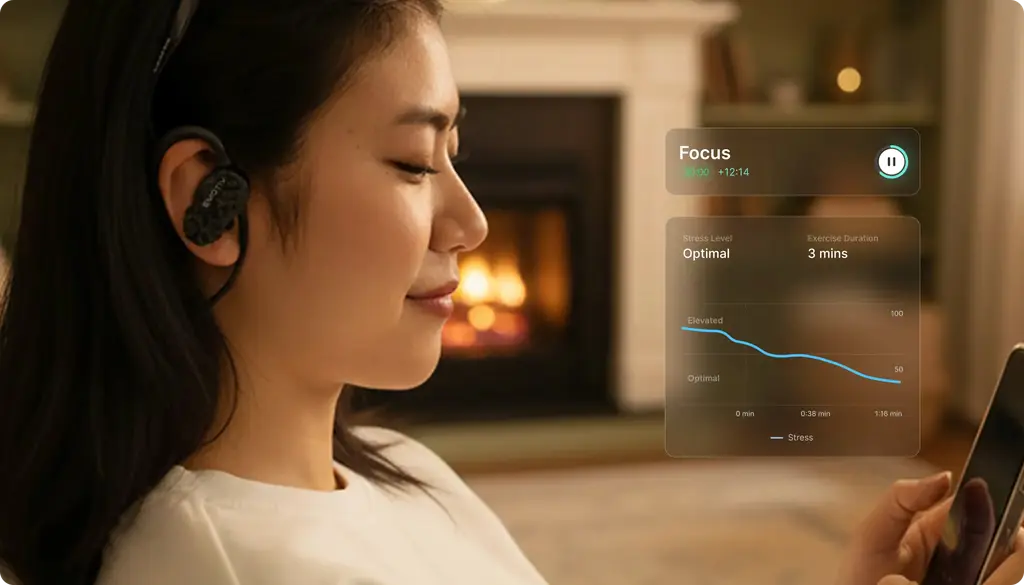
Continue reading