What Is an EEG Electrode Cap & How Does It Work?

Heidi Duran

Feb 5, 2026

Share:

An EEG electrode cap is more than just a piece of hardware; it's the bridge between your research questions and the data that will answer them. Whether you're exploring cognitive processes in an academic lab, developing a new brain-computer interface, or gathering consumer insights for neuromarketing, the quality of your results starts with a clean signal. A well-chosen cap ensures a stable connection, participant comfort, and consistent sensor placement—all essential for high-fidelity recordings. This guide will walk you through everything you need to know, from the fundamental technology to the practical applications, ensuring you have the knowledge to select and use your equipment effectively.


View Products

Key Takeaways

  • Select the right electrode type for your study: Your choice between gel, saline, and dry electrodes involves a trade-off. Balance the high signal quality of wet electrodes with the speed and convenience of dry systems to find the best fit for your specific research environment.

  • Define your goals before you choose a cap: The ideal EEG cap is determined by your research questions, not just the channel count. Clearly outline your study's needs and budget to select a cap that provides the right data without unnecessary complexity.

  • Ensure total system compatibility: A cap is only one piece of the puzzle. Verify that it integrates perfectly with your headset and software to prevent technical issues and guarantee a smooth, reliable data collection process from start to finish.

How Do EEG Electrode Caps Work?

If you're new to EEG, the idea of a cap that measures brain activity might seem like something out of science fiction. But the technology is quite straightforward and designed to make complex science accessible. At its core, an EEG cap is a tool that helps you get a consistent and reliable measurement of the brain's electrical signals. Let's break down exactly how it works, from the basic technology to the practical application.

A Quick Look at EEG Technology

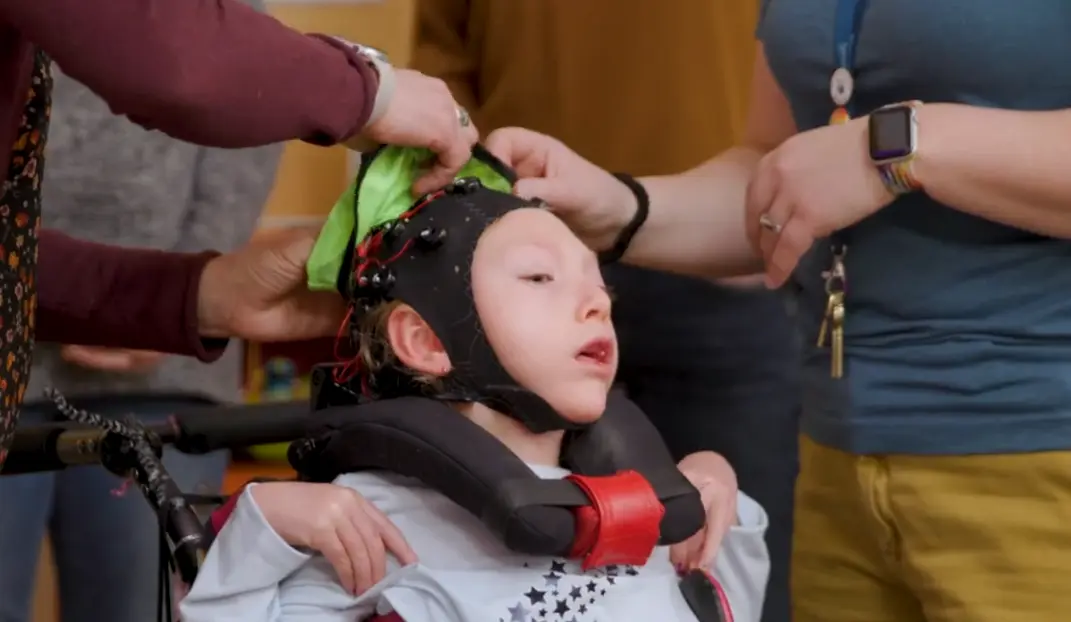
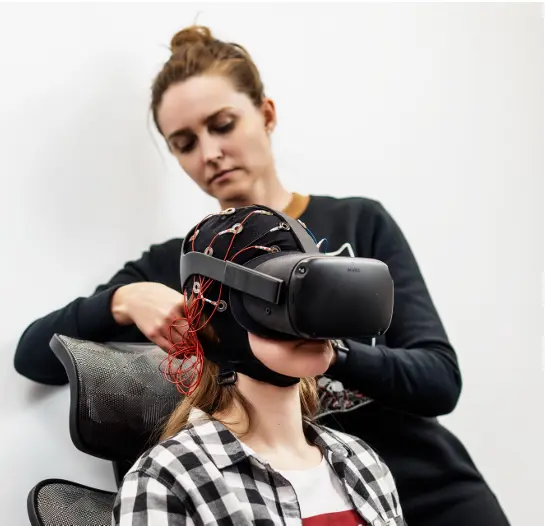
First, let’s cover the basics. Your brain is constantly producing tiny electrical impulses as neurons communicate with each other. Electroencephalography, or EEG, is a method used to record this activity. An EEG electrode cap is essentially a wearable device that makes this process much easier. Think of it as a snug, stretchy cap embedded with small metal discs called electrodes. These electrodes are precisely placed according to a standardized map called the International 10-20 system. This system ensures that no matter who is conducting the study, the electrodes are always in the same location, making the data consistent and comparable.

Capturing Brain Signals with an Electrode Cap

For the cap to work, the electrodes need to make a clean connection with your scalp. This is where a conductive medium comes in. Depending on the type of cap, you’ll use either a special gel or a saline solution. This substance helps bridge the tiny gap between the electrode and the skin, reducing electrical resistance (also known as impedance). Lower impedance means a clearer, stronger signal from the brain. The cap holds everything securely in place, ensuring that each electrode maintains good contact throughout your session. This stable connection is key to capturing high-quality brain data.

Electrode Caps vs. Traditional Electrodes

Before EEG caps became common, researchers had to place each electrode on the scalp individually. This was a slow, meticulous process that required a lot of training to get right. You had to measure the head, mark each spot, and apply each electrode with paste or gel. EEG caps streamline this entire setup. Instead of placing 32 individual sensors, you just put on one cap. This not only saves a huge amount of time but also dramatically improves the consistency of your electrode placement from one session to the next. For anyone involved in academic research, this repeatability is a massive advantage.

What Types of EEG Electrode Caps Are There?

When you start exploring EEG systems, you'll quickly notice that not all electrode caps are the same. The main differences come down to the type of electrode used to make contact with the scalp and conduct the brain's electrical signals. The three most common types are gel-based, saline-based, and dry electrodes. Each has its own set of benefits and is suited for different types of studies and environments.

Choosing the right type depends on your specific needs, like how long your sessions are, who your participants are, and how much prep time you have. Understanding these options will help you find the perfect fit for your research or project, ensuring you get the best possible data while keeping your participants comfortable. Let's break down what makes each type unique.

Gel-Based Electrode Caps

Gel-based caps are the traditional standard in clinical and research settings for a reason: they provide excellent signal quality. These systems use a conductive gel applied between the electrode and the scalp to create a strong, stable connection. This gel reduces the impedance—or electrical resistance—of the skin, which allows for a clearer and more reliable signal. While the data quality is a huge plus, the setup can be time-consuming and a bit messy. It requires careful application of the gel to each electrode site and a thorough cleanup afterward, which might not be ideal for every situation.

Dry Electrode Caps

If speed and convenience are your top priorities, dry electrode caps are a fantastic option. As the name suggests, these caps don't require any gels, pastes, or liquids. The electrodes are made of a conductive material that makes direct contact with the skin. This eliminates preparation and cleanup time, allowing you to get started with a study almost immediately. This makes them perfect for applications outside of a traditional lab, like brain-computer interface (BCI) development or projects that require rapid setup. Our Insight headset, for example, uses dry polymer sensors for this very reason.

Saline-Based Electrode Caps

Saline-based caps offer a great balance between the high signal quality of gel caps and the convenience of dry caps. Instead of a thick gel, these systems use felt pads soaked in a simple saline (saltwater) solution. The setup is much faster and cleaner than with gel, as you just need to wet the pads before putting the cap on. The saline solution is highly conductive, ensuring you still get reliable, high-quality data. This makes them a popular choice for many researchers. Our Flex Saline headset is designed around this principle, offering a practical solution for efficient and effective EEG recording.

Channels and Sizing: What You Need to Know

Beyond the electrode type, you’ll also need to consider the number of channels and the cap size. "Channels" simply refers to the number of electrodes on the cap. A cap with more channels can gather data from more areas of the brain simultaneously, providing a more detailed picture of neural activity. This is crucial for advanced academic research and complex imaging studies. However, more channels also mean a higher price and more complex data to analyze. Finally, a proper fit is essential for good data quality. Most caps come in various sizes to ensure the electrodes are positioned correctly and maintain consistent contact with the scalp.

Why Use an EEG Electrode Cap?

If you're planning an EEG study, one of the first practical questions you'll face is how to apply the electrodes. While placing them individually is an option, using an EEG electrode cap offers some significant advantages that can make your entire process smoother and more effective. From speeding up your prep time to ensuring your participants are comfortable, a cap can be a game-changer for gathering reliable brain data. It’s all about finding the right balance of efficiency, comfort, and data quality for your specific project.

Get a Faster, More Consistent Setup

One of the biggest benefits of using an EEG cap is the sheer speed and consistency it offers. Instead of measuring and marking a participant's head to place each electrode one by one, a cap has all the electrodes fixed in precise locations according to a standardized layout, like the international 10-20 system. This means you can get set up in a fraction of the time. More importantly, it guarantees that your electrode placement is consistent across every single participant and every session. This level of standardization is crucial for producing replicable and comparable results in any research setting.

Stay Comfortable During Long Sessions

Participant comfort is more than just a courtesy—it directly impacts the quality of your data. If a participant is uncomfortable, they’re more likely to move, tense their muscles, or feel stressed, all of which can introduce noise and artifacts into your EEG recordings. Modern EEG caps are designed with this in mind. They are typically made from soft, stretchy fabrics like Lycra that conform to the head without applying too much pressure. This design ensures that participants can remain still and relaxed, even during long experiments, helping you capture the cleanest possible brain signals for your analysis.

Capture Higher-Quality Data

The primary goal of any EEG setup is to get a clear, strong signal from the brain. Electrode caps, particularly those that use a conductive medium, excel at this. Wet electrode systems, like our Emotiv Flex, use saline or gel to create a low-impedance connection between the electrode and the scalp. This stable connection reduces the signal-to-noise ratio, allowing you to capture high-fidelity brainwave data with greater clarity and reliability. For research that depends on detecting subtle neural signatures, the excellent signal quality from a well-fitted wet electrode cap is invaluable.

Common Myths About EEG Caps

When choosing equipment, it’s easy to get caught up in a few common misconceptions. One myth is that a higher price tag or more channels automatically means better quality. In reality, the "best" EEG cap is the one that fits your research needs. A 32-channel system might be overkill if your study only requires data from a few specific brain regions. Another myth is that all caps are created equal. The material, electrode type (gel, saline, or dry), and overall design can vary significantly, each offering different trade-offs between setup time, comfort, and signal quality. The key is to define your research goals first, then find the cap that helps you achieve them.

How to Choose the Right EEG Electrode Cap

Picking the right EEG electrode cap can feel like a big decision, but it doesn’t have to be overwhelming. The best choice for you really comes down to what you want to accomplish. There isn't a single "best" cap, but there is a cap that's best for your specific project. Thinking through a few key factors ahead of time will help you narrow down the options and find the perfect fit for your work.

Before you start comparing features and prices, take a step back and consider the big picture. What are your primary research questions? Who will be participating in your study? What EEG system are you using? And what’s your budget? Answering these questions will guide you toward a cap that not only fits your head but also fits your goals, ensuring you can gather the clean, reliable data you need. Let’s walk through each of these points so you can make your choice with confidence.

Define Your Research Goals

First things first: what are you trying to discover? Your research goals are the most important factor in choosing an EEG cap. The questions you're asking will determine which brain regions you need to measure, which in turn dictates the number and placement of electrodes required. For example, if you're in neuromarketing and want to understand the subconscious drivers of consumer choice, you'll need a cap that provides good coverage over the brain areas associated with emotion and decision-making. In contrast, a study focused on motor control for a brain-computer interface might prioritize coverage over the motor cortex. Clearly defining your objectives from the start ensures you invest in a tool that’s perfectly suited to capture the specific data you need.

Consider Your Participants

Next, think about who will be wearing the cap. The comfort and experience of your participants are crucial for collecting high-quality data. A cap that is uncomfortable or doesn't fit well can lead to restlessness and artifacts in your recordings. It's also important to consider your participant demographics. Some standard caps may not be ideal for children or individuals with thick, curly hair, making it difficult to get a good connection. Fostering an inclusive research environment means selecting equipment that works for everyone you plan to study. A positive participant experience not only yields better data but also encourages people to participate in research again in the future.

Check Your System's Compatibility

An EEG cap is just one piece of the puzzle—it needs to work seamlessly with your amplifier and recording software. Before you make a purchase, double-check that the cap is compatible with your existing EEG system. Things like connector types and impedance levels can vary between manufacturers. A cap designed for a specific system, like our Flex headset, ensures everything works together right out of the box. This compatibility is key for achieving precise electrode placement and reliable results without spending hours troubleshooting technical issues. A smooth setup process lets you focus less on the equipment and more on your research.

Balance Your Budget and Needs

Finally, let's talk about budget. The cost of an EEG cap is often related to the number of electrodes it has. While it might be tempting to go for the highest channel count available, it may not be necessary for your research. It's all about finding the right balance between your scientific needs and your financial resources. Think critically about the data you need to answer your research questions. For some studies, a 5- or 14-channel device like our Insight or Epoc X headsets provides more than enough information. For others requiring higher spatial resolution, a 32-channel system is the better choice. By aligning the cap’s capabilities with your goals, you can make a smart investment that serves your research without breaking the bank.

Find EEG Systems with Great Cap Compatibility

An EEG cap is a critical tool, but it's only one part of the equation. The real magic happens when your cap, headset, and software all work together in perfect harmony. This is where system compatibility becomes the most important factor in your decision. A high-quality cap won’t do you much good if it constantly disconnects from your amplifier or if the software can’t correctly interpret its signals. True compatibility means more than just having connectors that fit. It means the hardware is designed to work with the cap's specific impedance levels, the software drivers are stable, and the entire system is calibrated to produce clean, reliable data.

Choosing a system that’s built to be flexible and work well with different caps can save you countless headaches and lead to better outcomes. When you’re evaluating your options, think about the entire ecosystem. Does the hardware support the type of cap you need? Is the software intuitive enough to handle the data you’ll be collecting? A lack of synergy can introduce noise, artifacts, and other issues that compromise your data integrity. These are the questions that will guide you to a setup that truly supports your work, whether you're conducting academic research, exploring consumer insights, or developing a new BCI application.

Explore Emotiv's Compatible Headsets

We designed our EEG devices with this exact compatibility in mind. Our Flex headset, for example, is made specifically for use with saline or gel-based electrode caps, offering a high-density, 32-channel setup that remains comfortable and portable. This approach gives you the freedom to position sensors anywhere on the scalp, making it ideal for advanced research. We encourage you to compare our EEG devices to see the full range of options. By matching the right hardware to your research goals, you can ensure you get the channel count and form factor you need without sacrificing data quality or ease of use.

Look for Features That Simplify Your Work

The best systems are the ones you don't have to fight with. Features like quick setup, clear instructions, and intuitive software interfaces make a huge difference in your day-to-day work. When you aren't spending hours troubleshooting, you can focus on what really matters: your research. For example, our Flex headset uses a straightforward design that makes placing the cap and sensors much simpler. We believe that powerful technology should also be accessible, which is why we focus on creating user-friendly EEG devices that streamline the data collection process for both seasoned researchers and newcomers alike.

Prioritize Software and Wireless Integration

A wireless headset gives you and your participants incredible freedom of movement, which is essential for many real-world studies. But that hardware is only as good as the software that processes its data. You need a platform that can handle real-time data streams, offer powerful analysis tools, and make it easy to export your findings. Our EmotivPRO software, for instance, is built to work seamlessly with our wireless headsets, giving you a complete solution for recording and analyzing high-quality EEG data. When your hardware and software are perfectly in sync, you can trust your setup and concentrate on discovery.

Common Applications for EEG Electrode Caps

EEG electrode caps are incredibly versatile tools, finding their place in a wide range of fields, from university labs to marketing agencies. Their ability to provide a detailed look at brain activity makes them invaluable for anyone looking to understand the human mind. Whether you're exploring cognitive processes, developing new technologies, or gathering consumer feedback, an EEG cap can provide the data you need. Let's walk through some of the most common ways these caps are used today.

Academic and Cognitive Research

In university and research settings, EEG caps are a cornerstone of cognitive neuroscience. They allow researchers to measure brain activity while participants perform specific tasks, like solving problems, reacting to stimuli, or learning new information. This helps scientists map out the neural processes behind memory, attention, and emotion. For many labs, the ease of use and consistency of EEG caps make it possible to conduct complex studies and gather reliable data for academic research and education. It’s a powerful way to see the brain in action.

Neuromarketing and Consumer Insights

Have you ever wondered what really grabs a consumer's attention in an ad? That's where neuromarketing comes in. By using EEG caps, companies can get an unfiltered look at how people's brains respond to products, commercials, and packaging. This goes beyond what surveys can tell you, revealing subconscious reactions and emotional engagement. This kind of neuromarketing research helps brands understand what truly resonates with their audience, allowing them to create more effective and engaging campaigns by understanding the brain processes that drive decisions.

Brain-Computer Interface (BCI) Development

Brain-computer interfaces, or BCIs, sound like something out of science fiction, but they are a rapidly growing field of technology. EEG caps are a key component in developing these systems, which create a direct communication pathway between the brain and an external device. By interpreting brain signals, a brain-computer interface can allow a user to control a computer cursor, a prosthetic limb, or other devices with their thoughts. This technology holds incredible potential, and EEG caps provide the accessible, non-invasive hardware needed for developers and researchers to innovate.

Neurological Assessments

In clinical environments, EEG caps are essential for neurological assessments. Professionals use them to observe and analyze brainwave patterns, which can provide important information about a person's neurological state. This is particularly useful for studying conditions that affect brain activity, such as epilepsy or sleep disorders. The ability to get a comprehensive and consistent recording of brain signals makes EEG caps a standard tool for professionals who need to gather detailed data for evaluation and care planning.

Where to Buy EEG Electrode Caps (And What to Expect)

Once you’ve decided on the type of EEG cap that fits your project, the next step is finding the right place to purchase it. This process is about more than just clicking "add to cart." You're looking for a reliable partner who can provide quality equipment that meets scientific standards. Thinking about a few key factors before you buy can save you a lot of headaches later on. From finding a trustworthy seller to understanding the real cost and post-purchase support, here’s what you should expect when you’re ready to invest in an EEG electrode cap.

Find a Reputable Retailer

When you're buying scientific equipment, it's crucial to source it from a retailer that specializes in neuroscience hardware. These sellers understand the technical requirements of EEG research and can ensure you’re getting a quality product. For example, stores like The Electrode Store offer caps that use the International 10-20 system for electrode placement. This is the industry standard for ensuring that your electrode positions are consistent and comparable across different studies and participants, which is fundamental for credible data collection. A reputable retailer will be transparent about the standards their products meet, giving you confidence in your purchase.

Understand the Price Range

The cost of EEG electrode caps can vary widely, so it’s helpful to have a budget in mind. An individual cap might cost anywhere from $50 to over $500, depending on the material, number of channels, and brand. If you’re starting from scratch, you might consider a complete cap system, which often includes various cap sizes and necessary supplies like gels or syringes. These kits typically range from around $650 to $1,800. The price reflects not just the cap itself but the entire ecosystem of accessories needed to run a successful EEG session. Knowing these general price ranges can help you plan your budget accordingly.

Don't Forget Warranty and Support

An EEG cap is an investment, and like any investment, it should be protected. Before you make a purchase, look into the warranty and support options offered by the retailer. A standard warranty, such as one that covers defects for 90 days, provides a safety net and shows that the company stands behind its product. Good customer support is also essential, especially if you run into setup issues or have questions about maintenance. Also, keep an eye out for practical perks like free shipping offers, which can make a difference in your overall cost, particularly if you are ordering multiple items for a lab.

Related Articles


View Products

Frequently Asked Questions

How many channels do I actually need for my study? This is one of the most common questions, and the answer isn't simply "more is better." It all comes down to your research question. If you're focused on a specific brain response for a brain-computer interface or a neuromarketing study, a device with 5 or 14 channels might be perfect. However, if you're doing advanced academic research that requires a detailed map of brain activity, a 32-channel system like our Flex headset will give you the higher spatial resolution you need. Start with your goals, and let them guide your choice.

What's the real difference in setup time between gel, saline, and dry electrodes? The difference is significant and can really impact your workflow. Dry electrode systems, like our Insight headset, are ready almost instantly—you just put the headset on. Saline-based caps, such as our Flex Saline, are also quite fast, typically taking about 5 to 10 minutes to soak the sensor pads and get a good fit. Gel-based caps require the most prep time, often 20 minutes or more for careful application, and you'll also need to factor in cleanup time for the participant's hair afterward.

How do I properly clean and maintain my EEG cap? Proper care is essential for making your equipment last. For a saline-based cap, you should rinse the cap and the felt pads with distilled water after each use and let them air dry completely before storing them. This prevents salt buildup. Gel-based caps require a more thorough cleaning with a soft brush and a recommended cleaning solution to remove all gel residue, which can otherwise damage the electrodes over time. Always check the manufacturer's specific instructions for the best results.

Can I use an EEG cap on participants with thick or curly hair? Yes, you absolutely can, but it requires a bit more patience during setup. For wet electrode caps, like saline or gel systems, the key is to gently part the hair at each electrode site. You can use a tool like a syringe tip (without the needle) to apply a little extra conductive solution directly to the scalp, ensuring you get a solid connection. Taking a few extra minutes to prep properly will make a huge difference in your data quality.

Is there a big difference in data quality between dry and wet electrodes? There is a trade-off between convenience and signal stability. Wet electrodes, both saline and gel, generally provide a clearer, lower-noise signal because the conductive medium creates a very stable connection with the scalp. This is often the preferred choice for research that requires detecting subtle brain signals. Dry electrodes offer incredible speed and ease of use, making them ideal for BCI applications or studies outside a lab. While the technology is excellent, you may have to be more mindful of movement artifacts compared to a wet system.

An EEG electrode cap is more than just a piece of hardware; it's the bridge between your research questions and the data that will answer them. Whether you're exploring cognitive processes in an academic lab, developing a new brain-computer interface, or gathering consumer insights for neuromarketing, the quality of your results starts with a clean signal. A well-chosen cap ensures a stable connection, participant comfort, and consistent sensor placement—all essential for high-fidelity recordings. This guide will walk you through everything you need to know, from the fundamental technology to the practical applications, ensuring you have the knowledge to select and use your equipment effectively.


View Products

Key Takeaways

  • Select the right electrode type for your study: Your choice between gel, saline, and dry electrodes involves a trade-off. Balance the high signal quality of wet electrodes with the speed and convenience of dry systems to find the best fit for your specific research environment.

  • Define your goals before you choose a cap: The ideal EEG cap is determined by your research questions, not just the channel count. Clearly outline your study's needs and budget to select a cap that provides the right data without unnecessary complexity.

  • Ensure total system compatibility: A cap is only one piece of the puzzle. Verify that it integrates perfectly with your headset and software to prevent technical issues and guarantee a smooth, reliable data collection process from start to finish.

How Do EEG Electrode Caps Work?

If you're new to EEG, the idea of a cap that measures brain activity might seem like something out of science fiction. But the technology is quite straightforward and designed to make complex science accessible. At its core, an EEG cap is a tool that helps you get a consistent and reliable measurement of the brain's electrical signals. Let's break down exactly how it works, from the basic technology to the practical application.

A Quick Look at EEG Technology

First, let’s cover the basics. Your brain is constantly producing tiny electrical impulses as neurons communicate with each other. Electroencephalography, or EEG, is a method used to record this activity. An EEG electrode cap is essentially a wearable device that makes this process much easier. Think of it as a snug, stretchy cap embedded with small metal discs called electrodes. These electrodes are precisely placed according to a standardized map called the International 10-20 system. This system ensures that no matter who is conducting the study, the electrodes are always in the same location, making the data consistent and comparable.

Capturing Brain Signals with an Electrode Cap

For the cap to work, the electrodes need to make a clean connection with your scalp. This is where a conductive medium comes in. Depending on the type of cap, you’ll use either a special gel or a saline solution. This substance helps bridge the tiny gap between the electrode and the skin, reducing electrical resistance (also known as impedance). Lower impedance means a clearer, stronger signal from the brain. The cap holds everything securely in place, ensuring that each electrode maintains good contact throughout your session. This stable connection is key to capturing high-quality brain data.

Electrode Caps vs. Traditional Electrodes

Before EEG caps became common, researchers had to place each electrode on the scalp individually. This was a slow, meticulous process that required a lot of training to get right. You had to measure the head, mark each spot, and apply each electrode with paste or gel. EEG caps streamline this entire setup. Instead of placing 32 individual sensors, you just put on one cap. This not only saves a huge amount of time but also dramatically improves the consistency of your electrode placement from one session to the next. For anyone involved in academic research, this repeatability is a massive advantage.

What Types of EEG Electrode Caps Are There?

When you start exploring EEG systems, you'll quickly notice that not all electrode caps are the same. The main differences come down to the type of electrode used to make contact with the scalp and conduct the brain's electrical signals. The three most common types are gel-based, saline-based, and dry electrodes. Each has its own set of benefits and is suited for different types of studies and environments.

Choosing the right type depends on your specific needs, like how long your sessions are, who your participants are, and how much prep time you have. Understanding these options will help you find the perfect fit for your research or project, ensuring you get the best possible data while keeping your participants comfortable. Let's break down what makes each type unique.

Gel-Based Electrode Caps

Gel-based caps are the traditional standard in clinical and research settings for a reason: they provide excellent signal quality. These systems use a conductive gel applied between the electrode and the scalp to create a strong, stable connection. This gel reduces the impedance—or electrical resistance—of the skin, which allows for a clearer and more reliable signal. While the data quality is a huge plus, the setup can be time-consuming and a bit messy. It requires careful application of the gel to each electrode site and a thorough cleanup afterward, which might not be ideal for every situation.

Dry Electrode Caps

If speed and convenience are your top priorities, dry electrode caps are a fantastic option. As the name suggests, these caps don't require any gels, pastes, or liquids. The electrodes are made of a conductive material that makes direct contact with the skin. This eliminates preparation and cleanup time, allowing you to get started with a study almost immediately. This makes them perfect for applications outside of a traditional lab, like brain-computer interface (BCI) development or projects that require rapid setup. Our Insight headset, for example, uses dry polymer sensors for this very reason.

Saline-Based Electrode Caps

Saline-based caps offer a great balance between the high signal quality of gel caps and the convenience of dry caps. Instead of a thick gel, these systems use felt pads soaked in a simple saline (saltwater) solution. The setup is much faster and cleaner than with gel, as you just need to wet the pads before putting the cap on. The saline solution is highly conductive, ensuring you still get reliable, high-quality data. This makes them a popular choice for many researchers. Our Flex Saline headset is designed around this principle, offering a practical solution for efficient and effective EEG recording.

Channels and Sizing: What You Need to Know

Beyond the electrode type, you’ll also need to consider the number of channels and the cap size. "Channels" simply refers to the number of electrodes on the cap. A cap with more channels can gather data from more areas of the brain simultaneously, providing a more detailed picture of neural activity. This is crucial for advanced academic research and complex imaging studies. However, more channels also mean a higher price and more complex data to analyze. Finally, a proper fit is essential for good data quality. Most caps come in various sizes to ensure the electrodes are positioned correctly and maintain consistent contact with the scalp.

Why Use an EEG Electrode Cap?

If you're planning an EEG study, one of the first practical questions you'll face is how to apply the electrodes. While placing them individually is an option, using an EEG electrode cap offers some significant advantages that can make your entire process smoother and more effective. From speeding up your prep time to ensuring your participants are comfortable, a cap can be a game-changer for gathering reliable brain data. It’s all about finding the right balance of efficiency, comfort, and data quality for your specific project.

Get a Faster, More Consistent Setup

One of the biggest benefits of using an EEG cap is the sheer speed and consistency it offers. Instead of measuring and marking a participant's head to place each electrode one by one, a cap has all the electrodes fixed in precise locations according to a standardized layout, like the international 10-20 system. This means you can get set up in a fraction of the time. More importantly, it guarantees that your electrode placement is consistent across every single participant and every session. This level of standardization is crucial for producing replicable and comparable results in any research setting.

Stay Comfortable During Long Sessions

Participant comfort is more than just a courtesy—it directly impacts the quality of your data. If a participant is uncomfortable, they’re more likely to move, tense their muscles, or feel stressed, all of which can introduce noise and artifacts into your EEG recordings. Modern EEG caps are designed with this in mind. They are typically made from soft, stretchy fabrics like Lycra that conform to the head without applying too much pressure. This design ensures that participants can remain still and relaxed, even during long experiments, helping you capture the cleanest possible brain signals for your analysis.

Capture Higher-Quality Data

The primary goal of any EEG setup is to get a clear, strong signal from the brain. Electrode caps, particularly those that use a conductive medium, excel at this. Wet electrode systems, like our Emotiv Flex, use saline or gel to create a low-impedance connection between the electrode and the scalp. This stable connection reduces the signal-to-noise ratio, allowing you to capture high-fidelity brainwave data with greater clarity and reliability. For research that depends on detecting subtle neural signatures, the excellent signal quality from a well-fitted wet electrode cap is invaluable.

Common Myths About EEG Caps

When choosing equipment, it’s easy to get caught up in a few common misconceptions. One myth is that a higher price tag or more channels automatically means better quality. In reality, the "best" EEG cap is the one that fits your research needs. A 32-channel system might be overkill if your study only requires data from a few specific brain regions. Another myth is that all caps are created equal. The material, electrode type (gel, saline, or dry), and overall design can vary significantly, each offering different trade-offs between setup time, comfort, and signal quality. The key is to define your research goals first, then find the cap that helps you achieve them.

How to Choose the Right EEG Electrode Cap

Picking the right EEG electrode cap can feel like a big decision, but it doesn’t have to be overwhelming. The best choice for you really comes down to what you want to accomplish. There isn't a single "best" cap, but there is a cap that's best for your specific project. Thinking through a few key factors ahead of time will help you narrow down the options and find the perfect fit for your work.

Before you start comparing features and prices, take a step back and consider the big picture. What are your primary research questions? Who will be participating in your study? What EEG system are you using? And what’s your budget? Answering these questions will guide you toward a cap that not only fits your head but also fits your goals, ensuring you can gather the clean, reliable data you need. Let’s walk through each of these points so you can make your choice with confidence.

Define Your Research Goals

First things first: what are you trying to discover? Your research goals are the most important factor in choosing an EEG cap. The questions you're asking will determine which brain regions you need to measure, which in turn dictates the number and placement of electrodes required. For example, if you're in neuromarketing and want to understand the subconscious drivers of consumer choice, you'll need a cap that provides good coverage over the brain areas associated with emotion and decision-making. In contrast, a study focused on motor control for a brain-computer interface might prioritize coverage over the motor cortex. Clearly defining your objectives from the start ensures you invest in a tool that’s perfectly suited to capture the specific data you need.

Consider Your Participants

Next, think about who will be wearing the cap. The comfort and experience of your participants are crucial for collecting high-quality data. A cap that is uncomfortable or doesn't fit well can lead to restlessness and artifacts in your recordings. It's also important to consider your participant demographics. Some standard caps may not be ideal for children or individuals with thick, curly hair, making it difficult to get a good connection. Fostering an inclusive research environment means selecting equipment that works for everyone you plan to study. A positive participant experience not only yields better data but also encourages people to participate in research again in the future.

Check Your System's Compatibility

An EEG cap is just one piece of the puzzle—it needs to work seamlessly with your amplifier and recording software. Before you make a purchase, double-check that the cap is compatible with your existing EEG system. Things like connector types and impedance levels can vary between manufacturers. A cap designed for a specific system, like our Flex headset, ensures everything works together right out of the box. This compatibility is key for achieving precise electrode placement and reliable results without spending hours troubleshooting technical issues. A smooth setup process lets you focus less on the equipment and more on your research.

Balance Your Budget and Needs

Finally, let's talk about budget. The cost of an EEG cap is often related to the number of electrodes it has. While it might be tempting to go for the highest channel count available, it may not be necessary for your research. It's all about finding the right balance between your scientific needs and your financial resources. Think critically about the data you need to answer your research questions. For some studies, a 5- or 14-channel device like our Insight or Epoc X headsets provides more than enough information. For others requiring higher spatial resolution, a 32-channel system is the better choice. By aligning the cap’s capabilities with your goals, you can make a smart investment that serves your research without breaking the bank.

Find EEG Systems with Great Cap Compatibility

An EEG cap is a critical tool, but it's only one part of the equation. The real magic happens when your cap, headset, and software all work together in perfect harmony. This is where system compatibility becomes the most important factor in your decision. A high-quality cap won’t do you much good if it constantly disconnects from your amplifier or if the software can’t correctly interpret its signals. True compatibility means more than just having connectors that fit. It means the hardware is designed to work with the cap's specific impedance levels, the software drivers are stable, and the entire system is calibrated to produce clean, reliable data.

Choosing a system that’s built to be flexible and work well with different caps can save you countless headaches and lead to better outcomes. When you’re evaluating your options, think about the entire ecosystem. Does the hardware support the type of cap you need? Is the software intuitive enough to handle the data you’ll be collecting? A lack of synergy can introduce noise, artifacts, and other issues that compromise your data integrity. These are the questions that will guide you to a setup that truly supports your work, whether you're conducting academic research, exploring consumer insights, or developing a new BCI application.

Explore Emotiv's Compatible Headsets

We designed our EEG devices with this exact compatibility in mind. Our Flex headset, for example, is made specifically for use with saline or gel-based electrode caps, offering a high-density, 32-channel setup that remains comfortable and portable. This approach gives you the freedom to position sensors anywhere on the scalp, making it ideal for advanced research. We encourage you to compare our EEG devices to see the full range of options. By matching the right hardware to your research goals, you can ensure you get the channel count and form factor you need without sacrificing data quality or ease of use.

Look for Features That Simplify Your Work

The best systems are the ones you don't have to fight with. Features like quick setup, clear instructions, and intuitive software interfaces make a huge difference in your day-to-day work. When you aren't spending hours troubleshooting, you can focus on what really matters: your research. For example, our Flex headset uses a straightforward design that makes placing the cap and sensors much simpler. We believe that powerful technology should also be accessible, which is why we focus on creating user-friendly EEG devices that streamline the data collection process for both seasoned researchers and newcomers alike.

Prioritize Software and Wireless Integration

A wireless headset gives you and your participants incredible freedom of movement, which is essential for many real-world studies. But that hardware is only as good as the software that processes its data. You need a platform that can handle real-time data streams, offer powerful analysis tools, and make it easy to export your findings. Our EmotivPRO software, for instance, is built to work seamlessly with our wireless headsets, giving you a complete solution for recording and analyzing high-quality EEG data. When your hardware and software are perfectly in sync, you can trust your setup and concentrate on discovery.

Common Applications for EEG Electrode Caps

EEG electrode caps are incredibly versatile tools, finding their place in a wide range of fields, from university labs to marketing agencies. Their ability to provide a detailed look at brain activity makes them invaluable for anyone looking to understand the human mind. Whether you're exploring cognitive processes, developing new technologies, or gathering consumer feedback, an EEG cap can provide the data you need. Let's walk through some of the most common ways these caps are used today.

Academic and Cognitive Research

In university and research settings, EEG caps are a cornerstone of cognitive neuroscience. They allow researchers to measure brain activity while participants perform specific tasks, like solving problems, reacting to stimuli, or learning new information. This helps scientists map out the neural processes behind memory, attention, and emotion. For many labs, the ease of use and consistency of EEG caps make it possible to conduct complex studies and gather reliable data for academic research and education. It’s a powerful way to see the brain in action.

Neuromarketing and Consumer Insights

Have you ever wondered what really grabs a consumer's attention in an ad? That's where neuromarketing comes in. By using EEG caps, companies can get an unfiltered look at how people's brains respond to products, commercials, and packaging. This goes beyond what surveys can tell you, revealing subconscious reactions and emotional engagement. This kind of neuromarketing research helps brands understand what truly resonates with their audience, allowing them to create more effective and engaging campaigns by understanding the brain processes that drive decisions.

Brain-Computer Interface (BCI) Development

Brain-computer interfaces, or BCIs, sound like something out of science fiction, but they are a rapidly growing field of technology. EEG caps are a key component in developing these systems, which create a direct communication pathway between the brain and an external device. By interpreting brain signals, a brain-computer interface can allow a user to control a computer cursor, a prosthetic limb, or other devices with their thoughts. This technology holds incredible potential, and EEG caps provide the accessible, non-invasive hardware needed for developers and researchers to innovate.

Neurological Assessments

In clinical environments, EEG caps are essential for neurological assessments. Professionals use them to observe and analyze brainwave patterns, which can provide important information about a person's neurological state. This is particularly useful for studying conditions that affect brain activity, such as epilepsy or sleep disorders. The ability to get a comprehensive and consistent recording of brain signals makes EEG caps a standard tool for professionals who need to gather detailed data for evaluation and care planning.

Where to Buy EEG Electrode Caps (And What to Expect)

Once you’ve decided on the type of EEG cap that fits your project, the next step is finding the right place to purchase it. This process is about more than just clicking "add to cart." You're looking for a reliable partner who can provide quality equipment that meets scientific standards. Thinking about a few key factors before you buy can save you a lot of headaches later on. From finding a trustworthy seller to understanding the real cost and post-purchase support, here’s what you should expect when you’re ready to invest in an EEG electrode cap.

Find a Reputable Retailer

When you're buying scientific equipment, it's crucial to source it from a retailer that specializes in neuroscience hardware. These sellers understand the technical requirements of EEG research and can ensure you’re getting a quality product. For example, stores like The Electrode Store offer caps that use the International 10-20 system for electrode placement. This is the industry standard for ensuring that your electrode positions are consistent and comparable across different studies and participants, which is fundamental for credible data collection. A reputable retailer will be transparent about the standards their products meet, giving you confidence in your purchase.

Understand the Price Range

The cost of EEG electrode caps can vary widely, so it’s helpful to have a budget in mind. An individual cap might cost anywhere from $50 to over $500, depending on the material, number of channels, and brand. If you’re starting from scratch, you might consider a complete cap system, which often includes various cap sizes and necessary supplies like gels or syringes. These kits typically range from around $650 to $1,800. The price reflects not just the cap itself but the entire ecosystem of accessories needed to run a successful EEG session. Knowing these general price ranges can help you plan your budget accordingly.

Don't Forget Warranty and Support

An EEG cap is an investment, and like any investment, it should be protected. Before you make a purchase, look into the warranty and support options offered by the retailer. A standard warranty, such as one that covers defects for 90 days, provides a safety net and shows that the company stands behind its product. Good customer support is also essential, especially if you run into setup issues or have questions about maintenance. Also, keep an eye out for practical perks like free shipping offers, which can make a difference in your overall cost, particularly if you are ordering multiple items for a lab.

Related Articles


View Products

Frequently Asked Questions

How many channels do I actually need for my study? This is one of the most common questions, and the answer isn't simply "more is better." It all comes down to your research question. If you're focused on a specific brain response for a brain-computer interface or a neuromarketing study, a device with 5 or 14 channels might be perfect. However, if you're doing advanced academic research that requires a detailed map of brain activity, a 32-channel system like our Flex headset will give you the higher spatial resolution you need. Start with your goals, and let them guide your choice.

What's the real difference in setup time between gel, saline, and dry electrodes? The difference is significant and can really impact your workflow. Dry electrode systems, like our Insight headset, are ready almost instantly—you just put the headset on. Saline-based caps, such as our Flex Saline, are also quite fast, typically taking about 5 to 10 minutes to soak the sensor pads and get a good fit. Gel-based caps require the most prep time, often 20 minutes or more for careful application, and you'll also need to factor in cleanup time for the participant's hair afterward.

How do I properly clean and maintain my EEG cap? Proper care is essential for making your equipment last. For a saline-based cap, you should rinse the cap and the felt pads with distilled water after each use and let them air dry completely before storing them. This prevents salt buildup. Gel-based caps require a more thorough cleaning with a soft brush and a recommended cleaning solution to remove all gel residue, which can otherwise damage the electrodes over time. Always check the manufacturer's specific instructions for the best results.

Can I use an EEG cap on participants with thick or curly hair? Yes, you absolutely can, but it requires a bit more patience during setup. For wet electrode caps, like saline or gel systems, the key is to gently part the hair at each electrode site. You can use a tool like a syringe tip (without the needle) to apply a little extra conductive solution directly to the scalp, ensuring you get a solid connection. Taking a few extra minutes to prep properly will make a huge difference in your data quality.

Is there a big difference in data quality between dry and wet electrodes? There is a trade-off between convenience and signal stability. Wet electrodes, both saline and gel, generally provide a clearer, lower-noise signal because the conductive medium creates a very stable connection with the scalp. This is often the preferred choice for research that requires detecting subtle brain signals. Dry electrodes offer incredible speed and ease of use, making them ideal for BCI applications or studies outside a lab. While the technology is excellent, you may have to be more mindful of movement artifacts compared to a wet system.

An EEG electrode cap is more than just a piece of hardware; it's the bridge between your research questions and the data that will answer them. Whether you're exploring cognitive processes in an academic lab, developing a new brain-computer interface, or gathering consumer insights for neuromarketing, the quality of your results starts with a clean signal. A well-chosen cap ensures a stable connection, participant comfort, and consistent sensor placement—all essential for high-fidelity recordings. This guide will walk you through everything you need to know, from the fundamental technology to the practical applications, ensuring you have the knowledge to select and use your equipment effectively.


View Products

Key Takeaways

  • Select the right electrode type for your study: Your choice between gel, saline, and dry electrodes involves a trade-off. Balance the high signal quality of wet electrodes with the speed and convenience of dry systems to find the best fit for your specific research environment.

  • Define your goals before you choose a cap: The ideal EEG cap is determined by your research questions, not just the channel count. Clearly outline your study's needs and budget to select a cap that provides the right data without unnecessary complexity.

  • Ensure total system compatibility: A cap is only one piece of the puzzle. Verify that it integrates perfectly with your headset and software to prevent technical issues and guarantee a smooth, reliable data collection process from start to finish.

How Do EEG Electrode Caps Work?

If you're new to EEG, the idea of a cap that measures brain activity might seem like something out of science fiction. But the technology is quite straightforward and designed to make complex science accessible. At its core, an EEG cap is a tool that helps you get a consistent and reliable measurement of the brain's electrical signals. Let's break down exactly how it works, from the basic technology to the practical application.

A Quick Look at EEG Technology

First, let’s cover the basics. Your brain is constantly producing tiny electrical impulses as neurons communicate with each other. Electroencephalography, or EEG, is a method used to record this activity. An EEG electrode cap is essentially a wearable device that makes this process much easier. Think of it as a snug, stretchy cap embedded with small metal discs called electrodes. These electrodes are precisely placed according to a standardized map called the International 10-20 system. This system ensures that no matter who is conducting the study, the electrodes are always in the same location, making the data consistent and comparable.

Capturing Brain Signals with an Electrode Cap

For the cap to work, the electrodes need to make a clean connection with your scalp. This is where a conductive medium comes in. Depending on the type of cap, you’ll use either a special gel or a saline solution. This substance helps bridge the tiny gap between the electrode and the skin, reducing electrical resistance (also known as impedance). Lower impedance means a clearer, stronger signal from the brain. The cap holds everything securely in place, ensuring that each electrode maintains good contact throughout your session. This stable connection is key to capturing high-quality brain data.

Electrode Caps vs. Traditional Electrodes

Before EEG caps became common, researchers had to place each electrode on the scalp individually. This was a slow, meticulous process that required a lot of training to get right. You had to measure the head, mark each spot, and apply each electrode with paste or gel. EEG caps streamline this entire setup. Instead of placing 32 individual sensors, you just put on one cap. This not only saves a huge amount of time but also dramatically improves the consistency of your electrode placement from one session to the next. For anyone involved in academic research, this repeatability is a massive advantage.

What Types of EEG Electrode Caps Are There?

When you start exploring EEG systems, you'll quickly notice that not all electrode caps are the same. The main differences come down to the type of electrode used to make contact with the scalp and conduct the brain's electrical signals. The three most common types are gel-based, saline-based, and dry electrodes. Each has its own set of benefits and is suited for different types of studies and environments.

Choosing the right type depends on your specific needs, like how long your sessions are, who your participants are, and how much prep time you have. Understanding these options will help you find the perfect fit for your research or project, ensuring you get the best possible data while keeping your participants comfortable. Let's break down what makes each type unique.

Gel-Based Electrode Caps

Gel-based caps are the traditional standard in clinical and research settings for a reason: they provide excellent signal quality. These systems use a conductive gel applied between the electrode and the scalp to create a strong, stable connection. This gel reduces the impedance—or electrical resistance—of the skin, which allows for a clearer and more reliable signal. While the data quality is a huge plus, the setup can be time-consuming and a bit messy. It requires careful application of the gel to each electrode site and a thorough cleanup afterward, which might not be ideal for every situation.

Dry Electrode Caps

If speed and convenience are your top priorities, dry electrode caps are a fantastic option. As the name suggests, these caps don't require any gels, pastes, or liquids. The electrodes are made of a conductive material that makes direct contact with the skin. This eliminates preparation and cleanup time, allowing you to get started with a study almost immediately. This makes them perfect for applications outside of a traditional lab, like brain-computer interface (BCI) development or projects that require rapid setup. Our Insight headset, for example, uses dry polymer sensors for this very reason.

Saline-Based Electrode Caps

Saline-based caps offer a great balance between the high signal quality of gel caps and the convenience of dry caps. Instead of a thick gel, these systems use felt pads soaked in a simple saline (saltwater) solution. The setup is much faster and cleaner than with gel, as you just need to wet the pads before putting the cap on. The saline solution is highly conductive, ensuring you still get reliable, high-quality data. This makes them a popular choice for many researchers. Our Flex Saline headset is designed around this principle, offering a practical solution for efficient and effective EEG recording.

Channels and Sizing: What You Need to Know

Beyond the electrode type, you’ll also need to consider the number of channels and the cap size. "Channels" simply refers to the number of electrodes on the cap. A cap with more channels can gather data from more areas of the brain simultaneously, providing a more detailed picture of neural activity. This is crucial for advanced academic research and complex imaging studies. However, more channels also mean a higher price and more complex data to analyze. Finally, a proper fit is essential for good data quality. Most caps come in various sizes to ensure the electrodes are positioned correctly and maintain consistent contact with the scalp.

Why Use an EEG Electrode Cap?

If you're planning an EEG study, one of the first practical questions you'll face is how to apply the electrodes. While placing them individually is an option, using an EEG electrode cap offers some significant advantages that can make your entire process smoother and more effective. From speeding up your prep time to ensuring your participants are comfortable, a cap can be a game-changer for gathering reliable brain data. It’s all about finding the right balance of efficiency, comfort, and data quality for your specific project.

Get a Faster, More Consistent Setup

One of the biggest benefits of using an EEG cap is the sheer speed and consistency it offers. Instead of measuring and marking a participant's head to place each electrode one by one, a cap has all the electrodes fixed in precise locations according to a standardized layout, like the international 10-20 system. This means you can get set up in a fraction of the time. More importantly, it guarantees that your electrode placement is consistent across every single participant and every session. This level of standardization is crucial for producing replicable and comparable results in any research setting.

Stay Comfortable During Long Sessions

Participant comfort is more than just a courtesy—it directly impacts the quality of your data. If a participant is uncomfortable, they’re more likely to move, tense their muscles, or feel stressed, all of which can introduce noise and artifacts into your EEG recordings. Modern EEG caps are designed with this in mind. They are typically made from soft, stretchy fabrics like Lycra that conform to the head without applying too much pressure. This design ensures that participants can remain still and relaxed, even during long experiments, helping you capture the cleanest possible brain signals for your analysis.

Capture Higher-Quality Data

The primary goal of any EEG setup is to get a clear, strong signal from the brain. Electrode caps, particularly those that use a conductive medium, excel at this. Wet electrode systems, like our Emotiv Flex, use saline or gel to create a low-impedance connection between the electrode and the scalp. This stable connection reduces the signal-to-noise ratio, allowing you to capture high-fidelity brainwave data with greater clarity and reliability. For research that depends on detecting subtle neural signatures, the excellent signal quality from a well-fitted wet electrode cap is invaluable.

Common Myths About EEG Caps

When choosing equipment, it’s easy to get caught up in a few common misconceptions. One myth is that a higher price tag or more channels automatically means better quality. In reality, the "best" EEG cap is the one that fits your research needs. A 32-channel system might be overkill if your study only requires data from a few specific brain regions. Another myth is that all caps are created equal. The material, electrode type (gel, saline, or dry), and overall design can vary significantly, each offering different trade-offs between setup time, comfort, and signal quality. The key is to define your research goals first, then find the cap that helps you achieve them.

How to Choose the Right EEG Electrode Cap

Picking the right EEG electrode cap can feel like a big decision, but it doesn’t have to be overwhelming. The best choice for you really comes down to what you want to accomplish. There isn't a single "best" cap, but there is a cap that's best for your specific project. Thinking through a few key factors ahead of time will help you narrow down the options and find the perfect fit for your work.

Before you start comparing features and prices, take a step back and consider the big picture. What are your primary research questions? Who will be participating in your study? What EEG system are you using? And what’s your budget? Answering these questions will guide you toward a cap that not only fits your head but also fits your goals, ensuring you can gather the clean, reliable data you need. Let’s walk through each of these points so you can make your choice with confidence.

Define Your Research Goals

First things first: what are you trying to discover? Your research goals are the most important factor in choosing an EEG cap. The questions you're asking will determine which brain regions you need to measure, which in turn dictates the number and placement of electrodes required. For example, if you're in neuromarketing and want to understand the subconscious drivers of consumer choice, you'll need a cap that provides good coverage over the brain areas associated with emotion and decision-making. In contrast, a study focused on motor control for a brain-computer interface might prioritize coverage over the motor cortex. Clearly defining your objectives from the start ensures you invest in a tool that’s perfectly suited to capture the specific data you need.

Consider Your Participants

Next, think about who will be wearing the cap. The comfort and experience of your participants are crucial for collecting high-quality data. A cap that is uncomfortable or doesn't fit well can lead to restlessness and artifacts in your recordings. It's also important to consider your participant demographics. Some standard caps may not be ideal for children or individuals with thick, curly hair, making it difficult to get a good connection. Fostering an inclusive research environment means selecting equipment that works for everyone you plan to study. A positive participant experience not only yields better data but also encourages people to participate in research again in the future.

Check Your System's Compatibility

An EEG cap is just one piece of the puzzle—it needs to work seamlessly with your amplifier and recording software. Before you make a purchase, double-check that the cap is compatible with your existing EEG system. Things like connector types and impedance levels can vary between manufacturers. A cap designed for a specific system, like our Flex headset, ensures everything works together right out of the box. This compatibility is key for achieving precise electrode placement and reliable results without spending hours troubleshooting technical issues. A smooth setup process lets you focus less on the equipment and more on your research.

Balance Your Budget and Needs

Finally, let's talk about budget. The cost of an EEG cap is often related to the number of electrodes it has. While it might be tempting to go for the highest channel count available, it may not be necessary for your research. It's all about finding the right balance between your scientific needs and your financial resources. Think critically about the data you need to answer your research questions. For some studies, a 5- or 14-channel device like our Insight or Epoc X headsets provides more than enough information. For others requiring higher spatial resolution, a 32-channel system is the better choice. By aligning the cap’s capabilities with your goals, you can make a smart investment that serves your research without breaking the bank.

Find EEG Systems with Great Cap Compatibility

An EEG cap is a critical tool, but it's only one part of the equation. The real magic happens when your cap, headset, and software all work together in perfect harmony. This is where system compatibility becomes the most important factor in your decision. A high-quality cap won’t do you much good if it constantly disconnects from your amplifier or if the software can’t correctly interpret its signals. True compatibility means more than just having connectors that fit. It means the hardware is designed to work with the cap's specific impedance levels, the software drivers are stable, and the entire system is calibrated to produce clean, reliable data.

Choosing a system that’s built to be flexible and work well with different caps can save you countless headaches and lead to better outcomes. When you’re evaluating your options, think about the entire ecosystem. Does the hardware support the type of cap you need? Is the software intuitive enough to handle the data you’ll be collecting? A lack of synergy can introduce noise, artifacts, and other issues that compromise your data integrity. These are the questions that will guide you to a setup that truly supports your work, whether you're conducting academic research, exploring consumer insights, or developing a new BCI application.

Explore Emotiv's Compatible Headsets

We designed our EEG devices with this exact compatibility in mind. Our Flex headset, for example, is made specifically for use with saline or gel-based electrode caps, offering a high-density, 32-channel setup that remains comfortable and portable. This approach gives you the freedom to position sensors anywhere on the scalp, making it ideal for advanced research. We encourage you to compare our EEG devices to see the full range of options. By matching the right hardware to your research goals, you can ensure you get the channel count and form factor you need without sacrificing data quality or ease of use.

Look for Features That Simplify Your Work

The best systems are the ones you don't have to fight with. Features like quick setup, clear instructions, and intuitive software interfaces make a huge difference in your day-to-day work. When you aren't spending hours troubleshooting, you can focus on what really matters: your research. For example, our Flex headset uses a straightforward design that makes placing the cap and sensors much simpler. We believe that powerful technology should also be accessible, which is why we focus on creating user-friendly EEG devices that streamline the data collection process for both seasoned researchers and newcomers alike.

Prioritize Software and Wireless Integration

A wireless headset gives you and your participants incredible freedom of movement, which is essential for many real-world studies. But that hardware is only as good as the software that processes its data. You need a platform that can handle real-time data streams, offer powerful analysis tools, and make it easy to export your findings. Our EmotivPRO software, for instance, is built to work seamlessly with our wireless headsets, giving you a complete solution for recording and analyzing high-quality EEG data. When your hardware and software are perfectly in sync, you can trust your setup and concentrate on discovery.

Common Applications for EEG Electrode Caps

EEG electrode caps are incredibly versatile tools, finding their place in a wide range of fields, from university labs to marketing agencies. Their ability to provide a detailed look at brain activity makes them invaluable for anyone looking to understand the human mind. Whether you're exploring cognitive processes, developing new technologies, or gathering consumer feedback, an EEG cap can provide the data you need. Let's walk through some of the most common ways these caps are used today.

Academic and Cognitive Research

In university and research settings, EEG caps are a cornerstone of cognitive neuroscience. They allow researchers to measure brain activity while participants perform specific tasks, like solving problems, reacting to stimuli, or learning new information. This helps scientists map out the neural processes behind memory, attention, and emotion. For many labs, the ease of use and consistency of EEG caps make it possible to conduct complex studies and gather reliable data for academic research and education. It’s a powerful way to see the brain in action.

Neuromarketing and Consumer Insights

Have you ever wondered what really grabs a consumer's attention in an ad? That's where neuromarketing comes in. By using EEG caps, companies can get an unfiltered look at how people's brains respond to products, commercials, and packaging. This goes beyond what surveys can tell you, revealing subconscious reactions and emotional engagement. This kind of neuromarketing research helps brands understand what truly resonates with their audience, allowing them to create more effective and engaging campaigns by understanding the brain processes that drive decisions.

Brain-Computer Interface (BCI) Development

Brain-computer interfaces, or BCIs, sound like something out of science fiction, but they are a rapidly growing field of technology. EEG caps are a key component in developing these systems, which create a direct communication pathway between the brain and an external device. By interpreting brain signals, a brain-computer interface can allow a user to control a computer cursor, a prosthetic limb, or other devices with their thoughts. This technology holds incredible potential, and EEG caps provide the accessible, non-invasive hardware needed for developers and researchers to innovate.

Neurological Assessments

In clinical environments, EEG caps are essential for neurological assessments. Professionals use them to observe and analyze brainwave patterns, which can provide important information about a person's neurological state. This is particularly useful for studying conditions that affect brain activity, such as epilepsy or sleep disorders. The ability to get a comprehensive and consistent recording of brain signals makes EEG caps a standard tool for professionals who need to gather detailed data for evaluation and care planning.

Where to Buy EEG Electrode Caps (And What to Expect)

Once you’ve decided on the type of EEG cap that fits your project, the next step is finding the right place to purchase it. This process is about more than just clicking "add to cart." You're looking for a reliable partner who can provide quality equipment that meets scientific standards. Thinking about a few key factors before you buy can save you a lot of headaches later on. From finding a trustworthy seller to understanding the real cost and post-purchase support, here’s what you should expect when you’re ready to invest in an EEG electrode cap.

Find a Reputable Retailer

When you're buying scientific equipment, it's crucial to source it from a retailer that specializes in neuroscience hardware. These sellers understand the technical requirements of EEG research and can ensure you’re getting a quality product. For example, stores like The Electrode Store offer caps that use the International 10-20 system for electrode placement. This is the industry standard for ensuring that your electrode positions are consistent and comparable across different studies and participants, which is fundamental for credible data collection. A reputable retailer will be transparent about the standards their products meet, giving you confidence in your purchase.

Understand the Price Range

The cost of EEG electrode caps can vary widely, so it’s helpful to have a budget in mind. An individual cap might cost anywhere from $50 to over $500, depending on the material, number of channels, and brand. If you’re starting from scratch, you might consider a complete cap system, which often includes various cap sizes and necessary supplies like gels or syringes. These kits typically range from around $650 to $1,800. The price reflects not just the cap itself but the entire ecosystem of accessories needed to run a successful EEG session. Knowing these general price ranges can help you plan your budget accordingly.

Don't Forget Warranty and Support

An EEG cap is an investment, and like any investment, it should be protected. Before you make a purchase, look into the warranty and support options offered by the retailer. A standard warranty, such as one that covers defects for 90 days, provides a safety net and shows that the company stands behind its product. Good customer support is also essential, especially if you run into setup issues or have questions about maintenance. Also, keep an eye out for practical perks like free shipping offers, which can make a difference in your overall cost, particularly if you are ordering multiple items for a lab.

Related Articles


View Products

Frequently Asked Questions

How many channels do I actually need for my study? This is one of the most common questions, and the answer isn't simply "more is better." It all comes down to your research question. If you're focused on a specific brain response for a brain-computer interface or a neuromarketing study, a device with 5 or 14 channels might be perfect. However, if you're doing advanced academic research that requires a detailed map of brain activity, a 32-channel system like our Flex headset will give you the higher spatial resolution you need. Start with your goals, and let them guide your choice.

What's the real difference in setup time between gel, saline, and dry electrodes? The difference is significant and can really impact your workflow. Dry electrode systems, like our Insight headset, are ready almost instantly—you just put the headset on. Saline-based caps, such as our Flex Saline, are also quite fast, typically taking about 5 to 10 minutes to soak the sensor pads and get a good fit. Gel-based caps require the most prep time, often 20 minutes or more for careful application, and you'll also need to factor in cleanup time for the participant's hair afterward.

How do I properly clean and maintain my EEG cap? Proper care is essential for making your equipment last. For a saline-based cap, you should rinse the cap and the felt pads with distilled water after each use and let them air dry completely before storing them. This prevents salt buildup. Gel-based caps require a more thorough cleaning with a soft brush and a recommended cleaning solution to remove all gel residue, which can otherwise damage the electrodes over time. Always check the manufacturer's specific instructions for the best results.

Can I use an EEG cap on participants with thick or curly hair? Yes, you absolutely can, but it requires a bit more patience during setup. For wet electrode caps, like saline or gel systems, the key is to gently part the hair at each electrode site. You can use a tool like a syringe tip (without the needle) to apply a little extra conductive solution directly to the scalp, ensuring you get a solid connection. Taking a few extra minutes to prep properly will make a huge difference in your data quality.

Is there a big difference in data quality between dry and wet electrodes? There is a trade-off between convenience and signal stability. Wet electrodes, both saline and gel, generally provide a clearer, lower-noise signal because the conductive medium creates a very stable connection with the scalp. This is often the preferred choice for research that requires detecting subtle brain signals. Dry electrodes offer incredible speed and ease of use, making them ideal for BCI applications or studies outside a lab. While the technology is excellent, you may have to be more mindful of movement artifacts compared to a wet system.

© 2026 EMOTIV, All rights reserved.

Consent

Your Privacy Choices (Cookie Settings)

*Disclaimer – EMOTIV products are intended to be used for research applications and personal use only. Our products are not sold as Medical Devices as defined in EU directive 93/42/EEC. Our products are not designed or intended to be used for diagnosis or treatment of disease.

Note on Translations: Non-English versions of this website has been translated for your convenience using artificial intelligence. While we strive for accuracy, automated translations may contain errors or nuances that differ from the original text. For the most accurate information, please refer to the English version of this site.

© 2026 EMOTIV, All rights reserved.

Consent

Your Privacy Choices (Cookie Settings)

*Disclaimer – EMOTIV products are intended to be used for research applications and personal use only. Our products are not sold as Medical Devices as defined in EU directive 93/42/EEC. Our products are not designed or intended to be used for diagnosis or treatment of disease.

Note on Translations: Non-English versions of this website has been translated for your convenience using artificial intelligence. While we strive for accuracy, automated translations may contain errors or nuances that differ from the original text. For the most accurate information, please refer to the English version of this site.

© 2026 EMOTIV, All rights reserved.

Consent

Your Privacy Choices (Cookie Settings)

*Disclaimer – EMOTIV products are intended to be used for research applications and personal use only. Our products are not sold as Medical Devices as defined in EU directive 93/42/EEC. Our products are not designed or intended to be used for diagnosis or treatment of disease.

Note on Translations: Non-English versions of this website has been translated for your convenience using artificial intelligence. While we strive for accuracy, automated translations may contain errors or nuances that differ from the original text. For the most accurate information, please refer to the English version of this site.