Saline Based EEG Cap 101: Your Complete Guide
Duong Tran
Updated on
Nov 19, 2025
Saline Based EEG Cap 101: Your Complete Guide
Duong Tran
Updated on
Nov 19, 2025
Saline Based EEG Cap 101: Your Complete Guide
Duong Tran
Updated on
Nov 19, 2025
Brain research is no longer confined to the lab. From neuromarketing studies in simulated stores to brain-computer interface (BCI) applications in real-world environments, the most exciting work is happening in natural settings. But this kind of research requires equipment that is both portable and precise, and traditional, cumbersome systems often can’t keep up. This is where the wireless saline-based EEG cap changes the game. It combines the freedom of a wireless design with the high-quality signal needed for serious academic work. In this guide, we’ll cover how this technology empowers researchers to gather meaningful brain data anywhere, opening up new possibilities for discovery.
Key Takeaways
Get high-quality data without the hassle: Saline-based systems provide the strong, clean signal of traditional wet electrodes but with a much faster, cleaner setup and simple, water-based cleanup.
Enable more natural and longer studies: The comfort of saline caps and the freedom of wireless connectivity make it easier to conduct research in real-world settings and during extended sessions, leading to more ecologically valid results.
Match the technology to your research goals: When choosing a cap, look beyond the price and consider the entire ecosystem, including channel count, software for data analysis, and available support, to ensure it aligns with your specific study requirements.
What Is a Saline-Based EEG Cap?
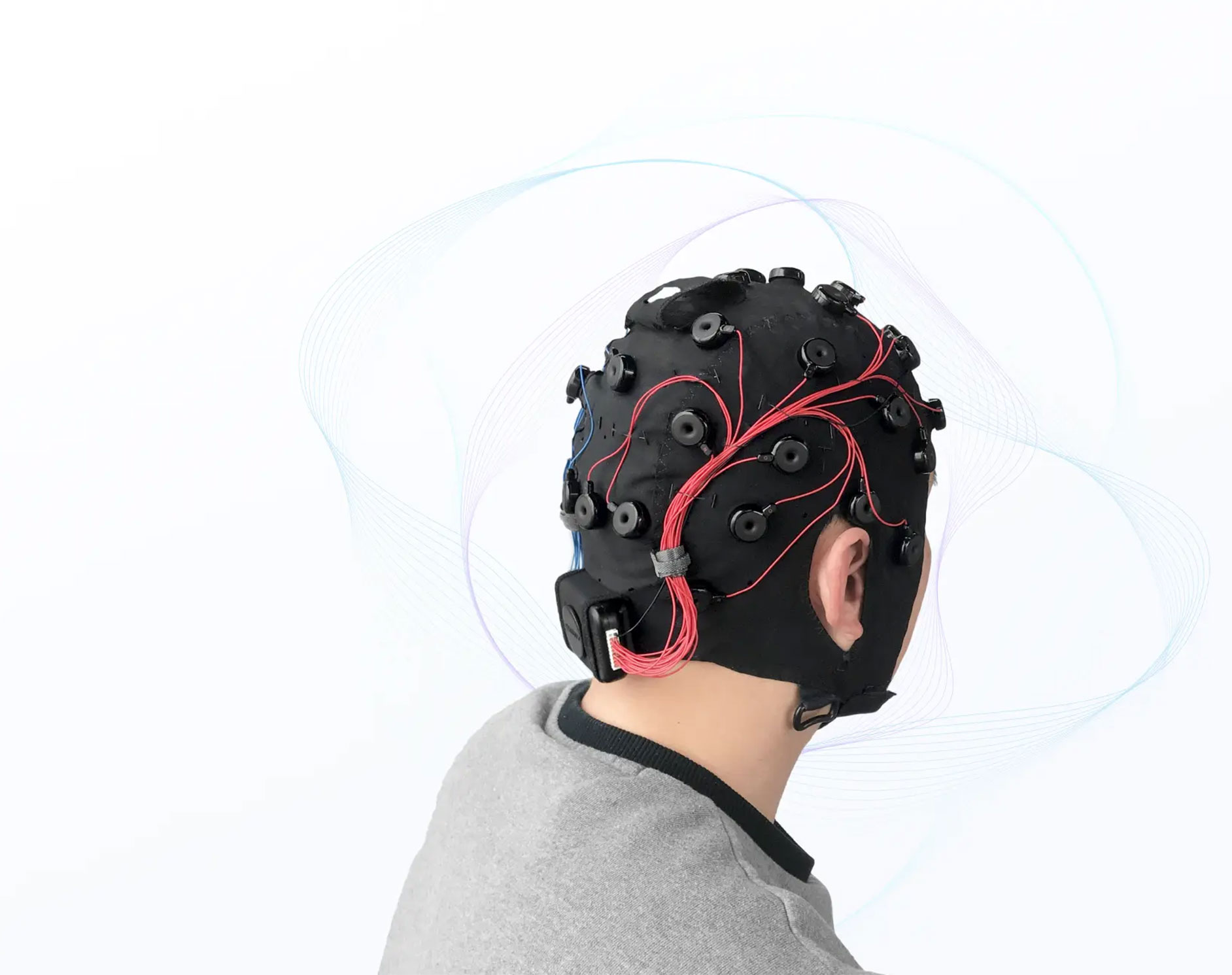
If you’ve explored electroencephalography (EEG) technology, you’ve likely come across “wet” and “dry” systems. A saline-based EEG cap is a type of wet system, but don’t let the term “wet” mislead you—we’re not talking about messy, sticky gels. Instead, these caps use a simple, gentle saline solution (salt water) to ensure a great connection between the EEG sensors and the scalp. Think of it as the perfect middle ground. You get the high-quality, reliable data that wet electrodes are known for, but with a much simpler and more comfortable setup process.
This approach is designed to make advanced brain research more accessible and practical. The sensors, typically made of a sponge-like material, are soaked in the saline solution before you place the cap on a participant’s head. This moisture acts as a conductive layer, reducing the electrical resistance, or impedance, of the skin. The result is a clean, strong signal without the hassle of applying and cleaning up conductive gel. For researchers who need precise data but also want to ensure their participants are comfortable, saline systems like our Emotiv Flex Saline headset offer an ideal solution for a wide range of studies.
How Do Saline-Based EEG Caps Work?
The core principle behind any EEG system is to detect the tiny electrical signals produced by brain activity. For this to work, you need a solid connection between the electrode and the scalp. Saline-based caps achieve this by using a conductive solution to bridge the gap. Before a session, you soak the cap’s felt or sponge sensors in a saline solution. When the cap is fitted, the moistened sensors make direct contact with the scalp. The salt water solution improves conductivity, allowing the faint electrical signals from the brain to travel to the electrodes with minimal interference. This process ensures a strong signal-to-noise ratio, which is essential for gathering high-fidelity data for any academic research project.
Saline vs. Gel vs. Dry: What’s the Difference?
Choosing the right electrode type often comes down to balancing data quality with convenience. Traditional gel-based caps are known for providing excellent signal quality because the gel creates a highly conductive path. However, they require a time-consuming setup that involves applying a sticky gel to each electrode site and an equally tedious cleanup process afterward. On the other end of the spectrum, dry electrode caps offer maximum convenience with no prep time, but the signal can sometimes be more susceptible to noise from movement. Saline-based caps strike a balance between the two. They provide the strong, reliable signal of a wet electrode without the mess and discomfort of gel, requiring only a quick 5–10 minute soak in saline solution before use.
Why Use a Saline-Based EEG Cap for Your Research?
When you’re planning a study, choosing the right equipment is one of the most critical decisions you’ll make. You need a system that delivers reliable data without creating a difficult experience for you or your participants. Saline-based EEG caps have become a popular choice for many researchers because they strike an excellent balance between signal quality, efficiency, and comfort. If you’re weighing your options, understanding these key benefits can help you see why a saline system might be the perfect fit for your next project. Let’s walk through the main advantages.
Get Higher-Quality Signal Data
The primary goal of any EEG study is to collect clean, accurate brain data, and saline systems excel at this. The saline solution works as a highly conductive medium, creating a solid connection between the scalp and the electrodes. This low-impedance pathway is essential for picking up the subtle electrical signals from the brain with minimal interference or noise. A strong, clear signal from the start means you’ll spend less time cleaning up data and have more confidence in your results. This reliability is the foundation of any successful academic research project, ensuring your findings are built on solid ground.
Spend Less Time on Setup
In research, time is a precious resource. Saline-based EEG caps are designed to get you up and running quickly. Compared to traditional gel-based systems, the preparation is much faster and cleaner. Instead of meticulously applying conductive gel to each electrode site, you simply soak the sensor felts in a saline solution and place them in the cap. This streamlined process can cut your setup time significantly, allowing you to see more participants in a day or dedicate more time to the experiment itself. Our Emotiv Flex Saline system, for example, is built for this kind of efficiency, helping you move from prep to data acquisition in minutes.
Keep Participants Comfortable During Long Sessions
Participant comfort is not just a courtesy—it’s crucial for data quality. An uncomfortable or restless participant can introduce movement artifacts that contaminate your EEG data. Saline solutions are water-based, so they don’t leave behind the sticky, hard-to-wash-out residue that gels do. The caps themselves are often made from lightweight, flexible materials that conform to the head without applying excessive pressure. This improved comfort makes it easier for participants to remain still and engaged, which is especially important for studies that require longer recording sessions. A comfortable participant is a cooperative participant, leading to better data and a more positive research experience for everyone involved.
Gain Flexibility for Real-World Studies
Some of the most exciting brain research is happening outside of the lab. Wireless saline-based EEG systems give you the freedom to study brain activity in more natural, real-world environments. Because participants aren’t tethered to a computer, they can move around and interact with their surroundings, which is ideal for studies in fields like neuromarketing, sports science, or usability testing. This ability to conduct research in ecologically valid settings allows you to gather insights that are more representative of how the brain functions in everyday life. It opens up a whole new range of experimental possibilities that simply aren’t feasible with wired, lab-bound equipment.
Exploring the Top Saline-Based EEG Systems
Once you’ve decided that a saline-based system is the right fit for your work, the next step is to explore the specific options on the market. The technology has come a long way, and today’s caps offer a fantastic blend of high-quality data acquisition and user-friendly design. Different systems are built with different applications in mind, from high-density academic research to more streamlined brain-computer interface projects. Understanding the landscape will help you find a system that not only meets your technical requirements but also fits your workflow and budget. Let’s look at some of the leading options and discuss the key features you should compare to make a confident choice. This will help you find the perfect tool to support your research goals and bring your projects to life.
Emotiv Flex Saline: A Closer Look
Our Emotiv Flex Saline is designed for researchers who need high-density, flexible EEG data acquisition. It’s a 32-channel wireless system that gives you complete control over sensor placement, allowing you to target specific brain regions for your study. Research has shown that the Flex Saline measures data comparable to that of traditional research-grade EEG systems and can be used to measure reliable auditory and visual responses. We’ve engineered it for advanced precision and usability, so you can spend more time on your research and less on setup. Every purchase includes a license for our EmotivPRO Lite software, giving you the tools you need to start analyzing your data right away.
Other Saline-Based Systems to Consider
Beyond Emotiv, several other companies offer saline-based EEG systems tailored for research and development. You’ll find various caps on the market that provide research-grade measurements using saline instead of gel. These systems are often promoted for their ease of use in brain-computer interface (BCI) applications, aiming to reduce the prep time typically associated with gel-based electrodes. When looking at these alternatives, consider the number of channels they offer, their compatibility with third-party analysis software, and the overall design of the cap. The goal is to find a system that aligns with the specific demands of your experimental protocols and provides a comfortable experience for your participants.
How to Compare Key Features
When you’re weighing your options, it’s helpful to focus on a few core features. The primary advantage of any wet electrode system, whether saline or gel, is its conductivity. The use of a saline solution provides a strong connection between the electrode and the scalp, which is crucial for acquiring a high-quality signal. Look at the channel count and whether the sensor locations are fixed or customizable. Consider the system’s wireless capabilities, battery life, and the software it comes with. For anyone conducting academic research, it’s also important to check if the system allows for raw data export and what data analysis features are included.
How to Choose the Right Saline-Based EEG Cap
Picking the right saline-based EEG cap feels like a big decision, but it really comes down to matching the hardware to your research goals. You want a system that not only measures the data you need but also fits seamlessly into your workflow, from setup to analysis. When you’re comparing options, it can help to focus on four key areas: the number of channels you need, the freedom of wireless connectivity, software compatibility, and participant comfort. Thinking through these points will help you find a cap that works for you and your participants, ensuring your study runs smoothly and yields high-quality data. Let’s break down what to look for in each of these categories.
Determine Your Channel Count Needs
The first question to ask yourself is how much detail you need to measure. The number of channels on an EEG cap corresponds to the number of data points you can collect from the scalp. For studies looking at broad brain activity, a lower channel count might be sufficient. However, if you’re investigating complex cognitive processes or need precise source localization, a higher channel count is the way to go. For instance, the saline version of the Emotiv Flex measures data with a level of resolution comparable to traditional research-grade EEG systems, giving you the granularity needed for in-depth analysis.
Check for Wireless Connectivity
Wireless technology is a game-changer for EEG research. It untethers your participants from the recording station, opening up a world of possibilities for more dynamic and naturalistic studies. As one researcher noted, “Unlike older systems, it’s wireless, so you can do research outside of a lab.” This freedom is invaluable if you plan to study brain activity during movement, social interactions, or other real-world scenarios. A wireless setup not only enhances the ecological validity of your findings but also simplifies the lab environment by reducing cable clutter, making the entire experience more comfortable for everyone involved.
Verify Software Compatibility
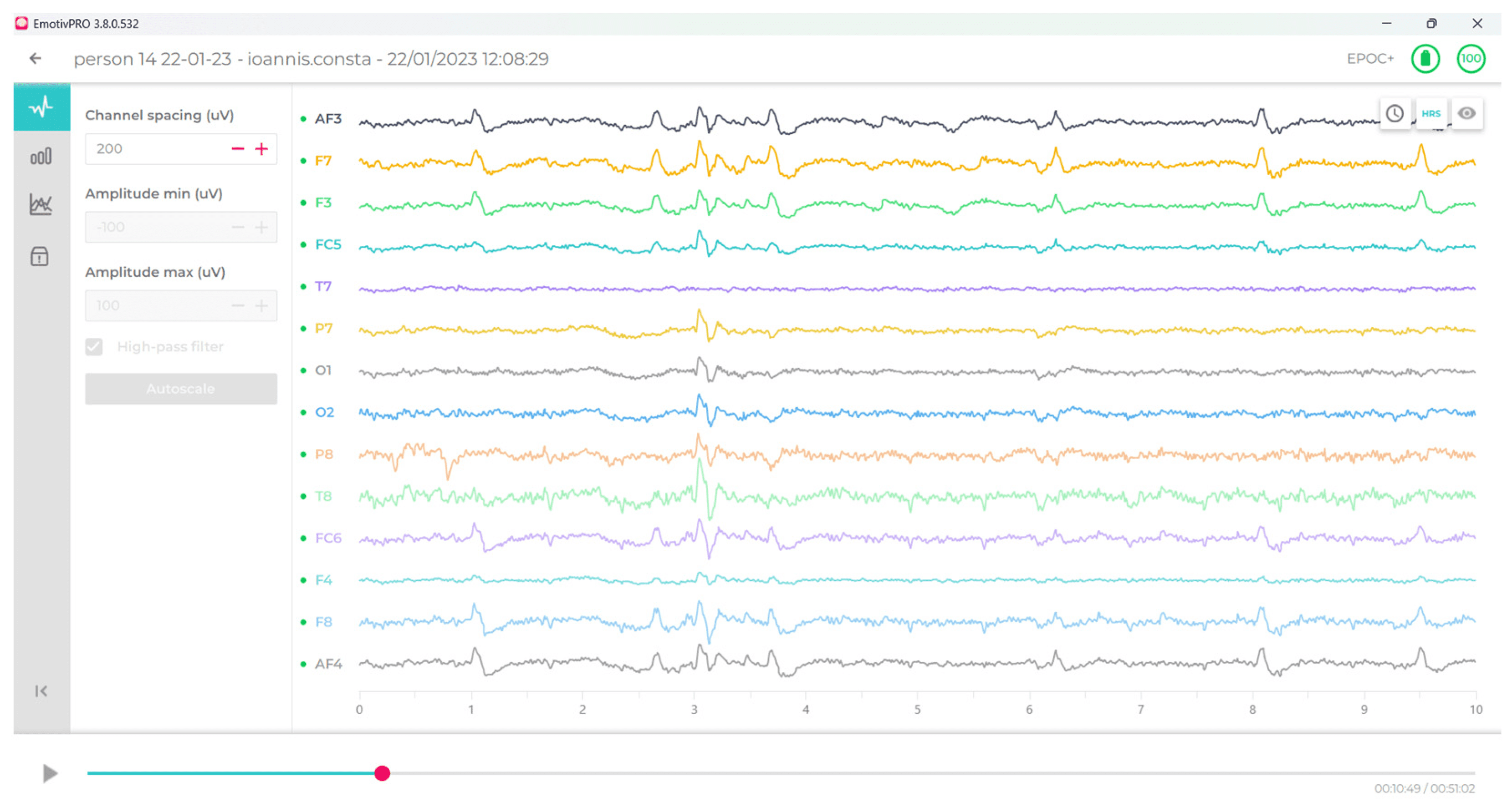
An EEG cap is only as good as the software you use to analyze its data. Before you commit to a system, make sure it integrates smoothly with your preferred analysis tools. Some systems are designed as a complete ecosystem, which can save you a lot of time and potential headaches. For example, our Emotiv headsets come with access to EmotivPRO, our software platform for viewing and analyzing brain data. Having hardware and software that are built to work together from the start means you can spend less time on technical setup and more time focused on your research questions.
Prioritize Participant Comfort and Fit
A comfortable participant is a compliant participant, which is essential for collecting clean data, especially during long recording sessions. An ill-fitting cap can cause discomfort and lead to movement artifacts that contaminate your signal. Look for caps that come in multiple sizes to ensure a snug yet gentle fit for different head shapes. The ability to make minor adjustments is also key. With systems like the Emotiv Flex, the sensors can be moved within the cap to optimize contact and get the best possible readings, ensuring both high-quality data and a positive experience for the person wearing it.
Common Myths About Saline-Based EEG Caps
When you’re exploring EEG technology, you’ll likely come across a few different types of systems, including those that use saline, gel, or dry sensors. Saline-based caps, like our Emotiv Flex Saline headset, are a popular choice for many researchers, but they’re also surrounded by a few persistent myths. It’s easy to get tripped up by misinformation, especially when it comes to setup time, signal quality, and cleanup. These concerns can sometimes steer people away from a solution that might be a perfect fit for their work.
Let’s clear the air and look at the facts. Many of the common worries about saline-based systems are either outdated or based on misunderstandings of how the technology actually works in a modern lab setting. The truth is, saline technology has come a long way, offering a practical and efficient alternative to traditional methods. Understanding the reality behind these myths can help you make a more informed decision for your research or project. We’ll walk through the three biggest misconceptions we hear about saline EEG caps and break down why they don’t hold up. By the end, you’ll have a much clearer picture of what to expect when working with a saline system.
Myth: The Prep Time Is Too Long
One of the most common hesitations we hear about saline EEG caps is that the preparation takes too much time. The reality is quite the opposite, especially when you compare it to traditional gel-based systems. Prepping a saline cap involves a quick 5-to-10-minute soak in a saline solution to saturate the felt sensors. That’s it. Once the sensors are wet, the cap is ready to be fitted onto the participant. This process is much faster and less intricate than the individual application of conductive gel to each electrode site, which can be a lengthy and meticulous task requiring careful scalp abrasion and precise gel injection.
Myth: The Signal Quality Is Weaker
There’s a misconception that because saline is simpler than conductive gel, it must provide a weaker signal. However, that’s not the case. The saline solution serves the same fundamental purpose as gel: it creates a conductive bridge between the scalp and the electrode to lower impedance. Wet electrodes, whether using gel or saline, provide excellent conductivity, which leads to a strong, reliable signal. For many academic research and education applications, the data quality from a properly fitted saline cap is more than sufficient for measuring clean, high-fidelity brain activity data without the complexities of gel.
Myth: Cleanup and Maintenance Are Difficult
This might be the biggest myth of all. Compared to gel-based systems, saline caps are incredibly easy to clean. After a session, you simply rinse the cap and sensors with tap water and let them air dry. There’s no sticky, stubborn gel to scrub out of the cap, off the equipment, or out of a participant’s hair. This simple cleanup process not only saves significant time but also makes the experience more pleasant for both the researcher and the participant. The straightforward maintenance routine helps ensure the longevity of your equipment with minimal effort, getting you ready for your next session faster.
How to Overcome Common Saline EEG Challenges
While saline-based EEG caps are designed to be user-friendly, a little preparation can make your experience even smoother. Like any piece of advanced technology, knowing how to handle common hurdles ensures you get the best results every time. It’s not about avoiding problems altogether, but about having a simple, effective plan for when they pop up. Here are a few practical tips for getting consistent, high-quality data while keeping your participants comfortable.
Streamline Your Setup Process
Getting started with a saline EEG system doesn’t have to be complicated. In fact, headsets like our Flex Saline are designed for quick and efficient setup. The key is to create a simple, repeatable workflow. Before you even place the cap on the participant, make sure your saline solution is mixed and your sensor felts are fully hydrated. Once the cap is on, take a moment to adjust the fit so it’s snug but not uncomfortable. Then, use the contact quality map in your software to check the connection for each sensor. This visual guide lets you quickly see which electrodes need a little adjustment, saving you time and guesswork.
Follow a Simple Maintenance Routine
Proper care is essential for maintaining the performance and longevity of your EEG equipment. A simple maintenance routine can make all the difference in getting a strong signal. After each use, take a few minutes to rinse the felt pads with clean water to wash away any saline residue. Let them air dry completely before storing them. This prevents salt buildup, which can interfere with conductivity over time. Taking care of your EEG hardware this way ensures it’s always ready for your next data collection session.
Address Potential Skin Sensitivity
Participant comfort is crucial, especially during longer recording sessions. While saline solution is essentially saltwater and generally very gentle on the skin, it’s always a good idea to be mindful of potential sensitivity. Using a high-quality, non-irritating saline solution is the first step. It’s also important to check in with your participants throughout the study to ensure they aren’t experiencing discomfort. A well-fitting cap that isn’t too tight will help prevent irritation. Prioritizing comfort is a key part of conducting successful academic research and helps ensure your participants have a positive experience.
Ensure a Stable Signal
A stable signal is the foundation of good data, and it starts with a good connection. The most common cause of a weak or unstable signal is an improperly hydrated sensor. Make sure the felt pads are fully saturated with saline solution before you begin. Our EmotivPRO software provides real-time feedback on signal quality, so you can see exactly which sensors are performing well and which ones need adjustment. If you see a poor connection, gently wiggle the sensor or add a bit more saline to improve conductivity. Taking a few extra moments at the start will save you from dealing with noisy data later.
Saline-Based EEG Caps: A Guide to Pricing and Purchasing
Making an investment in an EEG system is a big step, and it’s smart to understand the costs involved. The price of saline-based EEG caps can vary quite a bit, depending on the number of channels, the technology inside, and the software included. Thinking about your budget and research goals ahead of time will help you find the right fit without overspending. Let’s walk through what you can expect to see on the price tag, what drives those costs, and what to look for in terms of support.
What’s the Typical Price Range?
You’ll find that saline-based EEG caps are available at several different price points. For a comprehensive, high-channel-count system, you might look at something like our Flex Saline, which is a 32-channel wireless system. This kind of setup is designed for detailed and robust data collection, making it a go-to choice for serious researchers. On the other hand, you can also find more budget-friendly kits on the market. These offer a solid entry point for those just starting out or working on projects that don’t require as many channels, while still delivering reliable performance for brain-computer interface applications.
What Factors Influence the Cost?
Several key factors determine the price of a saline-based EEG cap. The number of electrodes, or channels, is a major one—more channels allow for more detailed brain activity mapping but also increase the cost. The quality of the signal is another crucial element. Wet electrodes that use a saline solution generally create a better connection with the scalp, leading to stronger, cleaner data. In fact, studies have shown that the Emotiv Flex Saline measures data comparable to traditional research-grade EEG systems. This level of performance, combined with wireless capabilities and the quality of the materials, all contribute to the final price.
Where to Buy and Find Support
When you’re ready to purchase, it’s important to look beyond the hardware itself. The software and support included with the cap are just as critical for your success. For instance, every Flex Saline system comes with our EmotivPRO software, giving you the tools to view and analyze brain data right out of the box. This kind of integrated ecosystem saves you time and ensures your hardware and software work together seamlessly. When comparing options, always check what data analysis tools are included and what level of customer support is available. Having a reliable team to turn to can make all the difference when you’re getting started.
Related Articles
Frequently Asked Questions
How does the data quality from a saline cap really compare to a traditional gel system?
For the vast majority of research applications, the signal quality you get from a well-fitted saline cap is highly comparable to what you’d expect from a gel-based system. Both methods work by creating a low-impedance connection to the scalp, which is the key to a clean signal. The main difference isn’t in the final data but in the process. Saline gives you that strong, reliable signal without the time-consuming application and messy cleanup of conductive gel.
How long can I run a recording session before the saline sensors start to dry out?
Generally, the sensors stay sufficiently hydrated for a couple of hours, which covers most typical recording sessions. For longer experiments, you can easily rehydrate the sensors using a syringe or spray bottle to apply a little more saline solution directly to any sensors that may be drying out—no need to remove the cap.
Is the saline solution just regular saltwater? Can I make my own?
Yes. The solution is essentially a simple mixture of salt and water, and you can absolutely mix it yourself. For best conductivity, use a consistent concentration, either with standard saline packets or a simple recipe. Using the same solution every session helps ensure consistent, reliable data.
What happens if I can’t get a good connection on one or two sensors?
It’s completely normal to have a few stubborn spots during setup. Start by checking the contact quality map in our EmotivPRO software to see exactly which sensors need attention. A poor connection can often be fixed by gently wiggling the sensor to part the hair or adding another drop of saline to the felt pad. These small adjustments usually do the trick.
Are these caps suitable for studies involving children or other sensitive participants?
Absolutely. The comfort and ease of use make saline systems an excellent choice for sensitive populations. There’s no need for scalp abrasion or cold, sticky gel, which can be uncomfortable or intimidating. The saline solution is gentle on the skin, and cleanup is as simple as rinsing with water. This creates a much more relaxed participant experience—crucial for gathering high-quality data.
Brain research is no longer confined to the lab. From neuromarketing studies in simulated stores to brain-computer interface (BCI) applications in real-world environments, the most exciting work is happening in natural settings. But this kind of research requires equipment that is both portable and precise, and traditional, cumbersome systems often can’t keep up. This is where the wireless saline-based EEG cap changes the game. It combines the freedom of a wireless design with the high-quality signal needed for serious academic work. In this guide, we’ll cover how this technology empowers researchers to gather meaningful brain data anywhere, opening up new possibilities for discovery.
Key Takeaways
Get high-quality data without the hassle: Saline-based systems provide the strong, clean signal of traditional wet electrodes but with a much faster, cleaner setup and simple, water-based cleanup.
Enable more natural and longer studies: The comfort of saline caps and the freedom of wireless connectivity make it easier to conduct research in real-world settings and during extended sessions, leading to more ecologically valid results.
Match the technology to your research goals: When choosing a cap, look beyond the price and consider the entire ecosystem, including channel count, software for data analysis, and available support, to ensure it aligns with your specific study requirements.
What Is a Saline-Based EEG Cap?
If you’ve explored electroencephalography (EEG) technology, you’ve likely come across “wet” and “dry” systems. A saline-based EEG cap is a type of wet system, but don’t let the term “wet” mislead you—we’re not talking about messy, sticky gels. Instead, these caps use a simple, gentle saline solution (salt water) to ensure a great connection between the EEG sensors and the scalp. Think of it as the perfect middle ground. You get the high-quality, reliable data that wet electrodes are known for, but with a much simpler and more comfortable setup process.
This approach is designed to make advanced brain research more accessible and practical. The sensors, typically made of a sponge-like material, are soaked in the saline solution before you place the cap on a participant’s head. This moisture acts as a conductive layer, reducing the electrical resistance, or impedance, of the skin. The result is a clean, strong signal without the hassle of applying and cleaning up conductive gel. For researchers who need precise data but also want to ensure their participants are comfortable, saline systems like our Emotiv Flex Saline headset offer an ideal solution for a wide range of studies.
How Do Saline-Based EEG Caps Work?
The core principle behind any EEG system is to detect the tiny electrical signals produced by brain activity. For this to work, you need a solid connection between the electrode and the scalp. Saline-based caps achieve this by using a conductive solution to bridge the gap. Before a session, you soak the cap’s felt or sponge sensors in a saline solution. When the cap is fitted, the moistened sensors make direct contact with the scalp. The salt water solution improves conductivity, allowing the faint electrical signals from the brain to travel to the electrodes with minimal interference. This process ensures a strong signal-to-noise ratio, which is essential for gathering high-fidelity data for any academic research project.
Saline vs. Gel vs. Dry: What’s the Difference?
Choosing the right electrode type often comes down to balancing data quality with convenience. Traditional gel-based caps are known for providing excellent signal quality because the gel creates a highly conductive path. However, they require a time-consuming setup that involves applying a sticky gel to each electrode site and an equally tedious cleanup process afterward. On the other end of the spectrum, dry electrode caps offer maximum convenience with no prep time, but the signal can sometimes be more susceptible to noise from movement. Saline-based caps strike a balance between the two. They provide the strong, reliable signal of a wet electrode without the mess and discomfort of gel, requiring only a quick 5–10 minute soak in saline solution before use.
Why Use a Saline-Based EEG Cap for Your Research?
When you’re planning a study, choosing the right equipment is one of the most critical decisions you’ll make. You need a system that delivers reliable data without creating a difficult experience for you or your participants. Saline-based EEG caps have become a popular choice for many researchers because they strike an excellent balance between signal quality, efficiency, and comfort. If you’re weighing your options, understanding these key benefits can help you see why a saline system might be the perfect fit for your next project. Let’s walk through the main advantages.
Get Higher-Quality Signal Data
The primary goal of any EEG study is to collect clean, accurate brain data, and saline systems excel at this. The saline solution works as a highly conductive medium, creating a solid connection between the scalp and the electrodes. This low-impedance pathway is essential for picking up the subtle electrical signals from the brain with minimal interference or noise. A strong, clear signal from the start means you’ll spend less time cleaning up data and have more confidence in your results. This reliability is the foundation of any successful academic research project, ensuring your findings are built on solid ground.
Spend Less Time on Setup
In research, time is a precious resource. Saline-based EEG caps are designed to get you up and running quickly. Compared to traditional gel-based systems, the preparation is much faster and cleaner. Instead of meticulously applying conductive gel to each electrode site, you simply soak the sensor felts in a saline solution and place them in the cap. This streamlined process can cut your setup time significantly, allowing you to see more participants in a day or dedicate more time to the experiment itself. Our Emotiv Flex Saline system, for example, is built for this kind of efficiency, helping you move from prep to data acquisition in minutes.
Keep Participants Comfortable During Long Sessions
Participant comfort is not just a courtesy—it’s crucial for data quality. An uncomfortable or restless participant can introduce movement artifacts that contaminate your EEG data. Saline solutions are water-based, so they don’t leave behind the sticky, hard-to-wash-out residue that gels do. The caps themselves are often made from lightweight, flexible materials that conform to the head without applying excessive pressure. This improved comfort makes it easier for participants to remain still and engaged, which is especially important for studies that require longer recording sessions. A comfortable participant is a cooperative participant, leading to better data and a more positive research experience for everyone involved.
Gain Flexibility for Real-World Studies
Some of the most exciting brain research is happening outside of the lab. Wireless saline-based EEG systems give you the freedom to study brain activity in more natural, real-world environments. Because participants aren’t tethered to a computer, they can move around and interact with their surroundings, which is ideal for studies in fields like neuromarketing, sports science, or usability testing. This ability to conduct research in ecologically valid settings allows you to gather insights that are more representative of how the brain functions in everyday life. It opens up a whole new range of experimental possibilities that simply aren’t feasible with wired, lab-bound equipment.
Exploring the Top Saline-Based EEG Systems
Once you’ve decided that a saline-based system is the right fit for your work, the next step is to explore the specific options on the market. The technology has come a long way, and today’s caps offer a fantastic blend of high-quality data acquisition and user-friendly design. Different systems are built with different applications in mind, from high-density academic research to more streamlined brain-computer interface projects. Understanding the landscape will help you find a system that not only meets your technical requirements but also fits your workflow and budget. Let’s look at some of the leading options and discuss the key features you should compare to make a confident choice. This will help you find the perfect tool to support your research goals and bring your projects to life.
Emotiv Flex Saline: A Closer Look
Our Emotiv Flex Saline is designed for researchers who need high-density, flexible EEG data acquisition. It’s a 32-channel wireless system that gives you complete control over sensor placement, allowing you to target specific brain regions for your study. Research has shown that the Flex Saline measures data comparable to that of traditional research-grade EEG systems and can be used to measure reliable auditory and visual responses. We’ve engineered it for advanced precision and usability, so you can spend more time on your research and less on setup. Every purchase includes a license for our EmotivPRO Lite software, giving you the tools you need to start analyzing your data right away.
Other Saline-Based Systems to Consider
Beyond Emotiv, several other companies offer saline-based EEG systems tailored for research and development. You’ll find various caps on the market that provide research-grade measurements using saline instead of gel. These systems are often promoted for their ease of use in brain-computer interface (BCI) applications, aiming to reduce the prep time typically associated with gel-based electrodes. When looking at these alternatives, consider the number of channels they offer, their compatibility with third-party analysis software, and the overall design of the cap. The goal is to find a system that aligns with the specific demands of your experimental protocols and provides a comfortable experience for your participants.
How to Compare Key Features
When you’re weighing your options, it’s helpful to focus on a few core features. The primary advantage of any wet electrode system, whether saline or gel, is its conductivity. The use of a saline solution provides a strong connection between the electrode and the scalp, which is crucial for acquiring a high-quality signal. Look at the channel count and whether the sensor locations are fixed or customizable. Consider the system’s wireless capabilities, battery life, and the software it comes with. For anyone conducting academic research, it’s also important to check if the system allows for raw data export and what data analysis features are included.
How to Choose the Right Saline-Based EEG Cap
Picking the right saline-based EEG cap feels like a big decision, but it really comes down to matching the hardware to your research goals. You want a system that not only measures the data you need but also fits seamlessly into your workflow, from setup to analysis. When you’re comparing options, it can help to focus on four key areas: the number of channels you need, the freedom of wireless connectivity, software compatibility, and participant comfort. Thinking through these points will help you find a cap that works for you and your participants, ensuring your study runs smoothly and yields high-quality data. Let’s break down what to look for in each of these categories.
Determine Your Channel Count Needs
The first question to ask yourself is how much detail you need to measure. The number of channels on an EEG cap corresponds to the number of data points you can collect from the scalp. For studies looking at broad brain activity, a lower channel count might be sufficient. However, if you’re investigating complex cognitive processes or need precise source localization, a higher channel count is the way to go. For instance, the saline version of the Emotiv Flex measures data with a level of resolution comparable to traditional research-grade EEG systems, giving you the granularity needed for in-depth analysis.
Check for Wireless Connectivity
Wireless technology is a game-changer for EEG research. It untethers your participants from the recording station, opening up a world of possibilities for more dynamic and naturalistic studies. As one researcher noted, “Unlike older systems, it’s wireless, so you can do research outside of a lab.” This freedom is invaluable if you plan to study brain activity during movement, social interactions, or other real-world scenarios. A wireless setup not only enhances the ecological validity of your findings but also simplifies the lab environment by reducing cable clutter, making the entire experience more comfortable for everyone involved.
Verify Software Compatibility
An EEG cap is only as good as the software you use to analyze its data. Before you commit to a system, make sure it integrates smoothly with your preferred analysis tools. Some systems are designed as a complete ecosystem, which can save you a lot of time and potential headaches. For example, our Emotiv headsets come with access to EmotivPRO, our software platform for viewing and analyzing brain data. Having hardware and software that are built to work together from the start means you can spend less time on technical setup and more time focused on your research questions.
Prioritize Participant Comfort and Fit
A comfortable participant is a compliant participant, which is essential for collecting clean data, especially during long recording sessions. An ill-fitting cap can cause discomfort and lead to movement artifacts that contaminate your signal. Look for caps that come in multiple sizes to ensure a snug yet gentle fit for different head shapes. The ability to make minor adjustments is also key. With systems like the Emotiv Flex, the sensors can be moved within the cap to optimize contact and get the best possible readings, ensuring both high-quality data and a positive experience for the person wearing it.
Common Myths About Saline-Based EEG Caps
When you’re exploring EEG technology, you’ll likely come across a few different types of systems, including those that use saline, gel, or dry sensors. Saline-based caps, like our Emotiv Flex Saline headset, are a popular choice for many researchers, but they’re also surrounded by a few persistent myths. It’s easy to get tripped up by misinformation, especially when it comes to setup time, signal quality, and cleanup. These concerns can sometimes steer people away from a solution that might be a perfect fit for their work.
Let’s clear the air and look at the facts. Many of the common worries about saline-based systems are either outdated or based on misunderstandings of how the technology actually works in a modern lab setting. The truth is, saline technology has come a long way, offering a practical and efficient alternative to traditional methods. Understanding the reality behind these myths can help you make a more informed decision for your research or project. We’ll walk through the three biggest misconceptions we hear about saline EEG caps and break down why they don’t hold up. By the end, you’ll have a much clearer picture of what to expect when working with a saline system.
Myth: The Prep Time Is Too Long
One of the most common hesitations we hear about saline EEG caps is that the preparation takes too much time. The reality is quite the opposite, especially when you compare it to traditional gel-based systems. Prepping a saline cap involves a quick 5-to-10-minute soak in a saline solution to saturate the felt sensors. That’s it. Once the sensors are wet, the cap is ready to be fitted onto the participant. This process is much faster and less intricate than the individual application of conductive gel to each electrode site, which can be a lengthy and meticulous task requiring careful scalp abrasion and precise gel injection.
Myth: The Signal Quality Is Weaker
There’s a misconception that because saline is simpler than conductive gel, it must provide a weaker signal. However, that’s not the case. The saline solution serves the same fundamental purpose as gel: it creates a conductive bridge between the scalp and the electrode to lower impedance. Wet electrodes, whether using gel or saline, provide excellent conductivity, which leads to a strong, reliable signal. For many academic research and education applications, the data quality from a properly fitted saline cap is more than sufficient for measuring clean, high-fidelity brain activity data without the complexities of gel.
Myth: Cleanup and Maintenance Are Difficult
This might be the biggest myth of all. Compared to gel-based systems, saline caps are incredibly easy to clean. After a session, you simply rinse the cap and sensors with tap water and let them air dry. There’s no sticky, stubborn gel to scrub out of the cap, off the equipment, or out of a participant’s hair. This simple cleanup process not only saves significant time but also makes the experience more pleasant for both the researcher and the participant. The straightforward maintenance routine helps ensure the longevity of your equipment with minimal effort, getting you ready for your next session faster.
How to Overcome Common Saline EEG Challenges
While saline-based EEG caps are designed to be user-friendly, a little preparation can make your experience even smoother. Like any piece of advanced technology, knowing how to handle common hurdles ensures you get the best results every time. It’s not about avoiding problems altogether, but about having a simple, effective plan for when they pop up. Here are a few practical tips for getting consistent, high-quality data while keeping your participants comfortable.
Streamline Your Setup Process
Getting started with a saline EEG system doesn’t have to be complicated. In fact, headsets like our Flex Saline are designed for quick and efficient setup. The key is to create a simple, repeatable workflow. Before you even place the cap on the participant, make sure your saline solution is mixed and your sensor felts are fully hydrated. Once the cap is on, take a moment to adjust the fit so it’s snug but not uncomfortable. Then, use the contact quality map in your software to check the connection for each sensor. This visual guide lets you quickly see which electrodes need a little adjustment, saving you time and guesswork.
Follow a Simple Maintenance Routine
Proper care is essential for maintaining the performance and longevity of your EEG equipment. A simple maintenance routine can make all the difference in getting a strong signal. After each use, take a few minutes to rinse the felt pads with clean water to wash away any saline residue. Let them air dry completely before storing them. This prevents salt buildup, which can interfere with conductivity over time. Taking care of your EEG hardware this way ensures it’s always ready for your next data collection session.
Address Potential Skin Sensitivity
Participant comfort is crucial, especially during longer recording sessions. While saline solution is essentially saltwater and generally very gentle on the skin, it’s always a good idea to be mindful of potential sensitivity. Using a high-quality, non-irritating saline solution is the first step. It’s also important to check in with your participants throughout the study to ensure they aren’t experiencing discomfort. A well-fitting cap that isn’t too tight will help prevent irritation. Prioritizing comfort is a key part of conducting successful academic research and helps ensure your participants have a positive experience.
Ensure a Stable Signal
A stable signal is the foundation of good data, and it starts with a good connection. The most common cause of a weak or unstable signal is an improperly hydrated sensor. Make sure the felt pads are fully saturated with saline solution before you begin. Our EmotivPRO software provides real-time feedback on signal quality, so you can see exactly which sensors are performing well and which ones need adjustment. If you see a poor connection, gently wiggle the sensor or add a bit more saline to improve conductivity. Taking a few extra moments at the start will save you from dealing with noisy data later.
Saline-Based EEG Caps: A Guide to Pricing and Purchasing
Making an investment in an EEG system is a big step, and it’s smart to understand the costs involved. The price of saline-based EEG caps can vary quite a bit, depending on the number of channels, the technology inside, and the software included. Thinking about your budget and research goals ahead of time will help you find the right fit without overspending. Let’s walk through what you can expect to see on the price tag, what drives those costs, and what to look for in terms of support.
What’s the Typical Price Range?
You’ll find that saline-based EEG caps are available at several different price points. For a comprehensive, high-channel-count system, you might look at something like our Flex Saline, which is a 32-channel wireless system. This kind of setup is designed for detailed and robust data collection, making it a go-to choice for serious researchers. On the other hand, you can also find more budget-friendly kits on the market. These offer a solid entry point for those just starting out or working on projects that don’t require as many channels, while still delivering reliable performance for brain-computer interface applications.
What Factors Influence the Cost?
Several key factors determine the price of a saline-based EEG cap. The number of electrodes, or channels, is a major one—more channels allow for more detailed brain activity mapping but also increase the cost. The quality of the signal is another crucial element. Wet electrodes that use a saline solution generally create a better connection with the scalp, leading to stronger, cleaner data. In fact, studies have shown that the Emotiv Flex Saline measures data comparable to traditional research-grade EEG systems. This level of performance, combined with wireless capabilities and the quality of the materials, all contribute to the final price.
Where to Buy and Find Support
When you’re ready to purchase, it’s important to look beyond the hardware itself. The software and support included with the cap are just as critical for your success. For instance, every Flex Saline system comes with our EmotivPRO software, giving you the tools to view and analyze brain data right out of the box. This kind of integrated ecosystem saves you time and ensures your hardware and software work together seamlessly. When comparing options, always check what data analysis tools are included and what level of customer support is available. Having a reliable team to turn to can make all the difference when you’re getting started.
Related Articles
Frequently Asked Questions
How does the data quality from a saline cap really compare to a traditional gel system?
For the vast majority of research applications, the signal quality you get from a well-fitted saline cap is highly comparable to what you’d expect from a gel-based system. Both methods work by creating a low-impedance connection to the scalp, which is the key to a clean signal. The main difference isn’t in the final data but in the process. Saline gives you that strong, reliable signal without the time-consuming application and messy cleanup of conductive gel.
How long can I run a recording session before the saline sensors start to dry out?
Generally, the sensors stay sufficiently hydrated for a couple of hours, which covers most typical recording sessions. For longer experiments, you can easily rehydrate the sensors using a syringe or spray bottle to apply a little more saline solution directly to any sensors that may be drying out—no need to remove the cap.
Is the saline solution just regular saltwater? Can I make my own?
Yes. The solution is essentially a simple mixture of salt and water, and you can absolutely mix it yourself. For best conductivity, use a consistent concentration, either with standard saline packets or a simple recipe. Using the same solution every session helps ensure consistent, reliable data.
What happens if I can’t get a good connection on one or two sensors?
It’s completely normal to have a few stubborn spots during setup. Start by checking the contact quality map in our EmotivPRO software to see exactly which sensors need attention. A poor connection can often be fixed by gently wiggling the sensor to part the hair or adding another drop of saline to the felt pad. These small adjustments usually do the trick.
Are these caps suitable for studies involving children or other sensitive participants?
Absolutely. The comfort and ease of use make saline systems an excellent choice for sensitive populations. There’s no need for scalp abrasion or cold, sticky gel, which can be uncomfortable or intimidating. The saline solution is gentle on the skin, and cleanup is as simple as rinsing with water. This creates a much more relaxed participant experience—crucial for gathering high-quality data.
Brain research is no longer confined to the lab. From neuromarketing studies in simulated stores to brain-computer interface (BCI) applications in real-world environments, the most exciting work is happening in natural settings. But this kind of research requires equipment that is both portable and precise, and traditional, cumbersome systems often can’t keep up. This is where the wireless saline-based EEG cap changes the game. It combines the freedom of a wireless design with the high-quality signal needed for serious academic work. In this guide, we’ll cover how this technology empowers researchers to gather meaningful brain data anywhere, opening up new possibilities for discovery.
Key Takeaways
Get high-quality data without the hassle: Saline-based systems provide the strong, clean signal of traditional wet electrodes but with a much faster, cleaner setup and simple, water-based cleanup.
Enable more natural and longer studies: The comfort of saline caps and the freedom of wireless connectivity make it easier to conduct research in real-world settings and during extended sessions, leading to more ecologically valid results.
Match the technology to your research goals: When choosing a cap, look beyond the price and consider the entire ecosystem, including channel count, software for data analysis, and available support, to ensure it aligns with your specific study requirements.
What Is a Saline-Based EEG Cap?
If you’ve explored electroencephalography (EEG) technology, you’ve likely come across “wet” and “dry” systems. A saline-based EEG cap is a type of wet system, but don’t let the term “wet” mislead you—we’re not talking about messy, sticky gels. Instead, these caps use a simple, gentle saline solution (salt water) to ensure a great connection between the EEG sensors and the scalp. Think of it as the perfect middle ground. You get the high-quality, reliable data that wet electrodes are known for, but with a much simpler and more comfortable setup process.
This approach is designed to make advanced brain research more accessible and practical. The sensors, typically made of a sponge-like material, are soaked in the saline solution before you place the cap on a participant’s head. This moisture acts as a conductive layer, reducing the electrical resistance, or impedance, of the skin. The result is a clean, strong signal without the hassle of applying and cleaning up conductive gel. For researchers who need precise data but also want to ensure their participants are comfortable, saline systems like our Emotiv Flex Saline headset offer an ideal solution for a wide range of studies.
How Do Saline-Based EEG Caps Work?
The core principle behind any EEG system is to detect the tiny electrical signals produced by brain activity. For this to work, you need a solid connection between the electrode and the scalp. Saline-based caps achieve this by using a conductive solution to bridge the gap. Before a session, you soak the cap’s felt or sponge sensors in a saline solution. When the cap is fitted, the moistened sensors make direct contact with the scalp. The salt water solution improves conductivity, allowing the faint electrical signals from the brain to travel to the electrodes with minimal interference. This process ensures a strong signal-to-noise ratio, which is essential for gathering high-fidelity data for any academic research project.
Saline vs. Gel vs. Dry: What’s the Difference?
Choosing the right electrode type often comes down to balancing data quality with convenience. Traditional gel-based caps are known for providing excellent signal quality because the gel creates a highly conductive path. However, they require a time-consuming setup that involves applying a sticky gel to each electrode site and an equally tedious cleanup process afterward. On the other end of the spectrum, dry electrode caps offer maximum convenience with no prep time, but the signal can sometimes be more susceptible to noise from movement. Saline-based caps strike a balance between the two. They provide the strong, reliable signal of a wet electrode without the mess and discomfort of gel, requiring only a quick 5–10 minute soak in saline solution before use.
Why Use a Saline-Based EEG Cap for Your Research?
When you’re planning a study, choosing the right equipment is one of the most critical decisions you’ll make. You need a system that delivers reliable data without creating a difficult experience for you or your participants. Saline-based EEG caps have become a popular choice for many researchers because they strike an excellent balance between signal quality, efficiency, and comfort. If you’re weighing your options, understanding these key benefits can help you see why a saline system might be the perfect fit for your next project. Let’s walk through the main advantages.
Get Higher-Quality Signal Data
The primary goal of any EEG study is to collect clean, accurate brain data, and saline systems excel at this. The saline solution works as a highly conductive medium, creating a solid connection between the scalp and the electrodes. This low-impedance pathway is essential for picking up the subtle electrical signals from the brain with minimal interference or noise. A strong, clear signal from the start means you’ll spend less time cleaning up data and have more confidence in your results. This reliability is the foundation of any successful academic research project, ensuring your findings are built on solid ground.
Spend Less Time on Setup
In research, time is a precious resource. Saline-based EEG caps are designed to get you up and running quickly. Compared to traditional gel-based systems, the preparation is much faster and cleaner. Instead of meticulously applying conductive gel to each electrode site, you simply soak the sensor felts in a saline solution and place them in the cap. This streamlined process can cut your setup time significantly, allowing you to see more participants in a day or dedicate more time to the experiment itself. Our Emotiv Flex Saline system, for example, is built for this kind of efficiency, helping you move from prep to data acquisition in minutes.
Keep Participants Comfortable During Long Sessions
Participant comfort is not just a courtesy—it’s crucial for data quality. An uncomfortable or restless participant can introduce movement artifacts that contaminate your EEG data. Saline solutions are water-based, so they don’t leave behind the sticky, hard-to-wash-out residue that gels do. The caps themselves are often made from lightweight, flexible materials that conform to the head without applying excessive pressure. This improved comfort makes it easier for participants to remain still and engaged, which is especially important for studies that require longer recording sessions. A comfortable participant is a cooperative participant, leading to better data and a more positive research experience for everyone involved.
Gain Flexibility for Real-World Studies
Some of the most exciting brain research is happening outside of the lab. Wireless saline-based EEG systems give you the freedom to study brain activity in more natural, real-world environments. Because participants aren’t tethered to a computer, they can move around and interact with their surroundings, which is ideal for studies in fields like neuromarketing, sports science, or usability testing. This ability to conduct research in ecologically valid settings allows you to gather insights that are more representative of how the brain functions in everyday life. It opens up a whole new range of experimental possibilities that simply aren’t feasible with wired, lab-bound equipment.
Exploring the Top Saline-Based EEG Systems
Once you’ve decided that a saline-based system is the right fit for your work, the next step is to explore the specific options on the market. The technology has come a long way, and today’s caps offer a fantastic blend of high-quality data acquisition and user-friendly design. Different systems are built with different applications in mind, from high-density academic research to more streamlined brain-computer interface projects. Understanding the landscape will help you find a system that not only meets your technical requirements but also fits your workflow and budget. Let’s look at some of the leading options and discuss the key features you should compare to make a confident choice. This will help you find the perfect tool to support your research goals and bring your projects to life.
Emotiv Flex Saline: A Closer Look
Our Emotiv Flex Saline is designed for researchers who need high-density, flexible EEG data acquisition. It’s a 32-channel wireless system that gives you complete control over sensor placement, allowing you to target specific brain regions for your study. Research has shown that the Flex Saline measures data comparable to that of traditional research-grade EEG systems and can be used to measure reliable auditory and visual responses. We’ve engineered it for advanced precision and usability, so you can spend more time on your research and less on setup. Every purchase includes a license for our EmotivPRO Lite software, giving you the tools you need to start analyzing your data right away.
Other Saline-Based Systems to Consider
Beyond Emotiv, several other companies offer saline-based EEG systems tailored for research and development. You’ll find various caps on the market that provide research-grade measurements using saline instead of gel. These systems are often promoted for their ease of use in brain-computer interface (BCI) applications, aiming to reduce the prep time typically associated with gel-based electrodes. When looking at these alternatives, consider the number of channels they offer, their compatibility with third-party analysis software, and the overall design of the cap. The goal is to find a system that aligns with the specific demands of your experimental protocols and provides a comfortable experience for your participants.
How to Compare Key Features
When you’re weighing your options, it’s helpful to focus on a few core features. The primary advantage of any wet electrode system, whether saline or gel, is its conductivity. The use of a saline solution provides a strong connection between the electrode and the scalp, which is crucial for acquiring a high-quality signal. Look at the channel count and whether the sensor locations are fixed or customizable. Consider the system’s wireless capabilities, battery life, and the software it comes with. For anyone conducting academic research, it’s also important to check if the system allows for raw data export and what data analysis features are included.
How to Choose the Right Saline-Based EEG Cap
Picking the right saline-based EEG cap feels like a big decision, but it really comes down to matching the hardware to your research goals. You want a system that not only measures the data you need but also fits seamlessly into your workflow, from setup to analysis. When you’re comparing options, it can help to focus on four key areas: the number of channels you need, the freedom of wireless connectivity, software compatibility, and participant comfort. Thinking through these points will help you find a cap that works for you and your participants, ensuring your study runs smoothly and yields high-quality data. Let’s break down what to look for in each of these categories.
Determine Your Channel Count Needs
The first question to ask yourself is how much detail you need to measure. The number of channels on an EEG cap corresponds to the number of data points you can collect from the scalp. For studies looking at broad brain activity, a lower channel count might be sufficient. However, if you’re investigating complex cognitive processes or need precise source localization, a higher channel count is the way to go. For instance, the saline version of the Emotiv Flex measures data with a level of resolution comparable to traditional research-grade EEG systems, giving you the granularity needed for in-depth analysis.
Check for Wireless Connectivity
Wireless technology is a game-changer for EEG research. It untethers your participants from the recording station, opening up a world of possibilities for more dynamic and naturalistic studies. As one researcher noted, “Unlike older systems, it’s wireless, so you can do research outside of a lab.” This freedom is invaluable if you plan to study brain activity during movement, social interactions, or other real-world scenarios. A wireless setup not only enhances the ecological validity of your findings but also simplifies the lab environment by reducing cable clutter, making the entire experience more comfortable for everyone involved.
Verify Software Compatibility
An EEG cap is only as good as the software you use to analyze its data. Before you commit to a system, make sure it integrates smoothly with your preferred analysis tools. Some systems are designed as a complete ecosystem, which can save you a lot of time and potential headaches. For example, our Emotiv headsets come with access to EmotivPRO, our software platform for viewing and analyzing brain data. Having hardware and software that are built to work together from the start means you can spend less time on technical setup and more time focused on your research questions.
Prioritize Participant Comfort and Fit
A comfortable participant is a compliant participant, which is essential for collecting clean data, especially during long recording sessions. An ill-fitting cap can cause discomfort and lead to movement artifacts that contaminate your signal. Look for caps that come in multiple sizes to ensure a snug yet gentle fit for different head shapes. The ability to make minor adjustments is also key. With systems like the Emotiv Flex, the sensors can be moved within the cap to optimize contact and get the best possible readings, ensuring both high-quality data and a positive experience for the person wearing it.
Common Myths About Saline-Based EEG Caps
When you’re exploring EEG technology, you’ll likely come across a few different types of systems, including those that use saline, gel, or dry sensors. Saline-based caps, like our Emotiv Flex Saline headset, are a popular choice for many researchers, but they’re also surrounded by a few persistent myths. It’s easy to get tripped up by misinformation, especially when it comes to setup time, signal quality, and cleanup. These concerns can sometimes steer people away from a solution that might be a perfect fit for their work.
Let’s clear the air and look at the facts. Many of the common worries about saline-based systems are either outdated or based on misunderstandings of how the technology actually works in a modern lab setting. The truth is, saline technology has come a long way, offering a practical and efficient alternative to traditional methods. Understanding the reality behind these myths can help you make a more informed decision for your research or project. We’ll walk through the three biggest misconceptions we hear about saline EEG caps and break down why they don’t hold up. By the end, you’ll have a much clearer picture of what to expect when working with a saline system.
Myth: The Prep Time Is Too Long
One of the most common hesitations we hear about saline EEG caps is that the preparation takes too much time. The reality is quite the opposite, especially when you compare it to traditional gel-based systems. Prepping a saline cap involves a quick 5-to-10-minute soak in a saline solution to saturate the felt sensors. That’s it. Once the sensors are wet, the cap is ready to be fitted onto the participant. This process is much faster and less intricate than the individual application of conductive gel to each electrode site, which can be a lengthy and meticulous task requiring careful scalp abrasion and precise gel injection.
Myth: The Signal Quality Is Weaker
There’s a misconception that because saline is simpler than conductive gel, it must provide a weaker signal. However, that’s not the case. The saline solution serves the same fundamental purpose as gel: it creates a conductive bridge between the scalp and the electrode to lower impedance. Wet electrodes, whether using gel or saline, provide excellent conductivity, which leads to a strong, reliable signal. For many academic research and education applications, the data quality from a properly fitted saline cap is more than sufficient for measuring clean, high-fidelity brain activity data without the complexities of gel.
Myth: Cleanup and Maintenance Are Difficult
This might be the biggest myth of all. Compared to gel-based systems, saline caps are incredibly easy to clean. After a session, you simply rinse the cap and sensors with tap water and let them air dry. There’s no sticky, stubborn gel to scrub out of the cap, off the equipment, or out of a participant’s hair. This simple cleanup process not only saves significant time but also makes the experience more pleasant for both the researcher and the participant. The straightforward maintenance routine helps ensure the longevity of your equipment with minimal effort, getting you ready for your next session faster.
How to Overcome Common Saline EEG Challenges
While saline-based EEG caps are designed to be user-friendly, a little preparation can make your experience even smoother. Like any piece of advanced technology, knowing how to handle common hurdles ensures you get the best results every time. It’s not about avoiding problems altogether, but about having a simple, effective plan for when they pop up. Here are a few practical tips for getting consistent, high-quality data while keeping your participants comfortable.
Streamline Your Setup Process
Getting started with a saline EEG system doesn’t have to be complicated. In fact, headsets like our Flex Saline are designed for quick and efficient setup. The key is to create a simple, repeatable workflow. Before you even place the cap on the participant, make sure your saline solution is mixed and your sensor felts are fully hydrated. Once the cap is on, take a moment to adjust the fit so it’s snug but not uncomfortable. Then, use the contact quality map in your software to check the connection for each sensor. This visual guide lets you quickly see which electrodes need a little adjustment, saving you time and guesswork.
Follow a Simple Maintenance Routine
Proper care is essential for maintaining the performance and longevity of your EEG equipment. A simple maintenance routine can make all the difference in getting a strong signal. After each use, take a few minutes to rinse the felt pads with clean water to wash away any saline residue. Let them air dry completely before storing them. This prevents salt buildup, which can interfere with conductivity over time. Taking care of your EEG hardware this way ensures it’s always ready for your next data collection session.
Address Potential Skin Sensitivity
Participant comfort is crucial, especially during longer recording sessions. While saline solution is essentially saltwater and generally very gentle on the skin, it’s always a good idea to be mindful of potential sensitivity. Using a high-quality, non-irritating saline solution is the first step. It’s also important to check in with your participants throughout the study to ensure they aren’t experiencing discomfort. A well-fitting cap that isn’t too tight will help prevent irritation. Prioritizing comfort is a key part of conducting successful academic research and helps ensure your participants have a positive experience.
Ensure a Stable Signal
A stable signal is the foundation of good data, and it starts with a good connection. The most common cause of a weak or unstable signal is an improperly hydrated sensor. Make sure the felt pads are fully saturated with saline solution before you begin. Our EmotivPRO software provides real-time feedback on signal quality, so you can see exactly which sensors are performing well and which ones need adjustment. If you see a poor connection, gently wiggle the sensor or add a bit more saline to improve conductivity. Taking a few extra moments at the start will save you from dealing with noisy data later.
Saline-Based EEG Caps: A Guide to Pricing and Purchasing
Making an investment in an EEG system is a big step, and it’s smart to understand the costs involved. The price of saline-based EEG caps can vary quite a bit, depending on the number of channels, the technology inside, and the software included. Thinking about your budget and research goals ahead of time will help you find the right fit without overspending. Let’s walk through what you can expect to see on the price tag, what drives those costs, and what to look for in terms of support.
What’s the Typical Price Range?
You’ll find that saline-based EEG caps are available at several different price points. For a comprehensive, high-channel-count system, you might look at something like our Flex Saline, which is a 32-channel wireless system. This kind of setup is designed for detailed and robust data collection, making it a go-to choice for serious researchers. On the other hand, you can also find more budget-friendly kits on the market. These offer a solid entry point for those just starting out or working on projects that don’t require as many channels, while still delivering reliable performance for brain-computer interface applications.
What Factors Influence the Cost?
Several key factors determine the price of a saline-based EEG cap. The number of electrodes, or channels, is a major one—more channels allow for more detailed brain activity mapping but also increase the cost. The quality of the signal is another crucial element. Wet electrodes that use a saline solution generally create a better connection with the scalp, leading to stronger, cleaner data. In fact, studies have shown that the Emotiv Flex Saline measures data comparable to traditional research-grade EEG systems. This level of performance, combined with wireless capabilities and the quality of the materials, all contribute to the final price.
Where to Buy and Find Support
When you’re ready to purchase, it’s important to look beyond the hardware itself. The software and support included with the cap are just as critical for your success. For instance, every Flex Saline system comes with our EmotivPRO software, giving you the tools to view and analyze brain data right out of the box. This kind of integrated ecosystem saves you time and ensures your hardware and software work together seamlessly. When comparing options, always check what data analysis tools are included and what level of customer support is available. Having a reliable team to turn to can make all the difference when you’re getting started.
Related Articles
Frequently Asked Questions
How does the data quality from a saline cap really compare to a traditional gel system?
For the vast majority of research applications, the signal quality you get from a well-fitted saline cap is highly comparable to what you’d expect from a gel-based system. Both methods work by creating a low-impedance connection to the scalp, which is the key to a clean signal. The main difference isn’t in the final data but in the process. Saline gives you that strong, reliable signal without the time-consuming application and messy cleanup of conductive gel.
How long can I run a recording session before the saline sensors start to dry out?
Generally, the sensors stay sufficiently hydrated for a couple of hours, which covers most typical recording sessions. For longer experiments, you can easily rehydrate the sensors using a syringe or spray bottle to apply a little more saline solution directly to any sensors that may be drying out—no need to remove the cap.
Is the saline solution just regular saltwater? Can I make my own?
Yes. The solution is essentially a simple mixture of salt and water, and you can absolutely mix it yourself. For best conductivity, use a consistent concentration, either with standard saline packets or a simple recipe. Using the same solution every session helps ensure consistent, reliable data.
What happens if I can’t get a good connection on one or two sensors?
It’s completely normal to have a few stubborn spots during setup. Start by checking the contact quality map in our EmotivPRO software to see exactly which sensors need attention. A poor connection can often be fixed by gently wiggling the sensor to part the hair or adding another drop of saline to the felt pad. These small adjustments usually do the trick.
Are these caps suitable for studies involving children or other sensitive participants?
Absolutely. The comfort and ease of use make saline systems an excellent choice for sensitive populations. There’s no need for scalp abrasion or cold, sticky gel, which can be uncomfortable or intimidating. The saline solution is gentle on the skin, and cleanup is as simple as rinsing with water. This creates a much more relaxed participant experience—crucial for gathering high-quality data.
Continue reading