The Essential Guide to EEG Electrode Caps for Sale
Emotiv
Updated on
Dec 16, 2025
The Essential Guide to EEG Electrode Caps for Sale
Emotiv
Updated on
Dec 16, 2025
The Essential Guide to EEG Electrode Caps for Sale
Emotiv
Updated on
Dec 16, 2025
The world of EEG technology is no longer confined to heavily funded research labs. Today, powerful and user-friendly systems are accessible to developers, marketers, and individuals interested in cognitive wellness. This accessibility brings a new challenge: figuring out which device is right for you. This guide is designed to be your practical roadmap. We’ll explore the different types of systems available, explain why a higher channel count isn’t always better, and highlight the essential features that ensure you get reliable data. When you’re ready to find an eeg electrode cap for sale, you’ll have the confidence to choose a system that matches your goals and budget.
Key Takeaways
Prioritize Your Needs to Pick the Right Electrode Type: Decide if your project requires the highest signal fidelity from gel electrodes, a balance of convenience and performance with saline, or the quick, user-friendly setup of a dry system.
Focus on Comfort and Quality for Better Data: Beyond channel count, a comfortable fit and durable electrodes are essential. A comfortable participant provides cleaner data, and quality materials ensure your equipment performs reliably over time.
Align Your Cap’s Features with Your End Goal: A researcher needs high-density channels for detailed analysis, while a BCI developer might prioritize software integration. Defining your primary application first helps you select a system with the right capabilities.
What’s an EEG Electrode Cap and Why Use One?
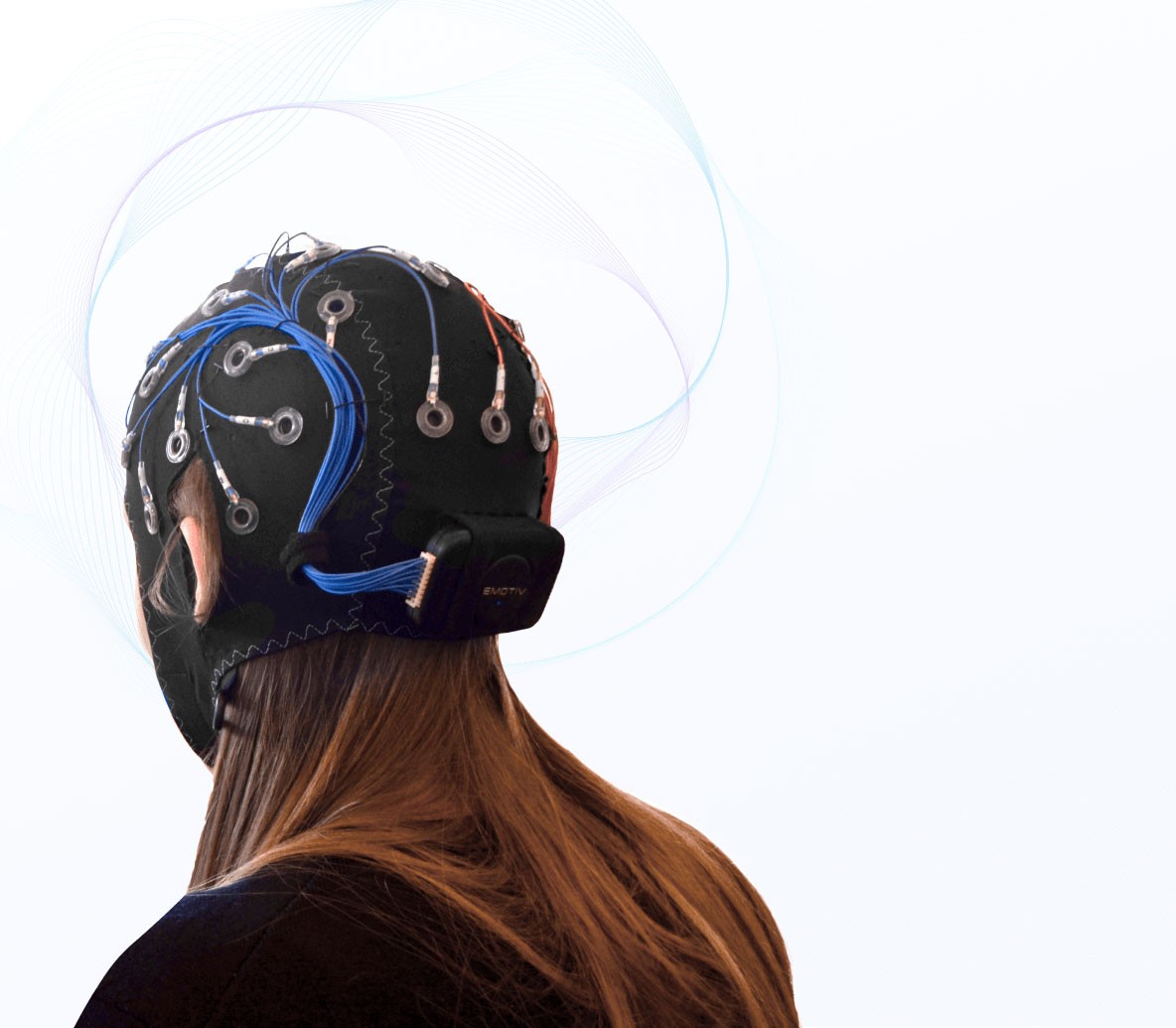
If you’re looking to measure the brain’s electrical activity, an EEG electrode cap is one of the most reliable tools for the job. Think of it as a specialized headgear fitted with small metal discs, called electrodes. These electrodes are carefully placed across the cap to align with the International 10-20 system, a standardized method that ensures you’re gathering data from specific, consistent locations on the scalp. This standard is crucial because it allows for accurate, repeatable, and comparable results, whether you’re running an experiment with multiple participants or comparing your findings to other research.
Using a cap is a completely non-invasive way to get a direct look at brain dynamics. It’s an essential piece of equipment in both research and applied neuroscience settings, providing a window into cognitive states and processes. For anyone working in neuroscience, developing a brain-computer interface, or conducting user research, an EEG cap is the professional standard for collecting high-quality brain data. It’s the difference between guessing what’s happening and gathering real, actionable information directly from the source.
Traditional Caps vs. Modern Headsets: What’s the Difference?
For decades, traditional EEG caps have been the workhorse of neurophysiology labs. They are known for their reliability in capturing clean brain signals, but they often require a cumbersome setup process involving gels and pastes. Modern EEG headsets, on the other hand, are designed with the user in mind. They prioritize comfort, portability, and ease of use. Many newer devices feature wireless technology and innovative electrode materials that reduce setup time from minutes to seconds. This evolution makes advanced brain research more accessible than ever, allowing you to gather data in real-world environments, not just in a controlled lab setting.
Common Uses for EEG Electrode Caps
EEG electrode caps are incredibly versatile and are used across a wide range of fields. In academic and clinical settings, they are fundamental for studies on sleep patterns, cognitive load, and neurological activity. The standardized placement of electrodes ensures that data is consistent and comparable, which is vital for credible academic research and education. Beyond the lab, these caps are powerful tools for developers creating neuro-powered applications and for neuromarketers who want to understand consumer responses to products and advertisements. They provide objective insights that can lead to more effective designs, better user experiences, and more impactful campaigns.
What Are the Main Types of EEG Electrode Caps?
When you start looking for an EEG cap, you’ll quickly see a few different types. The main distinction is how the electrodes make contact with your scalp. The three primary categories are gel-based, saline-based, and dry electrode systems. Each has its own set of advantages, and the best choice for you depends on your specific project—whether you’re prioritizing signal quality, setup speed, or participant comfort. Let’s walk through what makes each type unique so you can find the right fit.
Gel-Based Electrode Caps
Gel-based caps are a long-standing choice in clinical and research settings, known for delivering excellent signal quality. These systems use a conductive gel applied to each electrode site to create a strong, stable connection with the scalp. This process reduces electrical impedance, resulting in clean, reliable data. While the setup and cleanup take a bit more time, the precision is often essential for demanding research applications. Our Flex Gel headset is a modern, comfortable system designed specifically for this kind of detailed brain research, ensuring you get the high-fidelity data you need.
Saline-Based Electrode Caps
If you want a balance between the signal quality of gel and the convenience of a faster setup, saline-based caps are a great option. Instead of a thick gel, these systems use a simple saline solution to wet the electrode sensors. This makes preparation much faster and cleanup significantly easier—no more washing gel out of hair. Saline systems provide reliable data quality suitable for many research and BCI applications. For researchers who need to get participants set up quickly without compromising data fidelity, a system like our Flex Saline headset is an ideal choice.
Dry Electrode Systems
Dry electrode systems offer the ultimate convenience and speed. As the name suggests, they require no gels, solutions, or skin preparation. You just put the headset on, and you’re ready to start recording. This makes them incredibly user-friendly and perfect for applications outside of a traditional lab, like brain-computer interface development, educational settings, or personal projects. Modern dry electrodes have advanced significantly, offering performance that is more than suitable for a wide range of uses. Headsets like our 5-channel Insight and 14-channel Epoc X are designed to make powerful EEG technology accessible to everyone.
Does Channel Count Matter?
Yes, it definitely does. The channel count is the number of electrodes on the cap, and it directly impacts the detail you can capture from the brain’s electrical activity. A higher channel count provides greater spatial resolution, meaning you can more precisely pinpoint where signals are coming from. For complex academic research involving source localization, a high-density cap with 32 or more channels is essential. However, for many BCI applications or cognitive state measurements, a lower channel count is perfectly sufficient and easier to manage. Our product line reflects this, offering everything from the streamlined Insight to the 32-channel Flex for in-depth research.
Key Features to Look for in an EEG Cap
When you start shopping for an EEG electrode cap, you’ll quickly realize there are a lot of options out there. It’s more than just picking a color or channel count; the right cap can make a huge difference in the quality of your data and the overall experience for your participants. To help you choose wisely, let’s walk through the four most important features to consider: comfort, electrode quality, compatibility, and ease of use. Getting these right will set you up for success, whether you’re conducting academic research or developing a new brain-computer interface.
Comfort and Fit
Imagine wearing a tight, uncomfortable hat for hours—that’s what a poorly designed EEG cap can feel like. Comfort is absolutely essential, especially for studies that require long recording sessions. A cap that fits well, applying gentle and even pressure, ensures that the electrodes maintain good contact with the scalp without causing headaches or distractions for the user. Look for caps made from soft, flexible materials that conform to different head shapes and sizes. A comfortable participant is more likely to remain still and engaged, which is crucial for collecting clean, reliable brain data for any application, from neuromarketing studies to personal wellness projects.
Electrode Material and Quality
The electrodes are the heart of your EEG cap, responsible for picking up the subtle electrical signals from the brain. The material and quality of these sensors directly impact the accuracy and consistency of your data. High-quality electrodes, often made from materials like sintered Silver-Silver Chloride (Ag/AgCl), are known for their durability and ability to provide clear, stable signals with minimal noise. Investing in a cap with robust electrodes means you’ll get more reliable performance over time, as they are less prone to degradation from repeated use and cleaning. This ensures your data remains consistent from one session to the next.
System Compatibility
Before you commit to a cap, you need to make sure it will play nicely with the rest of your equipment. Compatibility is key to a smooth workflow. Check what kind of connectors the cap uses and ensure they match the inputs on your amplifier or EEG headset. It’s also important to confirm that the cap is compatible with your chosen software for data acquisition and analysis. Our hardware, like the Emotiv Flex, is designed to work seamlessly with our software suite, including EmotivPRO, creating an integrated system that simplifies the entire process from setup to analysis. Verifying these details upfront will save you from potential frustration and technical hurdles down the road.
Ease of Setup and Maintenance
A complicated setup process can be a major roadblock, eating up valuable time and increasing the chance of errors. Look for an EEG cap that is designed for a straightforward and intuitive setup. Features like clearly labeled electrode sites and simple application procedures can make a world of difference, especially if you’re new to EEG. Maintenance is just as important for ensuring the longevity and performance of your cap. A system that is easy to clean and care for will help protect your investment. Proper cleaning after each use prevents residue buildup and ensures your equipment is always ready for the next session.
Breaking Down the Cost of EEG Electrode Caps
The price of an EEG electrode cap can vary widely, from a few hundred dollars for a basic setup to thousands for a high-density, research-grade system. Understanding what drives these costs will help you find the right equipment for your project and budget. The price generally reflects the channel count, electrode quality, and the system’s overall capabilities. Let’s walk through the typical price brackets so you know what to expect.
Budget-Friendly Options: Under $1,000
If you’re just starting out, running a pilot study, or working with a limited budget, you can find functional EEG caps in the sub-$1,000 range. These options are perfect for educational purposes, personal projects, or preliminary experiments where you need to gather foundational data without a major financial commitment. This category includes everything from basic caps and essential accessories to complete beginner bundles. While they may not offer the highest channel counts or most advanced features, these entry-level systems provide an accessible gateway into the world of EEG.
Mid-Range Professional Caps: $1,000-$3,000
For more serious research or professional applications, the mid-range price bracket offers a significant step up in quality and capability. In the $1,000 to $3,000 range, you’ll find robust systems with higher channel counts, better signal quality, and more durable construction. These caps are well-suited for academic labs, neuromarketing studies, and BCI development where reliable and higher-fidelity data is essential. Many of these professional cap systems are designed for repeated use in clinical or demanding research environments, providing a solid balance of performance and cost for established projects.
Premium Research-Grade Systems
When your work demands the highest level of precision and data integrity, you’ll be looking at premium, research-grade systems. These caps often feature very high channel counts (64, 128, or more), specialized electrode types, and construction designed for maximum signal clarity and subject comfort during long recording sessions. This tier is the standard for cutting-edge neuroscience research, advanced clinical studies, and any application where the data must be exceptionally clean and detailed. While they represent a significant investment, these systems are built to deliver the most reliable and granular data possible for rigorous scientific inquiry.
Finding Value with Emotiv
We designed our EEG systems to provide exceptional value by delivering research-grade data in an accessible and user-friendly package. The Emotiv Flex Saline and Flex Gel headsets are great examples. With 32 channels, you can position electrodes to cover specific brain regions relevant to your study, giving you the flexibility of a high-end research cap. This approach allows you to get high-density, reliable data suitable for demanding academic and commercial research without committing to the price point of many premium systems. It’s an ideal solution for researchers and developers who need quality and flexibility.
Don’t Forget These Essential Accessories
Getting your new EEG cap is exciting, but it’s usually just the first step. To get your system up and running smoothly, you’ll need a few key accessories. Think of it like buying a new camera—the body is essential, but the lenses, memory cards, and cleaning kits are what allow you to actually take great photos. For EEG work, having the right extras on hand ensures you can collect high-quality data from your very first session, and it helps you protect your investment for the long haul.
From the solutions that create a clear connection to the software that makes sense of it all, these components are non-negotiable. Before you finalize your purchase, make sure you have a plan for these essentials. It will save you time and prevent the frustration of having your new equipment arrive, only to realize you’re missing a critical piece of the puzzle.
Gels and Solutions
If you’re using a wet electrode system like our Flex Saline or Flex Gel caps, you can’t skip the conductive medium. These gels and saline solutions are what create a low-impedance bridge between the scalp and the electrodes, which is absolutely essential for capturing a clean, strong signal. Without it, your data quality will suffer significantly. Most caps don’t come with a lifetime supply, so you’ll need to purchase these solutions separately and keep them stocked. Always check what type of solution your specific cap requires, as using the wrong kind can damage the electrodes or simply not work.
Cables and Connectivity
An EEG cap is part of a larger system, and cables are what bring it all together. You’ll need the right connectors to link your cap to the amplifier or headset hardware, and another cable to connect that hardware to your computer for data acquisition. Different systems have unique requirements, so it’s important to confirm which cables come with your cap and which you might need to buy separately. For example, our Epoc X headset includes a USB charging cable, but you’ll want to ensure you have everything needed for your specific setup. Double-checking these small details beforehand prevents setup delays later on.
Cleaning and Maintenance Supplies
Proper maintenance is key to extending the life of your EEG cap and ensuring consistent performance. After each use, it’s crucial to clean the electrodes and the cap material to remove any gel or saline residue. This buildup can degrade the electrode sensors over time and interfere with signal quality. A simple cleaning kit with a soft brush and the manufacturer-recommended cleaning solution is usually all you need. Taking a few minutes to care for your equipment after a session will keep it in top condition for years of use, making it a small but worthwhile investment of your time.
Understanding Software and Licensing
The hardware captures the brain data, but the software is what lets you see, record, and analyze it. Your EEG cap is only as powerful as the software it’s paired with. Before you buy, make sure you understand the software options available. Some systems come with basic, free software, while others require a subscription for more advanced features. Our software suite includes options like EmotivPRO for in-depth research and analysis. Understanding the capabilities and any associated licensing fees is crucial for budgeting and ensuring the system meets your project’s specific needs.
Where to Buy Your EEG Electrode Cap
Once you know what you’re looking for, the next step is to find a reliable place to purchase your EEG cap. The right vendor can make a big difference, offering not just the product but also support and compatibility assurances. Your best option will depend on your specific needs, whether you’re buying for a large research institution or for a personal project. Let’s walk through the most common places to find EEG electrode caps for sale.
Buying Directly from the Manufacturer
Going straight to the source is often the most straightforward approach. When you buy directly from the company that makes the EEG system, you can be confident that the cap is designed to work perfectly with their hardware and software. This route eliminates any guesswork about compatibility and usually gives you direct access to the best customer support for that product. Many manufacturers offer complete kits that include everything you need to get started. For example, our own Emotiv Flex headset is an all-in-one system that provides a high-density cap and our sensor technology in one package, simplifying the entire process.
Academic and Research Discounts
If you’re part of a university or research institution, it’s worth looking for suppliers that specialize in serving the academic community. These vendors often have established relationships with various manufacturers and understand the specific needs of a lab environment. They typically stock a wide range of caps and can offer bulk purchasing options or educational discounts. These specialized stores are also an excellent resource for finding individual replacement parts, which is incredibly helpful for maintaining lab equipment over the long term. We provide dedicated resources and support for academic research and education to help institutions get the most out of their equipment.
Seasonal Promotions and Sales
For those on a tighter budget or just looking for a great deal, don’t overlook the clearance and sales sections of supplier websites. You can often find high-quality equipment, from individual components to full beginner bundles, at a significant discount. These deals are perfect for students, independent developers, or anyone looking to experiment with EEG technology without a large initial investment. The inventory in these sections can change frequently, so it’s a good idea to check back periodically if you’re hunting for a specific item. A little patience can lead to substantial savings on reliable gear.
Find the Right EEG Cap for Your Needs
The right EEG system really depends on what you want to accomplish. A university lab conducting foundational brain research has very different needs than a developer building a BCI application or an individual exploring their own cognitive patterns. The key is to match the device’s capabilities—like channel count, electrode type, and software integration—to your specific goals. Thinking about your primary use case first will help you narrow down the options and find a cap that not only collects the data you need but also fits your workflow and budget. Let’s walk through some common scenarios to help you find the perfect fit.
For Research and Academic Applications
When you’re conducting academic research, data quality and reliability are non-negotiable. You need a system that provides clean, high-resolution data for detailed analysis and publication. This often means looking for caps with higher channel counts, like our 32-channel Flex headset, which offers excellent spatial resolution across the entire scalp. For studies that require a balance of robust data and faster setup, the 14-channel Epoc X is another fantastic choice. Both systems are designed for dependable bio-potential measurements, making them trusted tools in labs around the world. Our software, like EmotivPRO, gives you access to raw EEG data for in-depth analysis, which is essential for any serious academic research project.
For Brain-Computer Interface Development
If you’re building a brain-computer interface, your priorities shift toward real-time data streaming, software compatibility, and ease of integration. You need a headset that can seamlessly connect with your applications. Our systems are designed with developers in mind, offering a straightforward API and software development kits to get you started. The EmotivBCI software allows you to train mental commands to control software and devices, providing a solid foundation for your projects. Whether you’re using the versatile Epoc X or the accessible Insight headset, you’ll find the tools you need to bring your BCI concepts to life. Our goal is to provide a flexible platform for innovation for every developer.
For Neuromarketing and Commercial Use
In a commercial setting like neuromarketing, efficiency and participant comfort are just as important as data quality. You need a system that is quick to set up and comfortable for people to wear, ensuring a smooth and scalable research process. The wireless design and saline-based electrodes of headsets like the Epoc X make them ideal for this environment, as they minimize setup time and don’t require sticky gels. These systems can provide valuable insights into consumer attention, engagement, and emotional responses to advertisements or products. By analyzing brain activity, you can gather objective data that goes beyond traditional surveys, helping you understand what truly captures an audience’s interest in neuromarketing studies.
For Personal Cognitive Wellness Projects
For those interested in exploring their own brain activity, accessibility and ease of use are paramount. You don’t need a complex, high-channel system to begin your journey. A device like our 5-channel Insight headset offers a great entry point, providing meaningful data in a user-friendly package. Even our MN8 EEG earbuds can be used for specific applications. These devices connect to the Emotiv App, which provides access to tools that help you understand your focus and stress patterns. It’s a fantastic way to engage with your own brain data and explore different techniques for personal cognitive wellness without the steep learning curve of a research-grade system.
Related Articles
Frequently Asked Questions
What’s the real difference between a headset with a few channels and a full 32-channel cap? Think of it like the difference between a snapshot and a panorama. A headset with a lower channel count, like our 5-channel Insight, is fantastic for getting a clear picture of overall cognitive states, such as focus or stress. It’s quick to set up and gives you powerful, actionable data. A high-density cap, like our 32-channel Flex, provides much greater spatial detail. It allows you to see activity from many specific brain regions at once, which is essential for academic research where you need to pinpoint the source of a signal.
Do I need a technical background to use an EEG system? Not at all. We designed our systems to be accessible whether you’re a seasoned neuroscientist or just starting to explore brain data. For beginners, the Emotiv App provides a very user-friendly interface to see and understand your cognitive patterns. For researchers and developers who need more control, our EmotivPRO software offers access to the raw data and advanced analysis tools. You can start with the basics and explore more complex features as you become more comfortable.
How long does a typical setup process take? This really depends on the type of system you choose. With a dry electrode headset like our Epoc X or Insight, you can be ready to begin a session in just a couple of minutes. You simply place the headset on and check the sensor contact quality in the software. For a saline-based system like our Flex Saline, the setup takes a bit longer, usually around 5 to 10 minutes, because you need to saturate the felt sensors with a saline solution. This is still significantly faster than traditional gel caps, which can take much more time to prepare and clean up.
Can I use my own software to analyze the data from an Emotiv headset? Yes, absolutely. We know that many researchers and developers have their own preferred tools and workflows. That’s why we provide extensive support for developers, including software development kits (SDKs) and APIs. This allows you to stream raw EEG data directly from our headsets into your own custom applications or third-party analysis software, giving you the flexibility to work however you see fit.
What kind of information can I actually get from an EEG cap? An EEG cap provides a direct look at the electrical activity in your brain. In its raw form, this looks like a series of brainwaves. Our software processes this raw data to provide performance metrics that are easier to understand. These metrics can give you information related to states like focus, engagement, and cognitive stress. For researchers, the raw data is invaluable for conducting detailed analysis, while for personal use, the processed metrics offer meaningful insights into your cognitive patterns throughout the day.
The world of EEG technology is no longer confined to heavily funded research labs. Today, powerful and user-friendly systems are accessible to developers, marketers, and individuals interested in cognitive wellness. This accessibility brings a new challenge: figuring out which device is right for you. This guide is designed to be your practical roadmap. We’ll explore the different types of systems available, explain why a higher channel count isn’t always better, and highlight the essential features that ensure you get reliable data. When you’re ready to find an eeg electrode cap for sale, you’ll have the confidence to choose a system that matches your goals and budget.
Key Takeaways
Prioritize Your Needs to Pick the Right Electrode Type: Decide if your project requires the highest signal fidelity from gel electrodes, a balance of convenience and performance with saline, or the quick, user-friendly setup of a dry system.
Focus on Comfort and Quality for Better Data: Beyond channel count, a comfortable fit and durable electrodes are essential. A comfortable participant provides cleaner data, and quality materials ensure your equipment performs reliably over time.
Align Your Cap’s Features with Your End Goal: A researcher needs high-density channels for detailed analysis, while a BCI developer might prioritize software integration. Defining your primary application first helps you select a system with the right capabilities.
What’s an EEG Electrode Cap and Why Use One?
If you’re looking to measure the brain’s electrical activity, an EEG electrode cap is one of the most reliable tools for the job. Think of it as a specialized headgear fitted with small metal discs, called electrodes. These electrodes are carefully placed across the cap to align with the International 10-20 system, a standardized method that ensures you’re gathering data from specific, consistent locations on the scalp. This standard is crucial because it allows for accurate, repeatable, and comparable results, whether you’re running an experiment with multiple participants or comparing your findings to other research.
Using a cap is a completely non-invasive way to get a direct look at brain dynamics. It’s an essential piece of equipment in both research and applied neuroscience settings, providing a window into cognitive states and processes. For anyone working in neuroscience, developing a brain-computer interface, or conducting user research, an EEG cap is the professional standard for collecting high-quality brain data. It’s the difference between guessing what’s happening and gathering real, actionable information directly from the source.
Traditional Caps vs. Modern Headsets: What’s the Difference?
For decades, traditional EEG caps have been the workhorse of neurophysiology labs. They are known for their reliability in capturing clean brain signals, but they often require a cumbersome setup process involving gels and pastes. Modern EEG headsets, on the other hand, are designed with the user in mind. They prioritize comfort, portability, and ease of use. Many newer devices feature wireless technology and innovative electrode materials that reduce setup time from minutes to seconds. This evolution makes advanced brain research more accessible than ever, allowing you to gather data in real-world environments, not just in a controlled lab setting.
Common Uses for EEG Electrode Caps
EEG electrode caps are incredibly versatile and are used across a wide range of fields. In academic and clinical settings, they are fundamental for studies on sleep patterns, cognitive load, and neurological activity. The standardized placement of electrodes ensures that data is consistent and comparable, which is vital for credible academic research and education. Beyond the lab, these caps are powerful tools for developers creating neuro-powered applications and for neuromarketers who want to understand consumer responses to products and advertisements. They provide objective insights that can lead to more effective designs, better user experiences, and more impactful campaigns.
What Are the Main Types of EEG Electrode Caps?
When you start looking for an EEG cap, you’ll quickly see a few different types. The main distinction is how the electrodes make contact with your scalp. The three primary categories are gel-based, saline-based, and dry electrode systems. Each has its own set of advantages, and the best choice for you depends on your specific project—whether you’re prioritizing signal quality, setup speed, or participant comfort. Let’s walk through what makes each type unique so you can find the right fit.
Gel-Based Electrode Caps
Gel-based caps are a long-standing choice in clinical and research settings, known for delivering excellent signal quality. These systems use a conductive gel applied to each electrode site to create a strong, stable connection with the scalp. This process reduces electrical impedance, resulting in clean, reliable data. While the setup and cleanup take a bit more time, the precision is often essential for demanding research applications. Our Flex Gel headset is a modern, comfortable system designed specifically for this kind of detailed brain research, ensuring you get the high-fidelity data you need.
Saline-Based Electrode Caps
If you want a balance between the signal quality of gel and the convenience of a faster setup, saline-based caps are a great option. Instead of a thick gel, these systems use a simple saline solution to wet the electrode sensors. This makes preparation much faster and cleanup significantly easier—no more washing gel out of hair. Saline systems provide reliable data quality suitable for many research and BCI applications. For researchers who need to get participants set up quickly without compromising data fidelity, a system like our Flex Saline headset is an ideal choice.
Dry Electrode Systems
Dry electrode systems offer the ultimate convenience and speed. As the name suggests, they require no gels, solutions, or skin preparation. You just put the headset on, and you’re ready to start recording. This makes them incredibly user-friendly and perfect for applications outside of a traditional lab, like brain-computer interface development, educational settings, or personal projects. Modern dry electrodes have advanced significantly, offering performance that is more than suitable for a wide range of uses. Headsets like our 5-channel Insight and 14-channel Epoc X are designed to make powerful EEG technology accessible to everyone.
Does Channel Count Matter?
Yes, it definitely does. The channel count is the number of electrodes on the cap, and it directly impacts the detail you can capture from the brain’s electrical activity. A higher channel count provides greater spatial resolution, meaning you can more precisely pinpoint where signals are coming from. For complex academic research involving source localization, a high-density cap with 32 or more channels is essential. However, for many BCI applications or cognitive state measurements, a lower channel count is perfectly sufficient and easier to manage. Our product line reflects this, offering everything from the streamlined Insight to the 32-channel Flex for in-depth research.
Key Features to Look for in an EEG Cap
When you start shopping for an EEG electrode cap, you’ll quickly realize there are a lot of options out there. It’s more than just picking a color or channel count; the right cap can make a huge difference in the quality of your data and the overall experience for your participants. To help you choose wisely, let’s walk through the four most important features to consider: comfort, electrode quality, compatibility, and ease of use. Getting these right will set you up for success, whether you’re conducting academic research or developing a new brain-computer interface.
Comfort and Fit
Imagine wearing a tight, uncomfortable hat for hours—that’s what a poorly designed EEG cap can feel like. Comfort is absolutely essential, especially for studies that require long recording sessions. A cap that fits well, applying gentle and even pressure, ensures that the electrodes maintain good contact with the scalp without causing headaches or distractions for the user. Look for caps made from soft, flexible materials that conform to different head shapes and sizes. A comfortable participant is more likely to remain still and engaged, which is crucial for collecting clean, reliable brain data for any application, from neuromarketing studies to personal wellness projects.
Electrode Material and Quality
The electrodes are the heart of your EEG cap, responsible for picking up the subtle electrical signals from the brain. The material and quality of these sensors directly impact the accuracy and consistency of your data. High-quality electrodes, often made from materials like sintered Silver-Silver Chloride (Ag/AgCl), are known for their durability and ability to provide clear, stable signals with minimal noise. Investing in a cap with robust electrodes means you’ll get more reliable performance over time, as they are less prone to degradation from repeated use and cleaning. This ensures your data remains consistent from one session to the next.
System Compatibility
Before you commit to a cap, you need to make sure it will play nicely with the rest of your equipment. Compatibility is key to a smooth workflow. Check what kind of connectors the cap uses and ensure they match the inputs on your amplifier or EEG headset. It’s also important to confirm that the cap is compatible with your chosen software for data acquisition and analysis. Our hardware, like the Emotiv Flex, is designed to work seamlessly with our software suite, including EmotivPRO, creating an integrated system that simplifies the entire process from setup to analysis. Verifying these details upfront will save you from potential frustration and technical hurdles down the road.
Ease of Setup and Maintenance
A complicated setup process can be a major roadblock, eating up valuable time and increasing the chance of errors. Look for an EEG cap that is designed for a straightforward and intuitive setup. Features like clearly labeled electrode sites and simple application procedures can make a world of difference, especially if you’re new to EEG. Maintenance is just as important for ensuring the longevity and performance of your cap. A system that is easy to clean and care for will help protect your investment. Proper cleaning after each use prevents residue buildup and ensures your equipment is always ready for the next session.
Breaking Down the Cost of EEG Electrode Caps
The price of an EEG electrode cap can vary widely, from a few hundred dollars for a basic setup to thousands for a high-density, research-grade system. Understanding what drives these costs will help you find the right equipment for your project and budget. The price generally reflects the channel count, electrode quality, and the system’s overall capabilities. Let’s walk through the typical price brackets so you know what to expect.
Budget-Friendly Options: Under $1,000
If you’re just starting out, running a pilot study, or working with a limited budget, you can find functional EEG caps in the sub-$1,000 range. These options are perfect for educational purposes, personal projects, or preliminary experiments where you need to gather foundational data without a major financial commitment. This category includes everything from basic caps and essential accessories to complete beginner bundles. While they may not offer the highest channel counts or most advanced features, these entry-level systems provide an accessible gateway into the world of EEG.
Mid-Range Professional Caps: $1,000-$3,000
For more serious research or professional applications, the mid-range price bracket offers a significant step up in quality and capability. In the $1,000 to $3,000 range, you’ll find robust systems with higher channel counts, better signal quality, and more durable construction. These caps are well-suited for academic labs, neuromarketing studies, and BCI development where reliable and higher-fidelity data is essential. Many of these professional cap systems are designed for repeated use in clinical or demanding research environments, providing a solid balance of performance and cost for established projects.
Premium Research-Grade Systems
When your work demands the highest level of precision and data integrity, you’ll be looking at premium, research-grade systems. These caps often feature very high channel counts (64, 128, or more), specialized electrode types, and construction designed for maximum signal clarity and subject comfort during long recording sessions. This tier is the standard for cutting-edge neuroscience research, advanced clinical studies, and any application where the data must be exceptionally clean and detailed. While they represent a significant investment, these systems are built to deliver the most reliable and granular data possible for rigorous scientific inquiry.
Finding Value with Emotiv
We designed our EEG systems to provide exceptional value by delivering research-grade data in an accessible and user-friendly package. The Emotiv Flex Saline and Flex Gel headsets are great examples. With 32 channels, you can position electrodes to cover specific brain regions relevant to your study, giving you the flexibility of a high-end research cap. This approach allows you to get high-density, reliable data suitable for demanding academic and commercial research without committing to the price point of many premium systems. It’s an ideal solution for researchers and developers who need quality and flexibility.
Don’t Forget These Essential Accessories
Getting your new EEG cap is exciting, but it’s usually just the first step. To get your system up and running smoothly, you’ll need a few key accessories. Think of it like buying a new camera—the body is essential, but the lenses, memory cards, and cleaning kits are what allow you to actually take great photos. For EEG work, having the right extras on hand ensures you can collect high-quality data from your very first session, and it helps you protect your investment for the long haul.
From the solutions that create a clear connection to the software that makes sense of it all, these components are non-negotiable. Before you finalize your purchase, make sure you have a plan for these essentials. It will save you time and prevent the frustration of having your new equipment arrive, only to realize you’re missing a critical piece of the puzzle.
Gels and Solutions
If you’re using a wet electrode system like our Flex Saline or Flex Gel caps, you can’t skip the conductive medium. These gels and saline solutions are what create a low-impedance bridge between the scalp and the electrodes, which is absolutely essential for capturing a clean, strong signal. Without it, your data quality will suffer significantly. Most caps don’t come with a lifetime supply, so you’ll need to purchase these solutions separately and keep them stocked. Always check what type of solution your specific cap requires, as using the wrong kind can damage the electrodes or simply not work.
Cables and Connectivity
An EEG cap is part of a larger system, and cables are what bring it all together. You’ll need the right connectors to link your cap to the amplifier or headset hardware, and another cable to connect that hardware to your computer for data acquisition. Different systems have unique requirements, so it’s important to confirm which cables come with your cap and which you might need to buy separately. For example, our Epoc X headset includes a USB charging cable, but you’ll want to ensure you have everything needed for your specific setup. Double-checking these small details beforehand prevents setup delays later on.
Cleaning and Maintenance Supplies
Proper maintenance is key to extending the life of your EEG cap and ensuring consistent performance. After each use, it’s crucial to clean the electrodes and the cap material to remove any gel or saline residue. This buildup can degrade the electrode sensors over time and interfere with signal quality. A simple cleaning kit with a soft brush and the manufacturer-recommended cleaning solution is usually all you need. Taking a few minutes to care for your equipment after a session will keep it in top condition for years of use, making it a small but worthwhile investment of your time.
Understanding Software and Licensing
The hardware captures the brain data, but the software is what lets you see, record, and analyze it. Your EEG cap is only as powerful as the software it’s paired with. Before you buy, make sure you understand the software options available. Some systems come with basic, free software, while others require a subscription for more advanced features. Our software suite includes options like EmotivPRO for in-depth research and analysis. Understanding the capabilities and any associated licensing fees is crucial for budgeting and ensuring the system meets your project’s specific needs.
Where to Buy Your EEG Electrode Cap
Once you know what you’re looking for, the next step is to find a reliable place to purchase your EEG cap. The right vendor can make a big difference, offering not just the product but also support and compatibility assurances. Your best option will depend on your specific needs, whether you’re buying for a large research institution or for a personal project. Let’s walk through the most common places to find EEG electrode caps for sale.
Buying Directly from the Manufacturer
Going straight to the source is often the most straightforward approach. When you buy directly from the company that makes the EEG system, you can be confident that the cap is designed to work perfectly with their hardware and software. This route eliminates any guesswork about compatibility and usually gives you direct access to the best customer support for that product. Many manufacturers offer complete kits that include everything you need to get started. For example, our own Emotiv Flex headset is an all-in-one system that provides a high-density cap and our sensor technology in one package, simplifying the entire process.
Academic and Research Discounts
If you’re part of a university or research institution, it’s worth looking for suppliers that specialize in serving the academic community. These vendors often have established relationships with various manufacturers and understand the specific needs of a lab environment. They typically stock a wide range of caps and can offer bulk purchasing options or educational discounts. These specialized stores are also an excellent resource for finding individual replacement parts, which is incredibly helpful for maintaining lab equipment over the long term. We provide dedicated resources and support for academic research and education to help institutions get the most out of their equipment.
Seasonal Promotions and Sales
For those on a tighter budget or just looking for a great deal, don’t overlook the clearance and sales sections of supplier websites. You can often find high-quality equipment, from individual components to full beginner bundles, at a significant discount. These deals are perfect for students, independent developers, or anyone looking to experiment with EEG technology without a large initial investment. The inventory in these sections can change frequently, so it’s a good idea to check back periodically if you’re hunting for a specific item. A little patience can lead to substantial savings on reliable gear.
Find the Right EEG Cap for Your Needs
The right EEG system really depends on what you want to accomplish. A university lab conducting foundational brain research has very different needs than a developer building a BCI application or an individual exploring their own cognitive patterns. The key is to match the device’s capabilities—like channel count, electrode type, and software integration—to your specific goals. Thinking about your primary use case first will help you narrow down the options and find a cap that not only collects the data you need but also fits your workflow and budget. Let’s walk through some common scenarios to help you find the perfect fit.
For Research and Academic Applications
When you’re conducting academic research, data quality and reliability are non-negotiable. You need a system that provides clean, high-resolution data for detailed analysis and publication. This often means looking for caps with higher channel counts, like our 32-channel Flex headset, which offers excellent spatial resolution across the entire scalp. For studies that require a balance of robust data and faster setup, the 14-channel Epoc X is another fantastic choice. Both systems are designed for dependable bio-potential measurements, making them trusted tools in labs around the world. Our software, like EmotivPRO, gives you access to raw EEG data for in-depth analysis, which is essential for any serious academic research project.
For Brain-Computer Interface Development
If you’re building a brain-computer interface, your priorities shift toward real-time data streaming, software compatibility, and ease of integration. You need a headset that can seamlessly connect with your applications. Our systems are designed with developers in mind, offering a straightforward API and software development kits to get you started. The EmotivBCI software allows you to train mental commands to control software and devices, providing a solid foundation for your projects. Whether you’re using the versatile Epoc X or the accessible Insight headset, you’ll find the tools you need to bring your BCI concepts to life. Our goal is to provide a flexible platform for innovation for every developer.
For Neuromarketing and Commercial Use
In a commercial setting like neuromarketing, efficiency and participant comfort are just as important as data quality. You need a system that is quick to set up and comfortable for people to wear, ensuring a smooth and scalable research process. The wireless design and saline-based electrodes of headsets like the Epoc X make them ideal for this environment, as they minimize setup time and don’t require sticky gels. These systems can provide valuable insights into consumer attention, engagement, and emotional responses to advertisements or products. By analyzing brain activity, you can gather objective data that goes beyond traditional surveys, helping you understand what truly captures an audience’s interest in neuromarketing studies.
For Personal Cognitive Wellness Projects
For those interested in exploring their own brain activity, accessibility and ease of use are paramount. You don’t need a complex, high-channel system to begin your journey. A device like our 5-channel Insight headset offers a great entry point, providing meaningful data in a user-friendly package. Even our MN8 EEG earbuds can be used for specific applications. These devices connect to the Emotiv App, which provides access to tools that help you understand your focus and stress patterns. It’s a fantastic way to engage with your own brain data and explore different techniques for personal cognitive wellness without the steep learning curve of a research-grade system.
Related Articles
Frequently Asked Questions
What’s the real difference between a headset with a few channels and a full 32-channel cap? Think of it like the difference between a snapshot and a panorama. A headset with a lower channel count, like our 5-channel Insight, is fantastic for getting a clear picture of overall cognitive states, such as focus or stress. It’s quick to set up and gives you powerful, actionable data. A high-density cap, like our 32-channel Flex, provides much greater spatial detail. It allows you to see activity from many specific brain regions at once, which is essential for academic research where you need to pinpoint the source of a signal.
Do I need a technical background to use an EEG system? Not at all. We designed our systems to be accessible whether you’re a seasoned neuroscientist or just starting to explore brain data. For beginners, the Emotiv App provides a very user-friendly interface to see and understand your cognitive patterns. For researchers and developers who need more control, our EmotivPRO software offers access to the raw data and advanced analysis tools. You can start with the basics and explore more complex features as you become more comfortable.
How long does a typical setup process take? This really depends on the type of system you choose. With a dry electrode headset like our Epoc X or Insight, you can be ready to begin a session in just a couple of minutes. You simply place the headset on and check the sensor contact quality in the software. For a saline-based system like our Flex Saline, the setup takes a bit longer, usually around 5 to 10 minutes, because you need to saturate the felt sensors with a saline solution. This is still significantly faster than traditional gel caps, which can take much more time to prepare and clean up.
Can I use my own software to analyze the data from an Emotiv headset? Yes, absolutely. We know that many researchers and developers have their own preferred tools and workflows. That’s why we provide extensive support for developers, including software development kits (SDKs) and APIs. This allows you to stream raw EEG data directly from our headsets into your own custom applications or third-party analysis software, giving you the flexibility to work however you see fit.
What kind of information can I actually get from an EEG cap? An EEG cap provides a direct look at the electrical activity in your brain. In its raw form, this looks like a series of brainwaves. Our software processes this raw data to provide performance metrics that are easier to understand. These metrics can give you information related to states like focus, engagement, and cognitive stress. For researchers, the raw data is invaluable for conducting detailed analysis, while for personal use, the processed metrics offer meaningful insights into your cognitive patterns throughout the day.
The world of EEG technology is no longer confined to heavily funded research labs. Today, powerful and user-friendly systems are accessible to developers, marketers, and individuals interested in cognitive wellness. This accessibility brings a new challenge: figuring out which device is right for you. This guide is designed to be your practical roadmap. We’ll explore the different types of systems available, explain why a higher channel count isn’t always better, and highlight the essential features that ensure you get reliable data. When you’re ready to find an eeg electrode cap for sale, you’ll have the confidence to choose a system that matches your goals and budget.
Key Takeaways
Prioritize Your Needs to Pick the Right Electrode Type: Decide if your project requires the highest signal fidelity from gel electrodes, a balance of convenience and performance with saline, or the quick, user-friendly setup of a dry system.
Focus on Comfort and Quality for Better Data: Beyond channel count, a comfortable fit and durable electrodes are essential. A comfortable participant provides cleaner data, and quality materials ensure your equipment performs reliably over time.
Align Your Cap’s Features with Your End Goal: A researcher needs high-density channels for detailed analysis, while a BCI developer might prioritize software integration. Defining your primary application first helps you select a system with the right capabilities.
What’s an EEG Electrode Cap and Why Use One?
If you’re looking to measure the brain’s electrical activity, an EEG electrode cap is one of the most reliable tools for the job. Think of it as a specialized headgear fitted with small metal discs, called electrodes. These electrodes are carefully placed across the cap to align with the International 10-20 system, a standardized method that ensures you’re gathering data from specific, consistent locations on the scalp. This standard is crucial because it allows for accurate, repeatable, and comparable results, whether you’re running an experiment with multiple participants or comparing your findings to other research.
Using a cap is a completely non-invasive way to get a direct look at brain dynamics. It’s an essential piece of equipment in both research and applied neuroscience settings, providing a window into cognitive states and processes. For anyone working in neuroscience, developing a brain-computer interface, or conducting user research, an EEG cap is the professional standard for collecting high-quality brain data. It’s the difference between guessing what’s happening and gathering real, actionable information directly from the source.
Traditional Caps vs. Modern Headsets: What’s the Difference?
For decades, traditional EEG caps have been the workhorse of neurophysiology labs. They are known for their reliability in capturing clean brain signals, but they often require a cumbersome setup process involving gels and pastes. Modern EEG headsets, on the other hand, are designed with the user in mind. They prioritize comfort, portability, and ease of use. Many newer devices feature wireless technology and innovative electrode materials that reduce setup time from minutes to seconds. This evolution makes advanced brain research more accessible than ever, allowing you to gather data in real-world environments, not just in a controlled lab setting.
Common Uses for EEG Electrode Caps
EEG electrode caps are incredibly versatile and are used across a wide range of fields. In academic and clinical settings, they are fundamental for studies on sleep patterns, cognitive load, and neurological activity. The standardized placement of electrodes ensures that data is consistent and comparable, which is vital for credible academic research and education. Beyond the lab, these caps are powerful tools for developers creating neuro-powered applications and for neuromarketers who want to understand consumer responses to products and advertisements. They provide objective insights that can lead to more effective designs, better user experiences, and more impactful campaigns.
What Are the Main Types of EEG Electrode Caps?
When you start looking for an EEG cap, you’ll quickly see a few different types. The main distinction is how the electrodes make contact with your scalp. The three primary categories are gel-based, saline-based, and dry electrode systems. Each has its own set of advantages, and the best choice for you depends on your specific project—whether you’re prioritizing signal quality, setup speed, or participant comfort. Let’s walk through what makes each type unique so you can find the right fit.
Gel-Based Electrode Caps
Gel-based caps are a long-standing choice in clinical and research settings, known for delivering excellent signal quality. These systems use a conductive gel applied to each electrode site to create a strong, stable connection with the scalp. This process reduces electrical impedance, resulting in clean, reliable data. While the setup and cleanup take a bit more time, the precision is often essential for demanding research applications. Our Flex Gel headset is a modern, comfortable system designed specifically for this kind of detailed brain research, ensuring you get the high-fidelity data you need.
Saline-Based Electrode Caps
If you want a balance between the signal quality of gel and the convenience of a faster setup, saline-based caps are a great option. Instead of a thick gel, these systems use a simple saline solution to wet the electrode sensors. This makes preparation much faster and cleanup significantly easier—no more washing gel out of hair. Saline systems provide reliable data quality suitable for many research and BCI applications. For researchers who need to get participants set up quickly without compromising data fidelity, a system like our Flex Saline headset is an ideal choice.
Dry Electrode Systems
Dry electrode systems offer the ultimate convenience and speed. As the name suggests, they require no gels, solutions, or skin preparation. You just put the headset on, and you’re ready to start recording. This makes them incredibly user-friendly and perfect for applications outside of a traditional lab, like brain-computer interface development, educational settings, or personal projects. Modern dry electrodes have advanced significantly, offering performance that is more than suitable for a wide range of uses. Headsets like our 5-channel Insight and 14-channel Epoc X are designed to make powerful EEG technology accessible to everyone.
Does Channel Count Matter?
Yes, it definitely does. The channel count is the number of electrodes on the cap, and it directly impacts the detail you can capture from the brain’s electrical activity. A higher channel count provides greater spatial resolution, meaning you can more precisely pinpoint where signals are coming from. For complex academic research involving source localization, a high-density cap with 32 or more channels is essential. However, for many BCI applications or cognitive state measurements, a lower channel count is perfectly sufficient and easier to manage. Our product line reflects this, offering everything from the streamlined Insight to the 32-channel Flex for in-depth research.
Key Features to Look for in an EEG Cap
When you start shopping for an EEG electrode cap, you’ll quickly realize there are a lot of options out there. It’s more than just picking a color or channel count; the right cap can make a huge difference in the quality of your data and the overall experience for your participants. To help you choose wisely, let’s walk through the four most important features to consider: comfort, electrode quality, compatibility, and ease of use. Getting these right will set you up for success, whether you’re conducting academic research or developing a new brain-computer interface.
Comfort and Fit
Imagine wearing a tight, uncomfortable hat for hours—that’s what a poorly designed EEG cap can feel like. Comfort is absolutely essential, especially for studies that require long recording sessions. A cap that fits well, applying gentle and even pressure, ensures that the electrodes maintain good contact with the scalp without causing headaches or distractions for the user. Look for caps made from soft, flexible materials that conform to different head shapes and sizes. A comfortable participant is more likely to remain still and engaged, which is crucial for collecting clean, reliable brain data for any application, from neuromarketing studies to personal wellness projects.
Electrode Material and Quality
The electrodes are the heart of your EEG cap, responsible for picking up the subtle electrical signals from the brain. The material and quality of these sensors directly impact the accuracy and consistency of your data. High-quality electrodes, often made from materials like sintered Silver-Silver Chloride (Ag/AgCl), are known for their durability and ability to provide clear, stable signals with minimal noise. Investing in a cap with robust electrodes means you’ll get more reliable performance over time, as they are less prone to degradation from repeated use and cleaning. This ensures your data remains consistent from one session to the next.
System Compatibility
Before you commit to a cap, you need to make sure it will play nicely with the rest of your equipment. Compatibility is key to a smooth workflow. Check what kind of connectors the cap uses and ensure they match the inputs on your amplifier or EEG headset. It’s also important to confirm that the cap is compatible with your chosen software for data acquisition and analysis. Our hardware, like the Emotiv Flex, is designed to work seamlessly with our software suite, including EmotivPRO, creating an integrated system that simplifies the entire process from setup to analysis. Verifying these details upfront will save you from potential frustration and technical hurdles down the road.
Ease of Setup and Maintenance
A complicated setup process can be a major roadblock, eating up valuable time and increasing the chance of errors. Look for an EEG cap that is designed for a straightforward and intuitive setup. Features like clearly labeled electrode sites and simple application procedures can make a world of difference, especially if you’re new to EEG. Maintenance is just as important for ensuring the longevity and performance of your cap. A system that is easy to clean and care for will help protect your investment. Proper cleaning after each use prevents residue buildup and ensures your equipment is always ready for the next session.
Breaking Down the Cost of EEG Electrode Caps
The price of an EEG electrode cap can vary widely, from a few hundred dollars for a basic setup to thousands for a high-density, research-grade system. Understanding what drives these costs will help you find the right equipment for your project and budget. The price generally reflects the channel count, electrode quality, and the system’s overall capabilities. Let’s walk through the typical price brackets so you know what to expect.
Budget-Friendly Options: Under $1,000
If you’re just starting out, running a pilot study, or working with a limited budget, you can find functional EEG caps in the sub-$1,000 range. These options are perfect for educational purposes, personal projects, or preliminary experiments where you need to gather foundational data without a major financial commitment. This category includes everything from basic caps and essential accessories to complete beginner bundles. While they may not offer the highest channel counts or most advanced features, these entry-level systems provide an accessible gateway into the world of EEG.
Mid-Range Professional Caps: $1,000-$3,000
For more serious research or professional applications, the mid-range price bracket offers a significant step up in quality and capability. In the $1,000 to $3,000 range, you’ll find robust systems with higher channel counts, better signal quality, and more durable construction. These caps are well-suited for academic labs, neuromarketing studies, and BCI development where reliable and higher-fidelity data is essential. Many of these professional cap systems are designed for repeated use in clinical or demanding research environments, providing a solid balance of performance and cost for established projects.
Premium Research-Grade Systems
When your work demands the highest level of precision and data integrity, you’ll be looking at premium, research-grade systems. These caps often feature very high channel counts (64, 128, or more), specialized electrode types, and construction designed for maximum signal clarity and subject comfort during long recording sessions. This tier is the standard for cutting-edge neuroscience research, advanced clinical studies, and any application where the data must be exceptionally clean and detailed. While they represent a significant investment, these systems are built to deliver the most reliable and granular data possible for rigorous scientific inquiry.
Finding Value with Emotiv
We designed our EEG systems to provide exceptional value by delivering research-grade data in an accessible and user-friendly package. The Emotiv Flex Saline and Flex Gel headsets are great examples. With 32 channels, you can position electrodes to cover specific brain regions relevant to your study, giving you the flexibility of a high-end research cap. This approach allows you to get high-density, reliable data suitable for demanding academic and commercial research without committing to the price point of many premium systems. It’s an ideal solution for researchers and developers who need quality and flexibility.
Don’t Forget These Essential Accessories
Getting your new EEG cap is exciting, but it’s usually just the first step. To get your system up and running smoothly, you’ll need a few key accessories. Think of it like buying a new camera—the body is essential, but the lenses, memory cards, and cleaning kits are what allow you to actually take great photos. For EEG work, having the right extras on hand ensures you can collect high-quality data from your very first session, and it helps you protect your investment for the long haul.
From the solutions that create a clear connection to the software that makes sense of it all, these components are non-negotiable. Before you finalize your purchase, make sure you have a plan for these essentials. It will save you time and prevent the frustration of having your new equipment arrive, only to realize you’re missing a critical piece of the puzzle.
Gels and Solutions
If you’re using a wet electrode system like our Flex Saline or Flex Gel caps, you can’t skip the conductive medium. These gels and saline solutions are what create a low-impedance bridge between the scalp and the electrodes, which is absolutely essential for capturing a clean, strong signal. Without it, your data quality will suffer significantly. Most caps don’t come with a lifetime supply, so you’ll need to purchase these solutions separately and keep them stocked. Always check what type of solution your specific cap requires, as using the wrong kind can damage the electrodes or simply not work.
Cables and Connectivity
An EEG cap is part of a larger system, and cables are what bring it all together. You’ll need the right connectors to link your cap to the amplifier or headset hardware, and another cable to connect that hardware to your computer for data acquisition. Different systems have unique requirements, so it’s important to confirm which cables come with your cap and which you might need to buy separately. For example, our Epoc X headset includes a USB charging cable, but you’ll want to ensure you have everything needed for your specific setup. Double-checking these small details beforehand prevents setup delays later on.
Cleaning and Maintenance Supplies
Proper maintenance is key to extending the life of your EEG cap and ensuring consistent performance. After each use, it’s crucial to clean the electrodes and the cap material to remove any gel or saline residue. This buildup can degrade the electrode sensors over time and interfere with signal quality. A simple cleaning kit with a soft brush and the manufacturer-recommended cleaning solution is usually all you need. Taking a few minutes to care for your equipment after a session will keep it in top condition for years of use, making it a small but worthwhile investment of your time.
Understanding Software and Licensing
The hardware captures the brain data, but the software is what lets you see, record, and analyze it. Your EEG cap is only as powerful as the software it’s paired with. Before you buy, make sure you understand the software options available. Some systems come with basic, free software, while others require a subscription for more advanced features. Our software suite includes options like EmotivPRO for in-depth research and analysis. Understanding the capabilities and any associated licensing fees is crucial for budgeting and ensuring the system meets your project’s specific needs.
Where to Buy Your EEG Electrode Cap
Once you know what you’re looking for, the next step is to find a reliable place to purchase your EEG cap. The right vendor can make a big difference, offering not just the product but also support and compatibility assurances. Your best option will depend on your specific needs, whether you’re buying for a large research institution or for a personal project. Let’s walk through the most common places to find EEG electrode caps for sale.
Buying Directly from the Manufacturer
Going straight to the source is often the most straightforward approach. When you buy directly from the company that makes the EEG system, you can be confident that the cap is designed to work perfectly with their hardware and software. This route eliminates any guesswork about compatibility and usually gives you direct access to the best customer support for that product. Many manufacturers offer complete kits that include everything you need to get started. For example, our own Emotiv Flex headset is an all-in-one system that provides a high-density cap and our sensor technology in one package, simplifying the entire process.
Academic and Research Discounts
If you’re part of a university or research institution, it’s worth looking for suppliers that specialize in serving the academic community. These vendors often have established relationships with various manufacturers and understand the specific needs of a lab environment. They typically stock a wide range of caps and can offer bulk purchasing options or educational discounts. These specialized stores are also an excellent resource for finding individual replacement parts, which is incredibly helpful for maintaining lab equipment over the long term. We provide dedicated resources and support for academic research and education to help institutions get the most out of their equipment.
Seasonal Promotions and Sales
For those on a tighter budget or just looking for a great deal, don’t overlook the clearance and sales sections of supplier websites. You can often find high-quality equipment, from individual components to full beginner bundles, at a significant discount. These deals are perfect for students, independent developers, or anyone looking to experiment with EEG technology without a large initial investment. The inventory in these sections can change frequently, so it’s a good idea to check back periodically if you’re hunting for a specific item. A little patience can lead to substantial savings on reliable gear.
Find the Right EEG Cap for Your Needs
The right EEG system really depends on what you want to accomplish. A university lab conducting foundational brain research has very different needs than a developer building a BCI application or an individual exploring their own cognitive patterns. The key is to match the device’s capabilities—like channel count, electrode type, and software integration—to your specific goals. Thinking about your primary use case first will help you narrow down the options and find a cap that not only collects the data you need but also fits your workflow and budget. Let’s walk through some common scenarios to help you find the perfect fit.
For Research and Academic Applications
When you’re conducting academic research, data quality and reliability are non-negotiable. You need a system that provides clean, high-resolution data for detailed analysis and publication. This often means looking for caps with higher channel counts, like our 32-channel Flex headset, which offers excellent spatial resolution across the entire scalp. For studies that require a balance of robust data and faster setup, the 14-channel Epoc X is another fantastic choice. Both systems are designed for dependable bio-potential measurements, making them trusted tools in labs around the world. Our software, like EmotivPRO, gives you access to raw EEG data for in-depth analysis, which is essential for any serious academic research project.
For Brain-Computer Interface Development
If you’re building a brain-computer interface, your priorities shift toward real-time data streaming, software compatibility, and ease of integration. You need a headset that can seamlessly connect with your applications. Our systems are designed with developers in mind, offering a straightforward API and software development kits to get you started. The EmotivBCI software allows you to train mental commands to control software and devices, providing a solid foundation for your projects. Whether you’re using the versatile Epoc X or the accessible Insight headset, you’ll find the tools you need to bring your BCI concepts to life. Our goal is to provide a flexible platform for innovation for every developer.
For Neuromarketing and Commercial Use
In a commercial setting like neuromarketing, efficiency and participant comfort are just as important as data quality. You need a system that is quick to set up and comfortable for people to wear, ensuring a smooth and scalable research process. The wireless design and saline-based electrodes of headsets like the Epoc X make them ideal for this environment, as they minimize setup time and don’t require sticky gels. These systems can provide valuable insights into consumer attention, engagement, and emotional responses to advertisements or products. By analyzing brain activity, you can gather objective data that goes beyond traditional surveys, helping you understand what truly captures an audience’s interest in neuromarketing studies.
For Personal Cognitive Wellness Projects
For those interested in exploring their own brain activity, accessibility and ease of use are paramount. You don’t need a complex, high-channel system to begin your journey. A device like our 5-channel Insight headset offers a great entry point, providing meaningful data in a user-friendly package. Even our MN8 EEG earbuds can be used for specific applications. These devices connect to the Emotiv App, which provides access to tools that help you understand your focus and stress patterns. It’s a fantastic way to engage with your own brain data and explore different techniques for personal cognitive wellness without the steep learning curve of a research-grade system.
Related Articles
Frequently Asked Questions
What’s the real difference between a headset with a few channels and a full 32-channel cap? Think of it like the difference between a snapshot and a panorama. A headset with a lower channel count, like our 5-channel Insight, is fantastic for getting a clear picture of overall cognitive states, such as focus or stress. It’s quick to set up and gives you powerful, actionable data. A high-density cap, like our 32-channel Flex, provides much greater spatial detail. It allows you to see activity from many specific brain regions at once, which is essential for academic research where you need to pinpoint the source of a signal.
Do I need a technical background to use an EEG system? Not at all. We designed our systems to be accessible whether you’re a seasoned neuroscientist or just starting to explore brain data. For beginners, the Emotiv App provides a very user-friendly interface to see and understand your cognitive patterns. For researchers and developers who need more control, our EmotivPRO software offers access to the raw data and advanced analysis tools. You can start with the basics and explore more complex features as you become more comfortable.
How long does a typical setup process take? This really depends on the type of system you choose. With a dry electrode headset like our Epoc X or Insight, you can be ready to begin a session in just a couple of minutes. You simply place the headset on and check the sensor contact quality in the software. For a saline-based system like our Flex Saline, the setup takes a bit longer, usually around 5 to 10 minutes, because you need to saturate the felt sensors with a saline solution. This is still significantly faster than traditional gel caps, which can take much more time to prepare and clean up.
Can I use my own software to analyze the data from an Emotiv headset? Yes, absolutely. We know that many researchers and developers have their own preferred tools and workflows. That’s why we provide extensive support for developers, including software development kits (SDKs) and APIs. This allows you to stream raw EEG data directly from our headsets into your own custom applications or third-party analysis software, giving you the flexibility to work however you see fit.
What kind of information can I actually get from an EEG cap? An EEG cap provides a direct look at the electrical activity in your brain. In its raw form, this looks like a series of brainwaves. Our software processes this raw data to provide performance metrics that are easier to understand. These metrics can give you information related to states like focus, engagement, and cognitive stress. For researchers, the raw data is invaluable for conducting detailed analysis, while for personal use, the processed metrics offer meaningful insights into your cognitive patterns throughout the day.
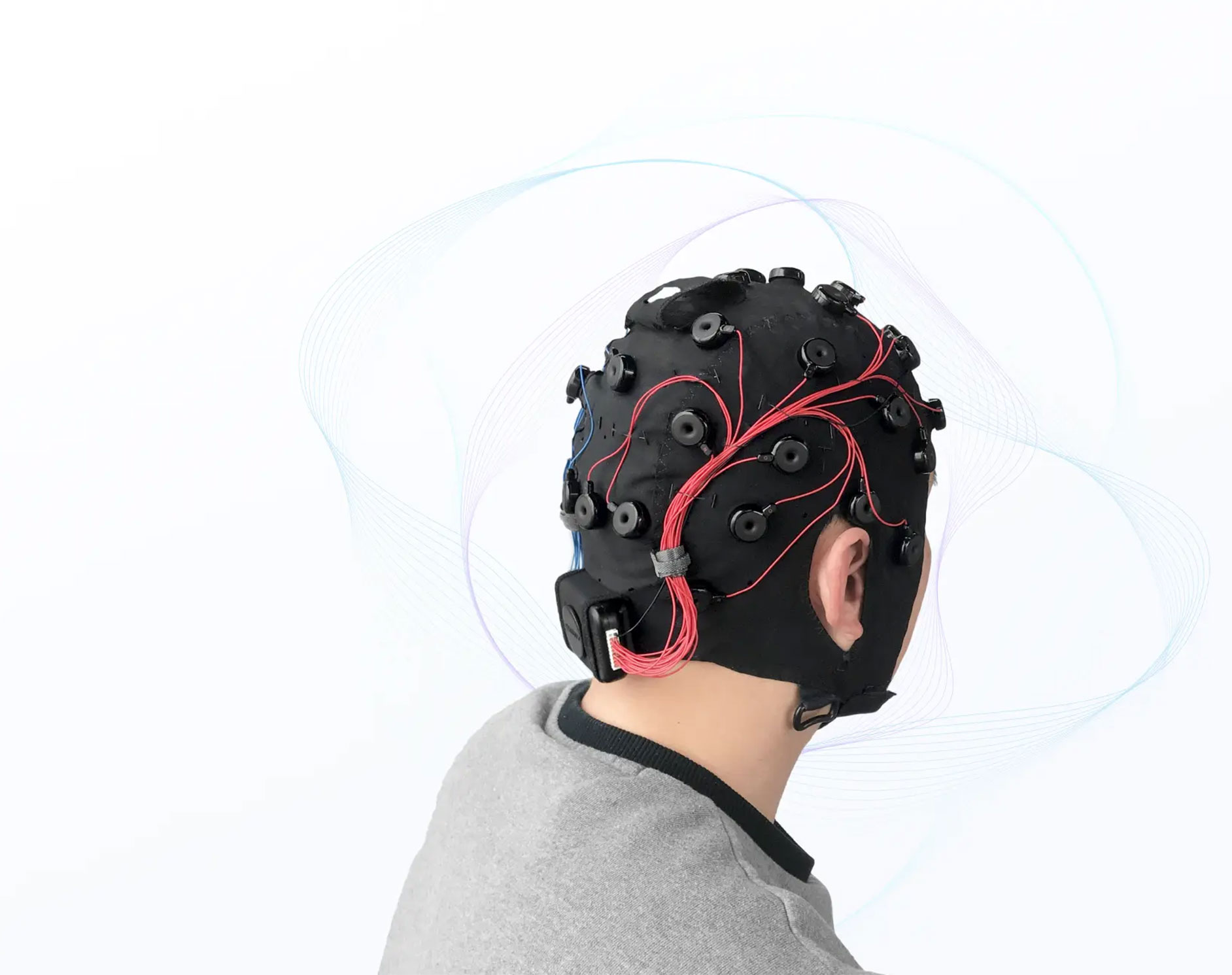
Continue reading