EEG Head Cap System: A 2025 Buyer's Guide
Emotiv
Updated on
Dec 11, 2025
EEG Head Cap System: A 2025 Buyer's Guide
Emotiv
Updated on
Dec 11, 2025
EEG Head Cap System: A 2025 Buyer's Guide
Emotiv
Updated on
Dec 11, 2025
Not long ago, the ability to measure brain activity was reserved for institutions with massive budgets and specialized facilities. Today, that has completely changed. Portable, user-friendly, and powerful EEG technology is now available to a much broader audience of creators, researchers, and developers. This accessibility has sparked a wave of innovation in fields that were once on the periphery of neuroscience. From understanding consumer engagement in neuromarketing to building new assistive technologies, a modern eeg head cap system provides the critical link. This guide will break down the components of these systems, explore the leading options, and show you how to get started.
Key Takeaways
Understand the Electrode Trade-Offs: The right sensor type—wet, dry, or saline—depends entirely on your needs. Choose wet electrodes for high-fidelity lab data, dry for quick setup in real-world settings, and saline for a convenient middle ground.
Look Beyond the Sensors: Key features like channel count, wireless connectivity, and a comfortable fit are just as important as the electrodes. These elements directly impact your data quality and the success of your study.
Define Your Goal to Find Your Gear: The best EEG system is the one that aligns with your project. Whether you're conducting academic research, building a BCI, or accessing wellness tools, clarifying your objective is the first step to choosing the right headset.
What Is an EEG Head Cap?
If you're just starting to explore brain science, the term "EEG head cap" might sound like something out of a sci-fi movie, but the concept is actually quite simple. Think of it as a wearable device designed to listen to the electrical symphony happening inside your brain. Your brain cells, called neurons, communicate using tiny electrical impulses. An EEG head cap is fitted with small sensors, known as electrodes, that rest on your scalp to gently pick up on this constant electrical conversation.
This technology gives us a non-invasive window into the brain's activity, allowing us to see patterns related to different mental states like focus, relaxation, or cognitive load. For a long time, EEG systems were bulky machines confined to hospitals and research labs. Today, technology has evolved, making it possible to have portable, user-friendly headsets that anyone can use. This accessibility has opened the door for incredible applications in fields like academic research, neuromarketing, and the development of assistive technologies. It’s a powerful tool for anyone curious about understanding the complexities of the human brain.
The Core Components
So, what exactly makes up an EEG head cap? While designs can differ, they all rely on a few key parts working together. First is the cap itself, which is typically made from a flexible, breathable material that stretches to fit comfortably and securely on various head shapes and sizes. The most critical components are the electrodes—the small sensors that make direct contact with the scalp. Their job is to detect the very faint electrical signals your brain produces. Finally, there are the integrated electronics that amplify these signals and transmit the data, usually wirelessly, to a computer for analysis. Our Flex headset is a great example of how these components are combined into a cohesive, easy-to-use system.
How Do They Work?
The process of measuring brain activity with an EEG cap is pretty amazing. It all begins with your neurons firing electrical impulses as you think, feel, and experience the world. The electrodes on the cap are sensitive enough to detect these tiny voltage changes right through your scalp. Because the raw signals from the brain are incredibly faint, the headset's built-in electronics amplify them so they can be accurately measured and digitized.
This digital data is then sent to a computer where our software takes over. A platform like EmotivPRO processes this stream of raw data, translating it into meaningful metrics and visualizations, such as brainwave frequencies. This allows you to see and analyze brain activity in real time, opening up a world of possibilities, from conducting detailed studies to building your own brain-computer interface.
Exploring the Different Types of EEG Headsets
The choice of an EEG headset often comes down to the type of electrodes it uses. This is a crucial decision because it impacts everything from setup time to data quality. There isn't one "best" type; the right choice depends entirely on what you're trying to accomplish. Are you conducting precise, lab-based experiments where every microvolt matters? Or are you exploring brain-computer interfaces in a real-world setting where ease of use is paramount? Understanding the differences between wet, dry, and saline-based systems will help you find the perfect fit for your project.
The core of any EEG system is its ability to detect the faint electrical signals produced by the brain. The electrode is the point of contact that makes this possible, and how well it connects to the scalp directly influences the data you can collect. Wet electrodes use a conductive medium to create a strong, stable connection, while dry electrodes are designed for speed and simplicity. Saline-based systems offer a compelling middle ground. Thinking about your end goal is the best way to start. If your participants need to move around freely or wear the device for extended periods, a quick-to-apply dry or saline system might be ideal. This knowledge is fundamental for anyone getting started with academic research and education in neuroscience.
Wet Electrode Headsets
Wet electrode headsets are the traditional standard in clinical and laboratory settings for a reason: they provide excellent signal quality. These systems use a conductive gel applied between the electrode and the scalp. This gel bridges any tiny gaps, reducing impedance and creating a solid electrical connection that captures clean, reliable brainwave data. The main trade-off is convenience. The setup process takes longer, as you need to apply gel to each electrode site, and cleanup can be a bit messy for the participant. For research that requires maximum precision, however, the high-fidelity data from a system like our Flex Gel headset is often the preferred choice.
Dry Electrode Headsets
If you're looking for speed and ease of use, dry electrode headsets are the way to go. As the name suggests, they require no gels, solutions, or skin preparation. You can simply place the headset on and start collecting data in minutes. This makes them incredibly practical for applications outside of the lab, such as developing brain-computer interfaces or conducting studies in real-world environments. While the signal quality can be more susceptible to movement artifacts, advancements in sensor technology have made modern dry systems remarkably effective. Headsets like our Insight and Epoc X are designed to provide a seamless user experience without sacrificing valuable data.
Saline-Based Headsets
Saline-based headsets offer a fantastic balance between the signal fidelity of wet electrodes and the convenience of dry ones. Instead of a thick gel, these systems use a simple saline solution to wet the sensors, which enhances conductivity. The setup is much faster and cleaner than with gel-based systems, as the saline solution is easy to apply and doesn't leave a residue. This approach provides a stable, low-impedance connection to the scalp, resulting in high-quality data that is less prone to noise. For many researchers, a saline system like the Emotiv Flex is the ideal solution, offering a great user experience for participants while still delivering research-grade performance.
A Look at Leading EEG Headset Brands
When you start searching for an EEG headset, you’ll find a market full of options, each with its own strengths. It can be a lot to sort through, so let’s walk through some of the key players and what they offer. Understanding the landscape will help you pinpoint the system that truly fits your project’s needs, whether you’re conducting formal research, developing a new application, or exploring your own brain activity.
At Emotiv, we’ve focused on creating a diverse ecosystem of hardware and software that makes neurotechnology accessible and powerful. Our goal is to provide reliable tools for a wide range of users, from seasoned neuroscientists to developers and wellness enthusiasts. We’ll start by giving you a tour of our own lineup. Then, we’ll look at the types of products other brands in this space specialize in, so you have a complete picture of what’s available. This way, you can make an informed choice that you feel confident about.
Emotiv Headsets
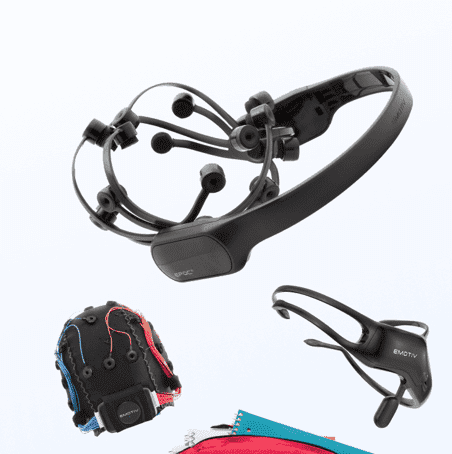
We design our EEG headsets to support a variety of applications, from personal use to advanced academic research. For those just starting out or needing a simple, portable solution, our MN8 earbuds offer a discreet way to access cognitive wellness tools. For more detailed data, the Epoc X provides 14 channels in a fixed-headset design that’s quick to set up.
At the high end, our Flex headset is a researcher’s go-to, offering a flexible cap system with up to 32 channels. This high-density setup allows you to record a detailed picture of brain activity, making it a powerful tool for complex neuroscience studies, advanced brain-computer interface projects, and neuromarketing research.
Other Brands to Know
While we’re proud of our products, it’s helpful to know what else is out there. The EEG market includes a variety of specialized manufacturers. Some companies cater to the DIY and maker communities, offering electrode cap kits and modular components that allow for a high degree of customization. These are often popular with hobbyists and developers who want to build their own systems from the ground up.
Other brands focus on very specific, high-density applications for clinical or academic settings. You’ll find caps designed to integrate with other neuroimaging technologies or systems built for long-term recording, like sleep studies. Many of these companies also specialize in one type of Electroencephalography technology, focusing exclusively on either wet or dry electrode systems for different use cases.
Key Features to Look For in an EEG System
Choosing the right EEG system can feel like a big decision, but it gets a lot easier when you know what to look for. The best system for you really comes down to the specific needs of your project. Whether you're conducting detailed academic research or exploring brain-computer interfaces, focusing on a few key features will help you find the perfect fit. Think about what you want to achieve, and then use these criteria to guide your search for a headset that has the right capabilities for your work.
Channel Count and Configuration
The number of channels in an EEG system refers to the number of electrodes that measure brain activity. A higher channel count provides greater spatial resolution, meaning you can pinpoint the source of brain signals with more accuracy. For example, our Flex headset offers up to 32 channels for high-density brain mapping, which is ideal for detailed research. For applications that require less granular data, a system like our 5-channel Insight headset might be a better fit. The right number of channels depends entirely on your project's goals and the level of detail you need to capture.
Wireless Capabilities and Connectivity
Wireless EEG systems offer incredible freedom and flexibility. By removing the tethers to a computer, you can conduct studies in more natural, real-world environments and allow participants to move around freely. This mobility is a game-changer for many types of research, from neuromarketing studies in a simulated store to cognitive wellness applications used during daily activities. The convenience and relative affordability of wireless systems have made it much easier for newcomers to get started with EEG research. All Emotiv headsets are wireless, giving you the flexibility to collect data wherever your work takes you.
Comfort and Fit
A comfortable and well-fitting headset is non-negotiable. If a participant is uncomfortable, it can be distracting and even introduce noise into your data. Look for systems that are lightweight, adjustable, and available in multiple sizes to accommodate different head shapes. A proper fit ensures that the electrodes maintain consistent contact with the scalp, which is essential for collecting high-quality data. We designed our headsets with this in mind, focusing on ergonomic designs that participants can wear for extended periods without discomfort, ensuring the integrity of your study.
Data Quality and Sampling Rate
At the end of the day, the quality of your data is what matters most. Key factors here are the signal-to-noise ratio and the sampling rate. A good system will minimize environmental noise and artifacts, giving you a clean signal. The sampling rate, measured in Hertz (Hz), is the number of times per second the system records data. A higher sampling rate captures fast-changing brain activity with greater fidelity. The type of electrode—wet, dry, or saline—also plays a role. For instance, dry electrodes can provide excellent signal quality for studies focused on event-related potentials (ERPs).
Software and Analysis Tools
The hardware is just one piece of the puzzle; powerful software is what transforms raw EEG signals into actionable insights. A good EEG system should come with intuitive software that simplifies data acquisition, visualization, and analysis. For example, our headsets are paired with software like EmotivPRO, which allows you to view real-time brain data streams, apply frequency filters, and mark events. Having a robust and user-friendly software suite is crucial for streamlining your workflow and getting the most out of your data.
Understanding the Cost of EEG Systems
The price of an EEG system can vary widely, depending on its capabilities, channel count, and intended use. Thinking about your project's specific needs will help you find a solution that fits your budget. Whether you're just starting or conducting advanced research, there's a system out there for you. Let's walk through the different price tiers to see what you can expect.
Entry-Level Options
If you're new to EEG or working with a limited budget, entry-level systems are a fantastic place to start. These options are perfect for educational settings, student projects, or initial explorations into brain data. You can find basic components like individual disposable EEG caps for as little as $50. More complete entry-level cap systems, which might include a full set of electrodes and require an external amplifier, can range up to around $1,800. While they may not have the advanced features of pricier models, they provide the essential functionality you need to learn the ropes and gather foundational data.
Mid-Range Systems
For those who need more robust data without the investment of a professional-grade system, mid-range options offer a great balance of performance and price. These systems are ideal for many academic researchers, developers, and practitioners. For example, our Insight headset is a 5-channel wireless system designed for everyday use. It provides reliable, research-grade data in a comfortable and easy-to-use format. Systems in this category give you the power to conduct more detailed studies and develop applications while remaining accessible and user-friendly, making them a popular choice for a wide range of projects.
Professional-Grade Solutions
When your research demands the highest level of detail and precision, professional-grade solutions are the way to go. These systems are built for advanced neurological studies and clinical applications where high-density data is crucial. Our Flex headset, for instance, is a 32-channel wireless system designed for high-resolution brain mapping. The investment in a professional-grade system gives you access to cutting-edge technology capable of capturing nuanced brain activity. These are the tools of choice for in-depth research, providing the comprehensive data needed to push the boundaries of neuroscience.
Common Challenges and How to Address Them
Working with EEG technology is an exciting field, but like any advanced tool, it comes with its own set of challenges. From getting a clean signal to making sense of the data, there are a few common hurdles you might encounter. The good news is that modern EEG systems are designed to address these issues, making the process smoother than ever. Let's walk through some of these challenges and discuss practical ways to handle them.
Managing Signal Noise
One of the most common issues in EEG research is signal noise. This refers to any electrical interference that isn't coming from the brain, which can obscure the neural signals you want to measure. This interference can come from muscle movements (like blinking or clenching your jaw), nearby electronics, or a poor sensor connection. To get the best data, you need to minimize this noise. Start by ensuring your participant is relaxed and in a quiet environment. A good-fitting headset with a solid sensor connection is also crucial. Our EmotivPRO software includes tools to help you monitor signal quality in real-time and apply filters to clean up your data during analysis.
Simplifying Setup and Placement
Placing dozens of tiny electrodes correctly can feel daunting, especially if you're new to EEG. Proper placement is essential for accurate data, but traditional systems often require messy gels and precise, time-consuming measurements. This is why ease of use is such a key feature in modern headsets. Look for systems with clear instructions and intuitive designs. For example, our Flex Saline headset uses simple saline-based sensors that are quick to prepare and place, cutting down on setup time significantly. This allows you to spend less time prepping and more time focusing on your research or application.
Ensuring Participant Comfort
If the person wearing the headset is uncomfortable, they’re more likely to move around, which can introduce movement artifacts and lead to unreliable data. Comfort is not just a luxury; it's a necessity for high-quality EEG recordings, especially for studies that require longer sessions. A lightweight, adjustable, and well-balanced headset makes a huge difference. Our Insight headset was designed with this in mind, featuring a minimalist and ergonomic build that’s suitable for extended wear. Choosing a system that prioritizes comfort helps ensure your participants remain still and engaged, which is key to capturing clean brainwave data.
Handling Data Processing and Analysis
Raw EEG data is incredibly complex and can be overwhelming without the right tools to interpret it. Historically, analyzing this data required specialized knowledge and powerful, often complicated, software. This created a high barrier to entry for many people interested in neuroscience. Today, the focus is on creating more accessible data analysis platforms. User-friendly software like EmotivPRO provides a clear interface for visualizing brain activity, running analyses, and exporting data in a format you can easily work with. This empowers a much broader range of creators and researchers to work with brain data without needing a PhD in signal processing.
Find the Right EEG System for Your Project
Choosing the right EEG system really comes down to what you want to accomplish. The perfect headset for a university research lab might be overkill for someone exploring brain-computer interfaces at home. Your project's goals will determine the features you need to prioritize, whether it's a high channel count for detailed brain mapping or a quick, comfortable setup for daily use. Think about the kind of data you need to collect, the environment you'll be working in, and the software tools you'll use for analysis. Below, I’ll walk you through some common applications and suggest the type of EEG system that works best for each, so you can feel confident in your choice.
For Academic Research and Education
If you're in academia, you know that the quality of your data is everything. Traditional EEG research often involves complex, lab-based equipment, but modern, portable headsets have made it much easier to conduct studies in more natural settings. For robust academic research and education, you’ll want a system that delivers clean, reliable data with a high channel count. A headset like our Epoc X offers 14 channels for detailed spatial resolution, while the high-density Flex provides up to 32 channels for advanced brain mapping. These systems give you the precision needed for peer-reviewed work without being tethered to a traditional lab, opening up new possibilities for your studies.
For Brain-Computer Interfaces (BCI)
When you're building a brain-computer interface, your EEG system is the bridge between thought and action. The most important factors here are low latency and reliable signal processing, ensuring that the system can interpret brain activity and translate it into commands quickly and accurately. The right headset depends on your project's complexity. For applications that rely on detecting simple mental commands or facial expressions, a 5-channel headset like Insight can be a great starting point. For more sophisticated BCI applications that require decoding more complex patterns, the 14 channels of the Epoc X, paired with our EmotivBCI software, provide a powerful toolkit for developers.
For Neuromarketing
Neuromarketing is all about understanding the subconscious drivers of consumer behavior. To do that, you need to capture genuine, unfiltered reactions to advertisements, products, or branding. EEG is a fantastic tool for this because it measures brain responses in real time, giving you insights that surveys and focus groups can't. For effective neuromarketing studies, you need a system that is both precise and portable, allowing you to test participants in realistic environments. The Epoc X headset provides the detailed, high-quality data needed to analyze emotional engagement and cognitive load, helping you understand what truly captures a consumer's attention and drives their decisions.
For Cognitive Wellness Applications
More and more people are turning to neurotechnology to access tools for their personal wellness journeys. For these applications, comfort, convenience, and ease of use are paramount. You want a device that you can set up quickly and wear comfortably for regular sessions. This is where dry electrode systems really shine. They don't require any saline solution or gels, making them perfect for daily use at home or in the office. Our MN8 EEG earbuds are designed for this exact purpose, offering a discreet and user-friendly way to access cognitive wellness tools and explore your own brain activity without any complicated setup.
Where to Buy Your EEG Headset
Once you’ve decided which EEG system fits your project, the next step is making the purchase. Where you buy your headset from is just as important as which one you choose. Buying from a reputable source ensures you get an authentic, high-quality product backed by customer support and a solid warranty. It also guarantees you’ll have access to the right software and resources to get started smoothly, so you can spend less time troubleshooting and more time on your project.
Finding Authorized Retailers
The most reliable place to purchase an EEG headset is directly from the manufacturer. For our complete line of products, the official Emotiv website is your best source. Buying directly from us ensures you receive a genuine device, our full manufacturer's warranty, and dedicated customer support. You also get immediate access to our software ecosystem, including the Emotiv App and EmotivPRO, so you can be confident that everything will work together seamlessly from day one.
While some third-party scientific equipment suppliers may carry EEG systems, it’s important to verify that they are authorized dealers. This helps you avoid counterfeit products and ensures that the warranty will be honored. For peace of mind and the most straightforward experience, we always recommend purchasing directly from the source.
How to Compare Prices and Warranties
EEG system prices can vary significantly, depending on factors like channel count, sensor type, and included software. When comparing your options, think about the total value, not just the initial price tag. An entry-level device might be more affordable, while a professional-grade system is a larger investment that provides much richer data. Our headsets range from the accessible MN8 EEG earbuds for personal wellness applications to the 32-channel Flex for advanced academic studies.
A warranty is your assurance of quality. Be sure to check the warranty period and what it covers before you buy. For example, some basic EEG caps may only come with a 90-day warranty. When you purchase from Emotiv, your hardware is protected by our comprehensive warranty. This reflects our confidence in the hardware and our commitment to supporting your work long after your purchase.
Related Articles
Frequently Asked Questions
Do I need a science background to use an EEG headset? Not at all. While a background in neuroscience is certainly helpful for deep academic research, modern EEG systems are designed to be accessible to everyone. Our software, like EmotivPRO, provides a user-friendly interface that visualizes your brain data in a way that's easy to understand. Whether you're a developer creating a brain-computer interface or someone curious about cognitive wellness tools, you have everything you need to get started right out of the box.
What's the real difference between a dry, wet, and saline headset in practice? The main difference comes down to the trade-off between setup time and signal quality. Wet gel electrodes provide a very strong, stable connection for high-fidelity data, but they require more time for application and cleanup. Dry electrodes are the fastest to set up—you just put the headset on and go—which is perfect for quick sessions or real-world use. Saline-based systems are a great middle ground, offering excellent data quality with a much faster and cleaner setup than gel.
How many channels do I actually need? This completely depends on your project's goals. Think of it like the resolution of a picture. For applications that measure broad brain states or simple commands, a lower channel count, like the 5 channels on our Insight headset, is often sufficient. If you need to see brain activity in more specific regions, such as for detailed academic research or complex neuromarketing studies, a higher channel count like the 14 on Epoc X or 32 on Flex will give you the greater spatial detail you need.
Is wearing an EEG headset safe? Yes, it is completely safe. EEG is a passive technology, which means the headset only "listens" to the faint electrical signals that your brain naturally produces all the time. It doesn't send any electrical currents or signals into your brain. The process is non-invasive and is simply a way of observing the brain's activity from the surface of the scalp.
What can I do if I'm getting a lot of "noise" in my data? Signal noise is a common challenge, but it's usually manageable. First, ensure the headset fits snugly and that all the sensors have good contact with the scalp. Ask the person wearing it to sit still and relax, as muscle movements from blinking or clenching the jaw can create interference. It also helps to be in a room away from other electronic devices. Finally, our software includes tools that can help you filter out some of the noise during your analysis.
Not long ago, the ability to measure brain activity was reserved for institutions with massive budgets and specialized facilities. Today, that has completely changed. Portable, user-friendly, and powerful EEG technology is now available to a much broader audience of creators, researchers, and developers. This accessibility has sparked a wave of innovation in fields that were once on the periphery of neuroscience. From understanding consumer engagement in neuromarketing to building new assistive technologies, a modern eeg head cap system provides the critical link. This guide will break down the components of these systems, explore the leading options, and show you how to get started.
Key Takeaways
Understand the Electrode Trade-Offs: The right sensor type—wet, dry, or saline—depends entirely on your needs. Choose wet electrodes for high-fidelity lab data, dry for quick setup in real-world settings, and saline for a convenient middle ground.
Look Beyond the Sensors: Key features like channel count, wireless connectivity, and a comfortable fit are just as important as the electrodes. These elements directly impact your data quality and the success of your study.
Define Your Goal to Find Your Gear: The best EEG system is the one that aligns with your project. Whether you're conducting academic research, building a BCI, or accessing wellness tools, clarifying your objective is the first step to choosing the right headset.
What Is an EEG Head Cap?
If you're just starting to explore brain science, the term "EEG head cap" might sound like something out of a sci-fi movie, but the concept is actually quite simple. Think of it as a wearable device designed to listen to the electrical symphony happening inside your brain. Your brain cells, called neurons, communicate using tiny electrical impulses. An EEG head cap is fitted with small sensors, known as electrodes, that rest on your scalp to gently pick up on this constant electrical conversation.
This technology gives us a non-invasive window into the brain's activity, allowing us to see patterns related to different mental states like focus, relaxation, or cognitive load. For a long time, EEG systems were bulky machines confined to hospitals and research labs. Today, technology has evolved, making it possible to have portable, user-friendly headsets that anyone can use. This accessibility has opened the door for incredible applications in fields like academic research, neuromarketing, and the development of assistive technologies. It’s a powerful tool for anyone curious about understanding the complexities of the human brain.
The Core Components
So, what exactly makes up an EEG head cap? While designs can differ, they all rely on a few key parts working together. First is the cap itself, which is typically made from a flexible, breathable material that stretches to fit comfortably and securely on various head shapes and sizes. The most critical components are the electrodes—the small sensors that make direct contact with the scalp. Their job is to detect the very faint electrical signals your brain produces. Finally, there are the integrated electronics that amplify these signals and transmit the data, usually wirelessly, to a computer for analysis. Our Flex headset is a great example of how these components are combined into a cohesive, easy-to-use system.
How Do They Work?
The process of measuring brain activity with an EEG cap is pretty amazing. It all begins with your neurons firing electrical impulses as you think, feel, and experience the world. The electrodes on the cap are sensitive enough to detect these tiny voltage changes right through your scalp. Because the raw signals from the brain are incredibly faint, the headset's built-in electronics amplify them so they can be accurately measured and digitized.
This digital data is then sent to a computer where our software takes over. A platform like EmotivPRO processes this stream of raw data, translating it into meaningful metrics and visualizations, such as brainwave frequencies. This allows you to see and analyze brain activity in real time, opening up a world of possibilities, from conducting detailed studies to building your own brain-computer interface.
Exploring the Different Types of EEG Headsets
The choice of an EEG headset often comes down to the type of electrodes it uses. This is a crucial decision because it impacts everything from setup time to data quality. There isn't one "best" type; the right choice depends entirely on what you're trying to accomplish. Are you conducting precise, lab-based experiments where every microvolt matters? Or are you exploring brain-computer interfaces in a real-world setting where ease of use is paramount? Understanding the differences between wet, dry, and saline-based systems will help you find the perfect fit for your project.
The core of any EEG system is its ability to detect the faint electrical signals produced by the brain. The electrode is the point of contact that makes this possible, and how well it connects to the scalp directly influences the data you can collect. Wet electrodes use a conductive medium to create a strong, stable connection, while dry electrodes are designed for speed and simplicity. Saline-based systems offer a compelling middle ground. Thinking about your end goal is the best way to start. If your participants need to move around freely or wear the device for extended periods, a quick-to-apply dry or saline system might be ideal. This knowledge is fundamental for anyone getting started with academic research and education in neuroscience.
Wet Electrode Headsets
Wet electrode headsets are the traditional standard in clinical and laboratory settings for a reason: they provide excellent signal quality. These systems use a conductive gel applied between the electrode and the scalp. This gel bridges any tiny gaps, reducing impedance and creating a solid electrical connection that captures clean, reliable brainwave data. The main trade-off is convenience. The setup process takes longer, as you need to apply gel to each electrode site, and cleanup can be a bit messy for the participant. For research that requires maximum precision, however, the high-fidelity data from a system like our Flex Gel headset is often the preferred choice.
Dry Electrode Headsets
If you're looking for speed and ease of use, dry electrode headsets are the way to go. As the name suggests, they require no gels, solutions, or skin preparation. You can simply place the headset on and start collecting data in minutes. This makes them incredibly practical for applications outside of the lab, such as developing brain-computer interfaces or conducting studies in real-world environments. While the signal quality can be more susceptible to movement artifacts, advancements in sensor technology have made modern dry systems remarkably effective. Headsets like our Insight and Epoc X are designed to provide a seamless user experience without sacrificing valuable data.
Saline-Based Headsets
Saline-based headsets offer a fantastic balance between the signal fidelity of wet electrodes and the convenience of dry ones. Instead of a thick gel, these systems use a simple saline solution to wet the sensors, which enhances conductivity. The setup is much faster and cleaner than with gel-based systems, as the saline solution is easy to apply and doesn't leave a residue. This approach provides a stable, low-impedance connection to the scalp, resulting in high-quality data that is less prone to noise. For many researchers, a saline system like the Emotiv Flex is the ideal solution, offering a great user experience for participants while still delivering research-grade performance.
A Look at Leading EEG Headset Brands
When you start searching for an EEG headset, you’ll find a market full of options, each with its own strengths. It can be a lot to sort through, so let’s walk through some of the key players and what they offer. Understanding the landscape will help you pinpoint the system that truly fits your project’s needs, whether you’re conducting formal research, developing a new application, or exploring your own brain activity.
At Emotiv, we’ve focused on creating a diverse ecosystem of hardware and software that makes neurotechnology accessible and powerful. Our goal is to provide reliable tools for a wide range of users, from seasoned neuroscientists to developers and wellness enthusiasts. We’ll start by giving you a tour of our own lineup. Then, we’ll look at the types of products other brands in this space specialize in, so you have a complete picture of what’s available. This way, you can make an informed choice that you feel confident about.
Emotiv Headsets
We design our EEG headsets to support a variety of applications, from personal use to advanced academic research. For those just starting out or needing a simple, portable solution, our MN8 earbuds offer a discreet way to access cognitive wellness tools. For more detailed data, the Epoc X provides 14 channels in a fixed-headset design that’s quick to set up.
At the high end, our Flex headset is a researcher’s go-to, offering a flexible cap system with up to 32 channels. This high-density setup allows you to record a detailed picture of brain activity, making it a powerful tool for complex neuroscience studies, advanced brain-computer interface projects, and neuromarketing research.
Other Brands to Know
While we’re proud of our products, it’s helpful to know what else is out there. The EEG market includes a variety of specialized manufacturers. Some companies cater to the DIY and maker communities, offering electrode cap kits and modular components that allow for a high degree of customization. These are often popular with hobbyists and developers who want to build their own systems from the ground up.
Other brands focus on very specific, high-density applications for clinical or academic settings. You’ll find caps designed to integrate with other neuroimaging technologies or systems built for long-term recording, like sleep studies. Many of these companies also specialize in one type of Electroencephalography technology, focusing exclusively on either wet or dry electrode systems for different use cases.
Key Features to Look For in an EEG System
Choosing the right EEG system can feel like a big decision, but it gets a lot easier when you know what to look for. The best system for you really comes down to the specific needs of your project. Whether you're conducting detailed academic research or exploring brain-computer interfaces, focusing on a few key features will help you find the perfect fit. Think about what you want to achieve, and then use these criteria to guide your search for a headset that has the right capabilities for your work.
Channel Count and Configuration
The number of channels in an EEG system refers to the number of electrodes that measure brain activity. A higher channel count provides greater spatial resolution, meaning you can pinpoint the source of brain signals with more accuracy. For example, our Flex headset offers up to 32 channels for high-density brain mapping, which is ideal for detailed research. For applications that require less granular data, a system like our 5-channel Insight headset might be a better fit. The right number of channels depends entirely on your project's goals and the level of detail you need to capture.
Wireless Capabilities and Connectivity
Wireless EEG systems offer incredible freedom and flexibility. By removing the tethers to a computer, you can conduct studies in more natural, real-world environments and allow participants to move around freely. This mobility is a game-changer for many types of research, from neuromarketing studies in a simulated store to cognitive wellness applications used during daily activities. The convenience and relative affordability of wireless systems have made it much easier for newcomers to get started with EEG research. All Emotiv headsets are wireless, giving you the flexibility to collect data wherever your work takes you.
Comfort and Fit
A comfortable and well-fitting headset is non-negotiable. If a participant is uncomfortable, it can be distracting and even introduce noise into your data. Look for systems that are lightweight, adjustable, and available in multiple sizes to accommodate different head shapes. A proper fit ensures that the electrodes maintain consistent contact with the scalp, which is essential for collecting high-quality data. We designed our headsets with this in mind, focusing on ergonomic designs that participants can wear for extended periods without discomfort, ensuring the integrity of your study.
Data Quality and Sampling Rate
At the end of the day, the quality of your data is what matters most. Key factors here are the signal-to-noise ratio and the sampling rate. A good system will minimize environmental noise and artifacts, giving you a clean signal. The sampling rate, measured in Hertz (Hz), is the number of times per second the system records data. A higher sampling rate captures fast-changing brain activity with greater fidelity. The type of electrode—wet, dry, or saline—also plays a role. For instance, dry electrodes can provide excellent signal quality for studies focused on event-related potentials (ERPs).
Software and Analysis Tools
The hardware is just one piece of the puzzle; powerful software is what transforms raw EEG signals into actionable insights. A good EEG system should come with intuitive software that simplifies data acquisition, visualization, and analysis. For example, our headsets are paired with software like EmotivPRO, which allows you to view real-time brain data streams, apply frequency filters, and mark events. Having a robust and user-friendly software suite is crucial for streamlining your workflow and getting the most out of your data.
Understanding the Cost of EEG Systems
The price of an EEG system can vary widely, depending on its capabilities, channel count, and intended use. Thinking about your project's specific needs will help you find a solution that fits your budget. Whether you're just starting or conducting advanced research, there's a system out there for you. Let's walk through the different price tiers to see what you can expect.
Entry-Level Options
If you're new to EEG or working with a limited budget, entry-level systems are a fantastic place to start. These options are perfect for educational settings, student projects, or initial explorations into brain data. You can find basic components like individual disposable EEG caps for as little as $50. More complete entry-level cap systems, which might include a full set of electrodes and require an external amplifier, can range up to around $1,800. While they may not have the advanced features of pricier models, they provide the essential functionality you need to learn the ropes and gather foundational data.
Mid-Range Systems
For those who need more robust data without the investment of a professional-grade system, mid-range options offer a great balance of performance and price. These systems are ideal for many academic researchers, developers, and practitioners. For example, our Insight headset is a 5-channel wireless system designed for everyday use. It provides reliable, research-grade data in a comfortable and easy-to-use format. Systems in this category give you the power to conduct more detailed studies and develop applications while remaining accessible and user-friendly, making them a popular choice for a wide range of projects.
Professional-Grade Solutions
When your research demands the highest level of detail and precision, professional-grade solutions are the way to go. These systems are built for advanced neurological studies and clinical applications where high-density data is crucial. Our Flex headset, for instance, is a 32-channel wireless system designed for high-resolution brain mapping. The investment in a professional-grade system gives you access to cutting-edge technology capable of capturing nuanced brain activity. These are the tools of choice for in-depth research, providing the comprehensive data needed to push the boundaries of neuroscience.
Common Challenges and How to Address Them
Working with EEG technology is an exciting field, but like any advanced tool, it comes with its own set of challenges. From getting a clean signal to making sense of the data, there are a few common hurdles you might encounter. The good news is that modern EEG systems are designed to address these issues, making the process smoother than ever. Let's walk through some of these challenges and discuss practical ways to handle them.
Managing Signal Noise
One of the most common issues in EEG research is signal noise. This refers to any electrical interference that isn't coming from the brain, which can obscure the neural signals you want to measure. This interference can come from muscle movements (like blinking or clenching your jaw), nearby electronics, or a poor sensor connection. To get the best data, you need to minimize this noise. Start by ensuring your participant is relaxed and in a quiet environment. A good-fitting headset with a solid sensor connection is also crucial. Our EmotivPRO software includes tools to help you monitor signal quality in real-time and apply filters to clean up your data during analysis.
Simplifying Setup and Placement
Placing dozens of tiny electrodes correctly can feel daunting, especially if you're new to EEG. Proper placement is essential for accurate data, but traditional systems often require messy gels and precise, time-consuming measurements. This is why ease of use is such a key feature in modern headsets. Look for systems with clear instructions and intuitive designs. For example, our Flex Saline headset uses simple saline-based sensors that are quick to prepare and place, cutting down on setup time significantly. This allows you to spend less time prepping and more time focusing on your research or application.
Ensuring Participant Comfort
If the person wearing the headset is uncomfortable, they’re more likely to move around, which can introduce movement artifacts and lead to unreliable data. Comfort is not just a luxury; it's a necessity for high-quality EEG recordings, especially for studies that require longer sessions. A lightweight, adjustable, and well-balanced headset makes a huge difference. Our Insight headset was designed with this in mind, featuring a minimalist and ergonomic build that’s suitable for extended wear. Choosing a system that prioritizes comfort helps ensure your participants remain still and engaged, which is key to capturing clean brainwave data.
Handling Data Processing and Analysis
Raw EEG data is incredibly complex and can be overwhelming without the right tools to interpret it. Historically, analyzing this data required specialized knowledge and powerful, often complicated, software. This created a high barrier to entry for many people interested in neuroscience. Today, the focus is on creating more accessible data analysis platforms. User-friendly software like EmotivPRO provides a clear interface for visualizing brain activity, running analyses, and exporting data in a format you can easily work with. This empowers a much broader range of creators and researchers to work with brain data without needing a PhD in signal processing.
Find the Right EEG System for Your Project
Choosing the right EEG system really comes down to what you want to accomplish. The perfect headset for a university research lab might be overkill for someone exploring brain-computer interfaces at home. Your project's goals will determine the features you need to prioritize, whether it's a high channel count for detailed brain mapping or a quick, comfortable setup for daily use. Think about the kind of data you need to collect, the environment you'll be working in, and the software tools you'll use for analysis. Below, I’ll walk you through some common applications and suggest the type of EEG system that works best for each, so you can feel confident in your choice.
For Academic Research and Education
If you're in academia, you know that the quality of your data is everything. Traditional EEG research often involves complex, lab-based equipment, but modern, portable headsets have made it much easier to conduct studies in more natural settings. For robust academic research and education, you’ll want a system that delivers clean, reliable data with a high channel count. A headset like our Epoc X offers 14 channels for detailed spatial resolution, while the high-density Flex provides up to 32 channels for advanced brain mapping. These systems give you the precision needed for peer-reviewed work without being tethered to a traditional lab, opening up new possibilities for your studies.
For Brain-Computer Interfaces (BCI)
When you're building a brain-computer interface, your EEG system is the bridge between thought and action. The most important factors here are low latency and reliable signal processing, ensuring that the system can interpret brain activity and translate it into commands quickly and accurately. The right headset depends on your project's complexity. For applications that rely on detecting simple mental commands or facial expressions, a 5-channel headset like Insight can be a great starting point. For more sophisticated BCI applications that require decoding more complex patterns, the 14 channels of the Epoc X, paired with our EmotivBCI software, provide a powerful toolkit for developers.
For Neuromarketing
Neuromarketing is all about understanding the subconscious drivers of consumer behavior. To do that, you need to capture genuine, unfiltered reactions to advertisements, products, or branding. EEG is a fantastic tool for this because it measures brain responses in real time, giving you insights that surveys and focus groups can't. For effective neuromarketing studies, you need a system that is both precise and portable, allowing you to test participants in realistic environments. The Epoc X headset provides the detailed, high-quality data needed to analyze emotional engagement and cognitive load, helping you understand what truly captures a consumer's attention and drives their decisions.
For Cognitive Wellness Applications
More and more people are turning to neurotechnology to access tools for their personal wellness journeys. For these applications, comfort, convenience, and ease of use are paramount. You want a device that you can set up quickly and wear comfortably for regular sessions. This is where dry electrode systems really shine. They don't require any saline solution or gels, making them perfect for daily use at home or in the office. Our MN8 EEG earbuds are designed for this exact purpose, offering a discreet and user-friendly way to access cognitive wellness tools and explore your own brain activity without any complicated setup.
Where to Buy Your EEG Headset
Once you’ve decided which EEG system fits your project, the next step is making the purchase. Where you buy your headset from is just as important as which one you choose. Buying from a reputable source ensures you get an authentic, high-quality product backed by customer support and a solid warranty. It also guarantees you’ll have access to the right software and resources to get started smoothly, so you can spend less time troubleshooting and more time on your project.
Finding Authorized Retailers
The most reliable place to purchase an EEG headset is directly from the manufacturer. For our complete line of products, the official Emotiv website is your best source. Buying directly from us ensures you receive a genuine device, our full manufacturer's warranty, and dedicated customer support. You also get immediate access to our software ecosystem, including the Emotiv App and EmotivPRO, so you can be confident that everything will work together seamlessly from day one.
While some third-party scientific equipment suppliers may carry EEG systems, it’s important to verify that they are authorized dealers. This helps you avoid counterfeit products and ensures that the warranty will be honored. For peace of mind and the most straightforward experience, we always recommend purchasing directly from the source.
How to Compare Prices and Warranties
EEG system prices can vary significantly, depending on factors like channel count, sensor type, and included software. When comparing your options, think about the total value, not just the initial price tag. An entry-level device might be more affordable, while a professional-grade system is a larger investment that provides much richer data. Our headsets range from the accessible MN8 EEG earbuds for personal wellness applications to the 32-channel Flex for advanced academic studies.
A warranty is your assurance of quality. Be sure to check the warranty period and what it covers before you buy. For example, some basic EEG caps may only come with a 90-day warranty. When you purchase from Emotiv, your hardware is protected by our comprehensive warranty. This reflects our confidence in the hardware and our commitment to supporting your work long after your purchase.
Related Articles
Frequently Asked Questions
Do I need a science background to use an EEG headset? Not at all. While a background in neuroscience is certainly helpful for deep academic research, modern EEG systems are designed to be accessible to everyone. Our software, like EmotivPRO, provides a user-friendly interface that visualizes your brain data in a way that's easy to understand. Whether you're a developer creating a brain-computer interface or someone curious about cognitive wellness tools, you have everything you need to get started right out of the box.
What's the real difference between a dry, wet, and saline headset in practice? The main difference comes down to the trade-off between setup time and signal quality. Wet gel electrodes provide a very strong, stable connection for high-fidelity data, but they require more time for application and cleanup. Dry electrodes are the fastest to set up—you just put the headset on and go—which is perfect for quick sessions or real-world use. Saline-based systems are a great middle ground, offering excellent data quality with a much faster and cleaner setup than gel.
How many channels do I actually need? This completely depends on your project's goals. Think of it like the resolution of a picture. For applications that measure broad brain states or simple commands, a lower channel count, like the 5 channels on our Insight headset, is often sufficient. If you need to see brain activity in more specific regions, such as for detailed academic research or complex neuromarketing studies, a higher channel count like the 14 on Epoc X or 32 on Flex will give you the greater spatial detail you need.
Is wearing an EEG headset safe? Yes, it is completely safe. EEG is a passive technology, which means the headset only "listens" to the faint electrical signals that your brain naturally produces all the time. It doesn't send any electrical currents or signals into your brain. The process is non-invasive and is simply a way of observing the brain's activity from the surface of the scalp.
What can I do if I'm getting a lot of "noise" in my data? Signal noise is a common challenge, but it's usually manageable. First, ensure the headset fits snugly and that all the sensors have good contact with the scalp. Ask the person wearing it to sit still and relax, as muscle movements from blinking or clenching the jaw can create interference. It also helps to be in a room away from other electronic devices. Finally, our software includes tools that can help you filter out some of the noise during your analysis.
Not long ago, the ability to measure brain activity was reserved for institutions with massive budgets and specialized facilities. Today, that has completely changed. Portable, user-friendly, and powerful EEG technology is now available to a much broader audience of creators, researchers, and developers. This accessibility has sparked a wave of innovation in fields that were once on the periphery of neuroscience. From understanding consumer engagement in neuromarketing to building new assistive technologies, a modern eeg head cap system provides the critical link. This guide will break down the components of these systems, explore the leading options, and show you how to get started.
Key Takeaways
Understand the Electrode Trade-Offs: The right sensor type—wet, dry, or saline—depends entirely on your needs. Choose wet electrodes for high-fidelity lab data, dry for quick setup in real-world settings, and saline for a convenient middle ground.
Look Beyond the Sensors: Key features like channel count, wireless connectivity, and a comfortable fit are just as important as the electrodes. These elements directly impact your data quality and the success of your study.
Define Your Goal to Find Your Gear: The best EEG system is the one that aligns with your project. Whether you're conducting academic research, building a BCI, or accessing wellness tools, clarifying your objective is the first step to choosing the right headset.
What Is an EEG Head Cap?
If you're just starting to explore brain science, the term "EEG head cap" might sound like something out of a sci-fi movie, but the concept is actually quite simple. Think of it as a wearable device designed to listen to the electrical symphony happening inside your brain. Your brain cells, called neurons, communicate using tiny electrical impulses. An EEG head cap is fitted with small sensors, known as electrodes, that rest on your scalp to gently pick up on this constant electrical conversation.
This technology gives us a non-invasive window into the brain's activity, allowing us to see patterns related to different mental states like focus, relaxation, or cognitive load. For a long time, EEG systems were bulky machines confined to hospitals and research labs. Today, technology has evolved, making it possible to have portable, user-friendly headsets that anyone can use. This accessibility has opened the door for incredible applications in fields like academic research, neuromarketing, and the development of assistive technologies. It’s a powerful tool for anyone curious about understanding the complexities of the human brain.
The Core Components
So, what exactly makes up an EEG head cap? While designs can differ, they all rely on a few key parts working together. First is the cap itself, which is typically made from a flexible, breathable material that stretches to fit comfortably and securely on various head shapes and sizes. The most critical components are the electrodes—the small sensors that make direct contact with the scalp. Their job is to detect the very faint electrical signals your brain produces. Finally, there are the integrated electronics that amplify these signals and transmit the data, usually wirelessly, to a computer for analysis. Our Flex headset is a great example of how these components are combined into a cohesive, easy-to-use system.
How Do They Work?
The process of measuring brain activity with an EEG cap is pretty amazing. It all begins with your neurons firing electrical impulses as you think, feel, and experience the world. The electrodes on the cap are sensitive enough to detect these tiny voltage changes right through your scalp. Because the raw signals from the brain are incredibly faint, the headset's built-in electronics amplify them so they can be accurately measured and digitized.
This digital data is then sent to a computer where our software takes over. A platform like EmotivPRO processes this stream of raw data, translating it into meaningful metrics and visualizations, such as brainwave frequencies. This allows you to see and analyze brain activity in real time, opening up a world of possibilities, from conducting detailed studies to building your own brain-computer interface.
Exploring the Different Types of EEG Headsets
The choice of an EEG headset often comes down to the type of electrodes it uses. This is a crucial decision because it impacts everything from setup time to data quality. There isn't one "best" type; the right choice depends entirely on what you're trying to accomplish. Are you conducting precise, lab-based experiments where every microvolt matters? Or are you exploring brain-computer interfaces in a real-world setting where ease of use is paramount? Understanding the differences between wet, dry, and saline-based systems will help you find the perfect fit for your project.
The core of any EEG system is its ability to detect the faint electrical signals produced by the brain. The electrode is the point of contact that makes this possible, and how well it connects to the scalp directly influences the data you can collect. Wet electrodes use a conductive medium to create a strong, stable connection, while dry electrodes are designed for speed and simplicity. Saline-based systems offer a compelling middle ground. Thinking about your end goal is the best way to start. If your participants need to move around freely or wear the device for extended periods, a quick-to-apply dry or saline system might be ideal. This knowledge is fundamental for anyone getting started with academic research and education in neuroscience.
Wet Electrode Headsets
Wet electrode headsets are the traditional standard in clinical and laboratory settings for a reason: they provide excellent signal quality. These systems use a conductive gel applied between the electrode and the scalp. This gel bridges any tiny gaps, reducing impedance and creating a solid electrical connection that captures clean, reliable brainwave data. The main trade-off is convenience. The setup process takes longer, as you need to apply gel to each electrode site, and cleanup can be a bit messy for the participant. For research that requires maximum precision, however, the high-fidelity data from a system like our Flex Gel headset is often the preferred choice.
Dry Electrode Headsets
If you're looking for speed and ease of use, dry electrode headsets are the way to go. As the name suggests, they require no gels, solutions, or skin preparation. You can simply place the headset on and start collecting data in minutes. This makes them incredibly practical for applications outside of the lab, such as developing brain-computer interfaces or conducting studies in real-world environments. While the signal quality can be more susceptible to movement artifacts, advancements in sensor technology have made modern dry systems remarkably effective. Headsets like our Insight and Epoc X are designed to provide a seamless user experience without sacrificing valuable data.
Saline-Based Headsets
Saline-based headsets offer a fantastic balance between the signal fidelity of wet electrodes and the convenience of dry ones. Instead of a thick gel, these systems use a simple saline solution to wet the sensors, which enhances conductivity. The setup is much faster and cleaner than with gel-based systems, as the saline solution is easy to apply and doesn't leave a residue. This approach provides a stable, low-impedance connection to the scalp, resulting in high-quality data that is less prone to noise. For many researchers, a saline system like the Emotiv Flex is the ideal solution, offering a great user experience for participants while still delivering research-grade performance.
A Look at Leading EEG Headset Brands
When you start searching for an EEG headset, you’ll find a market full of options, each with its own strengths. It can be a lot to sort through, so let’s walk through some of the key players and what they offer. Understanding the landscape will help you pinpoint the system that truly fits your project’s needs, whether you’re conducting formal research, developing a new application, or exploring your own brain activity.
At Emotiv, we’ve focused on creating a diverse ecosystem of hardware and software that makes neurotechnology accessible and powerful. Our goal is to provide reliable tools for a wide range of users, from seasoned neuroscientists to developers and wellness enthusiasts. We’ll start by giving you a tour of our own lineup. Then, we’ll look at the types of products other brands in this space specialize in, so you have a complete picture of what’s available. This way, you can make an informed choice that you feel confident about.
Emotiv Headsets
We design our EEG headsets to support a variety of applications, from personal use to advanced academic research. For those just starting out or needing a simple, portable solution, our MN8 earbuds offer a discreet way to access cognitive wellness tools. For more detailed data, the Epoc X provides 14 channels in a fixed-headset design that’s quick to set up.
At the high end, our Flex headset is a researcher’s go-to, offering a flexible cap system with up to 32 channels. This high-density setup allows you to record a detailed picture of brain activity, making it a powerful tool for complex neuroscience studies, advanced brain-computer interface projects, and neuromarketing research.
Other Brands to Know
While we’re proud of our products, it’s helpful to know what else is out there. The EEG market includes a variety of specialized manufacturers. Some companies cater to the DIY and maker communities, offering electrode cap kits and modular components that allow for a high degree of customization. These are often popular with hobbyists and developers who want to build their own systems from the ground up.
Other brands focus on very specific, high-density applications for clinical or academic settings. You’ll find caps designed to integrate with other neuroimaging technologies or systems built for long-term recording, like sleep studies. Many of these companies also specialize in one type of Electroencephalography technology, focusing exclusively on either wet or dry electrode systems for different use cases.
Key Features to Look For in an EEG System
Choosing the right EEG system can feel like a big decision, but it gets a lot easier when you know what to look for. The best system for you really comes down to the specific needs of your project. Whether you're conducting detailed academic research or exploring brain-computer interfaces, focusing on a few key features will help you find the perfect fit. Think about what you want to achieve, and then use these criteria to guide your search for a headset that has the right capabilities for your work.
Channel Count and Configuration
The number of channels in an EEG system refers to the number of electrodes that measure brain activity. A higher channel count provides greater spatial resolution, meaning you can pinpoint the source of brain signals with more accuracy. For example, our Flex headset offers up to 32 channels for high-density brain mapping, which is ideal for detailed research. For applications that require less granular data, a system like our 5-channel Insight headset might be a better fit. The right number of channels depends entirely on your project's goals and the level of detail you need to capture.
Wireless Capabilities and Connectivity
Wireless EEG systems offer incredible freedom and flexibility. By removing the tethers to a computer, you can conduct studies in more natural, real-world environments and allow participants to move around freely. This mobility is a game-changer for many types of research, from neuromarketing studies in a simulated store to cognitive wellness applications used during daily activities. The convenience and relative affordability of wireless systems have made it much easier for newcomers to get started with EEG research. All Emotiv headsets are wireless, giving you the flexibility to collect data wherever your work takes you.
Comfort and Fit
A comfortable and well-fitting headset is non-negotiable. If a participant is uncomfortable, it can be distracting and even introduce noise into your data. Look for systems that are lightweight, adjustable, and available in multiple sizes to accommodate different head shapes. A proper fit ensures that the electrodes maintain consistent contact with the scalp, which is essential for collecting high-quality data. We designed our headsets with this in mind, focusing on ergonomic designs that participants can wear for extended periods without discomfort, ensuring the integrity of your study.
Data Quality and Sampling Rate
At the end of the day, the quality of your data is what matters most. Key factors here are the signal-to-noise ratio and the sampling rate. A good system will minimize environmental noise and artifacts, giving you a clean signal. The sampling rate, measured in Hertz (Hz), is the number of times per second the system records data. A higher sampling rate captures fast-changing brain activity with greater fidelity. The type of electrode—wet, dry, or saline—also plays a role. For instance, dry electrodes can provide excellent signal quality for studies focused on event-related potentials (ERPs).
Software and Analysis Tools
The hardware is just one piece of the puzzle; powerful software is what transforms raw EEG signals into actionable insights. A good EEG system should come with intuitive software that simplifies data acquisition, visualization, and analysis. For example, our headsets are paired with software like EmotivPRO, which allows you to view real-time brain data streams, apply frequency filters, and mark events. Having a robust and user-friendly software suite is crucial for streamlining your workflow and getting the most out of your data.
Understanding the Cost of EEG Systems
The price of an EEG system can vary widely, depending on its capabilities, channel count, and intended use. Thinking about your project's specific needs will help you find a solution that fits your budget. Whether you're just starting or conducting advanced research, there's a system out there for you. Let's walk through the different price tiers to see what you can expect.
Entry-Level Options
If you're new to EEG or working with a limited budget, entry-level systems are a fantastic place to start. These options are perfect for educational settings, student projects, or initial explorations into brain data. You can find basic components like individual disposable EEG caps for as little as $50. More complete entry-level cap systems, which might include a full set of electrodes and require an external amplifier, can range up to around $1,800. While they may not have the advanced features of pricier models, they provide the essential functionality you need to learn the ropes and gather foundational data.
Mid-Range Systems
For those who need more robust data without the investment of a professional-grade system, mid-range options offer a great balance of performance and price. These systems are ideal for many academic researchers, developers, and practitioners. For example, our Insight headset is a 5-channel wireless system designed for everyday use. It provides reliable, research-grade data in a comfortable and easy-to-use format. Systems in this category give you the power to conduct more detailed studies and develop applications while remaining accessible and user-friendly, making them a popular choice for a wide range of projects.
Professional-Grade Solutions
When your research demands the highest level of detail and precision, professional-grade solutions are the way to go. These systems are built for advanced neurological studies and clinical applications where high-density data is crucial. Our Flex headset, for instance, is a 32-channel wireless system designed for high-resolution brain mapping. The investment in a professional-grade system gives you access to cutting-edge technology capable of capturing nuanced brain activity. These are the tools of choice for in-depth research, providing the comprehensive data needed to push the boundaries of neuroscience.
Common Challenges and How to Address Them
Working with EEG technology is an exciting field, but like any advanced tool, it comes with its own set of challenges. From getting a clean signal to making sense of the data, there are a few common hurdles you might encounter. The good news is that modern EEG systems are designed to address these issues, making the process smoother than ever. Let's walk through some of these challenges and discuss practical ways to handle them.
Managing Signal Noise
One of the most common issues in EEG research is signal noise. This refers to any electrical interference that isn't coming from the brain, which can obscure the neural signals you want to measure. This interference can come from muscle movements (like blinking or clenching your jaw), nearby electronics, or a poor sensor connection. To get the best data, you need to minimize this noise. Start by ensuring your participant is relaxed and in a quiet environment. A good-fitting headset with a solid sensor connection is also crucial. Our EmotivPRO software includes tools to help you monitor signal quality in real-time and apply filters to clean up your data during analysis.
Simplifying Setup and Placement
Placing dozens of tiny electrodes correctly can feel daunting, especially if you're new to EEG. Proper placement is essential for accurate data, but traditional systems often require messy gels and precise, time-consuming measurements. This is why ease of use is such a key feature in modern headsets. Look for systems with clear instructions and intuitive designs. For example, our Flex Saline headset uses simple saline-based sensors that are quick to prepare and place, cutting down on setup time significantly. This allows you to spend less time prepping and more time focusing on your research or application.
Ensuring Participant Comfort
If the person wearing the headset is uncomfortable, they’re more likely to move around, which can introduce movement artifacts and lead to unreliable data. Comfort is not just a luxury; it's a necessity for high-quality EEG recordings, especially for studies that require longer sessions. A lightweight, adjustable, and well-balanced headset makes a huge difference. Our Insight headset was designed with this in mind, featuring a minimalist and ergonomic build that’s suitable for extended wear. Choosing a system that prioritizes comfort helps ensure your participants remain still and engaged, which is key to capturing clean brainwave data.
Handling Data Processing and Analysis
Raw EEG data is incredibly complex and can be overwhelming without the right tools to interpret it. Historically, analyzing this data required specialized knowledge and powerful, often complicated, software. This created a high barrier to entry for many people interested in neuroscience. Today, the focus is on creating more accessible data analysis platforms. User-friendly software like EmotivPRO provides a clear interface for visualizing brain activity, running analyses, and exporting data in a format you can easily work with. This empowers a much broader range of creators and researchers to work with brain data without needing a PhD in signal processing.
Find the Right EEG System for Your Project
Choosing the right EEG system really comes down to what you want to accomplish. The perfect headset for a university research lab might be overkill for someone exploring brain-computer interfaces at home. Your project's goals will determine the features you need to prioritize, whether it's a high channel count for detailed brain mapping or a quick, comfortable setup for daily use. Think about the kind of data you need to collect, the environment you'll be working in, and the software tools you'll use for analysis. Below, I’ll walk you through some common applications and suggest the type of EEG system that works best for each, so you can feel confident in your choice.
For Academic Research and Education
If you're in academia, you know that the quality of your data is everything. Traditional EEG research often involves complex, lab-based equipment, but modern, portable headsets have made it much easier to conduct studies in more natural settings. For robust academic research and education, you’ll want a system that delivers clean, reliable data with a high channel count. A headset like our Epoc X offers 14 channels for detailed spatial resolution, while the high-density Flex provides up to 32 channels for advanced brain mapping. These systems give you the precision needed for peer-reviewed work without being tethered to a traditional lab, opening up new possibilities for your studies.
For Brain-Computer Interfaces (BCI)
When you're building a brain-computer interface, your EEG system is the bridge between thought and action. The most important factors here are low latency and reliable signal processing, ensuring that the system can interpret brain activity and translate it into commands quickly and accurately. The right headset depends on your project's complexity. For applications that rely on detecting simple mental commands or facial expressions, a 5-channel headset like Insight can be a great starting point. For more sophisticated BCI applications that require decoding more complex patterns, the 14 channels of the Epoc X, paired with our EmotivBCI software, provide a powerful toolkit for developers.
For Neuromarketing
Neuromarketing is all about understanding the subconscious drivers of consumer behavior. To do that, you need to capture genuine, unfiltered reactions to advertisements, products, or branding. EEG is a fantastic tool for this because it measures brain responses in real time, giving you insights that surveys and focus groups can't. For effective neuromarketing studies, you need a system that is both precise and portable, allowing you to test participants in realistic environments. The Epoc X headset provides the detailed, high-quality data needed to analyze emotional engagement and cognitive load, helping you understand what truly captures a consumer's attention and drives their decisions.
For Cognitive Wellness Applications
More and more people are turning to neurotechnology to access tools for their personal wellness journeys. For these applications, comfort, convenience, and ease of use are paramount. You want a device that you can set up quickly and wear comfortably for regular sessions. This is where dry electrode systems really shine. They don't require any saline solution or gels, making them perfect for daily use at home or in the office. Our MN8 EEG earbuds are designed for this exact purpose, offering a discreet and user-friendly way to access cognitive wellness tools and explore your own brain activity without any complicated setup.
Where to Buy Your EEG Headset
Once you’ve decided which EEG system fits your project, the next step is making the purchase. Where you buy your headset from is just as important as which one you choose. Buying from a reputable source ensures you get an authentic, high-quality product backed by customer support and a solid warranty. It also guarantees you’ll have access to the right software and resources to get started smoothly, so you can spend less time troubleshooting and more time on your project.
Finding Authorized Retailers
The most reliable place to purchase an EEG headset is directly from the manufacturer. For our complete line of products, the official Emotiv website is your best source. Buying directly from us ensures you receive a genuine device, our full manufacturer's warranty, and dedicated customer support. You also get immediate access to our software ecosystem, including the Emotiv App and EmotivPRO, so you can be confident that everything will work together seamlessly from day one.
While some third-party scientific equipment suppliers may carry EEG systems, it’s important to verify that they are authorized dealers. This helps you avoid counterfeit products and ensures that the warranty will be honored. For peace of mind and the most straightforward experience, we always recommend purchasing directly from the source.
How to Compare Prices and Warranties
EEG system prices can vary significantly, depending on factors like channel count, sensor type, and included software. When comparing your options, think about the total value, not just the initial price tag. An entry-level device might be more affordable, while a professional-grade system is a larger investment that provides much richer data. Our headsets range from the accessible MN8 EEG earbuds for personal wellness applications to the 32-channel Flex for advanced academic studies.
A warranty is your assurance of quality. Be sure to check the warranty period and what it covers before you buy. For example, some basic EEG caps may only come with a 90-day warranty. When you purchase from Emotiv, your hardware is protected by our comprehensive warranty. This reflects our confidence in the hardware and our commitment to supporting your work long after your purchase.
Related Articles
Frequently Asked Questions
Do I need a science background to use an EEG headset? Not at all. While a background in neuroscience is certainly helpful for deep academic research, modern EEG systems are designed to be accessible to everyone. Our software, like EmotivPRO, provides a user-friendly interface that visualizes your brain data in a way that's easy to understand. Whether you're a developer creating a brain-computer interface or someone curious about cognitive wellness tools, you have everything you need to get started right out of the box.
What's the real difference between a dry, wet, and saline headset in practice? The main difference comes down to the trade-off between setup time and signal quality. Wet gel electrodes provide a very strong, stable connection for high-fidelity data, but they require more time for application and cleanup. Dry electrodes are the fastest to set up—you just put the headset on and go—which is perfect for quick sessions or real-world use. Saline-based systems are a great middle ground, offering excellent data quality with a much faster and cleaner setup than gel.
How many channels do I actually need? This completely depends on your project's goals. Think of it like the resolution of a picture. For applications that measure broad brain states or simple commands, a lower channel count, like the 5 channels on our Insight headset, is often sufficient. If you need to see brain activity in more specific regions, such as for detailed academic research or complex neuromarketing studies, a higher channel count like the 14 on Epoc X or 32 on Flex will give you the greater spatial detail you need.
Is wearing an EEG headset safe? Yes, it is completely safe. EEG is a passive technology, which means the headset only "listens" to the faint electrical signals that your brain naturally produces all the time. It doesn't send any electrical currents or signals into your brain. The process is non-invasive and is simply a way of observing the brain's activity from the surface of the scalp.
What can I do if I'm getting a lot of "noise" in my data? Signal noise is a common challenge, but it's usually manageable. First, ensure the headset fits snugly and that all the sensors have good contact with the scalp. Ask the person wearing it to sit still and relax, as muscle movements from blinking or clenching the jaw can create interference. It also helps to be in a room away from other electronic devices. Finally, our software includes tools that can help you filter out some of the noise during your analysis.