The Essential Commercial Grade EEG System Guide
Emotiv
Updated on
Dec 19, 2025
The Essential Commercial Grade EEG System Guide
Emotiv
Updated on
Dec 19, 2025
The Essential Commercial Grade EEG System Guide
Emotiv
Updated on
Dec 19, 2025
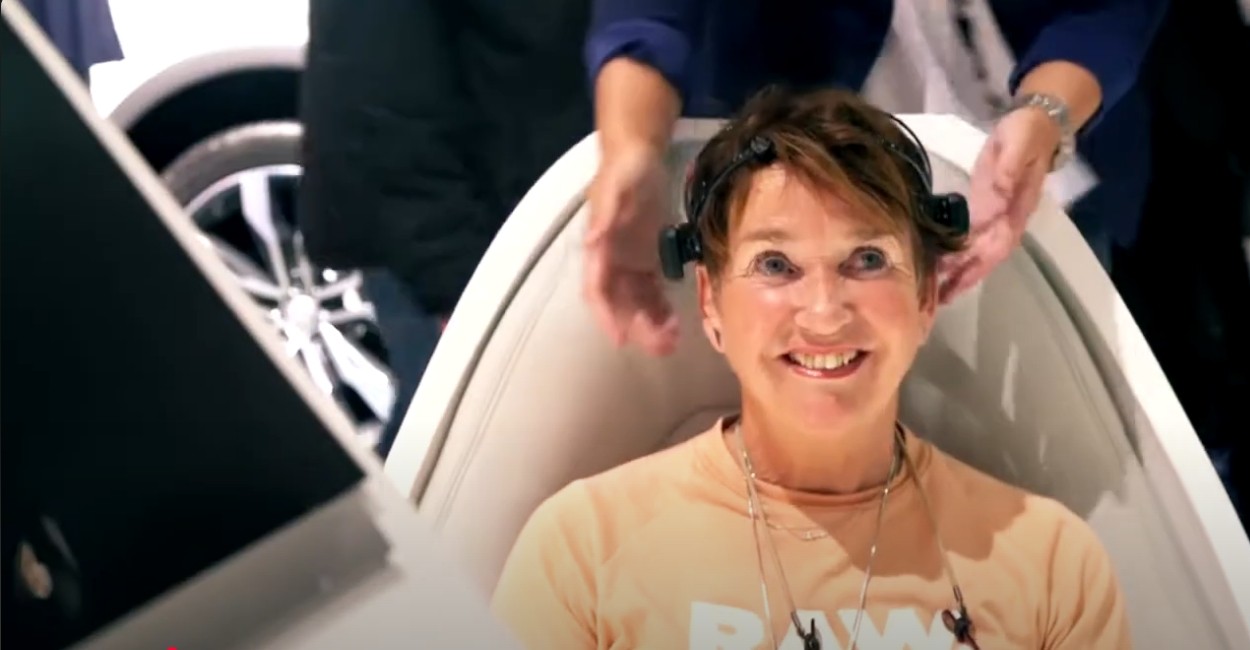
For years, neuroscience research was tethered to the lab, limited by bulky, expensive, and complex equipment. This meant studying the brain often happened in artificial settings, far from the real-world situations we wanted to understand. The arrival of portable, user-friendly technology has completely changed the field. A modern commercial grade EEG system allows you to gather high-quality data anywhere—in a classroom, a simulated store, or even an office. This shift is revolutionary, enabling us to explore brain activity during complex, natural tasks. Let’s look at how these systems work and what to consider when taking your research out of the lab and into the world.
Key Takeaways
Focus on Data Quality for Reliable Insights: The main reason to choose a commercial grade system is for its data reliability. Professional applications in research or BCI development require clean, accurate data with minimal noise, which is the key difference from consumer gadgets.
Align Your Tools with Your Goals: The best EEG system is the one that fits your project. Consider key factors like channel count for brain coverage, software for analysis, and portability for real-world studies to find the right match for your work.
Budget for the Complete System, Not Just the Headset: Remember to account for the total cost, which includes software subscriptions, consumables like saline or gel, and the time needed for training. Planning for these elements ensures your project is sustainable long-term.
What Are Commercial Grade EEG Systems?
When you’re ready to move beyond basic brainwave exploration and into serious research or application development, you’ll need a commercial grade EEG system. Think of these systems as the professional toolkit for neuroscience. Unlike consumer gadgets designed for general wellness or entertainment, commercial grade devices are built for accuracy, reliability, and data integrity. They are engineered to meet the rigorous demands of scientific studies, academic research, and professional applications where clean, consistent data is non-negotiable.
This step up means you get higher-quality components, more sophisticated sensors, and software designed for in-depth analysis. These systems are developed with professional standards in mind, ensuring that the data you collect is as precise as possible. Whether you’re a university researcher studying cognitive states, a developer building a new brain-computer interface, or a neuromarketer analyzing consumer responses, a commercial grade system provides the robust foundation you need. It’s about having confidence in your tools, so you can have confidence in your results.
Commercial vs. Consumer: What’s the Difference?
The main difference between commercial and consumer EEG systems comes down to data reliability. While consumer devices are a fantastic entry point for personal use, they often have limitations for professional work. Studies have shown that the test/retest reliability can be lower in consumer systems. They can also be more prone to picking up “noise,” or artifacts, such as muscle movements from blinking or clenching your jaw. This can lead to misleading results if you’re not careful. Commercial grade systems are designed to minimize these issues, giving you a cleaner signal to work with from the start.
Why Go Pro? Key Applications and Compliance
Choosing a professional-grade system opens up a world of powerful applications. These tools are essential for understanding how the human brain functions in real time, making them invaluable for everything from cognitive science studies to developing new neurotechnologies. With a commercial system, you can confidently explore fields like neuromarketing, build sophisticated BCI applications, or provide access to cognitive wellness tools. For academic and clinical work, using a system that adheres to higher standards is often a requirement for publishing research or securing grants, ensuring your work is both credible and impactful.
What to Look For in a Commercial Grade EEG System
Choosing the right EEG system can feel like a huge decision, but it doesn’t have to be overwhelming. The best system for you really comes down to what you want to achieve. Are you conducting high-density brain mapping for academic research, developing a new brain-computer interface, or exploring cognitive wellness applications? Each goal has different technical requirements.
To make an informed choice, you’ll want to look at a few key factors: the number of channels, the quality of the data, the device’s portability, the software it runs on, and how easy it is to use. Thinking through these elements will help you find a system that not only fits your project but also makes your workflow smoother and more efficient. Let’s walk through what to consider so you can feel confident in your selection.
Choosing Your Channel Count and Electrodes
The channel count on an EEG headset refers to the number of sensors, or electrodes, that detect brain activity. More channels mean you can gather data from more locations on the scalp, giving you higher spatial resolution. For detailed brain mapping or source localization, a high-density system like our 32-channel Emotiv Flex is ideal. For applications that require a solid overview of brain activity across key regions, a device like the 14-channel Epoc X provides a great balance of coverage and convenience. The type of electrode matters, too. Saline-based electrodes offer a quick, gel-free setup, while gel electrodes can provide a stronger connection for longer recording sessions.
Evaluating Data Quality and Sampling Rates
High-quality data is the foundation of any successful EEG project. When evaluating a system, look at its sampling rate, which is the number of times per second the device records data. A higher sampling rate, like the 128 Hz or 256 Hz offered by the Epoc X, allows you to capture faster brainwave frequencies with greater precision. While commercial-grade systems are designed for reliability, it’s important to check that the device’s resolution and bandwidth meet the needs of your specific academic research or application. Clean, dependable data is essential for drawing meaningful conclusions, so be sure to review the technical specifications of any system you consider.
Considering Portability and Connectivity
Modern research and development often happen outside of a traditional lab. If your work involves studying brain activity in real-world environments, portability is a must. Look for lightweight, wireless headsets that allow participants to move freely and naturally. Wireless connectivity, typically via Bluetooth, eliminates cumbersome wires that can restrict movement and introduce signal noise. This freedom is essential for everything from neuromarketing studies in a simulated store to BCI applications for controlling devices. Our systems, like the 5-channel Insight, are designed to be portable, giving you the flexibility to take your work anywhere without being tethered to a computer.
Finding the Right Software and Analysis Tools
An EEG headset is only as powerful as the software that supports it. The right software makes it easy to set up experiments, record data, and perform complex analysis. Before you commit to a system, explore its software ecosystem. Does it offer real-time data streaming? Are there tools for visualizing brain activity and removing artifacts? Our software suite is designed to support your entire workflow. You can use the Emotiv App for quick insights, EmotivPRO for advanced data acquisition and analysis, and EmotivBCI to build and test brain-computer interface applications. A comprehensive and user-friendly software platform saves you time and helps you get more from your data.
Prioritizing Comfort and Ease of Setup
Practicality is key, especially when you’re running sessions with multiple participants or for extended periods. A comfortable, well-fitting headset can make a significant difference in participant compliance and data quality. Look for features like adjustable headbands and lightweight designs that minimize discomfort. The setup process is another crucial factor. Systems with pre-hydrated saline sensors can be ready in minutes, saving valuable time and eliminating the need for messy gels and cleanup. A streamlined setup not only makes your job easier but also creates a better experience for your participants, ensuring your sessions run smoothly from start to finish.
A Look at Leading Commercial Grade EEG Systems
Once you have a handle on the key features to look for, the next step is to see how they come together in actual devices. The world of commercial EEG has a lot of options, each designed with different users and applications in mind. To give you a clearer picture, let’s walk through some of the leading systems available. From high-density headsets for detailed academic research to discreet earbuds for everyday use, understanding these specific examples will help you match the right technology to your project’s goals. This isn’t an exhaustive list, but it covers a great range of what’s possible with modern, portable EEG.
Emotiv Epoc X: The 14-Channel Wireless Headset
The Emotiv Epoc X is a fantastic all-rounder and one of the most popular wireless headsets out there. With 14 channels, it gathers high-resolution data from across the cerebral cortex, making it powerful enough for serious academic and commercial research. What I love about it is its mobility. Because it’s wireless and has a quick setup, you can conduct studies in real-world environments, not just a controlled lab. This flexibility makes it a go-to choice for anyone from neuroscientists studying brain dynamics to developers building innovative brain-computer interface applications. It strikes a great balance between performance and practicality.
Emotiv Flex Saline: The 32-Channel Saline Headset
When your research demands a higher channel count, the Emotiv Flex Saline is a top contender. This headset features a cap with 32 channels, giving you much more detailed brain data. It uses saline-based sensors, which are easy to prepare—you just soak small felt pads in a saline solution. This makes setup relatively straightforward for a high-density system and is great for longer recording sessions, as the sensors can be rehydrated if needed. It’s designed for researchers who need robust, high-quality data for complex studies in fields like cognitive neuroscience or clinical research.
Emotiv Flex Gel: The 32-Channel Gel Headset
Similar to its saline counterpart, the Emotiv Flex Gel also provides 32 channels for high-density data acquisition. The key difference is its use of traditional EEG gel with its electrodes. This method is known for creating a very stable and low-impedance connection, which results in excellent signal quality. While the gel application takes a bit more time, it’s often the preferred choice for experiments where minimizing signal noise is absolutely critical. If your work involves subtle brain signals or requires the most pristine data possible, the Flex Gel is built to deliver that precision.
Emotiv Insight: The 5-Channel Headset
If you’re looking for an accessible entry point into the world of EEG, the Emotiv Insight is designed with you in mind. This sleek, lightweight headset has 5 channels and is incredibly user-friendly. It’s perfect for students, citizen scientists, or anyone interested in personal science and accessing cognitive wellness tools. The Insight makes it easy to see your brain’s performance metrics in real-time, like attention and focus, without needing a deep background in neuroscience. It’s a great tool for learning the basics of EEG and exploring your own cognitive states in a simple, engaging way.
Emotiv MN8: The 2-Channel EEG Earbuds
For a truly discreet and integrated solution, the Emotiv MN8 earbuds are in a class of their own. These aren’t just for listening to music; they contain 2-channel EEG sensors that measure cognitive states while you go about your day. This form factor is revolutionary because it allows for brain data acquisition in everyday settings, like an office or at home, without the user wearing a traditional headset. The MN8 is particularly useful for applications in workplace wellness and safety, providing insights into things like attention and cognitive load during daily tasks. It represents a major step in making brain-sensing technology a seamless part of our lives.
Understanding the Challenges of Commercial EEG
Stepping into the world of EEG is exciting, but it’s helpful to know about the common hurdles you might encounter. Think of these not as roadblocks, but as part of the process of gathering high-quality brain data. The main challenges usually fall into three buckets: ensuring your data is clean, getting comfortable with the technical setup, and fitting the technology into your existing projects. Fortunately, modern commercial EEG systems are designed to make these challenges much more manageable than they were with traditional lab equipment. By understanding them from the start, you can choose the right tools and set realistic expectations for your work, ensuring a smoother path from setup to discovery.
Managing Data Quality and Artifacts
One of the first things you’ll learn about EEG is that the brain isn’t the only thing producing electrical signals. Every time a person blinks, clenches their jaw, or even moves their head, it creates electrical noise that the headset can pick up. These signals are called “artifacts,” and they can contaminate your data. Environmental factors, like interference from nearby electronics, can also be a source of noise. Learning to recognize and filter out these artifacts is a key skill. Our EmotivPRO software includes tools to help you identify and clean your data, but it’s one of the main challenges in EEG research that every practitioner learns to handle.
Handling Technical and Training Needs
Like any powerful scientific instrument, an EEG headset requires a bit of hands-on learning. Proper electrode placement is essential for getting reliable signals, and this means taking the time to ensure each sensor has a good connection. You’ll also need to learn about proper maintenance, like cleaning the electrodes, to keep your device in top shape. While the initial cost of research-grade equipment is a consideration, the time spent on training is just as important. We design our headsets to be as user-friendly as possible, with clear instructions and support to shorten your learning curve and help you start collecting data with confidence.
Integrating EEG Into Your Workflow
Bringing a new technology into any project requires some planning. The logistical complexity of traditional EEG research often kept it confined to the lab. However, the portability of modern wireless headsets opens up a world of possibilities for academic research and education in more natural settings. Whether you’re a developer building a new application or a researcher studying consumer behavior, you’ll need to think about how data collection fits into your process. Our software development kits and analysis tools are designed to make this integration as seamless as possible, allowing you to focus more on your insights and less on the logistics.
How to Budget for a Commercial EEG System
Figuring out the budget for a commercial EEG system can feel like a big task, but it doesn’t have to be. The key is to look beyond the initial price of the hardware. The total investment includes the headset, the software you’ll need for analysis, and any ongoing support or consumables. Thinking about these elements from the start helps you find a solution that fits your project’s needs and financial plan without any surprises down the road. Whether you’re just starting out or equipping a full research lab, a clear understanding of the costs involved will help you make a confident and informed choice. Let’s break down what you should consider at different levels of investment.
What to Expect from Entry-Level Systems
When you’re first exploring EEG technology, it’s easy to focus on the price of the headset alone. However, the true cost of an entry-level system is a package deal. It includes the hardware itself, the software for data acquisition and analysis, and the technical support to help you get started. Some systems may also require separate amplifiers or other components. At Emotiv, we design our systems to be as straightforward as possible. For example, our Insight headset is an all-in-one solution that provides a complete entry point into brain data acquisition, making it easier to budget for and get your project off the ground.
Budgeting for Research-Grade Equipment
For academic and professional researchers, securing funding for equipment is always a top priority. High-quality, research-grade EEG systems can represent a significant portion of a grant, and the cost can sometimes be a barrier to getting important work done. Many researchers are looking for alternatives that deliver reliable data without the traditional high price tag. This is where finding the right balance of performance and cost is crucial. We offer powerful, accessible systems designed specifically for academic research and education, helping you maximize your research output while staying within your budget.
Calculating the Total Cost of Ownership
A smart budget accounts for the total cost of ownership over the lifetime of the equipment. This goes beyond the initial purchase and includes any recurring expenses. Think about software subscriptions for advanced analysis tools, like our EmotivPRO platform, which provides powerful features for in-depth research. You should also factor in the cost of consumables, such as saline solution for our Flex Saline headset or gel for the Flex Gel headset. Considering these ongoing costs upfront ensures your EEG system remains a sustainable and productive tool for your work long after the initial purchase.
Top Applications for Commercial Grade EEG
Once you have the right EEG system, what can you actually do with it? The possibilities are incredibly broad, spanning from university labs to cutting-edge tech development. Commercial-grade EEG has opened doors for professionals in various fields to gather high-quality brain data in real-world settings, moving research out of the clinic and into more natural environments. This accessibility is driving innovation across the board. For years, neuroscience research was limited to expensive, immobile equipment, which meant studies were often confined to artificial lab scenarios. Now, with portable and user-friendly systems, we can explore brain activity during complex, real-world tasks—like a student learning in a classroom, a consumer shopping in a store, or a user interacting with a new app. This shift is fundamental to understanding how our brains function in the complex world we live in. Whether you’re a researcher studying cognitive processes, a developer building the next generation of interactive technology, or a marketer trying to understand consumer decisions, EEG provides a direct window into the brain’s activity. Below, I’ll walk you through some of the most impactful applications for commercial-grade EEG systems and how they are being used to push boundaries and create new opportunities.
Academic Research and Education
For decades, EEG has been a vital tool in neuroscience, but traditional systems were often bulky, expensive, and confined to a lab. Today’s portable commercial systems have changed the game for academic research and education. Researchers can now study brain function in real-time and in more diverse environments, from classrooms to outdoor settings. This allows for the exploration of complex cognitive and affective processes as they happen naturally. In education, students can get hands-on experience with neurotechnology, learning firsthand about brain signals and data analysis in a way that was previously impossible outside of specialized graduate programs.
Brain-Computer Interface Development
Brain-computer interfaces (BCIs) are systems that allow a person to control a computer or another device using only their brain activity. This is one of the most exciting frontiers in technology, with applications ranging from assistive devices for people with disabilities to new forms of interactive entertainment. Commercial-grade EEG is a key enabler for brain-computer interface development because it provides a non-invasive way to acquire the necessary brain signals. Developers can use our software and hardware to build and test BCI applications that respond to a user’s cognitive states, commands, or even their visual focus, creating truly futuristic user experiences.
Neuromarketing and Consumer Insights
How do consumers really feel about a product, an advertisement, or a brand experience? Traditional market research relies on what people say, but EEG can reveal what they may not be able to articulate. Neuromarketing uses EEG to measure non-conscious responses, such as emotional engagement, cognitive load, and attention levels. By analyzing this data, brands can gain a deeper understanding of consumer behavior and preferences. These insights help companies create more effective advertising campaigns, design better products, and optimize user experiences based on genuine, unfiltered reactions rather than self-reported surveys alone.
Cognitive Wellness and Neurofeedback Programs
EEG technology also provides access to powerful cognitive wellness tools through neurofeedback. Neurofeedback is a process that allows an individual to see their own brain activity in real-time and learn to self-regulate it. For example, a program might provide positive audio or visual cues when a person’s brainwaves enter a state associated with focus or relaxation. Over time, this training can help individuals become more aware of their mental states and learn techniques to guide them. It’s a proactive way for people to engage with their own cognitive processes and work toward personal wellness goals.
Related Articles
Frequently Asked Questions
I’m new to EEG. Which system is the best starting point? If you’re just getting started, the Emotiv Insight is a great choice. It’s designed to be very user-friendly and provides a solid introduction to brain data without an intimidating learning curve. It gives you access to key performance metrics and is perfect for personal science projects, educational purposes, or exploring cognitive wellness tools before you commit to a more complex, multi-channel system for heavy research.
What’s the main difference between saline and gel electrodes? The choice between saline and gel electrodes really comes down to balancing setup time with the needs of your experiment. Saline-based sensors, like those on the Emotiv Flex Saline, are much quicker to set up because they just need to be soaked in a simple saline solution. This makes them great for getting started quickly. Gel electrodes, used on the Emotiv Flex Gel, take a bit more time to apply but create a very strong, stable connection that is often preferred for long recording sessions where the absolute cleanest signal is required.
How difficult is it to get clean data and deal with ‘noise’? Learning to manage artifacts, or signal noise from things like blinking or muscle tension, is a normal part of working with EEG. It’s a skill that every researcher develops with practice. While you can’t eliminate all potential noise, commercial-grade systems are designed to minimize it. Our EmotivPRO software also includes tools that help you see and filter out these artifacts, making the process much more manageable so you can be confident in your data.
Do I need special software to use these headsets? Yes, the headset is one part of a complete system. The hardware gathers the raw brainwave data, but you need software to view, record, and analyze it. We offer a full suite of software designed for different goals. For example, you can use EmotivPRO for advanced data acquisition and analysis in a research setting, or EmotivBCI if you’re focused on developing brain-computer interface applications. The software is what brings your data to life.
Can I use these systems for studies outside of a lab? Absolutely. In fact, that’s one of their biggest strengths. The wireless, portable design of headsets like the Epoc X and Insight is specifically intended to free research from the confines of a traditional lab. This allows you to study brain activity in more natural, real-world environments, which can lead to more authentic and powerful insights, whether you’re in a classroom, a simulated store, or an office.
For years, neuroscience research was tethered to the lab, limited by bulky, expensive, and complex equipment. This meant studying the brain often happened in artificial settings, far from the real-world situations we wanted to understand. The arrival of portable, user-friendly technology has completely changed the field. A modern commercial grade EEG system allows you to gather high-quality data anywhere—in a classroom, a simulated store, or even an office. This shift is revolutionary, enabling us to explore brain activity during complex, natural tasks. Let’s look at how these systems work and what to consider when taking your research out of the lab and into the world.
Key Takeaways
Focus on Data Quality for Reliable Insights: The main reason to choose a commercial grade system is for its data reliability. Professional applications in research or BCI development require clean, accurate data with minimal noise, which is the key difference from consumer gadgets.
Align Your Tools with Your Goals: The best EEG system is the one that fits your project. Consider key factors like channel count for brain coverage, software for analysis, and portability for real-world studies to find the right match for your work.
Budget for the Complete System, Not Just the Headset: Remember to account for the total cost, which includes software subscriptions, consumables like saline or gel, and the time needed for training. Planning for these elements ensures your project is sustainable long-term.
What Are Commercial Grade EEG Systems?
When you’re ready to move beyond basic brainwave exploration and into serious research or application development, you’ll need a commercial grade EEG system. Think of these systems as the professional toolkit for neuroscience. Unlike consumer gadgets designed for general wellness or entertainment, commercial grade devices are built for accuracy, reliability, and data integrity. They are engineered to meet the rigorous demands of scientific studies, academic research, and professional applications where clean, consistent data is non-negotiable.
This step up means you get higher-quality components, more sophisticated sensors, and software designed for in-depth analysis. These systems are developed with professional standards in mind, ensuring that the data you collect is as precise as possible. Whether you’re a university researcher studying cognitive states, a developer building a new brain-computer interface, or a neuromarketer analyzing consumer responses, a commercial grade system provides the robust foundation you need. It’s about having confidence in your tools, so you can have confidence in your results.
Commercial vs. Consumer: What’s the Difference?
The main difference between commercial and consumer EEG systems comes down to data reliability. While consumer devices are a fantastic entry point for personal use, they often have limitations for professional work. Studies have shown that the test/retest reliability can be lower in consumer systems. They can also be more prone to picking up “noise,” or artifacts, such as muscle movements from blinking or clenching your jaw. This can lead to misleading results if you’re not careful. Commercial grade systems are designed to minimize these issues, giving you a cleaner signal to work with from the start.
Why Go Pro? Key Applications and Compliance
Choosing a professional-grade system opens up a world of powerful applications. These tools are essential for understanding how the human brain functions in real time, making them invaluable for everything from cognitive science studies to developing new neurotechnologies. With a commercial system, you can confidently explore fields like neuromarketing, build sophisticated BCI applications, or provide access to cognitive wellness tools. For academic and clinical work, using a system that adheres to higher standards is often a requirement for publishing research or securing grants, ensuring your work is both credible and impactful.
What to Look For in a Commercial Grade EEG System
Choosing the right EEG system can feel like a huge decision, but it doesn’t have to be overwhelming. The best system for you really comes down to what you want to achieve. Are you conducting high-density brain mapping for academic research, developing a new brain-computer interface, or exploring cognitive wellness applications? Each goal has different technical requirements.
To make an informed choice, you’ll want to look at a few key factors: the number of channels, the quality of the data, the device’s portability, the software it runs on, and how easy it is to use. Thinking through these elements will help you find a system that not only fits your project but also makes your workflow smoother and more efficient. Let’s walk through what to consider so you can feel confident in your selection.
Choosing Your Channel Count and Electrodes
The channel count on an EEG headset refers to the number of sensors, or electrodes, that detect brain activity. More channels mean you can gather data from more locations on the scalp, giving you higher spatial resolution. For detailed brain mapping or source localization, a high-density system like our 32-channel Emotiv Flex is ideal. For applications that require a solid overview of brain activity across key regions, a device like the 14-channel Epoc X provides a great balance of coverage and convenience. The type of electrode matters, too. Saline-based electrodes offer a quick, gel-free setup, while gel electrodes can provide a stronger connection for longer recording sessions.
Evaluating Data Quality and Sampling Rates
High-quality data is the foundation of any successful EEG project. When evaluating a system, look at its sampling rate, which is the number of times per second the device records data. A higher sampling rate, like the 128 Hz or 256 Hz offered by the Epoc X, allows you to capture faster brainwave frequencies with greater precision. While commercial-grade systems are designed for reliability, it’s important to check that the device’s resolution and bandwidth meet the needs of your specific academic research or application. Clean, dependable data is essential for drawing meaningful conclusions, so be sure to review the technical specifications of any system you consider.
Considering Portability and Connectivity
Modern research and development often happen outside of a traditional lab. If your work involves studying brain activity in real-world environments, portability is a must. Look for lightweight, wireless headsets that allow participants to move freely and naturally. Wireless connectivity, typically via Bluetooth, eliminates cumbersome wires that can restrict movement and introduce signal noise. This freedom is essential for everything from neuromarketing studies in a simulated store to BCI applications for controlling devices. Our systems, like the 5-channel Insight, are designed to be portable, giving you the flexibility to take your work anywhere without being tethered to a computer.
Finding the Right Software and Analysis Tools
An EEG headset is only as powerful as the software that supports it. The right software makes it easy to set up experiments, record data, and perform complex analysis. Before you commit to a system, explore its software ecosystem. Does it offer real-time data streaming? Are there tools for visualizing brain activity and removing artifacts? Our software suite is designed to support your entire workflow. You can use the Emotiv App for quick insights, EmotivPRO for advanced data acquisition and analysis, and EmotivBCI to build and test brain-computer interface applications. A comprehensive and user-friendly software platform saves you time and helps you get more from your data.
Prioritizing Comfort and Ease of Setup
Practicality is key, especially when you’re running sessions with multiple participants or for extended periods. A comfortable, well-fitting headset can make a significant difference in participant compliance and data quality. Look for features like adjustable headbands and lightweight designs that minimize discomfort. The setup process is another crucial factor. Systems with pre-hydrated saline sensors can be ready in minutes, saving valuable time and eliminating the need for messy gels and cleanup. A streamlined setup not only makes your job easier but also creates a better experience for your participants, ensuring your sessions run smoothly from start to finish.
A Look at Leading Commercial Grade EEG Systems
Once you have a handle on the key features to look for, the next step is to see how they come together in actual devices. The world of commercial EEG has a lot of options, each designed with different users and applications in mind. To give you a clearer picture, let’s walk through some of the leading systems available. From high-density headsets for detailed academic research to discreet earbuds for everyday use, understanding these specific examples will help you match the right technology to your project’s goals. This isn’t an exhaustive list, but it covers a great range of what’s possible with modern, portable EEG.
Emotiv Epoc X: The 14-Channel Wireless Headset
The Emotiv Epoc X is a fantastic all-rounder and one of the most popular wireless headsets out there. With 14 channels, it gathers high-resolution data from across the cerebral cortex, making it powerful enough for serious academic and commercial research. What I love about it is its mobility. Because it’s wireless and has a quick setup, you can conduct studies in real-world environments, not just a controlled lab. This flexibility makes it a go-to choice for anyone from neuroscientists studying brain dynamics to developers building innovative brain-computer interface applications. It strikes a great balance between performance and practicality.
Emotiv Flex Saline: The 32-Channel Saline Headset
When your research demands a higher channel count, the Emotiv Flex Saline is a top contender. This headset features a cap with 32 channels, giving you much more detailed brain data. It uses saline-based sensors, which are easy to prepare—you just soak small felt pads in a saline solution. This makes setup relatively straightforward for a high-density system and is great for longer recording sessions, as the sensors can be rehydrated if needed. It’s designed for researchers who need robust, high-quality data for complex studies in fields like cognitive neuroscience or clinical research.
Emotiv Flex Gel: The 32-Channel Gel Headset
Similar to its saline counterpart, the Emotiv Flex Gel also provides 32 channels for high-density data acquisition. The key difference is its use of traditional EEG gel with its electrodes. This method is known for creating a very stable and low-impedance connection, which results in excellent signal quality. While the gel application takes a bit more time, it’s often the preferred choice for experiments where minimizing signal noise is absolutely critical. If your work involves subtle brain signals or requires the most pristine data possible, the Flex Gel is built to deliver that precision.
Emotiv Insight: The 5-Channel Headset
If you’re looking for an accessible entry point into the world of EEG, the Emotiv Insight is designed with you in mind. This sleek, lightweight headset has 5 channels and is incredibly user-friendly. It’s perfect for students, citizen scientists, or anyone interested in personal science and accessing cognitive wellness tools. The Insight makes it easy to see your brain’s performance metrics in real-time, like attention and focus, without needing a deep background in neuroscience. It’s a great tool for learning the basics of EEG and exploring your own cognitive states in a simple, engaging way.
Emotiv MN8: The 2-Channel EEG Earbuds
For a truly discreet and integrated solution, the Emotiv MN8 earbuds are in a class of their own. These aren’t just for listening to music; they contain 2-channel EEG sensors that measure cognitive states while you go about your day. This form factor is revolutionary because it allows for brain data acquisition in everyday settings, like an office or at home, without the user wearing a traditional headset. The MN8 is particularly useful for applications in workplace wellness and safety, providing insights into things like attention and cognitive load during daily tasks. It represents a major step in making brain-sensing technology a seamless part of our lives.
Understanding the Challenges of Commercial EEG
Stepping into the world of EEG is exciting, but it’s helpful to know about the common hurdles you might encounter. Think of these not as roadblocks, but as part of the process of gathering high-quality brain data. The main challenges usually fall into three buckets: ensuring your data is clean, getting comfortable with the technical setup, and fitting the technology into your existing projects. Fortunately, modern commercial EEG systems are designed to make these challenges much more manageable than they were with traditional lab equipment. By understanding them from the start, you can choose the right tools and set realistic expectations for your work, ensuring a smoother path from setup to discovery.
Managing Data Quality and Artifacts
One of the first things you’ll learn about EEG is that the brain isn’t the only thing producing electrical signals. Every time a person blinks, clenches their jaw, or even moves their head, it creates electrical noise that the headset can pick up. These signals are called “artifacts,” and they can contaminate your data. Environmental factors, like interference from nearby electronics, can also be a source of noise. Learning to recognize and filter out these artifacts is a key skill. Our EmotivPRO software includes tools to help you identify and clean your data, but it’s one of the main challenges in EEG research that every practitioner learns to handle.
Handling Technical and Training Needs
Like any powerful scientific instrument, an EEG headset requires a bit of hands-on learning. Proper electrode placement is essential for getting reliable signals, and this means taking the time to ensure each sensor has a good connection. You’ll also need to learn about proper maintenance, like cleaning the electrodes, to keep your device in top shape. While the initial cost of research-grade equipment is a consideration, the time spent on training is just as important. We design our headsets to be as user-friendly as possible, with clear instructions and support to shorten your learning curve and help you start collecting data with confidence.
Integrating EEG Into Your Workflow
Bringing a new technology into any project requires some planning. The logistical complexity of traditional EEG research often kept it confined to the lab. However, the portability of modern wireless headsets opens up a world of possibilities for academic research and education in more natural settings. Whether you’re a developer building a new application or a researcher studying consumer behavior, you’ll need to think about how data collection fits into your process. Our software development kits and analysis tools are designed to make this integration as seamless as possible, allowing you to focus more on your insights and less on the logistics.
How to Budget for a Commercial EEG System
Figuring out the budget for a commercial EEG system can feel like a big task, but it doesn’t have to be. The key is to look beyond the initial price of the hardware. The total investment includes the headset, the software you’ll need for analysis, and any ongoing support or consumables. Thinking about these elements from the start helps you find a solution that fits your project’s needs and financial plan without any surprises down the road. Whether you’re just starting out or equipping a full research lab, a clear understanding of the costs involved will help you make a confident and informed choice. Let’s break down what you should consider at different levels of investment.
What to Expect from Entry-Level Systems
When you’re first exploring EEG technology, it’s easy to focus on the price of the headset alone. However, the true cost of an entry-level system is a package deal. It includes the hardware itself, the software for data acquisition and analysis, and the technical support to help you get started. Some systems may also require separate amplifiers or other components. At Emotiv, we design our systems to be as straightforward as possible. For example, our Insight headset is an all-in-one solution that provides a complete entry point into brain data acquisition, making it easier to budget for and get your project off the ground.
Budgeting for Research-Grade Equipment
For academic and professional researchers, securing funding for equipment is always a top priority. High-quality, research-grade EEG systems can represent a significant portion of a grant, and the cost can sometimes be a barrier to getting important work done. Many researchers are looking for alternatives that deliver reliable data without the traditional high price tag. This is where finding the right balance of performance and cost is crucial. We offer powerful, accessible systems designed specifically for academic research and education, helping you maximize your research output while staying within your budget.
Calculating the Total Cost of Ownership
A smart budget accounts for the total cost of ownership over the lifetime of the equipment. This goes beyond the initial purchase and includes any recurring expenses. Think about software subscriptions for advanced analysis tools, like our EmotivPRO platform, which provides powerful features for in-depth research. You should also factor in the cost of consumables, such as saline solution for our Flex Saline headset or gel for the Flex Gel headset. Considering these ongoing costs upfront ensures your EEG system remains a sustainable and productive tool for your work long after the initial purchase.
Top Applications for Commercial Grade EEG
Once you have the right EEG system, what can you actually do with it? The possibilities are incredibly broad, spanning from university labs to cutting-edge tech development. Commercial-grade EEG has opened doors for professionals in various fields to gather high-quality brain data in real-world settings, moving research out of the clinic and into more natural environments. This accessibility is driving innovation across the board. For years, neuroscience research was limited to expensive, immobile equipment, which meant studies were often confined to artificial lab scenarios. Now, with portable and user-friendly systems, we can explore brain activity during complex, real-world tasks—like a student learning in a classroom, a consumer shopping in a store, or a user interacting with a new app. This shift is fundamental to understanding how our brains function in the complex world we live in. Whether you’re a researcher studying cognitive processes, a developer building the next generation of interactive technology, or a marketer trying to understand consumer decisions, EEG provides a direct window into the brain’s activity. Below, I’ll walk you through some of the most impactful applications for commercial-grade EEG systems and how they are being used to push boundaries and create new opportunities.
Academic Research and Education
For decades, EEG has been a vital tool in neuroscience, but traditional systems were often bulky, expensive, and confined to a lab. Today’s portable commercial systems have changed the game for academic research and education. Researchers can now study brain function in real-time and in more diverse environments, from classrooms to outdoor settings. This allows for the exploration of complex cognitive and affective processes as they happen naturally. In education, students can get hands-on experience with neurotechnology, learning firsthand about brain signals and data analysis in a way that was previously impossible outside of specialized graduate programs.
Brain-Computer Interface Development
Brain-computer interfaces (BCIs) are systems that allow a person to control a computer or another device using only their brain activity. This is one of the most exciting frontiers in technology, with applications ranging from assistive devices for people with disabilities to new forms of interactive entertainment. Commercial-grade EEG is a key enabler for brain-computer interface development because it provides a non-invasive way to acquire the necessary brain signals. Developers can use our software and hardware to build and test BCI applications that respond to a user’s cognitive states, commands, or even their visual focus, creating truly futuristic user experiences.
Neuromarketing and Consumer Insights
How do consumers really feel about a product, an advertisement, or a brand experience? Traditional market research relies on what people say, but EEG can reveal what they may not be able to articulate. Neuromarketing uses EEG to measure non-conscious responses, such as emotional engagement, cognitive load, and attention levels. By analyzing this data, brands can gain a deeper understanding of consumer behavior and preferences. These insights help companies create more effective advertising campaigns, design better products, and optimize user experiences based on genuine, unfiltered reactions rather than self-reported surveys alone.
Cognitive Wellness and Neurofeedback Programs
EEG technology also provides access to powerful cognitive wellness tools through neurofeedback. Neurofeedback is a process that allows an individual to see their own brain activity in real-time and learn to self-regulate it. For example, a program might provide positive audio or visual cues when a person’s brainwaves enter a state associated with focus or relaxation. Over time, this training can help individuals become more aware of their mental states and learn techniques to guide them. It’s a proactive way for people to engage with their own cognitive processes and work toward personal wellness goals.
Related Articles
Frequently Asked Questions
I’m new to EEG. Which system is the best starting point? If you’re just getting started, the Emotiv Insight is a great choice. It’s designed to be very user-friendly and provides a solid introduction to brain data without an intimidating learning curve. It gives you access to key performance metrics and is perfect for personal science projects, educational purposes, or exploring cognitive wellness tools before you commit to a more complex, multi-channel system for heavy research.
What’s the main difference between saline and gel electrodes? The choice between saline and gel electrodes really comes down to balancing setup time with the needs of your experiment. Saline-based sensors, like those on the Emotiv Flex Saline, are much quicker to set up because they just need to be soaked in a simple saline solution. This makes them great for getting started quickly. Gel electrodes, used on the Emotiv Flex Gel, take a bit more time to apply but create a very strong, stable connection that is often preferred for long recording sessions where the absolute cleanest signal is required.
How difficult is it to get clean data and deal with ‘noise’? Learning to manage artifacts, or signal noise from things like blinking or muscle tension, is a normal part of working with EEG. It’s a skill that every researcher develops with practice. While you can’t eliminate all potential noise, commercial-grade systems are designed to minimize it. Our EmotivPRO software also includes tools that help you see and filter out these artifacts, making the process much more manageable so you can be confident in your data.
Do I need special software to use these headsets? Yes, the headset is one part of a complete system. The hardware gathers the raw brainwave data, but you need software to view, record, and analyze it. We offer a full suite of software designed for different goals. For example, you can use EmotivPRO for advanced data acquisition and analysis in a research setting, or EmotivBCI if you’re focused on developing brain-computer interface applications. The software is what brings your data to life.
Can I use these systems for studies outside of a lab? Absolutely. In fact, that’s one of their biggest strengths. The wireless, portable design of headsets like the Epoc X and Insight is specifically intended to free research from the confines of a traditional lab. This allows you to study brain activity in more natural, real-world environments, which can lead to more authentic and powerful insights, whether you’re in a classroom, a simulated store, or an office.
For years, neuroscience research was tethered to the lab, limited by bulky, expensive, and complex equipment. This meant studying the brain often happened in artificial settings, far from the real-world situations we wanted to understand. The arrival of portable, user-friendly technology has completely changed the field. A modern commercial grade EEG system allows you to gather high-quality data anywhere—in a classroom, a simulated store, or even an office. This shift is revolutionary, enabling us to explore brain activity during complex, natural tasks. Let’s look at how these systems work and what to consider when taking your research out of the lab and into the world.
Key Takeaways
Focus on Data Quality for Reliable Insights: The main reason to choose a commercial grade system is for its data reliability. Professional applications in research or BCI development require clean, accurate data with minimal noise, which is the key difference from consumer gadgets.
Align Your Tools with Your Goals: The best EEG system is the one that fits your project. Consider key factors like channel count for brain coverage, software for analysis, and portability for real-world studies to find the right match for your work.
Budget for the Complete System, Not Just the Headset: Remember to account for the total cost, which includes software subscriptions, consumables like saline or gel, and the time needed for training. Planning for these elements ensures your project is sustainable long-term.
What Are Commercial Grade EEG Systems?
When you’re ready to move beyond basic brainwave exploration and into serious research or application development, you’ll need a commercial grade EEG system. Think of these systems as the professional toolkit for neuroscience. Unlike consumer gadgets designed for general wellness or entertainment, commercial grade devices are built for accuracy, reliability, and data integrity. They are engineered to meet the rigorous demands of scientific studies, academic research, and professional applications where clean, consistent data is non-negotiable.
This step up means you get higher-quality components, more sophisticated sensors, and software designed for in-depth analysis. These systems are developed with professional standards in mind, ensuring that the data you collect is as precise as possible. Whether you’re a university researcher studying cognitive states, a developer building a new brain-computer interface, or a neuromarketer analyzing consumer responses, a commercial grade system provides the robust foundation you need. It’s about having confidence in your tools, so you can have confidence in your results.
Commercial vs. Consumer: What’s the Difference?
The main difference between commercial and consumer EEG systems comes down to data reliability. While consumer devices are a fantastic entry point for personal use, they often have limitations for professional work. Studies have shown that the test/retest reliability can be lower in consumer systems. They can also be more prone to picking up “noise,” or artifacts, such as muscle movements from blinking or clenching your jaw. This can lead to misleading results if you’re not careful. Commercial grade systems are designed to minimize these issues, giving you a cleaner signal to work with from the start.
Why Go Pro? Key Applications and Compliance
Choosing a professional-grade system opens up a world of powerful applications. These tools are essential for understanding how the human brain functions in real time, making them invaluable for everything from cognitive science studies to developing new neurotechnologies. With a commercial system, you can confidently explore fields like neuromarketing, build sophisticated BCI applications, or provide access to cognitive wellness tools. For academic and clinical work, using a system that adheres to higher standards is often a requirement for publishing research or securing grants, ensuring your work is both credible and impactful.
What to Look For in a Commercial Grade EEG System
Choosing the right EEG system can feel like a huge decision, but it doesn’t have to be overwhelming. The best system for you really comes down to what you want to achieve. Are you conducting high-density brain mapping for academic research, developing a new brain-computer interface, or exploring cognitive wellness applications? Each goal has different technical requirements.
To make an informed choice, you’ll want to look at a few key factors: the number of channels, the quality of the data, the device’s portability, the software it runs on, and how easy it is to use. Thinking through these elements will help you find a system that not only fits your project but also makes your workflow smoother and more efficient. Let’s walk through what to consider so you can feel confident in your selection.
Choosing Your Channel Count and Electrodes
The channel count on an EEG headset refers to the number of sensors, or electrodes, that detect brain activity. More channels mean you can gather data from more locations on the scalp, giving you higher spatial resolution. For detailed brain mapping or source localization, a high-density system like our 32-channel Emotiv Flex is ideal. For applications that require a solid overview of brain activity across key regions, a device like the 14-channel Epoc X provides a great balance of coverage and convenience. The type of electrode matters, too. Saline-based electrodes offer a quick, gel-free setup, while gel electrodes can provide a stronger connection for longer recording sessions.
Evaluating Data Quality and Sampling Rates
High-quality data is the foundation of any successful EEG project. When evaluating a system, look at its sampling rate, which is the number of times per second the device records data. A higher sampling rate, like the 128 Hz or 256 Hz offered by the Epoc X, allows you to capture faster brainwave frequencies with greater precision. While commercial-grade systems are designed for reliability, it’s important to check that the device’s resolution and bandwidth meet the needs of your specific academic research or application. Clean, dependable data is essential for drawing meaningful conclusions, so be sure to review the technical specifications of any system you consider.
Considering Portability and Connectivity
Modern research and development often happen outside of a traditional lab. If your work involves studying brain activity in real-world environments, portability is a must. Look for lightweight, wireless headsets that allow participants to move freely and naturally. Wireless connectivity, typically via Bluetooth, eliminates cumbersome wires that can restrict movement and introduce signal noise. This freedom is essential for everything from neuromarketing studies in a simulated store to BCI applications for controlling devices. Our systems, like the 5-channel Insight, are designed to be portable, giving you the flexibility to take your work anywhere without being tethered to a computer.
Finding the Right Software and Analysis Tools
An EEG headset is only as powerful as the software that supports it. The right software makes it easy to set up experiments, record data, and perform complex analysis. Before you commit to a system, explore its software ecosystem. Does it offer real-time data streaming? Are there tools for visualizing brain activity and removing artifacts? Our software suite is designed to support your entire workflow. You can use the Emotiv App for quick insights, EmotivPRO for advanced data acquisition and analysis, and EmotivBCI to build and test brain-computer interface applications. A comprehensive and user-friendly software platform saves you time and helps you get more from your data.
Prioritizing Comfort and Ease of Setup
Practicality is key, especially when you’re running sessions with multiple participants or for extended periods. A comfortable, well-fitting headset can make a significant difference in participant compliance and data quality. Look for features like adjustable headbands and lightweight designs that minimize discomfort. The setup process is another crucial factor. Systems with pre-hydrated saline sensors can be ready in minutes, saving valuable time and eliminating the need for messy gels and cleanup. A streamlined setup not only makes your job easier but also creates a better experience for your participants, ensuring your sessions run smoothly from start to finish.
A Look at Leading Commercial Grade EEG Systems
Once you have a handle on the key features to look for, the next step is to see how they come together in actual devices. The world of commercial EEG has a lot of options, each designed with different users and applications in mind. To give you a clearer picture, let’s walk through some of the leading systems available. From high-density headsets for detailed academic research to discreet earbuds for everyday use, understanding these specific examples will help you match the right technology to your project’s goals. This isn’t an exhaustive list, but it covers a great range of what’s possible with modern, portable EEG.
Emotiv Epoc X: The 14-Channel Wireless Headset
The Emotiv Epoc X is a fantastic all-rounder and one of the most popular wireless headsets out there. With 14 channels, it gathers high-resolution data from across the cerebral cortex, making it powerful enough for serious academic and commercial research. What I love about it is its mobility. Because it’s wireless and has a quick setup, you can conduct studies in real-world environments, not just a controlled lab. This flexibility makes it a go-to choice for anyone from neuroscientists studying brain dynamics to developers building innovative brain-computer interface applications. It strikes a great balance between performance and practicality.
Emotiv Flex Saline: The 32-Channel Saline Headset
When your research demands a higher channel count, the Emotiv Flex Saline is a top contender. This headset features a cap with 32 channels, giving you much more detailed brain data. It uses saline-based sensors, which are easy to prepare—you just soak small felt pads in a saline solution. This makes setup relatively straightforward for a high-density system and is great for longer recording sessions, as the sensors can be rehydrated if needed. It’s designed for researchers who need robust, high-quality data for complex studies in fields like cognitive neuroscience or clinical research.
Emotiv Flex Gel: The 32-Channel Gel Headset
Similar to its saline counterpart, the Emotiv Flex Gel also provides 32 channels for high-density data acquisition. The key difference is its use of traditional EEG gel with its electrodes. This method is known for creating a very stable and low-impedance connection, which results in excellent signal quality. While the gel application takes a bit more time, it’s often the preferred choice for experiments where minimizing signal noise is absolutely critical. If your work involves subtle brain signals or requires the most pristine data possible, the Flex Gel is built to deliver that precision.
Emotiv Insight: The 5-Channel Headset
If you’re looking for an accessible entry point into the world of EEG, the Emotiv Insight is designed with you in mind. This sleek, lightweight headset has 5 channels and is incredibly user-friendly. It’s perfect for students, citizen scientists, or anyone interested in personal science and accessing cognitive wellness tools. The Insight makes it easy to see your brain’s performance metrics in real-time, like attention and focus, without needing a deep background in neuroscience. It’s a great tool for learning the basics of EEG and exploring your own cognitive states in a simple, engaging way.
Emotiv MN8: The 2-Channel EEG Earbuds
For a truly discreet and integrated solution, the Emotiv MN8 earbuds are in a class of their own. These aren’t just for listening to music; they contain 2-channel EEG sensors that measure cognitive states while you go about your day. This form factor is revolutionary because it allows for brain data acquisition in everyday settings, like an office or at home, without the user wearing a traditional headset. The MN8 is particularly useful for applications in workplace wellness and safety, providing insights into things like attention and cognitive load during daily tasks. It represents a major step in making brain-sensing technology a seamless part of our lives.
Understanding the Challenges of Commercial EEG
Stepping into the world of EEG is exciting, but it’s helpful to know about the common hurdles you might encounter. Think of these not as roadblocks, but as part of the process of gathering high-quality brain data. The main challenges usually fall into three buckets: ensuring your data is clean, getting comfortable with the technical setup, and fitting the technology into your existing projects. Fortunately, modern commercial EEG systems are designed to make these challenges much more manageable than they were with traditional lab equipment. By understanding them from the start, you can choose the right tools and set realistic expectations for your work, ensuring a smoother path from setup to discovery.
Managing Data Quality and Artifacts
One of the first things you’ll learn about EEG is that the brain isn’t the only thing producing electrical signals. Every time a person blinks, clenches their jaw, or even moves their head, it creates electrical noise that the headset can pick up. These signals are called “artifacts,” and they can contaminate your data. Environmental factors, like interference from nearby electronics, can also be a source of noise. Learning to recognize and filter out these artifacts is a key skill. Our EmotivPRO software includes tools to help you identify and clean your data, but it’s one of the main challenges in EEG research that every practitioner learns to handle.
Handling Technical and Training Needs
Like any powerful scientific instrument, an EEG headset requires a bit of hands-on learning. Proper electrode placement is essential for getting reliable signals, and this means taking the time to ensure each sensor has a good connection. You’ll also need to learn about proper maintenance, like cleaning the electrodes, to keep your device in top shape. While the initial cost of research-grade equipment is a consideration, the time spent on training is just as important. We design our headsets to be as user-friendly as possible, with clear instructions and support to shorten your learning curve and help you start collecting data with confidence.
Integrating EEG Into Your Workflow
Bringing a new technology into any project requires some planning. The logistical complexity of traditional EEG research often kept it confined to the lab. However, the portability of modern wireless headsets opens up a world of possibilities for academic research and education in more natural settings. Whether you’re a developer building a new application or a researcher studying consumer behavior, you’ll need to think about how data collection fits into your process. Our software development kits and analysis tools are designed to make this integration as seamless as possible, allowing you to focus more on your insights and less on the logistics.
How to Budget for a Commercial EEG System
Figuring out the budget for a commercial EEG system can feel like a big task, but it doesn’t have to be. The key is to look beyond the initial price of the hardware. The total investment includes the headset, the software you’ll need for analysis, and any ongoing support or consumables. Thinking about these elements from the start helps you find a solution that fits your project’s needs and financial plan without any surprises down the road. Whether you’re just starting out or equipping a full research lab, a clear understanding of the costs involved will help you make a confident and informed choice. Let’s break down what you should consider at different levels of investment.
What to Expect from Entry-Level Systems
When you’re first exploring EEG technology, it’s easy to focus on the price of the headset alone. However, the true cost of an entry-level system is a package deal. It includes the hardware itself, the software for data acquisition and analysis, and the technical support to help you get started. Some systems may also require separate amplifiers or other components. At Emotiv, we design our systems to be as straightforward as possible. For example, our Insight headset is an all-in-one solution that provides a complete entry point into brain data acquisition, making it easier to budget for and get your project off the ground.
Budgeting for Research-Grade Equipment
For academic and professional researchers, securing funding for equipment is always a top priority. High-quality, research-grade EEG systems can represent a significant portion of a grant, and the cost can sometimes be a barrier to getting important work done. Many researchers are looking for alternatives that deliver reliable data without the traditional high price tag. This is where finding the right balance of performance and cost is crucial. We offer powerful, accessible systems designed specifically for academic research and education, helping you maximize your research output while staying within your budget.
Calculating the Total Cost of Ownership
A smart budget accounts for the total cost of ownership over the lifetime of the equipment. This goes beyond the initial purchase and includes any recurring expenses. Think about software subscriptions for advanced analysis tools, like our EmotivPRO platform, which provides powerful features for in-depth research. You should also factor in the cost of consumables, such as saline solution for our Flex Saline headset or gel for the Flex Gel headset. Considering these ongoing costs upfront ensures your EEG system remains a sustainable and productive tool for your work long after the initial purchase.
Top Applications for Commercial Grade EEG
Once you have the right EEG system, what can you actually do with it? The possibilities are incredibly broad, spanning from university labs to cutting-edge tech development. Commercial-grade EEG has opened doors for professionals in various fields to gather high-quality brain data in real-world settings, moving research out of the clinic and into more natural environments. This accessibility is driving innovation across the board. For years, neuroscience research was limited to expensive, immobile equipment, which meant studies were often confined to artificial lab scenarios. Now, with portable and user-friendly systems, we can explore brain activity during complex, real-world tasks—like a student learning in a classroom, a consumer shopping in a store, or a user interacting with a new app. This shift is fundamental to understanding how our brains function in the complex world we live in. Whether you’re a researcher studying cognitive processes, a developer building the next generation of interactive technology, or a marketer trying to understand consumer decisions, EEG provides a direct window into the brain’s activity. Below, I’ll walk you through some of the most impactful applications for commercial-grade EEG systems and how they are being used to push boundaries and create new opportunities.
Academic Research and Education
For decades, EEG has been a vital tool in neuroscience, but traditional systems were often bulky, expensive, and confined to a lab. Today’s portable commercial systems have changed the game for academic research and education. Researchers can now study brain function in real-time and in more diverse environments, from classrooms to outdoor settings. This allows for the exploration of complex cognitive and affective processes as they happen naturally. In education, students can get hands-on experience with neurotechnology, learning firsthand about brain signals and data analysis in a way that was previously impossible outside of specialized graduate programs.
Brain-Computer Interface Development
Brain-computer interfaces (BCIs) are systems that allow a person to control a computer or another device using only their brain activity. This is one of the most exciting frontiers in technology, with applications ranging from assistive devices for people with disabilities to new forms of interactive entertainment. Commercial-grade EEG is a key enabler for brain-computer interface development because it provides a non-invasive way to acquire the necessary brain signals. Developers can use our software and hardware to build and test BCI applications that respond to a user’s cognitive states, commands, or even their visual focus, creating truly futuristic user experiences.
Neuromarketing and Consumer Insights
How do consumers really feel about a product, an advertisement, or a brand experience? Traditional market research relies on what people say, but EEG can reveal what they may not be able to articulate. Neuromarketing uses EEG to measure non-conscious responses, such as emotional engagement, cognitive load, and attention levels. By analyzing this data, brands can gain a deeper understanding of consumer behavior and preferences. These insights help companies create more effective advertising campaigns, design better products, and optimize user experiences based on genuine, unfiltered reactions rather than self-reported surveys alone.
Cognitive Wellness and Neurofeedback Programs
EEG technology also provides access to powerful cognitive wellness tools through neurofeedback. Neurofeedback is a process that allows an individual to see their own brain activity in real-time and learn to self-regulate it. For example, a program might provide positive audio or visual cues when a person’s brainwaves enter a state associated with focus or relaxation. Over time, this training can help individuals become more aware of their mental states and learn techniques to guide them. It’s a proactive way for people to engage with their own cognitive processes and work toward personal wellness goals.
Related Articles
Frequently Asked Questions
I’m new to EEG. Which system is the best starting point? If you’re just getting started, the Emotiv Insight is a great choice. It’s designed to be very user-friendly and provides a solid introduction to brain data without an intimidating learning curve. It gives you access to key performance metrics and is perfect for personal science projects, educational purposes, or exploring cognitive wellness tools before you commit to a more complex, multi-channel system for heavy research.
What’s the main difference between saline and gel electrodes? The choice between saline and gel electrodes really comes down to balancing setup time with the needs of your experiment. Saline-based sensors, like those on the Emotiv Flex Saline, are much quicker to set up because they just need to be soaked in a simple saline solution. This makes them great for getting started quickly. Gel electrodes, used on the Emotiv Flex Gel, take a bit more time to apply but create a very strong, stable connection that is often preferred for long recording sessions where the absolute cleanest signal is required.
How difficult is it to get clean data and deal with ‘noise’? Learning to manage artifacts, or signal noise from things like blinking or muscle tension, is a normal part of working with EEG. It’s a skill that every researcher develops with practice. While you can’t eliminate all potential noise, commercial-grade systems are designed to minimize it. Our EmotivPRO software also includes tools that help you see and filter out these artifacts, making the process much more manageable so you can be confident in your data.
Do I need special software to use these headsets? Yes, the headset is one part of a complete system. The hardware gathers the raw brainwave data, but you need software to view, record, and analyze it. We offer a full suite of software designed for different goals. For example, you can use EmotivPRO for advanced data acquisition and analysis in a research setting, or EmotivBCI if you’re focused on developing brain-computer interface applications. The software is what brings your data to life.
Can I use these systems for studies outside of a lab? Absolutely. In fact, that’s one of their biggest strengths. The wireless, portable design of headsets like the Epoc X and Insight is specifically intended to free research from the confines of a traditional lab. This allows you to study brain activity in more natural, real-world environments, which can lead to more authentic and powerful insights, whether you’re in a classroom, a simulated store, or an office.

Continue reading