EEG Machine for Sale: The Essential Buyer's Guide
Duong Tran
Updated on
Oct 3, 2025
EEG Machine for Sale: The Essential Buyer's Guide
Duong Tran
Updated on
Oct 3, 2025
EEG Machine for Sale: The Essential Buyer's Guide
Duong Tran
Updated on
Oct 3, 2025
Not long ago, EEG technology was confined to hospitals and high-end research labs. Today, that has completely changed. Powerful, portable, and user-friendly EEG systems are now accessible to innovators everywhere. This shift has opened up incredible possibilities for academic research, marketing, and personal wellness. But with more choice comes more questions. How many channels do you need? What software is best for your goals? When you start looking for an EEG machine for sale, you need a clear plan. This article will walk you through everything you need to know, from technical specs to software, so you can choose your equipment with confidence.
Key Takeaways
Define Your Goal First: The best EEG machine is the one that fits your specific project, whether it's academic research, BCI development, or cognitive wellness tracking. Clarifying your needs for data detail and portability will narrow your options effectively.
Look Beyond the Hardware: A device is only as good as its software. Assess key specs like channel count and battery life alongside the power of the analysis software, data export options, and developer tools to ensure the entire system works for you.
Prioritize Value and Safety Over Price: A smart investment considers the total cost, including software subscriptions and support, not just the initial price. Always verify that the device meets safety certifications and data privacy regulations to ensure reliable and secure operation.
What Is an EEG Machine?
An EEG, or electroencephalogram, machine is a device that measures and records the electrical activity in your brain. Think of it as a way to listen in on the conversations happening between your brain cells. Every thought, feeling, and action creates tiny electrical signals as neurons communicate with each other. An EEG machine captures these signals, giving you a window into the brain's real-time operations. It's about understanding the patterns of electrical energy that underlie our mental processes.
For a long time, this technology was confined to hospitals and high-end research labs, requiring bulky equipment and specialized technicians. But that's changed. Modern EEG devices are now accessible, portable, and designed for a much broader audience. This shift has opened up a world of possibilities beyond clinical diagnostics. Now, researchers, developers, and wellness enthusiasts can use EEG technology to explore everything from cognitive performance to how we interact with technology. Whether you're conducting a study, building a brain-computer interface, or simply want to understand your own mental state, an EEG machine provides the raw data to make it happen.
How Does an EEG Machine Work?
The process behind an EEG is straightforward. Small sensors, called electrodes, are placed on your scalp. These sensors are incredibly sensitive and designed to detect the faint electrical voltages produced by your brain's activity. In a device like the Epoc X headset, these electrodes make contact with your skin to pick up the signals. The EEG machine then amplifies these signals—which are very weak—and converts them into digital data. This data is often visualized as brainwaves, showing patterns of activity that can be analyzed to understand different mental states, like focus, relaxation, or stress.
What Are They Used For?
While EEG machines are well-known in medicine for diagnosing conditions like epilepsy and sleep disorders, their applications have expanded dramatically. In academic research, they help scientists study cognition, emotion, and behavior. Developers use them to create hands-free control systems for software and devices. In the world of neuromarketing, EEG provides insights into consumer reactions to ads and products. And for personal use, EEG can be a powerful tool for cognitive wellness, helping you track and manage your focus, stress levels, and overall mental performance.
Exploring the Different Types of EEG Machines
Not all EEG machines are created equal. The right one for you depends entirely on what you plan to do with it. Are you diagnosing a medical condition, conducting a university study, or developing a new brain-computer interface? The technology ranges from large, stationary systems found in hospitals to sleek, wireless headsets you can wear almost anywhere. Understanding the main categories will help you narrow down your search and find a device that truly fits your needs. Each type is designed with a specific user and environment in mind, offering different levels of precision, portability, and complexity. Let's walk through the most common types of EEG systems you'll find on the market.
Clinical-Grade Systems
When you think of a traditional EEG, you’re likely picturing a clinical-grade system. These are the heavy-duty machines used in hospitals and neurology clinics to diagnose and monitor conditions like epilepsy, sleep disorders, and brain injuries. Built for maximum data acquisition, they often feature a high number of electrodes and require a trained technician to operate. Companies like Cadwell, Nicolet, and Nihon Kohden are well-known in this space. While these systems provide precise data, they are also large, expensive, and not designed for use outside of a controlled clinical environment. They are the gold standard for medical diagnostics but are generally not practical for academic research or personal use.
Research-Grade Systems
Research-grade EEG systems are the go-to for academic and commercial researchers who need high-fidelity brain activity data. While they share some similarities with clinical systems in terms of data quality, they are designed with the specific needs of scientific study in mind. These systems offer advanced features for detailed analysis and are essential for studies that require high precision and extensive data collection. You'll find them in university labs. They often come with powerful software that allows researchers to synchronize EEG data with other biometric sensors. However, these systems are confined to a laboratory environment due to its wired systems. They do not allow research in contextual environments.
Portable and Wireless EEG
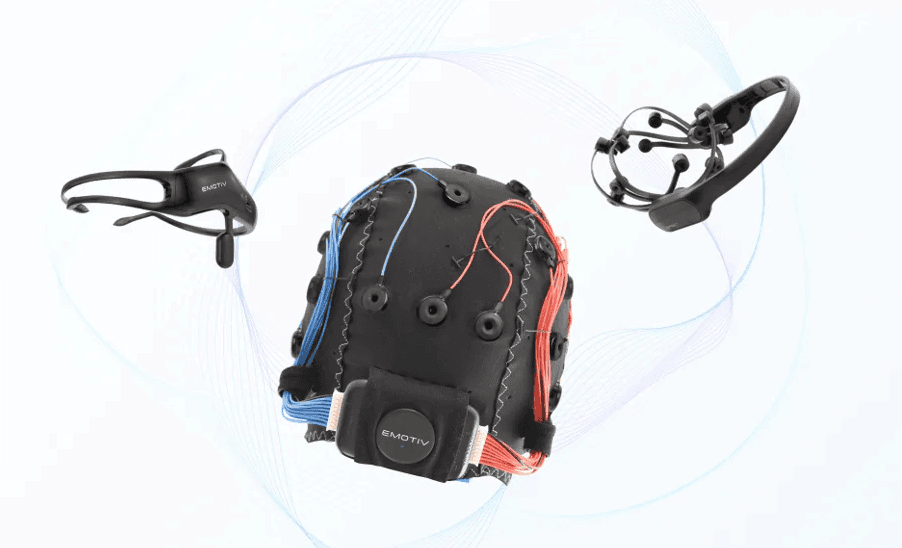
This is where EEG technology gets really exciting. Portable and wireless EEG systems have made brain data collection more accessible than ever. Devices like the Epoc X headset offer the freedom to record brain activity without being tethered to a large machine, opening up possibilities for real-world studies and applications. These headsets are ideal for developers creating brain-computer interfaces, researchers studying brain activity in natural environments, and individuals interested in cognitive wellness. With fewer wires and a more user-friendly setup, they allow for rapid data collection in diverse settings, from the classroom to the living room. This flexibility makes them a powerful tool for innovation and discovery.
At-Home Monitoring Devices
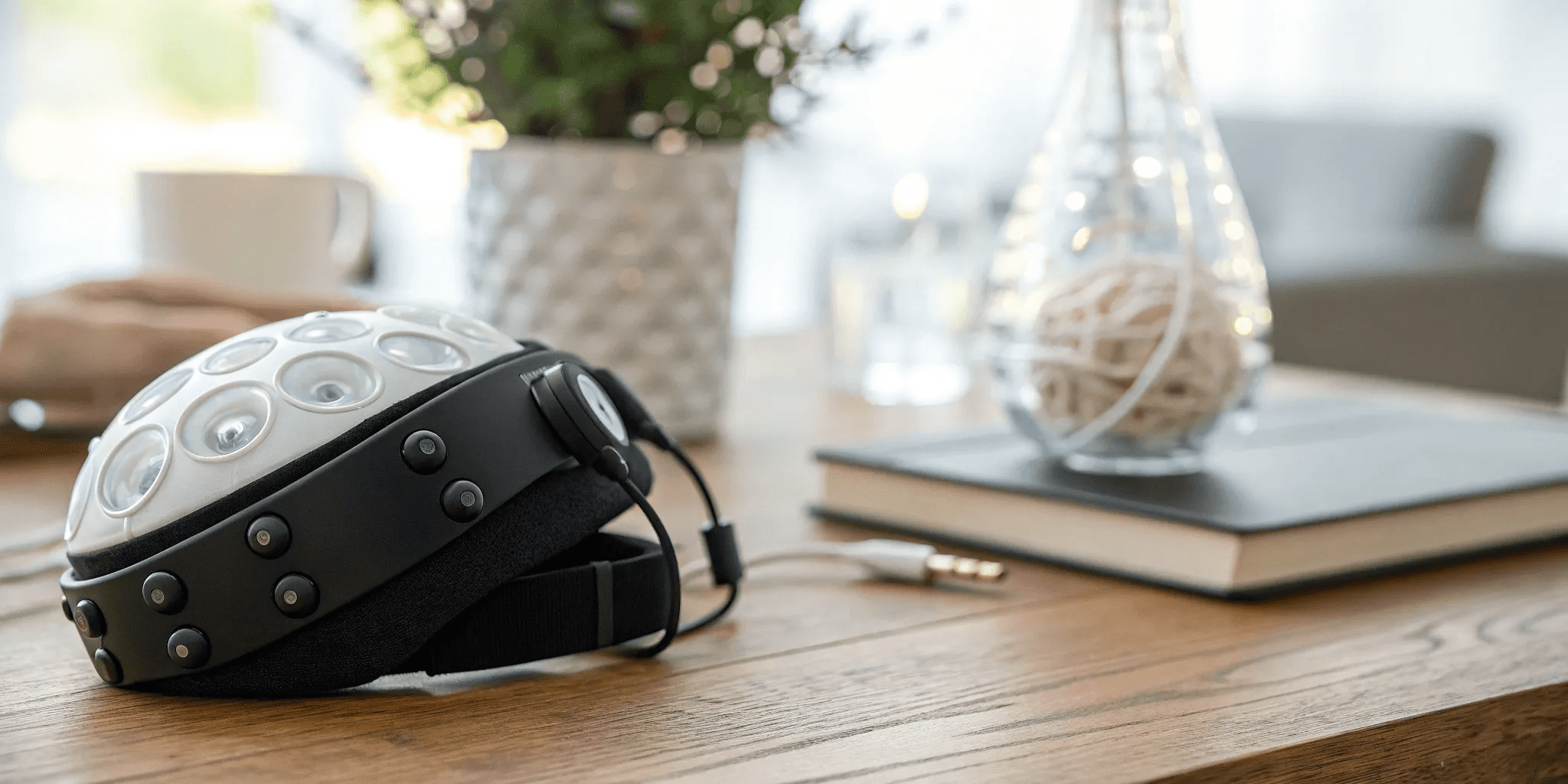
At-home monitoring devices bring EEG testing into the comfort of a person's home. Also known as ambulatory EEG systems, these portable devices are designed to capture brain activity over extended periods—often 24 to 72 hours. This is particularly valuable for diagnosing conditions like epilepsy, where seizures may not occur during a short visit to a clinic. By recording data during everyday activities and sleep, doctors can get a much clearer understanding of a patient's brain patterns. While traditionally used for medical purposes, the trend toward at-home monitoring reflects a broader movement toward accessible cognitive wellness tools that empower people to understand their own brain health.
What to Look For in an EEG Machine
Choosing the right EEG machine feels a lot like picking the right tool for a big project—the best choice really depends on what you plan to build. Whether you're conducting in-depth academic research, exploring brain-computer interfaces, or tracking cognitive wellness, the features of your EEG device will shape your entire experience. It’s not just about the hardware; it’s about the entire ecosystem, from the sensors on your head to the software that turns raw data into meaningful insights. Let's walk through the key features you should have on your checklist. By understanding what each one does, you can find a system that not only meets your current needs but also supports your future goals.
Channel Count and Sensitivity
Think of EEG channels as individual surveyors mapping the brain's electrical activity. The more channels you have, the more detailed your results are, giving you a richer, higher-resolution map of brain function. Systems can range from a few channels to more than a hundred. For general wellness or simple brain-computer interface tasks, a device with fewer channels, like our 5-channel Insight headset, is often perfect. But if you're doing complex spatial analysis for academic research, you’ll want a higher channel count. A 32-channel system like the Flex Saline provides the hi-definition measurement needed for more demanding applications.
Software and Data Analysis Tools
The most powerful EEG headset is only as good as the software that interprets its data. Raw EEG signals are complex, so you need robust tools to process, visualize, and analyze them effectively. When looking at different systems, pay close attention to the accompanying software. Does it offer real-time data streaming? Can you easily mark events, filter out noise, and view different brainwave frequencies? A comprehensive platform like EmotivPRO allows you to perform advanced analysis and manage your data in one place, turning a stream of numbers into actionable insights about cognitive states and performance metrics.
Connectivity and Data Export
Check how a device connects to your computer—common options include USB, Bluetooth, or Wi-Fi. Wireless connectivity offers much more freedom for studies in real-world environments. It’s also crucial to ensure the system allows for easy data export. You'll likely want to analyze your findings in other programs like MATLAB or Python or integrate the data into your own custom applications. Having access to raw data files is essential for this flexibility. Our resources for developers provide the tools needed to work with Emotiv data and build your own innovative projects.
Portability and Battery Life
The days of being tethered to a large, stationary machine are fading. Modern, portable EEG systems allow you to gather data in more natural settings, from an office to an athletic field. This mobility is key for many neuromarketing / consumer insights and cognitive wellness studies. When you're comparing portable options, battery life is a critical factor. A long-lasting battery ensures you can run extended recording sessions without interruption. For ultimate portability, devices like our MN8 EEG earbuds are designed for seamless integration into daily life, capturing brain data discreetly and comfortably on the go.
Data Storage Options
EEG recordings can generate large files, especially during long studies or projects with many participants. You’ll need a system that can handle your data storage needs. Some devices store data locally, while others offer cloud-based solutions. Cloud storage is incredibly helpful for team collaboration, as it allows multiple researchers to access and work with the same datasets from different locations. It also provides a secure backup for your valuable recordings. When choosing a system, think about your project's scale and how you plan to manage and archive your data over the long term. EmotivPRO allows you to save recordings to the Emotiv Cloud or locally for flexible EEG data analysis software workflows.
Filters and Controls
Clean data is the foundation of good research. Electrical noise from the environment or muscle movements can interfere with your EEG signal, so having effective filters is a must. Look for systems that give you control over these settings. The ability to adjust high-frequency and low-frequency filters for each channel separately allows you to fine-tune your recordings and isolate the brain activity you're most interested in. This level of control helps ensure the data you collect is high-quality and ready for analysis, which is a cornerstone of any successful project in academic research and education.
How Much Do EEG Machines Cost?
Figuring out the cost of an EEG machine can feel a bit like asking, "How much does a car cost?" The answer is: it depends. The price tag can swing from a few hundred dollars for a simple consumer device to well over $100,000 for a clinical-grade system used in hospitals. The key is to match the machine's capabilities—and its price—to your specific needs.
Whether you're conducting formal academic research, exploring neuromarketing, or developing a brain-computer interface, there's a device out there that fits your budget. The biggest price differences come down to whether the equipment is new or used, the number of channels it has, and the sophistication of its software. Let's break down what you can expect to pay.
New Equipment Price Ranges
When you look at brand-new, traditional EEG systems, especially those designed for clinical neurology, the prices can be steep. These complex machines typically range from $20,000 to $150,000. This high cost covers advanced features, a high number of channels for detailed brain mapping, and the robust software needed for medical diagnostics. For many hospitals and large research institutions, this is a necessary investment.
However, the field has changed dramatically. You no longer need a six-figure budget to get high-quality brain data. Portable and accessible EEG headsets have made this technology available to a much wider audience. For example, devices designed for cognitive wellness or developer projects can be purchased for a fraction of the cost of their clinical counterparts, without sacrificing the data quality needed for many research and BCI applications.
Used and Refurbished Options
If your budget is tight, the second-hand market is a viable option. You can find used and refurbished EEG systems for sale on specialized medical equipment marketplaces. Prices can be all over the map, from a few thousand dollars to upwards of $27,000, depending on the age, brand, and condition of the unit. Buying used can be a great way to get a high-end system for less.
That said, it’s important to proceed with caution. When buying used, you’ll want to verify the seller's reputation, ask for a detailed history of the device, and check if it comes with any kind of warranty or support. You’ll also need to confirm that the software is still functional and supported, as outdated software can be a major roadblock.
Factors That Influence Price
Several key factors determine the final cost of an EEG machine. Understanding them will help you compare different models and find the best value for your work.
First, the channel count is a major price driver. A channel corresponds to a sensor on the scalp, so a higher channel count allows for more detailed spatial resolution of brain activity. A 5-channel device will be much more affordable than a 32-channel system. For example, a headset like the Epoc X offers 14 channels, providing a great balance of data density and cost for many research applications.
The software that comes with the hardware is another critical factor. Basic software might only allow you to view and record data, while advanced platforms like EmotivPRO offer powerful analysis, mapping, and data visualization tools that can significantly speed up your workflow.
Other Costs to Consider
The initial purchase price isn't the only expense to plan for. Be sure to factor in other potential costs to get a full picture of your investment. Many systems, for instance, require ongoing software subscriptions to access premium features, updates, and support. This is a common model for keeping the software current with the latest research and analysis techniques.
You should also budget for consumables. Depending on the type of headset you choose, this could include saline solution, electrode gels, or replacement sensors. Finally, consider the costs of training and support. While many modern systems are designed to be user-friendly, you may want to invest in a support plan or training sessions to ensure your team can get the most out of the device from day one.
Where Can You Buy an EEG Machine?
Once you have a good idea of what you’re looking for, the next step is finding where to purchase your EEG machine. The right place to buy depends on your specific needs, budget, and the level of support you want. From manufacturers creating cutting-edge technology to marketplaces with second-hand deals, you have several options to explore. Let’s walk through the most common places to find an EEG machine for sale and what you should know about each.
Directly From the Manufacturer
Going straight to the source is often the most reliable way to buy an EEG device. When you purchase directly from a manufacturer like Emotiv, you’re getting the latest technology straight from the people who designed it. This route ensures you receive a brand-new, fully supported device with a valid warranty. It’s the best way to access comprehensive customer service, technical support, and the full suite of compatible software, like the EmotivPRO platform for advanced analysis. This is ideal for researchers and developers who need dependable equipment for their projects, whether it's a versatile 14-channel headset like the Epoc X or a high-density 32-channel Flex system.
Medical Equipment Suppliers
Medical equipment suppliers are another common source for EEG systems, particularly for those in clinical fields. These companies often stock a variety of brands and models, giving you a chance to compare different options in one place. They may offer new, used, or refurbished equipment, which can sometimes provide a more budget-friendly alternative. Suppliers can be a good resource if you need a traditional, clinical-grade system and want guidance from a sales team that specializes in medical hardware. However, their offerings may be more geared toward hospital settings rather than the flexible, portable solutions needed for academic research or brain-computer interface development.
Online Marketplaces
For those on a tighter budget, online marketplaces like eBay or specialized scientific equipment sites like LabX can be a place to find used EEG machines. You can often find older models or devices from individuals and labs who are upgrading their equipment. While you might find a great deal, this path comes with risks. The equipment may be outdated, lack necessary software, or come without a warranty or any technical support. It’s a viable option if you’re experienced with EEG hardware and comfortable troubleshooting on your own, but it can be a gamble for those who need a reliable, ready-to-use solution right out of the box.
How to Vet a Seller
Regardless of where you buy, it’s essential to do your homework on the seller. A little due diligence can save you from a frustrating experience and a wasted investment. Before you commit, look into the seller’s reputation by reading customer reviews and testimonials. For used equipment, ask for detailed photos, the device's history, and proof that it’s in good working order. Always clarify what’s included, such as sensors, software licenses, and charging cables. Most importantly, understand the warranty and return policy. A reputable seller will be transparent about their support options, which is a key factor in the user experience with any EEG device.
A Look at Tech Specs and Support
Once you’ve narrowed down the type of EEG machine you need, it’s time to look at the finer details. Think of this as checking under the hood. The technical specifications, software ecosystem, and long-term support are what separate a good device from a great one. A flashy headset is useless without powerful software to interpret its data or a support team to help you if you get stuck.
Making a smart purchase means thinking about the entire lifecycle of the device. What happens after it arrives at your door? You’ll want to consider everything from official safety certifications to the nitty-gritty of daily maintenance. These factors ensure your device is not only effective for your work but also a reliable, long-term tool for your research or wellness goals. Let’s walk through the key support and technical specs you should have on your checklist.
Required Certifications
Certifications might not be the most exciting topic, but they are incredibly important. They serve as a guarantee that the device meets specific safety and quality standards. Depending on your intended use—whether for academic research, product development, or personal wellness—the required certifications can vary. For any device that is used for medical applications, you want assurance that it has been rigorously tested. Look for common certifications like CE for Europe or FCC for the United States, which indicate compliance with health, safety, and environmental protection standards.
Software Compatibility
The hardware gathers brain data, but the software is what brings it to life. A great EEG system is backed by a powerful and intuitive software suite. When evaluating your options, see what kind of programs are included. Does the software allow for real-time data streaming and recording? Can you easily export data for analysis in other programs? For more advanced work, you might need software like EmotivPRO for detailed analysis and visualization. If you’re a developer, look for access to an API or SDK that allows you to build your own custom applications and brain-computer interfaces.
Technical Support and Service
No matter how user-friendly a device is, you might have a question or run into a technical issue. That’s when a responsive and helpful support team becomes your best friend. Before you buy, investigate the manufacturer’s support options. Do they offer help through email, phone, or a live chat service? Check for a comprehensive online knowledge base, user forums, or tutorials that can help you solve common problems on your own. Good customer service shows that a company stands behind its product and is invested in your success, whether you're a seasoned researcher or just starting your journey.
Warranty and Coverage
An EEG machine is an investment, and a good warranty is your insurance policy. Most manufacturers offer a standard warranty that covers defects in materials and workmanship for a specific period, usually one year. Read the warranty terms carefully to understand exactly what is covered and what isn’t. For example, accidental damage is not typically included. Knowing the details of the warranty provides peace of mind and protects you from unexpected costs if something goes wrong with the hardware. It’s a practical detail that reflects the manufacturer's confidence in their product's quality and durability.
Maintenance Needs
To ensure your EEG system provides accurate, high-quality data for years to come, you’ll need to perform some routine maintenance. This is usually straightforward but essential. Maintenance can include regularly cleaning the headset and sensors, properly charging and storing the device, and keeping the software and firmware updated. For systems with saline or gel sensors, like the Flex headsets, this involves rehydrating or replacing components as needed. Following the manufacturer’s care instructions will extend the life of your device and maintain the integrity of your data, ensuring every session is as reliable as the first.
A Guide to Safety and Regulatory Standards
When you’re in the market for an EEG machine, it’s easy to get focused on channel counts and software features. But before you make a final decision, it’s crucial to understand the safety and regulatory landscape. These standards aren’t just bureaucratic red tape; they’re in place to ensure the device is safe for users, that the data it collects is accurate and reliable, and that sensitive personal information is protected.
Navigating these rules can feel a bit overwhelming, but it’s a non-negotiable step in the buying process. A device that doesn’t meet these standards could pose a safety risk or produce data that isn’t valid for research or clinical use. It could also create legal headaches for you or your organization down the line. Taking the time to verify a machine’s compliance and certifications will give you peace of mind and confidence in your investment. This guide will walk you through the key areas you need to be aware of, from medical device rules to data privacy.
Medical Device Compliance
If you're purchasing an EEG machine for clinical or research applications, you need to confirm it meets medical device regulations. In the United States, the FDA requires that EEG monitoring equipment meets specific safety and efficacy standards before it can be sold. This process ensures the device has been thoroughly evaluated and performs as intended without posing undue risk to the user. When you’re looking at a device, check its documentation for mentions of FDA clearance or compliance with equivalent international bodies. This is your assurance that the machine is built to a professional, reliable standard.
Data Privacy Rules
EEG data is some of the most sensitive personal information that can be collected. Because of this, data privacy is paramount. Any system you consider should comply with data protection regulations like the Health Insurance Portability and Accountability Act (HIPAA) in the US. This ensures that any personally identifiable information is handled securely, stored safely, and kept confidential. When vetting a seller or manufacturer, ask about their data handling protocols, encryption methods, and how they ensure HIPAA compliance. Protecting your subjects' or your own data is a critical responsibility. Emotiv is a pioneer in developing and influencing the protection of EEG data worldwide, as outlined in our privacy policy.
Key Safety Certifications
Beyond general regulatory compliance, look for specific safety certifications that speak to the hardware's quality and electrical safety. EEG machines should be designed to meet established safety standards to protect both the person wearing the device and the operator. Key certifications to look for include UL2601-1 and IEC601-1, which are global benchmarks for medical electrical equipment. These certifications indicate that the device has been tested to prevent electrical hazards, ensuring it’s safe for prolonged contact with a person. Always check the product specifications for these or similar certifications.
Regional Regulations to Know
It’s important to remember that regulations can differ significantly depending on where you live and work. While the FDA governs medical devices in the United States, Europe operates under the Medical Device Regulation (MDR). Other countries have their own regulatory bodies and specific requirements. Before you buy, familiarize yourself with the regional regulations that apply to you. A reputable manufacturer or supplier should be able to provide documentation showing compliance for your specific region, ensuring your new equipment is fully legal and ready for use.
How to Choose the Right EEG Machine for You
Finding the right EEG machine feels a lot like finding the right tool for a specialized job—the best one depends entirely on what you plan to build. With so many options available, from simple at-home devices to complex clinical systems, the key is to match the technology to your specific goals. Instead of searching for a single "best" device, focus on finding the one that's best for you. By thinking through your needs, comparing what’s available, planning for the future, and considering the setup process, you can confidently select a system that will serve you well.
Define Your Core Needs
Before you start comparing models, take a moment to clarify what you want to accomplish. Are you conducting detailed academic research, developing a new BCI application, or exploring your own cognitive wellness? Your primary goal will determine the technical specifications you need. For instance, a consumer insights study might require a high channel count for detailed spatial resolution, while a wellness app might prioritize comfort and ease of use. Ask yourself: How many channels do I need? What sampling rate is necessary for my project? Answering these questions first will help you narrow the field and focus only on the machines that fit your criteria.
Compare Features and Overall Value
Once you know what you need, you can start comparing what different systems offer. Look beyond the price tag and consider the overall value. A cheaper device might seem appealing, but it could lack the software support or data quality you require, costing you more time and frustration later. True value lies in a machine that reliably does what you need it to do. Compare the hardware capabilities, the intuitiveness of the software, and the types of data analysis tools included. For example, if your work involves brain-computer interfaces, you’ll want a system with low latency and a responsive software development kit (SDK).
Think About Future Growth
It’s wise to choose an EEG system that can grow with your ambitions. Think about where your work might be headed in the next few years. Will you need to scale your research, add more participants, or explore new types of analysis? If you're a developer, you'll want a platform with a flexible SDK that allows you to build custom applications. Investing in a versatile system like the Epoc X headset, which offers access to raw EEG data and development tools, ensures your equipment won’t hold you back as your skills and projects evolve. This foresight can save you from having to purchase a whole new system down the road.
Plan for Setup and Training
Finally, consider the practical side of getting started. How much time are you willing to spend on setup and learning the software? Some EEG systems are designed for a seamless, out-of-the-box experience, while others demand more technical expertise. Look into the software ecosystem that comes with the hardware. Is it user-friendly? Does it offer guided workflows or is it a blank slate? A platform with comprehensive software like EmotivPRO can simplify data acquisition and analysis, letting you focus on your research questions instead of troubleshooting your gear. Also, check for available documentation, tutorials, and community support to ensure help is there when you need it.
Related Articles
Frequently Asked Questions
How many channels do I really need for my project? This is a great question, and the answer depends entirely on your goal. Think of it this way: for tracking general cognitive states like focus or relaxation, or for simple brain-computer interface commands, a device with 5 to 14 channels is often more than enough. If you're a researcher who needs to pinpoint activity in specific brain regions with high accuracy, a 32-channel system will give you the detailed spatial resolution you need for that kind of advanced analysis.
Is it difficult to set up and use a portable EEG headset? Not at all. Modern portable EEG systems are designed to be user-friendly, even for those without a technical background. Most headsets can be set up in just a few minutes. The accompanying software guides you through the process, showing you how to position the headset and check the sensor connections to ensure you're getting a quality signal. The goal is to get you collecting data quickly so you can focus on your actual work.
Can I use the data from an EEG headset to build my own software or application? Absolutely. This is one of the most exciting uses for accessible EEG technology. Many systems, including ours, provide access to the raw EEG data stream. They also offer software development kits (SDKs) or application programming interfaces (APIs) that give you the tools to integrate brain data into your own custom applications, games, or research tools. This opens up a world of possibilities for creating new interactive experiences.
What's the difference between saline, gel, and dry sensors? The type of sensor affects the balance between signal quality and convenience. Gel sensors provide the highest quality, most stable signal, which is why they are a standard in clinical settings, but they do require more prep and cleanup. Saline-based sensors are a fantastic middle ground, offering excellent signal quality with a much simpler and quicker setup. Dry sensors are the most convenient for daily use, but they can be more sensitive to movement and electrical noise.
Is it safe to use an EEG machine regularly? Yes, using an EEG machine is completely safe. It's a non-invasive technology, which means nothing enters your body or brain. The sensors are passive listeners; they only record the tiny electrical signals your brain naturally produces, much like a microphone records sound. The device does not send any electrical currents into your brain, so you can use it for long-term studies or daily wellness tracking with confidence.
Not long ago, EEG technology was confined to hospitals and high-end research labs. Today, that has completely changed. Powerful, portable, and user-friendly EEG systems are now accessible to innovators everywhere. This shift has opened up incredible possibilities for academic research, marketing, and personal wellness. But with more choice comes more questions. How many channels do you need? What software is best for your goals? When you start looking for an EEG machine for sale, you need a clear plan. This article will walk you through everything you need to know, from technical specs to software, so you can choose your equipment with confidence.
Key Takeaways
Define Your Goal First: The best EEG machine is the one that fits your specific project, whether it's academic research, BCI development, or cognitive wellness tracking. Clarifying your needs for data detail and portability will narrow your options effectively.
Look Beyond the Hardware: A device is only as good as its software. Assess key specs like channel count and battery life alongside the power of the analysis software, data export options, and developer tools to ensure the entire system works for you.
Prioritize Value and Safety Over Price: A smart investment considers the total cost, including software subscriptions and support, not just the initial price. Always verify that the device meets safety certifications and data privacy regulations to ensure reliable and secure operation.
What Is an EEG Machine?
An EEG, or electroencephalogram, machine is a device that measures and records the electrical activity in your brain. Think of it as a way to listen in on the conversations happening between your brain cells. Every thought, feeling, and action creates tiny electrical signals as neurons communicate with each other. An EEG machine captures these signals, giving you a window into the brain's real-time operations. It's about understanding the patterns of electrical energy that underlie our mental processes.
For a long time, this technology was confined to hospitals and high-end research labs, requiring bulky equipment and specialized technicians. But that's changed. Modern EEG devices are now accessible, portable, and designed for a much broader audience. This shift has opened up a world of possibilities beyond clinical diagnostics. Now, researchers, developers, and wellness enthusiasts can use EEG technology to explore everything from cognitive performance to how we interact with technology. Whether you're conducting a study, building a brain-computer interface, or simply want to understand your own mental state, an EEG machine provides the raw data to make it happen.
How Does an EEG Machine Work?
The process behind an EEG is straightforward. Small sensors, called electrodes, are placed on your scalp. These sensors are incredibly sensitive and designed to detect the faint electrical voltages produced by your brain's activity. In a device like the Epoc X headset, these electrodes make contact with your skin to pick up the signals. The EEG machine then amplifies these signals—which are very weak—and converts them into digital data. This data is often visualized as brainwaves, showing patterns of activity that can be analyzed to understand different mental states, like focus, relaxation, or stress.
What Are They Used For?
While EEG machines are well-known in medicine for diagnosing conditions like epilepsy and sleep disorders, their applications have expanded dramatically. In academic research, they help scientists study cognition, emotion, and behavior. Developers use them to create hands-free control systems for software and devices. In the world of neuromarketing, EEG provides insights into consumer reactions to ads and products. And for personal use, EEG can be a powerful tool for cognitive wellness, helping you track and manage your focus, stress levels, and overall mental performance.
Exploring the Different Types of EEG Machines
Not all EEG machines are created equal. The right one for you depends entirely on what you plan to do with it. Are you diagnosing a medical condition, conducting a university study, or developing a new brain-computer interface? The technology ranges from large, stationary systems found in hospitals to sleek, wireless headsets you can wear almost anywhere. Understanding the main categories will help you narrow down your search and find a device that truly fits your needs. Each type is designed with a specific user and environment in mind, offering different levels of precision, portability, and complexity. Let's walk through the most common types of EEG systems you'll find on the market.
Clinical-Grade Systems
When you think of a traditional EEG, you’re likely picturing a clinical-grade system. These are the heavy-duty machines used in hospitals and neurology clinics to diagnose and monitor conditions like epilepsy, sleep disorders, and brain injuries. Built for maximum data acquisition, they often feature a high number of electrodes and require a trained technician to operate. Companies like Cadwell, Nicolet, and Nihon Kohden are well-known in this space. While these systems provide precise data, they are also large, expensive, and not designed for use outside of a controlled clinical environment. They are the gold standard for medical diagnostics but are generally not practical for academic research or personal use.
Research-Grade Systems
Research-grade EEG systems are the go-to for academic and commercial researchers who need high-fidelity brain activity data. While they share some similarities with clinical systems in terms of data quality, they are designed with the specific needs of scientific study in mind. These systems offer advanced features for detailed analysis and are essential for studies that require high precision and extensive data collection. You'll find them in university labs. They often come with powerful software that allows researchers to synchronize EEG data with other biometric sensors. However, these systems are confined to a laboratory environment due to its wired systems. They do not allow research in contextual environments.
Portable and Wireless EEG
This is where EEG technology gets really exciting. Portable and wireless EEG systems have made brain data collection more accessible than ever. Devices like the Epoc X headset offer the freedom to record brain activity without being tethered to a large machine, opening up possibilities for real-world studies and applications. These headsets are ideal for developers creating brain-computer interfaces, researchers studying brain activity in natural environments, and individuals interested in cognitive wellness. With fewer wires and a more user-friendly setup, they allow for rapid data collection in diverse settings, from the classroom to the living room. This flexibility makes them a powerful tool for innovation and discovery.
At-Home Monitoring Devices
At-home monitoring devices bring EEG testing into the comfort of a person's home. Also known as ambulatory EEG systems, these portable devices are designed to capture brain activity over extended periods—often 24 to 72 hours. This is particularly valuable for diagnosing conditions like epilepsy, where seizures may not occur during a short visit to a clinic. By recording data during everyday activities and sleep, doctors can get a much clearer understanding of a patient's brain patterns. While traditionally used for medical purposes, the trend toward at-home monitoring reflects a broader movement toward accessible cognitive wellness tools that empower people to understand their own brain health.
What to Look For in an EEG Machine
Choosing the right EEG machine feels a lot like picking the right tool for a big project—the best choice really depends on what you plan to build. Whether you're conducting in-depth academic research, exploring brain-computer interfaces, or tracking cognitive wellness, the features of your EEG device will shape your entire experience. It’s not just about the hardware; it’s about the entire ecosystem, from the sensors on your head to the software that turns raw data into meaningful insights. Let's walk through the key features you should have on your checklist. By understanding what each one does, you can find a system that not only meets your current needs but also supports your future goals.
Channel Count and Sensitivity
Think of EEG channels as individual surveyors mapping the brain's electrical activity. The more channels you have, the more detailed your results are, giving you a richer, higher-resolution map of brain function. Systems can range from a few channels to more than a hundred. For general wellness or simple brain-computer interface tasks, a device with fewer channels, like our 5-channel Insight headset, is often perfect. But if you're doing complex spatial analysis for academic research, you’ll want a higher channel count. A 32-channel system like the Flex Saline provides the hi-definition measurement needed for more demanding applications.
Software and Data Analysis Tools
The most powerful EEG headset is only as good as the software that interprets its data. Raw EEG signals are complex, so you need robust tools to process, visualize, and analyze them effectively. When looking at different systems, pay close attention to the accompanying software. Does it offer real-time data streaming? Can you easily mark events, filter out noise, and view different brainwave frequencies? A comprehensive platform like EmotivPRO allows you to perform advanced analysis and manage your data in one place, turning a stream of numbers into actionable insights about cognitive states and performance metrics.
Connectivity and Data Export
Check how a device connects to your computer—common options include USB, Bluetooth, or Wi-Fi. Wireless connectivity offers much more freedom for studies in real-world environments. It’s also crucial to ensure the system allows for easy data export. You'll likely want to analyze your findings in other programs like MATLAB or Python or integrate the data into your own custom applications. Having access to raw data files is essential for this flexibility. Our resources for developers provide the tools needed to work with Emotiv data and build your own innovative projects.
Portability and Battery Life
The days of being tethered to a large, stationary machine are fading. Modern, portable EEG systems allow you to gather data in more natural settings, from an office to an athletic field. This mobility is key for many neuromarketing / consumer insights and cognitive wellness studies. When you're comparing portable options, battery life is a critical factor. A long-lasting battery ensures you can run extended recording sessions without interruption. For ultimate portability, devices like our MN8 EEG earbuds are designed for seamless integration into daily life, capturing brain data discreetly and comfortably on the go.
Data Storage Options
EEG recordings can generate large files, especially during long studies or projects with many participants. You’ll need a system that can handle your data storage needs. Some devices store data locally, while others offer cloud-based solutions. Cloud storage is incredibly helpful for team collaboration, as it allows multiple researchers to access and work with the same datasets from different locations. It also provides a secure backup for your valuable recordings. When choosing a system, think about your project's scale and how you plan to manage and archive your data over the long term. EmotivPRO allows you to save recordings to the Emotiv Cloud or locally for flexible EEG data analysis software workflows.
Filters and Controls
Clean data is the foundation of good research. Electrical noise from the environment or muscle movements can interfere with your EEG signal, so having effective filters is a must. Look for systems that give you control over these settings. The ability to adjust high-frequency and low-frequency filters for each channel separately allows you to fine-tune your recordings and isolate the brain activity you're most interested in. This level of control helps ensure the data you collect is high-quality and ready for analysis, which is a cornerstone of any successful project in academic research and education.
How Much Do EEG Machines Cost?
Figuring out the cost of an EEG machine can feel a bit like asking, "How much does a car cost?" The answer is: it depends. The price tag can swing from a few hundred dollars for a simple consumer device to well over $100,000 for a clinical-grade system used in hospitals. The key is to match the machine's capabilities—and its price—to your specific needs.
Whether you're conducting formal academic research, exploring neuromarketing, or developing a brain-computer interface, there's a device out there that fits your budget. The biggest price differences come down to whether the equipment is new or used, the number of channels it has, and the sophistication of its software. Let's break down what you can expect to pay.
New Equipment Price Ranges
When you look at brand-new, traditional EEG systems, especially those designed for clinical neurology, the prices can be steep. These complex machines typically range from $20,000 to $150,000. This high cost covers advanced features, a high number of channels for detailed brain mapping, and the robust software needed for medical diagnostics. For many hospitals and large research institutions, this is a necessary investment.
However, the field has changed dramatically. You no longer need a six-figure budget to get high-quality brain data. Portable and accessible EEG headsets have made this technology available to a much wider audience. For example, devices designed for cognitive wellness or developer projects can be purchased for a fraction of the cost of their clinical counterparts, without sacrificing the data quality needed for many research and BCI applications.
Used and Refurbished Options
If your budget is tight, the second-hand market is a viable option. You can find used and refurbished EEG systems for sale on specialized medical equipment marketplaces. Prices can be all over the map, from a few thousand dollars to upwards of $27,000, depending on the age, brand, and condition of the unit. Buying used can be a great way to get a high-end system for less.
That said, it’s important to proceed with caution. When buying used, you’ll want to verify the seller's reputation, ask for a detailed history of the device, and check if it comes with any kind of warranty or support. You’ll also need to confirm that the software is still functional and supported, as outdated software can be a major roadblock.
Factors That Influence Price
Several key factors determine the final cost of an EEG machine. Understanding them will help you compare different models and find the best value for your work.
First, the channel count is a major price driver. A channel corresponds to a sensor on the scalp, so a higher channel count allows for more detailed spatial resolution of brain activity. A 5-channel device will be much more affordable than a 32-channel system. For example, a headset like the Epoc X offers 14 channels, providing a great balance of data density and cost for many research applications.
The software that comes with the hardware is another critical factor. Basic software might only allow you to view and record data, while advanced platforms like EmotivPRO offer powerful analysis, mapping, and data visualization tools that can significantly speed up your workflow.
Other Costs to Consider
The initial purchase price isn't the only expense to plan for. Be sure to factor in other potential costs to get a full picture of your investment. Many systems, for instance, require ongoing software subscriptions to access premium features, updates, and support. This is a common model for keeping the software current with the latest research and analysis techniques.
You should also budget for consumables. Depending on the type of headset you choose, this could include saline solution, electrode gels, or replacement sensors. Finally, consider the costs of training and support. While many modern systems are designed to be user-friendly, you may want to invest in a support plan or training sessions to ensure your team can get the most out of the device from day one.
Where Can You Buy an EEG Machine?
Once you have a good idea of what you’re looking for, the next step is finding where to purchase your EEG machine. The right place to buy depends on your specific needs, budget, and the level of support you want. From manufacturers creating cutting-edge technology to marketplaces with second-hand deals, you have several options to explore. Let’s walk through the most common places to find an EEG machine for sale and what you should know about each.
Directly From the Manufacturer
Going straight to the source is often the most reliable way to buy an EEG device. When you purchase directly from a manufacturer like Emotiv, you’re getting the latest technology straight from the people who designed it. This route ensures you receive a brand-new, fully supported device with a valid warranty. It’s the best way to access comprehensive customer service, technical support, and the full suite of compatible software, like the EmotivPRO platform for advanced analysis. This is ideal for researchers and developers who need dependable equipment for their projects, whether it's a versatile 14-channel headset like the Epoc X or a high-density 32-channel Flex system.
Medical Equipment Suppliers
Medical equipment suppliers are another common source for EEG systems, particularly for those in clinical fields. These companies often stock a variety of brands and models, giving you a chance to compare different options in one place. They may offer new, used, or refurbished equipment, which can sometimes provide a more budget-friendly alternative. Suppliers can be a good resource if you need a traditional, clinical-grade system and want guidance from a sales team that specializes in medical hardware. However, their offerings may be more geared toward hospital settings rather than the flexible, portable solutions needed for academic research or brain-computer interface development.
Online Marketplaces
For those on a tighter budget, online marketplaces like eBay or specialized scientific equipment sites like LabX can be a place to find used EEG machines. You can often find older models or devices from individuals and labs who are upgrading their equipment. While you might find a great deal, this path comes with risks. The equipment may be outdated, lack necessary software, or come without a warranty or any technical support. It’s a viable option if you’re experienced with EEG hardware and comfortable troubleshooting on your own, but it can be a gamble for those who need a reliable, ready-to-use solution right out of the box.
How to Vet a Seller
Regardless of where you buy, it’s essential to do your homework on the seller. A little due diligence can save you from a frustrating experience and a wasted investment. Before you commit, look into the seller’s reputation by reading customer reviews and testimonials. For used equipment, ask for detailed photos, the device's history, and proof that it’s in good working order. Always clarify what’s included, such as sensors, software licenses, and charging cables. Most importantly, understand the warranty and return policy. A reputable seller will be transparent about their support options, which is a key factor in the user experience with any EEG device.
A Look at Tech Specs and Support
Once you’ve narrowed down the type of EEG machine you need, it’s time to look at the finer details. Think of this as checking under the hood. The technical specifications, software ecosystem, and long-term support are what separate a good device from a great one. A flashy headset is useless without powerful software to interpret its data or a support team to help you if you get stuck.
Making a smart purchase means thinking about the entire lifecycle of the device. What happens after it arrives at your door? You’ll want to consider everything from official safety certifications to the nitty-gritty of daily maintenance. These factors ensure your device is not only effective for your work but also a reliable, long-term tool for your research or wellness goals. Let’s walk through the key support and technical specs you should have on your checklist.
Required Certifications
Certifications might not be the most exciting topic, but they are incredibly important. They serve as a guarantee that the device meets specific safety and quality standards. Depending on your intended use—whether for academic research, product development, or personal wellness—the required certifications can vary. For any device that is used for medical applications, you want assurance that it has been rigorously tested. Look for common certifications like CE for Europe or FCC for the United States, which indicate compliance with health, safety, and environmental protection standards.
Software Compatibility
The hardware gathers brain data, but the software is what brings it to life. A great EEG system is backed by a powerful and intuitive software suite. When evaluating your options, see what kind of programs are included. Does the software allow for real-time data streaming and recording? Can you easily export data for analysis in other programs? For more advanced work, you might need software like EmotivPRO for detailed analysis and visualization. If you’re a developer, look for access to an API or SDK that allows you to build your own custom applications and brain-computer interfaces.
Technical Support and Service
No matter how user-friendly a device is, you might have a question or run into a technical issue. That’s when a responsive and helpful support team becomes your best friend. Before you buy, investigate the manufacturer’s support options. Do they offer help through email, phone, or a live chat service? Check for a comprehensive online knowledge base, user forums, or tutorials that can help you solve common problems on your own. Good customer service shows that a company stands behind its product and is invested in your success, whether you're a seasoned researcher or just starting your journey.
Warranty and Coverage
An EEG machine is an investment, and a good warranty is your insurance policy. Most manufacturers offer a standard warranty that covers defects in materials and workmanship for a specific period, usually one year. Read the warranty terms carefully to understand exactly what is covered and what isn’t. For example, accidental damage is not typically included. Knowing the details of the warranty provides peace of mind and protects you from unexpected costs if something goes wrong with the hardware. It’s a practical detail that reflects the manufacturer's confidence in their product's quality and durability.
Maintenance Needs
To ensure your EEG system provides accurate, high-quality data for years to come, you’ll need to perform some routine maintenance. This is usually straightforward but essential. Maintenance can include regularly cleaning the headset and sensors, properly charging and storing the device, and keeping the software and firmware updated. For systems with saline or gel sensors, like the Flex headsets, this involves rehydrating or replacing components as needed. Following the manufacturer’s care instructions will extend the life of your device and maintain the integrity of your data, ensuring every session is as reliable as the first.
A Guide to Safety and Regulatory Standards
When you’re in the market for an EEG machine, it’s easy to get focused on channel counts and software features. But before you make a final decision, it’s crucial to understand the safety and regulatory landscape. These standards aren’t just bureaucratic red tape; they’re in place to ensure the device is safe for users, that the data it collects is accurate and reliable, and that sensitive personal information is protected.
Navigating these rules can feel a bit overwhelming, but it’s a non-negotiable step in the buying process. A device that doesn’t meet these standards could pose a safety risk or produce data that isn’t valid for research or clinical use. It could also create legal headaches for you or your organization down the line. Taking the time to verify a machine’s compliance and certifications will give you peace of mind and confidence in your investment. This guide will walk you through the key areas you need to be aware of, from medical device rules to data privacy.
Medical Device Compliance
If you're purchasing an EEG machine for clinical or research applications, you need to confirm it meets medical device regulations. In the United States, the FDA requires that EEG monitoring equipment meets specific safety and efficacy standards before it can be sold. This process ensures the device has been thoroughly evaluated and performs as intended without posing undue risk to the user. When you’re looking at a device, check its documentation for mentions of FDA clearance or compliance with equivalent international bodies. This is your assurance that the machine is built to a professional, reliable standard.
Data Privacy Rules
EEG data is some of the most sensitive personal information that can be collected. Because of this, data privacy is paramount. Any system you consider should comply with data protection regulations like the Health Insurance Portability and Accountability Act (HIPAA) in the US. This ensures that any personally identifiable information is handled securely, stored safely, and kept confidential. When vetting a seller or manufacturer, ask about their data handling protocols, encryption methods, and how they ensure HIPAA compliance. Protecting your subjects' or your own data is a critical responsibility. Emotiv is a pioneer in developing and influencing the protection of EEG data worldwide, as outlined in our privacy policy.
Key Safety Certifications
Beyond general regulatory compliance, look for specific safety certifications that speak to the hardware's quality and electrical safety. EEG machines should be designed to meet established safety standards to protect both the person wearing the device and the operator. Key certifications to look for include UL2601-1 and IEC601-1, which are global benchmarks for medical electrical equipment. These certifications indicate that the device has been tested to prevent electrical hazards, ensuring it’s safe for prolonged contact with a person. Always check the product specifications for these or similar certifications.
Regional Regulations to Know
It’s important to remember that regulations can differ significantly depending on where you live and work. While the FDA governs medical devices in the United States, Europe operates under the Medical Device Regulation (MDR). Other countries have their own regulatory bodies and specific requirements. Before you buy, familiarize yourself with the regional regulations that apply to you. A reputable manufacturer or supplier should be able to provide documentation showing compliance for your specific region, ensuring your new equipment is fully legal and ready for use.
How to Choose the Right EEG Machine for You
Finding the right EEG machine feels a lot like finding the right tool for a specialized job—the best one depends entirely on what you plan to build. With so many options available, from simple at-home devices to complex clinical systems, the key is to match the technology to your specific goals. Instead of searching for a single "best" device, focus on finding the one that's best for you. By thinking through your needs, comparing what’s available, planning for the future, and considering the setup process, you can confidently select a system that will serve you well.
Define Your Core Needs
Before you start comparing models, take a moment to clarify what you want to accomplish. Are you conducting detailed academic research, developing a new BCI application, or exploring your own cognitive wellness? Your primary goal will determine the technical specifications you need. For instance, a consumer insights study might require a high channel count for detailed spatial resolution, while a wellness app might prioritize comfort and ease of use. Ask yourself: How many channels do I need? What sampling rate is necessary for my project? Answering these questions first will help you narrow the field and focus only on the machines that fit your criteria.
Compare Features and Overall Value
Once you know what you need, you can start comparing what different systems offer. Look beyond the price tag and consider the overall value. A cheaper device might seem appealing, but it could lack the software support or data quality you require, costing you more time and frustration later. True value lies in a machine that reliably does what you need it to do. Compare the hardware capabilities, the intuitiveness of the software, and the types of data analysis tools included. For example, if your work involves brain-computer interfaces, you’ll want a system with low latency and a responsive software development kit (SDK).
Think About Future Growth
It’s wise to choose an EEG system that can grow with your ambitions. Think about where your work might be headed in the next few years. Will you need to scale your research, add more participants, or explore new types of analysis? If you're a developer, you'll want a platform with a flexible SDK that allows you to build custom applications. Investing in a versatile system like the Epoc X headset, which offers access to raw EEG data and development tools, ensures your equipment won’t hold you back as your skills and projects evolve. This foresight can save you from having to purchase a whole new system down the road.
Plan for Setup and Training
Finally, consider the practical side of getting started. How much time are you willing to spend on setup and learning the software? Some EEG systems are designed for a seamless, out-of-the-box experience, while others demand more technical expertise. Look into the software ecosystem that comes with the hardware. Is it user-friendly? Does it offer guided workflows or is it a blank slate? A platform with comprehensive software like EmotivPRO can simplify data acquisition and analysis, letting you focus on your research questions instead of troubleshooting your gear. Also, check for available documentation, tutorials, and community support to ensure help is there when you need it.
Related Articles
Frequently Asked Questions
How many channels do I really need for my project? This is a great question, and the answer depends entirely on your goal. Think of it this way: for tracking general cognitive states like focus or relaxation, or for simple brain-computer interface commands, a device with 5 to 14 channels is often more than enough. If you're a researcher who needs to pinpoint activity in specific brain regions with high accuracy, a 32-channel system will give you the detailed spatial resolution you need for that kind of advanced analysis.
Is it difficult to set up and use a portable EEG headset? Not at all. Modern portable EEG systems are designed to be user-friendly, even for those without a technical background. Most headsets can be set up in just a few minutes. The accompanying software guides you through the process, showing you how to position the headset and check the sensor connections to ensure you're getting a quality signal. The goal is to get you collecting data quickly so you can focus on your actual work.
Can I use the data from an EEG headset to build my own software or application? Absolutely. This is one of the most exciting uses for accessible EEG technology. Many systems, including ours, provide access to the raw EEG data stream. They also offer software development kits (SDKs) or application programming interfaces (APIs) that give you the tools to integrate brain data into your own custom applications, games, or research tools. This opens up a world of possibilities for creating new interactive experiences.
What's the difference between saline, gel, and dry sensors? The type of sensor affects the balance between signal quality and convenience. Gel sensors provide the highest quality, most stable signal, which is why they are a standard in clinical settings, but they do require more prep and cleanup. Saline-based sensors are a fantastic middle ground, offering excellent signal quality with a much simpler and quicker setup. Dry sensors are the most convenient for daily use, but they can be more sensitive to movement and electrical noise.
Is it safe to use an EEG machine regularly? Yes, using an EEG machine is completely safe. It's a non-invasive technology, which means nothing enters your body or brain. The sensors are passive listeners; they only record the tiny electrical signals your brain naturally produces, much like a microphone records sound. The device does not send any electrical currents into your brain, so you can use it for long-term studies or daily wellness tracking with confidence.
Not long ago, EEG technology was confined to hospitals and high-end research labs. Today, that has completely changed. Powerful, portable, and user-friendly EEG systems are now accessible to innovators everywhere. This shift has opened up incredible possibilities for academic research, marketing, and personal wellness. But with more choice comes more questions. How many channels do you need? What software is best for your goals? When you start looking for an EEG machine for sale, you need a clear plan. This article will walk you through everything you need to know, from technical specs to software, so you can choose your equipment with confidence.
Key Takeaways
Define Your Goal First: The best EEG machine is the one that fits your specific project, whether it's academic research, BCI development, or cognitive wellness tracking. Clarifying your needs for data detail and portability will narrow your options effectively.
Look Beyond the Hardware: A device is only as good as its software. Assess key specs like channel count and battery life alongside the power of the analysis software, data export options, and developer tools to ensure the entire system works for you.
Prioritize Value and Safety Over Price: A smart investment considers the total cost, including software subscriptions and support, not just the initial price. Always verify that the device meets safety certifications and data privacy regulations to ensure reliable and secure operation.
What Is an EEG Machine?
An EEG, or electroencephalogram, machine is a device that measures and records the electrical activity in your brain. Think of it as a way to listen in on the conversations happening between your brain cells. Every thought, feeling, and action creates tiny electrical signals as neurons communicate with each other. An EEG machine captures these signals, giving you a window into the brain's real-time operations. It's about understanding the patterns of electrical energy that underlie our mental processes.
For a long time, this technology was confined to hospitals and high-end research labs, requiring bulky equipment and specialized technicians. But that's changed. Modern EEG devices are now accessible, portable, and designed for a much broader audience. This shift has opened up a world of possibilities beyond clinical diagnostics. Now, researchers, developers, and wellness enthusiasts can use EEG technology to explore everything from cognitive performance to how we interact with technology. Whether you're conducting a study, building a brain-computer interface, or simply want to understand your own mental state, an EEG machine provides the raw data to make it happen.
How Does an EEG Machine Work?
The process behind an EEG is straightforward. Small sensors, called electrodes, are placed on your scalp. These sensors are incredibly sensitive and designed to detect the faint electrical voltages produced by your brain's activity. In a device like the Epoc X headset, these electrodes make contact with your skin to pick up the signals. The EEG machine then amplifies these signals—which are very weak—and converts them into digital data. This data is often visualized as brainwaves, showing patterns of activity that can be analyzed to understand different mental states, like focus, relaxation, or stress.
What Are They Used For?
While EEG machines are well-known in medicine for diagnosing conditions like epilepsy and sleep disorders, their applications have expanded dramatically. In academic research, they help scientists study cognition, emotion, and behavior. Developers use them to create hands-free control systems for software and devices. In the world of neuromarketing, EEG provides insights into consumer reactions to ads and products. And for personal use, EEG can be a powerful tool for cognitive wellness, helping you track and manage your focus, stress levels, and overall mental performance.
Exploring the Different Types of EEG Machines
Not all EEG machines are created equal. The right one for you depends entirely on what you plan to do with it. Are you diagnosing a medical condition, conducting a university study, or developing a new brain-computer interface? The technology ranges from large, stationary systems found in hospitals to sleek, wireless headsets you can wear almost anywhere. Understanding the main categories will help you narrow down your search and find a device that truly fits your needs. Each type is designed with a specific user and environment in mind, offering different levels of precision, portability, and complexity. Let's walk through the most common types of EEG systems you'll find on the market.
Clinical-Grade Systems
When you think of a traditional EEG, you’re likely picturing a clinical-grade system. These are the heavy-duty machines used in hospitals and neurology clinics to diagnose and monitor conditions like epilepsy, sleep disorders, and brain injuries. Built for maximum data acquisition, they often feature a high number of electrodes and require a trained technician to operate. Companies like Cadwell, Nicolet, and Nihon Kohden are well-known in this space. While these systems provide precise data, they are also large, expensive, and not designed for use outside of a controlled clinical environment. They are the gold standard for medical diagnostics but are generally not practical for academic research or personal use.
Research-Grade Systems
Research-grade EEG systems are the go-to for academic and commercial researchers who need high-fidelity brain activity data. While they share some similarities with clinical systems in terms of data quality, they are designed with the specific needs of scientific study in mind. These systems offer advanced features for detailed analysis and are essential for studies that require high precision and extensive data collection. You'll find them in university labs. They often come with powerful software that allows researchers to synchronize EEG data with other biometric sensors. However, these systems are confined to a laboratory environment due to its wired systems. They do not allow research in contextual environments.
Portable and Wireless EEG
This is where EEG technology gets really exciting. Portable and wireless EEG systems have made brain data collection more accessible than ever. Devices like the Epoc X headset offer the freedom to record brain activity without being tethered to a large machine, opening up possibilities for real-world studies and applications. These headsets are ideal for developers creating brain-computer interfaces, researchers studying brain activity in natural environments, and individuals interested in cognitive wellness. With fewer wires and a more user-friendly setup, they allow for rapid data collection in diverse settings, from the classroom to the living room. This flexibility makes them a powerful tool for innovation and discovery.
At-Home Monitoring Devices
At-home monitoring devices bring EEG testing into the comfort of a person's home. Also known as ambulatory EEG systems, these portable devices are designed to capture brain activity over extended periods—often 24 to 72 hours. This is particularly valuable for diagnosing conditions like epilepsy, where seizures may not occur during a short visit to a clinic. By recording data during everyday activities and sleep, doctors can get a much clearer understanding of a patient's brain patterns. While traditionally used for medical purposes, the trend toward at-home monitoring reflects a broader movement toward accessible cognitive wellness tools that empower people to understand their own brain health.
What to Look For in an EEG Machine
Choosing the right EEG machine feels a lot like picking the right tool for a big project—the best choice really depends on what you plan to build. Whether you're conducting in-depth academic research, exploring brain-computer interfaces, or tracking cognitive wellness, the features of your EEG device will shape your entire experience. It’s not just about the hardware; it’s about the entire ecosystem, from the sensors on your head to the software that turns raw data into meaningful insights. Let's walk through the key features you should have on your checklist. By understanding what each one does, you can find a system that not only meets your current needs but also supports your future goals.
Channel Count and Sensitivity
Think of EEG channels as individual surveyors mapping the brain's electrical activity. The more channels you have, the more detailed your results are, giving you a richer, higher-resolution map of brain function. Systems can range from a few channels to more than a hundred. For general wellness or simple brain-computer interface tasks, a device with fewer channels, like our 5-channel Insight headset, is often perfect. But if you're doing complex spatial analysis for academic research, you’ll want a higher channel count. A 32-channel system like the Flex Saline provides the hi-definition measurement needed for more demanding applications.
Software and Data Analysis Tools
The most powerful EEG headset is only as good as the software that interprets its data. Raw EEG signals are complex, so you need robust tools to process, visualize, and analyze them effectively. When looking at different systems, pay close attention to the accompanying software. Does it offer real-time data streaming? Can you easily mark events, filter out noise, and view different brainwave frequencies? A comprehensive platform like EmotivPRO allows you to perform advanced analysis and manage your data in one place, turning a stream of numbers into actionable insights about cognitive states and performance metrics.
Connectivity and Data Export
Check how a device connects to your computer—common options include USB, Bluetooth, or Wi-Fi. Wireless connectivity offers much more freedom for studies in real-world environments. It’s also crucial to ensure the system allows for easy data export. You'll likely want to analyze your findings in other programs like MATLAB or Python or integrate the data into your own custom applications. Having access to raw data files is essential for this flexibility. Our resources for developers provide the tools needed to work with Emotiv data and build your own innovative projects.
Portability and Battery Life
The days of being tethered to a large, stationary machine are fading. Modern, portable EEG systems allow you to gather data in more natural settings, from an office to an athletic field. This mobility is key for many neuromarketing / consumer insights and cognitive wellness studies. When you're comparing portable options, battery life is a critical factor. A long-lasting battery ensures you can run extended recording sessions without interruption. For ultimate portability, devices like our MN8 EEG earbuds are designed for seamless integration into daily life, capturing brain data discreetly and comfortably on the go.
Data Storage Options
EEG recordings can generate large files, especially during long studies or projects with many participants. You’ll need a system that can handle your data storage needs. Some devices store data locally, while others offer cloud-based solutions. Cloud storage is incredibly helpful for team collaboration, as it allows multiple researchers to access and work with the same datasets from different locations. It also provides a secure backup for your valuable recordings. When choosing a system, think about your project's scale and how you plan to manage and archive your data over the long term. EmotivPRO allows you to save recordings to the Emotiv Cloud or locally for flexible EEG data analysis software workflows.
Filters and Controls
Clean data is the foundation of good research. Electrical noise from the environment or muscle movements can interfere with your EEG signal, so having effective filters is a must. Look for systems that give you control over these settings. The ability to adjust high-frequency and low-frequency filters for each channel separately allows you to fine-tune your recordings and isolate the brain activity you're most interested in. This level of control helps ensure the data you collect is high-quality and ready for analysis, which is a cornerstone of any successful project in academic research and education.
How Much Do EEG Machines Cost?
Figuring out the cost of an EEG machine can feel a bit like asking, "How much does a car cost?" The answer is: it depends. The price tag can swing from a few hundred dollars for a simple consumer device to well over $100,000 for a clinical-grade system used in hospitals. The key is to match the machine's capabilities—and its price—to your specific needs.
Whether you're conducting formal academic research, exploring neuromarketing, or developing a brain-computer interface, there's a device out there that fits your budget. The biggest price differences come down to whether the equipment is new or used, the number of channels it has, and the sophistication of its software. Let's break down what you can expect to pay.
New Equipment Price Ranges
When you look at brand-new, traditional EEG systems, especially those designed for clinical neurology, the prices can be steep. These complex machines typically range from $20,000 to $150,000. This high cost covers advanced features, a high number of channels for detailed brain mapping, and the robust software needed for medical diagnostics. For many hospitals and large research institutions, this is a necessary investment.
However, the field has changed dramatically. You no longer need a six-figure budget to get high-quality brain data. Portable and accessible EEG headsets have made this technology available to a much wider audience. For example, devices designed for cognitive wellness or developer projects can be purchased for a fraction of the cost of their clinical counterparts, without sacrificing the data quality needed for many research and BCI applications.
Used and Refurbished Options
If your budget is tight, the second-hand market is a viable option. You can find used and refurbished EEG systems for sale on specialized medical equipment marketplaces. Prices can be all over the map, from a few thousand dollars to upwards of $27,000, depending on the age, brand, and condition of the unit. Buying used can be a great way to get a high-end system for less.
That said, it’s important to proceed with caution. When buying used, you’ll want to verify the seller's reputation, ask for a detailed history of the device, and check if it comes with any kind of warranty or support. You’ll also need to confirm that the software is still functional and supported, as outdated software can be a major roadblock.
Factors That Influence Price
Several key factors determine the final cost of an EEG machine. Understanding them will help you compare different models and find the best value for your work.
First, the channel count is a major price driver. A channel corresponds to a sensor on the scalp, so a higher channel count allows for more detailed spatial resolution of brain activity. A 5-channel device will be much more affordable than a 32-channel system. For example, a headset like the Epoc X offers 14 channels, providing a great balance of data density and cost for many research applications.
The software that comes with the hardware is another critical factor. Basic software might only allow you to view and record data, while advanced platforms like EmotivPRO offer powerful analysis, mapping, and data visualization tools that can significantly speed up your workflow.
Other Costs to Consider
The initial purchase price isn't the only expense to plan for. Be sure to factor in other potential costs to get a full picture of your investment. Many systems, for instance, require ongoing software subscriptions to access premium features, updates, and support. This is a common model for keeping the software current with the latest research and analysis techniques.
You should also budget for consumables. Depending on the type of headset you choose, this could include saline solution, electrode gels, or replacement sensors. Finally, consider the costs of training and support. While many modern systems are designed to be user-friendly, you may want to invest in a support plan or training sessions to ensure your team can get the most out of the device from day one.
Where Can You Buy an EEG Machine?
Once you have a good idea of what you’re looking for, the next step is finding where to purchase your EEG machine. The right place to buy depends on your specific needs, budget, and the level of support you want. From manufacturers creating cutting-edge technology to marketplaces with second-hand deals, you have several options to explore. Let’s walk through the most common places to find an EEG machine for sale and what you should know about each.
Directly From the Manufacturer
Going straight to the source is often the most reliable way to buy an EEG device. When you purchase directly from a manufacturer like Emotiv, you’re getting the latest technology straight from the people who designed it. This route ensures you receive a brand-new, fully supported device with a valid warranty. It’s the best way to access comprehensive customer service, technical support, and the full suite of compatible software, like the EmotivPRO platform for advanced analysis. This is ideal for researchers and developers who need dependable equipment for their projects, whether it's a versatile 14-channel headset like the Epoc X or a high-density 32-channel Flex system.
Medical Equipment Suppliers
Medical equipment suppliers are another common source for EEG systems, particularly for those in clinical fields. These companies often stock a variety of brands and models, giving you a chance to compare different options in one place. They may offer new, used, or refurbished equipment, which can sometimes provide a more budget-friendly alternative. Suppliers can be a good resource if you need a traditional, clinical-grade system and want guidance from a sales team that specializes in medical hardware. However, their offerings may be more geared toward hospital settings rather than the flexible, portable solutions needed for academic research or brain-computer interface development.
Online Marketplaces
For those on a tighter budget, online marketplaces like eBay or specialized scientific equipment sites like LabX can be a place to find used EEG machines. You can often find older models or devices from individuals and labs who are upgrading their equipment. While you might find a great deal, this path comes with risks. The equipment may be outdated, lack necessary software, or come without a warranty or any technical support. It’s a viable option if you’re experienced with EEG hardware and comfortable troubleshooting on your own, but it can be a gamble for those who need a reliable, ready-to-use solution right out of the box.
How to Vet a Seller
Regardless of where you buy, it’s essential to do your homework on the seller. A little due diligence can save you from a frustrating experience and a wasted investment. Before you commit, look into the seller’s reputation by reading customer reviews and testimonials. For used equipment, ask for detailed photos, the device's history, and proof that it’s in good working order. Always clarify what’s included, such as sensors, software licenses, and charging cables. Most importantly, understand the warranty and return policy. A reputable seller will be transparent about their support options, which is a key factor in the user experience with any EEG device.
A Look at Tech Specs and Support
Once you’ve narrowed down the type of EEG machine you need, it’s time to look at the finer details. Think of this as checking under the hood. The technical specifications, software ecosystem, and long-term support are what separate a good device from a great one. A flashy headset is useless without powerful software to interpret its data or a support team to help you if you get stuck.
Making a smart purchase means thinking about the entire lifecycle of the device. What happens after it arrives at your door? You’ll want to consider everything from official safety certifications to the nitty-gritty of daily maintenance. These factors ensure your device is not only effective for your work but also a reliable, long-term tool for your research or wellness goals. Let’s walk through the key support and technical specs you should have on your checklist.
Required Certifications
Certifications might not be the most exciting topic, but they are incredibly important. They serve as a guarantee that the device meets specific safety and quality standards. Depending on your intended use—whether for academic research, product development, or personal wellness—the required certifications can vary. For any device that is used for medical applications, you want assurance that it has been rigorously tested. Look for common certifications like CE for Europe or FCC for the United States, which indicate compliance with health, safety, and environmental protection standards.
Software Compatibility
The hardware gathers brain data, but the software is what brings it to life. A great EEG system is backed by a powerful and intuitive software suite. When evaluating your options, see what kind of programs are included. Does the software allow for real-time data streaming and recording? Can you easily export data for analysis in other programs? For more advanced work, you might need software like EmotivPRO for detailed analysis and visualization. If you’re a developer, look for access to an API or SDK that allows you to build your own custom applications and brain-computer interfaces.
Technical Support and Service
No matter how user-friendly a device is, you might have a question or run into a technical issue. That’s when a responsive and helpful support team becomes your best friend. Before you buy, investigate the manufacturer’s support options. Do they offer help through email, phone, or a live chat service? Check for a comprehensive online knowledge base, user forums, or tutorials that can help you solve common problems on your own. Good customer service shows that a company stands behind its product and is invested in your success, whether you're a seasoned researcher or just starting your journey.
Warranty and Coverage
An EEG machine is an investment, and a good warranty is your insurance policy. Most manufacturers offer a standard warranty that covers defects in materials and workmanship for a specific period, usually one year. Read the warranty terms carefully to understand exactly what is covered and what isn’t. For example, accidental damage is not typically included. Knowing the details of the warranty provides peace of mind and protects you from unexpected costs if something goes wrong with the hardware. It’s a practical detail that reflects the manufacturer's confidence in their product's quality and durability.
Maintenance Needs
To ensure your EEG system provides accurate, high-quality data for years to come, you’ll need to perform some routine maintenance. This is usually straightforward but essential. Maintenance can include regularly cleaning the headset and sensors, properly charging and storing the device, and keeping the software and firmware updated. For systems with saline or gel sensors, like the Flex headsets, this involves rehydrating or replacing components as needed. Following the manufacturer’s care instructions will extend the life of your device and maintain the integrity of your data, ensuring every session is as reliable as the first.
A Guide to Safety and Regulatory Standards
When you’re in the market for an EEG machine, it’s easy to get focused on channel counts and software features. But before you make a final decision, it’s crucial to understand the safety and regulatory landscape. These standards aren’t just bureaucratic red tape; they’re in place to ensure the device is safe for users, that the data it collects is accurate and reliable, and that sensitive personal information is protected.
Navigating these rules can feel a bit overwhelming, but it’s a non-negotiable step in the buying process. A device that doesn’t meet these standards could pose a safety risk or produce data that isn’t valid for research or clinical use. It could also create legal headaches for you or your organization down the line. Taking the time to verify a machine’s compliance and certifications will give you peace of mind and confidence in your investment. This guide will walk you through the key areas you need to be aware of, from medical device rules to data privacy.
Medical Device Compliance
If you're purchasing an EEG machine for clinical or research applications, you need to confirm it meets medical device regulations. In the United States, the FDA requires that EEG monitoring equipment meets specific safety and efficacy standards before it can be sold. This process ensures the device has been thoroughly evaluated and performs as intended without posing undue risk to the user. When you’re looking at a device, check its documentation for mentions of FDA clearance or compliance with equivalent international bodies. This is your assurance that the machine is built to a professional, reliable standard.
Data Privacy Rules
EEG data is some of the most sensitive personal information that can be collected. Because of this, data privacy is paramount. Any system you consider should comply with data protection regulations like the Health Insurance Portability and Accountability Act (HIPAA) in the US. This ensures that any personally identifiable information is handled securely, stored safely, and kept confidential. When vetting a seller or manufacturer, ask about their data handling protocols, encryption methods, and how they ensure HIPAA compliance. Protecting your subjects' or your own data is a critical responsibility. Emotiv is a pioneer in developing and influencing the protection of EEG data worldwide, as outlined in our privacy policy.
Key Safety Certifications
Beyond general regulatory compliance, look for specific safety certifications that speak to the hardware's quality and electrical safety. EEG machines should be designed to meet established safety standards to protect both the person wearing the device and the operator. Key certifications to look for include UL2601-1 and IEC601-1, which are global benchmarks for medical electrical equipment. These certifications indicate that the device has been tested to prevent electrical hazards, ensuring it’s safe for prolonged contact with a person. Always check the product specifications for these or similar certifications.
Regional Regulations to Know
It’s important to remember that regulations can differ significantly depending on where you live and work. While the FDA governs medical devices in the United States, Europe operates under the Medical Device Regulation (MDR). Other countries have their own regulatory bodies and specific requirements. Before you buy, familiarize yourself with the regional regulations that apply to you. A reputable manufacturer or supplier should be able to provide documentation showing compliance for your specific region, ensuring your new equipment is fully legal and ready for use.
How to Choose the Right EEG Machine for You
Finding the right EEG machine feels a lot like finding the right tool for a specialized job—the best one depends entirely on what you plan to build. With so many options available, from simple at-home devices to complex clinical systems, the key is to match the technology to your specific goals. Instead of searching for a single "best" device, focus on finding the one that's best for you. By thinking through your needs, comparing what’s available, planning for the future, and considering the setup process, you can confidently select a system that will serve you well.
Define Your Core Needs
Before you start comparing models, take a moment to clarify what you want to accomplish. Are you conducting detailed academic research, developing a new BCI application, or exploring your own cognitive wellness? Your primary goal will determine the technical specifications you need. For instance, a consumer insights study might require a high channel count for detailed spatial resolution, while a wellness app might prioritize comfort and ease of use. Ask yourself: How many channels do I need? What sampling rate is necessary for my project? Answering these questions first will help you narrow the field and focus only on the machines that fit your criteria.
Compare Features and Overall Value
Once you know what you need, you can start comparing what different systems offer. Look beyond the price tag and consider the overall value. A cheaper device might seem appealing, but it could lack the software support or data quality you require, costing you more time and frustration later. True value lies in a machine that reliably does what you need it to do. Compare the hardware capabilities, the intuitiveness of the software, and the types of data analysis tools included. For example, if your work involves brain-computer interfaces, you’ll want a system with low latency and a responsive software development kit (SDK).
Think About Future Growth
It’s wise to choose an EEG system that can grow with your ambitions. Think about where your work might be headed in the next few years. Will you need to scale your research, add more participants, or explore new types of analysis? If you're a developer, you'll want a platform with a flexible SDK that allows you to build custom applications. Investing in a versatile system like the Epoc X headset, which offers access to raw EEG data and development tools, ensures your equipment won’t hold you back as your skills and projects evolve. This foresight can save you from having to purchase a whole new system down the road.
Plan for Setup and Training
Finally, consider the practical side of getting started. How much time are you willing to spend on setup and learning the software? Some EEG systems are designed for a seamless, out-of-the-box experience, while others demand more technical expertise. Look into the software ecosystem that comes with the hardware. Is it user-friendly? Does it offer guided workflows or is it a blank slate? A platform with comprehensive software like EmotivPRO can simplify data acquisition and analysis, letting you focus on your research questions instead of troubleshooting your gear. Also, check for available documentation, tutorials, and community support to ensure help is there when you need it.
Related Articles
Frequently Asked Questions
How many channels do I really need for my project? This is a great question, and the answer depends entirely on your goal. Think of it this way: for tracking general cognitive states like focus or relaxation, or for simple brain-computer interface commands, a device with 5 to 14 channels is often more than enough. If you're a researcher who needs to pinpoint activity in specific brain regions with high accuracy, a 32-channel system will give you the detailed spatial resolution you need for that kind of advanced analysis.
Is it difficult to set up and use a portable EEG headset? Not at all. Modern portable EEG systems are designed to be user-friendly, even for those without a technical background. Most headsets can be set up in just a few minutes. The accompanying software guides you through the process, showing you how to position the headset and check the sensor connections to ensure you're getting a quality signal. The goal is to get you collecting data quickly so you can focus on your actual work.
Can I use the data from an EEG headset to build my own software or application? Absolutely. This is one of the most exciting uses for accessible EEG technology. Many systems, including ours, provide access to the raw EEG data stream. They also offer software development kits (SDKs) or application programming interfaces (APIs) that give you the tools to integrate brain data into your own custom applications, games, or research tools. This opens up a world of possibilities for creating new interactive experiences.
What's the difference between saline, gel, and dry sensors? The type of sensor affects the balance between signal quality and convenience. Gel sensors provide the highest quality, most stable signal, which is why they are a standard in clinical settings, but they do require more prep and cleanup. Saline-based sensors are a fantastic middle ground, offering excellent signal quality with a much simpler and quicker setup. Dry sensors are the most convenient for daily use, but they can be more sensitive to movement and electrical noise.
Is it safe to use an EEG machine regularly? Yes, using an EEG machine is completely safe. It's a non-invasive technology, which means nothing enters your body or brain. The sensors are passive listeners; they only record the tiny electrical signals your brain naturally produces, much like a microphone records sound. The device does not send any electrical currents into your brain, so you can use it for long-term studies or daily wellness tracking with confidence.