Dyslexia is a common learning difference that affects how people read, write, and spell. It's a lifelong condition, but with the right support, individuals can learn and succeed.
This article looks at what dyslexia is, how to spot it, how it's diagnosed, and what helps people manage it.
What is Dyslexia?
Dyslexia is a specific learning disability that affects reading and related language skills. People with dyslexia have normal to above-average intelligence but struggle with tasks like decoding words, spelling, and reading fluency. This difficulty arises from differences in how the brain processes language, particularly the sounds within words (phonological processing).
It's a neurodevelopmental condition, meaning it's present from birth and is lifelong, though its impact can be managed with appropriate support.
What Are the Neurobiological Differences in the Dyslexic Brain?
Research using brain imaging techniques has shown that individuals with dyslexia often have differences in the structure and function of certain brain areas involved in language processing. These differences can affect how efficiently the brain connects letters to sounds and processes the sequence of sounds in words. This neurological basis explains why reading, spelling, and sometimes even spoken language can be challenging.
What Causes Dyslexia
Differences in brain development and connectivity are considered the primary underlying factors. However, the exact causes of dyslexia are complex and are believed to involve a combination of genetic and environmental factors. While the precise mechanisms are still being studied, a strong genetic component is evident, as dyslexia often runs in families.
It's crucial to note that dyslexia is not caused by poor vision, hearing problems, lack of motivation, or inadequate teaching, although these issues can sometimes co-occur or exacerbate difficulties.
What Are the Most Common Misconceptions About Dyslexia?
One common misconception is that people with dyslexia see letters or words backward or reversed. While some children learning to read may exhibit this behavior, it's not a defining characteristic of dyslexia.
Another myth is that dyslexia is a sign of low intelligence, which is entirely untrue. Dyslexia is a specific language-based learning difference, and a person with dyslexia often possess strong reasoning skills, creativity, and problem-solving abilities.
It's also often misunderstood as a condition that can be outgrown or cured; however, it is a lifelong condition that requires ongoing strategies and support.
How Do Signs and Symptoms of Dyslexia Change Across the Lifespan?
Dyslexia can manifest differently as people grow and develop. Recognizing these signs at various stages is key to providing timely support.
Signs of Dyslexia
Early indicators often involve difficulties with language processing. In preschool-aged children, these might include a delayed start in speaking, trouble recognizing letters, or an inability to rhyme words. They may also mix up words that sound similar.
As children enter school, more specific signs related to reading and writing become apparent. These can include:
Struggling to sound out simple words, even after learning letter sounds.
Difficulty remembering letter shapes and their corresponding sounds.
Inconsistent spelling of words, often with errors.
Avoiding reading or writing tasks, sometimes leading to anxiety or physical complaints like stomachaches before school.
How Does Dyslexia Present in Adults and Professionals?
For adults, dyslexia symptoms may persist and can impact professional life. Common signs include:
Reading slowly and needing to re-read text multiple times to grasp the meaning.
Challenges with spelling and writing clearly.
Difficulty summarizing information or taking notes efficiently.
A tendency to rely more on listening or context than on written material.
Feeling self-conscious about reading aloud in group settings.
How Is Dyslexia Formally Diagnosed and Assessed?
What Is Involved in a Dyslexia Test or Evaluation?
Figuring out if someone has dyslexia involves a few different steps. This often includes looking at how a person learns and processes language, both spoken and written.
Tests might examine things like phonological awareness, which is the ability to hear and play with the sounds in words. They also check reading and spelling skills, and how quickly someone can name letters or numbers.
Sometimes, a person's overall learning ability is assessed too, to make sure difficulties aren't due to other factors.
What Should You Expect During the Dyslexia Diagnostic Process?
Getting a diagnosis for dyslexia usually starts with a conversation between parents, teachers, and sometimes medical professionals. They gather information about the individual's learning history and any concerns.
This is followed by more formal assessments. These assessments are designed to pinpoint specific areas of difficulty related to reading and spelling.
A key part of the process is observing how the individual responds to different teaching methods. If someone isn't making progress with typical instruction, it can be a sign that further evaluation is needed.
Which Professionals Are Qualified to Diagnose Dyslexia?
Diagnosing dyslexia is typically done by professionals trained in learning disabilities. This can include educational psychologists, school psychologists, or specialists in learning disabilities. Sometimes, speech-language pathologists or developmental pediatricians are also involved, especially if there are broader concerns about language development.
These professionals use a combination of observations, interviews, and standardized tests to make a diagnosis. It's important that the assessment is thorough and considers all aspects of a person's learning profile.
Dyslexia Treatment Options
Dyslexia treatment focuses on helping people adapt by using structured teaching approaches and by providing specific educational support. There is no 'cure' for dyslexia, but addressing it early and consistently can make a significant difference in skill development.
Most interventions are based on neuroscience-based evidence that students with dyslexia benefit from explicit, step-by-step instruction. In particular, many effective programs use multisensory techniques—this means combining sight, sound, and touch to teach the relationship between letters and sounds. These methods can help make reading and writing less of a struggle.
Treatment generally involves several components:
Use of structured literacy programs that break reading and spelling into smaller, manageable steps.
Providing extra time for tasks, alternative formats for reading, and access to assistive technology such as audio books or computer programs for word processing.
Personalized, one-on-one tutoring or instruction from professionals trained in dyslexia-focused methods.
Support does not end with academic help. Emotional and psychological support (or even simple encouragement) plays a part, too. Many children and adults with dyslexia experience frustration, so interventions may also include resources to help them handle anxiety or low self-esteem related to learning challenges.
Treatment can help for both children and adults, though progress may vary depending on individual needs and circumstances. The overall aim is to reduce the barriers that people with dyslexia face and support them in achieving their goals, both in school and in broader life contexts.
Several approaches are recognized for their effectiveness:
Phonological Awareness Training: This involves activities designed to help individuals recognize and manipulate the sounds in spoken words. Examples include rhyming games, identifying the beginning or ending sounds of words, and breaking words down into individual sounds.
Grapheme-Phoneme Correspondence Instruction: This teaches the link between letters (or letter combinations) and the sounds they represent. It's a core component of learning to read and spell.
Decoding and Encoding Practice: Individuals practice sounding out words (decoding) and spelling words by breaking them down into sounds (encoding). This is often done with controlled word lists that gradually increase in complexity.
Fluency Building: Once basic decoding skills are established, interventions focus on improving reading speed, accuracy, and expression. This can involve repeated readings of texts.
What Is Considered the Gold Standard for Dyslexia Intervention?
What Are the Common Educational Interventions and Accommodations for Dyslexia?
Educational settings play a significant role in supporting individuals with dyslexia. Interventions are often delivered in small groups or one-on-one, with highly trained educators.
The Response to Intervention (RTI) model is a framework used to identify students who need additional support. In this model, students receive high-quality instruction, and their progress is closely monitored. Those who do not make adequate progress are provided with more intensive interventions.
Accommodations are also vital. These are changes to how a student learns or demonstrates their knowledge, rather than changes to the curriculum itself. Common accommodations include:
Extended Time: Allowing extra time for tests and assignments.
Alternative Formats: Providing reading materials in audio format or with larger print.
Assistive Technology: Utilizing tools like text-to-speech software, speech-to-text software, or graphic organizers.
Reduced Workload: Assigning fewer problems or questions to focus on key concepts.
Preferential Seating: Seating the student in a location with fewer distractions.
What Is the Future of Dyslexia Research and Brain Imaging Technology?
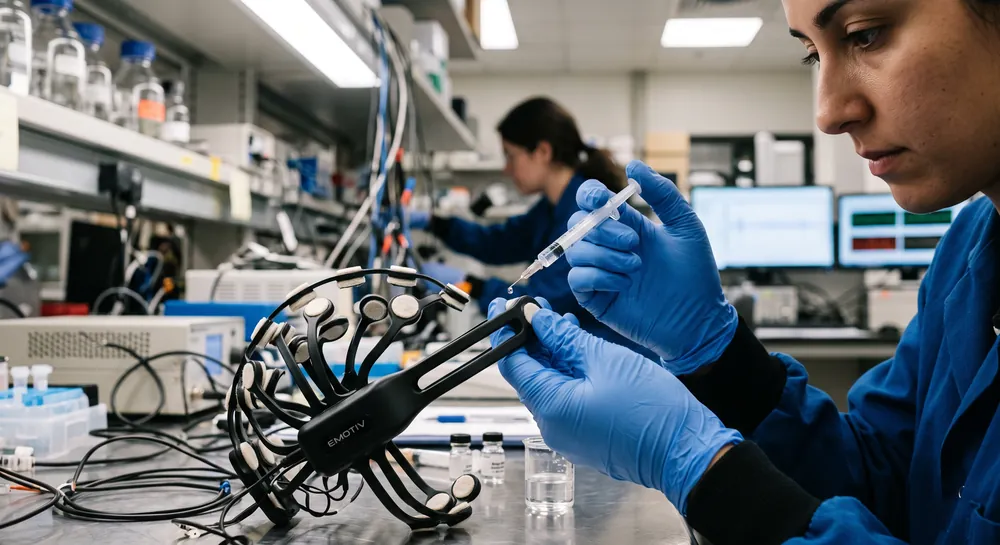
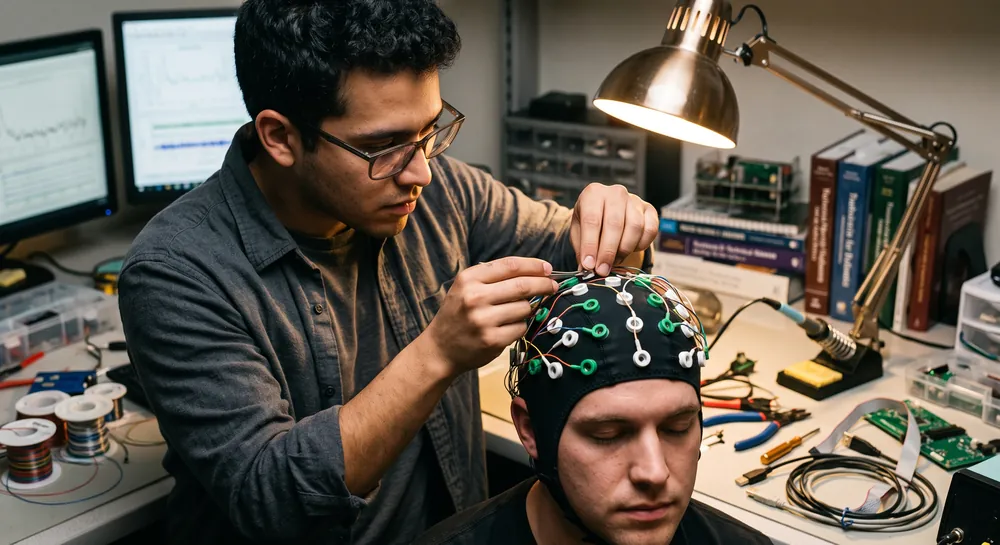
Research into dyslexia continues to evolve, with neuroimaging playing an increasingly important role. Techniques like fMRI (functional Magnetic Resonance Imaging) and EEG (Electroencephalography) allow scientists to observe brain activity as individuals engage in reading-related tasks. This helps in understanding the neural differences associated with dyslexia and how interventions might impact brain health.
Future research is likely to focus on:
Early Identification: Developing more precise methods for identifying dyslexia in very young children, even before they begin formal reading instruction.
Personalized Interventions: Using neurobiological and cognitive data to tailor interventions to the specific needs of each individual.
Understanding Comorbidities: Investigating the relationship between dyslexia and other learning or attention differences.
Longitudinal Studies: Tracking people over time to better understand the long-term effects of dyslexia and the effectiveness of various interventions.
How Can We Better Understand and Support Individuals With Dyslexia?
Dyslexia is a common learning difference that affects reading and spelling. It's not about intelligence since people with dyslexia often have strong abilities in other areas.
While it can't be cured, early identification and the right teaching methods make a big difference. Support systems, whether in school or at home, are key to helping individuals with dyslexia succeed. By understanding dyslexia better, we can create environments where everyone has the chance to learn and thrive.
Frequently Asked Questions
What is dyslexia?
Dyslexia is a learning disability that mainly affects a person's ability to read, write, and spell. It is not related to intelligence and can affect people throughout their lives.
What causes dyslexia?
Dyslexia is caused by a mix of genetic and environmental factors. It often runs in families and is linked to differences in how the brain processes language.
How do I know if someone has dyslexia?
Signs of dyslexia include trouble reading, slow reading, poor spelling, and difficulty understanding written words. These signs can show up in young children or adults.
Can adults have dyslexia?
Yes, adults can have dyslexia. Some may not realize they have it until later in life. Adults with dyslexia may read slowly, have trouble with spelling, or find it hard to learn new languages.
How is dyslexia diagnosed?
Dyslexia is diagnosed through a series of tests that check reading, memory, spelling, and sometimes vision. A trained professional, like a psychologist or a specialist in learning disabilities, can make the diagnosis.
Is there a cure for dyslexia?
There is no cure for dyslexia, but with the right support and teaching methods, people with dyslexia can learn to manage their difficulties and succeed in school and work.
Does dyslexia affect only reading?
No, dyslexia can also affect writing, spelling, and sometimes speaking. Some people with dyslexia may have trouble remembering words or following spoken instructions.
Can dyslexia be prevented?
Dyslexia cannot be prevented because it is mostly genetic. However, early identification and support can help reduce its impact.
Emotiv is a neurotechnology leader helping advance neuroscience research through accessible EEG and brain data tools.
Medical Disclaimer: The information provided on this website is for educational and informational purposes only and is not intended as medical or health advice. This content may contain errors and should not be relied upon to make life-altering health, medical, or lifestyle choices. Always seek the advice of your physician or other qualified health provider with any questions you may have regarding a medical condition or treatment.
Christian Burgos