Dealing with anxiety can feel like a constant battle, especially when it seems to pop up without warning. It's easy to get caught in a cycle of reacting to anxious feelings, which often makes them worse.
But what if you could shift from just coping to actively managing it? This guide explores how to build a personal strategy to handle anxiety, moving you from a reactive state to a more proactive approach.
We'll break down how to understand your own anxiety, create a system to respond to it, build a support network, and put it all into practice.
How Can I Move from Reactive Coping to a Proactive Anxiety Strategy?
When anxiety strikes, the natural inclination is often to react. This might mean trying to push the feelings away, avoiding situations that seem to trigger them, or simply enduring the discomfort until it passes.
While these reactive measures can offer temporary relief, they often do little to address the underlying patterns that fuel anxiety. A more effective approach involves shifting from this reactive mode to a proactive strategy.
This means anticipating potential challenges and building a robust system of support and self-care that can be put into place before anxiety reaches a crisis point.
Why Is an Action Plan the Best Defense Against Anxiety Spirals?
Anxiety can sometimes feel like a runaway train, picking up speed and momentum until it feels impossible to stop. An action plan acts as a set of tracks and a reliable braking system.
By identifying personal warning signs, understanding triggers, and having a pre-defined set of responses, people can interrupt the escalation of anxious thoughts and feelings. This structured approach helps to regain a sense of control, reducing the likelihood of spiraling into more intense distress.
What Do I Need to Start a Proactive Anxiety Management Plan?
To begin building a proactive strategy, a few key components are helpful:
Self-Awareness: A willingness to observe your own thoughts, feelings, and physical sensations without immediate judgment. This includes recognizing what situations tend to precede anxious feelings and how anxiety typically manifests for you.
Information Gathering: Keeping a journal or using a note-taking app can be beneficial for tracking anxiety patterns, identifying triggers, and noting which coping mechanisms have been effective or ineffective in the past.
Resource Identification: Knowing who or what can provide support. This might include trusted friends, family members, mental health professionals, or even specific relaxation techniques and activities that promote mental well-being.
Time Commitment: Dedicating regular time to implement preventative practices, such as mindfulness exercises, physical activity, or consistent sleep routines, is important for long-term effectiveness.
Step 1: Auditing Your Personal Anxiety Landscape
Before you can build a strategy to manage anxiety, it’s important to understand what triggers it and how it shows up for you personally.
This involves a bit of self-observation and honest reflection. Think of it like getting to know a recurring visitor – the better you know their habits, the more prepared you can be.
What Are the Early Physical and Mental Warning Signs of Anxiety?
Anxiety often sends signals before it fully takes hold. These can manifest in different ways.
Physically, you might notice a racing heart, shallow breathing, muscle tension, or a knot in your stomach. Mentally, it could appear as racing thoughts, difficulty concentrating, excessive worry, or a sense of dread. Behaviorally, you might find yourself becoming more irritable, withdrawing from others, or engaging in avoidance.
Recognizing these personal indicators is the first step in intercepting anxiety before it escalates. For instance, some people might notice a tightening in their chest, while others experience a sudden urge to check things repeatedly.
How Do I Identify My Common Anxiety Triggers and High-Risk Situations?
Triggers are the events, thoughts, or situations that tend to set off your anxiety. They can be external, like a specific social event or a deadline at work, or internal, such as a particular worry or a physical sensation. Identifying these can help you anticipate when anxiety might arise.
Common triggers can include:
Social interactions, especially meeting new people or public speaking.
Performance pressures, like work or academic tasks.
Uncertainty or lack of control.
Specific environments, such as crowded places or heights.
Physical sensations that are misinterpreted as dangerous.
How Can I Evaluate Which Coping Skills Help or Hurt My Anxiety?
Consider the ways you currently try to manage anxiety. Some methods might be helpful in the short term but can become problematic over time.
For example, avoiding situations that cause anxiety might provide immediate relief but can limit your experiences and reinforce the fear. Other strategies, like deep breathing exercises or talking to a trusted friend, might be more constructive.
It's useful to list out what you do when you feel anxious and assess their effectiveness. This evaluation helps in identifying which existing skills to build upon and which to modify or replace.
Step 2: Designing Your Three-Tiered Response System
Developing a structured approach to managing anxiety involves creating a system with multiple layers of response. This tiered system allows for tailored interventions based on the intensity of anxious feelings, moving from everyday practices to more intensive strategies when needed.
The goal is to build resilience and have readily available tools to address anxiety before it becomes overwhelming.
Tier 1: Daily Practices for Prevention and Resilience
This tier focuses on consistent, proactive habits that build a strong foundation for mental well-being and reduce the likelihood of anxiety escalating. These are practices to be integrated into daily life, much like maintaining physical health.
Regular Physical Activity: Engaging in moderate, rhythmic exercise, such as brisk walking, jogging, cycling, or swimming for 15-30 minutes several times a week, has been linked to reduced anxiety levels. Activities like yoga or tai chi can also be beneficial.
Mindfulness Exercises: Incorporating daily mindfulness practices, which involve paying attention to the present moment without judgment, can help in observing anxious thoughts and feelings. Practicing these exercises multiple times a day, especially during moments of stress or before sleep, can be helpful.
Establishing Routine: Maintaining a consistent daily schedule, including regular sleep patterns, meals, and activities, can provide a sense of predictability and control, which is often disrupted by anxiety.
Tier 2: Your Go-To Toolkit for Rising Anxiety
When signs of increasing anxiety are noticed, this tier provides a set of immediate strategies to help manage the rising feelings. These are tools to be used when the daily practices are not enough to keep anxiety at bay.
Grounding Techniques: These techniques help to anchor an individual in the present moment when thoughts are racing. Focusing on sensory experiences—what can be seen, heard, smelled, tasted, or touched—can redirect attention away from anxious thoughts. For example, noticing five things you can see, four things you can touch, three things you can hear, two things you can smell, and one thing you can taste.
Cognitive Reframing: This involves identifying anxious thoughts and challenging their validity. It includes looking for evidence that contradicts the fear, replacing negative or catastrophic thinking with more balanced or neutral thoughts, and considering proactive solutions to address the underlying concerns.
Social Connection: Reaching out to a trusted friend, family member, or support person can provide comfort and a different perspective. Verbalizing fears to a non-judgmental listener can help reduce their intensity and may lead to practical solutions.
Tier 3: The ‘Break Glass in Case of Emergency’ Plan
This tier is reserved for situations where anxiety becomes severe and significantly impairs functioning. It outlines steps to take when the strategies in Tier 1 and Tier 2 are insufficient.
Seeking Professional Support: This may involve contacting a mental health professional, such as a therapist or psychiatrist, for an appointment. For immediate, acute distress, crisis hotlines or emergency services may be necessary.
Reviewing and Implementing Prescribed Treatments: If a mental health professional has prescribed medication or recommended specific therapeutic interventions (like Cognitive Behavioral Therapy or CBT), this is the time to adhere to those plans. It is important to follow the guidance provided by healthcare providers regarding the use of any prescribed treatments.
Temporary Removal from Stressors: In some acute situations, temporarily removing oneself from a triggering environment or situation may be necessary to regain a sense of calm and safety before re-engaging with the situation with a clearer mind.
Step 3: Assembling Your Support Structure
Building a solid support system is a key part of managing anxiety. It's about knowing who to turn to and how to ask for what you need. This structure can provide comfort, perspective, and practical help when the brain condition feels overwhelming.
How Do I Choose an Anxiety Support Team and Ask for Specific Help?
Think about the people in your life who offer understanding and reliability. This might include family members, friends, partners, or even colleagues. It's helpful to identify individuals who are good listeners and can offer a non-judgmental space to talk.
When reaching out, being specific about what you need can make a big difference. Instead of a general "I'm feeling anxious," try something like, "Could we talk for a bit? I'm feeling overwhelmed by X situation," or "Would you be able to help me with Y task today? It would really ease my mind."
Close Friends: Individuals who know you well and offer emotional support.
Family Members: Relatives who provide a sense of security and understanding.
Partners: Romantic partners who can offer consistent emotional and practical assistance.
Support Groups: Groups focused on shared experiences, offering peer support and coping strategies.
How Can I Create a Hope File to Help with Difficult Anxiety Days?
A 'hope file' is a collection of positive affirmations, memories, and reminders of past successes that can be accessed during challenging times. It serves as a tangible reminder that difficult periods pass and that you have the capacity to get through them. This file can be digital or physical.
Positive Feedback: Notes or emails praising your accomplishments or character.
Happy Memories: Photos or written descriptions of joyful experiences.
Past Successes: A list of challenges you have overcome and how you did it.
Inspiring Quotes: Sayings or passages that offer comfort and motivation.
How Should I Prepare for a Medical Appointment Regarding My Anxiety?
When seeking professional help, preparation can help you make the most of your time with doctors, therapists, or counselors. Having a clear idea of your concerns and questions can lead to more productive discussions and effective treatment planning.
List Your Symptoms: Note down the physical, mental, and behavioral signs of anxiety you've been experiencing, including when they occur and their intensity.
Prepare Questions: Write down any questions you have about your condition, potential treatments, or coping strategies.
Document Your Plan: Bring notes on your current coping strategies, what has helped, and what hasn't, as well as your 'hope file' contents if relevant.
Be Honest: Share your experiences openly and honestly to allow for the most accurate assessment and tailored support.
What Are qEEG and Neurofeedback Options for Treating Chronic Anxiety?
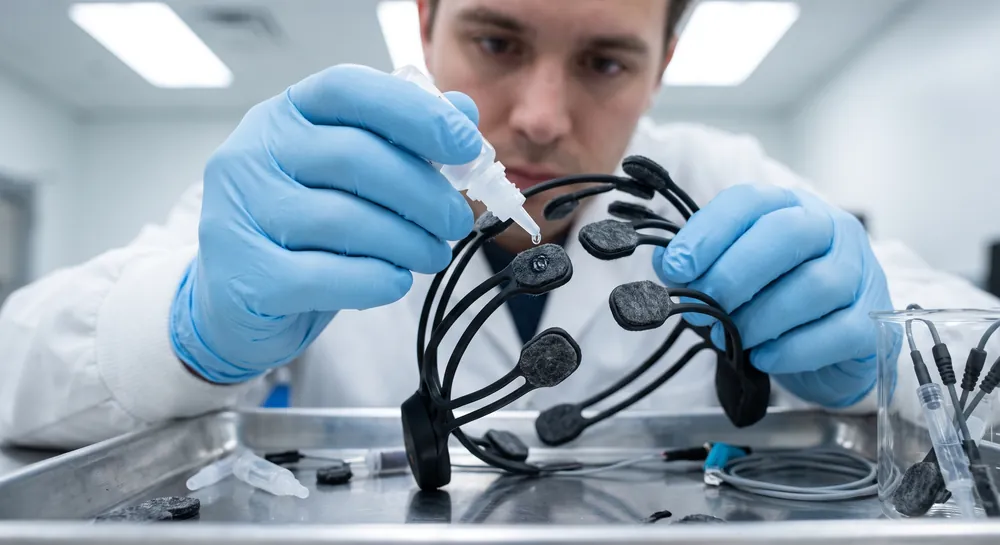
When refining a comprehensive anxiety action plan, you may choose to explore neuro-informed diagnostic and therapeutic tools with a qualified specialist. One such assessment is Quantitative Electroencephalography (qEEG), often referred to as "brain mapping."
Unlike a standard EEG which primarily looks for seizures or large-scale abnormalities, qEEG utilizes digital analysis to compare a person's brainwave patterns against a database of neurotypical activity. This data can help identify specific areas of neurological dysregulation or imbalances in brainwave frequencies (such as excessive high-frequency beta activity) that are often associated with chronic anxiety states.
Discussing a qEEG with a professional can provide an objective layer of information regarding your physiological baseline, which may help in tailoring more personalized interventions.
Building on the insights from an assessment, neurofeedback (a specialized form of biofeedback) is a training method aimed at improving self-regulation. During neurofeedback sessions, real-time brainwave activity is measured, and the person is provided with immediate visual or auditory feedback to help them learn how to shift their brain into more balanced, less anxious states.
It is critical to recognize that these are not "do-it-yourself" solutions but advanced clinical modalities that require professional oversight. As you discuss these options with your healthcare provider, keep in mind that while clinical reports are often promising, the evidence base for neurofeedback in treating anxiety is still evolving and is not yet considered a universal first-line treatment.
Step 4: Putting Your Plan into Action and Refining It
How Can I Use a Calendar to Schedule Daily Anxiety Prevention Habits?
Implementing your proactive anxiety management plan involves integrating specific practices into your regular routine.
Scheduling these activities, particularly those in Tier 1 (daily practices for prevention and resilience), is key to their effectiveness. Think of your calendar not just as a tool for appointments, but as a framework for building mental well-being.
By dedicating specific times for activities like mindfulness exercises, physical activity, or journaling, you create a consistent structure that supports ongoing resilience.
Consider these points when scheduling:
Consistency over Intensity: Shorter, regular sessions are often more beneficial than infrequent, long ones. Aim for daily engagement, even if it's just for a few minutes.
Anchor to Existing Habits: Link new practices to established routines. For example, a brief breathing exercise could follow your morning coffee, or a short walk could be scheduled after work.
Flexibility: While scheduling is important, allow for some flexibility. Life happens, and missing a session doesn't mean the plan has failed. Simply adjust and resume as soon as possible.
Regular engagement with these preventative measures can significantly reduce the frequency and intensity of anxiety symptoms over time.
What Should I Do to Adjust My Anxiety Management Plan After a Setback?
Experiencing a setback, such as a period of increased anxiety or difficulty adhering to your plan, is a normal part of the process. Instead of viewing these moments as failures, they can be seen as opportunities for learning and refinement. The goal is not to achieve perfect adherence, but to build a sustainable and adaptable strategy.
When a setback occurs, consider the following steps:
Acknowledge Without Judgment: Recognize that the setback has happened. Avoid self-criticism, which can exacerbate anxiety. Simply note what occurred.
Review Your Plan: Look back at your three-tiered response system. Was there a specific trigger that wasn't anticipated? Were the chosen coping skills less effective in this instance?
Identify Learning Points: What can be learned from the experience? Perhaps a Tier 2 or Tier 3 intervention was needed sooner, or a particular Tier 1 practice requires modification.
Make Specific Adjustments: Based on your review, modify your plan. This might involve adding a new coping skill to your toolkit, adjusting the frequency of a practice, or refining how you identify early warning signs.
Re-engage with Your Plan: Return to your scheduled practices and interventions. The act of resuming your strategy can itself be a powerful step in regaining a sense of control and confidence.
How Can I Move Forward with Confidence in Managing My Anxiety?
The strategies discussed, from identifying triggers and practicing mindfulness to seeking support and adopting healthy habits, offer a robust toolkit for managing anxious feelings.
Remember that consistent effort is key, and progress may not always be linear. By applying these evidence-based techniques and knowing when to seek professional guidance, you can build resilience and navigate life's challenges with greater calm and self-assurance.
Frequently Asked Questions
Why do I get anxious?
Anxiety can happen for many reasons. Sometimes it's because of a specific event, like a test or a big change. Other times, it might feel like it comes out of nowhere. Your brain might be trying to predict what could go wrong when it doesn't have enough information.
What are the signs that I'm feeling anxious?
Anxiety can show up in different ways. You might feel restless, have trouble sleeping, feel a racing heart, or have tense muscles. Sometimes, you might also notice changes in your thoughts, like worrying a lot or finding it hard to focus.
How can I stop feeling anxious right now?
When anxiety hits, try focusing on your senses to stay in the present. Notice what you see, hear, smell, taste, or touch. Deep breathing exercises, like breathing in slowly for a count of five and out for eight, can also help calm you down quickly.
How can exercise help with anxiety?
Moving your body regularly can make a big difference. Exercise helps lower stress, improve your mood, and can even interrupt those worries that keep going around in your head. It doesn't have to be intense; even a walk can help.
Should I avoid things that make me anxious?
While it's natural to want to avoid things that cause anxiety, it's often more helpful to face them gradually. Avoiding situations can make anxiety worse over time. Small steps to face your fears can help you feel more in control.
How can talking to someone help with anxiety?
Reaching out to a trusted friend, family member, or therapist can be very helpful. Talking about your worries can give you a new perspective and help you feel less alone. A good listener can offer support without judgment.
When should I consider getting professional help for anxiety?
If anxiety is making it hard to do your daily tasks, affecting your relationships, or causing you a lot of distress, it's a good idea to seek help. A doctor or therapist can help you understand your anxiety and find the best ways to manage it.
What is a 'proactive strategy' for dealing with anxiety?
A proactive strategy means preparing for anxiety before it becomes overwhelming. This involves understanding your anxiety, identifying triggers, building healthy habits, and having a plan in place for when you start to feel anxious, rather than just reacting when it happens.
Emotiv is a neurotechnology leader helping advance neuroscience research through accessible EEG and brain data tools.
Medical Disclaimer: The information provided on this website is for educational and informational purposes only and is not intended as medical or health advice. This content may contain errors and should not be relied upon to make life-altering health, medical, or lifestyle choices. Always seek the advice of your physician or other qualified health provider with any questions you may have regarding a medical condition or treatment.
Christian Burgos