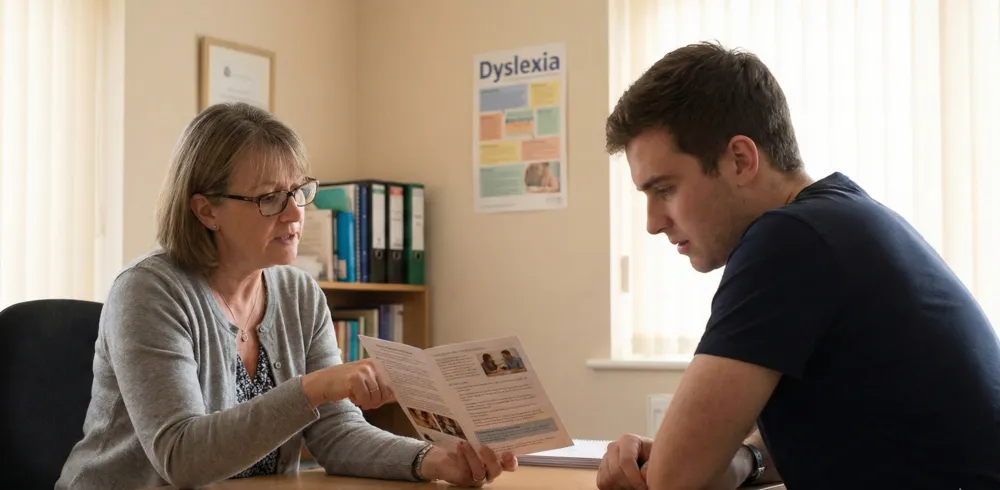
Dyslexia treatment focuses on helping people improve their reading and language skills. Different approaches work for different people, and understanding these options is key to finding the right support.
This article looks at various ways dyslexia treatment is approached, from direct instruction to using technology, and how parents and educators play a part.
What Are the Most Common Approaches to Dyslexia Treatment?
Dyslexia is a learning difference that primarily affects reading and language skills. It's not a reflection of intelligence, and there are no medications that can treat it directly.
Instead, effective approaches focus on building foundational reading abilities through specialized instruction. These methods aim to help individuals develop the skills needed to decode words, understand language, and improve overall literacy.
Why Are Phonics-Based Interventions Considered the Cornerstone of Dyslexia Treatment?
Phonics-based interventions are widely considered the most effective way to help people with dyslexia learn to read.
These approaches focus on the relationship between letters and sounds, a skill known as phonics. The goal is to teach them how to connect sounds to letters, blend sounds together to form words, and break words down into their component sounds.
This process, often referred to as decoding, is fundamental to reading. Instruction is typically direct, explicit, and systematic, breaking down complex reading skills into manageable steps.
Key components often include:
Phonological Awareness: Developing the ability to recognize and manipulate the sounds within spoken words, such as rhyming and identifying syllables.
Phonics: Learning the sound-symbol correspondences for letters and letter combinations.
Decoding: Using phonics knowledge to sound out unfamiliar words.
Encoding (Spelling): Applying phonics knowledge to spell words.
Fluency: Reading text accurately and at an appropriate pace.
Vocabulary: Understanding the meaning of words.
Reading Comprehension: Understanding the meaning of what is read.
How Do Multisensory Learning Techniques Support People With Dyslexia?
Multisensory structured language education (MSLE) is a highly regarded approach that engages multiple senses simultaneously to aid learning. This method recognizes that a person with dyslexia often benefits from learning through seeing, hearing, touching, and moving. By involving different sensory pathways, MSLE aims to create stronger memory connections and improve the retention of language and reading skills.
Examples of multisensory techniques include:
Tracing letters in sand or on textured surfaces while saying their corresponding sounds.
Using colored blocks or tiles to represent sounds or syllables in words.
Tapping out syllables or sounds on a desk or with fingers.
Building words with letter tiles while saying the sounds.
This approach often involves a great deal of repetition and practice in various contexts to help individuals master new skills. It is typically delivered in intensive, one-on-one, or small-group settings by trained professionals.
What Role Does Assistive Technology Play in Supporting Dyslexic Learners?
Technology plays an increasingly important role in supporting people with dyslexia. Assistive technology can help bridge gaps and provide access to information and learning materials that might otherwise be challenging. These tools can be used in educational settings and at home to support reading, writing, and organization.
Common assistive technologies include:
Text-to-Speech Software: Reads digital text aloud, allowing individuals to listen to written material.
Audiobooks: Provide recorded versions of books, enabling access to literature and academic texts.
Speech-to-Text Software: Converts spoken words into written text, aiding in writing tasks.
Graphic Organizers and Digital Planners: Help with organizing thoughts, planning writing, and managing assignments.
Reading Pens: Devices that can scan text and read it aloud or provide definitions.
These tools can help reduce the cognitive load associated with reading and writing, allowing people to focus more on comprehension and content. They can also help build confidence and independence.
Can Neurofeedback and EEG Training Improve Reading Outcomes?
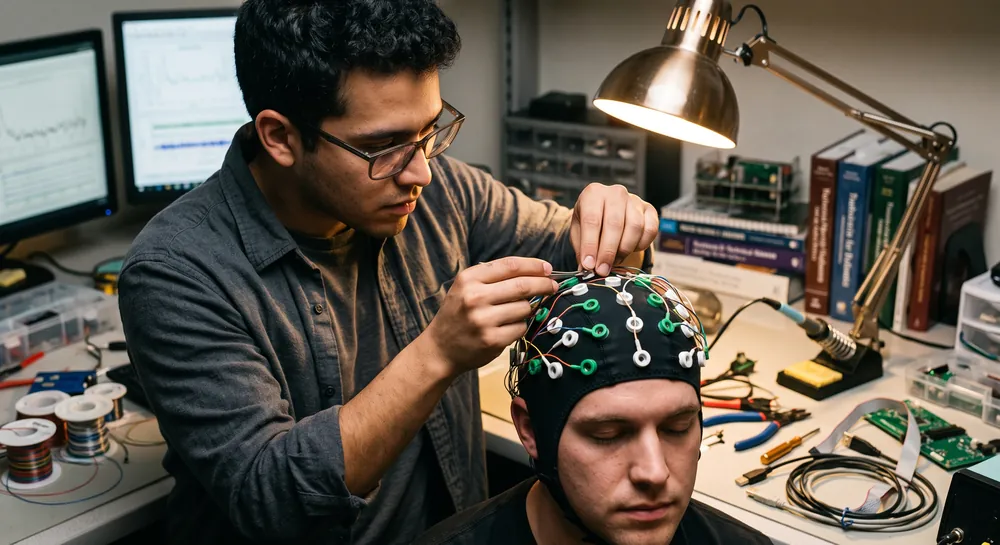
Neurofeedback, also known as EEG biofeedback, is a type of neuroscience-based training that aims to teach individuals to regulate their brainwave activity. The idea is that by learning to produce specific brainwave patterns associated with focused attention and calm, people might experience improvements in cognitive functions, including reading.
While some studies have explored the potential benefits of neurofeedback for dyslexia, the evidence is not yet conclusive. More rigorous, large-scale research is needed to establish its effectiveness as a primary treatment for dyslexia.
It is generally considered an experimental approach in this context and is not a replacement for evidence-based reading interventions like phonics and multisensory instruction.
How Does Cognitive Behavioral Therapy (CBT) Benefit People With Dyslexia?
Cognitive Behavioral Therapy (CBT) is a type of talk therapy that focuses on identifying and changing negative thought patterns and behaviors. While CBT does not directly teach reading skills, it can be highly beneficial for people with dyslexia who may experience related emotional and psychological challenges. These can include anxiety, low self-esteem, frustration, and avoidance behaviors related to reading and academic tasks.
CBT can help individuals:
Develop coping strategies for managing academic stress.
Challenge negative self-talk about their abilities.
Build confidence and resilience.
Address co-occurring conditions like anxiety or depression.
By improving emotional well-being, brain health, and self-perception, CBT can indirectly support a person's engagement with and success in dyslexia treatment programs.
How Is Dyslexia Treatment Tailored to Individual Needs?
It's really important to remember that dyslexia isn't a one-size-fits-all kind of thing. What works wonders for one person might not be the best fit for another.
That's why figuring out the right approach is so key. It's all about looking at the specific challenges and strengths someone has.
What Are the Key Differences Between Early Intervention and Adult Dyslexia Treatment?
For younger kids, the focus is often on building foundational reading skills from the ground up. Think of programs designed to really nail down things like letter sounds, how to blend those sounds together, and understanding the structure of words. These early interventions aim to catch difficulties early and provide direct, structured instruction.
Early Intervention Programs: Often use multisensory techniques and activities like tracing letters in sand or tapping out syllables.
Focus on Foundational Skills: Early programs heavily emphasize phonological awareness and phonics.
Structured and Sequential: The learning is typically broken down into small, manageable steps, building complexity over time.
For adults, the situation can be a bit different. While the core reading challenges might be the same, adults often have developed coping strategies over years.
Treatment might focus more on refining existing skills, improving reading efficiency, and using assistive technologies to manage reading demands in work or daily life. It's less about building from scratch and more about targeted skill development and compensatory strategies.
Adult Treatment Focus: May include advanced phonics, vocabulary building, and strategies for improving reading speed and comprehension.
Assistive Technology: Adults often benefit greatly from tools like text-to-speech software, audiobooks, and specialized reading apps.
Addressing Emotional Impact: Treatment might also involve addressing any anxiety or self-consciousness that has developed around reading difficulties over time.
What Is the Role of Parents, Educators, and Specialists in Dyslexia Support?
What Is Executive Function Coaching and How Does It Support Dyslexic Learners?
Many individuals with dyslexia also face challenges with executive functions. These are the mental processes that help us plan, organize, manage time, and regulate our emotions.
For example, a student might struggle to break down a large assignment into smaller, manageable steps, or have difficulty remembering instructions. Executive function coaching focuses on developing strategies to address these specific difficulties. This can involve teaching organizational skills, time management techniques, and methods for improving focus and attention.
The objective is to equip them with the tools they need to succeed academically and in daily life, complementing direct reading instruction.
How Is Dyslexia Managed in Multilingual and ESL Learners?
Supporting multilingual learners with dyslexia requires a nuanced approach. While the core challenges of dyslexia remain the same – difficulties with phonological processing, decoding, and fluency – the added layer of learning a new language can present unique hurdles.
Instruction should be sensitive to the learner's linguistic background, building upon existing language knowledge. Specialists may need to explicitly teach phonemic awareness in the target language, while also considering the learner's first language.
It's important to differentiate between difficulties arising from dyslexia and those related to second language acquisition. A collaborative effort between language specialists, reading specialists, and classroom teachers is often beneficial.
What Is Project-Based Therapy and How Does It Leverage Creative Strengths?
Dyslexia is not solely about reading challenges; it is often accompanied by significant strengths, particularly in areas of creativity, problem-solving, and visual-spatial thinking. Project-based therapy aims to tap into these strengths.
Instead of solely focusing on remediation, this approach uses engaging, hands-on projects that allow individuals to demonstrate their understanding and skills in ways that play to their natural talents.
For instance, a student might create a visual presentation, build a model, or develop a multimedia project to demonstrate knowledge of a topic, rather than writing a traditional essay. This can boost confidence and motivation, showing that dyslexia does not limit potential, but rather requires different pathways for learning and expression.
What Are the Key Components of Successful Long-Term Dyslexia Support?
While dyslexia presents unique challenges, it is far from an insurmountable obstacle. The key lies in early identification and the implementation of evidence-based interventions. Structured, multisensory language education has proven effective in building foundational reading and language skills.
It's important to remember that dyslexia is a language-based learning difference, not an indicator of intelligence. With the right support, including specialized instruction, accommodations in educational settings, and assistive technologies, people with dyslexia can not only succeed academically but also thrive.
Open communication, understanding, and a commitment to tailored strategies are vital for empowering individuals with dyslexia to reach their full potential.
Frequently Asked Questions
What is dyslexia and how does it affect reading?
Dyslexia is a learning difference that primarily affects reading and language skills. It happens when the parts of the brain that handle language and reading work a bit differently. This can make it hard to connect letters with sounds, understand word parts, and read smoothly. It's not about intelligence; many people with dyslexia are very bright.
Can dyslexia be cured?
Dyslexia is a lifelong condition, so it cannot be 'cured' in the way a cold can be. However, with the right support and teaching methods, individuals with dyslexia can significantly improve their reading and writing abilities and learn to manage their challenges effectively.
What are the most effective ways to treat dyslexia?
The most effective treatments involve specialized, direct instruction in reading. This often includes phonics-based programs and multisensory learning techniques that use sight, sound, touch, and movement to help connect language to words. Early intervention is key, but effective strategies exist for all ages.
What is phonics-based instruction?
Phonics-based instruction focuses on teaching the relationship between letters and sounds. It helps individuals learn to sound out words, blend sounds together to form words, and recognize patterns in words. This is a fundamental part of learning to read and is a cornerstone of dyslexia treatment.
What are multisensory learning techniques?
Multisensory learning uses multiple senses—seeing, hearing, touching, and moving—to teach new information. For dyslexia, this might involve tracing letters in sand, using colored blocks to represent sounds, or tapping out syllables. This approach helps create stronger connections in the brain for learning.
Can technology help with dyslexia?
Yes, technology can be a great help. Tools like text-to-speech software (which reads text aloud), speech-to-text software (which writes what you speak), audiobooks, and specialized reading apps can make learning more accessible and less frustrating.
What is the role of parents in dyslexia treatment?
Parents play a crucial role by understanding dyslexia, advocating for their child's needs at school, providing a supportive home environment, and encouraging their child. They can also work with specialists and help their child practice learned skills.
How does dyslexia affect adults?
Adults with dyslexia may struggle with reading, writing, and spelling in their work or daily life. They might read slowly, have difficulty with long texts, or struggle with organization. However, adults can also benefit from specialized instruction and assistive technologies to improve their skills and manage challenges.
Can dyslexia occur in people who speak more than one language?
Yes, dyslexia can affect individuals who are multilingual or learning English as a second language. Treatment approaches need to consider the individual's language background, and specialized instruction can help them develop literacy skills in all their languages.
Are there any medications for dyslexia?
No, there are no medications specifically designed to treat dyslexia. Dyslexia is a language-based learning difference, and treatment focuses on educational interventions and strategies, not medication.
Emotiv is a neurotechnology leader helping advance neuroscience research through accessible EEG and brain data tools.
Medical Disclaimer: The information provided on this website is for educational and informational purposes only and is not intended as medical or health advice. This content may contain errors and should not be relied upon to make life-altering health, medical, or lifestyle choices. Always seek the advice of your physician or other qualified health provider with any questions you may have regarding a medical condition or treatment.
Christian Burgos