Live EEG Brain Mapping Software: A Full Comparison
Doung Tran
Updated on
Dec 1, 2025
Live EEG Brain Mapping Software: A Full Comparison
Doung Tran
Updated on
Dec 1, 2025
Live EEG Brain Mapping Software: A Full Comparison
Doung Tran
Updated on
Dec 1, 2025
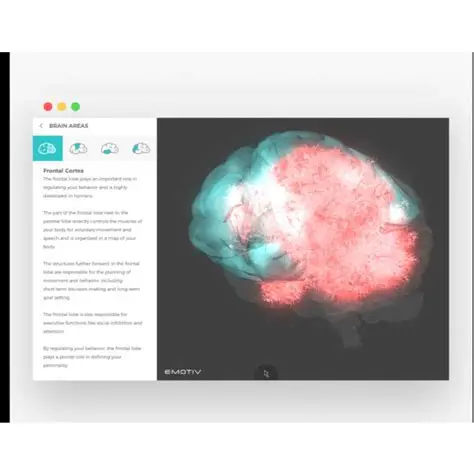
Think of your brain’s activity as a complex weather system, with storms of focus, calm breezes of relaxation, and shifting fronts of engagement. Without the right tools, you’re just guessing what’s happening. Live EEG brain mapping software acts as your personal meteorological station for the mind. It provides a real-time, visual forecast of your neural landscape, translating electrical signals into intuitive heat maps and 3D models. This allows you to see exactly which regions are active from moment to moment. This guide will walk you through the best software options available, helping you choose the right platform to interpret these patterns for your research or personal projects.
Key Takeaways
See brain activity as it happens: Live EEG software is the bridge between your headset and your screen, turning complex electrical signals from your brain into clear, real-time visuals like heat maps and 3D models.
Match the software’s features to your project’s needs: The best platform for you depends on your goals. A researcher requires deep analytical tools, a developer needs a flexible API, and someone exploring cognitive wellness benefits from an intuitive, feedback-driven interface.
Ensure your hardware and software work together: Your EEG headset and mapping software form a single system. Always check for compatibility to ensure they can communicate effectively, as this is crucial for gathering reliable and accurate brain data.
What is Live EEG Brain Mapping Software?
At its core, live EEG brain mapping software is a tool that translates the electrical signals from your brain into a visual format you can see and analyze in real time. Think of it as a window into the brain’s activity. When you wear an EEG headset, it picks up tiny electrical impulses generated by your neurons. The software then processes this raw data and displays it as colorful brain maps, graphs, or 3D models. This allows you to see which areas of the brain are active from moment to moment.
This technology isn’t just about creating interesting visuals; it’s about making complex brain data understandable. Instead of looking at lines of code or raw numbers, researchers, developers, and wellness enthusiasts can get an immediate, intuitive picture of brain function. Whether you’re conducting a study, building a brain-computer interface, or exploring your own cognitive patterns, this software is what turns electrical signals into meaningful insights. It’s the bridge between the EEG hardware collecting the data and the person trying to make sense of it all.
See brain activity as it happens
The “live” part of live EEG brain mapping is what makes it so powerful. This software is designed for real-time visualization, meaning you can see brain activity almost the instant it occurs. Some systems can update the display with such minimal delay—as little as 30 milliseconds—that the feedback feels immediate. This capability is crucial for applications where timing is everything. For example, in neurofeedback, a user needs to see how their mental state is changing right away to learn how to adjust it. This instant feedback loop is also invaluable for researchers who want to observe the brain’s direct response to a specific stimulus, like a sound or an image.
How it’s used for research and clinical work
For professionals, EEG software is an essential tool for analyzing patterns in brain activity. It helps doctors and researchers examine EEG data to understand how the brain responds to different tasks or stimuli. The software can identify and display various brainwave patterns, such as the Alpha waves associated with a relaxed state or the Beta waves linked to active focus. By transforming these complex brain signals into actionable insights, the software becomes a key component in academic research and cognitive assessments. It provides a clearer picture of what’s happening inside the brain, which can inform everything from therapeutic approaches to user experience studies.
What you need to connect hardware and software
Live EEG brain mapping software doesn’t work on its own; it needs to be paired with compatible EEG hardware. Think of them as two halves of a whole system. The headset captures the brain signals, and the software interprets and displays them. It’s important to know that not all software works with all hardware. Some software platforms are designed to work exclusively with specific devices. For example, our EmotivPRO platform is built to integrate seamlessly with Emotiv headsets, ensuring the hardware and software communicate perfectly for accurate data capture and analysis. This integration is key to getting reliable and high-quality results from your EEG setup.
A Look at the Top Live EEG Brain Mapping Software
Choosing the right software is just as important as picking your hardware. The best platform for you really depends on what you want to accomplish, whether that’s conducting academic research, running a clinical practice, or just exploring brain data for the first time. To help you get a feel for what’s out there, I’ve put together a look at some of the top live EEG brain mapping software options available today.
Emotiv EmotivPRO: Our platform for professional EEG analysis
EmotivPRO is our software solution designed for robust EEG analysis and data visualization. It gives you a clear, real-time stream of brain data, including raw EEG, performance metrics like focus and engagement, and frequency band information. We built it with an intuitive interface so you can spend less time figuring out the software and more time on your research. It’s a versatile tool used across many fields, from academic studies to neuromarketing analysis. You can record data, insert event markers with precise timing, and view it all as it happens. For anyone who needs reliable, high-resolution data for professional applications, EmotivPRO provides a comprehensive and user-friendly platform.
BrainMaster BrainAvatar 4.0: An advanced neurofeedback software
BrainMaster’s BrainAvatar 4.0 is a specialized tool focused on neurofeedback applications. It’s designed for clinicians and researchers who need to conduct brain assessments and guide training sessions. One of its standout features is the live sLORETA projection, which provides a real-time 3D source localization of brain activity. This helps practitioners see exactly where brain activity is originating from during a session. The software is built to be a comprehensive system for neurofeedback, offering a suite of tools for everything from initial assessment to creating detailed training protocols. For professionals in the neurofeedback field, BrainAvatar offers a powerful platform for their work.
EEGLAB: A free, open-source toolkit for analysis
For academic researchers, EEGLAB is a popular and powerful choice, largely because it’s a free, open-source toolbox. It runs on MATLAB and provides a graphical user interface that makes complex EEG analysis more accessible. EEGLAB is particularly well-known for its advanced data processing techniques, including Independent Component Analysis (ICA), which is excellent for separating brain signals from artifacts like eye blinks or muscle noise. Because it’s open-source, it has a large community of users and developers who contribute plugins and offer support. If you’re comfortable working within the MATLAB environment and need a flexible, no-cost solution for deep EEG data analysis, EEGLAB is an industry standard.
BrainView EEG Pro: A software for clinical diagnostics
BrainView EEG Pro is a software platform specifically created for clinical diagnostic work. It’s used by healthcare professionals to analyze EEG data for neurological assessments. What makes it particularly suited for clinical settings is its ability to integrate with other medical imaging. For instance, you can import a patient’s MRI or CT scans to create a highly accurate 3D model of their head. This allows for precise localization of brain activity, which is critical for diagnostics. The software provides a suite of tools designed to support the entire clinical workflow, from data acquisition to generating reports. For medical professionals who need a detailed and integrated system for EEG analysis, BrainView offers a comprehensive solution.
NeuroSky EEG Analytics: A consumer-grade brain mapping tool
If you’re just starting your journey with EEG or are looking for a tool for educational purposes, NeuroSky’s software is a great entry point. It’s designed to be accessible and easy to use, making it a popular choice for students, developers, and hobbyists. The software provides basic brain mapping capabilities that allow you to see brainwave patterns in a simplified format. While it may not have the deep analytical features of professional research software, it excels at making EEG technology understandable to a broader audience. It’s an excellent tool for learning the fundamentals of brain activity or for building simple brain-computer interface projects. NeuroSky helps demystify EEG for personal and educational exploration.
What to Look For in EEG Brain Mapping Software
When you start looking at EEG brain mapping software, you’ll quickly realize there’s a huge range of options out there. The key is to find a platform that matches your specific needs, whether you’re conducting formal research, developing a BCI application, or exploring your own cognitive performance. Some software offers basic, real-time visualizations, while others provide a full suite of advanced analytical tools. The right choice for you will have the features you need without being overly complicated.
To help you sort through the options, I’ve broken down the most important features to look for. Think about which of these are ‘must-haves’ for your project and which are ‘nice-to-haves.’ This will help you find a solution that gives you the power to turn raw brainwave data into clear, actionable insights. From seeing live data streams and 3D brain models to having robust tools for data cleanup and analysis, each feature serves a distinct purpose. For some, security and compliance will be non-negotiable, while for others, the ability to provide live neurofeedback is the main goal. Let’s walk through what each of these features means in practice.
Live data processing and visuals
The most fundamental feature of any EEG software is the ability to see the brain’s electrical activity in real time. Good software will let you see these brainwave signals clearly through clean data visualization. This means you can watch the raw EEG data stream from each sensor as it’s being recorded. It should also include tools for artifact removal to help you filter out unwanted ‘noise’ from things like blinks or muscle movements, which can distort the signal. Our EmotivPRO platform, for example, allows you to view live data streams and apply filters on the fly, ensuring you start your analysis with the cleanest possible data from the get-go.
3D brain models and topographic maps
While raw data streams are essential, visualizing where the activity is happening is just as important. Look for software that can generate 3D brain models and topographic maps, which are often called heat maps. These tools create a visual representation of brain activity across the surface of the head, showing you which areas are more active at any given moment. Some advanced platforms can even create detailed 3D models using a person’s own MRI scans to pinpoint brain activity more accurately. This kind of spatial information is incredibly valuable for neuromarketing studies and for researchers trying to understand the brain’s response to different stimuli.
Tools for analysis and cleaning up data
Once you’ve collected your data, you need the right tools to make sense of it. Your software should be able to handle all the essential steps of EEG data analysis, from cleaning it up with digital filters to figuring out where the brain activity comes from using source analysis. Filtering allows you to isolate specific brainwave frequencies, like alpha or beta waves, which are linked to different mental states. More advanced analysis can help you understand connectivity between different brain regions. These features are non-negotiable for anyone conducting serious academic research and education, as they are what transform raw signals into meaningful scientific findings.
Security and HIPAA compliance
Brain data is some of the most personal information that exists, so security is paramount. If you’re working in a clinical setting or conducting research with human participants, your software must meet strict privacy standards. Look for platforms with strong security features, including user access controls, data encryption, and detailed audit logs to meet regulations like HIPAA. These measures ensure that data is protected, access is restricted to authorized personnel, and there’s a record of who has accessed the data and when. This isn’t just a ‘nice-to-have’ feature; for many professional applications, it’s a legal and ethical requirement.
Live feedback for neurofeedback training
For many applications, the goal isn’t just to observe brain activity but to influence it. This is where live feedback comes in. This feature makes neurofeedback much more visual and immediate, almost like watching a ‘live movie’ of the brain. The software translates brainwave patterns into real-time audio or visual cues. For example, you might see a bar on the screen rise as your focus deepens. This immediate feedback loop is the foundation of neurofeedback training and is essential for anyone working with cognitive wellness tools or developing a brain-computer interface where a user learns to control something with their brain signals.
Which EEG Hardware Works Best with Brain Mapping Software?
Your brain mapping software is only as good as the data you feed it. That’s why pairing it with the right EEG hardware is so important. The headset you choose will influence everything from the detail of your brain maps to the types of experiments you can run. Think about your specific goals: are you conducting in-depth academic research, developing a BCI application, or exploring cognitive wellness tools? The answer will guide you to the perfect hardware for your setup. Let’s walk through the key factors to consider.
Choosing between 2-channel and multi-channel systems
The number of channels on your EEG headset determines how much data you can collect from different brain regions. A 2-channel system, like our MN8 earbuds, is incredibly accessible and great for applications focused on specific brain responses. For more comprehensive brain mapping, you’ll want a multi-channel system. Devices like our 14-channel Epoc X or 32-channel Flex headsets provide higher spatial resolution, allowing you to create more detailed topographic maps of brain activity. The more channels you have, the more granular your insights can be, which is often essential for complex academic research.
Dry electrodes or gel-based headsets?
This choice comes down to a trade-off between convenience and signal fidelity. Gel-based headsets, like our Flex Gel system, use a conductive gel to create a strong connection with the scalp. This typically results in a very clean, high-quality signal, which is why they’re a staple in many clinical and lab settings. On the other hand, dry electrode systems are all about speed and ease of use. You can set up a headset like our Insight or Epoc X in minutes without any messy gels. This portability makes them perfect for studies in real-world environments or for anyone who needs a quick and easy setup.
What to know about wireless connectivity and sampling rates
When you’re studying brain activity during dynamic tasks, the last thing you want is to be tethered to a computer. Wireless connectivity gives you and your research participants the freedom to move, making it possible to study the brain in more natural settings. Another key spec is the sampling rate, which is how many times per second the headset measures brain activity. A higher sampling rate captures fast-changing brain signals with greater accuracy. Our headsets are wireless and offer high sampling rates, ensuring you can collect quality data for your developer projects or research without being tied down.
How Emotiv hardware pairs with mapping software
We designed our hardware and software to work together seamlessly. When you pair an Emotiv headset with our EmotivPRO software, you can visualize and analyze EEG data streams in real time. This integration makes it simple to go from data acquisition to actionable insights, whether you’re looking at live brain maps or reviewing recorded data. While our ecosystem is built for synergy, our hardware is also compatible with a variety of third-party analysis tools, giving you the flexibility to work with the software that best fits your project’s needs.
How Much Does Live EEG Brain Mapping Software Cost?
The cost of live EEG brain mapping software can vary widely, from completely free to tens of thousands of dollars. The right choice for you really depends on your project’s scope, your technical comfort level, and your budget. You can find powerful tools without spending a dime, but paid platforms often provide a more streamlined experience, dedicated support, and advanced features that are worth the investment for professional applications. It’s not just about the price tag; it’s about finding a solution that matches the complexity of your work and the level of support you’ll need along the way. Whether you’re a student running your first experiment, a developer building a BCI application, or a seasoned researcher conducting a large-scale study, there’s a software option out there for you. Understanding the landscape of free, entry-level, and professional-grade tools will help you allocate your resources effectively.
Exploring free and open-source options
If you’re just starting out, working with a limited budget, or love to customize your tools, the open-source community has you covered. There are several powerful, free software options available that are maintained by a global community of developers and researchers. For instance, open-source EEG analysis tools like MNE-Python and Brainstorm are popular choices in academic circles for their extensive analysis capabilities. The trade-off is that they often require more technical expertise to set up and use. You’ll be relying on community forums for support, which can be a steeper learning curve than a commercial product with a dedicated help desk.
What to expect for entry-level pricing
For those who need more support and a user-friendly interface than open-source tools typically provide, entry-level commercial software is a great next step. These platforms are often designed for smaller research labs, educational institutions, or developers who need a reliable tool without the complexity of a high-end clinical system. Prices for these solutions can range from a few hundred to a couple of thousand dollars. This investment usually gets you a polished user interface, direct customer support, and straightforward workflows for common tasks like data recording and basic analysis, making it much easier to get your project off the ground.
The cost of professional-grade solutions
When your work demands advanced analytical features, real-time processing, and robust support, you’ll want to look at professional-grade solutions. These platforms are built for demanding research, neuromarketing studies, and brain-computer interface development. The price for this tier can range from around $5,000 to well over $100,000 for highly specialized clinical systems. Our EmotivPRO platform fits into this category, providing researchers and professionals with high-resolution data visualization, event marking, and advanced analysis tools. The higher cost reflects the sophisticated algorithms, dedicated support, and continuous development that go into these powerful platforms.
Subscription vs. one-time purchase models
As you compare software, you’ll notice two main pricing structures: subscription-based and one-time perpetual licenses. A subscription model, which is what we use for EmotivPRO, involves a recurring monthly or annual fee. The benefit here is that you get continuous access to the latest updates, new features, and ongoing technical support without any large, surprise costs. A one-time purchase involves a larger upfront payment for a license that you own forever. This can be more cost-effective in the long run, but you might have to pay extra for major version upgrades or continued support down the line.
What makes the prices different?
So why does one software cost $500 while another costs $50,000? Several factors contribute to the price difference. The complexity of the features is a major one—advanced signal processing algorithms and machine learning integrations cost more to develop and maintain. The level of customer support, the quality of the user interface, and the intended application (e.g., general research vs. clinical diagnostics) also play a huge role. As you move up in price, you’re generally paying for a more powerful, specialized, and well-supported tool, which is why it’s so important to match the software’s capabilities to your specific project needs.
What Are the Most Common Uses for Live EEG Brain Mapping?
Live EEG brain mapping software has applications that stretch across many different fields, from clinical settings to creative development. By providing a real-time window into the brain’s electrical activity, this technology offers powerful insights for researchers, developers, and clinicians alike. The ability to visualize brain activity as it happens is transforming how we approach academic studies, build next-generation interfaces, and understand consumer behavior.
Clinical diagnostics and neurological assessment
In clinical environments, EEG is a foundational neuroimaging technique used to measure the brain’s electrical patterns. This information is vital for healthcare professionals who are diagnosing and assessing various neurological conditions, including epilepsy, sleep disorders, and the effects of brain injuries. Live EEG brain mapping software allows clinicians to observe brain function in real time, helping them identify irregular patterns or activity linked to specific conditions. The immediate visual feedback provides a dynamic view of neural processes, which is a key part of a comprehensive neurological assessment.
Neurofeedback and biofeedback training
Neurofeedback is a type of biofeedback that uses real-time displays of brain activity to help individuals learn to self-regulate their brain function. Live EEG mapping software is at the heart of this process. It translates brainwaves into visual or auditory cues, essentially giving you a “live movie” of your brain’s activity. When you see how your brain responds to certain thoughts or mental states, you can learn to adjust those responses. This approach is often used in peak performance training and provides access to cognitive wellness tools that help with focus and relaxation.
Brain-computer interface development
A brain-computer interface (BCI) creates a direct communication pathway between the brain and an external device. Live EEG software is the critical component that interprets neural signals and translates them into commands a computer can understand. This technology is paving the way for incredible advancements, from helping individuals with motor disabilities control prosthetic limbs or wheelchairs to creating new forms of hands-free interaction with software and games. For developers, live mapping is essential for building and testing BCI applications that are both responsive and reliable.
Academic and cognitive studies
For researchers in psychology, neuroscience, and cognitive science, EEG offers a non-invasive way to study how the brain works. Live brain mapping is used in academic research and education to explore cognitive processes like attention, memory, learning, and decision-making. By observing brain activity while a participant performs a task, researchers can gain direct insights into the neural basis of human behavior. This real-time data is invaluable for testing hypotheses and understanding the complex dynamics of the mind as they unfold moment by moment.
Neuromarketing and consumer research
How do people really feel about an advertisement or a new product? Neuromarketing uses EEG to find out. Instead of relying solely on surveys or focus groups, this field measures consumers’ subconscious brain activity as they experience marketing materials. Live EEG mapping can reveal genuine emotional engagement, cognitive load, and attention levels that people may not be able to articulate. These insights help brands create more effective and resonant campaigns by understanding what truly captures their audience’s interest on a deeper, neurological level.
What to Expect When Using EEG Brain Mapping Software
Getting started with EEG brain mapping software is an exciting step, whether you’re conducting formal research or exploring your own cognitive processes. But like any powerful tool, there are a few things to understand before you begin. The experience can vary quite a bit depending on the software you choose and what you want to accomplish. From handling raw data to navigating the user interface, knowing what’s ahead will help you get the most out of your sessions and set you up for success from day one.
Managing data quality and artifacts
One of the first things you’ll encounter is the need to manage data quality. Your EEG headset is incredibly sensitive, picking up not just brain activity but also electrical “noise” from other sources. These are called artifacts, and they can come from blinking, clenching your jaw, or even electrical interference from nearby devices. Good software is designed to help you with this. It provides clear data visualization so you can see the signals, and includes tools for artifact removal to help you clean up the data. This ensures the patterns you’re analyzing, like Alpha or Beta waves, truly reflect brain activity.
The learning curve and training involved
Every software has a learning curve, and EEG platforms are no different. Some are built to be practical for daily use by researchers, while others might require more technical expertise. We designed our EmotivPRO software to be as intuitive as possible, but you’ll still want to familiarize yourself with the basics of EEG analysis to interpret your results correctly. Look for platforms that offer comprehensive tutorials, documentation, and an active user community. These resources are invaluable for troubleshooting issues and learning new analysis techniques, helping you move from novice to proficient user more smoothly.
What affects performance and speed
The performance of your brain mapping software—how quickly it processes and displays data—is key, especially for live applications. The goal is to see brain activity with minimal delay. Some advanced systems can display visualizations at 30 frames per second, creating a near-real-time video of brain dynamics. This speed is influenced by your computer’s processing power, the headset’s sampling rate, and the complexity of the analysis you’re running. For projects like brain-computer interfaces, low latency is critical for a responsive and interactive experience.
How user-friendly is the interface?
A clean, well-organized interface makes a world of difference. When you’re focused on complex data, you don’t want to get bogged down trying to find the right menu or setting. The best EEG software presents information clearly and makes its tools easy to access. Before committing to a platform, look at screenshots or watch demo videos to get a feel for the user experience. An intuitive design helps you work more efficiently, reduces the chance of errors, and ultimately makes the entire process of academic research or personal exploration more productive and enjoyable.
How to Choose the Right Software for Your Needs
The best EEG software isn’t a one-size-fits-all solution. The right choice comes down to what you want to accomplish. Are you running a controlled study for a university, developing a new brain-computer interface, or exploring your own cognitive patterns? Each goal requires a different set of tools. For example, a researcher needs robust data processing features to ensure their findings are valid, while a developer might prioritize a flexible API to build custom applications.
Thinking about your end goal first will help you filter through the options and find a platform that truly supports your work. To make it easier, I’ve broken down the key considerations for some of the most common applications. Whether you’re in a lab, a clinic, or your own living room, here’s what to look for in your EEG software.
For academic research
If you’re conducting academic research, your primary need is clean, reliable data. Your software must have powerful analysis capabilities to ensure your results are sound. Good software will let you see brainwave signals clearly through data visualization, remove unwanted “noise” from blinks or muscle movements with artifact removal tools, and run statistical tests to understand your data. These features are non-negotiable for producing credible work that can be published and peer-reviewed. Look for platforms like our EmotivPRO, which is designed specifically to give researchers the granular control they need to process and analyze high-density EEG data for their studies.
For clinical and therapeutic applications
For professionals in clinical or therapeutic settings, software needs to be both powerful and practical. It should be user-friendly enough to integrate smoothly into a session with a client or patient, whether you’re in a dedicated lab, a private clinic, or an emergency room. Versatility is key. The software should provide clear, immediate feedback and be reliable in a variety of environments. The focus here is less on complex post-session analysis and more on real-time application and ease of use for the practitioner, allowing them to focus on the individual they are working with.
For personal cognitive wellness tools
When you’re using EEG for your own personal exploration, the experience should be engaging and insightful. Software designed for cognitive wellness often emphasizes real-time feedback and intuitive visualizations. The goal is to help you understand your own brain activity as it happens. Some software can show live pictures of brain activity, which helps you see even small changes in your mental state very quickly. This kind of direct feedback can make personal brain training exercises more effective and rewarding, giving you a clear window into your cognitive patterns without needing a degree in neuroscience to interpret the results.
For developer and BCI projects
If you’re a developer or working on a brain-computer interface (BCI) project, your needs are all about flexibility and integration. The right tool depends entirely on your specific project, your technical skills, and your budget. You’ll want to look for software with a well-documented API that allows you to stream data directly into your own applications. The ability to work with raw EEG data is crucial, as is compatibility with common programming languages. The ideal software gives you the building blocks you need to create something new, whether it’s an assistive device, an interactive art installation, or the next great neuro-powered game.
Will It Work With Your Setup? A Look at Technical Requirements
Before you commit to any EEG brain mapping software, it’s smart to do a quick tech check. Think of it as making sure all the puzzle pieces fit together. The most powerful software in the world won’t do you much good if it doesn’t play nicely with your computer or headset. Taking a few minutes to confirm compatibility can save you a lot of time and frustration down the road. It’s all about creating a smooth workflow from the start, so you can focus on your research or project, not on troubleshooting. Let’s walk through the key technical requirements you should have on your checklist.
Checking OS and hardware integration
First things first: is the software compatible with your gear? This is the most important question to answer. When you’re choosing EEG software, you need to ensure that it works with your specific EEG headset for seamless integration and functionality. Some software is designed to be brand-agnostic, while others, like our EmotivPRO platform, are optimized to work perfectly with specific hardware like the Epoc X or Flex headsets. You’ll also want to check the operating system requirements. Whether you’re running Windows, macOS, or another OS, a quick look at the software’s system requirements will tell you if you’re good to go.
Data formats and export options
Your brain data is valuable, and you should be able to use it however you see fit. That’s where data formats come in. The ability to import and export data in common formats like EDF, CSV, or MATLAB is essential for a flexible workflow. This allows you to move your data between different programs for deeper analysis or collaboration with colleagues who might be using other tools. Before choosing a software, make sure it supports the file types you need. This ensures you’re never locked into a single ecosystem and can always access your raw data for any future projects.
Cloud vs. desktop software
Where do you want your software to live? You’ll generally find two options: cloud-based platforms and desktop applications. It’s helpful to consider if you prefer a cloud solution for easy access and collaboration from anywhere, or if you’d rather have desktop software for its potentially more robust local processing power. Cloud software is great for teams and for accessing your work on different computers, while desktop apps can be ideal for offline analysis. Some platforms, including EmotivPRO, offer the best of both worlds with a desktop application that syncs to the cloud, giving you flexibility in how you work.
Trying before you buy: Demos and trials
You wouldn’t buy a car without a test drive, and the same logic applies to software. I always recommend looking for software that offers a demo or a trial version. This is your chance to get a feel for the user interface and test out the key features before making a financial commitment. A trial period lets you confirm that the software meets your needs and that you find it intuitive to use. It’s the best way to evaluate whether the platform is a good fit for your specific goals, whether you’re conducting academic research or developing a new brain-computer interface.
Related Articles
Frequently Asked Questions
Do I need a background in neuroscience to use this software? Not at all. While a deeper understanding of neuroscience is helpful for advanced research, many software platforms, including our EmotivPRO, are designed with a user-friendly interface. They use clear data visualizations, like heat maps and performance metrics, to make complex brain activity understandable. If you’re just starting, I recommend looking for software that offers good tutorials and a strong support community to help you get familiar with the core concepts.
Can I use any EEG headset with any brain mapping software? This is a great question, and the answer is that it depends. Some software is built to be compatible with a wide range of hardware, while other platforms are optimized for specific devices to ensure the best performance. For example, EmotivPRO is designed to integrate seamlessly with Emotiv headsets. It’s always best to check the compatibility requirements of the software you’re interested in before making a purchase to ensure your headset and software will work together perfectly.
Is free, open-source software good enough for professional research? Absolutely. Open-source tools like EEGLAB are industry standards in academic research and are incredibly powerful. They offer a high degree of flexibility and advanced analytical functions. The main trade-off is that they often require more technical skill to set up and use, and support comes from community forums rather than a dedicated customer service team. For researchers who need a more streamlined workflow and direct support, a professional-grade commercial platform can be a more efficient choice.
What’s the difference between using EEG for research versus for personal wellness? The main difference comes down to goals and complexity. In academic research, the focus is on collecting clean, high-resolution data for rigorous analysis to test a hypothesis. This requires software with advanced filtering and statistical tools. For personal wellness, the goal is often to gain real-time insight into your own mental states, like focus or relaxation. The software for this purpose usually emphasizes intuitive, live feedback and engaging visuals over deep post-session analysis.
How important is the number of channels on my EEG headset? The number of channels determines the spatial resolution of your brain map—in other words, how detailed a picture you can get of your brain’s activity. A 2-channel system is great for measuring general brain states, while multi-channel headsets like our Epoc X or Flex provide more granular data from specific regions. For complex academic studies or detailed source analysis, more channels are generally better. For BCI applications or personal wellness, fewer channels can often be sufficient.
Think of your brain’s activity as a complex weather system, with storms of focus, calm breezes of relaxation, and shifting fronts of engagement. Without the right tools, you’re just guessing what’s happening. Live EEG brain mapping software acts as your personal meteorological station for the mind. It provides a real-time, visual forecast of your neural landscape, translating electrical signals into intuitive heat maps and 3D models. This allows you to see exactly which regions are active from moment to moment. This guide will walk you through the best software options available, helping you choose the right platform to interpret these patterns for your research or personal projects.
Key Takeaways
See brain activity as it happens: Live EEG software is the bridge between your headset and your screen, turning complex electrical signals from your brain into clear, real-time visuals like heat maps and 3D models.
Match the software’s features to your project’s needs: The best platform for you depends on your goals. A researcher requires deep analytical tools, a developer needs a flexible API, and someone exploring cognitive wellness benefits from an intuitive, feedback-driven interface.
Ensure your hardware and software work together: Your EEG headset and mapping software form a single system. Always check for compatibility to ensure they can communicate effectively, as this is crucial for gathering reliable and accurate brain data.
What is Live EEG Brain Mapping Software?
At its core, live EEG brain mapping software is a tool that translates the electrical signals from your brain into a visual format you can see and analyze in real time. Think of it as a window into the brain’s activity. When you wear an EEG headset, it picks up tiny electrical impulses generated by your neurons. The software then processes this raw data and displays it as colorful brain maps, graphs, or 3D models. This allows you to see which areas of the brain are active from moment to moment.
This technology isn’t just about creating interesting visuals; it’s about making complex brain data understandable. Instead of looking at lines of code or raw numbers, researchers, developers, and wellness enthusiasts can get an immediate, intuitive picture of brain function. Whether you’re conducting a study, building a brain-computer interface, or exploring your own cognitive patterns, this software is what turns electrical signals into meaningful insights. It’s the bridge between the EEG hardware collecting the data and the person trying to make sense of it all.
See brain activity as it happens
The “live” part of live EEG brain mapping is what makes it so powerful. This software is designed for real-time visualization, meaning you can see brain activity almost the instant it occurs. Some systems can update the display with such minimal delay—as little as 30 milliseconds—that the feedback feels immediate. This capability is crucial for applications where timing is everything. For example, in neurofeedback, a user needs to see how their mental state is changing right away to learn how to adjust it. This instant feedback loop is also invaluable for researchers who want to observe the brain’s direct response to a specific stimulus, like a sound or an image.
How it’s used for research and clinical work
For professionals, EEG software is an essential tool for analyzing patterns in brain activity. It helps doctors and researchers examine EEG data to understand how the brain responds to different tasks or stimuli. The software can identify and display various brainwave patterns, such as the Alpha waves associated with a relaxed state or the Beta waves linked to active focus. By transforming these complex brain signals into actionable insights, the software becomes a key component in academic research and cognitive assessments. It provides a clearer picture of what’s happening inside the brain, which can inform everything from therapeutic approaches to user experience studies.
What you need to connect hardware and software
Live EEG brain mapping software doesn’t work on its own; it needs to be paired with compatible EEG hardware. Think of them as two halves of a whole system. The headset captures the brain signals, and the software interprets and displays them. It’s important to know that not all software works with all hardware. Some software platforms are designed to work exclusively with specific devices. For example, our EmotivPRO platform is built to integrate seamlessly with Emotiv headsets, ensuring the hardware and software communicate perfectly for accurate data capture and analysis. This integration is key to getting reliable and high-quality results from your EEG setup.
A Look at the Top Live EEG Brain Mapping Software
Choosing the right software is just as important as picking your hardware. The best platform for you really depends on what you want to accomplish, whether that’s conducting academic research, running a clinical practice, or just exploring brain data for the first time. To help you get a feel for what’s out there, I’ve put together a look at some of the top live EEG brain mapping software options available today.
Emotiv EmotivPRO: Our platform for professional EEG analysis
EmotivPRO is our software solution designed for robust EEG analysis and data visualization. It gives you a clear, real-time stream of brain data, including raw EEG, performance metrics like focus and engagement, and frequency band information. We built it with an intuitive interface so you can spend less time figuring out the software and more time on your research. It’s a versatile tool used across many fields, from academic studies to neuromarketing analysis. You can record data, insert event markers with precise timing, and view it all as it happens. For anyone who needs reliable, high-resolution data for professional applications, EmotivPRO provides a comprehensive and user-friendly platform.
BrainMaster BrainAvatar 4.0: An advanced neurofeedback software
BrainMaster’s BrainAvatar 4.0 is a specialized tool focused on neurofeedback applications. It’s designed for clinicians and researchers who need to conduct brain assessments and guide training sessions. One of its standout features is the live sLORETA projection, which provides a real-time 3D source localization of brain activity. This helps practitioners see exactly where brain activity is originating from during a session. The software is built to be a comprehensive system for neurofeedback, offering a suite of tools for everything from initial assessment to creating detailed training protocols. For professionals in the neurofeedback field, BrainAvatar offers a powerful platform for their work.
EEGLAB: A free, open-source toolkit for analysis
For academic researchers, EEGLAB is a popular and powerful choice, largely because it’s a free, open-source toolbox. It runs on MATLAB and provides a graphical user interface that makes complex EEG analysis more accessible. EEGLAB is particularly well-known for its advanced data processing techniques, including Independent Component Analysis (ICA), which is excellent for separating brain signals from artifacts like eye blinks or muscle noise. Because it’s open-source, it has a large community of users and developers who contribute plugins and offer support. If you’re comfortable working within the MATLAB environment and need a flexible, no-cost solution for deep EEG data analysis, EEGLAB is an industry standard.
BrainView EEG Pro: A software for clinical diagnostics
BrainView EEG Pro is a software platform specifically created for clinical diagnostic work. It’s used by healthcare professionals to analyze EEG data for neurological assessments. What makes it particularly suited for clinical settings is its ability to integrate with other medical imaging. For instance, you can import a patient’s MRI or CT scans to create a highly accurate 3D model of their head. This allows for precise localization of brain activity, which is critical for diagnostics. The software provides a suite of tools designed to support the entire clinical workflow, from data acquisition to generating reports. For medical professionals who need a detailed and integrated system for EEG analysis, BrainView offers a comprehensive solution.
NeuroSky EEG Analytics: A consumer-grade brain mapping tool
If you’re just starting your journey with EEG or are looking for a tool for educational purposes, NeuroSky’s software is a great entry point. It’s designed to be accessible and easy to use, making it a popular choice for students, developers, and hobbyists. The software provides basic brain mapping capabilities that allow you to see brainwave patterns in a simplified format. While it may not have the deep analytical features of professional research software, it excels at making EEG technology understandable to a broader audience. It’s an excellent tool for learning the fundamentals of brain activity or for building simple brain-computer interface projects. NeuroSky helps demystify EEG for personal and educational exploration.
What to Look For in EEG Brain Mapping Software
When you start looking at EEG brain mapping software, you’ll quickly realize there’s a huge range of options out there. The key is to find a platform that matches your specific needs, whether you’re conducting formal research, developing a BCI application, or exploring your own cognitive performance. Some software offers basic, real-time visualizations, while others provide a full suite of advanced analytical tools. The right choice for you will have the features you need without being overly complicated.
To help you sort through the options, I’ve broken down the most important features to look for. Think about which of these are ‘must-haves’ for your project and which are ‘nice-to-haves.’ This will help you find a solution that gives you the power to turn raw brainwave data into clear, actionable insights. From seeing live data streams and 3D brain models to having robust tools for data cleanup and analysis, each feature serves a distinct purpose. For some, security and compliance will be non-negotiable, while for others, the ability to provide live neurofeedback is the main goal. Let’s walk through what each of these features means in practice.
Live data processing and visuals
The most fundamental feature of any EEG software is the ability to see the brain’s electrical activity in real time. Good software will let you see these brainwave signals clearly through clean data visualization. This means you can watch the raw EEG data stream from each sensor as it’s being recorded. It should also include tools for artifact removal to help you filter out unwanted ‘noise’ from things like blinks or muscle movements, which can distort the signal. Our EmotivPRO platform, for example, allows you to view live data streams and apply filters on the fly, ensuring you start your analysis with the cleanest possible data from the get-go.
3D brain models and topographic maps
While raw data streams are essential, visualizing where the activity is happening is just as important. Look for software that can generate 3D brain models and topographic maps, which are often called heat maps. These tools create a visual representation of brain activity across the surface of the head, showing you which areas are more active at any given moment. Some advanced platforms can even create detailed 3D models using a person’s own MRI scans to pinpoint brain activity more accurately. This kind of spatial information is incredibly valuable for neuromarketing studies and for researchers trying to understand the brain’s response to different stimuli.
Tools for analysis and cleaning up data
Once you’ve collected your data, you need the right tools to make sense of it. Your software should be able to handle all the essential steps of EEG data analysis, from cleaning it up with digital filters to figuring out where the brain activity comes from using source analysis. Filtering allows you to isolate specific brainwave frequencies, like alpha or beta waves, which are linked to different mental states. More advanced analysis can help you understand connectivity between different brain regions. These features are non-negotiable for anyone conducting serious academic research and education, as they are what transform raw signals into meaningful scientific findings.
Security and HIPAA compliance
Brain data is some of the most personal information that exists, so security is paramount. If you’re working in a clinical setting or conducting research with human participants, your software must meet strict privacy standards. Look for platforms with strong security features, including user access controls, data encryption, and detailed audit logs to meet regulations like HIPAA. These measures ensure that data is protected, access is restricted to authorized personnel, and there’s a record of who has accessed the data and when. This isn’t just a ‘nice-to-have’ feature; for many professional applications, it’s a legal and ethical requirement.
Live feedback for neurofeedback training
For many applications, the goal isn’t just to observe brain activity but to influence it. This is where live feedback comes in. This feature makes neurofeedback much more visual and immediate, almost like watching a ‘live movie’ of the brain. The software translates brainwave patterns into real-time audio or visual cues. For example, you might see a bar on the screen rise as your focus deepens. This immediate feedback loop is the foundation of neurofeedback training and is essential for anyone working with cognitive wellness tools or developing a brain-computer interface where a user learns to control something with their brain signals.
Which EEG Hardware Works Best with Brain Mapping Software?
Your brain mapping software is only as good as the data you feed it. That’s why pairing it with the right EEG hardware is so important. The headset you choose will influence everything from the detail of your brain maps to the types of experiments you can run. Think about your specific goals: are you conducting in-depth academic research, developing a BCI application, or exploring cognitive wellness tools? The answer will guide you to the perfect hardware for your setup. Let’s walk through the key factors to consider.
Choosing between 2-channel and multi-channel systems
The number of channels on your EEG headset determines how much data you can collect from different brain regions. A 2-channel system, like our MN8 earbuds, is incredibly accessible and great for applications focused on specific brain responses. For more comprehensive brain mapping, you’ll want a multi-channel system. Devices like our 14-channel Epoc X or 32-channel Flex headsets provide higher spatial resolution, allowing you to create more detailed topographic maps of brain activity. The more channels you have, the more granular your insights can be, which is often essential for complex academic research.
Dry electrodes or gel-based headsets?
This choice comes down to a trade-off between convenience and signal fidelity. Gel-based headsets, like our Flex Gel system, use a conductive gel to create a strong connection with the scalp. This typically results in a very clean, high-quality signal, which is why they’re a staple in many clinical and lab settings. On the other hand, dry electrode systems are all about speed and ease of use. You can set up a headset like our Insight or Epoc X in minutes without any messy gels. This portability makes them perfect for studies in real-world environments or for anyone who needs a quick and easy setup.
What to know about wireless connectivity and sampling rates
When you’re studying brain activity during dynamic tasks, the last thing you want is to be tethered to a computer. Wireless connectivity gives you and your research participants the freedom to move, making it possible to study the brain in more natural settings. Another key spec is the sampling rate, which is how many times per second the headset measures brain activity. A higher sampling rate captures fast-changing brain signals with greater accuracy. Our headsets are wireless and offer high sampling rates, ensuring you can collect quality data for your developer projects or research without being tied down.
How Emotiv hardware pairs with mapping software
We designed our hardware and software to work together seamlessly. When you pair an Emotiv headset with our EmotivPRO software, you can visualize and analyze EEG data streams in real time. This integration makes it simple to go from data acquisition to actionable insights, whether you’re looking at live brain maps or reviewing recorded data. While our ecosystem is built for synergy, our hardware is also compatible with a variety of third-party analysis tools, giving you the flexibility to work with the software that best fits your project’s needs.
How Much Does Live EEG Brain Mapping Software Cost?
The cost of live EEG brain mapping software can vary widely, from completely free to tens of thousands of dollars. The right choice for you really depends on your project’s scope, your technical comfort level, and your budget. You can find powerful tools without spending a dime, but paid platforms often provide a more streamlined experience, dedicated support, and advanced features that are worth the investment for professional applications. It’s not just about the price tag; it’s about finding a solution that matches the complexity of your work and the level of support you’ll need along the way. Whether you’re a student running your first experiment, a developer building a BCI application, or a seasoned researcher conducting a large-scale study, there’s a software option out there for you. Understanding the landscape of free, entry-level, and professional-grade tools will help you allocate your resources effectively.
Exploring free and open-source options
If you’re just starting out, working with a limited budget, or love to customize your tools, the open-source community has you covered. There are several powerful, free software options available that are maintained by a global community of developers and researchers. For instance, open-source EEG analysis tools like MNE-Python and Brainstorm are popular choices in academic circles for their extensive analysis capabilities. The trade-off is that they often require more technical expertise to set up and use. You’ll be relying on community forums for support, which can be a steeper learning curve than a commercial product with a dedicated help desk.
What to expect for entry-level pricing
For those who need more support and a user-friendly interface than open-source tools typically provide, entry-level commercial software is a great next step. These platforms are often designed for smaller research labs, educational institutions, or developers who need a reliable tool without the complexity of a high-end clinical system. Prices for these solutions can range from a few hundred to a couple of thousand dollars. This investment usually gets you a polished user interface, direct customer support, and straightforward workflows for common tasks like data recording and basic analysis, making it much easier to get your project off the ground.
The cost of professional-grade solutions
When your work demands advanced analytical features, real-time processing, and robust support, you’ll want to look at professional-grade solutions. These platforms are built for demanding research, neuromarketing studies, and brain-computer interface development. The price for this tier can range from around $5,000 to well over $100,000 for highly specialized clinical systems. Our EmotivPRO platform fits into this category, providing researchers and professionals with high-resolution data visualization, event marking, and advanced analysis tools. The higher cost reflects the sophisticated algorithms, dedicated support, and continuous development that go into these powerful platforms.
Subscription vs. one-time purchase models
As you compare software, you’ll notice two main pricing structures: subscription-based and one-time perpetual licenses. A subscription model, which is what we use for EmotivPRO, involves a recurring monthly or annual fee. The benefit here is that you get continuous access to the latest updates, new features, and ongoing technical support without any large, surprise costs. A one-time purchase involves a larger upfront payment for a license that you own forever. This can be more cost-effective in the long run, but you might have to pay extra for major version upgrades or continued support down the line.
What makes the prices different?
So why does one software cost $500 while another costs $50,000? Several factors contribute to the price difference. The complexity of the features is a major one—advanced signal processing algorithms and machine learning integrations cost more to develop and maintain. The level of customer support, the quality of the user interface, and the intended application (e.g., general research vs. clinical diagnostics) also play a huge role. As you move up in price, you’re generally paying for a more powerful, specialized, and well-supported tool, which is why it’s so important to match the software’s capabilities to your specific project needs.
What Are the Most Common Uses for Live EEG Brain Mapping?
Live EEG brain mapping software has applications that stretch across many different fields, from clinical settings to creative development. By providing a real-time window into the brain’s electrical activity, this technology offers powerful insights for researchers, developers, and clinicians alike. The ability to visualize brain activity as it happens is transforming how we approach academic studies, build next-generation interfaces, and understand consumer behavior.
Clinical diagnostics and neurological assessment
In clinical environments, EEG is a foundational neuroimaging technique used to measure the brain’s electrical patterns. This information is vital for healthcare professionals who are diagnosing and assessing various neurological conditions, including epilepsy, sleep disorders, and the effects of brain injuries. Live EEG brain mapping software allows clinicians to observe brain function in real time, helping them identify irregular patterns or activity linked to specific conditions. The immediate visual feedback provides a dynamic view of neural processes, which is a key part of a comprehensive neurological assessment.
Neurofeedback and biofeedback training
Neurofeedback is a type of biofeedback that uses real-time displays of brain activity to help individuals learn to self-regulate their brain function. Live EEG mapping software is at the heart of this process. It translates brainwaves into visual or auditory cues, essentially giving you a “live movie” of your brain’s activity. When you see how your brain responds to certain thoughts or mental states, you can learn to adjust those responses. This approach is often used in peak performance training and provides access to cognitive wellness tools that help with focus and relaxation.
Brain-computer interface development
A brain-computer interface (BCI) creates a direct communication pathway between the brain and an external device. Live EEG software is the critical component that interprets neural signals and translates them into commands a computer can understand. This technology is paving the way for incredible advancements, from helping individuals with motor disabilities control prosthetic limbs or wheelchairs to creating new forms of hands-free interaction with software and games. For developers, live mapping is essential for building and testing BCI applications that are both responsive and reliable.
Academic and cognitive studies
For researchers in psychology, neuroscience, and cognitive science, EEG offers a non-invasive way to study how the brain works. Live brain mapping is used in academic research and education to explore cognitive processes like attention, memory, learning, and decision-making. By observing brain activity while a participant performs a task, researchers can gain direct insights into the neural basis of human behavior. This real-time data is invaluable for testing hypotheses and understanding the complex dynamics of the mind as they unfold moment by moment.
Neuromarketing and consumer research
How do people really feel about an advertisement or a new product? Neuromarketing uses EEG to find out. Instead of relying solely on surveys or focus groups, this field measures consumers’ subconscious brain activity as they experience marketing materials. Live EEG mapping can reveal genuine emotional engagement, cognitive load, and attention levels that people may not be able to articulate. These insights help brands create more effective and resonant campaigns by understanding what truly captures their audience’s interest on a deeper, neurological level.
What to Expect When Using EEG Brain Mapping Software
Getting started with EEG brain mapping software is an exciting step, whether you’re conducting formal research or exploring your own cognitive processes. But like any powerful tool, there are a few things to understand before you begin. The experience can vary quite a bit depending on the software you choose and what you want to accomplish. From handling raw data to navigating the user interface, knowing what’s ahead will help you get the most out of your sessions and set you up for success from day one.
Managing data quality and artifacts
One of the first things you’ll encounter is the need to manage data quality. Your EEG headset is incredibly sensitive, picking up not just brain activity but also electrical “noise” from other sources. These are called artifacts, and they can come from blinking, clenching your jaw, or even electrical interference from nearby devices. Good software is designed to help you with this. It provides clear data visualization so you can see the signals, and includes tools for artifact removal to help you clean up the data. This ensures the patterns you’re analyzing, like Alpha or Beta waves, truly reflect brain activity.
The learning curve and training involved
Every software has a learning curve, and EEG platforms are no different. Some are built to be practical for daily use by researchers, while others might require more technical expertise. We designed our EmotivPRO software to be as intuitive as possible, but you’ll still want to familiarize yourself with the basics of EEG analysis to interpret your results correctly. Look for platforms that offer comprehensive tutorials, documentation, and an active user community. These resources are invaluable for troubleshooting issues and learning new analysis techniques, helping you move from novice to proficient user more smoothly.
What affects performance and speed
The performance of your brain mapping software—how quickly it processes and displays data—is key, especially for live applications. The goal is to see brain activity with minimal delay. Some advanced systems can display visualizations at 30 frames per second, creating a near-real-time video of brain dynamics. This speed is influenced by your computer’s processing power, the headset’s sampling rate, and the complexity of the analysis you’re running. For projects like brain-computer interfaces, low latency is critical for a responsive and interactive experience.
How user-friendly is the interface?
A clean, well-organized interface makes a world of difference. When you’re focused on complex data, you don’t want to get bogged down trying to find the right menu or setting. The best EEG software presents information clearly and makes its tools easy to access. Before committing to a platform, look at screenshots or watch demo videos to get a feel for the user experience. An intuitive design helps you work more efficiently, reduces the chance of errors, and ultimately makes the entire process of academic research or personal exploration more productive and enjoyable.
How to Choose the Right Software for Your Needs
The best EEG software isn’t a one-size-fits-all solution. The right choice comes down to what you want to accomplish. Are you running a controlled study for a university, developing a new brain-computer interface, or exploring your own cognitive patterns? Each goal requires a different set of tools. For example, a researcher needs robust data processing features to ensure their findings are valid, while a developer might prioritize a flexible API to build custom applications.
Thinking about your end goal first will help you filter through the options and find a platform that truly supports your work. To make it easier, I’ve broken down the key considerations for some of the most common applications. Whether you’re in a lab, a clinic, or your own living room, here’s what to look for in your EEG software.
For academic research
If you’re conducting academic research, your primary need is clean, reliable data. Your software must have powerful analysis capabilities to ensure your results are sound. Good software will let you see brainwave signals clearly through data visualization, remove unwanted “noise” from blinks or muscle movements with artifact removal tools, and run statistical tests to understand your data. These features are non-negotiable for producing credible work that can be published and peer-reviewed. Look for platforms like our EmotivPRO, which is designed specifically to give researchers the granular control they need to process and analyze high-density EEG data for their studies.
For clinical and therapeutic applications
For professionals in clinical or therapeutic settings, software needs to be both powerful and practical. It should be user-friendly enough to integrate smoothly into a session with a client or patient, whether you’re in a dedicated lab, a private clinic, or an emergency room. Versatility is key. The software should provide clear, immediate feedback and be reliable in a variety of environments. The focus here is less on complex post-session analysis and more on real-time application and ease of use for the practitioner, allowing them to focus on the individual they are working with.
For personal cognitive wellness tools
When you’re using EEG for your own personal exploration, the experience should be engaging and insightful. Software designed for cognitive wellness often emphasizes real-time feedback and intuitive visualizations. The goal is to help you understand your own brain activity as it happens. Some software can show live pictures of brain activity, which helps you see even small changes in your mental state very quickly. This kind of direct feedback can make personal brain training exercises more effective and rewarding, giving you a clear window into your cognitive patterns without needing a degree in neuroscience to interpret the results.
For developer and BCI projects
If you’re a developer or working on a brain-computer interface (BCI) project, your needs are all about flexibility and integration. The right tool depends entirely on your specific project, your technical skills, and your budget. You’ll want to look for software with a well-documented API that allows you to stream data directly into your own applications. The ability to work with raw EEG data is crucial, as is compatibility with common programming languages. The ideal software gives you the building blocks you need to create something new, whether it’s an assistive device, an interactive art installation, or the next great neuro-powered game.
Will It Work With Your Setup? A Look at Technical Requirements
Before you commit to any EEG brain mapping software, it’s smart to do a quick tech check. Think of it as making sure all the puzzle pieces fit together. The most powerful software in the world won’t do you much good if it doesn’t play nicely with your computer or headset. Taking a few minutes to confirm compatibility can save you a lot of time and frustration down the road. It’s all about creating a smooth workflow from the start, so you can focus on your research or project, not on troubleshooting. Let’s walk through the key technical requirements you should have on your checklist.
Checking OS and hardware integration
First things first: is the software compatible with your gear? This is the most important question to answer. When you’re choosing EEG software, you need to ensure that it works with your specific EEG headset for seamless integration and functionality. Some software is designed to be brand-agnostic, while others, like our EmotivPRO platform, are optimized to work perfectly with specific hardware like the Epoc X or Flex headsets. You’ll also want to check the operating system requirements. Whether you’re running Windows, macOS, or another OS, a quick look at the software’s system requirements will tell you if you’re good to go.
Data formats and export options
Your brain data is valuable, and you should be able to use it however you see fit. That’s where data formats come in. The ability to import and export data in common formats like EDF, CSV, or MATLAB is essential for a flexible workflow. This allows you to move your data between different programs for deeper analysis or collaboration with colleagues who might be using other tools. Before choosing a software, make sure it supports the file types you need. This ensures you’re never locked into a single ecosystem and can always access your raw data for any future projects.
Cloud vs. desktop software
Where do you want your software to live? You’ll generally find two options: cloud-based platforms and desktop applications. It’s helpful to consider if you prefer a cloud solution for easy access and collaboration from anywhere, or if you’d rather have desktop software for its potentially more robust local processing power. Cloud software is great for teams and for accessing your work on different computers, while desktop apps can be ideal for offline analysis. Some platforms, including EmotivPRO, offer the best of both worlds with a desktop application that syncs to the cloud, giving you flexibility in how you work.
Trying before you buy: Demos and trials
You wouldn’t buy a car without a test drive, and the same logic applies to software. I always recommend looking for software that offers a demo or a trial version. This is your chance to get a feel for the user interface and test out the key features before making a financial commitment. A trial period lets you confirm that the software meets your needs and that you find it intuitive to use. It’s the best way to evaluate whether the platform is a good fit for your specific goals, whether you’re conducting academic research or developing a new brain-computer interface.
Related Articles
Frequently Asked Questions
Do I need a background in neuroscience to use this software? Not at all. While a deeper understanding of neuroscience is helpful for advanced research, many software platforms, including our EmotivPRO, are designed with a user-friendly interface. They use clear data visualizations, like heat maps and performance metrics, to make complex brain activity understandable. If you’re just starting, I recommend looking for software that offers good tutorials and a strong support community to help you get familiar with the core concepts.
Can I use any EEG headset with any brain mapping software? This is a great question, and the answer is that it depends. Some software is built to be compatible with a wide range of hardware, while other platforms are optimized for specific devices to ensure the best performance. For example, EmotivPRO is designed to integrate seamlessly with Emotiv headsets. It’s always best to check the compatibility requirements of the software you’re interested in before making a purchase to ensure your headset and software will work together perfectly.
Is free, open-source software good enough for professional research? Absolutely. Open-source tools like EEGLAB are industry standards in academic research and are incredibly powerful. They offer a high degree of flexibility and advanced analytical functions. The main trade-off is that they often require more technical skill to set up and use, and support comes from community forums rather than a dedicated customer service team. For researchers who need a more streamlined workflow and direct support, a professional-grade commercial platform can be a more efficient choice.
What’s the difference between using EEG for research versus for personal wellness? The main difference comes down to goals and complexity. In academic research, the focus is on collecting clean, high-resolution data for rigorous analysis to test a hypothesis. This requires software with advanced filtering and statistical tools. For personal wellness, the goal is often to gain real-time insight into your own mental states, like focus or relaxation. The software for this purpose usually emphasizes intuitive, live feedback and engaging visuals over deep post-session analysis.
How important is the number of channels on my EEG headset? The number of channels determines the spatial resolution of your brain map—in other words, how detailed a picture you can get of your brain’s activity. A 2-channel system is great for measuring general brain states, while multi-channel headsets like our Epoc X or Flex provide more granular data from specific regions. For complex academic studies or detailed source analysis, more channels are generally better. For BCI applications or personal wellness, fewer channels can often be sufficient.
Think of your brain’s activity as a complex weather system, with storms of focus, calm breezes of relaxation, and shifting fronts of engagement. Without the right tools, you’re just guessing what’s happening. Live EEG brain mapping software acts as your personal meteorological station for the mind. It provides a real-time, visual forecast of your neural landscape, translating electrical signals into intuitive heat maps and 3D models. This allows you to see exactly which regions are active from moment to moment. This guide will walk you through the best software options available, helping you choose the right platform to interpret these patterns for your research or personal projects.
Key Takeaways
See brain activity as it happens: Live EEG software is the bridge between your headset and your screen, turning complex electrical signals from your brain into clear, real-time visuals like heat maps and 3D models.
Match the software’s features to your project’s needs: The best platform for you depends on your goals. A researcher requires deep analytical tools, a developer needs a flexible API, and someone exploring cognitive wellness benefits from an intuitive, feedback-driven interface.
Ensure your hardware and software work together: Your EEG headset and mapping software form a single system. Always check for compatibility to ensure they can communicate effectively, as this is crucial for gathering reliable and accurate brain data.
What is Live EEG Brain Mapping Software?
At its core, live EEG brain mapping software is a tool that translates the electrical signals from your brain into a visual format you can see and analyze in real time. Think of it as a window into the brain’s activity. When you wear an EEG headset, it picks up tiny electrical impulses generated by your neurons. The software then processes this raw data and displays it as colorful brain maps, graphs, or 3D models. This allows you to see which areas of the brain are active from moment to moment.
This technology isn’t just about creating interesting visuals; it’s about making complex brain data understandable. Instead of looking at lines of code or raw numbers, researchers, developers, and wellness enthusiasts can get an immediate, intuitive picture of brain function. Whether you’re conducting a study, building a brain-computer interface, or exploring your own cognitive patterns, this software is what turns electrical signals into meaningful insights. It’s the bridge between the EEG hardware collecting the data and the person trying to make sense of it all.
See brain activity as it happens
The “live” part of live EEG brain mapping is what makes it so powerful. This software is designed for real-time visualization, meaning you can see brain activity almost the instant it occurs. Some systems can update the display with such minimal delay—as little as 30 milliseconds—that the feedback feels immediate. This capability is crucial for applications where timing is everything. For example, in neurofeedback, a user needs to see how their mental state is changing right away to learn how to adjust it. This instant feedback loop is also invaluable for researchers who want to observe the brain’s direct response to a specific stimulus, like a sound or an image.
How it’s used for research and clinical work
For professionals, EEG software is an essential tool for analyzing patterns in brain activity. It helps doctors and researchers examine EEG data to understand how the brain responds to different tasks or stimuli. The software can identify and display various brainwave patterns, such as the Alpha waves associated with a relaxed state or the Beta waves linked to active focus. By transforming these complex brain signals into actionable insights, the software becomes a key component in academic research and cognitive assessments. It provides a clearer picture of what’s happening inside the brain, which can inform everything from therapeutic approaches to user experience studies.
What you need to connect hardware and software
Live EEG brain mapping software doesn’t work on its own; it needs to be paired with compatible EEG hardware. Think of them as two halves of a whole system. The headset captures the brain signals, and the software interprets and displays them. It’s important to know that not all software works with all hardware. Some software platforms are designed to work exclusively with specific devices. For example, our EmotivPRO platform is built to integrate seamlessly with Emotiv headsets, ensuring the hardware and software communicate perfectly for accurate data capture and analysis. This integration is key to getting reliable and high-quality results from your EEG setup.
A Look at the Top Live EEG Brain Mapping Software
Choosing the right software is just as important as picking your hardware. The best platform for you really depends on what you want to accomplish, whether that’s conducting academic research, running a clinical practice, or just exploring brain data for the first time. To help you get a feel for what’s out there, I’ve put together a look at some of the top live EEG brain mapping software options available today.
Emotiv EmotivPRO: Our platform for professional EEG analysis
EmotivPRO is our software solution designed for robust EEG analysis and data visualization. It gives you a clear, real-time stream of brain data, including raw EEG, performance metrics like focus and engagement, and frequency band information. We built it with an intuitive interface so you can spend less time figuring out the software and more time on your research. It’s a versatile tool used across many fields, from academic studies to neuromarketing analysis. You can record data, insert event markers with precise timing, and view it all as it happens. For anyone who needs reliable, high-resolution data for professional applications, EmotivPRO provides a comprehensive and user-friendly platform.
BrainMaster BrainAvatar 4.0: An advanced neurofeedback software
BrainMaster’s BrainAvatar 4.0 is a specialized tool focused on neurofeedback applications. It’s designed for clinicians and researchers who need to conduct brain assessments and guide training sessions. One of its standout features is the live sLORETA projection, which provides a real-time 3D source localization of brain activity. This helps practitioners see exactly where brain activity is originating from during a session. The software is built to be a comprehensive system for neurofeedback, offering a suite of tools for everything from initial assessment to creating detailed training protocols. For professionals in the neurofeedback field, BrainAvatar offers a powerful platform for their work.
EEGLAB: A free, open-source toolkit for analysis
For academic researchers, EEGLAB is a popular and powerful choice, largely because it’s a free, open-source toolbox. It runs on MATLAB and provides a graphical user interface that makes complex EEG analysis more accessible. EEGLAB is particularly well-known for its advanced data processing techniques, including Independent Component Analysis (ICA), which is excellent for separating brain signals from artifacts like eye blinks or muscle noise. Because it’s open-source, it has a large community of users and developers who contribute plugins and offer support. If you’re comfortable working within the MATLAB environment and need a flexible, no-cost solution for deep EEG data analysis, EEGLAB is an industry standard.
BrainView EEG Pro: A software for clinical diagnostics
BrainView EEG Pro is a software platform specifically created for clinical diagnostic work. It’s used by healthcare professionals to analyze EEG data for neurological assessments. What makes it particularly suited for clinical settings is its ability to integrate with other medical imaging. For instance, you can import a patient’s MRI or CT scans to create a highly accurate 3D model of their head. This allows for precise localization of brain activity, which is critical for diagnostics. The software provides a suite of tools designed to support the entire clinical workflow, from data acquisition to generating reports. For medical professionals who need a detailed and integrated system for EEG analysis, BrainView offers a comprehensive solution.
NeuroSky EEG Analytics: A consumer-grade brain mapping tool
If you’re just starting your journey with EEG or are looking for a tool for educational purposes, NeuroSky’s software is a great entry point. It’s designed to be accessible and easy to use, making it a popular choice for students, developers, and hobbyists. The software provides basic brain mapping capabilities that allow you to see brainwave patterns in a simplified format. While it may not have the deep analytical features of professional research software, it excels at making EEG technology understandable to a broader audience. It’s an excellent tool for learning the fundamentals of brain activity or for building simple brain-computer interface projects. NeuroSky helps demystify EEG for personal and educational exploration.
What to Look For in EEG Brain Mapping Software
When you start looking at EEG brain mapping software, you’ll quickly realize there’s a huge range of options out there. The key is to find a platform that matches your specific needs, whether you’re conducting formal research, developing a BCI application, or exploring your own cognitive performance. Some software offers basic, real-time visualizations, while others provide a full suite of advanced analytical tools. The right choice for you will have the features you need without being overly complicated.
To help you sort through the options, I’ve broken down the most important features to look for. Think about which of these are ‘must-haves’ for your project and which are ‘nice-to-haves.’ This will help you find a solution that gives you the power to turn raw brainwave data into clear, actionable insights. From seeing live data streams and 3D brain models to having robust tools for data cleanup and analysis, each feature serves a distinct purpose. For some, security and compliance will be non-negotiable, while for others, the ability to provide live neurofeedback is the main goal. Let’s walk through what each of these features means in practice.
Live data processing and visuals
The most fundamental feature of any EEG software is the ability to see the brain’s electrical activity in real time. Good software will let you see these brainwave signals clearly through clean data visualization. This means you can watch the raw EEG data stream from each sensor as it’s being recorded. It should also include tools for artifact removal to help you filter out unwanted ‘noise’ from things like blinks or muscle movements, which can distort the signal. Our EmotivPRO platform, for example, allows you to view live data streams and apply filters on the fly, ensuring you start your analysis with the cleanest possible data from the get-go.
3D brain models and topographic maps
While raw data streams are essential, visualizing where the activity is happening is just as important. Look for software that can generate 3D brain models and topographic maps, which are often called heat maps. These tools create a visual representation of brain activity across the surface of the head, showing you which areas are more active at any given moment. Some advanced platforms can even create detailed 3D models using a person’s own MRI scans to pinpoint brain activity more accurately. This kind of spatial information is incredibly valuable for neuromarketing studies and for researchers trying to understand the brain’s response to different stimuli.
Tools for analysis and cleaning up data
Once you’ve collected your data, you need the right tools to make sense of it. Your software should be able to handle all the essential steps of EEG data analysis, from cleaning it up with digital filters to figuring out where the brain activity comes from using source analysis. Filtering allows you to isolate specific brainwave frequencies, like alpha or beta waves, which are linked to different mental states. More advanced analysis can help you understand connectivity between different brain regions. These features are non-negotiable for anyone conducting serious academic research and education, as they are what transform raw signals into meaningful scientific findings.
Security and HIPAA compliance
Brain data is some of the most personal information that exists, so security is paramount. If you’re working in a clinical setting or conducting research with human participants, your software must meet strict privacy standards. Look for platforms with strong security features, including user access controls, data encryption, and detailed audit logs to meet regulations like HIPAA. These measures ensure that data is protected, access is restricted to authorized personnel, and there’s a record of who has accessed the data and when. This isn’t just a ‘nice-to-have’ feature; for many professional applications, it’s a legal and ethical requirement.
Live feedback for neurofeedback training
For many applications, the goal isn’t just to observe brain activity but to influence it. This is where live feedback comes in. This feature makes neurofeedback much more visual and immediate, almost like watching a ‘live movie’ of the brain. The software translates brainwave patterns into real-time audio or visual cues. For example, you might see a bar on the screen rise as your focus deepens. This immediate feedback loop is the foundation of neurofeedback training and is essential for anyone working with cognitive wellness tools or developing a brain-computer interface where a user learns to control something with their brain signals.
Which EEG Hardware Works Best with Brain Mapping Software?
Your brain mapping software is only as good as the data you feed it. That’s why pairing it with the right EEG hardware is so important. The headset you choose will influence everything from the detail of your brain maps to the types of experiments you can run. Think about your specific goals: are you conducting in-depth academic research, developing a BCI application, or exploring cognitive wellness tools? The answer will guide you to the perfect hardware for your setup. Let’s walk through the key factors to consider.
Choosing between 2-channel and multi-channel systems
The number of channels on your EEG headset determines how much data you can collect from different brain regions. A 2-channel system, like our MN8 earbuds, is incredibly accessible and great for applications focused on specific brain responses. For more comprehensive brain mapping, you’ll want a multi-channel system. Devices like our 14-channel Epoc X or 32-channel Flex headsets provide higher spatial resolution, allowing you to create more detailed topographic maps of brain activity. The more channels you have, the more granular your insights can be, which is often essential for complex academic research.
Dry electrodes or gel-based headsets?
This choice comes down to a trade-off between convenience and signal fidelity. Gel-based headsets, like our Flex Gel system, use a conductive gel to create a strong connection with the scalp. This typically results in a very clean, high-quality signal, which is why they’re a staple in many clinical and lab settings. On the other hand, dry electrode systems are all about speed and ease of use. You can set up a headset like our Insight or Epoc X in minutes without any messy gels. This portability makes them perfect for studies in real-world environments or for anyone who needs a quick and easy setup.
What to know about wireless connectivity and sampling rates
When you’re studying brain activity during dynamic tasks, the last thing you want is to be tethered to a computer. Wireless connectivity gives you and your research participants the freedom to move, making it possible to study the brain in more natural settings. Another key spec is the sampling rate, which is how many times per second the headset measures brain activity. A higher sampling rate captures fast-changing brain signals with greater accuracy. Our headsets are wireless and offer high sampling rates, ensuring you can collect quality data for your developer projects or research without being tied down.
How Emotiv hardware pairs with mapping software
We designed our hardware and software to work together seamlessly. When you pair an Emotiv headset with our EmotivPRO software, you can visualize and analyze EEG data streams in real time. This integration makes it simple to go from data acquisition to actionable insights, whether you’re looking at live brain maps or reviewing recorded data. While our ecosystem is built for synergy, our hardware is also compatible with a variety of third-party analysis tools, giving you the flexibility to work with the software that best fits your project’s needs.
How Much Does Live EEG Brain Mapping Software Cost?
The cost of live EEG brain mapping software can vary widely, from completely free to tens of thousands of dollars. The right choice for you really depends on your project’s scope, your technical comfort level, and your budget. You can find powerful tools without spending a dime, but paid platforms often provide a more streamlined experience, dedicated support, and advanced features that are worth the investment for professional applications. It’s not just about the price tag; it’s about finding a solution that matches the complexity of your work and the level of support you’ll need along the way. Whether you’re a student running your first experiment, a developer building a BCI application, or a seasoned researcher conducting a large-scale study, there’s a software option out there for you. Understanding the landscape of free, entry-level, and professional-grade tools will help you allocate your resources effectively.
Exploring free and open-source options
If you’re just starting out, working with a limited budget, or love to customize your tools, the open-source community has you covered. There are several powerful, free software options available that are maintained by a global community of developers and researchers. For instance, open-source EEG analysis tools like MNE-Python and Brainstorm are popular choices in academic circles for their extensive analysis capabilities. The trade-off is that they often require more technical expertise to set up and use. You’ll be relying on community forums for support, which can be a steeper learning curve than a commercial product with a dedicated help desk.
What to expect for entry-level pricing
For those who need more support and a user-friendly interface than open-source tools typically provide, entry-level commercial software is a great next step. These platforms are often designed for smaller research labs, educational institutions, or developers who need a reliable tool without the complexity of a high-end clinical system. Prices for these solutions can range from a few hundred to a couple of thousand dollars. This investment usually gets you a polished user interface, direct customer support, and straightforward workflows for common tasks like data recording and basic analysis, making it much easier to get your project off the ground.
The cost of professional-grade solutions
When your work demands advanced analytical features, real-time processing, and robust support, you’ll want to look at professional-grade solutions. These platforms are built for demanding research, neuromarketing studies, and brain-computer interface development. The price for this tier can range from around $5,000 to well over $100,000 for highly specialized clinical systems. Our EmotivPRO platform fits into this category, providing researchers and professionals with high-resolution data visualization, event marking, and advanced analysis tools. The higher cost reflects the sophisticated algorithms, dedicated support, and continuous development that go into these powerful platforms.
Subscription vs. one-time purchase models
As you compare software, you’ll notice two main pricing structures: subscription-based and one-time perpetual licenses. A subscription model, which is what we use for EmotivPRO, involves a recurring monthly or annual fee. The benefit here is that you get continuous access to the latest updates, new features, and ongoing technical support without any large, surprise costs. A one-time purchase involves a larger upfront payment for a license that you own forever. This can be more cost-effective in the long run, but you might have to pay extra for major version upgrades or continued support down the line.
What makes the prices different?
So why does one software cost $500 while another costs $50,000? Several factors contribute to the price difference. The complexity of the features is a major one—advanced signal processing algorithms and machine learning integrations cost more to develop and maintain. The level of customer support, the quality of the user interface, and the intended application (e.g., general research vs. clinical diagnostics) also play a huge role. As you move up in price, you’re generally paying for a more powerful, specialized, and well-supported tool, which is why it’s so important to match the software’s capabilities to your specific project needs.
What Are the Most Common Uses for Live EEG Brain Mapping?
Live EEG brain mapping software has applications that stretch across many different fields, from clinical settings to creative development. By providing a real-time window into the brain’s electrical activity, this technology offers powerful insights for researchers, developers, and clinicians alike. The ability to visualize brain activity as it happens is transforming how we approach academic studies, build next-generation interfaces, and understand consumer behavior.
Clinical diagnostics and neurological assessment
In clinical environments, EEG is a foundational neuroimaging technique used to measure the brain’s electrical patterns. This information is vital for healthcare professionals who are diagnosing and assessing various neurological conditions, including epilepsy, sleep disorders, and the effects of brain injuries. Live EEG brain mapping software allows clinicians to observe brain function in real time, helping them identify irregular patterns or activity linked to specific conditions. The immediate visual feedback provides a dynamic view of neural processes, which is a key part of a comprehensive neurological assessment.
Neurofeedback and biofeedback training
Neurofeedback is a type of biofeedback that uses real-time displays of brain activity to help individuals learn to self-regulate their brain function. Live EEG mapping software is at the heart of this process. It translates brainwaves into visual or auditory cues, essentially giving you a “live movie” of your brain’s activity. When you see how your brain responds to certain thoughts or mental states, you can learn to adjust those responses. This approach is often used in peak performance training and provides access to cognitive wellness tools that help with focus and relaxation.
Brain-computer interface development
A brain-computer interface (BCI) creates a direct communication pathway between the brain and an external device. Live EEG software is the critical component that interprets neural signals and translates them into commands a computer can understand. This technology is paving the way for incredible advancements, from helping individuals with motor disabilities control prosthetic limbs or wheelchairs to creating new forms of hands-free interaction with software and games. For developers, live mapping is essential for building and testing BCI applications that are both responsive and reliable.
Academic and cognitive studies
For researchers in psychology, neuroscience, and cognitive science, EEG offers a non-invasive way to study how the brain works. Live brain mapping is used in academic research and education to explore cognitive processes like attention, memory, learning, and decision-making. By observing brain activity while a participant performs a task, researchers can gain direct insights into the neural basis of human behavior. This real-time data is invaluable for testing hypotheses and understanding the complex dynamics of the mind as they unfold moment by moment.
Neuromarketing and consumer research
How do people really feel about an advertisement or a new product? Neuromarketing uses EEG to find out. Instead of relying solely on surveys or focus groups, this field measures consumers’ subconscious brain activity as they experience marketing materials. Live EEG mapping can reveal genuine emotional engagement, cognitive load, and attention levels that people may not be able to articulate. These insights help brands create more effective and resonant campaigns by understanding what truly captures their audience’s interest on a deeper, neurological level.
What to Expect When Using EEG Brain Mapping Software
Getting started with EEG brain mapping software is an exciting step, whether you’re conducting formal research or exploring your own cognitive processes. But like any powerful tool, there are a few things to understand before you begin. The experience can vary quite a bit depending on the software you choose and what you want to accomplish. From handling raw data to navigating the user interface, knowing what’s ahead will help you get the most out of your sessions and set you up for success from day one.
Managing data quality and artifacts
One of the first things you’ll encounter is the need to manage data quality. Your EEG headset is incredibly sensitive, picking up not just brain activity but also electrical “noise” from other sources. These are called artifacts, and they can come from blinking, clenching your jaw, or even electrical interference from nearby devices. Good software is designed to help you with this. It provides clear data visualization so you can see the signals, and includes tools for artifact removal to help you clean up the data. This ensures the patterns you’re analyzing, like Alpha or Beta waves, truly reflect brain activity.
The learning curve and training involved
Every software has a learning curve, and EEG platforms are no different. Some are built to be practical for daily use by researchers, while others might require more technical expertise. We designed our EmotivPRO software to be as intuitive as possible, but you’ll still want to familiarize yourself with the basics of EEG analysis to interpret your results correctly. Look for platforms that offer comprehensive tutorials, documentation, and an active user community. These resources are invaluable for troubleshooting issues and learning new analysis techniques, helping you move from novice to proficient user more smoothly.
What affects performance and speed
The performance of your brain mapping software—how quickly it processes and displays data—is key, especially for live applications. The goal is to see brain activity with minimal delay. Some advanced systems can display visualizations at 30 frames per second, creating a near-real-time video of brain dynamics. This speed is influenced by your computer’s processing power, the headset’s sampling rate, and the complexity of the analysis you’re running. For projects like brain-computer interfaces, low latency is critical for a responsive and interactive experience.
How user-friendly is the interface?
A clean, well-organized interface makes a world of difference. When you’re focused on complex data, you don’t want to get bogged down trying to find the right menu or setting. The best EEG software presents information clearly and makes its tools easy to access. Before committing to a platform, look at screenshots or watch demo videos to get a feel for the user experience. An intuitive design helps you work more efficiently, reduces the chance of errors, and ultimately makes the entire process of academic research or personal exploration more productive and enjoyable.
How to Choose the Right Software for Your Needs
The best EEG software isn’t a one-size-fits-all solution. The right choice comes down to what you want to accomplish. Are you running a controlled study for a university, developing a new brain-computer interface, or exploring your own cognitive patterns? Each goal requires a different set of tools. For example, a researcher needs robust data processing features to ensure their findings are valid, while a developer might prioritize a flexible API to build custom applications.
Thinking about your end goal first will help you filter through the options and find a platform that truly supports your work. To make it easier, I’ve broken down the key considerations for some of the most common applications. Whether you’re in a lab, a clinic, or your own living room, here’s what to look for in your EEG software.
For academic research
If you’re conducting academic research, your primary need is clean, reliable data. Your software must have powerful analysis capabilities to ensure your results are sound. Good software will let you see brainwave signals clearly through data visualization, remove unwanted “noise” from blinks or muscle movements with artifact removal tools, and run statistical tests to understand your data. These features are non-negotiable for producing credible work that can be published and peer-reviewed. Look for platforms like our EmotivPRO, which is designed specifically to give researchers the granular control they need to process and analyze high-density EEG data for their studies.
For clinical and therapeutic applications
For professionals in clinical or therapeutic settings, software needs to be both powerful and practical. It should be user-friendly enough to integrate smoothly into a session with a client or patient, whether you’re in a dedicated lab, a private clinic, or an emergency room. Versatility is key. The software should provide clear, immediate feedback and be reliable in a variety of environments. The focus here is less on complex post-session analysis and more on real-time application and ease of use for the practitioner, allowing them to focus on the individual they are working with.
For personal cognitive wellness tools
When you’re using EEG for your own personal exploration, the experience should be engaging and insightful. Software designed for cognitive wellness often emphasizes real-time feedback and intuitive visualizations. The goal is to help you understand your own brain activity as it happens. Some software can show live pictures of brain activity, which helps you see even small changes in your mental state very quickly. This kind of direct feedback can make personal brain training exercises more effective and rewarding, giving you a clear window into your cognitive patterns without needing a degree in neuroscience to interpret the results.
For developer and BCI projects
If you’re a developer or working on a brain-computer interface (BCI) project, your needs are all about flexibility and integration. The right tool depends entirely on your specific project, your technical skills, and your budget. You’ll want to look for software with a well-documented API that allows you to stream data directly into your own applications. The ability to work with raw EEG data is crucial, as is compatibility with common programming languages. The ideal software gives you the building blocks you need to create something new, whether it’s an assistive device, an interactive art installation, or the next great neuro-powered game.
Will It Work With Your Setup? A Look at Technical Requirements
Before you commit to any EEG brain mapping software, it’s smart to do a quick tech check. Think of it as making sure all the puzzle pieces fit together. The most powerful software in the world won’t do you much good if it doesn’t play nicely with your computer or headset. Taking a few minutes to confirm compatibility can save you a lot of time and frustration down the road. It’s all about creating a smooth workflow from the start, so you can focus on your research or project, not on troubleshooting. Let’s walk through the key technical requirements you should have on your checklist.
Checking OS and hardware integration
First things first: is the software compatible with your gear? This is the most important question to answer. When you’re choosing EEG software, you need to ensure that it works with your specific EEG headset for seamless integration and functionality. Some software is designed to be brand-agnostic, while others, like our EmotivPRO platform, are optimized to work perfectly with specific hardware like the Epoc X or Flex headsets. You’ll also want to check the operating system requirements. Whether you’re running Windows, macOS, or another OS, a quick look at the software’s system requirements will tell you if you’re good to go.
Data formats and export options
Your brain data is valuable, and you should be able to use it however you see fit. That’s where data formats come in. The ability to import and export data in common formats like EDF, CSV, or MATLAB is essential for a flexible workflow. This allows you to move your data between different programs for deeper analysis or collaboration with colleagues who might be using other tools. Before choosing a software, make sure it supports the file types you need. This ensures you’re never locked into a single ecosystem and can always access your raw data for any future projects.
Cloud vs. desktop software
Where do you want your software to live? You’ll generally find two options: cloud-based platforms and desktop applications. It’s helpful to consider if you prefer a cloud solution for easy access and collaboration from anywhere, or if you’d rather have desktop software for its potentially more robust local processing power. Cloud software is great for teams and for accessing your work on different computers, while desktop apps can be ideal for offline analysis. Some platforms, including EmotivPRO, offer the best of both worlds with a desktop application that syncs to the cloud, giving you flexibility in how you work.
Trying before you buy: Demos and trials
You wouldn’t buy a car without a test drive, and the same logic applies to software. I always recommend looking for software that offers a demo or a trial version. This is your chance to get a feel for the user interface and test out the key features before making a financial commitment. A trial period lets you confirm that the software meets your needs and that you find it intuitive to use. It’s the best way to evaluate whether the platform is a good fit for your specific goals, whether you’re conducting academic research or developing a new brain-computer interface.
Related Articles
Frequently Asked Questions
Do I need a background in neuroscience to use this software? Not at all. While a deeper understanding of neuroscience is helpful for advanced research, many software platforms, including our EmotivPRO, are designed with a user-friendly interface. They use clear data visualizations, like heat maps and performance metrics, to make complex brain activity understandable. If you’re just starting, I recommend looking for software that offers good tutorials and a strong support community to help you get familiar with the core concepts.
Can I use any EEG headset with any brain mapping software? This is a great question, and the answer is that it depends. Some software is built to be compatible with a wide range of hardware, while other platforms are optimized for specific devices to ensure the best performance. For example, EmotivPRO is designed to integrate seamlessly with Emotiv headsets. It’s always best to check the compatibility requirements of the software you’re interested in before making a purchase to ensure your headset and software will work together perfectly.
Is free, open-source software good enough for professional research? Absolutely. Open-source tools like EEGLAB are industry standards in academic research and are incredibly powerful. They offer a high degree of flexibility and advanced analytical functions. The main trade-off is that they often require more technical skill to set up and use, and support comes from community forums rather than a dedicated customer service team. For researchers who need a more streamlined workflow and direct support, a professional-grade commercial platform can be a more efficient choice.
What’s the difference between using EEG for research versus for personal wellness? The main difference comes down to goals and complexity. In academic research, the focus is on collecting clean, high-resolution data for rigorous analysis to test a hypothesis. This requires software with advanced filtering and statistical tools. For personal wellness, the goal is often to gain real-time insight into your own mental states, like focus or relaxation. The software for this purpose usually emphasizes intuitive, live feedback and engaging visuals over deep post-session analysis.
How important is the number of channels on my EEG headset? The number of channels determines the spatial resolution of your brain map—in other words, how detailed a picture you can get of your brain’s activity. A 2-channel system is great for measuring general brain states, while multi-channel headsets like our Epoc X or Flex provide more granular data from specific regions. For complex academic studies or detailed source analysis, more channels are generally better. For BCI applications or personal wellness, fewer channels can often be sufficient.
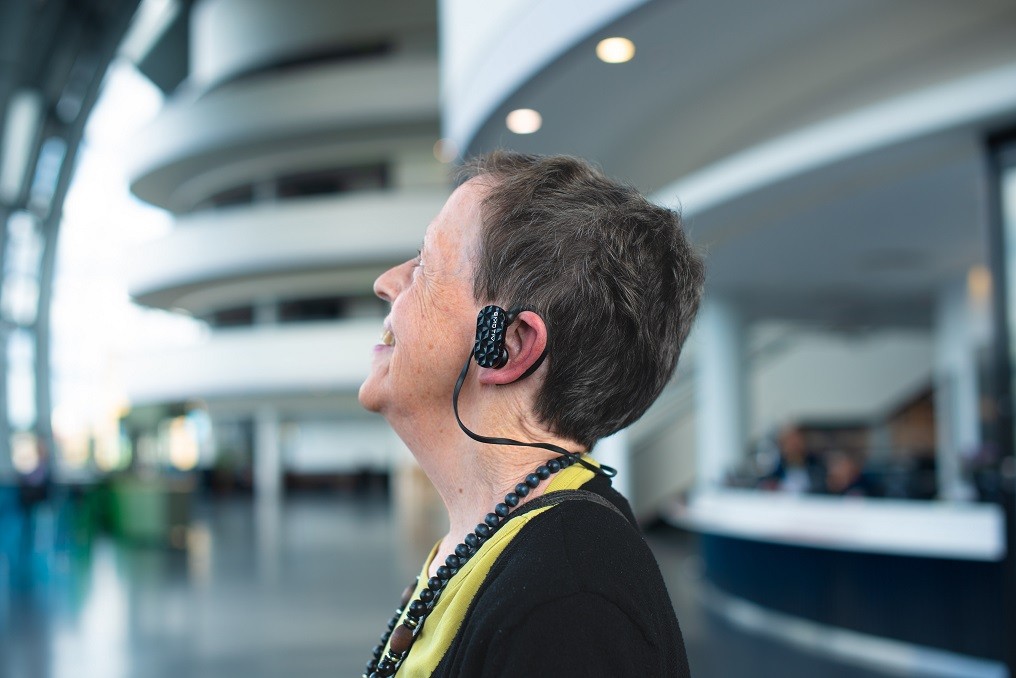
Continue reading