Comparing 5 Top EEG Recording Software Options
Duong Tran
Updated on
Oct 9, 2025
Comparing 5 Top EEG Recording Software Options
Duong Tran
Updated on
Oct 9, 2025
Comparing 5 Top EEG Recording Software Options
Duong Tran
Updated on
Oct 9, 2025
Collecting clean EEG data is just the first step. The real breakthroughs happen during analysis, and that’s where the power of your software truly shines. Modern EEG recording software is much more than a simple data logger; it’s a sophisticated analytical engine. These platforms come equipped with advanced tools for signal processing, artifact removal, and even source localization to pinpoint where activity is happening in the brain. Some even integrate machine learning to automatically identify complex patterns. These features are what turn noisy, raw data into publishable findings, functional prototypes, and a deeper understanding of cognitive function, giving you the power to ask and answer more complex questions.
Key Takeaways
Translate Signals into Stories: EEG software is the essential interpreter that turns raw, noisy brainwave data into clear, actionable insights. It manages the entire process, from capturing signals to cleaning them up and visualizing the results so you can understand what the data actually means.
Define Your Goals Before You Choose: The best software is the one that fits your specific project. Before you commit, outline your needs—whether for academic research, BCI development, or wellness tracking—and confirm the platform is compatible with your hardware and existing tools.
Look for a Complete Toolkit: Go beyond basic recording features. A powerful platform must include real-time monitoring to ensure data quality, robust security to protect sensitive information, and built-in analysis tools to streamline your workflow from start to finish.
What Does EEG Recording Software Do?
Think of EEG recording software as the command center for your brain research. It’s the essential bridge between the complex electrical signals firing in the brain and the clear, actionable data you need for your project. Without it, the raw output from an EEG headset is just noise. This software is what allows you to capture, process, and ultimately interpret brainwave activity, turning faint electrical whispers into a story about cognitive function. It’s the tool that transforms raw data into discoveries.
Whether you're conducting formal academic research, exploring consumer reactions in neuromarketing, or developing a new brain-computer interface, the software is what makes the work possible. It handles the heavy lifting of data management so you can focus on the bigger picture: your research questions and hypotheses. From setting up an experiment with precise timing markers to visualizing the final results in an intuitive way, every step is managed within the software environment. It’s designed to streamline the entire workflow, making advanced brain research more accessible and efficient for everyone from seasoned neuroscientists to curious developers.
Its Core Functions and Uses
At its heart, EEG software is built to perform a few critical jobs. First, it facilitates the setup and execution of your experiments. This means configuring your hardware, defining your study parameters, and ensuring that data is collected cleanly and accurately from the start. Once the data starts flowing, the software’s next job is to process it. This involves filtering out noise, identifying important events, and organizing the information in a structured way. Finally, the software provides the tools for interpretation. This is where you can analyze brainwave patterns and draw conclusions, helping to advance our understanding of everything from attention and emotion to cognitive wellness.
The Key Components
An EEG system is more than just software; it’s a partnership between hardware and software working in sync. The process begins with the hardware components—like the electrodes in an Epoc X headset—which measure the tiny voltage changes produced by neurons. These signals are then boosted by amplifiers and converted from analog to digital signals that a computer can understand. This is where the software takes over. It records this digital data stream and often uses sophisticated tools, including machine learning algorithms, to analyze the complex patterns and pull meaningful insights from the raw brain signals.
Different Types of EEG Software
The world of EEG software is diverse, with different tools designed for specific needs. You’ll find a range of options, from open-source platforms to highly specialized commercial packages. For example, EEGLAB is a popular interactive MATLAB toolbox known for its extensive functionality and user-friendly interface for processing electrophysiological data. Other tools like FieldTrip are built specifically for MEG, EEG, and iEEG analysis, offering powerful processing and visualization capabilities. Then there are comprehensive solutions like EmotivPRO, which provide an end-to-end platform for recording, analyzing, and visualizing data from multiple subjects in real-time.
Must-Have Features in Your EEG Software
Choosing the right EEG software is a lot like picking a lab partner—you need one that’s reliable, capable, and easy to work with. The software you select will be the command center for your entire project, from the moment you start recording to the final stages of analysis. While every project has unique needs, there are a few core features that are non-negotiable for anyone serious about their work. Think of these as the foundation upon which you’ll build your research, develop your application, or explore your own cognitive performance.
A great EEG software package does more than just hit "record." It should streamline your workflow, protect your data, and give you the tools to uncover meaningful insights without a steep learning curve. As you evaluate your options, look for a platform that offers a complete ecosystem, from raw data collection to sophisticated analysis and visualization. This ensures you can spend less time wrestling with different programs and more time focused on what truly matters: understanding the brain data you’ve collected. Let’s walk through the essential features you should look for.
Data Collection and Processing
At its core, your EEG software’s most important job is to accurately capture and process the electrical signals from your headset. This means it needs to handle continuous streams of data for long-term monitoring as well as event-related data tied to specific stimuli or tasks. The software should provide a clean, straightforward interface for setting up your recording session, checking signal quality, and organizing your data. Look for features that allow you to easily manage participant information and experimental markers. A robust platform like EmotivPRO is designed to handle this entire process, ensuring your raw data is high-quality and ready for the next steps.
Real-Time Monitoring
The ability to see your EEG data live is absolutely critical. Real-time monitoring allows you to check for noise or artifacts and adjust the headset fit on the spot, saving you from discovering unusable data after a session has ended. For developers and researchers working on interactive applications, this feature is the backbone of any brain-computer interface. It enables immediate feedback and control based on brain activity. Your software should offer a clear, real-time display of all data streams, including raw EEG, performance metrics, and frequency band data, so you can have full confidence in your setup as the recording happens.
Built-in Analysis Tools
The best EEG software saves you from the headache of exporting your data to a dozen different programs for analysis. Having powerful analytical tools built directly into the platform is a huge time-saver and simplifies your workflow. Your software should offer fundamental analysis features like frequency analysis (FFT, PSD), event-related potentials (ERPs), and data filtering. This allows you to perform initial explorations and even advanced analysis without leaving the application. These tools are essential for anyone conducting academic research, as they provide the power to test hypotheses and extract meaningful conclusions directly from your recordings.
Clear Data Visualization
Raw EEG data is a complex web of numbers; effective visualization tools are what turn that data into something you can actually understand and interpret. Your software should be able to translate dense datasets into intuitive charts, graphs, and brain maps. Look for options that let you visualize activity across the scalp, compare conditions, and track changes over time. Whether you’re preparing a presentation for a conference or tracking your own focus with the Emotiv App, clear and compelling visuals are key to communicating your findings and understanding the story your data is telling.
High Security Standards
Brain data is incredibly personal and sensitive, so your software must treat it with the highest level of security. This is especially important if you're collecting data from research participants or for clinical applications. Your software should offer features like data encryption, secure cloud storage options, and controlled user access to protect participant privacy and maintain data integrity. For developers building applications, ensuring your software partner adheres to strict security protocols is fundamental to building trust with your users and complying with data protection regulations. Always verify the security measures a platform has in place before committing to it.
A Look at Top EEG Software Solutions
Once you’ve chosen your EEG hardware, the next big decision is your software. The right platform can make the difference between wrestling with raw data and smoothly moving toward clear insights. The software landscape is diverse, with options ranging from powerful, all-in-one commercial suites to flexible, open-source platforms perfect for custom projects. To help you find the best fit for your work, let’s walk through five of the most popular EEG software solutions available today.
EmotivPRO
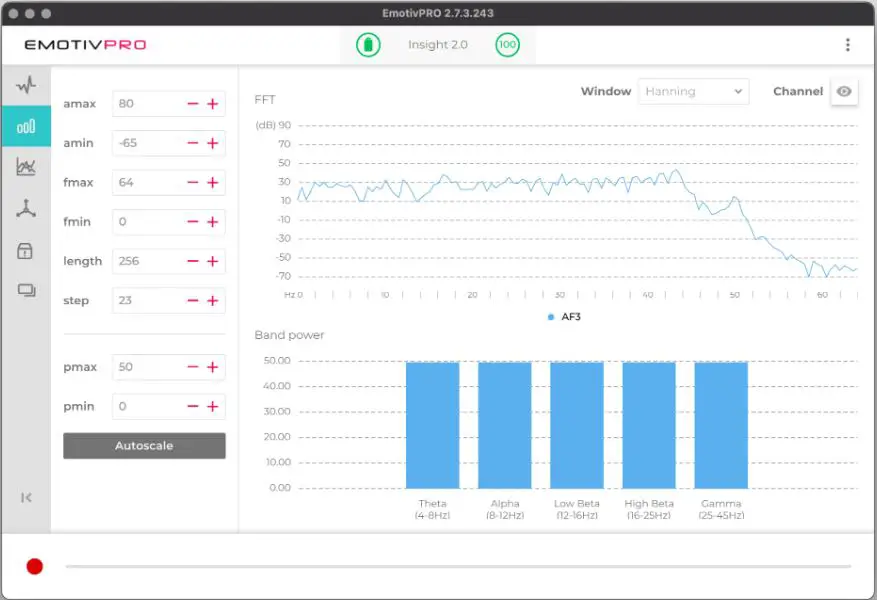
Designed for research and professional use, EmotivPRO is a comprehensive software solution for analyzing and visualizing real-time EEG data. It pairs seamlessly with Emotiv’s headsets, like the 14-channel Epoc X or the 32-channel Flex Saline, to give you a complete picture of brain activity. Whether you're conducting academic research, exploring neuromarketing insights, or developing brain-controlled technology, EmotivPRO provides the tools you need. You can view raw EEG data, monitor performance metrics like focus and stress, and record unlimited data to the cloud. Its user-friendly interface makes it accessible for both seasoned neuroscientists and those new to the field.
BrainVision Recorder
BrainVision Recorder is a versatile and robust platform built specifically for the scientific research community. It’s known for its precision in data acquisition and its ability to handle complex experimental setups. The software is a core component of the BrainVision suite, which includes tools for video recording and remote control, allowing researchers to synchronize EEG data with other data streams. While it’s a powerful tool for data acquisition and analysis, it’s important to note that it is intended strictly for research purposes and not for medical diagnosis or treatment. Its focus on scientific rigor makes it a trusted choice in labs around the world.
Neuroscan
Neuroscan systems are a staple in both clinical and research environments, offering a suite of software tools designed for advanced EEG applications. Their software is well-regarded for its powerful data acquisition and analysis capabilities. A key advantage of Neuroscan is its support for both real-time monitoring and detailed post-hoc analysis, giving you flexibility in how you approach your data. This makes it suitable for a wide range of applications, from fundamental neuroscience research to more applied clinical studies. The comprehensive nature of Neuroscan’s software provides researchers with the tools needed to conduct in-depth investigations of brain function.
OpenViBE
For those who need maximum flexibility, OpenViBE is a leading open-source software platform. It’s particularly popular among developers and researchers building brain-computer interfaces (BCIs). Because it's open-source, you can modify and adapt the software to fit the exact needs of your project. OpenViBE provides a visual designer that allows you to create experiments, process signals, and visualize data in real-time without writing extensive code. This combination of power and accessibility makes it an excellent choice for anyone looking to design and test novel BCI applications or run highly customized EEG experiments.
BCI2000
BCI2000 is another general-purpose system that has become a cornerstone of BCI research. It’s a highly flexible and modular platform that supports a wide array of data acquisition hardware, signal processing methods, and applications. The software is structured to give researchers full control over every aspect of their BCI system, from initial data acquisition to signal processing and user feedback design. Its adaptability makes it suitable for a broad spectrum of EEG research needs, from basic science to the development of assistive technologies. BCI2000’s long history and active community make it a reliable and well-supported option for the research community.
Breaking Down EEG Software Pricing
Figuring out the cost of EEG software can feel a bit like solving a puzzle. Prices vary widely, and what you see upfront isn't always the full picture. The key is to understand what drives the cost and what you're getting for your investment. The price tag is often tied to the software's complexity, its range of features, and who it's built for. For example, software designed for clinical diagnostics with regulatory approvals will naturally have a higher price point than tools geared toward academic research or personal wellness.
The way the software is deployed also plays a role. A traditional, on-premises installation might have a different cost structure than a cloud-based platform that you access online. When you’re comparing options, think about the total value. A platform like EmotivPRO bundles data recording, processing, and analysis into one subscription, which can be more straightforward and cost-effective than buying separate tools for each step of your workflow. The goal is to find a solution that matches both your project's needs and your budget.
What Influences the Cost?
Several key factors determine the price of EEG software. The biggest one is functionality. A basic program for simple data recording will cost less than a comprehensive suite with advanced signal processing, machine learning integrations, and 3D brain mapping. The intended use is another major factor. Software built for rigorous academic research and education needs to meet high standards for data integrity and analysis, which influences its price. In contrast, software for clinical use often carries the highest costs due to the extensive testing and regulatory approvals required to ensure it's safe and effective for patient care. Finally, the developer's support and update model can affect the price, with premium support packages adding to the overall cost.
Common Licensing Models
When you're ready to buy, you'll likely encounter a few different pricing structures. One common model is the perpetual license, where you pay a one-time fee for lifetime access to the software, though you might have to pay extra for future updates. More common these days is the subscription model, where you pay a monthly or annual fee. This often includes all updates and support, making it a predictable expense. Some companies offer tiered subscriptions, where different price points give you access to different sets of features. This allows you to pay only for what you need, with the option to upgrade as your projects become more complex.
Additional Costs to Consider
The price of the software license is just the starting point. To get a true sense of the total investment, you need to think about other potential expenses. First, consider hardware compatibility. Your software needs to work seamlessly with your EEG headset, whether it's a 5-channel device like the Insight or a 32-channel system like the Flex. If they aren't compatible, you might need to buy new hardware. You should also factor in the cost of training for your team, any premium support packages, and data storage solutions, especially if you're working with large datasets over long periods. These elements contribute to the total cost of ownership.
Calculating Your Return on Investment
While it's easy to focus on the initial cost, it's more helpful to think about the return on investment (ROI). The right software can save you a significant amount of time and effort, which translates directly into cost savings. A platform that simplifies data collection, automates analysis, and provides clear visualizations allows you to get to your insights faster. This means you can complete research projects sooner, bring products to market more quickly, or provide better cognitive wellness feedback. When you evaluate software, consider how it will streamline your workflow. The efficiency gains from a well-designed system often outweigh the initial price tag, making it a valuable investment in the long run.
How to Manage and Secure Your Data
When you're working with EEG data, you're handling some of the most sensitive personal information imaginable—the literal electrical activity of someone's brain. That makes data management and security a top priority, not just an afterthought. A data breach could compromise participant anonymity in a research study or expose confidential patient information in a clinical setting, leading to serious ethical and legal consequences. The right software won't just help you collect and analyze data; it will also provide a robust framework to protect it from unauthorized access and ensure its integrity from the moment of collection to final storage.
As you compare options, pay close attention to how each platform handles encryption, access controls, and storage protocols. These features are just as critical as the analysis tools, especially if your work falls under strict regulatory guidelines like HIPAA. Think about your entire data lifecycle: How is data protected during real-time recording? How is it secured when transferred between machines? Who has permission to view or alter the raw files? A solid security framework answers these questions, gives you peace of mind, protects your participants, and lets you focus on what really matters: your research.
Meeting HIPAA Compliance
If your work involves patient data for clinical research or healthcare, meeting Health Insurance Portability and Accountability Act (HIPAA) standards is non-negotiable. You'll need software designed for clinical environments that explicitly states its compliance. Key features to look for include strong, end-to-end encryption for data both at rest and in transit, regular system checks for potential threats, and strict privacy protocols. This is particularly important for any academic research involving human subjects. Software built with these safeguards ensures all participant information remains confidential and secure, helping you meet your regulatory obligations without extra hassle.
Protecting Your Data
Beyond broad compliance, consider the specific ways software protects your data and your license from unauthorized use. Some platforms add a layer of physical security to their digital protections. For instance, certain professional software requires a USB dongle that contains your license to be plugged into the computer. Without this physical key, the software simply won't run. This approach is straightforward but effective, ensuring that only individuals with the dongle can access the platform. It’s a practical way to prevent unauthorized copies or use of the software, protecting both your investment and the integrity of your data.
Controlling Access
Managing who can view or edit data is crucial, especially when working in a team or within a large organization. Your EEG software should allow you to set specific user permissions and ideally integrate with your organization's existing systems. In a hospital or large research institution, it's incredibly helpful if the EEG software can connect with patient record systems. This integration allows for a smooth and secure flow of information, making workflows more efficient. It ensures that data is accessible to the right people at the right time, all within a controlled and secure digital environment managed through a platform like EmotivPRO.
Choosing a Storage Solution
The amount of EEG data you generate is directly related to your hardware. A headset with more channels, like the 32-channel Emotiv Flex, captures higher-resolution data, which results in larger files. You need a plan for where to store it all. Will you use a local server for maximum control, or a cloud-based solution for easier access and scalability? Each has its pros and cons regarding cost, security, and convenience. Make sure the software you choose is compatible with your preferred storage method and can handle the data volume your projects will produce.
Does It Integrate With Your Other Tools?
Your EEG software doesn’t operate in a vacuum. It’s just one piece of a larger puzzle that includes your hardware, analysis programs, and institutional data systems. The best software fits seamlessly into your existing workflow, allowing you to move data effortlessly between different tools. Without solid integration capabilities, you risk creating data silos, wasting time on manual data transfers, and limiting the scope of your analysis.
Before you commit to a platform, map out your entire process. Think about the hardware you use, the programming languages your team prefers, and any hospital or university systems you need to connect with. A truly compatible software solution will feel like a natural extension of your current toolkit, not a roadblock. It should simplify your work by communicating effectively with the other technologies you rely on every day. This interoperability is key to efficient and scalable research or development.
Healthcare System Compatibility
If you work in a clinical setting, your EEG software must be able to communicate with your facility’s existing infrastructure. Many hospitals and clinics rely on platforms like Natus NeuroWorks because they are designed to integrate with patient record systems. This compatibility is essential for maintaining accurate patient files and streamlining workflows between departments. When your EEG software can send and receive information from your hospital’s Electronic Health Record (EHR) system—be it Epic, Cerner, or another platform—you eliminate redundant data entry and reduce the chance of errors. This direct line of communication ensures that crucial brain data is part of the complete patient picture.
Hardware Integration
The connection between your EEG hardware and software is fundamental. Your software needs to be compatible with the specific EEG headset or amplifier you’re using, whether it’s a portable 5-channel device like the Insight or a high-density 32-channel Flex headset. Top-tier software can handle data from a wide range of devices with varying channel counts and sampling rates. This flexibility is crucial, as it allows you to choose the right hardware for each specific project without being locked into a single manufacturer’s ecosystem. Always verify that the software you’re considering explicitly supports your current or planned hardware setup to avoid any frustrating compatibility issues down the line.
Third-Party App Connections
Modern research and development rarely happen within a single application. You’ll likely use a variety of specialized tools for signal processing, statistical analysis, or visualization. That’s why it’s so important for your EEG software to connect with third-party applications. Look for software that offers a robust API or direct integrations with common platforms like MATLAB, Python, or LabStreaming Layer (LSL). For developers, this opens up endless possibilities for creating custom analysis pipelines and innovative brain-computer interface applications. This connectivity allows you to build a powerful, customized workflow that leverages the best features of each tool you use.
Data Exchange Standards
For data to be useful across different platforms and research teams, it needs to be in a standardized format. Effective EEG software supports common data exchange standards, making it easy to export and import recordings without losing critical information. Open-source protocols and file formats ensure that your data isn't trapped in a proprietary system. This is especially important for collaborative academic research, where teams from different institutions need to share and analyze datasets. Adherence to these standards guarantees that the high-resolution data captured by your multi-channel EEG machine remains accessible and usable for years to come, regardless of how technology evolves.
Exploring Advanced Analysis Features
Once you’ve collected your EEG data, the real work begins. While capturing raw signals is the first step, the most powerful software goes beyond simple recording, offering a suite of advanced tools to help you clean, interpret, and extract meaningful insights. These features are what separate a basic data logger from a true research and development platform. Think of them as your digital toolkit for turning noisy, complex brainwave signals into a clear picture of cognitive activity.
Understanding these capabilities is key to choosing a platform that can grow with your project's complexity. Whether you're conducting foundational research, developing a new brain-computer interface, or exploring cognitive wellness, you'll need more than just raw data. You need tools that can filter out noise, pinpoint the source of brain activity, and even identify complex patterns automatically. These advanced features empower you to ask deeper questions and get more reliable answers from your data. They allow you to move from simply observing brainwaves to truly understanding the underlying neural dynamics. Without them, you risk drawing conclusions from incomplete or inaccurate information. Let's look at four of the most important ones you'll find in top-tier EEG software.
Signal Processing
Raw EEG data is inherently noisy. Signal processing is the essential first step of cleaning up that data to isolate the brain activity you actually want to study. It involves applying filters to remove electrical noise from the power grid (like the 50 or 60 Hz hum from outlets) and other irrelevant frequencies. This process ensures that your analysis is based on genuine neural signals, not background interference. High-quality software like EmotivPRO provides robust signal processing tools, allowing you to apply various filters and transforms to refine your data. This step is fundamental for achieving the clean, reliable data necessary for any serious analysis.
Artifact Removal
Beyond environmental noise, the biggest challenge in EEG analysis is dealing with artifacts—electrical signals generated by the body that aren't from the brain. Common culprits include eye blinks, jaw clenching, muscle movements, and even heartbeats. These signals can be much stronger than the underlying brainwaves, potentially skewing your results. Advanced software uses sophisticated algorithms, like Independent Component Analysis (ICA), to identify and remove these artifacts from the data. This cleanup process is crucial for anyone conducting academic research, as it ensures that the activity you're analyzing is truly cerebral in origin, leading to more accurate and publishable findings.
Source Localization
EEG headsets measure electrical activity from the surface of the scalp, but they don't tell you exactly where inside the brain that activity is coming from. That’s where source localization comes in. This computational technique uses mathematical models of the head to estimate the origin of the EEG signals within the brain's three-dimensional space. It’s like creating a map that traces the signals back to their source. This feature is incredibly valuable for researchers who want to understand which brain regions are involved in specific tasks or cognitive processes. While it requires a headset with good scalp coverage, like the Epoc X, the insights it provides can be game-changing.
Machine Learning Integration
Machine learning (ML) is transforming EEG analysis by enabling software to automatically recognize complex patterns in brain data. This is the technology that powers many modern brain-computer interfaces, where an algorithm learns to associate specific brainwave patterns with a user's commands. In research, ML can classify mental states, detect abnormalities, or predict responses. For developers, integrating ML opens up a world of possibilities for creating innovative applications. Many platforms support integration with common ML languages like Python, while others offer built-in tools that make it easier for non-programmers to apply these powerful techniques to their data.
How to Choose the Right Software
With so many options available, picking the right EEG software can feel like a huge task. But it doesn't have to be. The best choice always comes down to what you want to accomplish. By breaking down your decision into a few key areas—your project goals, technical setup, support needs, and workflow—you can confidently select a platform that fits your work like a glove. Think of it as finding a research partner that will help you get from data collection to meaningful insights without the headache.
Define Your Project Needs
First, get crystal clear on what your project requires. Are you running a simple cognitive wellness check or a complex study for academic research? The answer will guide your decision. Consider the number of channels you need to record simultaneously; a five-channel headset like the Insight has different software needs than a 32-channel Flex headset. Think about whether you need to customize montages or if standard setups will work. Also, consider your end goal. Do you need basic data recording, or will you require advanced analysis and reporting features built directly into the software? Outlining these needs will immediately narrow down your options.
Review the Technical Requirements
Next, take a look at your current technical environment. The most powerful software in the world won't help if it’s not compatible with your hardware and operating system. Check the system requirements for any software you’re considering. Does it play well with the EEG hardware you already own or plan to buy? If you’re a developer, you might want to see if the software offers an API or SDK for custom applications. For example, EmotivPRO is designed to work seamlessly with Emotiv headsets, but it's always smart to confirm compatibility to ensure a smooth setup and reliable data acquisition from day one.
Look Into Support and Training
Your experience with any software is heavily influenced by the support available when you hit a snag. Look for a platform that offers comprehensive documentation, tutorials, and responsive customer service. Some software is designed with a user-friendly interface that doesn't require deep programming skills, which is great if you're just starting out. You might also check if there's an active user community or forum. Peer support can be an incredible resource for troubleshooting and discovering new ways to use your tools. A strong support system ensures you spend more time on your research and less time stuck on technical issues.
Understand the Implementation Process
Finally, think about how the software will fit into your daily workflow. As your projects grow, you'll need a tool that can handle larger datasets and streamline your signal processing pipelines efficiently. How easy is it to import data, run experiments, and export your findings? If you're working in a lab or clinic, consider how the software will scale as you take on more ambitious academic research. A platform with a logical workflow and good integration capabilities will save you countless hours, making it easier to manage your studies and focus on what truly matters: the results.
What's Next for EEG Software?
The world of EEG is anything but static. As technology advances, the software we use to interpret brain activity is becoming more powerful, intuitive, and accessible. These changes are opening up new possibilities for research, development, and personal wellness. Four key trends are shaping the future of EEG software, making it easier than ever to work with complex brain data and turn it into meaningful insights. Let's look at what's on the horizon.
AI and Automation
Manually sifting through hours of EEG data to find significant patterns or remove artifacts is a huge time commitment. This is where artificial intelligence and automation are making a massive impact. AI integration in EEG software is set to significantly improve data analysis, allowing for more accurate interpretation of brain activity and faster identification of anomalies. Instead of getting bogged down in the raw data, you can use AI-powered tools to handle the heavy lifting. This frees up researchers and developers to focus on what truly matters: asking bigger questions and designing better applications, from neuromarketing studies to clinical research.
Cloud-Based Solutions
The sheer volume of data generated by high-channel EEG headsets can be a major storage and processing challenge. Traditionally, this required expensive, on-premises servers. Today, cloud-based solutions are changing the game. Cloud infrastructure for EEG data processing provides the scalability and flexibility needed to manage large datasets without extensive local hardware. This approach not only makes powerful analysis more affordable but also simplifies collaboration. Research teams can securely access and work on the same datasets from anywhere in the world, streamlining projects and accelerating the pace of discovery. This shift makes high-level academic research more accessible to institutions of all sizes.
Mobile Integration
EEG research is breaking out of the lab. Thanks to smaller, more comfortable hardware, mobile EEG devices are becoming more common, making it possible to collect data in natural, real-world settings. This move toward mobile integration is crucial for understanding the brain as it engages with everyday life, not just a controlled environment. It improves the accessibility of EEG technology for everyone from researchers to clinicians. For example, you can study a person's cognitive load while they perform a work task or measure engagement as they interact with a product. This is where devices like the Epoc X headset truly shine, offering high-resolution data in a portable form factor.
Real-Time Analytics
What if you could see and react to brain activity as it happens? That’s the power of real-time analytics. This capability delivers immediate feedback on brain activity, which is essential for applications like neurofeedback, cognitive training, and brain-computer interfaces. For instance, a developer creating a hands-free control system needs the software to process brain commands instantly. Similarly, someone using a cognitive wellness app to improve their focus benefits from seeing their progress moment by moment. This immediate feedback loop is fundamental for creating interactive experiences and effective training protocols, turning passive data collection into an active, responsive process.
Related Articles
Frequently Asked Questions
What's the real difference between open-source software and a commercial platform like EmotivPRO? Think of it as the difference between building a car from a kit and buying one from a dealership. Open-source software like OpenViBE gives you incredible flexibility and control—it’s a fantastic choice if you're a developer who needs to build a highly customized brain-computer interface from the ground up. Commercial platforms like EmotivPRO are designed to be a complete, ready-to-go solution. They offer a streamlined workflow, dedicated customer support, and a suite of powerful analysis tools that work right out of the box, which is ideal for researchers who want to get to their insights quickly and efficiently.
My raw EEG data looks really messy. Is that normal, and what can software do about it? Yes, completely normal! Raw EEG signals are full of "noise" from tiny muscle movements like eye blinks, jaw clenches, and even electrical interference from nearby power outlets. This is where good software is essential. It uses sophisticated signal processing techniques to filter out that background noise and algorithms to identify and remove artifacts from body movements. This cleanup process is what turns a noisy, chaotic-looking signal into the clean, reliable data you need to draw accurate conclusions.
I already have an EEG headset. How do I know if a specific software will work with it? This is a critical question to ask before you commit to any software. The best place to start is the software developer's website, where they should list all compatible hardware. Some software is designed to be brand-agnostic and works with a wide range of devices, while others are built to work exclusively within their own ecosystem, like EmotivPRO with Emotiv headsets. Always confirm this compatibility to ensure the software can properly communicate with your hardware and collect data accurately.
I'm not a programmer. Can I still use the advanced analysis features? Absolutely. While some platforms are geared toward users with coding skills, many of the best modern EEG software solutions are designed with a user-friendly graphical interface. This means you can access powerful features like frequency analysis, event-related potentials (ERPs), and even some machine learning tools through intuitive menus and visual displays. The goal of these platforms is to make advanced brain research accessible, allowing you to focus on your research questions instead of on writing code.
How important is cloud storage for EEG data? Cloud storage is becoming increasingly important, especially as EEG headsets capture more and more data. A single research project can generate enormous files that are difficult to store and manage on a local computer. Cloud-based solutions provide a secure and scalable way to store your data, making it accessible to your team from anywhere. This is a huge advantage for collaborative projects and ensures your valuable data is safely backed up and protected.
Collecting clean EEG data is just the first step. The real breakthroughs happen during analysis, and that’s where the power of your software truly shines. Modern EEG recording software is much more than a simple data logger; it’s a sophisticated analytical engine. These platforms come equipped with advanced tools for signal processing, artifact removal, and even source localization to pinpoint where activity is happening in the brain. Some even integrate machine learning to automatically identify complex patterns. These features are what turn noisy, raw data into publishable findings, functional prototypes, and a deeper understanding of cognitive function, giving you the power to ask and answer more complex questions.
Key Takeaways
Translate Signals into Stories: EEG software is the essential interpreter that turns raw, noisy brainwave data into clear, actionable insights. It manages the entire process, from capturing signals to cleaning them up and visualizing the results so you can understand what the data actually means.
Define Your Goals Before You Choose: The best software is the one that fits your specific project. Before you commit, outline your needs—whether for academic research, BCI development, or wellness tracking—and confirm the platform is compatible with your hardware and existing tools.
Look for a Complete Toolkit: Go beyond basic recording features. A powerful platform must include real-time monitoring to ensure data quality, robust security to protect sensitive information, and built-in analysis tools to streamline your workflow from start to finish.
What Does EEG Recording Software Do?
Think of EEG recording software as the command center for your brain research. It’s the essential bridge between the complex electrical signals firing in the brain and the clear, actionable data you need for your project. Without it, the raw output from an EEG headset is just noise. This software is what allows you to capture, process, and ultimately interpret brainwave activity, turning faint electrical whispers into a story about cognitive function. It’s the tool that transforms raw data into discoveries.
Whether you're conducting formal academic research, exploring consumer reactions in neuromarketing, or developing a new brain-computer interface, the software is what makes the work possible. It handles the heavy lifting of data management so you can focus on the bigger picture: your research questions and hypotheses. From setting up an experiment with precise timing markers to visualizing the final results in an intuitive way, every step is managed within the software environment. It’s designed to streamline the entire workflow, making advanced brain research more accessible and efficient for everyone from seasoned neuroscientists to curious developers.
Its Core Functions and Uses
At its heart, EEG software is built to perform a few critical jobs. First, it facilitates the setup and execution of your experiments. This means configuring your hardware, defining your study parameters, and ensuring that data is collected cleanly and accurately from the start. Once the data starts flowing, the software’s next job is to process it. This involves filtering out noise, identifying important events, and organizing the information in a structured way. Finally, the software provides the tools for interpretation. This is where you can analyze brainwave patterns and draw conclusions, helping to advance our understanding of everything from attention and emotion to cognitive wellness.
The Key Components
An EEG system is more than just software; it’s a partnership between hardware and software working in sync. The process begins with the hardware components—like the electrodes in an Epoc X headset—which measure the tiny voltage changes produced by neurons. These signals are then boosted by amplifiers and converted from analog to digital signals that a computer can understand. This is where the software takes over. It records this digital data stream and often uses sophisticated tools, including machine learning algorithms, to analyze the complex patterns and pull meaningful insights from the raw brain signals.
Different Types of EEG Software
The world of EEG software is diverse, with different tools designed for specific needs. You’ll find a range of options, from open-source platforms to highly specialized commercial packages. For example, EEGLAB is a popular interactive MATLAB toolbox known for its extensive functionality and user-friendly interface for processing electrophysiological data. Other tools like FieldTrip are built specifically for MEG, EEG, and iEEG analysis, offering powerful processing and visualization capabilities. Then there are comprehensive solutions like EmotivPRO, which provide an end-to-end platform for recording, analyzing, and visualizing data from multiple subjects in real-time.
Must-Have Features in Your EEG Software
Choosing the right EEG software is a lot like picking a lab partner—you need one that’s reliable, capable, and easy to work with. The software you select will be the command center for your entire project, from the moment you start recording to the final stages of analysis. While every project has unique needs, there are a few core features that are non-negotiable for anyone serious about their work. Think of these as the foundation upon which you’ll build your research, develop your application, or explore your own cognitive performance.
A great EEG software package does more than just hit "record." It should streamline your workflow, protect your data, and give you the tools to uncover meaningful insights without a steep learning curve. As you evaluate your options, look for a platform that offers a complete ecosystem, from raw data collection to sophisticated analysis and visualization. This ensures you can spend less time wrestling with different programs and more time focused on what truly matters: understanding the brain data you’ve collected. Let’s walk through the essential features you should look for.
Data Collection and Processing
At its core, your EEG software’s most important job is to accurately capture and process the electrical signals from your headset. This means it needs to handle continuous streams of data for long-term monitoring as well as event-related data tied to specific stimuli or tasks. The software should provide a clean, straightforward interface for setting up your recording session, checking signal quality, and organizing your data. Look for features that allow you to easily manage participant information and experimental markers. A robust platform like EmotivPRO is designed to handle this entire process, ensuring your raw data is high-quality and ready for the next steps.
Real-Time Monitoring
The ability to see your EEG data live is absolutely critical. Real-time monitoring allows you to check for noise or artifacts and adjust the headset fit on the spot, saving you from discovering unusable data after a session has ended. For developers and researchers working on interactive applications, this feature is the backbone of any brain-computer interface. It enables immediate feedback and control based on brain activity. Your software should offer a clear, real-time display of all data streams, including raw EEG, performance metrics, and frequency band data, so you can have full confidence in your setup as the recording happens.
Built-in Analysis Tools
The best EEG software saves you from the headache of exporting your data to a dozen different programs for analysis. Having powerful analytical tools built directly into the platform is a huge time-saver and simplifies your workflow. Your software should offer fundamental analysis features like frequency analysis (FFT, PSD), event-related potentials (ERPs), and data filtering. This allows you to perform initial explorations and even advanced analysis without leaving the application. These tools are essential for anyone conducting academic research, as they provide the power to test hypotheses and extract meaningful conclusions directly from your recordings.
Clear Data Visualization
Raw EEG data is a complex web of numbers; effective visualization tools are what turn that data into something you can actually understand and interpret. Your software should be able to translate dense datasets into intuitive charts, graphs, and brain maps. Look for options that let you visualize activity across the scalp, compare conditions, and track changes over time. Whether you’re preparing a presentation for a conference or tracking your own focus with the Emotiv App, clear and compelling visuals are key to communicating your findings and understanding the story your data is telling.
High Security Standards
Brain data is incredibly personal and sensitive, so your software must treat it with the highest level of security. This is especially important if you're collecting data from research participants or for clinical applications. Your software should offer features like data encryption, secure cloud storage options, and controlled user access to protect participant privacy and maintain data integrity. For developers building applications, ensuring your software partner adheres to strict security protocols is fundamental to building trust with your users and complying with data protection regulations. Always verify the security measures a platform has in place before committing to it.
A Look at Top EEG Software Solutions
Once you’ve chosen your EEG hardware, the next big decision is your software. The right platform can make the difference between wrestling with raw data and smoothly moving toward clear insights. The software landscape is diverse, with options ranging from powerful, all-in-one commercial suites to flexible, open-source platforms perfect for custom projects. To help you find the best fit for your work, let’s walk through five of the most popular EEG software solutions available today.
EmotivPRO
Designed for research and professional use, EmotivPRO is a comprehensive software solution for analyzing and visualizing real-time EEG data. It pairs seamlessly with Emotiv’s headsets, like the 14-channel Epoc X or the 32-channel Flex Saline, to give you a complete picture of brain activity. Whether you're conducting academic research, exploring neuromarketing insights, or developing brain-controlled technology, EmotivPRO provides the tools you need. You can view raw EEG data, monitor performance metrics like focus and stress, and record unlimited data to the cloud. Its user-friendly interface makes it accessible for both seasoned neuroscientists and those new to the field.
BrainVision Recorder
BrainVision Recorder is a versatile and robust platform built specifically for the scientific research community. It’s known for its precision in data acquisition and its ability to handle complex experimental setups. The software is a core component of the BrainVision suite, which includes tools for video recording and remote control, allowing researchers to synchronize EEG data with other data streams. While it’s a powerful tool for data acquisition and analysis, it’s important to note that it is intended strictly for research purposes and not for medical diagnosis or treatment. Its focus on scientific rigor makes it a trusted choice in labs around the world.
Neuroscan
Neuroscan systems are a staple in both clinical and research environments, offering a suite of software tools designed for advanced EEG applications. Their software is well-regarded for its powerful data acquisition and analysis capabilities. A key advantage of Neuroscan is its support for both real-time monitoring and detailed post-hoc analysis, giving you flexibility in how you approach your data. This makes it suitable for a wide range of applications, from fundamental neuroscience research to more applied clinical studies. The comprehensive nature of Neuroscan’s software provides researchers with the tools needed to conduct in-depth investigations of brain function.
OpenViBE
For those who need maximum flexibility, OpenViBE is a leading open-source software platform. It’s particularly popular among developers and researchers building brain-computer interfaces (BCIs). Because it's open-source, you can modify and adapt the software to fit the exact needs of your project. OpenViBE provides a visual designer that allows you to create experiments, process signals, and visualize data in real-time without writing extensive code. This combination of power and accessibility makes it an excellent choice for anyone looking to design and test novel BCI applications or run highly customized EEG experiments.
BCI2000
BCI2000 is another general-purpose system that has become a cornerstone of BCI research. It’s a highly flexible and modular platform that supports a wide array of data acquisition hardware, signal processing methods, and applications. The software is structured to give researchers full control over every aspect of their BCI system, from initial data acquisition to signal processing and user feedback design. Its adaptability makes it suitable for a broad spectrum of EEG research needs, from basic science to the development of assistive technologies. BCI2000’s long history and active community make it a reliable and well-supported option for the research community.
Breaking Down EEG Software Pricing
Figuring out the cost of EEG software can feel a bit like solving a puzzle. Prices vary widely, and what you see upfront isn't always the full picture. The key is to understand what drives the cost and what you're getting for your investment. The price tag is often tied to the software's complexity, its range of features, and who it's built for. For example, software designed for clinical diagnostics with regulatory approvals will naturally have a higher price point than tools geared toward academic research or personal wellness.
The way the software is deployed also plays a role. A traditional, on-premises installation might have a different cost structure than a cloud-based platform that you access online. When you’re comparing options, think about the total value. A platform like EmotivPRO bundles data recording, processing, and analysis into one subscription, which can be more straightforward and cost-effective than buying separate tools for each step of your workflow. The goal is to find a solution that matches both your project's needs and your budget.
What Influences the Cost?
Several key factors determine the price of EEG software. The biggest one is functionality. A basic program for simple data recording will cost less than a comprehensive suite with advanced signal processing, machine learning integrations, and 3D brain mapping. The intended use is another major factor. Software built for rigorous academic research and education needs to meet high standards for data integrity and analysis, which influences its price. In contrast, software for clinical use often carries the highest costs due to the extensive testing and regulatory approvals required to ensure it's safe and effective for patient care. Finally, the developer's support and update model can affect the price, with premium support packages adding to the overall cost.
Common Licensing Models
When you're ready to buy, you'll likely encounter a few different pricing structures. One common model is the perpetual license, where you pay a one-time fee for lifetime access to the software, though you might have to pay extra for future updates. More common these days is the subscription model, where you pay a monthly or annual fee. This often includes all updates and support, making it a predictable expense. Some companies offer tiered subscriptions, where different price points give you access to different sets of features. This allows you to pay only for what you need, with the option to upgrade as your projects become more complex.
Additional Costs to Consider
The price of the software license is just the starting point. To get a true sense of the total investment, you need to think about other potential expenses. First, consider hardware compatibility. Your software needs to work seamlessly with your EEG headset, whether it's a 5-channel device like the Insight or a 32-channel system like the Flex. If they aren't compatible, you might need to buy new hardware. You should also factor in the cost of training for your team, any premium support packages, and data storage solutions, especially if you're working with large datasets over long periods. These elements contribute to the total cost of ownership.
Calculating Your Return on Investment
While it's easy to focus on the initial cost, it's more helpful to think about the return on investment (ROI). The right software can save you a significant amount of time and effort, which translates directly into cost savings. A platform that simplifies data collection, automates analysis, and provides clear visualizations allows you to get to your insights faster. This means you can complete research projects sooner, bring products to market more quickly, or provide better cognitive wellness feedback. When you evaluate software, consider how it will streamline your workflow. The efficiency gains from a well-designed system often outweigh the initial price tag, making it a valuable investment in the long run.
How to Manage and Secure Your Data
When you're working with EEG data, you're handling some of the most sensitive personal information imaginable—the literal electrical activity of someone's brain. That makes data management and security a top priority, not just an afterthought. A data breach could compromise participant anonymity in a research study or expose confidential patient information in a clinical setting, leading to serious ethical and legal consequences. The right software won't just help you collect and analyze data; it will also provide a robust framework to protect it from unauthorized access and ensure its integrity from the moment of collection to final storage.
As you compare options, pay close attention to how each platform handles encryption, access controls, and storage protocols. These features are just as critical as the analysis tools, especially if your work falls under strict regulatory guidelines like HIPAA. Think about your entire data lifecycle: How is data protected during real-time recording? How is it secured when transferred between machines? Who has permission to view or alter the raw files? A solid security framework answers these questions, gives you peace of mind, protects your participants, and lets you focus on what really matters: your research.
Meeting HIPAA Compliance
If your work involves patient data for clinical research or healthcare, meeting Health Insurance Portability and Accountability Act (HIPAA) standards is non-negotiable. You'll need software designed for clinical environments that explicitly states its compliance. Key features to look for include strong, end-to-end encryption for data both at rest and in transit, regular system checks for potential threats, and strict privacy protocols. This is particularly important for any academic research involving human subjects. Software built with these safeguards ensures all participant information remains confidential and secure, helping you meet your regulatory obligations without extra hassle.
Protecting Your Data
Beyond broad compliance, consider the specific ways software protects your data and your license from unauthorized use. Some platforms add a layer of physical security to their digital protections. For instance, certain professional software requires a USB dongle that contains your license to be plugged into the computer. Without this physical key, the software simply won't run. This approach is straightforward but effective, ensuring that only individuals with the dongle can access the platform. It’s a practical way to prevent unauthorized copies or use of the software, protecting both your investment and the integrity of your data.
Controlling Access
Managing who can view or edit data is crucial, especially when working in a team or within a large organization. Your EEG software should allow you to set specific user permissions and ideally integrate with your organization's existing systems. In a hospital or large research institution, it's incredibly helpful if the EEG software can connect with patient record systems. This integration allows for a smooth and secure flow of information, making workflows more efficient. It ensures that data is accessible to the right people at the right time, all within a controlled and secure digital environment managed through a platform like EmotivPRO.
Choosing a Storage Solution
The amount of EEG data you generate is directly related to your hardware. A headset with more channels, like the 32-channel Emotiv Flex, captures higher-resolution data, which results in larger files. You need a plan for where to store it all. Will you use a local server for maximum control, or a cloud-based solution for easier access and scalability? Each has its pros and cons regarding cost, security, and convenience. Make sure the software you choose is compatible with your preferred storage method and can handle the data volume your projects will produce.
Does It Integrate With Your Other Tools?
Your EEG software doesn’t operate in a vacuum. It’s just one piece of a larger puzzle that includes your hardware, analysis programs, and institutional data systems. The best software fits seamlessly into your existing workflow, allowing you to move data effortlessly between different tools. Without solid integration capabilities, you risk creating data silos, wasting time on manual data transfers, and limiting the scope of your analysis.
Before you commit to a platform, map out your entire process. Think about the hardware you use, the programming languages your team prefers, and any hospital or university systems you need to connect with. A truly compatible software solution will feel like a natural extension of your current toolkit, not a roadblock. It should simplify your work by communicating effectively with the other technologies you rely on every day. This interoperability is key to efficient and scalable research or development.
Healthcare System Compatibility
If you work in a clinical setting, your EEG software must be able to communicate with your facility’s existing infrastructure. Many hospitals and clinics rely on platforms like Natus NeuroWorks because they are designed to integrate with patient record systems. This compatibility is essential for maintaining accurate patient files and streamlining workflows between departments. When your EEG software can send and receive information from your hospital’s Electronic Health Record (EHR) system—be it Epic, Cerner, or another platform—you eliminate redundant data entry and reduce the chance of errors. This direct line of communication ensures that crucial brain data is part of the complete patient picture.
Hardware Integration
The connection between your EEG hardware and software is fundamental. Your software needs to be compatible with the specific EEG headset or amplifier you’re using, whether it’s a portable 5-channel device like the Insight or a high-density 32-channel Flex headset. Top-tier software can handle data from a wide range of devices with varying channel counts and sampling rates. This flexibility is crucial, as it allows you to choose the right hardware for each specific project without being locked into a single manufacturer’s ecosystem. Always verify that the software you’re considering explicitly supports your current or planned hardware setup to avoid any frustrating compatibility issues down the line.
Third-Party App Connections
Modern research and development rarely happen within a single application. You’ll likely use a variety of specialized tools for signal processing, statistical analysis, or visualization. That’s why it’s so important for your EEG software to connect with third-party applications. Look for software that offers a robust API or direct integrations with common platforms like MATLAB, Python, or LabStreaming Layer (LSL). For developers, this opens up endless possibilities for creating custom analysis pipelines and innovative brain-computer interface applications. This connectivity allows you to build a powerful, customized workflow that leverages the best features of each tool you use.
Data Exchange Standards
For data to be useful across different platforms and research teams, it needs to be in a standardized format. Effective EEG software supports common data exchange standards, making it easy to export and import recordings without losing critical information. Open-source protocols and file formats ensure that your data isn't trapped in a proprietary system. This is especially important for collaborative academic research, where teams from different institutions need to share and analyze datasets. Adherence to these standards guarantees that the high-resolution data captured by your multi-channel EEG machine remains accessible and usable for years to come, regardless of how technology evolves.
Exploring Advanced Analysis Features
Once you’ve collected your EEG data, the real work begins. While capturing raw signals is the first step, the most powerful software goes beyond simple recording, offering a suite of advanced tools to help you clean, interpret, and extract meaningful insights. These features are what separate a basic data logger from a true research and development platform. Think of them as your digital toolkit for turning noisy, complex brainwave signals into a clear picture of cognitive activity.
Understanding these capabilities is key to choosing a platform that can grow with your project's complexity. Whether you're conducting foundational research, developing a new brain-computer interface, or exploring cognitive wellness, you'll need more than just raw data. You need tools that can filter out noise, pinpoint the source of brain activity, and even identify complex patterns automatically. These advanced features empower you to ask deeper questions and get more reliable answers from your data. They allow you to move from simply observing brainwaves to truly understanding the underlying neural dynamics. Without them, you risk drawing conclusions from incomplete or inaccurate information. Let's look at four of the most important ones you'll find in top-tier EEG software.
Signal Processing
Raw EEG data is inherently noisy. Signal processing is the essential first step of cleaning up that data to isolate the brain activity you actually want to study. It involves applying filters to remove electrical noise from the power grid (like the 50 or 60 Hz hum from outlets) and other irrelevant frequencies. This process ensures that your analysis is based on genuine neural signals, not background interference. High-quality software like EmotivPRO provides robust signal processing tools, allowing you to apply various filters and transforms to refine your data. This step is fundamental for achieving the clean, reliable data necessary for any serious analysis.
Artifact Removal
Beyond environmental noise, the biggest challenge in EEG analysis is dealing with artifacts—electrical signals generated by the body that aren't from the brain. Common culprits include eye blinks, jaw clenching, muscle movements, and even heartbeats. These signals can be much stronger than the underlying brainwaves, potentially skewing your results. Advanced software uses sophisticated algorithms, like Independent Component Analysis (ICA), to identify and remove these artifacts from the data. This cleanup process is crucial for anyone conducting academic research, as it ensures that the activity you're analyzing is truly cerebral in origin, leading to more accurate and publishable findings.
Source Localization
EEG headsets measure electrical activity from the surface of the scalp, but they don't tell you exactly where inside the brain that activity is coming from. That’s where source localization comes in. This computational technique uses mathematical models of the head to estimate the origin of the EEG signals within the brain's three-dimensional space. It’s like creating a map that traces the signals back to their source. This feature is incredibly valuable for researchers who want to understand which brain regions are involved in specific tasks or cognitive processes. While it requires a headset with good scalp coverage, like the Epoc X, the insights it provides can be game-changing.
Machine Learning Integration
Machine learning (ML) is transforming EEG analysis by enabling software to automatically recognize complex patterns in brain data. This is the technology that powers many modern brain-computer interfaces, where an algorithm learns to associate specific brainwave patterns with a user's commands. In research, ML can classify mental states, detect abnormalities, or predict responses. For developers, integrating ML opens up a world of possibilities for creating innovative applications. Many platforms support integration with common ML languages like Python, while others offer built-in tools that make it easier for non-programmers to apply these powerful techniques to their data.
How to Choose the Right Software
With so many options available, picking the right EEG software can feel like a huge task. But it doesn't have to be. The best choice always comes down to what you want to accomplish. By breaking down your decision into a few key areas—your project goals, technical setup, support needs, and workflow—you can confidently select a platform that fits your work like a glove. Think of it as finding a research partner that will help you get from data collection to meaningful insights without the headache.
Define Your Project Needs
First, get crystal clear on what your project requires. Are you running a simple cognitive wellness check or a complex study for academic research? The answer will guide your decision. Consider the number of channels you need to record simultaneously; a five-channel headset like the Insight has different software needs than a 32-channel Flex headset. Think about whether you need to customize montages or if standard setups will work. Also, consider your end goal. Do you need basic data recording, or will you require advanced analysis and reporting features built directly into the software? Outlining these needs will immediately narrow down your options.
Review the Technical Requirements
Next, take a look at your current technical environment. The most powerful software in the world won't help if it’s not compatible with your hardware and operating system. Check the system requirements for any software you’re considering. Does it play well with the EEG hardware you already own or plan to buy? If you’re a developer, you might want to see if the software offers an API or SDK for custom applications. For example, EmotivPRO is designed to work seamlessly with Emotiv headsets, but it's always smart to confirm compatibility to ensure a smooth setup and reliable data acquisition from day one.
Look Into Support and Training
Your experience with any software is heavily influenced by the support available when you hit a snag. Look for a platform that offers comprehensive documentation, tutorials, and responsive customer service. Some software is designed with a user-friendly interface that doesn't require deep programming skills, which is great if you're just starting out. You might also check if there's an active user community or forum. Peer support can be an incredible resource for troubleshooting and discovering new ways to use your tools. A strong support system ensures you spend more time on your research and less time stuck on technical issues.
Understand the Implementation Process
Finally, think about how the software will fit into your daily workflow. As your projects grow, you'll need a tool that can handle larger datasets and streamline your signal processing pipelines efficiently. How easy is it to import data, run experiments, and export your findings? If you're working in a lab or clinic, consider how the software will scale as you take on more ambitious academic research. A platform with a logical workflow and good integration capabilities will save you countless hours, making it easier to manage your studies and focus on what truly matters: the results.
What's Next for EEG Software?
The world of EEG is anything but static. As technology advances, the software we use to interpret brain activity is becoming more powerful, intuitive, and accessible. These changes are opening up new possibilities for research, development, and personal wellness. Four key trends are shaping the future of EEG software, making it easier than ever to work with complex brain data and turn it into meaningful insights. Let's look at what's on the horizon.
AI and Automation
Manually sifting through hours of EEG data to find significant patterns or remove artifacts is a huge time commitment. This is where artificial intelligence and automation are making a massive impact. AI integration in EEG software is set to significantly improve data analysis, allowing for more accurate interpretation of brain activity and faster identification of anomalies. Instead of getting bogged down in the raw data, you can use AI-powered tools to handle the heavy lifting. This frees up researchers and developers to focus on what truly matters: asking bigger questions and designing better applications, from neuromarketing studies to clinical research.
Cloud-Based Solutions
The sheer volume of data generated by high-channel EEG headsets can be a major storage and processing challenge. Traditionally, this required expensive, on-premises servers. Today, cloud-based solutions are changing the game. Cloud infrastructure for EEG data processing provides the scalability and flexibility needed to manage large datasets without extensive local hardware. This approach not only makes powerful analysis more affordable but also simplifies collaboration. Research teams can securely access and work on the same datasets from anywhere in the world, streamlining projects and accelerating the pace of discovery. This shift makes high-level academic research more accessible to institutions of all sizes.
Mobile Integration
EEG research is breaking out of the lab. Thanks to smaller, more comfortable hardware, mobile EEG devices are becoming more common, making it possible to collect data in natural, real-world settings. This move toward mobile integration is crucial for understanding the brain as it engages with everyday life, not just a controlled environment. It improves the accessibility of EEG technology for everyone from researchers to clinicians. For example, you can study a person's cognitive load while they perform a work task or measure engagement as they interact with a product. This is where devices like the Epoc X headset truly shine, offering high-resolution data in a portable form factor.
Real-Time Analytics
What if you could see and react to brain activity as it happens? That’s the power of real-time analytics. This capability delivers immediate feedback on brain activity, which is essential for applications like neurofeedback, cognitive training, and brain-computer interfaces. For instance, a developer creating a hands-free control system needs the software to process brain commands instantly. Similarly, someone using a cognitive wellness app to improve their focus benefits from seeing their progress moment by moment. This immediate feedback loop is fundamental for creating interactive experiences and effective training protocols, turning passive data collection into an active, responsive process.
Related Articles
Frequently Asked Questions
What's the real difference between open-source software and a commercial platform like EmotivPRO? Think of it as the difference between building a car from a kit and buying one from a dealership. Open-source software like OpenViBE gives you incredible flexibility and control—it’s a fantastic choice if you're a developer who needs to build a highly customized brain-computer interface from the ground up. Commercial platforms like EmotivPRO are designed to be a complete, ready-to-go solution. They offer a streamlined workflow, dedicated customer support, and a suite of powerful analysis tools that work right out of the box, which is ideal for researchers who want to get to their insights quickly and efficiently.
My raw EEG data looks really messy. Is that normal, and what can software do about it? Yes, completely normal! Raw EEG signals are full of "noise" from tiny muscle movements like eye blinks, jaw clenches, and even electrical interference from nearby power outlets. This is where good software is essential. It uses sophisticated signal processing techniques to filter out that background noise and algorithms to identify and remove artifacts from body movements. This cleanup process is what turns a noisy, chaotic-looking signal into the clean, reliable data you need to draw accurate conclusions.
I already have an EEG headset. How do I know if a specific software will work with it? This is a critical question to ask before you commit to any software. The best place to start is the software developer's website, where they should list all compatible hardware. Some software is designed to be brand-agnostic and works with a wide range of devices, while others are built to work exclusively within their own ecosystem, like EmotivPRO with Emotiv headsets. Always confirm this compatibility to ensure the software can properly communicate with your hardware and collect data accurately.
I'm not a programmer. Can I still use the advanced analysis features? Absolutely. While some platforms are geared toward users with coding skills, many of the best modern EEG software solutions are designed with a user-friendly graphical interface. This means you can access powerful features like frequency analysis, event-related potentials (ERPs), and even some machine learning tools through intuitive menus and visual displays. The goal of these platforms is to make advanced brain research accessible, allowing you to focus on your research questions instead of on writing code.
How important is cloud storage for EEG data? Cloud storage is becoming increasingly important, especially as EEG headsets capture more and more data. A single research project can generate enormous files that are difficult to store and manage on a local computer. Cloud-based solutions provide a secure and scalable way to store your data, making it accessible to your team from anywhere. This is a huge advantage for collaborative projects and ensures your valuable data is safely backed up and protected.
Collecting clean EEG data is just the first step. The real breakthroughs happen during analysis, and that’s where the power of your software truly shines. Modern EEG recording software is much more than a simple data logger; it’s a sophisticated analytical engine. These platforms come equipped with advanced tools for signal processing, artifact removal, and even source localization to pinpoint where activity is happening in the brain. Some even integrate machine learning to automatically identify complex patterns. These features are what turn noisy, raw data into publishable findings, functional prototypes, and a deeper understanding of cognitive function, giving you the power to ask and answer more complex questions.
Key Takeaways
Translate Signals into Stories: EEG software is the essential interpreter that turns raw, noisy brainwave data into clear, actionable insights. It manages the entire process, from capturing signals to cleaning them up and visualizing the results so you can understand what the data actually means.
Define Your Goals Before You Choose: The best software is the one that fits your specific project. Before you commit, outline your needs—whether for academic research, BCI development, or wellness tracking—and confirm the platform is compatible with your hardware and existing tools.
Look for a Complete Toolkit: Go beyond basic recording features. A powerful platform must include real-time monitoring to ensure data quality, robust security to protect sensitive information, and built-in analysis tools to streamline your workflow from start to finish.
What Does EEG Recording Software Do?
Think of EEG recording software as the command center for your brain research. It’s the essential bridge between the complex electrical signals firing in the brain and the clear, actionable data you need for your project. Without it, the raw output from an EEG headset is just noise. This software is what allows you to capture, process, and ultimately interpret brainwave activity, turning faint electrical whispers into a story about cognitive function. It’s the tool that transforms raw data into discoveries.
Whether you're conducting formal academic research, exploring consumer reactions in neuromarketing, or developing a new brain-computer interface, the software is what makes the work possible. It handles the heavy lifting of data management so you can focus on the bigger picture: your research questions and hypotheses. From setting up an experiment with precise timing markers to visualizing the final results in an intuitive way, every step is managed within the software environment. It’s designed to streamline the entire workflow, making advanced brain research more accessible and efficient for everyone from seasoned neuroscientists to curious developers.
Its Core Functions and Uses
At its heart, EEG software is built to perform a few critical jobs. First, it facilitates the setup and execution of your experiments. This means configuring your hardware, defining your study parameters, and ensuring that data is collected cleanly and accurately from the start. Once the data starts flowing, the software’s next job is to process it. This involves filtering out noise, identifying important events, and organizing the information in a structured way. Finally, the software provides the tools for interpretation. This is where you can analyze brainwave patterns and draw conclusions, helping to advance our understanding of everything from attention and emotion to cognitive wellness.
The Key Components
An EEG system is more than just software; it’s a partnership between hardware and software working in sync. The process begins with the hardware components—like the electrodes in an Epoc X headset—which measure the tiny voltage changes produced by neurons. These signals are then boosted by amplifiers and converted from analog to digital signals that a computer can understand. This is where the software takes over. It records this digital data stream and often uses sophisticated tools, including machine learning algorithms, to analyze the complex patterns and pull meaningful insights from the raw brain signals.
Different Types of EEG Software
The world of EEG software is diverse, with different tools designed for specific needs. You’ll find a range of options, from open-source platforms to highly specialized commercial packages. For example, EEGLAB is a popular interactive MATLAB toolbox known for its extensive functionality and user-friendly interface for processing electrophysiological data. Other tools like FieldTrip are built specifically for MEG, EEG, and iEEG analysis, offering powerful processing and visualization capabilities. Then there are comprehensive solutions like EmotivPRO, which provide an end-to-end platform for recording, analyzing, and visualizing data from multiple subjects in real-time.
Must-Have Features in Your EEG Software
Choosing the right EEG software is a lot like picking a lab partner—you need one that’s reliable, capable, and easy to work with. The software you select will be the command center for your entire project, from the moment you start recording to the final stages of analysis. While every project has unique needs, there are a few core features that are non-negotiable for anyone serious about their work. Think of these as the foundation upon which you’ll build your research, develop your application, or explore your own cognitive performance.
A great EEG software package does more than just hit "record." It should streamline your workflow, protect your data, and give you the tools to uncover meaningful insights without a steep learning curve. As you evaluate your options, look for a platform that offers a complete ecosystem, from raw data collection to sophisticated analysis and visualization. This ensures you can spend less time wrestling with different programs and more time focused on what truly matters: understanding the brain data you’ve collected. Let’s walk through the essential features you should look for.
Data Collection and Processing
At its core, your EEG software’s most important job is to accurately capture and process the electrical signals from your headset. This means it needs to handle continuous streams of data for long-term monitoring as well as event-related data tied to specific stimuli or tasks. The software should provide a clean, straightforward interface for setting up your recording session, checking signal quality, and organizing your data. Look for features that allow you to easily manage participant information and experimental markers. A robust platform like EmotivPRO is designed to handle this entire process, ensuring your raw data is high-quality and ready for the next steps.
Real-Time Monitoring
The ability to see your EEG data live is absolutely critical. Real-time monitoring allows you to check for noise or artifacts and adjust the headset fit on the spot, saving you from discovering unusable data after a session has ended. For developers and researchers working on interactive applications, this feature is the backbone of any brain-computer interface. It enables immediate feedback and control based on brain activity. Your software should offer a clear, real-time display of all data streams, including raw EEG, performance metrics, and frequency band data, so you can have full confidence in your setup as the recording happens.
Built-in Analysis Tools
The best EEG software saves you from the headache of exporting your data to a dozen different programs for analysis. Having powerful analytical tools built directly into the platform is a huge time-saver and simplifies your workflow. Your software should offer fundamental analysis features like frequency analysis (FFT, PSD), event-related potentials (ERPs), and data filtering. This allows you to perform initial explorations and even advanced analysis without leaving the application. These tools are essential for anyone conducting academic research, as they provide the power to test hypotheses and extract meaningful conclusions directly from your recordings.
Clear Data Visualization
Raw EEG data is a complex web of numbers; effective visualization tools are what turn that data into something you can actually understand and interpret. Your software should be able to translate dense datasets into intuitive charts, graphs, and brain maps. Look for options that let you visualize activity across the scalp, compare conditions, and track changes over time. Whether you’re preparing a presentation for a conference or tracking your own focus with the Emotiv App, clear and compelling visuals are key to communicating your findings and understanding the story your data is telling.
High Security Standards
Brain data is incredibly personal and sensitive, so your software must treat it with the highest level of security. This is especially important if you're collecting data from research participants or for clinical applications. Your software should offer features like data encryption, secure cloud storage options, and controlled user access to protect participant privacy and maintain data integrity. For developers building applications, ensuring your software partner adheres to strict security protocols is fundamental to building trust with your users and complying with data protection regulations. Always verify the security measures a platform has in place before committing to it.
A Look at Top EEG Software Solutions
Once you’ve chosen your EEG hardware, the next big decision is your software. The right platform can make the difference between wrestling with raw data and smoothly moving toward clear insights. The software landscape is diverse, with options ranging from powerful, all-in-one commercial suites to flexible, open-source platforms perfect for custom projects. To help you find the best fit for your work, let’s walk through five of the most popular EEG software solutions available today.
EmotivPRO
Designed for research and professional use, EmotivPRO is a comprehensive software solution for analyzing and visualizing real-time EEG data. It pairs seamlessly with Emotiv’s headsets, like the 14-channel Epoc X or the 32-channel Flex Saline, to give you a complete picture of brain activity. Whether you're conducting academic research, exploring neuromarketing insights, or developing brain-controlled technology, EmotivPRO provides the tools you need. You can view raw EEG data, monitor performance metrics like focus and stress, and record unlimited data to the cloud. Its user-friendly interface makes it accessible for both seasoned neuroscientists and those new to the field.
BrainVision Recorder
BrainVision Recorder is a versatile and robust platform built specifically for the scientific research community. It’s known for its precision in data acquisition and its ability to handle complex experimental setups. The software is a core component of the BrainVision suite, which includes tools for video recording and remote control, allowing researchers to synchronize EEG data with other data streams. While it’s a powerful tool for data acquisition and analysis, it’s important to note that it is intended strictly for research purposes and not for medical diagnosis or treatment. Its focus on scientific rigor makes it a trusted choice in labs around the world.
Neuroscan
Neuroscan systems are a staple in both clinical and research environments, offering a suite of software tools designed for advanced EEG applications. Their software is well-regarded for its powerful data acquisition and analysis capabilities. A key advantage of Neuroscan is its support for both real-time monitoring and detailed post-hoc analysis, giving you flexibility in how you approach your data. This makes it suitable for a wide range of applications, from fundamental neuroscience research to more applied clinical studies. The comprehensive nature of Neuroscan’s software provides researchers with the tools needed to conduct in-depth investigations of brain function.
OpenViBE
For those who need maximum flexibility, OpenViBE is a leading open-source software platform. It’s particularly popular among developers and researchers building brain-computer interfaces (BCIs). Because it's open-source, you can modify and adapt the software to fit the exact needs of your project. OpenViBE provides a visual designer that allows you to create experiments, process signals, and visualize data in real-time without writing extensive code. This combination of power and accessibility makes it an excellent choice for anyone looking to design and test novel BCI applications or run highly customized EEG experiments.
BCI2000
BCI2000 is another general-purpose system that has become a cornerstone of BCI research. It’s a highly flexible and modular platform that supports a wide array of data acquisition hardware, signal processing methods, and applications. The software is structured to give researchers full control over every aspect of their BCI system, from initial data acquisition to signal processing and user feedback design. Its adaptability makes it suitable for a broad spectrum of EEG research needs, from basic science to the development of assistive technologies. BCI2000’s long history and active community make it a reliable and well-supported option for the research community.
Breaking Down EEG Software Pricing
Figuring out the cost of EEG software can feel a bit like solving a puzzle. Prices vary widely, and what you see upfront isn't always the full picture. The key is to understand what drives the cost and what you're getting for your investment. The price tag is often tied to the software's complexity, its range of features, and who it's built for. For example, software designed for clinical diagnostics with regulatory approvals will naturally have a higher price point than tools geared toward academic research or personal wellness.
The way the software is deployed also plays a role. A traditional, on-premises installation might have a different cost structure than a cloud-based platform that you access online. When you’re comparing options, think about the total value. A platform like EmotivPRO bundles data recording, processing, and analysis into one subscription, which can be more straightforward and cost-effective than buying separate tools for each step of your workflow. The goal is to find a solution that matches both your project's needs and your budget.
What Influences the Cost?
Several key factors determine the price of EEG software. The biggest one is functionality. A basic program for simple data recording will cost less than a comprehensive suite with advanced signal processing, machine learning integrations, and 3D brain mapping. The intended use is another major factor. Software built for rigorous academic research and education needs to meet high standards for data integrity and analysis, which influences its price. In contrast, software for clinical use often carries the highest costs due to the extensive testing and regulatory approvals required to ensure it's safe and effective for patient care. Finally, the developer's support and update model can affect the price, with premium support packages adding to the overall cost.
Common Licensing Models
When you're ready to buy, you'll likely encounter a few different pricing structures. One common model is the perpetual license, where you pay a one-time fee for lifetime access to the software, though you might have to pay extra for future updates. More common these days is the subscription model, where you pay a monthly or annual fee. This often includes all updates and support, making it a predictable expense. Some companies offer tiered subscriptions, where different price points give you access to different sets of features. This allows you to pay only for what you need, with the option to upgrade as your projects become more complex.
Additional Costs to Consider
The price of the software license is just the starting point. To get a true sense of the total investment, you need to think about other potential expenses. First, consider hardware compatibility. Your software needs to work seamlessly with your EEG headset, whether it's a 5-channel device like the Insight or a 32-channel system like the Flex. If they aren't compatible, you might need to buy new hardware. You should also factor in the cost of training for your team, any premium support packages, and data storage solutions, especially if you're working with large datasets over long periods. These elements contribute to the total cost of ownership.
Calculating Your Return on Investment
While it's easy to focus on the initial cost, it's more helpful to think about the return on investment (ROI). The right software can save you a significant amount of time and effort, which translates directly into cost savings. A platform that simplifies data collection, automates analysis, and provides clear visualizations allows you to get to your insights faster. This means you can complete research projects sooner, bring products to market more quickly, or provide better cognitive wellness feedback. When you evaluate software, consider how it will streamline your workflow. The efficiency gains from a well-designed system often outweigh the initial price tag, making it a valuable investment in the long run.
How to Manage and Secure Your Data
When you're working with EEG data, you're handling some of the most sensitive personal information imaginable—the literal electrical activity of someone's brain. That makes data management and security a top priority, not just an afterthought. A data breach could compromise participant anonymity in a research study or expose confidential patient information in a clinical setting, leading to serious ethical and legal consequences. The right software won't just help you collect and analyze data; it will also provide a robust framework to protect it from unauthorized access and ensure its integrity from the moment of collection to final storage.
As you compare options, pay close attention to how each platform handles encryption, access controls, and storage protocols. These features are just as critical as the analysis tools, especially if your work falls under strict regulatory guidelines like HIPAA. Think about your entire data lifecycle: How is data protected during real-time recording? How is it secured when transferred between machines? Who has permission to view or alter the raw files? A solid security framework answers these questions, gives you peace of mind, protects your participants, and lets you focus on what really matters: your research.
Meeting HIPAA Compliance
If your work involves patient data for clinical research or healthcare, meeting Health Insurance Portability and Accountability Act (HIPAA) standards is non-negotiable. You'll need software designed for clinical environments that explicitly states its compliance. Key features to look for include strong, end-to-end encryption for data both at rest and in transit, regular system checks for potential threats, and strict privacy protocols. This is particularly important for any academic research involving human subjects. Software built with these safeguards ensures all participant information remains confidential and secure, helping you meet your regulatory obligations without extra hassle.
Protecting Your Data
Beyond broad compliance, consider the specific ways software protects your data and your license from unauthorized use. Some platforms add a layer of physical security to their digital protections. For instance, certain professional software requires a USB dongle that contains your license to be plugged into the computer. Without this physical key, the software simply won't run. This approach is straightforward but effective, ensuring that only individuals with the dongle can access the platform. It’s a practical way to prevent unauthorized copies or use of the software, protecting both your investment and the integrity of your data.
Controlling Access
Managing who can view or edit data is crucial, especially when working in a team or within a large organization. Your EEG software should allow you to set specific user permissions and ideally integrate with your organization's existing systems. In a hospital or large research institution, it's incredibly helpful if the EEG software can connect with patient record systems. This integration allows for a smooth and secure flow of information, making workflows more efficient. It ensures that data is accessible to the right people at the right time, all within a controlled and secure digital environment managed through a platform like EmotivPRO.
Choosing a Storage Solution
The amount of EEG data you generate is directly related to your hardware. A headset with more channels, like the 32-channel Emotiv Flex, captures higher-resolution data, which results in larger files. You need a plan for where to store it all. Will you use a local server for maximum control, or a cloud-based solution for easier access and scalability? Each has its pros and cons regarding cost, security, and convenience. Make sure the software you choose is compatible with your preferred storage method and can handle the data volume your projects will produce.
Does It Integrate With Your Other Tools?
Your EEG software doesn’t operate in a vacuum. It’s just one piece of a larger puzzle that includes your hardware, analysis programs, and institutional data systems. The best software fits seamlessly into your existing workflow, allowing you to move data effortlessly between different tools. Without solid integration capabilities, you risk creating data silos, wasting time on manual data transfers, and limiting the scope of your analysis.
Before you commit to a platform, map out your entire process. Think about the hardware you use, the programming languages your team prefers, and any hospital or university systems you need to connect with. A truly compatible software solution will feel like a natural extension of your current toolkit, not a roadblock. It should simplify your work by communicating effectively with the other technologies you rely on every day. This interoperability is key to efficient and scalable research or development.
Healthcare System Compatibility
If you work in a clinical setting, your EEG software must be able to communicate with your facility’s existing infrastructure. Many hospitals and clinics rely on platforms like Natus NeuroWorks because they are designed to integrate with patient record systems. This compatibility is essential for maintaining accurate patient files and streamlining workflows between departments. When your EEG software can send and receive information from your hospital’s Electronic Health Record (EHR) system—be it Epic, Cerner, or another platform—you eliminate redundant data entry and reduce the chance of errors. This direct line of communication ensures that crucial brain data is part of the complete patient picture.
Hardware Integration
The connection between your EEG hardware and software is fundamental. Your software needs to be compatible with the specific EEG headset or amplifier you’re using, whether it’s a portable 5-channel device like the Insight or a high-density 32-channel Flex headset. Top-tier software can handle data from a wide range of devices with varying channel counts and sampling rates. This flexibility is crucial, as it allows you to choose the right hardware for each specific project without being locked into a single manufacturer’s ecosystem. Always verify that the software you’re considering explicitly supports your current or planned hardware setup to avoid any frustrating compatibility issues down the line.
Third-Party App Connections
Modern research and development rarely happen within a single application. You’ll likely use a variety of specialized tools for signal processing, statistical analysis, or visualization. That’s why it’s so important for your EEG software to connect with third-party applications. Look for software that offers a robust API or direct integrations with common platforms like MATLAB, Python, or LabStreaming Layer (LSL). For developers, this opens up endless possibilities for creating custom analysis pipelines and innovative brain-computer interface applications. This connectivity allows you to build a powerful, customized workflow that leverages the best features of each tool you use.
Data Exchange Standards
For data to be useful across different platforms and research teams, it needs to be in a standardized format. Effective EEG software supports common data exchange standards, making it easy to export and import recordings without losing critical information. Open-source protocols and file formats ensure that your data isn't trapped in a proprietary system. This is especially important for collaborative academic research, where teams from different institutions need to share and analyze datasets. Adherence to these standards guarantees that the high-resolution data captured by your multi-channel EEG machine remains accessible and usable for years to come, regardless of how technology evolves.
Exploring Advanced Analysis Features
Once you’ve collected your EEG data, the real work begins. While capturing raw signals is the first step, the most powerful software goes beyond simple recording, offering a suite of advanced tools to help you clean, interpret, and extract meaningful insights. These features are what separate a basic data logger from a true research and development platform. Think of them as your digital toolkit for turning noisy, complex brainwave signals into a clear picture of cognitive activity.
Understanding these capabilities is key to choosing a platform that can grow with your project's complexity. Whether you're conducting foundational research, developing a new brain-computer interface, or exploring cognitive wellness, you'll need more than just raw data. You need tools that can filter out noise, pinpoint the source of brain activity, and even identify complex patterns automatically. These advanced features empower you to ask deeper questions and get more reliable answers from your data. They allow you to move from simply observing brainwaves to truly understanding the underlying neural dynamics. Without them, you risk drawing conclusions from incomplete or inaccurate information. Let's look at four of the most important ones you'll find in top-tier EEG software.
Signal Processing
Raw EEG data is inherently noisy. Signal processing is the essential first step of cleaning up that data to isolate the brain activity you actually want to study. It involves applying filters to remove electrical noise from the power grid (like the 50 or 60 Hz hum from outlets) and other irrelevant frequencies. This process ensures that your analysis is based on genuine neural signals, not background interference. High-quality software like EmotivPRO provides robust signal processing tools, allowing you to apply various filters and transforms to refine your data. This step is fundamental for achieving the clean, reliable data necessary for any serious analysis.
Artifact Removal
Beyond environmental noise, the biggest challenge in EEG analysis is dealing with artifacts—electrical signals generated by the body that aren't from the brain. Common culprits include eye blinks, jaw clenching, muscle movements, and even heartbeats. These signals can be much stronger than the underlying brainwaves, potentially skewing your results. Advanced software uses sophisticated algorithms, like Independent Component Analysis (ICA), to identify and remove these artifacts from the data. This cleanup process is crucial for anyone conducting academic research, as it ensures that the activity you're analyzing is truly cerebral in origin, leading to more accurate and publishable findings.
Source Localization
EEG headsets measure electrical activity from the surface of the scalp, but they don't tell you exactly where inside the brain that activity is coming from. That’s where source localization comes in. This computational technique uses mathematical models of the head to estimate the origin of the EEG signals within the brain's three-dimensional space. It’s like creating a map that traces the signals back to their source. This feature is incredibly valuable for researchers who want to understand which brain regions are involved in specific tasks or cognitive processes. While it requires a headset with good scalp coverage, like the Epoc X, the insights it provides can be game-changing.
Machine Learning Integration
Machine learning (ML) is transforming EEG analysis by enabling software to automatically recognize complex patterns in brain data. This is the technology that powers many modern brain-computer interfaces, where an algorithm learns to associate specific brainwave patterns with a user's commands. In research, ML can classify mental states, detect abnormalities, or predict responses. For developers, integrating ML opens up a world of possibilities for creating innovative applications. Many platforms support integration with common ML languages like Python, while others offer built-in tools that make it easier for non-programmers to apply these powerful techniques to their data.
How to Choose the Right Software
With so many options available, picking the right EEG software can feel like a huge task. But it doesn't have to be. The best choice always comes down to what you want to accomplish. By breaking down your decision into a few key areas—your project goals, technical setup, support needs, and workflow—you can confidently select a platform that fits your work like a glove. Think of it as finding a research partner that will help you get from data collection to meaningful insights without the headache.
Define Your Project Needs
First, get crystal clear on what your project requires. Are you running a simple cognitive wellness check or a complex study for academic research? The answer will guide your decision. Consider the number of channels you need to record simultaneously; a five-channel headset like the Insight has different software needs than a 32-channel Flex headset. Think about whether you need to customize montages or if standard setups will work. Also, consider your end goal. Do you need basic data recording, or will you require advanced analysis and reporting features built directly into the software? Outlining these needs will immediately narrow down your options.
Review the Technical Requirements
Next, take a look at your current technical environment. The most powerful software in the world won't help if it’s not compatible with your hardware and operating system. Check the system requirements for any software you’re considering. Does it play well with the EEG hardware you already own or plan to buy? If you’re a developer, you might want to see if the software offers an API or SDK for custom applications. For example, EmotivPRO is designed to work seamlessly with Emotiv headsets, but it's always smart to confirm compatibility to ensure a smooth setup and reliable data acquisition from day one.
Look Into Support and Training
Your experience with any software is heavily influenced by the support available when you hit a snag. Look for a platform that offers comprehensive documentation, tutorials, and responsive customer service. Some software is designed with a user-friendly interface that doesn't require deep programming skills, which is great if you're just starting out. You might also check if there's an active user community or forum. Peer support can be an incredible resource for troubleshooting and discovering new ways to use your tools. A strong support system ensures you spend more time on your research and less time stuck on technical issues.
Understand the Implementation Process
Finally, think about how the software will fit into your daily workflow. As your projects grow, you'll need a tool that can handle larger datasets and streamline your signal processing pipelines efficiently. How easy is it to import data, run experiments, and export your findings? If you're working in a lab or clinic, consider how the software will scale as you take on more ambitious academic research. A platform with a logical workflow and good integration capabilities will save you countless hours, making it easier to manage your studies and focus on what truly matters: the results.
What's Next for EEG Software?
The world of EEG is anything but static. As technology advances, the software we use to interpret brain activity is becoming more powerful, intuitive, and accessible. These changes are opening up new possibilities for research, development, and personal wellness. Four key trends are shaping the future of EEG software, making it easier than ever to work with complex brain data and turn it into meaningful insights. Let's look at what's on the horizon.
AI and Automation
Manually sifting through hours of EEG data to find significant patterns or remove artifacts is a huge time commitment. This is where artificial intelligence and automation are making a massive impact. AI integration in EEG software is set to significantly improve data analysis, allowing for more accurate interpretation of brain activity and faster identification of anomalies. Instead of getting bogged down in the raw data, you can use AI-powered tools to handle the heavy lifting. This frees up researchers and developers to focus on what truly matters: asking bigger questions and designing better applications, from neuromarketing studies to clinical research.
Cloud-Based Solutions
The sheer volume of data generated by high-channel EEG headsets can be a major storage and processing challenge. Traditionally, this required expensive, on-premises servers. Today, cloud-based solutions are changing the game. Cloud infrastructure for EEG data processing provides the scalability and flexibility needed to manage large datasets without extensive local hardware. This approach not only makes powerful analysis more affordable but also simplifies collaboration. Research teams can securely access and work on the same datasets from anywhere in the world, streamlining projects and accelerating the pace of discovery. This shift makes high-level academic research more accessible to institutions of all sizes.
Mobile Integration
EEG research is breaking out of the lab. Thanks to smaller, more comfortable hardware, mobile EEG devices are becoming more common, making it possible to collect data in natural, real-world settings. This move toward mobile integration is crucial for understanding the brain as it engages with everyday life, not just a controlled environment. It improves the accessibility of EEG technology for everyone from researchers to clinicians. For example, you can study a person's cognitive load while they perform a work task or measure engagement as they interact with a product. This is where devices like the Epoc X headset truly shine, offering high-resolution data in a portable form factor.
Real-Time Analytics
What if you could see and react to brain activity as it happens? That’s the power of real-time analytics. This capability delivers immediate feedback on brain activity, which is essential for applications like neurofeedback, cognitive training, and brain-computer interfaces. For instance, a developer creating a hands-free control system needs the software to process brain commands instantly. Similarly, someone using a cognitive wellness app to improve their focus benefits from seeing their progress moment by moment. This immediate feedback loop is fundamental for creating interactive experiences and effective training protocols, turning passive data collection into an active, responsive process.
Related Articles
Frequently Asked Questions
What's the real difference between open-source software and a commercial platform like EmotivPRO? Think of it as the difference between building a car from a kit and buying one from a dealership. Open-source software like OpenViBE gives you incredible flexibility and control—it’s a fantastic choice if you're a developer who needs to build a highly customized brain-computer interface from the ground up. Commercial platforms like EmotivPRO are designed to be a complete, ready-to-go solution. They offer a streamlined workflow, dedicated customer support, and a suite of powerful analysis tools that work right out of the box, which is ideal for researchers who want to get to their insights quickly and efficiently.
My raw EEG data looks really messy. Is that normal, and what can software do about it? Yes, completely normal! Raw EEG signals are full of "noise" from tiny muscle movements like eye blinks, jaw clenches, and even electrical interference from nearby power outlets. This is where good software is essential. It uses sophisticated signal processing techniques to filter out that background noise and algorithms to identify and remove artifacts from body movements. This cleanup process is what turns a noisy, chaotic-looking signal into the clean, reliable data you need to draw accurate conclusions.
I already have an EEG headset. How do I know if a specific software will work with it? This is a critical question to ask before you commit to any software. The best place to start is the software developer's website, where they should list all compatible hardware. Some software is designed to be brand-agnostic and works with a wide range of devices, while others are built to work exclusively within their own ecosystem, like EmotivPRO with Emotiv headsets. Always confirm this compatibility to ensure the software can properly communicate with your hardware and collect data accurately.
I'm not a programmer. Can I still use the advanced analysis features? Absolutely. While some platforms are geared toward users with coding skills, many of the best modern EEG software solutions are designed with a user-friendly graphical interface. This means you can access powerful features like frequency analysis, event-related potentials (ERPs), and even some machine learning tools through intuitive menus and visual displays. The goal of these platforms is to make advanced brain research accessible, allowing you to focus on your research questions instead of on writing code.
How important is cloud storage for EEG data? Cloud storage is becoming increasingly important, especially as EEG headsets capture more and more data. A single research project can generate enormous files that are difficult to store and manage on a local computer. Cloud-based solutions provide a secure and scalable way to store your data, making it accessible to your team from anywhere. This is a huge advantage for collaborative projects and ensures your valuable data is safely backed up and protected.