Best Portable EEG for Home Use: A Complete Guide
Duong Tran
Updated on
Nov 28, 2025
Best Portable EEG for Home Use: A Complete Guide
Duong Tran
Updated on
Nov 28, 2025
Best Portable EEG for Home Use: A Complete Guide
Duong Tran
Updated on
Nov 28, 2025
At-home EEG technology has moved from science fiction to a real tool for personal discovery. But what can you realistically expect from it? These devices aren't mind-reading machines. Instead, think of them as a fitness tracker for your brain, offering a window into your cognitive patterns. This guide will help you set realistic expectations and understand the true potential of this technology. We'll explore what you can achieve, from building greater self-awareness to accessing tools for cognitive wellness practices. We'll help you find the best portable EEG for home use by focusing on practical applications and real-world benefits, not just the hype. Let's look at what these devices can actually do and how to choose one that supports your journey.
Key Takeaways
Match the device to your goal: Choose your EEG headset based on what you want to achieve—whether it's in-depth research requiring more channels or daily wellness practices that prioritize ease of use.
Look beyond the tech specs: A device's value is determined by its comfort, ease of use, and intuitive software. The best hardware is the kind you'll consistently want to use.
Set yourself up for success: Get the most from your device by creating a quiet environment, learning the software basics, and building a consistent routine. Meaningful insights are built over time, not in a single session.
What Makes a Great Portable EEG Device?
When you’re looking for an EEG device to use at home, the technical specs are only part of the story. A great portable device blends powerful technology with a design that actually fits into your life. It’s about more than just collecting data; it’s about creating a seamless experience from setup to analysis. The best devices are the ones you’ll actually want to use regularly, and that comes down to a few key elements that prioritize the user experience.
First, think about comfort and ease of use. If a headset is heavy, complicated to put on, or uncomfortable to wear for more than a few minutes, it’s likely to end up collecting dust. A great device should have a quick setup time and feel secure without being restrictive. This is especially important if you plan to use it for longer sessions, like during meditation or work. The goal is to find a device that you can almost forget you’re wearing, allowing you to get clean data without distraction.
Of course, data quality is non-negotiable. Portability shouldn’t come at the cost of reliable, high-quality brainwave data. A great device provides a clear signal that’s useful for everything from personal wellness practices to serious academic research. Finally, consider the software that comes with the hardware. The device itself is just a tool; the software is what helps you make sense of the information. Look for intuitive apps and platforms that let you visualize your brain activity in real-time and analyze your data afterward, whether you’re a developer building a brain-computer interface or simply curious about your own cognitive patterns.
Our Top Picks for Portable At-Home EEG Devices
Choosing the right EEG device can feel overwhelming with all the options out there. To make it easier, I’ve put together a list of my top picks that cater to different needs, from in-depth academic research to daily wellness practices. Whether you're a developer building the next big thing in BCI or you're simply curious about your own brain activity, there’s a device here for you. We’ll look at everything from high-density channel headsets for granular data to discreet earbuds you can wear anywhere. Let's find the perfect fit for your goals.
Emotiv Epoc X - 14 Channel EEG Headset
If you’re serious about research or developing for brain-computer interface applications, the Emotiv Epoc X is a fantastic choice. This headset provides high-resolution data with its 14 channels, giving you a detailed look at brain activity. It’s a go-to for academic and commercial researchers who need reliable, professional-grade data to understand cognitive and emotional responses. While it’s a more professional tool, its wireless design and straightforward setup make it accessible for anyone ready to dive deep into neuroscience. It’s a powerful device that delivers the quality data needed for complex projects.
Emotiv Insight - 5 Channel EEG Headset
For those focused on personal wellness and brain training, the Emotiv Insight is an excellent starting point. With 5 channels, it provides real-time feedback on your mental states, making it a great companion for meditation, focus exercises, and stress management. The design is sleek, lightweight, and easy to wear, so you can comfortably integrate it into your daily routine. It’s designed to help you understand your own cognitive patterns and provides access to tools that support your cognitive wellness journey. It strikes a great balance between providing meaningful data and being incredibly user-friendly.
Emotiv MN8 - 2 Channel EEG Earbuds
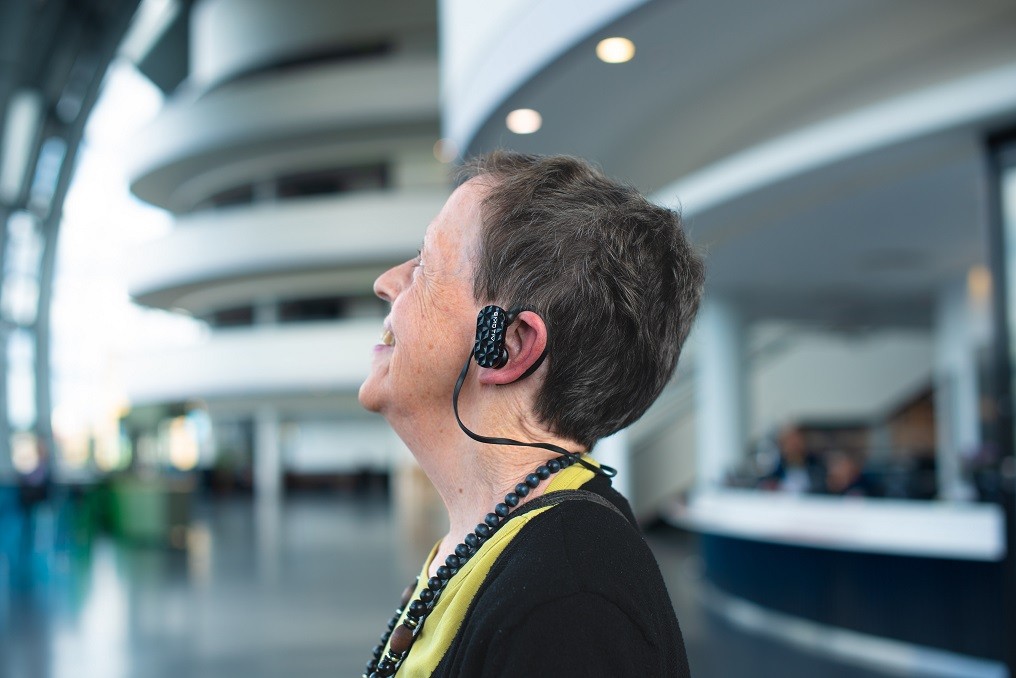
The Emotiv MN8 earbuds are a game-changer for anyone who wants to gather brain activity data without wearing a headset. These discreet, 2-channel EEG earbuds fit seamlessly into your daily life, whether you're at the office, commuting, or working out. They are designed to help you understand your focus, stress, and relaxation levels throughout the day in a completely unobtrusive way. The sheer convenience of the MN8 makes it an ideal choice for people who want to incorporate brain-sensing technology into their lives with minimal fuss. It’s a simple way to stay more in tune with your mental state on the go.
Emotiv Flex Saline - 32 Channel EEG Headset
When you need the most comprehensive brain data, the Emotiv Flex Saline delivers. This 32-channel headset is a top-tier option for advanced research and clinical applications. Its flexible design features saline-based sensors that ensure comfort during long recording sessions, which is a huge plus for both researchers and participants. The high-density coverage allows for incredibly detailed and nuanced brain mapping. Professionals who require a robust and adaptable EEG solution for academic research will find that the Flex provides the extensive data and reliability needed for the most demanding scientific studies.
Other Notable Options
Beyond the Emotiv lineup, a few other devices are popular for at-home use. One is a soft headband designed primarily for meditation and sleep support, using audio feedback to guide users. It’s a popular choice for those specifically looking for a tool to help with mindfulness practices and is priced around $400. Another device is built to help users find and maintain focus. It can integrate with other apps to do things like mute notifications when it detects you’re in a state of deep concentration, making it a tool geared toward productivity. This one costs approximately $900.
Key Features to Look for in a Home EEG Device
Choosing the right EEG device can feel like a big decision, but it really comes down to matching the hardware's features to your personal goals. Whether you're a developer, a researcher, or just curious about your own brain activity, a few key elements separate a good device from a great one. Think about what you want to achieve. Are you looking to build a brain-controlled application, or are you more interested in exploring mindfulness practices? Your answer will guide you toward the perfect fit. From the number of sensors and the quality of the data they collect to the comfort of the headset and the power of the software, each component plays a role in your overall experience. It's not just about the technology itself, but how that technology integrates into your life and helps you achieve what you set out to do. Let's walk through the most important features to consider so you can feel confident in your choice and find a device that truly works for you.
Evaluate Channel Count and Data Quality
When you see "channels" mentioned, it's just referring to the number of sensors on the device. More sensors can provide a more detailed picture of your brain's electrical activity across different regions. For many home use cases, a device with 5 to 14 channels offers a fantastic balance of rich data and ease of use. For example, our Epoc X headset uses 14 channels to give you a comprehensive view. However, channel count isn't everything. The most crucial factor is data quality. You want a device that provides clean, reliable information. Be mindful of products that make grand claims without showing how they ensure their data is accurate and free from environmental noise.
Check Battery Life and Connectivity
For a portable device, you don't want to be tethered to a charger. Look for a headset with a long-lasting battery that can support you through extended research sessions or daily wellness practices without interruption. Wireless connectivity, typically via Bluetooth, is also a must-have for any home EEG device. It allows you to move freely and connect to your computer or smartphone without getting tangled in wires. Some devices also include built-in motion sensors, which are incredibly helpful for distinguishing between brain signals and artifacts from head movements. This feature helps ensure you’re getting the cleanest possible data, which is essential for any developer or researcher.
Prioritize Comfort and Fit
Let's be honest: if a device is uncomfortable, you're not going to use it very often. How a headset feels is a major factor in how consistently you'll be able to integrate it into your routine. Consider the device's weight, how it's secured, and whether it feels balanced on your head. A lightweight and adjustable design makes a world of difference for longer sessions. The type of sensor also impacts comfort. Saline sensors, for instance, are quick to set up and great for everyday use, while different form factors like our MN8 earbuds offer a more discreet and comfortable option for specific applications.
Look for Real-Time Feedback
One of the most powerful features of a home EEG device is the ability to see your brain activity as it happens. This real-time feedback is what makes applications like neurofeedback and brain-computer interfaces possible. By visualizing your brain's responses, you can learn to guide your mental states, whether you're training your focus or building a custom command for a smart home device. This immediate insight is what transforms raw data into an interactive experience. It’s a core component for anyone interested in the practical application of brain-computer interface technology, turning abstract signals into tangible actions.
Explore Software and Analysis Tools
The hardware gathers the data, but the software is what brings it to life. A great EEG device is backed by powerful, intuitive software that translates complex brain signals into information you can actually use. Before you choose a device, check out its software ecosystem. Does it offer clear visualizations and real-time data streams? Can you easily record and export your data for later analysis? Our EmotivPRO software, for example, allows you to do all of this and more. The right software empowers you to go beyond simple observation and truly analyze and understand your brain data.
How Do These Devices Compare on Price and Value?
Choosing the right EEG device often comes down to balancing your budget with your goals. The price of a headset can range from a couple of hundred dollars to several thousand, and that cost usually reflects the device's capabilities, like its number of sensors and the quality of the data it collects. Think of it like buying a camera: a simple point-and-shoot is great for everyday snapshots, but a professional photographer will need a DSLR with interchangeable lenses for high-stakes projects.
To help you find the right fit, I’ve broken down the market into three common price tiers. Whether you’re just curious about brain-computer interfaces or you’re conducting graduate-level research, there’s a device that matches your needs and your budget. Let’s look at what you can expect to get for your money.
Budget-Friendly Options Under $500
If you’re new to EEG and want to explore the technology without a major investment, the sub-$500 category is the perfect place to start. Devices in this range are designed for accessibility and ease of use, making them great for students, educators, or anyone curious about personal biometrics. A well-known example is the NeuroSky MindWave Mobile 2, which is often used as an introductory tool. These headsets typically have fewer sensors but can still provide interesting data on states like attention and relaxation. They offer a fantastic entry point to the world of EEG and can help you learn the basics before committing to a more advanced system.
Mid-Range Devices: $500-$1000
This price range is the sweet spot for many users, offering a significant step up in data quality and application potential. Here you’ll find devices like our Emotiv Insight, a 5-channel headset that’s versatile enough for both personal wellness practices and light research applications. Another option in this tier is the Neurosity Crown, which is designed to help users manage focus. Devices in this category provide more detailed data and often come with more robust software, giving you a deeper understanding of your brain activity. They represent a solid investment for enthusiasts and researchers who need reliable, multi-channel data without moving into professional-grade price points.
Premium Options Above $1000
For serious researchers, developers, and institutions, the premium tier offers the highest fidelity and most extensive capabilities. These devices are built for complex and demanding applications. Our Emotiv Epoc X is a 14-channel headset designed specifically for contextualized human brain research and advanced brain-computer interface applications. For even more granular data, our 32-channel Flex headset is a top choice for academic and commercial researchers. The investment in a premium device gives you access to professional-grade data streams, which are essential for publishing studies, developing sophisticated BCI systems, or conducting in-depth neuromarketing analysis.
What's the Total Cost of Ownership?
When budgeting for an EEG device, it’s smart to look beyond the initial price tag. The total cost of ownership includes the hardware itself plus any software subscriptions or accessories you might need. Many companies offer a tiered software model. For instance, you might get basic data visualization for free but need a subscription to access raw EEG data, advanced analysis tools, or machine learning features. Our own software ecosystem includes the free Emotiv App for everyday use and EmotivPRO for research-grade analysis, which is available as a subscription. Factoring in these potential recurring costs will give you a much clearer picture of the long-term investment.
Which EEG Device Matches Your Wellness Goals?
Choosing an EEG device is a lot like picking a new pair of running shoes—the best one really depends on what you plan to do with it. Are you looking to deepen your meditation practice, find your focus zone for work, or simply get to know your own mind a little better? Different devices are designed with different goals in mind. Think of them as specialized tools for your cognitive wellness toolkit. By matching the device’s features to your personal goals, you can find a technology that truly supports your journey of self-discovery. Let’s walk through some common wellness goals and see which type of device might be the right fit for you.
For Meditation and Mindfulness
If you’re building a meditation practice, getting real-time feedback can be incredibly helpful. It helps you understand what’s happening internally when you feel calm or when your mind starts to wander. Some EEG devices are designed specifically for this, often in the form of soft headbands that provide gentle audio cues, like the sound of weather changing, based on your brain activity. This can be a great way to gently guide your attention back to the present moment.
Alternatively, a more versatile device paired with the right software can offer a different kind of insight. Using a headset like our Emotiv Insight with the Emotiv App allows you to see visual representations of your mental states, helping you connect the feeling of relaxation with the data on the screen.
For Focus and Concentration
In a world full of distractions, many of us are looking for ways to find and maintain a state of deep focus. EEG technology can be a powerful ally here. Some advanced devices are built specifically to support productivity, with features that can interact with your digital environment, like muting notifications when you’re in a state of concentration. This helps create a distraction-free bubble so you can get your best work done.
For a more data-driven approach, a device that provides real-time information on your focus levels can be invaluable. It allows you to see when you’re most engaged and what might be causing your attention to drift. This kind of awareness is the first step toward creating a work environment and habits that support sustained concentration.
For Sleep Quality Assessment
Understanding your sleep is key to overall well-being, and EEG can offer a deeper look into what’s happening after you close your eyes. For those specifically interested in overnight use, some devices come in the form of soft, comfortable fabric headbands that are designed to be worn while you sleep. They can provide data on different sleep stages and help you see patterns in your nightly rest.
However, you don’t necessarily need a dedicated sleep device to learn more about your rest. Using a headset before bed to guide a wind-down routine or meditation can be just as insightful. By observing your brain activity as you relax, you can learn what practices are most effective at preparing your mind and body for a restful night.
For General Brain Activity Awareness
Maybe you’re just curious. You want to understand your own mind better, see how your brain responds to different activities, and get a baseline for your mental states. Home EEG devices are like fitness trackers for your brain, giving you a window into your internal world. They allow you to get real information about your mental states, not just guesses. You can see what actually helps you relax after a long day or what time you’re typically most alert.
This is where a simple, easy-to-use device can shine. Our MN8 earbuds, for example, are designed for everyday use, making it easy to gather data while you go about your day. Having access to cognitive wellness tools empowers you to move from guessing to knowing, using that information to build habits that support your well-being.
What Can You Realistically Expect from At-Home EEG?
So, you’re ready to explore your own brain activity. That’s exciting! But before you jump in, it’s helpful to set some realistic expectations. At-home EEG devices are powerful tools for personal discovery and development, but they aren't magic wands. They won’t read your thoughts or instantly solve problems. Instead, think of them as a window into your brain's patterns, giving you the information you need to understand yourself better and build new skills over time. With the right mindset and a bit of consistency, you can get a lot out of the experience.
Gain Greater Self-Awareness
Think of a home EEG device as a fitness tracker for your brain. It measures the electrical signals your brain produces, offering you a glimpse into your mental states in real time. Are you truly focused, or is your mind wandering? Are you relaxed, or is there underlying stress? By seeing this data, you can start to connect your internal feelings with measurable brain activity. This process helps build greater self-awareness, allowing you to recognize your own patterns. The Emotiv App is a great place to start, as it translates complex brain data into easy-to-understand feedback on states like stress and focus, making the journey more accessible.
Access Tools for Cognitive Wellness Practices
One of the most powerful features of at-home EEG is neurofeedback, which is just a way of saying you get real-time feedback on your brain activity. This allows you to see how your brain responds when you try different techniques to focus, relax, or meditate. It’s like having a coach who can show you what’s happening internally. These devices provide access to tools that can support your cognitive wellness journey, helping you learn which strategies work best for you. Over time, you can use this feedback to build and refine practices that help you manage stress or maintain concentration when you need it most.
Know the Device Limitations and Accuracy
It’s important to remember that not all EEG devices are the same. Data quality is key, especially if you’re a researcher or developer who needs reliable brain data for your work. The number of channels, sensor type, and overall design of a headset all play a role in the kind of data you can collect. A device with more channels, like the Epoc X, can provide more detailed spatial information than a device with fewer sensors. Getting a good, clean signal also depends on a proper fit and minimizing noise from your environment. Understanding the capabilities and limitations of your specific device is crucial for getting the most out of it.
What's a Realistic Timeline for Results?
Just like starting a new workout routine at the gym, working with an EEG device requires consistency to see meaningful results. You probably won’t have a major breakthrough after just one session. Building self-awareness and learning to regulate your mental states is a skill that takes practice. For the best results, plan on using your device regularly for several weeks or even months. By making it a consistent part of your routine, you give yourself the time needed to understand your brain’s patterns and learn how to work with them effectively. Patience and persistence are your best friends on this journey.
How Do Users Actually Experience These Devices?
Technical specifications are important, but they don't tell the whole story. What truly matters is how an EEG device fits into your life. Is it comfortable enough to wear regularly? Is the data reliable and the software easy to use? The answers to these questions determine whether a device becomes a valuable tool or a forgotten gadget. Let's look at what the user experience is really like, from the initial setup to long-term use.
How Comfortable Are They for Daily Use?
If a device isn't comfortable, you simply won't use it. The user experience of a mobile EEG device is a huge factor in how consistently you can integrate it into your routine. Things like the device's weight, how securely it fits, and the type of electrodes it uses all play a role. Some people prefer the minimal feel of EEG earbuds, while others might need the full head coverage of a multi-channel headset for their work. Our goal is to provide options that fit different needs, from the lightweight Insight headset to the more comprehensive Flex system, ensuring you can find a device that feels right for you.
What Do Users Say About Data Quality?
A common question is whether a portable device can deliver high-quality data. The answer is a resounding yes. Thanks to advancements in technology, portable EEG offers excellent signal quality that can be used for a wide range of applications. Studies have shown that even people with no prior experience can record data of sufficient quality for research after just a single training session. This reliability is crucial because it means you can trust the information you're seeing, whether you're conducting formal academic research or simply exploring your own cognitive patterns.
How Easy Is the Software to Learn?
The hardware gathers the brain signals, but the software is what turns that raw data into meaningful information. The right software should feel intuitive, allowing you to see your brain activity in real time and easily export your data for further analysis. We designed our software platforms, like EmotivPRO, to be powerful enough for advanced researchers yet accessible for those just starting out. You shouldn't need a degree in neuroscience to begin understanding your data. A clear interface and straightforward controls make the learning process much smoother, letting you focus on your goals instead of wrestling with complicated software.
Are People Happy With Them Long-Term?
Long-term satisfaction comes from a device that is effective, reliable, and versatile. The portability and quality of modern EEG devices have opened up incredible new opportunities for users. People report high satisfaction when they find a device that seamlessly supports their work, whether it's for personal wellness, neuromarketing studies, or developing new brain-computer interface applications. The key is finding a system that can grow with you. A device that is easy to use for simple applications but also has the depth for more complex projects is one that will deliver value for years to come.
Set Up Your Home EEG for Success
Getting a new piece of tech can feel like a mix of excitement and a little bit of "now what?" I get it. But setting up your home EEG device is more straightforward than you might think. The key to getting meaningful insights is starting with a solid foundation. Think of it less like a complex scientific experiment and more like creating a new, intentional routine for yourself. The most advanced device won't be useful if it's complicated to use or if you're not in the right setting to gather clear data. That's why we've focused on making the entire process, from unboxing to data analysis, as intuitive as possible. By following a few simple steps for setup, creating the right space, and learning the basics of your data, you’ll be on your way to making the most of your device from the very first session. This section will guide you through those initial steps, helping you build the confidence and consistency needed to explore your brain activity in a meaningful way. Let's walk through how to get everything up and running smoothly so you can focus on what really matters.
Walk Through the Initial Setup
Your first session sets the tone for your entire experience, so let's make it a good one. The user experience of any wearable device is a huge factor in how often you'll use it, and we've designed our headsets with that in mind. When you unbox your device, the first step is to ensure the sensors are properly hydrated—this is crucial for getting a clean signal. Next, focus on getting a comfortable and secure fit. The headset should feel snug, but not tight. Once it's on, you'll pair it with our software, like the Emotiv App, which will guide you through a signal quality check. Don't worry if it's not perfect on the first try; a small adjustment is often all it takes. You'll find that even as a new user, you can record high-quality data right from your first session.
Create the Right Environment
You don't need a sterile lab to get great EEG data. In fact, one of the biggest benefits of a portable EEG is its flexibility. However, creating a calm and consistent environment will help you get the cleanest signal possible. Find a quiet spot where you won't be interrupted for 15 to 20 minutes. Try to minimize electrical interference by moving away from large appliances, routers, or fluorescent lights. Your physical comfort matters, too, so sit in a relaxed, upright position. Think of this as your dedicated space for focus or relaxation. By reducing external noise and distractions, you ensure that the data you're seeing reflects your brain activity, not your environment.
How to Read Your Data
Seeing your brain activity for the first time can be fascinating. While the raw EEG data looks like a series of squiggly lines, our software translates it into something much more understandable. In the Emotiv App, you’ll see metrics that can help you understand states like focus, calm, and excitement. Instead of getting lost in the raw data, you can see how these metrics change in real-time as you perform different activities. For those who want to go deeper, EmotivPRO allows you to see the raw data streams from each sensor, which is perfect for research or more advanced analysis. The key is to start simple: pay attention to one or two metrics and notice how they respond to your thoughts and actions.
Build a Consistent Routine
Like any new practice, consistency is more important than intensity. You don't need to spend hours with your device to see benefits. Start by setting aside just 10 to 15 minutes each day, perhaps before you start work or as part of a mindfulness practice. This regularity helps you become more familiar with the setup process and your own unique brain patterns. Over time, you’ll build a personal baseline, making it easier to see how different activities, from meditation to problem-solving, affect your cognitive states. The goal is to integrate the device into your life in a way that feels sustainable and supportive of your personal wellness goals.
How to Choose the Right Device for You
Picking the right EEG device can feel like a big decision, but it really comes down to what you want to accomplish. There’s no single “best” device—only the one that’s best for you. Instead of getting lost in technical specs, I find it’s much easier to work backward from your goals. By asking a few key questions about your purpose, your project, and your daily life, you can quickly narrow down the options and find the perfect fit.
Start With Your "Why"
Before you look at any specific hardware, take a moment to define your primary goal. Are you hoping to build a more consistent mindfulness practice and access tools for cognitive wellness? Or are you a researcher who needs high-quality, granular data for a formal study? Maybe you’re a developer with a great idea for a new brain-computer interface application. Each of these paths has different requirements. Knowing your "why" is the most important step because it acts as a filter for everything else. A device designed for simple, daily check-ins will look very different from one built for complex academic research.
Match the Tech to Your Task
Once you know your goal, you can start looking at features. The number of channels, or sensors, is a major consideration. More channels mean you can gather data from more locations across the scalp, giving you higher spatial resolution. For detailed brain mapping or source localization in a research setting, a high-density device like our Flex headset is the way to go. However, if your goal is to work with general mental states or simple BCI commands, a device with fewer channels is often more than enough. The key is to match the technical capabilities to your project’s needs so you get the data you require without unnecessary complexity.
Think About Your Daily Routine
Practicality is just as important as performance. Think about how and where you plan to use your device. If you want to integrate EEG into your daily routine, you’ll want something that’s comfortable, portable, and quick to set up. A discreet form factor, like our MN8 earbuds, is designed for exactly that kind of on-the-go use. On the other hand, if you’ll be using the device for dedicated sessions in a controlled lab environment, you might prioritize data fidelity over a speedy setup. Consider how a device will fit into your life—the most advanced hardware is useless if it’s too inconvenient to use regularly.
Look for a Supportive Ecosystem
A great EEG device is more than just hardware; it’s an entire ecosystem. The software is your window into the data, so make sure it aligns with your needs. Do you want user-friendly dashboards that interpret the data for you, or do you need access to the raw EEG streams for your own analysis? Our EmotivPRO software, for example, lets you do deep dives into the data. For developers, a robust SDK and API are essential. Finally, look for a company that offers strong customer support and fosters an active community. Having resources and people to turn to can make all the difference in your journey.
Related Articles
Frequently Asked Questions
How do I know how many channels I actually need? The right number of channels really depends on your goal. If you're interested in general wellness practices, like understanding your focus or relaxation levels, or if you're building simple brain-computer interface commands, a device with 2 to 5 channels like our MN8 earbuds or Insight headset will give you plenty of valuable information. For academic research or complex development projects where you need to see brain activity from many specific locations at once, you'll want a headset with 14 or more channels, such as the Epoc X or Flex.
Is the data from a portable EEG device reliable enough for serious research? Yes, absolutely. The technology in today's portable EEG devices provides high-quality, research-grade data, provided you follow the proper setup steps to get a clean signal. Our professional-grade headsets are trusted by researchers in thousands of institutions around the world and have been used in numerous peer-reviewed publications. The key is choosing a device designed for research, which ensures the data fidelity is suitable for scientific study.
What's the difference between the free app and a subscription software like EmotivPRO? Think of it as the difference between a dashboard and a full analytics suite. The free Emotiv App is designed for everyday use, translating your brain activity into easy-to-understand metrics for things like focus and calm. It’s perfect for personal wellness and getting started. EmotivPRO is our professional software for researchers and developers. A subscription gives you access to the raw EEG data streams from every sensor, lets you insert event markers for experiments, and provides advanced analysis tools needed for in-depth projects.
How long does a typical setup process take before I can start a session? Once you get the hang of it, the setup can be very quick. For a saline-based headset like the Epoc X, an experienced user can be ready to go in just a few minutes. The first few times you use it, you should plan on taking about 10 to 15 minutes to carefully hydrate the sensors and adjust the fit to ensure you get a strong, clean signal. It quickly becomes a simple and routine part of the process.
Can I use these devices for brain-computer interface (BCI) projects? Definitely. Our devices and software are designed with developers and BCI enthusiasts in mind. You can train our system to recognize specific mental commands, which can then be used to control software applications, smart home devices, or even a wheelchair. Our software development kit (SDK) gives you the tools you need to integrate brain data into your own custom applications and bring your BCI ideas to life.
At-home EEG technology has moved from science fiction to a real tool for personal discovery. But what can you realistically expect from it? These devices aren't mind-reading machines. Instead, think of them as a fitness tracker for your brain, offering a window into your cognitive patterns. This guide will help you set realistic expectations and understand the true potential of this technology. We'll explore what you can achieve, from building greater self-awareness to accessing tools for cognitive wellness practices. We'll help you find the best portable EEG for home use by focusing on practical applications and real-world benefits, not just the hype. Let's look at what these devices can actually do and how to choose one that supports your journey.
Key Takeaways
Match the device to your goal: Choose your EEG headset based on what you want to achieve—whether it's in-depth research requiring more channels or daily wellness practices that prioritize ease of use.
Look beyond the tech specs: A device's value is determined by its comfort, ease of use, and intuitive software. The best hardware is the kind you'll consistently want to use.
Set yourself up for success: Get the most from your device by creating a quiet environment, learning the software basics, and building a consistent routine. Meaningful insights are built over time, not in a single session.
What Makes a Great Portable EEG Device?
When you’re looking for an EEG device to use at home, the technical specs are only part of the story. A great portable device blends powerful technology with a design that actually fits into your life. It’s about more than just collecting data; it’s about creating a seamless experience from setup to analysis. The best devices are the ones you’ll actually want to use regularly, and that comes down to a few key elements that prioritize the user experience.
First, think about comfort and ease of use. If a headset is heavy, complicated to put on, or uncomfortable to wear for more than a few minutes, it’s likely to end up collecting dust. A great device should have a quick setup time and feel secure without being restrictive. This is especially important if you plan to use it for longer sessions, like during meditation or work. The goal is to find a device that you can almost forget you’re wearing, allowing you to get clean data without distraction.
Of course, data quality is non-negotiable. Portability shouldn’t come at the cost of reliable, high-quality brainwave data. A great device provides a clear signal that’s useful for everything from personal wellness practices to serious academic research. Finally, consider the software that comes with the hardware. The device itself is just a tool; the software is what helps you make sense of the information. Look for intuitive apps and platforms that let you visualize your brain activity in real-time and analyze your data afterward, whether you’re a developer building a brain-computer interface or simply curious about your own cognitive patterns.
Our Top Picks for Portable At-Home EEG Devices
Choosing the right EEG device can feel overwhelming with all the options out there. To make it easier, I’ve put together a list of my top picks that cater to different needs, from in-depth academic research to daily wellness practices. Whether you're a developer building the next big thing in BCI or you're simply curious about your own brain activity, there’s a device here for you. We’ll look at everything from high-density channel headsets for granular data to discreet earbuds you can wear anywhere. Let's find the perfect fit for your goals.
Emotiv Epoc X - 14 Channel EEG Headset
If you’re serious about research or developing for brain-computer interface applications, the Emotiv Epoc X is a fantastic choice. This headset provides high-resolution data with its 14 channels, giving you a detailed look at brain activity. It’s a go-to for academic and commercial researchers who need reliable, professional-grade data to understand cognitive and emotional responses. While it’s a more professional tool, its wireless design and straightforward setup make it accessible for anyone ready to dive deep into neuroscience. It’s a powerful device that delivers the quality data needed for complex projects.
Emotiv Insight - 5 Channel EEG Headset
For those focused on personal wellness and brain training, the Emotiv Insight is an excellent starting point. With 5 channels, it provides real-time feedback on your mental states, making it a great companion for meditation, focus exercises, and stress management. The design is sleek, lightweight, and easy to wear, so you can comfortably integrate it into your daily routine. It’s designed to help you understand your own cognitive patterns and provides access to tools that support your cognitive wellness journey. It strikes a great balance between providing meaningful data and being incredibly user-friendly.
Emotiv MN8 - 2 Channel EEG Earbuds
The Emotiv MN8 earbuds are a game-changer for anyone who wants to gather brain activity data without wearing a headset. These discreet, 2-channel EEG earbuds fit seamlessly into your daily life, whether you're at the office, commuting, or working out. They are designed to help you understand your focus, stress, and relaxation levels throughout the day in a completely unobtrusive way. The sheer convenience of the MN8 makes it an ideal choice for people who want to incorporate brain-sensing technology into their lives with minimal fuss. It’s a simple way to stay more in tune with your mental state on the go.
Emotiv Flex Saline - 32 Channel EEG Headset
When you need the most comprehensive brain data, the Emotiv Flex Saline delivers. This 32-channel headset is a top-tier option for advanced research and clinical applications. Its flexible design features saline-based sensors that ensure comfort during long recording sessions, which is a huge plus for both researchers and participants. The high-density coverage allows for incredibly detailed and nuanced brain mapping. Professionals who require a robust and adaptable EEG solution for academic research will find that the Flex provides the extensive data and reliability needed for the most demanding scientific studies.
Other Notable Options
Beyond the Emotiv lineup, a few other devices are popular for at-home use. One is a soft headband designed primarily for meditation and sleep support, using audio feedback to guide users. It’s a popular choice for those specifically looking for a tool to help with mindfulness practices and is priced around $400. Another device is built to help users find and maintain focus. It can integrate with other apps to do things like mute notifications when it detects you’re in a state of deep concentration, making it a tool geared toward productivity. This one costs approximately $900.
Key Features to Look for in a Home EEG Device
Choosing the right EEG device can feel like a big decision, but it really comes down to matching the hardware's features to your personal goals. Whether you're a developer, a researcher, or just curious about your own brain activity, a few key elements separate a good device from a great one. Think about what you want to achieve. Are you looking to build a brain-controlled application, or are you more interested in exploring mindfulness practices? Your answer will guide you toward the perfect fit. From the number of sensors and the quality of the data they collect to the comfort of the headset and the power of the software, each component plays a role in your overall experience. It's not just about the technology itself, but how that technology integrates into your life and helps you achieve what you set out to do. Let's walk through the most important features to consider so you can feel confident in your choice and find a device that truly works for you.
Evaluate Channel Count and Data Quality
When you see "channels" mentioned, it's just referring to the number of sensors on the device. More sensors can provide a more detailed picture of your brain's electrical activity across different regions. For many home use cases, a device with 5 to 14 channels offers a fantastic balance of rich data and ease of use. For example, our Epoc X headset uses 14 channels to give you a comprehensive view. However, channel count isn't everything. The most crucial factor is data quality. You want a device that provides clean, reliable information. Be mindful of products that make grand claims without showing how they ensure their data is accurate and free from environmental noise.
Check Battery Life and Connectivity
For a portable device, you don't want to be tethered to a charger. Look for a headset with a long-lasting battery that can support you through extended research sessions or daily wellness practices without interruption. Wireless connectivity, typically via Bluetooth, is also a must-have for any home EEG device. It allows you to move freely and connect to your computer or smartphone without getting tangled in wires. Some devices also include built-in motion sensors, which are incredibly helpful for distinguishing between brain signals and artifacts from head movements. This feature helps ensure you’re getting the cleanest possible data, which is essential for any developer or researcher.
Prioritize Comfort and Fit
Let's be honest: if a device is uncomfortable, you're not going to use it very often. How a headset feels is a major factor in how consistently you'll be able to integrate it into your routine. Consider the device's weight, how it's secured, and whether it feels balanced on your head. A lightweight and adjustable design makes a world of difference for longer sessions. The type of sensor also impacts comfort. Saline sensors, for instance, are quick to set up and great for everyday use, while different form factors like our MN8 earbuds offer a more discreet and comfortable option for specific applications.
Look for Real-Time Feedback
One of the most powerful features of a home EEG device is the ability to see your brain activity as it happens. This real-time feedback is what makes applications like neurofeedback and brain-computer interfaces possible. By visualizing your brain's responses, you can learn to guide your mental states, whether you're training your focus or building a custom command for a smart home device. This immediate insight is what transforms raw data into an interactive experience. It’s a core component for anyone interested in the practical application of brain-computer interface technology, turning abstract signals into tangible actions.
Explore Software and Analysis Tools
The hardware gathers the data, but the software is what brings it to life. A great EEG device is backed by powerful, intuitive software that translates complex brain signals into information you can actually use. Before you choose a device, check out its software ecosystem. Does it offer clear visualizations and real-time data streams? Can you easily record and export your data for later analysis? Our EmotivPRO software, for example, allows you to do all of this and more. The right software empowers you to go beyond simple observation and truly analyze and understand your brain data.
How Do These Devices Compare on Price and Value?
Choosing the right EEG device often comes down to balancing your budget with your goals. The price of a headset can range from a couple of hundred dollars to several thousand, and that cost usually reflects the device's capabilities, like its number of sensors and the quality of the data it collects. Think of it like buying a camera: a simple point-and-shoot is great for everyday snapshots, but a professional photographer will need a DSLR with interchangeable lenses for high-stakes projects.
To help you find the right fit, I’ve broken down the market into three common price tiers. Whether you’re just curious about brain-computer interfaces or you’re conducting graduate-level research, there’s a device that matches your needs and your budget. Let’s look at what you can expect to get for your money.
Budget-Friendly Options Under $500
If you’re new to EEG and want to explore the technology without a major investment, the sub-$500 category is the perfect place to start. Devices in this range are designed for accessibility and ease of use, making them great for students, educators, or anyone curious about personal biometrics. A well-known example is the NeuroSky MindWave Mobile 2, which is often used as an introductory tool. These headsets typically have fewer sensors but can still provide interesting data on states like attention and relaxation. They offer a fantastic entry point to the world of EEG and can help you learn the basics before committing to a more advanced system.
Mid-Range Devices: $500-$1000
This price range is the sweet spot for many users, offering a significant step up in data quality and application potential. Here you’ll find devices like our Emotiv Insight, a 5-channel headset that’s versatile enough for both personal wellness practices and light research applications. Another option in this tier is the Neurosity Crown, which is designed to help users manage focus. Devices in this category provide more detailed data and often come with more robust software, giving you a deeper understanding of your brain activity. They represent a solid investment for enthusiasts and researchers who need reliable, multi-channel data without moving into professional-grade price points.
Premium Options Above $1000
For serious researchers, developers, and institutions, the premium tier offers the highest fidelity and most extensive capabilities. These devices are built for complex and demanding applications. Our Emotiv Epoc X is a 14-channel headset designed specifically for contextualized human brain research and advanced brain-computer interface applications. For even more granular data, our 32-channel Flex headset is a top choice for academic and commercial researchers. The investment in a premium device gives you access to professional-grade data streams, which are essential for publishing studies, developing sophisticated BCI systems, or conducting in-depth neuromarketing analysis.
What's the Total Cost of Ownership?
When budgeting for an EEG device, it’s smart to look beyond the initial price tag. The total cost of ownership includes the hardware itself plus any software subscriptions or accessories you might need. Many companies offer a tiered software model. For instance, you might get basic data visualization for free but need a subscription to access raw EEG data, advanced analysis tools, or machine learning features. Our own software ecosystem includes the free Emotiv App for everyday use and EmotivPRO for research-grade analysis, which is available as a subscription. Factoring in these potential recurring costs will give you a much clearer picture of the long-term investment.
Which EEG Device Matches Your Wellness Goals?
Choosing an EEG device is a lot like picking a new pair of running shoes—the best one really depends on what you plan to do with it. Are you looking to deepen your meditation practice, find your focus zone for work, or simply get to know your own mind a little better? Different devices are designed with different goals in mind. Think of them as specialized tools for your cognitive wellness toolkit. By matching the device’s features to your personal goals, you can find a technology that truly supports your journey of self-discovery. Let’s walk through some common wellness goals and see which type of device might be the right fit for you.
For Meditation and Mindfulness
If you’re building a meditation practice, getting real-time feedback can be incredibly helpful. It helps you understand what’s happening internally when you feel calm or when your mind starts to wander. Some EEG devices are designed specifically for this, often in the form of soft headbands that provide gentle audio cues, like the sound of weather changing, based on your brain activity. This can be a great way to gently guide your attention back to the present moment.
Alternatively, a more versatile device paired with the right software can offer a different kind of insight. Using a headset like our Emotiv Insight with the Emotiv App allows you to see visual representations of your mental states, helping you connect the feeling of relaxation with the data on the screen.
For Focus and Concentration
In a world full of distractions, many of us are looking for ways to find and maintain a state of deep focus. EEG technology can be a powerful ally here. Some advanced devices are built specifically to support productivity, with features that can interact with your digital environment, like muting notifications when you’re in a state of concentration. This helps create a distraction-free bubble so you can get your best work done.
For a more data-driven approach, a device that provides real-time information on your focus levels can be invaluable. It allows you to see when you’re most engaged and what might be causing your attention to drift. This kind of awareness is the first step toward creating a work environment and habits that support sustained concentration.
For Sleep Quality Assessment
Understanding your sleep is key to overall well-being, and EEG can offer a deeper look into what’s happening after you close your eyes. For those specifically interested in overnight use, some devices come in the form of soft, comfortable fabric headbands that are designed to be worn while you sleep. They can provide data on different sleep stages and help you see patterns in your nightly rest.
However, you don’t necessarily need a dedicated sleep device to learn more about your rest. Using a headset before bed to guide a wind-down routine or meditation can be just as insightful. By observing your brain activity as you relax, you can learn what practices are most effective at preparing your mind and body for a restful night.
For General Brain Activity Awareness
Maybe you’re just curious. You want to understand your own mind better, see how your brain responds to different activities, and get a baseline for your mental states. Home EEG devices are like fitness trackers for your brain, giving you a window into your internal world. They allow you to get real information about your mental states, not just guesses. You can see what actually helps you relax after a long day or what time you’re typically most alert.
This is where a simple, easy-to-use device can shine. Our MN8 earbuds, for example, are designed for everyday use, making it easy to gather data while you go about your day. Having access to cognitive wellness tools empowers you to move from guessing to knowing, using that information to build habits that support your well-being.
What Can You Realistically Expect from At-Home EEG?
So, you’re ready to explore your own brain activity. That’s exciting! But before you jump in, it’s helpful to set some realistic expectations. At-home EEG devices are powerful tools for personal discovery and development, but they aren't magic wands. They won’t read your thoughts or instantly solve problems. Instead, think of them as a window into your brain's patterns, giving you the information you need to understand yourself better and build new skills over time. With the right mindset and a bit of consistency, you can get a lot out of the experience.
Gain Greater Self-Awareness
Think of a home EEG device as a fitness tracker for your brain. It measures the electrical signals your brain produces, offering you a glimpse into your mental states in real time. Are you truly focused, or is your mind wandering? Are you relaxed, or is there underlying stress? By seeing this data, you can start to connect your internal feelings with measurable brain activity. This process helps build greater self-awareness, allowing you to recognize your own patterns. The Emotiv App is a great place to start, as it translates complex brain data into easy-to-understand feedback on states like stress and focus, making the journey more accessible.
Access Tools for Cognitive Wellness Practices
One of the most powerful features of at-home EEG is neurofeedback, which is just a way of saying you get real-time feedback on your brain activity. This allows you to see how your brain responds when you try different techniques to focus, relax, or meditate. It’s like having a coach who can show you what’s happening internally. These devices provide access to tools that can support your cognitive wellness journey, helping you learn which strategies work best for you. Over time, you can use this feedback to build and refine practices that help you manage stress or maintain concentration when you need it most.
Know the Device Limitations and Accuracy
It’s important to remember that not all EEG devices are the same. Data quality is key, especially if you’re a researcher or developer who needs reliable brain data for your work. The number of channels, sensor type, and overall design of a headset all play a role in the kind of data you can collect. A device with more channels, like the Epoc X, can provide more detailed spatial information than a device with fewer sensors. Getting a good, clean signal also depends on a proper fit and minimizing noise from your environment. Understanding the capabilities and limitations of your specific device is crucial for getting the most out of it.
What's a Realistic Timeline for Results?
Just like starting a new workout routine at the gym, working with an EEG device requires consistency to see meaningful results. You probably won’t have a major breakthrough after just one session. Building self-awareness and learning to regulate your mental states is a skill that takes practice. For the best results, plan on using your device regularly for several weeks or even months. By making it a consistent part of your routine, you give yourself the time needed to understand your brain’s patterns and learn how to work with them effectively. Patience and persistence are your best friends on this journey.
How Do Users Actually Experience These Devices?
Technical specifications are important, but they don't tell the whole story. What truly matters is how an EEG device fits into your life. Is it comfortable enough to wear regularly? Is the data reliable and the software easy to use? The answers to these questions determine whether a device becomes a valuable tool or a forgotten gadget. Let's look at what the user experience is really like, from the initial setup to long-term use.
How Comfortable Are They for Daily Use?
If a device isn't comfortable, you simply won't use it. The user experience of a mobile EEG device is a huge factor in how consistently you can integrate it into your routine. Things like the device's weight, how securely it fits, and the type of electrodes it uses all play a role. Some people prefer the minimal feel of EEG earbuds, while others might need the full head coverage of a multi-channel headset for their work. Our goal is to provide options that fit different needs, from the lightweight Insight headset to the more comprehensive Flex system, ensuring you can find a device that feels right for you.
What Do Users Say About Data Quality?
A common question is whether a portable device can deliver high-quality data. The answer is a resounding yes. Thanks to advancements in technology, portable EEG offers excellent signal quality that can be used for a wide range of applications. Studies have shown that even people with no prior experience can record data of sufficient quality for research after just a single training session. This reliability is crucial because it means you can trust the information you're seeing, whether you're conducting formal academic research or simply exploring your own cognitive patterns.
How Easy Is the Software to Learn?
The hardware gathers the brain signals, but the software is what turns that raw data into meaningful information. The right software should feel intuitive, allowing you to see your brain activity in real time and easily export your data for further analysis. We designed our software platforms, like EmotivPRO, to be powerful enough for advanced researchers yet accessible for those just starting out. You shouldn't need a degree in neuroscience to begin understanding your data. A clear interface and straightforward controls make the learning process much smoother, letting you focus on your goals instead of wrestling with complicated software.
Are People Happy With Them Long-Term?
Long-term satisfaction comes from a device that is effective, reliable, and versatile. The portability and quality of modern EEG devices have opened up incredible new opportunities for users. People report high satisfaction when they find a device that seamlessly supports their work, whether it's for personal wellness, neuromarketing studies, or developing new brain-computer interface applications. The key is finding a system that can grow with you. A device that is easy to use for simple applications but also has the depth for more complex projects is one that will deliver value for years to come.
Set Up Your Home EEG for Success
Getting a new piece of tech can feel like a mix of excitement and a little bit of "now what?" I get it. But setting up your home EEG device is more straightforward than you might think. The key to getting meaningful insights is starting with a solid foundation. Think of it less like a complex scientific experiment and more like creating a new, intentional routine for yourself. The most advanced device won't be useful if it's complicated to use or if you're not in the right setting to gather clear data. That's why we've focused on making the entire process, from unboxing to data analysis, as intuitive as possible. By following a few simple steps for setup, creating the right space, and learning the basics of your data, you’ll be on your way to making the most of your device from the very first session. This section will guide you through those initial steps, helping you build the confidence and consistency needed to explore your brain activity in a meaningful way. Let's walk through how to get everything up and running smoothly so you can focus on what really matters.
Walk Through the Initial Setup
Your first session sets the tone for your entire experience, so let's make it a good one. The user experience of any wearable device is a huge factor in how often you'll use it, and we've designed our headsets with that in mind. When you unbox your device, the first step is to ensure the sensors are properly hydrated—this is crucial for getting a clean signal. Next, focus on getting a comfortable and secure fit. The headset should feel snug, but not tight. Once it's on, you'll pair it with our software, like the Emotiv App, which will guide you through a signal quality check. Don't worry if it's not perfect on the first try; a small adjustment is often all it takes. You'll find that even as a new user, you can record high-quality data right from your first session.
Create the Right Environment
You don't need a sterile lab to get great EEG data. In fact, one of the biggest benefits of a portable EEG is its flexibility. However, creating a calm and consistent environment will help you get the cleanest signal possible. Find a quiet spot where you won't be interrupted for 15 to 20 minutes. Try to minimize electrical interference by moving away from large appliances, routers, or fluorescent lights. Your physical comfort matters, too, so sit in a relaxed, upright position. Think of this as your dedicated space for focus or relaxation. By reducing external noise and distractions, you ensure that the data you're seeing reflects your brain activity, not your environment.
How to Read Your Data
Seeing your brain activity for the first time can be fascinating. While the raw EEG data looks like a series of squiggly lines, our software translates it into something much more understandable. In the Emotiv App, you’ll see metrics that can help you understand states like focus, calm, and excitement. Instead of getting lost in the raw data, you can see how these metrics change in real-time as you perform different activities. For those who want to go deeper, EmotivPRO allows you to see the raw data streams from each sensor, which is perfect for research or more advanced analysis. The key is to start simple: pay attention to one or two metrics and notice how they respond to your thoughts and actions.
Build a Consistent Routine
Like any new practice, consistency is more important than intensity. You don't need to spend hours with your device to see benefits. Start by setting aside just 10 to 15 minutes each day, perhaps before you start work or as part of a mindfulness practice. This regularity helps you become more familiar with the setup process and your own unique brain patterns. Over time, you’ll build a personal baseline, making it easier to see how different activities, from meditation to problem-solving, affect your cognitive states. The goal is to integrate the device into your life in a way that feels sustainable and supportive of your personal wellness goals.
How to Choose the Right Device for You
Picking the right EEG device can feel like a big decision, but it really comes down to what you want to accomplish. There’s no single “best” device—only the one that’s best for you. Instead of getting lost in technical specs, I find it’s much easier to work backward from your goals. By asking a few key questions about your purpose, your project, and your daily life, you can quickly narrow down the options and find the perfect fit.
Start With Your "Why"
Before you look at any specific hardware, take a moment to define your primary goal. Are you hoping to build a more consistent mindfulness practice and access tools for cognitive wellness? Or are you a researcher who needs high-quality, granular data for a formal study? Maybe you’re a developer with a great idea for a new brain-computer interface application. Each of these paths has different requirements. Knowing your "why" is the most important step because it acts as a filter for everything else. A device designed for simple, daily check-ins will look very different from one built for complex academic research.
Match the Tech to Your Task
Once you know your goal, you can start looking at features. The number of channels, or sensors, is a major consideration. More channels mean you can gather data from more locations across the scalp, giving you higher spatial resolution. For detailed brain mapping or source localization in a research setting, a high-density device like our Flex headset is the way to go. However, if your goal is to work with general mental states or simple BCI commands, a device with fewer channels is often more than enough. The key is to match the technical capabilities to your project’s needs so you get the data you require without unnecessary complexity.
Think About Your Daily Routine
Practicality is just as important as performance. Think about how and where you plan to use your device. If you want to integrate EEG into your daily routine, you’ll want something that’s comfortable, portable, and quick to set up. A discreet form factor, like our MN8 earbuds, is designed for exactly that kind of on-the-go use. On the other hand, if you’ll be using the device for dedicated sessions in a controlled lab environment, you might prioritize data fidelity over a speedy setup. Consider how a device will fit into your life—the most advanced hardware is useless if it’s too inconvenient to use regularly.
Look for a Supportive Ecosystem
A great EEG device is more than just hardware; it’s an entire ecosystem. The software is your window into the data, so make sure it aligns with your needs. Do you want user-friendly dashboards that interpret the data for you, or do you need access to the raw EEG streams for your own analysis? Our EmotivPRO software, for example, lets you do deep dives into the data. For developers, a robust SDK and API are essential. Finally, look for a company that offers strong customer support and fosters an active community. Having resources and people to turn to can make all the difference in your journey.
Related Articles
Frequently Asked Questions
How do I know how many channels I actually need? The right number of channels really depends on your goal. If you're interested in general wellness practices, like understanding your focus or relaxation levels, or if you're building simple brain-computer interface commands, a device with 2 to 5 channels like our MN8 earbuds or Insight headset will give you plenty of valuable information. For academic research or complex development projects where you need to see brain activity from many specific locations at once, you'll want a headset with 14 or more channels, such as the Epoc X or Flex.
Is the data from a portable EEG device reliable enough for serious research? Yes, absolutely. The technology in today's portable EEG devices provides high-quality, research-grade data, provided you follow the proper setup steps to get a clean signal. Our professional-grade headsets are trusted by researchers in thousands of institutions around the world and have been used in numerous peer-reviewed publications. The key is choosing a device designed for research, which ensures the data fidelity is suitable for scientific study.
What's the difference between the free app and a subscription software like EmotivPRO? Think of it as the difference between a dashboard and a full analytics suite. The free Emotiv App is designed for everyday use, translating your brain activity into easy-to-understand metrics for things like focus and calm. It’s perfect for personal wellness and getting started. EmotivPRO is our professional software for researchers and developers. A subscription gives you access to the raw EEG data streams from every sensor, lets you insert event markers for experiments, and provides advanced analysis tools needed for in-depth projects.
How long does a typical setup process take before I can start a session? Once you get the hang of it, the setup can be very quick. For a saline-based headset like the Epoc X, an experienced user can be ready to go in just a few minutes. The first few times you use it, you should plan on taking about 10 to 15 minutes to carefully hydrate the sensors and adjust the fit to ensure you get a strong, clean signal. It quickly becomes a simple and routine part of the process.
Can I use these devices for brain-computer interface (BCI) projects? Definitely. Our devices and software are designed with developers and BCI enthusiasts in mind. You can train our system to recognize specific mental commands, which can then be used to control software applications, smart home devices, or even a wheelchair. Our software development kit (SDK) gives you the tools you need to integrate brain data into your own custom applications and bring your BCI ideas to life.
At-home EEG technology has moved from science fiction to a real tool for personal discovery. But what can you realistically expect from it? These devices aren't mind-reading machines. Instead, think of them as a fitness tracker for your brain, offering a window into your cognitive patterns. This guide will help you set realistic expectations and understand the true potential of this technology. We'll explore what you can achieve, from building greater self-awareness to accessing tools for cognitive wellness practices. We'll help you find the best portable EEG for home use by focusing on practical applications and real-world benefits, not just the hype. Let's look at what these devices can actually do and how to choose one that supports your journey.
Key Takeaways
Match the device to your goal: Choose your EEG headset based on what you want to achieve—whether it's in-depth research requiring more channels or daily wellness practices that prioritize ease of use.
Look beyond the tech specs: A device's value is determined by its comfort, ease of use, and intuitive software. The best hardware is the kind you'll consistently want to use.
Set yourself up for success: Get the most from your device by creating a quiet environment, learning the software basics, and building a consistent routine. Meaningful insights are built over time, not in a single session.
What Makes a Great Portable EEG Device?
When you’re looking for an EEG device to use at home, the technical specs are only part of the story. A great portable device blends powerful technology with a design that actually fits into your life. It’s about more than just collecting data; it’s about creating a seamless experience from setup to analysis. The best devices are the ones you’ll actually want to use regularly, and that comes down to a few key elements that prioritize the user experience.
First, think about comfort and ease of use. If a headset is heavy, complicated to put on, or uncomfortable to wear for more than a few minutes, it’s likely to end up collecting dust. A great device should have a quick setup time and feel secure without being restrictive. This is especially important if you plan to use it for longer sessions, like during meditation or work. The goal is to find a device that you can almost forget you’re wearing, allowing you to get clean data without distraction.
Of course, data quality is non-negotiable. Portability shouldn’t come at the cost of reliable, high-quality brainwave data. A great device provides a clear signal that’s useful for everything from personal wellness practices to serious academic research. Finally, consider the software that comes with the hardware. The device itself is just a tool; the software is what helps you make sense of the information. Look for intuitive apps and platforms that let you visualize your brain activity in real-time and analyze your data afterward, whether you’re a developer building a brain-computer interface or simply curious about your own cognitive patterns.
Our Top Picks for Portable At-Home EEG Devices
Choosing the right EEG device can feel overwhelming with all the options out there. To make it easier, I’ve put together a list of my top picks that cater to different needs, from in-depth academic research to daily wellness practices. Whether you're a developer building the next big thing in BCI or you're simply curious about your own brain activity, there’s a device here for you. We’ll look at everything from high-density channel headsets for granular data to discreet earbuds you can wear anywhere. Let's find the perfect fit for your goals.
Emotiv Epoc X - 14 Channel EEG Headset
If you’re serious about research or developing for brain-computer interface applications, the Emotiv Epoc X is a fantastic choice. This headset provides high-resolution data with its 14 channels, giving you a detailed look at brain activity. It’s a go-to for academic and commercial researchers who need reliable, professional-grade data to understand cognitive and emotional responses. While it’s a more professional tool, its wireless design and straightforward setup make it accessible for anyone ready to dive deep into neuroscience. It’s a powerful device that delivers the quality data needed for complex projects.
Emotiv Insight - 5 Channel EEG Headset
For those focused on personal wellness and brain training, the Emotiv Insight is an excellent starting point. With 5 channels, it provides real-time feedback on your mental states, making it a great companion for meditation, focus exercises, and stress management. The design is sleek, lightweight, and easy to wear, so you can comfortably integrate it into your daily routine. It’s designed to help you understand your own cognitive patterns and provides access to tools that support your cognitive wellness journey. It strikes a great balance between providing meaningful data and being incredibly user-friendly.
Emotiv MN8 - 2 Channel EEG Earbuds
The Emotiv MN8 earbuds are a game-changer for anyone who wants to gather brain activity data without wearing a headset. These discreet, 2-channel EEG earbuds fit seamlessly into your daily life, whether you're at the office, commuting, or working out. They are designed to help you understand your focus, stress, and relaxation levels throughout the day in a completely unobtrusive way. The sheer convenience of the MN8 makes it an ideal choice for people who want to incorporate brain-sensing technology into their lives with minimal fuss. It’s a simple way to stay more in tune with your mental state on the go.
Emotiv Flex Saline - 32 Channel EEG Headset
When you need the most comprehensive brain data, the Emotiv Flex Saline delivers. This 32-channel headset is a top-tier option for advanced research and clinical applications. Its flexible design features saline-based sensors that ensure comfort during long recording sessions, which is a huge plus for both researchers and participants. The high-density coverage allows for incredibly detailed and nuanced brain mapping. Professionals who require a robust and adaptable EEG solution for academic research will find that the Flex provides the extensive data and reliability needed for the most demanding scientific studies.
Other Notable Options
Beyond the Emotiv lineup, a few other devices are popular for at-home use. One is a soft headband designed primarily for meditation and sleep support, using audio feedback to guide users. It’s a popular choice for those specifically looking for a tool to help with mindfulness practices and is priced around $400. Another device is built to help users find and maintain focus. It can integrate with other apps to do things like mute notifications when it detects you’re in a state of deep concentration, making it a tool geared toward productivity. This one costs approximately $900.
Key Features to Look for in a Home EEG Device
Choosing the right EEG device can feel like a big decision, but it really comes down to matching the hardware's features to your personal goals. Whether you're a developer, a researcher, or just curious about your own brain activity, a few key elements separate a good device from a great one. Think about what you want to achieve. Are you looking to build a brain-controlled application, or are you more interested in exploring mindfulness practices? Your answer will guide you toward the perfect fit. From the number of sensors and the quality of the data they collect to the comfort of the headset and the power of the software, each component plays a role in your overall experience. It's not just about the technology itself, but how that technology integrates into your life and helps you achieve what you set out to do. Let's walk through the most important features to consider so you can feel confident in your choice and find a device that truly works for you.
Evaluate Channel Count and Data Quality
When you see "channels" mentioned, it's just referring to the number of sensors on the device. More sensors can provide a more detailed picture of your brain's electrical activity across different regions. For many home use cases, a device with 5 to 14 channels offers a fantastic balance of rich data and ease of use. For example, our Epoc X headset uses 14 channels to give you a comprehensive view. However, channel count isn't everything. The most crucial factor is data quality. You want a device that provides clean, reliable information. Be mindful of products that make grand claims without showing how they ensure their data is accurate and free from environmental noise.
Check Battery Life and Connectivity
For a portable device, you don't want to be tethered to a charger. Look for a headset with a long-lasting battery that can support you through extended research sessions or daily wellness practices without interruption. Wireless connectivity, typically via Bluetooth, is also a must-have for any home EEG device. It allows you to move freely and connect to your computer or smartphone without getting tangled in wires. Some devices also include built-in motion sensors, which are incredibly helpful for distinguishing between brain signals and artifacts from head movements. This feature helps ensure you’re getting the cleanest possible data, which is essential for any developer or researcher.
Prioritize Comfort and Fit
Let's be honest: if a device is uncomfortable, you're not going to use it very often. How a headset feels is a major factor in how consistently you'll be able to integrate it into your routine. Consider the device's weight, how it's secured, and whether it feels balanced on your head. A lightweight and adjustable design makes a world of difference for longer sessions. The type of sensor also impacts comfort. Saline sensors, for instance, are quick to set up and great for everyday use, while different form factors like our MN8 earbuds offer a more discreet and comfortable option for specific applications.
Look for Real-Time Feedback
One of the most powerful features of a home EEG device is the ability to see your brain activity as it happens. This real-time feedback is what makes applications like neurofeedback and brain-computer interfaces possible. By visualizing your brain's responses, you can learn to guide your mental states, whether you're training your focus or building a custom command for a smart home device. This immediate insight is what transforms raw data into an interactive experience. It’s a core component for anyone interested in the practical application of brain-computer interface technology, turning abstract signals into tangible actions.
Explore Software and Analysis Tools
The hardware gathers the data, but the software is what brings it to life. A great EEG device is backed by powerful, intuitive software that translates complex brain signals into information you can actually use. Before you choose a device, check out its software ecosystem. Does it offer clear visualizations and real-time data streams? Can you easily record and export your data for later analysis? Our EmotivPRO software, for example, allows you to do all of this and more. The right software empowers you to go beyond simple observation and truly analyze and understand your brain data.
How Do These Devices Compare on Price and Value?
Choosing the right EEG device often comes down to balancing your budget with your goals. The price of a headset can range from a couple of hundred dollars to several thousand, and that cost usually reflects the device's capabilities, like its number of sensors and the quality of the data it collects. Think of it like buying a camera: a simple point-and-shoot is great for everyday snapshots, but a professional photographer will need a DSLR with interchangeable lenses for high-stakes projects.
To help you find the right fit, I’ve broken down the market into three common price tiers. Whether you’re just curious about brain-computer interfaces or you’re conducting graduate-level research, there’s a device that matches your needs and your budget. Let’s look at what you can expect to get for your money.
Budget-Friendly Options Under $500
If you’re new to EEG and want to explore the technology without a major investment, the sub-$500 category is the perfect place to start. Devices in this range are designed for accessibility and ease of use, making them great for students, educators, or anyone curious about personal biometrics. A well-known example is the NeuroSky MindWave Mobile 2, which is often used as an introductory tool. These headsets typically have fewer sensors but can still provide interesting data on states like attention and relaxation. They offer a fantastic entry point to the world of EEG and can help you learn the basics before committing to a more advanced system.
Mid-Range Devices: $500-$1000
This price range is the sweet spot for many users, offering a significant step up in data quality and application potential. Here you’ll find devices like our Emotiv Insight, a 5-channel headset that’s versatile enough for both personal wellness practices and light research applications. Another option in this tier is the Neurosity Crown, which is designed to help users manage focus. Devices in this category provide more detailed data and often come with more robust software, giving you a deeper understanding of your brain activity. They represent a solid investment for enthusiasts and researchers who need reliable, multi-channel data without moving into professional-grade price points.
Premium Options Above $1000
For serious researchers, developers, and institutions, the premium tier offers the highest fidelity and most extensive capabilities. These devices are built for complex and demanding applications. Our Emotiv Epoc X is a 14-channel headset designed specifically for contextualized human brain research and advanced brain-computer interface applications. For even more granular data, our 32-channel Flex headset is a top choice for academic and commercial researchers. The investment in a premium device gives you access to professional-grade data streams, which are essential for publishing studies, developing sophisticated BCI systems, or conducting in-depth neuromarketing analysis.
What's the Total Cost of Ownership?
When budgeting for an EEG device, it’s smart to look beyond the initial price tag. The total cost of ownership includes the hardware itself plus any software subscriptions or accessories you might need. Many companies offer a tiered software model. For instance, you might get basic data visualization for free but need a subscription to access raw EEG data, advanced analysis tools, or machine learning features. Our own software ecosystem includes the free Emotiv App for everyday use and EmotivPRO for research-grade analysis, which is available as a subscription. Factoring in these potential recurring costs will give you a much clearer picture of the long-term investment.
Which EEG Device Matches Your Wellness Goals?
Choosing an EEG device is a lot like picking a new pair of running shoes—the best one really depends on what you plan to do with it. Are you looking to deepen your meditation practice, find your focus zone for work, or simply get to know your own mind a little better? Different devices are designed with different goals in mind. Think of them as specialized tools for your cognitive wellness toolkit. By matching the device’s features to your personal goals, you can find a technology that truly supports your journey of self-discovery. Let’s walk through some common wellness goals and see which type of device might be the right fit for you.
For Meditation and Mindfulness
If you’re building a meditation practice, getting real-time feedback can be incredibly helpful. It helps you understand what’s happening internally when you feel calm or when your mind starts to wander. Some EEG devices are designed specifically for this, often in the form of soft headbands that provide gentle audio cues, like the sound of weather changing, based on your brain activity. This can be a great way to gently guide your attention back to the present moment.
Alternatively, a more versatile device paired with the right software can offer a different kind of insight. Using a headset like our Emotiv Insight with the Emotiv App allows you to see visual representations of your mental states, helping you connect the feeling of relaxation with the data on the screen.
For Focus and Concentration
In a world full of distractions, many of us are looking for ways to find and maintain a state of deep focus. EEG technology can be a powerful ally here. Some advanced devices are built specifically to support productivity, with features that can interact with your digital environment, like muting notifications when you’re in a state of concentration. This helps create a distraction-free bubble so you can get your best work done.
For a more data-driven approach, a device that provides real-time information on your focus levels can be invaluable. It allows you to see when you’re most engaged and what might be causing your attention to drift. This kind of awareness is the first step toward creating a work environment and habits that support sustained concentration.
For Sleep Quality Assessment
Understanding your sleep is key to overall well-being, and EEG can offer a deeper look into what’s happening after you close your eyes. For those specifically interested in overnight use, some devices come in the form of soft, comfortable fabric headbands that are designed to be worn while you sleep. They can provide data on different sleep stages and help you see patterns in your nightly rest.
However, you don’t necessarily need a dedicated sleep device to learn more about your rest. Using a headset before bed to guide a wind-down routine or meditation can be just as insightful. By observing your brain activity as you relax, you can learn what practices are most effective at preparing your mind and body for a restful night.
For General Brain Activity Awareness
Maybe you’re just curious. You want to understand your own mind better, see how your brain responds to different activities, and get a baseline for your mental states. Home EEG devices are like fitness trackers for your brain, giving you a window into your internal world. They allow you to get real information about your mental states, not just guesses. You can see what actually helps you relax after a long day or what time you’re typically most alert.
This is where a simple, easy-to-use device can shine. Our MN8 earbuds, for example, are designed for everyday use, making it easy to gather data while you go about your day. Having access to cognitive wellness tools empowers you to move from guessing to knowing, using that information to build habits that support your well-being.
What Can You Realistically Expect from At-Home EEG?
So, you’re ready to explore your own brain activity. That’s exciting! But before you jump in, it’s helpful to set some realistic expectations. At-home EEG devices are powerful tools for personal discovery and development, but they aren't magic wands. They won’t read your thoughts or instantly solve problems. Instead, think of them as a window into your brain's patterns, giving you the information you need to understand yourself better and build new skills over time. With the right mindset and a bit of consistency, you can get a lot out of the experience.
Gain Greater Self-Awareness
Think of a home EEG device as a fitness tracker for your brain. It measures the electrical signals your brain produces, offering you a glimpse into your mental states in real time. Are you truly focused, or is your mind wandering? Are you relaxed, or is there underlying stress? By seeing this data, you can start to connect your internal feelings with measurable brain activity. This process helps build greater self-awareness, allowing you to recognize your own patterns. The Emotiv App is a great place to start, as it translates complex brain data into easy-to-understand feedback on states like stress and focus, making the journey more accessible.
Access Tools for Cognitive Wellness Practices
One of the most powerful features of at-home EEG is neurofeedback, which is just a way of saying you get real-time feedback on your brain activity. This allows you to see how your brain responds when you try different techniques to focus, relax, or meditate. It’s like having a coach who can show you what’s happening internally. These devices provide access to tools that can support your cognitive wellness journey, helping you learn which strategies work best for you. Over time, you can use this feedback to build and refine practices that help you manage stress or maintain concentration when you need it most.
Know the Device Limitations and Accuracy
It’s important to remember that not all EEG devices are the same. Data quality is key, especially if you’re a researcher or developer who needs reliable brain data for your work. The number of channels, sensor type, and overall design of a headset all play a role in the kind of data you can collect. A device with more channels, like the Epoc X, can provide more detailed spatial information than a device with fewer sensors. Getting a good, clean signal also depends on a proper fit and minimizing noise from your environment. Understanding the capabilities and limitations of your specific device is crucial for getting the most out of it.
What's a Realistic Timeline for Results?
Just like starting a new workout routine at the gym, working with an EEG device requires consistency to see meaningful results. You probably won’t have a major breakthrough after just one session. Building self-awareness and learning to regulate your mental states is a skill that takes practice. For the best results, plan on using your device regularly for several weeks or even months. By making it a consistent part of your routine, you give yourself the time needed to understand your brain’s patterns and learn how to work with them effectively. Patience and persistence are your best friends on this journey.
How Do Users Actually Experience These Devices?
Technical specifications are important, but they don't tell the whole story. What truly matters is how an EEG device fits into your life. Is it comfortable enough to wear regularly? Is the data reliable and the software easy to use? The answers to these questions determine whether a device becomes a valuable tool or a forgotten gadget. Let's look at what the user experience is really like, from the initial setup to long-term use.
How Comfortable Are They for Daily Use?
If a device isn't comfortable, you simply won't use it. The user experience of a mobile EEG device is a huge factor in how consistently you can integrate it into your routine. Things like the device's weight, how securely it fits, and the type of electrodes it uses all play a role. Some people prefer the minimal feel of EEG earbuds, while others might need the full head coverage of a multi-channel headset for their work. Our goal is to provide options that fit different needs, from the lightweight Insight headset to the more comprehensive Flex system, ensuring you can find a device that feels right for you.
What Do Users Say About Data Quality?
A common question is whether a portable device can deliver high-quality data. The answer is a resounding yes. Thanks to advancements in technology, portable EEG offers excellent signal quality that can be used for a wide range of applications. Studies have shown that even people with no prior experience can record data of sufficient quality for research after just a single training session. This reliability is crucial because it means you can trust the information you're seeing, whether you're conducting formal academic research or simply exploring your own cognitive patterns.
How Easy Is the Software to Learn?
The hardware gathers the brain signals, but the software is what turns that raw data into meaningful information. The right software should feel intuitive, allowing you to see your brain activity in real time and easily export your data for further analysis. We designed our software platforms, like EmotivPRO, to be powerful enough for advanced researchers yet accessible for those just starting out. You shouldn't need a degree in neuroscience to begin understanding your data. A clear interface and straightforward controls make the learning process much smoother, letting you focus on your goals instead of wrestling with complicated software.
Are People Happy With Them Long-Term?
Long-term satisfaction comes from a device that is effective, reliable, and versatile. The portability and quality of modern EEG devices have opened up incredible new opportunities for users. People report high satisfaction when they find a device that seamlessly supports their work, whether it's for personal wellness, neuromarketing studies, or developing new brain-computer interface applications. The key is finding a system that can grow with you. A device that is easy to use for simple applications but also has the depth for more complex projects is one that will deliver value for years to come.
Set Up Your Home EEG for Success
Getting a new piece of tech can feel like a mix of excitement and a little bit of "now what?" I get it. But setting up your home EEG device is more straightforward than you might think. The key to getting meaningful insights is starting with a solid foundation. Think of it less like a complex scientific experiment and more like creating a new, intentional routine for yourself. The most advanced device won't be useful if it's complicated to use or if you're not in the right setting to gather clear data. That's why we've focused on making the entire process, from unboxing to data analysis, as intuitive as possible. By following a few simple steps for setup, creating the right space, and learning the basics of your data, you’ll be on your way to making the most of your device from the very first session. This section will guide you through those initial steps, helping you build the confidence and consistency needed to explore your brain activity in a meaningful way. Let's walk through how to get everything up and running smoothly so you can focus on what really matters.
Walk Through the Initial Setup
Your first session sets the tone for your entire experience, so let's make it a good one. The user experience of any wearable device is a huge factor in how often you'll use it, and we've designed our headsets with that in mind. When you unbox your device, the first step is to ensure the sensors are properly hydrated—this is crucial for getting a clean signal. Next, focus on getting a comfortable and secure fit. The headset should feel snug, but not tight. Once it's on, you'll pair it with our software, like the Emotiv App, which will guide you through a signal quality check. Don't worry if it's not perfect on the first try; a small adjustment is often all it takes. You'll find that even as a new user, you can record high-quality data right from your first session.
Create the Right Environment
You don't need a sterile lab to get great EEG data. In fact, one of the biggest benefits of a portable EEG is its flexibility. However, creating a calm and consistent environment will help you get the cleanest signal possible. Find a quiet spot where you won't be interrupted for 15 to 20 minutes. Try to minimize electrical interference by moving away from large appliances, routers, or fluorescent lights. Your physical comfort matters, too, so sit in a relaxed, upright position. Think of this as your dedicated space for focus or relaxation. By reducing external noise and distractions, you ensure that the data you're seeing reflects your brain activity, not your environment.
How to Read Your Data
Seeing your brain activity for the first time can be fascinating. While the raw EEG data looks like a series of squiggly lines, our software translates it into something much more understandable. In the Emotiv App, you’ll see metrics that can help you understand states like focus, calm, and excitement. Instead of getting lost in the raw data, you can see how these metrics change in real-time as you perform different activities. For those who want to go deeper, EmotivPRO allows you to see the raw data streams from each sensor, which is perfect for research or more advanced analysis. The key is to start simple: pay attention to one or two metrics and notice how they respond to your thoughts and actions.
Build a Consistent Routine
Like any new practice, consistency is more important than intensity. You don't need to spend hours with your device to see benefits. Start by setting aside just 10 to 15 minutes each day, perhaps before you start work or as part of a mindfulness practice. This regularity helps you become more familiar with the setup process and your own unique brain patterns. Over time, you’ll build a personal baseline, making it easier to see how different activities, from meditation to problem-solving, affect your cognitive states. The goal is to integrate the device into your life in a way that feels sustainable and supportive of your personal wellness goals.
How to Choose the Right Device for You
Picking the right EEG device can feel like a big decision, but it really comes down to what you want to accomplish. There’s no single “best” device—only the one that’s best for you. Instead of getting lost in technical specs, I find it’s much easier to work backward from your goals. By asking a few key questions about your purpose, your project, and your daily life, you can quickly narrow down the options and find the perfect fit.
Start With Your "Why"
Before you look at any specific hardware, take a moment to define your primary goal. Are you hoping to build a more consistent mindfulness practice and access tools for cognitive wellness? Or are you a researcher who needs high-quality, granular data for a formal study? Maybe you’re a developer with a great idea for a new brain-computer interface application. Each of these paths has different requirements. Knowing your "why" is the most important step because it acts as a filter for everything else. A device designed for simple, daily check-ins will look very different from one built for complex academic research.
Match the Tech to Your Task
Once you know your goal, you can start looking at features. The number of channels, or sensors, is a major consideration. More channels mean you can gather data from more locations across the scalp, giving you higher spatial resolution. For detailed brain mapping or source localization in a research setting, a high-density device like our Flex headset is the way to go. However, if your goal is to work with general mental states or simple BCI commands, a device with fewer channels is often more than enough. The key is to match the technical capabilities to your project’s needs so you get the data you require without unnecessary complexity.
Think About Your Daily Routine
Practicality is just as important as performance. Think about how and where you plan to use your device. If you want to integrate EEG into your daily routine, you’ll want something that’s comfortable, portable, and quick to set up. A discreet form factor, like our MN8 earbuds, is designed for exactly that kind of on-the-go use. On the other hand, if you’ll be using the device for dedicated sessions in a controlled lab environment, you might prioritize data fidelity over a speedy setup. Consider how a device will fit into your life—the most advanced hardware is useless if it’s too inconvenient to use regularly.
Look for a Supportive Ecosystem
A great EEG device is more than just hardware; it’s an entire ecosystem. The software is your window into the data, so make sure it aligns with your needs. Do you want user-friendly dashboards that interpret the data for you, or do you need access to the raw EEG streams for your own analysis? Our EmotivPRO software, for example, lets you do deep dives into the data. For developers, a robust SDK and API are essential. Finally, look for a company that offers strong customer support and fosters an active community. Having resources and people to turn to can make all the difference in your journey.
Related Articles
Frequently Asked Questions
How do I know how many channels I actually need? The right number of channels really depends on your goal. If you're interested in general wellness practices, like understanding your focus or relaxation levels, or if you're building simple brain-computer interface commands, a device with 2 to 5 channels like our MN8 earbuds or Insight headset will give you plenty of valuable information. For academic research or complex development projects where you need to see brain activity from many specific locations at once, you'll want a headset with 14 or more channels, such as the Epoc X or Flex.
Is the data from a portable EEG device reliable enough for serious research? Yes, absolutely. The technology in today's portable EEG devices provides high-quality, research-grade data, provided you follow the proper setup steps to get a clean signal. Our professional-grade headsets are trusted by researchers in thousands of institutions around the world and have been used in numerous peer-reviewed publications. The key is choosing a device designed for research, which ensures the data fidelity is suitable for scientific study.
What's the difference between the free app and a subscription software like EmotivPRO? Think of it as the difference between a dashboard and a full analytics suite. The free Emotiv App is designed for everyday use, translating your brain activity into easy-to-understand metrics for things like focus and calm. It’s perfect for personal wellness and getting started. EmotivPRO is our professional software for researchers and developers. A subscription gives you access to the raw EEG data streams from every sensor, lets you insert event markers for experiments, and provides advanced analysis tools needed for in-depth projects.
How long does a typical setup process take before I can start a session? Once you get the hang of it, the setup can be very quick. For a saline-based headset like the Epoc X, an experienced user can be ready to go in just a few minutes. The first few times you use it, you should plan on taking about 10 to 15 minutes to carefully hydrate the sensors and adjust the fit to ensure you get a strong, clean signal. It quickly becomes a simple and routine part of the process.
Can I use these devices for brain-computer interface (BCI) projects? Definitely. Our devices and software are designed with developers and BCI enthusiasts in mind. You can train our system to recognize specific mental commands, which can then be used to control software applications, smart home devices, or even a wheelchair. Our software development kit (SDK) gives you the tools you need to integrate brain data into your own custom applications and bring your BCI ideas to life.
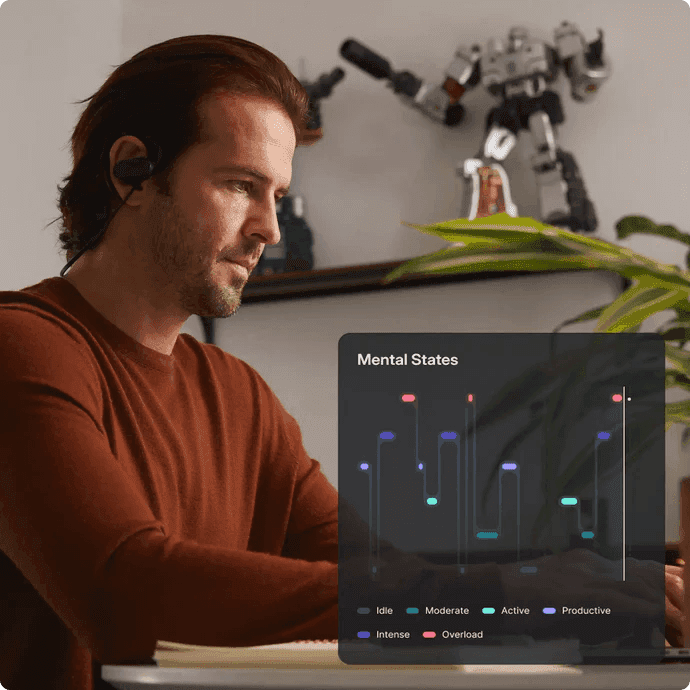
Continue reading