How to Choose EEG Systems for Cognitive Neuroscience
Emotiv
Updated on
Dec 17, 2025
How to Choose EEG Systems for Cognitive Neuroscience
Emotiv
Updated on
Dec 17, 2025
How to Choose EEG Systems for Cognitive Neuroscience
Emotiv
Updated on
Dec 17, 2025
For decades, brain research was largely confined to the controlled, and often artificial, environment of a laboratory. But cognition doesn’t just happen in a quiet room; it happens in the dynamic, complex settings of everyday life. The evolution of portable and wireless electroencephalography (EEG) has been a game-changer, allowing researchers to finally take their studies into the real world. Now, we can measure brain activity while a person learns in a classroom, works at a desk, or interacts with new technology. This shift toward ambulatory research provides more authentic and generalizable insights into how the brain functions. This article explains the core principles of EEG and details how modern eeg systems for cognitive neuroscience are making these exciting real-world studies possible.
Key Takeaways
Prioritize EEG for its timing precision: It’s unmatched for measuring the rapid sequence of cognitive events down to the millisecond. While it’s less exact at pinpointing where activity comes from, its speed is essential for understanding processes like attention and perception.
Match your hardware to your hypothesis: There’s no one-size-fits-all EEG system. A high-density headset is best for detailed brain mapping, while a portable, wireless device allows you to study brain activity in more natural, real-world environments.
Good data practices are essential: The quality of your insights depends on more than just the hardware. A successful study requires a careful setup, minimizing signal noise during data acquisition, and using robust software for analysis.
What is EEG and How Does It Work in Cognitive Neuroscience?
Cognitive neuroscience is a fascinating field that explores the link between our brain activity and our mental processes—things like memory, attention, and decision-making. To understand these connections, researchers need tools that can look inside the brain as it works. One of the most powerful and accessible tools for this job is the electroencephalogram, or EEG. It allows us to observe the brain’s electrical rhythms in real time, providing a direct window into the neural dynamics that underlie our thoughts and actions.
For decades, understanding the brain meant relying on indirect observations of behavior. But with EEG, we can directly measure the physiological basis of cognition as it unfolds. This has opened up new frontiers in understanding everything from how we learn a new skill to what happens in our brains during a moment of creative insight. It’s a technology that bridges the gap between the abstract world of the mind and the physical world of the brain. Whether you’re a seasoned researcher or just starting, understanding the fundamentals of EEG is the first step toward exploring the complexities of the human mind. From academic labs to real-world settings, EEG technology is making it possible to ask and answer new questions about how we think, feel, and learn.
The Science Behind EEG
So, what exactly is an EEG? At its core, an EEG is a method for measuring the electrical activity generated by your brain. Think of it this way: your brain is made up of billions of neurons that communicate with each other using tiny electrical signals. When large groups of neurons fire in sync, they produce enough electrical energy to be detected from the outside. An EEG system uses small sensors, called electrodes, placed on the scalp to pick up these faint signals. It’s a completely non-invasive way to study how the brain changes and responds to different stimuli or tasks. The collected data, known as brainwaves, can then be analyzed to reveal patterns related to different mental states.
Why EEG is Essential for Brain Research
Researchers often choose EEG for one main reason: its incredible timing. EEG has what’s called high temporal resolution, meaning it can measure brain activity down to the millisecond. This precision is crucial for understanding the rapid sequence of events that happen in the brain when we process information, make a split-second decision, or even just recognize a face. While other methods might tell you where activity is happening, EEG excels at telling you exactly when it happens. Furthermore, with techniques like quantitative EEG (qEEG), we can use computational analysis to turn raw brainwave data into detailed, objective insights about brain function. This makes it an invaluable tool for everything from studying attention to exploring the neural underpinnings of creativity.
A Guide to EEG Systems for Research
Choosing the right EEG system can feel overwhelming, but it really comes down to your research question. The technology has evolved far beyond the bulky, lab-only equipment of the past, and now there’s a wide range of systems designed for different needs. Are you trying to pinpoint the exact source of a neural signal with millimeter precision, or are you more interested in how brain activity changes while someone walks, talks, or learns in a real-world environment?
The answer will point you toward the ideal setup. Some studies demand the high spatial detail of a many-channeled system, while others prioritize participant comfort and freedom of movement. We’ll walk through the main categories of EEG systems you’ll find, from high-density caps to discreet mobile devices. Understanding the strengths of each type will help you match the hardware to your hypothesis, ensuring you collect the most meaningful data for your cognitive neuroscience study.
High-Density Systems (32+ Channels)
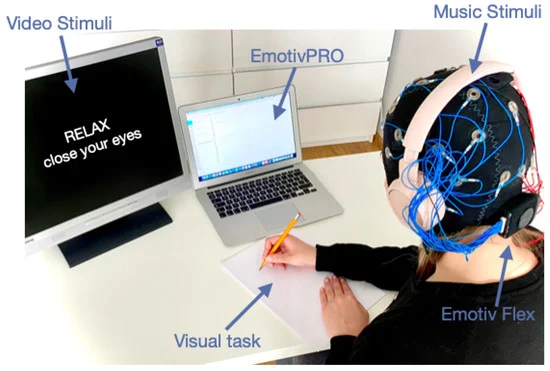
When your research requires a highly detailed map of brain activity, a high-density EEG system is your best tool. These systems, which feature 32 or more channels, provide excellent spatial resolution, allowing you to get a much clearer picture of where specific neural processes are happening. This level of detail is essential for research that aims to precisely localize brain functions or measure complex, distributed patterns of activity across the cortex. If you’re studying nuanced cognitive tasks like language processing or decision-making, the granular data from a high-density system is invaluable. Our Flex headset, for example, offers 32 channels to provide that deep, comprehensive view of brain dynamics.
Portable and Wireless Systems
One of the most exciting developments in neuroscience is the ability to take research out of the lab. Portable and wireless EEG systems free you and your participants from the tangle of wires, opening the door to studies in more natural environments. This flexibility is a game-changer, as it allows you to gather data in realistic settings, whether it’s a classroom, an office, or a moving vehicle. Measuring brain activity in these contexts can lead to more authentic and generalizable findings. Headsets like our Emotiv Epoc X are designed for this kind of work, offering professional-grade data in a wireless format that lets your research move wherever your participants do.
Dry Electrode Systems
Traditional EEG setup can be a barrier for some studies, often requiring messy conductive gels and lengthy preparation time. Dry electrode systems streamline this process significantly. By eliminating the need for gels, they make setup faster and the experience more comfortable for participants. This is a huge advantage for long sessions or when working with sensitive populations like children. While some systems use completely dry sensors, others, including many of our headsets, use simple saline-based electrodes that are quick to prepare and easy to clean. This evolution in electrode technology makes EEG a more practical and accessible tool for a broader range of research projects.
Mobile EEG for Real-World Studies
Mobile EEG technology empowers you to study the brain in action during everyday life. This is crucial for understanding cognitive processes as they unfold naturally, outside the artificial constraints of a lab. Imagine being able to measure a person’s cognitive load while they complete a work task or their engagement level while they interact with a new product. Mobile EEG makes these real-world studies a reality, collecting valuable data in dynamic environments. This approach is incredibly powerful for understanding cognition in context. Devices like our Emotiv Insight headset and even our Emotiv MN8 earbuds are built for this kind of ambulatory research, opening up new possibilities for discovering how the brain functions in the wild.
Key Advantages of Using EEG in Your Studies
When you’re planning a study, choosing the right tool is half the battle. While every neuroimaging technique has its strengths, EEG offers a powerful combination of precision, safety, and practicality that makes it a cornerstone of cognitive neuroscience. It allows you to get a direct look at brain function with incredible timing, all without being invasive or prohibitively expensive. This unique set of advantages opens the door to a wide range of research questions and populations that might be inaccessible with other methods. Let’s break down why EEG is such a valuable asset for researchers.
High Temporal Resolution
One of the standout features of EEG is its exceptional temporal resolution. In simple terms, EEG is fantastic at telling us when something is happening in the brain, right down to the millisecond. This speed is critical for studying cognitive processes that unfold incredibly quickly, like recognizing a face, processing a word, or reacting to a sudden sound. While other methods might show you where activity is happening, they can’t measure the precise timing of neural responses the way EEG can. This makes it an indispensable tool for any academic research focused on the dynamics of cognition.
A Non-Invasive, Cost-Effective Method
EEG is a completely non-invasive technique, meaning the sensors simply rest on the scalp to pick up electrical signals. Nothing enters the body, which makes it a safe and comfortable option for participants of all ages. This is a huge plus for developmental research, as it’s efficient and doesn’t get in the way of a child’s natural behavior. From a practical standpoint, EEG is also relatively inexpensive compared to other neuroimaging methods like fMRI or MEG. Portable systems like our Emotiv Epoc X headset make high-quality brain research more accessible to labs and institutions without massive budgets.
Measure Brain Activity in Real Time
Because EEG systems measure brain activity so quickly, they are perfect for real-time applications. This capability is the foundation of brain-computer interface (BCI) technology, where a person’s neural signals can be used to control software or hardware as they are generated. Imagine a user controlling a cursor on a screen or a drone in the air using their brain activity—that’s the power of real-time EEG. This also has exciting applications in fields like neuromarketing, where you can measure a person’s immediate, subconscious reaction to an advertisement or product experience as it happens.
Ideal for Diverse Study Populations
The safety and non-invasive nature of EEG make it suitable for a wide range of participants, including those who might be excluded from other types of studies. Because it’s harmless, it can be used with sensitive groups, from newborn babies to older adults. The development of comfortable, wireless headsets like our Emotiv Insight has also made it easier than ever to conduct research outside of a traditional lab. This portability allows you to study participants in more natural environments and include individuals with mobility challenges, making your research more inclusive and your findings more applicable to the real world.
Understanding the Limitations of EEG
EEG is an incredible tool for exploring the brain’s electrical activity, but like any technology, it has its limits. Being aware of these challenges is the first step toward designing strong studies and interpreting your data accurately. It doesn’t mean EEG isn’t valuable; it just means we need to be smart about how we use it. Let’s walk through some of the key limitations you should keep in mind when working with EEG data.
Spatial Resolution Constraints
Think of EEG as having a superpower: it can detect brain activity almost as it happens, giving it fantastic temporal resolution. However, its spatial resolution—pinpointing where the activity is coming from—is less precise. The electrical signals generated by neurons have to travel through brain tissue, cerebrospinal fluid, and the skull before they reach the electrodes on the scalp. This journey can smear the signals, making it difficult to identify the exact source with pinpoint accuracy. While we know the general region of activity, we can’t say for sure which specific cluster of neurons is firing.
Dealing with Signal Noise and Artifacts
Your EEG headset is designed to pick up tiny electrical signals from the brain, but it can also pick up electrical noise from other sources. These unwanted signals are called artifacts, and they can come from anywhere: eye blinks, jaw clenching, muscle tension, or even electrical interference from nearby equipment. A significant part of any EEG analysis involves a careful data cleaning process to identify and remove these artifacts. Without this step, the noise can easily mask the brain activity you’re trying to study, leading to skewed results. Our EmotivPRO software includes features to help you manage and filter these artifacts during analysis.
The Challenge of Data Interpretation
Collecting EEG data is just the beginning; making sense of it is where the real work comes in. Interpreting these complex datasets requires a solid foundation in statistics and digital signal processing. Without this expertise, it’s possible to make mistakes that lead to unreliable findings. One of the broader challenges in quantitative EEG research is the difficulty in reproducing results across different studies. This highlights the need for standardized protocols, transparent methods, and a deep understanding of the analytical techniques being used. The quality of your insights depends directly on the rigor of your analysis.
How to Use EEG to Study Cognitive Processes
EEG is an incredibly versatile tool for peering into the brain’s activity as it happens. Unlike methods that show a static picture of the brain, EEG gives us a dynamic view, capturing the electrical rhythms that underpin our thoughts, feelings, and actions. This makes it uniquely suited for studying cognitive processes—the mental operations that allow us to perceive, learn, remember, and solve problems. By placing sensors on the scalp, we can measure these subtle electrical signals in real time, providing a direct window into the brain’s functional state.
For researchers in academic research and education, this opens up a world of possibilities. Whether you’re exploring the neural basis of attention, trying to understand the mental effort involved in a task, or mapping the brain activity behind a creative insight, EEG provides the high-resolution temporal data needed to connect brain function to behavior. With portable systems like our Emotiv Epoc X or Flex headsets, you can conduct these studies in more naturalistic settings, moving beyond the traditional lab environment. Let’s look at a few specific ways you can use EEG to explore the fascinating landscape of human cognition.
Using ERPs to Study Attention and Memory
One of the most powerful techniques in the EEG toolkit is the analysis of event-related potentials (ERPs). An ERP is the brain’s measured response that is the direct result of a specific sensory, cognitive, or motor event. By averaging the EEG signal over many trials, we can isolate the tiny electrical response linked to that event from the background brain activity. This gives us incredible temporal precision, letting us see what the brain is doing just milliseconds after a stimulus appears. For example, researchers often use the P300 component, a positive voltage peak appearing around 300ms after a novel or target stimulus, to study attention. Similarly, ERPs can reveal differences in brain activity for items that are later remembered versus those that are forgotten, offering insights into memory encoding.
Assessing Working Memory and Cognitive Load
How much mental effort does a task require? EEG can help answer that question by assessing cognitive load and working memory. Working memory is our mental workspace for holding and manipulating information, and cognitive load is the demand it places on our brain. As a task becomes more difficult, we can see corresponding changes in brainwave patterns. Specifically, researchers often look at changes in alpha and theta frequency bands. A decrease in alpha power and an increase in theta power are commonly associated with a higher cognitive load. This makes EEG an excellent tool of cognitive neuroscience for evaluating user interfaces, educational materials, or training programs to understand how demanding they are for the user.
Investigating Creativity and Problem-Solving
Creativity and problem-solving aren’t single events but complex processes involving multiple brain networks. EEG allows us to observe the neural dynamics that unfold during these moments of insight and ingenuity. For instance, studies have shown that an increase in alpha brainwave activity, particularly over parietal and occipital regions, is often linked to creative ideation and the internal focus of attention. This state is thought to facilitate the connection of distant ideas. Furthermore, the prefrontal cortex shows significant activity during tasks that require executive functions like planning and evaluating solutions. By analyzing these patterns, researchers can better understand the cognitive neuroscience of creativity and what the brain is doing when it generates novel ideas.
Applications in Developmental Research
Studying the developing brain presents unique challenges, and EEG is exceptionally well-suited to meet them. Unlike other neuroimaging methods, EEG is non-invasive, relatively inexpensive, and much more tolerant of movement, making it ideal for research with infants and children. A child can sit on a parent’s lap or play while wearing a comfortable EEG headset, allowing for data collection in a more natural and less stressful environment. This has made it possible for researchers to use EEG to study cognitive development in incredible detail. Scientists can explore everything from how infants learn to process faces and language to how attention and executive functions develop throughout childhood, providing invaluable insights into the foundations of human cognition.
How to Choose the Right EEG System
Picking the right EEG system for your research can feel like a big decision, but it really comes down to one thing: your research question. What cognitive processes are you trying to understand? The best system for you is the one that gives you the data you need to answer that question effectively. There’s no single “best” EEG headset—it’s about finding the right fit for your specific study.
To make the right choice, you’ll want to consider a few key factors. Think about how many data points you need (channel count), how quickly you need to measure brain responses (temporal resolution), what you’ll do with the data once you have it (software), and where your study will take place (portability). Balancing these elements will help you select a system that aligns with your research goals, your budget, and the experience you want to create for your participants.
Channel Count and Electrode Placement
Channel count refers to the number of electrodes on the headset, and it’s a critical factor because it influences the kind of data you can collect. EEG is fantastic at telling you when a neural event happens, but it’s less precise about where it happens because the skull diffuses electrical signals. A higher channel count, with more electrodes distributed across the scalp, can improve your ability to estimate the source of the brain activity.
For studies requiring detailed brain mapping or source localization, a high-density system like our 32-channel Flex headset is a great option. For research focused on overall brain states or specific event-related potentials (ERPs), a system with fewer channels, like the 14-channel Emotiv Epoc X, provides high-quality data with a much faster setup time.
Temporal Resolution and Sampling Rate
One of EEG’s biggest strengths is its incredible temporal resolution. It can measure brain activity down to the millisecond, which is essential for studying the rapid cognitive processes involved in perception, attention, and language. When you’re investigating how the brain reacts to a stimulus, you need a system that can capture those fleeting responses with precision.
The sampling rate—how many times per second the system measures data—is also important for capturing the full spectrum of brainwave activity. All our EEG systems are designed for the high temporal resolution needed in academic research, ensuring you can confidently measure the brain’s real-time responses and conduct detailed ERP analysis.
Software and Data Processing Capabilities
The EEG headset is just the first step; the software is where your raw data becomes meaningful insight. Getting clean, usable data requires careful data acquisition and processing to remove “artifacts”—unwanted signals from things like eye blinks or muscle tension. The right software can make this process much more manageable.
Our EmotivPRO software is designed to streamline your workflow. It allows you to view and analyze EEG data in real time, insert event markers for ERP studies, and analyze data with frequency mapping and performance metrics. It gives you the tools to manage signal quality and process your data efficiently, so you can spend less time cleaning data and more time answering your research questions.
Portability and Participant Comfort
Research doesn’t always happen in a lab. With portable and wireless EEG systems, you can conduct studies in more natural environments, from classrooms to simulators. Unlike bulky lab equipment like an MRI, lightweight headsets allow you to explore brain activity during real-world tasks. This opens up new possibilities for studying cognition in context.
Participant comfort is also key to data quality. An uncomfortable participant is more likely to move, creating artifacts that contaminate the EEG signal. Our headsets, like the 5-channel Emotiv Insight, are designed to be lightweight, wireless, and easy to fit, ensuring a better experience for your participants and more reliable data for you.
Getting Started with EEG
Once you’ve chosen your EEG system, the next step is to put it to work. Setting up your first study can feel like a big undertaking, but focusing on best practices from the start will set you up for success. It’s also helpful to understand where the field is headed and how EEG can work alongside other methods to give you a more complete picture of cognitive processes. Let’s walk through some key considerations for getting your research off the ground.
The Future: Machine Learning and Advanced Analysis
The world of EEG analysis is evolving quickly, thanks in large part to machine learning. As you plan your studies, think bigger. The most reliable results often come from studies with a larger number of participants, which generates the rich datasets that machine learning models thrive on. Our EmotivPRO software is designed to handle these complex datasets, allowing you to apply advanced analytical techniques. Using robust statistical methods designed specifically for EEG data is crucial for drawing accurate conclusions. This combination of large-scale data collection and sophisticated analysis is pushing the boundaries of what we can learn from brain activity.
Essential Setup and Best Practices
One of the biggest advantages of EEG is that it’s efficient and lets you observe brain activity without disrupting a person’s natural behavior. To get clean, usable data, your setup is key. Before you begin, always check that your electrodes have a good connection and that your participant is comfortable. During data collection, your goal is to maximize the signal and minimize the noise. After a session, the first thing you should do is review the data to see how much of it is usable. It’s a critical best practice to ensure your data quality is consistent across all participants and groups in your academic research.
Integrating EEG with Other Neuroimaging Methods
EEG is fantastic for understanding when a cognitive event happens, thanks to its incredible temporal resolution. This makes it perfect for real-time applications like brain-computer interface research. However, it’s less precise at telling you where in the brain the activity is coming from. That’s where other methods come in. Techniques like MEG and fMRI offer better spatial resolution. By combining EEG with these other neuroimaging tools, you can create a much richer, more detailed understanding of brain function. This multi-method approach allows you to capture both the timing and the location of neural activity, giving you the best of both worlds.
Related Articles
Frequently Asked Questions
How do I decide how many channels I actually need for my study? This is a great question, and it really comes down to what you’re trying to find out. If your research involves pinpointing the specific origin of brain activity or creating detailed maps of neural networks, a high-density system like our 32-channel Flex headset is the right tool. However, if you’re focused on overall brain states or specific brain responses to stimuli (ERPs), a headset with fewer channels, like the 14-channel Epoc X, will give you excellent data with a much quicker setup time. The key is to match the hardware to your research question.
You mentioned artifacts and noise. How difficult is it to get clean, usable data? Dealing with artifacts is a standard part of any EEG workflow, but it doesn’t have to be a major hurdle. Your first line of defense is a good setup—ensuring your participant is comfortable and the electrodes have a solid connection minimizes a lot of noise from the start. After that, the process becomes much more manageable with the right tools. Our EmotivPRO software, for example, includes features that help you identify and filter out common artifacts like eye blinks or muscle tension, so you can work with a clean, reliable dataset.
What’s the main difference between temporal and spatial resolution, and why does EEG excel at one over the other? Think of it this way: temporal resolution tells you when something happens, while spatial resolution tells you where. EEG is like a high-precision stopwatch for the brain. Because it measures electrical activity directly, it can capture changes happening in milliseconds, which is perfect for studying the rapid flow of cognition. Its spatial resolution is less precise because those electrical signals get slightly diffused as they pass through the skull. So, while EEG is fantastic at timing brain events, it gives you a more general idea of the location.
Can I really conduct a valid study outside of a controlled lab environment? Absolutely. In fact, this is one of the most exciting frontiers in cognitive neuroscience. Using portable, wireless headsets allows you to study brain activity in more natural and realistic settings, which can make your findings more applicable to everyday life. The key to a successful study in the field is being mindful of your environment and controlling for potential variables, just as you would in a lab. Devices like our Insight headset are designed specifically for this kind of research, empowering you to explore how the brain functions in the real world.
What is an ERP, and is it a difficult technique to use for a beginner? An ERP, or Event-Related Potential, is simply the brain’s direct electrical response to a specific event, like seeing a word or hearing a tone. We can isolate this tiny signal by averaging the EEG data over many trials where the same event occurs. While the analysis can seem intimidating at first, the initial data collection is quite straightforward. Our EmotivPRO software makes it easy to insert event markers into your data stream as you measure data, which is the essential first step for any ERP study.
For decades, brain research was largely confined to the controlled, and often artificial, environment of a laboratory. But cognition doesn’t just happen in a quiet room; it happens in the dynamic, complex settings of everyday life. The evolution of portable and wireless electroencephalography (EEG) has been a game-changer, allowing researchers to finally take their studies into the real world. Now, we can measure brain activity while a person learns in a classroom, works at a desk, or interacts with new technology. This shift toward ambulatory research provides more authentic and generalizable insights into how the brain functions. This article explains the core principles of EEG and details how modern eeg systems for cognitive neuroscience are making these exciting real-world studies possible.
Key Takeaways
Prioritize EEG for its timing precision: It’s unmatched for measuring the rapid sequence of cognitive events down to the millisecond. While it’s less exact at pinpointing where activity comes from, its speed is essential for understanding processes like attention and perception.
Match your hardware to your hypothesis: There’s no one-size-fits-all EEG system. A high-density headset is best for detailed brain mapping, while a portable, wireless device allows you to study brain activity in more natural, real-world environments.
Good data practices are essential: The quality of your insights depends on more than just the hardware. A successful study requires a careful setup, minimizing signal noise during data acquisition, and using robust software for analysis.
What is EEG and How Does It Work in Cognitive Neuroscience?
Cognitive neuroscience is a fascinating field that explores the link between our brain activity and our mental processes—things like memory, attention, and decision-making. To understand these connections, researchers need tools that can look inside the brain as it works. One of the most powerful and accessible tools for this job is the electroencephalogram, or EEG. It allows us to observe the brain’s electrical rhythms in real time, providing a direct window into the neural dynamics that underlie our thoughts and actions.
For decades, understanding the brain meant relying on indirect observations of behavior. But with EEG, we can directly measure the physiological basis of cognition as it unfolds. This has opened up new frontiers in understanding everything from how we learn a new skill to what happens in our brains during a moment of creative insight. It’s a technology that bridges the gap between the abstract world of the mind and the physical world of the brain. Whether you’re a seasoned researcher or just starting, understanding the fundamentals of EEG is the first step toward exploring the complexities of the human mind. From academic labs to real-world settings, EEG technology is making it possible to ask and answer new questions about how we think, feel, and learn.
The Science Behind EEG
So, what exactly is an EEG? At its core, an EEG is a method for measuring the electrical activity generated by your brain. Think of it this way: your brain is made up of billions of neurons that communicate with each other using tiny electrical signals. When large groups of neurons fire in sync, they produce enough electrical energy to be detected from the outside. An EEG system uses small sensors, called electrodes, placed on the scalp to pick up these faint signals. It’s a completely non-invasive way to study how the brain changes and responds to different stimuli or tasks. The collected data, known as brainwaves, can then be analyzed to reveal patterns related to different mental states.
Why EEG is Essential for Brain Research
Researchers often choose EEG for one main reason: its incredible timing. EEG has what’s called high temporal resolution, meaning it can measure brain activity down to the millisecond. This precision is crucial for understanding the rapid sequence of events that happen in the brain when we process information, make a split-second decision, or even just recognize a face. While other methods might tell you where activity is happening, EEG excels at telling you exactly when it happens. Furthermore, with techniques like quantitative EEG (qEEG), we can use computational analysis to turn raw brainwave data into detailed, objective insights about brain function. This makes it an invaluable tool for everything from studying attention to exploring the neural underpinnings of creativity.
A Guide to EEG Systems for Research
Choosing the right EEG system can feel overwhelming, but it really comes down to your research question. The technology has evolved far beyond the bulky, lab-only equipment of the past, and now there’s a wide range of systems designed for different needs. Are you trying to pinpoint the exact source of a neural signal with millimeter precision, or are you more interested in how brain activity changes while someone walks, talks, or learns in a real-world environment?
The answer will point you toward the ideal setup. Some studies demand the high spatial detail of a many-channeled system, while others prioritize participant comfort and freedom of movement. We’ll walk through the main categories of EEG systems you’ll find, from high-density caps to discreet mobile devices. Understanding the strengths of each type will help you match the hardware to your hypothesis, ensuring you collect the most meaningful data for your cognitive neuroscience study.
High-Density Systems (32+ Channels)
When your research requires a highly detailed map of brain activity, a high-density EEG system is your best tool. These systems, which feature 32 or more channels, provide excellent spatial resolution, allowing you to get a much clearer picture of where specific neural processes are happening. This level of detail is essential for research that aims to precisely localize brain functions or measure complex, distributed patterns of activity across the cortex. If you’re studying nuanced cognitive tasks like language processing or decision-making, the granular data from a high-density system is invaluable. Our Flex headset, for example, offers 32 channels to provide that deep, comprehensive view of brain dynamics.
Portable and Wireless Systems
One of the most exciting developments in neuroscience is the ability to take research out of the lab. Portable and wireless EEG systems free you and your participants from the tangle of wires, opening the door to studies in more natural environments. This flexibility is a game-changer, as it allows you to gather data in realistic settings, whether it’s a classroom, an office, or a moving vehicle. Measuring brain activity in these contexts can lead to more authentic and generalizable findings. Headsets like our Emotiv Epoc X are designed for this kind of work, offering professional-grade data in a wireless format that lets your research move wherever your participants do.
Dry Electrode Systems
Traditional EEG setup can be a barrier for some studies, often requiring messy conductive gels and lengthy preparation time. Dry electrode systems streamline this process significantly. By eliminating the need for gels, they make setup faster and the experience more comfortable for participants. This is a huge advantage for long sessions or when working with sensitive populations like children. While some systems use completely dry sensors, others, including many of our headsets, use simple saline-based electrodes that are quick to prepare and easy to clean. This evolution in electrode technology makes EEG a more practical and accessible tool for a broader range of research projects.
Mobile EEG for Real-World Studies
Mobile EEG technology empowers you to study the brain in action during everyday life. This is crucial for understanding cognitive processes as they unfold naturally, outside the artificial constraints of a lab. Imagine being able to measure a person’s cognitive load while they complete a work task or their engagement level while they interact with a new product. Mobile EEG makes these real-world studies a reality, collecting valuable data in dynamic environments. This approach is incredibly powerful for understanding cognition in context. Devices like our Emotiv Insight headset and even our Emotiv MN8 earbuds are built for this kind of ambulatory research, opening up new possibilities for discovering how the brain functions in the wild.
Key Advantages of Using EEG in Your Studies
When you’re planning a study, choosing the right tool is half the battle. While every neuroimaging technique has its strengths, EEG offers a powerful combination of precision, safety, and practicality that makes it a cornerstone of cognitive neuroscience. It allows you to get a direct look at brain function with incredible timing, all without being invasive or prohibitively expensive. This unique set of advantages opens the door to a wide range of research questions and populations that might be inaccessible with other methods. Let’s break down why EEG is such a valuable asset for researchers.
High Temporal Resolution
One of the standout features of EEG is its exceptional temporal resolution. In simple terms, EEG is fantastic at telling us when something is happening in the brain, right down to the millisecond. This speed is critical for studying cognitive processes that unfold incredibly quickly, like recognizing a face, processing a word, or reacting to a sudden sound. While other methods might show you where activity is happening, they can’t measure the precise timing of neural responses the way EEG can. This makes it an indispensable tool for any academic research focused on the dynamics of cognition.
A Non-Invasive, Cost-Effective Method
EEG is a completely non-invasive technique, meaning the sensors simply rest on the scalp to pick up electrical signals. Nothing enters the body, which makes it a safe and comfortable option for participants of all ages. This is a huge plus for developmental research, as it’s efficient and doesn’t get in the way of a child’s natural behavior. From a practical standpoint, EEG is also relatively inexpensive compared to other neuroimaging methods like fMRI or MEG. Portable systems like our Emotiv Epoc X headset make high-quality brain research more accessible to labs and institutions without massive budgets.
Measure Brain Activity in Real Time
Because EEG systems measure brain activity so quickly, they are perfect for real-time applications. This capability is the foundation of brain-computer interface (BCI) technology, where a person’s neural signals can be used to control software or hardware as they are generated. Imagine a user controlling a cursor on a screen or a drone in the air using their brain activity—that’s the power of real-time EEG. This also has exciting applications in fields like neuromarketing, where you can measure a person’s immediate, subconscious reaction to an advertisement or product experience as it happens.
Ideal for Diverse Study Populations
The safety and non-invasive nature of EEG make it suitable for a wide range of participants, including those who might be excluded from other types of studies. Because it’s harmless, it can be used with sensitive groups, from newborn babies to older adults. The development of comfortable, wireless headsets like our Emotiv Insight has also made it easier than ever to conduct research outside of a traditional lab. This portability allows you to study participants in more natural environments and include individuals with mobility challenges, making your research more inclusive and your findings more applicable to the real world.
Understanding the Limitations of EEG
EEG is an incredible tool for exploring the brain’s electrical activity, but like any technology, it has its limits. Being aware of these challenges is the first step toward designing strong studies and interpreting your data accurately. It doesn’t mean EEG isn’t valuable; it just means we need to be smart about how we use it. Let’s walk through some of the key limitations you should keep in mind when working with EEG data.
Spatial Resolution Constraints
Think of EEG as having a superpower: it can detect brain activity almost as it happens, giving it fantastic temporal resolution. However, its spatial resolution—pinpointing where the activity is coming from—is less precise. The electrical signals generated by neurons have to travel through brain tissue, cerebrospinal fluid, and the skull before they reach the electrodes on the scalp. This journey can smear the signals, making it difficult to identify the exact source with pinpoint accuracy. While we know the general region of activity, we can’t say for sure which specific cluster of neurons is firing.
Dealing with Signal Noise and Artifacts
Your EEG headset is designed to pick up tiny electrical signals from the brain, but it can also pick up electrical noise from other sources. These unwanted signals are called artifacts, and they can come from anywhere: eye blinks, jaw clenching, muscle tension, or even electrical interference from nearby equipment. A significant part of any EEG analysis involves a careful data cleaning process to identify and remove these artifacts. Without this step, the noise can easily mask the brain activity you’re trying to study, leading to skewed results. Our EmotivPRO software includes features to help you manage and filter these artifacts during analysis.
The Challenge of Data Interpretation
Collecting EEG data is just the beginning; making sense of it is where the real work comes in. Interpreting these complex datasets requires a solid foundation in statistics and digital signal processing. Without this expertise, it’s possible to make mistakes that lead to unreliable findings. One of the broader challenges in quantitative EEG research is the difficulty in reproducing results across different studies. This highlights the need for standardized protocols, transparent methods, and a deep understanding of the analytical techniques being used. The quality of your insights depends directly on the rigor of your analysis.
How to Use EEG to Study Cognitive Processes
EEG is an incredibly versatile tool for peering into the brain’s activity as it happens. Unlike methods that show a static picture of the brain, EEG gives us a dynamic view, capturing the electrical rhythms that underpin our thoughts, feelings, and actions. This makes it uniquely suited for studying cognitive processes—the mental operations that allow us to perceive, learn, remember, and solve problems. By placing sensors on the scalp, we can measure these subtle electrical signals in real time, providing a direct window into the brain’s functional state.
For researchers in academic research and education, this opens up a world of possibilities. Whether you’re exploring the neural basis of attention, trying to understand the mental effort involved in a task, or mapping the brain activity behind a creative insight, EEG provides the high-resolution temporal data needed to connect brain function to behavior. With portable systems like our Emotiv Epoc X or Flex headsets, you can conduct these studies in more naturalistic settings, moving beyond the traditional lab environment. Let’s look at a few specific ways you can use EEG to explore the fascinating landscape of human cognition.
Using ERPs to Study Attention and Memory
One of the most powerful techniques in the EEG toolkit is the analysis of event-related potentials (ERPs). An ERP is the brain’s measured response that is the direct result of a specific sensory, cognitive, or motor event. By averaging the EEG signal over many trials, we can isolate the tiny electrical response linked to that event from the background brain activity. This gives us incredible temporal precision, letting us see what the brain is doing just milliseconds after a stimulus appears. For example, researchers often use the P300 component, a positive voltage peak appearing around 300ms after a novel or target stimulus, to study attention. Similarly, ERPs can reveal differences in brain activity for items that are later remembered versus those that are forgotten, offering insights into memory encoding.
Assessing Working Memory and Cognitive Load
How much mental effort does a task require? EEG can help answer that question by assessing cognitive load and working memory. Working memory is our mental workspace for holding and manipulating information, and cognitive load is the demand it places on our brain. As a task becomes more difficult, we can see corresponding changes in brainwave patterns. Specifically, researchers often look at changes in alpha and theta frequency bands. A decrease in alpha power and an increase in theta power are commonly associated with a higher cognitive load. This makes EEG an excellent tool of cognitive neuroscience for evaluating user interfaces, educational materials, or training programs to understand how demanding they are for the user.
Investigating Creativity and Problem-Solving
Creativity and problem-solving aren’t single events but complex processes involving multiple brain networks. EEG allows us to observe the neural dynamics that unfold during these moments of insight and ingenuity. For instance, studies have shown that an increase in alpha brainwave activity, particularly over parietal and occipital regions, is often linked to creative ideation and the internal focus of attention. This state is thought to facilitate the connection of distant ideas. Furthermore, the prefrontal cortex shows significant activity during tasks that require executive functions like planning and evaluating solutions. By analyzing these patterns, researchers can better understand the cognitive neuroscience of creativity and what the brain is doing when it generates novel ideas.
Applications in Developmental Research
Studying the developing brain presents unique challenges, and EEG is exceptionally well-suited to meet them. Unlike other neuroimaging methods, EEG is non-invasive, relatively inexpensive, and much more tolerant of movement, making it ideal for research with infants and children. A child can sit on a parent’s lap or play while wearing a comfortable EEG headset, allowing for data collection in a more natural and less stressful environment. This has made it possible for researchers to use EEG to study cognitive development in incredible detail. Scientists can explore everything from how infants learn to process faces and language to how attention and executive functions develop throughout childhood, providing invaluable insights into the foundations of human cognition.
How to Choose the Right EEG System
Picking the right EEG system for your research can feel like a big decision, but it really comes down to one thing: your research question. What cognitive processes are you trying to understand? The best system for you is the one that gives you the data you need to answer that question effectively. There’s no single “best” EEG headset—it’s about finding the right fit for your specific study.
To make the right choice, you’ll want to consider a few key factors. Think about how many data points you need (channel count), how quickly you need to measure brain responses (temporal resolution), what you’ll do with the data once you have it (software), and where your study will take place (portability). Balancing these elements will help you select a system that aligns with your research goals, your budget, and the experience you want to create for your participants.
Channel Count and Electrode Placement
Channel count refers to the number of electrodes on the headset, and it’s a critical factor because it influences the kind of data you can collect. EEG is fantastic at telling you when a neural event happens, but it’s less precise about where it happens because the skull diffuses electrical signals. A higher channel count, with more electrodes distributed across the scalp, can improve your ability to estimate the source of the brain activity.
For studies requiring detailed brain mapping or source localization, a high-density system like our 32-channel Flex headset is a great option. For research focused on overall brain states or specific event-related potentials (ERPs), a system with fewer channels, like the 14-channel Emotiv Epoc X, provides high-quality data with a much faster setup time.
Temporal Resolution and Sampling Rate
One of EEG’s biggest strengths is its incredible temporal resolution. It can measure brain activity down to the millisecond, which is essential for studying the rapid cognitive processes involved in perception, attention, and language. When you’re investigating how the brain reacts to a stimulus, you need a system that can capture those fleeting responses with precision.
The sampling rate—how many times per second the system measures data—is also important for capturing the full spectrum of brainwave activity. All our EEG systems are designed for the high temporal resolution needed in academic research, ensuring you can confidently measure the brain’s real-time responses and conduct detailed ERP analysis.
Software and Data Processing Capabilities
The EEG headset is just the first step; the software is where your raw data becomes meaningful insight. Getting clean, usable data requires careful data acquisition and processing to remove “artifacts”—unwanted signals from things like eye blinks or muscle tension. The right software can make this process much more manageable.
Our EmotivPRO software is designed to streamline your workflow. It allows you to view and analyze EEG data in real time, insert event markers for ERP studies, and analyze data with frequency mapping and performance metrics. It gives you the tools to manage signal quality and process your data efficiently, so you can spend less time cleaning data and more time answering your research questions.
Portability and Participant Comfort
Research doesn’t always happen in a lab. With portable and wireless EEG systems, you can conduct studies in more natural environments, from classrooms to simulators. Unlike bulky lab equipment like an MRI, lightweight headsets allow you to explore brain activity during real-world tasks. This opens up new possibilities for studying cognition in context.
Participant comfort is also key to data quality. An uncomfortable participant is more likely to move, creating artifacts that contaminate the EEG signal. Our headsets, like the 5-channel Emotiv Insight, are designed to be lightweight, wireless, and easy to fit, ensuring a better experience for your participants and more reliable data for you.
Getting Started with EEG
Once you’ve chosen your EEG system, the next step is to put it to work. Setting up your first study can feel like a big undertaking, but focusing on best practices from the start will set you up for success. It’s also helpful to understand where the field is headed and how EEG can work alongside other methods to give you a more complete picture of cognitive processes. Let’s walk through some key considerations for getting your research off the ground.
The Future: Machine Learning and Advanced Analysis
The world of EEG analysis is evolving quickly, thanks in large part to machine learning. As you plan your studies, think bigger. The most reliable results often come from studies with a larger number of participants, which generates the rich datasets that machine learning models thrive on. Our EmotivPRO software is designed to handle these complex datasets, allowing you to apply advanced analytical techniques. Using robust statistical methods designed specifically for EEG data is crucial for drawing accurate conclusions. This combination of large-scale data collection and sophisticated analysis is pushing the boundaries of what we can learn from brain activity.
Essential Setup and Best Practices
One of the biggest advantages of EEG is that it’s efficient and lets you observe brain activity without disrupting a person’s natural behavior. To get clean, usable data, your setup is key. Before you begin, always check that your electrodes have a good connection and that your participant is comfortable. During data collection, your goal is to maximize the signal and minimize the noise. After a session, the first thing you should do is review the data to see how much of it is usable. It’s a critical best practice to ensure your data quality is consistent across all participants and groups in your academic research.
Integrating EEG with Other Neuroimaging Methods
EEG is fantastic for understanding when a cognitive event happens, thanks to its incredible temporal resolution. This makes it perfect for real-time applications like brain-computer interface research. However, it’s less precise at telling you where in the brain the activity is coming from. That’s where other methods come in. Techniques like MEG and fMRI offer better spatial resolution. By combining EEG with these other neuroimaging tools, you can create a much richer, more detailed understanding of brain function. This multi-method approach allows you to capture both the timing and the location of neural activity, giving you the best of both worlds.
Related Articles
Frequently Asked Questions
How do I decide how many channels I actually need for my study? This is a great question, and it really comes down to what you’re trying to find out. If your research involves pinpointing the specific origin of brain activity or creating detailed maps of neural networks, a high-density system like our 32-channel Flex headset is the right tool. However, if you’re focused on overall brain states or specific brain responses to stimuli (ERPs), a headset with fewer channels, like the 14-channel Epoc X, will give you excellent data with a much quicker setup time. The key is to match the hardware to your research question.
You mentioned artifacts and noise. How difficult is it to get clean, usable data? Dealing with artifacts is a standard part of any EEG workflow, but it doesn’t have to be a major hurdle. Your first line of defense is a good setup—ensuring your participant is comfortable and the electrodes have a solid connection minimizes a lot of noise from the start. After that, the process becomes much more manageable with the right tools. Our EmotivPRO software, for example, includes features that help you identify and filter out common artifacts like eye blinks or muscle tension, so you can work with a clean, reliable dataset.
What’s the main difference between temporal and spatial resolution, and why does EEG excel at one over the other? Think of it this way: temporal resolution tells you when something happens, while spatial resolution tells you where. EEG is like a high-precision stopwatch for the brain. Because it measures electrical activity directly, it can capture changes happening in milliseconds, which is perfect for studying the rapid flow of cognition. Its spatial resolution is less precise because those electrical signals get slightly diffused as they pass through the skull. So, while EEG is fantastic at timing brain events, it gives you a more general idea of the location.
Can I really conduct a valid study outside of a controlled lab environment? Absolutely. In fact, this is one of the most exciting frontiers in cognitive neuroscience. Using portable, wireless headsets allows you to study brain activity in more natural and realistic settings, which can make your findings more applicable to everyday life. The key to a successful study in the field is being mindful of your environment and controlling for potential variables, just as you would in a lab. Devices like our Insight headset are designed specifically for this kind of research, empowering you to explore how the brain functions in the real world.
What is an ERP, and is it a difficult technique to use for a beginner? An ERP, or Event-Related Potential, is simply the brain’s direct electrical response to a specific event, like seeing a word or hearing a tone. We can isolate this tiny signal by averaging the EEG data over many trials where the same event occurs. While the analysis can seem intimidating at first, the initial data collection is quite straightforward. Our EmotivPRO software makes it easy to insert event markers into your data stream as you measure data, which is the essential first step for any ERP study.
For decades, brain research was largely confined to the controlled, and often artificial, environment of a laboratory. But cognition doesn’t just happen in a quiet room; it happens in the dynamic, complex settings of everyday life. The evolution of portable and wireless electroencephalography (EEG) has been a game-changer, allowing researchers to finally take their studies into the real world. Now, we can measure brain activity while a person learns in a classroom, works at a desk, or interacts with new technology. This shift toward ambulatory research provides more authentic and generalizable insights into how the brain functions. This article explains the core principles of EEG and details how modern eeg systems for cognitive neuroscience are making these exciting real-world studies possible.
Key Takeaways
Prioritize EEG for its timing precision: It’s unmatched for measuring the rapid sequence of cognitive events down to the millisecond. While it’s less exact at pinpointing where activity comes from, its speed is essential for understanding processes like attention and perception.
Match your hardware to your hypothesis: There’s no one-size-fits-all EEG system. A high-density headset is best for detailed brain mapping, while a portable, wireless device allows you to study brain activity in more natural, real-world environments.
Good data practices are essential: The quality of your insights depends on more than just the hardware. A successful study requires a careful setup, minimizing signal noise during data acquisition, and using robust software for analysis.
What is EEG and How Does It Work in Cognitive Neuroscience?
Cognitive neuroscience is a fascinating field that explores the link between our brain activity and our mental processes—things like memory, attention, and decision-making. To understand these connections, researchers need tools that can look inside the brain as it works. One of the most powerful and accessible tools for this job is the electroencephalogram, or EEG. It allows us to observe the brain’s electrical rhythms in real time, providing a direct window into the neural dynamics that underlie our thoughts and actions.
For decades, understanding the brain meant relying on indirect observations of behavior. But with EEG, we can directly measure the physiological basis of cognition as it unfolds. This has opened up new frontiers in understanding everything from how we learn a new skill to what happens in our brains during a moment of creative insight. It’s a technology that bridges the gap between the abstract world of the mind and the physical world of the brain. Whether you’re a seasoned researcher or just starting, understanding the fundamentals of EEG is the first step toward exploring the complexities of the human mind. From academic labs to real-world settings, EEG technology is making it possible to ask and answer new questions about how we think, feel, and learn.
The Science Behind EEG
So, what exactly is an EEG? At its core, an EEG is a method for measuring the electrical activity generated by your brain. Think of it this way: your brain is made up of billions of neurons that communicate with each other using tiny electrical signals. When large groups of neurons fire in sync, they produce enough electrical energy to be detected from the outside. An EEG system uses small sensors, called electrodes, placed on the scalp to pick up these faint signals. It’s a completely non-invasive way to study how the brain changes and responds to different stimuli or tasks. The collected data, known as brainwaves, can then be analyzed to reveal patterns related to different mental states.
Why EEG is Essential for Brain Research
Researchers often choose EEG for one main reason: its incredible timing. EEG has what’s called high temporal resolution, meaning it can measure brain activity down to the millisecond. This precision is crucial for understanding the rapid sequence of events that happen in the brain when we process information, make a split-second decision, or even just recognize a face. While other methods might tell you where activity is happening, EEG excels at telling you exactly when it happens. Furthermore, with techniques like quantitative EEG (qEEG), we can use computational analysis to turn raw brainwave data into detailed, objective insights about brain function. This makes it an invaluable tool for everything from studying attention to exploring the neural underpinnings of creativity.
A Guide to EEG Systems for Research
Choosing the right EEG system can feel overwhelming, but it really comes down to your research question. The technology has evolved far beyond the bulky, lab-only equipment of the past, and now there’s a wide range of systems designed for different needs. Are you trying to pinpoint the exact source of a neural signal with millimeter precision, or are you more interested in how brain activity changes while someone walks, talks, or learns in a real-world environment?
The answer will point you toward the ideal setup. Some studies demand the high spatial detail of a many-channeled system, while others prioritize participant comfort and freedom of movement. We’ll walk through the main categories of EEG systems you’ll find, from high-density caps to discreet mobile devices. Understanding the strengths of each type will help you match the hardware to your hypothesis, ensuring you collect the most meaningful data for your cognitive neuroscience study.
High-Density Systems (32+ Channels)
When your research requires a highly detailed map of brain activity, a high-density EEG system is your best tool. These systems, which feature 32 or more channels, provide excellent spatial resolution, allowing you to get a much clearer picture of where specific neural processes are happening. This level of detail is essential for research that aims to precisely localize brain functions or measure complex, distributed patterns of activity across the cortex. If you’re studying nuanced cognitive tasks like language processing or decision-making, the granular data from a high-density system is invaluable. Our Flex headset, for example, offers 32 channels to provide that deep, comprehensive view of brain dynamics.
Portable and Wireless Systems
One of the most exciting developments in neuroscience is the ability to take research out of the lab. Portable and wireless EEG systems free you and your participants from the tangle of wires, opening the door to studies in more natural environments. This flexibility is a game-changer, as it allows you to gather data in realistic settings, whether it’s a classroom, an office, or a moving vehicle. Measuring brain activity in these contexts can lead to more authentic and generalizable findings. Headsets like our Emotiv Epoc X are designed for this kind of work, offering professional-grade data in a wireless format that lets your research move wherever your participants do.
Dry Electrode Systems
Traditional EEG setup can be a barrier for some studies, often requiring messy conductive gels and lengthy preparation time. Dry electrode systems streamline this process significantly. By eliminating the need for gels, they make setup faster and the experience more comfortable for participants. This is a huge advantage for long sessions or when working with sensitive populations like children. While some systems use completely dry sensors, others, including many of our headsets, use simple saline-based electrodes that are quick to prepare and easy to clean. This evolution in electrode technology makes EEG a more practical and accessible tool for a broader range of research projects.
Mobile EEG for Real-World Studies
Mobile EEG technology empowers you to study the brain in action during everyday life. This is crucial for understanding cognitive processes as they unfold naturally, outside the artificial constraints of a lab. Imagine being able to measure a person’s cognitive load while they complete a work task or their engagement level while they interact with a new product. Mobile EEG makes these real-world studies a reality, collecting valuable data in dynamic environments. This approach is incredibly powerful for understanding cognition in context. Devices like our Emotiv Insight headset and even our Emotiv MN8 earbuds are built for this kind of ambulatory research, opening up new possibilities for discovering how the brain functions in the wild.
Key Advantages of Using EEG in Your Studies
When you’re planning a study, choosing the right tool is half the battle. While every neuroimaging technique has its strengths, EEG offers a powerful combination of precision, safety, and practicality that makes it a cornerstone of cognitive neuroscience. It allows you to get a direct look at brain function with incredible timing, all without being invasive or prohibitively expensive. This unique set of advantages opens the door to a wide range of research questions and populations that might be inaccessible with other methods. Let’s break down why EEG is such a valuable asset for researchers.
High Temporal Resolution
One of the standout features of EEG is its exceptional temporal resolution. In simple terms, EEG is fantastic at telling us when something is happening in the brain, right down to the millisecond. This speed is critical for studying cognitive processes that unfold incredibly quickly, like recognizing a face, processing a word, or reacting to a sudden sound. While other methods might show you where activity is happening, they can’t measure the precise timing of neural responses the way EEG can. This makes it an indispensable tool for any academic research focused on the dynamics of cognition.
A Non-Invasive, Cost-Effective Method
EEG is a completely non-invasive technique, meaning the sensors simply rest on the scalp to pick up electrical signals. Nothing enters the body, which makes it a safe and comfortable option for participants of all ages. This is a huge plus for developmental research, as it’s efficient and doesn’t get in the way of a child’s natural behavior. From a practical standpoint, EEG is also relatively inexpensive compared to other neuroimaging methods like fMRI or MEG. Portable systems like our Emotiv Epoc X headset make high-quality brain research more accessible to labs and institutions without massive budgets.
Measure Brain Activity in Real Time
Because EEG systems measure brain activity so quickly, they are perfect for real-time applications. This capability is the foundation of brain-computer interface (BCI) technology, where a person’s neural signals can be used to control software or hardware as they are generated. Imagine a user controlling a cursor on a screen or a drone in the air using their brain activity—that’s the power of real-time EEG. This also has exciting applications in fields like neuromarketing, where you can measure a person’s immediate, subconscious reaction to an advertisement or product experience as it happens.
Ideal for Diverse Study Populations
The safety and non-invasive nature of EEG make it suitable for a wide range of participants, including those who might be excluded from other types of studies. Because it’s harmless, it can be used with sensitive groups, from newborn babies to older adults. The development of comfortable, wireless headsets like our Emotiv Insight has also made it easier than ever to conduct research outside of a traditional lab. This portability allows you to study participants in more natural environments and include individuals with mobility challenges, making your research more inclusive and your findings more applicable to the real world.
Understanding the Limitations of EEG
EEG is an incredible tool for exploring the brain’s electrical activity, but like any technology, it has its limits. Being aware of these challenges is the first step toward designing strong studies and interpreting your data accurately. It doesn’t mean EEG isn’t valuable; it just means we need to be smart about how we use it. Let’s walk through some of the key limitations you should keep in mind when working with EEG data.
Spatial Resolution Constraints
Think of EEG as having a superpower: it can detect brain activity almost as it happens, giving it fantastic temporal resolution. However, its spatial resolution—pinpointing where the activity is coming from—is less precise. The electrical signals generated by neurons have to travel through brain tissue, cerebrospinal fluid, and the skull before they reach the electrodes on the scalp. This journey can smear the signals, making it difficult to identify the exact source with pinpoint accuracy. While we know the general region of activity, we can’t say for sure which specific cluster of neurons is firing.
Dealing with Signal Noise and Artifacts
Your EEG headset is designed to pick up tiny electrical signals from the brain, but it can also pick up electrical noise from other sources. These unwanted signals are called artifacts, and they can come from anywhere: eye blinks, jaw clenching, muscle tension, or even electrical interference from nearby equipment. A significant part of any EEG analysis involves a careful data cleaning process to identify and remove these artifacts. Without this step, the noise can easily mask the brain activity you’re trying to study, leading to skewed results. Our EmotivPRO software includes features to help you manage and filter these artifacts during analysis.
The Challenge of Data Interpretation
Collecting EEG data is just the beginning; making sense of it is where the real work comes in. Interpreting these complex datasets requires a solid foundation in statistics and digital signal processing. Without this expertise, it’s possible to make mistakes that lead to unreliable findings. One of the broader challenges in quantitative EEG research is the difficulty in reproducing results across different studies. This highlights the need for standardized protocols, transparent methods, and a deep understanding of the analytical techniques being used. The quality of your insights depends directly on the rigor of your analysis.
How to Use EEG to Study Cognitive Processes
EEG is an incredibly versatile tool for peering into the brain’s activity as it happens. Unlike methods that show a static picture of the brain, EEG gives us a dynamic view, capturing the electrical rhythms that underpin our thoughts, feelings, and actions. This makes it uniquely suited for studying cognitive processes—the mental operations that allow us to perceive, learn, remember, and solve problems. By placing sensors on the scalp, we can measure these subtle electrical signals in real time, providing a direct window into the brain’s functional state.
For researchers in academic research and education, this opens up a world of possibilities. Whether you’re exploring the neural basis of attention, trying to understand the mental effort involved in a task, or mapping the brain activity behind a creative insight, EEG provides the high-resolution temporal data needed to connect brain function to behavior. With portable systems like our Emotiv Epoc X or Flex headsets, you can conduct these studies in more naturalistic settings, moving beyond the traditional lab environment. Let’s look at a few specific ways you can use EEG to explore the fascinating landscape of human cognition.
Using ERPs to Study Attention and Memory
One of the most powerful techniques in the EEG toolkit is the analysis of event-related potentials (ERPs). An ERP is the brain’s measured response that is the direct result of a specific sensory, cognitive, or motor event. By averaging the EEG signal over many trials, we can isolate the tiny electrical response linked to that event from the background brain activity. This gives us incredible temporal precision, letting us see what the brain is doing just milliseconds after a stimulus appears. For example, researchers often use the P300 component, a positive voltage peak appearing around 300ms after a novel or target stimulus, to study attention. Similarly, ERPs can reveal differences in brain activity for items that are later remembered versus those that are forgotten, offering insights into memory encoding.
Assessing Working Memory and Cognitive Load
How much mental effort does a task require? EEG can help answer that question by assessing cognitive load and working memory. Working memory is our mental workspace for holding and manipulating information, and cognitive load is the demand it places on our brain. As a task becomes more difficult, we can see corresponding changes in brainwave patterns. Specifically, researchers often look at changes in alpha and theta frequency bands. A decrease in alpha power and an increase in theta power are commonly associated with a higher cognitive load. This makes EEG an excellent tool of cognitive neuroscience for evaluating user interfaces, educational materials, or training programs to understand how demanding they are for the user.
Investigating Creativity and Problem-Solving
Creativity and problem-solving aren’t single events but complex processes involving multiple brain networks. EEG allows us to observe the neural dynamics that unfold during these moments of insight and ingenuity. For instance, studies have shown that an increase in alpha brainwave activity, particularly over parietal and occipital regions, is often linked to creative ideation and the internal focus of attention. This state is thought to facilitate the connection of distant ideas. Furthermore, the prefrontal cortex shows significant activity during tasks that require executive functions like planning and evaluating solutions. By analyzing these patterns, researchers can better understand the cognitive neuroscience of creativity and what the brain is doing when it generates novel ideas.
Applications in Developmental Research
Studying the developing brain presents unique challenges, and EEG is exceptionally well-suited to meet them. Unlike other neuroimaging methods, EEG is non-invasive, relatively inexpensive, and much more tolerant of movement, making it ideal for research with infants and children. A child can sit on a parent’s lap or play while wearing a comfortable EEG headset, allowing for data collection in a more natural and less stressful environment. This has made it possible for researchers to use EEG to study cognitive development in incredible detail. Scientists can explore everything from how infants learn to process faces and language to how attention and executive functions develop throughout childhood, providing invaluable insights into the foundations of human cognition.
How to Choose the Right EEG System
Picking the right EEG system for your research can feel like a big decision, but it really comes down to one thing: your research question. What cognitive processes are you trying to understand? The best system for you is the one that gives you the data you need to answer that question effectively. There’s no single “best” EEG headset—it’s about finding the right fit for your specific study.
To make the right choice, you’ll want to consider a few key factors. Think about how many data points you need (channel count), how quickly you need to measure brain responses (temporal resolution), what you’ll do with the data once you have it (software), and where your study will take place (portability). Balancing these elements will help you select a system that aligns with your research goals, your budget, and the experience you want to create for your participants.
Channel Count and Electrode Placement
Channel count refers to the number of electrodes on the headset, and it’s a critical factor because it influences the kind of data you can collect. EEG is fantastic at telling you when a neural event happens, but it’s less precise about where it happens because the skull diffuses electrical signals. A higher channel count, with more electrodes distributed across the scalp, can improve your ability to estimate the source of the brain activity.
For studies requiring detailed brain mapping or source localization, a high-density system like our 32-channel Flex headset is a great option. For research focused on overall brain states or specific event-related potentials (ERPs), a system with fewer channels, like the 14-channel Emotiv Epoc X, provides high-quality data with a much faster setup time.
Temporal Resolution and Sampling Rate
One of EEG’s biggest strengths is its incredible temporal resolution. It can measure brain activity down to the millisecond, which is essential for studying the rapid cognitive processes involved in perception, attention, and language. When you’re investigating how the brain reacts to a stimulus, you need a system that can capture those fleeting responses with precision.
The sampling rate—how many times per second the system measures data—is also important for capturing the full spectrum of brainwave activity. All our EEG systems are designed for the high temporal resolution needed in academic research, ensuring you can confidently measure the brain’s real-time responses and conduct detailed ERP analysis.
Software and Data Processing Capabilities
The EEG headset is just the first step; the software is where your raw data becomes meaningful insight. Getting clean, usable data requires careful data acquisition and processing to remove “artifacts”—unwanted signals from things like eye blinks or muscle tension. The right software can make this process much more manageable.
Our EmotivPRO software is designed to streamline your workflow. It allows you to view and analyze EEG data in real time, insert event markers for ERP studies, and analyze data with frequency mapping and performance metrics. It gives you the tools to manage signal quality and process your data efficiently, so you can spend less time cleaning data and more time answering your research questions.
Portability and Participant Comfort
Research doesn’t always happen in a lab. With portable and wireless EEG systems, you can conduct studies in more natural environments, from classrooms to simulators. Unlike bulky lab equipment like an MRI, lightweight headsets allow you to explore brain activity during real-world tasks. This opens up new possibilities for studying cognition in context.
Participant comfort is also key to data quality. An uncomfortable participant is more likely to move, creating artifacts that contaminate the EEG signal. Our headsets, like the 5-channel Emotiv Insight, are designed to be lightweight, wireless, and easy to fit, ensuring a better experience for your participants and more reliable data for you.
Getting Started with EEG
Once you’ve chosen your EEG system, the next step is to put it to work. Setting up your first study can feel like a big undertaking, but focusing on best practices from the start will set you up for success. It’s also helpful to understand where the field is headed and how EEG can work alongside other methods to give you a more complete picture of cognitive processes. Let’s walk through some key considerations for getting your research off the ground.
The Future: Machine Learning and Advanced Analysis
The world of EEG analysis is evolving quickly, thanks in large part to machine learning. As you plan your studies, think bigger. The most reliable results often come from studies with a larger number of participants, which generates the rich datasets that machine learning models thrive on. Our EmotivPRO software is designed to handle these complex datasets, allowing you to apply advanced analytical techniques. Using robust statistical methods designed specifically for EEG data is crucial for drawing accurate conclusions. This combination of large-scale data collection and sophisticated analysis is pushing the boundaries of what we can learn from brain activity.
Essential Setup and Best Practices
One of the biggest advantages of EEG is that it’s efficient and lets you observe brain activity without disrupting a person’s natural behavior. To get clean, usable data, your setup is key. Before you begin, always check that your electrodes have a good connection and that your participant is comfortable. During data collection, your goal is to maximize the signal and minimize the noise. After a session, the first thing you should do is review the data to see how much of it is usable. It’s a critical best practice to ensure your data quality is consistent across all participants and groups in your academic research.
Integrating EEG with Other Neuroimaging Methods
EEG is fantastic for understanding when a cognitive event happens, thanks to its incredible temporal resolution. This makes it perfect for real-time applications like brain-computer interface research. However, it’s less precise at telling you where in the brain the activity is coming from. That’s where other methods come in. Techniques like MEG and fMRI offer better spatial resolution. By combining EEG with these other neuroimaging tools, you can create a much richer, more detailed understanding of brain function. This multi-method approach allows you to capture both the timing and the location of neural activity, giving you the best of both worlds.
Related Articles
Frequently Asked Questions
How do I decide how many channels I actually need for my study? This is a great question, and it really comes down to what you’re trying to find out. If your research involves pinpointing the specific origin of brain activity or creating detailed maps of neural networks, a high-density system like our 32-channel Flex headset is the right tool. However, if you’re focused on overall brain states or specific brain responses to stimuli (ERPs), a headset with fewer channels, like the 14-channel Epoc X, will give you excellent data with a much quicker setup time. The key is to match the hardware to your research question.
You mentioned artifacts and noise. How difficult is it to get clean, usable data? Dealing with artifacts is a standard part of any EEG workflow, but it doesn’t have to be a major hurdle. Your first line of defense is a good setup—ensuring your participant is comfortable and the electrodes have a solid connection minimizes a lot of noise from the start. After that, the process becomes much more manageable with the right tools. Our EmotivPRO software, for example, includes features that help you identify and filter out common artifacts like eye blinks or muscle tension, so you can work with a clean, reliable dataset.
What’s the main difference between temporal and spatial resolution, and why does EEG excel at one over the other? Think of it this way: temporal resolution tells you when something happens, while spatial resolution tells you where. EEG is like a high-precision stopwatch for the brain. Because it measures electrical activity directly, it can capture changes happening in milliseconds, which is perfect for studying the rapid flow of cognition. Its spatial resolution is less precise because those electrical signals get slightly diffused as they pass through the skull. So, while EEG is fantastic at timing brain events, it gives you a more general idea of the location.
Can I really conduct a valid study outside of a controlled lab environment? Absolutely. In fact, this is one of the most exciting frontiers in cognitive neuroscience. Using portable, wireless headsets allows you to study brain activity in more natural and realistic settings, which can make your findings more applicable to everyday life. The key to a successful study in the field is being mindful of your environment and controlling for potential variables, just as you would in a lab. Devices like our Insight headset are designed specifically for this kind of research, empowering you to explore how the brain functions in the real world.
What is an ERP, and is it a difficult technique to use for a beginner? An ERP, or Event-Related Potential, is simply the brain’s direct electrical response to a specific event, like seeing a word or hearing a tone. We can isolate this tiny signal by averaging the EEG data over many trials where the same event occurs. While the analysis can seem intimidating at first, the initial data collection is quite straightforward. Our EmotivPRO software makes it easy to insert event markers into your data stream as you measure data, which is the essential first step for any ERP study.
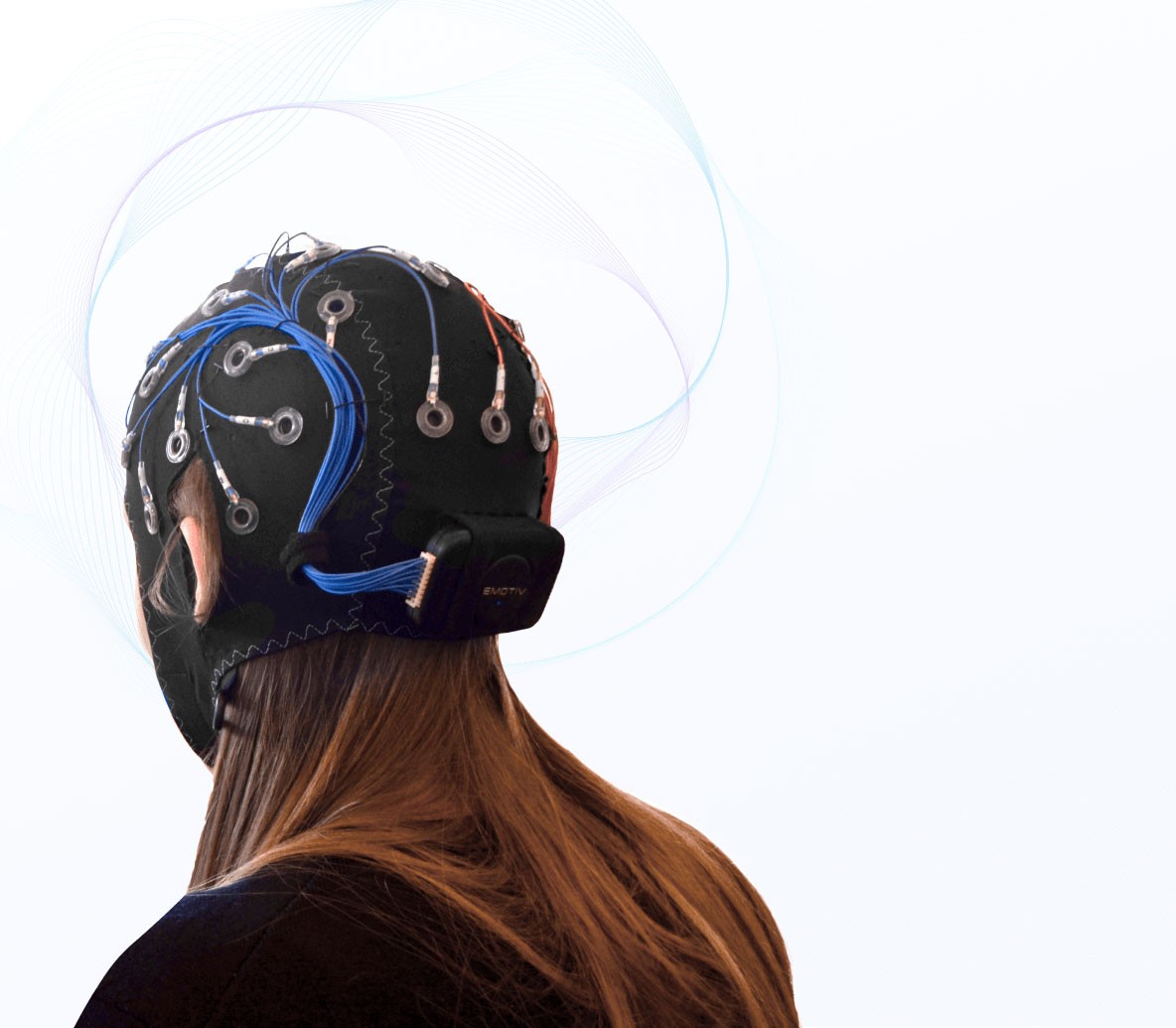
Continue reading