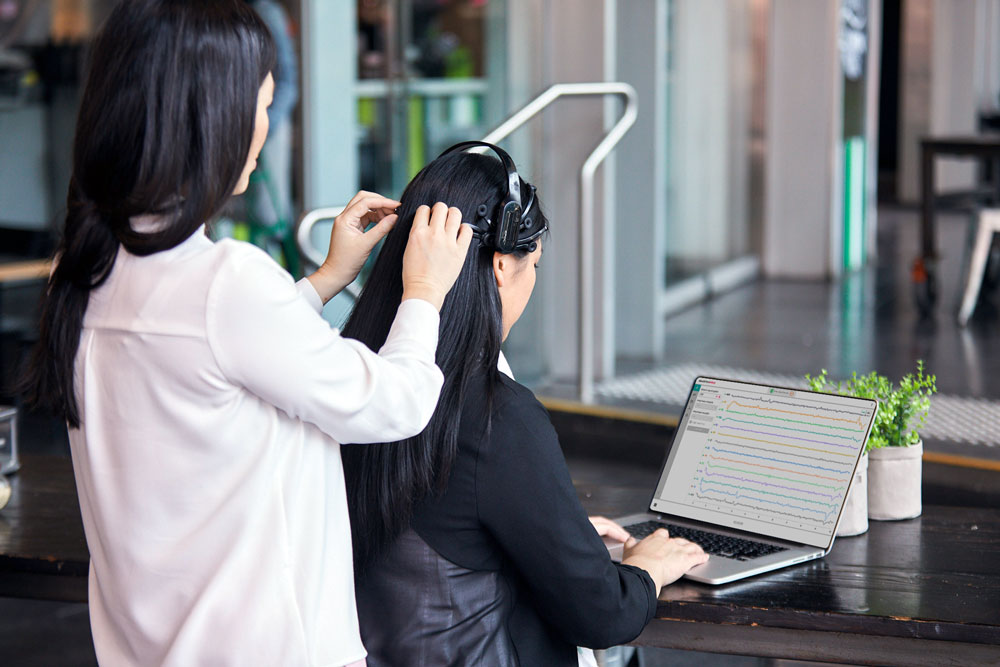
EEG Headset for Research: The Ultimate Buyer's Guide
Duong Tran
Updated on
Oct 6, 2025
EEG Headset for Research: The Ultimate Buyer's Guide
Duong Tran
Updated on
Oct 6, 2025
EEG Headset for Research: The Ultimate Buyer's Guide
Duong Tran
Updated on
Oct 6, 2025
When it comes to finding the "best" EEG headset, it ultimately comes down to the one that best suits your specific research goals. A consumer insights study analyzing emotional responses to an ad has vastly different requirements than an academic lab mapping cognitive function with high-density sensors. A 32-channel system might be overkill for one project but absolutely essential for another. The key is to match the tool to the task. In this guide, we’ll explore how different research applications demand different features, helping you align your project's goals with the right technology. We'll help you find the perfect EEG headset for research that fits not just your budget, but your methodology.
Key Takeaways
Define Your Needs Before Choosing Specs: The best headset is the one that addresses your specific research hypothesis. Determine if you need high channel density for spatial detail or a high sampling rate for temporal precision before you compare models.
Prioritize Practicality for a Smoother Workflow: Look beyond the core specs to features that impact your day-to-day research. Consider the trade-offs between wet and dry sensors, the flexibility of wireless connectivity, and software compatibility for seamless data analysis.
Control Your Environment for Cleaner Data: Your research setup is just as crucial as your hardware. Minimize signal interference by creating a controlled space, establishing consistent data collection protocols, and ensuring participant comfort to reduce artifacts.
What Makes an EEG Headset "Research-Grade"?
When you start looking for an EEG headset, you'll quickly see that not all devices are created equal. The term "research-grade" isn't just a fancy label; it points to a set of technical specifications that ensure the brain data you collect is reliable, accurate, and valid for scientific study. Choosing the right headset means moving beyond the surface-level features and understanding the core components that impact data quality.
The perfect headset for your project will depend entirely on your research objective. Are you tracking broad cognitive states or trying to pinpoint the source of a specific neural signal? The answer will guide your decision. Key factors like the number of channels, sampling rate, electrode type, and noise reduction capabilities are what separate a consumer wellness gadget from a powerful research tool. Let's break down what these terms actually mean for your work.
Why Channel Count and Signal Quality Matter
Think of channels as your windows into the brain. Each channel corresponds to an electrode sensor on the headset, and the more channels you have, the better your spatial resolution—that is, your ability to identify where specific brain activity is happening. A study on general focus might only require a few channels, like those on the Emotiv Insight. However, complex academic research and education projects, such as brain mapping, benefit from a higher density of sensors, like the 32 channels on the Flex headset.
But channel count is only half the story. The quality of the EEG data is what truly matters. The ultimate goal is to capture clear neural signals with minimal interference, which is essential for demanding applications like building a brain-computer interface.
Understanding Sampling Rate and Resolution
If channel count tells you where the activity is, sampling rate tells you when. Measured in Hertz (Hz), the sampling rate is the number of times per second the headset records a data point from each channel. A higher sampling rate provides a more detailed picture of brain activity over time, which is critical for capturing fast-changing neural events like event-related potentials (ERPs). Emotiv EEG devices have been independently verified for capturing ERPs in both adults and children at a quality comparable to traditional methods.
Resolution, measured in bits, refers to the precision of each data point. Higher bit resolution allows the system to detect more subtle changes in the electrical signal. The combination of a high sampling rate and high resolution is a hallmark of a research-grade device like the Emotiv Epoc X, ensuring you capture the nuance and complexity of brain dynamics.
Comparing Electrode Types and Technology
The debate between wet and dry electrodes is a classic one in EEG research. Traditional wet sensors, which use a conductive gel or saline solution, are known for creating a very strong, stable connection with the scalp. This substance improves conductivity and often results in a higher-quality signal with less noise. The Emotiv Flex Gel cap system is a great example of this technology in action.
However, applying gel or saline can be time-consuming and less comfortable for participants. This is where dry sensors come in. They offer incredible convenience, allowing for rapid setup without any prep. This improved usability and comfort can be a game-changer for studies with long session times or research conducted outside of a traditional lab. The key is to find the right balance between the pristine signal quality of wet sensors and the practical advantages of dry ones.
How to Assess Noise Reduction
In the world of EEG, noise is anything outside the brain signal you want to measure. This can include electrical interference from muscle movements (like clenching your jaw), eye blinks, or even nearby electronic devices. A research-grade headset is designed to minimize this noise through both hardware design and software processing. Emotiv EEG devices, for example, utilize common-mode noise reduction that makes it possible to detect microvolt-level brain activity even in a noisy environment like when a person exercises.
Understanding a headset's noise characteristics is vital for good experimental design. For instance, some studies note that portable EEG devices are often best suited for research where data can be averaged across many trials to strengthen the signal against the noise. Advanced software like EmotivPRO provides powerful tools to help you filter artifacts and clean your data, ensuring your conclusions are based on genuine neural activity.
A Look at the Top EEG Headsets for Research
Choosing the right headset is a huge step in setting up your study for success. The market has a lot of great options, and the best one for you really depends on the level of detail you need and the environment you'll be working in. Let's walk through some of the top contenders, from high-density systems for complex lab work to more agile devices perfect for studies in the field. Each has its own strengths.
For Maximum Data: The Emotiv FLEX Series (32 Channels)
When your research demands high resolution and a deep, nuanced look at brain activity, the Emotiv Flex is your go-to. With 32 channels, this headset is built for complex and advanced applications. It allows you to capture a highly detailed map of neural signals across the scalp, which is essential for in-depth neurophysiological studies. If you're working on projects that require intricate data analysis and you can't afford to miss any detail, the FLEX provides the comprehensive data collection capabilities you need to draw powerful conclusions. It’s a top choice for serious academic research where data density is paramount.
The Professional Standard: Emotiv Epoc X (14 Channels)
Think of the Emotiv Epoc X as the trusted workhorse for professional-grade research. It strikes an ideal balance between high-quality data and practical usability. Its 14 channels capture clean, reliable EEG signals from key locations across the scalp, making it suitable for a wide range of scientific applications. What researchers really love about the Epoc X is its wireless design and portability. This freedom allows you to move your studies out of the traditional lab setting and into more natural environments, all while collecting the kind of robust brain data you need for meaningful findings.
For Agile Research: Emotiv Insight (5 Channels)
For projects that require speed, flexibility, and ease of use, the Emotiv Insight is a fantastic option. This 5-channel wireless headset is designed for quick setup and is perfect for monitoring brainwaves in real-world scenarios or for personal wellness applications. It’s also a great entry point for developing brain-computer interface applications. A standout feature is its 9-axis motion sensor, which tracks head movements. This makes the Insight an incredibly versatile tool for agile research where you need to account for a participant's physical motion, giving you cleaner data and broader experimental possibilities.
For Discreet, Contextual Research: Emotiv MN8 (2 Channels)
The human brain is designed to learn and react based on experiences out the world, not just sitting perfectly still in a university lab. That's where small, yet powerful EEG like Emotiv MN8 earbuds change what's possible for contextual research. MN8 has been trusted by researchers, entrepreneurs, and everyday people since 2018. Additionally, MN8's compact and advanced in-ear EEG sensors ensure more accurate and consistent measurement than over-the-ear consumer models.
Must-Have Features for Your Research
Once you have a general idea of the channel count and signal quality you need, it’s time to get into the practical features that will shape your daily research experience. The best headset on paper is useless if it doesn’t fit the logistics of your study. Think about how you’ll be using the device day in and day out. Will your participants be moving around? How much time can you afford for setup between sessions? What software will you use for analysis? Answering these questions will help you weigh the importance of features like wireless connectivity, sensor type, battery life, and software integration. Let’s walk through the key considerations that will help you find a headset that’s not just powerful, but also a perfect fit for your workflow.
Choosing Between Wireless and Wired Connectivity
The first major decision is how you want your headset to connect to your computer. Wireless headsets offer incredible freedom, allowing participants to move naturally without being tethered to a desk. This is a game-changer for studies in cognitive wellness, user experience, or any research that takes place outside of a traditional lab setting. While wired connections were once seen as more stable, modern wireless technology has become incredibly reliable. For most research applications, the flexibility and participant comfort offered by a wireless device like the Epoc X far outweigh any minor risk of signal interference. The key is to choose the option that best supports your experimental design and creates the most realistic environment for your participants.
Dry vs. Wet Sensors: What's the Difference?
The type of sensor your headset uses has a huge impact on setup time and participant comfort. Wet sensors, which use a saline solution or conductive gel, are the traditional choice for achieving the highest possible signal quality. The conductive medium creates a very clear connection between the electrode and the scalp. Headsets like the Emotiv Flex are perfect for research that demands pristine data. The trade-off is the prep time and cleanup. Dry sensors, on the other hand, are all about speed and convenience. You can have a participant set up in minutes, which is ideal for studies with large groups or when you need to record data on the fly. While they once lagged behind in signal quality, today’s dry sensor technology has made them a viable and comfortable option for many research applications.
Considering Battery Life and Portability
For wireless headsets, battery life is a critical spec. You don’t want your study interrupted by a dead battery. Check the manufacturer’s details carefully—a headset like the Emotiv Epoc X offers up to 9 hours of use, which is more than enough for most recording sessions. Also, consider how the battery life might change depending on the connection type, as Bluetooth can sometimes use more power than a dedicated USB receiver. Portability goes beyond just being wireless. Think about the headset’s weight, its form factor, and whether it comes with a protective case. If you plan on conducting fieldwork or moving between different research sites, a lightweight and durable design will make your life much easier.
Checking for Software Compatibility
A great EEG headset is only as good as the software that powers it. Some devices, such as the Emotiv MN8, come with proprietary software in the form of Emotiv App, which allows you to view performance metrics right out of the box. All Emotiv purchases include the Lite version of EmotivPRO, which offers an interactive preview of more advanced research features. Look at what the included software can do and what upgrade paths are available for more advanced analysis. For serious research, the ability to export your data is non-negotiable. Make sure the headset’s software can export data in standard formats like CSV or EDF so you can use it with other analysis tools like MATLAB or Python. If you’re a developer, look for a robust API that allows you to build custom applications or integrate EEG data into your own projects.
Evaluating Data Storage Options
Finally, consider how and where your data will be stored. Most research-grade headsets stream data in real-time to a connected computer rather than storing it on the device itself. The software you use will determine your storage options. Does it save files locally to your hard drive, or does it sync with a cloud service? Local storage gives you complete control and is often necessary for sensitive participant data. Cloud storage, on the other hand, can simplify backups and make it easier to collaborate with colleagues. The most important factor is ensuring the data is saved in a universal format. This guarantees that your valuable data will remain accessible for future analysis, publication, or peer review, regardless of the hardware or software you use down the road.
How Researchers Are Using EEG Headsets
EEG headsets are more than just cool pieces of tech; they're powerful tools that give us a direct look into the brain's electrical activity. This capability has opened up a world of possibilities across various fields. From understanding the fundamentals of human cognition to designing intuitive new technologies, researchers are using EEG to answer questions that were once out of reach. Let's walk through some of the most exciting ways these headsets are being put to work.
Advancing Academic Research
In university labs and research institutions, EEG is a cornerstone for studying the human mind. It allows scientists to get objective data on cognitive processes that are otherwise difficult to measure, like attention, memory, and emotional responses. Researchers use this technology to gain insights into everything from mental health conditions to how we learn new skills. Because modern EEG headsets are portable and non-invasive, they make it possible to conduct studies in more natural environments, providing a clearer picture of how our brains function in the real world. This has pushed the boundaries of academic research and education, helping us better understand the complexities of human thought and behavior.
Exploring Brain-Computer Interfaces
One of the most groundbreaking applications for EEG is in the field of brain-computer interfaces (BCIs). A BCI creates a direct communication pathway between the brain and an external device, like a computer or a prosthetic limb. Researchers are using EEG-based BCIs to explore new ways to help individuals with motor disabilities control devices with their thoughts. Beyond assistive technology, BCIs are being used to study cognitive states like focus or relaxation. With software like EmotivBCI, developers and researchers can translate brain signals into commands, paving the way for incredible innovations in human-computer interaction.
Analyzing Cognitive Performance
How does the brain handle stress, fatigue, or a heavy mental workload? EEG headsets help researchers answer these questions by providing real-time data on cognitive performance. Professionals in fields like psychology, sports science, and ergonomics use EEG to measure brain activity during various tasks. This helps them understand what factors influence focus, decision-making, and reaction time. For example, a study might use an Epoc X headset to monitor a pilot's cognitive load during a flight simulation. The insights gained from this type of research can lead to better training programs, safer work environments, and strategies for improving our overall cognitive wellness.
Gaining Insights from Consumer Neuroscience
Ever wonder what a consumer really thinks about an advertisement or a new product? Qualitative EEG consumer insights, or "neuromarketing," uses neuroscience tools to find out. Instead of relying solely on surveys or focus groups, researchers can measure a person's subconscious brain responses to marketing materials. This provides unfiltered insights into what captures attention, triggers emotion, and drives purchasing decisions. By analyzing this data, companies can create more effective and engaging campaigns. Emotiv’s solutions for unbiased consumer insights allow researchers to see how consumers react moment-by-moment, offering a much deeper understanding of their preferences and behavior than traditional methods ever could.
Improving User Experience
Creating a product or application that feels intuitive and enjoyable is the goal of any user experience (UX) designer. EEG headsets are becoming a valuable tool in the UX research toolkit for just this reason. By monitoring a user's brain activity as they interact with a website, app, or physical product, researchers can identify points of frustration, confusion, or delight that the user might not even be able to articulate. This objective data helps designers pinpoint specific issues and make evidence-based improvements. The use of dry-electrode headsets in real-world settings makes it easier than ever to gather this feedback and build better, more human-centered products.
Decoding the Tech Specs
When you're looking at a list of EEG headsets, the technical specifications can feel a bit overwhelming. But understanding these details is what separates a good research tool from a great one. Getting a handle on concepts like data acquisition, signal processing, and sampling rates will help you choose a device that truly fits your study's needs. These specs aren't just numbers on a page; they directly impact the quality and reliability of your data. Let's break down the most important ones so you can feel confident in your decision.
Understanding Data Acquisition Standards
The core job of an EEG headset is to acquire high-quality brainwave data. This data can reveal incredible information about mental states, cognitive processes, and even imagination. For your findings to be credible, the device you use must meet certain standards for data integrity and reliability. This means it needs to consistently and accurately capture neural signals with minimal distortion. When a headset is designed for academic research and education, it’s built to provide the clean, verifiable data that the scientific community relies on. Think of it as the foundation upon which your entire study is built—if the initial data isn't solid, your conclusions won't be either.
What to Look for in Signal Processing
Raw EEG data is noisy. The magic happens in signal processing, where the meaningful brain activity is separated from the background noise. A key spec to look for is the device's noise floor—essentially, the amount of internal noise the headset generates. A low noise floor is great, but you also need robust software to make sense of the signals. For instance, some devices may not be ideal for single-trial experiments where signal clarity is paramount. This is why powerful software like EmotivPRO is so important; it gives you the tools to filter, clean, and analyze your data, turning raw signals into actionable insights for your research.
How the Headset Handles Artifacts
An artifact is any electrical signal picked up by the EEG that doesn't come from the brain. Common culprits include eye blinks, jaw clenching, or even small muscle movements in the scalp. If not managed properly, these artifacts can contaminate your data and lead to incorrect interpretations. The quality of your data heavily depends on how well the headset and its software can handle these interruptions. Some systems use algorithms to identify and remove artifact-heavy data segments. This is especially critical for sensitive applications like building a brain-computer interface, where clean, real-time signals are essential for the system to function correctly.
Considering Environmental Factors
Your research environment plays a huge role in data quality. Electrical interference from computers, fluorescent lights, and other devices can introduce noise into your EEG recordings. While a well-shielded headset can help, it's not immune to a noisy environment. When choosing a device, consider where you'll be conducting your research. A portable headset like the Emotiv Insight offers the flexibility to collect data in real-world settings, but this also means you need to be more mindful of potential environmental interference like power lines. Always try to create a controlled, quiet space for data collection, whether you're in a lab or in the field, to ensure the cleanest possible signal.
Why Sampling Rates Are Key
The sampling rate, measured in Hertz (Hz), tells you how many times per second the headset records a data point from each channel. Think of it like frames per second in a video—a higher rate captures more detail and provides a smoother, more accurate representation of brain activity. For research, you'll want a sampling rate that can accurately capture the brainwave frequencies you're interested in. For example, to study fast gamma waves, you need a sufficiently high sampling rate. Most research-grade headsets, including the Emotiv Epoc X, offer sampling rates that are more than capable of capturing the full spectrum of brain activity needed for detailed analysis.
How to Tackle Common Research Hurdles
Every research project comes with its own set of challenges, and EEG studies are no exception. From finicky signals to restless participants, a lot can happen between setting up your experiment and analyzing the results. But don't worry—these hurdles are common, and overcoming them is entirely possible with the right preparation and tools. Thinking ahead about potential issues like signal quality, interference, participant comfort, and data validation will set you up for a much smoother data collection process. Let's walk through some of the most frequent challenges and how you can handle them.
Managing Your Signal Quality
The success of your research hinges on clean, high-quality data, and that starts with your headset. The quality of your EEG signal is directly tied to the device you use, so choosing a reliable headset is your first line of defense. A strong signal means you’re clearly capturing brain activity with minimal background noise. To ensure you’re getting the best data possible, always double-check that the headset fits snugly and that all sensors have a solid connection. Using software like EmotivPRO to monitor contact quality in real-time can save you a massive headache later. A few minutes of careful setup can make all the difference in your final results.
Preventing Signal Interference
Signal interference, or artifacts, are the unwanted scribbles in your data caused by things other than brain activity—like eye blinks, muscle tension in the jaw, or even nearby electronics. While they’re a known challenge in EEG research, you can take simple steps to minimize them. First, create a controlled environment for your study, away from electrical equipment that could introduce noise. Next, give your participants clear instructions to relax, stay as still as possible, and avoid clenching their jaw or moving their eyes excessively during recording. Many modern EEG systems also come with software that helps identify and filter out these artifacts, cleaning up your data before you even begin your analysis.
Ensuring Participant Comfort
A comfortable participant is a compliant participant. If someone is fidgeting with an ill-fitting headset, that movement will show up in your data as artifacts. Comfort is especially important for studies that require longer recording sessions. The type of sensors you use plays a big role here; some people find saline or gel-based sensors more comfortable for extended wear than dry sensors. When selecting a headset, look for one that is lightweight, adjustable, and distributes pressure evenly. For example, the flexible cap design of the Emotiv Flex is made for a custom, comfortable fit, which helps participants forget they’re even wearing it.
How to Validate Your Data
Once you’ve collected your data, how do you know it’s reliable? Data validation is the process of confirming that your findings are sound. A good starting point is to choose a device with a low noise floor, which means the headset itself introduces very little electrical noise. To strengthen your findings, it’s a great practice to average the EEG signal across many trials. This technique improves your signal-to-noise ratio, making the brain’s response to a stimulus stand out more clearly from the background chatter. Running pilot studies and following established protocols for academic research will also give you confidence in your results.
Getting the Right Technical Support
When you’re deep in a project, the last thing you want is to get stuck on a technical issue. Choosing a headset from a company with a strong support system is a smart move. Look for brands that offer detailed documentation, active community forums, and responsive customer service. It also helps to use equipment that is trusted and widely adopted in the research community. For instance, a review of consumer-grade EEG devices found that Emotiv headsets were used in nearly 70% of studies. This widespread use means there’s a large network of peers and a wealth of shared knowledge you can tap into whenever you need a little help.
Breaking Down the Cost and Value
Let's talk about budget. EEG headsets can range from a few hundred to several thousand dollars, and it’s easy to get sticker shock. But the price tag is only part of the story. The real goal is to find a headset that delivers the data quality your research demands without unnecessary features that inflate the cost. Think of it as an investment in your work. The right device will save you time, produce reliable data, and fit seamlessly into your workflow for many projects to come. We’ll walk through the different tiers so you can find the sweet spot between cost and capability for your specific needs.
What to Expect from Entry-Level Headsets
If you're just starting out, running a pilot study, or working in an educational setting, an entry-level headset is a fantastic choice. These devices prioritize ease of use and accessibility. For example, the Emotiv Insight is designed for rapid deployment, with a setup time of just one to two minutes thanks to its semi-dry polymer sensors that don't require any messy gels. At this price point, you get a reliable tool for exploring EEG technology and gathering foundational data without a massive upfront investment, making it perfect for getting projects off the ground quickly.
Investing in a Professional Solution
When your research requires more detailed data, it’s time to look at professional-grade solutions. These headsets offer a higher channel count and greater fidelity, giving you a more nuanced view of brain activity. A device like the Emotiv Flex, for instance, provides options for up to 32 channels, catering to researchers who need more comprehensive data streams. This step up is for those who have moved beyond preliminary studies and are ready to conduct more serious, in-depth research that demands higher-quality data capture and more robust features.
When to Choose an Advanced System
For research that needs to meet the rigorous standards of scientific publication, an advanced system is non-negotiable. This is where you invest in a headset built specifically for capturing high-quality brain data suitable for peer-reviewed studies. The Emotiv Epoc X is a prime example, engineered for both professional researchers and serious enthusiasts. It delivers the kind of clean, reliable data that holds up to scrutiny, making it a valuable asset for any lab focused on producing impactful scientific work. This is the choice for when data integrity is your absolute top priority.
Assessing Long-Term Value
When you're weighing the cost, think about the long-term value. A headset's worth is also measured by its reliability and acceptance in the scientific community. Emotiv Epoc headsets, for instance, have a strong track record in academic research. They were used in nearly 70% of studies focusing on consumer-grade EEG devices and, as of 2023, in a quarter of all wireless EEG studies. Choosing a device that is widely trusted and validated by other researchers means you’re investing in a tool that is proven to be effective, ensuring its value for years to come.
Setting Yourself Up for Success
Choosing the right EEG headset is a huge step, but getting clean, reliable data depends just as much on your process. A little preparation goes a long way in ensuring your research is built on a solid foundation of high-quality data. Let's walk through the key steps to create a professional and effective research setup, from unboxing your device to analyzing your first session's data.
Your Guide to Proper Equipment Setup
Once you've selected your headset, the first step is a proper setup. When you understand your goals, you can determine the features you need, like the high channel density of the Emotiv Flex or the easy setup of the Insight. Before every session, ensure the headset fits your participant snugly but comfortably. A poor fit is a primary cause of noisy data. For wet sensor headsets, make sure each sensor is properly hydrated with saline solution to achieve a good connection. Take a moment to check the sensor contact quality in your software, like EmotivPRO, before you hit record. This initial check can save you hours of data cleaning later.
Establishing Data Collection Protocols
Consistency is your best friend in research. The quality of your EEG data, especially for sensitive applications like brain-computer interfaces, depends heavily on a standardized process. Create a simple, step-by-step protocol that you and your team can follow for every single participant. This checklist should cover everything from seating the participant and explaining the task to fitting the headset and starting the recording. A consistent protocol minimizes variables between sessions, making your data more reliable and your findings more robust. It also helps participants feel more comfortable because they know exactly what to expect.
Implementing Quality Control Checks
Don't wait until after a session to discover your data is unusable. Implement quality control checks in real-time. Keep an eye on the signal quality throughout your experiment. Emotiv devices have a low noise floor, which is great for capturing subtle brain activity, but it also means you need to be mindful of your experimental design. For instance, it's often better to design studies that allow for averaging data across multiple trials rather than relying on single-trial experiments. If you see a channel acting up, pause and adjust the sensor. This proactive approach ensures every minute of your data collection is valuable.
How to Optimize Your Research Environment
Your physical environment plays a big role in data quality. Find a quiet space with minimal electrical interference from things like fluorescent lights, large monitors, or unshielded cables. While you should always aim to reduce environmental noise, modern dry-electrode headsets are opening the door for neuroscience applications in more real-world settings. This flexibility is perfect for fields like neuromarketing or user experience testing where you want to capture data in a more natural context. Always brief your participants to avoid extra movements like clenching their jaw, as this can create muscle artifacts in the EEG data.
Related Articles
Frequently Asked Questions
How do I decide on the right number of channels for my study? The best way to think about this is to consider how specific your research question is. If you're looking at broad brain states like focus or relaxation, a headset with fewer channels, like the 5-channel Insight, will give you the data you need. However, if your work involves identifying the precise location of neural activity or requires complex brain mapping, you'll want the higher spatial resolution that comes with a 14- or 32-channel device like the Epoc X or Flex.
Are dry sensors good enough for serious research, or should I stick with wet sensors? This is a classic trade-off between signal purity and practicality. Wet sensors, which use saline or gel, are the traditional standard for achieving an incredibly clean, stable signal. They are fantastic for lab-based studies where data quality is the absolute top priority. That said, modern dry sensor technology has improved dramatically, offering reliable data with the huge advantage of a quick, clean setup. For studies in real-world settings or those with many participants, the convenience of dry sensors often makes them the better choice.
What's the most important thing I can do to avoid noisy, unusable data? Your setup process is everything. Before you even start recording, make sure the headset has a snug, secure fit and that you've checked the sensor contact quality in the software. A poor connection is the number one cause of bad data. Also, take a moment to control your environment by moving away from other electronics and instructing your participant to relax their jaw and limit eye movement. A few minutes of careful preparation will save you hours of frustration during data analysis.
Can I really publish academic papers using data from a portable headset like these? Absolutely. The key to getting published isn't about having the biggest, most expensive machine; it's about rigorous methodology and using a validated tool. Portable headsets from Emotiv have been used in tens of thousands of peer-reviewed studies. As long as you choose a research-grade device, follow established protocols, and are transparent about your methods, the data you collect will be perfectly suitable for academic publication.
Do I need special software to analyze my data, or is the included app enough? The Lite software that comes with your headset is perfect for viewing your brain data in real-time and making recordings. Think of it as your command center for data collection. However, for the deep analysis required for a research project—like filtering out artifacts and running statistical tests—you'll want a more advanced program. A platform like EmotivPRO gives you those powerful tools, and most research-grade systems also allow you to export your data into standard formats for use in other software like MATLAB or Python.
When it comes to finding the "best" EEG headset, it ultimately comes down to the one that best suits your specific research goals. A consumer insights study analyzing emotional responses to an ad has vastly different requirements than an academic lab mapping cognitive function with high-density sensors. A 32-channel system might be overkill for one project but absolutely essential for another. The key is to match the tool to the task. In this guide, we’ll explore how different research applications demand different features, helping you align your project's goals with the right technology. We'll help you find the perfect EEG headset for research that fits not just your budget, but your methodology.
Key Takeaways
Define Your Needs Before Choosing Specs: The best headset is the one that addresses your specific research hypothesis. Determine if you need high channel density for spatial detail or a high sampling rate for temporal precision before you compare models.
Prioritize Practicality for a Smoother Workflow: Look beyond the core specs to features that impact your day-to-day research. Consider the trade-offs between wet and dry sensors, the flexibility of wireless connectivity, and software compatibility for seamless data analysis.
Control Your Environment for Cleaner Data: Your research setup is just as crucial as your hardware. Minimize signal interference by creating a controlled space, establishing consistent data collection protocols, and ensuring participant comfort to reduce artifacts.
What Makes an EEG Headset "Research-Grade"?
When you start looking for an EEG headset, you'll quickly see that not all devices are created equal. The term "research-grade" isn't just a fancy label; it points to a set of technical specifications that ensure the brain data you collect is reliable, accurate, and valid for scientific study. Choosing the right headset means moving beyond the surface-level features and understanding the core components that impact data quality.
The perfect headset for your project will depend entirely on your research objective. Are you tracking broad cognitive states or trying to pinpoint the source of a specific neural signal? The answer will guide your decision. Key factors like the number of channels, sampling rate, electrode type, and noise reduction capabilities are what separate a consumer wellness gadget from a powerful research tool. Let's break down what these terms actually mean for your work.
Why Channel Count and Signal Quality Matter
Think of channels as your windows into the brain. Each channel corresponds to an electrode sensor on the headset, and the more channels you have, the better your spatial resolution—that is, your ability to identify where specific brain activity is happening. A study on general focus might only require a few channels, like those on the Emotiv Insight. However, complex academic research and education projects, such as brain mapping, benefit from a higher density of sensors, like the 32 channels on the Flex headset.
But channel count is only half the story. The quality of the EEG data is what truly matters. The ultimate goal is to capture clear neural signals with minimal interference, which is essential for demanding applications like building a brain-computer interface.
Understanding Sampling Rate and Resolution
If channel count tells you where the activity is, sampling rate tells you when. Measured in Hertz (Hz), the sampling rate is the number of times per second the headset records a data point from each channel. A higher sampling rate provides a more detailed picture of brain activity over time, which is critical for capturing fast-changing neural events like event-related potentials (ERPs). Emotiv EEG devices have been independently verified for capturing ERPs in both adults and children at a quality comparable to traditional methods.
Resolution, measured in bits, refers to the precision of each data point. Higher bit resolution allows the system to detect more subtle changes in the electrical signal. The combination of a high sampling rate and high resolution is a hallmark of a research-grade device like the Emotiv Epoc X, ensuring you capture the nuance and complexity of brain dynamics.
Comparing Electrode Types and Technology
The debate between wet and dry electrodes is a classic one in EEG research. Traditional wet sensors, which use a conductive gel or saline solution, are known for creating a very strong, stable connection with the scalp. This substance improves conductivity and often results in a higher-quality signal with less noise. The Emotiv Flex Gel cap system is a great example of this technology in action.
However, applying gel or saline can be time-consuming and less comfortable for participants. This is where dry sensors come in. They offer incredible convenience, allowing for rapid setup without any prep. This improved usability and comfort can be a game-changer for studies with long session times or research conducted outside of a traditional lab. The key is to find the right balance between the pristine signal quality of wet sensors and the practical advantages of dry ones.
How to Assess Noise Reduction
In the world of EEG, noise is anything outside the brain signal you want to measure. This can include electrical interference from muscle movements (like clenching your jaw), eye blinks, or even nearby electronic devices. A research-grade headset is designed to minimize this noise through both hardware design and software processing. Emotiv EEG devices, for example, utilize common-mode noise reduction that makes it possible to detect microvolt-level brain activity even in a noisy environment like when a person exercises.
Understanding a headset's noise characteristics is vital for good experimental design. For instance, some studies note that portable EEG devices are often best suited for research where data can be averaged across many trials to strengthen the signal against the noise. Advanced software like EmotivPRO provides powerful tools to help you filter artifacts and clean your data, ensuring your conclusions are based on genuine neural activity.
A Look at the Top EEG Headsets for Research
Choosing the right headset is a huge step in setting up your study for success. The market has a lot of great options, and the best one for you really depends on the level of detail you need and the environment you'll be working in. Let's walk through some of the top contenders, from high-density systems for complex lab work to more agile devices perfect for studies in the field. Each has its own strengths.
For Maximum Data: The Emotiv FLEX Series (32 Channels)
When your research demands high resolution and a deep, nuanced look at brain activity, the Emotiv Flex is your go-to. With 32 channels, this headset is built for complex and advanced applications. It allows you to capture a highly detailed map of neural signals across the scalp, which is essential for in-depth neurophysiological studies. If you're working on projects that require intricate data analysis and you can't afford to miss any detail, the FLEX provides the comprehensive data collection capabilities you need to draw powerful conclusions. It’s a top choice for serious academic research where data density is paramount.
The Professional Standard: Emotiv Epoc X (14 Channels)
Think of the Emotiv Epoc X as the trusted workhorse for professional-grade research. It strikes an ideal balance between high-quality data and practical usability. Its 14 channels capture clean, reliable EEG signals from key locations across the scalp, making it suitable for a wide range of scientific applications. What researchers really love about the Epoc X is its wireless design and portability. This freedom allows you to move your studies out of the traditional lab setting and into more natural environments, all while collecting the kind of robust brain data you need for meaningful findings.
For Agile Research: Emotiv Insight (5 Channels)
For projects that require speed, flexibility, and ease of use, the Emotiv Insight is a fantastic option. This 5-channel wireless headset is designed for quick setup and is perfect for monitoring brainwaves in real-world scenarios or for personal wellness applications. It’s also a great entry point for developing brain-computer interface applications. A standout feature is its 9-axis motion sensor, which tracks head movements. This makes the Insight an incredibly versatile tool for agile research where you need to account for a participant's physical motion, giving you cleaner data and broader experimental possibilities.
For Discreet, Contextual Research: Emotiv MN8 (2 Channels)
The human brain is designed to learn and react based on experiences out the world, not just sitting perfectly still in a university lab. That's where small, yet powerful EEG like Emotiv MN8 earbuds change what's possible for contextual research. MN8 has been trusted by researchers, entrepreneurs, and everyday people since 2018. Additionally, MN8's compact and advanced in-ear EEG sensors ensure more accurate and consistent measurement than over-the-ear consumer models.
Must-Have Features for Your Research
Once you have a general idea of the channel count and signal quality you need, it’s time to get into the practical features that will shape your daily research experience. The best headset on paper is useless if it doesn’t fit the logistics of your study. Think about how you’ll be using the device day in and day out. Will your participants be moving around? How much time can you afford for setup between sessions? What software will you use for analysis? Answering these questions will help you weigh the importance of features like wireless connectivity, sensor type, battery life, and software integration. Let’s walk through the key considerations that will help you find a headset that’s not just powerful, but also a perfect fit for your workflow.
Choosing Between Wireless and Wired Connectivity
The first major decision is how you want your headset to connect to your computer. Wireless headsets offer incredible freedom, allowing participants to move naturally without being tethered to a desk. This is a game-changer for studies in cognitive wellness, user experience, or any research that takes place outside of a traditional lab setting. While wired connections were once seen as more stable, modern wireless technology has become incredibly reliable. For most research applications, the flexibility and participant comfort offered by a wireless device like the Epoc X far outweigh any minor risk of signal interference. The key is to choose the option that best supports your experimental design and creates the most realistic environment for your participants.
Dry vs. Wet Sensors: What's the Difference?
The type of sensor your headset uses has a huge impact on setup time and participant comfort. Wet sensors, which use a saline solution or conductive gel, are the traditional choice for achieving the highest possible signal quality. The conductive medium creates a very clear connection between the electrode and the scalp. Headsets like the Emotiv Flex are perfect for research that demands pristine data. The trade-off is the prep time and cleanup. Dry sensors, on the other hand, are all about speed and convenience. You can have a participant set up in minutes, which is ideal for studies with large groups or when you need to record data on the fly. While they once lagged behind in signal quality, today’s dry sensor technology has made them a viable and comfortable option for many research applications.
Considering Battery Life and Portability
For wireless headsets, battery life is a critical spec. You don’t want your study interrupted by a dead battery. Check the manufacturer’s details carefully—a headset like the Emotiv Epoc X offers up to 9 hours of use, which is more than enough for most recording sessions. Also, consider how the battery life might change depending on the connection type, as Bluetooth can sometimes use more power than a dedicated USB receiver. Portability goes beyond just being wireless. Think about the headset’s weight, its form factor, and whether it comes with a protective case. If you plan on conducting fieldwork or moving between different research sites, a lightweight and durable design will make your life much easier.
Checking for Software Compatibility
A great EEG headset is only as good as the software that powers it. Some devices, such as the Emotiv MN8, come with proprietary software in the form of Emotiv App, which allows you to view performance metrics right out of the box. All Emotiv purchases include the Lite version of EmotivPRO, which offers an interactive preview of more advanced research features. Look at what the included software can do and what upgrade paths are available for more advanced analysis. For serious research, the ability to export your data is non-negotiable. Make sure the headset’s software can export data in standard formats like CSV or EDF so you can use it with other analysis tools like MATLAB or Python. If you’re a developer, look for a robust API that allows you to build custom applications or integrate EEG data into your own projects.
Evaluating Data Storage Options
Finally, consider how and where your data will be stored. Most research-grade headsets stream data in real-time to a connected computer rather than storing it on the device itself. The software you use will determine your storage options. Does it save files locally to your hard drive, or does it sync with a cloud service? Local storage gives you complete control and is often necessary for sensitive participant data. Cloud storage, on the other hand, can simplify backups and make it easier to collaborate with colleagues. The most important factor is ensuring the data is saved in a universal format. This guarantees that your valuable data will remain accessible for future analysis, publication, or peer review, regardless of the hardware or software you use down the road.
How Researchers Are Using EEG Headsets
EEG headsets are more than just cool pieces of tech; they're powerful tools that give us a direct look into the brain's electrical activity. This capability has opened up a world of possibilities across various fields. From understanding the fundamentals of human cognition to designing intuitive new technologies, researchers are using EEG to answer questions that were once out of reach. Let's walk through some of the most exciting ways these headsets are being put to work.
Advancing Academic Research
In university labs and research institutions, EEG is a cornerstone for studying the human mind. It allows scientists to get objective data on cognitive processes that are otherwise difficult to measure, like attention, memory, and emotional responses. Researchers use this technology to gain insights into everything from mental health conditions to how we learn new skills. Because modern EEG headsets are portable and non-invasive, they make it possible to conduct studies in more natural environments, providing a clearer picture of how our brains function in the real world. This has pushed the boundaries of academic research and education, helping us better understand the complexities of human thought and behavior.
Exploring Brain-Computer Interfaces
One of the most groundbreaking applications for EEG is in the field of brain-computer interfaces (BCIs). A BCI creates a direct communication pathway between the brain and an external device, like a computer or a prosthetic limb. Researchers are using EEG-based BCIs to explore new ways to help individuals with motor disabilities control devices with their thoughts. Beyond assistive technology, BCIs are being used to study cognitive states like focus or relaxation. With software like EmotivBCI, developers and researchers can translate brain signals into commands, paving the way for incredible innovations in human-computer interaction.
Analyzing Cognitive Performance
How does the brain handle stress, fatigue, or a heavy mental workload? EEG headsets help researchers answer these questions by providing real-time data on cognitive performance. Professionals in fields like psychology, sports science, and ergonomics use EEG to measure brain activity during various tasks. This helps them understand what factors influence focus, decision-making, and reaction time. For example, a study might use an Epoc X headset to monitor a pilot's cognitive load during a flight simulation. The insights gained from this type of research can lead to better training programs, safer work environments, and strategies for improving our overall cognitive wellness.
Gaining Insights from Consumer Neuroscience
Ever wonder what a consumer really thinks about an advertisement or a new product? Qualitative EEG consumer insights, or "neuromarketing," uses neuroscience tools to find out. Instead of relying solely on surveys or focus groups, researchers can measure a person's subconscious brain responses to marketing materials. This provides unfiltered insights into what captures attention, triggers emotion, and drives purchasing decisions. By analyzing this data, companies can create more effective and engaging campaigns. Emotiv’s solutions for unbiased consumer insights allow researchers to see how consumers react moment-by-moment, offering a much deeper understanding of their preferences and behavior than traditional methods ever could.
Improving User Experience
Creating a product or application that feels intuitive and enjoyable is the goal of any user experience (UX) designer. EEG headsets are becoming a valuable tool in the UX research toolkit for just this reason. By monitoring a user's brain activity as they interact with a website, app, or physical product, researchers can identify points of frustration, confusion, or delight that the user might not even be able to articulate. This objective data helps designers pinpoint specific issues and make evidence-based improvements. The use of dry-electrode headsets in real-world settings makes it easier than ever to gather this feedback and build better, more human-centered products.
Decoding the Tech Specs
When you're looking at a list of EEG headsets, the technical specifications can feel a bit overwhelming. But understanding these details is what separates a good research tool from a great one. Getting a handle on concepts like data acquisition, signal processing, and sampling rates will help you choose a device that truly fits your study's needs. These specs aren't just numbers on a page; they directly impact the quality and reliability of your data. Let's break down the most important ones so you can feel confident in your decision.
Understanding Data Acquisition Standards
The core job of an EEG headset is to acquire high-quality brainwave data. This data can reveal incredible information about mental states, cognitive processes, and even imagination. For your findings to be credible, the device you use must meet certain standards for data integrity and reliability. This means it needs to consistently and accurately capture neural signals with minimal distortion. When a headset is designed for academic research and education, it’s built to provide the clean, verifiable data that the scientific community relies on. Think of it as the foundation upon which your entire study is built—if the initial data isn't solid, your conclusions won't be either.
What to Look for in Signal Processing
Raw EEG data is noisy. The magic happens in signal processing, where the meaningful brain activity is separated from the background noise. A key spec to look for is the device's noise floor—essentially, the amount of internal noise the headset generates. A low noise floor is great, but you also need robust software to make sense of the signals. For instance, some devices may not be ideal for single-trial experiments where signal clarity is paramount. This is why powerful software like EmotivPRO is so important; it gives you the tools to filter, clean, and analyze your data, turning raw signals into actionable insights for your research.
How the Headset Handles Artifacts
An artifact is any electrical signal picked up by the EEG that doesn't come from the brain. Common culprits include eye blinks, jaw clenching, or even small muscle movements in the scalp. If not managed properly, these artifacts can contaminate your data and lead to incorrect interpretations. The quality of your data heavily depends on how well the headset and its software can handle these interruptions. Some systems use algorithms to identify and remove artifact-heavy data segments. This is especially critical for sensitive applications like building a brain-computer interface, where clean, real-time signals are essential for the system to function correctly.
Considering Environmental Factors
Your research environment plays a huge role in data quality. Electrical interference from computers, fluorescent lights, and other devices can introduce noise into your EEG recordings. While a well-shielded headset can help, it's not immune to a noisy environment. When choosing a device, consider where you'll be conducting your research. A portable headset like the Emotiv Insight offers the flexibility to collect data in real-world settings, but this also means you need to be more mindful of potential environmental interference like power lines. Always try to create a controlled, quiet space for data collection, whether you're in a lab or in the field, to ensure the cleanest possible signal.
Why Sampling Rates Are Key
The sampling rate, measured in Hertz (Hz), tells you how many times per second the headset records a data point from each channel. Think of it like frames per second in a video—a higher rate captures more detail and provides a smoother, more accurate representation of brain activity. For research, you'll want a sampling rate that can accurately capture the brainwave frequencies you're interested in. For example, to study fast gamma waves, you need a sufficiently high sampling rate. Most research-grade headsets, including the Emotiv Epoc X, offer sampling rates that are more than capable of capturing the full spectrum of brain activity needed for detailed analysis.
How to Tackle Common Research Hurdles
Every research project comes with its own set of challenges, and EEG studies are no exception. From finicky signals to restless participants, a lot can happen between setting up your experiment and analyzing the results. But don't worry—these hurdles are common, and overcoming them is entirely possible with the right preparation and tools. Thinking ahead about potential issues like signal quality, interference, participant comfort, and data validation will set you up for a much smoother data collection process. Let's walk through some of the most frequent challenges and how you can handle them.
Managing Your Signal Quality
The success of your research hinges on clean, high-quality data, and that starts with your headset. The quality of your EEG signal is directly tied to the device you use, so choosing a reliable headset is your first line of defense. A strong signal means you’re clearly capturing brain activity with minimal background noise. To ensure you’re getting the best data possible, always double-check that the headset fits snugly and that all sensors have a solid connection. Using software like EmotivPRO to monitor contact quality in real-time can save you a massive headache later. A few minutes of careful setup can make all the difference in your final results.
Preventing Signal Interference
Signal interference, or artifacts, are the unwanted scribbles in your data caused by things other than brain activity—like eye blinks, muscle tension in the jaw, or even nearby electronics. While they’re a known challenge in EEG research, you can take simple steps to minimize them. First, create a controlled environment for your study, away from electrical equipment that could introduce noise. Next, give your participants clear instructions to relax, stay as still as possible, and avoid clenching their jaw or moving their eyes excessively during recording. Many modern EEG systems also come with software that helps identify and filter out these artifacts, cleaning up your data before you even begin your analysis.
Ensuring Participant Comfort
A comfortable participant is a compliant participant. If someone is fidgeting with an ill-fitting headset, that movement will show up in your data as artifacts. Comfort is especially important for studies that require longer recording sessions. The type of sensors you use plays a big role here; some people find saline or gel-based sensors more comfortable for extended wear than dry sensors. When selecting a headset, look for one that is lightweight, adjustable, and distributes pressure evenly. For example, the flexible cap design of the Emotiv Flex is made for a custom, comfortable fit, which helps participants forget they’re even wearing it.
How to Validate Your Data
Once you’ve collected your data, how do you know it’s reliable? Data validation is the process of confirming that your findings are sound. A good starting point is to choose a device with a low noise floor, which means the headset itself introduces very little electrical noise. To strengthen your findings, it’s a great practice to average the EEG signal across many trials. This technique improves your signal-to-noise ratio, making the brain’s response to a stimulus stand out more clearly from the background chatter. Running pilot studies and following established protocols for academic research will also give you confidence in your results.
Getting the Right Technical Support
When you’re deep in a project, the last thing you want is to get stuck on a technical issue. Choosing a headset from a company with a strong support system is a smart move. Look for brands that offer detailed documentation, active community forums, and responsive customer service. It also helps to use equipment that is trusted and widely adopted in the research community. For instance, a review of consumer-grade EEG devices found that Emotiv headsets were used in nearly 70% of studies. This widespread use means there’s a large network of peers and a wealth of shared knowledge you can tap into whenever you need a little help.
Breaking Down the Cost and Value
Let's talk about budget. EEG headsets can range from a few hundred to several thousand dollars, and it’s easy to get sticker shock. But the price tag is only part of the story. The real goal is to find a headset that delivers the data quality your research demands without unnecessary features that inflate the cost. Think of it as an investment in your work. The right device will save you time, produce reliable data, and fit seamlessly into your workflow for many projects to come. We’ll walk through the different tiers so you can find the sweet spot between cost and capability for your specific needs.
What to Expect from Entry-Level Headsets
If you're just starting out, running a pilot study, or working in an educational setting, an entry-level headset is a fantastic choice. These devices prioritize ease of use and accessibility. For example, the Emotiv Insight is designed for rapid deployment, with a setup time of just one to two minutes thanks to its semi-dry polymer sensors that don't require any messy gels. At this price point, you get a reliable tool for exploring EEG technology and gathering foundational data without a massive upfront investment, making it perfect for getting projects off the ground quickly.
Investing in a Professional Solution
When your research requires more detailed data, it’s time to look at professional-grade solutions. These headsets offer a higher channel count and greater fidelity, giving you a more nuanced view of brain activity. A device like the Emotiv Flex, for instance, provides options for up to 32 channels, catering to researchers who need more comprehensive data streams. This step up is for those who have moved beyond preliminary studies and are ready to conduct more serious, in-depth research that demands higher-quality data capture and more robust features.
When to Choose an Advanced System
For research that needs to meet the rigorous standards of scientific publication, an advanced system is non-negotiable. This is where you invest in a headset built specifically for capturing high-quality brain data suitable for peer-reviewed studies. The Emotiv Epoc X is a prime example, engineered for both professional researchers and serious enthusiasts. It delivers the kind of clean, reliable data that holds up to scrutiny, making it a valuable asset for any lab focused on producing impactful scientific work. This is the choice for when data integrity is your absolute top priority.
Assessing Long-Term Value
When you're weighing the cost, think about the long-term value. A headset's worth is also measured by its reliability and acceptance in the scientific community. Emotiv Epoc headsets, for instance, have a strong track record in academic research. They were used in nearly 70% of studies focusing on consumer-grade EEG devices and, as of 2023, in a quarter of all wireless EEG studies. Choosing a device that is widely trusted and validated by other researchers means you’re investing in a tool that is proven to be effective, ensuring its value for years to come.
Setting Yourself Up for Success
Choosing the right EEG headset is a huge step, but getting clean, reliable data depends just as much on your process. A little preparation goes a long way in ensuring your research is built on a solid foundation of high-quality data. Let's walk through the key steps to create a professional and effective research setup, from unboxing your device to analyzing your first session's data.
Your Guide to Proper Equipment Setup
Once you've selected your headset, the first step is a proper setup. When you understand your goals, you can determine the features you need, like the high channel density of the Emotiv Flex or the easy setup of the Insight. Before every session, ensure the headset fits your participant snugly but comfortably. A poor fit is a primary cause of noisy data. For wet sensor headsets, make sure each sensor is properly hydrated with saline solution to achieve a good connection. Take a moment to check the sensor contact quality in your software, like EmotivPRO, before you hit record. This initial check can save you hours of data cleaning later.
Establishing Data Collection Protocols
Consistency is your best friend in research. The quality of your EEG data, especially for sensitive applications like brain-computer interfaces, depends heavily on a standardized process. Create a simple, step-by-step protocol that you and your team can follow for every single participant. This checklist should cover everything from seating the participant and explaining the task to fitting the headset and starting the recording. A consistent protocol minimizes variables between sessions, making your data more reliable and your findings more robust. It also helps participants feel more comfortable because they know exactly what to expect.
Implementing Quality Control Checks
Don't wait until after a session to discover your data is unusable. Implement quality control checks in real-time. Keep an eye on the signal quality throughout your experiment. Emotiv devices have a low noise floor, which is great for capturing subtle brain activity, but it also means you need to be mindful of your experimental design. For instance, it's often better to design studies that allow for averaging data across multiple trials rather than relying on single-trial experiments. If you see a channel acting up, pause and adjust the sensor. This proactive approach ensures every minute of your data collection is valuable.
How to Optimize Your Research Environment
Your physical environment plays a big role in data quality. Find a quiet space with minimal electrical interference from things like fluorescent lights, large monitors, or unshielded cables. While you should always aim to reduce environmental noise, modern dry-electrode headsets are opening the door for neuroscience applications in more real-world settings. This flexibility is perfect for fields like neuromarketing or user experience testing where you want to capture data in a more natural context. Always brief your participants to avoid extra movements like clenching their jaw, as this can create muscle artifacts in the EEG data.
Related Articles
Frequently Asked Questions
How do I decide on the right number of channels for my study? The best way to think about this is to consider how specific your research question is. If you're looking at broad brain states like focus or relaxation, a headset with fewer channels, like the 5-channel Insight, will give you the data you need. However, if your work involves identifying the precise location of neural activity or requires complex brain mapping, you'll want the higher spatial resolution that comes with a 14- or 32-channel device like the Epoc X or Flex.
Are dry sensors good enough for serious research, or should I stick with wet sensors? This is a classic trade-off between signal purity and practicality. Wet sensors, which use saline or gel, are the traditional standard for achieving an incredibly clean, stable signal. They are fantastic for lab-based studies where data quality is the absolute top priority. That said, modern dry sensor technology has improved dramatically, offering reliable data with the huge advantage of a quick, clean setup. For studies in real-world settings or those with many participants, the convenience of dry sensors often makes them the better choice.
What's the most important thing I can do to avoid noisy, unusable data? Your setup process is everything. Before you even start recording, make sure the headset has a snug, secure fit and that you've checked the sensor contact quality in the software. A poor connection is the number one cause of bad data. Also, take a moment to control your environment by moving away from other electronics and instructing your participant to relax their jaw and limit eye movement. A few minutes of careful preparation will save you hours of frustration during data analysis.
Can I really publish academic papers using data from a portable headset like these? Absolutely. The key to getting published isn't about having the biggest, most expensive machine; it's about rigorous methodology and using a validated tool. Portable headsets from Emotiv have been used in tens of thousands of peer-reviewed studies. As long as you choose a research-grade device, follow established protocols, and are transparent about your methods, the data you collect will be perfectly suitable for academic publication.
Do I need special software to analyze my data, or is the included app enough? The Lite software that comes with your headset is perfect for viewing your brain data in real-time and making recordings. Think of it as your command center for data collection. However, for the deep analysis required for a research project—like filtering out artifacts and running statistical tests—you'll want a more advanced program. A platform like EmotivPRO gives you those powerful tools, and most research-grade systems also allow you to export your data into standard formats for use in other software like MATLAB or Python.
When it comes to finding the "best" EEG headset, it ultimately comes down to the one that best suits your specific research goals. A consumer insights study analyzing emotional responses to an ad has vastly different requirements than an academic lab mapping cognitive function with high-density sensors. A 32-channel system might be overkill for one project but absolutely essential for another. The key is to match the tool to the task. In this guide, we’ll explore how different research applications demand different features, helping you align your project's goals with the right technology. We'll help you find the perfect EEG headset for research that fits not just your budget, but your methodology.
Key Takeaways
Define Your Needs Before Choosing Specs: The best headset is the one that addresses your specific research hypothesis. Determine if you need high channel density for spatial detail or a high sampling rate for temporal precision before you compare models.
Prioritize Practicality for a Smoother Workflow: Look beyond the core specs to features that impact your day-to-day research. Consider the trade-offs between wet and dry sensors, the flexibility of wireless connectivity, and software compatibility for seamless data analysis.
Control Your Environment for Cleaner Data: Your research setup is just as crucial as your hardware. Minimize signal interference by creating a controlled space, establishing consistent data collection protocols, and ensuring participant comfort to reduce artifacts.
What Makes an EEG Headset "Research-Grade"?
When you start looking for an EEG headset, you'll quickly see that not all devices are created equal. The term "research-grade" isn't just a fancy label; it points to a set of technical specifications that ensure the brain data you collect is reliable, accurate, and valid for scientific study. Choosing the right headset means moving beyond the surface-level features and understanding the core components that impact data quality.
The perfect headset for your project will depend entirely on your research objective. Are you tracking broad cognitive states or trying to pinpoint the source of a specific neural signal? The answer will guide your decision. Key factors like the number of channels, sampling rate, electrode type, and noise reduction capabilities are what separate a consumer wellness gadget from a powerful research tool. Let's break down what these terms actually mean for your work.
Why Channel Count and Signal Quality Matter
Think of channels as your windows into the brain. Each channel corresponds to an electrode sensor on the headset, and the more channels you have, the better your spatial resolution—that is, your ability to identify where specific brain activity is happening. A study on general focus might only require a few channels, like those on the Emotiv Insight. However, complex academic research and education projects, such as brain mapping, benefit from a higher density of sensors, like the 32 channels on the Flex headset.
But channel count is only half the story. The quality of the EEG data is what truly matters. The ultimate goal is to capture clear neural signals with minimal interference, which is essential for demanding applications like building a brain-computer interface.
Understanding Sampling Rate and Resolution
If channel count tells you where the activity is, sampling rate tells you when. Measured in Hertz (Hz), the sampling rate is the number of times per second the headset records a data point from each channel. A higher sampling rate provides a more detailed picture of brain activity over time, which is critical for capturing fast-changing neural events like event-related potentials (ERPs). Emotiv EEG devices have been independently verified for capturing ERPs in both adults and children at a quality comparable to traditional methods.
Resolution, measured in bits, refers to the precision of each data point. Higher bit resolution allows the system to detect more subtle changes in the electrical signal. The combination of a high sampling rate and high resolution is a hallmark of a research-grade device like the Emotiv Epoc X, ensuring you capture the nuance and complexity of brain dynamics.
Comparing Electrode Types and Technology
The debate between wet and dry electrodes is a classic one in EEG research. Traditional wet sensors, which use a conductive gel or saline solution, are known for creating a very strong, stable connection with the scalp. This substance improves conductivity and often results in a higher-quality signal with less noise. The Emotiv Flex Gel cap system is a great example of this technology in action.
However, applying gel or saline can be time-consuming and less comfortable for participants. This is where dry sensors come in. They offer incredible convenience, allowing for rapid setup without any prep. This improved usability and comfort can be a game-changer for studies with long session times or research conducted outside of a traditional lab. The key is to find the right balance between the pristine signal quality of wet sensors and the practical advantages of dry ones.
How to Assess Noise Reduction
In the world of EEG, noise is anything outside the brain signal you want to measure. This can include electrical interference from muscle movements (like clenching your jaw), eye blinks, or even nearby electronic devices. A research-grade headset is designed to minimize this noise through both hardware design and software processing. Emotiv EEG devices, for example, utilize common-mode noise reduction that makes it possible to detect microvolt-level brain activity even in a noisy environment like when a person exercises.
Understanding a headset's noise characteristics is vital for good experimental design. For instance, some studies note that portable EEG devices are often best suited for research where data can be averaged across many trials to strengthen the signal against the noise. Advanced software like EmotivPRO provides powerful tools to help you filter artifacts and clean your data, ensuring your conclusions are based on genuine neural activity.
A Look at the Top EEG Headsets for Research
Choosing the right headset is a huge step in setting up your study for success. The market has a lot of great options, and the best one for you really depends on the level of detail you need and the environment you'll be working in. Let's walk through some of the top contenders, from high-density systems for complex lab work to more agile devices perfect for studies in the field. Each has its own strengths.
For Maximum Data: The Emotiv FLEX Series (32 Channels)
When your research demands high resolution and a deep, nuanced look at brain activity, the Emotiv Flex is your go-to. With 32 channels, this headset is built for complex and advanced applications. It allows you to capture a highly detailed map of neural signals across the scalp, which is essential for in-depth neurophysiological studies. If you're working on projects that require intricate data analysis and you can't afford to miss any detail, the FLEX provides the comprehensive data collection capabilities you need to draw powerful conclusions. It’s a top choice for serious academic research where data density is paramount.
The Professional Standard: Emotiv Epoc X (14 Channels)
Think of the Emotiv Epoc X as the trusted workhorse for professional-grade research. It strikes an ideal balance between high-quality data and practical usability. Its 14 channels capture clean, reliable EEG signals from key locations across the scalp, making it suitable for a wide range of scientific applications. What researchers really love about the Epoc X is its wireless design and portability. This freedom allows you to move your studies out of the traditional lab setting and into more natural environments, all while collecting the kind of robust brain data you need for meaningful findings.
For Agile Research: Emotiv Insight (5 Channels)
For projects that require speed, flexibility, and ease of use, the Emotiv Insight is a fantastic option. This 5-channel wireless headset is designed for quick setup and is perfect for monitoring brainwaves in real-world scenarios or for personal wellness applications. It’s also a great entry point for developing brain-computer interface applications. A standout feature is its 9-axis motion sensor, which tracks head movements. This makes the Insight an incredibly versatile tool for agile research where you need to account for a participant's physical motion, giving you cleaner data and broader experimental possibilities.
For Discreet, Contextual Research: Emotiv MN8 (2 Channels)
The human brain is designed to learn and react based on experiences out the world, not just sitting perfectly still in a university lab. That's where small, yet powerful EEG like Emotiv MN8 earbuds change what's possible for contextual research. MN8 has been trusted by researchers, entrepreneurs, and everyday people since 2018. Additionally, MN8's compact and advanced in-ear EEG sensors ensure more accurate and consistent measurement than over-the-ear consumer models.
Must-Have Features for Your Research
Once you have a general idea of the channel count and signal quality you need, it’s time to get into the practical features that will shape your daily research experience. The best headset on paper is useless if it doesn’t fit the logistics of your study. Think about how you’ll be using the device day in and day out. Will your participants be moving around? How much time can you afford for setup between sessions? What software will you use for analysis? Answering these questions will help you weigh the importance of features like wireless connectivity, sensor type, battery life, and software integration. Let’s walk through the key considerations that will help you find a headset that’s not just powerful, but also a perfect fit for your workflow.
Choosing Between Wireless and Wired Connectivity
The first major decision is how you want your headset to connect to your computer. Wireless headsets offer incredible freedom, allowing participants to move naturally without being tethered to a desk. This is a game-changer for studies in cognitive wellness, user experience, or any research that takes place outside of a traditional lab setting. While wired connections were once seen as more stable, modern wireless technology has become incredibly reliable. For most research applications, the flexibility and participant comfort offered by a wireless device like the Epoc X far outweigh any minor risk of signal interference. The key is to choose the option that best supports your experimental design and creates the most realistic environment for your participants.
Dry vs. Wet Sensors: What's the Difference?
The type of sensor your headset uses has a huge impact on setup time and participant comfort. Wet sensors, which use a saline solution or conductive gel, are the traditional choice for achieving the highest possible signal quality. The conductive medium creates a very clear connection between the electrode and the scalp. Headsets like the Emotiv Flex are perfect for research that demands pristine data. The trade-off is the prep time and cleanup. Dry sensors, on the other hand, are all about speed and convenience. You can have a participant set up in minutes, which is ideal for studies with large groups or when you need to record data on the fly. While they once lagged behind in signal quality, today’s dry sensor technology has made them a viable and comfortable option for many research applications.
Considering Battery Life and Portability
For wireless headsets, battery life is a critical spec. You don’t want your study interrupted by a dead battery. Check the manufacturer’s details carefully—a headset like the Emotiv Epoc X offers up to 9 hours of use, which is more than enough for most recording sessions. Also, consider how the battery life might change depending on the connection type, as Bluetooth can sometimes use more power than a dedicated USB receiver. Portability goes beyond just being wireless. Think about the headset’s weight, its form factor, and whether it comes with a protective case. If you plan on conducting fieldwork or moving between different research sites, a lightweight and durable design will make your life much easier.
Checking for Software Compatibility
A great EEG headset is only as good as the software that powers it. Some devices, such as the Emotiv MN8, come with proprietary software in the form of Emotiv App, which allows you to view performance metrics right out of the box. All Emotiv purchases include the Lite version of EmotivPRO, which offers an interactive preview of more advanced research features. Look at what the included software can do and what upgrade paths are available for more advanced analysis. For serious research, the ability to export your data is non-negotiable. Make sure the headset’s software can export data in standard formats like CSV or EDF so you can use it with other analysis tools like MATLAB or Python. If you’re a developer, look for a robust API that allows you to build custom applications or integrate EEG data into your own projects.
Evaluating Data Storage Options
Finally, consider how and where your data will be stored. Most research-grade headsets stream data in real-time to a connected computer rather than storing it on the device itself. The software you use will determine your storage options. Does it save files locally to your hard drive, or does it sync with a cloud service? Local storage gives you complete control and is often necessary for sensitive participant data. Cloud storage, on the other hand, can simplify backups and make it easier to collaborate with colleagues. The most important factor is ensuring the data is saved in a universal format. This guarantees that your valuable data will remain accessible for future analysis, publication, or peer review, regardless of the hardware or software you use down the road.
How Researchers Are Using EEG Headsets
EEG headsets are more than just cool pieces of tech; they're powerful tools that give us a direct look into the brain's electrical activity. This capability has opened up a world of possibilities across various fields. From understanding the fundamentals of human cognition to designing intuitive new technologies, researchers are using EEG to answer questions that were once out of reach. Let's walk through some of the most exciting ways these headsets are being put to work.
Advancing Academic Research
In university labs and research institutions, EEG is a cornerstone for studying the human mind. It allows scientists to get objective data on cognitive processes that are otherwise difficult to measure, like attention, memory, and emotional responses. Researchers use this technology to gain insights into everything from mental health conditions to how we learn new skills. Because modern EEG headsets are portable and non-invasive, they make it possible to conduct studies in more natural environments, providing a clearer picture of how our brains function in the real world. This has pushed the boundaries of academic research and education, helping us better understand the complexities of human thought and behavior.
Exploring Brain-Computer Interfaces
One of the most groundbreaking applications for EEG is in the field of brain-computer interfaces (BCIs). A BCI creates a direct communication pathway between the brain and an external device, like a computer or a prosthetic limb. Researchers are using EEG-based BCIs to explore new ways to help individuals with motor disabilities control devices with their thoughts. Beyond assistive technology, BCIs are being used to study cognitive states like focus or relaxation. With software like EmotivBCI, developers and researchers can translate brain signals into commands, paving the way for incredible innovations in human-computer interaction.
Analyzing Cognitive Performance
How does the brain handle stress, fatigue, or a heavy mental workload? EEG headsets help researchers answer these questions by providing real-time data on cognitive performance. Professionals in fields like psychology, sports science, and ergonomics use EEG to measure brain activity during various tasks. This helps them understand what factors influence focus, decision-making, and reaction time. For example, a study might use an Epoc X headset to monitor a pilot's cognitive load during a flight simulation. The insights gained from this type of research can lead to better training programs, safer work environments, and strategies for improving our overall cognitive wellness.
Gaining Insights from Consumer Neuroscience
Ever wonder what a consumer really thinks about an advertisement or a new product? Qualitative EEG consumer insights, or "neuromarketing," uses neuroscience tools to find out. Instead of relying solely on surveys or focus groups, researchers can measure a person's subconscious brain responses to marketing materials. This provides unfiltered insights into what captures attention, triggers emotion, and drives purchasing decisions. By analyzing this data, companies can create more effective and engaging campaigns. Emotiv’s solutions for unbiased consumer insights allow researchers to see how consumers react moment-by-moment, offering a much deeper understanding of their preferences and behavior than traditional methods ever could.
Improving User Experience
Creating a product or application that feels intuitive and enjoyable is the goal of any user experience (UX) designer. EEG headsets are becoming a valuable tool in the UX research toolkit for just this reason. By monitoring a user's brain activity as they interact with a website, app, or physical product, researchers can identify points of frustration, confusion, or delight that the user might not even be able to articulate. This objective data helps designers pinpoint specific issues and make evidence-based improvements. The use of dry-electrode headsets in real-world settings makes it easier than ever to gather this feedback and build better, more human-centered products.
Decoding the Tech Specs
When you're looking at a list of EEG headsets, the technical specifications can feel a bit overwhelming. But understanding these details is what separates a good research tool from a great one. Getting a handle on concepts like data acquisition, signal processing, and sampling rates will help you choose a device that truly fits your study's needs. These specs aren't just numbers on a page; they directly impact the quality and reliability of your data. Let's break down the most important ones so you can feel confident in your decision.
Understanding Data Acquisition Standards
The core job of an EEG headset is to acquire high-quality brainwave data. This data can reveal incredible information about mental states, cognitive processes, and even imagination. For your findings to be credible, the device you use must meet certain standards for data integrity and reliability. This means it needs to consistently and accurately capture neural signals with minimal distortion. When a headset is designed for academic research and education, it’s built to provide the clean, verifiable data that the scientific community relies on. Think of it as the foundation upon which your entire study is built—if the initial data isn't solid, your conclusions won't be either.
What to Look for in Signal Processing
Raw EEG data is noisy. The magic happens in signal processing, where the meaningful brain activity is separated from the background noise. A key spec to look for is the device's noise floor—essentially, the amount of internal noise the headset generates. A low noise floor is great, but you also need robust software to make sense of the signals. For instance, some devices may not be ideal for single-trial experiments where signal clarity is paramount. This is why powerful software like EmotivPRO is so important; it gives you the tools to filter, clean, and analyze your data, turning raw signals into actionable insights for your research.
How the Headset Handles Artifacts
An artifact is any electrical signal picked up by the EEG that doesn't come from the brain. Common culprits include eye blinks, jaw clenching, or even small muscle movements in the scalp. If not managed properly, these artifacts can contaminate your data and lead to incorrect interpretations. The quality of your data heavily depends on how well the headset and its software can handle these interruptions. Some systems use algorithms to identify and remove artifact-heavy data segments. This is especially critical for sensitive applications like building a brain-computer interface, where clean, real-time signals are essential for the system to function correctly.
Considering Environmental Factors
Your research environment plays a huge role in data quality. Electrical interference from computers, fluorescent lights, and other devices can introduce noise into your EEG recordings. While a well-shielded headset can help, it's not immune to a noisy environment. When choosing a device, consider where you'll be conducting your research. A portable headset like the Emotiv Insight offers the flexibility to collect data in real-world settings, but this also means you need to be more mindful of potential environmental interference like power lines. Always try to create a controlled, quiet space for data collection, whether you're in a lab or in the field, to ensure the cleanest possible signal.
Why Sampling Rates Are Key
The sampling rate, measured in Hertz (Hz), tells you how many times per second the headset records a data point from each channel. Think of it like frames per second in a video—a higher rate captures more detail and provides a smoother, more accurate representation of brain activity. For research, you'll want a sampling rate that can accurately capture the brainwave frequencies you're interested in. For example, to study fast gamma waves, you need a sufficiently high sampling rate. Most research-grade headsets, including the Emotiv Epoc X, offer sampling rates that are more than capable of capturing the full spectrum of brain activity needed for detailed analysis.
How to Tackle Common Research Hurdles
Every research project comes with its own set of challenges, and EEG studies are no exception. From finicky signals to restless participants, a lot can happen between setting up your experiment and analyzing the results. But don't worry—these hurdles are common, and overcoming them is entirely possible with the right preparation and tools. Thinking ahead about potential issues like signal quality, interference, participant comfort, and data validation will set you up for a much smoother data collection process. Let's walk through some of the most frequent challenges and how you can handle them.
Managing Your Signal Quality
The success of your research hinges on clean, high-quality data, and that starts with your headset. The quality of your EEG signal is directly tied to the device you use, so choosing a reliable headset is your first line of defense. A strong signal means you’re clearly capturing brain activity with minimal background noise. To ensure you’re getting the best data possible, always double-check that the headset fits snugly and that all sensors have a solid connection. Using software like EmotivPRO to monitor contact quality in real-time can save you a massive headache later. A few minutes of careful setup can make all the difference in your final results.
Preventing Signal Interference
Signal interference, or artifacts, are the unwanted scribbles in your data caused by things other than brain activity—like eye blinks, muscle tension in the jaw, or even nearby electronics. While they’re a known challenge in EEG research, you can take simple steps to minimize them. First, create a controlled environment for your study, away from electrical equipment that could introduce noise. Next, give your participants clear instructions to relax, stay as still as possible, and avoid clenching their jaw or moving their eyes excessively during recording. Many modern EEG systems also come with software that helps identify and filter out these artifacts, cleaning up your data before you even begin your analysis.
Ensuring Participant Comfort
A comfortable participant is a compliant participant. If someone is fidgeting with an ill-fitting headset, that movement will show up in your data as artifacts. Comfort is especially important for studies that require longer recording sessions. The type of sensors you use plays a big role here; some people find saline or gel-based sensors more comfortable for extended wear than dry sensors. When selecting a headset, look for one that is lightweight, adjustable, and distributes pressure evenly. For example, the flexible cap design of the Emotiv Flex is made for a custom, comfortable fit, which helps participants forget they’re even wearing it.
How to Validate Your Data
Once you’ve collected your data, how do you know it’s reliable? Data validation is the process of confirming that your findings are sound. A good starting point is to choose a device with a low noise floor, which means the headset itself introduces very little electrical noise. To strengthen your findings, it’s a great practice to average the EEG signal across many trials. This technique improves your signal-to-noise ratio, making the brain’s response to a stimulus stand out more clearly from the background chatter. Running pilot studies and following established protocols for academic research will also give you confidence in your results.
Getting the Right Technical Support
When you’re deep in a project, the last thing you want is to get stuck on a technical issue. Choosing a headset from a company with a strong support system is a smart move. Look for brands that offer detailed documentation, active community forums, and responsive customer service. It also helps to use equipment that is trusted and widely adopted in the research community. For instance, a review of consumer-grade EEG devices found that Emotiv headsets were used in nearly 70% of studies. This widespread use means there’s a large network of peers and a wealth of shared knowledge you can tap into whenever you need a little help.
Breaking Down the Cost and Value
Let's talk about budget. EEG headsets can range from a few hundred to several thousand dollars, and it’s easy to get sticker shock. But the price tag is only part of the story. The real goal is to find a headset that delivers the data quality your research demands without unnecessary features that inflate the cost. Think of it as an investment in your work. The right device will save you time, produce reliable data, and fit seamlessly into your workflow for many projects to come. We’ll walk through the different tiers so you can find the sweet spot between cost and capability for your specific needs.
What to Expect from Entry-Level Headsets
If you're just starting out, running a pilot study, or working in an educational setting, an entry-level headset is a fantastic choice. These devices prioritize ease of use and accessibility. For example, the Emotiv Insight is designed for rapid deployment, with a setup time of just one to two minutes thanks to its semi-dry polymer sensors that don't require any messy gels. At this price point, you get a reliable tool for exploring EEG technology and gathering foundational data without a massive upfront investment, making it perfect for getting projects off the ground quickly.
Investing in a Professional Solution
When your research requires more detailed data, it’s time to look at professional-grade solutions. These headsets offer a higher channel count and greater fidelity, giving you a more nuanced view of brain activity. A device like the Emotiv Flex, for instance, provides options for up to 32 channels, catering to researchers who need more comprehensive data streams. This step up is for those who have moved beyond preliminary studies and are ready to conduct more serious, in-depth research that demands higher-quality data capture and more robust features.
When to Choose an Advanced System
For research that needs to meet the rigorous standards of scientific publication, an advanced system is non-negotiable. This is where you invest in a headset built specifically for capturing high-quality brain data suitable for peer-reviewed studies. The Emotiv Epoc X is a prime example, engineered for both professional researchers and serious enthusiasts. It delivers the kind of clean, reliable data that holds up to scrutiny, making it a valuable asset for any lab focused on producing impactful scientific work. This is the choice for when data integrity is your absolute top priority.
Assessing Long-Term Value
When you're weighing the cost, think about the long-term value. A headset's worth is also measured by its reliability and acceptance in the scientific community. Emotiv Epoc headsets, for instance, have a strong track record in academic research. They were used in nearly 70% of studies focusing on consumer-grade EEG devices and, as of 2023, in a quarter of all wireless EEG studies. Choosing a device that is widely trusted and validated by other researchers means you’re investing in a tool that is proven to be effective, ensuring its value for years to come.
Setting Yourself Up for Success
Choosing the right EEG headset is a huge step, but getting clean, reliable data depends just as much on your process. A little preparation goes a long way in ensuring your research is built on a solid foundation of high-quality data. Let's walk through the key steps to create a professional and effective research setup, from unboxing your device to analyzing your first session's data.
Your Guide to Proper Equipment Setup
Once you've selected your headset, the first step is a proper setup. When you understand your goals, you can determine the features you need, like the high channel density of the Emotiv Flex or the easy setup of the Insight. Before every session, ensure the headset fits your participant snugly but comfortably. A poor fit is a primary cause of noisy data. For wet sensor headsets, make sure each sensor is properly hydrated with saline solution to achieve a good connection. Take a moment to check the sensor contact quality in your software, like EmotivPRO, before you hit record. This initial check can save you hours of data cleaning later.
Establishing Data Collection Protocols
Consistency is your best friend in research. The quality of your EEG data, especially for sensitive applications like brain-computer interfaces, depends heavily on a standardized process. Create a simple, step-by-step protocol that you and your team can follow for every single participant. This checklist should cover everything from seating the participant and explaining the task to fitting the headset and starting the recording. A consistent protocol minimizes variables between sessions, making your data more reliable and your findings more robust. It also helps participants feel more comfortable because they know exactly what to expect.
Implementing Quality Control Checks
Don't wait until after a session to discover your data is unusable. Implement quality control checks in real-time. Keep an eye on the signal quality throughout your experiment. Emotiv devices have a low noise floor, which is great for capturing subtle brain activity, but it also means you need to be mindful of your experimental design. For instance, it's often better to design studies that allow for averaging data across multiple trials rather than relying on single-trial experiments. If you see a channel acting up, pause and adjust the sensor. This proactive approach ensures every minute of your data collection is valuable.
How to Optimize Your Research Environment
Your physical environment plays a big role in data quality. Find a quiet space with minimal electrical interference from things like fluorescent lights, large monitors, or unshielded cables. While you should always aim to reduce environmental noise, modern dry-electrode headsets are opening the door for neuroscience applications in more real-world settings. This flexibility is perfect for fields like neuromarketing or user experience testing where you want to capture data in a more natural context. Always brief your participants to avoid extra movements like clenching their jaw, as this can create muscle artifacts in the EEG data.
Related Articles
Frequently Asked Questions
How do I decide on the right number of channels for my study? The best way to think about this is to consider how specific your research question is. If you're looking at broad brain states like focus or relaxation, a headset with fewer channels, like the 5-channel Insight, will give you the data you need. However, if your work involves identifying the precise location of neural activity or requires complex brain mapping, you'll want the higher spatial resolution that comes with a 14- or 32-channel device like the Epoc X or Flex.
Are dry sensors good enough for serious research, or should I stick with wet sensors? This is a classic trade-off between signal purity and practicality. Wet sensors, which use saline or gel, are the traditional standard for achieving an incredibly clean, stable signal. They are fantastic for lab-based studies where data quality is the absolute top priority. That said, modern dry sensor technology has improved dramatically, offering reliable data with the huge advantage of a quick, clean setup. For studies in real-world settings or those with many participants, the convenience of dry sensors often makes them the better choice.
What's the most important thing I can do to avoid noisy, unusable data? Your setup process is everything. Before you even start recording, make sure the headset has a snug, secure fit and that you've checked the sensor contact quality in the software. A poor connection is the number one cause of bad data. Also, take a moment to control your environment by moving away from other electronics and instructing your participant to relax their jaw and limit eye movement. A few minutes of careful preparation will save you hours of frustration during data analysis.
Can I really publish academic papers using data from a portable headset like these? Absolutely. The key to getting published isn't about having the biggest, most expensive machine; it's about rigorous methodology and using a validated tool. Portable headsets from Emotiv have been used in tens of thousands of peer-reviewed studies. As long as you choose a research-grade device, follow established protocols, and are transparent about your methods, the data you collect will be perfectly suitable for academic publication.
Do I need special software to analyze my data, or is the included app enough? The Lite software that comes with your headset is perfect for viewing your brain data in real-time and making recordings. Think of it as your command center for data collection. However, for the deep analysis required for a research project—like filtering out artifacts and running statistical tests—you'll want a more advanced program. A platform like EmotivPRO gives you those powerful tools, and most research-grade systems also allow you to export your data into standard formats for use in other software like MATLAB or Python.
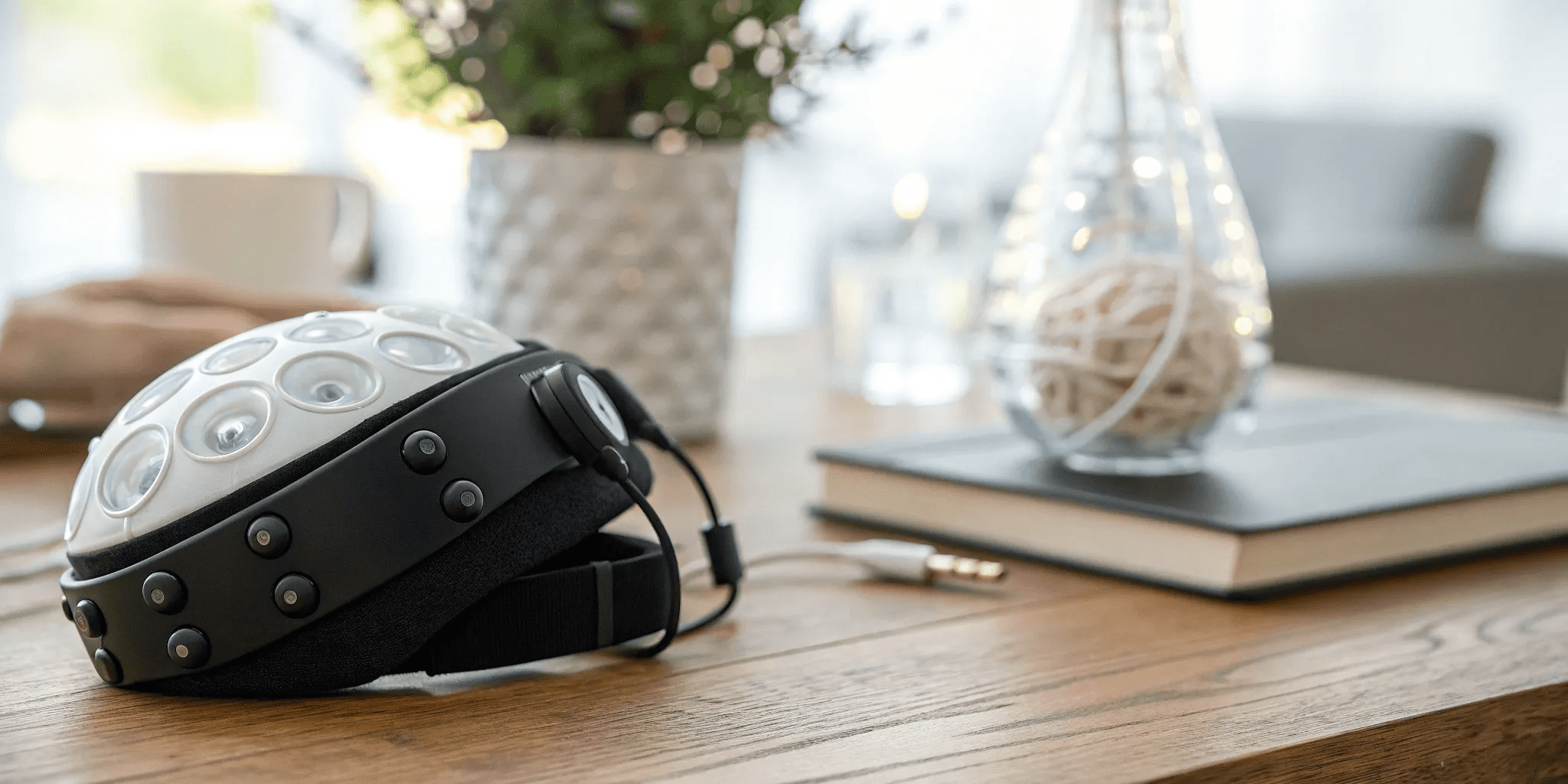
Continue reading