8 Best Software for EEG Visualization (2025)
Doung Tran
Updated on
Dec 2, 2025
8 Best Software for EEG Visualization (2025)
Doung Tran
Updated on
Dec 2, 2025
8 Best Software for EEG Visualization (2025)
Doung Tran
Updated on
Dec 2, 2025
Your EEG headset is only half of the equation. Without the right software, the rich data it collects remains locked away, a stream of numbers without context or meaning. The software is what translates that raw data into actionable insights, whether you're conducting academic research, developing a new brain-computer interface, or exploring your own cognitive patterns. With so many options available—from powerful open-source platforms to polished professional suites—making a choice can feel overwhelming. The best software for eeg visualization isn't a one-size-fits-all solution; it's the one that aligns perfectly with your project's needs. In this article, we’ll compare the leading free and paid platforms, breaking down their features, user experience, and ideal use cases to help you make an informed decision.
Key Takeaways
Decide on Your Trade-Offs: Free, open-source tools give you incredible flexibility if you have the coding skills to match, while paid software offers a streamlined experience and dedicated support so you can get to your insights faster.
Align Your Tools with Your Goals: If you're just starting, prioritize a user-friendly interface to learn the ropes. For deep academic or professional research, you'll need a platform with robust analytical power and precise data management.
Prioritize the Essentials: No matter which software you choose, make sure it excels at the basics. Look for powerful data filtering to ensure a clean signal, clear real-time visualization, and guaranteed compatibility with your EEG headset.
What Makes a Great EEG Visualization Tool?
Choosing the right EEG visualization software can feel like a huge decision, and in many ways, it is. The software you pick is your primary window into the brain's electrical activity. Raw EEG data on its own is a complex stream of signals, and it’s the software’s job to translate that into something you can actually understand and work with. A great tool doesn't just show you data; it helps you find the story within it. It cleans up the noise, highlights important patterns, and presents everything in a clear, intuitive way.
Think of it as the difference between having a pile of raw ingredients and a well-equipped kitchen. The right tools help you sort, prepare, and combine those ingredients to create something meaningful. Whether you're conducting formal academic research, developing a new application, or exploring your own brain activity, the software you use will shape your entire experience. It determines how efficiently you can process data, the depth of your analysis, and ultimately, the quality of your insights. The best platforms balance powerful features with a design that doesn't get in your way, letting you focus on the data itself. They empower you to ask bigger questions and find clearer answers.
Key Data Analysis Features
At its core, EEG software needs to be excellent at data analysis. The first and most critical step is cleaning the raw data. Brain signals are incredibly subtle, and they can easily be mixed with "noise" from muscle movements, eye blinks, or electrical interference. A great tool provides robust filters to clean this up, ensuring your data is accurate. Once the data is clean, the software should help you spot meaningful patterns. This includes features for viewing different brainwave frequencies (like Alpha or Beta waves) over time and identifying specific brain activity related to certain tasks or stimuli. These foundational features are what turn a noisy dataset into a source of clear insights.
The Importance of Real-Time Processing
For many applications, especially in the world of brain-computer interfaces, you need to see and analyze brain activity as it happens. This is where real-time processing comes in. Instead of just recording data to analyze later, the software processes the EEG stream instantly, allowing for immediate feedback and interaction. This capability is essential for projects where you want to control a device with your thoughts or see how brain states change in response to a live event. Modern software often uses machine learning to identify patterns on the fly, making these interactive experiences possible. This immediate analysis opens up a whole new world of possibilities beyond simple data recording.
User-Friendliness and System Compatibility
Even the most powerful software is ineffective if it's too difficult to use. A great EEG tool should have a clean, intuitive interface that makes sense from the moment you open it. Clear navigation and a logical layout save you time and frustration, letting you focus on your research instead of fighting with the software. Beyond the interface, compatibility is key. You need to ensure the software works seamlessly with your specific EEG headset and any other programs you use, like Python or MATLAB. Good documentation, tutorials, and a responsive support team are also signs of a quality platform, as they provide a safety net when you're learning the ropes or troubleshooting a complex issue.
The Best Free EEG Visualization Software
Getting started with EEG analysis doesn't have to break the bank. The open-source community has created some incredibly powerful and flexible tools that are completely free to use. These platforms are maintained by dedicated researchers and developers, offering a fantastic way to process, analyze, and visualize your brain data. Whether you're a student, an independent researcher, or just exploring the field, these free software options provide robust features that rival many paid alternatives. They are a testament to the collaborative spirit of the neuroscience community and can be the perfect entry point for your work. Let's look at some of the most popular choices.
EEGLab: The Comprehensive MATLAB Toolbox
If you work with MATLAB, EEGLab is likely already on your radar. It’s a widely used interactive toolbox designed for processing EEG and other electrophysiological data. Its popularity comes from a rich set of features, including Independent Component Analysis (ICA) for separating brain signals from noise, powerful time-frequency analysis, and event-related statistics. You can import a wide variety of data formats and use its interactive plotting functions to explore your recordings visually. With a library of over 120 plugins, you can extend its capabilities even further, making it a highly adaptable tool for complex research projects.
MNE-Python: An Open-Source Analysis Platform
For those who prefer working in Python, MNE-Python is an excellent open-source package for analyzing human brain data. It’s known for its comprehensive documentation and a very active user community, which is a huge plus when you're learning a new tool. MNE-Python gives you a complete pipeline for your analysis, from preparing and cleaning your data to advanced functions like source estimation and connectivity analysis. You can also apply machine learning algorithms directly to your EEG data, opening up new avenues for predictive modeling. Its strong visualization capabilities make it easy to create publication-quality figures and explore your data in detail.
Brainstorm: Your User-Friendly Research Tool
Brainstorm is a fantastic choice if you want a user-friendly, all-in-one application for analyzing MEG, EEG, and fNIRS data. One of its biggest advantages is that while it’s built on MATLAB, you don’t need a MATLAB license to run it—it functions as a standalone program. This makes it incredibly accessible. Brainstorm excels at organizing data and provides a clear, visually-oriented workflow. Key features include 3D data mapping, robust tools for noise correction, and source modeling. The intuitive interface makes it a great starting point for those who might be less comfortable with command-line programming but still need powerful analytical tools.
FieldTrip: For Advanced Signal Processing
FieldTrip is another MATLAB-based toolbox that’s geared toward advanced analysis of MEG, EEG, and iEEG data. It’s particularly well-regarded for its capabilities in advanced signal processing and source reconstruction. If your research involves analyzing connectivity or combining different types of data, FieldTrip offers a flexible and powerful scripting environment to build custom analysis pipelines. While it has a steeper learning curve compared to GUI-based software, it provides researchers with granular control over their analysis methods. It’s a go-to choice for many leading neuroscience labs that need to perform complex, customized analyses on their electrophysiological data.
Top Paid EEG Visualization Software
While free software offers incredible value and flexibility, paid options often provide a more streamlined experience, dedicated customer support, and specialized features that can accelerate your research. These platforms are designed for professional environments where efficiency and advanced analytical power are key. If you're working on a large-scale project or need clinical-grade tools, investing in a paid software solution can be a game-changer. Here are some of the top contenders in the paid software space, each with its own unique strengths.
EmotivPRO: For Streamlined Professional Analysis
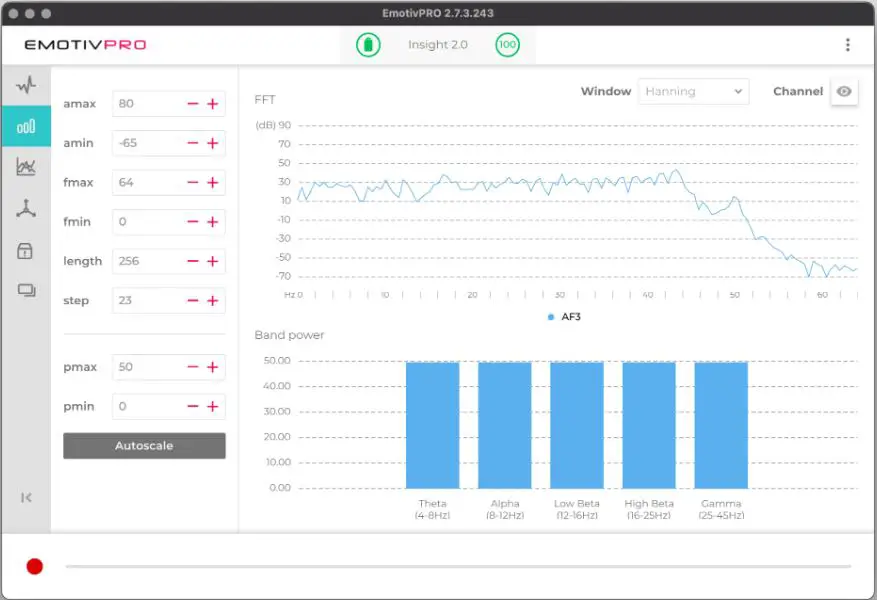
If you’re conducting professional brain research, our EmotivPRO software is designed to make your workflow as smooth as possible. It’s a comprehensive solution for analyzing and visualizing real-time EEG data from Emotiv headsets. You can view raw EEG, performance metrics, and frequency data all at once, making it easy to see the complete picture. We built it to be an integrated part of our ecosystem, allowing you to record and manage data from multiple subjects simultaneously. It’s perfect for academic research, neuromarketing studies, and anyone who needs a reliable, all-in-one platform for high-quality data acquisition and analysis without a steep learning curve.
BESA: For Advanced Source Localization
BESA, which stands for Brain Electrical Source Analysis, is widely recognized as a powerful tool for a specific and complex task: source localization. In simple terms, it helps you pinpoint where in the brain a particular electrical signal is coming from. This is crucial for understanding the neural origins of cognitive processes. BESA offers a guided workflow that walks you through the analysis steps, and it can integrate with other imaging data like MRI and fMRI for more precise mapping. Its advanced algorithms and visualization capabilities make it a go-to choice for researchers who need to answer detailed questions about brain activity.
BrainVision Analyzer: A Comprehensive Processing Suite
BrainVision Analyzer is a popular offline analysis tool from Brain Products that has become a staple in many research labs. Built on MATLAB, it offers a robust and flexible environment for processing EEG data after it has been recorded. One of its standout features is a visual history tree that lets you track every step of your analysis, ensuring your methods are transparent and repeatable. The software includes a wide array of tools for filtering data, performing Independent Component Analysis (ICA) to separate signals, and conducting frequency analysis with FFT and wavelets. It’s a comprehensive suite for anyone who needs deep, customizable post-acquisition processing power.
Curry: A Tool for Clinical-Grade Visualization
Curry is an all-in-one software package that covers the entire research pipeline, from data acquisition to final analysis and visualization. It’s particularly well-regarded in clinical research settings for its extensive capabilities in analyzing both EEG and Event-Related Potential (ERP) data. Curry is designed to integrate data from multiple modalities, including MEG, fMRI, and DTI, providing a multimodal view of brain function. This makes it an incredibly powerful tool for researchers who need to combine different types of neuroimaging data to get a complete understanding of brain dynamics. Its comprehensive feature set supports everything from basic signal processing to advanced source analysis.
Free vs. Paid EEG Software: How Do They Compare?
Deciding between free and paid EEG software can feel like a big commitment. Both have their place, and the right choice really depends on your project's needs, your technical comfort level, and your budget. Free, open-source platforms offer incredible flexibility for those with the coding skills to customize them, while paid software often provides a more streamlined experience with dedicated support. Let's break down the key differences to help you figure out which path is right for you and your research.
Features and Analytical Power
The core job of any good EEG software is to help you make sense of your data. This means having tools to filter out noise for a clean signal and ways to identify specific brain activity patterns. Most free and paid options cover these basics. The difference often lies in the accessibility of advanced features. Many paid platforms integrate sophisticated tools like machine learning algorithms and real-time analysis into a user-friendly interface, which is especially useful for complex applications like neuromarketing. While open-source software can be just as powerful, accessing these advanced capabilities might require you to write your own scripts or integrate separate libraries.
Technical Skill and Learning Curve
This is one of the biggest distinctions between free and paid software. Free tools like EEGLAB and MNE-Python are incredibly powerful and are staples in academic research, but they often presume a certain level of technical expertise. You might need to be comfortable with scripting in languages like Python or MATLAB to get them set up and customized for your needs. Paid software, on the other hand, is typically designed for a smoother user experience. It usually features a polished graphical user interface (GUI), guided workflows, and a more gentle learning curve, making it a great option if you want to get your project up and running quickly without a lot of coding.
Support and Documentation
When you hit a roadblock, having good support can save you hours of frustration. With free software, support is generally community-based. You’ll rely on forums, user-contributed wikis, and documentation that can vary in quality and completeness. While these communities can be incredibly helpful, finding an answer to a specific problem isn't guaranteed. Paid software almost always includes professional customer support. This means you have a dedicated team you can contact for help, along with comprehensive tutorials and clear instructions. For developers, having access to a well-documented API and direct support can be a deciding factor.
Hardware and Tool Integration
Your software is useless if it can’t communicate with your EEG headset. Before committing to a platform, you need to ensure it’s compatible with your hardware. With free software, you’ll have to check its compatibility list and may need to find or create a plugin to get your device working. Paid software, especially when it comes from the same company as your hardware, guarantees seamless integration. For example, our EmotivPRO software is built to work perfectly with all Emotiv headsets right out of the box. You should also consider how well the software works with other tools and common data formats, like EDF or CSV, to ensure a smooth workflow.
Understanding EEG Software Pricing Models
When you're choosing EEG software, the price tag is just one part of the story. How you pay—and what you get for it—can vary significantly. Understanding the different pricing models helps you find a solution that fits your research needs and your budget, whether you're a student, a developer, or part of a large institution. It's about finding the right balance between cost, features, and support. Let's break down the most common structures so you can make an informed choice.
Subscription vs. One-Time Purchase
This is the classic rent-versus-buy decision. A subscription model involves a recurring fee, and in return, you get continuous access to the latest software updates, bug fixes, and customer support. This model ensures your tools are always current, which is ideal for long-term or ongoing projects where data integrity is key. On the other hand, a one-time purchase gives you a perpetual license for the software version you buy. The upfront cost is higher, but you own that license forever. This can be a good fit for a specific, grant-funded project with a fixed budget, but remember you might need to pay extra for major upgrades down the line.
Academic Discounts and Licensing
If you're in academia, you're in luck. Many EEG software companies offer special pricing to support research and education. These academic discounts can significantly lower the barrier to entry, making advanced tools more accessible for students and university labs. You'll usually need to provide proof of your academic affiliation to qualify. It's also worth looking into different licensing options. A single-user license might be perfect for an individual, while a lab-wide license could be more cost-effective for an entire team. We offer several options to support academic research and education.
A Cost-Benefit Breakdown for Different Users
The choice between free and paid software often comes down to a trade-off between money and time. Free, open-source platforms are powerful and offer immense flexibility, which is why they are so popular in academic circles. However, their "cost" is often a steeper learning curve and the need for more technical skill to get set up. Paid software, like our own EmotivPRO, is designed for a more streamlined experience. You're paying for a polished user interface, dedicated technical support, and a workflow that lets you focus more on your data and less on troubleshooting, making it a practical choice for projects where efficiency is key.
The Pros and Cons of Each Software Type
Why Choose Free Software? (The Pros)
Free, open-source software is a cornerstone of the academic world for a reason. Tools like EEGLAB and MNE-Python are incredibly powerful and flexible, giving you the freedom to customize analyses to fit the specific needs of your research. If you have a novel method you want to test, you can dive into the code and build it yourself. This level of control is invaluable for researchers pushing the boundaries of neuroscience. The collaborative nature of these platforms also means they benefit from a global community of developers and users who contribute to their improvement. This community can be a great resource for troubleshooting and learning, making these tools a popular choice for academic research and education.
The Downsides of Open-Source Platforms (The Cons)
The biggest trade-off with free software is the learning curve. That flexibility I mentioned comes at the cost of user-friendliness. Getting started often requires a solid understanding of programming languages like MATLAB or Python, and the initial setup can be complex. Without a dedicated customer support team, you’ll be relying on community forums and documentation to solve problems, which can be time-consuming. If you’re not a developer or don’t have one on your team, you might spend more time wrestling with the software than analyzing your data. For those who are comfortable with code, our tools offer a robust developer ecosystem to build upon, but it’s an important factor to consider before you commit.
The Advantages of Paid Software (The Pros)
Paid software is designed to provide a much smoother experience right out of the box. The primary advantage is a polished, intuitive user interface that lets you get to your analysis faster, without needing to write code. When you run into an issue, you have access to a dedicated support team that can provide expert guidance. This is a huge benefit for professionals working on large projects or with tight deadlines. Tools like EmotivPRO are built to streamline your workflow, offering reliable performance and features tailored for professional applications. This makes paid solutions a great fit for commercial research, large-scale academic studies, and anyone who values efficiency and ease of use.
Potential Drawbacks of Paid Solutions (The Cons)
Of course, the most apparent drawback of paid software is the cost. This investment, however, goes directly into ensuring high standards for data integrity, rigorous testing, and continuous development—all of which are critical for serious research. The price reflects the resources required to build and maintain a reliable, user-friendly platform with dedicated support. Another consideration is that paid software can sometimes be less customizable than open-source alternatives. You are generally working within the feature set provided by the developer. While our Emotiv App is designed to be both powerful and accessible, it’s important to weigh the cost against the benefits of a streamlined workflow and professional support for your specific needs.
How to Choose the Right EEG Software for You
With so many options out there, picking the right EEG software can feel like a big decision. The best tool for you really comes down to what you want to accomplish, your comfort level with technical software, and your budget. Are you just starting to explore brain data, or are you a seasoned researcher running complex experiments? Do you need a simple, out-of-the-box solution, or are you ready to write your own scripts? Let’s walk through a few scenarios to help you find the software that fits your specific needs.
Best for Beginners
If you're new to the world of EEG, you’ll want software with a clean, intuitive interface that lets you get started without a steep learning curve. Look for tools that offer clear tutorials, helpful guides, and responsive user support to help you learn the basics. For those using our headsets, the Emotiv App is designed for this purpose. It allows you to see brain data in a straightforward way and access tools for cognitive wellness without needing a background in neuroscience. The goal is to get you from setup to seeing your data as smoothly as possible.
Best for Experienced Researchers
For those with a background in EEG research, your needs are more advanced. You’re likely looking for robust features that allow for deep analysis, custom event marking, and sophisticated data visualization. Software like EmotivPRO is built for this kind of detailed work. It lets you view and analyze raw EEG data in real-time, manage complex recordings, and export data for further processing. This level of control is essential for professional and academic research where precision and data integrity are the top priorities.
Best for a Limited Budget
Working with a tight budget doesn’t mean you have to compromise on power. Several excellent free and open-source EEG analysis tools are available, including popular platforms like EEGLAB, MNE-Python, and FieldTrip. These tools are incredibly flexible and are used by researchers all over the world. The trade-off is that they often require more technical skill to set up and use effectively. You should be comfortable working with code or be prepared to spend some time learning. If you are, these platforms offer a powerful, cost-effective way to conduct in-depth EEG analysis.
Final Thoughts: Aligning Software with Your Goals
Ultimately, the best software is the one that aligns with your project. Before you commit to a platform, take a moment to map out your specific requirements. What questions are you trying to answer with your data? What is your level of technical expertise, and how much time can you invest in learning a new system? Answering these questions will guide you to the software that not only has the features you need but also fits your workflow. This alignment is the key to choosing a tool that helps you achieve your goals, rather than becoming a roadblock.
Related Articles
Frequently Asked Questions
Do I need to know how to code to analyze EEG data? Not necessarily, but it depends on the software you choose. Many powerful open-source platforms like MNE-Python or EEGLAB rely on scripting skills in Python or MATLAB. However, if you're not a coder, you're not out of luck. Many paid solutions, including our own EmotivPRO, are built with a graphical user interface so you can run complex analyses without writing a single line of code.
Can I use free, open-source software for serious academic research? Absolutely. Free tools are the backbone of many university labs and have been used in thousands of published studies. They offer incredible power and flexibility. The main trade-off is the time you might invest in setup, learning, and troubleshooting on your own, compared to the more streamlined workflow and dedicated support that comes with a paid platform.
What's the first thing I should check before committing to a software? Before you get attached to any software's features, the very first thing you should confirm is that it's compatible with your specific EEG headset. A quick check of the software’s documentation or compatibility list can save you a lot of frustration. You want to ensure your hardware and software can communicate seamlessly from the start.
Is a subscription model better than a one-time purchase? This really comes down to your project's scope and timeline. A subscription is often better for long-term or ongoing research, as it ensures you always have the most current version of the software and continuous access to technical support. A one-time purchase can be more straightforward for a single project with a fixed budget, but you may need to pay for major upgrades later on.
I'm not a researcher, I just want to explore my own brain activity. What should I use? If you're just starting and your goal is personal exploration, you'll want a tool that is intuitive and easy to jump into. I'd recommend starting with an application designed for accessibility, like our Emotiv App. It lets you see your brain activity and access cognitive wellness tools in a way that is easy to understand, without needing a background in neuroscience.
Your EEG headset is only half of the equation. Without the right software, the rich data it collects remains locked away, a stream of numbers without context or meaning. The software is what translates that raw data into actionable insights, whether you're conducting academic research, developing a new brain-computer interface, or exploring your own cognitive patterns. With so many options available—from powerful open-source platforms to polished professional suites—making a choice can feel overwhelming. The best software for eeg visualization isn't a one-size-fits-all solution; it's the one that aligns perfectly with your project's needs. In this article, we’ll compare the leading free and paid platforms, breaking down their features, user experience, and ideal use cases to help you make an informed decision.
Key Takeaways
Decide on Your Trade-Offs: Free, open-source tools give you incredible flexibility if you have the coding skills to match, while paid software offers a streamlined experience and dedicated support so you can get to your insights faster.
Align Your Tools with Your Goals: If you're just starting, prioritize a user-friendly interface to learn the ropes. For deep academic or professional research, you'll need a platform with robust analytical power and precise data management.
Prioritize the Essentials: No matter which software you choose, make sure it excels at the basics. Look for powerful data filtering to ensure a clean signal, clear real-time visualization, and guaranteed compatibility with your EEG headset.
What Makes a Great EEG Visualization Tool?
Choosing the right EEG visualization software can feel like a huge decision, and in many ways, it is. The software you pick is your primary window into the brain's electrical activity. Raw EEG data on its own is a complex stream of signals, and it’s the software’s job to translate that into something you can actually understand and work with. A great tool doesn't just show you data; it helps you find the story within it. It cleans up the noise, highlights important patterns, and presents everything in a clear, intuitive way.
Think of it as the difference between having a pile of raw ingredients and a well-equipped kitchen. The right tools help you sort, prepare, and combine those ingredients to create something meaningful. Whether you're conducting formal academic research, developing a new application, or exploring your own brain activity, the software you use will shape your entire experience. It determines how efficiently you can process data, the depth of your analysis, and ultimately, the quality of your insights. The best platforms balance powerful features with a design that doesn't get in your way, letting you focus on the data itself. They empower you to ask bigger questions and find clearer answers.
Key Data Analysis Features
At its core, EEG software needs to be excellent at data analysis. The first and most critical step is cleaning the raw data. Brain signals are incredibly subtle, and they can easily be mixed with "noise" from muscle movements, eye blinks, or electrical interference. A great tool provides robust filters to clean this up, ensuring your data is accurate. Once the data is clean, the software should help you spot meaningful patterns. This includes features for viewing different brainwave frequencies (like Alpha or Beta waves) over time and identifying specific brain activity related to certain tasks or stimuli. These foundational features are what turn a noisy dataset into a source of clear insights.
The Importance of Real-Time Processing
For many applications, especially in the world of brain-computer interfaces, you need to see and analyze brain activity as it happens. This is where real-time processing comes in. Instead of just recording data to analyze later, the software processes the EEG stream instantly, allowing for immediate feedback and interaction. This capability is essential for projects where you want to control a device with your thoughts or see how brain states change in response to a live event. Modern software often uses machine learning to identify patterns on the fly, making these interactive experiences possible. This immediate analysis opens up a whole new world of possibilities beyond simple data recording.
User-Friendliness and System Compatibility
Even the most powerful software is ineffective if it's too difficult to use. A great EEG tool should have a clean, intuitive interface that makes sense from the moment you open it. Clear navigation and a logical layout save you time and frustration, letting you focus on your research instead of fighting with the software. Beyond the interface, compatibility is key. You need to ensure the software works seamlessly with your specific EEG headset and any other programs you use, like Python or MATLAB. Good documentation, tutorials, and a responsive support team are also signs of a quality platform, as they provide a safety net when you're learning the ropes or troubleshooting a complex issue.
The Best Free EEG Visualization Software
Getting started with EEG analysis doesn't have to break the bank. The open-source community has created some incredibly powerful and flexible tools that are completely free to use. These platforms are maintained by dedicated researchers and developers, offering a fantastic way to process, analyze, and visualize your brain data. Whether you're a student, an independent researcher, or just exploring the field, these free software options provide robust features that rival many paid alternatives. They are a testament to the collaborative spirit of the neuroscience community and can be the perfect entry point for your work. Let's look at some of the most popular choices.
EEGLab: The Comprehensive MATLAB Toolbox
If you work with MATLAB, EEGLab is likely already on your radar. It’s a widely used interactive toolbox designed for processing EEG and other electrophysiological data. Its popularity comes from a rich set of features, including Independent Component Analysis (ICA) for separating brain signals from noise, powerful time-frequency analysis, and event-related statistics. You can import a wide variety of data formats and use its interactive plotting functions to explore your recordings visually. With a library of over 120 plugins, you can extend its capabilities even further, making it a highly adaptable tool for complex research projects.
MNE-Python: An Open-Source Analysis Platform
For those who prefer working in Python, MNE-Python is an excellent open-source package for analyzing human brain data. It’s known for its comprehensive documentation and a very active user community, which is a huge plus when you're learning a new tool. MNE-Python gives you a complete pipeline for your analysis, from preparing and cleaning your data to advanced functions like source estimation and connectivity analysis. You can also apply machine learning algorithms directly to your EEG data, opening up new avenues for predictive modeling. Its strong visualization capabilities make it easy to create publication-quality figures and explore your data in detail.
Brainstorm: Your User-Friendly Research Tool
Brainstorm is a fantastic choice if you want a user-friendly, all-in-one application for analyzing MEG, EEG, and fNIRS data. One of its biggest advantages is that while it’s built on MATLAB, you don’t need a MATLAB license to run it—it functions as a standalone program. This makes it incredibly accessible. Brainstorm excels at organizing data and provides a clear, visually-oriented workflow. Key features include 3D data mapping, robust tools for noise correction, and source modeling. The intuitive interface makes it a great starting point for those who might be less comfortable with command-line programming but still need powerful analytical tools.
FieldTrip: For Advanced Signal Processing
FieldTrip is another MATLAB-based toolbox that’s geared toward advanced analysis of MEG, EEG, and iEEG data. It’s particularly well-regarded for its capabilities in advanced signal processing and source reconstruction. If your research involves analyzing connectivity or combining different types of data, FieldTrip offers a flexible and powerful scripting environment to build custom analysis pipelines. While it has a steeper learning curve compared to GUI-based software, it provides researchers with granular control over their analysis methods. It’s a go-to choice for many leading neuroscience labs that need to perform complex, customized analyses on their electrophysiological data.
Top Paid EEG Visualization Software
While free software offers incredible value and flexibility, paid options often provide a more streamlined experience, dedicated customer support, and specialized features that can accelerate your research. These platforms are designed for professional environments where efficiency and advanced analytical power are key. If you're working on a large-scale project or need clinical-grade tools, investing in a paid software solution can be a game-changer. Here are some of the top contenders in the paid software space, each with its own unique strengths.
EmotivPRO: For Streamlined Professional Analysis
If you’re conducting professional brain research, our EmotivPRO software is designed to make your workflow as smooth as possible. It’s a comprehensive solution for analyzing and visualizing real-time EEG data from Emotiv headsets. You can view raw EEG, performance metrics, and frequency data all at once, making it easy to see the complete picture. We built it to be an integrated part of our ecosystem, allowing you to record and manage data from multiple subjects simultaneously. It’s perfect for academic research, neuromarketing studies, and anyone who needs a reliable, all-in-one platform for high-quality data acquisition and analysis without a steep learning curve.
BESA: For Advanced Source Localization
BESA, which stands for Brain Electrical Source Analysis, is widely recognized as a powerful tool for a specific and complex task: source localization. In simple terms, it helps you pinpoint where in the brain a particular electrical signal is coming from. This is crucial for understanding the neural origins of cognitive processes. BESA offers a guided workflow that walks you through the analysis steps, and it can integrate with other imaging data like MRI and fMRI for more precise mapping. Its advanced algorithms and visualization capabilities make it a go-to choice for researchers who need to answer detailed questions about brain activity.
BrainVision Analyzer: A Comprehensive Processing Suite
BrainVision Analyzer is a popular offline analysis tool from Brain Products that has become a staple in many research labs. Built on MATLAB, it offers a robust and flexible environment for processing EEG data after it has been recorded. One of its standout features is a visual history tree that lets you track every step of your analysis, ensuring your methods are transparent and repeatable. The software includes a wide array of tools for filtering data, performing Independent Component Analysis (ICA) to separate signals, and conducting frequency analysis with FFT and wavelets. It’s a comprehensive suite for anyone who needs deep, customizable post-acquisition processing power.
Curry: A Tool for Clinical-Grade Visualization
Curry is an all-in-one software package that covers the entire research pipeline, from data acquisition to final analysis and visualization. It’s particularly well-regarded in clinical research settings for its extensive capabilities in analyzing both EEG and Event-Related Potential (ERP) data. Curry is designed to integrate data from multiple modalities, including MEG, fMRI, and DTI, providing a multimodal view of brain function. This makes it an incredibly powerful tool for researchers who need to combine different types of neuroimaging data to get a complete understanding of brain dynamics. Its comprehensive feature set supports everything from basic signal processing to advanced source analysis.
Free vs. Paid EEG Software: How Do They Compare?
Deciding between free and paid EEG software can feel like a big commitment. Both have their place, and the right choice really depends on your project's needs, your technical comfort level, and your budget. Free, open-source platforms offer incredible flexibility for those with the coding skills to customize them, while paid software often provides a more streamlined experience with dedicated support. Let's break down the key differences to help you figure out which path is right for you and your research.
Features and Analytical Power
The core job of any good EEG software is to help you make sense of your data. This means having tools to filter out noise for a clean signal and ways to identify specific brain activity patterns. Most free and paid options cover these basics. The difference often lies in the accessibility of advanced features. Many paid platforms integrate sophisticated tools like machine learning algorithms and real-time analysis into a user-friendly interface, which is especially useful for complex applications like neuromarketing. While open-source software can be just as powerful, accessing these advanced capabilities might require you to write your own scripts or integrate separate libraries.
Technical Skill and Learning Curve
This is one of the biggest distinctions between free and paid software. Free tools like EEGLAB and MNE-Python are incredibly powerful and are staples in academic research, but they often presume a certain level of technical expertise. You might need to be comfortable with scripting in languages like Python or MATLAB to get them set up and customized for your needs. Paid software, on the other hand, is typically designed for a smoother user experience. It usually features a polished graphical user interface (GUI), guided workflows, and a more gentle learning curve, making it a great option if you want to get your project up and running quickly without a lot of coding.
Support and Documentation
When you hit a roadblock, having good support can save you hours of frustration. With free software, support is generally community-based. You’ll rely on forums, user-contributed wikis, and documentation that can vary in quality and completeness. While these communities can be incredibly helpful, finding an answer to a specific problem isn't guaranteed. Paid software almost always includes professional customer support. This means you have a dedicated team you can contact for help, along with comprehensive tutorials and clear instructions. For developers, having access to a well-documented API and direct support can be a deciding factor.
Hardware and Tool Integration
Your software is useless if it can’t communicate with your EEG headset. Before committing to a platform, you need to ensure it’s compatible with your hardware. With free software, you’ll have to check its compatibility list and may need to find or create a plugin to get your device working. Paid software, especially when it comes from the same company as your hardware, guarantees seamless integration. For example, our EmotivPRO software is built to work perfectly with all Emotiv headsets right out of the box. You should also consider how well the software works with other tools and common data formats, like EDF or CSV, to ensure a smooth workflow.
Understanding EEG Software Pricing Models
When you're choosing EEG software, the price tag is just one part of the story. How you pay—and what you get for it—can vary significantly. Understanding the different pricing models helps you find a solution that fits your research needs and your budget, whether you're a student, a developer, or part of a large institution. It's about finding the right balance between cost, features, and support. Let's break down the most common structures so you can make an informed choice.
Subscription vs. One-Time Purchase
This is the classic rent-versus-buy decision. A subscription model involves a recurring fee, and in return, you get continuous access to the latest software updates, bug fixes, and customer support. This model ensures your tools are always current, which is ideal for long-term or ongoing projects where data integrity is key. On the other hand, a one-time purchase gives you a perpetual license for the software version you buy. The upfront cost is higher, but you own that license forever. This can be a good fit for a specific, grant-funded project with a fixed budget, but remember you might need to pay extra for major upgrades down the line.
Academic Discounts and Licensing
If you're in academia, you're in luck. Many EEG software companies offer special pricing to support research and education. These academic discounts can significantly lower the barrier to entry, making advanced tools more accessible for students and university labs. You'll usually need to provide proof of your academic affiliation to qualify. It's also worth looking into different licensing options. A single-user license might be perfect for an individual, while a lab-wide license could be more cost-effective for an entire team. We offer several options to support academic research and education.
A Cost-Benefit Breakdown for Different Users
The choice between free and paid software often comes down to a trade-off between money and time. Free, open-source platforms are powerful and offer immense flexibility, which is why they are so popular in academic circles. However, their "cost" is often a steeper learning curve and the need for more technical skill to get set up. Paid software, like our own EmotivPRO, is designed for a more streamlined experience. You're paying for a polished user interface, dedicated technical support, and a workflow that lets you focus more on your data and less on troubleshooting, making it a practical choice for projects where efficiency is key.
The Pros and Cons of Each Software Type
Why Choose Free Software? (The Pros)
Free, open-source software is a cornerstone of the academic world for a reason. Tools like EEGLAB and MNE-Python are incredibly powerful and flexible, giving you the freedom to customize analyses to fit the specific needs of your research. If you have a novel method you want to test, you can dive into the code and build it yourself. This level of control is invaluable for researchers pushing the boundaries of neuroscience. The collaborative nature of these platforms also means they benefit from a global community of developers and users who contribute to their improvement. This community can be a great resource for troubleshooting and learning, making these tools a popular choice for academic research and education.
The Downsides of Open-Source Platforms (The Cons)
The biggest trade-off with free software is the learning curve. That flexibility I mentioned comes at the cost of user-friendliness. Getting started often requires a solid understanding of programming languages like MATLAB or Python, and the initial setup can be complex. Without a dedicated customer support team, you’ll be relying on community forums and documentation to solve problems, which can be time-consuming. If you’re not a developer or don’t have one on your team, you might spend more time wrestling with the software than analyzing your data. For those who are comfortable with code, our tools offer a robust developer ecosystem to build upon, but it’s an important factor to consider before you commit.
The Advantages of Paid Software (The Pros)
Paid software is designed to provide a much smoother experience right out of the box. The primary advantage is a polished, intuitive user interface that lets you get to your analysis faster, without needing to write code. When you run into an issue, you have access to a dedicated support team that can provide expert guidance. This is a huge benefit for professionals working on large projects or with tight deadlines. Tools like EmotivPRO are built to streamline your workflow, offering reliable performance and features tailored for professional applications. This makes paid solutions a great fit for commercial research, large-scale academic studies, and anyone who values efficiency and ease of use.
Potential Drawbacks of Paid Solutions (The Cons)
Of course, the most apparent drawback of paid software is the cost. This investment, however, goes directly into ensuring high standards for data integrity, rigorous testing, and continuous development—all of which are critical for serious research. The price reflects the resources required to build and maintain a reliable, user-friendly platform with dedicated support. Another consideration is that paid software can sometimes be less customizable than open-source alternatives. You are generally working within the feature set provided by the developer. While our Emotiv App is designed to be both powerful and accessible, it’s important to weigh the cost against the benefits of a streamlined workflow and professional support for your specific needs.
How to Choose the Right EEG Software for You
With so many options out there, picking the right EEG software can feel like a big decision. The best tool for you really comes down to what you want to accomplish, your comfort level with technical software, and your budget. Are you just starting to explore brain data, or are you a seasoned researcher running complex experiments? Do you need a simple, out-of-the-box solution, or are you ready to write your own scripts? Let’s walk through a few scenarios to help you find the software that fits your specific needs.
Best for Beginners
If you're new to the world of EEG, you’ll want software with a clean, intuitive interface that lets you get started without a steep learning curve. Look for tools that offer clear tutorials, helpful guides, and responsive user support to help you learn the basics. For those using our headsets, the Emotiv App is designed for this purpose. It allows you to see brain data in a straightforward way and access tools for cognitive wellness without needing a background in neuroscience. The goal is to get you from setup to seeing your data as smoothly as possible.
Best for Experienced Researchers
For those with a background in EEG research, your needs are more advanced. You’re likely looking for robust features that allow for deep analysis, custom event marking, and sophisticated data visualization. Software like EmotivPRO is built for this kind of detailed work. It lets you view and analyze raw EEG data in real-time, manage complex recordings, and export data for further processing. This level of control is essential for professional and academic research where precision and data integrity are the top priorities.
Best for a Limited Budget
Working with a tight budget doesn’t mean you have to compromise on power. Several excellent free and open-source EEG analysis tools are available, including popular platforms like EEGLAB, MNE-Python, and FieldTrip. These tools are incredibly flexible and are used by researchers all over the world. The trade-off is that they often require more technical skill to set up and use effectively. You should be comfortable working with code or be prepared to spend some time learning. If you are, these platforms offer a powerful, cost-effective way to conduct in-depth EEG analysis.
Final Thoughts: Aligning Software with Your Goals
Ultimately, the best software is the one that aligns with your project. Before you commit to a platform, take a moment to map out your specific requirements. What questions are you trying to answer with your data? What is your level of technical expertise, and how much time can you invest in learning a new system? Answering these questions will guide you to the software that not only has the features you need but also fits your workflow. This alignment is the key to choosing a tool that helps you achieve your goals, rather than becoming a roadblock.
Related Articles
Frequently Asked Questions
Do I need to know how to code to analyze EEG data? Not necessarily, but it depends on the software you choose. Many powerful open-source platforms like MNE-Python or EEGLAB rely on scripting skills in Python or MATLAB. However, if you're not a coder, you're not out of luck. Many paid solutions, including our own EmotivPRO, are built with a graphical user interface so you can run complex analyses without writing a single line of code.
Can I use free, open-source software for serious academic research? Absolutely. Free tools are the backbone of many university labs and have been used in thousands of published studies. They offer incredible power and flexibility. The main trade-off is the time you might invest in setup, learning, and troubleshooting on your own, compared to the more streamlined workflow and dedicated support that comes with a paid platform.
What's the first thing I should check before committing to a software? Before you get attached to any software's features, the very first thing you should confirm is that it's compatible with your specific EEG headset. A quick check of the software’s documentation or compatibility list can save you a lot of frustration. You want to ensure your hardware and software can communicate seamlessly from the start.
Is a subscription model better than a one-time purchase? This really comes down to your project's scope and timeline. A subscription is often better for long-term or ongoing research, as it ensures you always have the most current version of the software and continuous access to technical support. A one-time purchase can be more straightforward for a single project with a fixed budget, but you may need to pay for major upgrades later on.
I'm not a researcher, I just want to explore my own brain activity. What should I use? If you're just starting and your goal is personal exploration, you'll want a tool that is intuitive and easy to jump into. I'd recommend starting with an application designed for accessibility, like our Emotiv App. It lets you see your brain activity and access cognitive wellness tools in a way that is easy to understand, without needing a background in neuroscience.
Your EEG headset is only half of the equation. Without the right software, the rich data it collects remains locked away, a stream of numbers without context or meaning. The software is what translates that raw data into actionable insights, whether you're conducting academic research, developing a new brain-computer interface, or exploring your own cognitive patterns. With so many options available—from powerful open-source platforms to polished professional suites—making a choice can feel overwhelming. The best software for eeg visualization isn't a one-size-fits-all solution; it's the one that aligns perfectly with your project's needs. In this article, we’ll compare the leading free and paid platforms, breaking down their features, user experience, and ideal use cases to help you make an informed decision.
Key Takeaways
Decide on Your Trade-Offs: Free, open-source tools give you incredible flexibility if you have the coding skills to match, while paid software offers a streamlined experience and dedicated support so you can get to your insights faster.
Align Your Tools with Your Goals: If you're just starting, prioritize a user-friendly interface to learn the ropes. For deep academic or professional research, you'll need a platform with robust analytical power and precise data management.
Prioritize the Essentials: No matter which software you choose, make sure it excels at the basics. Look for powerful data filtering to ensure a clean signal, clear real-time visualization, and guaranteed compatibility with your EEG headset.
What Makes a Great EEG Visualization Tool?
Choosing the right EEG visualization software can feel like a huge decision, and in many ways, it is. The software you pick is your primary window into the brain's electrical activity. Raw EEG data on its own is a complex stream of signals, and it’s the software’s job to translate that into something you can actually understand and work with. A great tool doesn't just show you data; it helps you find the story within it. It cleans up the noise, highlights important patterns, and presents everything in a clear, intuitive way.
Think of it as the difference between having a pile of raw ingredients and a well-equipped kitchen. The right tools help you sort, prepare, and combine those ingredients to create something meaningful. Whether you're conducting formal academic research, developing a new application, or exploring your own brain activity, the software you use will shape your entire experience. It determines how efficiently you can process data, the depth of your analysis, and ultimately, the quality of your insights. The best platforms balance powerful features with a design that doesn't get in your way, letting you focus on the data itself. They empower you to ask bigger questions and find clearer answers.
Key Data Analysis Features
At its core, EEG software needs to be excellent at data analysis. The first and most critical step is cleaning the raw data. Brain signals are incredibly subtle, and they can easily be mixed with "noise" from muscle movements, eye blinks, or electrical interference. A great tool provides robust filters to clean this up, ensuring your data is accurate. Once the data is clean, the software should help you spot meaningful patterns. This includes features for viewing different brainwave frequencies (like Alpha or Beta waves) over time and identifying specific brain activity related to certain tasks or stimuli. These foundational features are what turn a noisy dataset into a source of clear insights.
The Importance of Real-Time Processing
For many applications, especially in the world of brain-computer interfaces, you need to see and analyze brain activity as it happens. This is where real-time processing comes in. Instead of just recording data to analyze later, the software processes the EEG stream instantly, allowing for immediate feedback and interaction. This capability is essential for projects where you want to control a device with your thoughts or see how brain states change in response to a live event. Modern software often uses machine learning to identify patterns on the fly, making these interactive experiences possible. This immediate analysis opens up a whole new world of possibilities beyond simple data recording.
User-Friendliness and System Compatibility
Even the most powerful software is ineffective if it's too difficult to use. A great EEG tool should have a clean, intuitive interface that makes sense from the moment you open it. Clear navigation and a logical layout save you time and frustration, letting you focus on your research instead of fighting with the software. Beyond the interface, compatibility is key. You need to ensure the software works seamlessly with your specific EEG headset and any other programs you use, like Python or MATLAB. Good documentation, tutorials, and a responsive support team are also signs of a quality platform, as they provide a safety net when you're learning the ropes or troubleshooting a complex issue.
The Best Free EEG Visualization Software
Getting started with EEG analysis doesn't have to break the bank. The open-source community has created some incredibly powerful and flexible tools that are completely free to use. These platforms are maintained by dedicated researchers and developers, offering a fantastic way to process, analyze, and visualize your brain data. Whether you're a student, an independent researcher, or just exploring the field, these free software options provide robust features that rival many paid alternatives. They are a testament to the collaborative spirit of the neuroscience community and can be the perfect entry point for your work. Let's look at some of the most popular choices.
EEGLab: The Comprehensive MATLAB Toolbox
If you work with MATLAB, EEGLab is likely already on your radar. It’s a widely used interactive toolbox designed for processing EEG and other electrophysiological data. Its popularity comes from a rich set of features, including Independent Component Analysis (ICA) for separating brain signals from noise, powerful time-frequency analysis, and event-related statistics. You can import a wide variety of data formats and use its interactive plotting functions to explore your recordings visually. With a library of over 120 plugins, you can extend its capabilities even further, making it a highly adaptable tool for complex research projects.
MNE-Python: An Open-Source Analysis Platform
For those who prefer working in Python, MNE-Python is an excellent open-source package for analyzing human brain data. It’s known for its comprehensive documentation and a very active user community, which is a huge plus when you're learning a new tool. MNE-Python gives you a complete pipeline for your analysis, from preparing and cleaning your data to advanced functions like source estimation and connectivity analysis. You can also apply machine learning algorithms directly to your EEG data, opening up new avenues for predictive modeling. Its strong visualization capabilities make it easy to create publication-quality figures and explore your data in detail.
Brainstorm: Your User-Friendly Research Tool
Brainstorm is a fantastic choice if you want a user-friendly, all-in-one application for analyzing MEG, EEG, and fNIRS data. One of its biggest advantages is that while it’s built on MATLAB, you don’t need a MATLAB license to run it—it functions as a standalone program. This makes it incredibly accessible. Brainstorm excels at organizing data and provides a clear, visually-oriented workflow. Key features include 3D data mapping, robust tools for noise correction, and source modeling. The intuitive interface makes it a great starting point for those who might be less comfortable with command-line programming but still need powerful analytical tools.
FieldTrip: For Advanced Signal Processing
FieldTrip is another MATLAB-based toolbox that’s geared toward advanced analysis of MEG, EEG, and iEEG data. It’s particularly well-regarded for its capabilities in advanced signal processing and source reconstruction. If your research involves analyzing connectivity or combining different types of data, FieldTrip offers a flexible and powerful scripting environment to build custom analysis pipelines. While it has a steeper learning curve compared to GUI-based software, it provides researchers with granular control over their analysis methods. It’s a go-to choice for many leading neuroscience labs that need to perform complex, customized analyses on their electrophysiological data.
Top Paid EEG Visualization Software
While free software offers incredible value and flexibility, paid options often provide a more streamlined experience, dedicated customer support, and specialized features that can accelerate your research. These platforms are designed for professional environments where efficiency and advanced analytical power are key. If you're working on a large-scale project or need clinical-grade tools, investing in a paid software solution can be a game-changer. Here are some of the top contenders in the paid software space, each with its own unique strengths.
EmotivPRO: For Streamlined Professional Analysis
If you’re conducting professional brain research, our EmotivPRO software is designed to make your workflow as smooth as possible. It’s a comprehensive solution for analyzing and visualizing real-time EEG data from Emotiv headsets. You can view raw EEG, performance metrics, and frequency data all at once, making it easy to see the complete picture. We built it to be an integrated part of our ecosystem, allowing you to record and manage data from multiple subjects simultaneously. It’s perfect for academic research, neuromarketing studies, and anyone who needs a reliable, all-in-one platform for high-quality data acquisition and analysis without a steep learning curve.
BESA: For Advanced Source Localization
BESA, which stands for Brain Electrical Source Analysis, is widely recognized as a powerful tool for a specific and complex task: source localization. In simple terms, it helps you pinpoint where in the brain a particular electrical signal is coming from. This is crucial for understanding the neural origins of cognitive processes. BESA offers a guided workflow that walks you through the analysis steps, and it can integrate with other imaging data like MRI and fMRI for more precise mapping. Its advanced algorithms and visualization capabilities make it a go-to choice for researchers who need to answer detailed questions about brain activity.
BrainVision Analyzer: A Comprehensive Processing Suite
BrainVision Analyzer is a popular offline analysis tool from Brain Products that has become a staple in many research labs. Built on MATLAB, it offers a robust and flexible environment for processing EEG data after it has been recorded. One of its standout features is a visual history tree that lets you track every step of your analysis, ensuring your methods are transparent and repeatable. The software includes a wide array of tools for filtering data, performing Independent Component Analysis (ICA) to separate signals, and conducting frequency analysis with FFT and wavelets. It’s a comprehensive suite for anyone who needs deep, customizable post-acquisition processing power.
Curry: A Tool for Clinical-Grade Visualization
Curry is an all-in-one software package that covers the entire research pipeline, from data acquisition to final analysis and visualization. It’s particularly well-regarded in clinical research settings for its extensive capabilities in analyzing both EEG and Event-Related Potential (ERP) data. Curry is designed to integrate data from multiple modalities, including MEG, fMRI, and DTI, providing a multimodal view of brain function. This makes it an incredibly powerful tool for researchers who need to combine different types of neuroimaging data to get a complete understanding of brain dynamics. Its comprehensive feature set supports everything from basic signal processing to advanced source analysis.
Free vs. Paid EEG Software: How Do They Compare?
Deciding between free and paid EEG software can feel like a big commitment. Both have their place, and the right choice really depends on your project's needs, your technical comfort level, and your budget. Free, open-source platforms offer incredible flexibility for those with the coding skills to customize them, while paid software often provides a more streamlined experience with dedicated support. Let's break down the key differences to help you figure out which path is right for you and your research.
Features and Analytical Power
The core job of any good EEG software is to help you make sense of your data. This means having tools to filter out noise for a clean signal and ways to identify specific brain activity patterns. Most free and paid options cover these basics. The difference often lies in the accessibility of advanced features. Many paid platforms integrate sophisticated tools like machine learning algorithms and real-time analysis into a user-friendly interface, which is especially useful for complex applications like neuromarketing. While open-source software can be just as powerful, accessing these advanced capabilities might require you to write your own scripts or integrate separate libraries.
Technical Skill and Learning Curve
This is one of the biggest distinctions between free and paid software. Free tools like EEGLAB and MNE-Python are incredibly powerful and are staples in academic research, but they often presume a certain level of technical expertise. You might need to be comfortable with scripting in languages like Python or MATLAB to get them set up and customized for your needs. Paid software, on the other hand, is typically designed for a smoother user experience. It usually features a polished graphical user interface (GUI), guided workflows, and a more gentle learning curve, making it a great option if you want to get your project up and running quickly without a lot of coding.
Support and Documentation
When you hit a roadblock, having good support can save you hours of frustration. With free software, support is generally community-based. You’ll rely on forums, user-contributed wikis, and documentation that can vary in quality and completeness. While these communities can be incredibly helpful, finding an answer to a specific problem isn't guaranteed. Paid software almost always includes professional customer support. This means you have a dedicated team you can contact for help, along with comprehensive tutorials and clear instructions. For developers, having access to a well-documented API and direct support can be a deciding factor.
Hardware and Tool Integration
Your software is useless if it can’t communicate with your EEG headset. Before committing to a platform, you need to ensure it’s compatible with your hardware. With free software, you’ll have to check its compatibility list and may need to find or create a plugin to get your device working. Paid software, especially when it comes from the same company as your hardware, guarantees seamless integration. For example, our EmotivPRO software is built to work perfectly with all Emotiv headsets right out of the box. You should also consider how well the software works with other tools and common data formats, like EDF or CSV, to ensure a smooth workflow.
Understanding EEG Software Pricing Models
When you're choosing EEG software, the price tag is just one part of the story. How you pay—and what you get for it—can vary significantly. Understanding the different pricing models helps you find a solution that fits your research needs and your budget, whether you're a student, a developer, or part of a large institution. It's about finding the right balance between cost, features, and support. Let's break down the most common structures so you can make an informed choice.
Subscription vs. One-Time Purchase
This is the classic rent-versus-buy decision. A subscription model involves a recurring fee, and in return, you get continuous access to the latest software updates, bug fixes, and customer support. This model ensures your tools are always current, which is ideal for long-term or ongoing projects where data integrity is key. On the other hand, a one-time purchase gives you a perpetual license for the software version you buy. The upfront cost is higher, but you own that license forever. This can be a good fit for a specific, grant-funded project with a fixed budget, but remember you might need to pay extra for major upgrades down the line.
Academic Discounts and Licensing
If you're in academia, you're in luck. Many EEG software companies offer special pricing to support research and education. These academic discounts can significantly lower the barrier to entry, making advanced tools more accessible for students and university labs. You'll usually need to provide proof of your academic affiliation to qualify. It's also worth looking into different licensing options. A single-user license might be perfect for an individual, while a lab-wide license could be more cost-effective for an entire team. We offer several options to support academic research and education.
A Cost-Benefit Breakdown for Different Users
The choice between free and paid software often comes down to a trade-off between money and time. Free, open-source platforms are powerful and offer immense flexibility, which is why they are so popular in academic circles. However, their "cost" is often a steeper learning curve and the need for more technical skill to get set up. Paid software, like our own EmotivPRO, is designed for a more streamlined experience. You're paying for a polished user interface, dedicated technical support, and a workflow that lets you focus more on your data and less on troubleshooting, making it a practical choice for projects where efficiency is key.
The Pros and Cons of Each Software Type
Why Choose Free Software? (The Pros)
Free, open-source software is a cornerstone of the academic world for a reason. Tools like EEGLAB and MNE-Python are incredibly powerful and flexible, giving you the freedom to customize analyses to fit the specific needs of your research. If you have a novel method you want to test, you can dive into the code and build it yourself. This level of control is invaluable for researchers pushing the boundaries of neuroscience. The collaborative nature of these platforms also means they benefit from a global community of developers and users who contribute to their improvement. This community can be a great resource for troubleshooting and learning, making these tools a popular choice for academic research and education.
The Downsides of Open-Source Platforms (The Cons)
The biggest trade-off with free software is the learning curve. That flexibility I mentioned comes at the cost of user-friendliness. Getting started often requires a solid understanding of programming languages like MATLAB or Python, and the initial setup can be complex. Without a dedicated customer support team, you’ll be relying on community forums and documentation to solve problems, which can be time-consuming. If you’re not a developer or don’t have one on your team, you might spend more time wrestling with the software than analyzing your data. For those who are comfortable with code, our tools offer a robust developer ecosystem to build upon, but it’s an important factor to consider before you commit.
The Advantages of Paid Software (The Pros)
Paid software is designed to provide a much smoother experience right out of the box. The primary advantage is a polished, intuitive user interface that lets you get to your analysis faster, without needing to write code. When you run into an issue, you have access to a dedicated support team that can provide expert guidance. This is a huge benefit for professionals working on large projects or with tight deadlines. Tools like EmotivPRO are built to streamline your workflow, offering reliable performance and features tailored for professional applications. This makes paid solutions a great fit for commercial research, large-scale academic studies, and anyone who values efficiency and ease of use.
Potential Drawbacks of Paid Solutions (The Cons)
Of course, the most apparent drawback of paid software is the cost. This investment, however, goes directly into ensuring high standards for data integrity, rigorous testing, and continuous development—all of which are critical for serious research. The price reflects the resources required to build and maintain a reliable, user-friendly platform with dedicated support. Another consideration is that paid software can sometimes be less customizable than open-source alternatives. You are generally working within the feature set provided by the developer. While our Emotiv App is designed to be both powerful and accessible, it’s important to weigh the cost against the benefits of a streamlined workflow and professional support for your specific needs.
How to Choose the Right EEG Software for You
With so many options out there, picking the right EEG software can feel like a big decision. The best tool for you really comes down to what you want to accomplish, your comfort level with technical software, and your budget. Are you just starting to explore brain data, or are you a seasoned researcher running complex experiments? Do you need a simple, out-of-the-box solution, or are you ready to write your own scripts? Let’s walk through a few scenarios to help you find the software that fits your specific needs.
Best for Beginners
If you're new to the world of EEG, you’ll want software with a clean, intuitive interface that lets you get started without a steep learning curve. Look for tools that offer clear tutorials, helpful guides, and responsive user support to help you learn the basics. For those using our headsets, the Emotiv App is designed for this purpose. It allows you to see brain data in a straightforward way and access tools for cognitive wellness without needing a background in neuroscience. The goal is to get you from setup to seeing your data as smoothly as possible.
Best for Experienced Researchers
For those with a background in EEG research, your needs are more advanced. You’re likely looking for robust features that allow for deep analysis, custom event marking, and sophisticated data visualization. Software like EmotivPRO is built for this kind of detailed work. It lets you view and analyze raw EEG data in real-time, manage complex recordings, and export data for further processing. This level of control is essential for professional and academic research where precision and data integrity are the top priorities.
Best for a Limited Budget
Working with a tight budget doesn’t mean you have to compromise on power. Several excellent free and open-source EEG analysis tools are available, including popular platforms like EEGLAB, MNE-Python, and FieldTrip. These tools are incredibly flexible and are used by researchers all over the world. The trade-off is that they often require more technical skill to set up and use effectively. You should be comfortable working with code or be prepared to spend some time learning. If you are, these platforms offer a powerful, cost-effective way to conduct in-depth EEG analysis.
Final Thoughts: Aligning Software with Your Goals
Ultimately, the best software is the one that aligns with your project. Before you commit to a platform, take a moment to map out your specific requirements. What questions are you trying to answer with your data? What is your level of technical expertise, and how much time can you invest in learning a new system? Answering these questions will guide you to the software that not only has the features you need but also fits your workflow. This alignment is the key to choosing a tool that helps you achieve your goals, rather than becoming a roadblock.
Related Articles
Frequently Asked Questions
Do I need to know how to code to analyze EEG data? Not necessarily, but it depends on the software you choose. Many powerful open-source platforms like MNE-Python or EEGLAB rely on scripting skills in Python or MATLAB. However, if you're not a coder, you're not out of luck. Many paid solutions, including our own EmotivPRO, are built with a graphical user interface so you can run complex analyses without writing a single line of code.
Can I use free, open-source software for serious academic research? Absolutely. Free tools are the backbone of many university labs and have been used in thousands of published studies. They offer incredible power and flexibility. The main trade-off is the time you might invest in setup, learning, and troubleshooting on your own, compared to the more streamlined workflow and dedicated support that comes with a paid platform.
What's the first thing I should check before committing to a software? Before you get attached to any software's features, the very first thing you should confirm is that it's compatible with your specific EEG headset. A quick check of the software’s documentation or compatibility list can save you a lot of frustration. You want to ensure your hardware and software can communicate seamlessly from the start.
Is a subscription model better than a one-time purchase? This really comes down to your project's scope and timeline. A subscription is often better for long-term or ongoing research, as it ensures you always have the most current version of the software and continuous access to technical support. A one-time purchase can be more straightforward for a single project with a fixed budget, but you may need to pay for major upgrades later on.
I'm not a researcher, I just want to explore my own brain activity. What should I use? If you're just starting and your goal is personal exploration, you'll want a tool that is intuitive and easy to jump into. I'd recommend starting with an application designed for accessibility, like our Emotiv App. It lets you see your brain activity and access cognitive wellness tools in a way that is easy to understand, without needing a background in neuroscience.
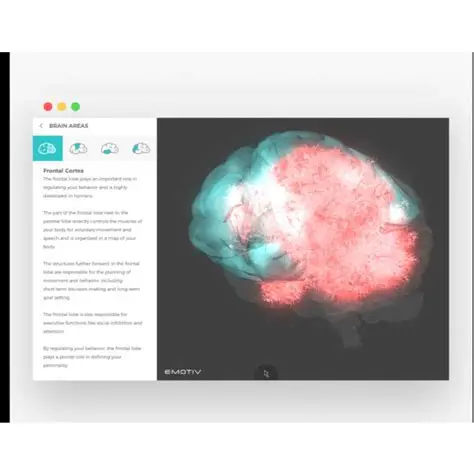
Continue reading