What Is an Ambulatory EEG Monitoring Device?
Duong Tran
Updated on
Nov 5, 2025
What Is an Ambulatory EEG Monitoring Device?
Duong Tran
Updated on
Nov 5, 2025
What Is an Ambulatory EEG Monitoring Device?
Duong Tran
Updated on
Nov 5, 2025
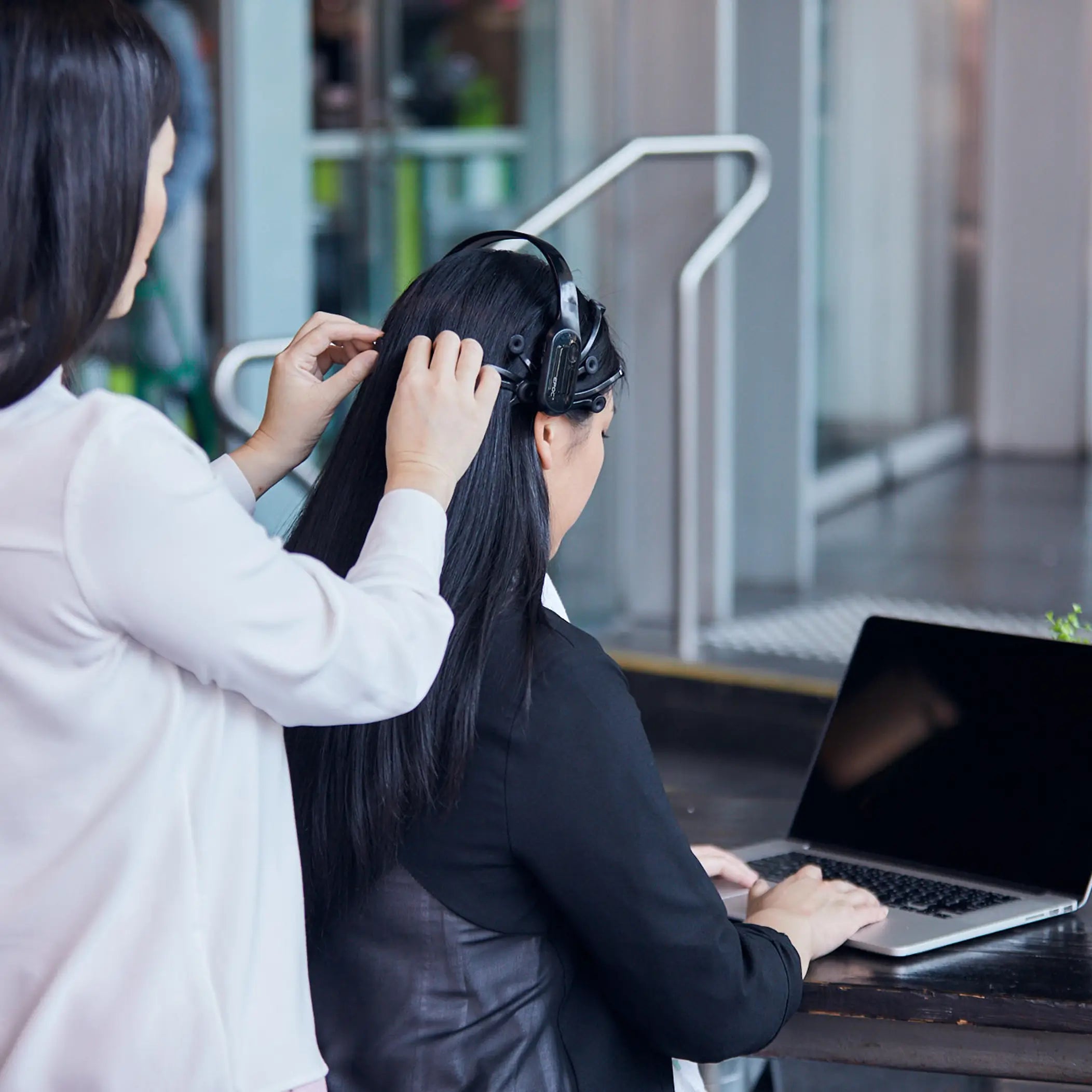
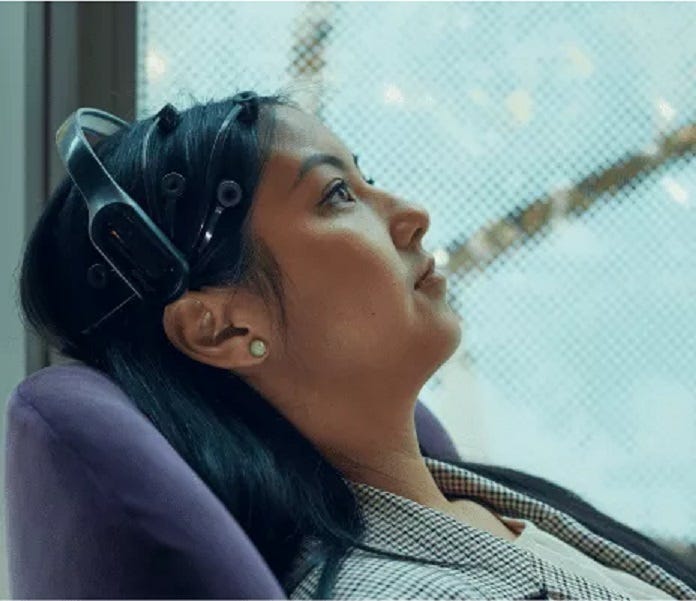
Studying brain activity used to mean being confined to a lab, tethered to bulky equipment for a brief, artificial snapshot in time. This approach misses the richness of how our brains function in the real world. Ambulatory EEG changes that. It allows you to record brain data continuously over hours or even days, all while you go about your daily life. Using a portable, wireless ambulatory eeg monitoring device, you can capture brain patterns during work, sleep, and social interactions—contexts that are impossible to replicate in a clinical setting. This guide will walk you through what ambulatory EEG is, how to prepare for a recording, and what to look for in a device.
Key Takeaways
Record Data in Real-World Contexts: Ambulatory EEG allows you to gather brain activity data during everyday life, providing more authentic insights than what can be captured in a controlled lab environment.
Prioritize a Clean Signal: Simple steps like starting with clean hair, avoiding caffeine, and finding a quiet space are crucial for minimizing electrical noise and muscle artifacts, which ensures you collect high-quality, usable data.
Choose Hardware That Fits Your Needs: Select an EEG device by considering the specific demands of your project, including the number of channels for data density, battery life for session length, and the type of sensors that work best for your setup.
What is Ambulatory EEG?
If you've ever wondered how it's possible to study brain activity outside of a lab, ambulatory EEG is your answer. Ambulatory EEG (AEEG) is a method for recording your brain's electrical activity using a portable device. Instead of a short session in a clinical setting, you can wear a small, lightweight device for an extended period—often 24 hours or more—while you go about your daily life. This allows for a much more comprehensive and realistic look at brain patterns in a natural environment. Think of it as taking the brain lab with you, wherever you go.
How EEG Records Brain Activity
So, how does an EEG device actually listen to your brain? An electroencephalogram, or EEG, is a non-invasive way to measure the tiny electrical signals that your brain cells use to communicate. These signals form patterns called brain waves. To capture them, small metal sensors called electrodes are placed on your scalp. These electrodes are incredibly sensitive and can pick up the faint electrical charges produced by your neurons. The EEG device then amplifies these signals and records them, creating a visual representation of your brain activity. It’s a safe and painless way to understand the rhythms and patterns of the brain as you think, feel, and experience the world.
Types of Ambulatory EEG Devices
Ambulatory EEG devices aren't one-size-fits-all. They range from clinical systems used for medical diagnostics to more streamlined, wearable headsets designed for research and development. Some clinical devices, for example, are designed for at-home use and may include video recording to sync physical events with brain activity. In the research and consumer space, the technology has become even more accessible. Modern portable EEG headsets are designed to be user-friendly, comfortable enough for long-term wear, and wireless, giving you the freedom to collect brain data without being tethered to a machine. This evolution has opened up new possibilities for studying the brain in real-world contexts.
The Benefits of At-Home Recording
One of the biggest advantages of ambulatory EEG is the ability to record data in a comfortable, familiar setting. When you're at home instead of in a lab, you're naturally more relaxed. This can lead to more authentic and reliable data, whether for clinical or research purposes. At-home recording captures brain activity during everyday events like working, sleeping, or socializing—moments that are impossible to replicate in a lab. This approach is also more accessible and often more cost-effective than lengthy in-patient stays. For researchers, this means you can conduct academic research that reflects real-life cognitive processes, leading to more powerful insights.
Traditional vs. Ambulatory EEG: What's the Difference?
The main difference between traditional and ambulatory EEG comes down to time and place. A traditional EEG is like a snapshot; it’s a short recording, usually lasting only 20 to 30 minutes, taken in a clinic or hospital. It provides a brief glimpse of your brain activity at that specific moment. An ambulatory EEG, on the other hand, is like a movie. It records continuously for 24 hours or even several days while you're at home. This long-term recording is essential for capturing brain events that don't happen frequently or for understanding how brain patterns change across different states, like wakefulness and sleep.
How to Prepare for Your At-Home EEG Recording
Getting ready for an at-home EEG session is straightforward, but a few simple steps can make a huge difference in the quality of your data. Think of it like prepping your canvas before you paint; good preparation ensures a clear and accurate final picture of brain activity. Whether you're conducting formal academic research or exploring a personal project, taking the time to set up correctly helps you get the most out of your device.
This preparation involves a few key areas: getting your hair and skin ready for the sensors, making small adjustments to your routine right before the session, and understanding how to set up your specific device. We’ll walk through exactly what to do before, during, and after your recording. Following these guidelines will help you capture the cleanest possible signal, which is essential for meaningful analysis later on. It also ensures you feel comfortable and confident throughout the process, allowing you to focus on your tasks or simply go about your day naturally while the device does its work.
Prepare Your Hair and Skin
For the best results, start with clean, dry hair. You’ll want to wash your hair shortly before your session and avoid using any conditioners, sprays, gels, or oils. These products can create a barrier between the EEG sensors and your scalp, which can interfere with the device's ability to detect clear electrical signals. This simple step is one of the most effective ways to ensure a strong, high-quality connection. After the recording, you might notice some slight redness or irritation where the electrodes made contact, but this is completely normal and should fade within a few hours.
What to Do Before You Record
To capture your brain's typical activity, it’s best to avoid stimulants beforehand. We recommend staying away from caffeine—including coffee, tea, and some sodas—for at least eight to twelve hours before you plan to record. Caffeine can directly affect your brain's electrical patterns and may introduce variables into your data that make it harder to analyze. By skipping your morning coffee on recording day, you help ensure that the data you collect is a true representation of your baseline brain activity, free from the influence of stimulants.
Set Up Your Device
When you’re ready to begin, carefully follow the setup instructions included with your specific device. Each headset has a unique process for ensuring a proper fit and good sensor contact. For example, preparing and placing the sensors on an Emotiv Flex headset will be different from setting up an Epoc X. Take your time with this step. The goal is to make sure the headset is snug and comfortable and that all sensors are making solid contact with your scalp. Our user guides are designed to walk you through this process smoothly.
What to Expect During Recording
Once your device is on and recording, your main job is to go about your planned activities as naturally as possible. The beauty of at-home EEG is that it allows data to be gathered in a real-world environment, which provides more authentic insights than a sterile lab setting might. The device will passively gather data in the background while you work, rest, or perform specific tasks for your experiment. Just relax and try to forget you’re even wearing it. This helps ensure the brain activity being recorded is genuine and relevant to your research or project.
What to Do After Recording
After your session is complete, the first step is to stop the recording and save your data file. This raw data is now ready for you to explore, visualize, and analyze using software like EmotivPRO. You may need to wash your hair again to remove any leftover saline solution or gel from the sensors. Finally, be sure to clean your device according to its care instructions and store it safely. Proper maintenance will keep your headset in great condition for all your future recording sessions.
What to Look for in an Ambulatory EEG Device
Choosing the right ambulatory EEG device comes down to understanding your specific needs. Whether you're conducting academic research, developing a new application, or exploring brain-computer interfaces, the hardware you select will shape your entire project. Key factors like how long you need to record, the type of data you want to capture, and the environment you'll be in all play a crucial role. Think about your end goal first. Are you looking for subtle changes over a long period, or do you need high-density data from a specific, short-term task? Answering these questions will help you weigh the features that matter most, ensuring you invest in a device that truly fits your work. Let's walk through the essential features to consider.
Recording Duration and Storage
The length of time a device can record continuously is a critical factor. Some studies require capturing brain activity over several hours or even days to observe patterns. Look at the device's specifications for its maximum recording time on a single charge and its internal or external storage capacity. For example, some clinical-grade devices can record for over 72 hours. While that might be more than you need, it highlights the importance of matching the device’s capabilities to your project's timeline. Ensure the device can handle the data volume for your intended session length without running out of space or power.
Electrode Types and Placement
Electrodes are the sensors that detect brain activity, and they come in a few different types—most commonly saline-based or gel-based. Saline electrodes, like those used in our Emotiv Flex Saline headset, use a simple saltwater solution, making setup quick and cleanup easy. Gel-based electrodes require a conductive paste and can sometimes offer a more stable connection for very long recordings. The number of electrodes and their placement options also matter. A higher channel count allows you to gather data from more areas of the brain simultaneously, which is essential for detailed spatial analysis and source localization.
Wireless Capabilities
For any kind of "ambulatory" or mobile recording, wireless functionality is non-negotiable. A wireless device gives you or your research participants the freedom to move naturally without being tethered to a computer. This is essential for studies that take place outside of a traditional lab, such as neuromarketing research in a simulated store or cognitive performance studies during a physical task. When evaluating a wireless device, check its range and connection stability. A reliable Bluetooth connection ensures that your data streams smoothly to your computer without interruptions or signal loss, giving you clean data you can trust.
Battery Life and Portability
Hand-in-hand with wireless capabilities are battery life and portability. A device isn't truly mobile if its battery dies halfway through a session. Check the manufacturer's stated battery life and see if it aligns with your typical recording duration. Also, consider how long it takes to recharge. Some devices offer fast charging, which can be a huge advantage when you have back-to-back sessions planned. Portability also includes the device's weight, size, and comfort. A lightweight, ergonomic headset is more likely to be worn correctly and comfortably for extended periods, leading to better compliance and higher-quality data.
Data Quality and Analysis
Ultimately, the goal of any EEG recording is to get clean, high-quality data. A portable device should not compromise on data fidelity. Look for specifications like the sampling rate (how many data points are collected per second) and resolution. Higher sampling rates capture fast-changing brain activity with greater precision. Once you have the data, you need a way to make sense of it. Consider the software that comes with the device. A powerful platform like EmotivPRO allows you to view raw EEG data in real-time, apply filters, and perform advanced analysis, turning raw signals into meaningful insights.
Remote Access Features
Remote access can be an incredibly useful feature, especially for collaborative projects or when you need to check on a recording from a different location. Some systems allow you to view the data stream in real-time from another computer via a network connection. This capability lets a principal investigator oversee an experiment being run by a research assistant or allows a developer to troubleshoot an application remotely. While not essential for every use case, it’s a feature that adds a layer of flexibility and convenience, making it easier to manage your data collection process, particularly when working with a team.
Explore Emotiv's Portable EEG Solutions
Finding the right tool for your research or project is key, and our range of portable EEG solutions is designed to meet a variety of needs. Whether you're conducting high-density academic research or exploring brain-computer interfaces, we have hardware and software to help you acquire the data you need. Our devices are built for flexibility and ease of use, allowing you to collect brain data in the lab or in real-world settings. Let’s walk through some of the options available to you.
Emotiv Flex Saline
For research professionals who require high-density data, the Emotiv Flex Saline is a fantastic choice. This 32-channel wireless EEG system is designed for precision and adaptability. It comes with multiple cap sizes and movable sensors, so you can adjust the setup to fit your specific study parameters. The saline-based sensors are easy to prepare and help ensure you get high-quality EEG signals during your research sessions. It’s a powerful tool for any study that depends on detailed, high-density brain data.
Emotiv Flex Gel
Similar to its saline counterpart, the Emotiv Flex Gel system offers the same high-density, 32-channel capabilities for advanced research. The main difference is its use of gel-based sensors, which is a method many researchers are familiar with and prefer for their work. You can expect the same level of precision and usability, allowing you to collect excellent data for your projects. This system provides another reliable option for researchers who need robust and flexible EEG hardware for their studies.
Emotiv Epoc X
If your work doesn't require the high-density setup of the Flex systems, the Emotiv Epoc X is a versatile and accessible 14-channel EEG headset. It’s designed for a wide range of applications, from academic research to consumer use cases. The Epoc X is lightweight and simple to use, which means you can get it set up and start collecting data quickly, no matter where you are. Its practical design makes it a go-to choice for researchers and developers looking for a balance of performance and convenience.
EmotivPRO Software
Our EEG devices are supported by EmotivPRO, a powerful software solution for analyzing and visualizing your data. With EmotivPRO, you can view EEG signals in real time, perform detailed analysis, and organize your data streams. We designed the interface to be intuitive, so it’s approachable whether you’re an experienced neuroscientist or new to EEG research. The software integrates seamlessly with all Emotiv hardware, creating a smooth workflow from data acquisition to analysis.
How We Secure Your Data
We know that the data you collect is sensitive and important, which is why we make security a top priority. We use robust encryption methods to protect all the information acquired with our devices and software. Emotiv also follows strict data protection regulations to ensure your information is handled with the care it deserves. Our commitment to security means you can focus on your research with the confidence that your data is protected. You can learn more by reading our privacy policy.
Tips for a Successful EEG Recording
Getting clean, reliable data from your EEG device is the foundation of any successful project. Whether you're conducting formal research or exploring your own brain activity, the quality of your recording session makes all the difference. The good news is that you have a lot of control over the outcome. By following a few best practices for preparation, environment, and device care, you can ensure your data is as accurate and insightful as possible. Think of it as setting the stage for a great performance—a little prep work goes a long way.
Maintain a High-Quality Signal
The key to a great EEG recording is a strong, clean signal. Your brain's electrical signals are tiny, so it’s easy for outside interference to cloud the data. This electrical "noise" is known as an artifact, and it can come from nearby electronics or even your own body. To minimize it, find a quiet recording space away from appliances like microwaves or large computer monitors. During the session, try to sit still and relax your facial muscles. Simple actions like clenching your jaw, blinking excessively, or swallowing can create muscle artifacts that are much stronger than your brain signals. Ensuring your headset's sensors have good contact with your scalp is the final, crucial step to capturing a clear signal.
Stay Safe and Comfortable
One of the first questions people ask is, "Does it hurt?" The answer is a simple no. EEG recording is a passive, non-invasive process. The headset's sensors only receive the faint electrical signals your brain naturally produces; they don't send any electricity into your body. Your main focus should be on comfort, as being relaxed helps produce better data. Wear comfortable clothes and choose a chair that supports you well for the duration of the session. While using electronic devices like your phone or laptop is generally fine, remember that they can be a source of electrical noise, so it’s best to keep them at a reasonable distance if you notice any signal interference.
Communicate with Your Healthcare Provider
While our devices are often used for research and development, some users may be working with a healthcare provider or clinical researcher. In these cases, clear communication is essential. Before you begin, make sure you understand the specific instructions or protocols for your recording session. Keep a log of your activities and any symptoms or events that occur, as this context can be invaluable for data analysis. Know who to contact if you have questions or run into technical issues. The convenience of at-home recording puts you in control, and staying connected with your provider ensures you’re gathering the most useful information possible.
How to Understand Your Results
Raw EEG data is incredibly complex. It looks like a series of squiggly lines, and interpreting them correctly requires a trained eye and a deep understanding of the underlying neuroscience. It’s important to avoid jumping to conclusions based on raw data alone. In fact, a common issue in the field is the tendency to over-interpret normal variations in brain activity. Our software, like EmotivPRO, is designed to help you visualize and process this data, offering powerful metrics and performance indicators. These tools provide a more accessible way to analyze brain activity, but the context of the recording session always remains the most critical piece of the puzzle.
Care for Your Device
Properly caring for your EEG headset will extend its life and ensure it performs reliably for every session. Start by always charging the device fully before you begin a recording. After each use, clean the sensors according to their type. For saline-based sensors, this means rinsing and drying them thoroughly to prevent salt buildup. For gel-based sensors, you’ll need to clean off any residual gel. When you’re finished, store the headset in its protective case to prevent damage. Also, be mindful of things that can affect your brain activity; depending on your research goals, you may want to avoid stimulants like caffeine before a session to get a more baseline reading.
Related Articles
Frequently Asked Questions
What's the main difference between saline and gel sensors, and how do I choose? Think of it as a choice between speed and stability for very long sessions. Saline-based sensors, like the ones on our Flex Saline headset, are incredibly quick to set up and clean up afterward. You just need a simple saltwater solution. This makes them ideal for studies with multiple participants or when you need to get started quickly. Gel-based sensors require applying a conductive paste, which takes a bit more time, but some researchers find they provide a very stable connection for recordings that last many hours. Your choice really depends on your project's workflow and specific needs.
Do I need to be a neuroscientist to use your software and understand the data? Not at all. While a background in neuroscience is certainly helpful for deep, academic analysis, we designed our software to be approachable for a wide range of users. A platform like EmotivPRO gives you powerful tools to visualize your data in real-time and provides performance metrics that translate complex brain activity into more understandable insights. It’s a great way to start exploring your data, whether you're an expert researcher or a developer building a new application.
How many channels are right for my project? The number of channels you need depends on the level of detail your work requires. For many applications, like exploring cognitive states or developing brain-computer interfaces, a 14-channel device like the Epoc X provides plenty of rich data and is very easy to use. If your research requires high spatial resolution to understand precisely where activity is happening in the brain, then a high-density, 32-channel system like the Flex would be the better tool for the job.
Can I really do my normal daily activities while wearing an EEG headset? Yes, that’s the primary benefit of ambulatory EEG. The goal is to capture brain data in a natural, real-world context. You can work at your computer, read a book, or walk around your home. However, it's good to be mindful that activities involving a lot of head and facial muscle movement, like chewing or strenuous exercise, can create electrical noise, or artifacts, in your data. For the cleanest signal, it’s best to stick to relatively calm activities.
Is it safe to wear an EEG device for an extended period? Absolutely. EEG technology is completely safe and non-invasive. The sensors in the headset are passive, meaning they only listen to the tiny electrical signals your brain naturally produces. The device does not send any electrical currents into your body. It's simply a recording tool, much like a microphone records sound. You can wear it with confidence, knowing it's a safe and painless way to gather information.
Studying brain activity used to mean being confined to a lab, tethered to bulky equipment for a brief, artificial snapshot in time. This approach misses the richness of how our brains function in the real world. Ambulatory EEG changes that. It allows you to record brain data continuously over hours or even days, all while you go about your daily life. Using a portable, wireless ambulatory eeg monitoring device, you can capture brain patterns during work, sleep, and social interactions—contexts that are impossible to replicate in a clinical setting. This guide will walk you through what ambulatory EEG is, how to prepare for a recording, and what to look for in a device.
Key Takeaways
Record Data in Real-World Contexts: Ambulatory EEG allows you to gather brain activity data during everyday life, providing more authentic insights than what can be captured in a controlled lab environment.
Prioritize a Clean Signal: Simple steps like starting with clean hair, avoiding caffeine, and finding a quiet space are crucial for minimizing electrical noise and muscle artifacts, which ensures you collect high-quality, usable data.
Choose Hardware That Fits Your Needs: Select an EEG device by considering the specific demands of your project, including the number of channels for data density, battery life for session length, and the type of sensors that work best for your setup.
What is Ambulatory EEG?
If you've ever wondered how it's possible to study brain activity outside of a lab, ambulatory EEG is your answer. Ambulatory EEG (AEEG) is a method for recording your brain's electrical activity using a portable device. Instead of a short session in a clinical setting, you can wear a small, lightweight device for an extended period—often 24 hours or more—while you go about your daily life. This allows for a much more comprehensive and realistic look at brain patterns in a natural environment. Think of it as taking the brain lab with you, wherever you go.
How EEG Records Brain Activity
So, how does an EEG device actually listen to your brain? An electroencephalogram, or EEG, is a non-invasive way to measure the tiny electrical signals that your brain cells use to communicate. These signals form patterns called brain waves. To capture them, small metal sensors called electrodes are placed on your scalp. These electrodes are incredibly sensitive and can pick up the faint electrical charges produced by your neurons. The EEG device then amplifies these signals and records them, creating a visual representation of your brain activity. It’s a safe and painless way to understand the rhythms and patterns of the brain as you think, feel, and experience the world.
Types of Ambulatory EEG Devices
Ambulatory EEG devices aren't one-size-fits-all. They range from clinical systems used for medical diagnostics to more streamlined, wearable headsets designed for research and development. Some clinical devices, for example, are designed for at-home use and may include video recording to sync physical events with brain activity. In the research and consumer space, the technology has become even more accessible. Modern portable EEG headsets are designed to be user-friendly, comfortable enough for long-term wear, and wireless, giving you the freedom to collect brain data without being tethered to a machine. This evolution has opened up new possibilities for studying the brain in real-world contexts.
The Benefits of At-Home Recording
One of the biggest advantages of ambulatory EEG is the ability to record data in a comfortable, familiar setting. When you're at home instead of in a lab, you're naturally more relaxed. This can lead to more authentic and reliable data, whether for clinical or research purposes. At-home recording captures brain activity during everyday events like working, sleeping, or socializing—moments that are impossible to replicate in a lab. This approach is also more accessible and often more cost-effective than lengthy in-patient stays. For researchers, this means you can conduct academic research that reflects real-life cognitive processes, leading to more powerful insights.
Traditional vs. Ambulatory EEG: What's the Difference?
The main difference between traditional and ambulatory EEG comes down to time and place. A traditional EEG is like a snapshot; it’s a short recording, usually lasting only 20 to 30 minutes, taken in a clinic or hospital. It provides a brief glimpse of your brain activity at that specific moment. An ambulatory EEG, on the other hand, is like a movie. It records continuously for 24 hours or even several days while you're at home. This long-term recording is essential for capturing brain events that don't happen frequently or for understanding how brain patterns change across different states, like wakefulness and sleep.
How to Prepare for Your At-Home EEG Recording
Getting ready for an at-home EEG session is straightforward, but a few simple steps can make a huge difference in the quality of your data. Think of it like prepping your canvas before you paint; good preparation ensures a clear and accurate final picture of brain activity. Whether you're conducting formal academic research or exploring a personal project, taking the time to set up correctly helps you get the most out of your device.
This preparation involves a few key areas: getting your hair and skin ready for the sensors, making small adjustments to your routine right before the session, and understanding how to set up your specific device. We’ll walk through exactly what to do before, during, and after your recording. Following these guidelines will help you capture the cleanest possible signal, which is essential for meaningful analysis later on. It also ensures you feel comfortable and confident throughout the process, allowing you to focus on your tasks or simply go about your day naturally while the device does its work.
Prepare Your Hair and Skin
For the best results, start with clean, dry hair. You’ll want to wash your hair shortly before your session and avoid using any conditioners, sprays, gels, or oils. These products can create a barrier between the EEG sensors and your scalp, which can interfere with the device's ability to detect clear electrical signals. This simple step is one of the most effective ways to ensure a strong, high-quality connection. After the recording, you might notice some slight redness or irritation where the electrodes made contact, but this is completely normal and should fade within a few hours.
What to Do Before You Record
To capture your brain's typical activity, it’s best to avoid stimulants beforehand. We recommend staying away from caffeine—including coffee, tea, and some sodas—for at least eight to twelve hours before you plan to record. Caffeine can directly affect your brain's electrical patterns and may introduce variables into your data that make it harder to analyze. By skipping your morning coffee on recording day, you help ensure that the data you collect is a true representation of your baseline brain activity, free from the influence of stimulants.
Set Up Your Device
When you’re ready to begin, carefully follow the setup instructions included with your specific device. Each headset has a unique process for ensuring a proper fit and good sensor contact. For example, preparing and placing the sensors on an Emotiv Flex headset will be different from setting up an Epoc X. Take your time with this step. The goal is to make sure the headset is snug and comfortable and that all sensors are making solid contact with your scalp. Our user guides are designed to walk you through this process smoothly.
What to Expect During Recording
Once your device is on and recording, your main job is to go about your planned activities as naturally as possible. The beauty of at-home EEG is that it allows data to be gathered in a real-world environment, which provides more authentic insights than a sterile lab setting might. The device will passively gather data in the background while you work, rest, or perform specific tasks for your experiment. Just relax and try to forget you’re even wearing it. This helps ensure the brain activity being recorded is genuine and relevant to your research or project.
What to Do After Recording
After your session is complete, the first step is to stop the recording and save your data file. This raw data is now ready for you to explore, visualize, and analyze using software like EmotivPRO. You may need to wash your hair again to remove any leftover saline solution or gel from the sensors. Finally, be sure to clean your device according to its care instructions and store it safely. Proper maintenance will keep your headset in great condition for all your future recording sessions.
What to Look for in an Ambulatory EEG Device
Choosing the right ambulatory EEG device comes down to understanding your specific needs. Whether you're conducting academic research, developing a new application, or exploring brain-computer interfaces, the hardware you select will shape your entire project. Key factors like how long you need to record, the type of data you want to capture, and the environment you'll be in all play a crucial role. Think about your end goal first. Are you looking for subtle changes over a long period, or do you need high-density data from a specific, short-term task? Answering these questions will help you weigh the features that matter most, ensuring you invest in a device that truly fits your work. Let's walk through the essential features to consider.
Recording Duration and Storage
The length of time a device can record continuously is a critical factor. Some studies require capturing brain activity over several hours or even days to observe patterns. Look at the device's specifications for its maximum recording time on a single charge and its internal or external storage capacity. For example, some clinical-grade devices can record for over 72 hours. While that might be more than you need, it highlights the importance of matching the device’s capabilities to your project's timeline. Ensure the device can handle the data volume for your intended session length without running out of space or power.
Electrode Types and Placement
Electrodes are the sensors that detect brain activity, and they come in a few different types—most commonly saline-based or gel-based. Saline electrodes, like those used in our Emotiv Flex Saline headset, use a simple saltwater solution, making setup quick and cleanup easy. Gel-based electrodes require a conductive paste and can sometimes offer a more stable connection for very long recordings. The number of electrodes and their placement options also matter. A higher channel count allows you to gather data from more areas of the brain simultaneously, which is essential for detailed spatial analysis and source localization.
Wireless Capabilities
For any kind of "ambulatory" or mobile recording, wireless functionality is non-negotiable. A wireless device gives you or your research participants the freedom to move naturally without being tethered to a computer. This is essential for studies that take place outside of a traditional lab, such as neuromarketing research in a simulated store or cognitive performance studies during a physical task. When evaluating a wireless device, check its range and connection stability. A reliable Bluetooth connection ensures that your data streams smoothly to your computer without interruptions or signal loss, giving you clean data you can trust.
Battery Life and Portability
Hand-in-hand with wireless capabilities are battery life and portability. A device isn't truly mobile if its battery dies halfway through a session. Check the manufacturer's stated battery life and see if it aligns with your typical recording duration. Also, consider how long it takes to recharge. Some devices offer fast charging, which can be a huge advantage when you have back-to-back sessions planned. Portability also includes the device's weight, size, and comfort. A lightweight, ergonomic headset is more likely to be worn correctly and comfortably for extended periods, leading to better compliance and higher-quality data.
Data Quality and Analysis
Ultimately, the goal of any EEG recording is to get clean, high-quality data. A portable device should not compromise on data fidelity. Look for specifications like the sampling rate (how many data points are collected per second) and resolution. Higher sampling rates capture fast-changing brain activity with greater precision. Once you have the data, you need a way to make sense of it. Consider the software that comes with the device. A powerful platform like EmotivPRO allows you to view raw EEG data in real-time, apply filters, and perform advanced analysis, turning raw signals into meaningful insights.
Remote Access Features
Remote access can be an incredibly useful feature, especially for collaborative projects or when you need to check on a recording from a different location. Some systems allow you to view the data stream in real-time from another computer via a network connection. This capability lets a principal investigator oversee an experiment being run by a research assistant or allows a developer to troubleshoot an application remotely. While not essential for every use case, it’s a feature that adds a layer of flexibility and convenience, making it easier to manage your data collection process, particularly when working with a team.
Explore Emotiv's Portable EEG Solutions
Finding the right tool for your research or project is key, and our range of portable EEG solutions is designed to meet a variety of needs. Whether you're conducting high-density academic research or exploring brain-computer interfaces, we have hardware and software to help you acquire the data you need. Our devices are built for flexibility and ease of use, allowing you to collect brain data in the lab or in real-world settings. Let’s walk through some of the options available to you.
Emotiv Flex Saline
For research professionals who require high-density data, the Emotiv Flex Saline is a fantastic choice. This 32-channel wireless EEG system is designed for precision and adaptability. It comes with multiple cap sizes and movable sensors, so you can adjust the setup to fit your specific study parameters. The saline-based sensors are easy to prepare and help ensure you get high-quality EEG signals during your research sessions. It’s a powerful tool for any study that depends on detailed, high-density brain data.
Emotiv Flex Gel
Similar to its saline counterpart, the Emotiv Flex Gel system offers the same high-density, 32-channel capabilities for advanced research. The main difference is its use of gel-based sensors, which is a method many researchers are familiar with and prefer for their work. You can expect the same level of precision and usability, allowing you to collect excellent data for your projects. This system provides another reliable option for researchers who need robust and flexible EEG hardware for their studies.
Emotiv Epoc X
If your work doesn't require the high-density setup of the Flex systems, the Emotiv Epoc X is a versatile and accessible 14-channel EEG headset. It’s designed for a wide range of applications, from academic research to consumer use cases. The Epoc X is lightweight and simple to use, which means you can get it set up and start collecting data quickly, no matter where you are. Its practical design makes it a go-to choice for researchers and developers looking for a balance of performance and convenience.
EmotivPRO Software
Our EEG devices are supported by EmotivPRO, a powerful software solution for analyzing and visualizing your data. With EmotivPRO, you can view EEG signals in real time, perform detailed analysis, and organize your data streams. We designed the interface to be intuitive, so it’s approachable whether you’re an experienced neuroscientist or new to EEG research. The software integrates seamlessly with all Emotiv hardware, creating a smooth workflow from data acquisition to analysis.
How We Secure Your Data
We know that the data you collect is sensitive and important, which is why we make security a top priority. We use robust encryption methods to protect all the information acquired with our devices and software. Emotiv also follows strict data protection regulations to ensure your information is handled with the care it deserves. Our commitment to security means you can focus on your research with the confidence that your data is protected. You can learn more by reading our privacy policy.
Tips for a Successful EEG Recording
Getting clean, reliable data from your EEG device is the foundation of any successful project. Whether you're conducting formal research or exploring your own brain activity, the quality of your recording session makes all the difference. The good news is that you have a lot of control over the outcome. By following a few best practices for preparation, environment, and device care, you can ensure your data is as accurate and insightful as possible. Think of it as setting the stage for a great performance—a little prep work goes a long way.
Maintain a High-Quality Signal
The key to a great EEG recording is a strong, clean signal. Your brain's electrical signals are tiny, so it’s easy for outside interference to cloud the data. This electrical "noise" is known as an artifact, and it can come from nearby electronics or even your own body. To minimize it, find a quiet recording space away from appliances like microwaves or large computer monitors. During the session, try to sit still and relax your facial muscles. Simple actions like clenching your jaw, blinking excessively, or swallowing can create muscle artifacts that are much stronger than your brain signals. Ensuring your headset's sensors have good contact with your scalp is the final, crucial step to capturing a clear signal.
Stay Safe and Comfortable
One of the first questions people ask is, "Does it hurt?" The answer is a simple no. EEG recording is a passive, non-invasive process. The headset's sensors only receive the faint electrical signals your brain naturally produces; they don't send any electricity into your body. Your main focus should be on comfort, as being relaxed helps produce better data. Wear comfortable clothes and choose a chair that supports you well for the duration of the session. While using electronic devices like your phone or laptop is generally fine, remember that they can be a source of electrical noise, so it’s best to keep them at a reasonable distance if you notice any signal interference.
Communicate with Your Healthcare Provider
While our devices are often used for research and development, some users may be working with a healthcare provider or clinical researcher. In these cases, clear communication is essential. Before you begin, make sure you understand the specific instructions or protocols for your recording session. Keep a log of your activities and any symptoms or events that occur, as this context can be invaluable for data analysis. Know who to contact if you have questions or run into technical issues. The convenience of at-home recording puts you in control, and staying connected with your provider ensures you’re gathering the most useful information possible.
How to Understand Your Results
Raw EEG data is incredibly complex. It looks like a series of squiggly lines, and interpreting them correctly requires a trained eye and a deep understanding of the underlying neuroscience. It’s important to avoid jumping to conclusions based on raw data alone. In fact, a common issue in the field is the tendency to over-interpret normal variations in brain activity. Our software, like EmotivPRO, is designed to help you visualize and process this data, offering powerful metrics and performance indicators. These tools provide a more accessible way to analyze brain activity, but the context of the recording session always remains the most critical piece of the puzzle.
Care for Your Device
Properly caring for your EEG headset will extend its life and ensure it performs reliably for every session. Start by always charging the device fully before you begin a recording. After each use, clean the sensors according to their type. For saline-based sensors, this means rinsing and drying them thoroughly to prevent salt buildup. For gel-based sensors, you’ll need to clean off any residual gel. When you’re finished, store the headset in its protective case to prevent damage. Also, be mindful of things that can affect your brain activity; depending on your research goals, you may want to avoid stimulants like caffeine before a session to get a more baseline reading.
Related Articles
Frequently Asked Questions
What's the main difference between saline and gel sensors, and how do I choose? Think of it as a choice between speed and stability for very long sessions. Saline-based sensors, like the ones on our Flex Saline headset, are incredibly quick to set up and clean up afterward. You just need a simple saltwater solution. This makes them ideal for studies with multiple participants or when you need to get started quickly. Gel-based sensors require applying a conductive paste, which takes a bit more time, but some researchers find they provide a very stable connection for recordings that last many hours. Your choice really depends on your project's workflow and specific needs.
Do I need to be a neuroscientist to use your software and understand the data? Not at all. While a background in neuroscience is certainly helpful for deep, academic analysis, we designed our software to be approachable for a wide range of users. A platform like EmotivPRO gives you powerful tools to visualize your data in real-time and provides performance metrics that translate complex brain activity into more understandable insights. It’s a great way to start exploring your data, whether you're an expert researcher or a developer building a new application.
How many channels are right for my project? The number of channels you need depends on the level of detail your work requires. For many applications, like exploring cognitive states or developing brain-computer interfaces, a 14-channel device like the Epoc X provides plenty of rich data and is very easy to use. If your research requires high spatial resolution to understand precisely where activity is happening in the brain, then a high-density, 32-channel system like the Flex would be the better tool for the job.
Can I really do my normal daily activities while wearing an EEG headset? Yes, that’s the primary benefit of ambulatory EEG. The goal is to capture brain data in a natural, real-world context. You can work at your computer, read a book, or walk around your home. However, it's good to be mindful that activities involving a lot of head and facial muscle movement, like chewing or strenuous exercise, can create electrical noise, or artifacts, in your data. For the cleanest signal, it’s best to stick to relatively calm activities.
Is it safe to wear an EEG device for an extended period? Absolutely. EEG technology is completely safe and non-invasive. The sensors in the headset are passive, meaning they only listen to the tiny electrical signals your brain naturally produces. The device does not send any electrical currents into your body. It's simply a recording tool, much like a microphone records sound. You can wear it with confidence, knowing it's a safe and painless way to gather information.
Studying brain activity used to mean being confined to a lab, tethered to bulky equipment for a brief, artificial snapshot in time. This approach misses the richness of how our brains function in the real world. Ambulatory EEG changes that. It allows you to record brain data continuously over hours or even days, all while you go about your daily life. Using a portable, wireless ambulatory eeg monitoring device, you can capture brain patterns during work, sleep, and social interactions—contexts that are impossible to replicate in a clinical setting. This guide will walk you through what ambulatory EEG is, how to prepare for a recording, and what to look for in a device.
Key Takeaways
Record Data in Real-World Contexts: Ambulatory EEG allows you to gather brain activity data during everyday life, providing more authentic insights than what can be captured in a controlled lab environment.
Prioritize a Clean Signal: Simple steps like starting with clean hair, avoiding caffeine, and finding a quiet space are crucial for minimizing electrical noise and muscle artifacts, which ensures you collect high-quality, usable data.
Choose Hardware That Fits Your Needs: Select an EEG device by considering the specific demands of your project, including the number of channels for data density, battery life for session length, and the type of sensors that work best for your setup.
What is Ambulatory EEG?
If you've ever wondered how it's possible to study brain activity outside of a lab, ambulatory EEG is your answer. Ambulatory EEG (AEEG) is a method for recording your brain's electrical activity using a portable device. Instead of a short session in a clinical setting, you can wear a small, lightweight device for an extended period—often 24 hours or more—while you go about your daily life. This allows for a much more comprehensive and realistic look at brain patterns in a natural environment. Think of it as taking the brain lab with you, wherever you go.
How EEG Records Brain Activity
So, how does an EEG device actually listen to your brain? An electroencephalogram, or EEG, is a non-invasive way to measure the tiny electrical signals that your brain cells use to communicate. These signals form patterns called brain waves. To capture them, small metal sensors called electrodes are placed on your scalp. These electrodes are incredibly sensitive and can pick up the faint electrical charges produced by your neurons. The EEG device then amplifies these signals and records them, creating a visual representation of your brain activity. It’s a safe and painless way to understand the rhythms and patterns of the brain as you think, feel, and experience the world.
Types of Ambulatory EEG Devices
Ambulatory EEG devices aren't one-size-fits-all. They range from clinical systems used for medical diagnostics to more streamlined, wearable headsets designed for research and development. Some clinical devices, for example, are designed for at-home use and may include video recording to sync physical events with brain activity. In the research and consumer space, the technology has become even more accessible. Modern portable EEG headsets are designed to be user-friendly, comfortable enough for long-term wear, and wireless, giving you the freedom to collect brain data without being tethered to a machine. This evolution has opened up new possibilities for studying the brain in real-world contexts.
The Benefits of At-Home Recording
One of the biggest advantages of ambulatory EEG is the ability to record data in a comfortable, familiar setting. When you're at home instead of in a lab, you're naturally more relaxed. This can lead to more authentic and reliable data, whether for clinical or research purposes. At-home recording captures brain activity during everyday events like working, sleeping, or socializing—moments that are impossible to replicate in a lab. This approach is also more accessible and often more cost-effective than lengthy in-patient stays. For researchers, this means you can conduct academic research that reflects real-life cognitive processes, leading to more powerful insights.
Traditional vs. Ambulatory EEG: What's the Difference?
The main difference between traditional and ambulatory EEG comes down to time and place. A traditional EEG is like a snapshot; it’s a short recording, usually lasting only 20 to 30 minutes, taken in a clinic or hospital. It provides a brief glimpse of your brain activity at that specific moment. An ambulatory EEG, on the other hand, is like a movie. It records continuously for 24 hours or even several days while you're at home. This long-term recording is essential for capturing brain events that don't happen frequently or for understanding how brain patterns change across different states, like wakefulness and sleep.
How to Prepare for Your At-Home EEG Recording
Getting ready for an at-home EEG session is straightforward, but a few simple steps can make a huge difference in the quality of your data. Think of it like prepping your canvas before you paint; good preparation ensures a clear and accurate final picture of brain activity. Whether you're conducting formal academic research or exploring a personal project, taking the time to set up correctly helps you get the most out of your device.
This preparation involves a few key areas: getting your hair and skin ready for the sensors, making small adjustments to your routine right before the session, and understanding how to set up your specific device. We’ll walk through exactly what to do before, during, and after your recording. Following these guidelines will help you capture the cleanest possible signal, which is essential for meaningful analysis later on. It also ensures you feel comfortable and confident throughout the process, allowing you to focus on your tasks or simply go about your day naturally while the device does its work.
Prepare Your Hair and Skin
For the best results, start with clean, dry hair. You’ll want to wash your hair shortly before your session and avoid using any conditioners, sprays, gels, or oils. These products can create a barrier between the EEG sensors and your scalp, which can interfere with the device's ability to detect clear electrical signals. This simple step is one of the most effective ways to ensure a strong, high-quality connection. After the recording, you might notice some slight redness or irritation where the electrodes made contact, but this is completely normal and should fade within a few hours.
What to Do Before You Record
To capture your brain's typical activity, it’s best to avoid stimulants beforehand. We recommend staying away from caffeine—including coffee, tea, and some sodas—for at least eight to twelve hours before you plan to record. Caffeine can directly affect your brain's electrical patterns and may introduce variables into your data that make it harder to analyze. By skipping your morning coffee on recording day, you help ensure that the data you collect is a true representation of your baseline brain activity, free from the influence of stimulants.
Set Up Your Device
When you’re ready to begin, carefully follow the setup instructions included with your specific device. Each headset has a unique process for ensuring a proper fit and good sensor contact. For example, preparing and placing the sensors on an Emotiv Flex headset will be different from setting up an Epoc X. Take your time with this step. The goal is to make sure the headset is snug and comfortable and that all sensors are making solid contact with your scalp. Our user guides are designed to walk you through this process smoothly.
What to Expect During Recording
Once your device is on and recording, your main job is to go about your planned activities as naturally as possible. The beauty of at-home EEG is that it allows data to be gathered in a real-world environment, which provides more authentic insights than a sterile lab setting might. The device will passively gather data in the background while you work, rest, or perform specific tasks for your experiment. Just relax and try to forget you’re even wearing it. This helps ensure the brain activity being recorded is genuine and relevant to your research or project.
What to Do After Recording
After your session is complete, the first step is to stop the recording and save your data file. This raw data is now ready for you to explore, visualize, and analyze using software like EmotivPRO. You may need to wash your hair again to remove any leftover saline solution or gel from the sensors. Finally, be sure to clean your device according to its care instructions and store it safely. Proper maintenance will keep your headset in great condition for all your future recording sessions.
What to Look for in an Ambulatory EEG Device
Choosing the right ambulatory EEG device comes down to understanding your specific needs. Whether you're conducting academic research, developing a new application, or exploring brain-computer interfaces, the hardware you select will shape your entire project. Key factors like how long you need to record, the type of data you want to capture, and the environment you'll be in all play a crucial role. Think about your end goal first. Are you looking for subtle changes over a long period, or do you need high-density data from a specific, short-term task? Answering these questions will help you weigh the features that matter most, ensuring you invest in a device that truly fits your work. Let's walk through the essential features to consider.
Recording Duration and Storage
The length of time a device can record continuously is a critical factor. Some studies require capturing brain activity over several hours or even days to observe patterns. Look at the device's specifications for its maximum recording time on a single charge and its internal or external storage capacity. For example, some clinical-grade devices can record for over 72 hours. While that might be more than you need, it highlights the importance of matching the device’s capabilities to your project's timeline. Ensure the device can handle the data volume for your intended session length without running out of space or power.
Electrode Types and Placement
Electrodes are the sensors that detect brain activity, and they come in a few different types—most commonly saline-based or gel-based. Saline electrodes, like those used in our Emotiv Flex Saline headset, use a simple saltwater solution, making setup quick and cleanup easy. Gel-based electrodes require a conductive paste and can sometimes offer a more stable connection for very long recordings. The number of electrodes and their placement options also matter. A higher channel count allows you to gather data from more areas of the brain simultaneously, which is essential for detailed spatial analysis and source localization.
Wireless Capabilities
For any kind of "ambulatory" or mobile recording, wireless functionality is non-negotiable. A wireless device gives you or your research participants the freedom to move naturally without being tethered to a computer. This is essential for studies that take place outside of a traditional lab, such as neuromarketing research in a simulated store or cognitive performance studies during a physical task. When evaluating a wireless device, check its range and connection stability. A reliable Bluetooth connection ensures that your data streams smoothly to your computer without interruptions or signal loss, giving you clean data you can trust.
Battery Life and Portability
Hand-in-hand with wireless capabilities are battery life and portability. A device isn't truly mobile if its battery dies halfway through a session. Check the manufacturer's stated battery life and see if it aligns with your typical recording duration. Also, consider how long it takes to recharge. Some devices offer fast charging, which can be a huge advantage when you have back-to-back sessions planned. Portability also includes the device's weight, size, and comfort. A lightweight, ergonomic headset is more likely to be worn correctly and comfortably for extended periods, leading to better compliance and higher-quality data.
Data Quality and Analysis
Ultimately, the goal of any EEG recording is to get clean, high-quality data. A portable device should not compromise on data fidelity. Look for specifications like the sampling rate (how many data points are collected per second) and resolution. Higher sampling rates capture fast-changing brain activity with greater precision. Once you have the data, you need a way to make sense of it. Consider the software that comes with the device. A powerful platform like EmotivPRO allows you to view raw EEG data in real-time, apply filters, and perform advanced analysis, turning raw signals into meaningful insights.
Remote Access Features
Remote access can be an incredibly useful feature, especially for collaborative projects or when you need to check on a recording from a different location. Some systems allow you to view the data stream in real-time from another computer via a network connection. This capability lets a principal investigator oversee an experiment being run by a research assistant or allows a developer to troubleshoot an application remotely. While not essential for every use case, it’s a feature that adds a layer of flexibility and convenience, making it easier to manage your data collection process, particularly when working with a team.
Explore Emotiv's Portable EEG Solutions
Finding the right tool for your research or project is key, and our range of portable EEG solutions is designed to meet a variety of needs. Whether you're conducting high-density academic research or exploring brain-computer interfaces, we have hardware and software to help you acquire the data you need. Our devices are built for flexibility and ease of use, allowing you to collect brain data in the lab or in real-world settings. Let’s walk through some of the options available to you.
Emotiv Flex Saline
For research professionals who require high-density data, the Emotiv Flex Saline is a fantastic choice. This 32-channel wireless EEG system is designed for precision and adaptability. It comes with multiple cap sizes and movable sensors, so you can adjust the setup to fit your specific study parameters. The saline-based sensors are easy to prepare and help ensure you get high-quality EEG signals during your research sessions. It’s a powerful tool for any study that depends on detailed, high-density brain data.
Emotiv Flex Gel
Similar to its saline counterpart, the Emotiv Flex Gel system offers the same high-density, 32-channel capabilities for advanced research. The main difference is its use of gel-based sensors, which is a method many researchers are familiar with and prefer for their work. You can expect the same level of precision and usability, allowing you to collect excellent data for your projects. This system provides another reliable option for researchers who need robust and flexible EEG hardware for their studies.
Emotiv Epoc X
If your work doesn't require the high-density setup of the Flex systems, the Emotiv Epoc X is a versatile and accessible 14-channel EEG headset. It’s designed for a wide range of applications, from academic research to consumer use cases. The Epoc X is lightweight and simple to use, which means you can get it set up and start collecting data quickly, no matter where you are. Its practical design makes it a go-to choice for researchers and developers looking for a balance of performance and convenience.
EmotivPRO Software
Our EEG devices are supported by EmotivPRO, a powerful software solution for analyzing and visualizing your data. With EmotivPRO, you can view EEG signals in real time, perform detailed analysis, and organize your data streams. We designed the interface to be intuitive, so it’s approachable whether you’re an experienced neuroscientist or new to EEG research. The software integrates seamlessly with all Emotiv hardware, creating a smooth workflow from data acquisition to analysis.
How We Secure Your Data
We know that the data you collect is sensitive and important, which is why we make security a top priority. We use robust encryption methods to protect all the information acquired with our devices and software. Emotiv also follows strict data protection regulations to ensure your information is handled with the care it deserves. Our commitment to security means you can focus on your research with the confidence that your data is protected. You can learn more by reading our privacy policy.
Tips for a Successful EEG Recording
Getting clean, reliable data from your EEG device is the foundation of any successful project. Whether you're conducting formal research or exploring your own brain activity, the quality of your recording session makes all the difference. The good news is that you have a lot of control over the outcome. By following a few best practices for preparation, environment, and device care, you can ensure your data is as accurate and insightful as possible. Think of it as setting the stage for a great performance—a little prep work goes a long way.
Maintain a High-Quality Signal
The key to a great EEG recording is a strong, clean signal. Your brain's electrical signals are tiny, so it’s easy for outside interference to cloud the data. This electrical "noise" is known as an artifact, and it can come from nearby electronics or even your own body. To minimize it, find a quiet recording space away from appliances like microwaves or large computer monitors. During the session, try to sit still and relax your facial muscles. Simple actions like clenching your jaw, blinking excessively, or swallowing can create muscle artifacts that are much stronger than your brain signals. Ensuring your headset's sensors have good contact with your scalp is the final, crucial step to capturing a clear signal.
Stay Safe and Comfortable
One of the first questions people ask is, "Does it hurt?" The answer is a simple no. EEG recording is a passive, non-invasive process. The headset's sensors only receive the faint electrical signals your brain naturally produces; they don't send any electricity into your body. Your main focus should be on comfort, as being relaxed helps produce better data. Wear comfortable clothes and choose a chair that supports you well for the duration of the session. While using electronic devices like your phone or laptop is generally fine, remember that they can be a source of electrical noise, so it’s best to keep them at a reasonable distance if you notice any signal interference.
Communicate with Your Healthcare Provider
While our devices are often used for research and development, some users may be working with a healthcare provider or clinical researcher. In these cases, clear communication is essential. Before you begin, make sure you understand the specific instructions or protocols for your recording session. Keep a log of your activities and any symptoms or events that occur, as this context can be invaluable for data analysis. Know who to contact if you have questions or run into technical issues. The convenience of at-home recording puts you in control, and staying connected with your provider ensures you’re gathering the most useful information possible.
How to Understand Your Results
Raw EEG data is incredibly complex. It looks like a series of squiggly lines, and interpreting them correctly requires a trained eye and a deep understanding of the underlying neuroscience. It’s important to avoid jumping to conclusions based on raw data alone. In fact, a common issue in the field is the tendency to over-interpret normal variations in brain activity. Our software, like EmotivPRO, is designed to help you visualize and process this data, offering powerful metrics and performance indicators. These tools provide a more accessible way to analyze brain activity, but the context of the recording session always remains the most critical piece of the puzzle.
Care for Your Device
Properly caring for your EEG headset will extend its life and ensure it performs reliably for every session. Start by always charging the device fully before you begin a recording. After each use, clean the sensors according to their type. For saline-based sensors, this means rinsing and drying them thoroughly to prevent salt buildup. For gel-based sensors, you’ll need to clean off any residual gel. When you’re finished, store the headset in its protective case to prevent damage. Also, be mindful of things that can affect your brain activity; depending on your research goals, you may want to avoid stimulants like caffeine before a session to get a more baseline reading.
Related Articles
Frequently Asked Questions
What's the main difference between saline and gel sensors, and how do I choose? Think of it as a choice between speed and stability for very long sessions. Saline-based sensors, like the ones on our Flex Saline headset, are incredibly quick to set up and clean up afterward. You just need a simple saltwater solution. This makes them ideal for studies with multiple participants or when you need to get started quickly. Gel-based sensors require applying a conductive paste, which takes a bit more time, but some researchers find they provide a very stable connection for recordings that last many hours. Your choice really depends on your project's workflow and specific needs.
Do I need to be a neuroscientist to use your software and understand the data? Not at all. While a background in neuroscience is certainly helpful for deep, academic analysis, we designed our software to be approachable for a wide range of users. A platform like EmotivPRO gives you powerful tools to visualize your data in real-time and provides performance metrics that translate complex brain activity into more understandable insights. It’s a great way to start exploring your data, whether you're an expert researcher or a developer building a new application.
How many channels are right for my project? The number of channels you need depends on the level of detail your work requires. For many applications, like exploring cognitive states or developing brain-computer interfaces, a 14-channel device like the Epoc X provides plenty of rich data and is very easy to use. If your research requires high spatial resolution to understand precisely where activity is happening in the brain, then a high-density, 32-channel system like the Flex would be the better tool for the job.
Can I really do my normal daily activities while wearing an EEG headset? Yes, that’s the primary benefit of ambulatory EEG. The goal is to capture brain data in a natural, real-world context. You can work at your computer, read a book, or walk around your home. However, it's good to be mindful that activities involving a lot of head and facial muscle movement, like chewing or strenuous exercise, can create electrical noise, or artifacts, in your data. For the cleanest signal, it’s best to stick to relatively calm activities.
Is it safe to wear an EEG device for an extended period? Absolutely. EEG technology is completely safe and non-invasive. The sensors in the headset are passive, meaning they only listen to the tiny electrical signals your brain naturally produces. The device does not send any electrical currents into your body. It's simply a recording tool, much like a microphone records sound. You can wear it with confidence, knowing it's a safe and painless way to gather information.