Best EEG Headset for Business: A Buyer's Guide
Duong Tran
Updated on
Nov 28, 2025
Best EEG Headset for Business: A Buyer's Guide
Duong Tran
Updated on
Nov 28, 2025
Best EEG Headset for Business: A Buyer's Guide
Duong Tran
Updated on
Nov 28, 2025
When you purchase a professional camera, you’re not just buying the body; you’re investing in an entire ecosystem of lenses, software, and support. The same is true for EEG technology. The headset itself is just the starting point. What transforms that raw brain data into actionable business intelligence is the software that analyzes it, the developer tools that allow for custom integration, and the support network that helps you overcome challenges. Finding the best eeg headset for business means looking beyond the hardware and evaluating the complete package to ensure you have everything you need for a successful implementation.
Key Takeaways
Define your goal, then choose your tool: Your project’s objective should be your primary guide. A 32-channel headset is essential for high-resolution academic research, whereas a 2-channel device like the MN8 earbuds is perfect for discreetly gathering consumer insights in natural environments.
Prioritize the entire ecosystem: A headset is only one piece of the puzzle. The real power lies in the software that translates raw data into meaningful insights and the support system that helps you overcome technical challenges along the way.
Build a foundation of trust: Responsible implementation is non-negotiable. Establish clear data privacy policies, get informed consent from participants, and properly train your team to ensure your work is both ethical and built on high-quality, accurate data.
What Makes an EEG Headset “Business-Ready”?
When you’re looking to bring EEG technology into a professional setting, it’s about more than just the hardware. A “business-ready” headset is part of a complete ecosystem designed for reliable, scalable, and actionable results. It’s the difference between a personal gadget and a professional-grade instrument for fields like academic research, neuromarketing, or BCI development.
First and foremost, the quality of the data is non-negotiable. A business-ready device needs to provide clean, high-fidelity brain data. But the hardware is only half the story. The raw data it collects is just a stream of numbers; it’s the powerful software that translates this information into meaningful insights. You need a platform that allows you to see, understand, and work with the data in real-time, whether you’re analyzing a participant’s reaction to an ad or developing a new brain-computer interface command.
Practicality is another key factor. If participants in your study are going to wear a headset for an extended period, it needs to be comfortable and lightweight. An uncomfortable device can cause distraction and movement, which can compromise your data quality. Beyond comfort, a professional tool should fit into your workflow. This means having access to developer tools and APIs that allow for custom integrations with your existing systems. Finally, reliable support is crucial. When you’re working on a project with deadlines and deliverables, you can’t afford to be stuck. A business-ready solution comes with a support system and a community you can count on for help when you need it.
Our Top Picks: The Best EEG Headsets for Business
Choosing the right EEG headset can feel like a big decision, because it is. The tool you select will shape your research, influence your data quality, and ultimately impact the success of your project. There isn’t a single “best” device for everyone, but there is a best device for your specific goals. Are you conducting foundational academic research that requires high-density data? Or are you exploring consumer reactions for a neuromarketing study where a discreet device is essential? The answer will guide you to the perfect fit.
To make the process easier, I’ve put together a guide to our most effective EEG headsets for business and research applications. Think of this as a tour of your options, where we’ll look at what makes each device unique and which types of projects it’s best suited for. My goal is to help you find the tool that not only meets your technical requirements but also feels like a natural extension of your team.
Emotiv Epoc X: The 14-Channel Powerhouse
If you need a versatile, professional-grade headset that’s ready for almost any challenge, the Emotiv Epoc X is your go-to. With 14 channels, it captures rich, reliable brain data that’s perfect for a wide range of applications, from usability testing to cognitive performance studies. What I love most is its practicality. The saline sensors are incredibly easy to set up—just a quick soak and you’re ready to start collecting data in minutes. This makes it a fantastic choice for projects involving multiple participants or when you need to get up and running without a lot of prep time. It’s a true workhorse that delivers performance without the complexity.
Emotiv Flex Saline: The 32-Channel Research Tool
For projects that demand a much deeper and more detailed view of brain activity, the Emotiv Flex Saline is the ideal instrument. This high-density cap features 32 channels, allowing you to capture high-resolution data from across the entire scalp. This level of detail is crucial for advanced academic research and education, where pinpointing the source of neural signals is key. Despite its powerful capabilities, it uses the same user-friendly saline sensors as the Epoc X, which simplifies the setup process significantly. It’s the perfect tool when your research questions require the richest data possible, without adding unnecessary complexity to your workflow.
Emotiv Flex Gel: The 32-Channel Clinical Standard
When your study requires absolute signal integrity over long periods, the Emotiv Flex Gel is the professional standard. It provides the same 32-channel coverage as the Flex Saline but uses traditional conductive gel. While applying the gel takes a bit more preparation, the payoff is an exceptionally stable and clean signal that’s second to none. This is critical for clinical research or any multi-hour study where you can’t afford to lose data quality. Think of it as the top-tier option for when precision and reliability are your highest priorities, ensuring your data is as accurate as possible from the first minute to the last.
Emotiv Insight: The 5-Channel Everyday Device
For teams looking for an accessible entry point into EEG or focusing on real-world applications, the Emotiv Insight is a brilliant choice. This sleek, 5-channel headset is lightweight and uses dry polymer sensors, which means zero prep time—no gels or saline needed. It’s designed for comfort and ease of use, making it perfect for projects that provide access to cognitive wellness tools or for developing straightforward brain-computer interface applications. Its simple, wireless design allows you to gather valuable data outside of a traditional lab, giving you a glimpse into brain activity as it happens in everyday life.
Emotiv MN8: The 2-Channel Discreet Earbuds
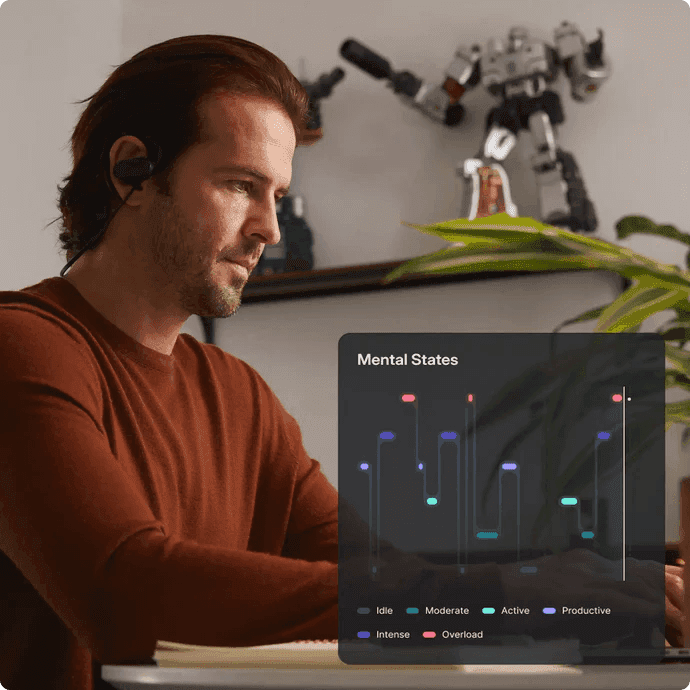
Sometimes, the best way to collect data is when no one knows you’re collecting it. The Emotiv MN8 is a revolutionary tool designed for exactly these situations. The EEG sensors are seamlessly integrated into a pair of comfortable earbuds, making them completely discreet. This is a game-changer for neuromarketing studies in public spaces, user experience testing in a natural setting, or measuring focus in a busy office. The two channels are optimized for capturing key cognitive performance metrics like attention and mental fatigue without making participants feel self-conscious. It’s the ultimate solution for gathering authentic data in the real world.
Other Notable Headsets on the Market
While our Emotiv lineup covers a vast range of professional needs, the world of EEG is always expanding. As you explore other options, it’s helpful to keep a few key questions in mind. First, consider the sensor type and channel count and how they align with your project’s data requirements. Next, look at the software ecosystem. A great headset is only as powerful as the software that supports it, so be sure to check for robust data analysis tools like EmotivPRO. Finally, consider the company’s support and community resources. Having a strong support system can make all the difference as you integrate this technology into your work.
What’s the Investment? A Look at EEG Headset Costs
When you’re ready to bring EEG technology into your business, one of the first questions you’ll ask is about the cost. The price of an EEG headset can range from a few hundred dollars to tens of thousands, and the right investment for you depends entirely on your project’s goals. Generally, the cost correlates with the number of sensors (channels) and the overall data quality. Let’s break down the typical price ranges to help you understand what to expect.
Accessible EEG Headsets (Under $1,000)
This category has made EEG technology available to a much wider audience, from independent developers to smaller research teams. Devices in this range typically offer between 2 and 14 channels. They are fantastic for foundational research, building brain-computer interface prototypes, and educational purposes. Our Insight and Epoc X headsets fall into this category, providing reliable, research-quality data without requiring a massive budget. They are designed to be user-friendly, making them a great starting point for businesses exploring EEG for the first time.
Research-Grade EEG Headsets ($1,000 to $25,000)
As you move into the mid-range, you’ll find headsets designed for more complex and demanding research applications. These devices typically offer a higher channel count, often between 32 and 64 channels, allowing for more detailed spatial resolution of brain activity. Our Flex Saline headset is a prime example, offering 32 channels for high-density recordings. Headsets in this tier are often used in academic labs and by neuromarketing professionals who need robust data for their studies. They strike a balance between advanced capabilities and a manageable budget for serious professional use.
Premium Clinical and Lab Systems (Over $25,000)
At the highest end of the market are the premium systems used primarily in clinical settings and large-scale, grant-funded research institutions. These systems can feature anywhere from 32 to over 256 channels and are engineered for the highest possible signal fidelity. They often require a dedicated lab setup and technical expertise to operate. While these devices are incredibly powerful, their cost and complexity mean they are reserved for very specific and specialized applications where minute detail is the top priority. For most business applications, the capabilities of accessible and research-grade headsets are more than sufficient.
How Are Businesses Using EEG Technology?
EEG technology has moved far beyond the lab, finding practical and innovative applications across a wide range of industries. From understanding customer behavior to developing new ways for people to interact with technology, businesses are finding incredible value in brain data. Let’s look at some of the most common ways organizations are putting EEG to work.
In Academic Research and Education
In neuroscience and psychology, EEG headsets are essential for studying the brain in action. Researchers can record brainwave activity as people perform cognitive tasks, experience emotions, or process sensory information. This real-time data provides a window into brain function that was once only possible with large, stationary equipment. Making this technology accessible helps advance academic research and education by allowing for more dynamic and naturalistic studies. It’s a powerful way to explore everything from learning processes to the neural basis of decision-making, right in the classroom or the field.
For Neuromarketing Insights
Ever wonder what a customer is really thinking? EEG technology offers a way to find out. In the field of neuromarketing, businesses use EEG to get real-time data on how consumers’ brains respond to ads, packaging, and products. Instead of relying solely on what people say in surveys, marketers can see unfiltered emotional and cognitive reactions. This helps them understand which elements of a campaign grab attention, create an emotional connection, or cause confusion. By analyzing this brain activity, companies can refine their strategies to create more effective and resonant marketing that truly connects with their audience.
To Provide Cognitive Wellness Tools
Organizations are increasingly focused on employee well-being, and EEG is becoming a part of that conversation. By providing access to cognitive wellness tools, companies can empower their teams to better understand and manage their own mental states. For example, EEG data can offer insights into focus, stress, and cognitive load throughout the workday. When used responsibly—with clear policies, informed consent, and robust data security—this technology can help employees identify patterns and develop strategies for managing their energy and attention. It’s about giving people the tools to work smarter and feel better, not about measuring performance.
In Brain-Computer Interface (BCI) Development
The world of brain-computer interfaces (BCI) is where science fiction meets reality, and EEG headsets are a key part of it. BCI technology creates a direct communication pathway between the brain and an external device, like a computer or a prosthetic limb. Developers use EEG to translate brain signals into commands, allowing users to control applications, play games, or operate machinery with their thoughts. This has profound implications for accessibility, entertainment, and human-computer interaction. For businesses in the tech space, EEG provides the foundation for creating the next generation of intuitive and responsive user experiences.
How to Choose Your Headset: The Features That Matter
Picking the right EEG headset feels a lot like choosing the right tool for a job. You wouldn’t use a sledgehammer for a finishing nail, and the same principle applies here. The best device for your business depends entirely on what you want to accomplish. Whether you’re conducting in-depth academic research, exploring consumer reactions, or developing a new application, the right features make all the difference. Let’s walk through the four key factors you should consider to make sure you get the perfect fit for your project’s needs.
Match the Channel Count to Your Data Needs
The number of channels on an EEG headset determines the level of detail you can capture from the brain. Think of it as pixels in a picture—more channels provide a higher-resolution map of brain activity. For deep, granular research that requires high-density data, a headset with more channels, like our 32-channel Emotiv Flex, is the way to go. However, more isn’t always better. For many applications, including BCI development or providing access to cognitive wellness tools, fewer channels are simpler and more efficient. Devices like the 5-channel Emotiv Insight or the 2-channel MN8 earbuds are perfect for more focused tasks where ease of use is a priority.
Prioritize Comfort for Long-Term Use
If you plan on running studies that last for hours or developing applications for daily use, comfort is non-negotiable. An uncomfortable headset can cause a participant to shift around, which introduces movement artifacts and compromises your data quality. A lightweight, ergonomic design ensures that the person wearing the device can remain still and engaged for longer periods. When you’re evaluating a headset, consider its weight, how it sits on the head, and the material of the sensors. A device like the Emotiv Epoc X is designed for mobility and extended wear, making it a great option for studies that require freedom of movement without sacrificing data integrity.
Check for Software Compatibility and Integration
A great EEG headset is only half of the equation. Without powerful and intuitive software, all that brain data is just noise. Before you commit to a device, look at the entire ecosystem it operates in. Our software, like EmotivPRO, allows you to view and analyze data streams in real time, while tools like EmotivBCI let you translate brain signals into commands. Make sure the software is easy to use and has the specific analysis tools your project requires. For developers, it’s also crucial to check for APIs and integration options that allow you to build custom applications on top of the hardware.
Evaluate Real-Time Data Processing Power
For many business applications, the ability to process data in real time is essential. This is especially true for interactive projects like brain-computer interfaces, neurofeedback applications, and live neuromarketing studies. Real-time feedback allows users to see their brain activity as it happens, creating a dynamic loop of action and response. This capability depends on both the headset’s ability to transmit data quickly and the software’s power to process it with minimal delay. When choosing your headset, confirm that its data transmission rates and the accompanying software can support the real-time demands of your work.
The Pros and Cons of Using EEG in a Business Setting
Integrating EEG into your business strategy can provide a deeper layer of understanding, but it’s wise to go in with a clear picture of both the benefits and the challenges. This technology isn’t a magic wand, but when used correctly, it can be a powerful tool for gathering insights that were previously out of reach. It’s all about setting realistic expectations and understanding how to get the most out of the data.
Key Advantages for Your Organization
Bringing EEG technology into your organization can open up some incredible opportunities. For one, it offers a direct window into consumer behavior, allowing you to see how people genuinely respond to your products or marketing campaigns. This kind of neuromarketing research provides real-time data that goes beyond what traditional surveys can capture. EEG can also be a valuable tool for workplace well-being initiatives. By understanding cognitive states like focus or stress, you can create environments and programs that better support your team’s mental resources. This isn’t about measuring performance, but about gaining insights to foster a healthier, more supportive workplace.
Common Challenges to Keep in Mind
Of course, adopting any new technology comes with a learning curve, and EEG is no exception. It’s important to cut through the hype and understand what these devices can and can’t do. For instance, commercial EEG headsets don’t read thoughts; they measure electrical activity related to different brain states. Getting clean, reliable data also requires some practice. The process can be finnicky at first, as sensor placement and environmental factors can affect signal quality. Overcoming these technical hurdles means investing time in learning the proper setup and data interpretation, which is why solid training and support are so crucial for success.
Making Your Final Decision: A Practical Checklist
You’ve reviewed the options, you understand the features, and you’re close to a decision. So, how do you make that final call with confidence? It’s all about matching the technology to your specific needs. This simple checklist will help you connect the dots between your project, your budget, and the support you’ll need to succeed, ensuring you choose the perfect headset for the job.
Aligning Features with Your Project Goals
Before you look at any other factor, get crystal clear on what you want to accomplish. Are you conducting foundational academic research or exploring new frontiers in brain-computer interface development? Perhaps you’re gathering consumer insights for a neuromarketing study or building an application that provides access to cognitive wellness tools. Each of these goals requires different capabilities. By defining your project’s scope first, you can easily filter out devices that don’t have the specific features, channel count, or software integrations you need. Your primary use case should be the ultimate guide for your choice.
Balancing Your Budget with Your Needs
While it’s easy to focus on the price tag, it’s more effective to think in terms of your project’s required investment. Generally, a higher price point corresponds with a greater number of sensors (electrodes), higher data resolution, and more advanced features. For some applications, a device with fewer channels is perfectly sufficient. However, for complex research or detailed analysis, investing in a headset with more channels and greater sensitivity is essential for capturing high-quality, reliable data. Consider what level of data fidelity your project demands and let that guide your budget, ensuring you get the capabilities you need without overspending.
Factoring in Technical Support and Training
An EEG headset is more than just hardware; it’s an entire ecosystem. The support structure behind the device is what will turn your investment into a success. When making your choice, look for a company that provides clear, comprehensive documentation, responsive technical help, and a community of fellow users. This is especially important for developers who need access to robust software development kits (SDKs) and APIs. A strong support system ensures that you can troubleshoot issues quickly, get the most out of your device’s features, and stay focused on your work instead of getting stuck on technical hurdles.
Why Software and Support Are Non-Negotiable
An EEG headset on its own is just a data collection device. What you do with that data is what truly matters, and that’s where the software comes in. Think of it like a professional camera; without the right editing software, you just have a memory card full of raw, unprocessed files. The hardware gathers the signals, but the software is what translates them into understandable insights you can act on.
Similarly, when you hit a technical snag or have a question about interpreting your data, having a reliable support system to turn to can be the difference between a successful project and a frustrating dead end. Investing in a headset means investing in its entire ecosystem. A company that provides robust software and a helpful support network is setting you up for success long after your initial purchase. This combination ensures you can not only collect high-quality data but also analyze it effectively and overcome any challenges that arise along the way.
Look for Powerful Data Analysis Tools
The raw data from an EEG headset is a complex stream of electrical signals. To make any sense of it, you need software that can process, visualize, and analyze it effectively. Good software helps you see, understand, and use the data. Look for a platform that offers features like real-time data display, frequency analysis, and event marking. For example, our EmotivPRO software is designed to handle complex data analysis for research and commercial applications, letting you transform raw EEG signals into meaningful metrics and visualizations. The right tools are essential for turning brain data into the insights your business needs.
Ensure Access to Tech Support and Community Resources
When you’re working with sophisticated technology, having a safety net is invaluable. Before you commit to a headset, find out what kind of support the company offers. Choose a company that provides good help, clear instructions, and ideally, a community of users or dedicated resources for developers. This ensures that if you run into a setup issue or have a complex question, you won’t be left searching for answers on your own. A strong support system, whether it’s through direct technical help, detailed documentation, or an active user forum, is a critical part of your long-term investment in EEG technology.
How to Implement EEG Technology Responsibly
Bringing EEG technology into your business is an exciting step, but it’s one that comes with a significant responsibility. You’re not just collecting data; you’re working with deeply personal information. A successful and ethical implementation hinges on building a framework of trust and transparency with everyone involved, whether they’re research participants, employees, or customers.
Before you even unbox your first headset, it’s smart to think through how you’ll manage the entire process. This means creating clear guidelines, ensuring your team is prepared, and committing to data integrity from day one. A thoughtful approach doesn’t just protect participants; it also ensures the insights you gather are meaningful and your project is successful in the long run. Getting this right from the start sets a strong foundation for any application, from academic research to product development.
Establish Clear Policies and Ensure Compliance
First things first: you need a rulebook. To incorporate EEG technology responsibly, you must establish clear policies, obtain informed consent, and prioritize data security. Your policies should outline exactly how the data will be used, who can access it, and how it will be stored securely. When you ask for consent, explain the process in plain language, making sure participants understand what they’re agreeing to without any confusing jargon.
Data privacy is non-negotiable. It’s essential to handle all information in line with regulations like GDPR and to anonymize data whenever possible. Building this transparent framework shows respect for your participants and protects your organization. Think of it as creating a clear, ethical roadmap that guides every decision you make.
Train Your Team and Integrate Your Systems
A powerful tool is only as effective as the person using it. That’s why proper training is essential for any team member who will be working with EEG headsets and data. This goes beyond just learning how to fit a headset correctly; it involves understanding the software, interpreting the data, and recognizing the ethical considerations of the work. A well-trained team is your best asset for ensuring the technology is used effectively and responsibly.
Integrating EEG systems into your existing workflows is also key. For instance, insights from a neuromarketing study should feed directly into your product design and marketing strategies. This ensures the data you collect doesn’t just sit in a folder but actively informs and adds value to your business decisions, helping you create better products and experiences.
Maintain High-Quality, Accurate Data
The foundation of any successful EEG project is clean, reliable data. After all, your conclusions are only as good as the information they’re based on. Maintaining high data quality starts with the basics: ensuring a proper headset fit to get a good signal, minimizing environmental noise, and teaching participants how to reduce artifacts from movements like blinking or jaw clenching.
Using robust software is also a critical piece of the puzzle. For example, our EmotivPRO software is designed to help you analyze and visualize brain data, with features that help you manage signal quality in real time. Committing to high standards for data collection and analysis is a core part of using EEG technology responsibly. It ensures that your findings are accurate and that your business decisions are based on sound science.
Where to Buy Your Headset and Find Reliable Reviews
Once you have a shortlist of EEG headsets, the next step is finding a reputable place to purchase one and validating your choice with real-world feedback. The best approach is often to buy directly from the manufacturer’s website. This ensures you’re getting an authentic product, the latest model, and have a direct line to customer support if you need help getting set up. It cuts out the middleman and gives you peace of mind that you’re receiving a genuine device backed by the company that made it.
Finding honest reviews is just as important as finding the right seller. While product specs are helpful, hearing from people who have actually used the device in a professional setting gives you a much clearer picture. A great place to start is by looking for case studies and testimonials. Many companies share how other businesses and researchers use their technology, which can give you valuable insights into its effectiveness and reliability. For example, seeing how a headset is applied in academic research and education can help you understand its capabilities for data collection and analysis.
For a more objective perspective, look for in-depth reviews from trusted technology and neuroscience blogs or publications. These sources often provide detailed analyses of different EEG headsets, comparing features and performance in a balanced way. If your work is more academic, searching for peer-reviewed papers that used the headset you’re considering can also be incredibly telling. Finally, don’t underestimate the power of a demo. Some manufacturers offer trial periods or demo units, which allow you to test the equipment in your own environment before making a final commitment. This is an excellent way to confirm that a headset meets your specific needs and integrates smoothly with your existing systems.
Related Articles
Frequently Asked Questions
Which headset is the best starting point if my team is new to EEG? If you’re just getting started, I’d recommend looking at either the Emotiv Insight or the Emotiv Epoc X. The Insight is incredibly user-friendly with its dry sensors, meaning there’s no prep time needed. The Epoc X is a step up in data richness with 14 channels, but its saline sensors are still very quick to set up. Both are fantastic for getting your team comfortable with the technology without an overwhelming learning curve.
What’s the main difference between saline, gel, and dry sensors? Think of it as a trade-off between convenience and signal stability. Dry sensors, like those on the Insight, are the most convenient because they require zero preparation. Saline sensors, used on the Epoc X and Flex Saline, need a quick soak in a saline solution and offer a great balance of fast setup and high-quality data. Gel sensors, found on the Flex Gel, take the most time to apply but provide an exceptionally stable and clean signal, which is ideal for long, sensitive research studies.
How do I know how many channels I actually need for my project? This really comes down to the level of detail your project requires. For deep academic research where you need a high-resolution map of brain activity, a 32-channel device like the Emotiv Flex is the right tool. However, for many applications like developing a brain-computer interface or providing access to cognitive wellness tools, a headset with fewer channels like the 5-channel Insight or even the 2-channel MN8 is more than sufficient and much simpler to work with.
Can I use your headsets to develop my own custom software or application? Absolutely. We design our technology with developers in mind. Our headsets come with access to robust developer tools, including software development kits (SDKs) and APIs. This allows you to stream data directly from the device and build your own custom applications, whether you’re creating a new BCI game, a research tool, or a unique user experience.
How do you ensure the privacy of the brain data collected? This is a top priority for us. Responsible implementation starts with a foundation of trust and transparency. We advise all of our users to establish clear policies around data use, always obtain informed consent from participants, and handle all information in line with privacy regulations. The goal is to anonymize data whenever possible and ensure it is stored securely, respecting the personal nature of the information you’re working with.
When you purchase a professional camera, you’re not just buying the body; you’re investing in an entire ecosystem of lenses, software, and support. The same is true for EEG technology. The headset itself is just the starting point. What transforms that raw brain data into actionable business intelligence is the software that analyzes it, the developer tools that allow for custom integration, and the support network that helps you overcome challenges. Finding the best eeg headset for business means looking beyond the hardware and evaluating the complete package to ensure you have everything you need for a successful implementation.
Key Takeaways
Define your goal, then choose your tool: Your project’s objective should be your primary guide. A 32-channel headset is essential for high-resolution academic research, whereas a 2-channel device like the MN8 earbuds is perfect for discreetly gathering consumer insights in natural environments.
Prioritize the entire ecosystem: A headset is only one piece of the puzzle. The real power lies in the software that translates raw data into meaningful insights and the support system that helps you overcome technical challenges along the way.
Build a foundation of trust: Responsible implementation is non-negotiable. Establish clear data privacy policies, get informed consent from participants, and properly train your team to ensure your work is both ethical and built on high-quality, accurate data.
What Makes an EEG Headset “Business-Ready”?
When you’re looking to bring EEG technology into a professional setting, it’s about more than just the hardware. A “business-ready” headset is part of a complete ecosystem designed for reliable, scalable, and actionable results. It’s the difference between a personal gadget and a professional-grade instrument for fields like academic research, neuromarketing, or BCI development.
First and foremost, the quality of the data is non-negotiable. A business-ready device needs to provide clean, high-fidelity brain data. But the hardware is only half the story. The raw data it collects is just a stream of numbers; it’s the powerful software that translates this information into meaningful insights. You need a platform that allows you to see, understand, and work with the data in real-time, whether you’re analyzing a participant’s reaction to an ad or developing a new brain-computer interface command.
Practicality is another key factor. If participants in your study are going to wear a headset for an extended period, it needs to be comfortable and lightweight. An uncomfortable device can cause distraction and movement, which can compromise your data quality. Beyond comfort, a professional tool should fit into your workflow. This means having access to developer tools and APIs that allow for custom integrations with your existing systems. Finally, reliable support is crucial. When you’re working on a project with deadlines and deliverables, you can’t afford to be stuck. A business-ready solution comes with a support system and a community you can count on for help when you need it.
Our Top Picks: The Best EEG Headsets for Business
Choosing the right EEG headset can feel like a big decision, because it is. The tool you select will shape your research, influence your data quality, and ultimately impact the success of your project. There isn’t a single “best” device for everyone, but there is a best device for your specific goals. Are you conducting foundational academic research that requires high-density data? Or are you exploring consumer reactions for a neuromarketing study where a discreet device is essential? The answer will guide you to the perfect fit.
To make the process easier, I’ve put together a guide to our most effective EEG headsets for business and research applications. Think of this as a tour of your options, where we’ll look at what makes each device unique and which types of projects it’s best suited for. My goal is to help you find the tool that not only meets your technical requirements but also feels like a natural extension of your team.
Emotiv Epoc X: The 14-Channel Powerhouse
If you need a versatile, professional-grade headset that’s ready for almost any challenge, the Emotiv Epoc X is your go-to. With 14 channels, it captures rich, reliable brain data that’s perfect for a wide range of applications, from usability testing to cognitive performance studies. What I love most is its practicality. The saline sensors are incredibly easy to set up—just a quick soak and you’re ready to start collecting data in minutes. This makes it a fantastic choice for projects involving multiple participants or when you need to get up and running without a lot of prep time. It’s a true workhorse that delivers performance without the complexity.
Emotiv Flex Saline: The 32-Channel Research Tool
For projects that demand a much deeper and more detailed view of brain activity, the Emotiv Flex Saline is the ideal instrument. This high-density cap features 32 channels, allowing you to capture high-resolution data from across the entire scalp. This level of detail is crucial for advanced academic research and education, where pinpointing the source of neural signals is key. Despite its powerful capabilities, it uses the same user-friendly saline sensors as the Epoc X, which simplifies the setup process significantly. It’s the perfect tool when your research questions require the richest data possible, without adding unnecessary complexity to your workflow.
Emotiv Flex Gel: The 32-Channel Clinical Standard
When your study requires absolute signal integrity over long periods, the Emotiv Flex Gel is the professional standard. It provides the same 32-channel coverage as the Flex Saline but uses traditional conductive gel. While applying the gel takes a bit more preparation, the payoff is an exceptionally stable and clean signal that’s second to none. This is critical for clinical research or any multi-hour study where you can’t afford to lose data quality. Think of it as the top-tier option for when precision and reliability are your highest priorities, ensuring your data is as accurate as possible from the first minute to the last.
Emotiv Insight: The 5-Channel Everyday Device
For teams looking for an accessible entry point into EEG or focusing on real-world applications, the Emotiv Insight is a brilliant choice. This sleek, 5-channel headset is lightweight and uses dry polymer sensors, which means zero prep time—no gels or saline needed. It’s designed for comfort and ease of use, making it perfect for projects that provide access to cognitive wellness tools or for developing straightforward brain-computer interface applications. Its simple, wireless design allows you to gather valuable data outside of a traditional lab, giving you a glimpse into brain activity as it happens in everyday life.
Emotiv MN8: The 2-Channel Discreet Earbuds
Sometimes, the best way to collect data is when no one knows you’re collecting it. The Emotiv MN8 is a revolutionary tool designed for exactly these situations. The EEG sensors are seamlessly integrated into a pair of comfortable earbuds, making them completely discreet. This is a game-changer for neuromarketing studies in public spaces, user experience testing in a natural setting, or measuring focus in a busy office. The two channels are optimized for capturing key cognitive performance metrics like attention and mental fatigue without making participants feel self-conscious. It’s the ultimate solution for gathering authentic data in the real world.
Other Notable Headsets on the Market
While our Emotiv lineup covers a vast range of professional needs, the world of EEG is always expanding. As you explore other options, it’s helpful to keep a few key questions in mind. First, consider the sensor type and channel count and how they align with your project’s data requirements. Next, look at the software ecosystem. A great headset is only as powerful as the software that supports it, so be sure to check for robust data analysis tools like EmotivPRO. Finally, consider the company’s support and community resources. Having a strong support system can make all the difference as you integrate this technology into your work.
What’s the Investment? A Look at EEG Headset Costs
When you’re ready to bring EEG technology into your business, one of the first questions you’ll ask is about the cost. The price of an EEG headset can range from a few hundred dollars to tens of thousands, and the right investment for you depends entirely on your project’s goals. Generally, the cost correlates with the number of sensors (channels) and the overall data quality. Let’s break down the typical price ranges to help you understand what to expect.
Accessible EEG Headsets (Under $1,000)
This category has made EEG technology available to a much wider audience, from independent developers to smaller research teams. Devices in this range typically offer between 2 and 14 channels. They are fantastic for foundational research, building brain-computer interface prototypes, and educational purposes. Our Insight and Epoc X headsets fall into this category, providing reliable, research-quality data without requiring a massive budget. They are designed to be user-friendly, making them a great starting point for businesses exploring EEG for the first time.
Research-Grade EEG Headsets ($1,000 to $25,000)
As you move into the mid-range, you’ll find headsets designed for more complex and demanding research applications. These devices typically offer a higher channel count, often between 32 and 64 channels, allowing for more detailed spatial resolution of brain activity. Our Flex Saline headset is a prime example, offering 32 channels for high-density recordings. Headsets in this tier are often used in academic labs and by neuromarketing professionals who need robust data for their studies. They strike a balance between advanced capabilities and a manageable budget for serious professional use.
Premium Clinical and Lab Systems (Over $25,000)
At the highest end of the market are the premium systems used primarily in clinical settings and large-scale, grant-funded research institutions. These systems can feature anywhere from 32 to over 256 channels and are engineered for the highest possible signal fidelity. They often require a dedicated lab setup and technical expertise to operate. While these devices are incredibly powerful, their cost and complexity mean they are reserved for very specific and specialized applications where minute detail is the top priority. For most business applications, the capabilities of accessible and research-grade headsets are more than sufficient.
How Are Businesses Using EEG Technology?
EEG technology has moved far beyond the lab, finding practical and innovative applications across a wide range of industries. From understanding customer behavior to developing new ways for people to interact with technology, businesses are finding incredible value in brain data. Let’s look at some of the most common ways organizations are putting EEG to work.
In Academic Research and Education
In neuroscience and psychology, EEG headsets are essential for studying the brain in action. Researchers can record brainwave activity as people perform cognitive tasks, experience emotions, or process sensory information. This real-time data provides a window into brain function that was once only possible with large, stationary equipment. Making this technology accessible helps advance academic research and education by allowing for more dynamic and naturalistic studies. It’s a powerful way to explore everything from learning processes to the neural basis of decision-making, right in the classroom or the field.
For Neuromarketing Insights
Ever wonder what a customer is really thinking? EEG technology offers a way to find out. In the field of neuromarketing, businesses use EEG to get real-time data on how consumers’ brains respond to ads, packaging, and products. Instead of relying solely on what people say in surveys, marketers can see unfiltered emotional and cognitive reactions. This helps them understand which elements of a campaign grab attention, create an emotional connection, or cause confusion. By analyzing this brain activity, companies can refine their strategies to create more effective and resonant marketing that truly connects with their audience.
To Provide Cognitive Wellness Tools
Organizations are increasingly focused on employee well-being, and EEG is becoming a part of that conversation. By providing access to cognitive wellness tools, companies can empower their teams to better understand and manage their own mental states. For example, EEG data can offer insights into focus, stress, and cognitive load throughout the workday. When used responsibly—with clear policies, informed consent, and robust data security—this technology can help employees identify patterns and develop strategies for managing their energy and attention. It’s about giving people the tools to work smarter and feel better, not about measuring performance.
In Brain-Computer Interface (BCI) Development
The world of brain-computer interfaces (BCI) is where science fiction meets reality, and EEG headsets are a key part of it. BCI technology creates a direct communication pathway between the brain and an external device, like a computer or a prosthetic limb. Developers use EEG to translate brain signals into commands, allowing users to control applications, play games, or operate machinery with their thoughts. This has profound implications for accessibility, entertainment, and human-computer interaction. For businesses in the tech space, EEG provides the foundation for creating the next generation of intuitive and responsive user experiences.
How to Choose Your Headset: The Features That Matter
Picking the right EEG headset feels a lot like choosing the right tool for a job. You wouldn’t use a sledgehammer for a finishing nail, and the same principle applies here. The best device for your business depends entirely on what you want to accomplish. Whether you’re conducting in-depth academic research, exploring consumer reactions, or developing a new application, the right features make all the difference. Let’s walk through the four key factors you should consider to make sure you get the perfect fit for your project’s needs.
Match the Channel Count to Your Data Needs
The number of channels on an EEG headset determines the level of detail you can capture from the brain. Think of it as pixels in a picture—more channels provide a higher-resolution map of brain activity. For deep, granular research that requires high-density data, a headset with more channels, like our 32-channel Emotiv Flex, is the way to go. However, more isn’t always better. For many applications, including BCI development or providing access to cognitive wellness tools, fewer channels are simpler and more efficient. Devices like the 5-channel Emotiv Insight or the 2-channel MN8 earbuds are perfect for more focused tasks where ease of use is a priority.
Prioritize Comfort for Long-Term Use
If you plan on running studies that last for hours or developing applications for daily use, comfort is non-negotiable. An uncomfortable headset can cause a participant to shift around, which introduces movement artifacts and compromises your data quality. A lightweight, ergonomic design ensures that the person wearing the device can remain still and engaged for longer periods. When you’re evaluating a headset, consider its weight, how it sits on the head, and the material of the sensors. A device like the Emotiv Epoc X is designed for mobility and extended wear, making it a great option for studies that require freedom of movement without sacrificing data integrity.
Check for Software Compatibility and Integration
A great EEG headset is only half of the equation. Without powerful and intuitive software, all that brain data is just noise. Before you commit to a device, look at the entire ecosystem it operates in. Our software, like EmotivPRO, allows you to view and analyze data streams in real time, while tools like EmotivBCI let you translate brain signals into commands. Make sure the software is easy to use and has the specific analysis tools your project requires. For developers, it’s also crucial to check for APIs and integration options that allow you to build custom applications on top of the hardware.
Evaluate Real-Time Data Processing Power
For many business applications, the ability to process data in real time is essential. This is especially true for interactive projects like brain-computer interfaces, neurofeedback applications, and live neuromarketing studies. Real-time feedback allows users to see their brain activity as it happens, creating a dynamic loop of action and response. This capability depends on both the headset’s ability to transmit data quickly and the software’s power to process it with minimal delay. When choosing your headset, confirm that its data transmission rates and the accompanying software can support the real-time demands of your work.
The Pros and Cons of Using EEG in a Business Setting
Integrating EEG into your business strategy can provide a deeper layer of understanding, but it’s wise to go in with a clear picture of both the benefits and the challenges. This technology isn’t a magic wand, but when used correctly, it can be a powerful tool for gathering insights that were previously out of reach. It’s all about setting realistic expectations and understanding how to get the most out of the data.
Key Advantages for Your Organization
Bringing EEG technology into your organization can open up some incredible opportunities. For one, it offers a direct window into consumer behavior, allowing you to see how people genuinely respond to your products or marketing campaigns. This kind of neuromarketing research provides real-time data that goes beyond what traditional surveys can capture. EEG can also be a valuable tool for workplace well-being initiatives. By understanding cognitive states like focus or stress, you can create environments and programs that better support your team’s mental resources. This isn’t about measuring performance, but about gaining insights to foster a healthier, more supportive workplace.
Common Challenges to Keep in Mind
Of course, adopting any new technology comes with a learning curve, and EEG is no exception. It’s important to cut through the hype and understand what these devices can and can’t do. For instance, commercial EEG headsets don’t read thoughts; they measure electrical activity related to different brain states. Getting clean, reliable data also requires some practice. The process can be finnicky at first, as sensor placement and environmental factors can affect signal quality. Overcoming these technical hurdles means investing time in learning the proper setup and data interpretation, which is why solid training and support are so crucial for success.
Making Your Final Decision: A Practical Checklist
You’ve reviewed the options, you understand the features, and you’re close to a decision. So, how do you make that final call with confidence? It’s all about matching the technology to your specific needs. This simple checklist will help you connect the dots between your project, your budget, and the support you’ll need to succeed, ensuring you choose the perfect headset for the job.
Aligning Features with Your Project Goals
Before you look at any other factor, get crystal clear on what you want to accomplish. Are you conducting foundational academic research or exploring new frontiers in brain-computer interface development? Perhaps you’re gathering consumer insights for a neuromarketing study or building an application that provides access to cognitive wellness tools. Each of these goals requires different capabilities. By defining your project’s scope first, you can easily filter out devices that don’t have the specific features, channel count, or software integrations you need. Your primary use case should be the ultimate guide for your choice.
Balancing Your Budget with Your Needs
While it’s easy to focus on the price tag, it’s more effective to think in terms of your project’s required investment. Generally, a higher price point corresponds with a greater number of sensors (electrodes), higher data resolution, and more advanced features. For some applications, a device with fewer channels is perfectly sufficient. However, for complex research or detailed analysis, investing in a headset with more channels and greater sensitivity is essential for capturing high-quality, reliable data. Consider what level of data fidelity your project demands and let that guide your budget, ensuring you get the capabilities you need without overspending.
Factoring in Technical Support and Training
An EEG headset is more than just hardware; it’s an entire ecosystem. The support structure behind the device is what will turn your investment into a success. When making your choice, look for a company that provides clear, comprehensive documentation, responsive technical help, and a community of fellow users. This is especially important for developers who need access to robust software development kits (SDKs) and APIs. A strong support system ensures that you can troubleshoot issues quickly, get the most out of your device’s features, and stay focused on your work instead of getting stuck on technical hurdles.
Why Software and Support Are Non-Negotiable
An EEG headset on its own is just a data collection device. What you do with that data is what truly matters, and that’s where the software comes in. Think of it like a professional camera; without the right editing software, you just have a memory card full of raw, unprocessed files. The hardware gathers the signals, but the software is what translates them into understandable insights you can act on.
Similarly, when you hit a technical snag or have a question about interpreting your data, having a reliable support system to turn to can be the difference between a successful project and a frustrating dead end. Investing in a headset means investing in its entire ecosystem. A company that provides robust software and a helpful support network is setting you up for success long after your initial purchase. This combination ensures you can not only collect high-quality data but also analyze it effectively and overcome any challenges that arise along the way.
Look for Powerful Data Analysis Tools
The raw data from an EEG headset is a complex stream of electrical signals. To make any sense of it, you need software that can process, visualize, and analyze it effectively. Good software helps you see, understand, and use the data. Look for a platform that offers features like real-time data display, frequency analysis, and event marking. For example, our EmotivPRO software is designed to handle complex data analysis for research and commercial applications, letting you transform raw EEG signals into meaningful metrics and visualizations. The right tools are essential for turning brain data into the insights your business needs.
Ensure Access to Tech Support and Community Resources
When you’re working with sophisticated technology, having a safety net is invaluable. Before you commit to a headset, find out what kind of support the company offers. Choose a company that provides good help, clear instructions, and ideally, a community of users or dedicated resources for developers. This ensures that if you run into a setup issue or have a complex question, you won’t be left searching for answers on your own. A strong support system, whether it’s through direct technical help, detailed documentation, or an active user forum, is a critical part of your long-term investment in EEG technology.
How to Implement EEG Technology Responsibly
Bringing EEG technology into your business is an exciting step, but it’s one that comes with a significant responsibility. You’re not just collecting data; you’re working with deeply personal information. A successful and ethical implementation hinges on building a framework of trust and transparency with everyone involved, whether they’re research participants, employees, or customers.
Before you even unbox your first headset, it’s smart to think through how you’ll manage the entire process. This means creating clear guidelines, ensuring your team is prepared, and committing to data integrity from day one. A thoughtful approach doesn’t just protect participants; it also ensures the insights you gather are meaningful and your project is successful in the long run. Getting this right from the start sets a strong foundation for any application, from academic research to product development.
Establish Clear Policies and Ensure Compliance
First things first: you need a rulebook. To incorporate EEG technology responsibly, you must establish clear policies, obtain informed consent, and prioritize data security. Your policies should outline exactly how the data will be used, who can access it, and how it will be stored securely. When you ask for consent, explain the process in plain language, making sure participants understand what they’re agreeing to without any confusing jargon.
Data privacy is non-negotiable. It’s essential to handle all information in line with regulations like GDPR and to anonymize data whenever possible. Building this transparent framework shows respect for your participants and protects your organization. Think of it as creating a clear, ethical roadmap that guides every decision you make.
Train Your Team and Integrate Your Systems
A powerful tool is only as effective as the person using it. That’s why proper training is essential for any team member who will be working with EEG headsets and data. This goes beyond just learning how to fit a headset correctly; it involves understanding the software, interpreting the data, and recognizing the ethical considerations of the work. A well-trained team is your best asset for ensuring the technology is used effectively and responsibly.
Integrating EEG systems into your existing workflows is also key. For instance, insights from a neuromarketing study should feed directly into your product design and marketing strategies. This ensures the data you collect doesn’t just sit in a folder but actively informs and adds value to your business decisions, helping you create better products and experiences.
Maintain High-Quality, Accurate Data
The foundation of any successful EEG project is clean, reliable data. After all, your conclusions are only as good as the information they’re based on. Maintaining high data quality starts with the basics: ensuring a proper headset fit to get a good signal, minimizing environmental noise, and teaching participants how to reduce artifacts from movements like blinking or jaw clenching.
Using robust software is also a critical piece of the puzzle. For example, our EmotivPRO software is designed to help you analyze and visualize brain data, with features that help you manage signal quality in real time. Committing to high standards for data collection and analysis is a core part of using EEG technology responsibly. It ensures that your findings are accurate and that your business decisions are based on sound science.
Where to Buy Your Headset and Find Reliable Reviews
Once you have a shortlist of EEG headsets, the next step is finding a reputable place to purchase one and validating your choice with real-world feedback. The best approach is often to buy directly from the manufacturer’s website. This ensures you’re getting an authentic product, the latest model, and have a direct line to customer support if you need help getting set up. It cuts out the middleman and gives you peace of mind that you’re receiving a genuine device backed by the company that made it.
Finding honest reviews is just as important as finding the right seller. While product specs are helpful, hearing from people who have actually used the device in a professional setting gives you a much clearer picture. A great place to start is by looking for case studies and testimonials. Many companies share how other businesses and researchers use their technology, which can give you valuable insights into its effectiveness and reliability. For example, seeing how a headset is applied in academic research and education can help you understand its capabilities for data collection and analysis.
For a more objective perspective, look for in-depth reviews from trusted technology and neuroscience blogs or publications. These sources often provide detailed analyses of different EEG headsets, comparing features and performance in a balanced way. If your work is more academic, searching for peer-reviewed papers that used the headset you’re considering can also be incredibly telling. Finally, don’t underestimate the power of a demo. Some manufacturers offer trial periods or demo units, which allow you to test the equipment in your own environment before making a final commitment. This is an excellent way to confirm that a headset meets your specific needs and integrates smoothly with your existing systems.
Related Articles
Frequently Asked Questions
Which headset is the best starting point if my team is new to EEG? If you’re just getting started, I’d recommend looking at either the Emotiv Insight or the Emotiv Epoc X. The Insight is incredibly user-friendly with its dry sensors, meaning there’s no prep time needed. The Epoc X is a step up in data richness with 14 channels, but its saline sensors are still very quick to set up. Both are fantastic for getting your team comfortable with the technology without an overwhelming learning curve.
What’s the main difference between saline, gel, and dry sensors? Think of it as a trade-off between convenience and signal stability. Dry sensors, like those on the Insight, are the most convenient because they require zero preparation. Saline sensors, used on the Epoc X and Flex Saline, need a quick soak in a saline solution and offer a great balance of fast setup and high-quality data. Gel sensors, found on the Flex Gel, take the most time to apply but provide an exceptionally stable and clean signal, which is ideal for long, sensitive research studies.
How do I know how many channels I actually need for my project? This really comes down to the level of detail your project requires. For deep academic research where you need a high-resolution map of brain activity, a 32-channel device like the Emotiv Flex is the right tool. However, for many applications like developing a brain-computer interface or providing access to cognitive wellness tools, a headset with fewer channels like the 5-channel Insight or even the 2-channel MN8 is more than sufficient and much simpler to work with.
Can I use your headsets to develop my own custom software or application? Absolutely. We design our technology with developers in mind. Our headsets come with access to robust developer tools, including software development kits (SDKs) and APIs. This allows you to stream data directly from the device and build your own custom applications, whether you’re creating a new BCI game, a research tool, or a unique user experience.
How do you ensure the privacy of the brain data collected? This is a top priority for us. Responsible implementation starts with a foundation of trust and transparency. We advise all of our users to establish clear policies around data use, always obtain informed consent from participants, and handle all information in line with privacy regulations. The goal is to anonymize data whenever possible and ensure it is stored securely, respecting the personal nature of the information you’re working with.
When you purchase a professional camera, you’re not just buying the body; you’re investing in an entire ecosystem of lenses, software, and support. The same is true for EEG technology. The headset itself is just the starting point. What transforms that raw brain data into actionable business intelligence is the software that analyzes it, the developer tools that allow for custom integration, and the support network that helps you overcome challenges. Finding the best eeg headset for business means looking beyond the hardware and evaluating the complete package to ensure you have everything you need for a successful implementation.
Key Takeaways
Define your goal, then choose your tool: Your project’s objective should be your primary guide. A 32-channel headset is essential for high-resolution academic research, whereas a 2-channel device like the MN8 earbuds is perfect for discreetly gathering consumer insights in natural environments.
Prioritize the entire ecosystem: A headset is only one piece of the puzzle. The real power lies in the software that translates raw data into meaningful insights and the support system that helps you overcome technical challenges along the way.
Build a foundation of trust: Responsible implementation is non-negotiable. Establish clear data privacy policies, get informed consent from participants, and properly train your team to ensure your work is both ethical and built on high-quality, accurate data.
What Makes an EEG Headset “Business-Ready”?
When you’re looking to bring EEG technology into a professional setting, it’s about more than just the hardware. A “business-ready” headset is part of a complete ecosystem designed for reliable, scalable, and actionable results. It’s the difference between a personal gadget and a professional-grade instrument for fields like academic research, neuromarketing, or BCI development.
First and foremost, the quality of the data is non-negotiable. A business-ready device needs to provide clean, high-fidelity brain data. But the hardware is only half the story. The raw data it collects is just a stream of numbers; it’s the powerful software that translates this information into meaningful insights. You need a platform that allows you to see, understand, and work with the data in real-time, whether you’re analyzing a participant’s reaction to an ad or developing a new brain-computer interface command.
Practicality is another key factor. If participants in your study are going to wear a headset for an extended period, it needs to be comfortable and lightweight. An uncomfortable device can cause distraction and movement, which can compromise your data quality. Beyond comfort, a professional tool should fit into your workflow. This means having access to developer tools and APIs that allow for custom integrations with your existing systems. Finally, reliable support is crucial. When you’re working on a project with deadlines and deliverables, you can’t afford to be stuck. A business-ready solution comes with a support system and a community you can count on for help when you need it.
Our Top Picks: The Best EEG Headsets for Business
Choosing the right EEG headset can feel like a big decision, because it is. The tool you select will shape your research, influence your data quality, and ultimately impact the success of your project. There isn’t a single “best” device for everyone, but there is a best device for your specific goals. Are you conducting foundational academic research that requires high-density data? Or are you exploring consumer reactions for a neuromarketing study where a discreet device is essential? The answer will guide you to the perfect fit.
To make the process easier, I’ve put together a guide to our most effective EEG headsets for business and research applications. Think of this as a tour of your options, where we’ll look at what makes each device unique and which types of projects it’s best suited for. My goal is to help you find the tool that not only meets your technical requirements but also feels like a natural extension of your team.
Emotiv Epoc X: The 14-Channel Powerhouse
If you need a versatile, professional-grade headset that’s ready for almost any challenge, the Emotiv Epoc X is your go-to. With 14 channels, it captures rich, reliable brain data that’s perfect for a wide range of applications, from usability testing to cognitive performance studies. What I love most is its practicality. The saline sensors are incredibly easy to set up—just a quick soak and you’re ready to start collecting data in minutes. This makes it a fantastic choice for projects involving multiple participants or when you need to get up and running without a lot of prep time. It’s a true workhorse that delivers performance without the complexity.
Emotiv Flex Saline: The 32-Channel Research Tool
For projects that demand a much deeper and more detailed view of brain activity, the Emotiv Flex Saline is the ideal instrument. This high-density cap features 32 channels, allowing you to capture high-resolution data from across the entire scalp. This level of detail is crucial for advanced academic research and education, where pinpointing the source of neural signals is key. Despite its powerful capabilities, it uses the same user-friendly saline sensors as the Epoc X, which simplifies the setup process significantly. It’s the perfect tool when your research questions require the richest data possible, without adding unnecessary complexity to your workflow.
Emotiv Flex Gel: The 32-Channel Clinical Standard
When your study requires absolute signal integrity over long periods, the Emotiv Flex Gel is the professional standard. It provides the same 32-channel coverage as the Flex Saline but uses traditional conductive gel. While applying the gel takes a bit more preparation, the payoff is an exceptionally stable and clean signal that’s second to none. This is critical for clinical research or any multi-hour study where you can’t afford to lose data quality. Think of it as the top-tier option for when precision and reliability are your highest priorities, ensuring your data is as accurate as possible from the first minute to the last.
Emotiv Insight: The 5-Channel Everyday Device
For teams looking for an accessible entry point into EEG or focusing on real-world applications, the Emotiv Insight is a brilliant choice. This sleek, 5-channel headset is lightweight and uses dry polymer sensors, which means zero prep time—no gels or saline needed. It’s designed for comfort and ease of use, making it perfect for projects that provide access to cognitive wellness tools or for developing straightforward brain-computer interface applications. Its simple, wireless design allows you to gather valuable data outside of a traditional lab, giving you a glimpse into brain activity as it happens in everyday life.
Emotiv MN8: The 2-Channel Discreet Earbuds
Sometimes, the best way to collect data is when no one knows you’re collecting it. The Emotiv MN8 is a revolutionary tool designed for exactly these situations. The EEG sensors are seamlessly integrated into a pair of comfortable earbuds, making them completely discreet. This is a game-changer for neuromarketing studies in public spaces, user experience testing in a natural setting, or measuring focus in a busy office. The two channels are optimized for capturing key cognitive performance metrics like attention and mental fatigue without making participants feel self-conscious. It’s the ultimate solution for gathering authentic data in the real world.
Other Notable Headsets on the Market
While our Emotiv lineup covers a vast range of professional needs, the world of EEG is always expanding. As you explore other options, it’s helpful to keep a few key questions in mind. First, consider the sensor type and channel count and how they align with your project’s data requirements. Next, look at the software ecosystem. A great headset is only as powerful as the software that supports it, so be sure to check for robust data analysis tools like EmotivPRO. Finally, consider the company’s support and community resources. Having a strong support system can make all the difference as you integrate this technology into your work.
What’s the Investment? A Look at EEG Headset Costs
When you’re ready to bring EEG technology into your business, one of the first questions you’ll ask is about the cost. The price of an EEG headset can range from a few hundred dollars to tens of thousands, and the right investment for you depends entirely on your project’s goals. Generally, the cost correlates with the number of sensors (channels) and the overall data quality. Let’s break down the typical price ranges to help you understand what to expect.
Accessible EEG Headsets (Under $1,000)
This category has made EEG technology available to a much wider audience, from independent developers to smaller research teams. Devices in this range typically offer between 2 and 14 channels. They are fantastic for foundational research, building brain-computer interface prototypes, and educational purposes. Our Insight and Epoc X headsets fall into this category, providing reliable, research-quality data without requiring a massive budget. They are designed to be user-friendly, making them a great starting point for businesses exploring EEG for the first time.
Research-Grade EEG Headsets ($1,000 to $25,000)
As you move into the mid-range, you’ll find headsets designed for more complex and demanding research applications. These devices typically offer a higher channel count, often between 32 and 64 channels, allowing for more detailed spatial resolution of brain activity. Our Flex Saline headset is a prime example, offering 32 channels for high-density recordings. Headsets in this tier are often used in academic labs and by neuromarketing professionals who need robust data for their studies. They strike a balance between advanced capabilities and a manageable budget for serious professional use.
Premium Clinical and Lab Systems (Over $25,000)
At the highest end of the market are the premium systems used primarily in clinical settings and large-scale, grant-funded research institutions. These systems can feature anywhere from 32 to over 256 channels and are engineered for the highest possible signal fidelity. They often require a dedicated lab setup and technical expertise to operate. While these devices are incredibly powerful, their cost and complexity mean they are reserved for very specific and specialized applications where minute detail is the top priority. For most business applications, the capabilities of accessible and research-grade headsets are more than sufficient.
How Are Businesses Using EEG Technology?
EEG technology has moved far beyond the lab, finding practical and innovative applications across a wide range of industries. From understanding customer behavior to developing new ways for people to interact with technology, businesses are finding incredible value in brain data. Let’s look at some of the most common ways organizations are putting EEG to work.
In Academic Research and Education
In neuroscience and psychology, EEG headsets are essential for studying the brain in action. Researchers can record brainwave activity as people perform cognitive tasks, experience emotions, or process sensory information. This real-time data provides a window into brain function that was once only possible with large, stationary equipment. Making this technology accessible helps advance academic research and education by allowing for more dynamic and naturalistic studies. It’s a powerful way to explore everything from learning processes to the neural basis of decision-making, right in the classroom or the field.
For Neuromarketing Insights
Ever wonder what a customer is really thinking? EEG technology offers a way to find out. In the field of neuromarketing, businesses use EEG to get real-time data on how consumers’ brains respond to ads, packaging, and products. Instead of relying solely on what people say in surveys, marketers can see unfiltered emotional and cognitive reactions. This helps them understand which elements of a campaign grab attention, create an emotional connection, or cause confusion. By analyzing this brain activity, companies can refine their strategies to create more effective and resonant marketing that truly connects with their audience.
To Provide Cognitive Wellness Tools
Organizations are increasingly focused on employee well-being, and EEG is becoming a part of that conversation. By providing access to cognitive wellness tools, companies can empower their teams to better understand and manage their own mental states. For example, EEG data can offer insights into focus, stress, and cognitive load throughout the workday. When used responsibly—with clear policies, informed consent, and robust data security—this technology can help employees identify patterns and develop strategies for managing their energy and attention. It’s about giving people the tools to work smarter and feel better, not about measuring performance.
In Brain-Computer Interface (BCI) Development
The world of brain-computer interfaces (BCI) is where science fiction meets reality, and EEG headsets are a key part of it. BCI technology creates a direct communication pathway between the brain and an external device, like a computer or a prosthetic limb. Developers use EEG to translate brain signals into commands, allowing users to control applications, play games, or operate machinery with their thoughts. This has profound implications for accessibility, entertainment, and human-computer interaction. For businesses in the tech space, EEG provides the foundation for creating the next generation of intuitive and responsive user experiences.
How to Choose Your Headset: The Features That Matter
Picking the right EEG headset feels a lot like choosing the right tool for a job. You wouldn’t use a sledgehammer for a finishing nail, and the same principle applies here. The best device for your business depends entirely on what you want to accomplish. Whether you’re conducting in-depth academic research, exploring consumer reactions, or developing a new application, the right features make all the difference. Let’s walk through the four key factors you should consider to make sure you get the perfect fit for your project’s needs.
Match the Channel Count to Your Data Needs
The number of channels on an EEG headset determines the level of detail you can capture from the brain. Think of it as pixels in a picture—more channels provide a higher-resolution map of brain activity. For deep, granular research that requires high-density data, a headset with more channels, like our 32-channel Emotiv Flex, is the way to go. However, more isn’t always better. For many applications, including BCI development or providing access to cognitive wellness tools, fewer channels are simpler and more efficient. Devices like the 5-channel Emotiv Insight or the 2-channel MN8 earbuds are perfect for more focused tasks where ease of use is a priority.
Prioritize Comfort for Long-Term Use
If you plan on running studies that last for hours or developing applications for daily use, comfort is non-negotiable. An uncomfortable headset can cause a participant to shift around, which introduces movement artifacts and compromises your data quality. A lightweight, ergonomic design ensures that the person wearing the device can remain still and engaged for longer periods. When you’re evaluating a headset, consider its weight, how it sits on the head, and the material of the sensors. A device like the Emotiv Epoc X is designed for mobility and extended wear, making it a great option for studies that require freedom of movement without sacrificing data integrity.
Check for Software Compatibility and Integration
A great EEG headset is only half of the equation. Without powerful and intuitive software, all that brain data is just noise. Before you commit to a device, look at the entire ecosystem it operates in. Our software, like EmotivPRO, allows you to view and analyze data streams in real time, while tools like EmotivBCI let you translate brain signals into commands. Make sure the software is easy to use and has the specific analysis tools your project requires. For developers, it’s also crucial to check for APIs and integration options that allow you to build custom applications on top of the hardware.
Evaluate Real-Time Data Processing Power
For many business applications, the ability to process data in real time is essential. This is especially true for interactive projects like brain-computer interfaces, neurofeedback applications, and live neuromarketing studies. Real-time feedback allows users to see their brain activity as it happens, creating a dynamic loop of action and response. This capability depends on both the headset’s ability to transmit data quickly and the software’s power to process it with minimal delay. When choosing your headset, confirm that its data transmission rates and the accompanying software can support the real-time demands of your work.
The Pros and Cons of Using EEG in a Business Setting
Integrating EEG into your business strategy can provide a deeper layer of understanding, but it’s wise to go in with a clear picture of both the benefits and the challenges. This technology isn’t a magic wand, but when used correctly, it can be a powerful tool for gathering insights that were previously out of reach. It’s all about setting realistic expectations and understanding how to get the most out of the data.
Key Advantages for Your Organization
Bringing EEG technology into your organization can open up some incredible opportunities. For one, it offers a direct window into consumer behavior, allowing you to see how people genuinely respond to your products or marketing campaigns. This kind of neuromarketing research provides real-time data that goes beyond what traditional surveys can capture. EEG can also be a valuable tool for workplace well-being initiatives. By understanding cognitive states like focus or stress, you can create environments and programs that better support your team’s mental resources. This isn’t about measuring performance, but about gaining insights to foster a healthier, more supportive workplace.
Common Challenges to Keep in Mind
Of course, adopting any new technology comes with a learning curve, and EEG is no exception. It’s important to cut through the hype and understand what these devices can and can’t do. For instance, commercial EEG headsets don’t read thoughts; they measure electrical activity related to different brain states. Getting clean, reliable data also requires some practice. The process can be finnicky at first, as sensor placement and environmental factors can affect signal quality. Overcoming these technical hurdles means investing time in learning the proper setup and data interpretation, which is why solid training and support are so crucial for success.
Making Your Final Decision: A Practical Checklist
You’ve reviewed the options, you understand the features, and you’re close to a decision. So, how do you make that final call with confidence? It’s all about matching the technology to your specific needs. This simple checklist will help you connect the dots between your project, your budget, and the support you’ll need to succeed, ensuring you choose the perfect headset for the job.
Aligning Features with Your Project Goals
Before you look at any other factor, get crystal clear on what you want to accomplish. Are you conducting foundational academic research or exploring new frontiers in brain-computer interface development? Perhaps you’re gathering consumer insights for a neuromarketing study or building an application that provides access to cognitive wellness tools. Each of these goals requires different capabilities. By defining your project’s scope first, you can easily filter out devices that don’t have the specific features, channel count, or software integrations you need. Your primary use case should be the ultimate guide for your choice.
Balancing Your Budget with Your Needs
While it’s easy to focus on the price tag, it’s more effective to think in terms of your project’s required investment. Generally, a higher price point corresponds with a greater number of sensors (electrodes), higher data resolution, and more advanced features. For some applications, a device with fewer channels is perfectly sufficient. However, for complex research or detailed analysis, investing in a headset with more channels and greater sensitivity is essential for capturing high-quality, reliable data. Consider what level of data fidelity your project demands and let that guide your budget, ensuring you get the capabilities you need without overspending.
Factoring in Technical Support and Training
An EEG headset is more than just hardware; it’s an entire ecosystem. The support structure behind the device is what will turn your investment into a success. When making your choice, look for a company that provides clear, comprehensive documentation, responsive technical help, and a community of fellow users. This is especially important for developers who need access to robust software development kits (SDKs) and APIs. A strong support system ensures that you can troubleshoot issues quickly, get the most out of your device’s features, and stay focused on your work instead of getting stuck on technical hurdles.
Why Software and Support Are Non-Negotiable
An EEG headset on its own is just a data collection device. What you do with that data is what truly matters, and that’s where the software comes in. Think of it like a professional camera; without the right editing software, you just have a memory card full of raw, unprocessed files. The hardware gathers the signals, but the software is what translates them into understandable insights you can act on.
Similarly, when you hit a technical snag or have a question about interpreting your data, having a reliable support system to turn to can be the difference between a successful project and a frustrating dead end. Investing in a headset means investing in its entire ecosystem. A company that provides robust software and a helpful support network is setting you up for success long after your initial purchase. This combination ensures you can not only collect high-quality data but also analyze it effectively and overcome any challenges that arise along the way.
Look for Powerful Data Analysis Tools
The raw data from an EEG headset is a complex stream of electrical signals. To make any sense of it, you need software that can process, visualize, and analyze it effectively. Good software helps you see, understand, and use the data. Look for a platform that offers features like real-time data display, frequency analysis, and event marking. For example, our EmotivPRO software is designed to handle complex data analysis for research and commercial applications, letting you transform raw EEG signals into meaningful metrics and visualizations. The right tools are essential for turning brain data into the insights your business needs.
Ensure Access to Tech Support and Community Resources
When you’re working with sophisticated technology, having a safety net is invaluable. Before you commit to a headset, find out what kind of support the company offers. Choose a company that provides good help, clear instructions, and ideally, a community of users or dedicated resources for developers. This ensures that if you run into a setup issue or have a complex question, you won’t be left searching for answers on your own. A strong support system, whether it’s through direct technical help, detailed documentation, or an active user forum, is a critical part of your long-term investment in EEG technology.
How to Implement EEG Technology Responsibly
Bringing EEG technology into your business is an exciting step, but it’s one that comes with a significant responsibility. You’re not just collecting data; you’re working with deeply personal information. A successful and ethical implementation hinges on building a framework of trust and transparency with everyone involved, whether they’re research participants, employees, or customers.
Before you even unbox your first headset, it’s smart to think through how you’ll manage the entire process. This means creating clear guidelines, ensuring your team is prepared, and committing to data integrity from day one. A thoughtful approach doesn’t just protect participants; it also ensures the insights you gather are meaningful and your project is successful in the long run. Getting this right from the start sets a strong foundation for any application, from academic research to product development.
Establish Clear Policies and Ensure Compliance
First things first: you need a rulebook. To incorporate EEG technology responsibly, you must establish clear policies, obtain informed consent, and prioritize data security. Your policies should outline exactly how the data will be used, who can access it, and how it will be stored securely. When you ask for consent, explain the process in plain language, making sure participants understand what they’re agreeing to without any confusing jargon.
Data privacy is non-negotiable. It’s essential to handle all information in line with regulations like GDPR and to anonymize data whenever possible. Building this transparent framework shows respect for your participants and protects your organization. Think of it as creating a clear, ethical roadmap that guides every decision you make.
Train Your Team and Integrate Your Systems
A powerful tool is only as effective as the person using it. That’s why proper training is essential for any team member who will be working with EEG headsets and data. This goes beyond just learning how to fit a headset correctly; it involves understanding the software, interpreting the data, and recognizing the ethical considerations of the work. A well-trained team is your best asset for ensuring the technology is used effectively and responsibly.
Integrating EEG systems into your existing workflows is also key. For instance, insights from a neuromarketing study should feed directly into your product design and marketing strategies. This ensures the data you collect doesn’t just sit in a folder but actively informs and adds value to your business decisions, helping you create better products and experiences.
Maintain High-Quality, Accurate Data
The foundation of any successful EEG project is clean, reliable data. After all, your conclusions are only as good as the information they’re based on. Maintaining high data quality starts with the basics: ensuring a proper headset fit to get a good signal, minimizing environmental noise, and teaching participants how to reduce artifacts from movements like blinking or jaw clenching.
Using robust software is also a critical piece of the puzzle. For example, our EmotivPRO software is designed to help you analyze and visualize brain data, with features that help you manage signal quality in real time. Committing to high standards for data collection and analysis is a core part of using EEG technology responsibly. It ensures that your findings are accurate and that your business decisions are based on sound science.
Where to Buy Your Headset and Find Reliable Reviews
Once you have a shortlist of EEG headsets, the next step is finding a reputable place to purchase one and validating your choice with real-world feedback. The best approach is often to buy directly from the manufacturer’s website. This ensures you’re getting an authentic product, the latest model, and have a direct line to customer support if you need help getting set up. It cuts out the middleman and gives you peace of mind that you’re receiving a genuine device backed by the company that made it.
Finding honest reviews is just as important as finding the right seller. While product specs are helpful, hearing from people who have actually used the device in a professional setting gives you a much clearer picture. A great place to start is by looking for case studies and testimonials. Many companies share how other businesses and researchers use their technology, which can give you valuable insights into its effectiveness and reliability. For example, seeing how a headset is applied in academic research and education can help you understand its capabilities for data collection and analysis.
For a more objective perspective, look for in-depth reviews from trusted technology and neuroscience blogs or publications. These sources often provide detailed analyses of different EEG headsets, comparing features and performance in a balanced way. If your work is more academic, searching for peer-reviewed papers that used the headset you’re considering can also be incredibly telling. Finally, don’t underestimate the power of a demo. Some manufacturers offer trial periods or demo units, which allow you to test the equipment in your own environment before making a final commitment. This is an excellent way to confirm that a headset meets your specific needs and integrates smoothly with your existing systems.
Related Articles
Frequently Asked Questions
Which headset is the best starting point if my team is new to EEG? If you’re just getting started, I’d recommend looking at either the Emotiv Insight or the Emotiv Epoc X. The Insight is incredibly user-friendly with its dry sensors, meaning there’s no prep time needed. The Epoc X is a step up in data richness with 14 channels, but its saline sensors are still very quick to set up. Both are fantastic for getting your team comfortable with the technology without an overwhelming learning curve.
What’s the main difference between saline, gel, and dry sensors? Think of it as a trade-off between convenience and signal stability. Dry sensors, like those on the Insight, are the most convenient because they require zero preparation. Saline sensors, used on the Epoc X and Flex Saline, need a quick soak in a saline solution and offer a great balance of fast setup and high-quality data. Gel sensors, found on the Flex Gel, take the most time to apply but provide an exceptionally stable and clean signal, which is ideal for long, sensitive research studies.
How do I know how many channels I actually need for my project? This really comes down to the level of detail your project requires. For deep academic research where you need a high-resolution map of brain activity, a 32-channel device like the Emotiv Flex is the right tool. However, for many applications like developing a brain-computer interface or providing access to cognitive wellness tools, a headset with fewer channels like the 5-channel Insight or even the 2-channel MN8 is more than sufficient and much simpler to work with.
Can I use your headsets to develop my own custom software or application? Absolutely. We design our technology with developers in mind. Our headsets come with access to robust developer tools, including software development kits (SDKs) and APIs. This allows you to stream data directly from the device and build your own custom applications, whether you’re creating a new BCI game, a research tool, or a unique user experience.
How do you ensure the privacy of the brain data collected? This is a top priority for us. Responsible implementation starts with a foundation of trust and transparency. We advise all of our users to establish clear policies around data use, always obtain informed consent from participants, and handle all information in line with privacy regulations. The goal is to anonymize data whenever possible and ensure it is stored securely, respecting the personal nature of the information you’re working with.
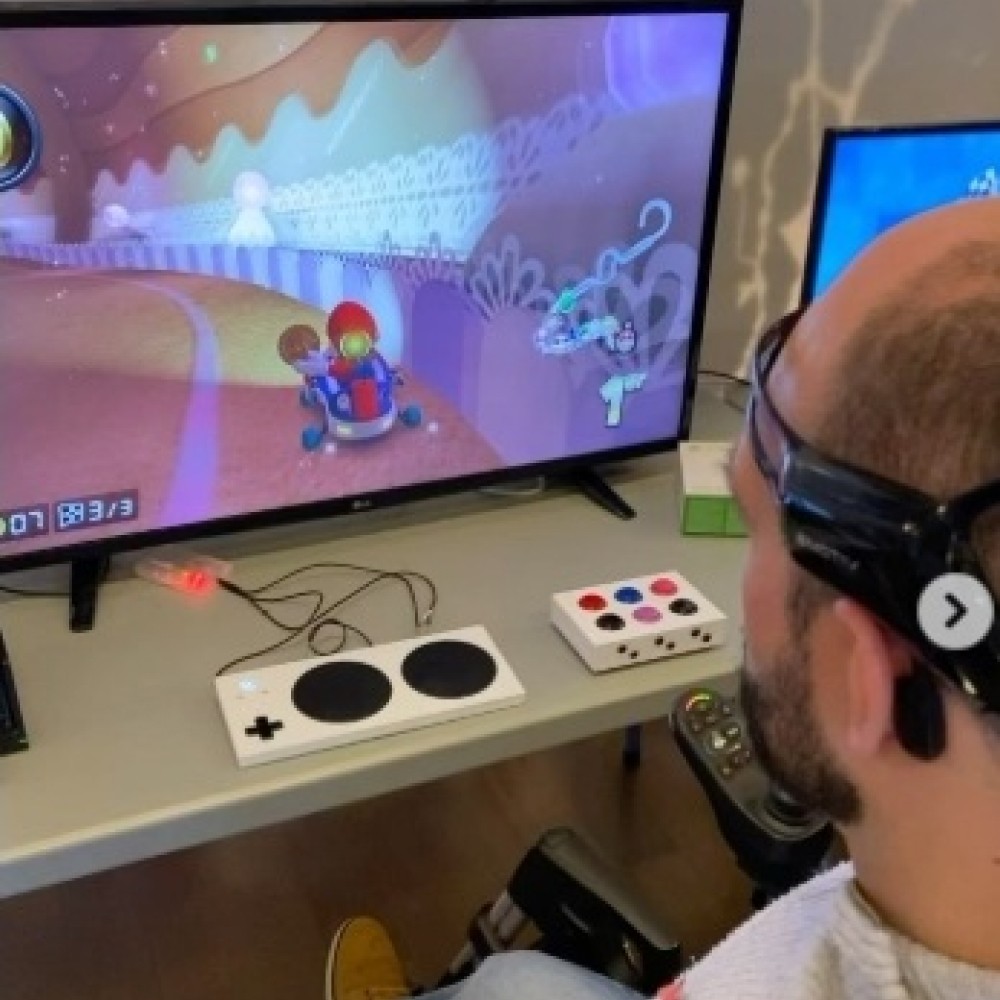
Continue reading