
6 Best Brainwave Sensor Headsets: Which Is for You?
Duong Tran
Updated on
Nov 25, 2025
6 Best Brainwave Sensor Headsets: Which Is for You?
Duong Tran
Updated on
Nov 25, 2025
6 Best Brainwave Sensor Headsets: Which Is for You?
Duong Tran
Updated on
Nov 25, 2025
Before you can find the right tool, you have to know what you’re building. The search for the best brainwave sensor headset shouldn’t start with comparing specs, but with a simple question: What do you want to achieve? A researcher needing high-density data for a neurological study has vastly different needs than a developer creating a simple BCI game or an individual exploring meditation aids. This guide is structured around that very idea. We will match different use cases—from academic research and neuromarketing to cognitive wellness—with the specific hardware features they require, empowering you to make a choice that directly serves your end goal.
Key Takeaways
Match the tech to your task: Your project’s goals should be your guide. A high-channel headset is essential for detailed academic research, while a simpler device might be perfect for a wellness application or an introductory BCI project.
Prioritize the software ecosystem: The best hardware is limited without powerful software. Look for a headset that comes with a robust suite of tools for data analysis and development, ensuring you can turn raw signals into actionable insights.
Be an informed and secure user: Understand that EEG measures broad patterns of brain activity, not the content of your thoughts. Always review a company’s data privacy policies to ensure your personal information is secure and you remain in control.
What Makes a Great Brainwave Headset?
Choosing the right brainwave headset feels a lot like picking a new team member. You need something reliable, easy to work with, and suited for the specific job you have in mind. Whether you’re conducting academic research, developing a new application, or exploring cognitive wellness tools, the hardware you choose is your foundation. But with so many options, what features actually make a difference? Let’s break down the four key things I always look for: signal quality, comfort, software integration, and practical features like battery life. These elements work together to ensure the data you collect is not only accurate but also easy to obtain and understand, which is the whole point, right?
Channels and Signal Quality: What Matters?
The number of channels on an EEG headset refers to the number of sensors collecting data from your scalp. Think of it like pixels in a picture—more channels can provide a more detailed and comprehensive view of brain activity across different regions. For simple applications, a headset with fewer channels, like our MN8 earbuds, might be all you need. However, for complex academic research and education, a device with more channels, like the 14-channel Epoc X or 32-channel Flex, will give you the rich, high-density data required for nuanced analysis. The goal is to find the right balance for your project, ensuring the signal quality is clean and robust enough for your specific needs.
Comfort: Can You Wear It All Day?
This might seem obvious, but if a headset isn’t comfortable, you simply won’t wear it for long enough to gather meaningful data. Comfort isn’t just a luxury; it’s critical for data integrity. An ill-fitting device can cause distraction or lead to frequent adjustments, which create noise in your data. Look for headsets with adjustable designs, lightweight materials, and sensor types that work for you. For example, our Flex Saline headset was designed with flexible arms to fit a wide range of head shapes and sizes, making it ideal for long sessions where consistent contact and comfort are essential.
Connecting Your Headset: Software and Data
A great headset is only half the equation. The software is what turns raw electrical signals from the brain into understandable data and insights. Without a powerful and intuitive software companion, even the best hardware is just collecting noise. Your headset should seamlessly connect with software that allows you to view, record, and analyze data in real-time. Our EmotivPRO software, for instance, lets you see not just the raw EEG feed but also performance metrics for stress, focus, and more. This software ecosystem is what makes the data accessible and actionable for researchers, developers, and wellness enthusiasts alike.
Staying Powered: Battery and Connectivity
Finally, let’s talk about the practical details that can make or break your experience. A long battery life is non-negotiable for studies that run for several hours or for personal use throughout the day. You don’t want your session cut short by a dead battery. Similarly, reliable wireless connectivity is crucial for ensuring a stable and uninterrupted data stream. A dropped connection means lost data points and potential frustration. When looking at a device like the Insight headset, features like its nine-hour battery life and wireless connection are key indicators of a device built for serious, uninterrupted use.
A Breakdown of Top Brainwave Headsets
Choosing the right brainwave headset feels a lot like picking the right tool for a job—what works for a quick home project isn’t what a professional would use on a major build. The world of EEG is similar, with a wide range of devices designed for very different purposes. Some headsets are built to capture incredibly detailed, high-density data for rigorous academic research, while others offer a more accessible entry point for developers, artists, or anyone curious about their own cognitive patterns. The key is to match the device’s capabilities, like its number of channels and sensor technology, to your specific goals. A higher channel count, for instance, provides more granular data from across the scalp, which is crucial for complex studies, whereas fewer channels might be perfect for an application focused on broader states like focus or relaxation.
In this breakdown, we’ll walk through some of the most popular options available today. We’ll cover the Emotiv lineup, which spans from our discreet MN8 earbuds to the comprehensive 32-channel Flex system, and also look at other well-known headsets in the space. For each one, we’ll explore what makes it unique, who it’s designed for, and the kinds of applications it excels at. Whether you’re a seasoned neuroscientist needing robust data for your next publication, a developer building a brain-computer interface, or just starting your journey with brain data, this guide will help you understand the landscape and find the headset that truly fits your project.
Emotiv Insight - 5 Channel EEG Headset
The Emotiv Insight is our versatile, 5-channel headset designed for accessibility without compromising on data quality. It uses semi-dry polymer sensors, which means you can get it set up and start collecting clean, reliable signals in just a few minutes—no saline solution needed. Its sleek, lightweight design and impressive 20-hour battery life make it a fantastic choice for a wide range of applications, from personal wellness exercises to user experience research and BCI development. If you’re looking for a balance of performance, comfort, and ease of use, the Insight is an excellent all-arounder that can grow with your projects.
Emotiv Epoc X - 14 Channel EEG Headset
When your work demands more detailed spatial resolution, the Epoc X is the next step up. This 14-channel headset is engineered for professional research and advanced BCI applications where high-quality data is paramount. The increased channel count provides broader brain coverage, allowing for more sophisticated analysis of cognitive and emotional states. It’s designed for a comfortable and secure fit during longer sessions, making it a trusted tool in labs and development studios around the world. For researchers and developers who need robust, research-grade data in a mobile form factor, the Epoc X delivers.
Emotiv Flex Saline - 32 Channel EEG Headset
For the most demanding research applications, the Emotiv Flex offers whole-brain coverage with its 32-channel cap. This is our most powerful system, providing the high-density data required for in-depth neurological studies and clinical-grade research. The Flex uses traditional saline-based sensors, a gold standard in neuroscience for achieving excellent signal quality. Its flexible cap design allows you to position sensors precisely according to standard layouts like the 10-20 system, giving you complete control over your experiment’s setup. It’s the go-to choice for neuroscientists who need comprehensive and reliable brain data for their work.
Emotiv MN8 - 2 Channel EEG Earbuds
The MN8 represents a new frontier in accessible brain-sensing technology. These 2-channel EEG earbuds are designed for everyday use, offering a discreet and portable way to engage with brain data. Because they fit just like regular earbuds, they integrate seamlessly into daily life, making them ideal for developers creating real-world applications or for individuals interested in tools for cognitive wellness. The two sensors are positioned to capture data related to attention and mental focus, providing valuable insights in a simple, user-friendly package. The MN8 is perfect for anyone looking for an easy entry point into the world of EEG.
NeuroSky MindWave Mobile 2
The NeuroSky MindWave Mobile 2 is a widely recognized entry-level headset, known for its affordability and simplicity. It features a single dry sensor that rests on the forehead, making it very easy to set up and use right out of the box. This device is often a starting point for students, hobbyists, and beginners who are curious about brainwaves and basic BCI concepts. While it doesn’t offer the multi-channel data of more advanced systems, its user-friendly approach makes it a popular choice for educational purposes, simple brain-powered games, and introductory projects in the BCI space.
InteraXon Muse S (Gen 2)
The InteraXon Muse S (Gen 2) is a headband specifically designed with meditation and sleep in mind. Its primary function is to provide real-time audio feedback based on your brain activity to help guide your mindfulness practice. The device uses multiple dry sensors embedded in a soft, flexible fabric band, which makes it comfortable enough to wear for extended periods, even overnight. This headband is geared toward consumers looking for a dedicated tool to support their meditation habits and understand their sleep patterns, translating brain data into guided experiences through its companion app.
How Much Should You Expect to Pay for a Brainwave Headset?
The price of a brainwave headset can range from around a hundred dollars to several thousand. What you’ll pay depends entirely on what you want to accomplish. The biggest factors influencing cost are the number of EEG channels, the quality of the data, and the sophistication of the software that comes with the device. A headset with more channels can gather data from more areas of the brain, giving you a more detailed picture of neural activity. This is crucial for projects that require high spatial resolution to pinpoint where brain activity is happening.
Think of it in three main tiers. At the entry-level, you’ll find devices perfect for getting started with brain-computer interfaces or for educational purposes. The mid-range is a sweet spot for developers, educators, and researchers who need reliable, high-quality data without the price tag of a clinical lab system. At the high end, you’ll find advanced systems designed for complex academic research and education, offering the highest channel counts and data resolution. It’s not just about the hardware; the software ecosystem is a huge part of the value, determining how you can access, analyze, and work with your brainwave data. A more expensive headset often comes with more powerful software tools for data analysis and application development.
Budget-Friendly Options ($100-$300)
In this price range, you’ll find great entry-level devices for beginners, students, and hobbyists. A popular example is the NeuroSky MindWave Mobile 2. Headsets in this category typically have a single EEG sensor and are designed for ease of use. They are excellent tools for learning the basics of EEG and experimenting with simple brain-computer interface applications. While they won’t provide the multi-channel data needed for serious research, they offer a fantastic and affordable way to start exploring brainwave technology and its possibilities.
The Professional Sweet Spot ($300-$800)
This mid-range tier is where performance and price find a perfect balance. It’s ideal for prosumers, developers, and researchers who need clean, dependable data for more involved projects. Our Emotiv Insight is a great example, offering 5 channels of high-resolution EEG data. Devices in this category give you access to more raw data and sophisticated performance metrics. They are versatile enough for a wide range of applications, from building BCI-powered applications to conducting user experience studies or providing access to cognitive wellness tools.
For Advanced Research: High-End Systems ($800+)
When your work demands the highest level of detail and precision, you’ll want to look at systems in the $800+ range. These headsets are built for advanced scientific research and complex commercial applications. For instance, our Epoc X headset provides 14 channels, while our Flex systems offer up to 32 channels for incredible spatial resolution. The investment here gets you professional-grade hardware capable of capturing nuanced brain activity, making these systems the go-to choice for university labs, neuromarketing studies, and cutting-edge BCI development.
What Do Users Actually Think?
It’s easy to get lost in technical specs like channel counts and sensor types. But what really matters is how these devices perform in the real world. What do actual users—researchers, developers, and wellness enthusiasts—say about their experience? We’ve looked at reviews, forum discussions, and studies to get a clear picture of what people love about modern EEG headsets and where they see room for growth. It comes down to three key areas: performance, comfort, and the software that brings the data to life.
Real-World Accuracy and Performance
EEG technology has come a long way from the lab. Devices are now smaller, smarter, and designed for everyday applications. Users appreciate that they can get clean, reliable signals without being tethered to bulky equipment. For example, our Emotiv Insight is often highlighted for its 5-channel system and semi-dry polymer sensors that deliver quality data suitable for both personal and professional projects. Of course, no consumer EEG device is perfect. Users note that getting the best results means learning how to properly fit the headset and minimize artifacts from muscle movements, like clenching your jaw. It’s a learning curve, but one that pays off in data quality.
How They Feel: Comfort for Daily Use
If a headset is uncomfortable, you simply won’t wear it long enough to gather meaningful data. This is a point users bring up again and again. Comfort isn’t just a luxury; it’s essential for data integrity, especially in studies where participant engagement is key. People look for lightweight designs, adjustable fits, and sensors that don’t cause irritation over time. We’ve seen that the most successful commercial EEG headsets are the ones you almost forget you’re wearing. This allows for longer, more natural data collection sessions whether you’re working, meditating, or conducting research.
The App Experience: What Users Say
The software experience is where the magic happens, but it’s also where users have the most feedback. People are excited about the potential of EEG, but they’re also wary of marketing hype. Some headlines can make it sound like these devices have superpowers, which sets unrealistic expectations. Users are quick to point out that these headsets aren’t reading your thoughts. Instead, they are sophisticated tools for measuring electrical activity in the brain. The best app experiences are those that are transparent about what the data means and provide clear, actionable insights without overpromising on what the technology can do.
Fact vs. Fiction: What EEG Headsets Can Really Do
The world of EEG can feel like something straight out of science fiction, and with that comes a lot of hype and misunderstanding. It’s easy to get lost in the headlines and big promises. So, let’s take a moment to ground ourselves in reality and talk about what today’s brainwave headsets can—and can’t—do. Understanding the technology’s true capabilities is the first step to using it effectively for your projects, whether you’re conducting research or exploring your own cognitive states.
Debunking Common Myths About Brain Data
The biggest myth about EEG is that it can read your mind. Let’s clear that up right away: EEG headsets measure the tiny electrical signals produced by your brain, not the thoughts themselves. Think of it like listening to an engine—you can tell if it’s revving high or idling, but you can’t know its destination. Similarly, EEG can detect broad patterns of activity, but it can’t decipher specific words or images in your head. Another common issue is that signals from muscle movements, like blinking or clenching your jaw, can create noise that gets mistaken for brain activity. That’s why data quality and proper interpretation are so important.
Setting Realistic Expectations for EEG
You’ve probably seen articles with exciting claims about hacking your brain or controlling games with a thought. While the technology is advancing quickly, it’s important to set realistic expectations. The field of brain-computer interfaces is making incredible progress, but it’s still an area of active development. A consumer EEG headset is a powerful sensor that gives you access to a new layer of data, not a magic helmet that grants you superpowers. Turning those electrical signals into a meaningful command or insight requires sophisticated software, clever algorithms, and a clear understanding of what you’re actually measuring.
What the Signals Can (and Can’t) Tell You
So, what can you actually learn from EEG signals? You can identify patterns associated with different mental states, like focus, relaxation, or excitement. For example, our software can translate these patterns into performance metrics that give you feedback on your cognitive state during a task. What it can’t do is pull specific, complex information out of your head like a password. While some lab studies have explored security vulnerabilities under controlled conditions, it’s not a practical, real-world threat for users. The data is most powerful when used to understand broad cognitive and emotional trends, providing valuable insights for academic research or personal wellness tools.
Matching the Headset to Your Project
Choosing the right EEG headset really comes down to what you want to accomplish. A device that’s perfect for a university research lab might be overkill for someone looking to explore meditation, and a simple consumer device won’t cut it for developing a complex brain-computer interface. The number of channels, the type of sensors, and the software you can use with it all play a huge role in getting the results you need.
Think of it like picking a camera. You wouldn’t use a giant professional studio camera to take casual vacation photos, right? The same logic applies here. Your project’s goals should be the primary driver of your decision. Let’s break down some common use cases to help you find the perfect match for your work, whether you’re conducting a formal study, building an application, or exploring a personal wellness routine.
For Cognitive Wellness and Meditation
If your goal is to build mindfulness or find tools for relaxation, comfort and ease of use are your top priorities. You’ll want a headset that you can put on quickly and wear without distraction. Devices made for this purpose, like our discreet MN8 earbuds, are designed for everyday life. They provide access to cognitive wellness tools that can help you understand your focus and stress levels. Look for headsets that pair with user-friendly apps, offering guided exercises and simple feedback on your mental states. The key is finding a device that fits so seamlessly into your routine that you’ll actually use it consistently.
For Academic Research and Education
When you’re diving into academic work, data quality is everything. You need a headset that gives you access to clean, raw EEG data so you can do the heavy lifting of signal processing and analysis yourself. For students and educators learning about brainwaves, a device like our Insight 5-channel headset is a great starting point. For more advanced academic research and education, the Epoc X 14-channel headset provides higher-density data that’s essential for publishing and serious experimentation. The goal is to find a system that delivers reliable, research-grade data without the complexity and cost of traditional lab equipment.
For Developing Brain-Computer Interfaces
As a developer, you need a headset that is both reliable and flexible. Building a brain-computer interface requires a device that can consistently detect subtle changes in cognitive and emotional states, like excitement or frustration. The Epoc X is a popular choice for developers because it provides high-resolution data and comes with a robust software development kit (SDK). This allows you to build applications that respond to a user’s mental commands or affective states in real time. The future of BCI is all about creating intuitive, AI-driven experiences, and that starts with having a solid hardware foundation to build upon.
For Neuromarketing and Consumer Insights
In neuromarketing, your insights are only as good as your data. You need a headset that can accurately capture a person’s unfiltered reactions to an ad, product, or experience. This means using a device with enough channels to provide detailed brain response data while minimizing artifacts from muscle movements. A multi-channel headset like the Epoc X or Flex is ideal for this kind of work. Capturing genuine consumer insights for neuromarketing helps you understand what truly resonates with an audience. It’s also important to consider how a person perceives the device, as that can influence their responses during a study.
Let’s Talk About Brainwave Data Privacy
As you explore the world of EEG headsets, it’s natural to wonder about the data you’re generating. Your brainwave data is personal, and you deserve to know how it’s handled. At Emotiv, we believe transparency is key. Choosing a headset isn’t just about the hardware; it’s about trusting the company behind it to protect your information. It’s a topic that can feel a bit technical, but understanding the basics will help you make a confident choice. We want you to feel secure and in control every step of the way.
This isn’t just about ticking a box on a privacy policy. It’s about a fundamental right to know what happens to your data, how it’s protected, and who has access to it. Whether you’re a researcher handling sensitive participant data, a developer building a new application, or someone exploring your own cognitive patterns, the integrity of that data is paramount. Let’s walk through what you should look for when it comes to data privacy and security, so you can focus on your project without a second thought about your information’s safety.
How Your Data Is Stored and Secured
When you use an EEG device, your brainwave data needs a safe place to live. Reputable companies use robust security measures to protect it from unauthorized access. Think of it like a digital fortress with multiple layers of defense, including encryption both when your data is traveling over the internet and when it’s stored on servers. This kind of terminal security protection is the industry standard for safeguarding sensitive information. Before you buy, always check the company’s security policies to ensure they’re taking these essential steps to keep your data safe.
Putting You in Control of Your Information
You should always be in the driver’s seat when it comes to your personal data. As neurotechnology becomes more accessible, the conversation around data privacy is becoming more important than ever. A trustworthy company will have a clear, easy-to-understand privacy policy that explains exactly what data is collected, how it’s used, and who it might be shared with. You should have the power to decide what you share and the ability to delete your data if you choose. Your information belongs to you, and you have the right to control it.
Privacy Standards: Professional vs. Consumer
It’s important to know that not all headsets are created equal when it comes to privacy. Professional and research-grade devices often adhere to stricter data handling protocols, partly because they’re used in academic and clinical settings with institutional oversight. The consumer market, however, is still developing its standards. There’s a growing call from researchers and advocates for a universal brainwave privacy standard to ensure all users are protected. As more consumer gadgets hit the market, this will be a critical step in building trust and ensuring ethical use of the technology.
Why Choose Emotiv?
After looking at some of the top headsets out there, you might be wondering what sets Emotiv apart. For over a decade, we’ve focused on making high-quality brain research accessible to everyone, from university labs to individual creators. We believe that understanding the brain shouldn’t be confined to multi-million dollar facilities. It’s about providing reliable tools that empower you to ask new questions and find your own answers. Our approach is built on robust hardware, a versatile software ecosystem, and powerful developer tools.
Our Approach to EEG Tech and Signal Processing
We believe that great insights start with great data. That’s why we’ve dedicated ourselves to designing EEG technology that provides high-quality, reliable brainwave data you can trust. Our headsets, like the Emotiv Insight, use innovative semi-dry polymer sensors to ensure you get clean and consistent signals. This focus on signal integrity is at the core of everything we build. Whether you’re conducting a formal study or exploring your own cognitive patterns, our hardware is engineered to provide a clear window into brain activity, giving you a solid foundation for your work.
A Look at Our Software Ecosystem
A headset is only as powerful as the software that supports it. We’ve built a comprehensive software ecosystem designed to meet you where you are. For those just starting, the Emotiv App offers a user-friendly way to visualize your brain data and access cognitive wellness tools. For serious academic or commercial research, EmotivPRO provides an advanced platform for data acquisition and analysis. This suite of tools allows you to go from raw EEG data to meaningful performance metrics, all within one integrated system, giving you the right software for the job.
Tools for Developers: Our SDK and APIs
For the builders and innovators, we provide the tools to bring your ideas to life. Our industry-leading SDK gives you the power to create your own applications using real-time brain data. We want to make it as straightforward as possible to integrate EEG technology into your projects, which is why we offer comprehensive resources for developers. Whether you’re building a brain-computer interface or a responsive art installation, our APIs and development kits are designed to be flexible and powerful. We handle the complex neuroscience so you can focus on creating.
Finding the Best Value on Your Headset
Getting the most for your money isn’t just about finding the lowest price tag. When it comes to a brainwave sensor headset, true value means getting the right technology for your specific goals without paying for features you don’t need. The great news is that as EEG technology becomes more widespread, the cost of these devices is going down, making them more accessible than ever.
Whether you’re a student on a budget, a researcher with a grant, or a developer building the next big thing, there are smart ways to invest in the right headset. It often comes down to knowing where to look and what to ask for. From buying directly from the source to finding package deals that include essential software, a little research can go a long way. Let’s walk through a few key strategies to help you find the best possible value on your new EEG headset.
The Perks of Buying Direct
One of the simplest ways to ensure you’re getting a great deal and an authentic product is to buy directly from the manufacturer. When you purchase from us, you’re not just getting a headset; you’re getting direct access to our support team, the latest hardware versions, and a full warranty. This eliminates any guesswork about whether you’re getting a genuine device. Plus, you can be confident you’re seeing the most current pricing and product information. Exploring the full range of our EEG headsets on our official site is the best first step to understanding your options straight from the source.
Discounts for Education and Research
If you’re a student, educator, or part of an academic research institution, you may be eligible for special pricing. We believe in supporting the next wave of scientific discovery, which is why we offer discounts to the academic community. EEG headsets can range from a few hundred to several thousand dollars, and the right one depends on your research goals. An educational discount can make a more advanced system with higher channel counts and better spatial resolution more attainable for your lab or classroom. It’s always a good idea to inquire about programs for academic research and education to see how you can make your budget stretch further.
Finding the Right Bundle or Software Deal
A headset is only as powerful as the software used to interpret its data. That’s why looking for a bundle can offer incredible value. Purchasing a headset packaged with a software subscription is often more cost-effective than buying each component separately. For example, pairing a headset like our Emotiv Insight with a subscription to EmotivPRO gives you a complete, ready-to-use system for data acquisition and analysis right out of the box. When you’re comparing prices, think about the total package. A slightly higher initial cost for a bundle can save you a lot of money and hassle down the road by providing the integrated tools you need to get started immediately.
Related Articles
Frequently Asked Questions
How many channels do I really need for my project? The number of channels you need depends entirely on your goal. For understanding broader cognitive states like focus or relaxation, or for building simple BCI applications, a headset with fewer channels like our Insight or MN8 earbuds is often perfect. If you’re conducting academic research where you need to see what’s happening in specific brain regions, you’ll want a headset with more channels, like the 14-channel Epoc X or 32-channel Flex, to get that detailed spatial resolution.
Do I need to use a special gel with these headsets? Not always! It depends on the sensor technology. Our Flex headset uses saline-based sensors, which is a traditional method in neuroscience for getting excellent signal quality. However, devices like our Insight headset use semi-dry polymer sensors that don’t require any saline solution, allowing for a much faster setup. This makes them great for applications where you need to get started quickly and easily.
Can I build my own applications with an Emotiv headset? Absolutely. We designed our systems with developers in mind. Our headsets come with a powerful software development kit (SDK) and APIs that give you access to real-time brain data. This allows you to create your own custom applications, from interactive art installations to new brain-computer interface controls. We provide the tools so you can focus on bringing your unique ideas to life.
Is the data from a portable headset accurate enough for real research? Yes, many of our headsets are specifically designed for the demands of academic and commercial research. Devices like the Epoc X and Flex are engineered to provide high-quality, research-grade data that you can rely on for your studies and publications. They offer a mobile and accessible alternative to traditional, bulky lab equipment without compromising on the integrity of the data you collect.
How is my brainwave data kept private? We take data privacy very seriously. Your brainwave data is protected using strong security measures, including encryption when it’s being transmitted and when it’s stored. Our privacy policy is designed to be clear and transparent, explaining how your data is handled. Most importantly, you are always in control of your information and have the right to decide what you share.
Before you can find the right tool, you have to know what you’re building. The search for the best brainwave sensor headset shouldn’t start with comparing specs, but with a simple question: What do you want to achieve? A researcher needing high-density data for a neurological study has vastly different needs than a developer creating a simple BCI game or an individual exploring meditation aids. This guide is structured around that very idea. We will match different use cases—from academic research and neuromarketing to cognitive wellness—with the specific hardware features they require, empowering you to make a choice that directly serves your end goal.
Key Takeaways
Match the tech to your task: Your project’s goals should be your guide. A high-channel headset is essential for detailed academic research, while a simpler device might be perfect for a wellness application or an introductory BCI project.
Prioritize the software ecosystem: The best hardware is limited without powerful software. Look for a headset that comes with a robust suite of tools for data analysis and development, ensuring you can turn raw signals into actionable insights.
Be an informed and secure user: Understand that EEG measures broad patterns of brain activity, not the content of your thoughts. Always review a company’s data privacy policies to ensure your personal information is secure and you remain in control.
What Makes a Great Brainwave Headset?
Choosing the right brainwave headset feels a lot like picking a new team member. You need something reliable, easy to work with, and suited for the specific job you have in mind. Whether you’re conducting academic research, developing a new application, or exploring cognitive wellness tools, the hardware you choose is your foundation. But with so many options, what features actually make a difference? Let’s break down the four key things I always look for: signal quality, comfort, software integration, and practical features like battery life. These elements work together to ensure the data you collect is not only accurate but also easy to obtain and understand, which is the whole point, right?
Channels and Signal Quality: What Matters?
The number of channels on an EEG headset refers to the number of sensors collecting data from your scalp. Think of it like pixels in a picture—more channels can provide a more detailed and comprehensive view of brain activity across different regions. For simple applications, a headset with fewer channels, like our MN8 earbuds, might be all you need. However, for complex academic research and education, a device with more channels, like the 14-channel Epoc X or 32-channel Flex, will give you the rich, high-density data required for nuanced analysis. The goal is to find the right balance for your project, ensuring the signal quality is clean and robust enough for your specific needs.
Comfort: Can You Wear It All Day?
This might seem obvious, but if a headset isn’t comfortable, you simply won’t wear it for long enough to gather meaningful data. Comfort isn’t just a luxury; it’s critical for data integrity. An ill-fitting device can cause distraction or lead to frequent adjustments, which create noise in your data. Look for headsets with adjustable designs, lightweight materials, and sensor types that work for you. For example, our Flex Saline headset was designed with flexible arms to fit a wide range of head shapes and sizes, making it ideal for long sessions where consistent contact and comfort are essential.
Connecting Your Headset: Software and Data
A great headset is only half the equation. The software is what turns raw electrical signals from the brain into understandable data and insights. Without a powerful and intuitive software companion, even the best hardware is just collecting noise. Your headset should seamlessly connect with software that allows you to view, record, and analyze data in real-time. Our EmotivPRO software, for instance, lets you see not just the raw EEG feed but also performance metrics for stress, focus, and more. This software ecosystem is what makes the data accessible and actionable for researchers, developers, and wellness enthusiasts alike.
Staying Powered: Battery and Connectivity
Finally, let’s talk about the practical details that can make or break your experience. A long battery life is non-negotiable for studies that run for several hours or for personal use throughout the day. You don’t want your session cut short by a dead battery. Similarly, reliable wireless connectivity is crucial for ensuring a stable and uninterrupted data stream. A dropped connection means lost data points and potential frustration. When looking at a device like the Insight headset, features like its nine-hour battery life and wireless connection are key indicators of a device built for serious, uninterrupted use.
A Breakdown of Top Brainwave Headsets
Choosing the right brainwave headset feels a lot like picking the right tool for a job—what works for a quick home project isn’t what a professional would use on a major build. The world of EEG is similar, with a wide range of devices designed for very different purposes. Some headsets are built to capture incredibly detailed, high-density data for rigorous academic research, while others offer a more accessible entry point for developers, artists, or anyone curious about their own cognitive patterns. The key is to match the device’s capabilities, like its number of channels and sensor technology, to your specific goals. A higher channel count, for instance, provides more granular data from across the scalp, which is crucial for complex studies, whereas fewer channels might be perfect for an application focused on broader states like focus or relaxation.
In this breakdown, we’ll walk through some of the most popular options available today. We’ll cover the Emotiv lineup, which spans from our discreet MN8 earbuds to the comprehensive 32-channel Flex system, and also look at other well-known headsets in the space. For each one, we’ll explore what makes it unique, who it’s designed for, and the kinds of applications it excels at. Whether you’re a seasoned neuroscientist needing robust data for your next publication, a developer building a brain-computer interface, or just starting your journey with brain data, this guide will help you understand the landscape and find the headset that truly fits your project.
Emotiv Insight - 5 Channel EEG Headset
The Emotiv Insight is our versatile, 5-channel headset designed for accessibility without compromising on data quality. It uses semi-dry polymer sensors, which means you can get it set up and start collecting clean, reliable signals in just a few minutes—no saline solution needed. Its sleek, lightweight design and impressive 20-hour battery life make it a fantastic choice for a wide range of applications, from personal wellness exercises to user experience research and BCI development. If you’re looking for a balance of performance, comfort, and ease of use, the Insight is an excellent all-arounder that can grow with your projects.
Emotiv Epoc X - 14 Channel EEG Headset
When your work demands more detailed spatial resolution, the Epoc X is the next step up. This 14-channel headset is engineered for professional research and advanced BCI applications where high-quality data is paramount. The increased channel count provides broader brain coverage, allowing for more sophisticated analysis of cognitive and emotional states. It’s designed for a comfortable and secure fit during longer sessions, making it a trusted tool in labs and development studios around the world. For researchers and developers who need robust, research-grade data in a mobile form factor, the Epoc X delivers.
Emotiv Flex Saline - 32 Channel EEG Headset
For the most demanding research applications, the Emotiv Flex offers whole-brain coverage with its 32-channel cap. This is our most powerful system, providing the high-density data required for in-depth neurological studies and clinical-grade research. The Flex uses traditional saline-based sensors, a gold standard in neuroscience for achieving excellent signal quality. Its flexible cap design allows you to position sensors precisely according to standard layouts like the 10-20 system, giving you complete control over your experiment’s setup. It’s the go-to choice for neuroscientists who need comprehensive and reliable brain data for their work.
Emotiv MN8 - 2 Channel EEG Earbuds
The MN8 represents a new frontier in accessible brain-sensing technology. These 2-channel EEG earbuds are designed for everyday use, offering a discreet and portable way to engage with brain data. Because they fit just like regular earbuds, they integrate seamlessly into daily life, making them ideal for developers creating real-world applications or for individuals interested in tools for cognitive wellness. The two sensors are positioned to capture data related to attention and mental focus, providing valuable insights in a simple, user-friendly package. The MN8 is perfect for anyone looking for an easy entry point into the world of EEG.
NeuroSky MindWave Mobile 2
The NeuroSky MindWave Mobile 2 is a widely recognized entry-level headset, known for its affordability and simplicity. It features a single dry sensor that rests on the forehead, making it very easy to set up and use right out of the box. This device is often a starting point for students, hobbyists, and beginners who are curious about brainwaves and basic BCI concepts. While it doesn’t offer the multi-channel data of more advanced systems, its user-friendly approach makes it a popular choice for educational purposes, simple brain-powered games, and introductory projects in the BCI space.
InteraXon Muse S (Gen 2)
The InteraXon Muse S (Gen 2) is a headband specifically designed with meditation and sleep in mind. Its primary function is to provide real-time audio feedback based on your brain activity to help guide your mindfulness practice. The device uses multiple dry sensors embedded in a soft, flexible fabric band, which makes it comfortable enough to wear for extended periods, even overnight. This headband is geared toward consumers looking for a dedicated tool to support their meditation habits and understand their sleep patterns, translating brain data into guided experiences through its companion app.
How Much Should You Expect to Pay for a Brainwave Headset?
The price of a brainwave headset can range from around a hundred dollars to several thousand. What you’ll pay depends entirely on what you want to accomplish. The biggest factors influencing cost are the number of EEG channels, the quality of the data, and the sophistication of the software that comes with the device. A headset with more channels can gather data from more areas of the brain, giving you a more detailed picture of neural activity. This is crucial for projects that require high spatial resolution to pinpoint where brain activity is happening.
Think of it in three main tiers. At the entry-level, you’ll find devices perfect for getting started with brain-computer interfaces or for educational purposes. The mid-range is a sweet spot for developers, educators, and researchers who need reliable, high-quality data without the price tag of a clinical lab system. At the high end, you’ll find advanced systems designed for complex academic research and education, offering the highest channel counts and data resolution. It’s not just about the hardware; the software ecosystem is a huge part of the value, determining how you can access, analyze, and work with your brainwave data. A more expensive headset often comes with more powerful software tools for data analysis and application development.
Budget-Friendly Options ($100-$300)
In this price range, you’ll find great entry-level devices for beginners, students, and hobbyists. A popular example is the NeuroSky MindWave Mobile 2. Headsets in this category typically have a single EEG sensor and are designed for ease of use. They are excellent tools for learning the basics of EEG and experimenting with simple brain-computer interface applications. While they won’t provide the multi-channel data needed for serious research, they offer a fantastic and affordable way to start exploring brainwave technology and its possibilities.
The Professional Sweet Spot ($300-$800)
This mid-range tier is where performance and price find a perfect balance. It’s ideal for prosumers, developers, and researchers who need clean, dependable data for more involved projects. Our Emotiv Insight is a great example, offering 5 channels of high-resolution EEG data. Devices in this category give you access to more raw data and sophisticated performance metrics. They are versatile enough for a wide range of applications, from building BCI-powered applications to conducting user experience studies or providing access to cognitive wellness tools.
For Advanced Research: High-End Systems ($800+)
When your work demands the highest level of detail and precision, you’ll want to look at systems in the $800+ range. These headsets are built for advanced scientific research and complex commercial applications. For instance, our Epoc X headset provides 14 channels, while our Flex systems offer up to 32 channels for incredible spatial resolution. The investment here gets you professional-grade hardware capable of capturing nuanced brain activity, making these systems the go-to choice for university labs, neuromarketing studies, and cutting-edge BCI development.
What Do Users Actually Think?
It’s easy to get lost in technical specs like channel counts and sensor types. But what really matters is how these devices perform in the real world. What do actual users—researchers, developers, and wellness enthusiasts—say about their experience? We’ve looked at reviews, forum discussions, and studies to get a clear picture of what people love about modern EEG headsets and where they see room for growth. It comes down to three key areas: performance, comfort, and the software that brings the data to life.
Real-World Accuracy and Performance
EEG technology has come a long way from the lab. Devices are now smaller, smarter, and designed for everyday applications. Users appreciate that they can get clean, reliable signals without being tethered to bulky equipment. For example, our Emotiv Insight is often highlighted for its 5-channel system and semi-dry polymer sensors that deliver quality data suitable for both personal and professional projects. Of course, no consumer EEG device is perfect. Users note that getting the best results means learning how to properly fit the headset and minimize artifacts from muscle movements, like clenching your jaw. It’s a learning curve, but one that pays off in data quality.
How They Feel: Comfort for Daily Use
If a headset is uncomfortable, you simply won’t wear it long enough to gather meaningful data. This is a point users bring up again and again. Comfort isn’t just a luxury; it’s essential for data integrity, especially in studies where participant engagement is key. People look for lightweight designs, adjustable fits, and sensors that don’t cause irritation over time. We’ve seen that the most successful commercial EEG headsets are the ones you almost forget you’re wearing. This allows for longer, more natural data collection sessions whether you’re working, meditating, or conducting research.
The App Experience: What Users Say
The software experience is where the magic happens, but it’s also where users have the most feedback. People are excited about the potential of EEG, but they’re also wary of marketing hype. Some headlines can make it sound like these devices have superpowers, which sets unrealistic expectations. Users are quick to point out that these headsets aren’t reading your thoughts. Instead, they are sophisticated tools for measuring electrical activity in the brain. The best app experiences are those that are transparent about what the data means and provide clear, actionable insights without overpromising on what the technology can do.
Fact vs. Fiction: What EEG Headsets Can Really Do
The world of EEG can feel like something straight out of science fiction, and with that comes a lot of hype and misunderstanding. It’s easy to get lost in the headlines and big promises. So, let’s take a moment to ground ourselves in reality and talk about what today’s brainwave headsets can—and can’t—do. Understanding the technology’s true capabilities is the first step to using it effectively for your projects, whether you’re conducting research or exploring your own cognitive states.
Debunking Common Myths About Brain Data
The biggest myth about EEG is that it can read your mind. Let’s clear that up right away: EEG headsets measure the tiny electrical signals produced by your brain, not the thoughts themselves. Think of it like listening to an engine—you can tell if it’s revving high or idling, but you can’t know its destination. Similarly, EEG can detect broad patterns of activity, but it can’t decipher specific words or images in your head. Another common issue is that signals from muscle movements, like blinking or clenching your jaw, can create noise that gets mistaken for brain activity. That’s why data quality and proper interpretation are so important.
Setting Realistic Expectations for EEG
You’ve probably seen articles with exciting claims about hacking your brain or controlling games with a thought. While the technology is advancing quickly, it’s important to set realistic expectations. The field of brain-computer interfaces is making incredible progress, but it’s still an area of active development. A consumer EEG headset is a powerful sensor that gives you access to a new layer of data, not a magic helmet that grants you superpowers. Turning those electrical signals into a meaningful command or insight requires sophisticated software, clever algorithms, and a clear understanding of what you’re actually measuring.
What the Signals Can (and Can’t) Tell You
So, what can you actually learn from EEG signals? You can identify patterns associated with different mental states, like focus, relaxation, or excitement. For example, our software can translate these patterns into performance metrics that give you feedback on your cognitive state during a task. What it can’t do is pull specific, complex information out of your head like a password. While some lab studies have explored security vulnerabilities under controlled conditions, it’s not a practical, real-world threat for users. The data is most powerful when used to understand broad cognitive and emotional trends, providing valuable insights for academic research or personal wellness tools.
Matching the Headset to Your Project
Choosing the right EEG headset really comes down to what you want to accomplish. A device that’s perfect for a university research lab might be overkill for someone looking to explore meditation, and a simple consumer device won’t cut it for developing a complex brain-computer interface. The number of channels, the type of sensors, and the software you can use with it all play a huge role in getting the results you need.
Think of it like picking a camera. You wouldn’t use a giant professional studio camera to take casual vacation photos, right? The same logic applies here. Your project’s goals should be the primary driver of your decision. Let’s break down some common use cases to help you find the perfect match for your work, whether you’re conducting a formal study, building an application, or exploring a personal wellness routine.
For Cognitive Wellness and Meditation
If your goal is to build mindfulness or find tools for relaxation, comfort and ease of use are your top priorities. You’ll want a headset that you can put on quickly and wear without distraction. Devices made for this purpose, like our discreet MN8 earbuds, are designed for everyday life. They provide access to cognitive wellness tools that can help you understand your focus and stress levels. Look for headsets that pair with user-friendly apps, offering guided exercises and simple feedback on your mental states. The key is finding a device that fits so seamlessly into your routine that you’ll actually use it consistently.
For Academic Research and Education
When you’re diving into academic work, data quality is everything. You need a headset that gives you access to clean, raw EEG data so you can do the heavy lifting of signal processing and analysis yourself. For students and educators learning about brainwaves, a device like our Insight 5-channel headset is a great starting point. For more advanced academic research and education, the Epoc X 14-channel headset provides higher-density data that’s essential for publishing and serious experimentation. The goal is to find a system that delivers reliable, research-grade data without the complexity and cost of traditional lab equipment.
For Developing Brain-Computer Interfaces
As a developer, you need a headset that is both reliable and flexible. Building a brain-computer interface requires a device that can consistently detect subtle changes in cognitive and emotional states, like excitement or frustration. The Epoc X is a popular choice for developers because it provides high-resolution data and comes with a robust software development kit (SDK). This allows you to build applications that respond to a user’s mental commands or affective states in real time. The future of BCI is all about creating intuitive, AI-driven experiences, and that starts with having a solid hardware foundation to build upon.
For Neuromarketing and Consumer Insights
In neuromarketing, your insights are only as good as your data. You need a headset that can accurately capture a person’s unfiltered reactions to an ad, product, or experience. This means using a device with enough channels to provide detailed brain response data while minimizing artifacts from muscle movements. A multi-channel headset like the Epoc X or Flex is ideal for this kind of work. Capturing genuine consumer insights for neuromarketing helps you understand what truly resonates with an audience. It’s also important to consider how a person perceives the device, as that can influence their responses during a study.
Let’s Talk About Brainwave Data Privacy
As you explore the world of EEG headsets, it’s natural to wonder about the data you’re generating. Your brainwave data is personal, and you deserve to know how it’s handled. At Emotiv, we believe transparency is key. Choosing a headset isn’t just about the hardware; it’s about trusting the company behind it to protect your information. It’s a topic that can feel a bit technical, but understanding the basics will help you make a confident choice. We want you to feel secure and in control every step of the way.
This isn’t just about ticking a box on a privacy policy. It’s about a fundamental right to know what happens to your data, how it’s protected, and who has access to it. Whether you’re a researcher handling sensitive participant data, a developer building a new application, or someone exploring your own cognitive patterns, the integrity of that data is paramount. Let’s walk through what you should look for when it comes to data privacy and security, so you can focus on your project without a second thought about your information’s safety.
How Your Data Is Stored and Secured
When you use an EEG device, your brainwave data needs a safe place to live. Reputable companies use robust security measures to protect it from unauthorized access. Think of it like a digital fortress with multiple layers of defense, including encryption both when your data is traveling over the internet and when it’s stored on servers. This kind of terminal security protection is the industry standard for safeguarding sensitive information. Before you buy, always check the company’s security policies to ensure they’re taking these essential steps to keep your data safe.
Putting You in Control of Your Information
You should always be in the driver’s seat when it comes to your personal data. As neurotechnology becomes more accessible, the conversation around data privacy is becoming more important than ever. A trustworthy company will have a clear, easy-to-understand privacy policy that explains exactly what data is collected, how it’s used, and who it might be shared with. You should have the power to decide what you share and the ability to delete your data if you choose. Your information belongs to you, and you have the right to control it.
Privacy Standards: Professional vs. Consumer
It’s important to know that not all headsets are created equal when it comes to privacy. Professional and research-grade devices often adhere to stricter data handling protocols, partly because they’re used in academic and clinical settings with institutional oversight. The consumer market, however, is still developing its standards. There’s a growing call from researchers and advocates for a universal brainwave privacy standard to ensure all users are protected. As more consumer gadgets hit the market, this will be a critical step in building trust and ensuring ethical use of the technology.
Why Choose Emotiv?
After looking at some of the top headsets out there, you might be wondering what sets Emotiv apart. For over a decade, we’ve focused on making high-quality brain research accessible to everyone, from university labs to individual creators. We believe that understanding the brain shouldn’t be confined to multi-million dollar facilities. It’s about providing reliable tools that empower you to ask new questions and find your own answers. Our approach is built on robust hardware, a versatile software ecosystem, and powerful developer tools.
Our Approach to EEG Tech and Signal Processing
We believe that great insights start with great data. That’s why we’ve dedicated ourselves to designing EEG technology that provides high-quality, reliable brainwave data you can trust. Our headsets, like the Emotiv Insight, use innovative semi-dry polymer sensors to ensure you get clean and consistent signals. This focus on signal integrity is at the core of everything we build. Whether you’re conducting a formal study or exploring your own cognitive patterns, our hardware is engineered to provide a clear window into brain activity, giving you a solid foundation for your work.
A Look at Our Software Ecosystem
A headset is only as powerful as the software that supports it. We’ve built a comprehensive software ecosystem designed to meet you where you are. For those just starting, the Emotiv App offers a user-friendly way to visualize your brain data and access cognitive wellness tools. For serious academic or commercial research, EmotivPRO provides an advanced platform for data acquisition and analysis. This suite of tools allows you to go from raw EEG data to meaningful performance metrics, all within one integrated system, giving you the right software for the job.
Tools for Developers: Our SDK and APIs
For the builders and innovators, we provide the tools to bring your ideas to life. Our industry-leading SDK gives you the power to create your own applications using real-time brain data. We want to make it as straightforward as possible to integrate EEG technology into your projects, which is why we offer comprehensive resources for developers. Whether you’re building a brain-computer interface or a responsive art installation, our APIs and development kits are designed to be flexible and powerful. We handle the complex neuroscience so you can focus on creating.
Finding the Best Value on Your Headset
Getting the most for your money isn’t just about finding the lowest price tag. When it comes to a brainwave sensor headset, true value means getting the right technology for your specific goals without paying for features you don’t need. The great news is that as EEG technology becomes more widespread, the cost of these devices is going down, making them more accessible than ever.
Whether you’re a student on a budget, a researcher with a grant, or a developer building the next big thing, there are smart ways to invest in the right headset. It often comes down to knowing where to look and what to ask for. From buying directly from the source to finding package deals that include essential software, a little research can go a long way. Let’s walk through a few key strategies to help you find the best possible value on your new EEG headset.
The Perks of Buying Direct
One of the simplest ways to ensure you’re getting a great deal and an authentic product is to buy directly from the manufacturer. When you purchase from us, you’re not just getting a headset; you’re getting direct access to our support team, the latest hardware versions, and a full warranty. This eliminates any guesswork about whether you’re getting a genuine device. Plus, you can be confident you’re seeing the most current pricing and product information. Exploring the full range of our EEG headsets on our official site is the best first step to understanding your options straight from the source.
Discounts for Education and Research
If you’re a student, educator, or part of an academic research institution, you may be eligible for special pricing. We believe in supporting the next wave of scientific discovery, which is why we offer discounts to the academic community. EEG headsets can range from a few hundred to several thousand dollars, and the right one depends on your research goals. An educational discount can make a more advanced system with higher channel counts and better spatial resolution more attainable for your lab or classroom. It’s always a good idea to inquire about programs for academic research and education to see how you can make your budget stretch further.
Finding the Right Bundle or Software Deal
A headset is only as powerful as the software used to interpret its data. That’s why looking for a bundle can offer incredible value. Purchasing a headset packaged with a software subscription is often more cost-effective than buying each component separately. For example, pairing a headset like our Emotiv Insight with a subscription to EmotivPRO gives you a complete, ready-to-use system for data acquisition and analysis right out of the box. When you’re comparing prices, think about the total package. A slightly higher initial cost for a bundle can save you a lot of money and hassle down the road by providing the integrated tools you need to get started immediately.
Related Articles
Frequently Asked Questions
How many channels do I really need for my project? The number of channels you need depends entirely on your goal. For understanding broader cognitive states like focus or relaxation, or for building simple BCI applications, a headset with fewer channels like our Insight or MN8 earbuds is often perfect. If you’re conducting academic research where you need to see what’s happening in specific brain regions, you’ll want a headset with more channels, like the 14-channel Epoc X or 32-channel Flex, to get that detailed spatial resolution.
Do I need to use a special gel with these headsets? Not always! It depends on the sensor technology. Our Flex headset uses saline-based sensors, which is a traditional method in neuroscience for getting excellent signal quality. However, devices like our Insight headset use semi-dry polymer sensors that don’t require any saline solution, allowing for a much faster setup. This makes them great for applications where you need to get started quickly and easily.
Can I build my own applications with an Emotiv headset? Absolutely. We designed our systems with developers in mind. Our headsets come with a powerful software development kit (SDK) and APIs that give you access to real-time brain data. This allows you to create your own custom applications, from interactive art installations to new brain-computer interface controls. We provide the tools so you can focus on bringing your unique ideas to life.
Is the data from a portable headset accurate enough for real research? Yes, many of our headsets are specifically designed for the demands of academic and commercial research. Devices like the Epoc X and Flex are engineered to provide high-quality, research-grade data that you can rely on for your studies and publications. They offer a mobile and accessible alternative to traditional, bulky lab equipment without compromising on the integrity of the data you collect.
How is my brainwave data kept private? We take data privacy very seriously. Your brainwave data is protected using strong security measures, including encryption when it’s being transmitted and when it’s stored. Our privacy policy is designed to be clear and transparent, explaining how your data is handled. Most importantly, you are always in control of your information and have the right to decide what you share.
Before you can find the right tool, you have to know what you’re building. The search for the best brainwave sensor headset shouldn’t start with comparing specs, but with a simple question: What do you want to achieve? A researcher needing high-density data for a neurological study has vastly different needs than a developer creating a simple BCI game or an individual exploring meditation aids. This guide is structured around that very idea. We will match different use cases—from academic research and neuromarketing to cognitive wellness—with the specific hardware features they require, empowering you to make a choice that directly serves your end goal.
Key Takeaways
Match the tech to your task: Your project’s goals should be your guide. A high-channel headset is essential for detailed academic research, while a simpler device might be perfect for a wellness application or an introductory BCI project.
Prioritize the software ecosystem: The best hardware is limited without powerful software. Look for a headset that comes with a robust suite of tools for data analysis and development, ensuring you can turn raw signals into actionable insights.
Be an informed and secure user: Understand that EEG measures broad patterns of brain activity, not the content of your thoughts. Always review a company’s data privacy policies to ensure your personal information is secure and you remain in control.
What Makes a Great Brainwave Headset?
Choosing the right brainwave headset feels a lot like picking a new team member. You need something reliable, easy to work with, and suited for the specific job you have in mind. Whether you’re conducting academic research, developing a new application, or exploring cognitive wellness tools, the hardware you choose is your foundation. But with so many options, what features actually make a difference? Let’s break down the four key things I always look for: signal quality, comfort, software integration, and practical features like battery life. These elements work together to ensure the data you collect is not only accurate but also easy to obtain and understand, which is the whole point, right?
Channels and Signal Quality: What Matters?
The number of channels on an EEG headset refers to the number of sensors collecting data from your scalp. Think of it like pixels in a picture—more channels can provide a more detailed and comprehensive view of brain activity across different regions. For simple applications, a headset with fewer channels, like our MN8 earbuds, might be all you need. However, for complex academic research and education, a device with more channels, like the 14-channel Epoc X or 32-channel Flex, will give you the rich, high-density data required for nuanced analysis. The goal is to find the right balance for your project, ensuring the signal quality is clean and robust enough for your specific needs.
Comfort: Can You Wear It All Day?
This might seem obvious, but if a headset isn’t comfortable, you simply won’t wear it for long enough to gather meaningful data. Comfort isn’t just a luxury; it’s critical for data integrity. An ill-fitting device can cause distraction or lead to frequent adjustments, which create noise in your data. Look for headsets with adjustable designs, lightweight materials, and sensor types that work for you. For example, our Flex Saline headset was designed with flexible arms to fit a wide range of head shapes and sizes, making it ideal for long sessions where consistent contact and comfort are essential.
Connecting Your Headset: Software and Data
A great headset is only half the equation. The software is what turns raw electrical signals from the brain into understandable data and insights. Without a powerful and intuitive software companion, even the best hardware is just collecting noise. Your headset should seamlessly connect with software that allows you to view, record, and analyze data in real-time. Our EmotivPRO software, for instance, lets you see not just the raw EEG feed but also performance metrics for stress, focus, and more. This software ecosystem is what makes the data accessible and actionable for researchers, developers, and wellness enthusiasts alike.
Staying Powered: Battery and Connectivity
Finally, let’s talk about the practical details that can make or break your experience. A long battery life is non-negotiable for studies that run for several hours or for personal use throughout the day. You don’t want your session cut short by a dead battery. Similarly, reliable wireless connectivity is crucial for ensuring a stable and uninterrupted data stream. A dropped connection means lost data points and potential frustration. When looking at a device like the Insight headset, features like its nine-hour battery life and wireless connection are key indicators of a device built for serious, uninterrupted use.
A Breakdown of Top Brainwave Headsets
Choosing the right brainwave headset feels a lot like picking the right tool for a job—what works for a quick home project isn’t what a professional would use on a major build. The world of EEG is similar, with a wide range of devices designed for very different purposes. Some headsets are built to capture incredibly detailed, high-density data for rigorous academic research, while others offer a more accessible entry point for developers, artists, or anyone curious about their own cognitive patterns. The key is to match the device’s capabilities, like its number of channels and sensor technology, to your specific goals. A higher channel count, for instance, provides more granular data from across the scalp, which is crucial for complex studies, whereas fewer channels might be perfect for an application focused on broader states like focus or relaxation.
In this breakdown, we’ll walk through some of the most popular options available today. We’ll cover the Emotiv lineup, which spans from our discreet MN8 earbuds to the comprehensive 32-channel Flex system, and also look at other well-known headsets in the space. For each one, we’ll explore what makes it unique, who it’s designed for, and the kinds of applications it excels at. Whether you’re a seasoned neuroscientist needing robust data for your next publication, a developer building a brain-computer interface, or just starting your journey with brain data, this guide will help you understand the landscape and find the headset that truly fits your project.
Emotiv Insight - 5 Channel EEG Headset
The Emotiv Insight is our versatile, 5-channel headset designed for accessibility without compromising on data quality. It uses semi-dry polymer sensors, which means you can get it set up and start collecting clean, reliable signals in just a few minutes—no saline solution needed. Its sleek, lightweight design and impressive 20-hour battery life make it a fantastic choice for a wide range of applications, from personal wellness exercises to user experience research and BCI development. If you’re looking for a balance of performance, comfort, and ease of use, the Insight is an excellent all-arounder that can grow with your projects.
Emotiv Epoc X - 14 Channel EEG Headset
When your work demands more detailed spatial resolution, the Epoc X is the next step up. This 14-channel headset is engineered for professional research and advanced BCI applications where high-quality data is paramount. The increased channel count provides broader brain coverage, allowing for more sophisticated analysis of cognitive and emotional states. It’s designed for a comfortable and secure fit during longer sessions, making it a trusted tool in labs and development studios around the world. For researchers and developers who need robust, research-grade data in a mobile form factor, the Epoc X delivers.
Emotiv Flex Saline - 32 Channel EEG Headset
For the most demanding research applications, the Emotiv Flex offers whole-brain coverage with its 32-channel cap. This is our most powerful system, providing the high-density data required for in-depth neurological studies and clinical-grade research. The Flex uses traditional saline-based sensors, a gold standard in neuroscience for achieving excellent signal quality. Its flexible cap design allows you to position sensors precisely according to standard layouts like the 10-20 system, giving you complete control over your experiment’s setup. It’s the go-to choice for neuroscientists who need comprehensive and reliable brain data for their work.
Emotiv MN8 - 2 Channel EEG Earbuds
The MN8 represents a new frontier in accessible brain-sensing technology. These 2-channel EEG earbuds are designed for everyday use, offering a discreet and portable way to engage with brain data. Because they fit just like regular earbuds, they integrate seamlessly into daily life, making them ideal for developers creating real-world applications or for individuals interested in tools for cognitive wellness. The two sensors are positioned to capture data related to attention and mental focus, providing valuable insights in a simple, user-friendly package. The MN8 is perfect for anyone looking for an easy entry point into the world of EEG.
NeuroSky MindWave Mobile 2
The NeuroSky MindWave Mobile 2 is a widely recognized entry-level headset, known for its affordability and simplicity. It features a single dry sensor that rests on the forehead, making it very easy to set up and use right out of the box. This device is often a starting point for students, hobbyists, and beginners who are curious about brainwaves and basic BCI concepts. While it doesn’t offer the multi-channel data of more advanced systems, its user-friendly approach makes it a popular choice for educational purposes, simple brain-powered games, and introductory projects in the BCI space.
InteraXon Muse S (Gen 2)
The InteraXon Muse S (Gen 2) is a headband specifically designed with meditation and sleep in mind. Its primary function is to provide real-time audio feedback based on your brain activity to help guide your mindfulness practice. The device uses multiple dry sensors embedded in a soft, flexible fabric band, which makes it comfortable enough to wear for extended periods, even overnight. This headband is geared toward consumers looking for a dedicated tool to support their meditation habits and understand their sleep patterns, translating brain data into guided experiences through its companion app.
How Much Should You Expect to Pay for a Brainwave Headset?
The price of a brainwave headset can range from around a hundred dollars to several thousand. What you’ll pay depends entirely on what you want to accomplish. The biggest factors influencing cost are the number of EEG channels, the quality of the data, and the sophistication of the software that comes with the device. A headset with more channels can gather data from more areas of the brain, giving you a more detailed picture of neural activity. This is crucial for projects that require high spatial resolution to pinpoint where brain activity is happening.
Think of it in three main tiers. At the entry-level, you’ll find devices perfect for getting started with brain-computer interfaces or for educational purposes. The mid-range is a sweet spot for developers, educators, and researchers who need reliable, high-quality data without the price tag of a clinical lab system. At the high end, you’ll find advanced systems designed for complex academic research and education, offering the highest channel counts and data resolution. It’s not just about the hardware; the software ecosystem is a huge part of the value, determining how you can access, analyze, and work with your brainwave data. A more expensive headset often comes with more powerful software tools for data analysis and application development.
Budget-Friendly Options ($100-$300)
In this price range, you’ll find great entry-level devices for beginners, students, and hobbyists. A popular example is the NeuroSky MindWave Mobile 2. Headsets in this category typically have a single EEG sensor and are designed for ease of use. They are excellent tools for learning the basics of EEG and experimenting with simple brain-computer interface applications. While they won’t provide the multi-channel data needed for serious research, they offer a fantastic and affordable way to start exploring brainwave technology and its possibilities.
The Professional Sweet Spot ($300-$800)
This mid-range tier is where performance and price find a perfect balance. It’s ideal for prosumers, developers, and researchers who need clean, dependable data for more involved projects. Our Emotiv Insight is a great example, offering 5 channels of high-resolution EEG data. Devices in this category give you access to more raw data and sophisticated performance metrics. They are versatile enough for a wide range of applications, from building BCI-powered applications to conducting user experience studies or providing access to cognitive wellness tools.
For Advanced Research: High-End Systems ($800+)
When your work demands the highest level of detail and precision, you’ll want to look at systems in the $800+ range. These headsets are built for advanced scientific research and complex commercial applications. For instance, our Epoc X headset provides 14 channels, while our Flex systems offer up to 32 channels for incredible spatial resolution. The investment here gets you professional-grade hardware capable of capturing nuanced brain activity, making these systems the go-to choice for university labs, neuromarketing studies, and cutting-edge BCI development.
What Do Users Actually Think?
It’s easy to get lost in technical specs like channel counts and sensor types. But what really matters is how these devices perform in the real world. What do actual users—researchers, developers, and wellness enthusiasts—say about their experience? We’ve looked at reviews, forum discussions, and studies to get a clear picture of what people love about modern EEG headsets and where they see room for growth. It comes down to three key areas: performance, comfort, and the software that brings the data to life.
Real-World Accuracy and Performance
EEG technology has come a long way from the lab. Devices are now smaller, smarter, and designed for everyday applications. Users appreciate that they can get clean, reliable signals without being tethered to bulky equipment. For example, our Emotiv Insight is often highlighted for its 5-channel system and semi-dry polymer sensors that deliver quality data suitable for both personal and professional projects. Of course, no consumer EEG device is perfect. Users note that getting the best results means learning how to properly fit the headset and minimize artifacts from muscle movements, like clenching your jaw. It’s a learning curve, but one that pays off in data quality.
How They Feel: Comfort for Daily Use
If a headset is uncomfortable, you simply won’t wear it long enough to gather meaningful data. This is a point users bring up again and again. Comfort isn’t just a luxury; it’s essential for data integrity, especially in studies where participant engagement is key. People look for lightweight designs, adjustable fits, and sensors that don’t cause irritation over time. We’ve seen that the most successful commercial EEG headsets are the ones you almost forget you’re wearing. This allows for longer, more natural data collection sessions whether you’re working, meditating, or conducting research.
The App Experience: What Users Say
The software experience is where the magic happens, but it’s also where users have the most feedback. People are excited about the potential of EEG, but they’re also wary of marketing hype. Some headlines can make it sound like these devices have superpowers, which sets unrealistic expectations. Users are quick to point out that these headsets aren’t reading your thoughts. Instead, they are sophisticated tools for measuring electrical activity in the brain. The best app experiences are those that are transparent about what the data means and provide clear, actionable insights without overpromising on what the technology can do.
Fact vs. Fiction: What EEG Headsets Can Really Do
The world of EEG can feel like something straight out of science fiction, and with that comes a lot of hype and misunderstanding. It’s easy to get lost in the headlines and big promises. So, let’s take a moment to ground ourselves in reality and talk about what today’s brainwave headsets can—and can’t—do. Understanding the technology’s true capabilities is the first step to using it effectively for your projects, whether you’re conducting research or exploring your own cognitive states.
Debunking Common Myths About Brain Data
The biggest myth about EEG is that it can read your mind. Let’s clear that up right away: EEG headsets measure the tiny electrical signals produced by your brain, not the thoughts themselves. Think of it like listening to an engine—you can tell if it’s revving high or idling, but you can’t know its destination. Similarly, EEG can detect broad patterns of activity, but it can’t decipher specific words or images in your head. Another common issue is that signals from muscle movements, like blinking or clenching your jaw, can create noise that gets mistaken for brain activity. That’s why data quality and proper interpretation are so important.
Setting Realistic Expectations for EEG
You’ve probably seen articles with exciting claims about hacking your brain or controlling games with a thought. While the technology is advancing quickly, it’s important to set realistic expectations. The field of brain-computer interfaces is making incredible progress, but it’s still an area of active development. A consumer EEG headset is a powerful sensor that gives you access to a new layer of data, not a magic helmet that grants you superpowers. Turning those electrical signals into a meaningful command or insight requires sophisticated software, clever algorithms, and a clear understanding of what you’re actually measuring.
What the Signals Can (and Can’t) Tell You
So, what can you actually learn from EEG signals? You can identify patterns associated with different mental states, like focus, relaxation, or excitement. For example, our software can translate these patterns into performance metrics that give you feedback on your cognitive state during a task. What it can’t do is pull specific, complex information out of your head like a password. While some lab studies have explored security vulnerabilities under controlled conditions, it’s not a practical, real-world threat for users. The data is most powerful when used to understand broad cognitive and emotional trends, providing valuable insights for academic research or personal wellness tools.
Matching the Headset to Your Project
Choosing the right EEG headset really comes down to what you want to accomplish. A device that’s perfect for a university research lab might be overkill for someone looking to explore meditation, and a simple consumer device won’t cut it for developing a complex brain-computer interface. The number of channels, the type of sensors, and the software you can use with it all play a huge role in getting the results you need.
Think of it like picking a camera. You wouldn’t use a giant professional studio camera to take casual vacation photos, right? The same logic applies here. Your project’s goals should be the primary driver of your decision. Let’s break down some common use cases to help you find the perfect match for your work, whether you’re conducting a formal study, building an application, or exploring a personal wellness routine.
For Cognitive Wellness and Meditation
If your goal is to build mindfulness or find tools for relaxation, comfort and ease of use are your top priorities. You’ll want a headset that you can put on quickly and wear without distraction. Devices made for this purpose, like our discreet MN8 earbuds, are designed for everyday life. They provide access to cognitive wellness tools that can help you understand your focus and stress levels. Look for headsets that pair with user-friendly apps, offering guided exercises and simple feedback on your mental states. The key is finding a device that fits so seamlessly into your routine that you’ll actually use it consistently.
For Academic Research and Education
When you’re diving into academic work, data quality is everything. You need a headset that gives you access to clean, raw EEG data so you can do the heavy lifting of signal processing and analysis yourself. For students and educators learning about brainwaves, a device like our Insight 5-channel headset is a great starting point. For more advanced academic research and education, the Epoc X 14-channel headset provides higher-density data that’s essential for publishing and serious experimentation. The goal is to find a system that delivers reliable, research-grade data without the complexity and cost of traditional lab equipment.
For Developing Brain-Computer Interfaces
As a developer, you need a headset that is both reliable and flexible. Building a brain-computer interface requires a device that can consistently detect subtle changes in cognitive and emotional states, like excitement or frustration. The Epoc X is a popular choice for developers because it provides high-resolution data and comes with a robust software development kit (SDK). This allows you to build applications that respond to a user’s mental commands or affective states in real time. The future of BCI is all about creating intuitive, AI-driven experiences, and that starts with having a solid hardware foundation to build upon.
For Neuromarketing and Consumer Insights
In neuromarketing, your insights are only as good as your data. You need a headset that can accurately capture a person’s unfiltered reactions to an ad, product, or experience. This means using a device with enough channels to provide detailed brain response data while minimizing artifacts from muscle movements. A multi-channel headset like the Epoc X or Flex is ideal for this kind of work. Capturing genuine consumer insights for neuromarketing helps you understand what truly resonates with an audience. It’s also important to consider how a person perceives the device, as that can influence their responses during a study.
Let’s Talk About Brainwave Data Privacy
As you explore the world of EEG headsets, it’s natural to wonder about the data you’re generating. Your brainwave data is personal, and you deserve to know how it’s handled. At Emotiv, we believe transparency is key. Choosing a headset isn’t just about the hardware; it’s about trusting the company behind it to protect your information. It’s a topic that can feel a bit technical, but understanding the basics will help you make a confident choice. We want you to feel secure and in control every step of the way.
This isn’t just about ticking a box on a privacy policy. It’s about a fundamental right to know what happens to your data, how it’s protected, and who has access to it. Whether you’re a researcher handling sensitive participant data, a developer building a new application, or someone exploring your own cognitive patterns, the integrity of that data is paramount. Let’s walk through what you should look for when it comes to data privacy and security, so you can focus on your project without a second thought about your information’s safety.
How Your Data Is Stored and Secured
When you use an EEG device, your brainwave data needs a safe place to live. Reputable companies use robust security measures to protect it from unauthorized access. Think of it like a digital fortress with multiple layers of defense, including encryption both when your data is traveling over the internet and when it’s stored on servers. This kind of terminal security protection is the industry standard for safeguarding sensitive information. Before you buy, always check the company’s security policies to ensure they’re taking these essential steps to keep your data safe.
Putting You in Control of Your Information
You should always be in the driver’s seat when it comes to your personal data. As neurotechnology becomes more accessible, the conversation around data privacy is becoming more important than ever. A trustworthy company will have a clear, easy-to-understand privacy policy that explains exactly what data is collected, how it’s used, and who it might be shared with. You should have the power to decide what you share and the ability to delete your data if you choose. Your information belongs to you, and you have the right to control it.
Privacy Standards: Professional vs. Consumer
It’s important to know that not all headsets are created equal when it comes to privacy. Professional and research-grade devices often adhere to stricter data handling protocols, partly because they’re used in academic and clinical settings with institutional oversight. The consumer market, however, is still developing its standards. There’s a growing call from researchers and advocates for a universal brainwave privacy standard to ensure all users are protected. As more consumer gadgets hit the market, this will be a critical step in building trust and ensuring ethical use of the technology.
Why Choose Emotiv?
After looking at some of the top headsets out there, you might be wondering what sets Emotiv apart. For over a decade, we’ve focused on making high-quality brain research accessible to everyone, from university labs to individual creators. We believe that understanding the brain shouldn’t be confined to multi-million dollar facilities. It’s about providing reliable tools that empower you to ask new questions and find your own answers. Our approach is built on robust hardware, a versatile software ecosystem, and powerful developer tools.
Our Approach to EEG Tech and Signal Processing
We believe that great insights start with great data. That’s why we’ve dedicated ourselves to designing EEG technology that provides high-quality, reliable brainwave data you can trust. Our headsets, like the Emotiv Insight, use innovative semi-dry polymer sensors to ensure you get clean and consistent signals. This focus on signal integrity is at the core of everything we build. Whether you’re conducting a formal study or exploring your own cognitive patterns, our hardware is engineered to provide a clear window into brain activity, giving you a solid foundation for your work.
A Look at Our Software Ecosystem
A headset is only as powerful as the software that supports it. We’ve built a comprehensive software ecosystem designed to meet you where you are. For those just starting, the Emotiv App offers a user-friendly way to visualize your brain data and access cognitive wellness tools. For serious academic or commercial research, EmotivPRO provides an advanced platform for data acquisition and analysis. This suite of tools allows you to go from raw EEG data to meaningful performance metrics, all within one integrated system, giving you the right software for the job.
Tools for Developers: Our SDK and APIs
For the builders and innovators, we provide the tools to bring your ideas to life. Our industry-leading SDK gives you the power to create your own applications using real-time brain data. We want to make it as straightforward as possible to integrate EEG technology into your projects, which is why we offer comprehensive resources for developers. Whether you’re building a brain-computer interface or a responsive art installation, our APIs and development kits are designed to be flexible and powerful. We handle the complex neuroscience so you can focus on creating.
Finding the Best Value on Your Headset
Getting the most for your money isn’t just about finding the lowest price tag. When it comes to a brainwave sensor headset, true value means getting the right technology for your specific goals without paying for features you don’t need. The great news is that as EEG technology becomes more widespread, the cost of these devices is going down, making them more accessible than ever.
Whether you’re a student on a budget, a researcher with a grant, or a developer building the next big thing, there are smart ways to invest in the right headset. It often comes down to knowing where to look and what to ask for. From buying directly from the source to finding package deals that include essential software, a little research can go a long way. Let’s walk through a few key strategies to help you find the best possible value on your new EEG headset.
The Perks of Buying Direct
One of the simplest ways to ensure you’re getting a great deal and an authentic product is to buy directly from the manufacturer. When you purchase from us, you’re not just getting a headset; you’re getting direct access to our support team, the latest hardware versions, and a full warranty. This eliminates any guesswork about whether you’re getting a genuine device. Plus, you can be confident you’re seeing the most current pricing and product information. Exploring the full range of our EEG headsets on our official site is the best first step to understanding your options straight from the source.
Discounts for Education and Research
If you’re a student, educator, or part of an academic research institution, you may be eligible for special pricing. We believe in supporting the next wave of scientific discovery, which is why we offer discounts to the academic community. EEG headsets can range from a few hundred to several thousand dollars, and the right one depends on your research goals. An educational discount can make a more advanced system with higher channel counts and better spatial resolution more attainable for your lab or classroom. It’s always a good idea to inquire about programs for academic research and education to see how you can make your budget stretch further.
Finding the Right Bundle or Software Deal
A headset is only as powerful as the software used to interpret its data. That’s why looking for a bundle can offer incredible value. Purchasing a headset packaged with a software subscription is often more cost-effective than buying each component separately. For example, pairing a headset like our Emotiv Insight with a subscription to EmotivPRO gives you a complete, ready-to-use system for data acquisition and analysis right out of the box. When you’re comparing prices, think about the total package. A slightly higher initial cost for a bundle can save you a lot of money and hassle down the road by providing the integrated tools you need to get started immediately.
Related Articles
Frequently Asked Questions
How many channels do I really need for my project? The number of channels you need depends entirely on your goal. For understanding broader cognitive states like focus or relaxation, or for building simple BCI applications, a headset with fewer channels like our Insight or MN8 earbuds is often perfect. If you’re conducting academic research where you need to see what’s happening in specific brain regions, you’ll want a headset with more channels, like the 14-channel Epoc X or 32-channel Flex, to get that detailed spatial resolution.
Do I need to use a special gel with these headsets? Not always! It depends on the sensor technology. Our Flex headset uses saline-based sensors, which is a traditional method in neuroscience for getting excellent signal quality. However, devices like our Insight headset use semi-dry polymer sensors that don’t require any saline solution, allowing for a much faster setup. This makes them great for applications where you need to get started quickly and easily.
Can I build my own applications with an Emotiv headset? Absolutely. We designed our systems with developers in mind. Our headsets come with a powerful software development kit (SDK) and APIs that give you access to real-time brain data. This allows you to create your own custom applications, from interactive art installations to new brain-computer interface controls. We provide the tools so you can focus on bringing your unique ideas to life.
Is the data from a portable headset accurate enough for real research? Yes, many of our headsets are specifically designed for the demands of academic and commercial research. Devices like the Epoc X and Flex are engineered to provide high-quality, research-grade data that you can rely on for your studies and publications. They offer a mobile and accessible alternative to traditional, bulky lab equipment without compromising on the integrity of the data you collect.
How is my brainwave data kept private? We take data privacy very seriously. Your brainwave data is protected using strong security measures, including encryption when it’s being transmitted and when it’s stored. Our privacy policy is designed to be clear and transparent, explaining how your data is handled. Most importantly, you are always in control of your information and have the right to decide what you share.
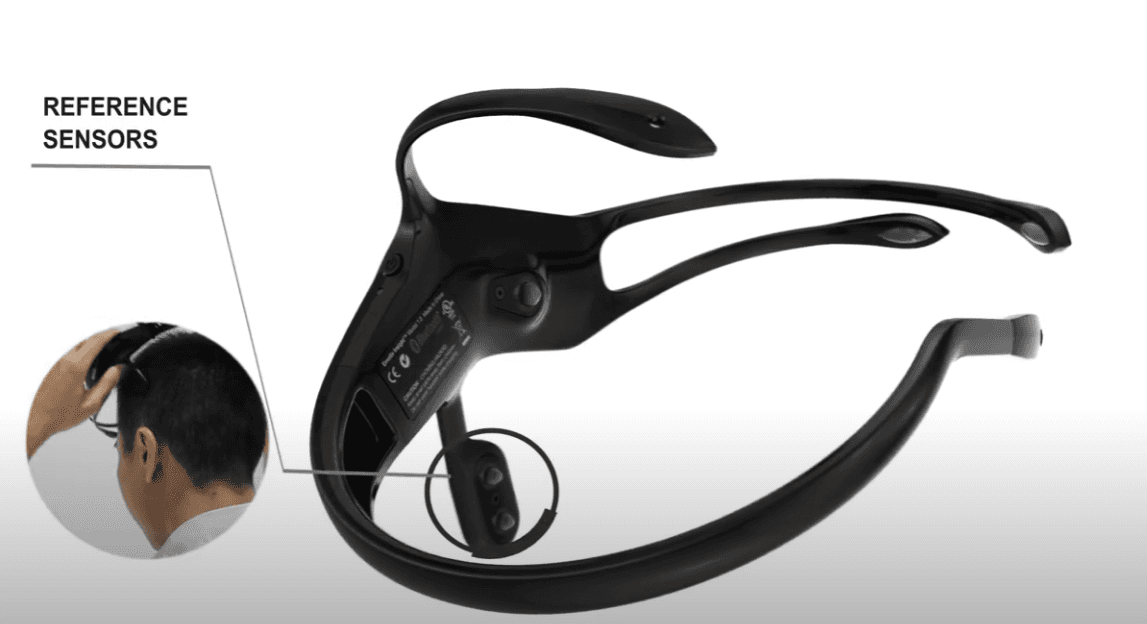
Continue reading