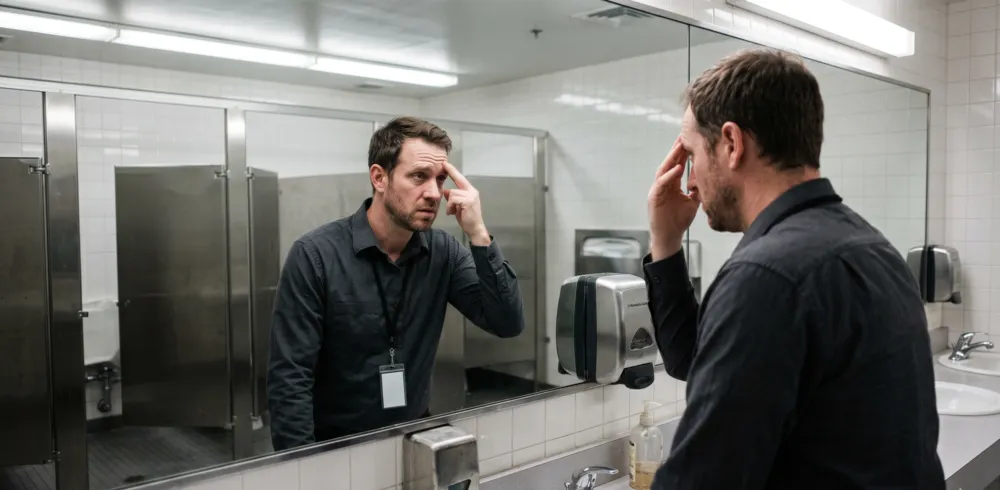
Many people struggle with insomnia, finding it hard to get the sleep they need. It's more than just a bad night's sleep; it can really mess with your day-to-day life.
This article looks into what insomnia is, why it happens, and ways to deal with it. We'll cover different types, common causes, and what you can do to get better rest.

Key Takeaways
Insomnia disorder involves ongoing trouble falling or staying asleep, impacting daily function.
There are different types of insomnia, including rare genetic forms and more common types.
Causes of insomnia can range from lifestyle factors and stress to hormonal changes, especially in females.
Symptoms of insomnia go beyond just not sleeping, affecting mood, concentration, and overall health.
Effective treatments for insomnia include therapy like CBT-I and, in some cases, medication, focusing on changing behaviors and thoughts related to sleep.
What is Insomnia Disorder and How It Affects Sleep
Insomnia disorder is a common condition characterized by persistent difficulties with falling asleep, staying asleep, or experiencing non-restorative sleep, despite adequate opportunities for sleep. This sleep disturbance significantly impacts daytime functioning as it's a persistent problem that affects overall health and well-being.
Millions of adults experience symptoms of insomnia, yet a substantial portion do not receive a formal diagnosis or appropriate treatment. This can lead to a cycle of poor sleep and daytime impairment.
The effects of insomnia disorder can be far-reaching. In the short term, individuals may experience fatigue, irritability, and difficulty concentrating. There's also an increased risk of accidents, particularly while driving.
Over time, chronic insomnia can contribute to more serious health issues. These can include a weakened immune system, a higher risk of cardiovascular problems, and the development or worsening of mental health conditions like depression and anxiety. Weight gain and metabolic disturbances are also associated with long-term sleep deprivation.
Moreover, insomnia often coexists with other health conditions. It can make managing chronic pain more difficult, complicate the treatment of conditions such as diabetes and high blood pressure, and is frequently seen alongside other sleeping disorders like sleep apnea.
Key impacts of insomnia disorder include:
Daytime fatigue and low energy levels.
Mood disturbances, such as irritability and increased susceptibility to stress.
Cognitive difficulties, including problems with attention, memory, and decision-making.
Reduced performance in work or academic settings.
Increased risk of accidents and injuries.
Potential for developing or exacerbating other medical and mental health conditions.
Types of Insomnia and Clinical Classification
Clinicians often categorize insomnia to better understand its nature and guide treatment. Broadly, insomnia can be classified as either acute (short-term) or chronic (long-term), based on its duration. However, there are also more specific classifications that highlight unique presentations of the disorder.
Fatal Familial Insomnia
This is an extremely rare, inherited prion disease that affects the thalamus, a part of the brain. It is characterized by a progressive inability to sleep, leading to severe physical and mental deterioration.
Fatal Familial Insomnia is invariably fatal, with a typical duration of 7 to 36 months from symptom onset to death. Due to its rarity and genetic nature, it is distinct from more common forms of insomnia.
Sporadic Familial Insomnia
Similar to Fatal Familial Insomnia, this type also involves a genetic component but is not inherited in a straightforward Mendelian pattern. It presents with a range of sleep disturbances, often including insomnia, but may also involve other neurological symptoms. The progression and severity can vary.
Paradoxical Insomnia
Also known as sleep state misperception, paradoxical insomnia is a condition where individuals report significant difficulty sleeping, yet objective sleep studies (like polysomnography) show they are actually sleeping for a normal or near-normal amount of time.
People with this condition often feel unrefreshed despite what their sleep data indicates. It's a subjective experience where the perception of sleep is disturbed, rather than the sleep itself being objectively absent or severely fragmented.
What Causes Insomnia
Insomnia can stem from a variety of factors, making its origins complex and multifaceted. While occasional sleeplessness, known as acute insomnia, often resolves on its own, persistent difficulties, termed chronic insomnia, can significantly impact daily functioning and overall health.
Is Insomnia Genetic?
While not all insomnia is directly inherited, genetic predispositions can play a role in an individual's susceptibility to sleep disturbances. Some rare, severe forms of insomnia, such as Fatal Familial Insomnia, are directly linked to genetic mutations.
However, for more common types of insomnia, genetics might interact with environmental factors to influence sleep patterns. Research continues to explore the intricate relationship between our genes and our ability to achieve restful sleep.
Causes of Insomnia in Females and Common Hormonal Factors
Females may experience insomnia due to a unique interplay of hormonal fluctuations and life stages. Conditions like early pregnancy insomnia are common, often linked to discomfort, anxiety, and hormonal shifts. Menopause also frequently brings about sleep disturbances due to changes in estrogen and progesterone levels.
Beyond these specific stages, stress, anxiety, and depression are significant contributors to insomnia in all individuals, but societal pressures and biological factors can sometimes amplify these issues in women.
Additionally, certain medical conditions and medications can disrupt sleep. It's important to note that insomnia can also be a symptom of other underlying health issues, and a proper diagnosis is key to addressing the root cause.
Common contributing factors to insomnia include:
Psychological Factors: Stress, anxiety, depression, and worry about sleep itself.
Lifestyle Factors: Irregular sleep schedules, excessive caffeine or alcohol intake, lack of physical activity, and exposure to screens before bed.
Medical Conditions: Chronic pain, respiratory problems, neurological disorders, and hormonal imbalances.
Environmental Factors: A noisy or poorly lit bedroom, uncomfortable sleeping temperatures, and disruptive travel schedules.
Insomnia Symptoms and How They Show Up Day to Day
People experiencing insomnia often report persistent difficulties with falling asleep, staying asleep throughout the night, or waking up much earlier than intended, even when given ample opportunity for rest. The consequences frequently spill over into the daytime, impacting mood, energy levels, and cognitive function.
How do you know if you have insomnia? Beyond the obvious sleep struggles, several daytime symptoms can indicate its presence. These might include feeling excessively tired or fatigued, experiencing a lack of energy, and having trouble concentrating or remembering things.
Irritability, mood swings, and a general feeling of being unwell are also common. Some individuals may also notice an increased tendency to make mistakes or a reduced ability to perform tasks efficiently.
In order to detect insomnia, clinicians may use the Insomnia Daytime Symptoms and Impacts Questionnaire (IDSIQ) to assess how insomnia affects a person's alertness, cognition, and mood during the day, providing a more complete picture of the disorder's impact.
Insomnia Treatments and Evidence-Based Options
Insomnia Therapies and First-Line Approaches
When addressing insomnia, the primary recommendation often involves non-pharmacological strategies. Cognitive behavioral therapy for insomnia (CBT-I) stands out as a leading approach, recognized for its effectiveness in managing chronic sleep difficulties. CBT-I works by targeting the thoughts and behaviors that disrupt sleep. It typically includes several components:
Cognitive Therapy: This part helps people identify and change unhelpful beliefs and attitudes about sleep.
Stimulus Control: This technique aims to strengthen the association between the bed and sleep, encouraging individuals to go to bed only when sleepy and leave the bed if unable to sleep.
Sleep Restriction: This involves limiting time spent in bed to increase sleep efficiency, gradually increasing time in bed as sleep improves.
Sleep Hygiene Education: This component provides guidance on habits and environmental factors that promote better sleep.
Relaxation Therapy: Techniques such as deep breathing, progressive muscle relaxation, or mindfulness are taught to reduce physical and mental tension before sleep.
CBT-I has demonstrated significant and lasting improvements in sleep quality, often showing results within a few weeks and continuing to benefit individuals long after treatment concludes.
Beyond CBT-I, other therapies may be considered. Some individuals explore natural remedies for insomnia, such as herbal supplements like valerian root or chamomile, though scientific evidence for their widespread efficacy can be mixed.
Moreover, practices like acupuncture or light therapy are also explored by some, particularly if underlying circadian rhythm issues are suspected. These complementary approaches should ideally be discussed with a healthcare provider.
Insomnia Medications and Key Considerations
While behavioral therapies are often the first line of treatment, medication can play a role, particularly for short-term relief or when other methods haven't been sufficient. There are various types of meds for insomnia, including prescription options and over-the-counter drugs for insomnia.
Over-the-counter options, often containing antihistamines like diphenhydramine, can offer temporary help for occasional sleeplessness but are not recommended for long-term use due to potential side effects and diminishing effectiveness. Prescription medications, which may include benzodiazepines, non-benzodiazepine hypnotics, melatonin receptor agonists, or newer orexin receptor antagonists, are available but require careful medical supervision.
These medications can have side effects and carry risks, including dependence or rebound insomnia upon discontinuation. It is important to note that medications generally address the symptom of sleeplessness rather than the root causes of insomnia. Therefore, they are often most effective when used in conjunction with behavioral interventions like CBT-I.
Moving Forward: Your Path to Restful Sleep
Overcoming insomnia is a process, not an overnight fix. The neuroscience-based strategies discussed, from understanding how our thoughts affect sleep to adjusting daily habits, offer a roadmap. It’s important to remember that progress might not be linear. Some nights will be better than others, and that’s okay.
The key is consistent effort and a willingness to adapt your approach. By focusing on changing your relationship with sleep and letting go of the struggle, you can gradually improve your sleep quality.
References
Benjafield, A. V., Sert Kuniyoshi, F. H., Malhotra, A., Martin, J. L., Morin, C. M., Maurer, L. F., Cistulli, P. A., Pépin, J. L., Wickwire, E. M., & medXcloud group (2025). Estimation of the global prevalence and burden of insomnia: a systematic literature review-based analysis. Sleep medicine reviews, 82, 102121\. https://doi.org/10.1016/j.smrv.2025.102121
Salame, A., Mathew, S., Bhanu, C., Bazo-Alvarez, J. C., Bhamra, S. K., Heinrich, M., ... & Frost, R. (2025). Over-the-counter products for insomnia in adults: A scoping review of randomised controlled trials. Sleep Medicine. https://doi.org/10.1016/j.sleep.2025.02.027
Rezaie, L., Fobian, A. D., McCall, W. V., & Khazaie, H. (2018). Paradoxical insomnia and subjective–objective sleep discrepancy: A review. Sleep medicine reviews, 40, 196-202. https://doi.org/10.1016/j.smrv.2018.01.002
Sehgal, A., & Mignot, E. (2011). Genetics of sleep and sleep disorders. Cell, 146(2), 194–207. https://doi.org/10.1016/j.cell.2011.07.004
Hudgens, S., Phillips-Beyer, A., Newton, L., Seboek Kinter, D., & Benes, H. (2021). Development and Validation of the Insomnia Daytime Symptoms and Impacts Questionnaire (IDSIQ). The patient, 14(2), 249–268. https://doi.org/10.1007/s40271-020-00474-z
Frequently Asked Questions
What exactly is insomnia?
Insomnia is when you have a hard time falling asleep, staying asleep, or both, even when you have the chance to get enough rest. It's not just about having one bad night; it can affect you regularly and make it tough to get through your day.
Can genetics play a role in insomnia?
Yes, sometimes. While many things can cause insomnia, research suggests that genes can make some people more likely to develop it. This means it can sometimes run in families.
Are there different kinds of insomnia?
There are indeed. Insomnia can be short-term, often called acute insomnia, which usually goes away on its own. Then there's chronic insomnia, which lasts for three months or more and needs more attention.
What are some common signs of insomnia during the day?
When you don't get enough sleep, you might feel tired, have trouble focusing, be more easily annoyed, or even feel sleepy during the day. These daily struggles are signs that your sleep might be suffering.
Is it true that worrying about sleep can make insomnia worse?
Absolutely. The more you worry about not sleeping, the more awake and anxious you tend to become. This worry can create a cycle where trying too hard to sleep actually prevents you from sleeping.
What is Cognitive Behavioral Therapy for Insomnia (CBT-I)?
CBT-I is a popular and effective treatment for insomnia. It involves changing the thoughts and behaviors that get in the way of good sleep. It often includes things like learning to relax, setting a regular sleep schedule, and changing how you think about sleep.
Can medication help with insomnia?
Yes, medications can be an option, but they are usually considered after other treatments like CBT-I. It's important to talk to a doctor about the pros and cons, as they can have side effects and aren't always a long-term solution.
How can I start improving my sleep tonight?
Try to create a relaxing bedtime routine, make sure your bedroom is dark and quiet, and avoid screens before bed. Also, try not to stress too much if you don't fall asleep right away; sometimes, letting go of the pressure can help.
Emotiv is a neurotechnology leader helping advance neuroscience research through accessible EEG and brain data tools.
Emotiv