Figuring out if someone has bipolar disorder is not always straightforward. There isn't one simple blood test or scan that says 'yes' or 'no.'
Instead, doctors and mental health professionals look at a lot of different pieces of information. They talk to you, ask about your history, and sometimes use questionnaires to get a clearer picture. It's a process designed to be thorough, making sure they understand exactly what's going on so the right help can be offered.
Why Does It Often Take Time to Achieve a Clear Diagnosis?
Figuring out if someone has bipolar disorder isn't as straightforward as a blood test. Because the symptoms can look like other conditions, and people might not always recognize or report all their mood shifts, it can take a while to get a clear picture.
Why There's No Single 'Test' for Bipolar Disorder
There isn't one specific lab test or scan that can definitively say "yes, this is bipolar disorder." Instead, diagnosis relies on a careful look at a person's history of moods, behaviors, and how they function. This means a healthcare provider needs to gather a lot of information about what someone has experienced over their life, not just what's happening right now.
Sometimes, people might only seek help when they're feeling very down, and the periods of high energy, known as hypomania or mania, might be missed or not reported. This can lead to delays or even misdiagnosis, especially since symptoms can overlap with other mental health conditions or even physical illnesses.
Who Is Qualified to Diagnose Bipolar Disorder?
Diagnosing bipolar disorder is typically done by mental health professionals. This includes psychiatrists, psychologists, and clinical social workers who have specific training in mental health assessment.
They are equipped to understand the complex patterns of mood swings and other symptoms associated with bipolar disorder. Sometimes, a primary care doctor might be the first point of contact, but they will usually refer someone to a specialist for a formal diagnosis.
What Is the Crucial Initial Step if You Are Concerned About Mood Changes?
If you're concerned about changes in your mood or energy levels, talking to a doctor or a mental health professional is the important first step.
It's helpful to be as open and honest as possible about your experiences, even if some of them feel difficult to discuss. Sharing details about your mood shifts, energy levels, sleep patterns, and how these changes affect your daily life can provide the professional with the information they need to start the evaluation process.
How Does a Healthcare Provider Use the Clinical Interview to Understand Your Experience?
What Specific Details Are Discussed Regarding Your History of Symptoms?
The clinical interview is where a healthcare provider really gets to know what you've been experiencing.
You'll be asked to talk about the specific symptoms you've noticed, how long they've lasted, and how intense they felt. This includes details about periods of elevated mood and periods of depression.
It's important to be as open and detailed as possible, as even seemingly small details can be significant. The clinician will be listening for patterns that suggest a mood disorder.
Why Must an Interview Account for the Full Spectrum of Mood and Energy Shifts?
Bipolar disorder involves shifts in mood, energy, and activity levels. The interview will focus on understanding the full range of these shifts. This means discussing not only depressive episodes but also any experiences of mania or hypomania.
Mania is a distinct period of abnormally and persistently elevated, expansive, or irritable mood and abnormally and persistently increased activity or energy, lasting at least 1 week and present most of the day, nearly every day. Hypomania is similar but less severe and may last at least 4 consecutive days.
Clinicians look for specific characteristics of these episodes, such as:
Increased energy or activity
Decreased need for sleep
Racing thoughts or talking too fast
Increased self-esteem or grandiosity
Distractibility
Increased goal-directed activity or psychomotor agitation
Excessive involvement in activities that have a high potential for painful consequences
Why Is an Individual's Family Medical and Social Background Relevant?
Your personal history is key, but so is your background. A provider will ask about your family's medical history, particularly any history of mood disorders like bipolar disorder or depression. This is because these conditions can have a genetic component.
They will also inquire about your social history, including your relationships, living situation, work or school history, and any significant life events. This helps the clinician understand how your mood and behavior might be influenced by your environment and social support system.
How Is the Impact of Mood Cycles on Daily Activities Evaluated?
Beyond just listing symptoms, the interview aims to understand how these mood changes affect your day-to-day functioning. This includes looking at your ability to maintain relationships, perform at work or school, manage responsibilities, and care for yourself.
For example, a period of mania might lead to impulsive decisions that disrupt relationships or finances, while severe depression can make it difficult to get out of bed or attend to basic needs. Understanding this functional impact is critical for determining the severity of the condition and planning appropriate support for your brain health.
What Tools Do Clinicians Use to Aid Diagnosis?
Clinicians often use several tools to help them make an accurate diagnosis. These tools help organize and highlight symptom patterns, making it easier to understand what might be happening.
The Role of Symptom Checklists and Questionnaires
Symptom checklists and questionnaires are everyday tools for clinicians assessing mood disorders. These structured forms ask about a range of symptoms, like changes in mood, energy, sleep, and behavior. They're useful for:
Collecting details about manic or depressive episodes
Spotting symptoms that might be overlooked in conversation
Comparing someone’s symptom patterns to standard criteria (like those found in the DSM-5)
A few commonly used tools include:
Tool Name | Purpose |
|---|---|
Mood Disorder Questionnaire | Flags possible manic episodes |
PHQ-9 | Assesses depressive symptoms |
Young Mania Rating Scale | Measures severity of mania |
These forms don’t diagnose by themselves, they’re guides to focus clinical interviews and decisions.
How Can Mood Charts Help Identify Patterns That Might Be Missed in a Single Interview?
Sometimes symptoms come and go, so a single interview might miss important ups or downs. Mood charts help by letting people record their own moods, sleep, and activities over weeks or months. This visual history can reveal:
Repeated mood swings or cycles
Triggers or patterns linked to specific activities, seasons, or stressors
How moods respond to life events or medication changes
Tracking mood over time helps clinicians see the broader pattern. It can be especially useful if someone has trouble describing past episodes, or if symptoms seem confusing or inconsistent.
Why Must Other Medical Conditions Be Ruled Out During the Evaluation?
What Role Do Physical Exams and Lab Tests Play in Ensuring Diagnostic Accuracy?
It's really important to understand that sometimes, symptoms that look a lot like bipolar disorder can actually be caused by other health problems.
A doctor will often start with a physical exam and may order some lab tests. This isn't because they don't believe you're experiencing symptoms; it's to make sure there isn't an underlying physical issue that needs attention.
Conditions like thyroid problems, for example, can sometimes cause mood swings or changes in energy levels that might seem similar to bipolar disorder. Also, certain medications or even substance use can affect mood.
Getting a clear picture of your overall physical health is a key step in making sure the diagnosis is accurate.
Can a Neuroimaging Scan (EEG) Definitively Confirm a Diagnosis of Bipolar Disorder?
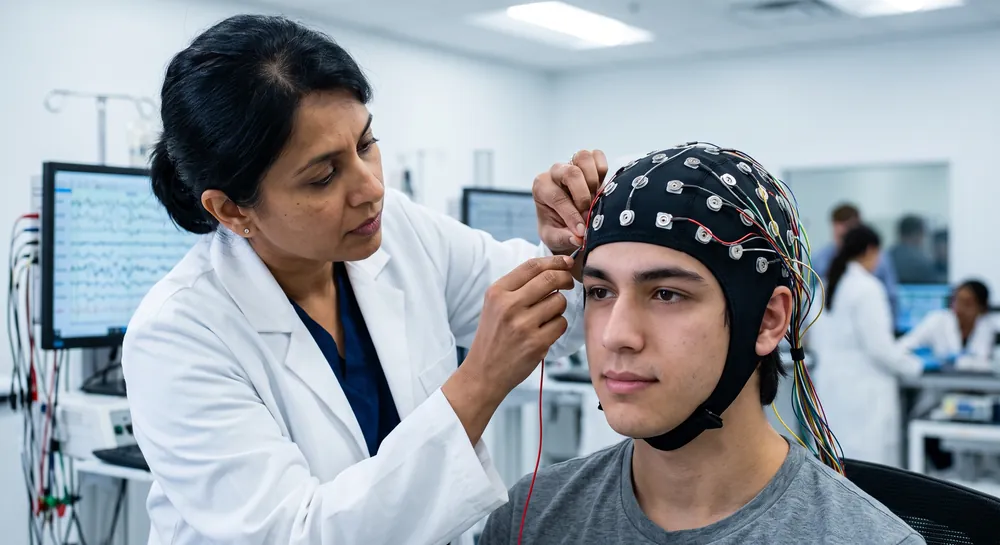
During a comprehensive psychiatric evaluation, patients or their families often wonder if a "brain scan" can definitively diagnose bipolar disorder. It is important to clarify that an electroencephalogram or EEG is not a diagnostic test for bipolar disorder itself; there is currently no electrical brain test or neuroimaging scan that can confirm or diagnose the condition.
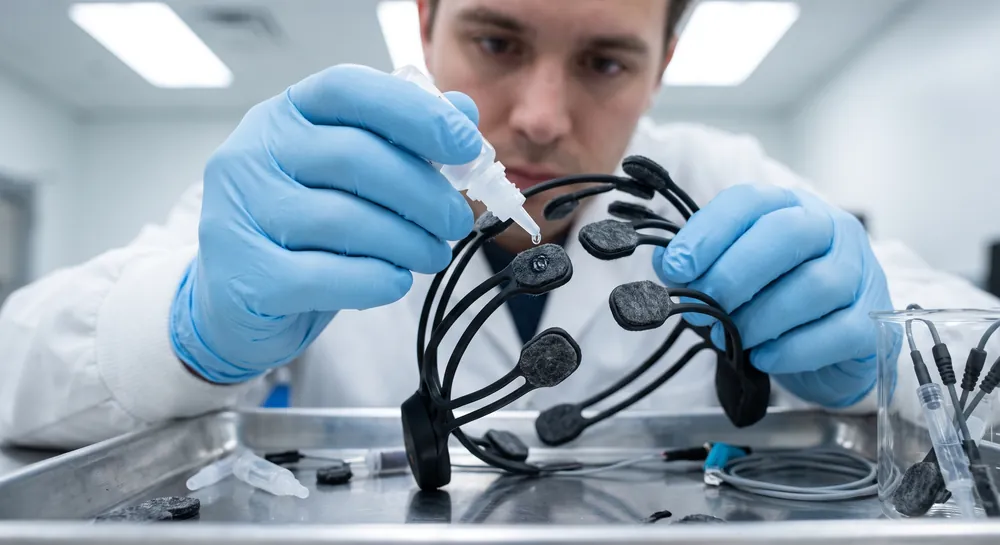
However, a clinician may still order an EEG as a critical component of the differential diagnosis process. The primary purpose of this neuroscience-based test is to rule out other underlying neurological issues that can closely mimic psychiatric symptoms.
For example, certain types of seizure disorders, such as temporal lobe epilepsy, can manifest with sudden, severe mood fluctuations, erratic behavior, and altered mental states that resemble bipolar manic or depressive episodes.
By monitoring and measuring the brain's electrical activity, an EEG allows the medical team to either identify or safely exclude these specific neurological anomalies. This careful process of elimination ensures that the final psychiatric diagnosis is highly accurate and that the subsequent treatment plan addresses the true biological root cause of the patient's symptoms.
Why Is It Essential to Screen for Co-Occurring Mental Health Conditions?
Bipolar disorder often doesn't show up alone. Many people who have bipolar disorder also experience other mental health conditions. This is known as co-occurring or comorbid conditions.
It's pretty common to see anxiety disorders, attention-deficit/hyperactivity disorder (ADHD), or substance use disorders alongside bipolar disorder. Sometimes, during very intense mood episodes, people might even experience symptoms like hallucinations or false beliefs, which can be related to the extreme mood state.
Identifying these other conditions is just as important as diagnosing bipolar disorder itself. Why? Because these co-occurring issues can affect how bipolar disorder presents and how it responds to treatment.
A thorough evaluation will look for these other conditions, often using specific questionnaires or by discussing your history in detail. This helps create a more complete understanding of what you're going through, which then guides the most effective treatment plan.
What Happens After the Assessment?
Once a clinician has gathered all the necessary information through interviews, questionnaires, and potentially other evaluations, they will review everything to arrive at a diagnosis. This is a significant step, as it forms the basis for planning how to manage the condition.
How Does a Specific Diagnosis Influence the Selection of Effective Treatment Options?
The diagnosis itself is not the end of the process; rather, it's the starting point for developing a treatment strategy. Different types of bipolar disorder, such as Bipolar I or Bipolar II, and specific patterns like rapid cycling or the presence of mixed features, can influence the kinds of treatments that are most likely to be helpful.
For instance, the presence of psychotic features during mood episodes might lead to different medication considerations than if those features are absent. Similarly, understanding the typical course and severity of mood episodes helps in tailoring the approach.
The goal is to match the treatment plan to the individual's specific presentation of the disorder.
What Does a Multifaceted, Collaborative Management Plan Typically Include?
After a diagnosis is made, the clinician will work with the individual to create a plan. This plan is typically multifaceted and involves several key components:
Medication: Pharmacological treatments are often a cornerstone of managing bipolar disorder. These can include mood stabilizers, antipsychotics, and sometimes antidepressants, though the latter are usually prescribed with caution and often in combination with a mood stabilizer due to the risk of triggering manic or hypomanic episodes.
Psychotherapy: Talk therapy plays a vital role. Different forms of therapy, such as Cognitive Behavioral Therapy (CBT), Interpersonal and Social Rhythm Therapy (IPSRT), or Family-Focused Therapy (FFT), can help people develop coping skills, manage stress, improve relationships, and understand their illness better.
Lifestyle Adjustments: Strategies for maintaining regular sleep patterns, managing stress, avoiding substance use, and building a strong support system are also important parts of a management plan. These lifestyle factors can significantly impact mood stability.
Why Is a Thorough Evaluation Essential for Successful Long-Term Care?
Getting a diagnosis for bipolar disorder often takes time because the symptoms can look like other conditions, and people might not always recognize or report every mood change.
Clinicians use diagnostic tools along with interviews and mood tracking, to piece together the full picture. While the diagnostic process has its challenges, like potential delays and the need to rule out other issues, a thorough evaluation is key.
It helps ensure the right treatment plan can be put in place, which is the most important step toward managing the condition and improving quality of life.
References
Bostock, E. C. S., Kirkby, K. C., Garry, M. I., & Taylor, B. V. M. (2017). Systematic Review of Cognitive Function in Euthymic Bipolar Disorder and Pre-Surgical Temporal Lobe Epilepsy. Frontiers in psychiatry, 8, 133. https://doi.org/10.3389/fpsyt.2017.00133
Frequently Asked Questions
What is the main way doctors figure out if someone has bipolar disorder?
Doctors don't have one single test for bipolar disorder. Instead, they talk to you a lot about your moods, energy levels, and how you've been acting over time. They also look at your health history and your family's health history.
Who can diagnose bipolar disorder?
A doctor or a mental health professional, like a psychiatrist or psychologist, is qualified to diagnose bipolar disorder. They have the training to understand the signs and symptoms.
What should I do if I think I might have bipolar disorder?
The first step is to talk to a doctor or a mental health professional. They can listen to your concerns and start the process of figuring out what might be going on.
What kind of questions will a doctor ask during the evaluation?
They will ask about your personal experiences with mood swings, periods of high energy (mania or hypomania), and periods of feeling very down (depression). They'll want to know how long these feelings lasted and how intense they were.
Why is family history important for diagnosing bipolar disorder?
Bipolar disorder can sometimes run in families. Knowing about mental health conditions in your relatives can give doctors clues about your own health.
How does my daily life affect the diagnosis?
Doctors want to know if your mood swings and energy changes have made it hard to do everyday things, like go to school, work, or maintain relationships. This helps them understand the impact of the condition.
Are there any tools that help doctors diagnose bipolar disorder?
Yes, doctors might use checklists or questionnaires that ask about your symptoms. They might also ask you to keep a mood chart to track your ups and downs over time, which helps them see patterns.
Why do doctors need to check for other health problems?
Some physical health issues, like thyroid problems, can cause symptoms that seem like bipolar disorder. Doctors do tests to make sure they're not missing another medical condition.
Can other mental health issues be mistaken for bipolar disorder?
Yes, symptoms of bipolar disorder can sometimes overlap with other conditions like depression or anxiety. Doctors need to carefully rule out these other possibilities to make the right diagnosis.
What happens after the evaluation if I am diagnosed with bipolar disorder?
Once a diagnosis is made, it helps guide the treatment plan. The doctor will work with you to create a plan that might include medication, therapy, or other strategies to help manage your symptoms.
Emotiv is a neurotechnology leader helping advance neuroscience research through accessible EEG and brain data tools.
Medical Disclaimer: The information provided on this website is for educational and informational purposes only and is not intended as medical or health advice. This content may contain errors and should not be relied upon to make life-altering health, medical, or lifestyle choices. Always seek the advice of your physician or other qualified health provider with any questions you may have regarding a medical condition or treatment.
Christian Burgos