Portable EEG Machine Price: A Buyer's Guide
Duong Tran
Oct 28, 2025
Share:



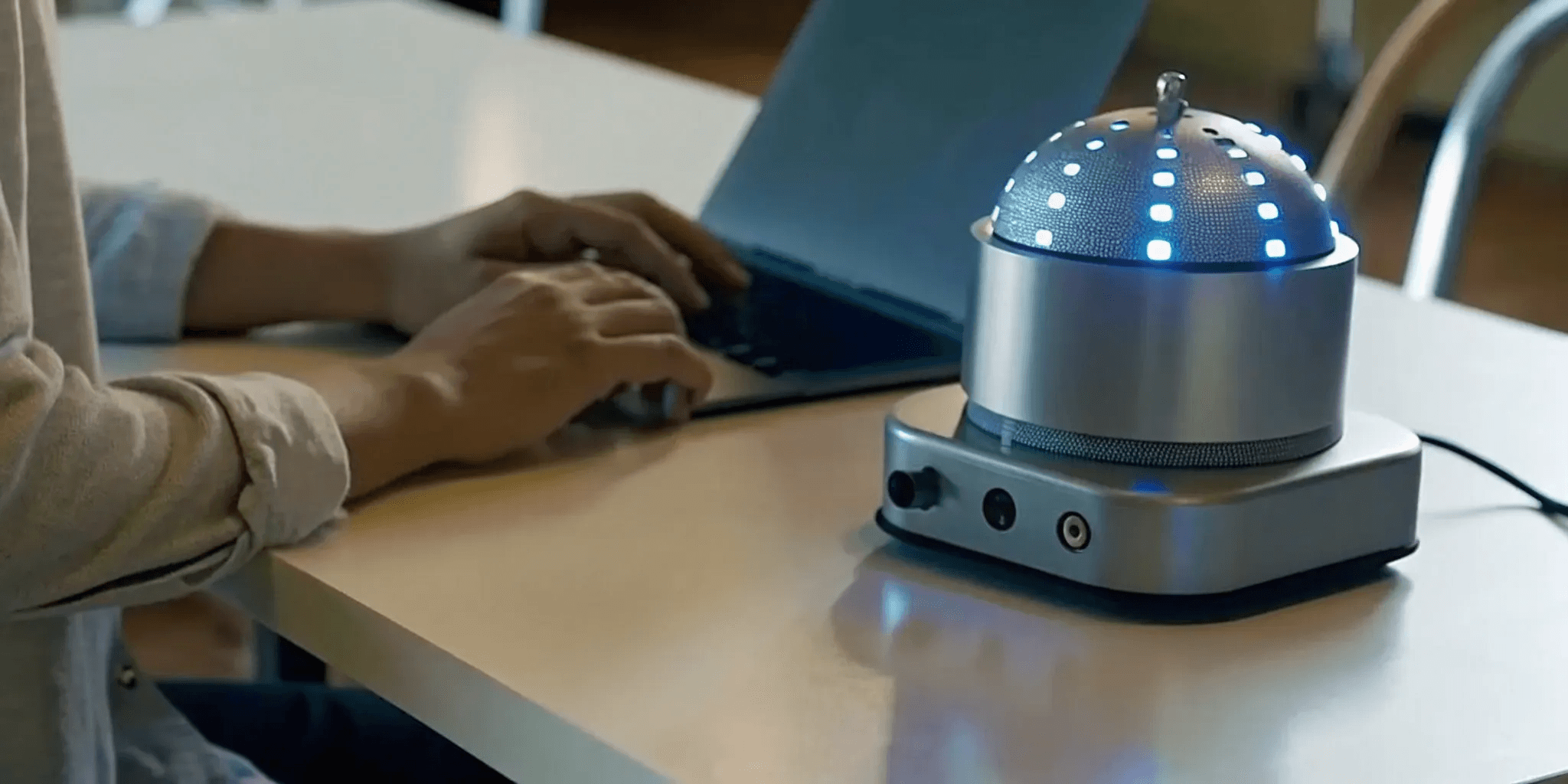
Portable EEG Machine Prices: How to Choose the Right System for Your Goals
The ideal EEG system for a student learning the basics of neuroscience is very different from what a professional researcher needs for a complex study. Because of this, the right portable EEG machine price for you depends entirely on your goals. Instead of just looking at numbers, start with outcomes: Are you running simple BCI experiments, or do you need high-density data for a peer-reviewed study? This guide maps common use cases to the appropriate equipment and price tiers—from entry-level devices to advanced multi-channel setups—so you invest in the capabilities you actually need.
Key Takeaways
Know What You’re Paying For: Price reflects capability: channel count (spatial detail), hardware quality (signal integrity, comfort), and software (analysis features and workflow).
Define Your Project Before You Shop: Clarify goals—education, BCI development, or research—so you choose features you’ll use and avoid overspending.
Budget Beyond the Headset: Total cost of ownership includes software subscriptions and consumables (e.g., saline or gel), plus care and storage to protect long-term value.
What Is Portable EEG Technology?
If you picture a bulky clinical device tethered to a cart, portable EEG changes the story. It applies the same core principles of electroencephalography—measuring the brain’s electrical signals—through compact, wireless devices you can use in classrooms, simulators, or everyday environments. That mobility enables real-world research, real-time brain-aware applications, and personal exploration. Portable EEG makes brain data accessible and versatile across fields like neuromarketing, academic research, and brain-computer interfaces (BCIs).
Defining a Portable EEG Machine
A portable EEG machine measures electrical activity using small sensors (electrodes) placed on the scalp. The device amplifies these tiny signals and sends them wirelessly to a computer or mobile app for analysis. The key difference from traditional systems is freedom of movement, which supports studies in authentic contexts and enables richer, more ecologically valid insights. See academic research and education for examples.
Common Types of Portable EEG Devices
Portable EEG devices span discreet earbuds for daily use to multi-channel headsets for intensive research. Pricing generally aligns with capability bands: accessible entry-level systems, professional mid-range options, and premium high-density setups. Your choice should match your goals—whether you’re building a BCI application, running classroom labs, or executing complex experiments—balancing channel count, comfort, and data quality.
Breaking Down Core Components and Features
Hardware (the headset): Holds electrodes that contact the scalp. Options include saline-based sensors for quick setup and gel-based sensors for extended recordings.
Software (analysis and workflow): Transforms raw signals into insights. EmotivPRO supports real-time streams, advanced analysis, event marking, and export. Align features—live brain mapping, video sync, export formats—to your workflow.
What Factors Influence EEG Machine Prices?
Price is a function of capability and quality: number of sensors, signal integrity, materials and ergonomics, software features, brand support, and any regulatory certifications. A device built for simple BCI commands is priced differently than a multi-channel research system. Understanding these drivers helps you separate must-have features from nice-to-haves.
How Channels and Sensors Affect Price
Channel count is the most visible driver. More channels mean more simultaneous brain regions measured, improving spatial detail. Entry devices with a few channels can cost under $1,000, while high-density laboratory systems exceed $100,000. A 2-channel device suits foundational BCI or wellness use; a 32-channel headset like EMOTIV FLEX is designed for data-intensive research but is available at a fraction of the cost. Choose coverage based on your study’s resolution requirements.
The Impact of Hardware Quality
Materials, mechanical design, and sensor engineering affect comfort, durability, and signal quality (noise resilience, stability). Well-engineered portable headsets cost more than basic models but deliver cleaner, more reliable data—critical for reproducibility.
The Role of Software and Analysis Tools
Hardware is only as useful as the software interpreting its signals. Systems paired with advanced analysis platforms carry higher total costs but can save significant time in processing and visualization. For example, EmotivPRO supports real-time analysis, recording, and event marking.
Why Brand Reputation and Support Matter
Reliable documentation, active user communities, and responsive support reduce risk and learning curve, particularly for research teams and developers in academic settings. Strong warranties and stable roadmaps add long-term value.
How Regulatory Standards Impact Cost
“Medical-grade” devices carry costs of regulatory clearance (e.g., FDA, CE) for clinical diagnosis/treatment. Most portable systems—including EMOTIV headsets—are research-grade or consumer devices intended for non-clinical use, which keeps them more accessible.
Which Features Are Worth the Investment?
Align features to outcomes. Higher prices often add capabilities you may not need. Prioritize the items below based on your projects.
Prioritizing Signal Quality and Processing
High-fidelity signals are non-negotiable for serious work. Devices with robust sensors and onboard processing yield cleaner data. The EMOTIV EPOC X is a common choice for reliable, multi-region measurement in research workflows.
The Freedom of Wireless Capabilities
Wireless designs allow natural movement and more authentic tasks, broadening experimental paradigms and improving ecological validity. All EMOTIV headsets are wireless to support mobile studies.
Powerful Data Analysis Software
Look for a mature software ecosystem. EmotivPRO offers real-time views, frequency analysis, and recording management, reducing time from data collection to insight.
Choosing the Right Electrode Technology
Saline (e.g., EMOTIV INSIGHT): Fast setup for classrooms, workshops, and short sessions.
Gel (e.g., EMOTIV FLEX Gel): Longer prep, but stable contact for extended recordings.
Match sensor tech to session length, throughput, and comfort. For general background on electrode types, see this overview of electrode technology.
Why a Great User Interface Is Crucial
Intuitive setup and clear software UX reduce errors and training time. The EMOTIV App streamlines basics; EmotivPRO supports advanced workflows.
A Breakdown of EEG System Price Ranges
EEG headsets range from under $1,000 to well over $25,000. The “right” tier depends on your goals and required spatial detail.
What to Expect from Entry-Level Systems
Typically under $1,000, these devices are ideal for students, educators, and hobbyists. The 5-channel EMOTIV INSIGHT helps users learn fundamentals and run simple experiments without steep costs.
The Cost of Professional-Grade Systems
From $1,000 to $25,000, this tier balances capability and accessibility for many academic research and neuromarketing projects. The 14-channel EMOTIV EPOC X offers higher spatial detail and robust performance for dependable results.
Pricing for Advanced Multi-Channel Systems
Above $25,000, premium systems deliver dense coverage and flexible montages. EMOTIV FLEX Saline and EMOTIV FLEX Gel provide 32-channel configurations suited to complex, grant-funded studies requiring maximal detail.
Factoring in Software and Subscription Costs
Plan for analysis software and consumables. EmotivPRO offers multiple tiers; ongoing supplies (saline solution, gel, sensor replacements) should be included in your total cost of ownership.
How Does Channel Count Affect Your Choice?
“Channels” are measurement sites. More channels improve spatial detail but increase setup complexity and data volume. Choose the level that aligns with your questions.
Getting Started with 2-Channel Systems
A 2-channel device is a simple entry point. EMOTIV MN8 earbuds support cognitive wellness use cases and basic BCI interactions with minimal ramp-up.
Stepping Up to 5-Channel Options
The 5-channel EMOTIV INSIGHT expands coverage across key regions, enabling more nuanced classroom labs, workshops, and creator projects in BCI.
The Versatility of 14-Channel Devices
The EMOTIV EPOC X provides broad cortical coverage for psychology, cognitive science, and neuromarketing studies requiring reliable, multi-region measurement.
Advanced Research With 32-Channel Equipment
EMOTIV FLEX enables custom sensor placement and dense coverage for advanced neuroscience and sophisticated BCI work where detailed mapping and localization are priorities.
Don’t Forget These Additional Costs
Beyond hardware, plan for the ecosystem around your headset.
Essential Accessories
Budget for saline solution, conductive gel (as applicable), replacement sensors, and protective cases. See EMOTIV’s shop for consumables and accessories.
Investing in Training and Education
Even user-friendly systems have a learning curve. Review tutorials, docs, and workshops before starting a study to reduce error and improve data quality.
Planning for Maintenance
Confirm warranty coverage and repair options. Establish basic care routines (inspection, cleaning) to minimize downtime.
The Cost of Software Updates
Include software tiers or licenses in your TCO. Keeping EmotivPRO current ensures access to the latest features and stability improvements.
Valuing Ongoing Support Services
Prioritize vendors with responsive technical support, clear documentation, and active communities—particularly valuable for custom pipelines and developer teams.
How to Make a Smart Investment
A thoughtful purchase aligns hardware, software, and support with your objectives.
Evaluate Your Research Needs
Define outcomes: required spatial detail, expected mobility, session length, and analysis workflow. For academic research, consider replication and data-sharing requirements.
Compare Key Features
Create a checklist: channel count, sampling rate, electrode type, comfort, battery life, export formats, SDK availability, and software capabilities. EmotivPRO supports real-time streaming, frequency analysis, and performance metrics.
Understand Your Warranty Coverage
Confirm term and scope (parts, labor). All EMOTIV headsets include warranty coverage for manufacturing defects.
Explore Payment Options
Most providers accept major cards and digital payments (e.g., PayPal). Institutions may have specific procurement needs—confirm before purchase.
Review Available Support
Look for expert support, tutorials, and a strong developer community if you plan to build custom apps.
How to Maximize Your EEG Investment
Long-term value comes from consistent setup, care, and workflow discipline.
Follow Best Practices for Usage
Hydrate sensors properly, fit the headset securely, and check contact quality in software before recording. The EMOTIV App simplifies setup; EmotivPRO supports advanced checks.
Stick to Maintenance Guidelines
Clean sensors after each session, inspect wear items, and keep software updated for stability and features.
Store Your Device Properly
Use a protective case (e.g., the EPOC X case) and store in a cool, dry place away from sunlight and heat.
Extend Your Device’s Lifespan
Good habits—setup, maintenance, storage—lower cost per use and improve data consistency for BCI and research projects.
Related Articles
Frequently Asked Questions
What’s the main reason for big price differences?
Primarily channel count (spatial detail), plus hardware quality and software capabilities. More channels and higher-quality engineering increase costs but can yield cleaner, more detailed measurements.
Do I need a lot of channels?
Not always. For getting started or basic BCI and wellness use, 2–5 channels work well. For most professional research, 14 channels are a strong standard. Choose 32+ channels for advanced studies that demand fine-grained spatial detail.
Is the headset the only thing I need to budget for?
Plan for consumables (saline or gel), accessories, and analysis software. Advanced platforms like EmotivPRO are typically subscription-based.
How do I choose between saline and gel electrodes?
Saline is fast to set up (ideal for classrooms and high-throughput sessions). Gel takes longer but supports more stable contact for long recordings.
Why can’t I use a research device for medical purposes?
Research-grade devices are designed for non-clinical applications (education, research, BCI). Medical devices require regulatory clearance for diagnosis/treatment; EMOTIV systems are not medical devices.
Portable EEG Machine Prices: How to Choose the Right System for Your Goals
The ideal EEG system for a student learning the basics of neuroscience is very different from what a professional researcher needs for a complex study. Because of this, the right portable EEG machine price for you depends entirely on your goals. Instead of just looking at numbers, start with outcomes: Are you running simple BCI experiments, or do you need high-density data for a peer-reviewed study? This guide maps common use cases to the appropriate equipment and price tiers—from entry-level devices to advanced multi-channel setups—so you invest in the capabilities you actually need.
Key Takeaways
Know What You’re Paying For: Price reflects capability: channel count (spatial detail), hardware quality (signal integrity, comfort), and software (analysis features and workflow).
Define Your Project Before You Shop: Clarify goals—education, BCI development, or research—so you choose features you’ll use and avoid overspending.
Budget Beyond the Headset: Total cost of ownership includes software subscriptions and consumables (e.g., saline or gel), plus care and storage to protect long-term value.
What Is Portable EEG Technology?
If you picture a bulky clinical device tethered to a cart, portable EEG changes the story. It applies the same core principles of electroencephalography—measuring the brain’s electrical signals—through compact, wireless devices you can use in classrooms, simulators, or everyday environments. That mobility enables real-world research, real-time brain-aware applications, and personal exploration. Portable EEG makes brain data accessible and versatile across fields like neuromarketing, academic research, and brain-computer interfaces (BCIs).
Defining a Portable EEG Machine
A portable EEG machine measures electrical activity using small sensors (electrodes) placed on the scalp. The device amplifies these tiny signals and sends them wirelessly to a computer or mobile app for analysis. The key difference from traditional systems is freedom of movement, which supports studies in authentic contexts and enables richer, more ecologically valid insights. See academic research and education for examples.
Common Types of Portable EEG Devices
Portable EEG devices span discreet earbuds for daily use to multi-channel headsets for intensive research. Pricing generally aligns with capability bands: accessible entry-level systems, professional mid-range options, and premium high-density setups. Your choice should match your goals—whether you’re building a BCI application, running classroom labs, or executing complex experiments—balancing channel count, comfort, and data quality.
Breaking Down Core Components and Features
Hardware (the headset): Holds electrodes that contact the scalp. Options include saline-based sensors for quick setup and gel-based sensors for extended recordings.
Software (analysis and workflow): Transforms raw signals into insights. EmotivPRO supports real-time streams, advanced analysis, event marking, and export. Align features—live brain mapping, video sync, export formats—to your workflow.
What Factors Influence EEG Machine Prices?
Price is a function of capability and quality: number of sensors, signal integrity, materials and ergonomics, software features, brand support, and any regulatory certifications. A device built for simple BCI commands is priced differently than a multi-channel research system. Understanding these drivers helps you separate must-have features from nice-to-haves.
How Channels and Sensors Affect Price
Channel count is the most visible driver. More channels mean more simultaneous brain regions measured, improving spatial detail. Entry devices with a few channels can cost under $1,000, while high-density laboratory systems exceed $100,000. A 2-channel device suits foundational BCI or wellness use; a 32-channel headset like EMOTIV FLEX is designed for data-intensive research but is available at a fraction of the cost. Choose coverage based on your study’s resolution requirements.
The Impact of Hardware Quality
Materials, mechanical design, and sensor engineering affect comfort, durability, and signal quality (noise resilience, stability). Well-engineered portable headsets cost more than basic models but deliver cleaner, more reliable data—critical for reproducibility.
The Role of Software and Analysis Tools
Hardware is only as useful as the software interpreting its signals. Systems paired with advanced analysis platforms carry higher total costs but can save significant time in processing and visualization. For example, EmotivPRO supports real-time analysis, recording, and event marking.
Why Brand Reputation and Support Matter
Reliable documentation, active user communities, and responsive support reduce risk and learning curve, particularly for research teams and developers in academic settings. Strong warranties and stable roadmaps add long-term value.
How Regulatory Standards Impact Cost
“Medical-grade” devices carry costs of regulatory clearance (e.g., FDA, CE) for clinical diagnosis/treatment. Most portable systems—including EMOTIV headsets—are research-grade or consumer devices intended for non-clinical use, which keeps them more accessible.
Which Features Are Worth the Investment?
Align features to outcomes. Higher prices often add capabilities you may not need. Prioritize the items below based on your projects.
Prioritizing Signal Quality and Processing
High-fidelity signals are non-negotiable for serious work. Devices with robust sensors and onboard processing yield cleaner data. The EMOTIV EPOC X is a common choice for reliable, multi-region measurement in research workflows.
The Freedom of Wireless Capabilities
Wireless designs allow natural movement and more authentic tasks, broadening experimental paradigms and improving ecological validity. All EMOTIV headsets are wireless to support mobile studies.
Powerful Data Analysis Software
Look for a mature software ecosystem. EmotivPRO offers real-time views, frequency analysis, and recording management, reducing time from data collection to insight.
Choosing the Right Electrode Technology
Saline (e.g., EMOTIV INSIGHT): Fast setup for classrooms, workshops, and short sessions.
Gel (e.g., EMOTIV FLEX Gel): Longer prep, but stable contact for extended recordings.
Match sensor tech to session length, throughput, and comfort. For general background on electrode types, see this overview of electrode technology.
Why a Great User Interface Is Crucial
Intuitive setup and clear software UX reduce errors and training time. The EMOTIV App streamlines basics; EmotivPRO supports advanced workflows.
A Breakdown of EEG System Price Ranges
EEG headsets range from under $1,000 to well over $25,000. The “right” tier depends on your goals and required spatial detail.
What to Expect from Entry-Level Systems
Typically under $1,000, these devices are ideal for students, educators, and hobbyists. The 5-channel EMOTIV INSIGHT helps users learn fundamentals and run simple experiments without steep costs.
The Cost of Professional-Grade Systems
From $1,000 to $25,000, this tier balances capability and accessibility for many academic research and neuromarketing projects. The 14-channel EMOTIV EPOC X offers higher spatial detail and robust performance for dependable results.
Pricing for Advanced Multi-Channel Systems
Above $25,000, premium systems deliver dense coverage and flexible montages. EMOTIV FLEX Saline and EMOTIV FLEX Gel provide 32-channel configurations suited to complex, grant-funded studies requiring maximal detail.
Factoring in Software and Subscription Costs
Plan for analysis software and consumables. EmotivPRO offers multiple tiers; ongoing supplies (saline solution, gel, sensor replacements) should be included in your total cost of ownership.
How Does Channel Count Affect Your Choice?
“Channels” are measurement sites. More channels improve spatial detail but increase setup complexity and data volume. Choose the level that aligns with your questions.
Getting Started with 2-Channel Systems
A 2-channel device is a simple entry point. EMOTIV MN8 earbuds support cognitive wellness use cases and basic BCI interactions with minimal ramp-up.
Stepping Up to 5-Channel Options
The 5-channel EMOTIV INSIGHT expands coverage across key regions, enabling more nuanced classroom labs, workshops, and creator projects in BCI.
The Versatility of 14-Channel Devices
The EMOTIV EPOC X provides broad cortical coverage for psychology, cognitive science, and neuromarketing studies requiring reliable, multi-region measurement.
Advanced Research With 32-Channel Equipment
EMOTIV FLEX enables custom sensor placement and dense coverage for advanced neuroscience and sophisticated BCI work where detailed mapping and localization are priorities.
Don’t Forget These Additional Costs
Beyond hardware, plan for the ecosystem around your headset.
Essential Accessories
Budget for saline solution, conductive gel (as applicable), replacement sensors, and protective cases. See EMOTIV’s shop for consumables and accessories.
Investing in Training and Education
Even user-friendly systems have a learning curve. Review tutorials, docs, and workshops before starting a study to reduce error and improve data quality.
Planning for Maintenance
Confirm warranty coverage and repair options. Establish basic care routines (inspection, cleaning) to minimize downtime.
The Cost of Software Updates
Include software tiers or licenses in your TCO. Keeping EmotivPRO current ensures access to the latest features and stability improvements.
Valuing Ongoing Support Services
Prioritize vendors with responsive technical support, clear documentation, and active communities—particularly valuable for custom pipelines and developer teams.
How to Make a Smart Investment
A thoughtful purchase aligns hardware, software, and support with your objectives.
Evaluate Your Research Needs
Define outcomes: required spatial detail, expected mobility, session length, and analysis workflow. For academic research, consider replication and data-sharing requirements.
Compare Key Features
Create a checklist: channel count, sampling rate, electrode type, comfort, battery life, export formats, SDK availability, and software capabilities. EmotivPRO supports real-time streaming, frequency analysis, and performance metrics.
Understand Your Warranty Coverage
Confirm term and scope (parts, labor). All EMOTIV headsets include warranty coverage for manufacturing defects.
Explore Payment Options
Most providers accept major cards and digital payments (e.g., PayPal). Institutions may have specific procurement needs—confirm before purchase.
Review Available Support
Look for expert support, tutorials, and a strong developer community if you plan to build custom apps.
How to Maximize Your EEG Investment
Long-term value comes from consistent setup, care, and workflow discipline.
Follow Best Practices for Usage
Hydrate sensors properly, fit the headset securely, and check contact quality in software before recording. The EMOTIV App simplifies setup; EmotivPRO supports advanced checks.
Stick to Maintenance Guidelines
Clean sensors after each session, inspect wear items, and keep software updated for stability and features.
Store Your Device Properly
Use a protective case (e.g., the EPOC X case) and store in a cool, dry place away from sunlight and heat.
Extend Your Device’s Lifespan
Good habits—setup, maintenance, storage—lower cost per use and improve data consistency for BCI and research projects.
Related Articles
Frequently Asked Questions
What’s the main reason for big price differences?
Primarily channel count (spatial detail), plus hardware quality and software capabilities. More channels and higher-quality engineering increase costs but can yield cleaner, more detailed measurements.
Do I need a lot of channels?
Not always. For getting started or basic BCI and wellness use, 2–5 channels work well. For most professional research, 14 channels are a strong standard. Choose 32+ channels for advanced studies that demand fine-grained spatial detail.
Is the headset the only thing I need to budget for?
Plan for consumables (saline or gel), accessories, and analysis software. Advanced platforms like EmotivPRO are typically subscription-based.
How do I choose between saline and gel electrodes?
Saline is fast to set up (ideal for classrooms and high-throughput sessions). Gel takes longer but supports more stable contact for long recordings.
Why can’t I use a research device for medical purposes?
Research-grade devices are designed for non-clinical applications (education, research, BCI). Medical devices require regulatory clearance for diagnosis/treatment; EMOTIV systems are not medical devices.
Portable EEG Machine Prices: How to Choose the Right System for Your Goals
The ideal EEG system for a student learning the basics of neuroscience is very different from what a professional researcher needs for a complex study. Because of this, the right portable EEG machine price for you depends entirely on your goals. Instead of just looking at numbers, start with outcomes: Are you running simple BCI experiments, or do you need high-density data for a peer-reviewed study? This guide maps common use cases to the appropriate equipment and price tiers—from entry-level devices to advanced multi-channel setups—so you invest in the capabilities you actually need.
Key Takeaways
Know What You’re Paying For: Price reflects capability: channel count (spatial detail), hardware quality (signal integrity, comfort), and software (analysis features and workflow).
Define Your Project Before You Shop: Clarify goals—education, BCI development, or research—so you choose features you’ll use and avoid overspending.
Budget Beyond the Headset: Total cost of ownership includes software subscriptions and consumables (e.g., saline or gel), plus care and storage to protect long-term value.
What Is Portable EEG Technology?
If you picture a bulky clinical device tethered to a cart, portable EEG changes the story. It applies the same core principles of electroencephalography—measuring the brain’s electrical signals—through compact, wireless devices you can use in classrooms, simulators, or everyday environments. That mobility enables real-world research, real-time brain-aware applications, and personal exploration. Portable EEG makes brain data accessible and versatile across fields like neuromarketing, academic research, and brain-computer interfaces (BCIs).
Defining a Portable EEG Machine
A portable EEG machine measures electrical activity using small sensors (electrodes) placed on the scalp. The device amplifies these tiny signals and sends them wirelessly to a computer or mobile app for analysis. The key difference from traditional systems is freedom of movement, which supports studies in authentic contexts and enables richer, more ecologically valid insights. See academic research and education for examples.
Common Types of Portable EEG Devices
Portable EEG devices span discreet earbuds for daily use to multi-channel headsets for intensive research. Pricing generally aligns with capability bands: accessible entry-level systems, professional mid-range options, and premium high-density setups. Your choice should match your goals—whether you’re building a BCI application, running classroom labs, or executing complex experiments—balancing channel count, comfort, and data quality.
Breaking Down Core Components and Features
Hardware (the headset): Holds electrodes that contact the scalp. Options include saline-based sensors for quick setup and gel-based sensors for extended recordings.
Software (analysis and workflow): Transforms raw signals into insights. EmotivPRO supports real-time streams, advanced analysis, event marking, and export. Align features—live brain mapping, video sync, export formats—to your workflow.
What Factors Influence EEG Machine Prices?
Price is a function of capability and quality: number of sensors, signal integrity, materials and ergonomics, software features, brand support, and any regulatory certifications. A device built for simple BCI commands is priced differently than a multi-channel research system. Understanding these drivers helps you separate must-have features from nice-to-haves.
How Channels and Sensors Affect Price
Channel count is the most visible driver. More channels mean more simultaneous brain regions measured, improving spatial detail. Entry devices with a few channels can cost under $1,000, while high-density laboratory systems exceed $100,000. A 2-channel device suits foundational BCI or wellness use; a 32-channel headset like EMOTIV FLEX is designed for data-intensive research but is available at a fraction of the cost. Choose coverage based on your study’s resolution requirements.
The Impact of Hardware Quality
Materials, mechanical design, and sensor engineering affect comfort, durability, and signal quality (noise resilience, stability). Well-engineered portable headsets cost more than basic models but deliver cleaner, more reliable data—critical for reproducibility.
The Role of Software and Analysis Tools
Hardware is only as useful as the software interpreting its signals. Systems paired with advanced analysis platforms carry higher total costs but can save significant time in processing and visualization. For example, EmotivPRO supports real-time analysis, recording, and event marking.
Why Brand Reputation and Support Matter
Reliable documentation, active user communities, and responsive support reduce risk and learning curve, particularly for research teams and developers in academic settings. Strong warranties and stable roadmaps add long-term value.
How Regulatory Standards Impact Cost
“Medical-grade” devices carry costs of regulatory clearance (e.g., FDA, CE) for clinical diagnosis/treatment. Most portable systems—including EMOTIV headsets—are research-grade or consumer devices intended for non-clinical use, which keeps them more accessible.
Which Features Are Worth the Investment?
Align features to outcomes. Higher prices often add capabilities you may not need. Prioritize the items below based on your projects.
Prioritizing Signal Quality and Processing
High-fidelity signals are non-negotiable for serious work. Devices with robust sensors and onboard processing yield cleaner data. The EMOTIV EPOC X is a common choice for reliable, multi-region measurement in research workflows.
The Freedom of Wireless Capabilities
Wireless designs allow natural movement and more authentic tasks, broadening experimental paradigms and improving ecological validity. All EMOTIV headsets are wireless to support mobile studies.
Powerful Data Analysis Software
Look for a mature software ecosystem. EmotivPRO offers real-time views, frequency analysis, and recording management, reducing time from data collection to insight.
Choosing the Right Electrode Technology
Saline (e.g., EMOTIV INSIGHT): Fast setup for classrooms, workshops, and short sessions.
Gel (e.g., EMOTIV FLEX Gel): Longer prep, but stable contact for extended recordings.
Match sensor tech to session length, throughput, and comfort. For general background on electrode types, see this overview of electrode technology.
Why a Great User Interface Is Crucial
Intuitive setup and clear software UX reduce errors and training time. The EMOTIV App streamlines basics; EmotivPRO supports advanced workflows.
A Breakdown of EEG System Price Ranges
EEG headsets range from under $1,000 to well over $25,000. The “right” tier depends on your goals and required spatial detail.
What to Expect from Entry-Level Systems
Typically under $1,000, these devices are ideal for students, educators, and hobbyists. The 5-channel EMOTIV INSIGHT helps users learn fundamentals and run simple experiments without steep costs.
The Cost of Professional-Grade Systems
From $1,000 to $25,000, this tier balances capability and accessibility for many academic research and neuromarketing projects. The 14-channel EMOTIV EPOC X offers higher spatial detail and robust performance for dependable results.
Pricing for Advanced Multi-Channel Systems
Above $25,000, premium systems deliver dense coverage and flexible montages. EMOTIV FLEX Saline and EMOTIV FLEX Gel provide 32-channel configurations suited to complex, grant-funded studies requiring maximal detail.
Factoring in Software and Subscription Costs
Plan for analysis software and consumables. EmotivPRO offers multiple tiers; ongoing supplies (saline solution, gel, sensor replacements) should be included in your total cost of ownership.
How Does Channel Count Affect Your Choice?
“Channels” are measurement sites. More channels improve spatial detail but increase setup complexity and data volume. Choose the level that aligns with your questions.
Getting Started with 2-Channel Systems
A 2-channel device is a simple entry point. EMOTIV MN8 earbuds support cognitive wellness use cases and basic BCI interactions with minimal ramp-up.
Stepping Up to 5-Channel Options
The 5-channel EMOTIV INSIGHT expands coverage across key regions, enabling more nuanced classroom labs, workshops, and creator projects in BCI.
The Versatility of 14-Channel Devices
The EMOTIV EPOC X provides broad cortical coverage for psychology, cognitive science, and neuromarketing studies requiring reliable, multi-region measurement.
Advanced Research With 32-Channel Equipment
EMOTIV FLEX enables custom sensor placement and dense coverage for advanced neuroscience and sophisticated BCI work where detailed mapping and localization are priorities.
Don’t Forget These Additional Costs
Beyond hardware, plan for the ecosystem around your headset.
Essential Accessories
Budget for saline solution, conductive gel (as applicable), replacement sensors, and protective cases. See EMOTIV’s shop for consumables and accessories.
Investing in Training and Education
Even user-friendly systems have a learning curve. Review tutorials, docs, and workshops before starting a study to reduce error and improve data quality.
Planning for Maintenance
Confirm warranty coverage and repair options. Establish basic care routines (inspection, cleaning) to minimize downtime.
The Cost of Software Updates
Include software tiers or licenses in your TCO. Keeping EmotivPRO current ensures access to the latest features and stability improvements.
Valuing Ongoing Support Services
Prioritize vendors with responsive technical support, clear documentation, and active communities—particularly valuable for custom pipelines and developer teams.
How to Make a Smart Investment
A thoughtful purchase aligns hardware, software, and support with your objectives.
Evaluate Your Research Needs
Define outcomes: required spatial detail, expected mobility, session length, and analysis workflow. For academic research, consider replication and data-sharing requirements.
Compare Key Features
Create a checklist: channel count, sampling rate, electrode type, comfort, battery life, export formats, SDK availability, and software capabilities. EmotivPRO supports real-time streaming, frequency analysis, and performance metrics.
Understand Your Warranty Coverage
Confirm term and scope (parts, labor). All EMOTIV headsets include warranty coverage for manufacturing defects.
Explore Payment Options
Most providers accept major cards and digital payments (e.g., PayPal). Institutions may have specific procurement needs—confirm before purchase.
Review Available Support
Look for expert support, tutorials, and a strong developer community if you plan to build custom apps.
How to Maximize Your EEG Investment
Long-term value comes from consistent setup, care, and workflow discipline.
Follow Best Practices for Usage
Hydrate sensors properly, fit the headset securely, and check contact quality in software before recording. The EMOTIV App simplifies setup; EmotivPRO supports advanced checks.
Stick to Maintenance Guidelines
Clean sensors after each session, inspect wear items, and keep software updated for stability and features.
Store Your Device Properly
Use a protective case (e.g., the EPOC X case) and store in a cool, dry place away from sunlight and heat.
Extend Your Device’s Lifespan
Good habits—setup, maintenance, storage—lower cost per use and improve data consistency for BCI and research projects.
Related Articles
Frequently Asked Questions
What’s the main reason for big price differences?
Primarily channel count (spatial detail), plus hardware quality and software capabilities. More channels and higher-quality engineering increase costs but can yield cleaner, more detailed measurements.
Do I need a lot of channels?
Not always. For getting started or basic BCI and wellness use, 2–5 channels work well. For most professional research, 14 channels are a strong standard. Choose 32+ channels for advanced studies that demand fine-grained spatial detail.
Is the headset the only thing I need to budget for?
Plan for consumables (saline or gel), accessories, and analysis software. Advanced platforms like EmotivPRO are typically subscription-based.
How do I choose between saline and gel electrodes?
Saline is fast to set up (ideal for classrooms and high-throughput sessions). Gel takes longer but supports more stable contact for long recordings.
Why can’t I use a research device for medical purposes?
Research-grade devices are designed for non-clinical applications (education, research, BCI). Medical devices require regulatory clearance for diagnosis/treatment; EMOTIV systems are not medical devices.
Solutions
Support
Company

© 2025 EMOTIV, All rights reserved.

Your Privacy Choices (Cookie Settings)
*Disclaimer – EMOTIV products are intended to be used for research applications and personal use only. Our products are not sold as Medical Devices as defined in EU directive 93/42/EEC. Our
products are not designed or intended to be used for diagnosis or treatment of disease.
Solutions
Support
Company
© 2025 EMOTIV, All rights reserved.
Your Privacy Choices (Cookie Settings)
*Disclaimer – EMOTIV products are intended to be used for research applications and personal use only. Our products are not sold as Medical Devices as defined in EU directive 93/42/EEC. Our
products are not designed or intended to be used for diagnosis or treatment of disease.
Solutions
Support
Company
© 2025 EMOTIV, All rights reserved.
Your Privacy Choices (Cookie Settings)
*Disclaimer – EMOTIV products are intended to be used for research applications and personal use only. Our products are not sold as Medical Devices as defined in EU directive 93/42/EEC. Our
products are not designed or intended to be used for diagnosis or treatment of disease.