What Is a Fitbit for the Brain? A Simple Guide
Emotiv
Updated on
Feb 12, 2026
What Is a Fitbit for the Brain? A Simple Guide
Emotiv
Updated on
Feb 12, 2026
What Is a Fitbit for the Brain? A Simple Guide
Emotiv
Updated on
Feb 12, 2026
image
The technology to measure brain activity, electroencephalography (EEG), was once confined to expensive, complex equipment in research labs. Now, that same core technology is available in accessible, easy-to-use devices like headsets and earbuds. This shift has created a new category of personal tech often described as a “Fitbit for the brain.” It’s a powerful analogy that frames these tools not as medical instruments, but as personal data devices for understanding cognitive patterns. We’ll explore the science behind EEG, how raw brain data is turned into actionable insights, and the ethical considerations that come with this powerful new technology.
Key Takeaways
Gain objective self-awareness: Brain-sensing devices use EEG to measure your brain's electrical activity, offering data on cognitive states like focus and relaxation. This provides a new layer of insight into your mental patterns, but it doesn't interpret your thoughts.
Create a personal feedback loop: Use the real-time data to see how activities like meditation or deep breathing affect your brain. This allows you to discover which wellness techniques are most effective for you and build a personalized routine.
Integrate technology with intention: To get the most out of your device, be mindful of data privacy and start with simple goals to avoid overload. Remember that this technology is a supplement, not a replacement, for foundational wellness practices like sleep and exercise.
What Is a "Fitbit for the Brain"?
You’ve probably heard the phrase "Fitbit for the brain" used to describe new wearable technology. It’s a catchy way to talk about devices that give us a glimpse into our own brain activity. Just like a fitness band measures your steps and heart rate to give you insights into your physical health, these brain-sensing devices measure your brainwaves to provide information about your cognitive state.
The idea is to take complex neuroscience out of the laboratory and make it accessible for everyday use. These devices aren't about reading your thoughts. Instead, they offer a new kind of data that can help you understand patterns in your focus, attention, and relaxation. Let's break down what that really means.
Understanding Brain-Sensing Wearables
At its core, a brain-sensing wearable is a device, often a headset or a pair of earbuds, equipped with sensors that detect the tiny electrical signals your brain produces. This technology, known as electroencephalography (EEG), captures your brain activity in real time. The goal is to translate this complex data into understandable insights you can use.
Think of it as another tool in your personal wellness toolkit. For years, we’ve had devices to measure our physical output, but understanding our mental state has been much more subjective. Brain-sensing wearables aim to change that by providing objective data about your cognitive patterns, giving you a new way to engage with your own cognitive wellness.
Brain Devices vs. Fitness Trackers: What's the Difference?
While the "Fitbit" analogy is a great starting point, it’s important to understand the key differences. A fitness band uses sensors like accelerometers to count steps and optical sensors to measure heart rate. These are relatively straightforward physical metrics. A brain-sensing device, on the other hand, measures your brain’s electrical activity—a much more complex and nuanced dataset.
Interpreting brain data isn't as simple as counting steps. It involves identifying patterns that correspond to different mental states, like deep focus, relaxation, or distraction. The science behind this has been developed over decades of academic research, and consumer devices are now making this powerful technology more widely available. So, while both types of devices provide personal data, the nature and complexity of that data are worlds apart.
The Growing Focus on Mental Wellness
The rise of brain-sensing technology goes hand-in-hand with a larger cultural shift toward prioritizing mental wellness. More and more, people are seeking proactive ways to manage stress, maintain focus, and understand their own mental landscape. These devices offer a tangible way to engage with those goals.
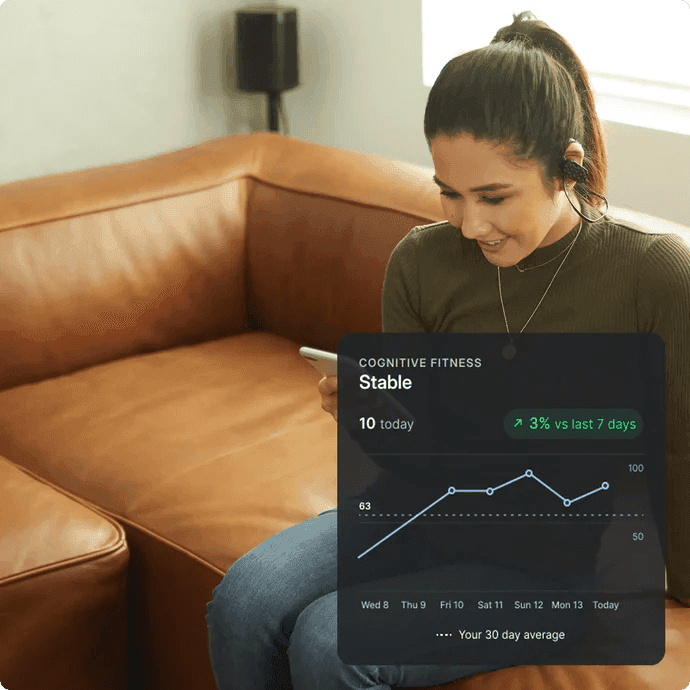
For example, you might notice that your ability to focus dips at a certain time of day, or you might see data that indicates stress before you consciously feel it. The Emotiv App can help you see these patterns. By providing objective feedback, brain-sensing wearables can help you become more aware of your cognitive habits, giving you the information you need to build routines that support your mental energy and performance.
How Does Brain-Sensing Technology Work?
It might sound like science fiction, but the technology behind brain-sensing wearables has been used in clinical and research settings for decades. The core of it all is a method called electroencephalography, or EEG. These devices don't read your thoughts; instead, they measure the electrical activity your brain naturally produces. By understanding these patterns, you can gain insights into your mental states, like focus or relaxation. Let's break down how it all comes together.
A Quick Guide to EEG Technology
At its heart, EEG technology is designed to listen. Your brain is made up of billions of neurons that communicate using tiny electrical signals. An EEG device uses small sensors placed on the scalp to detect these signals. Think of it like listening to the hum of a busy city—you're not hearing individual conversations, but you can get a sense of the overall activity. This process allows us to observe the brain's electrical rhythms, often called brainwaves, which are associated with different mental states. It’s a non-invasive way to get a glimpse into the brain's functional activity, forming the basis for applications like brain-computer interfaces.
How Your Brain Data Is Collected and Interpreted
Once the sensors on a headset collect the raw EEG data, the real magic happens in the software. The electrical signals are wirelessly transmitted to an application on your computer or smartphone. This is where complex algorithms get to work, cleaning the data to remove noise (like muscle movements from blinking) and translating the raw brainwaves into understandable metrics. For example, our Emotiv App can interpret these signals to provide you with feedback on your focus, engagement, and relaxation levels. The goal is to turn a stream of complex data into clear, actionable insights you can actually use.
Measuring Brain Activity in Real Time
One of the most powerful aspects of modern EEG technology is its ability to measure brain activity as it happens. This real-time feedback opens up a world of possibilities. For researchers, it means they can observe immediate brain responses to a specific video, sound, or task. For everyday use, it means you can see how your focus levels change during a work session or a meditation practice. This immediacy is also crucial for developers, who can use our tools to build applications that respond directly to a user's cognitive state, creating interactive and personalized experiences.
Multi-Channel vs. Single-Channel Devices
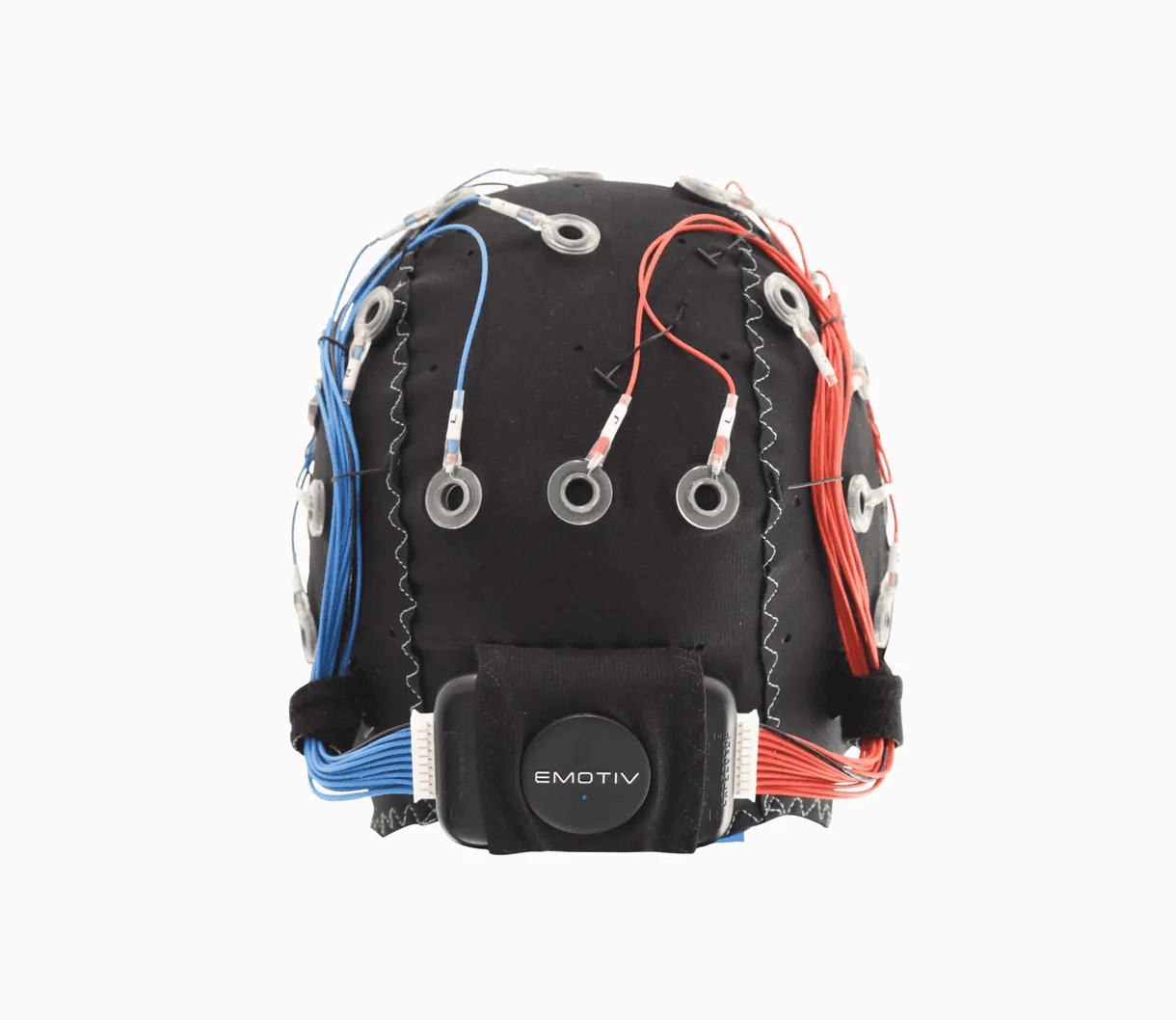
EEG devices come in various forms, and a key difference is the number of channels, or sensors, they use. A multi-channel headset, like our 14-channel Epoc X, captures data from multiple locations across the scalp. This provides a more detailed and comprehensive picture of brain activity, which is ideal for in-depth academic or commercial research. On the other hand, devices with fewer channels, like our MN8 earbuds, are designed for convenience and specific applications. They offer targeted insights in a more accessible form factor, making them great for integrating brain-sensing into daily life without the complexity of a full research-grade setup.
The Pros and Cons of Brain-Sensing Devices
Like any new technology, brain-sensing wearables come with a mix of incredible opportunities and important things to consider. On one hand, they offer a completely new way to understand ourselves and interact with the digital world. On the other, they bring up valid questions about privacy and the responsible use of personal data. To get the most out of this technology, it’s helpful to look at both sides of the coin. Let’s walk through the key benefits and challenges you should be aware of.
Gaining Insights Into Your Mental State
One of the most compelling reasons to use a brain-sensing device is the ability to see what’s happening in your brain in a tangible way. For years, we’ve had to rely on subjective feelings to gauge our mental state, but EEG technology gives us objective data points. Seeing patterns in your brain activity can help you connect the dots between your actions and your mental state. For example, you might notice that your focus is sharpest in the morning or that a certain type of music helps you relax. This kind of self-awareness is empowering, giving you the information you need to build routines that support your well-being. It’s not about diagnosing issues, but about gaining personal insights that can guide your daily choices.
Tools to Support Focus and Attention
Have you ever wished you could just practice focusing? Brain-sensing devices make that possible. By providing real-time feedback on your brain activity, these tools can help you recognize when your mind is wandering. Imagine an app that plays a gentle sound to nudge you back when your attention drifts from a task. This is a form of neurofeedback, and it’s a powerful way to train your brain. Our Emotiv App, for instance, translates your brainwaves into clear metrics you can work with. Over time, using these tools can help you become more aware of your focus levels and learn to consciously guide your attention where you want it to go.
Accessing Cognitive Wellness Tools
The hardware is just the beginning. The real magic often happens in the software that accompanies a brain-sensing device. These applications can interpret your brain data and offer personalized exercises and guidance to help you manage stress or practice mindfulness. Think of it as having a toolkit for your mind. An app might notice patterns associated with stress and suggest a short breathing exercise, then show you how your brain activity responds. This creates a feedback loop that helps you learn which techniques work best for you. It’s a proactive way to engage with your mental state and build resilience by using your own data to inform your wellness practices.
Understanding Privacy and Data Security
Now for the serious stuff. Your brain data is arguably the most personal information you have, and it deserves the highest level of protection. When you use a brain-sensing device, you’re creating a record of your neural activity, which raises important questions about mental privacy. Before you use any device, you should understand the company’s data policy. Where is your data stored? Is it anonymized? Who has access to it? At Emotiv, we take this responsibility very seriously, but it’s crucial for you, as the user, to be informed and demand transparency. Your cognitive liberty—the right to control your own mental processes and data—is paramount.
The Risk of Misinterpreting Data
EEG data is incredibly complex, and there’s a real risk of jumping to the wrong conclusions if you don’t have the right context. A change in a specific brainwave frequency isn’t always a sign of a problem; it could be a natural response to your environment or thoughts. Some have raised ethical concerns that without proper guidance, users might misinterpret their data, leading to unnecessary anxiety. That’s why it’s so important to use well-designed software that presents information responsibly. Look for tools that focus on trends and patterns over time rather than making definitive judgments from a single reading. Remember, this technology is a guide, not a diagnosis.
Overcoming Barriers to Adoption
A brain-sensing device can give you all the data in the world, but it won’t automatically create new habits for you. Just like a gym membership doesn’t do the workout for you, an EEG headset is a tool that requires your active participation. The biggest challenge is often consistency. It’s easy to be excited for the first few days, but building a lasting routine takes commitment. The key is to integrate it into your life in a way that feels sustainable. Start small, maybe with just five minutes of a focus exercise each day. The goal is to make it a regular practice, because that’s where the real benefits come from—not from the technology itself, but from how you use it to build healthier habits over time.
The Ethics of Brain-Sensing Technology
As we explore what our brains can do with the help of technology, it's just as important to talk about the ethical side of things. Brain data is incredibly personal, and handling it responsibly is a top priority. This isn't just about building cool tech; it's about building trustworthy tech. The conversation around ethics in neurotechnology involves ensuring user control, protecting data, preventing misuse, and making sure these powerful tools are accessible to everyone who can benefit from them.
The Importance of Consent and Cognitive Liberty
At the heart of the ethical conversation is the idea of cognitive liberty, which is your fundamental right to control your own mental experiences. It means you should be free from unwanted intrusion into your mental processes. This is why voluntary and informed consent is so critical. Before you use any brain-sensing device, you should clearly understand what data is being collected and why. You should always have the power to choose, to opt-in, and to change your mind. This technology is a tool for you to use, not the other way around, and your autonomy should always be respected.
Protecting Your Personal Brain Data
The data from an EEG device is more than just numbers; it’s a window into your cognitive processes. Protecting this personal brain data is one of our biggest responsibilities. Because this information is so sensitive, it requires the highest standards of security and privacy. As a user, you should feel confident that your data is safe from unauthorized access or misuse. It’s essential to understand a company’s privacy policy and know exactly how your information is stored, processed, and protected. We believe in transparency and giving you full control over your personal information.
How to Prevent Data Misuse
Preventing the misuse of brain data requires a proactive approach from both technology creators and users. For companies, this means embedding ethical considerations directly into the design process. This involves thinking through risk-benefit considerations and building features that prioritize user privacy and autonomy from the start. For you, the user, it means being an informed participant. Ask questions, read the terms of service, and support companies that are transparent about their data practices. By working together, we can create a culture of responsibility that ensures brain-sensing technology is used for good.
Making Brain Tech Accessible to Everyone
As brain-sensing technology becomes more common, we need to ensure it benefits all of society, not just a select few. Making brain tech accessible to everyone is a crucial ethical goal. This means considering affordability, usability, and inclusivity in design. It also highlights the growing need for clear ethical governance across the industry to guide research and innovation responsibly. The aim is to foster an environment where these powerful tools can be used to support people from all walks of life, creating opportunities for discovery and personal insight without creating a new form of digital divide.
How to Integrate Brain-Sensing Into Your Daily Life
Bringing a brain-sensing device into your life can feel like a big step, but it doesn't have to be complicated. The goal is to use it as a tool that supports your well-being, not as another task on your to-do list. By starting small and being intentional, you can weave this technology into your existing routines in a way that feels natural and supportive. The key is to find a rhythm that works for you, whether that means checking in with your brain data for a few minutes each morning or using it to enhance activities you already enjoy, like meditation or creative work.
Think of it less as a strict regimen and more as a new layer of self-awareness. You can start by exploring how different activities, from your morning coffee to a walk outside, influence your mental state. This curiosity-driven approach makes the process feel more like a personal discovery than a chore. Over time, you’ll learn what helps you feel focused, calm, or engaged, giving you a personalized toolkit for managing your daily life.
Create a Daily Wellness Routine
We all know that building good habits is tough. It’s often hard to stick with something when the payoff feels far away, as our brains are wired for immediate gratification. A brain-sensing device can help bridge that gap by providing real-time feedback that makes the benefits of your efforts more tangible. Seeing a direct correlation between a wellness practice and your brain activity can be a powerful motivator to stay consistent.
To get started, try incorporating a short session into your morning or evening. You could spend five minutes observing your focus levels before you start your workday or check your calm metrics after a relaxing activity before bed. The goal isn't to achieve a perfect score but to build a consistent practice of checking in with yourself. This simple act can become a cornerstone of your cognitive wellness journey, helping you understand your patterns over time.
Pair Brain Data with Mindfulness Practices
Mindfulness is about paying attention to the present moment without judgment. When you combine this practice with objective brain data, you gain a much richer understanding of your inner world. You can use a simple three-step approach: Detection, Intervention, and Reflection. For example, you might notice your brain data shows a dip in focus (Detection). In response, you could try a five-minute breathing exercise (Intervention). Afterward, you can look at your data again to see how your brain responded (Reflection).
This process turns mindfulness from an abstract concept into a concrete, data-informed practice. It helps you learn which specific stress management techniques work best for you. You can experiment with different activities—like meditation, journaling, or simply taking a walk—and use your brain-sensing device to see the impact. This feedback loop empowers you to build a personalized set of tools for managing your mental state throughout the day.
How to Avoid Data Overload
Having access to a stream of new information about yourself is exciting, but it can also become overwhelming. To avoid data overload, it’s best to start simple. Instead of trying to understand every single metric at once, pick one or two that align with your current goals. For instance, if you want to be more present during your workday, you might focus solely on metrics related to attention.
It’s also helpful to remember that the technology is there to serve you, not the other way around. User experiences with any wearable tech often hinge on stability and ease of use, so focus on creating a seamless routine. Set a specific time to check your data, like once in the morning, rather than feeling pressured to look at it constantly. By setting clear intentions, you can ensure that you’re getting meaningful insights without adding unnecessary stress to your life.
Balance Tech with Traditional Wellness
Brain-sensing technology is a powerful tool, but it’s not a replacement for the fundamentals of well-being. Think of it as a supplement to the practices that have always been important: quality sleep, balanced nutrition, physical activity, and meaningful social connections. These are the pillars of a healthy life, and technology works best when it supports them. Digital innovations in mental health offer incredible potential, but they are most effective as part of a holistic approach.
You can use your device to see how these traditional wellness practices directly affect your brain. For example, notice how your focus metrics change after a full night's sleep versus a restless one. Or, observe your brain's response after a walk in nature compared to a stressful meeting. This allows you to connect the dots between your daily choices and your mental state, reinforcing the value of these foundational habits.
Related Articles
Frequently Asked Questions
Can these devices actually read my thoughts? Not at all. It's a common misconception, but this technology doesn't interpret the content of your thoughts. Instead, it measures the electrical patterns your brain produces, known as brainwaves. Think of it like seeing the rhythm of your brain's activity. Our software then translates these patterns into understandable metrics about your cognitive state, such as your level of focus or relaxation, without ever knowing what you're focused on.
What's the difference between a headset with many sensors and one with just a few? The number of sensors, or channels, determines the level of detail you can see. A device with many channels, like our Epoc X, captures data from multiple areas across your brain, providing a comprehensive view that's ideal for in-depth academic or commercial research. Devices with fewer channels, like our MN8 earbuds, are designed to provide targeted insights in a much more convenient form, making them perfect for integrating into your daily wellness routine.
How can I be sure my personal brain data is kept private and secure? Your brain data is incredibly personal, and protecting it is a huge responsibility. The principle of cognitive liberty—your right to control your own mental data—is central to the ethical development of this technology. Reputable companies will be transparent about their data policies, use strong encryption, and always require your informed consent before collecting any information. You should always have control over your data and feel confident that it is being handled securely.
Do I need a science background to understand the information from these devices? Absolutely not. While the underlying technology is complex, the goal of consumer devices is to make the insights simple and accessible. Well-designed software, like our Emotiv App, does the heavy lifting for you. It processes the raw brainwave data and presents it in a way that's easy to understand, focusing on clear metrics that you can use to learn about your own cognitive patterns without needing a degree in neuroscience.
What's a simple way to start using a brain-sensing device without feeling overwhelmed? The best approach is to start small and be intentional. Instead of trying to analyze everything at once, pick one specific goal. For example, you could decide to use the device for just five minutes each morning to see how a short meditation affects your state of calm. By integrating it into an existing routine and focusing on a single metric, you can build a consistent habit and gain meaningful insights without adding more stress to your day.
image
The technology to measure brain activity, electroencephalography (EEG), was once confined to expensive, complex equipment in research labs. Now, that same core technology is available in accessible, easy-to-use devices like headsets and earbuds. This shift has created a new category of personal tech often described as a “Fitbit for the brain.” It’s a powerful analogy that frames these tools not as medical instruments, but as personal data devices for understanding cognitive patterns. We’ll explore the science behind EEG, how raw brain data is turned into actionable insights, and the ethical considerations that come with this powerful new technology.
Key Takeaways
Gain objective self-awareness: Brain-sensing devices use EEG to measure your brain's electrical activity, offering data on cognitive states like focus and relaxation. This provides a new layer of insight into your mental patterns, but it doesn't interpret your thoughts.
Create a personal feedback loop: Use the real-time data to see how activities like meditation or deep breathing affect your brain. This allows you to discover which wellness techniques are most effective for you and build a personalized routine.
Integrate technology with intention: To get the most out of your device, be mindful of data privacy and start with simple goals to avoid overload. Remember that this technology is a supplement, not a replacement, for foundational wellness practices like sleep and exercise.
What Is a "Fitbit for the Brain"?
You’ve probably heard the phrase "Fitbit for the brain" used to describe new wearable technology. It’s a catchy way to talk about devices that give us a glimpse into our own brain activity. Just like a fitness band measures your steps and heart rate to give you insights into your physical health, these brain-sensing devices measure your brainwaves to provide information about your cognitive state.
The idea is to take complex neuroscience out of the laboratory and make it accessible for everyday use. These devices aren't about reading your thoughts. Instead, they offer a new kind of data that can help you understand patterns in your focus, attention, and relaxation. Let's break down what that really means.
Understanding Brain-Sensing Wearables
At its core, a brain-sensing wearable is a device, often a headset or a pair of earbuds, equipped with sensors that detect the tiny electrical signals your brain produces. This technology, known as electroencephalography (EEG), captures your brain activity in real time. The goal is to translate this complex data into understandable insights you can use.
Think of it as another tool in your personal wellness toolkit. For years, we’ve had devices to measure our physical output, but understanding our mental state has been much more subjective. Brain-sensing wearables aim to change that by providing objective data about your cognitive patterns, giving you a new way to engage with your own cognitive wellness.
Brain Devices vs. Fitness Trackers: What's the Difference?
While the "Fitbit" analogy is a great starting point, it’s important to understand the key differences. A fitness band uses sensors like accelerometers to count steps and optical sensors to measure heart rate. These are relatively straightforward physical metrics. A brain-sensing device, on the other hand, measures your brain’s electrical activity—a much more complex and nuanced dataset.
Interpreting brain data isn't as simple as counting steps. It involves identifying patterns that correspond to different mental states, like deep focus, relaxation, or distraction. The science behind this has been developed over decades of academic research, and consumer devices are now making this powerful technology more widely available. So, while both types of devices provide personal data, the nature and complexity of that data are worlds apart.
The Growing Focus on Mental Wellness
The rise of brain-sensing technology goes hand-in-hand with a larger cultural shift toward prioritizing mental wellness. More and more, people are seeking proactive ways to manage stress, maintain focus, and understand their own mental landscape. These devices offer a tangible way to engage with those goals.
For example, you might notice that your ability to focus dips at a certain time of day, or you might see data that indicates stress before you consciously feel it. The Emotiv App can help you see these patterns. By providing objective feedback, brain-sensing wearables can help you become more aware of your cognitive habits, giving you the information you need to build routines that support your mental energy and performance.
How Does Brain-Sensing Technology Work?
It might sound like science fiction, but the technology behind brain-sensing wearables has been used in clinical and research settings for decades. The core of it all is a method called electroencephalography, or EEG. These devices don't read your thoughts; instead, they measure the electrical activity your brain naturally produces. By understanding these patterns, you can gain insights into your mental states, like focus or relaxation. Let's break down how it all comes together.
A Quick Guide to EEG Technology
At its heart, EEG technology is designed to listen. Your brain is made up of billions of neurons that communicate using tiny electrical signals. An EEG device uses small sensors placed on the scalp to detect these signals. Think of it like listening to the hum of a busy city—you're not hearing individual conversations, but you can get a sense of the overall activity. This process allows us to observe the brain's electrical rhythms, often called brainwaves, which are associated with different mental states. It’s a non-invasive way to get a glimpse into the brain's functional activity, forming the basis for applications like brain-computer interfaces.
How Your Brain Data Is Collected and Interpreted
Once the sensors on a headset collect the raw EEG data, the real magic happens in the software. The electrical signals are wirelessly transmitted to an application on your computer or smartphone. This is where complex algorithms get to work, cleaning the data to remove noise (like muscle movements from blinking) and translating the raw brainwaves into understandable metrics. For example, our Emotiv App can interpret these signals to provide you with feedback on your focus, engagement, and relaxation levels. The goal is to turn a stream of complex data into clear, actionable insights you can actually use.
Measuring Brain Activity in Real Time
One of the most powerful aspects of modern EEG technology is its ability to measure brain activity as it happens. This real-time feedback opens up a world of possibilities. For researchers, it means they can observe immediate brain responses to a specific video, sound, or task. For everyday use, it means you can see how your focus levels change during a work session or a meditation practice. This immediacy is also crucial for developers, who can use our tools to build applications that respond directly to a user's cognitive state, creating interactive and personalized experiences.
Multi-Channel vs. Single-Channel Devices
EEG devices come in various forms, and a key difference is the number of channels, or sensors, they use. A multi-channel headset, like our 14-channel Epoc X, captures data from multiple locations across the scalp. This provides a more detailed and comprehensive picture of brain activity, which is ideal for in-depth academic or commercial research. On the other hand, devices with fewer channels, like our MN8 earbuds, are designed for convenience and specific applications. They offer targeted insights in a more accessible form factor, making them great for integrating brain-sensing into daily life without the complexity of a full research-grade setup.
The Pros and Cons of Brain-Sensing Devices
Like any new technology, brain-sensing wearables come with a mix of incredible opportunities and important things to consider. On one hand, they offer a completely new way to understand ourselves and interact with the digital world. On the other, they bring up valid questions about privacy and the responsible use of personal data. To get the most out of this technology, it’s helpful to look at both sides of the coin. Let’s walk through the key benefits and challenges you should be aware of.
Gaining Insights Into Your Mental State
One of the most compelling reasons to use a brain-sensing device is the ability to see what’s happening in your brain in a tangible way. For years, we’ve had to rely on subjective feelings to gauge our mental state, but EEG technology gives us objective data points. Seeing patterns in your brain activity can help you connect the dots between your actions and your mental state. For example, you might notice that your focus is sharpest in the morning or that a certain type of music helps you relax. This kind of self-awareness is empowering, giving you the information you need to build routines that support your well-being. It’s not about diagnosing issues, but about gaining personal insights that can guide your daily choices.
Tools to Support Focus and Attention
Have you ever wished you could just practice focusing? Brain-sensing devices make that possible. By providing real-time feedback on your brain activity, these tools can help you recognize when your mind is wandering. Imagine an app that plays a gentle sound to nudge you back when your attention drifts from a task. This is a form of neurofeedback, and it’s a powerful way to train your brain. Our Emotiv App, for instance, translates your brainwaves into clear metrics you can work with. Over time, using these tools can help you become more aware of your focus levels and learn to consciously guide your attention where you want it to go.
Accessing Cognitive Wellness Tools
The hardware is just the beginning. The real magic often happens in the software that accompanies a brain-sensing device. These applications can interpret your brain data and offer personalized exercises and guidance to help you manage stress or practice mindfulness. Think of it as having a toolkit for your mind. An app might notice patterns associated with stress and suggest a short breathing exercise, then show you how your brain activity responds. This creates a feedback loop that helps you learn which techniques work best for you. It’s a proactive way to engage with your mental state and build resilience by using your own data to inform your wellness practices.
Understanding Privacy and Data Security
Now for the serious stuff. Your brain data is arguably the most personal information you have, and it deserves the highest level of protection. When you use a brain-sensing device, you’re creating a record of your neural activity, which raises important questions about mental privacy. Before you use any device, you should understand the company’s data policy. Where is your data stored? Is it anonymized? Who has access to it? At Emotiv, we take this responsibility very seriously, but it’s crucial for you, as the user, to be informed and demand transparency. Your cognitive liberty—the right to control your own mental processes and data—is paramount.
The Risk of Misinterpreting Data
EEG data is incredibly complex, and there’s a real risk of jumping to the wrong conclusions if you don’t have the right context. A change in a specific brainwave frequency isn’t always a sign of a problem; it could be a natural response to your environment or thoughts. Some have raised ethical concerns that without proper guidance, users might misinterpret their data, leading to unnecessary anxiety. That’s why it’s so important to use well-designed software that presents information responsibly. Look for tools that focus on trends and patterns over time rather than making definitive judgments from a single reading. Remember, this technology is a guide, not a diagnosis.
Overcoming Barriers to Adoption
A brain-sensing device can give you all the data in the world, but it won’t automatically create new habits for you. Just like a gym membership doesn’t do the workout for you, an EEG headset is a tool that requires your active participation. The biggest challenge is often consistency. It’s easy to be excited for the first few days, but building a lasting routine takes commitment. The key is to integrate it into your life in a way that feels sustainable. Start small, maybe with just five minutes of a focus exercise each day. The goal is to make it a regular practice, because that’s where the real benefits come from—not from the technology itself, but from how you use it to build healthier habits over time.
The Ethics of Brain-Sensing Technology
As we explore what our brains can do with the help of technology, it's just as important to talk about the ethical side of things. Brain data is incredibly personal, and handling it responsibly is a top priority. This isn't just about building cool tech; it's about building trustworthy tech. The conversation around ethics in neurotechnology involves ensuring user control, protecting data, preventing misuse, and making sure these powerful tools are accessible to everyone who can benefit from them.
The Importance of Consent and Cognitive Liberty
At the heart of the ethical conversation is the idea of cognitive liberty, which is your fundamental right to control your own mental experiences. It means you should be free from unwanted intrusion into your mental processes. This is why voluntary and informed consent is so critical. Before you use any brain-sensing device, you should clearly understand what data is being collected and why. You should always have the power to choose, to opt-in, and to change your mind. This technology is a tool for you to use, not the other way around, and your autonomy should always be respected.
Protecting Your Personal Brain Data
The data from an EEG device is more than just numbers; it’s a window into your cognitive processes. Protecting this personal brain data is one of our biggest responsibilities. Because this information is so sensitive, it requires the highest standards of security and privacy. As a user, you should feel confident that your data is safe from unauthorized access or misuse. It’s essential to understand a company’s privacy policy and know exactly how your information is stored, processed, and protected. We believe in transparency and giving you full control over your personal information.
How to Prevent Data Misuse
Preventing the misuse of brain data requires a proactive approach from both technology creators and users. For companies, this means embedding ethical considerations directly into the design process. This involves thinking through risk-benefit considerations and building features that prioritize user privacy and autonomy from the start. For you, the user, it means being an informed participant. Ask questions, read the terms of service, and support companies that are transparent about their data practices. By working together, we can create a culture of responsibility that ensures brain-sensing technology is used for good.
Making Brain Tech Accessible to Everyone
As brain-sensing technology becomes more common, we need to ensure it benefits all of society, not just a select few. Making brain tech accessible to everyone is a crucial ethical goal. This means considering affordability, usability, and inclusivity in design. It also highlights the growing need for clear ethical governance across the industry to guide research and innovation responsibly. The aim is to foster an environment where these powerful tools can be used to support people from all walks of life, creating opportunities for discovery and personal insight without creating a new form of digital divide.
How to Integrate Brain-Sensing Into Your Daily Life
Bringing a brain-sensing device into your life can feel like a big step, but it doesn't have to be complicated. The goal is to use it as a tool that supports your well-being, not as another task on your to-do list. By starting small and being intentional, you can weave this technology into your existing routines in a way that feels natural and supportive. The key is to find a rhythm that works for you, whether that means checking in with your brain data for a few minutes each morning or using it to enhance activities you already enjoy, like meditation or creative work.
Think of it less as a strict regimen and more as a new layer of self-awareness. You can start by exploring how different activities, from your morning coffee to a walk outside, influence your mental state. This curiosity-driven approach makes the process feel more like a personal discovery than a chore. Over time, you’ll learn what helps you feel focused, calm, or engaged, giving you a personalized toolkit for managing your daily life.
Create a Daily Wellness Routine
We all know that building good habits is tough. It’s often hard to stick with something when the payoff feels far away, as our brains are wired for immediate gratification. A brain-sensing device can help bridge that gap by providing real-time feedback that makes the benefits of your efforts more tangible. Seeing a direct correlation between a wellness practice and your brain activity can be a powerful motivator to stay consistent.
To get started, try incorporating a short session into your morning or evening. You could spend five minutes observing your focus levels before you start your workday or check your calm metrics after a relaxing activity before bed. The goal isn't to achieve a perfect score but to build a consistent practice of checking in with yourself. This simple act can become a cornerstone of your cognitive wellness journey, helping you understand your patterns over time.
Pair Brain Data with Mindfulness Practices
Mindfulness is about paying attention to the present moment without judgment. When you combine this practice with objective brain data, you gain a much richer understanding of your inner world. You can use a simple three-step approach: Detection, Intervention, and Reflection. For example, you might notice your brain data shows a dip in focus (Detection). In response, you could try a five-minute breathing exercise (Intervention). Afterward, you can look at your data again to see how your brain responded (Reflection).
This process turns mindfulness from an abstract concept into a concrete, data-informed practice. It helps you learn which specific stress management techniques work best for you. You can experiment with different activities—like meditation, journaling, or simply taking a walk—and use your brain-sensing device to see the impact. This feedback loop empowers you to build a personalized set of tools for managing your mental state throughout the day.
How to Avoid Data Overload
Having access to a stream of new information about yourself is exciting, but it can also become overwhelming. To avoid data overload, it’s best to start simple. Instead of trying to understand every single metric at once, pick one or two that align with your current goals. For instance, if you want to be more present during your workday, you might focus solely on metrics related to attention.
It’s also helpful to remember that the technology is there to serve you, not the other way around. User experiences with any wearable tech often hinge on stability and ease of use, so focus on creating a seamless routine. Set a specific time to check your data, like once in the morning, rather than feeling pressured to look at it constantly. By setting clear intentions, you can ensure that you’re getting meaningful insights without adding unnecessary stress to your life.
Balance Tech with Traditional Wellness
Brain-sensing technology is a powerful tool, but it’s not a replacement for the fundamentals of well-being. Think of it as a supplement to the practices that have always been important: quality sleep, balanced nutrition, physical activity, and meaningful social connections. These are the pillars of a healthy life, and technology works best when it supports them. Digital innovations in mental health offer incredible potential, but they are most effective as part of a holistic approach.
You can use your device to see how these traditional wellness practices directly affect your brain. For example, notice how your focus metrics change after a full night's sleep versus a restless one. Or, observe your brain's response after a walk in nature compared to a stressful meeting. This allows you to connect the dots between your daily choices and your mental state, reinforcing the value of these foundational habits.
Related Articles
Frequently Asked Questions
Can these devices actually read my thoughts? Not at all. It's a common misconception, but this technology doesn't interpret the content of your thoughts. Instead, it measures the electrical patterns your brain produces, known as brainwaves. Think of it like seeing the rhythm of your brain's activity. Our software then translates these patterns into understandable metrics about your cognitive state, such as your level of focus or relaxation, without ever knowing what you're focused on.
What's the difference between a headset with many sensors and one with just a few? The number of sensors, or channels, determines the level of detail you can see. A device with many channels, like our Epoc X, captures data from multiple areas across your brain, providing a comprehensive view that's ideal for in-depth academic or commercial research. Devices with fewer channels, like our MN8 earbuds, are designed to provide targeted insights in a much more convenient form, making them perfect for integrating into your daily wellness routine.
How can I be sure my personal brain data is kept private and secure? Your brain data is incredibly personal, and protecting it is a huge responsibility. The principle of cognitive liberty—your right to control your own mental data—is central to the ethical development of this technology. Reputable companies will be transparent about their data policies, use strong encryption, and always require your informed consent before collecting any information. You should always have control over your data and feel confident that it is being handled securely.
Do I need a science background to understand the information from these devices? Absolutely not. While the underlying technology is complex, the goal of consumer devices is to make the insights simple and accessible. Well-designed software, like our Emotiv App, does the heavy lifting for you. It processes the raw brainwave data and presents it in a way that's easy to understand, focusing on clear metrics that you can use to learn about your own cognitive patterns without needing a degree in neuroscience.
What's a simple way to start using a brain-sensing device without feeling overwhelmed? The best approach is to start small and be intentional. Instead of trying to analyze everything at once, pick one specific goal. For example, you could decide to use the device for just five minutes each morning to see how a short meditation affects your state of calm. By integrating it into an existing routine and focusing on a single metric, you can build a consistent habit and gain meaningful insights without adding more stress to your day.
image
The technology to measure brain activity, electroencephalography (EEG), was once confined to expensive, complex equipment in research labs. Now, that same core technology is available in accessible, easy-to-use devices like headsets and earbuds. This shift has created a new category of personal tech often described as a “Fitbit for the brain.” It’s a powerful analogy that frames these tools not as medical instruments, but as personal data devices for understanding cognitive patterns. We’ll explore the science behind EEG, how raw brain data is turned into actionable insights, and the ethical considerations that come with this powerful new technology.
Key Takeaways
Gain objective self-awareness: Brain-sensing devices use EEG to measure your brain's electrical activity, offering data on cognitive states like focus and relaxation. This provides a new layer of insight into your mental patterns, but it doesn't interpret your thoughts.
Create a personal feedback loop: Use the real-time data to see how activities like meditation or deep breathing affect your brain. This allows you to discover which wellness techniques are most effective for you and build a personalized routine.
Integrate technology with intention: To get the most out of your device, be mindful of data privacy and start with simple goals to avoid overload. Remember that this technology is a supplement, not a replacement, for foundational wellness practices like sleep and exercise.
What Is a "Fitbit for the Brain"?
You’ve probably heard the phrase "Fitbit for the brain" used to describe new wearable technology. It’s a catchy way to talk about devices that give us a glimpse into our own brain activity. Just like a fitness band measures your steps and heart rate to give you insights into your physical health, these brain-sensing devices measure your brainwaves to provide information about your cognitive state.
The idea is to take complex neuroscience out of the laboratory and make it accessible for everyday use. These devices aren't about reading your thoughts. Instead, they offer a new kind of data that can help you understand patterns in your focus, attention, and relaxation. Let's break down what that really means.
Understanding Brain-Sensing Wearables
At its core, a brain-sensing wearable is a device, often a headset or a pair of earbuds, equipped with sensors that detect the tiny electrical signals your brain produces. This technology, known as electroencephalography (EEG), captures your brain activity in real time. The goal is to translate this complex data into understandable insights you can use.
Think of it as another tool in your personal wellness toolkit. For years, we’ve had devices to measure our physical output, but understanding our mental state has been much more subjective. Brain-sensing wearables aim to change that by providing objective data about your cognitive patterns, giving you a new way to engage with your own cognitive wellness.
Brain Devices vs. Fitness Trackers: What's the Difference?
While the "Fitbit" analogy is a great starting point, it’s important to understand the key differences. A fitness band uses sensors like accelerometers to count steps and optical sensors to measure heart rate. These are relatively straightforward physical metrics. A brain-sensing device, on the other hand, measures your brain’s electrical activity—a much more complex and nuanced dataset.
Interpreting brain data isn't as simple as counting steps. It involves identifying patterns that correspond to different mental states, like deep focus, relaxation, or distraction. The science behind this has been developed over decades of academic research, and consumer devices are now making this powerful technology more widely available. So, while both types of devices provide personal data, the nature and complexity of that data are worlds apart.
The Growing Focus on Mental Wellness
The rise of brain-sensing technology goes hand-in-hand with a larger cultural shift toward prioritizing mental wellness. More and more, people are seeking proactive ways to manage stress, maintain focus, and understand their own mental landscape. These devices offer a tangible way to engage with those goals.
For example, you might notice that your ability to focus dips at a certain time of day, or you might see data that indicates stress before you consciously feel it. The Emotiv App can help you see these patterns. By providing objective feedback, brain-sensing wearables can help you become more aware of your cognitive habits, giving you the information you need to build routines that support your mental energy and performance.
How Does Brain-Sensing Technology Work?
It might sound like science fiction, but the technology behind brain-sensing wearables has been used in clinical and research settings for decades. The core of it all is a method called electroencephalography, or EEG. These devices don't read your thoughts; instead, they measure the electrical activity your brain naturally produces. By understanding these patterns, you can gain insights into your mental states, like focus or relaxation. Let's break down how it all comes together.
A Quick Guide to EEG Technology
At its heart, EEG technology is designed to listen. Your brain is made up of billions of neurons that communicate using tiny electrical signals. An EEG device uses small sensors placed on the scalp to detect these signals. Think of it like listening to the hum of a busy city—you're not hearing individual conversations, but you can get a sense of the overall activity. This process allows us to observe the brain's electrical rhythms, often called brainwaves, which are associated with different mental states. It’s a non-invasive way to get a glimpse into the brain's functional activity, forming the basis for applications like brain-computer interfaces.
How Your Brain Data Is Collected and Interpreted
Once the sensors on a headset collect the raw EEG data, the real magic happens in the software. The electrical signals are wirelessly transmitted to an application on your computer or smartphone. This is where complex algorithms get to work, cleaning the data to remove noise (like muscle movements from blinking) and translating the raw brainwaves into understandable metrics. For example, our Emotiv App can interpret these signals to provide you with feedback on your focus, engagement, and relaxation levels. The goal is to turn a stream of complex data into clear, actionable insights you can actually use.
Measuring Brain Activity in Real Time
One of the most powerful aspects of modern EEG technology is its ability to measure brain activity as it happens. This real-time feedback opens up a world of possibilities. For researchers, it means they can observe immediate brain responses to a specific video, sound, or task. For everyday use, it means you can see how your focus levels change during a work session or a meditation practice. This immediacy is also crucial for developers, who can use our tools to build applications that respond directly to a user's cognitive state, creating interactive and personalized experiences.
Multi-Channel vs. Single-Channel Devices
EEG devices come in various forms, and a key difference is the number of channels, or sensors, they use. A multi-channel headset, like our 14-channel Epoc X, captures data from multiple locations across the scalp. This provides a more detailed and comprehensive picture of brain activity, which is ideal for in-depth academic or commercial research. On the other hand, devices with fewer channels, like our MN8 earbuds, are designed for convenience and specific applications. They offer targeted insights in a more accessible form factor, making them great for integrating brain-sensing into daily life without the complexity of a full research-grade setup.
The Pros and Cons of Brain-Sensing Devices
Like any new technology, brain-sensing wearables come with a mix of incredible opportunities and important things to consider. On one hand, they offer a completely new way to understand ourselves and interact with the digital world. On the other, they bring up valid questions about privacy and the responsible use of personal data. To get the most out of this technology, it’s helpful to look at both sides of the coin. Let’s walk through the key benefits and challenges you should be aware of.
Gaining Insights Into Your Mental State
One of the most compelling reasons to use a brain-sensing device is the ability to see what’s happening in your brain in a tangible way. For years, we’ve had to rely on subjective feelings to gauge our mental state, but EEG technology gives us objective data points. Seeing patterns in your brain activity can help you connect the dots between your actions and your mental state. For example, you might notice that your focus is sharpest in the morning or that a certain type of music helps you relax. This kind of self-awareness is empowering, giving you the information you need to build routines that support your well-being. It’s not about diagnosing issues, but about gaining personal insights that can guide your daily choices.
Tools to Support Focus and Attention
Have you ever wished you could just practice focusing? Brain-sensing devices make that possible. By providing real-time feedback on your brain activity, these tools can help you recognize when your mind is wandering. Imagine an app that plays a gentle sound to nudge you back when your attention drifts from a task. This is a form of neurofeedback, and it’s a powerful way to train your brain. Our Emotiv App, for instance, translates your brainwaves into clear metrics you can work with. Over time, using these tools can help you become more aware of your focus levels and learn to consciously guide your attention where you want it to go.
Accessing Cognitive Wellness Tools
The hardware is just the beginning. The real magic often happens in the software that accompanies a brain-sensing device. These applications can interpret your brain data and offer personalized exercises and guidance to help you manage stress or practice mindfulness. Think of it as having a toolkit for your mind. An app might notice patterns associated with stress and suggest a short breathing exercise, then show you how your brain activity responds. This creates a feedback loop that helps you learn which techniques work best for you. It’s a proactive way to engage with your mental state and build resilience by using your own data to inform your wellness practices.
Understanding Privacy and Data Security
Now for the serious stuff. Your brain data is arguably the most personal information you have, and it deserves the highest level of protection. When you use a brain-sensing device, you’re creating a record of your neural activity, which raises important questions about mental privacy. Before you use any device, you should understand the company’s data policy. Where is your data stored? Is it anonymized? Who has access to it? At Emotiv, we take this responsibility very seriously, but it’s crucial for you, as the user, to be informed and demand transparency. Your cognitive liberty—the right to control your own mental processes and data—is paramount.
The Risk of Misinterpreting Data
EEG data is incredibly complex, and there’s a real risk of jumping to the wrong conclusions if you don’t have the right context. A change in a specific brainwave frequency isn’t always a sign of a problem; it could be a natural response to your environment or thoughts. Some have raised ethical concerns that without proper guidance, users might misinterpret their data, leading to unnecessary anxiety. That’s why it’s so important to use well-designed software that presents information responsibly. Look for tools that focus on trends and patterns over time rather than making definitive judgments from a single reading. Remember, this technology is a guide, not a diagnosis.
Overcoming Barriers to Adoption
A brain-sensing device can give you all the data in the world, but it won’t automatically create new habits for you. Just like a gym membership doesn’t do the workout for you, an EEG headset is a tool that requires your active participation. The biggest challenge is often consistency. It’s easy to be excited for the first few days, but building a lasting routine takes commitment. The key is to integrate it into your life in a way that feels sustainable. Start small, maybe with just five minutes of a focus exercise each day. The goal is to make it a regular practice, because that’s where the real benefits come from—not from the technology itself, but from how you use it to build healthier habits over time.
The Ethics of Brain-Sensing Technology
As we explore what our brains can do with the help of technology, it's just as important to talk about the ethical side of things. Brain data is incredibly personal, and handling it responsibly is a top priority. This isn't just about building cool tech; it's about building trustworthy tech. The conversation around ethics in neurotechnology involves ensuring user control, protecting data, preventing misuse, and making sure these powerful tools are accessible to everyone who can benefit from them.
The Importance of Consent and Cognitive Liberty
At the heart of the ethical conversation is the idea of cognitive liberty, which is your fundamental right to control your own mental experiences. It means you should be free from unwanted intrusion into your mental processes. This is why voluntary and informed consent is so critical. Before you use any brain-sensing device, you should clearly understand what data is being collected and why. You should always have the power to choose, to opt-in, and to change your mind. This technology is a tool for you to use, not the other way around, and your autonomy should always be respected.
Protecting Your Personal Brain Data
The data from an EEG device is more than just numbers; it’s a window into your cognitive processes. Protecting this personal brain data is one of our biggest responsibilities. Because this information is so sensitive, it requires the highest standards of security and privacy. As a user, you should feel confident that your data is safe from unauthorized access or misuse. It’s essential to understand a company’s privacy policy and know exactly how your information is stored, processed, and protected. We believe in transparency and giving you full control over your personal information.
How to Prevent Data Misuse
Preventing the misuse of brain data requires a proactive approach from both technology creators and users. For companies, this means embedding ethical considerations directly into the design process. This involves thinking through risk-benefit considerations and building features that prioritize user privacy and autonomy from the start. For you, the user, it means being an informed participant. Ask questions, read the terms of service, and support companies that are transparent about their data practices. By working together, we can create a culture of responsibility that ensures brain-sensing technology is used for good.
Making Brain Tech Accessible to Everyone
As brain-sensing technology becomes more common, we need to ensure it benefits all of society, not just a select few. Making brain tech accessible to everyone is a crucial ethical goal. This means considering affordability, usability, and inclusivity in design. It also highlights the growing need for clear ethical governance across the industry to guide research and innovation responsibly. The aim is to foster an environment where these powerful tools can be used to support people from all walks of life, creating opportunities for discovery and personal insight without creating a new form of digital divide.
How to Integrate Brain-Sensing Into Your Daily Life
Bringing a brain-sensing device into your life can feel like a big step, but it doesn't have to be complicated. The goal is to use it as a tool that supports your well-being, not as another task on your to-do list. By starting small and being intentional, you can weave this technology into your existing routines in a way that feels natural and supportive. The key is to find a rhythm that works for you, whether that means checking in with your brain data for a few minutes each morning or using it to enhance activities you already enjoy, like meditation or creative work.
Think of it less as a strict regimen and more as a new layer of self-awareness. You can start by exploring how different activities, from your morning coffee to a walk outside, influence your mental state. This curiosity-driven approach makes the process feel more like a personal discovery than a chore. Over time, you’ll learn what helps you feel focused, calm, or engaged, giving you a personalized toolkit for managing your daily life.
Create a Daily Wellness Routine
We all know that building good habits is tough. It’s often hard to stick with something when the payoff feels far away, as our brains are wired for immediate gratification. A brain-sensing device can help bridge that gap by providing real-time feedback that makes the benefits of your efforts more tangible. Seeing a direct correlation between a wellness practice and your brain activity can be a powerful motivator to stay consistent.
To get started, try incorporating a short session into your morning or evening. You could spend five minutes observing your focus levels before you start your workday or check your calm metrics after a relaxing activity before bed. The goal isn't to achieve a perfect score but to build a consistent practice of checking in with yourself. This simple act can become a cornerstone of your cognitive wellness journey, helping you understand your patterns over time.
Pair Brain Data with Mindfulness Practices
Mindfulness is about paying attention to the present moment without judgment. When you combine this practice with objective brain data, you gain a much richer understanding of your inner world. You can use a simple three-step approach: Detection, Intervention, and Reflection. For example, you might notice your brain data shows a dip in focus (Detection). In response, you could try a five-minute breathing exercise (Intervention). Afterward, you can look at your data again to see how your brain responded (Reflection).
This process turns mindfulness from an abstract concept into a concrete, data-informed practice. It helps you learn which specific stress management techniques work best for you. You can experiment with different activities—like meditation, journaling, or simply taking a walk—and use your brain-sensing device to see the impact. This feedback loop empowers you to build a personalized set of tools for managing your mental state throughout the day.
How to Avoid Data Overload
Having access to a stream of new information about yourself is exciting, but it can also become overwhelming. To avoid data overload, it’s best to start simple. Instead of trying to understand every single metric at once, pick one or two that align with your current goals. For instance, if you want to be more present during your workday, you might focus solely on metrics related to attention.
It’s also helpful to remember that the technology is there to serve you, not the other way around. User experiences with any wearable tech often hinge on stability and ease of use, so focus on creating a seamless routine. Set a specific time to check your data, like once in the morning, rather than feeling pressured to look at it constantly. By setting clear intentions, you can ensure that you’re getting meaningful insights without adding unnecessary stress to your life.
Balance Tech with Traditional Wellness
Brain-sensing technology is a powerful tool, but it’s not a replacement for the fundamentals of well-being. Think of it as a supplement to the practices that have always been important: quality sleep, balanced nutrition, physical activity, and meaningful social connections. These are the pillars of a healthy life, and technology works best when it supports them. Digital innovations in mental health offer incredible potential, but they are most effective as part of a holistic approach.
You can use your device to see how these traditional wellness practices directly affect your brain. For example, notice how your focus metrics change after a full night's sleep versus a restless one. Or, observe your brain's response after a walk in nature compared to a stressful meeting. This allows you to connect the dots between your daily choices and your mental state, reinforcing the value of these foundational habits.
Related Articles
Frequently Asked Questions
Can these devices actually read my thoughts? Not at all. It's a common misconception, but this technology doesn't interpret the content of your thoughts. Instead, it measures the electrical patterns your brain produces, known as brainwaves. Think of it like seeing the rhythm of your brain's activity. Our software then translates these patterns into understandable metrics about your cognitive state, such as your level of focus or relaxation, without ever knowing what you're focused on.
What's the difference between a headset with many sensors and one with just a few? The number of sensors, or channels, determines the level of detail you can see. A device with many channels, like our Epoc X, captures data from multiple areas across your brain, providing a comprehensive view that's ideal for in-depth academic or commercial research. Devices with fewer channels, like our MN8 earbuds, are designed to provide targeted insights in a much more convenient form, making them perfect for integrating into your daily wellness routine.
How can I be sure my personal brain data is kept private and secure? Your brain data is incredibly personal, and protecting it is a huge responsibility. The principle of cognitive liberty—your right to control your own mental data—is central to the ethical development of this technology. Reputable companies will be transparent about their data policies, use strong encryption, and always require your informed consent before collecting any information. You should always have control over your data and feel confident that it is being handled securely.
Do I need a science background to understand the information from these devices? Absolutely not. While the underlying technology is complex, the goal of consumer devices is to make the insights simple and accessible. Well-designed software, like our Emotiv App, does the heavy lifting for you. It processes the raw brainwave data and presents it in a way that's easy to understand, focusing on clear metrics that you can use to learn about your own cognitive patterns without needing a degree in neuroscience.
What's a simple way to start using a brain-sensing device without feeling overwhelmed? The best approach is to start small and be intentional. Instead of trying to analyze everything at once, pick one specific goal. For example, you could decide to use the device for just five minutes each morning to see how a short meditation affects your state of calm. By integrating it into an existing routine and focusing on a single metric, you can build a consistent habit and gain meaningful insights without adding more stress to your day.