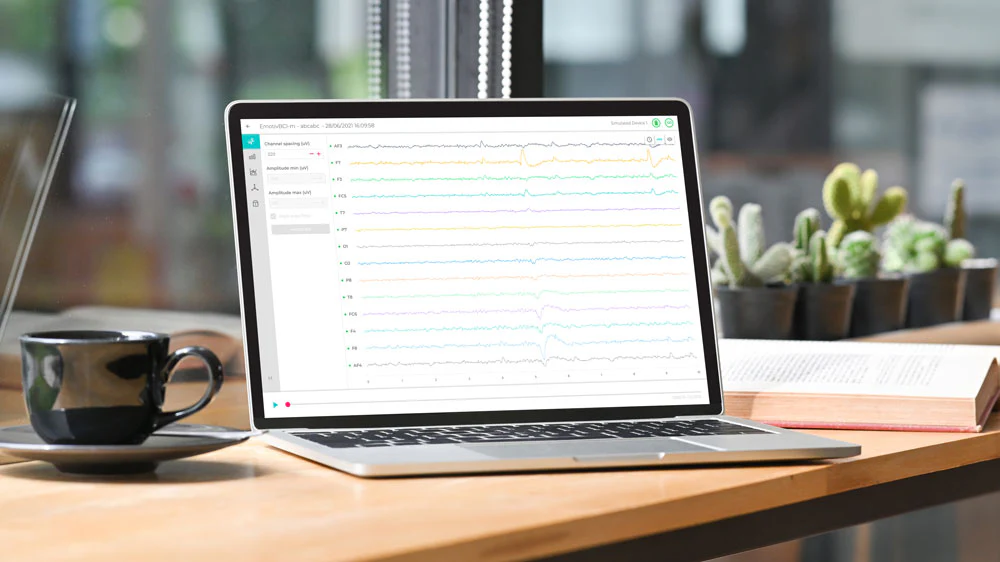
10 Top EEG Data Analysis Software Tools Reviewed
Duong Tran
Updated on
Oct 10, 2025
10 Top EEG Data Analysis Software Tools Reviewed
Duong Tran
Updated on
Oct 10, 2025
10 Top EEG Data Analysis Software Tools Reviewed
Duong Tran
Updated on
Oct 10, 2025
From controlling a drone with your thoughts to measuring a person's subconscious emotional response to an advertisement, the applications for EEG technology are expanding rapidly. These incredible innovations are powered by more than just advanced headsets; they rely on sophisticated eeg data analysis software to translate raw brain signals into actionable commands and metrics. This software is the engine behind every brain-computer interface and neuromarketing study. In this article, we’ll explore the platforms that are making these futuristic applications a reality, covering the key features for real-time processing, machine learning integration, and multi-modal analysis to help you find the right tool for your groundbreaking work.
Key Takeaways
Software is your data interpreter: Raw EEG signals are just noise until analysis software helps you clean, process, and visualize them, transforming complex brainwave data into understandable insights.
Match the tool to your goal: The best software depends on your project's needs, technical skills, and budget. Define your core requirements first to decide if a flexible open-source platform or a streamlined premium solution is the right fit.
Prioritize features that streamline your workflow: Look for robust tools for data cleaning, clear data visualization, and reliable user support to overcome common challenges and ensure your analysis is both efficient and accurate.
What is EEG Data Analysis Software?
So, you’ve collected brainwave data with an EEG headset. What’s next? On its own, raw EEG data is a stream of complex electrical signals. To turn those signals into actionable insights, you need EEG data analysis software. Think of it as the interpreter that translates the brain's electrical language into a format you can understand and work with. This software is designed to process, clean, and analyze the recordings from your EEG device, helping you spot patterns, measure responses, and draw meaningful conclusions from the data.
Whether you're conducting academic research, exploring new frontiers in brain-computer interfaces, or studying consumer behavior, this software is your command center. It takes the raw output from headsets like the Epoc X and transforms it into clear visualizations, metrics, and statistical outputs. Without it, you’d be left with a massive dataset that’s nearly impossible to decipher. The right software makes the entire process more efficient and accurate, allowing you to focus on discovery rather than getting stuck on manual data processing. It’s the essential bridge between data collection and breakthrough insights.
A Quick Primer on EEG Analysis
At its core, EEG analysis is the process of finding the story within the brainwave data. This involves several key methods for pulling out useful information. For instance, you might perform a frequency analysis to see the power of different brainwaves, like Alpha or Beta, which are linked to states like relaxation or focus. Another common technique is looking at Event-Related Potentials (ERPs), which are brain responses tied to a specific event, like seeing an image or hearing a sound. More advanced methods even use machine learning to classify brain states or predict user intent, which is fundamental for creating adaptive technologies.
Core Features and Common Uses
Most EEG analysis platforms share a set of essential features that form the backbone of any good study. Data visualization tools are a must, allowing you to see the brainwave signals in real-time or during playback. Another critical feature is artifact removal—the ability to clean up the data by filtering out "noise" caused by blinking, muscle movements, or electrical interference. From there, you’ll find tools for statistical testing and generating reports. These features are used across many fields, from clinical research into neurological conditions to neuromarketing studies that measure a person's subconscious reaction to an advertisement.
Why Software is Crucial for Brain Research
Using specialized software for EEG analysis isn't just a convenience; it's a necessity for producing reliable and replicable results. Manually processing hours of multi-channel EEG data would be incredibly time-consuming and highly susceptible to human error. Software automates the tedious parts of the workflow, like filtering data and running calculations, ensuring consistency across your entire dataset. This automation frees you up to concentrate on the bigger picture: interpreting the results, forming hypotheses, and pushing your research forward. Tools like EmotivPRO are built to handle this heavy lifting, enhancing both the accuracy and efficiency of your work.
Key Features to Look For in EEG Software
Choosing the right EEG software can feel like a huge task, but it really comes down to matching the tool to your project's goals. Whether you're conducting in-depth academic research, developing a new wellness app, or exploring brain-computer interfaces, the software you use will define what you can achieve with your data. The best platforms are powerful enough for complex analysis but intuitive enough that you can focus on your research questions, not on fighting with the software.
Think of your EEG software as your lab partner. You need one that is reliable, versatile, and easy to work with. A great tool will help you clean, process, and visualize your data efficiently, turning raw brain signals into meaningful insights. As you explore your options, keep an eye out for a few key features that separate the good from the great. These capabilities form the foundation of any solid EEG analysis workflow and will ensure you can get from data collection to discovery without unnecessary hurdles.
Data Preprocessing and Quality Control
Before you can find any meaningful patterns, you need to clean up your raw EEG data. Think of it as tidying up a messy room before you can see what’s really there. Raw signals are often full of "noise" and artifacts—unwanted signals from things like eye blinks, muscle movements, or electrical interference. Data preprocessing is the essential first step of filtering out this noise and correcting for artifacts. Quality software will offer robust tools for filtering, re-referencing, and artifact rejection, ensuring the data you analyze is as clean and accurate as possible. This step is non-negotiable for trustworthy results.
Signal Processing Capabilities
Once your data is clean, the next step is to extract the insights. This is where signal processing comes in. Advanced software provides a toolkit of techniques to help you identify specific brain activity patterns. Methods like Independent Component Analysis (ICA) can help separate distinct neural signals from one another, while time-frequency analysis allows you to see how brainwave patterns change over time. These capabilities are what allow you to move beyond simple observation and start understanding the underlying neural mechanics. The right processing tools are crucial for uncovering the details hidden within your EEG signals.
Visualization and Analysis Tools
Data is much easier to understand when you can see it. Effective visualization tools bring your EEG data to life, transforming rows of numbers into intuitive graphs and maps. Look for software that offers a variety of plotting options, like topographic heat maps that show activity across the scalp or time-series graphs that track brainwaves second by second. These visual aids are incredibly powerful for identifying trends, spotting anomalies, and communicating your findings to others. A good user interface with flexible visualization is key to making your data interpretation process both efficient and insightful.
Real-time Processing
For many modern applications, you need to analyze data as it’s being collected. This is especially true for brain-computer interfaces (BCIs), neurofeedback, and interactive experiments where immediate feedback is part of the design. Real-time processing capabilities mean the software can analyze EEG signals on the fly, allowing a system to respond to a user's brain activity instantly. This feature is what makes it possible to control a device with your thoughts or adjust a wellness app based on your current cognitive state. If your work involves any level of interactivity, real-time processing is a must-have.
Integration and Compatibility
Your EEG software doesn't exist in a vacuum. It needs to work smoothly with your hardware and any other tools in your workflow. Great software is compatible with a wide range of EEG headsets and can easily integrate with other data analysis platforms or programming languages like Python or MATLAB. This flexibility is vital for creating a comprehensive research environment. For developers, a well-documented API is also essential, as it allows you to build custom applications on top of the software’s core functionalities. This ensures your tools can grow and adapt with your projects.
Documentation and Support
Even the most intuitive software can have a learning curve. That’s why comprehensive documentation and reliable user support are so important. Before committing to a platform, check for clear tutorials, detailed user manuals, and an active community forum where you can ask questions. Good support shows that the company is invested in helping you succeed. Whether you're troubleshooting a technical issue or trying to understand an advanced feature, having access to helpful resources can save you a lot of time and frustration, letting you focus on your work.
The Best Free EEG Analysis Tools
Jumping into EEG analysis doesn't have to mean a hefty software investment. Some of the most powerful and widely used tools in neuroscience are completely free and open-source. These platforms are often developed and maintained by academic institutions, meaning they're built on a foundation of rigorous scientific principles. They provide a fantastic way to process, analyze, and visualize the data you collect from devices like the Epoc X or Insight headset.
Whether you're a seasoned researcher, a student just starting, or a developer building the next big thing in brain-computer interfaces, these free tools offer the core functionality you need. They can handle everything from initial data cleaning to complex statistical analysis. The open-source nature also means you're joining a large community of users and developers who contribute to the software's growth and can offer support. Let's walk through some of the best free options available.
EEGLAB and Its Toolboxes
If you're comfortable in the Matlab environment, EEGLAB is a must-try. It’s a powerful and popular open-source toolbox designed specifically for processing EEG and MEG data. What makes it so well-loved is its user-friendly graphical interface (GUI), which helps you manage complex data without writing tons of code. It’s particularly strong in advanced analyses like Independent Component Analysis (ICA) and time/frequency analysis, which are essential for digging into the intricate patterns of brain activity. Its extensive documentation and active user community make it a reliable choice for both new and experienced researchers.
MNE-Python Framework
For those who prefer working in Python, the MNE-Python framework is an incredible open-source package. It’s built to help you understand both the spatial and temporal dynamics of brain activity—the "where" and "when." MNE-Python gives you a complete toolkit for your analysis pipeline, covering everything from cleaning up noisy data and performing source localization to running statistical tests and assessing brain connectivity. Its strong integration with the Python scientific ecosystem (like NumPy and SciPy) makes it a flexible and powerful tool for anyone looking to script their analysis workflows and create custom visualizations.
FieldTrip Software
FieldTrip is another excellent open-source toolbox that provides a wide range of functions for analyzing MEG and EEG data. It’s known for its incredible flexibility. Rather than a fixed GUI, FieldTrip operates as a collection of high-level functions that you can script together to create a customized analysis pipeline. This approach gives you full control over every step of your process. It also integrates well with other software packages, making it a versatile and adaptable choice for researchers who need to tailor their analysis to specific experimental questions or combine different types of neuroimaging data.
BioSig Library
The BioSig library is an open-source software library created for a broad range of biomedical signal processing tasks, including EEG analysis. It’s designed to be accessible and user-friendly, offering a comprehensive set of tools for researchers working with various types of biological data. A key advantage of BioSig is its support for a wide array of data formats, which can save you a lot of headaches when you're trying to import data from different devices or databases. It’s a solid, all-around option if your work involves more than just EEG signals.
OpenViBE Platform
If your focus is on brain-computer interfaces, then OpenViBE is the platform for you. This open-source software is specifically designed for creating and testing real-time EEG applications. It features a visual designer that lets you build complex signal processing pipelines by simply dragging and dropping boxes, which is fantastic for rapid prototyping and experimentation. OpenViBE supports a variety of EEG devices and is built for real-time performance, making it a practical and powerful tool for anyone developing innovative BCI systems for gaming, assistive technology, or cognitive wellness applications.
Top Premium EEG Software
While free tools are fantastic for getting started or for those on a tight budget, premium software often provides a more streamlined and supported experience. This is especially important for commercial projects, clinical applications, or large-scale academic research where efficiency, reliability, and dedicated customer support are non-negotiable. Paid software typically comes with polished graphical user interfaces (GUIs), regular updates, and validated toolchains that can save you countless hours of troubleshooting. These platforms are built for professionals who need to get from data acquisition to meaningful insights as quickly and accurately as possible. Below, we’ll look at some of the leading premium options available, each offering a unique set of features tailored to different research and application needs.
EmotivPRO
EmotivPRO is a powerful and accessible platform designed for recording, reviewing, and interpreting brain signals. It’s built to work seamlessly with Emotiv’s headsets, like the versatile Epoc X, making it an excellent choice for anyone within the Emotiv ecosystem. The software stands out with its user-friendly interface, which simplifies complex data analysis without sacrificing depth. You can view raw EEG data in real-time, see performance metrics for cognitive states like focus and stress, and easily mark events in your data stream. This makes it a go-to tool for a wide range of applications, from academic studies and neuromarketing to developing brain-computer interfaces. It’s a complete solution for researchers and developers who want high-quality data and analysis in one integrated package.
BrainVision Analyzer
BrainVision Analyzer is a heavyweight in the world of EEG analysis, known for its comprehensive and flexible toolset. It’s a favorite in demanding academic and clinical research environments for good reason. The software provides an extensive range of advanced features, including sophisticated artifact correction, detailed time-frequency analysis, and robust statistical evaluation tools. This allows you to perform deep, nuanced analysis of your EEG data. While it has a steeper learning curve than some other options, its power and flexibility are unmatched for researchers who need granular control over every step of their analysis pipeline. It’s the kind of tool you grow into, continually discovering new capabilities as your research questions become more complex.
NeuroWorks
NeuroWorks strikes a great balance between a user-friendly interface and powerful analytical capabilities. It’s designed to be intuitive, allowing researchers to get up and running with their data analysis quickly. The software supports a variety of EEG systems, so you aren’t locked into a single hardware provider. Its key strengths lie in its tools for event-related potential (ERP) analysis and its advanced connectivity measures, which help you understand how different brain regions communicate. NeuroWorks is a strong contender for labs that need a versatile tool that can be used by students and seasoned researchers alike, offering a smooth workflow from data import to final publication-ready figures.
Advanced Neuro Technology (ANT)
ANT Neuro is well-regarded for its high-performance hardware and software solutions, and their analysis software is no exception. It is engineered for precision and reliability, making it a trusted choice for research where data quality is paramount. The software provides a robust suite of tools for both time-domain and frequency-domain analysis, giving you a complete picture of your neural data. Compatible with a wide range of EEG devices, ANT’s software is often praised for its accuracy and is frequently used in high-impact neuroscience research. If your work demands meticulous data processing and you need a tool that delivers consistent, trustworthy results, ANT’s software solutions are definitely worth a look.
Neuroscan
Neuroscan has a long-standing reputation in the neuroscience community for its extensive EEG and ERP analysis capabilities. The CURRY software platform offers a complete suite of tools that cover the entire research workflow, from data acquisition and processing to advanced source localization and visualization. It’s a comprehensive package that allows you to perform multi-modal analyses by integrating EEG with other neuroimaging techniques like fMRI and MEG. This makes it an incredibly powerful tool for researchers looking to get a more complete understanding of brain function. Its ability to handle complex data is a key reason it’s a popular choice for advanced neuroscience research and clinical applications.
How to Handle Common EEG Analysis Challenges
Working with EEG data is incredibly rewarding, but it’s not always a walk in the park. From messy signals to software with a steep learning curve, you’re bound to hit a few bumps. The key is to anticipate these hurdles and have a plan for getting over them. Think of these challenges less as roadblocks and more as part of the process. With the right tools and techniques, you can manage data quality, find software that works for you, and keep your projects running smoothly. Whether you're a seasoned researcher or just starting your first project, you'll likely encounter issues with artifacts, software complexity, data management, and security. These are universal experiences in the field. The good news is that for every challenge, there's a solution, a tool, or a best practice that can help. Let’s break down some of the most common issues you might face and talk through practical ways to solve them, so you can spend less time troubleshooting and more time making discoveries.
Manage Data Quality and Noise
Raw EEG data is rarely perfect. Since the signals are so small, they can easily be contaminated by "noise" from muscle movements, eye blinks, or even electrical interference from nearby devices. This noise is a major challenge because it can obscure the brain activity you’re trying to measure.
The first step is ensuring a clean recording from the start with proper sensor placement and good scalp contact. After that, your software’s preprocessing tools are your best friend. Look for features like band-pass filters to isolate specific frequency bands and notch filters to remove electrical hum. Many modern software solutions, including EmotivPRO, include powerful tools to help you clean up your data and get more accurate results.
Work with Complex Software
Some EEG analysis software can feel like it requires a PhD to operate. Users often struggle with complex interfaces and workflows, which can slow down research and create a barrier for newcomers. You shouldn't have to spend weeks just learning how to import a file.
When choosing software, look for an intuitive user interface and clear, comprehensive documentation. If you’re just starting out or need to get results quickly, consider a platform designed for accessibility. For example, the Emotiv App provides a user-friendly experience for real-time brain data visualization without a heavy technical lift. Start with the core features you need and gradually explore more advanced functions as you get more comfortable.
Solve Interoperability Issues
Have you ever tried to open a file from one program in another, only to find they don’t speak the same language? That’s an interoperability problem, and it’s common in EEG analysis. Different systems and software often use proprietary data formats, making it difficult to share data with collaborators or use multiple tools in your workflow.
To avoid this, look for software that supports common file formats like EDF or CSV. Another powerful solution is an Application Programming Interface (API), which allows different software systems to communicate with each other. Emotiv provides extensive resources for developers to build custom integrations, helping you create a seamless workflow that fits your specific needs.
Manage Your Resources
EEG recordings can generate a massive amount of data, especially during long sessions or studies with many participants. Storing, managing, and processing these large datasets requires significant computational resources and a solid data management strategy. Without a plan, you can quickly run into storage bottlenecks and slow processing times that stall your progress.
Before you begin a project, map out your data management plan. Decide where you will store the data and how you will organize it. Using efficient data formats can help, as can processing your data in smaller batches. Modern, portable EEG systems like the Epoc X headset are designed for efficient data acquisition, giving you a head start on managing your data pipeline effectively.
Address Privacy and Security
Brainwave data is one of the most personal types of information that can be collected. As such, protecting the privacy and security of your participants is a critical responsibility. EEG data can contain sensitive information, so you must handle it with the utmost care to maintain trust and meet ethical standards.
Always start by anonymizing your data, removing any personally identifiable information. Use secure, encrypted methods for storing and transferring files. If you’re conducting formal research, be sure to follow all guidelines from your institutional review board (IRB) or ethics committee. This is especially important in fields like neuromarketing, where you are collecting data that reflects consumer preferences and reactions.
A Look at Advanced Capabilities
As EEG technology becomes more accessible, the software used to interpret its data is also evolving. The most exciting developments are happening at the intersection of neuroscience and computer science. These advanced capabilities are pushing the boundaries of what we can learn from brain activity, opening up new avenues for research, development, and personal wellness. From leveraging artificial intelligence to combining data streams, here’s a look at the features that are defining the future of EEG analysis.
Machine Learning Integration
Machine learning (ML) is a game-changer for interpreting complex EEG data. Instead of manually identifying patterns, you can train algorithms to do it for you, often with greater speed and accuracy. While ML models can require large datasets to produce reliable results, their ability to sift through neural data is unmatched. They can classify mental states, detect anomalies, or predict responses with incredible precision. This is especially powerful for developing sophisticated brain-computer interfaces or personalized wellness applications. When applied effectively, ML can significantly enhance the efficiency of EEG signal processing.
Cloud Processing Solutions
EEG studies can generate massive amounts of data, quickly overwhelming local storage and processing power. Cloud processing offers a scalable solution to this common bottleneck. By offloading data storage and analysis to the cloud, you can handle large-scale projects without investing in expensive hardware. This approach makes it easier to collaborate with team members anywhere in the world and leverage powerful computational resources on demand. Cloud platforms are essential for managing the large datasets required for deep learning and other advanced EEG analysis techniques, making ambitious research more feasible.
Multi-modal Integration
Your brain doesn't operate in a vacuum, and your data analysis shouldn't either. Multi-modal integration involves combining EEG data with other physiological signals, like heart rate, eye-tracking, or even functional MRI (fMRI) scans. This creates a richer, more holistic view of cognitive and emotional processes. For example, in neuromarketing, you might sync EEG data with eye-tracking to see not just what a person is looking at, but how their brain is reacting to it. This approach is expanding beyond medical applications, allowing researchers to enhance data interpretation across various fields.
Real-time Analysis
The ability to analyze EEG data as it’s being recorded is crucial for many applications. Real-time analysis provides immediate feedback, which is the foundation of interactive systems like BCI, neurofeedback training, and adaptive gaming. In clinical settings, it allows for the instant detection of events like epileptic seizures, enabling faster intervention. For developers, real-time processing is key to creating responsive applications that react to a user's cognitive state on the fly. The demand for real-time detection and analysis continues to drive innovation in both hardware and software.
Research Applications
While EEG has deep roots in clinical diagnostics, its applications have expanded into countless other areas of research. Today, you’ll find EEG used in everything from cognitive psychology and sports science to usability testing and even biometric security. For instance, researchers are exploring how unique brainwave patterns can be used for authentication. The versatility of modern EEG tools allows for creative and groundbreaking research applications in both clinical and non-clinical settings. This flexibility empowers researchers to ask new questions and explore human cognition in ways that were previously impossible.
How to Choose the Right EEG Software
With so many options available, picking the right EEG software can feel as complex as the brain data you’re about to analyze. The software you choose is your primary interface for making sense of neural signals, so it’s a decision that directly impacts the quality of your work and the efficiency of your workflow. Think of it as choosing a lab partner—you want one that’s reliable, easy to work with, and has the skills to help you achieve your goals.
Whether you're a researcher designing a complex brain-computer interface, a developer building a new application, or a professional exploring neuromarketing, the right tool makes all the difference. The perfect software for one person might be overly complicated or too basic for another. To find your ideal match, you’ll need to look beyond the feature list and consider your specific needs, technical comfort level, and long-term goals. Let’s walk through the key factors to consider so you can make a choice you feel confident about.
Assess Your Technical Needs
First things first: what do you actually need your software to do? EEG analysis tools range from simple platforms for data visualization to highly advanced suites for deep signal processing. Before you get swayed by a long list of features, take a moment to outline your core requirements. Are you primarily focused on viewing live brain activity, or do you need to perform complex offline analysis, like cleaning up noisy data and identifying specific patterns? Your answer will help you narrow the field considerably. If your work involves academic research, you might need software with robust statistical analysis and scripting capabilities.
Consider the User Interface
Powerful software isn’t very useful if you can’t figure out how to operate it. The user interface (UI) is a critical factor that can make or break your experience. A clunky, confusing interface will slow you down and add unnecessary frustration to your work. Look for software with a clean layout, intuitive navigation, and clear data visualizations. Many modern tools, like EmotivPRO, are designed to be user-friendly without sacrificing powerful functionality. If you can, try a demo or watch tutorial videos to get a feel for the workflow before you commit. A little time spent upfront can save you hours of trouble later.
Plan Your Budget
EEG software comes at a wide range of price points, from free, open-source platforms to premium commercial licenses. It’s important to think about your budget and the total cost of ownership. A free tool might seem appealing, but it could require more technical expertise to set up and may lack dedicated support. Commercial software often comes with a higher price tag but typically includes regular updates, professional support, and a more polished user experience. Consider what you’re getting for your money and whether potential add-ons or subscription renewals fit into your long-term financial plan.
Check Hardware Compatibility
This is a simple but crucial step that can save you a lot of headaches. Not all software works with all EEG headsets. Before you fall in love with a particular program, confirm that it’s compatible with your hardware. Most software developers provide a list of supported devices on their websites. For example, if you’re using an Emotiv headset like the Epoc X, you’ll have seamless integration with Emotiv’s software ecosystem. Making sure your hardware and software can communicate properly from the start ensures a smooth and reliable data acquisition process.
Evaluate Training and Support
Finally, consider the resources available to help you get the most out of your software. Does the developer provide comprehensive documentation, video tutorials, or user forums? Having access to good training materials can significantly shorten your learning curve. Furthermore, check what kind of customer support is offered. When you run into an unexpected issue or a complex analysis problem, having a responsive and knowledgeable support team to turn to is invaluable. Strong support and training resources are a sign that a company is invested in its users’ success and wants to help you achieve your research or project goals.
Related Articles
EmotivPRO - Analyzer
Frequently Asked Questions
Should I choose free, open-source software or a paid option? The best choice really depends on your project's needs and your own technical comfort level. Free, open-source tools are incredibly powerful and offer a ton of flexibility, which is fantastic if you enjoy scripting and want to build a highly customized analysis pipeline. Paid software often provides a more streamlined experience with a polished user interface, dedicated customer support, and seamless integration with specific hardware. If you value out-of-the-box usability and having a support team to call on, a premium option might be a better fit.
Do I need to be a programmer to analyze EEG data? Absolutely not. While some of the most flexible tools are based on programming languages like Python or MATLAB, many excellent platforms are built with intuitive graphical user interfaces (GUIs). This means you can run complex analyses using familiar menus and buttons, no coding required. Software like EmotivPRO is specifically designed to be accessible, allowing you to get straight to your data without a steep technical learning curve.
Can I use any software with my EEG headset? Not necessarily, so this is an important detail to check before you commit to a platform. Some software is designed to work perfectly within a specific hardware ecosystem, ensuring a smooth and reliable connection. Other programs are built to be more universal and support a wide range of devices. Before making a decision, always look at the software developer's website for a list of compatible headsets to ensure your gear will work as expected.
My data looks messy. How do I handle noise and artifacts? Don't worry, seeing "noise" from things like eye blinks or muscle tension is a completely normal part of working with EEG. Your first step is always to ensure you get the cleanest possible recording by properly fitting your headset. After that, your software's preprocessing tools are your best friend. Quality platforms will have features like filters to remove electrical interference and methods to help you identify and correct for artifacts, which is a fundamental step for getting accurate results.
When do I actually need real-time analysis? You need real-time analysis whenever your application needs to respond instantly to a person's brain activity. This is essential for interactive projects like brain-computer interfaces, where a user might control a drone with their mind, or for neurofeedback, where someone gets live feedback on their focus levels. If you are simply collecting data to analyze later for a research report, then standard offline analysis is all you need.
From controlling a drone with your thoughts to measuring a person's subconscious emotional response to an advertisement, the applications for EEG technology are expanding rapidly. These incredible innovations are powered by more than just advanced headsets; they rely on sophisticated eeg data analysis software to translate raw brain signals into actionable commands and metrics. This software is the engine behind every brain-computer interface and neuromarketing study. In this article, we’ll explore the platforms that are making these futuristic applications a reality, covering the key features for real-time processing, machine learning integration, and multi-modal analysis to help you find the right tool for your groundbreaking work.
Key Takeaways
Software is your data interpreter: Raw EEG signals are just noise until analysis software helps you clean, process, and visualize them, transforming complex brainwave data into understandable insights.
Match the tool to your goal: The best software depends on your project's needs, technical skills, and budget. Define your core requirements first to decide if a flexible open-source platform or a streamlined premium solution is the right fit.
Prioritize features that streamline your workflow: Look for robust tools for data cleaning, clear data visualization, and reliable user support to overcome common challenges and ensure your analysis is both efficient and accurate.
What is EEG Data Analysis Software?
So, you’ve collected brainwave data with an EEG headset. What’s next? On its own, raw EEG data is a stream of complex electrical signals. To turn those signals into actionable insights, you need EEG data analysis software. Think of it as the interpreter that translates the brain's electrical language into a format you can understand and work with. This software is designed to process, clean, and analyze the recordings from your EEG device, helping you spot patterns, measure responses, and draw meaningful conclusions from the data.
Whether you're conducting academic research, exploring new frontiers in brain-computer interfaces, or studying consumer behavior, this software is your command center. It takes the raw output from headsets like the Epoc X and transforms it into clear visualizations, metrics, and statistical outputs. Without it, you’d be left with a massive dataset that’s nearly impossible to decipher. The right software makes the entire process more efficient and accurate, allowing you to focus on discovery rather than getting stuck on manual data processing. It’s the essential bridge between data collection and breakthrough insights.
A Quick Primer on EEG Analysis
At its core, EEG analysis is the process of finding the story within the brainwave data. This involves several key methods for pulling out useful information. For instance, you might perform a frequency analysis to see the power of different brainwaves, like Alpha or Beta, which are linked to states like relaxation or focus. Another common technique is looking at Event-Related Potentials (ERPs), which are brain responses tied to a specific event, like seeing an image or hearing a sound. More advanced methods even use machine learning to classify brain states or predict user intent, which is fundamental for creating adaptive technologies.
Core Features and Common Uses
Most EEG analysis platforms share a set of essential features that form the backbone of any good study. Data visualization tools are a must, allowing you to see the brainwave signals in real-time or during playback. Another critical feature is artifact removal—the ability to clean up the data by filtering out "noise" caused by blinking, muscle movements, or electrical interference. From there, you’ll find tools for statistical testing and generating reports. These features are used across many fields, from clinical research into neurological conditions to neuromarketing studies that measure a person's subconscious reaction to an advertisement.
Why Software is Crucial for Brain Research
Using specialized software for EEG analysis isn't just a convenience; it's a necessity for producing reliable and replicable results. Manually processing hours of multi-channel EEG data would be incredibly time-consuming and highly susceptible to human error. Software automates the tedious parts of the workflow, like filtering data and running calculations, ensuring consistency across your entire dataset. This automation frees you up to concentrate on the bigger picture: interpreting the results, forming hypotheses, and pushing your research forward. Tools like EmotivPRO are built to handle this heavy lifting, enhancing both the accuracy and efficiency of your work.
Key Features to Look For in EEG Software
Choosing the right EEG software can feel like a huge task, but it really comes down to matching the tool to your project's goals. Whether you're conducting in-depth academic research, developing a new wellness app, or exploring brain-computer interfaces, the software you use will define what you can achieve with your data. The best platforms are powerful enough for complex analysis but intuitive enough that you can focus on your research questions, not on fighting with the software.
Think of your EEG software as your lab partner. You need one that is reliable, versatile, and easy to work with. A great tool will help you clean, process, and visualize your data efficiently, turning raw brain signals into meaningful insights. As you explore your options, keep an eye out for a few key features that separate the good from the great. These capabilities form the foundation of any solid EEG analysis workflow and will ensure you can get from data collection to discovery without unnecessary hurdles.
Data Preprocessing and Quality Control
Before you can find any meaningful patterns, you need to clean up your raw EEG data. Think of it as tidying up a messy room before you can see what’s really there. Raw signals are often full of "noise" and artifacts—unwanted signals from things like eye blinks, muscle movements, or electrical interference. Data preprocessing is the essential first step of filtering out this noise and correcting for artifacts. Quality software will offer robust tools for filtering, re-referencing, and artifact rejection, ensuring the data you analyze is as clean and accurate as possible. This step is non-negotiable for trustworthy results.
Signal Processing Capabilities
Once your data is clean, the next step is to extract the insights. This is where signal processing comes in. Advanced software provides a toolkit of techniques to help you identify specific brain activity patterns. Methods like Independent Component Analysis (ICA) can help separate distinct neural signals from one another, while time-frequency analysis allows you to see how brainwave patterns change over time. These capabilities are what allow you to move beyond simple observation and start understanding the underlying neural mechanics. The right processing tools are crucial for uncovering the details hidden within your EEG signals.
Visualization and Analysis Tools
Data is much easier to understand when you can see it. Effective visualization tools bring your EEG data to life, transforming rows of numbers into intuitive graphs and maps. Look for software that offers a variety of plotting options, like topographic heat maps that show activity across the scalp or time-series graphs that track brainwaves second by second. These visual aids are incredibly powerful for identifying trends, spotting anomalies, and communicating your findings to others. A good user interface with flexible visualization is key to making your data interpretation process both efficient and insightful.
Real-time Processing
For many modern applications, you need to analyze data as it’s being collected. This is especially true for brain-computer interfaces (BCIs), neurofeedback, and interactive experiments where immediate feedback is part of the design. Real-time processing capabilities mean the software can analyze EEG signals on the fly, allowing a system to respond to a user's brain activity instantly. This feature is what makes it possible to control a device with your thoughts or adjust a wellness app based on your current cognitive state. If your work involves any level of interactivity, real-time processing is a must-have.
Integration and Compatibility
Your EEG software doesn't exist in a vacuum. It needs to work smoothly with your hardware and any other tools in your workflow. Great software is compatible with a wide range of EEG headsets and can easily integrate with other data analysis platforms or programming languages like Python or MATLAB. This flexibility is vital for creating a comprehensive research environment. For developers, a well-documented API is also essential, as it allows you to build custom applications on top of the software’s core functionalities. This ensures your tools can grow and adapt with your projects.
Documentation and Support
Even the most intuitive software can have a learning curve. That’s why comprehensive documentation and reliable user support are so important. Before committing to a platform, check for clear tutorials, detailed user manuals, and an active community forum where you can ask questions. Good support shows that the company is invested in helping you succeed. Whether you're troubleshooting a technical issue or trying to understand an advanced feature, having access to helpful resources can save you a lot of time and frustration, letting you focus on your work.
The Best Free EEG Analysis Tools
Jumping into EEG analysis doesn't have to mean a hefty software investment. Some of the most powerful and widely used tools in neuroscience are completely free and open-source. These platforms are often developed and maintained by academic institutions, meaning they're built on a foundation of rigorous scientific principles. They provide a fantastic way to process, analyze, and visualize the data you collect from devices like the Epoc X or Insight headset.
Whether you're a seasoned researcher, a student just starting, or a developer building the next big thing in brain-computer interfaces, these free tools offer the core functionality you need. They can handle everything from initial data cleaning to complex statistical analysis. The open-source nature also means you're joining a large community of users and developers who contribute to the software's growth and can offer support. Let's walk through some of the best free options available.
EEGLAB and Its Toolboxes
If you're comfortable in the Matlab environment, EEGLAB is a must-try. It’s a powerful and popular open-source toolbox designed specifically for processing EEG and MEG data. What makes it so well-loved is its user-friendly graphical interface (GUI), which helps you manage complex data without writing tons of code. It’s particularly strong in advanced analyses like Independent Component Analysis (ICA) and time/frequency analysis, which are essential for digging into the intricate patterns of brain activity. Its extensive documentation and active user community make it a reliable choice for both new and experienced researchers.
MNE-Python Framework
For those who prefer working in Python, the MNE-Python framework is an incredible open-source package. It’s built to help you understand both the spatial and temporal dynamics of brain activity—the "where" and "when." MNE-Python gives you a complete toolkit for your analysis pipeline, covering everything from cleaning up noisy data and performing source localization to running statistical tests and assessing brain connectivity. Its strong integration with the Python scientific ecosystem (like NumPy and SciPy) makes it a flexible and powerful tool for anyone looking to script their analysis workflows and create custom visualizations.
FieldTrip Software
FieldTrip is another excellent open-source toolbox that provides a wide range of functions for analyzing MEG and EEG data. It’s known for its incredible flexibility. Rather than a fixed GUI, FieldTrip operates as a collection of high-level functions that you can script together to create a customized analysis pipeline. This approach gives you full control over every step of your process. It also integrates well with other software packages, making it a versatile and adaptable choice for researchers who need to tailor their analysis to specific experimental questions or combine different types of neuroimaging data.
BioSig Library
The BioSig library is an open-source software library created for a broad range of biomedical signal processing tasks, including EEG analysis. It’s designed to be accessible and user-friendly, offering a comprehensive set of tools for researchers working with various types of biological data. A key advantage of BioSig is its support for a wide array of data formats, which can save you a lot of headaches when you're trying to import data from different devices or databases. It’s a solid, all-around option if your work involves more than just EEG signals.
OpenViBE Platform
If your focus is on brain-computer interfaces, then OpenViBE is the platform for you. This open-source software is specifically designed for creating and testing real-time EEG applications. It features a visual designer that lets you build complex signal processing pipelines by simply dragging and dropping boxes, which is fantastic for rapid prototyping and experimentation. OpenViBE supports a variety of EEG devices and is built for real-time performance, making it a practical and powerful tool for anyone developing innovative BCI systems for gaming, assistive technology, or cognitive wellness applications.
Top Premium EEG Software
While free tools are fantastic for getting started or for those on a tight budget, premium software often provides a more streamlined and supported experience. This is especially important for commercial projects, clinical applications, or large-scale academic research where efficiency, reliability, and dedicated customer support are non-negotiable. Paid software typically comes with polished graphical user interfaces (GUIs), regular updates, and validated toolchains that can save you countless hours of troubleshooting. These platforms are built for professionals who need to get from data acquisition to meaningful insights as quickly and accurately as possible. Below, we’ll look at some of the leading premium options available, each offering a unique set of features tailored to different research and application needs.
EmotivPRO
EmotivPRO is a powerful and accessible platform designed for recording, reviewing, and interpreting brain signals. It’s built to work seamlessly with Emotiv’s headsets, like the versatile Epoc X, making it an excellent choice for anyone within the Emotiv ecosystem. The software stands out with its user-friendly interface, which simplifies complex data analysis without sacrificing depth. You can view raw EEG data in real-time, see performance metrics for cognitive states like focus and stress, and easily mark events in your data stream. This makes it a go-to tool for a wide range of applications, from academic studies and neuromarketing to developing brain-computer interfaces. It’s a complete solution for researchers and developers who want high-quality data and analysis in one integrated package.
BrainVision Analyzer
BrainVision Analyzer is a heavyweight in the world of EEG analysis, known for its comprehensive and flexible toolset. It’s a favorite in demanding academic and clinical research environments for good reason. The software provides an extensive range of advanced features, including sophisticated artifact correction, detailed time-frequency analysis, and robust statistical evaluation tools. This allows you to perform deep, nuanced analysis of your EEG data. While it has a steeper learning curve than some other options, its power and flexibility are unmatched for researchers who need granular control over every step of their analysis pipeline. It’s the kind of tool you grow into, continually discovering new capabilities as your research questions become more complex.
NeuroWorks
NeuroWorks strikes a great balance between a user-friendly interface and powerful analytical capabilities. It’s designed to be intuitive, allowing researchers to get up and running with their data analysis quickly. The software supports a variety of EEG systems, so you aren’t locked into a single hardware provider. Its key strengths lie in its tools for event-related potential (ERP) analysis and its advanced connectivity measures, which help you understand how different brain regions communicate. NeuroWorks is a strong contender for labs that need a versatile tool that can be used by students and seasoned researchers alike, offering a smooth workflow from data import to final publication-ready figures.
Advanced Neuro Technology (ANT)
ANT Neuro is well-regarded for its high-performance hardware and software solutions, and their analysis software is no exception. It is engineered for precision and reliability, making it a trusted choice for research where data quality is paramount. The software provides a robust suite of tools for both time-domain and frequency-domain analysis, giving you a complete picture of your neural data. Compatible with a wide range of EEG devices, ANT’s software is often praised for its accuracy and is frequently used in high-impact neuroscience research. If your work demands meticulous data processing and you need a tool that delivers consistent, trustworthy results, ANT’s software solutions are definitely worth a look.
Neuroscan
Neuroscan has a long-standing reputation in the neuroscience community for its extensive EEG and ERP analysis capabilities. The CURRY software platform offers a complete suite of tools that cover the entire research workflow, from data acquisition and processing to advanced source localization and visualization. It’s a comprehensive package that allows you to perform multi-modal analyses by integrating EEG with other neuroimaging techniques like fMRI and MEG. This makes it an incredibly powerful tool for researchers looking to get a more complete understanding of brain function. Its ability to handle complex data is a key reason it’s a popular choice for advanced neuroscience research and clinical applications.
How to Handle Common EEG Analysis Challenges
Working with EEG data is incredibly rewarding, but it’s not always a walk in the park. From messy signals to software with a steep learning curve, you’re bound to hit a few bumps. The key is to anticipate these hurdles and have a plan for getting over them. Think of these challenges less as roadblocks and more as part of the process. With the right tools and techniques, you can manage data quality, find software that works for you, and keep your projects running smoothly. Whether you're a seasoned researcher or just starting your first project, you'll likely encounter issues with artifacts, software complexity, data management, and security. These are universal experiences in the field. The good news is that for every challenge, there's a solution, a tool, or a best practice that can help. Let’s break down some of the most common issues you might face and talk through practical ways to solve them, so you can spend less time troubleshooting and more time making discoveries.
Manage Data Quality and Noise
Raw EEG data is rarely perfect. Since the signals are so small, they can easily be contaminated by "noise" from muscle movements, eye blinks, or even electrical interference from nearby devices. This noise is a major challenge because it can obscure the brain activity you’re trying to measure.
The first step is ensuring a clean recording from the start with proper sensor placement and good scalp contact. After that, your software’s preprocessing tools are your best friend. Look for features like band-pass filters to isolate specific frequency bands and notch filters to remove electrical hum. Many modern software solutions, including EmotivPRO, include powerful tools to help you clean up your data and get more accurate results.
Work with Complex Software
Some EEG analysis software can feel like it requires a PhD to operate. Users often struggle with complex interfaces and workflows, which can slow down research and create a barrier for newcomers. You shouldn't have to spend weeks just learning how to import a file.
When choosing software, look for an intuitive user interface and clear, comprehensive documentation. If you’re just starting out or need to get results quickly, consider a platform designed for accessibility. For example, the Emotiv App provides a user-friendly experience for real-time brain data visualization without a heavy technical lift. Start with the core features you need and gradually explore more advanced functions as you get more comfortable.
Solve Interoperability Issues
Have you ever tried to open a file from one program in another, only to find they don’t speak the same language? That’s an interoperability problem, and it’s common in EEG analysis. Different systems and software often use proprietary data formats, making it difficult to share data with collaborators or use multiple tools in your workflow.
To avoid this, look for software that supports common file formats like EDF or CSV. Another powerful solution is an Application Programming Interface (API), which allows different software systems to communicate with each other. Emotiv provides extensive resources for developers to build custom integrations, helping you create a seamless workflow that fits your specific needs.
Manage Your Resources
EEG recordings can generate a massive amount of data, especially during long sessions or studies with many participants. Storing, managing, and processing these large datasets requires significant computational resources and a solid data management strategy. Without a plan, you can quickly run into storage bottlenecks and slow processing times that stall your progress.
Before you begin a project, map out your data management plan. Decide where you will store the data and how you will organize it. Using efficient data formats can help, as can processing your data in smaller batches. Modern, portable EEG systems like the Epoc X headset are designed for efficient data acquisition, giving you a head start on managing your data pipeline effectively.
Address Privacy and Security
Brainwave data is one of the most personal types of information that can be collected. As such, protecting the privacy and security of your participants is a critical responsibility. EEG data can contain sensitive information, so you must handle it with the utmost care to maintain trust and meet ethical standards.
Always start by anonymizing your data, removing any personally identifiable information. Use secure, encrypted methods for storing and transferring files. If you’re conducting formal research, be sure to follow all guidelines from your institutional review board (IRB) or ethics committee. This is especially important in fields like neuromarketing, where you are collecting data that reflects consumer preferences and reactions.
A Look at Advanced Capabilities
As EEG technology becomes more accessible, the software used to interpret its data is also evolving. The most exciting developments are happening at the intersection of neuroscience and computer science. These advanced capabilities are pushing the boundaries of what we can learn from brain activity, opening up new avenues for research, development, and personal wellness. From leveraging artificial intelligence to combining data streams, here’s a look at the features that are defining the future of EEG analysis.
Machine Learning Integration
Machine learning (ML) is a game-changer for interpreting complex EEG data. Instead of manually identifying patterns, you can train algorithms to do it for you, often with greater speed and accuracy. While ML models can require large datasets to produce reliable results, their ability to sift through neural data is unmatched. They can classify mental states, detect anomalies, or predict responses with incredible precision. This is especially powerful for developing sophisticated brain-computer interfaces or personalized wellness applications. When applied effectively, ML can significantly enhance the efficiency of EEG signal processing.
Cloud Processing Solutions
EEG studies can generate massive amounts of data, quickly overwhelming local storage and processing power. Cloud processing offers a scalable solution to this common bottleneck. By offloading data storage and analysis to the cloud, you can handle large-scale projects without investing in expensive hardware. This approach makes it easier to collaborate with team members anywhere in the world and leverage powerful computational resources on demand. Cloud platforms are essential for managing the large datasets required for deep learning and other advanced EEG analysis techniques, making ambitious research more feasible.
Multi-modal Integration
Your brain doesn't operate in a vacuum, and your data analysis shouldn't either. Multi-modal integration involves combining EEG data with other physiological signals, like heart rate, eye-tracking, or even functional MRI (fMRI) scans. This creates a richer, more holistic view of cognitive and emotional processes. For example, in neuromarketing, you might sync EEG data with eye-tracking to see not just what a person is looking at, but how their brain is reacting to it. This approach is expanding beyond medical applications, allowing researchers to enhance data interpretation across various fields.
Real-time Analysis
The ability to analyze EEG data as it’s being recorded is crucial for many applications. Real-time analysis provides immediate feedback, which is the foundation of interactive systems like BCI, neurofeedback training, and adaptive gaming. In clinical settings, it allows for the instant detection of events like epileptic seizures, enabling faster intervention. For developers, real-time processing is key to creating responsive applications that react to a user's cognitive state on the fly. The demand for real-time detection and analysis continues to drive innovation in both hardware and software.
Research Applications
While EEG has deep roots in clinical diagnostics, its applications have expanded into countless other areas of research. Today, you’ll find EEG used in everything from cognitive psychology and sports science to usability testing and even biometric security. For instance, researchers are exploring how unique brainwave patterns can be used for authentication. The versatility of modern EEG tools allows for creative and groundbreaking research applications in both clinical and non-clinical settings. This flexibility empowers researchers to ask new questions and explore human cognition in ways that were previously impossible.
How to Choose the Right EEG Software
With so many options available, picking the right EEG software can feel as complex as the brain data you’re about to analyze. The software you choose is your primary interface for making sense of neural signals, so it’s a decision that directly impacts the quality of your work and the efficiency of your workflow. Think of it as choosing a lab partner—you want one that’s reliable, easy to work with, and has the skills to help you achieve your goals.
Whether you're a researcher designing a complex brain-computer interface, a developer building a new application, or a professional exploring neuromarketing, the right tool makes all the difference. The perfect software for one person might be overly complicated or too basic for another. To find your ideal match, you’ll need to look beyond the feature list and consider your specific needs, technical comfort level, and long-term goals. Let’s walk through the key factors to consider so you can make a choice you feel confident about.
Assess Your Technical Needs
First things first: what do you actually need your software to do? EEG analysis tools range from simple platforms for data visualization to highly advanced suites for deep signal processing. Before you get swayed by a long list of features, take a moment to outline your core requirements. Are you primarily focused on viewing live brain activity, or do you need to perform complex offline analysis, like cleaning up noisy data and identifying specific patterns? Your answer will help you narrow the field considerably. If your work involves academic research, you might need software with robust statistical analysis and scripting capabilities.
Consider the User Interface
Powerful software isn’t very useful if you can’t figure out how to operate it. The user interface (UI) is a critical factor that can make or break your experience. A clunky, confusing interface will slow you down and add unnecessary frustration to your work. Look for software with a clean layout, intuitive navigation, and clear data visualizations. Many modern tools, like EmotivPRO, are designed to be user-friendly without sacrificing powerful functionality. If you can, try a demo or watch tutorial videos to get a feel for the workflow before you commit. A little time spent upfront can save you hours of trouble later.
Plan Your Budget
EEG software comes at a wide range of price points, from free, open-source platforms to premium commercial licenses. It’s important to think about your budget and the total cost of ownership. A free tool might seem appealing, but it could require more technical expertise to set up and may lack dedicated support. Commercial software often comes with a higher price tag but typically includes regular updates, professional support, and a more polished user experience. Consider what you’re getting for your money and whether potential add-ons or subscription renewals fit into your long-term financial plan.
Check Hardware Compatibility
This is a simple but crucial step that can save you a lot of headaches. Not all software works with all EEG headsets. Before you fall in love with a particular program, confirm that it’s compatible with your hardware. Most software developers provide a list of supported devices on their websites. For example, if you’re using an Emotiv headset like the Epoc X, you’ll have seamless integration with Emotiv’s software ecosystem. Making sure your hardware and software can communicate properly from the start ensures a smooth and reliable data acquisition process.
Evaluate Training and Support
Finally, consider the resources available to help you get the most out of your software. Does the developer provide comprehensive documentation, video tutorials, or user forums? Having access to good training materials can significantly shorten your learning curve. Furthermore, check what kind of customer support is offered. When you run into an unexpected issue or a complex analysis problem, having a responsive and knowledgeable support team to turn to is invaluable. Strong support and training resources are a sign that a company is invested in its users’ success and wants to help you achieve your research or project goals.
Related Articles
EmotivPRO - Analyzer
Frequently Asked Questions
Should I choose free, open-source software or a paid option? The best choice really depends on your project's needs and your own technical comfort level. Free, open-source tools are incredibly powerful and offer a ton of flexibility, which is fantastic if you enjoy scripting and want to build a highly customized analysis pipeline. Paid software often provides a more streamlined experience with a polished user interface, dedicated customer support, and seamless integration with specific hardware. If you value out-of-the-box usability and having a support team to call on, a premium option might be a better fit.
Do I need to be a programmer to analyze EEG data? Absolutely not. While some of the most flexible tools are based on programming languages like Python or MATLAB, many excellent platforms are built with intuitive graphical user interfaces (GUIs). This means you can run complex analyses using familiar menus and buttons, no coding required. Software like EmotivPRO is specifically designed to be accessible, allowing you to get straight to your data without a steep technical learning curve.
Can I use any software with my EEG headset? Not necessarily, so this is an important detail to check before you commit to a platform. Some software is designed to work perfectly within a specific hardware ecosystem, ensuring a smooth and reliable connection. Other programs are built to be more universal and support a wide range of devices. Before making a decision, always look at the software developer's website for a list of compatible headsets to ensure your gear will work as expected.
My data looks messy. How do I handle noise and artifacts? Don't worry, seeing "noise" from things like eye blinks or muscle tension is a completely normal part of working with EEG. Your first step is always to ensure you get the cleanest possible recording by properly fitting your headset. After that, your software's preprocessing tools are your best friend. Quality platforms will have features like filters to remove electrical interference and methods to help you identify and correct for artifacts, which is a fundamental step for getting accurate results.
When do I actually need real-time analysis? You need real-time analysis whenever your application needs to respond instantly to a person's brain activity. This is essential for interactive projects like brain-computer interfaces, where a user might control a drone with their mind, or for neurofeedback, where someone gets live feedback on their focus levels. If you are simply collecting data to analyze later for a research report, then standard offline analysis is all you need.
From controlling a drone with your thoughts to measuring a person's subconscious emotional response to an advertisement, the applications for EEG technology are expanding rapidly. These incredible innovations are powered by more than just advanced headsets; they rely on sophisticated eeg data analysis software to translate raw brain signals into actionable commands and metrics. This software is the engine behind every brain-computer interface and neuromarketing study. In this article, we’ll explore the platforms that are making these futuristic applications a reality, covering the key features for real-time processing, machine learning integration, and multi-modal analysis to help you find the right tool for your groundbreaking work.
Key Takeaways
Software is your data interpreter: Raw EEG signals are just noise until analysis software helps you clean, process, and visualize them, transforming complex brainwave data into understandable insights.
Match the tool to your goal: The best software depends on your project's needs, technical skills, and budget. Define your core requirements first to decide if a flexible open-source platform or a streamlined premium solution is the right fit.
Prioritize features that streamline your workflow: Look for robust tools for data cleaning, clear data visualization, and reliable user support to overcome common challenges and ensure your analysis is both efficient and accurate.
What is EEG Data Analysis Software?
So, you’ve collected brainwave data with an EEG headset. What’s next? On its own, raw EEG data is a stream of complex electrical signals. To turn those signals into actionable insights, you need EEG data analysis software. Think of it as the interpreter that translates the brain's electrical language into a format you can understand and work with. This software is designed to process, clean, and analyze the recordings from your EEG device, helping you spot patterns, measure responses, and draw meaningful conclusions from the data.
Whether you're conducting academic research, exploring new frontiers in brain-computer interfaces, or studying consumer behavior, this software is your command center. It takes the raw output from headsets like the Epoc X and transforms it into clear visualizations, metrics, and statistical outputs. Without it, you’d be left with a massive dataset that’s nearly impossible to decipher. The right software makes the entire process more efficient and accurate, allowing you to focus on discovery rather than getting stuck on manual data processing. It’s the essential bridge between data collection and breakthrough insights.
A Quick Primer on EEG Analysis
At its core, EEG analysis is the process of finding the story within the brainwave data. This involves several key methods for pulling out useful information. For instance, you might perform a frequency analysis to see the power of different brainwaves, like Alpha or Beta, which are linked to states like relaxation or focus. Another common technique is looking at Event-Related Potentials (ERPs), which are brain responses tied to a specific event, like seeing an image or hearing a sound. More advanced methods even use machine learning to classify brain states or predict user intent, which is fundamental for creating adaptive technologies.
Core Features and Common Uses
Most EEG analysis platforms share a set of essential features that form the backbone of any good study. Data visualization tools are a must, allowing you to see the brainwave signals in real-time or during playback. Another critical feature is artifact removal—the ability to clean up the data by filtering out "noise" caused by blinking, muscle movements, or electrical interference. From there, you’ll find tools for statistical testing and generating reports. These features are used across many fields, from clinical research into neurological conditions to neuromarketing studies that measure a person's subconscious reaction to an advertisement.
Why Software is Crucial for Brain Research
Using specialized software for EEG analysis isn't just a convenience; it's a necessity for producing reliable and replicable results. Manually processing hours of multi-channel EEG data would be incredibly time-consuming and highly susceptible to human error. Software automates the tedious parts of the workflow, like filtering data and running calculations, ensuring consistency across your entire dataset. This automation frees you up to concentrate on the bigger picture: interpreting the results, forming hypotheses, and pushing your research forward. Tools like EmotivPRO are built to handle this heavy lifting, enhancing both the accuracy and efficiency of your work.
Key Features to Look For in EEG Software
Choosing the right EEG software can feel like a huge task, but it really comes down to matching the tool to your project's goals. Whether you're conducting in-depth academic research, developing a new wellness app, or exploring brain-computer interfaces, the software you use will define what you can achieve with your data. The best platforms are powerful enough for complex analysis but intuitive enough that you can focus on your research questions, not on fighting with the software.
Think of your EEG software as your lab partner. You need one that is reliable, versatile, and easy to work with. A great tool will help you clean, process, and visualize your data efficiently, turning raw brain signals into meaningful insights. As you explore your options, keep an eye out for a few key features that separate the good from the great. These capabilities form the foundation of any solid EEG analysis workflow and will ensure you can get from data collection to discovery without unnecessary hurdles.
Data Preprocessing and Quality Control
Before you can find any meaningful patterns, you need to clean up your raw EEG data. Think of it as tidying up a messy room before you can see what’s really there. Raw signals are often full of "noise" and artifacts—unwanted signals from things like eye blinks, muscle movements, or electrical interference. Data preprocessing is the essential first step of filtering out this noise and correcting for artifacts. Quality software will offer robust tools for filtering, re-referencing, and artifact rejection, ensuring the data you analyze is as clean and accurate as possible. This step is non-negotiable for trustworthy results.
Signal Processing Capabilities
Once your data is clean, the next step is to extract the insights. This is where signal processing comes in. Advanced software provides a toolkit of techniques to help you identify specific brain activity patterns. Methods like Independent Component Analysis (ICA) can help separate distinct neural signals from one another, while time-frequency analysis allows you to see how brainwave patterns change over time. These capabilities are what allow you to move beyond simple observation and start understanding the underlying neural mechanics. The right processing tools are crucial for uncovering the details hidden within your EEG signals.
Visualization and Analysis Tools
Data is much easier to understand when you can see it. Effective visualization tools bring your EEG data to life, transforming rows of numbers into intuitive graphs and maps. Look for software that offers a variety of plotting options, like topographic heat maps that show activity across the scalp or time-series graphs that track brainwaves second by second. These visual aids are incredibly powerful for identifying trends, spotting anomalies, and communicating your findings to others. A good user interface with flexible visualization is key to making your data interpretation process both efficient and insightful.
Real-time Processing
For many modern applications, you need to analyze data as it’s being collected. This is especially true for brain-computer interfaces (BCIs), neurofeedback, and interactive experiments where immediate feedback is part of the design. Real-time processing capabilities mean the software can analyze EEG signals on the fly, allowing a system to respond to a user's brain activity instantly. This feature is what makes it possible to control a device with your thoughts or adjust a wellness app based on your current cognitive state. If your work involves any level of interactivity, real-time processing is a must-have.
Integration and Compatibility
Your EEG software doesn't exist in a vacuum. It needs to work smoothly with your hardware and any other tools in your workflow. Great software is compatible with a wide range of EEG headsets and can easily integrate with other data analysis platforms or programming languages like Python or MATLAB. This flexibility is vital for creating a comprehensive research environment. For developers, a well-documented API is also essential, as it allows you to build custom applications on top of the software’s core functionalities. This ensures your tools can grow and adapt with your projects.
Documentation and Support
Even the most intuitive software can have a learning curve. That’s why comprehensive documentation and reliable user support are so important. Before committing to a platform, check for clear tutorials, detailed user manuals, and an active community forum where you can ask questions. Good support shows that the company is invested in helping you succeed. Whether you're troubleshooting a technical issue or trying to understand an advanced feature, having access to helpful resources can save you a lot of time and frustration, letting you focus on your work.
The Best Free EEG Analysis Tools
Jumping into EEG analysis doesn't have to mean a hefty software investment. Some of the most powerful and widely used tools in neuroscience are completely free and open-source. These platforms are often developed and maintained by academic institutions, meaning they're built on a foundation of rigorous scientific principles. They provide a fantastic way to process, analyze, and visualize the data you collect from devices like the Epoc X or Insight headset.
Whether you're a seasoned researcher, a student just starting, or a developer building the next big thing in brain-computer interfaces, these free tools offer the core functionality you need. They can handle everything from initial data cleaning to complex statistical analysis. The open-source nature also means you're joining a large community of users and developers who contribute to the software's growth and can offer support. Let's walk through some of the best free options available.
EEGLAB and Its Toolboxes
If you're comfortable in the Matlab environment, EEGLAB is a must-try. It’s a powerful and popular open-source toolbox designed specifically for processing EEG and MEG data. What makes it so well-loved is its user-friendly graphical interface (GUI), which helps you manage complex data without writing tons of code. It’s particularly strong in advanced analyses like Independent Component Analysis (ICA) and time/frequency analysis, which are essential for digging into the intricate patterns of brain activity. Its extensive documentation and active user community make it a reliable choice for both new and experienced researchers.
MNE-Python Framework
For those who prefer working in Python, the MNE-Python framework is an incredible open-source package. It’s built to help you understand both the spatial and temporal dynamics of brain activity—the "where" and "when." MNE-Python gives you a complete toolkit for your analysis pipeline, covering everything from cleaning up noisy data and performing source localization to running statistical tests and assessing brain connectivity. Its strong integration with the Python scientific ecosystem (like NumPy and SciPy) makes it a flexible and powerful tool for anyone looking to script their analysis workflows and create custom visualizations.
FieldTrip Software
FieldTrip is another excellent open-source toolbox that provides a wide range of functions for analyzing MEG and EEG data. It’s known for its incredible flexibility. Rather than a fixed GUI, FieldTrip operates as a collection of high-level functions that you can script together to create a customized analysis pipeline. This approach gives you full control over every step of your process. It also integrates well with other software packages, making it a versatile and adaptable choice for researchers who need to tailor their analysis to specific experimental questions or combine different types of neuroimaging data.
BioSig Library
The BioSig library is an open-source software library created for a broad range of biomedical signal processing tasks, including EEG analysis. It’s designed to be accessible and user-friendly, offering a comprehensive set of tools for researchers working with various types of biological data. A key advantage of BioSig is its support for a wide array of data formats, which can save you a lot of headaches when you're trying to import data from different devices or databases. It’s a solid, all-around option if your work involves more than just EEG signals.
OpenViBE Platform
If your focus is on brain-computer interfaces, then OpenViBE is the platform for you. This open-source software is specifically designed for creating and testing real-time EEG applications. It features a visual designer that lets you build complex signal processing pipelines by simply dragging and dropping boxes, which is fantastic for rapid prototyping and experimentation. OpenViBE supports a variety of EEG devices and is built for real-time performance, making it a practical and powerful tool for anyone developing innovative BCI systems for gaming, assistive technology, or cognitive wellness applications.
Top Premium EEG Software
While free tools are fantastic for getting started or for those on a tight budget, premium software often provides a more streamlined and supported experience. This is especially important for commercial projects, clinical applications, or large-scale academic research where efficiency, reliability, and dedicated customer support are non-negotiable. Paid software typically comes with polished graphical user interfaces (GUIs), regular updates, and validated toolchains that can save you countless hours of troubleshooting. These platforms are built for professionals who need to get from data acquisition to meaningful insights as quickly and accurately as possible. Below, we’ll look at some of the leading premium options available, each offering a unique set of features tailored to different research and application needs.
EmotivPRO
EmotivPRO is a powerful and accessible platform designed for recording, reviewing, and interpreting brain signals. It’s built to work seamlessly with Emotiv’s headsets, like the versatile Epoc X, making it an excellent choice for anyone within the Emotiv ecosystem. The software stands out with its user-friendly interface, which simplifies complex data analysis without sacrificing depth. You can view raw EEG data in real-time, see performance metrics for cognitive states like focus and stress, and easily mark events in your data stream. This makes it a go-to tool for a wide range of applications, from academic studies and neuromarketing to developing brain-computer interfaces. It’s a complete solution for researchers and developers who want high-quality data and analysis in one integrated package.
BrainVision Analyzer
BrainVision Analyzer is a heavyweight in the world of EEG analysis, known for its comprehensive and flexible toolset. It’s a favorite in demanding academic and clinical research environments for good reason. The software provides an extensive range of advanced features, including sophisticated artifact correction, detailed time-frequency analysis, and robust statistical evaluation tools. This allows you to perform deep, nuanced analysis of your EEG data. While it has a steeper learning curve than some other options, its power and flexibility are unmatched for researchers who need granular control over every step of their analysis pipeline. It’s the kind of tool you grow into, continually discovering new capabilities as your research questions become more complex.
NeuroWorks
NeuroWorks strikes a great balance between a user-friendly interface and powerful analytical capabilities. It’s designed to be intuitive, allowing researchers to get up and running with their data analysis quickly. The software supports a variety of EEG systems, so you aren’t locked into a single hardware provider. Its key strengths lie in its tools for event-related potential (ERP) analysis and its advanced connectivity measures, which help you understand how different brain regions communicate. NeuroWorks is a strong contender for labs that need a versatile tool that can be used by students and seasoned researchers alike, offering a smooth workflow from data import to final publication-ready figures.
Advanced Neuro Technology (ANT)
ANT Neuro is well-regarded for its high-performance hardware and software solutions, and their analysis software is no exception. It is engineered for precision and reliability, making it a trusted choice for research where data quality is paramount. The software provides a robust suite of tools for both time-domain and frequency-domain analysis, giving you a complete picture of your neural data. Compatible with a wide range of EEG devices, ANT’s software is often praised for its accuracy and is frequently used in high-impact neuroscience research. If your work demands meticulous data processing and you need a tool that delivers consistent, trustworthy results, ANT’s software solutions are definitely worth a look.
Neuroscan
Neuroscan has a long-standing reputation in the neuroscience community for its extensive EEG and ERP analysis capabilities. The CURRY software platform offers a complete suite of tools that cover the entire research workflow, from data acquisition and processing to advanced source localization and visualization. It’s a comprehensive package that allows you to perform multi-modal analyses by integrating EEG with other neuroimaging techniques like fMRI and MEG. This makes it an incredibly powerful tool for researchers looking to get a more complete understanding of brain function. Its ability to handle complex data is a key reason it’s a popular choice for advanced neuroscience research and clinical applications.
How to Handle Common EEG Analysis Challenges
Working with EEG data is incredibly rewarding, but it’s not always a walk in the park. From messy signals to software with a steep learning curve, you’re bound to hit a few bumps. The key is to anticipate these hurdles and have a plan for getting over them. Think of these challenges less as roadblocks and more as part of the process. With the right tools and techniques, you can manage data quality, find software that works for you, and keep your projects running smoothly. Whether you're a seasoned researcher or just starting your first project, you'll likely encounter issues with artifacts, software complexity, data management, and security. These are universal experiences in the field. The good news is that for every challenge, there's a solution, a tool, or a best practice that can help. Let’s break down some of the most common issues you might face and talk through practical ways to solve them, so you can spend less time troubleshooting and more time making discoveries.
Manage Data Quality and Noise
Raw EEG data is rarely perfect. Since the signals are so small, they can easily be contaminated by "noise" from muscle movements, eye blinks, or even electrical interference from nearby devices. This noise is a major challenge because it can obscure the brain activity you’re trying to measure.
The first step is ensuring a clean recording from the start with proper sensor placement and good scalp contact. After that, your software’s preprocessing tools are your best friend. Look for features like band-pass filters to isolate specific frequency bands and notch filters to remove electrical hum. Many modern software solutions, including EmotivPRO, include powerful tools to help you clean up your data and get more accurate results.
Work with Complex Software
Some EEG analysis software can feel like it requires a PhD to operate. Users often struggle with complex interfaces and workflows, which can slow down research and create a barrier for newcomers. You shouldn't have to spend weeks just learning how to import a file.
When choosing software, look for an intuitive user interface and clear, comprehensive documentation. If you’re just starting out or need to get results quickly, consider a platform designed for accessibility. For example, the Emotiv App provides a user-friendly experience for real-time brain data visualization without a heavy technical lift. Start with the core features you need and gradually explore more advanced functions as you get more comfortable.
Solve Interoperability Issues
Have you ever tried to open a file from one program in another, only to find they don’t speak the same language? That’s an interoperability problem, and it’s common in EEG analysis. Different systems and software often use proprietary data formats, making it difficult to share data with collaborators or use multiple tools in your workflow.
To avoid this, look for software that supports common file formats like EDF or CSV. Another powerful solution is an Application Programming Interface (API), which allows different software systems to communicate with each other. Emotiv provides extensive resources for developers to build custom integrations, helping you create a seamless workflow that fits your specific needs.
Manage Your Resources
EEG recordings can generate a massive amount of data, especially during long sessions or studies with many participants. Storing, managing, and processing these large datasets requires significant computational resources and a solid data management strategy. Without a plan, you can quickly run into storage bottlenecks and slow processing times that stall your progress.
Before you begin a project, map out your data management plan. Decide where you will store the data and how you will organize it. Using efficient data formats can help, as can processing your data in smaller batches. Modern, portable EEG systems like the Epoc X headset are designed for efficient data acquisition, giving you a head start on managing your data pipeline effectively.
Address Privacy and Security
Brainwave data is one of the most personal types of information that can be collected. As such, protecting the privacy and security of your participants is a critical responsibility. EEG data can contain sensitive information, so you must handle it with the utmost care to maintain trust and meet ethical standards.
Always start by anonymizing your data, removing any personally identifiable information. Use secure, encrypted methods for storing and transferring files. If you’re conducting formal research, be sure to follow all guidelines from your institutional review board (IRB) or ethics committee. This is especially important in fields like neuromarketing, where you are collecting data that reflects consumer preferences and reactions.
A Look at Advanced Capabilities
As EEG technology becomes more accessible, the software used to interpret its data is also evolving. The most exciting developments are happening at the intersection of neuroscience and computer science. These advanced capabilities are pushing the boundaries of what we can learn from brain activity, opening up new avenues for research, development, and personal wellness. From leveraging artificial intelligence to combining data streams, here’s a look at the features that are defining the future of EEG analysis.
Machine Learning Integration
Machine learning (ML) is a game-changer for interpreting complex EEG data. Instead of manually identifying patterns, you can train algorithms to do it for you, often with greater speed and accuracy. While ML models can require large datasets to produce reliable results, their ability to sift through neural data is unmatched. They can classify mental states, detect anomalies, or predict responses with incredible precision. This is especially powerful for developing sophisticated brain-computer interfaces or personalized wellness applications. When applied effectively, ML can significantly enhance the efficiency of EEG signal processing.
Cloud Processing Solutions
EEG studies can generate massive amounts of data, quickly overwhelming local storage and processing power. Cloud processing offers a scalable solution to this common bottleneck. By offloading data storage and analysis to the cloud, you can handle large-scale projects without investing in expensive hardware. This approach makes it easier to collaborate with team members anywhere in the world and leverage powerful computational resources on demand. Cloud platforms are essential for managing the large datasets required for deep learning and other advanced EEG analysis techniques, making ambitious research more feasible.
Multi-modal Integration
Your brain doesn't operate in a vacuum, and your data analysis shouldn't either. Multi-modal integration involves combining EEG data with other physiological signals, like heart rate, eye-tracking, or even functional MRI (fMRI) scans. This creates a richer, more holistic view of cognitive and emotional processes. For example, in neuromarketing, you might sync EEG data with eye-tracking to see not just what a person is looking at, but how their brain is reacting to it. This approach is expanding beyond medical applications, allowing researchers to enhance data interpretation across various fields.
Real-time Analysis
The ability to analyze EEG data as it’s being recorded is crucial for many applications. Real-time analysis provides immediate feedback, which is the foundation of interactive systems like BCI, neurofeedback training, and adaptive gaming. In clinical settings, it allows for the instant detection of events like epileptic seizures, enabling faster intervention. For developers, real-time processing is key to creating responsive applications that react to a user's cognitive state on the fly. The demand for real-time detection and analysis continues to drive innovation in both hardware and software.
Research Applications
While EEG has deep roots in clinical diagnostics, its applications have expanded into countless other areas of research. Today, you’ll find EEG used in everything from cognitive psychology and sports science to usability testing and even biometric security. For instance, researchers are exploring how unique brainwave patterns can be used for authentication. The versatility of modern EEG tools allows for creative and groundbreaking research applications in both clinical and non-clinical settings. This flexibility empowers researchers to ask new questions and explore human cognition in ways that were previously impossible.
How to Choose the Right EEG Software
With so many options available, picking the right EEG software can feel as complex as the brain data you’re about to analyze. The software you choose is your primary interface for making sense of neural signals, so it’s a decision that directly impacts the quality of your work and the efficiency of your workflow. Think of it as choosing a lab partner—you want one that’s reliable, easy to work with, and has the skills to help you achieve your goals.
Whether you're a researcher designing a complex brain-computer interface, a developer building a new application, or a professional exploring neuromarketing, the right tool makes all the difference. The perfect software for one person might be overly complicated or too basic for another. To find your ideal match, you’ll need to look beyond the feature list and consider your specific needs, technical comfort level, and long-term goals. Let’s walk through the key factors to consider so you can make a choice you feel confident about.
Assess Your Technical Needs
First things first: what do you actually need your software to do? EEG analysis tools range from simple platforms for data visualization to highly advanced suites for deep signal processing. Before you get swayed by a long list of features, take a moment to outline your core requirements. Are you primarily focused on viewing live brain activity, or do you need to perform complex offline analysis, like cleaning up noisy data and identifying specific patterns? Your answer will help you narrow the field considerably. If your work involves academic research, you might need software with robust statistical analysis and scripting capabilities.
Consider the User Interface
Powerful software isn’t very useful if you can’t figure out how to operate it. The user interface (UI) is a critical factor that can make or break your experience. A clunky, confusing interface will slow you down and add unnecessary frustration to your work. Look for software with a clean layout, intuitive navigation, and clear data visualizations. Many modern tools, like EmotivPRO, are designed to be user-friendly without sacrificing powerful functionality. If you can, try a demo or watch tutorial videos to get a feel for the workflow before you commit. A little time spent upfront can save you hours of trouble later.
Plan Your Budget
EEG software comes at a wide range of price points, from free, open-source platforms to premium commercial licenses. It’s important to think about your budget and the total cost of ownership. A free tool might seem appealing, but it could require more technical expertise to set up and may lack dedicated support. Commercial software often comes with a higher price tag but typically includes regular updates, professional support, and a more polished user experience. Consider what you’re getting for your money and whether potential add-ons or subscription renewals fit into your long-term financial plan.
Check Hardware Compatibility
This is a simple but crucial step that can save you a lot of headaches. Not all software works with all EEG headsets. Before you fall in love with a particular program, confirm that it’s compatible with your hardware. Most software developers provide a list of supported devices on their websites. For example, if you’re using an Emotiv headset like the Epoc X, you’ll have seamless integration with Emotiv’s software ecosystem. Making sure your hardware and software can communicate properly from the start ensures a smooth and reliable data acquisition process.
Evaluate Training and Support
Finally, consider the resources available to help you get the most out of your software. Does the developer provide comprehensive documentation, video tutorials, or user forums? Having access to good training materials can significantly shorten your learning curve. Furthermore, check what kind of customer support is offered. When you run into an unexpected issue or a complex analysis problem, having a responsive and knowledgeable support team to turn to is invaluable. Strong support and training resources are a sign that a company is invested in its users’ success and wants to help you achieve your research or project goals.
Related Articles
EmotivPRO - Analyzer
Frequently Asked Questions
Should I choose free, open-source software or a paid option? The best choice really depends on your project's needs and your own technical comfort level. Free, open-source tools are incredibly powerful and offer a ton of flexibility, which is fantastic if you enjoy scripting and want to build a highly customized analysis pipeline. Paid software often provides a more streamlined experience with a polished user interface, dedicated customer support, and seamless integration with specific hardware. If you value out-of-the-box usability and having a support team to call on, a premium option might be a better fit.
Do I need to be a programmer to analyze EEG data? Absolutely not. While some of the most flexible tools are based on programming languages like Python or MATLAB, many excellent platforms are built with intuitive graphical user interfaces (GUIs). This means you can run complex analyses using familiar menus and buttons, no coding required. Software like EmotivPRO is specifically designed to be accessible, allowing you to get straight to your data without a steep technical learning curve.
Can I use any software with my EEG headset? Not necessarily, so this is an important detail to check before you commit to a platform. Some software is designed to work perfectly within a specific hardware ecosystem, ensuring a smooth and reliable connection. Other programs are built to be more universal and support a wide range of devices. Before making a decision, always look at the software developer's website for a list of compatible headsets to ensure your gear will work as expected.
My data looks messy. How do I handle noise and artifacts? Don't worry, seeing "noise" from things like eye blinks or muscle tension is a completely normal part of working with EEG. Your first step is always to ensure you get the cleanest possible recording by properly fitting your headset. After that, your software's preprocessing tools are your best friend. Quality platforms will have features like filters to remove electrical interference and methods to help you identify and correct for artifacts, which is a fundamental step for getting accurate results.
When do I actually need real-time analysis? You need real-time analysis whenever your application needs to respond instantly to a person's brain activity. This is essential for interactive projects like brain-computer interfaces, where a user might control a drone with their mind, or for neurofeedback, where someone gets live feedback on their focus levels. If you are simply collecting data to analyze later for a research report, then standard offline analysis is all you need.
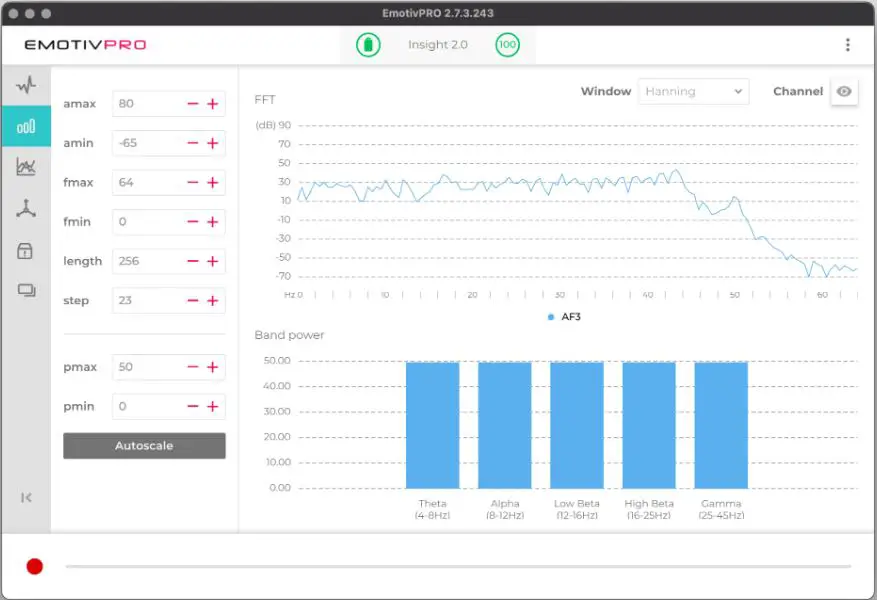
Continue reading