
A Guide to EEG Data Acquisition Software
Duong Tran
Updated on
Nov 10, 2025
A Guide to EEG Data Acquisition Software
Duong Tran
Updated on
Nov 10, 2025
A Guide to EEG Data Acquisition Software
Duong Tran
Updated on
Nov 10, 2025
EEG Data Acquisition Software: Turn Raw Signals into Actionable Data
An EEG headset collects thousands of data points every second. On their own, these are just abstract electrical signals. To turn them into something meaningful—like patterns of engagement or responses to a specific stimulus—you need a powerful interpreter. This is the core job of EEG data acquisition software. It’s the tool that captures, visualizes, and records brainwave data, transforming it into a structured format you can work with. This guide will walk you through the essential features to look for, from real-time processing to artifact rejection, helping you find the perfect software to make sense of your data.
Key Takeaways
Define Your Project Needs First: Before choosing, clearly outline your goals. Whether you need raw data for academic research or real-time processing for BCI development, knowing your specific requirements will guide you to the right toolset.
Focus on Essential, Time-Saving Features: The best software simplifies your process with an intuitive interface, a reliable hardware connection, and powerful tools to manage signal noise, letting you concentrate on your results instead of technical issues.
Consider Support and Scalability for the Future: Look beyond the initial features and price. A platform with responsive technical support, a strong user community, and the ability to grow with your projects is a smarter long-term investment.
What is EEG Data Acquisition Software?
So, you have an EEG headset ready to go. What’s next? The magic happens when you pair that hardware with the right software. EEG data acquisition software is the essential link between the electrical signals from the brain and the meaningful insights you want to uncover. It’s the program that captures, visualizes, and records your brainwave data, turning abstract neural activity into a digital format you can actually work with. Whether you’re conducting a study, building a BCI application, or exploring your own cognitive states, this software is your command center for all things EEG.
Understanding Its Core Purpose
At its heart, EEG software is designed to make sense of complex brain data. Its primary purpose is to collect the raw electrical signals detected by your headset’s sensors and present them in a structured way, often as a live stream of brainwave patterns. This allows you to see what’s happening in real time. Beyond just displaying the data, the software is crucial for recording it accurately for later analysis. For researchers, this means creating reliable datasets for academic research and education. For developers, it’s the foundation for building applications that respond to brain activity. It simplifies the entire process, from initial setup to data management.
Connecting Software to Your Headset
Getting your headset and software to communicate is the first critical step. This connection is usually made wirelessly via Bluetooth or a dedicated USB receiver. However, not all software is compatible with every headset. Some software solutions, like our EmotivPRO, are designed to work seamlessly with specific hardware, ensuring a stable connection and optimized performance. Other platforms are built to be more universal, often using protocols like LabStreaming Layer (LSL) to connect with a wider range of devices. Before committing to any software, it’s vital to confirm that it supports the EEG headset you plan to use. This ensures your entire system works together smoothly from the start.
Key Features to Look for in EEG Software
Choosing the right EEG software can feel like a huge decision, but it really comes down to a few key features. The best software is the one that fits your project’s needs and lets you focus on your work, not on wrestling with a complicated tool. Think of it as finding the right partner for your EEG headset—you need a solution that’s reliable, easy to work with, and powerful enough to help you reach your goals. From processing data in real time to ensuring everything is secure, let’s walk through the essential features you should have on your checklist.
Real-Time Data Processing
When you’re working with brain data, you often need to see what’s happening as it happens. Real-time data processing allows you to view EEG streams live, which is essential for interactive applications like brain-computer interfaces or for studies where you need to observe immediate responses to stimuli. This capability lets you check signal quality on the fly and make instant adjustments to your experiment or application. Software like EmotivPRO displays data as it’s being recorded, giving you the immediate feedback necessary to ensure your session is running smoothly and your data is clean from the very start.
An Intuitive User Interface
You shouldn’t need a degree in software engineering to use your EEG software. A clean, intuitive user interface is crucial for an efficient workflow. When the software is easy to use, you can get your experiments set up quickly, manage recordings without hassle, and find the features you need without digging through confusing menus. This is especially important when you’re just starting out or when you need to train others on your team. A user-friendly design, like the one found in the Emotiv App, means you spend less time learning the software and more time focused on your research or development goals.
Seamless Hardware Integration
Your software and hardware should work together effortlessly. Seamless integration means you can connect your EEG headset and start acquiring data with minimal setup. When the software is designed specifically for the hardware, you avoid compatibility headaches and ensure that you’re getting the best possible performance from your device. For example, our software is built to connect perfectly with Emotiv headsets, from the versatile EPOC X to the high-density FLEX. This tight integration creates a stable and reliable system, so you can trust that your connection won’t drop in the middle of an important recording session.
Powerful Export and Analysis Tools
Collecting data is only half the battle; the real discoveries happen during analysis. Your EEG software should make it easy to work with your data both inside and outside the platform. Look for powerful built-in tools for visualizing and performing initial analysis. It’s also critical that the software allows you to export data in standard formats like CSV or EDF. This flexibility lets you use your data with other specialized academic research tools like EEGLAB or custom scripts in Python or MATLAB, giving you complete control over your analytical process.
Clean Signals and Artifact Rejection
The brain’s electrical signals are tiny, and they can easily be drowned out by “noise” from things like blinking, jaw clenching, or electrical interference. This noise is called an artifact. High-quality software includes features to help you get the cleanest signal possible. This often starts with a display that shows you the quality of the connection for each sensor on the headset. Many platforms also include tools to help you identify and remove artifacts from your data after recording. Having clean data is fundamental to any successful EEG project, as it ensures your findings are based on actual brain activity, not noise.
Essential Security and Compliance
Brain data is some of the most personal information you can collect, so protecting it is non-negotiable. Any professional-grade EEG software must have strong security measures in place. This includes data encryption both during transmission and when it’s stored. If you’re working in a research or clinical setting, the software should also help you comply with privacy regulations like GDPR or HIPAA. As a developer, using secure and compliant software is key to building trust with your users and protecting their sensitive information from potential threats.
Exploring the Top EEG Software Solutions
Once you have your headset, the software is what brings your data to life. Think of it as the command center for your entire project—it’s where you’ll view brain activity in real time, record sessions, clean up noisy signals, and ultimately, make sense of it all. The EEG software landscape is filled with options, each designed with a specific user or application in mind. Some are built for the rigorous demands of academic research, offering deep analytical power, while others are streamlined for fast-paced clinical settings. Your choice of software will shape your workflow, influence the types of analysis you can perform, and even impact the quality of your final results. Understanding the key players and what they offer is the first step toward finding the perfect tool for your project. In this section, we’ll walk through some of the most established and widely used EEG software solutions available, from comprehensive research suites to specialized clinical platforms.
Emotiv Software Solutions
Here at Emotiv, we’ve developed a full ecosystem of software designed to be as accessible or as powerful as you need it to be. Our goal is to provide a seamless experience from data acquisition to analysis. For those just starting or focused on wellness applications, the Emotiv App offers an intuitive interface. For in-depth academic and commercial research, EmotivPRO is our flagship data acquisition and analysis platform, allowing you to view and record EEG data in real time. And for developers building the next generation of neuro-powered tech, EmotivBCI provides the tools to create custom applications. Our software is built to integrate perfectly with our headsets, like EPOC X and FLEX, ensuring you can get your study up and running with minimal friction.
Natus NeuroWorks
Natus NeuroWorks is a prominent name in clinical neurodiagnostics. This software is designed to streamline the entire EEG testing process, from initial data collection to final reporting. Its features are built to support the workflow of neurologists and technicians in hospital or clinic environments, emphasizing efficiency and data management. The platform helps care providers manage EEG data effectively, allowing them to focus more on patient care. It’s a robust system tailored for the specific demands and high-stakes nature of clinical work, where reliability and ease of use are critical.
Brain Products BrainVision
In the world of academic research, Brain Products is a frequently cited name, and their BrainVision Analyzer software is a big reason why. It’s widely considered a benchmark for offline EEG data analysis, offering a massive toolkit for processing and interpreting brain activity. Researchers appreciate its ability to handle complex analyses and its compatibility with other physiological data types, such as ECG and EMG. The software is known for its precision and flexibility, making it a go-to choice for labs that need to perform detailed, publication-quality EEG analysis.
ANT Neuro ASA Lab
ANT Neuro offers solutions that bridge the gap between research and clinical applications. Their ASA Lab software is known for its advanced signal processing and source localization capabilities, helping users pinpoint where brain activity originates. The platform is designed to be versatile, with a user-friendly interface that doesn’t sacrifice analytical depth. This makes it a strong option for researchers and clinicians who need a comprehensive tool that can support a wide range of studies, from basic cognitive neuroscience to pre-surgical planning. ANT Neuro provides a range of products that cater to various neurophysiological recording needs.
Compumedics Neuroscan
Compumedics Neuroscan provides a comprehensive suite of tools for neurophysiological research. Their ecosystem includes everything from data acquisition hardware to sophisticated analysis software. The SCAN software is the central hub for data collection, while their CURRY platform is highly regarded for its multimodal neuroimaging analysis. It allows researchers to integrate EEG data with other imaging techniques like MRI and MEG for a more complete picture of brain function. This makes the Neuroscan suite particularly powerful for advanced research institutions that work across different imaging modalities and require a unified analysis environment.
Comparing EEG Software Pricing Models
Choosing the right EEG software often comes down to balancing your budget with your technical needs. The price for these tools can range from completely free to tens of thousands of dollars for a single license. It’s not just about the upfront cost; you also have to consider what you get in return. Some software is available as a one-time purchase, while others, like our EmotivPRO platform, operate on a subscription model that includes ongoing updates and support. Understanding the different pricing structures will help you make an informed decision that aligns with your project’s scope and financial resources. Whether you’re a student working on a thesis, a researcher with a grant, or a developer building a commercial application, there’s a pricing model out there that fits. Let’s break down the most common categories you’ll encounter.
Free vs. Open-Source Options
For those with a tight budget or a love for customization, free and open-source software can be a fantastic starting point. Platforms like EEGLAB and MNE-Python are staples in the academic community for a reason. They are incredibly powerful and backed by a large community of users and developers who contribute to their improvement. The main advantage is, of course, the cost—it’s zero. This makes them highly accessible for students and researchers who are just getting started. However, this accessibility comes with a trade-off. These tools often require a good amount of technical skill, such as familiarity with coding in MATLAB or Python. While community support is available through forums, you won’t have a dedicated customer service team to call when you run into a problem.
Mid-Range Commercial Platforms
Mid-range platforms strike a balance between the raw power of open-source tools and the high cost of enterprise solutions. This category is where you’ll find most commercial software, including our own EmotivPRO. These solutions are designed to be more user-friendly, often featuring intuitive graphical interfaces that don’t require extensive coding knowledge. They typically come with dedicated technical support, regular software updates, and professionally maintained documentation. This tier is ideal for small labs, independent researchers, and developers who need reliable, out-of-the-box functionality without the enterprise price tag. The investment gives you access to advanced features and a support system, which can save you a significant amount of time and frustration, letting you focus on your research instead of troubleshooting code.
Premium and Enterprise Solutions
At the highest end of the spectrum are premium and enterprise-level software solutions. Tools like BESA (Brain Electrical Source Analysis) are often considered the gold standard in clinical and high-level research environments. These platforms come with a hefty price tag, but they offer incredibly specialized and validated tools for things like advanced source analysis, clinical reporting, and integration with other medical imaging systems. This level of software is built for organizations where precision, compliance, and robust support are non-negotiable. If you’re conducting clinical trials or need software that meets strict regulatory standards, an enterprise solution is often the only viable option. The cost covers not just the software itself but also comprehensive training, priority support, and the assurance that the tool has been rigorously tested for critical applications.
Academic vs. Commercial Pricing
A common practice you’ll see with many EEG software providers is tiered pricing for academic and commercial use. Many companies, including Emotiv, offer significant discounts for students, educators, and researchers at non-profit institutions. The goal is to make powerful tools more accessible to drive innovation and support the academic research community. It’s crucial to be honest about your use case when purchasing a license. A commercial license is required if you’re using the software for profit-driven activities, such as product development or neuromarketing studies. Using an academic license for commercial purposes is a violation of the licensing agreement and can have serious consequences. Always double-check the terms to make sure you’re on the right plan for your work.
Common Challenges with EEG Software
Working with EEG data is incredibly rewarding, but it’s not always a walk in the park. The software you choose can either make your life a lot easier or add a layer of frustration to your research. From messy signals to clunky interfaces, several common hurdles can slow down your progress. Understanding these challenges ahead of time helps you pick a software solution that’s built to handle them, letting you focus on your actual work instead of wrestling with your tools.
Managing Signal Noise and Artifacts
One of the biggest hurdles in EEG research is dealing with “dirty” data. EEG signals are incredibly sensitive, which means they can easily be contaminated by electrical noise from other devices or by biological artifacts. These artifacts are signals that don’t come from brain activity, like eye blinks, muscle tension in the jaw, or even a slight head movement. If you don’t filter them out, they can completely obscure the brain data you’re trying to study. That’s why your software must have strong signal processing tools to help you identify and remove these artifacts, leaving you with a clean, reliable dataset to analyze.
Storing and Organizing Your Data
EEG experiments can generate a massive amount of data, and keeping it all organized is a serious challenge. Without a solid system, you can quickly find yourself drowning in files with confusing names, unsure which dataset belongs to which participant or session. Effective data management is crucial for maintaining the integrity of your research and making your data accessible for future analysis. Your software should provide a structured way to store and label your recordings. Look for features that allow you to easily manage participant information, session details, and experimental conditions, ensuring your data is always tidy and easy to find when you need it.
Overcoming Software Complexity
Let’s be honest: some academic software can feel like it was designed by engineers, for engineers. A steep learning curve and a complicated user interface can be a major barrier, especially if you’re new to the field or don’t have a background in coding. The logistical challenges in EEG research are already complex enough without having to fight your software every step of the way. An intuitive, user-friendly platform allows you to get up and running quickly, set up experiments efficiently, and analyze data without needing an advanced degree in computer science. This focus on usability is critical for preventing errors and making the research process more enjoyable.
Ensuring Systems Work Together
Your EEG setup is rarely just a headset and a single piece of software. You might be using other hardware to present stimuli, external sensors to gather biometric data, or different programs for analysis. Getting all these systems to work together seamlessly is a common struggle. Compatibility issues can bring your entire experiment to a halt. That’s why it’s so important to choose software that plays well with others. Look for a platform with a robust API or SDK, like our tools for developers, which allow you to integrate your EEG data stream with other applications and create a truly customized and integrated research environment.
Finding the Best EEG Software for Your Field
The ideal EEG software isn’t a one-size-fits-all solution. The best choice for you depends entirely on what you want to accomplish. A developer building a brain-computer interface has vastly different needs than a researcher studying cognitive responses to stimuli. Your field of work dictates the features that are most important, from real-time processing power to specific data analysis modules.
For Academic Research
If you’re in academia, you need software that offers flexibility and control. Your work likely involves designing unique experiments, so you’ll want a platform that allows for precise event marking and synchronization with external stimuli. The ability to access and export raw data is non-negotiable, as you’ll need it for independent analysis, validation, and publication. Many researchers rely on tools that integrate with environments like MATLAB or Python for custom scripting and advanced statistical analysis.
Software designed for academic research should provide robust tools for cleaning data and removing artifacts, ensuring the integrity of your results. Look for platforms that support detailed data annotation and can handle large, complex datasets from long recording sessions. EmotivPRO, for example, is built to support these exact needs, giving researchers the granular control required for rigorous scientific inquiry.
For Clinical Applications
In a clinical setting, the priorities shift toward efficiency, reliability, and ease of use. Technicians and healthcare providers need software that is quick to set up and simple to operate, minimizing the time spent on technical configuration. The user interface must be clear and intuitive, allowing for the straightforward collection and review of patient data. Since this information is sensitive, compliance with regulations like HIPAA is absolutely essential for any software used in this environment.
These platforms often feature standardized protocols and reporting templates to streamline workflows. While Emotiv products are intended for research and personal use, not as medical devices, it’s helpful to understand the requirements of this field. Clinical-grade software, such as Natus NeuroWorks, is designed specifically for diagnostic purposes, with features tailored to the demands of patient care and data management.
For BCI Development
As a developer creating a brain-computer interface, your primary need is real-time performance. The software must process EEG data with minimal latency to create a responsive and interactive experience for the user. Access to a well-documented API (Application Programming Interface) or SDK (Software Development Kit) is crucial, as it allows you to stream data directly into your own applications and build custom commands based on brain activity.
Look for software that provides pre-built algorithms for detecting mental commands or performance metrics, which can significantly speed up your development process. EmotivBCI is a great example, offering a straightforward way to translate brain signals into actions for controlling machines, applications, or virtual objects. The key is finding a platform that gives you the tools to innovate without forcing you to build everything from scratch.
For Neuromarketing Research
Neuromarketing professionals use EEG to gain objective insights into consumer behavior. The right software for this field must be able to synchronize EEG recordings with marketing stimuli, such as videos, images, or websites. This allows you to see exactly how a person’s brain responds at specific moments, like when a brand logo appears or during the climax of a commercial.
The most effective platforms for neuromarketing studies offer real-time performance metrics that quantify cognitive and emotional responses. These metrics provide immediate, actionable data on how compelling your content is. Clear data visualization tools are also important, as they help you translate complex brainwave patterns into compelling stories and reports for clients who may not have a neuroscience background.
The Future of EEG: AI and Cloud Integration
The world of EEG is constantly evolving, and two of the biggest drivers of change are artificial intelligence and cloud integration. These aren’t just futuristic concepts; they are practical tools that are reshaping how we collect, analyze, and share brain data right now. By combining the power of AI with the flexibility of the cloud, we’re making EEG technology more accessible, efficient, and insightful than ever before.
The Role of Artificial Intelligence
Artificial intelligence is a game-changer for EEG data analysis. The sheer volume and complexity of brainwave data can be overwhelming, but AI algorithms excel at identifying meaningful patterns quickly and accurately. For example, some software platforms now include AI tools that can significantly speed up the review process. One such tool, autoSCORE from Natus NeuroWorks, can help distinguish between typical and atypical patterns in both adults and children. By handling some of the heavy lifting, AI allows researchers and developers to focus more on interpretation and less on manual data processing.
Accessing Data Anywhere with the Cloud
The integration of cloud technology has made EEG data more portable and accessible than ever. Instead of being tied to a specific lab or computer, you can now access and review your data from anywhere with an internet connection. This is a major advantage for collaborative projects, allowing teams spread across different locations to work together seamlessly. Companies like Stratus offer cloud-based EEG solutions that enable professionals to conduct and review exams remotely.
Automating Your Data Analysis
Manually cleaning and processing EEG data can be a time-consuming part of any project. Many modern EEG data analysis software tools now include features that automate repetitive tasks, from artifact detection to batch analyses. Open-source toolboxes like EEGLAB (MATLAB) can help automate pipelines for event-related data and visualize changes in brainwaves over time.
What the Community is Saying
When you’re choosing EEG software, hearing from people who use it every day can be incredibly helpful. Across forums, reviews, and academic papers, a few key themes pop up again and again: performance under real workloads, responsiveness of support, and the strength of the community surrounding the tool.
Feedback on Performance and Reliability
Performance is a top priority for anyone working with EEG data. Users often discuss trade-offs between platforms, noting that the best choice depends on your goals—from detailed source analysis to low-latency interactivity. There’s no single “best” tool—only the best fit for the job.
The Quality of Technical Support
Users value responsive, knowledgeable support. When deadlines loom, quick answers matter. Dedicated channels, clear SLAs, and thorough help centers make a measurable difference.
Valuing Community and Documentation
A strong user community (especially for open-source) is a massive asset. Shared tutorials, sample pipelines, and discussion forums speed onboarding and problem-solving. We maintain extensive developer resources to support this ecosystem.
How to Choose the Right EEG Software for You
Choosing the right EEG software comes down to matching the tool to your project, skills, and constraints.
Define Your Technical Needs
Outline your goals first. Do you need detailed offline analysis for academic research, or low-latency streaming for BCI? Decide what you must export (raw data vs. metrics) and how you’ll analyze it downstream.
Balance Your Budget and Needs
Open-source can be powerful but may require coding and self-support. Commercial options like EmotivPRO add UI polish, updates, and dedicated help—often saving time overall. Consider total cost (hardware, licenses, subscriptions).
Plan for Future Growth
Pick software that scales with you: multi-headset support, SDK/API access, Python/MATLAB interoperability, and cloud-ready data management. A cohesive hardware–software ecosystem streamlines expansion.
Related Articles
Frequently Asked Questions
Do I need to know how to code to use EEG software?
Not at all. While some open-source platforms like EEGLAB are built for users comfortable with scripting in environments like MATLAB, many commercial solutions are designed to be user-friendly. The Emotiv App and EmotivPRO feature intuitive GUIs so you can set up experiments, record data, and perform analysis without writing code.
Can I use one company’s software with another company’s headset?
It depends. A platform like EmotivPRO is optimized to work seamlessly with Emotiv headsets, ensuring stable connections and high data quality. Some software supports universal protocols (e.g., LSL), but you may lose device-specific features. Always check hardware compatibility first.
What’s the difference between raw data and performance metrics?
Raw data are the direct, unprocessed electrical signals from the brain—ideal for custom analysis and publication. Performance metrics are processed summaries (e.g., focus, engagement) derived from raw data to provide quick insights without heavy analysis.
My data looks noisy. What are artifacts and how can software help?
Artifacts are non-brain electrical signals (eye blinks, jaw tension, movement, or environmental interference). Good software shows per-sensor signal quality in real time and offers post-processing tools to flag and filter artifacts, yielding a cleaner dataset.
Why is there different pricing for academic and commercial use?
Academic pricing supports students and non-profit research. Commercial licenses cover for-profit use (e.g., product development, client studies) and include terms appropriate for those applications. Choose the license that matches your use case.
EEG Data Acquisition Software: Turn Raw Signals into Actionable Data
An EEG headset collects thousands of data points every second. On their own, these are just abstract electrical signals. To turn them into something meaningful—like patterns of engagement or responses to a specific stimulus—you need a powerful interpreter. This is the core job of EEG data acquisition software. It’s the tool that captures, visualizes, and records brainwave data, transforming it into a structured format you can work with. This guide will walk you through the essential features to look for, from real-time processing to artifact rejection, helping you find the perfect software to make sense of your data.
Key Takeaways
Define Your Project Needs First: Before choosing, clearly outline your goals. Whether you need raw data for academic research or real-time processing for BCI development, knowing your specific requirements will guide you to the right toolset.
Focus on Essential, Time-Saving Features: The best software simplifies your process with an intuitive interface, a reliable hardware connection, and powerful tools to manage signal noise, letting you concentrate on your results instead of technical issues.
Consider Support and Scalability for the Future: Look beyond the initial features and price. A platform with responsive technical support, a strong user community, and the ability to grow with your projects is a smarter long-term investment.
What is EEG Data Acquisition Software?
So, you have an EEG headset ready to go. What’s next? The magic happens when you pair that hardware with the right software. EEG data acquisition software is the essential link between the electrical signals from the brain and the meaningful insights you want to uncover. It’s the program that captures, visualizes, and records your brainwave data, turning abstract neural activity into a digital format you can actually work with. Whether you’re conducting a study, building a BCI application, or exploring your own cognitive states, this software is your command center for all things EEG.
Understanding Its Core Purpose
At its heart, EEG software is designed to make sense of complex brain data. Its primary purpose is to collect the raw electrical signals detected by your headset’s sensors and present them in a structured way, often as a live stream of brainwave patterns. This allows you to see what’s happening in real time. Beyond just displaying the data, the software is crucial for recording it accurately for later analysis. For researchers, this means creating reliable datasets for academic research and education. For developers, it’s the foundation for building applications that respond to brain activity. It simplifies the entire process, from initial setup to data management.
Connecting Software to Your Headset
Getting your headset and software to communicate is the first critical step. This connection is usually made wirelessly via Bluetooth or a dedicated USB receiver. However, not all software is compatible with every headset. Some software solutions, like our EmotivPRO, are designed to work seamlessly with specific hardware, ensuring a stable connection and optimized performance. Other platforms are built to be more universal, often using protocols like LabStreaming Layer (LSL) to connect with a wider range of devices. Before committing to any software, it’s vital to confirm that it supports the EEG headset you plan to use. This ensures your entire system works together smoothly from the start.
Key Features to Look for in EEG Software
Choosing the right EEG software can feel like a huge decision, but it really comes down to a few key features. The best software is the one that fits your project’s needs and lets you focus on your work, not on wrestling with a complicated tool. Think of it as finding the right partner for your EEG headset—you need a solution that’s reliable, easy to work with, and powerful enough to help you reach your goals. From processing data in real time to ensuring everything is secure, let’s walk through the essential features you should have on your checklist.
Real-Time Data Processing
When you’re working with brain data, you often need to see what’s happening as it happens. Real-time data processing allows you to view EEG streams live, which is essential for interactive applications like brain-computer interfaces or for studies where you need to observe immediate responses to stimuli. This capability lets you check signal quality on the fly and make instant adjustments to your experiment or application. Software like EmotivPRO displays data as it’s being recorded, giving you the immediate feedback necessary to ensure your session is running smoothly and your data is clean from the very start.
An Intuitive User Interface
You shouldn’t need a degree in software engineering to use your EEG software. A clean, intuitive user interface is crucial for an efficient workflow. When the software is easy to use, you can get your experiments set up quickly, manage recordings without hassle, and find the features you need without digging through confusing menus. This is especially important when you’re just starting out or when you need to train others on your team. A user-friendly design, like the one found in the Emotiv App, means you spend less time learning the software and more time focused on your research or development goals.
Seamless Hardware Integration
Your software and hardware should work together effortlessly. Seamless integration means you can connect your EEG headset and start acquiring data with minimal setup. When the software is designed specifically for the hardware, you avoid compatibility headaches and ensure that you’re getting the best possible performance from your device. For example, our software is built to connect perfectly with Emotiv headsets, from the versatile EPOC X to the high-density FLEX. This tight integration creates a stable and reliable system, so you can trust that your connection won’t drop in the middle of an important recording session.
Powerful Export and Analysis Tools
Collecting data is only half the battle; the real discoveries happen during analysis. Your EEG software should make it easy to work with your data both inside and outside the platform. Look for powerful built-in tools for visualizing and performing initial analysis. It’s also critical that the software allows you to export data in standard formats like CSV or EDF. This flexibility lets you use your data with other specialized academic research tools like EEGLAB or custom scripts in Python or MATLAB, giving you complete control over your analytical process.
Clean Signals and Artifact Rejection
The brain’s electrical signals are tiny, and they can easily be drowned out by “noise” from things like blinking, jaw clenching, or electrical interference. This noise is called an artifact. High-quality software includes features to help you get the cleanest signal possible. This often starts with a display that shows you the quality of the connection for each sensor on the headset. Many platforms also include tools to help you identify and remove artifacts from your data after recording. Having clean data is fundamental to any successful EEG project, as it ensures your findings are based on actual brain activity, not noise.
Essential Security and Compliance
Brain data is some of the most personal information you can collect, so protecting it is non-negotiable. Any professional-grade EEG software must have strong security measures in place. This includes data encryption both during transmission and when it’s stored. If you’re working in a research or clinical setting, the software should also help you comply with privacy regulations like GDPR or HIPAA. As a developer, using secure and compliant software is key to building trust with your users and protecting their sensitive information from potential threats.
Exploring the Top EEG Software Solutions
Once you have your headset, the software is what brings your data to life. Think of it as the command center for your entire project—it’s where you’ll view brain activity in real time, record sessions, clean up noisy signals, and ultimately, make sense of it all. The EEG software landscape is filled with options, each designed with a specific user or application in mind. Some are built for the rigorous demands of academic research, offering deep analytical power, while others are streamlined for fast-paced clinical settings. Your choice of software will shape your workflow, influence the types of analysis you can perform, and even impact the quality of your final results. Understanding the key players and what they offer is the first step toward finding the perfect tool for your project. In this section, we’ll walk through some of the most established and widely used EEG software solutions available, from comprehensive research suites to specialized clinical platforms.
Emotiv Software Solutions
Here at Emotiv, we’ve developed a full ecosystem of software designed to be as accessible or as powerful as you need it to be. Our goal is to provide a seamless experience from data acquisition to analysis. For those just starting or focused on wellness applications, the Emotiv App offers an intuitive interface. For in-depth academic and commercial research, EmotivPRO is our flagship data acquisition and analysis platform, allowing you to view and record EEG data in real time. And for developers building the next generation of neuro-powered tech, EmotivBCI provides the tools to create custom applications. Our software is built to integrate perfectly with our headsets, like EPOC X and FLEX, ensuring you can get your study up and running with minimal friction.
Natus NeuroWorks
Natus NeuroWorks is a prominent name in clinical neurodiagnostics. This software is designed to streamline the entire EEG testing process, from initial data collection to final reporting. Its features are built to support the workflow of neurologists and technicians in hospital or clinic environments, emphasizing efficiency and data management. The platform helps care providers manage EEG data effectively, allowing them to focus more on patient care. It’s a robust system tailored for the specific demands and high-stakes nature of clinical work, where reliability and ease of use are critical.
Brain Products BrainVision
In the world of academic research, Brain Products is a frequently cited name, and their BrainVision Analyzer software is a big reason why. It’s widely considered a benchmark for offline EEG data analysis, offering a massive toolkit for processing and interpreting brain activity. Researchers appreciate its ability to handle complex analyses and its compatibility with other physiological data types, such as ECG and EMG. The software is known for its precision and flexibility, making it a go-to choice for labs that need to perform detailed, publication-quality EEG analysis.
ANT Neuro ASA Lab
ANT Neuro offers solutions that bridge the gap between research and clinical applications. Their ASA Lab software is known for its advanced signal processing and source localization capabilities, helping users pinpoint where brain activity originates. The platform is designed to be versatile, with a user-friendly interface that doesn’t sacrifice analytical depth. This makes it a strong option for researchers and clinicians who need a comprehensive tool that can support a wide range of studies, from basic cognitive neuroscience to pre-surgical planning. ANT Neuro provides a range of products that cater to various neurophysiological recording needs.
Compumedics Neuroscan
Compumedics Neuroscan provides a comprehensive suite of tools for neurophysiological research. Their ecosystem includes everything from data acquisition hardware to sophisticated analysis software. The SCAN software is the central hub for data collection, while their CURRY platform is highly regarded for its multimodal neuroimaging analysis. It allows researchers to integrate EEG data with other imaging techniques like MRI and MEG for a more complete picture of brain function. This makes the Neuroscan suite particularly powerful for advanced research institutions that work across different imaging modalities and require a unified analysis environment.
Comparing EEG Software Pricing Models
Choosing the right EEG software often comes down to balancing your budget with your technical needs. The price for these tools can range from completely free to tens of thousands of dollars for a single license. It’s not just about the upfront cost; you also have to consider what you get in return. Some software is available as a one-time purchase, while others, like our EmotivPRO platform, operate on a subscription model that includes ongoing updates and support. Understanding the different pricing structures will help you make an informed decision that aligns with your project’s scope and financial resources. Whether you’re a student working on a thesis, a researcher with a grant, or a developer building a commercial application, there’s a pricing model out there that fits. Let’s break down the most common categories you’ll encounter.
Free vs. Open-Source Options
For those with a tight budget or a love for customization, free and open-source software can be a fantastic starting point. Platforms like EEGLAB and MNE-Python are staples in the academic community for a reason. They are incredibly powerful and backed by a large community of users and developers who contribute to their improvement. The main advantage is, of course, the cost—it’s zero. This makes them highly accessible for students and researchers who are just getting started. However, this accessibility comes with a trade-off. These tools often require a good amount of technical skill, such as familiarity with coding in MATLAB or Python. While community support is available through forums, you won’t have a dedicated customer service team to call when you run into a problem.
Mid-Range Commercial Platforms
Mid-range platforms strike a balance between the raw power of open-source tools and the high cost of enterprise solutions. This category is where you’ll find most commercial software, including our own EmotivPRO. These solutions are designed to be more user-friendly, often featuring intuitive graphical interfaces that don’t require extensive coding knowledge. They typically come with dedicated technical support, regular software updates, and professionally maintained documentation. This tier is ideal for small labs, independent researchers, and developers who need reliable, out-of-the-box functionality without the enterprise price tag. The investment gives you access to advanced features and a support system, which can save you a significant amount of time and frustration, letting you focus on your research instead of troubleshooting code.
Premium and Enterprise Solutions
At the highest end of the spectrum are premium and enterprise-level software solutions. Tools like BESA (Brain Electrical Source Analysis) are often considered the gold standard in clinical and high-level research environments. These platforms come with a hefty price tag, but they offer incredibly specialized and validated tools for things like advanced source analysis, clinical reporting, and integration with other medical imaging systems. This level of software is built for organizations where precision, compliance, and robust support are non-negotiable. If you’re conducting clinical trials or need software that meets strict regulatory standards, an enterprise solution is often the only viable option. The cost covers not just the software itself but also comprehensive training, priority support, and the assurance that the tool has been rigorously tested for critical applications.
Academic vs. Commercial Pricing
A common practice you’ll see with many EEG software providers is tiered pricing for academic and commercial use. Many companies, including Emotiv, offer significant discounts for students, educators, and researchers at non-profit institutions. The goal is to make powerful tools more accessible to drive innovation and support the academic research community. It’s crucial to be honest about your use case when purchasing a license. A commercial license is required if you’re using the software for profit-driven activities, such as product development or neuromarketing studies. Using an academic license for commercial purposes is a violation of the licensing agreement and can have serious consequences. Always double-check the terms to make sure you’re on the right plan for your work.
Common Challenges with EEG Software
Working with EEG data is incredibly rewarding, but it’s not always a walk in the park. The software you choose can either make your life a lot easier or add a layer of frustration to your research. From messy signals to clunky interfaces, several common hurdles can slow down your progress. Understanding these challenges ahead of time helps you pick a software solution that’s built to handle them, letting you focus on your actual work instead of wrestling with your tools.
Managing Signal Noise and Artifacts
One of the biggest hurdles in EEG research is dealing with “dirty” data. EEG signals are incredibly sensitive, which means they can easily be contaminated by electrical noise from other devices or by biological artifacts. These artifacts are signals that don’t come from brain activity, like eye blinks, muscle tension in the jaw, or even a slight head movement. If you don’t filter them out, they can completely obscure the brain data you’re trying to study. That’s why your software must have strong signal processing tools to help you identify and remove these artifacts, leaving you with a clean, reliable dataset to analyze.
Storing and Organizing Your Data
EEG experiments can generate a massive amount of data, and keeping it all organized is a serious challenge. Without a solid system, you can quickly find yourself drowning in files with confusing names, unsure which dataset belongs to which participant or session. Effective data management is crucial for maintaining the integrity of your research and making your data accessible for future analysis. Your software should provide a structured way to store and label your recordings. Look for features that allow you to easily manage participant information, session details, and experimental conditions, ensuring your data is always tidy and easy to find when you need it.
Overcoming Software Complexity
Let’s be honest: some academic software can feel like it was designed by engineers, for engineers. A steep learning curve and a complicated user interface can be a major barrier, especially if you’re new to the field or don’t have a background in coding. The logistical challenges in EEG research are already complex enough without having to fight your software every step of the way. An intuitive, user-friendly platform allows you to get up and running quickly, set up experiments efficiently, and analyze data without needing an advanced degree in computer science. This focus on usability is critical for preventing errors and making the research process more enjoyable.
Ensuring Systems Work Together
Your EEG setup is rarely just a headset and a single piece of software. You might be using other hardware to present stimuli, external sensors to gather biometric data, or different programs for analysis. Getting all these systems to work together seamlessly is a common struggle. Compatibility issues can bring your entire experiment to a halt. That’s why it’s so important to choose software that plays well with others. Look for a platform with a robust API or SDK, like our tools for developers, which allow you to integrate your EEG data stream with other applications and create a truly customized and integrated research environment.
Finding the Best EEG Software for Your Field
The ideal EEG software isn’t a one-size-fits-all solution. The best choice for you depends entirely on what you want to accomplish. A developer building a brain-computer interface has vastly different needs than a researcher studying cognitive responses to stimuli. Your field of work dictates the features that are most important, from real-time processing power to specific data analysis modules.
For Academic Research
If you’re in academia, you need software that offers flexibility and control. Your work likely involves designing unique experiments, so you’ll want a platform that allows for precise event marking and synchronization with external stimuli. The ability to access and export raw data is non-negotiable, as you’ll need it for independent analysis, validation, and publication. Many researchers rely on tools that integrate with environments like MATLAB or Python for custom scripting and advanced statistical analysis.
Software designed for academic research should provide robust tools for cleaning data and removing artifacts, ensuring the integrity of your results. Look for platforms that support detailed data annotation and can handle large, complex datasets from long recording sessions. EmotivPRO, for example, is built to support these exact needs, giving researchers the granular control required for rigorous scientific inquiry.
For Clinical Applications
In a clinical setting, the priorities shift toward efficiency, reliability, and ease of use. Technicians and healthcare providers need software that is quick to set up and simple to operate, minimizing the time spent on technical configuration. The user interface must be clear and intuitive, allowing for the straightforward collection and review of patient data. Since this information is sensitive, compliance with regulations like HIPAA is absolutely essential for any software used in this environment.
These platforms often feature standardized protocols and reporting templates to streamline workflows. While Emotiv products are intended for research and personal use, not as medical devices, it’s helpful to understand the requirements of this field. Clinical-grade software, such as Natus NeuroWorks, is designed specifically for diagnostic purposes, with features tailored to the demands of patient care and data management.
For BCI Development
As a developer creating a brain-computer interface, your primary need is real-time performance. The software must process EEG data with minimal latency to create a responsive and interactive experience for the user. Access to a well-documented API (Application Programming Interface) or SDK (Software Development Kit) is crucial, as it allows you to stream data directly into your own applications and build custom commands based on brain activity.
Look for software that provides pre-built algorithms for detecting mental commands or performance metrics, which can significantly speed up your development process. EmotivBCI is a great example, offering a straightforward way to translate brain signals into actions for controlling machines, applications, or virtual objects. The key is finding a platform that gives you the tools to innovate without forcing you to build everything from scratch.
For Neuromarketing Research
Neuromarketing professionals use EEG to gain objective insights into consumer behavior. The right software for this field must be able to synchronize EEG recordings with marketing stimuli, such as videos, images, or websites. This allows you to see exactly how a person’s brain responds at specific moments, like when a brand logo appears or during the climax of a commercial.
The most effective platforms for neuromarketing studies offer real-time performance metrics that quantify cognitive and emotional responses. These metrics provide immediate, actionable data on how compelling your content is. Clear data visualization tools are also important, as they help you translate complex brainwave patterns into compelling stories and reports for clients who may not have a neuroscience background.
The Future of EEG: AI and Cloud Integration
The world of EEG is constantly evolving, and two of the biggest drivers of change are artificial intelligence and cloud integration. These aren’t just futuristic concepts; they are practical tools that are reshaping how we collect, analyze, and share brain data right now. By combining the power of AI with the flexibility of the cloud, we’re making EEG technology more accessible, efficient, and insightful than ever before.
The Role of Artificial Intelligence
Artificial intelligence is a game-changer for EEG data analysis. The sheer volume and complexity of brainwave data can be overwhelming, but AI algorithms excel at identifying meaningful patterns quickly and accurately. For example, some software platforms now include AI tools that can significantly speed up the review process. One such tool, autoSCORE from Natus NeuroWorks, can help distinguish between typical and atypical patterns in both adults and children. By handling some of the heavy lifting, AI allows researchers and developers to focus more on interpretation and less on manual data processing.
Accessing Data Anywhere with the Cloud
The integration of cloud technology has made EEG data more portable and accessible than ever. Instead of being tied to a specific lab or computer, you can now access and review your data from anywhere with an internet connection. This is a major advantage for collaborative projects, allowing teams spread across different locations to work together seamlessly. Companies like Stratus offer cloud-based EEG solutions that enable professionals to conduct and review exams remotely.
Automating Your Data Analysis
Manually cleaning and processing EEG data can be a time-consuming part of any project. Many modern EEG data analysis software tools now include features that automate repetitive tasks, from artifact detection to batch analyses. Open-source toolboxes like EEGLAB (MATLAB) can help automate pipelines for event-related data and visualize changes in brainwaves over time.
What the Community is Saying
When you’re choosing EEG software, hearing from people who use it every day can be incredibly helpful. Across forums, reviews, and academic papers, a few key themes pop up again and again: performance under real workloads, responsiveness of support, and the strength of the community surrounding the tool.
Feedback on Performance and Reliability
Performance is a top priority for anyone working with EEG data. Users often discuss trade-offs between platforms, noting that the best choice depends on your goals—from detailed source analysis to low-latency interactivity. There’s no single “best” tool—only the best fit for the job.
The Quality of Technical Support
Users value responsive, knowledgeable support. When deadlines loom, quick answers matter. Dedicated channels, clear SLAs, and thorough help centers make a measurable difference.
Valuing Community and Documentation
A strong user community (especially for open-source) is a massive asset. Shared tutorials, sample pipelines, and discussion forums speed onboarding and problem-solving. We maintain extensive developer resources to support this ecosystem.
How to Choose the Right EEG Software for You
Choosing the right EEG software comes down to matching the tool to your project, skills, and constraints.
Define Your Technical Needs
Outline your goals first. Do you need detailed offline analysis for academic research, or low-latency streaming for BCI? Decide what you must export (raw data vs. metrics) and how you’ll analyze it downstream.
Balance Your Budget and Needs
Open-source can be powerful but may require coding and self-support. Commercial options like EmotivPRO add UI polish, updates, and dedicated help—often saving time overall. Consider total cost (hardware, licenses, subscriptions).
Plan for Future Growth
Pick software that scales with you: multi-headset support, SDK/API access, Python/MATLAB interoperability, and cloud-ready data management. A cohesive hardware–software ecosystem streamlines expansion.
Related Articles
Frequently Asked Questions
Do I need to know how to code to use EEG software?
Not at all. While some open-source platforms like EEGLAB are built for users comfortable with scripting in environments like MATLAB, many commercial solutions are designed to be user-friendly. The Emotiv App and EmotivPRO feature intuitive GUIs so you can set up experiments, record data, and perform analysis without writing code.
Can I use one company’s software with another company’s headset?
It depends. A platform like EmotivPRO is optimized to work seamlessly with Emotiv headsets, ensuring stable connections and high data quality. Some software supports universal protocols (e.g., LSL), but you may lose device-specific features. Always check hardware compatibility first.
What’s the difference between raw data and performance metrics?
Raw data are the direct, unprocessed electrical signals from the brain—ideal for custom analysis and publication. Performance metrics are processed summaries (e.g., focus, engagement) derived from raw data to provide quick insights without heavy analysis.
My data looks noisy. What are artifacts and how can software help?
Artifacts are non-brain electrical signals (eye blinks, jaw tension, movement, or environmental interference). Good software shows per-sensor signal quality in real time and offers post-processing tools to flag and filter artifacts, yielding a cleaner dataset.
Why is there different pricing for academic and commercial use?
Academic pricing supports students and non-profit research. Commercial licenses cover for-profit use (e.g., product development, client studies) and include terms appropriate for those applications. Choose the license that matches your use case.
EEG Data Acquisition Software: Turn Raw Signals into Actionable Data
An EEG headset collects thousands of data points every second. On their own, these are just abstract electrical signals. To turn them into something meaningful—like patterns of engagement or responses to a specific stimulus—you need a powerful interpreter. This is the core job of EEG data acquisition software. It’s the tool that captures, visualizes, and records brainwave data, transforming it into a structured format you can work with. This guide will walk you through the essential features to look for, from real-time processing to artifact rejection, helping you find the perfect software to make sense of your data.
Key Takeaways
Define Your Project Needs First: Before choosing, clearly outline your goals. Whether you need raw data for academic research or real-time processing for BCI development, knowing your specific requirements will guide you to the right toolset.
Focus on Essential, Time-Saving Features: The best software simplifies your process with an intuitive interface, a reliable hardware connection, and powerful tools to manage signal noise, letting you concentrate on your results instead of technical issues.
Consider Support and Scalability for the Future: Look beyond the initial features and price. A platform with responsive technical support, a strong user community, and the ability to grow with your projects is a smarter long-term investment.
What is EEG Data Acquisition Software?
So, you have an EEG headset ready to go. What’s next? The magic happens when you pair that hardware with the right software. EEG data acquisition software is the essential link between the electrical signals from the brain and the meaningful insights you want to uncover. It’s the program that captures, visualizes, and records your brainwave data, turning abstract neural activity into a digital format you can actually work with. Whether you’re conducting a study, building a BCI application, or exploring your own cognitive states, this software is your command center for all things EEG.
Understanding Its Core Purpose
At its heart, EEG software is designed to make sense of complex brain data. Its primary purpose is to collect the raw electrical signals detected by your headset’s sensors and present them in a structured way, often as a live stream of brainwave patterns. This allows you to see what’s happening in real time. Beyond just displaying the data, the software is crucial for recording it accurately for later analysis. For researchers, this means creating reliable datasets for academic research and education. For developers, it’s the foundation for building applications that respond to brain activity. It simplifies the entire process, from initial setup to data management.
Connecting Software to Your Headset
Getting your headset and software to communicate is the first critical step. This connection is usually made wirelessly via Bluetooth or a dedicated USB receiver. However, not all software is compatible with every headset. Some software solutions, like our EmotivPRO, are designed to work seamlessly with specific hardware, ensuring a stable connection and optimized performance. Other platforms are built to be more universal, often using protocols like LabStreaming Layer (LSL) to connect with a wider range of devices. Before committing to any software, it’s vital to confirm that it supports the EEG headset you plan to use. This ensures your entire system works together smoothly from the start.
Key Features to Look for in EEG Software
Choosing the right EEG software can feel like a huge decision, but it really comes down to a few key features. The best software is the one that fits your project’s needs and lets you focus on your work, not on wrestling with a complicated tool. Think of it as finding the right partner for your EEG headset—you need a solution that’s reliable, easy to work with, and powerful enough to help you reach your goals. From processing data in real time to ensuring everything is secure, let’s walk through the essential features you should have on your checklist.
Real-Time Data Processing
When you’re working with brain data, you often need to see what’s happening as it happens. Real-time data processing allows you to view EEG streams live, which is essential for interactive applications like brain-computer interfaces or for studies where you need to observe immediate responses to stimuli. This capability lets you check signal quality on the fly and make instant adjustments to your experiment or application. Software like EmotivPRO displays data as it’s being recorded, giving you the immediate feedback necessary to ensure your session is running smoothly and your data is clean from the very start.
An Intuitive User Interface
You shouldn’t need a degree in software engineering to use your EEG software. A clean, intuitive user interface is crucial for an efficient workflow. When the software is easy to use, you can get your experiments set up quickly, manage recordings without hassle, and find the features you need without digging through confusing menus. This is especially important when you’re just starting out or when you need to train others on your team. A user-friendly design, like the one found in the Emotiv App, means you spend less time learning the software and more time focused on your research or development goals.
Seamless Hardware Integration
Your software and hardware should work together effortlessly. Seamless integration means you can connect your EEG headset and start acquiring data with minimal setup. When the software is designed specifically for the hardware, you avoid compatibility headaches and ensure that you’re getting the best possible performance from your device. For example, our software is built to connect perfectly with Emotiv headsets, from the versatile EPOC X to the high-density FLEX. This tight integration creates a stable and reliable system, so you can trust that your connection won’t drop in the middle of an important recording session.
Powerful Export and Analysis Tools
Collecting data is only half the battle; the real discoveries happen during analysis. Your EEG software should make it easy to work with your data both inside and outside the platform. Look for powerful built-in tools for visualizing and performing initial analysis. It’s also critical that the software allows you to export data in standard formats like CSV or EDF. This flexibility lets you use your data with other specialized academic research tools like EEGLAB or custom scripts in Python or MATLAB, giving you complete control over your analytical process.
Clean Signals and Artifact Rejection
The brain’s electrical signals are tiny, and they can easily be drowned out by “noise” from things like blinking, jaw clenching, or electrical interference. This noise is called an artifact. High-quality software includes features to help you get the cleanest signal possible. This often starts with a display that shows you the quality of the connection for each sensor on the headset. Many platforms also include tools to help you identify and remove artifacts from your data after recording. Having clean data is fundamental to any successful EEG project, as it ensures your findings are based on actual brain activity, not noise.
Essential Security and Compliance
Brain data is some of the most personal information you can collect, so protecting it is non-negotiable. Any professional-grade EEG software must have strong security measures in place. This includes data encryption both during transmission and when it’s stored. If you’re working in a research or clinical setting, the software should also help you comply with privacy regulations like GDPR or HIPAA. As a developer, using secure and compliant software is key to building trust with your users and protecting their sensitive information from potential threats.
Exploring the Top EEG Software Solutions
Once you have your headset, the software is what brings your data to life. Think of it as the command center for your entire project—it’s where you’ll view brain activity in real time, record sessions, clean up noisy signals, and ultimately, make sense of it all. The EEG software landscape is filled with options, each designed with a specific user or application in mind. Some are built for the rigorous demands of academic research, offering deep analytical power, while others are streamlined for fast-paced clinical settings. Your choice of software will shape your workflow, influence the types of analysis you can perform, and even impact the quality of your final results. Understanding the key players and what they offer is the first step toward finding the perfect tool for your project. In this section, we’ll walk through some of the most established and widely used EEG software solutions available, from comprehensive research suites to specialized clinical platforms.
Emotiv Software Solutions
Here at Emotiv, we’ve developed a full ecosystem of software designed to be as accessible or as powerful as you need it to be. Our goal is to provide a seamless experience from data acquisition to analysis. For those just starting or focused on wellness applications, the Emotiv App offers an intuitive interface. For in-depth academic and commercial research, EmotivPRO is our flagship data acquisition and analysis platform, allowing you to view and record EEG data in real time. And for developers building the next generation of neuro-powered tech, EmotivBCI provides the tools to create custom applications. Our software is built to integrate perfectly with our headsets, like EPOC X and FLEX, ensuring you can get your study up and running with minimal friction.
Natus NeuroWorks
Natus NeuroWorks is a prominent name in clinical neurodiagnostics. This software is designed to streamline the entire EEG testing process, from initial data collection to final reporting. Its features are built to support the workflow of neurologists and technicians in hospital or clinic environments, emphasizing efficiency and data management. The platform helps care providers manage EEG data effectively, allowing them to focus more on patient care. It’s a robust system tailored for the specific demands and high-stakes nature of clinical work, where reliability and ease of use are critical.
Brain Products BrainVision
In the world of academic research, Brain Products is a frequently cited name, and their BrainVision Analyzer software is a big reason why. It’s widely considered a benchmark for offline EEG data analysis, offering a massive toolkit for processing and interpreting brain activity. Researchers appreciate its ability to handle complex analyses and its compatibility with other physiological data types, such as ECG and EMG. The software is known for its precision and flexibility, making it a go-to choice for labs that need to perform detailed, publication-quality EEG analysis.
ANT Neuro ASA Lab
ANT Neuro offers solutions that bridge the gap between research and clinical applications. Their ASA Lab software is known for its advanced signal processing and source localization capabilities, helping users pinpoint where brain activity originates. The platform is designed to be versatile, with a user-friendly interface that doesn’t sacrifice analytical depth. This makes it a strong option for researchers and clinicians who need a comprehensive tool that can support a wide range of studies, from basic cognitive neuroscience to pre-surgical planning. ANT Neuro provides a range of products that cater to various neurophysiological recording needs.
Compumedics Neuroscan
Compumedics Neuroscan provides a comprehensive suite of tools for neurophysiological research. Their ecosystem includes everything from data acquisition hardware to sophisticated analysis software. The SCAN software is the central hub for data collection, while their CURRY platform is highly regarded for its multimodal neuroimaging analysis. It allows researchers to integrate EEG data with other imaging techniques like MRI and MEG for a more complete picture of brain function. This makes the Neuroscan suite particularly powerful for advanced research institutions that work across different imaging modalities and require a unified analysis environment.
Comparing EEG Software Pricing Models
Choosing the right EEG software often comes down to balancing your budget with your technical needs. The price for these tools can range from completely free to tens of thousands of dollars for a single license. It’s not just about the upfront cost; you also have to consider what you get in return. Some software is available as a one-time purchase, while others, like our EmotivPRO platform, operate on a subscription model that includes ongoing updates and support. Understanding the different pricing structures will help you make an informed decision that aligns with your project’s scope and financial resources. Whether you’re a student working on a thesis, a researcher with a grant, or a developer building a commercial application, there’s a pricing model out there that fits. Let’s break down the most common categories you’ll encounter.
Free vs. Open-Source Options
For those with a tight budget or a love for customization, free and open-source software can be a fantastic starting point. Platforms like EEGLAB and MNE-Python are staples in the academic community for a reason. They are incredibly powerful and backed by a large community of users and developers who contribute to their improvement. The main advantage is, of course, the cost—it’s zero. This makes them highly accessible for students and researchers who are just getting started. However, this accessibility comes with a trade-off. These tools often require a good amount of technical skill, such as familiarity with coding in MATLAB or Python. While community support is available through forums, you won’t have a dedicated customer service team to call when you run into a problem.
Mid-Range Commercial Platforms
Mid-range platforms strike a balance between the raw power of open-source tools and the high cost of enterprise solutions. This category is where you’ll find most commercial software, including our own EmotivPRO. These solutions are designed to be more user-friendly, often featuring intuitive graphical interfaces that don’t require extensive coding knowledge. They typically come with dedicated technical support, regular software updates, and professionally maintained documentation. This tier is ideal for small labs, independent researchers, and developers who need reliable, out-of-the-box functionality without the enterprise price tag. The investment gives you access to advanced features and a support system, which can save you a significant amount of time and frustration, letting you focus on your research instead of troubleshooting code.
Premium and Enterprise Solutions
At the highest end of the spectrum are premium and enterprise-level software solutions. Tools like BESA (Brain Electrical Source Analysis) are often considered the gold standard in clinical and high-level research environments. These platforms come with a hefty price tag, but they offer incredibly specialized and validated tools for things like advanced source analysis, clinical reporting, and integration with other medical imaging systems. This level of software is built for organizations where precision, compliance, and robust support are non-negotiable. If you’re conducting clinical trials or need software that meets strict regulatory standards, an enterprise solution is often the only viable option. The cost covers not just the software itself but also comprehensive training, priority support, and the assurance that the tool has been rigorously tested for critical applications.
Academic vs. Commercial Pricing
A common practice you’ll see with many EEG software providers is tiered pricing for academic and commercial use. Many companies, including Emotiv, offer significant discounts for students, educators, and researchers at non-profit institutions. The goal is to make powerful tools more accessible to drive innovation and support the academic research community. It’s crucial to be honest about your use case when purchasing a license. A commercial license is required if you’re using the software for profit-driven activities, such as product development or neuromarketing studies. Using an academic license for commercial purposes is a violation of the licensing agreement and can have serious consequences. Always double-check the terms to make sure you’re on the right plan for your work.
Common Challenges with EEG Software
Working with EEG data is incredibly rewarding, but it’s not always a walk in the park. The software you choose can either make your life a lot easier or add a layer of frustration to your research. From messy signals to clunky interfaces, several common hurdles can slow down your progress. Understanding these challenges ahead of time helps you pick a software solution that’s built to handle them, letting you focus on your actual work instead of wrestling with your tools.
Managing Signal Noise and Artifacts
One of the biggest hurdles in EEG research is dealing with “dirty” data. EEG signals are incredibly sensitive, which means they can easily be contaminated by electrical noise from other devices or by biological artifacts. These artifacts are signals that don’t come from brain activity, like eye blinks, muscle tension in the jaw, or even a slight head movement. If you don’t filter them out, they can completely obscure the brain data you’re trying to study. That’s why your software must have strong signal processing tools to help you identify and remove these artifacts, leaving you with a clean, reliable dataset to analyze.
Storing and Organizing Your Data
EEG experiments can generate a massive amount of data, and keeping it all organized is a serious challenge. Without a solid system, you can quickly find yourself drowning in files with confusing names, unsure which dataset belongs to which participant or session. Effective data management is crucial for maintaining the integrity of your research and making your data accessible for future analysis. Your software should provide a structured way to store and label your recordings. Look for features that allow you to easily manage participant information, session details, and experimental conditions, ensuring your data is always tidy and easy to find when you need it.
Overcoming Software Complexity
Let’s be honest: some academic software can feel like it was designed by engineers, for engineers. A steep learning curve and a complicated user interface can be a major barrier, especially if you’re new to the field or don’t have a background in coding. The logistical challenges in EEG research are already complex enough without having to fight your software every step of the way. An intuitive, user-friendly platform allows you to get up and running quickly, set up experiments efficiently, and analyze data without needing an advanced degree in computer science. This focus on usability is critical for preventing errors and making the research process more enjoyable.
Ensuring Systems Work Together
Your EEG setup is rarely just a headset and a single piece of software. You might be using other hardware to present stimuli, external sensors to gather biometric data, or different programs for analysis. Getting all these systems to work together seamlessly is a common struggle. Compatibility issues can bring your entire experiment to a halt. That’s why it’s so important to choose software that plays well with others. Look for a platform with a robust API or SDK, like our tools for developers, which allow you to integrate your EEG data stream with other applications and create a truly customized and integrated research environment.
Finding the Best EEG Software for Your Field
The ideal EEG software isn’t a one-size-fits-all solution. The best choice for you depends entirely on what you want to accomplish. A developer building a brain-computer interface has vastly different needs than a researcher studying cognitive responses to stimuli. Your field of work dictates the features that are most important, from real-time processing power to specific data analysis modules.
For Academic Research
If you’re in academia, you need software that offers flexibility and control. Your work likely involves designing unique experiments, so you’ll want a platform that allows for precise event marking and synchronization with external stimuli. The ability to access and export raw data is non-negotiable, as you’ll need it for independent analysis, validation, and publication. Many researchers rely on tools that integrate with environments like MATLAB or Python for custom scripting and advanced statistical analysis.
Software designed for academic research should provide robust tools for cleaning data and removing artifacts, ensuring the integrity of your results. Look for platforms that support detailed data annotation and can handle large, complex datasets from long recording sessions. EmotivPRO, for example, is built to support these exact needs, giving researchers the granular control required for rigorous scientific inquiry.
For Clinical Applications
In a clinical setting, the priorities shift toward efficiency, reliability, and ease of use. Technicians and healthcare providers need software that is quick to set up and simple to operate, minimizing the time spent on technical configuration. The user interface must be clear and intuitive, allowing for the straightforward collection and review of patient data. Since this information is sensitive, compliance with regulations like HIPAA is absolutely essential for any software used in this environment.
These platforms often feature standardized protocols and reporting templates to streamline workflows. While Emotiv products are intended for research and personal use, not as medical devices, it’s helpful to understand the requirements of this field. Clinical-grade software, such as Natus NeuroWorks, is designed specifically for diagnostic purposes, with features tailored to the demands of patient care and data management.
For BCI Development
As a developer creating a brain-computer interface, your primary need is real-time performance. The software must process EEG data with minimal latency to create a responsive and interactive experience for the user. Access to a well-documented API (Application Programming Interface) or SDK (Software Development Kit) is crucial, as it allows you to stream data directly into your own applications and build custom commands based on brain activity.
Look for software that provides pre-built algorithms for detecting mental commands or performance metrics, which can significantly speed up your development process. EmotivBCI is a great example, offering a straightforward way to translate brain signals into actions for controlling machines, applications, or virtual objects. The key is finding a platform that gives you the tools to innovate without forcing you to build everything from scratch.
For Neuromarketing Research
Neuromarketing professionals use EEG to gain objective insights into consumer behavior. The right software for this field must be able to synchronize EEG recordings with marketing stimuli, such as videos, images, or websites. This allows you to see exactly how a person’s brain responds at specific moments, like when a brand logo appears or during the climax of a commercial.
The most effective platforms for neuromarketing studies offer real-time performance metrics that quantify cognitive and emotional responses. These metrics provide immediate, actionable data on how compelling your content is. Clear data visualization tools are also important, as they help you translate complex brainwave patterns into compelling stories and reports for clients who may not have a neuroscience background.
The Future of EEG: AI and Cloud Integration
The world of EEG is constantly evolving, and two of the biggest drivers of change are artificial intelligence and cloud integration. These aren’t just futuristic concepts; they are practical tools that are reshaping how we collect, analyze, and share brain data right now. By combining the power of AI with the flexibility of the cloud, we’re making EEG technology more accessible, efficient, and insightful than ever before.
The Role of Artificial Intelligence
Artificial intelligence is a game-changer for EEG data analysis. The sheer volume and complexity of brainwave data can be overwhelming, but AI algorithms excel at identifying meaningful patterns quickly and accurately. For example, some software platforms now include AI tools that can significantly speed up the review process. One such tool, autoSCORE from Natus NeuroWorks, can help distinguish between typical and atypical patterns in both adults and children. By handling some of the heavy lifting, AI allows researchers and developers to focus more on interpretation and less on manual data processing.
Accessing Data Anywhere with the Cloud
The integration of cloud technology has made EEG data more portable and accessible than ever. Instead of being tied to a specific lab or computer, you can now access and review your data from anywhere with an internet connection. This is a major advantage for collaborative projects, allowing teams spread across different locations to work together seamlessly. Companies like Stratus offer cloud-based EEG solutions that enable professionals to conduct and review exams remotely.
Automating Your Data Analysis
Manually cleaning and processing EEG data can be a time-consuming part of any project. Many modern EEG data analysis software tools now include features that automate repetitive tasks, from artifact detection to batch analyses. Open-source toolboxes like EEGLAB (MATLAB) can help automate pipelines for event-related data and visualize changes in brainwaves over time.
What the Community is Saying
When you’re choosing EEG software, hearing from people who use it every day can be incredibly helpful. Across forums, reviews, and academic papers, a few key themes pop up again and again: performance under real workloads, responsiveness of support, and the strength of the community surrounding the tool.
Feedback on Performance and Reliability
Performance is a top priority for anyone working with EEG data. Users often discuss trade-offs between platforms, noting that the best choice depends on your goals—from detailed source analysis to low-latency interactivity. There’s no single “best” tool—only the best fit for the job.
The Quality of Technical Support
Users value responsive, knowledgeable support. When deadlines loom, quick answers matter. Dedicated channels, clear SLAs, and thorough help centers make a measurable difference.
Valuing Community and Documentation
A strong user community (especially for open-source) is a massive asset. Shared tutorials, sample pipelines, and discussion forums speed onboarding and problem-solving. We maintain extensive developer resources to support this ecosystem.
How to Choose the Right EEG Software for You
Choosing the right EEG software comes down to matching the tool to your project, skills, and constraints.
Define Your Technical Needs
Outline your goals first. Do you need detailed offline analysis for academic research, or low-latency streaming for BCI? Decide what you must export (raw data vs. metrics) and how you’ll analyze it downstream.
Balance Your Budget and Needs
Open-source can be powerful but may require coding and self-support. Commercial options like EmotivPRO add UI polish, updates, and dedicated help—often saving time overall. Consider total cost (hardware, licenses, subscriptions).
Plan for Future Growth
Pick software that scales with you: multi-headset support, SDK/API access, Python/MATLAB interoperability, and cloud-ready data management. A cohesive hardware–software ecosystem streamlines expansion.
Related Articles
Frequently Asked Questions
Do I need to know how to code to use EEG software?
Not at all. While some open-source platforms like EEGLAB are built for users comfortable with scripting in environments like MATLAB, many commercial solutions are designed to be user-friendly. The Emotiv App and EmotivPRO feature intuitive GUIs so you can set up experiments, record data, and perform analysis without writing code.
Can I use one company’s software with another company’s headset?
It depends. A platform like EmotivPRO is optimized to work seamlessly with Emotiv headsets, ensuring stable connections and high data quality. Some software supports universal protocols (e.g., LSL), but you may lose device-specific features. Always check hardware compatibility first.
What’s the difference between raw data and performance metrics?
Raw data are the direct, unprocessed electrical signals from the brain—ideal for custom analysis and publication. Performance metrics are processed summaries (e.g., focus, engagement) derived from raw data to provide quick insights without heavy analysis.
My data looks noisy. What are artifacts and how can software help?
Artifacts are non-brain electrical signals (eye blinks, jaw tension, movement, or environmental interference). Good software shows per-sensor signal quality in real time and offers post-processing tools to flag and filter artifacts, yielding a cleaner dataset.
Why is there different pricing for academic and commercial use?
Academic pricing supports students and non-profit research. Commercial licenses cover for-profit use (e.g., product development, client studies) and include terms appropriate for those applications. Choose the license that matches your use case.
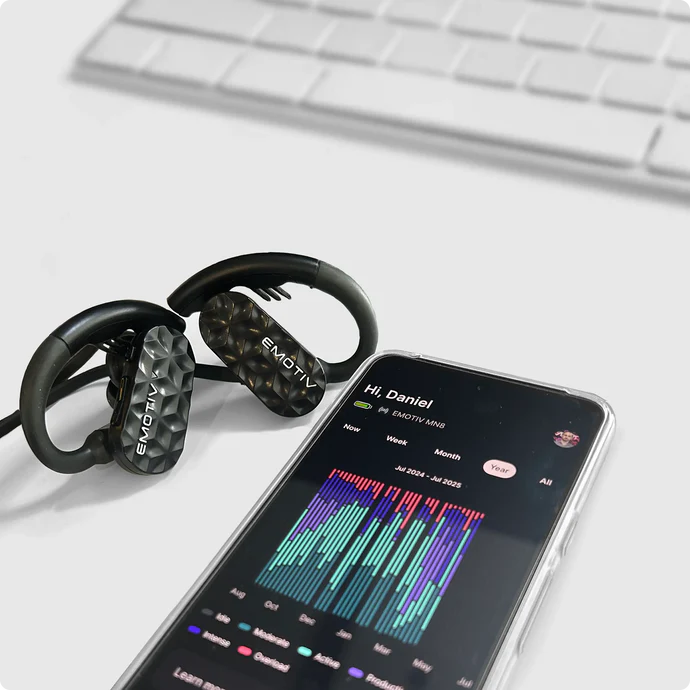
Continue reading