Best Tools for Cognitive Assessment: A Comparison
Duong Tran
Updated on
Nov 21, 2025
Best Tools for Cognitive Assessment: A Comparison
Duong Tran
Updated on
Nov 21, 2025
Best Tools for Cognitive Assessment: A Comparison
Duong Tran
Updated on
Nov 21, 2025
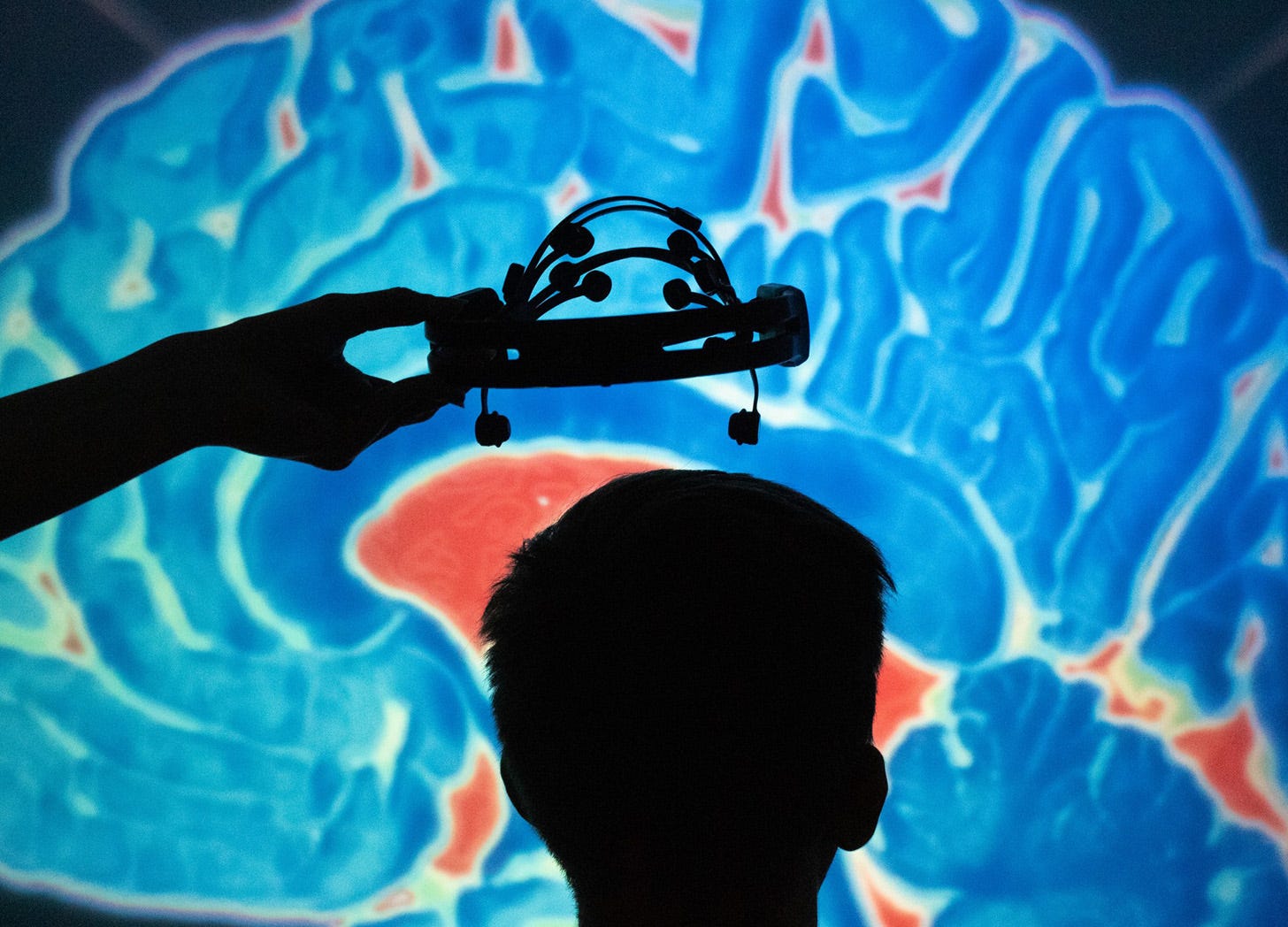
Traditional cognitive assessments provide valuable insights, but they often measure behavior, not the underlying brain activity. A person’s performance on a test can be influenced by their education, cultural background, or even how they are feeling that day. This is where EEG technology offers a powerful advantage. Instead of relying solely on observation, you can gather objective, physiological data directly from the brain. This does not replace traditional methods, but it adds a crucial layer of unbiased information. For anyone searching for the best tools for cognitive assessment, understanding how to integrate objective brain data is essential. We will explore how this technology works and how it can give you a more complete picture of cognitive function.
Key Takeaways
Match the assessment to the situation: The best cognitive assessment tool depends on your specific goals, the person you are assessing, and your environment. There is no single best option, only the right fit for your needs.
Know the pros and cons of each approach: Paper-based tests are simple and quick, digital tools offer more dynamic interaction, and EEG provides objective brain data. Understanding these differences helps you choose the method that will give you the most relevant insights.
Enhance assessments with objective brain data: Overcome the limitations of traditional tests, such as potential bias and subjectivity, by incorporating EEG. This technology gives you direct, real-time information about brain activity, providing a more complete picture of cognitive function.
What Are Cognitive Assessment Tools?
Cognitive assessment tools are tests designed to check for issues with thinking, knowledge, or judgment. For years, these assessments have helped professionals understand cognitive function, but the tools themselves have evolved significantly. We have moved from classic pen-and-paper tests to interactive digital platforms and now to advanced methods that measure brain activity directly. Each approach offers a different window into cognitive performance, and understanding them is the first step in choosing the right one for your work.
A Look at Paper-Based Assessments
For a long time, paper-based tests were the standard. These are the traditional questionnaires and tasks you might picture when thinking of a cognitive test. They have been widely used in clinical settings to identify potential cognitive impairment by evaluating memory, attention, and problem-solving skills. While they have a long history of use and established benchmarks, they rely on observed behavior and self-reporting, which can be subjective. They laid the groundwork for how we approach cognitive evaluation, creating a framework that newer technologies now build upon.
The Shift to Digital Tools
The move to digital has transformed cognitive assessments, making them more interactive. Instead of just pen and paper, digital tools often use gamification and AI to evaluate cognitive abilities in a more dynamic way. This shift reflects a broader change in the healthcare and research industries, with a clear preference for digital solutions that are more efficient and can capture nuanced data. These tools can automate scoring and offer new ways to present tasks, making the assessment process smoother for everyone involved.
The Rise of EEG-Based Assessments
The latest evolution in cognitive assessment comes from electroencephalography (EEG). This technology opens the door to understanding cognitive states by measuring brain activity directly. Innovations in this space fall under the umbrella of brain-computer interfaces (BCIs), which create a direct pathway between the brain and an external device. For example, research using the Emotiv Insight headset shows it is possible to analyze a person’s mental concentration and engagement with a task in real time. This approach provides objective, physiological data that complements traditional observations, offering a more complete picture of cognitive performance.
An Overview of Common Cognitive Assessment Tools
When you start looking into cognitive assessments, you will find a variety of established tools, each with its own specific purpose and approach. These tests have been used for years in clinical and research settings to obtain a snapshot of a person’s cognitive abilities. They often rely on a series of questions and simple tasks to evaluate functions such as memory, attention, and problem-solving. Understanding the most common ones is a helpful first step, as it gives you a baseline for what traditional cognitive testing looks like. Let us walk through five of the most frequently used paper-based assessments.
Mini-Mental Status Exam (MMSE)
You have likely heard of the MMSE, as it is one of the most well-known tools in the field. It is a quick, 11-question test that takes less than 10 minutes to administer. The exam covers orientation, registration, attention, calculation, recall, and language. While it has been a go-to for a long time, its use has declined somewhat due to licensing costs. Still, it remains a practical option for a fast screening, especially when you need to identify moderate to severe cognitive issues and time is short. The MMSE provides a solid, though general, overview of a person’s cognitive status.
Montreal Cognitive Assessment (MoCA)
The Montreal Cognitive Assessment, or MoCA, is often seen as a more sensitive tool than the MMSE, particularly for detecting mild cognitive impairment (MCI). It is more comprehensive, assessing a wider range of cognitive domains. The MoCA places a greater emphasis on executive functions—such as planning and problem-solving—and visuospatial abilities, which gives it an edge in spotting subtle changes. According to some studies, the MoCA is highly effective, identifying MCI with 90% to 100% accuracy. This makes it a powerful instrument for clinicians who need a more detailed picture of cognitive health.
Saint Louis University Mental Status Exam (SLUMS)
The Saint Louis University Mental Status Exam (SLUMS) is another valuable screening tool, originally developed for use with military veterans. It is similar in structure to the MMSE and MoCA but has its own unique scoring system that adjusts for the person’s education level, which can help reduce bias. The SLUMS test is freely available online and has been translated into multiple languages, making it highly accessible for diverse populations. It is a strong choice for a brief cognitive assessment in various clinical settings, especially when working with veterans or multilingual communities.
Clock Drawing Test
The Clock Drawing Test is a simple yet effective tool. It involves asking someone to draw a clock face, put the numbers in the correct positions, and then set the hands to a specific time. This single task provides a wealth of information about different cognitive abilities. It evaluates executive functions (planning and organization), memory, and visual-spatial skills. Because it is so quick to administer and score, it is often used as part of a larger battery of tests or as a standalone screener. The test is a classic example of how a simple activity can reveal complex details about cognitive function.
Mini-Cog
If you need an extremely fast screening tool, the Mini-Cog is an excellent choice. This test combines two simple tasks: a three-item memory recall and the clock-drawing test. The whole process takes only about three minutes, making it ideal for busy clinical environments, especially for screening older adults. The person is asked to remember three unrelated words, then draw a clock, and finally recall the three words. Its brevity and ease of use do not compromise its effectiveness in detecting potential cognitive issues. The Mini-Cog is a testament to how efficient and powerful a well-designed cognitive screener can be.
How Do These Assessment Tools Compare?
When you are deciding between tools like the MMSE and the MoCA, it is not about which one is “better” overall, but which one is the right fit for your specific situation. Each assessment has its own strengths and is designed for different purposes. Considering factors such as the time you have available, the specific cognitive skills you need to evaluate, and the background of the person you are assessing will help you make the best choice. A quick screening in a busy primary care office has different requirements than a detailed assessment in a neurology clinic.
The MMSE, for instance, is often favored for its speed, making it practical for initial checks for moderate to severe issues. In contrast, the MoCA is more comprehensive and sensitive, particularly for detecting mild cognitive impairment, but it requires more time. The way these tests are scored also differs, with some offering adjustments for educational background to support a fairer evaluation. This is a critical detail, as it helps prevent misinterpretation of results. Furthermore, understanding what each tool actually measures—from memory and attention to more complex executive functions such as planning and problem-solving—is key to gathering the right information. Below, we explore these differences in more detail to help you determine which instrument aligns best with your goals.
Time and Complexity
One of the most practical differences between these assessments is the time they take to complete. The MMSE is the quicker option, typically taking about 5 to 10 minutes. This makes it a go-to for initial screenings or in busy settings where time is limited. The MoCA, on the other hand, is more detailed and usually requires 10 to 15 minutes. That extra time allows it to be more sensitive in detecting mild cognitive impairment (MCI), picking up on subtle issues that a quicker screening might miss. Your choice often starts with a simple question: how much time do you have, and how deep do you need to go?
Scoring and Interpretation
How a test is scored can significantly impact its fairness and accuracy. The MoCA, for instance, includes a simple adjustment for individuals with fewer years of formal education, which helps reduce bias and provides a more equitable assessment. A normal score on the MoCA is considered 26 or higher out of 30 (after the education adjustment). The MMSE does not have this built-in adjustment, and a score between 24 and 30 is generally considered within the normal range. These scoring differences are important to keep in mind, as they influence how you interpret the results and what conclusions you can draw from them.
What Each Tool Measures
While both tools assess general cognitive function, they focus on slightly different areas. The MMSE is very effective for identifying moderate to severe cognitive problems but is less detailed in certain domains. The MoCA provides a more comprehensive evaluation by testing a wider range of cognitive skills. It places a greater emphasis on executive functions—such as planning, problem-solving, and abstract thinking—which the MMSE does not cover as thoroughly. If your goal is to obtain a detailed picture of higher-level cognitive processing, the MoCA is often the more suitable choice. If you are looking for a broader snapshot, the MMSE can be sufficient.
Who Each Tool Is For
Ultimately, the right tool depends on the context. No single assessment should be used in isolation; it should always be part of a larger evaluation that includes a person’s history and other clinical findings. The best cognitive assessment tools for a primary care setting are often those that are quick, easy to administer, and fair to people from diverse cultural and educational backgrounds. A clinician needs to select the test that best fits the individual and the specific questions they need to answer. The goal is to find the most effective and appropriate instrument for each unique situation.
The Pros and Cons of Each Assessment Method
Each type of cognitive assessment has its own strengths and weaknesses. Understanding these helps you decide which approach is the best fit for your needs, whether you are in a clinical setting, a research lab, or exploring cognitive performance. Let us break down the pros and cons of paper, digital, and EEG-based methods.
Paper-Based Cognitive Tests
The classic pen-and-paper tests are mainstays for a reason. They are quick to administer and do not require special technology, making them practical for busy clinics. The Alzheimer’s Association notes that the best cognitive assessment tools for a doctor’s office are quick and easy for staff to use. However, their simplicity is also a limitation. These tests can lack the sensitivity to detect subtle cognitive changes and rely on manual scoring, which can be subjective. They provide a helpful snapshot but may not offer the deeper insights of more advanced methods.
Digital Cognitive Assessments
Going digital opens up many possibilities. Digital tests like the MoCA can be better at identifying mild cognitive impairment than some paper versions. They provide granular data about a person’s cognitive strengths and weaknesses, which is valuable for creating targeted treatment plans. Automated scoring also reduces human error. The main hurdle is technology. These tools require a device and can be a challenge for individuals uncomfortable with digital interfaces or who have physical limitations that make screen interaction difficult. This accessibility issue is a key consideration.
EEG-Based Neurological Assessments
This is where you see the brain in action. EEG-based assessments provide objective, real-time data directly from the source. Instead of relying on behavioral responses, you are looking at neural activity. Our innovations in this space are part of the growing field of brain-computer interfaces, which use brain signals to understand cognitive states such as concentration or engagement. The trade-off for this level of detail is complexity and cost. EEG equipment can be an investment, and interpreting the data often requires specialized training. While we are working to make this technology more accessible, these factors can still be a barrier for some settings.
How to Choose the Right Cognitive Assessment Tool
Selecting the right cognitive assessment tool is not about finding a single “best” option—it is about finding the one that best fits your specific needs. The most effective approach depends on who you are assessing, the environment you are in, and what you hope to learn. A quick screener used in a busy clinic serves a very different purpose than a detailed battery of tests for a research study. Thinking through these factors beforehand will help you gather the most accurate and relevant information, whether you are using a traditional paper-based test or incorporating advanced technology like EEG.
Consider Your Target Population
Who are you assessing? The answer to this question is the foundation of your choice. An assessment designed for older adults may not be suitable for a younger population, and vice versa. The Alzheimer’s Association notes that the best tools for clinical settings are quick, proven to work in real-world scenarios, and fair to people from different backgrounds. You need to consider factors such as age, potential cognitive impairments, and physical abilities. For instance, a test requiring fine motor skills might not be appropriate for someone with arthritis. The goal is to measure cognitive function, not a person’s physical limitations or familiarity with a specific format.
Factor in Your Clinical Setting
Where will the assessment take place? A quiet, controlled laboratory environment allows for more complex and time-consuming tests than a busy primary care office. As one study points out, clinicians should pick the test that best fits the patient and the specific diagnostic questions at hand. Time is often a major constraint. If you only have a few minutes, a tool like the Mini-Cog is more practical than the more extensive MoCA. Portability is another key consideration. If you conduct assessments in various locations, you will need tools that are easy to transport and administer, which is where digital and mobile EEG solutions can be particularly useful.
Define Your Assessment Goals
What are you trying to find out? Your objectives will guide your tool selection. Are you conducting an initial screening for cognitive decline, measuring the impact of an intervention, or gathering detailed data for academic research? A simple screening tool can identify potential issues, but it will not provide a detailed profile of cognitive strengths and weaknesses. It is also important to remember that cognitive assessments are just one piece of the puzzle. They should always be interpreted alongside a person’s medical history, a physical exam, and other relevant tests to create a complete picture of their health and cognitive status.
Account for Cultural and Educational Backgrounds
Bias is a significant challenge in cognitive assessment. A person’s performance can be influenced by their level of education, primary language, and cultural background. A good assessment tool should minimize these influences to ensure the results accurately reflect cognitive ability. For example, some tools like the MoCA include adjustments for individuals with fewer years of formal education to help make the results fairer. When choosing a tool, ask if it has been validated for diverse populations and if it is available in the languages you need. This is an area where objective physiological data from EEG can complement traditional tests by providing insights that are less dependent on language and education.
Common Challenges with Cognitive Assessments
While cognitive assessment tools are essential for gathering insights into brain function, they come with practical challenges. Choosing the right tool is just the first step; implementing it effectively requires dealing with hurdles that can impact the quality and efficiency of your work. From the time and resources needed for training to the inherent biases in certain tests, these obstacles can make it difficult to obtain a clear and accurate picture.
For researchers and clinicians, time is always a factor. A lengthy assessment might provide comprehensive data, but it may not be feasible in a busy setting. Many traditional tests also require specific certifications to administer and score correctly, creating a barrier to entry. There is also the critical issue of cultural and educational bias, which can skew results and lead to inaccurate conclusions if not properly addressed. Finally, integrating any new tool into an existing workflow can be a complex process. The goal is to find assessments that not only provide valuable data but also fit seamlessly into your practice, complementing other diagnostic methods without causing disruption. Understanding these common challenges is key to selecting and using cognitive assessment tools effectively.
Training and Certification Hurdles
Many widely used cognitive assessments, such as the MoCA and MMSE, are not simple questionnaires you can print and hand out. To ensure accuracy and consistency, administrators need to undergo specific training and, in some cases, obtain certification. This process teaches the nuances of how to present questions, interpret responses, and apply the correct scoring criteria. Without this specialized knowledge, there is a high risk of administering the test incorrectly, which can invalidate the results. This requirement for proper training can be a significant barrier, demanding an investment of both time and money that may not be feasible for all individuals or organizations, potentially limiting access to these tools.
Working with Limited Time
In many clinical and research environments, time is a scarce resource. A 30-minute appointment slot does not always allow for a comprehensive, multi-part cognitive assessment. This forces practitioners to make a trade-off between depth of insight and practicality. Shorter tests, such as the MMSE, are useful for quick screenings or when you have limited time, but they may not detect subtle cognitive changes. This time pressure can mean that early or mild issues are missed. The challenge lies in finding a tool that is both efficient enough for your workflow and sensitive enough to capture the data you need, ensuring that time constraints do not compromise the quality of the assessment.
Addressing Cultural and Educational Bias
A significant challenge with many traditional cognitive tests is their potential for bias. These assessments were often developed and standardized using specific populations, which means they may not be equally fair or accurate for individuals from different cultural, linguistic, or educational backgrounds. For example, a question that relies on culturally specific knowledge could unfairly penalize someone from another culture. Some tests, such as the MoCA, attempt to correct for this by adjusting scores based on years of education. However, the most effective way to obtain a clearer picture is to use tools that are less dependent on these factors. This is where objective measures of brain activity can provide valuable, less biased data.
Integrating Tools into Your Workflow
Adopting a new assessment tool is not just about learning how to use it—it is about making it a functional part of your existing process. A cognitive assessment is rarely used in isolation; its results must be considered alongside a person’s history, physical exams, and other data. The challenge is to integrate the new tool’s data smoothly into your records and overall evaluation. This means ensuring the output is easy to understand, store, and compare over time. Our EmotivPRO software, for example, is designed to help you record and analyze brain data efficiently, making it easier to incorporate objective neurological insights into your comprehensive assessment workflow without creating data silos or administrative bottlenecks.
How to Get Started with Advanced Assessment Technology
Adopting new technology can feel like a significant step, but it does not have to be complicated. Moving beyond traditional methods to incorporate objective brain data can add a powerful new dimension to your cognitive assessments. The key is to understand the technology, have a clear plan for implementation, and ensure your team feels confident using the new tools. Let us walk through how you can get started.
Using EEG for Objective Brain Data
Electroencephalography (EEG) gives you a direct window into brain activity, offering objective data that self-reported or observational methods cannot capture. The real strength of EEG is its timing precision, allowing you to see cognitive events as they happen. In the past, this technology was confined to labs, but modern portable systems have made it accessible for a wide range of applications. By incorporating EEG, you can gather real-time, unbiased information, adding a rich layer of data to your assessments. This approach is becoming increasingly common in fields such as academic research and education, where objective metrics are essential.
How to Implement New Technology
Our innovations are a form of brain-computer interface (BCI), a technology that creates a direct pathway between the brain and an external device. While it might sound like science fiction, BCI is a practical tool that can significantly enhance cognitive assessments. By providing real-time data on brain activity during a task, you can gain deeper insights into a person’s cognitive processes. Implementing this technology involves integrating an EEG headset and software into your existing assessment protocols. This allows you to collect and analyze brain data alongside traditional performance metrics, creating a more complete picture of cognitive function.
Training Your Team on Modern Tools
Getting your team comfortable with new tools is crucial for a successful transition. Modern training methods can make this process more engaging and effective. For example, incorporating elements of gamification can make learning more interactive and less intimidating. Using AI-driven features within the software can also provide real-time feedback and guidance, helping your team build confidence as they learn. Our EmotivPRO software is designed to be user-friendly for data acquisition and analysis. A well-planned training program ensures everyone can use the technology effectively, leading to more consistent and reliable data collection.
Related Articles
A User Study of Visualization Effectiveness Using EEG and Cognitive Load
Single-Trial Cognitive Stress Classification Using Portable Wireless Electroencephalography
Frequently Asked Questions
What is the real difference between a paper test like the MMSE and an EEG-based assessment?
Think of it as the difference between watching someone perform a task and seeing how their brain is working during that task. Paper-based tests measure behavior—the answers someone gives or the actions they take. They are incredibly useful, but they rely on observation. An EEG-based assessment measures the brain’s electrical activity directly, giving you objective, physiological data in real time. This adds a layer of information that is not filtered through a person’s verbal responses or motor skills.
Can I download one of these paper tests and use it, or do I need special training?
This is an important question because it gets to the heart of accurate assessment. Many of these tools, especially ones like the MoCA, require specific training and certification to administer and score correctly. This ensures that the test is given the same way every time and that the results are reliable. Using them without proper training can easily lead to inaccurate conclusions, so it is always best to rely on a trained professional or become certified yourself.
Is EEG technology complicated to set up and use for assessments?
While the science behind EEG is complex, using the technology has become much more straightforward. In the past, it was mostly confined to labs, but modern portable headsets and user-friendly software have made it accessible for a much wider audience. Our goal is to make gathering brain data as simple as possible. For example, our EmotivPRO software is designed to streamline the process of recording and analyzing data, so you can focus on the insights rather than a complicated setup.
My work involves diverse groups of people. How can I make sure my cognitive assessments are fair?
Addressing bias is one of the most important parts of any assessment. A good first step is to choose tools that have been validated across different populations and that offer adjustments for factors such as education level. However, no single test is perfect. This is where combining methods can be powerful. By complementing a traditional test with objective data from an EEG headset, you can gather insights that are less dependent on a person’s language, culture, or educational background, giving you a more complete and equitable picture.
When should I choose a quick screening tool versus a more detailed assessment?
Your choice comes down to your goal and your time constraints. A quick screening tool, such as the Mini-Cog, is ideal for a busy clinical setting when you need a fast and effective way to identify whether a potential issue warrants a closer look. A more detailed assessment, whether it is a comprehensive test like the MoCA or an in-depth EEG study, is appropriate when you need to understand a person’s cognitive profile in greater detail, perhaps for academic research or to inform a specific plan. Each approach has its place in a thoughtful, multi-layered assessment strategy.
Traditional cognitive assessments provide valuable insights, but they often measure behavior, not the underlying brain activity. A person’s performance on a test can be influenced by their education, cultural background, or even how they are feeling that day. This is where EEG technology offers a powerful advantage. Instead of relying solely on observation, you can gather objective, physiological data directly from the brain. This does not replace traditional methods, but it adds a crucial layer of unbiased information. For anyone searching for the best tools for cognitive assessment, understanding how to integrate objective brain data is essential. We will explore how this technology works and how it can give you a more complete picture of cognitive function.
Key Takeaways
Match the assessment to the situation: The best cognitive assessment tool depends on your specific goals, the person you are assessing, and your environment. There is no single best option, only the right fit for your needs.
Know the pros and cons of each approach: Paper-based tests are simple and quick, digital tools offer more dynamic interaction, and EEG provides objective brain data. Understanding these differences helps you choose the method that will give you the most relevant insights.
Enhance assessments with objective brain data: Overcome the limitations of traditional tests, such as potential bias and subjectivity, by incorporating EEG. This technology gives you direct, real-time information about brain activity, providing a more complete picture of cognitive function.
What Are Cognitive Assessment Tools?
Cognitive assessment tools are tests designed to check for issues with thinking, knowledge, or judgment. For years, these assessments have helped professionals understand cognitive function, but the tools themselves have evolved significantly. We have moved from classic pen-and-paper tests to interactive digital platforms and now to advanced methods that measure brain activity directly. Each approach offers a different window into cognitive performance, and understanding them is the first step in choosing the right one for your work.
A Look at Paper-Based Assessments
For a long time, paper-based tests were the standard. These are the traditional questionnaires and tasks you might picture when thinking of a cognitive test. They have been widely used in clinical settings to identify potential cognitive impairment by evaluating memory, attention, and problem-solving skills. While they have a long history of use and established benchmarks, they rely on observed behavior and self-reporting, which can be subjective. They laid the groundwork for how we approach cognitive evaluation, creating a framework that newer technologies now build upon.
The Shift to Digital Tools
The move to digital has transformed cognitive assessments, making them more interactive. Instead of just pen and paper, digital tools often use gamification and AI to evaluate cognitive abilities in a more dynamic way. This shift reflects a broader change in the healthcare and research industries, with a clear preference for digital solutions that are more efficient and can capture nuanced data. These tools can automate scoring and offer new ways to present tasks, making the assessment process smoother for everyone involved.
The Rise of EEG-Based Assessments
The latest evolution in cognitive assessment comes from electroencephalography (EEG). This technology opens the door to understanding cognitive states by measuring brain activity directly. Innovations in this space fall under the umbrella of brain-computer interfaces (BCIs), which create a direct pathway between the brain and an external device. For example, research using the Emotiv Insight headset shows it is possible to analyze a person’s mental concentration and engagement with a task in real time. This approach provides objective, physiological data that complements traditional observations, offering a more complete picture of cognitive performance.
An Overview of Common Cognitive Assessment Tools
When you start looking into cognitive assessments, you will find a variety of established tools, each with its own specific purpose and approach. These tests have been used for years in clinical and research settings to obtain a snapshot of a person’s cognitive abilities. They often rely on a series of questions and simple tasks to evaluate functions such as memory, attention, and problem-solving. Understanding the most common ones is a helpful first step, as it gives you a baseline for what traditional cognitive testing looks like. Let us walk through five of the most frequently used paper-based assessments.
Mini-Mental Status Exam (MMSE)
You have likely heard of the MMSE, as it is one of the most well-known tools in the field. It is a quick, 11-question test that takes less than 10 minutes to administer. The exam covers orientation, registration, attention, calculation, recall, and language. While it has been a go-to for a long time, its use has declined somewhat due to licensing costs. Still, it remains a practical option for a fast screening, especially when you need to identify moderate to severe cognitive issues and time is short. The MMSE provides a solid, though general, overview of a person’s cognitive status.
Montreal Cognitive Assessment (MoCA)
The Montreal Cognitive Assessment, or MoCA, is often seen as a more sensitive tool than the MMSE, particularly for detecting mild cognitive impairment (MCI). It is more comprehensive, assessing a wider range of cognitive domains. The MoCA places a greater emphasis on executive functions—such as planning and problem-solving—and visuospatial abilities, which gives it an edge in spotting subtle changes. According to some studies, the MoCA is highly effective, identifying MCI with 90% to 100% accuracy. This makes it a powerful instrument for clinicians who need a more detailed picture of cognitive health.
Saint Louis University Mental Status Exam (SLUMS)
The Saint Louis University Mental Status Exam (SLUMS) is another valuable screening tool, originally developed for use with military veterans. It is similar in structure to the MMSE and MoCA but has its own unique scoring system that adjusts for the person’s education level, which can help reduce bias. The SLUMS test is freely available online and has been translated into multiple languages, making it highly accessible for diverse populations. It is a strong choice for a brief cognitive assessment in various clinical settings, especially when working with veterans or multilingual communities.
Clock Drawing Test
The Clock Drawing Test is a simple yet effective tool. It involves asking someone to draw a clock face, put the numbers in the correct positions, and then set the hands to a specific time. This single task provides a wealth of information about different cognitive abilities. It evaluates executive functions (planning and organization), memory, and visual-spatial skills. Because it is so quick to administer and score, it is often used as part of a larger battery of tests or as a standalone screener. The test is a classic example of how a simple activity can reveal complex details about cognitive function.
Mini-Cog
If you need an extremely fast screening tool, the Mini-Cog is an excellent choice. This test combines two simple tasks: a three-item memory recall and the clock-drawing test. The whole process takes only about three minutes, making it ideal for busy clinical environments, especially for screening older adults. The person is asked to remember three unrelated words, then draw a clock, and finally recall the three words. Its brevity and ease of use do not compromise its effectiveness in detecting potential cognitive issues. The Mini-Cog is a testament to how efficient and powerful a well-designed cognitive screener can be.
How Do These Assessment Tools Compare?
When you are deciding between tools like the MMSE and the MoCA, it is not about which one is “better” overall, but which one is the right fit for your specific situation. Each assessment has its own strengths and is designed for different purposes. Considering factors such as the time you have available, the specific cognitive skills you need to evaluate, and the background of the person you are assessing will help you make the best choice. A quick screening in a busy primary care office has different requirements than a detailed assessment in a neurology clinic.
The MMSE, for instance, is often favored for its speed, making it practical for initial checks for moderate to severe issues. In contrast, the MoCA is more comprehensive and sensitive, particularly for detecting mild cognitive impairment, but it requires more time. The way these tests are scored also differs, with some offering adjustments for educational background to support a fairer evaluation. This is a critical detail, as it helps prevent misinterpretation of results. Furthermore, understanding what each tool actually measures—from memory and attention to more complex executive functions such as planning and problem-solving—is key to gathering the right information. Below, we explore these differences in more detail to help you determine which instrument aligns best with your goals.
Time and Complexity
One of the most practical differences between these assessments is the time they take to complete. The MMSE is the quicker option, typically taking about 5 to 10 minutes. This makes it a go-to for initial screenings or in busy settings where time is limited. The MoCA, on the other hand, is more detailed and usually requires 10 to 15 minutes. That extra time allows it to be more sensitive in detecting mild cognitive impairment (MCI), picking up on subtle issues that a quicker screening might miss. Your choice often starts with a simple question: how much time do you have, and how deep do you need to go?
Scoring and Interpretation
How a test is scored can significantly impact its fairness and accuracy. The MoCA, for instance, includes a simple adjustment for individuals with fewer years of formal education, which helps reduce bias and provides a more equitable assessment. A normal score on the MoCA is considered 26 or higher out of 30 (after the education adjustment). The MMSE does not have this built-in adjustment, and a score between 24 and 30 is generally considered within the normal range. These scoring differences are important to keep in mind, as they influence how you interpret the results and what conclusions you can draw from them.
What Each Tool Measures
While both tools assess general cognitive function, they focus on slightly different areas. The MMSE is very effective for identifying moderate to severe cognitive problems but is less detailed in certain domains. The MoCA provides a more comprehensive evaluation by testing a wider range of cognitive skills. It places a greater emphasis on executive functions—such as planning, problem-solving, and abstract thinking—which the MMSE does not cover as thoroughly. If your goal is to obtain a detailed picture of higher-level cognitive processing, the MoCA is often the more suitable choice. If you are looking for a broader snapshot, the MMSE can be sufficient.
Who Each Tool Is For
Ultimately, the right tool depends on the context. No single assessment should be used in isolation; it should always be part of a larger evaluation that includes a person’s history and other clinical findings. The best cognitive assessment tools for a primary care setting are often those that are quick, easy to administer, and fair to people from diverse cultural and educational backgrounds. A clinician needs to select the test that best fits the individual and the specific questions they need to answer. The goal is to find the most effective and appropriate instrument for each unique situation.
The Pros and Cons of Each Assessment Method
Each type of cognitive assessment has its own strengths and weaknesses. Understanding these helps you decide which approach is the best fit for your needs, whether you are in a clinical setting, a research lab, or exploring cognitive performance. Let us break down the pros and cons of paper, digital, and EEG-based methods.
Paper-Based Cognitive Tests
The classic pen-and-paper tests are mainstays for a reason. They are quick to administer and do not require special technology, making them practical for busy clinics. The Alzheimer’s Association notes that the best cognitive assessment tools for a doctor’s office are quick and easy for staff to use. However, their simplicity is also a limitation. These tests can lack the sensitivity to detect subtle cognitive changes and rely on manual scoring, which can be subjective. They provide a helpful snapshot but may not offer the deeper insights of more advanced methods.
Digital Cognitive Assessments
Going digital opens up many possibilities. Digital tests like the MoCA can be better at identifying mild cognitive impairment than some paper versions. They provide granular data about a person’s cognitive strengths and weaknesses, which is valuable for creating targeted treatment plans. Automated scoring also reduces human error. The main hurdle is technology. These tools require a device and can be a challenge for individuals uncomfortable with digital interfaces or who have physical limitations that make screen interaction difficult. This accessibility issue is a key consideration.
EEG-Based Neurological Assessments
This is where you see the brain in action. EEG-based assessments provide objective, real-time data directly from the source. Instead of relying on behavioral responses, you are looking at neural activity. Our innovations in this space are part of the growing field of brain-computer interfaces, which use brain signals to understand cognitive states such as concentration or engagement. The trade-off for this level of detail is complexity and cost. EEG equipment can be an investment, and interpreting the data often requires specialized training. While we are working to make this technology more accessible, these factors can still be a barrier for some settings.
How to Choose the Right Cognitive Assessment Tool
Selecting the right cognitive assessment tool is not about finding a single “best” option—it is about finding the one that best fits your specific needs. The most effective approach depends on who you are assessing, the environment you are in, and what you hope to learn. A quick screener used in a busy clinic serves a very different purpose than a detailed battery of tests for a research study. Thinking through these factors beforehand will help you gather the most accurate and relevant information, whether you are using a traditional paper-based test or incorporating advanced technology like EEG.
Consider Your Target Population
Who are you assessing? The answer to this question is the foundation of your choice. An assessment designed for older adults may not be suitable for a younger population, and vice versa. The Alzheimer’s Association notes that the best tools for clinical settings are quick, proven to work in real-world scenarios, and fair to people from different backgrounds. You need to consider factors such as age, potential cognitive impairments, and physical abilities. For instance, a test requiring fine motor skills might not be appropriate for someone with arthritis. The goal is to measure cognitive function, not a person’s physical limitations or familiarity with a specific format.
Factor in Your Clinical Setting
Where will the assessment take place? A quiet, controlled laboratory environment allows for more complex and time-consuming tests than a busy primary care office. As one study points out, clinicians should pick the test that best fits the patient and the specific diagnostic questions at hand. Time is often a major constraint. If you only have a few minutes, a tool like the Mini-Cog is more practical than the more extensive MoCA. Portability is another key consideration. If you conduct assessments in various locations, you will need tools that are easy to transport and administer, which is where digital and mobile EEG solutions can be particularly useful.
Define Your Assessment Goals
What are you trying to find out? Your objectives will guide your tool selection. Are you conducting an initial screening for cognitive decline, measuring the impact of an intervention, or gathering detailed data for academic research? A simple screening tool can identify potential issues, but it will not provide a detailed profile of cognitive strengths and weaknesses. It is also important to remember that cognitive assessments are just one piece of the puzzle. They should always be interpreted alongside a person’s medical history, a physical exam, and other relevant tests to create a complete picture of their health and cognitive status.
Account for Cultural and Educational Backgrounds
Bias is a significant challenge in cognitive assessment. A person’s performance can be influenced by their level of education, primary language, and cultural background. A good assessment tool should minimize these influences to ensure the results accurately reflect cognitive ability. For example, some tools like the MoCA include adjustments for individuals with fewer years of formal education to help make the results fairer. When choosing a tool, ask if it has been validated for diverse populations and if it is available in the languages you need. This is an area where objective physiological data from EEG can complement traditional tests by providing insights that are less dependent on language and education.
Common Challenges with Cognitive Assessments
While cognitive assessment tools are essential for gathering insights into brain function, they come with practical challenges. Choosing the right tool is just the first step; implementing it effectively requires dealing with hurdles that can impact the quality and efficiency of your work. From the time and resources needed for training to the inherent biases in certain tests, these obstacles can make it difficult to obtain a clear and accurate picture.
For researchers and clinicians, time is always a factor. A lengthy assessment might provide comprehensive data, but it may not be feasible in a busy setting. Many traditional tests also require specific certifications to administer and score correctly, creating a barrier to entry. There is also the critical issue of cultural and educational bias, which can skew results and lead to inaccurate conclusions if not properly addressed. Finally, integrating any new tool into an existing workflow can be a complex process. The goal is to find assessments that not only provide valuable data but also fit seamlessly into your practice, complementing other diagnostic methods without causing disruption. Understanding these common challenges is key to selecting and using cognitive assessment tools effectively.
Training and Certification Hurdles
Many widely used cognitive assessments, such as the MoCA and MMSE, are not simple questionnaires you can print and hand out. To ensure accuracy and consistency, administrators need to undergo specific training and, in some cases, obtain certification. This process teaches the nuances of how to present questions, interpret responses, and apply the correct scoring criteria. Without this specialized knowledge, there is a high risk of administering the test incorrectly, which can invalidate the results. This requirement for proper training can be a significant barrier, demanding an investment of both time and money that may not be feasible for all individuals or organizations, potentially limiting access to these tools.
Working with Limited Time
In many clinical and research environments, time is a scarce resource. A 30-minute appointment slot does not always allow for a comprehensive, multi-part cognitive assessment. This forces practitioners to make a trade-off between depth of insight and practicality. Shorter tests, such as the MMSE, are useful for quick screenings or when you have limited time, but they may not detect subtle cognitive changes. This time pressure can mean that early or mild issues are missed. The challenge lies in finding a tool that is both efficient enough for your workflow and sensitive enough to capture the data you need, ensuring that time constraints do not compromise the quality of the assessment.
Addressing Cultural and Educational Bias
A significant challenge with many traditional cognitive tests is their potential for bias. These assessments were often developed and standardized using specific populations, which means they may not be equally fair or accurate for individuals from different cultural, linguistic, or educational backgrounds. For example, a question that relies on culturally specific knowledge could unfairly penalize someone from another culture. Some tests, such as the MoCA, attempt to correct for this by adjusting scores based on years of education. However, the most effective way to obtain a clearer picture is to use tools that are less dependent on these factors. This is where objective measures of brain activity can provide valuable, less biased data.
Integrating Tools into Your Workflow
Adopting a new assessment tool is not just about learning how to use it—it is about making it a functional part of your existing process. A cognitive assessment is rarely used in isolation; its results must be considered alongside a person’s history, physical exams, and other data. The challenge is to integrate the new tool’s data smoothly into your records and overall evaluation. This means ensuring the output is easy to understand, store, and compare over time. Our EmotivPRO software, for example, is designed to help you record and analyze brain data efficiently, making it easier to incorporate objective neurological insights into your comprehensive assessment workflow without creating data silos or administrative bottlenecks.
How to Get Started with Advanced Assessment Technology
Adopting new technology can feel like a significant step, but it does not have to be complicated. Moving beyond traditional methods to incorporate objective brain data can add a powerful new dimension to your cognitive assessments. The key is to understand the technology, have a clear plan for implementation, and ensure your team feels confident using the new tools. Let us walk through how you can get started.
Using EEG for Objective Brain Data
Electroencephalography (EEG) gives you a direct window into brain activity, offering objective data that self-reported or observational methods cannot capture. The real strength of EEG is its timing precision, allowing you to see cognitive events as they happen. In the past, this technology was confined to labs, but modern portable systems have made it accessible for a wide range of applications. By incorporating EEG, you can gather real-time, unbiased information, adding a rich layer of data to your assessments. This approach is becoming increasingly common in fields such as academic research and education, where objective metrics are essential.
How to Implement New Technology
Our innovations are a form of brain-computer interface (BCI), a technology that creates a direct pathway between the brain and an external device. While it might sound like science fiction, BCI is a practical tool that can significantly enhance cognitive assessments. By providing real-time data on brain activity during a task, you can gain deeper insights into a person’s cognitive processes. Implementing this technology involves integrating an EEG headset and software into your existing assessment protocols. This allows you to collect and analyze brain data alongside traditional performance metrics, creating a more complete picture of cognitive function.
Training Your Team on Modern Tools
Getting your team comfortable with new tools is crucial for a successful transition. Modern training methods can make this process more engaging and effective. For example, incorporating elements of gamification can make learning more interactive and less intimidating. Using AI-driven features within the software can also provide real-time feedback and guidance, helping your team build confidence as they learn. Our EmotivPRO software is designed to be user-friendly for data acquisition and analysis. A well-planned training program ensures everyone can use the technology effectively, leading to more consistent and reliable data collection.
Related Articles
A User Study of Visualization Effectiveness Using EEG and Cognitive Load
Single-Trial Cognitive Stress Classification Using Portable Wireless Electroencephalography
Frequently Asked Questions
What is the real difference between a paper test like the MMSE and an EEG-based assessment?
Think of it as the difference between watching someone perform a task and seeing how their brain is working during that task. Paper-based tests measure behavior—the answers someone gives or the actions they take. They are incredibly useful, but they rely on observation. An EEG-based assessment measures the brain’s electrical activity directly, giving you objective, physiological data in real time. This adds a layer of information that is not filtered through a person’s verbal responses or motor skills.
Can I download one of these paper tests and use it, or do I need special training?
This is an important question because it gets to the heart of accurate assessment. Many of these tools, especially ones like the MoCA, require specific training and certification to administer and score correctly. This ensures that the test is given the same way every time and that the results are reliable. Using them without proper training can easily lead to inaccurate conclusions, so it is always best to rely on a trained professional or become certified yourself.
Is EEG technology complicated to set up and use for assessments?
While the science behind EEG is complex, using the technology has become much more straightforward. In the past, it was mostly confined to labs, but modern portable headsets and user-friendly software have made it accessible for a much wider audience. Our goal is to make gathering brain data as simple as possible. For example, our EmotivPRO software is designed to streamline the process of recording and analyzing data, so you can focus on the insights rather than a complicated setup.
My work involves diverse groups of people. How can I make sure my cognitive assessments are fair?
Addressing bias is one of the most important parts of any assessment. A good first step is to choose tools that have been validated across different populations and that offer adjustments for factors such as education level. However, no single test is perfect. This is where combining methods can be powerful. By complementing a traditional test with objective data from an EEG headset, you can gather insights that are less dependent on a person’s language, culture, or educational background, giving you a more complete and equitable picture.
When should I choose a quick screening tool versus a more detailed assessment?
Your choice comes down to your goal and your time constraints. A quick screening tool, such as the Mini-Cog, is ideal for a busy clinical setting when you need a fast and effective way to identify whether a potential issue warrants a closer look. A more detailed assessment, whether it is a comprehensive test like the MoCA or an in-depth EEG study, is appropriate when you need to understand a person’s cognitive profile in greater detail, perhaps for academic research or to inform a specific plan. Each approach has its place in a thoughtful, multi-layered assessment strategy.
Traditional cognitive assessments provide valuable insights, but they often measure behavior, not the underlying brain activity. A person’s performance on a test can be influenced by their education, cultural background, or even how they are feeling that day. This is where EEG technology offers a powerful advantage. Instead of relying solely on observation, you can gather objective, physiological data directly from the brain. This does not replace traditional methods, but it adds a crucial layer of unbiased information. For anyone searching for the best tools for cognitive assessment, understanding how to integrate objective brain data is essential. We will explore how this technology works and how it can give you a more complete picture of cognitive function.
Key Takeaways
Match the assessment to the situation: The best cognitive assessment tool depends on your specific goals, the person you are assessing, and your environment. There is no single best option, only the right fit for your needs.
Know the pros and cons of each approach: Paper-based tests are simple and quick, digital tools offer more dynamic interaction, and EEG provides objective brain data. Understanding these differences helps you choose the method that will give you the most relevant insights.
Enhance assessments with objective brain data: Overcome the limitations of traditional tests, such as potential bias and subjectivity, by incorporating EEG. This technology gives you direct, real-time information about brain activity, providing a more complete picture of cognitive function.
What Are Cognitive Assessment Tools?
Cognitive assessment tools are tests designed to check for issues with thinking, knowledge, or judgment. For years, these assessments have helped professionals understand cognitive function, but the tools themselves have evolved significantly. We have moved from classic pen-and-paper tests to interactive digital platforms and now to advanced methods that measure brain activity directly. Each approach offers a different window into cognitive performance, and understanding them is the first step in choosing the right one for your work.
A Look at Paper-Based Assessments
For a long time, paper-based tests were the standard. These are the traditional questionnaires and tasks you might picture when thinking of a cognitive test. They have been widely used in clinical settings to identify potential cognitive impairment by evaluating memory, attention, and problem-solving skills. While they have a long history of use and established benchmarks, they rely on observed behavior and self-reporting, which can be subjective. They laid the groundwork for how we approach cognitive evaluation, creating a framework that newer technologies now build upon.
The Shift to Digital Tools
The move to digital has transformed cognitive assessments, making them more interactive. Instead of just pen and paper, digital tools often use gamification and AI to evaluate cognitive abilities in a more dynamic way. This shift reflects a broader change in the healthcare and research industries, with a clear preference for digital solutions that are more efficient and can capture nuanced data. These tools can automate scoring and offer new ways to present tasks, making the assessment process smoother for everyone involved.
The Rise of EEG-Based Assessments
The latest evolution in cognitive assessment comes from electroencephalography (EEG). This technology opens the door to understanding cognitive states by measuring brain activity directly. Innovations in this space fall under the umbrella of brain-computer interfaces (BCIs), which create a direct pathway between the brain and an external device. For example, research using the Emotiv Insight headset shows it is possible to analyze a person’s mental concentration and engagement with a task in real time. This approach provides objective, physiological data that complements traditional observations, offering a more complete picture of cognitive performance.
An Overview of Common Cognitive Assessment Tools
When you start looking into cognitive assessments, you will find a variety of established tools, each with its own specific purpose and approach. These tests have been used for years in clinical and research settings to obtain a snapshot of a person’s cognitive abilities. They often rely on a series of questions and simple tasks to evaluate functions such as memory, attention, and problem-solving. Understanding the most common ones is a helpful first step, as it gives you a baseline for what traditional cognitive testing looks like. Let us walk through five of the most frequently used paper-based assessments.
Mini-Mental Status Exam (MMSE)
You have likely heard of the MMSE, as it is one of the most well-known tools in the field. It is a quick, 11-question test that takes less than 10 minutes to administer. The exam covers orientation, registration, attention, calculation, recall, and language. While it has been a go-to for a long time, its use has declined somewhat due to licensing costs. Still, it remains a practical option for a fast screening, especially when you need to identify moderate to severe cognitive issues and time is short. The MMSE provides a solid, though general, overview of a person’s cognitive status.
Montreal Cognitive Assessment (MoCA)
The Montreal Cognitive Assessment, or MoCA, is often seen as a more sensitive tool than the MMSE, particularly for detecting mild cognitive impairment (MCI). It is more comprehensive, assessing a wider range of cognitive domains. The MoCA places a greater emphasis on executive functions—such as planning and problem-solving—and visuospatial abilities, which gives it an edge in spotting subtle changes. According to some studies, the MoCA is highly effective, identifying MCI with 90% to 100% accuracy. This makes it a powerful instrument for clinicians who need a more detailed picture of cognitive health.
Saint Louis University Mental Status Exam (SLUMS)
The Saint Louis University Mental Status Exam (SLUMS) is another valuable screening tool, originally developed for use with military veterans. It is similar in structure to the MMSE and MoCA but has its own unique scoring system that adjusts for the person’s education level, which can help reduce bias. The SLUMS test is freely available online and has been translated into multiple languages, making it highly accessible for diverse populations. It is a strong choice for a brief cognitive assessment in various clinical settings, especially when working with veterans or multilingual communities.
Clock Drawing Test
The Clock Drawing Test is a simple yet effective tool. It involves asking someone to draw a clock face, put the numbers in the correct positions, and then set the hands to a specific time. This single task provides a wealth of information about different cognitive abilities. It evaluates executive functions (planning and organization), memory, and visual-spatial skills. Because it is so quick to administer and score, it is often used as part of a larger battery of tests or as a standalone screener. The test is a classic example of how a simple activity can reveal complex details about cognitive function.
Mini-Cog
If you need an extremely fast screening tool, the Mini-Cog is an excellent choice. This test combines two simple tasks: a three-item memory recall and the clock-drawing test. The whole process takes only about three minutes, making it ideal for busy clinical environments, especially for screening older adults. The person is asked to remember three unrelated words, then draw a clock, and finally recall the three words. Its brevity and ease of use do not compromise its effectiveness in detecting potential cognitive issues. The Mini-Cog is a testament to how efficient and powerful a well-designed cognitive screener can be.
How Do These Assessment Tools Compare?
When you are deciding between tools like the MMSE and the MoCA, it is not about which one is “better” overall, but which one is the right fit for your specific situation. Each assessment has its own strengths and is designed for different purposes. Considering factors such as the time you have available, the specific cognitive skills you need to evaluate, and the background of the person you are assessing will help you make the best choice. A quick screening in a busy primary care office has different requirements than a detailed assessment in a neurology clinic.
The MMSE, for instance, is often favored for its speed, making it practical for initial checks for moderate to severe issues. In contrast, the MoCA is more comprehensive and sensitive, particularly for detecting mild cognitive impairment, but it requires more time. The way these tests are scored also differs, with some offering adjustments for educational background to support a fairer evaluation. This is a critical detail, as it helps prevent misinterpretation of results. Furthermore, understanding what each tool actually measures—from memory and attention to more complex executive functions such as planning and problem-solving—is key to gathering the right information. Below, we explore these differences in more detail to help you determine which instrument aligns best with your goals.
Time and Complexity
One of the most practical differences between these assessments is the time they take to complete. The MMSE is the quicker option, typically taking about 5 to 10 minutes. This makes it a go-to for initial screenings or in busy settings where time is limited. The MoCA, on the other hand, is more detailed and usually requires 10 to 15 minutes. That extra time allows it to be more sensitive in detecting mild cognitive impairment (MCI), picking up on subtle issues that a quicker screening might miss. Your choice often starts with a simple question: how much time do you have, and how deep do you need to go?
Scoring and Interpretation
How a test is scored can significantly impact its fairness and accuracy. The MoCA, for instance, includes a simple adjustment for individuals with fewer years of formal education, which helps reduce bias and provides a more equitable assessment. A normal score on the MoCA is considered 26 or higher out of 30 (after the education adjustment). The MMSE does not have this built-in adjustment, and a score between 24 and 30 is generally considered within the normal range. These scoring differences are important to keep in mind, as they influence how you interpret the results and what conclusions you can draw from them.
What Each Tool Measures
While both tools assess general cognitive function, they focus on slightly different areas. The MMSE is very effective for identifying moderate to severe cognitive problems but is less detailed in certain domains. The MoCA provides a more comprehensive evaluation by testing a wider range of cognitive skills. It places a greater emphasis on executive functions—such as planning, problem-solving, and abstract thinking—which the MMSE does not cover as thoroughly. If your goal is to obtain a detailed picture of higher-level cognitive processing, the MoCA is often the more suitable choice. If you are looking for a broader snapshot, the MMSE can be sufficient.
Who Each Tool Is For
Ultimately, the right tool depends on the context. No single assessment should be used in isolation; it should always be part of a larger evaluation that includes a person’s history and other clinical findings. The best cognitive assessment tools for a primary care setting are often those that are quick, easy to administer, and fair to people from diverse cultural and educational backgrounds. A clinician needs to select the test that best fits the individual and the specific questions they need to answer. The goal is to find the most effective and appropriate instrument for each unique situation.
The Pros and Cons of Each Assessment Method
Each type of cognitive assessment has its own strengths and weaknesses. Understanding these helps you decide which approach is the best fit for your needs, whether you are in a clinical setting, a research lab, or exploring cognitive performance. Let us break down the pros and cons of paper, digital, and EEG-based methods.
Paper-Based Cognitive Tests
The classic pen-and-paper tests are mainstays for a reason. They are quick to administer and do not require special technology, making them practical for busy clinics. The Alzheimer’s Association notes that the best cognitive assessment tools for a doctor’s office are quick and easy for staff to use. However, their simplicity is also a limitation. These tests can lack the sensitivity to detect subtle cognitive changes and rely on manual scoring, which can be subjective. They provide a helpful snapshot but may not offer the deeper insights of more advanced methods.
Digital Cognitive Assessments
Going digital opens up many possibilities. Digital tests like the MoCA can be better at identifying mild cognitive impairment than some paper versions. They provide granular data about a person’s cognitive strengths and weaknesses, which is valuable for creating targeted treatment plans. Automated scoring also reduces human error. The main hurdle is technology. These tools require a device and can be a challenge for individuals uncomfortable with digital interfaces or who have physical limitations that make screen interaction difficult. This accessibility issue is a key consideration.
EEG-Based Neurological Assessments
This is where you see the brain in action. EEG-based assessments provide objective, real-time data directly from the source. Instead of relying on behavioral responses, you are looking at neural activity. Our innovations in this space are part of the growing field of brain-computer interfaces, which use brain signals to understand cognitive states such as concentration or engagement. The trade-off for this level of detail is complexity and cost. EEG equipment can be an investment, and interpreting the data often requires specialized training. While we are working to make this technology more accessible, these factors can still be a barrier for some settings.
How to Choose the Right Cognitive Assessment Tool
Selecting the right cognitive assessment tool is not about finding a single “best” option—it is about finding the one that best fits your specific needs. The most effective approach depends on who you are assessing, the environment you are in, and what you hope to learn. A quick screener used in a busy clinic serves a very different purpose than a detailed battery of tests for a research study. Thinking through these factors beforehand will help you gather the most accurate and relevant information, whether you are using a traditional paper-based test or incorporating advanced technology like EEG.
Consider Your Target Population
Who are you assessing? The answer to this question is the foundation of your choice. An assessment designed for older adults may not be suitable for a younger population, and vice versa. The Alzheimer’s Association notes that the best tools for clinical settings are quick, proven to work in real-world scenarios, and fair to people from different backgrounds. You need to consider factors such as age, potential cognitive impairments, and physical abilities. For instance, a test requiring fine motor skills might not be appropriate for someone with arthritis. The goal is to measure cognitive function, not a person’s physical limitations or familiarity with a specific format.
Factor in Your Clinical Setting
Where will the assessment take place? A quiet, controlled laboratory environment allows for more complex and time-consuming tests than a busy primary care office. As one study points out, clinicians should pick the test that best fits the patient and the specific diagnostic questions at hand. Time is often a major constraint. If you only have a few minutes, a tool like the Mini-Cog is more practical than the more extensive MoCA. Portability is another key consideration. If you conduct assessments in various locations, you will need tools that are easy to transport and administer, which is where digital and mobile EEG solutions can be particularly useful.
Define Your Assessment Goals
What are you trying to find out? Your objectives will guide your tool selection. Are you conducting an initial screening for cognitive decline, measuring the impact of an intervention, or gathering detailed data for academic research? A simple screening tool can identify potential issues, but it will not provide a detailed profile of cognitive strengths and weaknesses. It is also important to remember that cognitive assessments are just one piece of the puzzle. They should always be interpreted alongside a person’s medical history, a physical exam, and other relevant tests to create a complete picture of their health and cognitive status.
Account for Cultural and Educational Backgrounds
Bias is a significant challenge in cognitive assessment. A person’s performance can be influenced by their level of education, primary language, and cultural background. A good assessment tool should minimize these influences to ensure the results accurately reflect cognitive ability. For example, some tools like the MoCA include adjustments for individuals with fewer years of formal education to help make the results fairer. When choosing a tool, ask if it has been validated for diverse populations and if it is available in the languages you need. This is an area where objective physiological data from EEG can complement traditional tests by providing insights that are less dependent on language and education.
Common Challenges with Cognitive Assessments
While cognitive assessment tools are essential for gathering insights into brain function, they come with practical challenges. Choosing the right tool is just the first step; implementing it effectively requires dealing with hurdles that can impact the quality and efficiency of your work. From the time and resources needed for training to the inherent biases in certain tests, these obstacles can make it difficult to obtain a clear and accurate picture.
For researchers and clinicians, time is always a factor. A lengthy assessment might provide comprehensive data, but it may not be feasible in a busy setting. Many traditional tests also require specific certifications to administer and score correctly, creating a barrier to entry. There is also the critical issue of cultural and educational bias, which can skew results and lead to inaccurate conclusions if not properly addressed. Finally, integrating any new tool into an existing workflow can be a complex process. The goal is to find assessments that not only provide valuable data but also fit seamlessly into your practice, complementing other diagnostic methods without causing disruption. Understanding these common challenges is key to selecting and using cognitive assessment tools effectively.
Training and Certification Hurdles
Many widely used cognitive assessments, such as the MoCA and MMSE, are not simple questionnaires you can print and hand out. To ensure accuracy and consistency, administrators need to undergo specific training and, in some cases, obtain certification. This process teaches the nuances of how to present questions, interpret responses, and apply the correct scoring criteria. Without this specialized knowledge, there is a high risk of administering the test incorrectly, which can invalidate the results. This requirement for proper training can be a significant barrier, demanding an investment of both time and money that may not be feasible for all individuals or organizations, potentially limiting access to these tools.
Working with Limited Time
In many clinical and research environments, time is a scarce resource. A 30-minute appointment slot does not always allow for a comprehensive, multi-part cognitive assessment. This forces practitioners to make a trade-off between depth of insight and practicality. Shorter tests, such as the MMSE, are useful for quick screenings or when you have limited time, but they may not detect subtle cognitive changes. This time pressure can mean that early or mild issues are missed. The challenge lies in finding a tool that is both efficient enough for your workflow and sensitive enough to capture the data you need, ensuring that time constraints do not compromise the quality of the assessment.
Addressing Cultural and Educational Bias
A significant challenge with many traditional cognitive tests is their potential for bias. These assessments were often developed and standardized using specific populations, which means they may not be equally fair or accurate for individuals from different cultural, linguistic, or educational backgrounds. For example, a question that relies on culturally specific knowledge could unfairly penalize someone from another culture. Some tests, such as the MoCA, attempt to correct for this by adjusting scores based on years of education. However, the most effective way to obtain a clearer picture is to use tools that are less dependent on these factors. This is where objective measures of brain activity can provide valuable, less biased data.
Integrating Tools into Your Workflow
Adopting a new assessment tool is not just about learning how to use it—it is about making it a functional part of your existing process. A cognitive assessment is rarely used in isolation; its results must be considered alongside a person’s history, physical exams, and other data. The challenge is to integrate the new tool’s data smoothly into your records and overall evaluation. This means ensuring the output is easy to understand, store, and compare over time. Our EmotivPRO software, for example, is designed to help you record and analyze brain data efficiently, making it easier to incorporate objective neurological insights into your comprehensive assessment workflow without creating data silos or administrative bottlenecks.
How to Get Started with Advanced Assessment Technology
Adopting new technology can feel like a significant step, but it does not have to be complicated. Moving beyond traditional methods to incorporate objective brain data can add a powerful new dimension to your cognitive assessments. The key is to understand the technology, have a clear plan for implementation, and ensure your team feels confident using the new tools. Let us walk through how you can get started.
Using EEG for Objective Brain Data
Electroencephalography (EEG) gives you a direct window into brain activity, offering objective data that self-reported or observational methods cannot capture. The real strength of EEG is its timing precision, allowing you to see cognitive events as they happen. In the past, this technology was confined to labs, but modern portable systems have made it accessible for a wide range of applications. By incorporating EEG, you can gather real-time, unbiased information, adding a rich layer of data to your assessments. This approach is becoming increasingly common in fields such as academic research and education, where objective metrics are essential.
How to Implement New Technology
Our innovations are a form of brain-computer interface (BCI), a technology that creates a direct pathway between the brain and an external device. While it might sound like science fiction, BCI is a practical tool that can significantly enhance cognitive assessments. By providing real-time data on brain activity during a task, you can gain deeper insights into a person’s cognitive processes. Implementing this technology involves integrating an EEG headset and software into your existing assessment protocols. This allows you to collect and analyze brain data alongside traditional performance metrics, creating a more complete picture of cognitive function.
Training Your Team on Modern Tools
Getting your team comfortable with new tools is crucial for a successful transition. Modern training methods can make this process more engaging and effective. For example, incorporating elements of gamification can make learning more interactive and less intimidating. Using AI-driven features within the software can also provide real-time feedback and guidance, helping your team build confidence as they learn. Our EmotivPRO software is designed to be user-friendly for data acquisition and analysis. A well-planned training program ensures everyone can use the technology effectively, leading to more consistent and reliable data collection.
Related Articles
A User Study of Visualization Effectiveness Using EEG and Cognitive Load
Single-Trial Cognitive Stress Classification Using Portable Wireless Electroencephalography
Frequently Asked Questions
What is the real difference between a paper test like the MMSE and an EEG-based assessment?
Think of it as the difference between watching someone perform a task and seeing how their brain is working during that task. Paper-based tests measure behavior—the answers someone gives or the actions they take. They are incredibly useful, but they rely on observation. An EEG-based assessment measures the brain’s electrical activity directly, giving you objective, physiological data in real time. This adds a layer of information that is not filtered through a person’s verbal responses or motor skills.
Can I download one of these paper tests and use it, or do I need special training?
This is an important question because it gets to the heart of accurate assessment. Many of these tools, especially ones like the MoCA, require specific training and certification to administer and score correctly. This ensures that the test is given the same way every time and that the results are reliable. Using them without proper training can easily lead to inaccurate conclusions, so it is always best to rely on a trained professional or become certified yourself.
Is EEG technology complicated to set up and use for assessments?
While the science behind EEG is complex, using the technology has become much more straightforward. In the past, it was mostly confined to labs, but modern portable headsets and user-friendly software have made it accessible for a much wider audience. Our goal is to make gathering brain data as simple as possible. For example, our EmotivPRO software is designed to streamline the process of recording and analyzing data, so you can focus on the insights rather than a complicated setup.
My work involves diverse groups of people. How can I make sure my cognitive assessments are fair?
Addressing bias is one of the most important parts of any assessment. A good first step is to choose tools that have been validated across different populations and that offer adjustments for factors such as education level. However, no single test is perfect. This is where combining methods can be powerful. By complementing a traditional test with objective data from an EEG headset, you can gather insights that are less dependent on a person’s language, culture, or educational background, giving you a more complete and equitable picture.
When should I choose a quick screening tool versus a more detailed assessment?
Your choice comes down to your goal and your time constraints. A quick screening tool, such as the Mini-Cog, is ideal for a busy clinical setting when you need a fast and effective way to identify whether a potential issue warrants a closer look. A more detailed assessment, whether it is a comprehensive test like the MoCA or an in-depth EEG study, is appropriate when you need to understand a person’s cognitive profile in greater detail, perhaps for academic research or to inform a specific plan. Each approach has its place in a thoughtful, multi-layered assessment strategy.