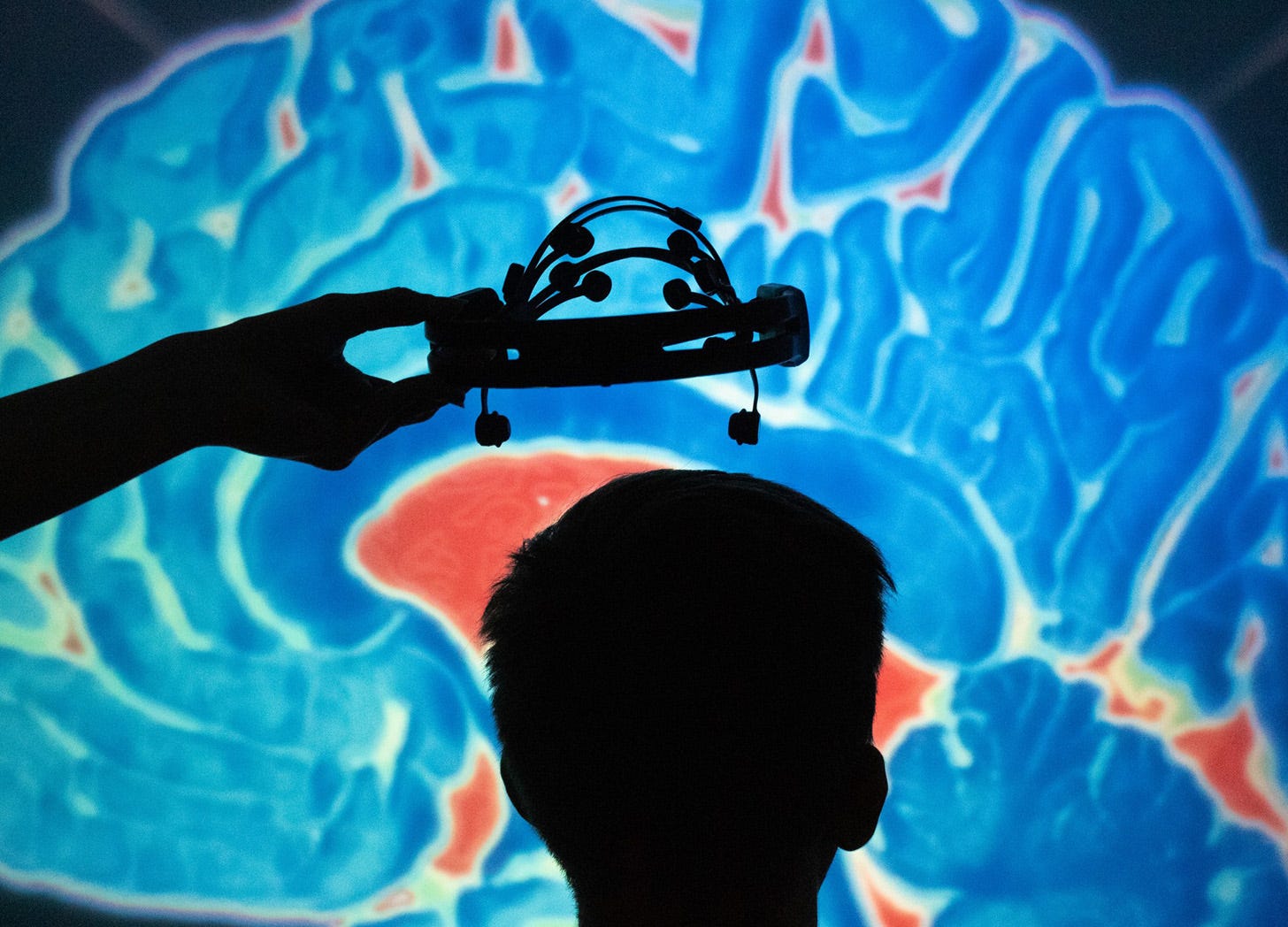
How to Buy BCI Hardware: A Practical Guide
Duong Tran
Updated on
Nov 20, 2025
How to Buy BCI Hardware: A Practical Guide
Duong Tran
Updated on
Nov 20, 2025
How to Buy BCI Hardware: A Practical Guide
Duong Tran
Updated on
Nov 20, 2025
Brain-computer interface technology often brings to mind images from science fiction, but the reality of today’s hardware is both more practical and more accessible than you might think. These devices don’t read your thoughts; they detect the broad electrical patterns of your brain’s activity, creating a new way to interact with technology. Understanding this fundamental concept is the first step toward making an informed decision. Before you can buy BCI hardware, it’s essential to separate the hype from the reality. This guide will walk you through what these devices can actually do, how they work, and what features truly matter for your specific goals.
Key Takeaways
Define your project before choosing your hardware: Your primary goal—whether it’s academic research, app development, or personal use—is the most important factor. This will determine the right channel count, form factor, and features you actually need.
Understand what drives the cost: The price of BCI hardware is directly tied to its capabilities, like the number of channels and signal quality. Entry-level devices are great for exploration, while professional systems provide the robust data needed for serious research.
Look beyond the hardware to the software: A BCI device is only as powerful as the software that supports it. Make sure your chosen hardware comes with a compatible software ecosystem that provides the tools you need for analysis, development, or personal insight.
What is BCI Hardware and What Can It Do for You?
At its core, brain-computer interface (BCI) hardware is a device that creates a direct communication pathway between your brain and an external device, like a computer. Think of it as a bridge that translates your brain’s electrical signals into commands or data that software can understand. This technology allows you to interact with applications, gather information about your cognitive states, and explore new ways of controlling digital environments without traditional input methods like a keyboard or mouse.
The great news is that you don’t need surgery to use a BCI. While invasive devices exist, primarily for clinical applications, the world of consumer and research BCI is dominated by non-invasive hardware. These are devices you can wear, like a headset or earbuds, that simply rest on your scalp to detect brain signals safely. For you, this means gaining access to powerful technology that can be used for everything from serious academic research to creative personal projects, all from your own desk. It’s about giving you a new tool to understand and interact with the world in a fundamentally new way. Whether you’re a developer looking to build the next generation of interactive software or a researcher aiming to uncover new insights about the human brain, BCI hardware provides the essential first step.
Exploring Different Types of BCI Devices
BCI devices come in a few different forms, but they all share the same goal: to detect signals from your brain. The most common type of non-invasive hardware is the electroencephalography (EEG) headset. These devices use a series of small sensors (electrodes) to measure the tiny electrical patterns produced by your brain activity. Our Emotiv headsets, from the discreet MN8 earbuds to the comprehensive multi-channel Epoc X, are all examples of EEG-based BCI. These devices are designed to be portable and easy to use, making advanced brain data acquisition accessible to a broad audience.
Popular Uses and Applications
So, what can you actually do with a BCI? The applications are incredibly diverse and growing every day. In academic and clinical fields, researchers use BCI to study the brain and develop communication aids for individuals with disabilities. For developers and creators, a brain-computer interface opens up a new frontier for building hands-free applications, adaptive games, and unique interactive experiences. Businesses are also using BCI for neuromarketing to gain insights into consumer responses. And for personal use, many people are exploring BCI to access cognitive wellness tools and better understand their own focus and attention patterns.
A Breakdown of BCI Hardware Types
When you first start looking into BCI hardware, you’ll quickly realize it’s not a single category of device. The term “BCI” covers a range of technologies that detect different biological signals to create a communication pathway between you and a computer. Understanding the main types of hardware is the first step to finding the right tool for your project. The most common non-invasive BCI devices rely on signals from either your brain or your muscles.
The primary technologies you’ll encounter are electroencephalography (EEG), which measures electrical activity in the brain, and electromyography (EMG), which detects electrical signals from muscle movements. Some systems even combine these and other sensors to create a more comprehensive, or hybrid, biosensing device. Each type has its own strengths and is suited for different applications, whether you’re conducting academic research, developing a new application, or exploring personal cognitive wellness tools. Let’s break down what makes each of these hardware types unique.
EEG Headsets for Measuring Brain Activity
EEG headsets are likely what you picture when you think of BCI. These devices use electrodes placed on the scalp to detect the tiny electrical signals your brain produces. It’s a non-invasive and safe way to get a direct look at brain activity. The market includes a wide variety of options, from simple, accessible devices for personal projects to complex, multi-channel systems designed for granular scientific research. You can even find open-source kits if you’re interested in building your own setup. Our work at Emotiv focuses on making high-quality EEG accessible for all kinds of applications, forming the foundation of a modern brain-computer interface.
EMG Devices for Detecting Muscle Signals
While EEG focuses on the brain, EMG devices detect the electrical signals generated when you contract your muscles. This technology is a cornerstone of BCI applications for controlling external devices, like prosthetic limbs or video game characters. By placing sensors on the skin over specific muscles, an EMG system can interpret your intended movements—like clenching a fist or raising an eyebrow—and translate them into digital commands. Some devices on the market are versatile, offering the ability to measure muscle signals (EMG), brain signals (EEG), and even heart signals (ECG) from a single piece of hardware, providing a broader toolkit for developers and researchers.
Hybrid Biosensing Systems
Hybrid systems are exactly what they sound like: they combine two or more types of sensors to capture a richer, more detailed dataset. For example, a device might integrate both EEG and EMG sensors to understand both a user’s cognitive state and their physical actions simultaneously. This approach can lead to more robust and intuitive BCI applications. A major trend in this area is the move toward more convenient hardware, such as systems that use “dry” sensor technology. Unlike traditional wet electrodes that require conductive gel, dry sensors offer comfort and ease of use, making them ideal for real-world applications. Our Epoc X headset incorporates this user-friendly approach with saline-based sensors, letting you get set up and start collecting data in minutes.
Key Features to Compare When Buying BCI Hardware
Choosing the right BCI hardware can feel like a big decision, but it really comes down to matching the device’s features to your specific goals. Whether you’re conducting academic research, developing a new application, or exploring cognitive wellness tools, the technical specs of your hardware will shape your entire experience. Think of it less like finding the “best” device and more like finding the right device for the job you need it to do. A headset designed for detailed, multi-channel brain mapping in a lab setting will have different strengths than a pair of discreet earbuds meant for personal use on the go.
To help you make an informed choice, let’s walk through the most important features to consider. We’ll look at everything from the number of sensors and data quality to comfort and software support. Understanding these key differences will help you compare your options and select a device that not only fits your budget but also empowers you to achieve your project’s objectives. For example, a developer building a simple brain-computer interface has very different needs than a neuroscientist studying complex cognitive processes. By breaking down the hardware specs, you can confidently find the perfect fit for your work.
Channel Count and Electrode Placement
When you look at an EEG device, the “channels” refer to the number of electrodes, or sensors, that make contact with your scalp. Each electrode records electrical activity from a different location on the brain. The number of channels can range from just a couple, like in our MN8 earbuds, to 32 or more in a research-grade headset like our Flex. A higher channel count provides more detailed spatial data about brain activity, which is often essential for complex academic research and education. For simpler applications or focusing on general states, fewer channels can be perfectly sufficient and much more convenient.
Signal Quality and Sampling Rate
Signal quality is all about getting a clear, clean reading of brain activity with minimal interference, or “noise.” The sampling rate, measured in Hertz (Hz), tells you how many times per second the device records a data point. A higher sampling rate captures more detail in the brain’s electrical signals, which is crucial for analyzing fast-changing neural events. When you’re comparing devices, look for specs on the internal filtering and shielding that help ensure high-quality signal acquisition. This ensures the data you collect is a reliable representation of neural activity, which is the foundation of any successful BCI project.
Comfort and Form Factor
If you plan on using your BCI device for more than a few minutes at a time, comfort is non-negotiable. The design of the hardware, or its form factor, plays a huge role here. You’ll find a variety of designs, from full-head caps and rigid headsets to minimalist bands and even earbuds. Consider your use case: will you be sitting at a desk, or do you need something you can wear while moving around? A lightweight and ergonomic design, like our Insight headset, is built for extended wear, making it easier to stay focused on your work without distraction.
Wireless vs. Wired Connectivity
Most modern BCI devices are wireless, and for good reason. Wireless connectivity gives you the freedom to move around without being tethered to a computer, which is ideal for applications outside of a traditional lab setting. It makes for a much cleaner and more manageable setup. While wired connections can sometimes offer a very stable data stream and eliminate concerns about battery life, the advancements in Bluetooth technology mean that wireless devices now provide excellent reliability for the vast majority of BCI applications. All Emotiv headsets are wireless, designed for portability and ease of use.
Battery Life and Portability
For any wireless device, battery life is a key consideration. You’ll want to look for hardware that can last through your intended sessions, whether that’s a 30-minute cognitive wellness exercise or a multi-hour research experiment. A longer battery life means less interruption and more flexibility. Portability goes hand-in-hand with this. A compact, lightweight device with a protective carrying case is much easier to transport between your home, office, or lab. This combination of endurance and portability ensures your BCI hardware is ready to go whenever and wherever you need it.
Software Compatibility and Integration
The hardware is just one piece of the puzzle; the software is what brings your data to life. Before you buy, make sure the device is compatible with your computer and that the accompanying software meets your needs. Our ecosystem includes the user-friendly Emotiv App for everyday use and the powerful EmotivPRO platform for advanced analysis and recording. For developers, it’s also critical to check for the availability of a software development kit (SDK) or API access, which allows you to build custom applications and integrate the hardware into your own projects.
How Much Does BCI Hardware Cost?
One of the first questions you’ll likely ask when exploring brain-computer interfaces is, “What’s the budget?” The great news is that BCI hardware is more accessible than ever, with options spanning a wide range of price points. The cost really depends on what you want to achieve. Are you a student just starting out, a researcher conducting a formal study, or a developer building the next big application? Your goals will guide you to the right device.
The price of a BCI device is influenced by several factors, including the number of sensors (channels), the quality of the brain signal it can detect, and the sophistication of the accompanying software. Let’s break down the typical price ranges to help you find the perfect fit for your project and your wallet.
Entry-Level Options: Under $500
If you’re new to BCI or working with a tight budget, you can find some fantastic entry-level devices for under $500. These systems are perfect for students, hobbyists, and anyone curious about exploring brain data without a huge upfront investment. Typically, devices in this range have fewer channels—often between two and five—but they are more than capable of running basic BCI experiments and applications. For example, our MN8 earbuds are designed for everyday use and provide access to cognitive wellness tools, making them a great starting point for personal use. This price point is all about accessibility and learning the fundamentals of EEG technology.
Mid-Range Professional Systems: $500–$5,000
This is the sweet spot for many academic researchers, developers, and neuromarketing professionals. In the $500 to $5,000 range, you’ll find robust, professional-grade systems that offer a great balance of performance and price. These devices usually feature a higher channel count, like our 5-channel Insight headset or the powerful 14-channel Epoc X. With better signal quality and more extensive software support, these headsets allow for more complex and nuanced research. Whether you’re conducting studies, developing sophisticated BCI applications, or gathering consumer insights, hardware in this category provides the reliable, high-quality data you need to do serious work.
High-End Research and Clinical Devices
For cutting-edge academic labs, large-scale commercial projects, or clinical research, high-end systems are the gold standard. These devices can range from $5,000 to well over $30,000. What do you get for that investment? You get exceptionally high-density channel counts—think 32 channels or more—and pristine signal quality suitable for the most demanding scientific applications. Our Flex headset, for instance, is a research-grade system designed for maximum flexibility and data precision. These top-tier devices are built for researchers who need the most detailed and accurate brain data possible to push the boundaries of neuroscience.
What Factors Influence the Price?
So, what exactly makes one headset cost more than another? It boils down to a few key factors. The number of channels is a big one; more sensors mean more data and a higher price tag. Signal quality—which includes sampling rate and resolution—is also crucial, as cleaner data is essential for reliable results. The physical design, such as comfort and whether the sensors use saline or gel, plays a role too. Finally, the software ecosystem is a major value component. A higher price often includes access to advanced analysis software like EmotivPRO and dedicated developer tools that make your work easier.
Exploring the Top BCI Hardware Brands
The world of BCI hardware includes a variety of brands, each with a unique approach to design, software, and intended use. Getting to know the main players and their philosophies will help you find the device that fits your project like a glove. Whether you’re a researcher, a developer, or just curious about your own brain, there’s a system out there for you. Let’s walk through the Emotiv ecosystem first, and then look at some of the other companies shaping the BCI landscape.
A Look at the Emotiv Ecosystem
Here at Emotiv, our goal has always been to make neurotechnology accessible. We offer a range of EEG systems designed for different needs and budgets. For those just starting out or focused on personal wellness, our MN8 EEG earbuds offer a discreet way to access cognitive wellness tools. For more advanced brain-computer interface projects and research, the 5-channel Insight headset is a popular choice, balancing performance with a user-friendly design.
For professional researchers who need more data channels, our 14-channel Epoc X and 32-channel Flex headsets provide robust solutions. All our hardware is supported by a comprehensive software suite, including the Emotiv App for personal use, EmotivPRO for advanced data analysis, and EmotivBCI for creating custom commands. This integrated ecosystem is designed to support you from initial data collection all the way to groundbreaking discoveries.
Other Key Players in the BCI Space
While we’re proud of our ecosystem, the BCI field is full of innovators. You’ll find other companies that specialize in different areas, offering unique hardware and software solutions. For example, some brands focus on very specific use cases. The Neurosity Crown is a notable device designed to measure cognitive states related to focus and productivity, integrating directly with apps to help users manage their attention.
Other companies cater specifically to the developer and maker communities, building hardware that prioritizes customization and compatibility with open-source software. These systems are often geared toward users who want to build their own applications from the ground up and have maximum control over the data stream. Exploring these alternatives can be a great idea if you have a highly specialized project in mind.
How to Choose the Right BCI Hardware for Your Goals
The best BCI hardware for you really comes down to what you want to accomplish. A university researcher has very different needs than a developer building a fun app or someone curious about their own focus levels. Your specific goals will determine everything from the necessary channel count and signal quality to the software you’ll need. Think of it like choosing a camera: a professional photographer needs a high-end DSLR with interchangeable lenses, while someone taking family photos might be perfectly happy with their smartphone.
Similarly, the world of BCI hardware isn’t one-size-fits-all. Before you get caught up in technical specs, take a step back and define your primary use case. Are you conducting a formal study that requires granular, high-density data for publication? Or are you building a brain-computer interface prototype and need a device that’s easy to integrate with your code? Maybe you’re a professional looking to gather consumer insights, or you’re simply on a personal journey to access tools for cognitive wellness. Each of these paths points to a different type of device. Let’s break down some common goals to help you find the perfect fit.
For Academic Research
When your work involves formal studies and peer-reviewed publications, data integrity is everything. For academic research and education, you’ll want hardware that provides high-resolution, reliable brain data. This usually means looking at multi-channel EEG headsets, like our Epoc X or Flex systems, which allow you to capture activity from multiple regions of the brain simultaneously. The choice of hardware directly impacts the quality of your signals and the types of brain activity you can study. You’ll also need access to raw EEG data and robust software, like EmotivPRO, for analysis and processing. The goal here is to ensure your equipment is precise and powerful enough to support your scientific questions and methodology.
For Developer and Hobbyist Projects
If you’re a developer, maker, or hobbyist, your focus is likely on creativity, integration, and ease of use. You need a device that plays well with other technologies and has a straightforward path from data acquisition to application. Look for hardware with a well-documented API or SDK that simplifies the process of getting brain data into your project. Compatibility with existing software frameworks is a huge plus. Our developer tools are designed to streamline this process, giving you the freedom to experiment and build innovative BCI applications without getting bogged down in complex hardware configurations. An accessible device like our Insight headset can be a great starting point for your creative projects.
For Commercial and Professional Use
In a commercial setting, such as neuromarketing or professional training, reliability, scalability, and ease of deployment are key. You need hardware that delivers consistent performance across multiple users and sessions. It’s also important to consider how the device integrates into your existing workflow and other systems. For these professional applications, you’ll want a solution that is not only technologically sound but also practical for real-world use. This means comfortable, easy-to-set-up headsets and software that can manage and analyze data from multiple participants efficiently. The goal is to gather actionable insights in a professional and repeatable manner.
For Personal Use and Cognitive Wellness
If you’re exploring BCI for personal insight, your priorities shift toward comfort, simplicity, and data privacy. You’ll want a device that is easy to wear and use daily, with an intuitive app that helps you make sense of the data. Our MN8 earbuds and Insight headset are designed for this kind of accessibility. When choosing a device for personal use, it’s essential to select one from a company that prioritizes user safety and data protection. The aim is to find a user-friendly tool that provides access to cognitive wellness applications, helping you learn more about your own patterns of attention and focus in a secure and private way.
Staying Safe: Privacy and Safety Considerations
As exciting as brain-computer interface technology is, it’s completely normal to have questions about safety and privacy. When you’re dealing with brain data, you want to be sure you and your information are protected. Thinking about these things before you buy is a sign of a smart, responsible user. Let’s walk through what you need to know to use BCI hardware with confidence.
Understanding Non-Invasive Device Safety
First, it’s helpful to know the difference between invasive and non-invasive BCI. Invasive devices, which require surgical implantation, come with significant medical risks. Non-invasive devices, like the EEG headsets we make at Emotiv, are different. They work by placing sensors on the scalp, so they don’t break the skin. While non-invasive devices are generally much safer, it’s still important to understand the possible risks associated with any new technology. Always choose hardware from reputable companies that prioritize user safety in their design and materials, and be sure to follow all instructions for proper use.
Protecting Your Data
Your brain data is personal, and it deserves strong protection. When you use a BCI device, you should be aware of the privacy and security measures in place. The conversation around BCI safety includes concerns about how data is stored, who can access it, and how it’s protected from misuse or cyberattacks. Before you commit to a device, look into the company’s privacy policy. A trustworthy provider will be transparent about the data they collect and how they secure it. You should have control over your own information and feel confident that it’s being handled responsibly.
How to Properly Use and Maintain Your Device
Taking good care of your BCI hardware is key to ensuring it works correctly and safely over the long term. This starts with following the manufacturer’s guidelines for setup, use, and storage. The emerging safety and ethical landscape of BCI highlights the user’s role in responsible operation. Another crucial step is keeping your software and firmware up to date. These updates often contain important security patches that protect your device from vulnerabilities. Regular maintenance not only extends the life of your hardware but also helps safeguard your data and ensures you have the best possible experience.
Common BCI Misconceptions, Debunked
Brain-computer interface technology is exciting, and with that excitement comes a lot of buzz that can sometimes blur the lines between science fiction and reality. It’s easy to get carried away with what you see in movies, but it’s important to have a clear picture of what today’s BCI hardware can actually do. Let’s clear up some of the most common myths so you can approach this technology with confidence and a solid understanding of its true capabilities.
Separating Fact from Fiction in Brain Signal Detection
One of the biggest myths is that a BCI can read your mind—accessing your private thoughts, memories, or even your dreams. The reality is that current technology is nowhere near capable of this. An EEG-based brain-computer interface works by detecting broad patterns of electrical activity from the brain. Think of it as hearing the roar of a crowd at a stadium, not listening in on a single person’s conversation. It picks up on the collective activity of millions of neurons, which we can then interpret for specific applications, but it can’t decipher the complex, nuanced content of your inner monologue. Your private thoughts remain just that: private.
Understanding What BCI Can (and Can’t) Do
So, if BCIs can’t read thoughts, what do they do? They establish a new communication pathway between your brain and an external device, bypassing the need for physical movement. Instead of interpreting thoughts, a BCI is trained to recognize the specific brainwave patterns associated with a particular mental command, like focusing on an object or imagining a movement. This is a core concept in academic research and education involving BCI. For example, you can train the system to recognize the pattern your brain makes when you think “push,” and then use that to control a digital object. It’s a form of pattern recognition, not telepathy. This technology is not capable of interfering with or altering your brain’s deeper functions.
Where to Buy BCI Hardware and Find Reliable Info
Once you have an idea of what you’re looking for, the next step is figuring out where to find it. The world of BCI hardware can feel a bit niche, but knowing where to look for reliable products and information makes all the difference. It’s about finding a trusted source that gives you the full picture, from technical specs to post-purchase support. Let’s walk through the best places to shop and how to vet the information you find.
Official Manufacturer Websites vs. Distributors
My first piece of advice is always to start at the source: the official manufacturer’s website. When you buy directly from a company like Emotiv, you’re guaranteed to receive an authentic, new product with a full warranty. It’s also the best place to get the most accurate and up-to-date information, from detailed product specifications to software compatibility. You can explore our entire product ecosystem and know you’re getting direct support from the team that designed the hardware.
While authorized distributors can be a good option, especially for international shipping or academic purchasing departments, it’s important to verify they are legitimate partners of the manufacturer. Buying from an unauthorized third-party seller on a marketplace site can be risky—you might end up with a counterfeit product, outdated hardware, or no customer support.
How to Find Trustworthy Reviews and Specs
When you’re comparing devices, you need solid, unbiased information. Again, the manufacturer’s website is the best starting point for technical specifications. For example, our product pages for devices like the Epoc X headset clearly list everything from channel count to battery life. Beyond the official specs, look for independent validation. Peer-reviewed academic papers and research articles are fantastic resources for seeing how a device performs in a real-world study.
Forums and developer communities can also offer valuable insights from people who are using the hardware every day. You can learn about their experiences with setup, comfort, and data quality for specific projects. Just be mindful of the context—a device that’s perfect for a developer project might not meet the needs of a formal clinical study.
Identifying Discounts and Purchase Options
Everyone loves a good deal, but in the world of specialized hardware, it’s about finding smart value. A great way to stay informed about sales or special promotions is to subscribe to the manufacturer’s newsletter. You’ll often be the first to know about new releases and exclusive offers. Many companies, including Emotiv, also provide educational discounts for students, researchers, and institutions, so it’s always worth asking if you qualify. You can learn more about our solutions for academic research and education.
Consider the full range of products available. If you’re just starting out, an entry-level device might be a more practical choice than a high-end system. It allows you to get familiar with the technology without a massive initial investment.
Your Pre-Purchase Checklist
You’ve done the research and narrowed down your options. Now, it’s time for the final checks before you commit. This checklist is designed to walk you through the last few steps before you buy and give you a clear picture of what to expect when your new BCI hardware arrives. A little preparation now can make the entire process, from unboxing to your first data stream, feel smooth and exciting. Taking a moment to confirm the details ensures the hardware you choose is a perfect match for your project.
What to Do Before You Buy
Before anything else, double-check the technical specifications to ensure compatibility. Your computer’s operating system and hardware need to work with the device’s software. Think back to your primary goal. Does the form factor—whether it’s a full headset like the Epoc X or a more flexible setup like the Flex—fit how you plan to use it? Finally, confirm how you’ll work with the brain data. Our EmotivPRO software, for example, is designed for in-depth analysis and is compatible with specific headsets, so it’s smart to ensure your hardware and software choices align perfectly from the start.
What to Expect During Initial Setup
When your device arrives, the setup involves two main parts: the hardware and the software. Getting a clean signal is your first major step. For saline-based headsets, this means preparing the sensors. For all devices, it involves making sure you have a snug, proper fit to get good contact. Our software provides real-time feedback on connection quality, which makes this part much easier. Give yourself time to get comfortable. There’s a learning curve to any new technology, but we have plenty of developer documentation and tutorials to guide you. The goal is to make your first experience a successful one.
Related Articles
Frequently Asked Questions
Do I need to be a scientist or developer to use your BCI hardware? Not at all. While our hardware is powerful enough for serious academic research, we designed it to be accessible to everyone. If you’re interested in personal use, our Emotiv App provides a user-friendly interface that lets you see your brain data and access cognitive wellness tools without writing a single line of code. For those who are more technically inclined, we offer advanced software and developer kits, but a technical background is definitely not a prerequisite to get started.
How long does it actually take to set up a headset before I can start collecting data? You can get up and running much faster than you might think. For our saline-based headsets like the Epoc X, the setup process is straightforward. You just need to hydrate the small felt pads on the sensors with a saline solution, which takes a minute or two. Once the headset is on, our software gives you a real-time display of the sensor connections, so you can adjust the fit for a good connection. Most people are ready to start collecting data in under five minutes.
What’s the real difference between a 2-channel device like the MN8 and a 14-channel headset like the Epoc X? Think of it in terms of detail and purpose. A device with fewer channels, like our MN8 earbuds, is perfect for getting a general sense of your cognitive state for personal wellness applications. It’s discreet and easy to use throughout the day. A headset with more channels, like the 14-channel Epoc X, provides a much more detailed map of your brain activity from different locations. This level of spatial resolution is essential for academic researchers or developers who need to analyze more complex brain patterns for their work.
Is it safe to use a non-invasive EEG device regularly? Yes, it is. Our EEG devices are non-invasive, which means they only detect the tiny electrical signals that your brain naturally produces. The sensors simply rest on your scalp and function as passive receivers; they don’t send any electrical currents into your brain. It’s a safe and established technology that has been used in clinical and research settings for decades.
Can I use BCI to control my computer or a video game? You can. This is one of the most exciting applications of a brain-computer interface. Our EmotivBCI software allows you to train the system to recognize specific mental commands, like imagining pushing or pulling an object. Once the software learns to recognize the unique brainwave pattern you create for that command, you can assign it to a keystroke or another computer function. It does require some training and practice, as you’re teaching the system to respond to you, but it opens up a new way to interact with your digital world.
Brain-computer interface technology often brings to mind images from science fiction, but the reality of today’s hardware is both more practical and more accessible than you might think. These devices don’t read your thoughts; they detect the broad electrical patterns of your brain’s activity, creating a new way to interact with technology. Understanding this fundamental concept is the first step toward making an informed decision. Before you can buy BCI hardware, it’s essential to separate the hype from the reality. This guide will walk you through what these devices can actually do, how they work, and what features truly matter for your specific goals.
Key Takeaways
Define your project before choosing your hardware: Your primary goal—whether it’s academic research, app development, or personal use—is the most important factor. This will determine the right channel count, form factor, and features you actually need.
Understand what drives the cost: The price of BCI hardware is directly tied to its capabilities, like the number of channels and signal quality. Entry-level devices are great for exploration, while professional systems provide the robust data needed for serious research.
Look beyond the hardware to the software: A BCI device is only as powerful as the software that supports it. Make sure your chosen hardware comes with a compatible software ecosystem that provides the tools you need for analysis, development, or personal insight.
What is BCI Hardware and What Can It Do for You?
At its core, brain-computer interface (BCI) hardware is a device that creates a direct communication pathway between your brain and an external device, like a computer. Think of it as a bridge that translates your brain’s electrical signals into commands or data that software can understand. This technology allows you to interact with applications, gather information about your cognitive states, and explore new ways of controlling digital environments without traditional input methods like a keyboard or mouse.
The great news is that you don’t need surgery to use a BCI. While invasive devices exist, primarily for clinical applications, the world of consumer and research BCI is dominated by non-invasive hardware. These are devices you can wear, like a headset or earbuds, that simply rest on your scalp to detect brain signals safely. For you, this means gaining access to powerful technology that can be used for everything from serious academic research to creative personal projects, all from your own desk. It’s about giving you a new tool to understand and interact with the world in a fundamentally new way. Whether you’re a developer looking to build the next generation of interactive software or a researcher aiming to uncover new insights about the human brain, BCI hardware provides the essential first step.
Exploring Different Types of BCI Devices
BCI devices come in a few different forms, but they all share the same goal: to detect signals from your brain. The most common type of non-invasive hardware is the electroencephalography (EEG) headset. These devices use a series of small sensors (electrodes) to measure the tiny electrical patterns produced by your brain activity. Our Emotiv headsets, from the discreet MN8 earbuds to the comprehensive multi-channel Epoc X, are all examples of EEG-based BCI. These devices are designed to be portable and easy to use, making advanced brain data acquisition accessible to a broad audience.
Popular Uses and Applications
So, what can you actually do with a BCI? The applications are incredibly diverse and growing every day. In academic and clinical fields, researchers use BCI to study the brain and develop communication aids for individuals with disabilities. For developers and creators, a brain-computer interface opens up a new frontier for building hands-free applications, adaptive games, and unique interactive experiences. Businesses are also using BCI for neuromarketing to gain insights into consumer responses. And for personal use, many people are exploring BCI to access cognitive wellness tools and better understand their own focus and attention patterns.
A Breakdown of BCI Hardware Types
When you first start looking into BCI hardware, you’ll quickly realize it’s not a single category of device. The term “BCI” covers a range of technologies that detect different biological signals to create a communication pathway between you and a computer. Understanding the main types of hardware is the first step to finding the right tool for your project. The most common non-invasive BCI devices rely on signals from either your brain or your muscles.
The primary technologies you’ll encounter are electroencephalography (EEG), which measures electrical activity in the brain, and electromyography (EMG), which detects electrical signals from muscle movements. Some systems even combine these and other sensors to create a more comprehensive, or hybrid, biosensing device. Each type has its own strengths and is suited for different applications, whether you’re conducting academic research, developing a new application, or exploring personal cognitive wellness tools. Let’s break down what makes each of these hardware types unique.
EEG Headsets for Measuring Brain Activity
EEG headsets are likely what you picture when you think of BCI. These devices use electrodes placed on the scalp to detect the tiny electrical signals your brain produces. It’s a non-invasive and safe way to get a direct look at brain activity. The market includes a wide variety of options, from simple, accessible devices for personal projects to complex, multi-channel systems designed for granular scientific research. You can even find open-source kits if you’re interested in building your own setup. Our work at Emotiv focuses on making high-quality EEG accessible for all kinds of applications, forming the foundation of a modern brain-computer interface.
EMG Devices for Detecting Muscle Signals
While EEG focuses on the brain, EMG devices detect the electrical signals generated when you contract your muscles. This technology is a cornerstone of BCI applications for controlling external devices, like prosthetic limbs or video game characters. By placing sensors on the skin over specific muscles, an EMG system can interpret your intended movements—like clenching a fist or raising an eyebrow—and translate them into digital commands. Some devices on the market are versatile, offering the ability to measure muscle signals (EMG), brain signals (EEG), and even heart signals (ECG) from a single piece of hardware, providing a broader toolkit for developers and researchers.
Hybrid Biosensing Systems
Hybrid systems are exactly what they sound like: they combine two or more types of sensors to capture a richer, more detailed dataset. For example, a device might integrate both EEG and EMG sensors to understand both a user’s cognitive state and their physical actions simultaneously. This approach can lead to more robust and intuitive BCI applications. A major trend in this area is the move toward more convenient hardware, such as systems that use “dry” sensor technology. Unlike traditional wet electrodes that require conductive gel, dry sensors offer comfort and ease of use, making them ideal for real-world applications. Our Epoc X headset incorporates this user-friendly approach with saline-based sensors, letting you get set up and start collecting data in minutes.
Key Features to Compare When Buying BCI Hardware
Choosing the right BCI hardware can feel like a big decision, but it really comes down to matching the device’s features to your specific goals. Whether you’re conducting academic research, developing a new application, or exploring cognitive wellness tools, the technical specs of your hardware will shape your entire experience. Think of it less like finding the “best” device and more like finding the right device for the job you need it to do. A headset designed for detailed, multi-channel brain mapping in a lab setting will have different strengths than a pair of discreet earbuds meant for personal use on the go.
To help you make an informed choice, let’s walk through the most important features to consider. We’ll look at everything from the number of sensors and data quality to comfort and software support. Understanding these key differences will help you compare your options and select a device that not only fits your budget but also empowers you to achieve your project’s objectives. For example, a developer building a simple brain-computer interface has very different needs than a neuroscientist studying complex cognitive processes. By breaking down the hardware specs, you can confidently find the perfect fit for your work.
Channel Count and Electrode Placement
When you look at an EEG device, the “channels” refer to the number of electrodes, or sensors, that make contact with your scalp. Each electrode records electrical activity from a different location on the brain. The number of channels can range from just a couple, like in our MN8 earbuds, to 32 or more in a research-grade headset like our Flex. A higher channel count provides more detailed spatial data about brain activity, which is often essential for complex academic research and education. For simpler applications or focusing on general states, fewer channels can be perfectly sufficient and much more convenient.
Signal Quality and Sampling Rate
Signal quality is all about getting a clear, clean reading of brain activity with minimal interference, or “noise.” The sampling rate, measured in Hertz (Hz), tells you how many times per second the device records a data point. A higher sampling rate captures more detail in the brain’s electrical signals, which is crucial for analyzing fast-changing neural events. When you’re comparing devices, look for specs on the internal filtering and shielding that help ensure high-quality signal acquisition. This ensures the data you collect is a reliable representation of neural activity, which is the foundation of any successful BCI project.
Comfort and Form Factor
If you plan on using your BCI device for more than a few minutes at a time, comfort is non-negotiable. The design of the hardware, or its form factor, plays a huge role here. You’ll find a variety of designs, from full-head caps and rigid headsets to minimalist bands and even earbuds. Consider your use case: will you be sitting at a desk, or do you need something you can wear while moving around? A lightweight and ergonomic design, like our Insight headset, is built for extended wear, making it easier to stay focused on your work without distraction.
Wireless vs. Wired Connectivity
Most modern BCI devices are wireless, and for good reason. Wireless connectivity gives you the freedom to move around without being tethered to a computer, which is ideal for applications outside of a traditional lab setting. It makes for a much cleaner and more manageable setup. While wired connections can sometimes offer a very stable data stream and eliminate concerns about battery life, the advancements in Bluetooth technology mean that wireless devices now provide excellent reliability for the vast majority of BCI applications. All Emotiv headsets are wireless, designed for portability and ease of use.
Battery Life and Portability
For any wireless device, battery life is a key consideration. You’ll want to look for hardware that can last through your intended sessions, whether that’s a 30-minute cognitive wellness exercise or a multi-hour research experiment. A longer battery life means less interruption and more flexibility. Portability goes hand-in-hand with this. A compact, lightweight device with a protective carrying case is much easier to transport between your home, office, or lab. This combination of endurance and portability ensures your BCI hardware is ready to go whenever and wherever you need it.
Software Compatibility and Integration
The hardware is just one piece of the puzzle; the software is what brings your data to life. Before you buy, make sure the device is compatible with your computer and that the accompanying software meets your needs. Our ecosystem includes the user-friendly Emotiv App for everyday use and the powerful EmotivPRO platform for advanced analysis and recording. For developers, it’s also critical to check for the availability of a software development kit (SDK) or API access, which allows you to build custom applications and integrate the hardware into your own projects.
How Much Does BCI Hardware Cost?
One of the first questions you’ll likely ask when exploring brain-computer interfaces is, “What’s the budget?” The great news is that BCI hardware is more accessible than ever, with options spanning a wide range of price points. The cost really depends on what you want to achieve. Are you a student just starting out, a researcher conducting a formal study, or a developer building the next big application? Your goals will guide you to the right device.
The price of a BCI device is influenced by several factors, including the number of sensors (channels), the quality of the brain signal it can detect, and the sophistication of the accompanying software. Let’s break down the typical price ranges to help you find the perfect fit for your project and your wallet.
Entry-Level Options: Under $500
If you’re new to BCI or working with a tight budget, you can find some fantastic entry-level devices for under $500. These systems are perfect for students, hobbyists, and anyone curious about exploring brain data without a huge upfront investment. Typically, devices in this range have fewer channels—often between two and five—but they are more than capable of running basic BCI experiments and applications. For example, our MN8 earbuds are designed for everyday use and provide access to cognitive wellness tools, making them a great starting point for personal use. This price point is all about accessibility and learning the fundamentals of EEG technology.
Mid-Range Professional Systems: $500–$5,000
This is the sweet spot for many academic researchers, developers, and neuromarketing professionals. In the $500 to $5,000 range, you’ll find robust, professional-grade systems that offer a great balance of performance and price. These devices usually feature a higher channel count, like our 5-channel Insight headset or the powerful 14-channel Epoc X. With better signal quality and more extensive software support, these headsets allow for more complex and nuanced research. Whether you’re conducting studies, developing sophisticated BCI applications, or gathering consumer insights, hardware in this category provides the reliable, high-quality data you need to do serious work.
High-End Research and Clinical Devices
For cutting-edge academic labs, large-scale commercial projects, or clinical research, high-end systems are the gold standard. These devices can range from $5,000 to well over $30,000. What do you get for that investment? You get exceptionally high-density channel counts—think 32 channels or more—and pristine signal quality suitable for the most demanding scientific applications. Our Flex headset, for instance, is a research-grade system designed for maximum flexibility and data precision. These top-tier devices are built for researchers who need the most detailed and accurate brain data possible to push the boundaries of neuroscience.
What Factors Influence the Price?
So, what exactly makes one headset cost more than another? It boils down to a few key factors. The number of channels is a big one; more sensors mean more data and a higher price tag. Signal quality—which includes sampling rate and resolution—is also crucial, as cleaner data is essential for reliable results. The physical design, such as comfort and whether the sensors use saline or gel, plays a role too. Finally, the software ecosystem is a major value component. A higher price often includes access to advanced analysis software like EmotivPRO and dedicated developer tools that make your work easier.
Exploring the Top BCI Hardware Brands
The world of BCI hardware includes a variety of brands, each with a unique approach to design, software, and intended use. Getting to know the main players and their philosophies will help you find the device that fits your project like a glove. Whether you’re a researcher, a developer, or just curious about your own brain, there’s a system out there for you. Let’s walk through the Emotiv ecosystem first, and then look at some of the other companies shaping the BCI landscape.
A Look at the Emotiv Ecosystem
Here at Emotiv, our goal has always been to make neurotechnology accessible. We offer a range of EEG systems designed for different needs and budgets. For those just starting out or focused on personal wellness, our MN8 EEG earbuds offer a discreet way to access cognitive wellness tools. For more advanced brain-computer interface projects and research, the 5-channel Insight headset is a popular choice, balancing performance with a user-friendly design.
For professional researchers who need more data channels, our 14-channel Epoc X and 32-channel Flex headsets provide robust solutions. All our hardware is supported by a comprehensive software suite, including the Emotiv App for personal use, EmotivPRO for advanced data analysis, and EmotivBCI for creating custom commands. This integrated ecosystem is designed to support you from initial data collection all the way to groundbreaking discoveries.
Other Key Players in the BCI Space
While we’re proud of our ecosystem, the BCI field is full of innovators. You’ll find other companies that specialize in different areas, offering unique hardware and software solutions. For example, some brands focus on very specific use cases. The Neurosity Crown is a notable device designed to measure cognitive states related to focus and productivity, integrating directly with apps to help users manage their attention.
Other companies cater specifically to the developer and maker communities, building hardware that prioritizes customization and compatibility with open-source software. These systems are often geared toward users who want to build their own applications from the ground up and have maximum control over the data stream. Exploring these alternatives can be a great idea if you have a highly specialized project in mind.
How to Choose the Right BCI Hardware for Your Goals
The best BCI hardware for you really comes down to what you want to accomplish. A university researcher has very different needs than a developer building a fun app or someone curious about their own focus levels. Your specific goals will determine everything from the necessary channel count and signal quality to the software you’ll need. Think of it like choosing a camera: a professional photographer needs a high-end DSLR with interchangeable lenses, while someone taking family photos might be perfectly happy with their smartphone.
Similarly, the world of BCI hardware isn’t one-size-fits-all. Before you get caught up in technical specs, take a step back and define your primary use case. Are you conducting a formal study that requires granular, high-density data for publication? Or are you building a brain-computer interface prototype and need a device that’s easy to integrate with your code? Maybe you’re a professional looking to gather consumer insights, or you’re simply on a personal journey to access tools for cognitive wellness. Each of these paths points to a different type of device. Let’s break down some common goals to help you find the perfect fit.
For Academic Research
When your work involves formal studies and peer-reviewed publications, data integrity is everything. For academic research and education, you’ll want hardware that provides high-resolution, reliable brain data. This usually means looking at multi-channel EEG headsets, like our Epoc X or Flex systems, which allow you to capture activity from multiple regions of the brain simultaneously. The choice of hardware directly impacts the quality of your signals and the types of brain activity you can study. You’ll also need access to raw EEG data and robust software, like EmotivPRO, for analysis and processing. The goal here is to ensure your equipment is precise and powerful enough to support your scientific questions and methodology.
For Developer and Hobbyist Projects
If you’re a developer, maker, or hobbyist, your focus is likely on creativity, integration, and ease of use. You need a device that plays well with other technologies and has a straightforward path from data acquisition to application. Look for hardware with a well-documented API or SDK that simplifies the process of getting brain data into your project. Compatibility with existing software frameworks is a huge plus. Our developer tools are designed to streamline this process, giving you the freedom to experiment and build innovative BCI applications without getting bogged down in complex hardware configurations. An accessible device like our Insight headset can be a great starting point for your creative projects.
For Commercial and Professional Use
In a commercial setting, such as neuromarketing or professional training, reliability, scalability, and ease of deployment are key. You need hardware that delivers consistent performance across multiple users and sessions. It’s also important to consider how the device integrates into your existing workflow and other systems. For these professional applications, you’ll want a solution that is not only technologically sound but also practical for real-world use. This means comfortable, easy-to-set-up headsets and software that can manage and analyze data from multiple participants efficiently. The goal is to gather actionable insights in a professional and repeatable manner.
For Personal Use and Cognitive Wellness
If you’re exploring BCI for personal insight, your priorities shift toward comfort, simplicity, and data privacy. You’ll want a device that is easy to wear and use daily, with an intuitive app that helps you make sense of the data. Our MN8 earbuds and Insight headset are designed for this kind of accessibility. When choosing a device for personal use, it’s essential to select one from a company that prioritizes user safety and data protection. The aim is to find a user-friendly tool that provides access to cognitive wellness applications, helping you learn more about your own patterns of attention and focus in a secure and private way.
Staying Safe: Privacy and Safety Considerations
As exciting as brain-computer interface technology is, it’s completely normal to have questions about safety and privacy. When you’re dealing with brain data, you want to be sure you and your information are protected. Thinking about these things before you buy is a sign of a smart, responsible user. Let’s walk through what you need to know to use BCI hardware with confidence.
Understanding Non-Invasive Device Safety
First, it’s helpful to know the difference between invasive and non-invasive BCI. Invasive devices, which require surgical implantation, come with significant medical risks. Non-invasive devices, like the EEG headsets we make at Emotiv, are different. They work by placing sensors on the scalp, so they don’t break the skin. While non-invasive devices are generally much safer, it’s still important to understand the possible risks associated with any new technology. Always choose hardware from reputable companies that prioritize user safety in their design and materials, and be sure to follow all instructions for proper use.
Protecting Your Data
Your brain data is personal, and it deserves strong protection. When you use a BCI device, you should be aware of the privacy and security measures in place. The conversation around BCI safety includes concerns about how data is stored, who can access it, and how it’s protected from misuse or cyberattacks. Before you commit to a device, look into the company’s privacy policy. A trustworthy provider will be transparent about the data they collect and how they secure it. You should have control over your own information and feel confident that it’s being handled responsibly.
How to Properly Use and Maintain Your Device
Taking good care of your BCI hardware is key to ensuring it works correctly and safely over the long term. This starts with following the manufacturer’s guidelines for setup, use, and storage. The emerging safety and ethical landscape of BCI highlights the user’s role in responsible operation. Another crucial step is keeping your software and firmware up to date. These updates often contain important security patches that protect your device from vulnerabilities. Regular maintenance not only extends the life of your hardware but also helps safeguard your data and ensures you have the best possible experience.
Common BCI Misconceptions, Debunked
Brain-computer interface technology is exciting, and with that excitement comes a lot of buzz that can sometimes blur the lines between science fiction and reality. It’s easy to get carried away with what you see in movies, but it’s important to have a clear picture of what today’s BCI hardware can actually do. Let’s clear up some of the most common myths so you can approach this technology with confidence and a solid understanding of its true capabilities.
Separating Fact from Fiction in Brain Signal Detection
One of the biggest myths is that a BCI can read your mind—accessing your private thoughts, memories, or even your dreams. The reality is that current technology is nowhere near capable of this. An EEG-based brain-computer interface works by detecting broad patterns of electrical activity from the brain. Think of it as hearing the roar of a crowd at a stadium, not listening in on a single person’s conversation. It picks up on the collective activity of millions of neurons, which we can then interpret for specific applications, but it can’t decipher the complex, nuanced content of your inner monologue. Your private thoughts remain just that: private.
Understanding What BCI Can (and Can’t) Do
So, if BCIs can’t read thoughts, what do they do? They establish a new communication pathway between your brain and an external device, bypassing the need for physical movement. Instead of interpreting thoughts, a BCI is trained to recognize the specific brainwave patterns associated with a particular mental command, like focusing on an object or imagining a movement. This is a core concept in academic research and education involving BCI. For example, you can train the system to recognize the pattern your brain makes when you think “push,” and then use that to control a digital object. It’s a form of pattern recognition, not telepathy. This technology is not capable of interfering with or altering your brain’s deeper functions.
Where to Buy BCI Hardware and Find Reliable Info
Once you have an idea of what you’re looking for, the next step is figuring out where to find it. The world of BCI hardware can feel a bit niche, but knowing where to look for reliable products and information makes all the difference. It’s about finding a trusted source that gives you the full picture, from technical specs to post-purchase support. Let’s walk through the best places to shop and how to vet the information you find.
Official Manufacturer Websites vs. Distributors
My first piece of advice is always to start at the source: the official manufacturer’s website. When you buy directly from a company like Emotiv, you’re guaranteed to receive an authentic, new product with a full warranty. It’s also the best place to get the most accurate and up-to-date information, from detailed product specifications to software compatibility. You can explore our entire product ecosystem and know you’re getting direct support from the team that designed the hardware.
While authorized distributors can be a good option, especially for international shipping or academic purchasing departments, it’s important to verify they are legitimate partners of the manufacturer. Buying from an unauthorized third-party seller on a marketplace site can be risky—you might end up with a counterfeit product, outdated hardware, or no customer support.
How to Find Trustworthy Reviews and Specs
When you’re comparing devices, you need solid, unbiased information. Again, the manufacturer’s website is the best starting point for technical specifications. For example, our product pages for devices like the Epoc X headset clearly list everything from channel count to battery life. Beyond the official specs, look for independent validation. Peer-reviewed academic papers and research articles are fantastic resources for seeing how a device performs in a real-world study.
Forums and developer communities can also offer valuable insights from people who are using the hardware every day. You can learn about their experiences with setup, comfort, and data quality for specific projects. Just be mindful of the context—a device that’s perfect for a developer project might not meet the needs of a formal clinical study.
Identifying Discounts and Purchase Options
Everyone loves a good deal, but in the world of specialized hardware, it’s about finding smart value. A great way to stay informed about sales or special promotions is to subscribe to the manufacturer’s newsletter. You’ll often be the first to know about new releases and exclusive offers. Many companies, including Emotiv, also provide educational discounts for students, researchers, and institutions, so it’s always worth asking if you qualify. You can learn more about our solutions for academic research and education.
Consider the full range of products available. If you’re just starting out, an entry-level device might be a more practical choice than a high-end system. It allows you to get familiar with the technology without a massive initial investment.
Your Pre-Purchase Checklist
You’ve done the research and narrowed down your options. Now, it’s time for the final checks before you commit. This checklist is designed to walk you through the last few steps before you buy and give you a clear picture of what to expect when your new BCI hardware arrives. A little preparation now can make the entire process, from unboxing to your first data stream, feel smooth and exciting. Taking a moment to confirm the details ensures the hardware you choose is a perfect match for your project.
What to Do Before You Buy
Before anything else, double-check the technical specifications to ensure compatibility. Your computer’s operating system and hardware need to work with the device’s software. Think back to your primary goal. Does the form factor—whether it’s a full headset like the Epoc X or a more flexible setup like the Flex—fit how you plan to use it? Finally, confirm how you’ll work with the brain data. Our EmotivPRO software, for example, is designed for in-depth analysis and is compatible with specific headsets, so it’s smart to ensure your hardware and software choices align perfectly from the start.
What to Expect During Initial Setup
When your device arrives, the setup involves two main parts: the hardware and the software. Getting a clean signal is your first major step. For saline-based headsets, this means preparing the sensors. For all devices, it involves making sure you have a snug, proper fit to get good contact. Our software provides real-time feedback on connection quality, which makes this part much easier. Give yourself time to get comfortable. There’s a learning curve to any new technology, but we have plenty of developer documentation and tutorials to guide you. The goal is to make your first experience a successful one.
Related Articles
Frequently Asked Questions
Do I need to be a scientist or developer to use your BCI hardware? Not at all. While our hardware is powerful enough for serious academic research, we designed it to be accessible to everyone. If you’re interested in personal use, our Emotiv App provides a user-friendly interface that lets you see your brain data and access cognitive wellness tools without writing a single line of code. For those who are more technically inclined, we offer advanced software and developer kits, but a technical background is definitely not a prerequisite to get started.
How long does it actually take to set up a headset before I can start collecting data? You can get up and running much faster than you might think. For our saline-based headsets like the Epoc X, the setup process is straightforward. You just need to hydrate the small felt pads on the sensors with a saline solution, which takes a minute or two. Once the headset is on, our software gives you a real-time display of the sensor connections, so you can adjust the fit for a good connection. Most people are ready to start collecting data in under five minutes.
What’s the real difference between a 2-channel device like the MN8 and a 14-channel headset like the Epoc X? Think of it in terms of detail and purpose. A device with fewer channels, like our MN8 earbuds, is perfect for getting a general sense of your cognitive state for personal wellness applications. It’s discreet and easy to use throughout the day. A headset with more channels, like the 14-channel Epoc X, provides a much more detailed map of your brain activity from different locations. This level of spatial resolution is essential for academic researchers or developers who need to analyze more complex brain patterns for their work.
Is it safe to use a non-invasive EEG device regularly? Yes, it is. Our EEG devices are non-invasive, which means they only detect the tiny electrical signals that your brain naturally produces. The sensors simply rest on your scalp and function as passive receivers; they don’t send any electrical currents into your brain. It’s a safe and established technology that has been used in clinical and research settings for decades.
Can I use BCI to control my computer or a video game? You can. This is one of the most exciting applications of a brain-computer interface. Our EmotivBCI software allows you to train the system to recognize specific mental commands, like imagining pushing or pulling an object. Once the software learns to recognize the unique brainwave pattern you create for that command, you can assign it to a keystroke or another computer function. It does require some training and practice, as you’re teaching the system to respond to you, but it opens up a new way to interact with your digital world.
Brain-computer interface technology often brings to mind images from science fiction, but the reality of today’s hardware is both more practical and more accessible than you might think. These devices don’t read your thoughts; they detect the broad electrical patterns of your brain’s activity, creating a new way to interact with technology. Understanding this fundamental concept is the first step toward making an informed decision. Before you can buy BCI hardware, it’s essential to separate the hype from the reality. This guide will walk you through what these devices can actually do, how they work, and what features truly matter for your specific goals.
Key Takeaways
Define your project before choosing your hardware: Your primary goal—whether it’s academic research, app development, or personal use—is the most important factor. This will determine the right channel count, form factor, and features you actually need.
Understand what drives the cost: The price of BCI hardware is directly tied to its capabilities, like the number of channels and signal quality. Entry-level devices are great for exploration, while professional systems provide the robust data needed for serious research.
Look beyond the hardware to the software: A BCI device is only as powerful as the software that supports it. Make sure your chosen hardware comes with a compatible software ecosystem that provides the tools you need for analysis, development, or personal insight.
What is BCI Hardware and What Can It Do for You?
At its core, brain-computer interface (BCI) hardware is a device that creates a direct communication pathway between your brain and an external device, like a computer. Think of it as a bridge that translates your brain’s electrical signals into commands or data that software can understand. This technology allows you to interact with applications, gather information about your cognitive states, and explore new ways of controlling digital environments without traditional input methods like a keyboard or mouse.
The great news is that you don’t need surgery to use a BCI. While invasive devices exist, primarily for clinical applications, the world of consumer and research BCI is dominated by non-invasive hardware. These are devices you can wear, like a headset or earbuds, that simply rest on your scalp to detect brain signals safely. For you, this means gaining access to powerful technology that can be used for everything from serious academic research to creative personal projects, all from your own desk. It’s about giving you a new tool to understand and interact with the world in a fundamentally new way. Whether you’re a developer looking to build the next generation of interactive software or a researcher aiming to uncover new insights about the human brain, BCI hardware provides the essential first step.
Exploring Different Types of BCI Devices
BCI devices come in a few different forms, but they all share the same goal: to detect signals from your brain. The most common type of non-invasive hardware is the electroencephalography (EEG) headset. These devices use a series of small sensors (electrodes) to measure the tiny electrical patterns produced by your brain activity. Our Emotiv headsets, from the discreet MN8 earbuds to the comprehensive multi-channel Epoc X, are all examples of EEG-based BCI. These devices are designed to be portable and easy to use, making advanced brain data acquisition accessible to a broad audience.
Popular Uses and Applications
So, what can you actually do with a BCI? The applications are incredibly diverse and growing every day. In academic and clinical fields, researchers use BCI to study the brain and develop communication aids for individuals with disabilities. For developers and creators, a brain-computer interface opens up a new frontier for building hands-free applications, adaptive games, and unique interactive experiences. Businesses are also using BCI for neuromarketing to gain insights into consumer responses. And for personal use, many people are exploring BCI to access cognitive wellness tools and better understand their own focus and attention patterns.
A Breakdown of BCI Hardware Types
When you first start looking into BCI hardware, you’ll quickly realize it’s not a single category of device. The term “BCI” covers a range of technologies that detect different biological signals to create a communication pathway between you and a computer. Understanding the main types of hardware is the first step to finding the right tool for your project. The most common non-invasive BCI devices rely on signals from either your brain or your muscles.
The primary technologies you’ll encounter are electroencephalography (EEG), which measures electrical activity in the brain, and electromyography (EMG), which detects electrical signals from muscle movements. Some systems even combine these and other sensors to create a more comprehensive, or hybrid, biosensing device. Each type has its own strengths and is suited for different applications, whether you’re conducting academic research, developing a new application, or exploring personal cognitive wellness tools. Let’s break down what makes each of these hardware types unique.
EEG Headsets for Measuring Brain Activity
EEG headsets are likely what you picture when you think of BCI. These devices use electrodes placed on the scalp to detect the tiny electrical signals your brain produces. It’s a non-invasive and safe way to get a direct look at brain activity. The market includes a wide variety of options, from simple, accessible devices for personal projects to complex, multi-channel systems designed for granular scientific research. You can even find open-source kits if you’re interested in building your own setup. Our work at Emotiv focuses on making high-quality EEG accessible for all kinds of applications, forming the foundation of a modern brain-computer interface.
EMG Devices for Detecting Muscle Signals
While EEG focuses on the brain, EMG devices detect the electrical signals generated when you contract your muscles. This technology is a cornerstone of BCI applications for controlling external devices, like prosthetic limbs or video game characters. By placing sensors on the skin over specific muscles, an EMG system can interpret your intended movements—like clenching a fist or raising an eyebrow—and translate them into digital commands. Some devices on the market are versatile, offering the ability to measure muscle signals (EMG), brain signals (EEG), and even heart signals (ECG) from a single piece of hardware, providing a broader toolkit for developers and researchers.
Hybrid Biosensing Systems
Hybrid systems are exactly what they sound like: they combine two or more types of sensors to capture a richer, more detailed dataset. For example, a device might integrate both EEG and EMG sensors to understand both a user’s cognitive state and their physical actions simultaneously. This approach can lead to more robust and intuitive BCI applications. A major trend in this area is the move toward more convenient hardware, such as systems that use “dry” sensor technology. Unlike traditional wet electrodes that require conductive gel, dry sensors offer comfort and ease of use, making them ideal for real-world applications. Our Epoc X headset incorporates this user-friendly approach with saline-based sensors, letting you get set up and start collecting data in minutes.
Key Features to Compare When Buying BCI Hardware
Choosing the right BCI hardware can feel like a big decision, but it really comes down to matching the device’s features to your specific goals. Whether you’re conducting academic research, developing a new application, or exploring cognitive wellness tools, the technical specs of your hardware will shape your entire experience. Think of it less like finding the “best” device and more like finding the right device for the job you need it to do. A headset designed for detailed, multi-channel brain mapping in a lab setting will have different strengths than a pair of discreet earbuds meant for personal use on the go.
To help you make an informed choice, let’s walk through the most important features to consider. We’ll look at everything from the number of sensors and data quality to comfort and software support. Understanding these key differences will help you compare your options and select a device that not only fits your budget but also empowers you to achieve your project’s objectives. For example, a developer building a simple brain-computer interface has very different needs than a neuroscientist studying complex cognitive processes. By breaking down the hardware specs, you can confidently find the perfect fit for your work.
Channel Count and Electrode Placement
When you look at an EEG device, the “channels” refer to the number of electrodes, or sensors, that make contact with your scalp. Each electrode records electrical activity from a different location on the brain. The number of channels can range from just a couple, like in our MN8 earbuds, to 32 or more in a research-grade headset like our Flex. A higher channel count provides more detailed spatial data about brain activity, which is often essential for complex academic research and education. For simpler applications or focusing on general states, fewer channels can be perfectly sufficient and much more convenient.
Signal Quality and Sampling Rate
Signal quality is all about getting a clear, clean reading of brain activity with minimal interference, or “noise.” The sampling rate, measured in Hertz (Hz), tells you how many times per second the device records a data point. A higher sampling rate captures more detail in the brain’s electrical signals, which is crucial for analyzing fast-changing neural events. When you’re comparing devices, look for specs on the internal filtering and shielding that help ensure high-quality signal acquisition. This ensures the data you collect is a reliable representation of neural activity, which is the foundation of any successful BCI project.
Comfort and Form Factor
If you plan on using your BCI device for more than a few minutes at a time, comfort is non-negotiable. The design of the hardware, or its form factor, plays a huge role here. You’ll find a variety of designs, from full-head caps and rigid headsets to minimalist bands and even earbuds. Consider your use case: will you be sitting at a desk, or do you need something you can wear while moving around? A lightweight and ergonomic design, like our Insight headset, is built for extended wear, making it easier to stay focused on your work without distraction.
Wireless vs. Wired Connectivity
Most modern BCI devices are wireless, and for good reason. Wireless connectivity gives you the freedom to move around without being tethered to a computer, which is ideal for applications outside of a traditional lab setting. It makes for a much cleaner and more manageable setup. While wired connections can sometimes offer a very stable data stream and eliminate concerns about battery life, the advancements in Bluetooth technology mean that wireless devices now provide excellent reliability for the vast majority of BCI applications. All Emotiv headsets are wireless, designed for portability and ease of use.
Battery Life and Portability
For any wireless device, battery life is a key consideration. You’ll want to look for hardware that can last through your intended sessions, whether that’s a 30-minute cognitive wellness exercise or a multi-hour research experiment. A longer battery life means less interruption and more flexibility. Portability goes hand-in-hand with this. A compact, lightweight device with a protective carrying case is much easier to transport between your home, office, or lab. This combination of endurance and portability ensures your BCI hardware is ready to go whenever and wherever you need it.
Software Compatibility and Integration
The hardware is just one piece of the puzzle; the software is what brings your data to life. Before you buy, make sure the device is compatible with your computer and that the accompanying software meets your needs. Our ecosystem includes the user-friendly Emotiv App for everyday use and the powerful EmotivPRO platform for advanced analysis and recording. For developers, it’s also critical to check for the availability of a software development kit (SDK) or API access, which allows you to build custom applications and integrate the hardware into your own projects.
How Much Does BCI Hardware Cost?
One of the first questions you’ll likely ask when exploring brain-computer interfaces is, “What’s the budget?” The great news is that BCI hardware is more accessible than ever, with options spanning a wide range of price points. The cost really depends on what you want to achieve. Are you a student just starting out, a researcher conducting a formal study, or a developer building the next big application? Your goals will guide you to the right device.
The price of a BCI device is influenced by several factors, including the number of sensors (channels), the quality of the brain signal it can detect, and the sophistication of the accompanying software. Let’s break down the typical price ranges to help you find the perfect fit for your project and your wallet.
Entry-Level Options: Under $500
If you’re new to BCI or working with a tight budget, you can find some fantastic entry-level devices for under $500. These systems are perfect for students, hobbyists, and anyone curious about exploring brain data without a huge upfront investment. Typically, devices in this range have fewer channels—often between two and five—but they are more than capable of running basic BCI experiments and applications. For example, our MN8 earbuds are designed for everyday use and provide access to cognitive wellness tools, making them a great starting point for personal use. This price point is all about accessibility and learning the fundamentals of EEG technology.
Mid-Range Professional Systems: $500–$5,000
This is the sweet spot for many academic researchers, developers, and neuromarketing professionals. In the $500 to $5,000 range, you’ll find robust, professional-grade systems that offer a great balance of performance and price. These devices usually feature a higher channel count, like our 5-channel Insight headset or the powerful 14-channel Epoc X. With better signal quality and more extensive software support, these headsets allow for more complex and nuanced research. Whether you’re conducting studies, developing sophisticated BCI applications, or gathering consumer insights, hardware in this category provides the reliable, high-quality data you need to do serious work.
High-End Research and Clinical Devices
For cutting-edge academic labs, large-scale commercial projects, or clinical research, high-end systems are the gold standard. These devices can range from $5,000 to well over $30,000. What do you get for that investment? You get exceptionally high-density channel counts—think 32 channels or more—and pristine signal quality suitable for the most demanding scientific applications. Our Flex headset, for instance, is a research-grade system designed for maximum flexibility and data precision. These top-tier devices are built for researchers who need the most detailed and accurate brain data possible to push the boundaries of neuroscience.
What Factors Influence the Price?
So, what exactly makes one headset cost more than another? It boils down to a few key factors. The number of channels is a big one; more sensors mean more data and a higher price tag. Signal quality—which includes sampling rate and resolution—is also crucial, as cleaner data is essential for reliable results. The physical design, such as comfort and whether the sensors use saline or gel, plays a role too. Finally, the software ecosystem is a major value component. A higher price often includes access to advanced analysis software like EmotivPRO and dedicated developer tools that make your work easier.
Exploring the Top BCI Hardware Brands
The world of BCI hardware includes a variety of brands, each with a unique approach to design, software, and intended use. Getting to know the main players and their philosophies will help you find the device that fits your project like a glove. Whether you’re a researcher, a developer, or just curious about your own brain, there’s a system out there for you. Let’s walk through the Emotiv ecosystem first, and then look at some of the other companies shaping the BCI landscape.
A Look at the Emotiv Ecosystem
Here at Emotiv, our goal has always been to make neurotechnology accessible. We offer a range of EEG systems designed for different needs and budgets. For those just starting out or focused on personal wellness, our MN8 EEG earbuds offer a discreet way to access cognitive wellness tools. For more advanced brain-computer interface projects and research, the 5-channel Insight headset is a popular choice, balancing performance with a user-friendly design.
For professional researchers who need more data channels, our 14-channel Epoc X and 32-channel Flex headsets provide robust solutions. All our hardware is supported by a comprehensive software suite, including the Emotiv App for personal use, EmotivPRO for advanced data analysis, and EmotivBCI for creating custom commands. This integrated ecosystem is designed to support you from initial data collection all the way to groundbreaking discoveries.
Other Key Players in the BCI Space
While we’re proud of our ecosystem, the BCI field is full of innovators. You’ll find other companies that specialize in different areas, offering unique hardware and software solutions. For example, some brands focus on very specific use cases. The Neurosity Crown is a notable device designed to measure cognitive states related to focus and productivity, integrating directly with apps to help users manage their attention.
Other companies cater specifically to the developer and maker communities, building hardware that prioritizes customization and compatibility with open-source software. These systems are often geared toward users who want to build their own applications from the ground up and have maximum control over the data stream. Exploring these alternatives can be a great idea if you have a highly specialized project in mind.
How to Choose the Right BCI Hardware for Your Goals
The best BCI hardware for you really comes down to what you want to accomplish. A university researcher has very different needs than a developer building a fun app or someone curious about their own focus levels. Your specific goals will determine everything from the necessary channel count and signal quality to the software you’ll need. Think of it like choosing a camera: a professional photographer needs a high-end DSLR with interchangeable lenses, while someone taking family photos might be perfectly happy with their smartphone.
Similarly, the world of BCI hardware isn’t one-size-fits-all. Before you get caught up in technical specs, take a step back and define your primary use case. Are you conducting a formal study that requires granular, high-density data for publication? Or are you building a brain-computer interface prototype and need a device that’s easy to integrate with your code? Maybe you’re a professional looking to gather consumer insights, or you’re simply on a personal journey to access tools for cognitive wellness. Each of these paths points to a different type of device. Let’s break down some common goals to help you find the perfect fit.
For Academic Research
When your work involves formal studies and peer-reviewed publications, data integrity is everything. For academic research and education, you’ll want hardware that provides high-resolution, reliable brain data. This usually means looking at multi-channel EEG headsets, like our Epoc X or Flex systems, which allow you to capture activity from multiple regions of the brain simultaneously. The choice of hardware directly impacts the quality of your signals and the types of brain activity you can study. You’ll also need access to raw EEG data and robust software, like EmotivPRO, for analysis and processing. The goal here is to ensure your equipment is precise and powerful enough to support your scientific questions and methodology.
For Developer and Hobbyist Projects
If you’re a developer, maker, or hobbyist, your focus is likely on creativity, integration, and ease of use. You need a device that plays well with other technologies and has a straightforward path from data acquisition to application. Look for hardware with a well-documented API or SDK that simplifies the process of getting brain data into your project. Compatibility with existing software frameworks is a huge plus. Our developer tools are designed to streamline this process, giving you the freedom to experiment and build innovative BCI applications without getting bogged down in complex hardware configurations. An accessible device like our Insight headset can be a great starting point for your creative projects.
For Commercial and Professional Use
In a commercial setting, such as neuromarketing or professional training, reliability, scalability, and ease of deployment are key. You need hardware that delivers consistent performance across multiple users and sessions. It’s also important to consider how the device integrates into your existing workflow and other systems. For these professional applications, you’ll want a solution that is not only technologically sound but also practical for real-world use. This means comfortable, easy-to-set-up headsets and software that can manage and analyze data from multiple participants efficiently. The goal is to gather actionable insights in a professional and repeatable manner.
For Personal Use and Cognitive Wellness
If you’re exploring BCI for personal insight, your priorities shift toward comfort, simplicity, and data privacy. You’ll want a device that is easy to wear and use daily, with an intuitive app that helps you make sense of the data. Our MN8 earbuds and Insight headset are designed for this kind of accessibility. When choosing a device for personal use, it’s essential to select one from a company that prioritizes user safety and data protection. The aim is to find a user-friendly tool that provides access to cognitive wellness applications, helping you learn more about your own patterns of attention and focus in a secure and private way.
Staying Safe: Privacy and Safety Considerations
As exciting as brain-computer interface technology is, it’s completely normal to have questions about safety and privacy. When you’re dealing with brain data, you want to be sure you and your information are protected. Thinking about these things before you buy is a sign of a smart, responsible user. Let’s walk through what you need to know to use BCI hardware with confidence.
Understanding Non-Invasive Device Safety
First, it’s helpful to know the difference between invasive and non-invasive BCI. Invasive devices, which require surgical implantation, come with significant medical risks. Non-invasive devices, like the EEG headsets we make at Emotiv, are different. They work by placing sensors on the scalp, so they don’t break the skin. While non-invasive devices are generally much safer, it’s still important to understand the possible risks associated with any new technology. Always choose hardware from reputable companies that prioritize user safety in their design and materials, and be sure to follow all instructions for proper use.
Protecting Your Data
Your brain data is personal, and it deserves strong protection. When you use a BCI device, you should be aware of the privacy and security measures in place. The conversation around BCI safety includes concerns about how data is stored, who can access it, and how it’s protected from misuse or cyberattacks. Before you commit to a device, look into the company’s privacy policy. A trustworthy provider will be transparent about the data they collect and how they secure it. You should have control over your own information and feel confident that it’s being handled responsibly.
How to Properly Use and Maintain Your Device
Taking good care of your BCI hardware is key to ensuring it works correctly and safely over the long term. This starts with following the manufacturer’s guidelines for setup, use, and storage. The emerging safety and ethical landscape of BCI highlights the user’s role in responsible operation. Another crucial step is keeping your software and firmware up to date. These updates often contain important security patches that protect your device from vulnerabilities. Regular maintenance not only extends the life of your hardware but also helps safeguard your data and ensures you have the best possible experience.
Common BCI Misconceptions, Debunked
Brain-computer interface technology is exciting, and with that excitement comes a lot of buzz that can sometimes blur the lines between science fiction and reality. It’s easy to get carried away with what you see in movies, but it’s important to have a clear picture of what today’s BCI hardware can actually do. Let’s clear up some of the most common myths so you can approach this technology with confidence and a solid understanding of its true capabilities.
Separating Fact from Fiction in Brain Signal Detection
One of the biggest myths is that a BCI can read your mind—accessing your private thoughts, memories, or even your dreams. The reality is that current technology is nowhere near capable of this. An EEG-based brain-computer interface works by detecting broad patterns of electrical activity from the brain. Think of it as hearing the roar of a crowd at a stadium, not listening in on a single person’s conversation. It picks up on the collective activity of millions of neurons, which we can then interpret for specific applications, but it can’t decipher the complex, nuanced content of your inner monologue. Your private thoughts remain just that: private.
Understanding What BCI Can (and Can’t) Do
So, if BCIs can’t read thoughts, what do they do? They establish a new communication pathway between your brain and an external device, bypassing the need for physical movement. Instead of interpreting thoughts, a BCI is trained to recognize the specific brainwave patterns associated with a particular mental command, like focusing on an object or imagining a movement. This is a core concept in academic research and education involving BCI. For example, you can train the system to recognize the pattern your brain makes when you think “push,” and then use that to control a digital object. It’s a form of pattern recognition, not telepathy. This technology is not capable of interfering with or altering your brain’s deeper functions.
Where to Buy BCI Hardware and Find Reliable Info
Once you have an idea of what you’re looking for, the next step is figuring out where to find it. The world of BCI hardware can feel a bit niche, but knowing where to look for reliable products and information makes all the difference. It’s about finding a trusted source that gives you the full picture, from technical specs to post-purchase support. Let’s walk through the best places to shop and how to vet the information you find.
Official Manufacturer Websites vs. Distributors
My first piece of advice is always to start at the source: the official manufacturer’s website. When you buy directly from a company like Emotiv, you’re guaranteed to receive an authentic, new product with a full warranty. It’s also the best place to get the most accurate and up-to-date information, from detailed product specifications to software compatibility. You can explore our entire product ecosystem and know you’re getting direct support from the team that designed the hardware.
While authorized distributors can be a good option, especially for international shipping or academic purchasing departments, it’s important to verify they are legitimate partners of the manufacturer. Buying from an unauthorized third-party seller on a marketplace site can be risky—you might end up with a counterfeit product, outdated hardware, or no customer support.
How to Find Trustworthy Reviews and Specs
When you’re comparing devices, you need solid, unbiased information. Again, the manufacturer’s website is the best starting point for technical specifications. For example, our product pages for devices like the Epoc X headset clearly list everything from channel count to battery life. Beyond the official specs, look for independent validation. Peer-reviewed academic papers and research articles are fantastic resources for seeing how a device performs in a real-world study.
Forums and developer communities can also offer valuable insights from people who are using the hardware every day. You can learn about their experiences with setup, comfort, and data quality for specific projects. Just be mindful of the context—a device that’s perfect for a developer project might not meet the needs of a formal clinical study.
Identifying Discounts and Purchase Options
Everyone loves a good deal, but in the world of specialized hardware, it’s about finding smart value. A great way to stay informed about sales or special promotions is to subscribe to the manufacturer’s newsletter. You’ll often be the first to know about new releases and exclusive offers. Many companies, including Emotiv, also provide educational discounts for students, researchers, and institutions, so it’s always worth asking if you qualify. You can learn more about our solutions for academic research and education.
Consider the full range of products available. If you’re just starting out, an entry-level device might be a more practical choice than a high-end system. It allows you to get familiar with the technology without a massive initial investment.
Your Pre-Purchase Checklist
You’ve done the research and narrowed down your options. Now, it’s time for the final checks before you commit. This checklist is designed to walk you through the last few steps before you buy and give you a clear picture of what to expect when your new BCI hardware arrives. A little preparation now can make the entire process, from unboxing to your first data stream, feel smooth and exciting. Taking a moment to confirm the details ensures the hardware you choose is a perfect match for your project.
What to Do Before You Buy
Before anything else, double-check the technical specifications to ensure compatibility. Your computer’s operating system and hardware need to work with the device’s software. Think back to your primary goal. Does the form factor—whether it’s a full headset like the Epoc X or a more flexible setup like the Flex—fit how you plan to use it? Finally, confirm how you’ll work with the brain data. Our EmotivPRO software, for example, is designed for in-depth analysis and is compatible with specific headsets, so it’s smart to ensure your hardware and software choices align perfectly from the start.
What to Expect During Initial Setup
When your device arrives, the setup involves two main parts: the hardware and the software. Getting a clean signal is your first major step. For saline-based headsets, this means preparing the sensors. For all devices, it involves making sure you have a snug, proper fit to get good contact. Our software provides real-time feedback on connection quality, which makes this part much easier. Give yourself time to get comfortable. There’s a learning curve to any new technology, but we have plenty of developer documentation and tutorials to guide you. The goal is to make your first experience a successful one.
Related Articles
Frequently Asked Questions
Do I need to be a scientist or developer to use your BCI hardware? Not at all. While our hardware is powerful enough for serious academic research, we designed it to be accessible to everyone. If you’re interested in personal use, our Emotiv App provides a user-friendly interface that lets you see your brain data and access cognitive wellness tools without writing a single line of code. For those who are more technically inclined, we offer advanced software and developer kits, but a technical background is definitely not a prerequisite to get started.
How long does it actually take to set up a headset before I can start collecting data? You can get up and running much faster than you might think. For our saline-based headsets like the Epoc X, the setup process is straightforward. You just need to hydrate the small felt pads on the sensors with a saline solution, which takes a minute or two. Once the headset is on, our software gives you a real-time display of the sensor connections, so you can adjust the fit for a good connection. Most people are ready to start collecting data in under five minutes.
What’s the real difference between a 2-channel device like the MN8 and a 14-channel headset like the Epoc X? Think of it in terms of detail and purpose. A device with fewer channels, like our MN8 earbuds, is perfect for getting a general sense of your cognitive state for personal wellness applications. It’s discreet and easy to use throughout the day. A headset with more channels, like the 14-channel Epoc X, provides a much more detailed map of your brain activity from different locations. This level of spatial resolution is essential for academic researchers or developers who need to analyze more complex brain patterns for their work.
Is it safe to use a non-invasive EEG device regularly? Yes, it is. Our EEG devices are non-invasive, which means they only detect the tiny electrical signals that your brain naturally produces. The sensors simply rest on your scalp and function as passive receivers; they don’t send any electrical currents into your brain. It’s a safe and established technology that has been used in clinical and research settings for decades.
Can I use BCI to control my computer or a video game? You can. This is one of the most exciting applications of a brain-computer interface. Our EmotivBCI software allows you to train the system to recognize specific mental commands, like imagining pushing or pulling an object. Once the software learns to recognize the unique brainwave pattern you create for that command, you can assign it to a keystroke or another computer function. It does require some training and practice, as you’re teaching the system to respond to you, but it opens up a new way to interact with your digital world.
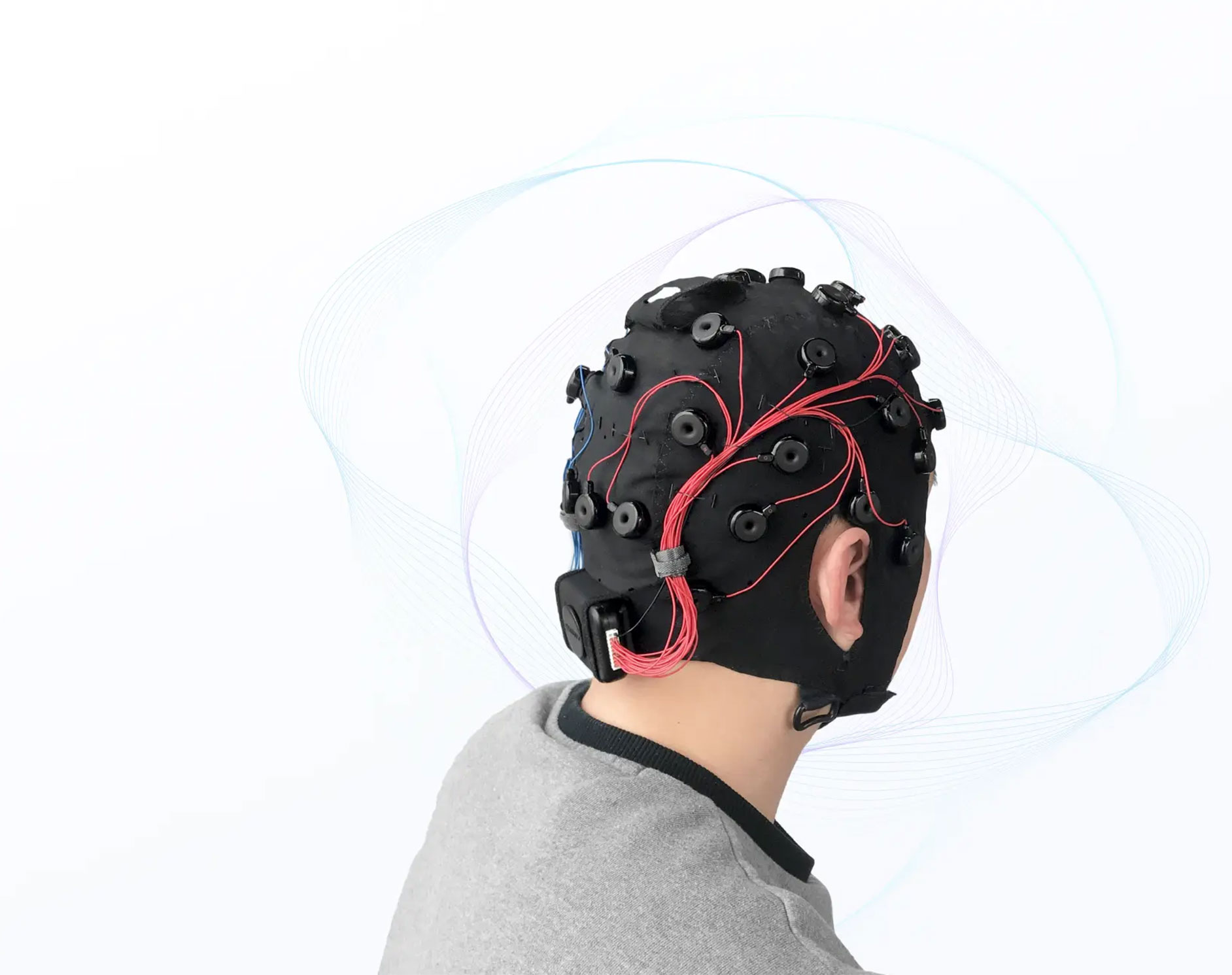
Continue reading