6 Best EEG Headsets for Research & Wellness
Emotiv
Updated on
Jan 26, 2026
6 Best EEG Headsets for Research & Wellness
Emotiv
Updated on
Jan 26, 2026
6 Best EEG Headsets for Research & Wellness
Emotiv
Updated on
Jan 26, 2026
What do you want to accomplish with an EEG headset? The answer to that question is the single most important factor in your decision. A researcher conducting a complex study needs a different tool than a developer building a brain-computer interface or a person looking to deepen their meditation practice. There is no single "best" device—only the one that is best suited for your specific goals. This guide is structured around that idea. We will walk you through the top options for different applications, helping you match the hardware and software capabilities to your project to find the best EEG headset for you.
Key Takeaways
Match the Headset to Your Project: The right device depends entirely on your goal. A researcher needs a high channel count for high-definition data, while someone focused on wellness might prioritize comfort and user-friendly software for real-time feedback.
Prioritize Signal Quality and Software Integration: A headset is only as good as the data it collects and the tools you have to analyze it. Look for devices with proven signal processing to filter out noise and ensure the companion software has the features required for your specific application.
Look for Validated Performance, Not Just a High Price: Accessible, modern EEG headsets can provide research-grade data without the traditional lab cost. The key is to choose a device with independently validated accuracy to ensure your results are reliable and trustworthy.
What to Look for in an EEG Headset
Choosing the right EEG headset feels a lot like picking the right tool for a big project—the best choice depends entirely on what you want to accomplish. Whether you're conducting in-depth academic research, developing a brain-computer interface, or exploring your own cognitive wellness, certain features will be more important than others. Before you decide, it helps to understand the key factors that separate one device from another. Let's walk through the five most important things to consider so you can find a headset that truly fits your goals.
Finding the Right Number of Channels
The number of channels, or sensors, on a headset determines how much brain data you can capture. Think of it like pixels in a picture: more channels generally provide a more detailed and higher-resolution view of brain activity. For complex research or building a sophisticated brain-computer interface, a device with more channels, like the 32-channel Emotiv Flex, is ideal. For wellness applications or simpler experiments, a headset with fewer channels, such as the 5-channel Emotiv Insight, can provide the focused data you need without overwhelming you.
Ensuring Signal Quality and Accuracy
Great data starts with a clean signal. The best EEG headsets are designed to minimize interference, or "noise," from things like muscle movements or environmental electronics. High-quality signal acquisition is essential for getting readings you can trust. Studies have shown that some consumer-grade devices, like those from Emotiv, offer superior performance in signal clarity, which is critical for any serious application. When comparing headsets, look for features that emphasize signal quality and noise reduction to ensure your data is both accurate and reliable.
Why Comfort and Design Matter
If you plan to use your headset for more than a few minutes at a time, comfort is non-negotiable. An uncomfortable device can be distracting and may even affect the quality of your data. Look for an ergonomic design with features like adjustable or rotating headbands and lightweight materials. For example, the Emotiv Epoc X was designed for extended wear, making it a practical choice for long research sessions or immersive BCI development. A comfortable fit ensures you can focus on the task provided, not on the device on your head.
Checking Battery Life and Connectivity
Your headset's battery life and connectivity options determine its flexibility and ease of use. You don't want your session cut short by a dead battery. Check the device's specifications for its expected battery life—the Epoc X, for instance, offers up to 12 hours of use. Also, consider how it connects to your computer. While a wireless Bluetooth connection offers freedom of movement, a dedicated USB receiver often provides a more stable connection and longer battery performance, which can be crucial for data-intensive tasks.
Evaluating Software and Data Integration
The hardware is only one part of the puzzle; the software is where your data comes to life. A powerful, user-friendly software platform is essential for collecting, analyzing, and visualizing brain data. Before choosing a headset, explore its companion software. Does it offer real-time data streaming? Can you easily export data for further analysis? Emotiv headsets integrate with platforms like EmotivPRO, which provides robust tools for researchers and developers. Make sure the software ecosystem supports your specific project needs.
The Top EEG Headsets for Every Goal
Choosing the right EEG headset depends entirely on what you want to accomplish. Are you conducting a formal research study, building a brain-controlled application, or simply looking to improve your focus? Each goal calls for a different set of features, from the number of sensors to the type of software it pairs with. A device designed for deep academic research will have different specifications than one built to guide your daily meditation practice. For example, a researcher might need a high channel count and customizable sensor placement for maximum data resolution, while a developer might prioritize seamless integration with other technologies like virtual reality. Someone interested in personal wellness might look for comfort and user-friendly feedback.
To help you find the perfect match, we’ve broken down some of the best EEG headsets available, highlighting what each one does best. We'll look at options that excel in all-around performance, specialized research, and even those that are perfect for beginners or developers working on the next big thing. This guide will give you the clarity you need to select a headset that aligns with your specific project and budget. Whether you're a seasoned neuroscientist exploring complex brain dynamics or just starting your journey into cognitive wellness, there’s a device here that’s right for you.
For All-Around Performance: Emotiv Epoc X
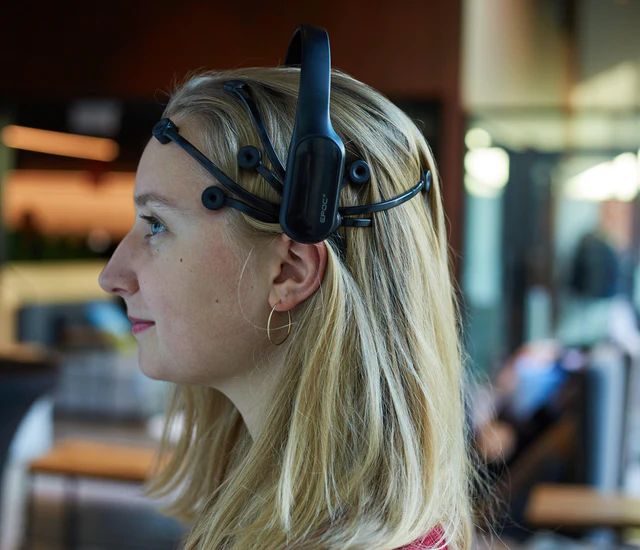
Think of the Emotiv Epoc X as the reliable multi-tool of the EEG world. It’s a fantastic all-rounder, trusted by researchers and innovators for its balance of power and ease of use. This wireless headset features 14 sensors positioned according to the international 10-20 system, giving you high-quality data from across the cerebral cortex. It connects via Bluetooth 5.0, ensuring a stable and fast data stream for your projects. Its versatility makes it a top choice for a wide range of applications, from academic research to developing cutting-edge brain-computer interfaces. If you need a dependable device that can handle almost any task you throw at it, the Epoc X is an excellent choice.
For In-Depth Research: Emotiv Flex
When your research demands precision and customization, the Emotiv Flex is the professional-grade toolkit you need. Designed specifically for the rigors of scientific study, this headset offers up to 32 channels that you can place anywhere on the scalp. This flexibility allows you to tailor your setup to the exact requirements of your experiment, whether you're exploring cognitive neuroscience, neuroergonomics, or other advanced fields. The Flex comes in two versions—one with saline-based sensors for quick setup and another with gel-based sensors for longer recording sessions. For researchers who need maximum control and the highest data density, the Flex provides an unparalleled level of detail and adaptability.
For Getting Started: Emotiv Insight
If you're just dipping your toes into the world of brainwave analysis, the Emotiv Insight is your ideal first step. This sleek, 5-channel wireless headset is designed to be both user-friendly and powerful, making it perfect for everyday users and researchers alike. It provides real-time feedback on key cognitive metrics like attention, focus, and stress, helping you understand your own mental state. The comfortable, dry polymer sensors mean you can wear it for extended periods without any fuss. The Insight strikes a great balance between accessibility and scientific accuracy, offering a straightforward way to start gathering meaningful brain data right out of the box.
For Meditation: Muse S
The Muse S is a popular device designed specifically for meditation and sleep tracking. It’s a soft, comfortable headband that combines EEG sensors with other biosensors to provide real-time audio feedback on your mental state. During meditation, it translates your brain activity into the sounds of weather—a calm mind results in peaceful weather, while a busy mind brings on a storm. This neurofeedback helps guide you back to a state of calm. The device also offers a vast library of over 500 guided meditations and detailed progress tracking through its companion app, making it a strong tool for anyone focused on building a consistent mindfulness practice.
For Developers: OpenBCI Galea
For developers working at the intersection of neurotechnology and immersive experiences, the OpenBCI Galea is a game-changer. This device is built to integrate with virtual and augmented reality headsets, capturing a wide array of biosignals simultaneously. It measures not only brain activity (EEG) but also heart rate, muscle activity, skin perspiration, and eye movements. This rich dataset allows developers and researchers to create applications that respond dynamically to a user's cognitive and emotional state. It’s a powerful tool for building truly interactive and responsive systems, pushing the boundaries of what’s possible in VR and AR.
For a Tighter Budget: NeuroSky MindWave
The NeuroSky MindWave is one of the most accessible EEG devices on the market, making it a great option for students, educators, and hobbyists. This single-channel headset is simple to set up and use, focusing on core metrics like attention and relaxation levels. It can even show you how your brain responds to different stimuli, like music. While it doesn't offer the multi-channel complexity of research-grade devices, its affordability and ease of use make it an excellent entry point for anyone curious about brainwaves. It’s a fun and engaging way to learn the basics of EEG without a significant financial investment.
What Do These EEG Specs Actually Mean?
When you start comparing EEG headsets, the technical specifications can feel a little overwhelming. Terms like "sampling rate" and "channel configuration" are thrown around, but what do they mean for your work? Understanding these core concepts is the key to picking a device that will actually deliver the data you need. Think of this as your friendly translation guide to the most important EEG specs. We'll walk through what each one means, why it matters, and how it impacts the quality of your results, whether you're conducting formal academic research or exploring your own cognitive wellness.
Understanding Sampling Rate and Data Quality
The sampling rate tells you how many times per second the headset records a snapshot of your brain activity. A higher sampling rate gives you a more detailed, high-resolution picture of your brainwaves. For example, the EMOTIV EPOC X can record data at 128 or 256 times per second (Hz), which provides a very fine-grained look at neural signals. For most wellness applications, a standard rate is perfectly fine. But for research that involves looking at fast-occurring brain events, a higher sampling rate is crucial for capturing those fleeting moments with precision. It’s the difference between a blurry photo and a crystal-clear image of your brain's activity.
A Guide to Channel Configurations
"Channels" simply refers to the number of sensors on the headset. Each sensor records electrical activity from a different spot on your scalp. A device like the EMOTIV Insight has 5 channels, which is great for tracking general cognitive states. For more comprehensive data, a headset like the EPOC X features 14 sensors that cover the entire brain. This setup follows the international 10-20 system, a standardized method for placing electrodes to ensure you get a complete and reliable map of brain activity. More channels allow you to pinpoint where activity is happening, which is essential for complex research and building sophisticated brain-computer interfaces.
A Look at Signal Processing Technology
Raw EEG data is naturally noisy—it can be affected by muscle movements, blinking, and even electrical interference from nearby devices. That's where signal processing comes in. It’s the technology inside the headset that cleans up the raw signal, filtering out the noise to give you clear, reliable brain data. The EPOC X, for instance, has an advanced noise reduction system that significantly improves the quality of the recorded signals. Good signal processing is non-negotiable because it ensures the data you’re analyzing accurately reflects neural activity, not just random interference. This makes your insights more trustworthy and your results easier to interpret.
The Importance of Real-Time Monitoring
Real-time monitoring is one of the most powerful features of modern EEG headsets. It means you can see your brainwave data live as it’s being recorded. Devices like the EPOC X provide immediate feedback on metrics like your attention, stress, and engagement levels. This is a game-changer for applications like neurofeedback, where you learn to regulate your own brain activity by watching it change on a screen. For developers and researchers, it allows for immediate data validation and the creation of interactive applications that respond to a user's cognitive state on the fly. It closes the loop between brain activity and tangible feedback, opening up a world of possibilities.
How to Choose the Right EEG Headset for You
Picking the right EEG headset can feel like a big decision, but it really comes down to what you want to achieve. Instead of searching for the single "best" device, focus on finding the best device for you. Your specific goals, budget, and technical comfort level will point you toward the perfect fit. Think of it as a partnership—you need a headset and software that will work with you to explore the brain in the way you envision. Let's walk through the key factors to consider so you can make a choice you feel confident about.
Start With Your Primary Goal
First things first: what do you plan to do with your EEG headset? Your answer will immediately narrow down your options. Are you a researcher who needs high-density, reliable data from many contact points for a formal study? Or are you a developer building a brain-computer interface and need a flexible, accessible platform? Maybe you're focused on cognitive wellness and want to track your focus or meditation sessions. Someone conducting in-depth academic research will have very different needs than someone exploring neurofeedback for personal growth. Be clear about your main objective, as this will guide every other decision, from the number of channels to the type of software you'll need.
Set a Realistic Budget
Let's talk about cost. The price of EEG headsets can vary dramatically, from a few hundred dollars to tens of thousands. High-end, clinical-grade systems used in labs can easily cost as much as a new car. Luckily, you don't need to spend that much to get high-quality, research-grade data. The key is to find the sweet spot between your budget and the features you absolutely need. For example, a device like the EMOTIV EPOC X offers a great balance of performance and affordability for a wide range of applications. Be realistic about what you can invest, and remember that the price often reflects not just the hardware but the entire ecosystem, including software and support.
Match the Software to Your Needs
The headset is only half of the equation—the software is where your data comes to life. Before you commit to a device, make sure its software can do what you need it to. Do you need to simply view and record raw EEG data, or do you require advanced analysis and real-time performance metrics? Some headsets come with basic applications, while others offer powerful software suites for in-depth work. For instance, EMOTIV headsets come with access to our software, and you can always upgrade to EmotivPRO for more advanced data acquisition and analysis. Your workflow depends on the software, so make sure it aligns with your project's demands.
Consider Your Need for Support and Training
Using an EEG device can have a learning curve, especially if you're new to the field. It's important to consider what kind of support you might need. Are you an experienced neuroscientist who can troubleshoot on your own, or are you a student who might benefit from tutorials and a strong user community? Some companies offer extensive documentation, forums, and direct support to help you get started and overcome challenges. This is especially important in emerging fields like BCI, where best practices are still being established. Having a good support system can make the difference between a frustrating experience and a successful project.
Debunking Common EEG Myths
There's a lot of information out there about EEG headsets, and not all of it is accurate. It can be tough to separate fact from fiction, especially when you're trying to find the right device for your work or wellness goals. Let's clear up a few common myths so you can feel more confident about how this technology works and what it can do for you. From signal quality to price tags, understanding the truth behind these devices is the first step toward making a smart choice. We'll look at what really defines a quality signal, the actual difference between consumer and research-grade gear, and why a higher price doesn't always mean better data.
Signal Quality: What Really Matters
A common worry is that portable EEG headsets can't get a clean signal. The truth is, it's all about the design. EEG signals are the brain's faint electrical whispers, and they get weaker the farther they travel from the scalp. This means that outside electrical noise from your phone or laptop can easily interfere with them. That’s why the quality and placement of the sensors are so important. A well-designed headset minimizes this distance and uses high-quality sensors to capture a clear signal. It’s less about the size of the machine and more about smart engineering that ensures a snug, stable fit and reliable sensor contact.
Consumer vs. Research-Grade: The Real Difference
You might hear that "consumer" devices are just toys, but the line between consumer and research-grade is getting blurrier. The real difference lies in the specifics: the number of channels, the quality of the data, and the power of the software. Some studies suggest that many consumer-grade devices aren't reliable for complex control tasks, making them better suited for simple wellness tracking. However, devices like Emotiv's are designed to bridge this gap, offering the robust data needed for academic research and education in a user-friendly package. The key is to match the device's capabilities to the demands of your project.
Price vs. Performance: Finding the Sweet Spot
It's easy to assume that a more expensive EEG headset is automatically better, but that's not the whole story. Traditionally, high-quality, mobile EEG systems with many sensors could cost upwards of $10,000, with the "gold standard" lab systems reaching $50,000 or more. Thankfully, technology has advanced. Today, you don't need a massive budget to get reliable data. The sweet spot is finding a device that delivers the performance you need without the traditional lab-grade price tag. It’s about focusing on the features that matter for your goals, whether that’s a high channel count for detailed brain mapping or powerful software for analysis.
The Truth About Data Reliability
So, can you trust the data from an accessible EEG headset? Absolutely, if you choose the right one. Not all devices are created equal, and independent research has shown clear differences in performance. For example, one study found that the Emotiv EPOC X performed better than the Neurosky MindWave across all tests. Further validation studies have shown that Emotiv headsets provide accurate results, even when compared to much more expensive medical-grade systems. The takeaway is that data reliability comes from proven hardware and software, not just a high price or a "medical-grade" label.
What Can You Do With an EEG Headset?
EEG headsets are more than just fascinating gadgets; they are powerful tools that open up a world of applications for personal and professional growth. From fine-tuning your mental state to pioneering new technologies, these devices translate your brain's electrical signals into actionable data. Whether you're a researcher, a developer, or simply curious about your own cognitive processes, there's a practical use for an EEG headset that can fit your goals.
Enhance Meditation and Wellness
If you've ever struggled to quiet your mind during meditation, an EEG headset can act as your personal guide. Devices designed for wellness provide real-time feedback on your brain activity, showing you when you're focused and when your mind is wandering. This feedback helps you learn to manage stress and deepen your meditation practice more effectively. Over time, you can use this data to improve your sleep quality and cultivate a greater sense of calm in your daily life. It’s a practical way to support your cognitive wellness journey by making the invisible workings of your mind visible.
Conduct Academic Research
For scientists and academics, portable EEG headsets have revolutionized the field of neuroscience. Devices like the EPOC X allow researchers to collect high-quality brain activity data in real-world settings, far beyond the confines of a traditional lab. This accessibility makes it possible to conduct studies on everything from cognitive psychology and human-computer interaction to neuromarketing. By providing a reliable way to measure brain responses, these headsets are essential tools for anyone conducting academic research and education in brain science, helping to push the boundaries of our understanding.
Build Brain-Computer Interfaces
A brain-computer interface (BCI) allows you to control software or hardware using only your thoughts. For developers and tech innovators, EEG headsets are the key to building these futuristic applications. By translating brain signals into commands, you can create hands-free controls for video games, assistive devices for people with disabilities, or immersive experiences in virtual and augmented reality. The data from multi-channel headsets provides the rich detail needed to design and test sophisticated brain-computer interface systems, paving the way for the next generation of interactive technology.
Improve Cognitive Performance
Understanding your brain's patterns is the first step to improving them. EEG headsets can help you track metrics related to focus, attention, and mental fatigue throughout your day. By analyzing this data, you can identify when you're most productive and what activities drain your cognitive resources. This information allows you to structure your work, study sessions, or training routines more effectively. Using software like EmotivPRO to visualize your cognitive performance helps you make data-driven decisions to sharpen your mental skills and maintain peak performance when it matters most.
Apply Neurofeedback Techniques
Neurofeedback is a type of brain training that uses real-time feedback to teach you how to regulate your brain function. An EEG headset measures your brainwaves and provides a signal—like a sound or a visual cue—when you enter a desired mental state, such as deep focus or relaxation. This immediate reward reinforces the neural pathways associated with that state, making it easier to access on your own. With consistent practice through guided sessions, you can use neurofeedback to improve your attention span, reduce anxiety, and achieve a greater sense of mental balance and well-being.
Your Guide to Using and Maintaining Your EEG Device
Once you’ve chosen your EEG headset, the next step is learning how to use and care for it. Proper handling doesn’t just extend the life of your device; it’s the key to collecting clean, reliable data. Think of it like tuning an instrument before you play—a little prep work ensures a great performance. These tips will help you get the most accurate results from your research, wellness practices, or development projects.
Simple Maintenance for Long-Term Use
Modern EEG devices are built to last, but a little routine care goes a long way. The most important aspect of maintenance is electrical safety. Always use the charging cables and power adapters that came with your device to prevent issues like electrical current exposure, which can be harmful. Regularly inspect your cables for any signs of wear or damage.
Cleaning your headset is also crucial, especially the sensors. After each use, wipe down the headset frame and clean the sensors according to the manufacturer's instructions. For saline-based devices like the EMOTIV FLEX, this usually means rinsing and air-drying the felt pads. When you’re not using your device, store it in its protective case away from direct sunlight and extreme temperatures to protect the sensitive electronic components.
Best Practices for Accurate Readings
Your environment plays a huge role in data quality. EEG headsets are incredibly sensitive, so finding a quiet space is essential for getting clean readings. This is especially true for applications like meditation or detailed academic research. Minimize distractions and electrical interference by moving away from other large electronic devices.
Beyond your environment, focus on the physical setup. Ensure the headset fits snugly on your head—not too tight, but secure enough that the sensors make firm contact. During a session, try to remain as still as possible, as muscle movements (like clenching your jaw or blinking excessively) can create artifacts in the data. Many software platforms, including EmotivPRO, include a contact quality map that shows you in real-time how well each sensor is connecting, which is a massive help during setup.
How to Optimize Your Device's Performance
To keep your headset running smoothly, make a habit of checking for firmware and software updates. Manufacturers regularly release updates that can improve signal processing, fix bugs, and even add new features to your device and its companion apps. A fully charged battery is also your best friend—before starting a long recording session, make sure your device is fully powered to avoid interruptions.
Optimizing performance is also about understanding your tools. Take some time to explore the software that comes with your headset. Whether you're using the Emotiv App for wellness tracking or EmotivBCI for development, familiarizing yourself with the settings and features will help you tailor the device to your specific goals. The more you understand the software, the more control you'll have over your data collection and analysis.
Quick Troubleshooting Tips
Even with perfect care, you might run into a snag. If you’re getting a weak signal or no data at all, start with the basics. First, check your sensor contact. Have you applied enough saline solution? Are the sensors positioned correctly and free of debris? Next, check your wireless connection. Make sure your device is properly paired via Bluetooth and that it’s within range of your computer or mobile device.
If you’re seeing a lot of noise or artifacts in your data, electrical interference could be the culprit. Try moving to a different room or turning off nearby electronics. Sometimes, issues can stem from the software itself. A simple restart of the application or your computer can often resolve temporary glitches. And if you’re still stuck, don’t hesitate to check the manufacturer’s support page or user forums for solutions to common problems.
Ready for More? A Look at Advanced Features
Once you’ve covered the basics like channel count and comfort, you can start looking at the features that truly set modern EEG headsets apart. The technology in this space is moving quickly, and many devices now offer capabilities that were once limited to high-end research labs. From AI-powered analysis to seamless mobile integration, these advanced features are what transform an EEG device from a simple sensor into a powerful tool for discovery, wellness, and innovation. Whether you're a researcher, a developer, or just curious about your own mind, understanding these capabilities will help you find a headset that can grow with your ambitions.
AI and Cloud Processing
You no longer need a dedicated lab to make sense of complex brain data. Today’s EEG devices are becoming more accessible and user-friendly, in part because they "are now small, use AI, and are made for everyday use." This integration of artificial intelligence and cloud computing does the heavy lifting for you, translating raw brainwaves into clear, actionable insights. Platforms like EmotivPRO can process your data in the cloud, running sophisticated algorithms to detect patterns related to stress, focus, and engagement. This means you can get powerful analytics without needing a degree in data science, making advanced brain research more accessible than ever.
Mobile App Compatibility
The ability to connect your EEG headset to a smartphone or tablet is a game-changer for convenience and real-time feedback. Mobile apps turn your device into a portable lab or a personal wellness coach. For example, some devices offer "EEG neurofeedback capabilities, guided meditations, and session tracking" directly through an app. This compatibility allows you to easily record data on the go, follow guided exercises to improve your mental state, and track your progress over time. With the Emotiv App, you can monitor your cognitive wellness and see your brain activity in real-time, making it simple to integrate brain tracking into your daily routine.
Tools for Developers
If you’re looking to build the next great brain-computer interface or a custom wellness application, you’ll need a headset that plays well with others. Many modern devices provide robust tools for developers, including software development kits (SDKs) and application programming interfaces (APIs). Some headsets are even designed to integrate with other technologies, like one that "is made to work with VR (Virtual Reality) and AR (Augmented Reality) headsets." This opens up a world of possibilities, allowing you to stream real-time brain data into your own software to create interactive experiences, assistive technologies, or innovative research tools.
Advanced Research Analytics
For academic and clinical researchers, access to high-quality data and sophisticated analysis tools is non-negotiable. Advanced EEG systems are built to meet these demands. The EMOTIV EPOC X, for instance, is trusted by researchers because it "lets you collect research-grade brain data outside of a lab setting." This means you can capture clean, reliable data in real-world environments. Paired with powerful software, these headsets provide advanced analytics features like raw data export, frequency analysis, and event marking, giving you the granular control needed for rigorous academic research and groundbreaking discoveries.
Related Articles
Frequently Asked Questions
Do I really need a headset with a high number of channels? Not necessarily. The right number of channels depends entirely on your goal. If you're conducting detailed academic research and need to pinpoint brain activity in specific regions, then a high-channel device like the 32-channel FLEX is essential. However, if you're focused on cognitive wellness or building a simpler brain-computer interface, a headset with fewer channels, like the 5-channel Insight, can provide all the focused data you need without being overly complex.
How difficult is it to get clean, reliable data from one of these headsets? Getting good data is more about proper setup and a quiet environment than it is about difficulty. Modern headsets are designed to make this process straightforward. The key is ensuring the sensors have good contact with your scalp and minimizing electrical interference from nearby devices. Following the setup instructions and using the companion software to check your signal quality in real-time will help you get clean, trustworthy data from your very first session.
What's the real difference between a headset for wellness and one for academic research? The main differences come down to data granularity and software capabilities. A wellness-focused headset is designed for ease of use, providing clear feedback on metrics like focus and stress. A research-grade device offers a higher channel count for more detailed brain mapping, greater customization, and software that allows for raw data export and complex analysis. While both provide valuable information, the research device is built for the rigor and precision required by scientific study.
Is the software just as important as the headset itself? Absolutely. The hardware is responsible for capturing the raw brain signals, but the software is what translates that data into meaningful insights. A powerful software platform allows you to visualize your brain activity in real-time, analyze complex patterns, and export your findings for further study. Before choosing a headset, always consider its software ecosystem to ensure it has the tools you need to accomplish your goals.
Can I use an EEG headset to diagnose a medical condition? No, the EEG headsets discussed here are intended for research, wellness, and development purposes, not for medical diagnosis. While they provide high-quality data about brain activity, they are not certified medical devices. If you have concerns about your health, it is essential to consult with a qualified medical professional for proper diagnosis and treatment.
What do you want to accomplish with an EEG headset? The answer to that question is the single most important factor in your decision. A researcher conducting a complex study needs a different tool than a developer building a brain-computer interface or a person looking to deepen their meditation practice. There is no single "best" device—only the one that is best suited for your specific goals. This guide is structured around that idea. We will walk you through the top options for different applications, helping you match the hardware and software capabilities to your project to find the best EEG headset for you.
Key Takeaways
Match the Headset to Your Project: The right device depends entirely on your goal. A researcher needs a high channel count for high-definition data, while someone focused on wellness might prioritize comfort and user-friendly software for real-time feedback.
Prioritize Signal Quality and Software Integration: A headset is only as good as the data it collects and the tools you have to analyze it. Look for devices with proven signal processing to filter out noise and ensure the companion software has the features required for your specific application.
Look for Validated Performance, Not Just a High Price: Accessible, modern EEG headsets can provide research-grade data without the traditional lab cost. The key is to choose a device with independently validated accuracy to ensure your results are reliable and trustworthy.
What to Look for in an EEG Headset
Choosing the right EEG headset feels a lot like picking the right tool for a big project—the best choice depends entirely on what you want to accomplish. Whether you're conducting in-depth academic research, developing a brain-computer interface, or exploring your own cognitive wellness, certain features will be more important than others. Before you decide, it helps to understand the key factors that separate one device from another. Let's walk through the five most important things to consider so you can find a headset that truly fits your goals.
Finding the Right Number of Channels
The number of channels, or sensors, on a headset determines how much brain data you can capture. Think of it like pixels in a picture: more channels generally provide a more detailed and higher-resolution view of brain activity. For complex research or building a sophisticated brain-computer interface, a device with more channels, like the 32-channel Emotiv Flex, is ideal. For wellness applications or simpler experiments, a headset with fewer channels, such as the 5-channel Emotiv Insight, can provide the focused data you need without overwhelming you.
Ensuring Signal Quality and Accuracy
Great data starts with a clean signal. The best EEG headsets are designed to minimize interference, or "noise," from things like muscle movements or environmental electronics. High-quality signal acquisition is essential for getting readings you can trust. Studies have shown that some consumer-grade devices, like those from Emotiv, offer superior performance in signal clarity, which is critical for any serious application. When comparing headsets, look for features that emphasize signal quality and noise reduction to ensure your data is both accurate and reliable.
Why Comfort and Design Matter
If you plan to use your headset for more than a few minutes at a time, comfort is non-negotiable. An uncomfortable device can be distracting and may even affect the quality of your data. Look for an ergonomic design with features like adjustable or rotating headbands and lightweight materials. For example, the Emotiv Epoc X was designed for extended wear, making it a practical choice for long research sessions or immersive BCI development. A comfortable fit ensures you can focus on the task provided, not on the device on your head.
Checking Battery Life and Connectivity
Your headset's battery life and connectivity options determine its flexibility and ease of use. You don't want your session cut short by a dead battery. Check the device's specifications for its expected battery life—the Epoc X, for instance, offers up to 12 hours of use. Also, consider how it connects to your computer. While a wireless Bluetooth connection offers freedom of movement, a dedicated USB receiver often provides a more stable connection and longer battery performance, which can be crucial for data-intensive tasks.
Evaluating Software and Data Integration
The hardware is only one part of the puzzle; the software is where your data comes to life. A powerful, user-friendly software platform is essential for collecting, analyzing, and visualizing brain data. Before choosing a headset, explore its companion software. Does it offer real-time data streaming? Can you easily export data for further analysis? Emotiv headsets integrate with platforms like EmotivPRO, which provides robust tools for researchers and developers. Make sure the software ecosystem supports your specific project needs.
The Top EEG Headsets for Every Goal
Choosing the right EEG headset depends entirely on what you want to accomplish. Are you conducting a formal research study, building a brain-controlled application, or simply looking to improve your focus? Each goal calls for a different set of features, from the number of sensors to the type of software it pairs with. A device designed for deep academic research will have different specifications than one built to guide your daily meditation practice. For example, a researcher might need a high channel count and customizable sensor placement for maximum data resolution, while a developer might prioritize seamless integration with other technologies like virtual reality. Someone interested in personal wellness might look for comfort and user-friendly feedback.
To help you find the perfect match, we’ve broken down some of the best EEG headsets available, highlighting what each one does best. We'll look at options that excel in all-around performance, specialized research, and even those that are perfect for beginners or developers working on the next big thing. This guide will give you the clarity you need to select a headset that aligns with your specific project and budget. Whether you're a seasoned neuroscientist exploring complex brain dynamics or just starting your journey into cognitive wellness, there’s a device here that’s right for you.
For All-Around Performance: Emotiv Epoc X
Think of the Emotiv Epoc X as the reliable multi-tool of the EEG world. It’s a fantastic all-rounder, trusted by researchers and innovators for its balance of power and ease of use. This wireless headset features 14 sensors positioned according to the international 10-20 system, giving you high-quality data from across the cerebral cortex. It connects via Bluetooth 5.0, ensuring a stable and fast data stream for your projects. Its versatility makes it a top choice for a wide range of applications, from academic research to developing cutting-edge brain-computer interfaces. If you need a dependable device that can handle almost any task you throw at it, the Epoc X is an excellent choice.
For In-Depth Research: Emotiv Flex
When your research demands precision and customization, the Emotiv Flex is the professional-grade toolkit you need. Designed specifically for the rigors of scientific study, this headset offers up to 32 channels that you can place anywhere on the scalp. This flexibility allows you to tailor your setup to the exact requirements of your experiment, whether you're exploring cognitive neuroscience, neuroergonomics, or other advanced fields. The Flex comes in two versions—one with saline-based sensors for quick setup and another with gel-based sensors for longer recording sessions. For researchers who need maximum control and the highest data density, the Flex provides an unparalleled level of detail and adaptability.
For Getting Started: Emotiv Insight
If you're just dipping your toes into the world of brainwave analysis, the Emotiv Insight is your ideal first step. This sleek, 5-channel wireless headset is designed to be both user-friendly and powerful, making it perfect for everyday users and researchers alike. It provides real-time feedback on key cognitive metrics like attention, focus, and stress, helping you understand your own mental state. The comfortable, dry polymer sensors mean you can wear it for extended periods without any fuss. The Insight strikes a great balance between accessibility and scientific accuracy, offering a straightforward way to start gathering meaningful brain data right out of the box.
For Meditation: Muse S
The Muse S is a popular device designed specifically for meditation and sleep tracking. It’s a soft, comfortable headband that combines EEG sensors with other biosensors to provide real-time audio feedback on your mental state. During meditation, it translates your brain activity into the sounds of weather—a calm mind results in peaceful weather, while a busy mind brings on a storm. This neurofeedback helps guide you back to a state of calm. The device also offers a vast library of over 500 guided meditations and detailed progress tracking through its companion app, making it a strong tool for anyone focused on building a consistent mindfulness practice.
For Developers: OpenBCI Galea
For developers working at the intersection of neurotechnology and immersive experiences, the OpenBCI Galea is a game-changer. This device is built to integrate with virtual and augmented reality headsets, capturing a wide array of biosignals simultaneously. It measures not only brain activity (EEG) but also heart rate, muscle activity, skin perspiration, and eye movements. This rich dataset allows developers and researchers to create applications that respond dynamically to a user's cognitive and emotional state. It’s a powerful tool for building truly interactive and responsive systems, pushing the boundaries of what’s possible in VR and AR.
For a Tighter Budget: NeuroSky MindWave
The NeuroSky MindWave is one of the most accessible EEG devices on the market, making it a great option for students, educators, and hobbyists. This single-channel headset is simple to set up and use, focusing on core metrics like attention and relaxation levels. It can even show you how your brain responds to different stimuli, like music. While it doesn't offer the multi-channel complexity of research-grade devices, its affordability and ease of use make it an excellent entry point for anyone curious about brainwaves. It’s a fun and engaging way to learn the basics of EEG without a significant financial investment.
What Do These EEG Specs Actually Mean?
When you start comparing EEG headsets, the technical specifications can feel a little overwhelming. Terms like "sampling rate" and "channel configuration" are thrown around, but what do they mean for your work? Understanding these core concepts is the key to picking a device that will actually deliver the data you need. Think of this as your friendly translation guide to the most important EEG specs. We'll walk through what each one means, why it matters, and how it impacts the quality of your results, whether you're conducting formal academic research or exploring your own cognitive wellness.
Understanding Sampling Rate and Data Quality
The sampling rate tells you how many times per second the headset records a snapshot of your brain activity. A higher sampling rate gives you a more detailed, high-resolution picture of your brainwaves. For example, the EMOTIV EPOC X can record data at 128 or 256 times per second (Hz), which provides a very fine-grained look at neural signals. For most wellness applications, a standard rate is perfectly fine. But for research that involves looking at fast-occurring brain events, a higher sampling rate is crucial for capturing those fleeting moments with precision. It’s the difference between a blurry photo and a crystal-clear image of your brain's activity.
A Guide to Channel Configurations
"Channels" simply refers to the number of sensors on the headset. Each sensor records electrical activity from a different spot on your scalp. A device like the EMOTIV Insight has 5 channels, which is great for tracking general cognitive states. For more comprehensive data, a headset like the EPOC X features 14 sensors that cover the entire brain. This setup follows the international 10-20 system, a standardized method for placing electrodes to ensure you get a complete and reliable map of brain activity. More channels allow you to pinpoint where activity is happening, which is essential for complex research and building sophisticated brain-computer interfaces.
A Look at Signal Processing Technology
Raw EEG data is naturally noisy—it can be affected by muscle movements, blinking, and even electrical interference from nearby devices. That's where signal processing comes in. It’s the technology inside the headset that cleans up the raw signal, filtering out the noise to give you clear, reliable brain data. The EPOC X, for instance, has an advanced noise reduction system that significantly improves the quality of the recorded signals. Good signal processing is non-negotiable because it ensures the data you’re analyzing accurately reflects neural activity, not just random interference. This makes your insights more trustworthy and your results easier to interpret.
The Importance of Real-Time Monitoring
Real-time monitoring is one of the most powerful features of modern EEG headsets. It means you can see your brainwave data live as it’s being recorded. Devices like the EPOC X provide immediate feedback on metrics like your attention, stress, and engagement levels. This is a game-changer for applications like neurofeedback, where you learn to regulate your own brain activity by watching it change on a screen. For developers and researchers, it allows for immediate data validation and the creation of interactive applications that respond to a user's cognitive state on the fly. It closes the loop between brain activity and tangible feedback, opening up a world of possibilities.
How to Choose the Right EEG Headset for You
Picking the right EEG headset can feel like a big decision, but it really comes down to what you want to achieve. Instead of searching for the single "best" device, focus on finding the best device for you. Your specific goals, budget, and technical comfort level will point you toward the perfect fit. Think of it as a partnership—you need a headset and software that will work with you to explore the brain in the way you envision. Let's walk through the key factors to consider so you can make a choice you feel confident about.
Start With Your Primary Goal
First things first: what do you plan to do with your EEG headset? Your answer will immediately narrow down your options. Are you a researcher who needs high-density, reliable data from many contact points for a formal study? Or are you a developer building a brain-computer interface and need a flexible, accessible platform? Maybe you're focused on cognitive wellness and want to track your focus or meditation sessions. Someone conducting in-depth academic research will have very different needs than someone exploring neurofeedback for personal growth. Be clear about your main objective, as this will guide every other decision, from the number of channels to the type of software you'll need.
Set a Realistic Budget
Let's talk about cost. The price of EEG headsets can vary dramatically, from a few hundred dollars to tens of thousands. High-end, clinical-grade systems used in labs can easily cost as much as a new car. Luckily, you don't need to spend that much to get high-quality, research-grade data. The key is to find the sweet spot between your budget and the features you absolutely need. For example, a device like the EMOTIV EPOC X offers a great balance of performance and affordability for a wide range of applications. Be realistic about what you can invest, and remember that the price often reflects not just the hardware but the entire ecosystem, including software and support.
Match the Software to Your Needs
The headset is only half of the equation—the software is where your data comes to life. Before you commit to a device, make sure its software can do what you need it to. Do you need to simply view and record raw EEG data, or do you require advanced analysis and real-time performance metrics? Some headsets come with basic applications, while others offer powerful software suites for in-depth work. For instance, EMOTIV headsets come with access to our software, and you can always upgrade to EmotivPRO for more advanced data acquisition and analysis. Your workflow depends on the software, so make sure it aligns with your project's demands.
Consider Your Need for Support and Training
Using an EEG device can have a learning curve, especially if you're new to the field. It's important to consider what kind of support you might need. Are you an experienced neuroscientist who can troubleshoot on your own, or are you a student who might benefit from tutorials and a strong user community? Some companies offer extensive documentation, forums, and direct support to help you get started and overcome challenges. This is especially important in emerging fields like BCI, where best practices are still being established. Having a good support system can make the difference between a frustrating experience and a successful project.
Debunking Common EEG Myths
There's a lot of information out there about EEG headsets, and not all of it is accurate. It can be tough to separate fact from fiction, especially when you're trying to find the right device for your work or wellness goals. Let's clear up a few common myths so you can feel more confident about how this technology works and what it can do for you. From signal quality to price tags, understanding the truth behind these devices is the first step toward making a smart choice. We'll look at what really defines a quality signal, the actual difference between consumer and research-grade gear, and why a higher price doesn't always mean better data.
Signal Quality: What Really Matters
A common worry is that portable EEG headsets can't get a clean signal. The truth is, it's all about the design. EEG signals are the brain's faint electrical whispers, and they get weaker the farther they travel from the scalp. This means that outside electrical noise from your phone or laptop can easily interfere with them. That’s why the quality and placement of the sensors are so important. A well-designed headset minimizes this distance and uses high-quality sensors to capture a clear signal. It’s less about the size of the machine and more about smart engineering that ensures a snug, stable fit and reliable sensor contact.
Consumer vs. Research-Grade: The Real Difference
You might hear that "consumer" devices are just toys, but the line between consumer and research-grade is getting blurrier. The real difference lies in the specifics: the number of channels, the quality of the data, and the power of the software. Some studies suggest that many consumer-grade devices aren't reliable for complex control tasks, making them better suited for simple wellness tracking. However, devices like Emotiv's are designed to bridge this gap, offering the robust data needed for academic research and education in a user-friendly package. The key is to match the device's capabilities to the demands of your project.
Price vs. Performance: Finding the Sweet Spot
It's easy to assume that a more expensive EEG headset is automatically better, but that's not the whole story. Traditionally, high-quality, mobile EEG systems with many sensors could cost upwards of $10,000, with the "gold standard" lab systems reaching $50,000 or more. Thankfully, technology has advanced. Today, you don't need a massive budget to get reliable data. The sweet spot is finding a device that delivers the performance you need without the traditional lab-grade price tag. It’s about focusing on the features that matter for your goals, whether that’s a high channel count for detailed brain mapping or powerful software for analysis.
The Truth About Data Reliability
So, can you trust the data from an accessible EEG headset? Absolutely, if you choose the right one. Not all devices are created equal, and independent research has shown clear differences in performance. For example, one study found that the Emotiv EPOC X performed better than the Neurosky MindWave across all tests. Further validation studies have shown that Emotiv headsets provide accurate results, even when compared to much more expensive medical-grade systems. The takeaway is that data reliability comes from proven hardware and software, not just a high price or a "medical-grade" label.
What Can You Do With an EEG Headset?
EEG headsets are more than just fascinating gadgets; they are powerful tools that open up a world of applications for personal and professional growth. From fine-tuning your mental state to pioneering new technologies, these devices translate your brain's electrical signals into actionable data. Whether you're a researcher, a developer, or simply curious about your own cognitive processes, there's a practical use for an EEG headset that can fit your goals.
Enhance Meditation and Wellness
If you've ever struggled to quiet your mind during meditation, an EEG headset can act as your personal guide. Devices designed for wellness provide real-time feedback on your brain activity, showing you when you're focused and when your mind is wandering. This feedback helps you learn to manage stress and deepen your meditation practice more effectively. Over time, you can use this data to improve your sleep quality and cultivate a greater sense of calm in your daily life. It’s a practical way to support your cognitive wellness journey by making the invisible workings of your mind visible.
Conduct Academic Research
For scientists and academics, portable EEG headsets have revolutionized the field of neuroscience. Devices like the EPOC X allow researchers to collect high-quality brain activity data in real-world settings, far beyond the confines of a traditional lab. This accessibility makes it possible to conduct studies on everything from cognitive psychology and human-computer interaction to neuromarketing. By providing a reliable way to measure brain responses, these headsets are essential tools for anyone conducting academic research and education in brain science, helping to push the boundaries of our understanding.
Build Brain-Computer Interfaces
A brain-computer interface (BCI) allows you to control software or hardware using only your thoughts. For developers and tech innovators, EEG headsets are the key to building these futuristic applications. By translating brain signals into commands, you can create hands-free controls for video games, assistive devices for people with disabilities, or immersive experiences in virtual and augmented reality. The data from multi-channel headsets provides the rich detail needed to design and test sophisticated brain-computer interface systems, paving the way for the next generation of interactive technology.
Improve Cognitive Performance
Understanding your brain's patterns is the first step to improving them. EEG headsets can help you track metrics related to focus, attention, and mental fatigue throughout your day. By analyzing this data, you can identify when you're most productive and what activities drain your cognitive resources. This information allows you to structure your work, study sessions, or training routines more effectively. Using software like EmotivPRO to visualize your cognitive performance helps you make data-driven decisions to sharpen your mental skills and maintain peak performance when it matters most.
Apply Neurofeedback Techniques
Neurofeedback is a type of brain training that uses real-time feedback to teach you how to regulate your brain function. An EEG headset measures your brainwaves and provides a signal—like a sound or a visual cue—when you enter a desired mental state, such as deep focus or relaxation. This immediate reward reinforces the neural pathways associated with that state, making it easier to access on your own. With consistent practice through guided sessions, you can use neurofeedback to improve your attention span, reduce anxiety, and achieve a greater sense of mental balance and well-being.
Your Guide to Using and Maintaining Your EEG Device
Once you’ve chosen your EEG headset, the next step is learning how to use and care for it. Proper handling doesn’t just extend the life of your device; it’s the key to collecting clean, reliable data. Think of it like tuning an instrument before you play—a little prep work ensures a great performance. These tips will help you get the most accurate results from your research, wellness practices, or development projects.
Simple Maintenance for Long-Term Use
Modern EEG devices are built to last, but a little routine care goes a long way. The most important aspect of maintenance is electrical safety. Always use the charging cables and power adapters that came with your device to prevent issues like electrical current exposure, which can be harmful. Regularly inspect your cables for any signs of wear or damage.
Cleaning your headset is also crucial, especially the sensors. After each use, wipe down the headset frame and clean the sensors according to the manufacturer's instructions. For saline-based devices like the EMOTIV FLEX, this usually means rinsing and air-drying the felt pads. When you’re not using your device, store it in its protective case away from direct sunlight and extreme temperatures to protect the sensitive electronic components.
Best Practices for Accurate Readings
Your environment plays a huge role in data quality. EEG headsets are incredibly sensitive, so finding a quiet space is essential for getting clean readings. This is especially true for applications like meditation or detailed academic research. Minimize distractions and electrical interference by moving away from other large electronic devices.
Beyond your environment, focus on the physical setup. Ensure the headset fits snugly on your head—not too tight, but secure enough that the sensors make firm contact. During a session, try to remain as still as possible, as muscle movements (like clenching your jaw or blinking excessively) can create artifacts in the data. Many software platforms, including EmotivPRO, include a contact quality map that shows you in real-time how well each sensor is connecting, which is a massive help during setup.
How to Optimize Your Device's Performance
To keep your headset running smoothly, make a habit of checking for firmware and software updates. Manufacturers regularly release updates that can improve signal processing, fix bugs, and even add new features to your device and its companion apps. A fully charged battery is also your best friend—before starting a long recording session, make sure your device is fully powered to avoid interruptions.
Optimizing performance is also about understanding your tools. Take some time to explore the software that comes with your headset. Whether you're using the Emotiv App for wellness tracking or EmotivBCI for development, familiarizing yourself with the settings and features will help you tailor the device to your specific goals. The more you understand the software, the more control you'll have over your data collection and analysis.
Quick Troubleshooting Tips
Even with perfect care, you might run into a snag. If you’re getting a weak signal or no data at all, start with the basics. First, check your sensor contact. Have you applied enough saline solution? Are the sensors positioned correctly and free of debris? Next, check your wireless connection. Make sure your device is properly paired via Bluetooth and that it’s within range of your computer or mobile device.
If you’re seeing a lot of noise or artifacts in your data, electrical interference could be the culprit. Try moving to a different room or turning off nearby electronics. Sometimes, issues can stem from the software itself. A simple restart of the application or your computer can often resolve temporary glitches. And if you’re still stuck, don’t hesitate to check the manufacturer’s support page or user forums for solutions to common problems.
Ready for More? A Look at Advanced Features
Once you’ve covered the basics like channel count and comfort, you can start looking at the features that truly set modern EEG headsets apart. The technology in this space is moving quickly, and many devices now offer capabilities that were once limited to high-end research labs. From AI-powered analysis to seamless mobile integration, these advanced features are what transform an EEG device from a simple sensor into a powerful tool for discovery, wellness, and innovation. Whether you're a researcher, a developer, or just curious about your own mind, understanding these capabilities will help you find a headset that can grow with your ambitions.
AI and Cloud Processing
You no longer need a dedicated lab to make sense of complex brain data. Today’s EEG devices are becoming more accessible and user-friendly, in part because they "are now small, use AI, and are made for everyday use." This integration of artificial intelligence and cloud computing does the heavy lifting for you, translating raw brainwaves into clear, actionable insights. Platforms like EmotivPRO can process your data in the cloud, running sophisticated algorithms to detect patterns related to stress, focus, and engagement. This means you can get powerful analytics without needing a degree in data science, making advanced brain research more accessible than ever.
Mobile App Compatibility
The ability to connect your EEG headset to a smartphone or tablet is a game-changer for convenience and real-time feedback. Mobile apps turn your device into a portable lab or a personal wellness coach. For example, some devices offer "EEG neurofeedback capabilities, guided meditations, and session tracking" directly through an app. This compatibility allows you to easily record data on the go, follow guided exercises to improve your mental state, and track your progress over time. With the Emotiv App, you can monitor your cognitive wellness and see your brain activity in real-time, making it simple to integrate brain tracking into your daily routine.
Tools for Developers
If you’re looking to build the next great brain-computer interface or a custom wellness application, you’ll need a headset that plays well with others. Many modern devices provide robust tools for developers, including software development kits (SDKs) and application programming interfaces (APIs). Some headsets are even designed to integrate with other technologies, like one that "is made to work with VR (Virtual Reality) and AR (Augmented Reality) headsets." This opens up a world of possibilities, allowing you to stream real-time brain data into your own software to create interactive experiences, assistive technologies, or innovative research tools.
Advanced Research Analytics
For academic and clinical researchers, access to high-quality data and sophisticated analysis tools is non-negotiable. Advanced EEG systems are built to meet these demands. The EMOTIV EPOC X, for instance, is trusted by researchers because it "lets you collect research-grade brain data outside of a lab setting." This means you can capture clean, reliable data in real-world environments. Paired with powerful software, these headsets provide advanced analytics features like raw data export, frequency analysis, and event marking, giving you the granular control needed for rigorous academic research and groundbreaking discoveries.
Related Articles
Frequently Asked Questions
Do I really need a headset with a high number of channels? Not necessarily. The right number of channels depends entirely on your goal. If you're conducting detailed academic research and need to pinpoint brain activity in specific regions, then a high-channel device like the 32-channel FLEX is essential. However, if you're focused on cognitive wellness or building a simpler brain-computer interface, a headset with fewer channels, like the 5-channel Insight, can provide all the focused data you need without being overly complex.
How difficult is it to get clean, reliable data from one of these headsets? Getting good data is more about proper setup and a quiet environment than it is about difficulty. Modern headsets are designed to make this process straightforward. The key is ensuring the sensors have good contact with your scalp and minimizing electrical interference from nearby devices. Following the setup instructions and using the companion software to check your signal quality in real-time will help you get clean, trustworthy data from your very first session.
What's the real difference between a headset for wellness and one for academic research? The main differences come down to data granularity and software capabilities. A wellness-focused headset is designed for ease of use, providing clear feedback on metrics like focus and stress. A research-grade device offers a higher channel count for more detailed brain mapping, greater customization, and software that allows for raw data export and complex analysis. While both provide valuable information, the research device is built for the rigor and precision required by scientific study.
Is the software just as important as the headset itself? Absolutely. The hardware is responsible for capturing the raw brain signals, but the software is what translates that data into meaningful insights. A powerful software platform allows you to visualize your brain activity in real-time, analyze complex patterns, and export your findings for further study. Before choosing a headset, always consider its software ecosystem to ensure it has the tools you need to accomplish your goals.
Can I use an EEG headset to diagnose a medical condition? No, the EEG headsets discussed here are intended for research, wellness, and development purposes, not for medical diagnosis. While they provide high-quality data about brain activity, they are not certified medical devices. If you have concerns about your health, it is essential to consult with a qualified medical professional for proper diagnosis and treatment.
What do you want to accomplish with an EEG headset? The answer to that question is the single most important factor in your decision. A researcher conducting a complex study needs a different tool than a developer building a brain-computer interface or a person looking to deepen their meditation practice. There is no single "best" device—only the one that is best suited for your specific goals. This guide is structured around that idea. We will walk you through the top options for different applications, helping you match the hardware and software capabilities to your project to find the best EEG headset for you.
Key Takeaways
Match the Headset to Your Project: The right device depends entirely on your goal. A researcher needs a high channel count for high-definition data, while someone focused on wellness might prioritize comfort and user-friendly software for real-time feedback.
Prioritize Signal Quality and Software Integration: A headset is only as good as the data it collects and the tools you have to analyze it. Look for devices with proven signal processing to filter out noise and ensure the companion software has the features required for your specific application.
Look for Validated Performance, Not Just a High Price: Accessible, modern EEG headsets can provide research-grade data without the traditional lab cost. The key is to choose a device with independently validated accuracy to ensure your results are reliable and trustworthy.
What to Look for in an EEG Headset
Choosing the right EEG headset feels a lot like picking the right tool for a big project—the best choice depends entirely on what you want to accomplish. Whether you're conducting in-depth academic research, developing a brain-computer interface, or exploring your own cognitive wellness, certain features will be more important than others. Before you decide, it helps to understand the key factors that separate one device from another. Let's walk through the five most important things to consider so you can find a headset that truly fits your goals.
Finding the Right Number of Channels
The number of channels, or sensors, on a headset determines how much brain data you can capture. Think of it like pixels in a picture: more channels generally provide a more detailed and higher-resolution view of brain activity. For complex research or building a sophisticated brain-computer interface, a device with more channels, like the 32-channel Emotiv Flex, is ideal. For wellness applications or simpler experiments, a headset with fewer channels, such as the 5-channel Emotiv Insight, can provide the focused data you need without overwhelming you.
Ensuring Signal Quality and Accuracy
Great data starts with a clean signal. The best EEG headsets are designed to minimize interference, or "noise," from things like muscle movements or environmental electronics. High-quality signal acquisition is essential for getting readings you can trust. Studies have shown that some consumer-grade devices, like those from Emotiv, offer superior performance in signal clarity, which is critical for any serious application. When comparing headsets, look for features that emphasize signal quality and noise reduction to ensure your data is both accurate and reliable.
Why Comfort and Design Matter
If you plan to use your headset for more than a few minutes at a time, comfort is non-negotiable. An uncomfortable device can be distracting and may even affect the quality of your data. Look for an ergonomic design with features like adjustable or rotating headbands and lightweight materials. For example, the Emotiv Epoc X was designed for extended wear, making it a practical choice for long research sessions or immersive BCI development. A comfortable fit ensures you can focus on the task provided, not on the device on your head.
Checking Battery Life and Connectivity
Your headset's battery life and connectivity options determine its flexibility and ease of use. You don't want your session cut short by a dead battery. Check the device's specifications for its expected battery life—the Epoc X, for instance, offers up to 12 hours of use. Also, consider how it connects to your computer. While a wireless Bluetooth connection offers freedom of movement, a dedicated USB receiver often provides a more stable connection and longer battery performance, which can be crucial for data-intensive tasks.
Evaluating Software and Data Integration
The hardware is only one part of the puzzle; the software is where your data comes to life. A powerful, user-friendly software platform is essential for collecting, analyzing, and visualizing brain data. Before choosing a headset, explore its companion software. Does it offer real-time data streaming? Can you easily export data for further analysis? Emotiv headsets integrate with platforms like EmotivPRO, which provides robust tools for researchers and developers. Make sure the software ecosystem supports your specific project needs.
The Top EEG Headsets for Every Goal
Choosing the right EEG headset depends entirely on what you want to accomplish. Are you conducting a formal research study, building a brain-controlled application, or simply looking to improve your focus? Each goal calls for a different set of features, from the number of sensors to the type of software it pairs with. A device designed for deep academic research will have different specifications than one built to guide your daily meditation practice. For example, a researcher might need a high channel count and customizable sensor placement for maximum data resolution, while a developer might prioritize seamless integration with other technologies like virtual reality. Someone interested in personal wellness might look for comfort and user-friendly feedback.
To help you find the perfect match, we’ve broken down some of the best EEG headsets available, highlighting what each one does best. We'll look at options that excel in all-around performance, specialized research, and even those that are perfect for beginners or developers working on the next big thing. This guide will give you the clarity you need to select a headset that aligns with your specific project and budget. Whether you're a seasoned neuroscientist exploring complex brain dynamics or just starting your journey into cognitive wellness, there’s a device here that’s right for you.
For All-Around Performance: Emotiv Epoc X
Think of the Emotiv Epoc X as the reliable multi-tool of the EEG world. It’s a fantastic all-rounder, trusted by researchers and innovators for its balance of power and ease of use. This wireless headset features 14 sensors positioned according to the international 10-20 system, giving you high-quality data from across the cerebral cortex. It connects via Bluetooth 5.0, ensuring a stable and fast data stream for your projects. Its versatility makes it a top choice for a wide range of applications, from academic research to developing cutting-edge brain-computer interfaces. If you need a dependable device that can handle almost any task you throw at it, the Epoc X is an excellent choice.
For In-Depth Research: Emotiv Flex
When your research demands precision and customization, the Emotiv Flex is the professional-grade toolkit you need. Designed specifically for the rigors of scientific study, this headset offers up to 32 channels that you can place anywhere on the scalp. This flexibility allows you to tailor your setup to the exact requirements of your experiment, whether you're exploring cognitive neuroscience, neuroergonomics, or other advanced fields. The Flex comes in two versions—one with saline-based sensors for quick setup and another with gel-based sensors for longer recording sessions. For researchers who need maximum control and the highest data density, the Flex provides an unparalleled level of detail and adaptability.
For Getting Started: Emotiv Insight
If you're just dipping your toes into the world of brainwave analysis, the Emotiv Insight is your ideal first step. This sleek, 5-channel wireless headset is designed to be both user-friendly and powerful, making it perfect for everyday users and researchers alike. It provides real-time feedback on key cognitive metrics like attention, focus, and stress, helping you understand your own mental state. The comfortable, dry polymer sensors mean you can wear it for extended periods without any fuss. The Insight strikes a great balance between accessibility and scientific accuracy, offering a straightforward way to start gathering meaningful brain data right out of the box.
For Meditation: Muse S
The Muse S is a popular device designed specifically for meditation and sleep tracking. It’s a soft, comfortable headband that combines EEG sensors with other biosensors to provide real-time audio feedback on your mental state. During meditation, it translates your brain activity into the sounds of weather—a calm mind results in peaceful weather, while a busy mind brings on a storm. This neurofeedback helps guide you back to a state of calm. The device also offers a vast library of over 500 guided meditations and detailed progress tracking through its companion app, making it a strong tool for anyone focused on building a consistent mindfulness practice.
For Developers: OpenBCI Galea
For developers working at the intersection of neurotechnology and immersive experiences, the OpenBCI Galea is a game-changer. This device is built to integrate with virtual and augmented reality headsets, capturing a wide array of biosignals simultaneously. It measures not only brain activity (EEG) but also heart rate, muscle activity, skin perspiration, and eye movements. This rich dataset allows developers and researchers to create applications that respond dynamically to a user's cognitive and emotional state. It’s a powerful tool for building truly interactive and responsive systems, pushing the boundaries of what’s possible in VR and AR.
For a Tighter Budget: NeuroSky MindWave
The NeuroSky MindWave is one of the most accessible EEG devices on the market, making it a great option for students, educators, and hobbyists. This single-channel headset is simple to set up and use, focusing on core metrics like attention and relaxation levels. It can even show you how your brain responds to different stimuli, like music. While it doesn't offer the multi-channel complexity of research-grade devices, its affordability and ease of use make it an excellent entry point for anyone curious about brainwaves. It’s a fun and engaging way to learn the basics of EEG without a significant financial investment.
What Do These EEG Specs Actually Mean?
When you start comparing EEG headsets, the technical specifications can feel a little overwhelming. Terms like "sampling rate" and "channel configuration" are thrown around, but what do they mean for your work? Understanding these core concepts is the key to picking a device that will actually deliver the data you need. Think of this as your friendly translation guide to the most important EEG specs. We'll walk through what each one means, why it matters, and how it impacts the quality of your results, whether you're conducting formal academic research or exploring your own cognitive wellness.
Understanding Sampling Rate and Data Quality
The sampling rate tells you how many times per second the headset records a snapshot of your brain activity. A higher sampling rate gives you a more detailed, high-resolution picture of your brainwaves. For example, the EMOTIV EPOC X can record data at 128 or 256 times per second (Hz), which provides a very fine-grained look at neural signals. For most wellness applications, a standard rate is perfectly fine. But for research that involves looking at fast-occurring brain events, a higher sampling rate is crucial for capturing those fleeting moments with precision. It’s the difference between a blurry photo and a crystal-clear image of your brain's activity.
A Guide to Channel Configurations
"Channels" simply refers to the number of sensors on the headset. Each sensor records electrical activity from a different spot on your scalp. A device like the EMOTIV Insight has 5 channels, which is great for tracking general cognitive states. For more comprehensive data, a headset like the EPOC X features 14 sensors that cover the entire brain. This setup follows the international 10-20 system, a standardized method for placing electrodes to ensure you get a complete and reliable map of brain activity. More channels allow you to pinpoint where activity is happening, which is essential for complex research and building sophisticated brain-computer interfaces.
A Look at Signal Processing Technology
Raw EEG data is naturally noisy—it can be affected by muscle movements, blinking, and even electrical interference from nearby devices. That's where signal processing comes in. It’s the technology inside the headset that cleans up the raw signal, filtering out the noise to give you clear, reliable brain data. The EPOC X, for instance, has an advanced noise reduction system that significantly improves the quality of the recorded signals. Good signal processing is non-negotiable because it ensures the data you’re analyzing accurately reflects neural activity, not just random interference. This makes your insights more trustworthy and your results easier to interpret.
The Importance of Real-Time Monitoring
Real-time monitoring is one of the most powerful features of modern EEG headsets. It means you can see your brainwave data live as it’s being recorded. Devices like the EPOC X provide immediate feedback on metrics like your attention, stress, and engagement levels. This is a game-changer for applications like neurofeedback, where you learn to regulate your own brain activity by watching it change on a screen. For developers and researchers, it allows for immediate data validation and the creation of interactive applications that respond to a user's cognitive state on the fly. It closes the loop between brain activity and tangible feedback, opening up a world of possibilities.
How to Choose the Right EEG Headset for You
Picking the right EEG headset can feel like a big decision, but it really comes down to what you want to achieve. Instead of searching for the single "best" device, focus on finding the best device for you. Your specific goals, budget, and technical comfort level will point you toward the perfect fit. Think of it as a partnership—you need a headset and software that will work with you to explore the brain in the way you envision. Let's walk through the key factors to consider so you can make a choice you feel confident about.
Start With Your Primary Goal
First things first: what do you plan to do with your EEG headset? Your answer will immediately narrow down your options. Are you a researcher who needs high-density, reliable data from many contact points for a formal study? Or are you a developer building a brain-computer interface and need a flexible, accessible platform? Maybe you're focused on cognitive wellness and want to track your focus or meditation sessions. Someone conducting in-depth academic research will have very different needs than someone exploring neurofeedback for personal growth. Be clear about your main objective, as this will guide every other decision, from the number of channels to the type of software you'll need.
Set a Realistic Budget
Let's talk about cost. The price of EEG headsets can vary dramatically, from a few hundred dollars to tens of thousands. High-end, clinical-grade systems used in labs can easily cost as much as a new car. Luckily, you don't need to spend that much to get high-quality, research-grade data. The key is to find the sweet spot between your budget and the features you absolutely need. For example, a device like the EMOTIV EPOC X offers a great balance of performance and affordability for a wide range of applications. Be realistic about what you can invest, and remember that the price often reflects not just the hardware but the entire ecosystem, including software and support.
Match the Software to Your Needs
The headset is only half of the equation—the software is where your data comes to life. Before you commit to a device, make sure its software can do what you need it to. Do you need to simply view and record raw EEG data, or do you require advanced analysis and real-time performance metrics? Some headsets come with basic applications, while others offer powerful software suites for in-depth work. For instance, EMOTIV headsets come with access to our software, and you can always upgrade to EmotivPRO for more advanced data acquisition and analysis. Your workflow depends on the software, so make sure it aligns with your project's demands.
Consider Your Need for Support and Training
Using an EEG device can have a learning curve, especially if you're new to the field. It's important to consider what kind of support you might need. Are you an experienced neuroscientist who can troubleshoot on your own, or are you a student who might benefit from tutorials and a strong user community? Some companies offer extensive documentation, forums, and direct support to help you get started and overcome challenges. This is especially important in emerging fields like BCI, where best practices are still being established. Having a good support system can make the difference between a frustrating experience and a successful project.
Debunking Common EEG Myths
There's a lot of information out there about EEG headsets, and not all of it is accurate. It can be tough to separate fact from fiction, especially when you're trying to find the right device for your work or wellness goals. Let's clear up a few common myths so you can feel more confident about how this technology works and what it can do for you. From signal quality to price tags, understanding the truth behind these devices is the first step toward making a smart choice. We'll look at what really defines a quality signal, the actual difference between consumer and research-grade gear, and why a higher price doesn't always mean better data.
Signal Quality: What Really Matters
A common worry is that portable EEG headsets can't get a clean signal. The truth is, it's all about the design. EEG signals are the brain's faint electrical whispers, and they get weaker the farther they travel from the scalp. This means that outside electrical noise from your phone or laptop can easily interfere with them. That’s why the quality and placement of the sensors are so important. A well-designed headset minimizes this distance and uses high-quality sensors to capture a clear signal. It’s less about the size of the machine and more about smart engineering that ensures a snug, stable fit and reliable sensor contact.
Consumer vs. Research-Grade: The Real Difference
You might hear that "consumer" devices are just toys, but the line between consumer and research-grade is getting blurrier. The real difference lies in the specifics: the number of channels, the quality of the data, and the power of the software. Some studies suggest that many consumer-grade devices aren't reliable for complex control tasks, making them better suited for simple wellness tracking. However, devices like Emotiv's are designed to bridge this gap, offering the robust data needed for academic research and education in a user-friendly package. The key is to match the device's capabilities to the demands of your project.
Price vs. Performance: Finding the Sweet Spot
It's easy to assume that a more expensive EEG headset is automatically better, but that's not the whole story. Traditionally, high-quality, mobile EEG systems with many sensors could cost upwards of $10,000, with the "gold standard" lab systems reaching $50,000 or more. Thankfully, technology has advanced. Today, you don't need a massive budget to get reliable data. The sweet spot is finding a device that delivers the performance you need without the traditional lab-grade price tag. It’s about focusing on the features that matter for your goals, whether that’s a high channel count for detailed brain mapping or powerful software for analysis.
The Truth About Data Reliability
So, can you trust the data from an accessible EEG headset? Absolutely, if you choose the right one. Not all devices are created equal, and independent research has shown clear differences in performance. For example, one study found that the Emotiv EPOC X performed better than the Neurosky MindWave across all tests. Further validation studies have shown that Emotiv headsets provide accurate results, even when compared to much more expensive medical-grade systems. The takeaway is that data reliability comes from proven hardware and software, not just a high price or a "medical-grade" label.
What Can You Do With an EEG Headset?
EEG headsets are more than just fascinating gadgets; they are powerful tools that open up a world of applications for personal and professional growth. From fine-tuning your mental state to pioneering new technologies, these devices translate your brain's electrical signals into actionable data. Whether you're a researcher, a developer, or simply curious about your own cognitive processes, there's a practical use for an EEG headset that can fit your goals.
Enhance Meditation and Wellness
If you've ever struggled to quiet your mind during meditation, an EEG headset can act as your personal guide. Devices designed for wellness provide real-time feedback on your brain activity, showing you when you're focused and when your mind is wandering. This feedback helps you learn to manage stress and deepen your meditation practice more effectively. Over time, you can use this data to improve your sleep quality and cultivate a greater sense of calm in your daily life. It’s a practical way to support your cognitive wellness journey by making the invisible workings of your mind visible.
Conduct Academic Research
For scientists and academics, portable EEG headsets have revolutionized the field of neuroscience. Devices like the EPOC X allow researchers to collect high-quality brain activity data in real-world settings, far beyond the confines of a traditional lab. This accessibility makes it possible to conduct studies on everything from cognitive psychology and human-computer interaction to neuromarketing. By providing a reliable way to measure brain responses, these headsets are essential tools for anyone conducting academic research and education in brain science, helping to push the boundaries of our understanding.
Build Brain-Computer Interfaces
A brain-computer interface (BCI) allows you to control software or hardware using only your thoughts. For developers and tech innovators, EEG headsets are the key to building these futuristic applications. By translating brain signals into commands, you can create hands-free controls for video games, assistive devices for people with disabilities, or immersive experiences in virtual and augmented reality. The data from multi-channel headsets provides the rich detail needed to design and test sophisticated brain-computer interface systems, paving the way for the next generation of interactive technology.
Improve Cognitive Performance
Understanding your brain's patterns is the first step to improving them. EEG headsets can help you track metrics related to focus, attention, and mental fatigue throughout your day. By analyzing this data, you can identify when you're most productive and what activities drain your cognitive resources. This information allows you to structure your work, study sessions, or training routines more effectively. Using software like EmotivPRO to visualize your cognitive performance helps you make data-driven decisions to sharpen your mental skills and maintain peak performance when it matters most.
Apply Neurofeedback Techniques
Neurofeedback is a type of brain training that uses real-time feedback to teach you how to regulate your brain function. An EEG headset measures your brainwaves and provides a signal—like a sound or a visual cue—when you enter a desired mental state, such as deep focus or relaxation. This immediate reward reinforces the neural pathways associated with that state, making it easier to access on your own. With consistent practice through guided sessions, you can use neurofeedback to improve your attention span, reduce anxiety, and achieve a greater sense of mental balance and well-being.
Your Guide to Using and Maintaining Your EEG Device
Once you’ve chosen your EEG headset, the next step is learning how to use and care for it. Proper handling doesn’t just extend the life of your device; it’s the key to collecting clean, reliable data. Think of it like tuning an instrument before you play—a little prep work ensures a great performance. These tips will help you get the most accurate results from your research, wellness practices, or development projects.
Simple Maintenance for Long-Term Use
Modern EEG devices are built to last, but a little routine care goes a long way. The most important aspect of maintenance is electrical safety. Always use the charging cables and power adapters that came with your device to prevent issues like electrical current exposure, which can be harmful. Regularly inspect your cables for any signs of wear or damage.
Cleaning your headset is also crucial, especially the sensors. After each use, wipe down the headset frame and clean the sensors according to the manufacturer's instructions. For saline-based devices like the EMOTIV FLEX, this usually means rinsing and air-drying the felt pads. When you’re not using your device, store it in its protective case away from direct sunlight and extreme temperatures to protect the sensitive electronic components.
Best Practices for Accurate Readings
Your environment plays a huge role in data quality. EEG headsets are incredibly sensitive, so finding a quiet space is essential for getting clean readings. This is especially true for applications like meditation or detailed academic research. Minimize distractions and electrical interference by moving away from other large electronic devices.
Beyond your environment, focus on the physical setup. Ensure the headset fits snugly on your head—not too tight, but secure enough that the sensors make firm contact. During a session, try to remain as still as possible, as muscle movements (like clenching your jaw or blinking excessively) can create artifacts in the data. Many software platforms, including EmotivPRO, include a contact quality map that shows you in real-time how well each sensor is connecting, which is a massive help during setup.
How to Optimize Your Device's Performance
To keep your headset running smoothly, make a habit of checking for firmware and software updates. Manufacturers regularly release updates that can improve signal processing, fix bugs, and even add new features to your device and its companion apps. A fully charged battery is also your best friend—before starting a long recording session, make sure your device is fully powered to avoid interruptions.
Optimizing performance is also about understanding your tools. Take some time to explore the software that comes with your headset. Whether you're using the Emotiv App for wellness tracking or EmotivBCI for development, familiarizing yourself with the settings and features will help you tailor the device to your specific goals. The more you understand the software, the more control you'll have over your data collection and analysis.
Quick Troubleshooting Tips
Even with perfect care, you might run into a snag. If you’re getting a weak signal or no data at all, start with the basics. First, check your sensor contact. Have you applied enough saline solution? Are the sensors positioned correctly and free of debris? Next, check your wireless connection. Make sure your device is properly paired via Bluetooth and that it’s within range of your computer or mobile device.
If you’re seeing a lot of noise or artifacts in your data, electrical interference could be the culprit. Try moving to a different room or turning off nearby electronics. Sometimes, issues can stem from the software itself. A simple restart of the application or your computer can often resolve temporary glitches. And if you’re still stuck, don’t hesitate to check the manufacturer’s support page or user forums for solutions to common problems.
Ready for More? A Look at Advanced Features
Once you’ve covered the basics like channel count and comfort, you can start looking at the features that truly set modern EEG headsets apart. The technology in this space is moving quickly, and many devices now offer capabilities that were once limited to high-end research labs. From AI-powered analysis to seamless mobile integration, these advanced features are what transform an EEG device from a simple sensor into a powerful tool for discovery, wellness, and innovation. Whether you're a researcher, a developer, or just curious about your own mind, understanding these capabilities will help you find a headset that can grow with your ambitions.
AI and Cloud Processing
You no longer need a dedicated lab to make sense of complex brain data. Today’s EEG devices are becoming more accessible and user-friendly, in part because they "are now small, use AI, and are made for everyday use." This integration of artificial intelligence and cloud computing does the heavy lifting for you, translating raw brainwaves into clear, actionable insights. Platforms like EmotivPRO can process your data in the cloud, running sophisticated algorithms to detect patterns related to stress, focus, and engagement. This means you can get powerful analytics without needing a degree in data science, making advanced brain research more accessible than ever.
Mobile App Compatibility
The ability to connect your EEG headset to a smartphone or tablet is a game-changer for convenience and real-time feedback. Mobile apps turn your device into a portable lab or a personal wellness coach. For example, some devices offer "EEG neurofeedback capabilities, guided meditations, and session tracking" directly through an app. This compatibility allows you to easily record data on the go, follow guided exercises to improve your mental state, and track your progress over time. With the Emotiv App, you can monitor your cognitive wellness and see your brain activity in real-time, making it simple to integrate brain tracking into your daily routine.
Tools for Developers
If you’re looking to build the next great brain-computer interface or a custom wellness application, you’ll need a headset that plays well with others. Many modern devices provide robust tools for developers, including software development kits (SDKs) and application programming interfaces (APIs). Some headsets are even designed to integrate with other technologies, like one that "is made to work with VR (Virtual Reality) and AR (Augmented Reality) headsets." This opens up a world of possibilities, allowing you to stream real-time brain data into your own software to create interactive experiences, assistive technologies, or innovative research tools.
Advanced Research Analytics
For academic and clinical researchers, access to high-quality data and sophisticated analysis tools is non-negotiable. Advanced EEG systems are built to meet these demands. The EMOTIV EPOC X, for instance, is trusted by researchers because it "lets you collect research-grade brain data outside of a lab setting." This means you can capture clean, reliable data in real-world environments. Paired with powerful software, these headsets provide advanced analytics features like raw data export, frequency analysis, and event marking, giving you the granular control needed for rigorous academic research and groundbreaking discoveries.
Related Articles
Frequently Asked Questions
Do I really need a headset with a high number of channels? Not necessarily. The right number of channels depends entirely on your goal. If you're conducting detailed academic research and need to pinpoint brain activity in specific regions, then a high-channel device like the 32-channel FLEX is essential. However, if you're focused on cognitive wellness or building a simpler brain-computer interface, a headset with fewer channels, like the 5-channel Insight, can provide all the focused data you need without being overly complex.
How difficult is it to get clean, reliable data from one of these headsets? Getting good data is more about proper setup and a quiet environment than it is about difficulty. Modern headsets are designed to make this process straightforward. The key is ensuring the sensors have good contact with your scalp and minimizing electrical interference from nearby devices. Following the setup instructions and using the companion software to check your signal quality in real-time will help you get clean, trustworthy data from your very first session.
What's the real difference between a headset for wellness and one for academic research? The main differences come down to data granularity and software capabilities. A wellness-focused headset is designed for ease of use, providing clear feedback on metrics like focus and stress. A research-grade device offers a higher channel count for more detailed brain mapping, greater customization, and software that allows for raw data export and complex analysis. While both provide valuable information, the research device is built for the rigor and precision required by scientific study.
Is the software just as important as the headset itself? Absolutely. The hardware is responsible for capturing the raw brain signals, but the software is what translates that data into meaningful insights. A powerful software platform allows you to visualize your brain activity in real-time, analyze complex patterns, and export your findings for further study. Before choosing a headset, always consider its software ecosystem to ensure it has the tools you need to accomplish your goals.
Can I use an EEG headset to diagnose a medical condition? No, the EEG headsets discussed here are intended for research, wellness, and development purposes, not for medical diagnosis. While they provide high-quality data about brain activity, they are not certified medical devices. If you have concerns about your health, it is essential to consult with a qualified medical professional for proper diagnosis and treatment.