Neuromarketing EEG Equipment: A Buyer's Guide
Heidi Duran
2026年1月5日
分享:


Let's clear the air: neuromarketing isn't about finding a secret "buy button" in the brain. It's not science fiction, and it's definitely not mind control. At its core, it's a research discipline that uses neuroscience to better understand consumer behavior. It provides a powerful, data-driven way to see what truly captures attention, creates an emotional connection, or causes frustration. The goal isn't to manipulate people but to create more effective and resonant marketing. This article will cut through the hype, bust the common myths, and give you a practical look at how to choose and use neuromarketing eeg equipment for genuine consumer insight.
Key Takeaways
Understand subconscious reactions: EEG lets you see how consumers really feel about your marketing, capturing the emotional and cognitive responses that surveys and focus groups often miss.
Match the tool to the task: The right EEG headset isn't about having the most channels; it's about balancing data needs, participant comfort, and your budget to answer your specific research questions.
Software brings the data to life: The headset collects brain activity, but powerful software with real-time analysis and clear visualization tools is what transforms that raw data into strategic business insights.
What is Neuromarketing EEG?
Neuromarketing might sound like something out of a sci-fi movie, but it’s a very real and powerful field that blends neuroscience with marketing. At its core, it’s about understanding consumer behavior on a deeper level by analyzing brain activity in response to ads, products, or brand experiences. Instead of just relying on what people say they think in surveys or focus groups—which can be influenced by social pressure, poor memory, or a simple inability to articulate feelings—neuromarketing gives us a window into their subconscious reactions. One of the key tools that makes this possible is electroencephalography, or EEG.
By using EEG, companies can get a much clearer picture of how people truly feel about their marketing efforts. This means you can test everything from the color of a button on your website to the emotional arc of a TV commercial to see what genuinely resonates with your audience. It’s about replacing guesswork with data-driven insights directly from the source: the human brain. This approach helps create more effective and engaging experiences that build stronger connections with customers. It allows you to test brand perceptions, new concepts, products, and communications with a higher degree of confidence, knowing you're basing decisions on authentic human responses rather than just self-reported opinions.
How EEG Works for Neuromarketing
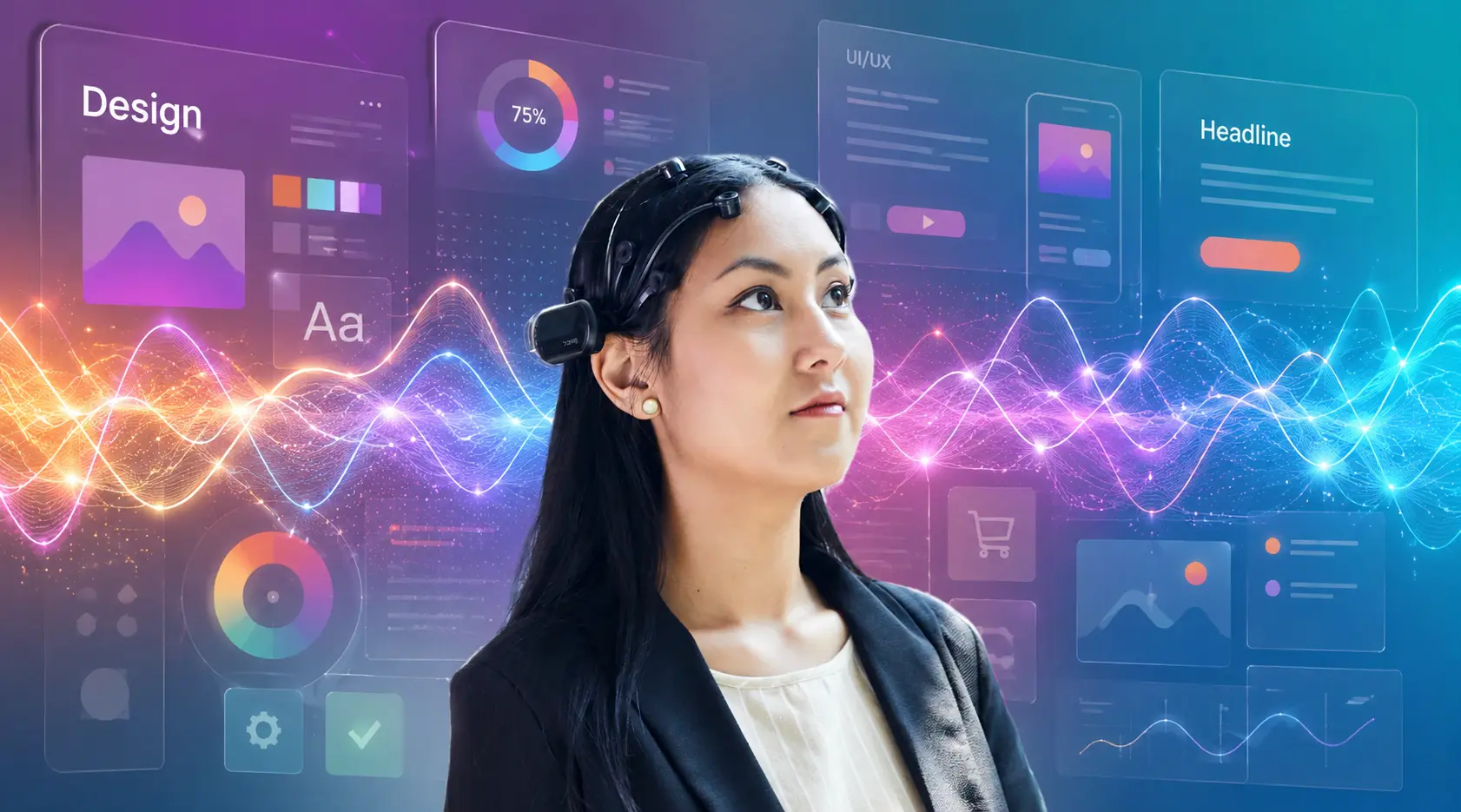
So, how does this actually work? EEG is a non-invasive method that records the brain's electrical activity using sensors placed on the scalp. Think of it as listening in on the conversations between brain cells. When a person sees an ad or interacts with a product, their brain produces tiny electrical signals. An EEG system captures these signals, allowing researchers to measure cognitive processes and emotional responses in real time.
This is incredibly valuable because it helps uncover the "why" behind consumer actions. As one research firm explains, "EEG allows you to draw firmer interpretations than you otherwise can on why some reactions you observe from consumers and shoppers are what they are." It can reveal moments of excitement, confusion, or engagement that a person might not even be consciously aware of or able to articulate. This gives marketers a more authentic look at how their campaigns are being received.
Key Business Benefits
The insights from neuromarketing EEG translate directly into tangible business advantages. When you understand how consumers process information and respond to marketing, you can make smarter, more effective decisions. This means creating ads that capture attention, designing products that are genuinely delightful to use, and building brand messaging that forges a real emotional connection. It’s about optimizing every touchpoint to better serve your audience.
The value here is clear, and industry leaders are taking notice. According to a 2023 Deloitte report, a majority of marketing leaders are planning to adopt neuroscience-based approaches soon. By leveraging EEG, businesses can gain a significant competitive edge, moving beyond surface-level feedback to uncover the deep-seated drivers of consumer choice. This ultimately leads to better marketing ROI, stronger brand loyalty, and more successful product launches.
Who are the Leading EEG Brands for Neuromarketing?
When you’re ready to add EEG to your neuromarketing toolkit, you’ll find a few key players in the space. The right brand for you depends on your research goals, the environment you’re testing in, and the level of data granularity you need. Some companies specialize in high-density systems designed for controlled lab settings, while others focus on creating portable, user-friendly headsets for studies in more natural environments. The key is to find a provider that offers reliable, research-grade equipment that aligns with your specific project needs, whether you're analyzing ad campaigns or testing product design.
Emotiv EEG Headsets
Our goal at Emotiv has always been to make brain data accessible for serious work like scientific studies and commercial research. For neuromarketing professionals, this means providing trustworthy data you can use to make critical business decisions. Our headsets are designed to be both powerful and practical for real-world applications.
Products like our 5-channel Insight headset are great for capturing emotional responses, while the 14-channel EPOC X offers more detailed insights. For the most demanding research, our 32-channel Flex systems provide high-density data comparable to traditional lab equipment but in a portable form. We focus on creating systems that deliver the quality of data needed for university-level research while being easy enough to use in a corporate setting.
Other Notable Brands
Beyond Emotiv, the EEG market includes a variety of other brands offering solutions for brain data acquisition. Some companies provide comprehensive systems designed for recording and analyzing brain activity, which are often used in traditional laboratory research settings. These systems can be quite extensive, sometimes including a suite of other biometric sensors for a more holistic view of physiological responses.
You'll also find brands that focus more on consumer-oriented applications in areas like wellness and education. These devices are typically designed with simplicity and ease of use as the primary goal. When exploring your options, it's helpful to look at stores that specialize in neurotech to get a sense of the different types of EEG headsets, caps, and software available across the industry.
How Do Neuromarketing EEG Systems Compare?
When you’re looking for the right EEG equipment, it’s easy to get caught up in a single feature, like the number of channels. But the best system for your neuromarketing research is one that strikes the right balance across several key areas. Think of it like buying a car—you wouldn’t just look at the horsepower. You’d also consider fuel efficiency, safety features, and how it feels to drive. Similarly, comparing EEG systems means looking at the complete picture: the hardware’s capabilities, the participant’s comfort, and the power of the software that brings the data to life. Let’s break down the most important factors to consider.
Why Channel Count Matters
The channel count on an EEG headset refers to the number of sensors collecting data from the scalp. While it might seem like more is always better, the ideal number really depends on your research goals. A higher channel count, like on our 32-channel Flex headset, provides greater spatial resolution, allowing you to pinpoint brain activity with more precision. This is great for complex academic studies. However, for many neuromarketing applications focused on general emotional or cognitive states, a headset with fewer channels can provide perfectly actionable insights. Remember, the total cost of ownership includes not just the headset but also the software, supplies, and training time.
Data Quality and Sampling Rates
In neuromarketing, the quality of your data is everything. You need clean, reliable information to make sound business decisions. A key specification to look for is the sampling rate, which is how many times per second the system records brain activity. A higher sampling rate captures more detailed information. Just as important is the system’s ability to minimize “noise” or artifacts—interference from things like blinking or small muscle movements. Our commercial-grade systems are designed to give you a clear signal, so you can be confident that you’re measuring genuine neural responses to your marketing materials. Our EmotivPRO software also includes tools to help you filter and analyze your data effectively.
Portability and Participant Comfort
The days of conducting research exclusively in sterile lab environments are behind us. Modern EEG systems are often wireless and lightweight, which is a game-changer for neuromarketing. This portability allows you to study brain activity in more natural settings, like a retail store or a living room, to see how consumers react in the real world. Participant comfort is also crucial. An uncomfortable headset can be distracting and may even affect the data you collect. A lightweight and well-fitting device like our Insight headset ensures that participants can focus on the experience you’re testing, not on the technology they’re wearing.
Software and Integration Capabilities
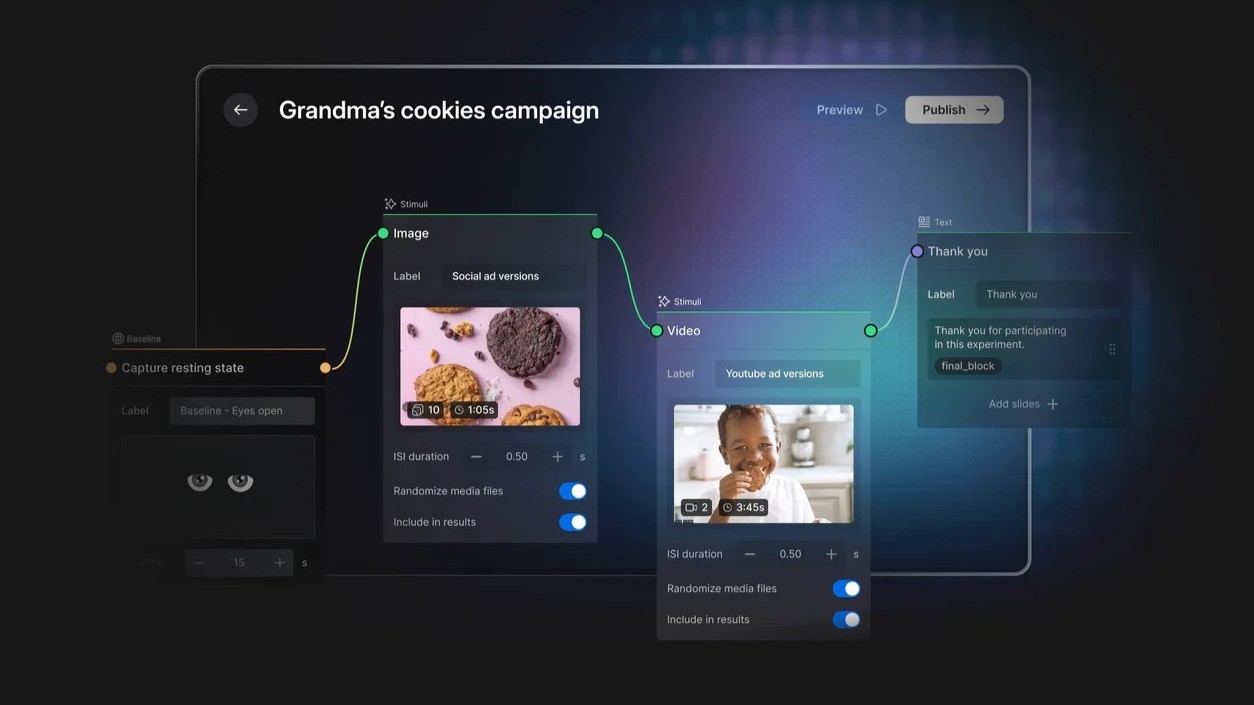
The EEG headset is just one piece of the puzzle; the software is what turns raw data into meaningful insights. The right software should make it easy to set up your experiments, record data streams, and visualize the results in an intuitive way. Look for platforms that offer real-time data display and tools for cleaning up any noise. Beyond the basics, consider the system’s integration capabilities. The ability to sync EEG data with other biometric sensors or export it for custom analysis can be incredibly valuable. Our ecosystem is designed to be flexible, offering robust tools for both researchers and developers who want to build their own applications.
How to Choose the Right EEG Equipment
Picking the right EEG equipment can feel like a huge decision, but it doesn’t have to be overwhelming. The best system for you is simply the one that aligns with what you want to accomplish. Instead of searching for a single "best" device, think about what you need to measure, who your participants will be, and what your budget looks like. By breaking down the decision into a few key areas, you can confidently choose the equipment that will give you the insights you’re looking for. Let’s walk through the most important factors to consider.
Define Your Research Goals
First things first: what question are you trying to answer? The scope of your study will determine the kind of equipment you need. Are you conducting a quick A/B test on a digital ad, or are you doing an in-depth analysis of a full-length movie trailer? Your research goals will directly influence the number of channels you need, how important portability is, and which software will be the best fit. For example, a simple study on emotional engagement might only require a few channels, while a complex cognitive load analysis will demand more comprehensive brain coverage. Clearly defining your objectives is the most critical step in finding the right tools for your neuromarketing projects.
Focus on Key Technical Specs
Once you know your goals, you can start looking at the technical details. A key specification to check is the sampling rate, which is how many times per second the device records data. A higher sampling rate captures more detailed brainwave information, giving you a more precise picture of neural activity. You’ll also want to consider data quality. Commercial-grade systems are designed to minimize "noise"—interference from things like muscle movements or blinking—so you get cleaner, more reliable data. While EEG is fantastic for measuring cognitive processes like attention and emotional valence, it’s important to remember its role. It provides powerful insights into the why behind consumer actions but doesn't predict all behavior on its own.
Consider the Participant Experience
Never underestimate the importance of comfort. If a headset is clunky or difficult to set up, it can affect both your participants and your data. A comfortable device means people can wear it for longer sessions without getting distracted, which is essential for studies that last more than a few minutes. An easy setup also saves you valuable time and reduces the chance of errors. Think about your research environment. Will participants be sitting at a desk, or will they need to move around? Choosing a wireless and lightweight headset like our Insight can make the experience much more natural and pleasant for everyone involved.
Balance Your Budget and ROI
Finally, let's talk about budget. The price of an EEG system is a significant factor, but it’s important to look at the total cost of ownership, not just the initial price tag. This includes the headset itself, software licenses for data analysis, any necessary consumables like saline or gel, and the time you’ll invest in training. Think of it as an investment in your business or research. The goal is to find a system that provides a strong return by delivering the specific insights you need to make better decisions. We offer a range of EEG headsets to fit different research needs and budgets, ensuring you can find a solution that makes sense for your goals.
Which EEG Headset is Right for You?
Choosing the right EEG headset can feel like a big decision, but it really comes down to what you want to achieve. The number of channels—the sensors that detect brain activity—is the biggest differentiator. More channels give you a more detailed picture, but they also add complexity to your setup and data analysis. Think about your specific neuromarketing goals. Are you running a quick, targeted study, or do you need a comprehensive map of brain activity? Let’s walk through the options, from the most streamlined systems to our most advanced research-grade devices, to help you find the perfect fit for your work.
2-Channel Systems for Targeted Studies
If you’re looking for a simple, discreet option for focused studies, a 2-channel system is a fantastic choice. Our Emotiv MN8 earbuds are designed for everyday use, allowing you to capture essential brain activity without the complexity of a full headset. This makes them perfect for applications where you need valuable insights into consumer behavior but want to keep the data collection minimal and the participant experience as natural as possible. They are an ideal entry point for targeted research questions where you know exactly which brain responses you want to examine, providing a straightforward way to gather high-quality data for specific neuromarketing scenarios.
5-Channel Headsets for Balanced Analysis
For those just starting out or looking for a great balance between functionality and ease of use, a 5-channel headset is the perfect next step. The Emotiv Insight offers a more comprehensive view of brain activity than a 2-channel system, making it well-suited for both personal use and initial neuromarketing studies. It allows you to gather more nuanced data on cognitive states like attention and focus, all while remaining incredibly user-friendly and quick to set up. Think of it as the sweet spot for researchers who want deeper insights without a steep learning curve, providing a solid foundation for a wide range of applications.
14-Channel Devices for Comprehensive Research
When your research requires more detailed brain mapping and analysis, a 14-channel device is a significant step up. Systems like our Epoc X headset capture a much broader range of brain activity across different regions of the cortex. This level of detail is essential for gaining in-depth insights into complex consumer responses, such as emotional reactions to an advertisement or cognitive load during a user experience test. It’s a powerful tool for researchers who need a robust and detailed understanding of the cognitive and affective processes that drive consumer behavior, making it a workhorse for professional academic research.
32-Channel Systems for Advanced Applications
For the most advanced applications and comprehensive research needs, 32-channel EEG systems are the gold standard. Our Emotiv Flex headset offers the highest spatial resolution, providing an incredibly detailed and accurate measurement of brain activity. This makes it the ideal choice for complex neuromarketing studies that aim to analyze intricate consumer behaviors and preferences with the highest degree of precision. If your work requires extensive data to build predictive models or to understand the subtle neural markers of decision-making, a 32-channel system provides the power and flexibility you need to push the boundaries of your research.
How Much Does Neuromarketing EEG Cost?
Figuring out the budget for neuromarketing tools can feel tricky because the price range is quite broad. Costs can span from a few hundred dollars for entry-level devices to tens of thousands for advanced, research-grade systems. The key is understanding what you’re paying for. The price tag isn't just about the hardware; it reflects the system's capabilities, data quality, and the sophistication of the software that turns raw brainwave data into actionable insights. By breaking down the costs, you can find a solution that aligns with your research goals and delivers a solid return on investment.
Entry-Level vs. Professional-Grade Costs
You don’t need a massive lab budget to get started with EEG. Many accessible consumer EEG devices are significantly less expensive than clinical systems, making them a fantastic entry point for exploring neuromarketing. These devices are great for smaller-scale studies, internal testing, or simply learning the ropes. As your needs become more complex, you’ll want to look at professional-grade equipment. These systems command a higher price because they provide greater precision and more robust data quality, which is essential for in-depth analysis and client-facing projects. The right choice really depends on the scope of your work—start with what you need, and scale up as your projects grow.
What Influences the Price?
Several key factors determine the cost of an EEG system. The number of channels is a major one, as more channels allow for more detailed spatial analysis of brain activity. Beyond that, the price is influenced by the technology's overall capabilities, including data resolution and sampling rates. The hardware itself is only part of the picture. The software used for data analysis is a critical component that adds significant value and affects the total cost. Modern commercial EEG systems are also often wireless and lightweight for participant comfort, which can factor into the price. When budgeting, remember to consider the total package: the headset, the analytical software, and any necessary supplies.
What are the Best Uses for EEG in Neuromarketing?
So, how does EEG actually help you create better marketing? By moving beyond what people say in surveys and focus groups, you can get a direct look at their subconscious reactions. This technology allows you to gather unfiltered data on how consumers truly respond to your brand, ads, and products. It’s about understanding the "why" behind consumer behavior, giving you a powerful advantage in a crowded market. Let's explore some of the most effective ways to apply EEG in your neuromarketing research.
Measuring Emotional Response
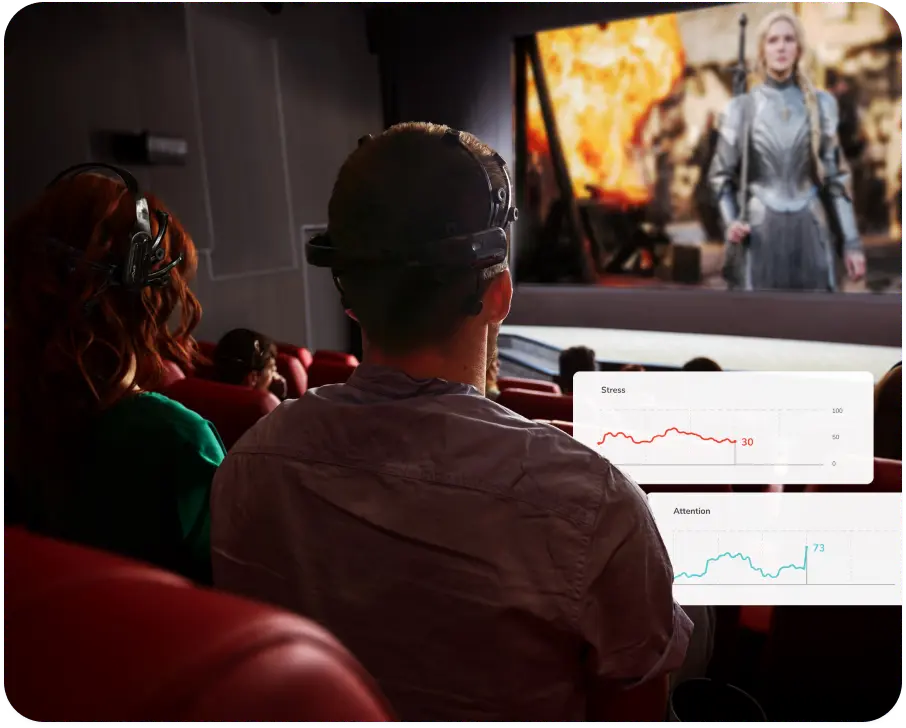
One of the most powerful applications of EEG is its ability to measure a consumer's emotional response in real time. When someone watches your ad or interacts with your product, their brain produces immediate electrical activity that corresponds to feelings like excitement, frustration, or joy. Unlike a survey question that asks someone to recall how they felt, EEG captures that feeling the moment it happens. This gives you an authentic, moment-by-moment map of the emotional journey your audience experiences, helping you pinpoint exactly which scenes, messages, or features are making the biggest impact. This is a core component of modern neuromarketing.
Analyzing Attention and Engagement
Do you know if your audience is truly paying attention to your content? EEG can help answer that. It measures brainwave patterns associated with cognitive states like attention, focus, and mental effort. This allows you to see when a viewer is deeply engaged with your ad versus when their mind starts to wander. By analyzing this data, you can get firm interpretations of why certain elements work and others don't. For instance, you might discover that while viewers are looking at your logo, their cognitive engagement is low, suggesting they aren't really processing the brand. Our EmotivPRO software is designed to help you perform this kind of detailed analysis.
Testing Ad Effectiveness
Launching a major ad campaign involves a significant investment, and you want to be sure it will land well. EEG allows you to test the effectiveness of your creative before it goes live. By analyzing brain responses to different versions of an ad, you can predict consumer behavior and see which concept is most likely to drive action. This data-driven approach helps you de-risk your marketing spend by choosing the creative that generates the strongest positive emotional and cognitive response. It transforms A/B testing from a simple preference check into a deep analysis of which ad is most neurologically compelling.
Optimizing Product Design
Neuromarketing insights aren't limited to advertising. EEG can also play a crucial role in optimizing product and packaging design. You can test how consumers react to different colors, shapes, and materials to see which design choices create the most positive subconscious association. Some researchers even use EEG to identify the optimal price point for a product by measuring the brain's response to different price tags. This application helps you build products that resonate with your target audience on a fundamental level, ensuring your design choices are backed by solid neurological data from academic research and consumer studies.
Common Neuromarketing EEG Myths, Busted
Neuromarketing is an exciting field, but its futuristic nature can sometimes lead to some pretty wild ideas about what it can do. It’s easy to get caught up in the sci-fi-esque possibilities, but it's important to ground our expectations in reality. Before you invest in equipment, it's crucial to separate fact from fiction. Let's clear the air and bust a few of the most common myths I hear about using EEG for marketing research. Understanding what the technology can—and can't—do is the first step to designing effective studies and getting valuable, actionable insights from your data.
Setting Realistic Expectations
The biggest misconception is that neuromarketing will uncover a secret "buy button" in the brain, allowing brands to create ads so persuasive that people can't resist them. This simply isn't true. EEG technology is a tool for understanding, not for control. It helps us gather insights into a person's subconscious reactions to an ad, product, or experience. By analyzing brainwave data, we can see what genuinely captures attention, what causes frustration, or what elicits an emotional response. The goal isn't to manipulate consumers but to create better, more resonant, and less annoying marketing.
Understanding Data Interpretation
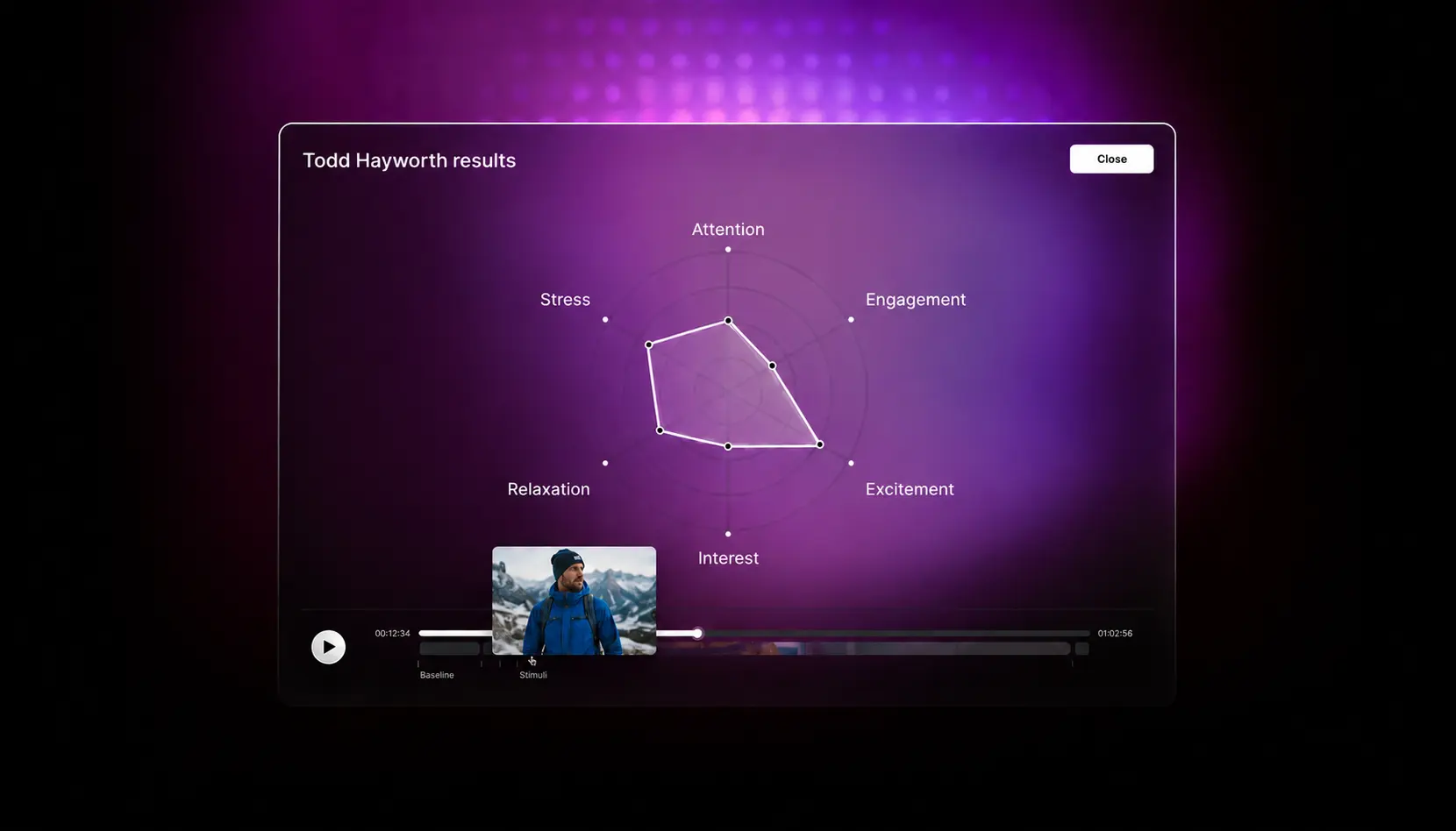
Another common myth is that EEG can read minds. While it sounds cool, neuroscience research tools don't have the ability to peer into someone's specific thoughts. An EEG headset measures electrical activity from the brain, giving us a powerful, real-time look at cognitive states like engagement, excitement, and focus. For example, our EmotivPRO software can show you moment-by-moment how attentive a person is while watching a video. It tells you how they are processing the experience, not what they are thinking about it. It’s about understanding the "how," not the "what."
Consumer vs. Clinical-Grade Accuracy
It's also a common misunderstanding that all EEG systems are created equal. There's a significant difference between a clinical-grade EEG system used in a hospital and a professional consumer-grade device designed for research. Clinical systems are built for diagnostics in highly controlled settings. In contrast, portable EEG headsets are designed for neuromarketing and other real-world studies where participant comfort and natural environments are key. The goal is to capture authentic data without tethering someone to a bulky machine. Professional-grade consumer devices provide the high-quality data needed for robust research while offering the flexibility to study experiences as they actually happen.
Must-Have Software Features for EEG Analysis
Choosing the right EEG headset is just the first step. The hardware gathers the raw brain data, but it’s the software that transforms those electrical signals into meaningful insights for your neuromarketing research. Without a powerful and intuitive software platform, you’re just collecting numbers. The right software streamlines your entire workflow, from setting up an experiment to analyzing the results and presenting your findings.
When you're evaluating different systems, think of the software as your central command center. It should be robust enough for detailed scientific analysis yet simple enough to use without a PhD in neuroscience. A great platform will help you see data as it’s being recorded, offer powerful tools to interpret what it means, and allow you to easily export your findings to share with your team or clients. Our EmotivPRO software, for example, is designed to handle these tasks, letting you focus on the research questions rather than the technical hurdles. Look for a solution that offers a complete suite of tools for processing, analysis, and integration.
Real-Time Data Processing
One of the most critical features for neuromarketing is the ability to process EEG data in real time. This means you can see a participant's brain activity as they are experiencing a stimulus, like watching a commercial or interacting with a product prototype. Real-time feedback allows you to check data quality on the fly and make immediate observations. For instance, you can instantly see if a particular scene in an ad is causing a spike in engagement or confusion. This capability is essential for dynamic studies and ensures you capture clean, reliable data from the very start. It also allows for more interactive and adaptive neuromarketing experiments where the stimuli can change based on the participant's response.
Analysis and Visualization Tools
Raw EEG data is incredibly complex. To make sense of it, you need software with sophisticated analysis and visualization tools. Look for features that can automatically identify and display different brainwave frequencies, such as alpha, beta, and theta waves, which are linked to states like relaxation, focus, and drowsiness. The software should also help you clean the data by removing common artifacts, like interference from eye blinks or muscle movements, which can otherwise distort your results. Most importantly, the platform should be able to translate this complex neural data into easy-to-understand charts, graphs, and brain maps. Clear visualizations are key to interpreting the data correctly and communicating your findings effectively to stakeholders.
Integration and Export Options
No research tool works in isolation. Your EEG software needs to integrate smoothly with the other tools in your workflow. A key feature to look for is the ability to export data in standard formats like CSV or EDF. This gives you the flexibility to perform more advanced analysis in other programs like MATLAB, SPSS, or Python. For those looking to build custom applications or integrate brain data into other experiences, access to an API (Application Programming Interface) or SDK (Software Development Kit) is essential. This allows you to stream data directly from the headset into your own software, opening up endless possibilities for innovative developer projects and unique research paradigms.
Where to Buy Neuromarketing EEG Equipment
Once you’ve decided on the type of EEG system that fits your research goals, the next step is finding a reputable place to purchase it. You can buy equipment directly from manufacturers or through specialized distributors who carry a range of neuroscience technology. Here are a few reliable sources to get you started.
Directly from Emotiv
For a seamless experience, you can explore and purchase our full lineup of EEG headsets and software directly from the Emotiv website. We offer a complete ecosystem designed for neuromarketing, from the portable 5-channel Insight headset to the advanced 32-channel Flex system. Buying directly ensures you get comprehensive support and access to our entire software suite, including EmotivPRO for data acquisition and analysis. This is often the most straightforward path for getting your neuromarketing studies up and running quickly.
Specialized Neuroscience Retailers
Beyond buying direct, several specialized retailers stock EEG equipment from various brands. These stores are a great resource for comparing different technologies in one place.
BIOPAC offers a wide range of physiological measurement tools, including EEG systems that can be integrated into larger research setups. They are well-regarded in the academic and research communities for their comprehensive hardware and software solutions. If your lab needs to measure more than just brain activity, their customizable systems might be a good fit.
Mindtec Store is another excellent online resource that specializes in technology for neuroscience research and neuromarketing. They carry a curated selection of EEG products, from headsets to analysis software, making it a convenient one-stop shop for outfitting your lab.
Thinking Beyond the Headset
When you're budgeting for your equipment, remember that the headset is just one piece of the puzzle. The total cost of ownership includes the hardware, software licenses for data analysis, and any necessary supplies like saline solution or electrode gels. It’s also wise to factor in the time it will take for your team to become proficient with the new tools. Taking a holistic view of the investment will help you make the best choice for your neuromarketing research needs.
Related Articles
Frequently Asked Questions
Do I need to be a neuroscientist to use EEG for marketing? Not at all. While the science behind EEG is complex, modern systems are designed to be user-friendly for marketers and researchers. The real magic is in the software, which does the heavy lifting for you. Platforms like our EmotivPRO translate raw brainwave data into clear, understandable metrics like engagement, excitement, and focus. Your job is to interpret those insights within the context of your marketing goals, not to become an expert in brain anatomy.
What kind of insights can I get from EEG that I can't get from a traditional survey? Surveys and focus groups rely on what people say, which is often filtered through memory, social pressure, or the simple inability to put a feeling into words. EEG gives you a direct look at their unfiltered, subconscious reactions as they happen. For example, a person might tell you they loved your commercial, but EEG data could reveal that their attention completely dropped during the scene where your product was featured. It helps you uncover the truth behind what people report.
Can EEG predict whether my ad campaign will be successful? EEG isn't a crystal ball that can predict exact sales numbers, but it is an incredibly powerful tool for reducing risk. By testing different ad concepts, you can see which one generates the strongest positive emotional and cognitive responses from your target audience. This data allows you to move forward with the creative that is most likely to connect with viewers on a neurological level, giving your campaign a much stronger foundation for success.
How do I decide how many channels I need for my research? The right number of channels depends entirely on the question you're trying to answer. For measuring broad emotional states, like the overall positive or negative feeling of an ad, a headset with fewer channels like our 5-channel Insight can provide perfectly actionable data. If you need to understand more complex reactions, like which specific design element on a webpage is causing cognitive overload, a higher channel count from a device like our Epoc X or Flex will give you the detailed spatial information you need.
Do I need a dedicated lab to conduct this kind of research? Absolutely not. One of the biggest advantages of modern EEG technology is its portability. Lightweight, wireless headsets allow you to get out of the lab and study consumer behavior in more natural, real-world settings. You can see how people react to a product on a store shelf or how they experience a mobile app while sitting on their own couch. This flexibility helps you gather more authentic data that better reflects how people will interact with your brand in their daily lives.
Let's clear the air: neuromarketing isn't about finding a secret "buy button" in the brain. It's not science fiction, and it's definitely not mind control. At its core, it's a research discipline that uses neuroscience to better understand consumer behavior. It provides a powerful, data-driven way to see what truly captures attention, creates an emotional connection, or causes frustration. The goal isn't to manipulate people but to create more effective and resonant marketing. This article will cut through the hype, bust the common myths, and give you a practical look at how to choose and use neuromarketing eeg equipment for genuine consumer insight.
Key Takeaways
Understand subconscious reactions: EEG lets you see how consumers really feel about your marketing, capturing the emotional and cognitive responses that surveys and focus groups often miss.
Match the tool to the task: The right EEG headset isn't about having the most channels; it's about balancing data needs, participant comfort, and your budget to answer your specific research questions.
Software brings the data to life: The headset collects brain activity, but powerful software with real-time analysis and clear visualization tools is what transforms that raw data into strategic business insights.
What is Neuromarketing EEG?
Neuromarketing might sound like something out of a sci-fi movie, but it’s a very real and powerful field that blends neuroscience with marketing. At its core, it’s about understanding consumer behavior on a deeper level by analyzing brain activity in response to ads, products, or brand experiences. Instead of just relying on what people say they think in surveys or focus groups—which can be influenced by social pressure, poor memory, or a simple inability to articulate feelings—neuromarketing gives us a window into their subconscious reactions. One of the key tools that makes this possible is electroencephalography, or EEG.
By using EEG, companies can get a much clearer picture of how people truly feel about their marketing efforts. This means you can test everything from the color of a button on your website to the emotional arc of a TV commercial to see what genuinely resonates with your audience. It’s about replacing guesswork with data-driven insights directly from the source: the human brain. This approach helps create more effective and engaging experiences that build stronger connections with customers. It allows you to test brand perceptions, new concepts, products, and communications with a higher degree of confidence, knowing you're basing decisions on authentic human responses rather than just self-reported opinions.
How EEG Works for Neuromarketing
So, how does this actually work? EEG is a non-invasive method that records the brain's electrical activity using sensors placed on the scalp. Think of it as listening in on the conversations between brain cells. When a person sees an ad or interacts with a product, their brain produces tiny electrical signals. An EEG system captures these signals, allowing researchers to measure cognitive processes and emotional responses in real time.
This is incredibly valuable because it helps uncover the "why" behind consumer actions. As one research firm explains, "EEG allows you to draw firmer interpretations than you otherwise can on why some reactions you observe from consumers and shoppers are what they are." It can reveal moments of excitement, confusion, or engagement that a person might not even be consciously aware of or able to articulate. This gives marketers a more authentic look at how their campaigns are being received.
Key Business Benefits
The insights from neuromarketing EEG translate directly into tangible business advantages. When you understand how consumers process information and respond to marketing, you can make smarter, more effective decisions. This means creating ads that capture attention, designing products that are genuinely delightful to use, and building brand messaging that forges a real emotional connection. It’s about optimizing every touchpoint to better serve your audience.
The value here is clear, and industry leaders are taking notice. According to a 2023 Deloitte report, a majority of marketing leaders are planning to adopt neuroscience-based approaches soon. By leveraging EEG, businesses can gain a significant competitive edge, moving beyond surface-level feedback to uncover the deep-seated drivers of consumer choice. This ultimately leads to better marketing ROI, stronger brand loyalty, and more successful product launches.
Who are the Leading EEG Brands for Neuromarketing?
When you’re ready to add EEG to your neuromarketing toolkit, you’ll find a few key players in the space. The right brand for you depends on your research goals, the environment you’re testing in, and the level of data granularity you need. Some companies specialize in high-density systems designed for controlled lab settings, while others focus on creating portable, user-friendly headsets for studies in more natural environments. The key is to find a provider that offers reliable, research-grade equipment that aligns with your specific project needs, whether you're analyzing ad campaigns or testing product design.
Emotiv EEG Headsets
Our goal at Emotiv has always been to make brain data accessible for serious work like scientific studies and commercial research. For neuromarketing professionals, this means providing trustworthy data you can use to make critical business decisions. Our headsets are designed to be both powerful and practical for real-world applications.
Products like our 5-channel Insight headset are great for capturing emotional responses, while the 14-channel EPOC X offers more detailed insights. For the most demanding research, our 32-channel Flex systems provide high-density data comparable to traditional lab equipment but in a portable form. We focus on creating systems that deliver the quality of data needed for university-level research while being easy enough to use in a corporate setting.
Other Notable Brands
Beyond Emotiv, the EEG market includes a variety of other brands offering solutions for brain data acquisition. Some companies provide comprehensive systems designed for recording and analyzing brain activity, which are often used in traditional laboratory research settings. These systems can be quite extensive, sometimes including a suite of other biometric sensors for a more holistic view of physiological responses.
You'll also find brands that focus more on consumer-oriented applications in areas like wellness and education. These devices are typically designed with simplicity and ease of use as the primary goal. When exploring your options, it's helpful to look at stores that specialize in neurotech to get a sense of the different types of EEG headsets, caps, and software available across the industry.
How Do Neuromarketing EEG Systems Compare?
When you’re looking for the right EEG equipment, it’s easy to get caught up in a single feature, like the number of channels. But the best system for your neuromarketing research is one that strikes the right balance across several key areas. Think of it like buying a car—you wouldn’t just look at the horsepower. You’d also consider fuel efficiency, safety features, and how it feels to drive. Similarly, comparing EEG systems means looking at the complete picture: the hardware’s capabilities, the participant’s comfort, and the power of the software that brings the data to life. Let’s break down the most important factors to consider.
Why Channel Count Matters
The channel count on an EEG headset refers to the number of sensors collecting data from the scalp. While it might seem like more is always better, the ideal number really depends on your research goals. A higher channel count, like on our 32-channel Flex headset, provides greater spatial resolution, allowing you to pinpoint brain activity with more precision. This is great for complex academic studies. However, for many neuromarketing applications focused on general emotional or cognitive states, a headset with fewer channels can provide perfectly actionable insights. Remember, the total cost of ownership includes not just the headset but also the software, supplies, and training time.
Data Quality and Sampling Rates
In neuromarketing, the quality of your data is everything. You need clean, reliable information to make sound business decisions. A key specification to look for is the sampling rate, which is how many times per second the system records brain activity. A higher sampling rate captures more detailed information. Just as important is the system’s ability to minimize “noise” or artifacts—interference from things like blinking or small muscle movements. Our commercial-grade systems are designed to give you a clear signal, so you can be confident that you’re measuring genuine neural responses to your marketing materials. Our EmotivPRO software also includes tools to help you filter and analyze your data effectively.
Portability and Participant Comfort
The days of conducting research exclusively in sterile lab environments are behind us. Modern EEG systems are often wireless and lightweight, which is a game-changer for neuromarketing. This portability allows you to study brain activity in more natural settings, like a retail store or a living room, to see how consumers react in the real world. Participant comfort is also crucial. An uncomfortable headset can be distracting and may even affect the data you collect. A lightweight and well-fitting device like our Insight headset ensures that participants can focus on the experience you’re testing, not on the technology they’re wearing.
Software and Integration Capabilities
The EEG headset is just one piece of the puzzle; the software is what turns raw data into meaningful insights. The right software should make it easy to set up your experiments, record data streams, and visualize the results in an intuitive way. Look for platforms that offer real-time data display and tools for cleaning up any noise. Beyond the basics, consider the system’s integration capabilities. The ability to sync EEG data with other biometric sensors or export it for custom analysis can be incredibly valuable. Our ecosystem is designed to be flexible, offering robust tools for both researchers and developers who want to build their own applications.
How to Choose the Right EEG Equipment
Picking the right EEG equipment can feel like a huge decision, but it doesn’t have to be overwhelming. The best system for you is simply the one that aligns with what you want to accomplish. Instead of searching for a single "best" device, think about what you need to measure, who your participants will be, and what your budget looks like. By breaking down the decision into a few key areas, you can confidently choose the equipment that will give you the insights you’re looking for. Let’s walk through the most important factors to consider.
Define Your Research Goals
First things first: what question are you trying to answer? The scope of your study will determine the kind of equipment you need. Are you conducting a quick A/B test on a digital ad, or are you doing an in-depth analysis of a full-length movie trailer? Your research goals will directly influence the number of channels you need, how important portability is, and which software will be the best fit. For example, a simple study on emotional engagement might only require a few channels, while a complex cognitive load analysis will demand more comprehensive brain coverage. Clearly defining your objectives is the most critical step in finding the right tools for your neuromarketing projects.
Focus on Key Technical Specs
Once you know your goals, you can start looking at the technical details. A key specification to check is the sampling rate, which is how many times per second the device records data. A higher sampling rate captures more detailed brainwave information, giving you a more precise picture of neural activity. You’ll also want to consider data quality. Commercial-grade systems are designed to minimize "noise"—interference from things like muscle movements or blinking—so you get cleaner, more reliable data. While EEG is fantastic for measuring cognitive processes like attention and emotional valence, it’s important to remember its role. It provides powerful insights into the why behind consumer actions but doesn't predict all behavior on its own.
Consider the Participant Experience
Never underestimate the importance of comfort. If a headset is clunky or difficult to set up, it can affect both your participants and your data. A comfortable device means people can wear it for longer sessions without getting distracted, which is essential for studies that last more than a few minutes. An easy setup also saves you valuable time and reduces the chance of errors. Think about your research environment. Will participants be sitting at a desk, or will they need to move around? Choosing a wireless and lightweight headset like our Insight can make the experience much more natural and pleasant for everyone involved.
Balance Your Budget and ROI
Finally, let's talk about budget. The price of an EEG system is a significant factor, but it’s important to look at the total cost of ownership, not just the initial price tag. This includes the headset itself, software licenses for data analysis, any necessary consumables like saline or gel, and the time you’ll invest in training. Think of it as an investment in your business or research. The goal is to find a system that provides a strong return by delivering the specific insights you need to make better decisions. We offer a range of EEG headsets to fit different research needs and budgets, ensuring you can find a solution that makes sense for your goals.
Which EEG Headset is Right for You?
Choosing the right EEG headset can feel like a big decision, but it really comes down to what you want to achieve. The number of channels—the sensors that detect brain activity—is the biggest differentiator. More channels give you a more detailed picture, but they also add complexity to your setup and data analysis. Think about your specific neuromarketing goals. Are you running a quick, targeted study, or do you need a comprehensive map of brain activity? Let’s walk through the options, from the most streamlined systems to our most advanced research-grade devices, to help you find the perfect fit for your work.
2-Channel Systems for Targeted Studies
If you’re looking for a simple, discreet option for focused studies, a 2-channel system is a fantastic choice. Our Emotiv MN8 earbuds are designed for everyday use, allowing you to capture essential brain activity without the complexity of a full headset. This makes them perfect for applications where you need valuable insights into consumer behavior but want to keep the data collection minimal and the participant experience as natural as possible. They are an ideal entry point for targeted research questions where you know exactly which brain responses you want to examine, providing a straightforward way to gather high-quality data for specific neuromarketing scenarios.
5-Channel Headsets for Balanced Analysis
For those just starting out or looking for a great balance between functionality and ease of use, a 5-channel headset is the perfect next step. The Emotiv Insight offers a more comprehensive view of brain activity than a 2-channel system, making it well-suited for both personal use and initial neuromarketing studies. It allows you to gather more nuanced data on cognitive states like attention and focus, all while remaining incredibly user-friendly and quick to set up. Think of it as the sweet spot for researchers who want deeper insights without a steep learning curve, providing a solid foundation for a wide range of applications.
14-Channel Devices for Comprehensive Research
When your research requires more detailed brain mapping and analysis, a 14-channel device is a significant step up. Systems like our Epoc X headset capture a much broader range of brain activity across different regions of the cortex. This level of detail is essential for gaining in-depth insights into complex consumer responses, such as emotional reactions to an advertisement or cognitive load during a user experience test. It’s a powerful tool for researchers who need a robust and detailed understanding of the cognitive and affective processes that drive consumer behavior, making it a workhorse for professional academic research.
32-Channel Systems for Advanced Applications
For the most advanced applications and comprehensive research needs, 32-channel EEG systems are the gold standard. Our Emotiv Flex headset offers the highest spatial resolution, providing an incredibly detailed and accurate measurement of brain activity. This makes it the ideal choice for complex neuromarketing studies that aim to analyze intricate consumer behaviors and preferences with the highest degree of precision. If your work requires extensive data to build predictive models or to understand the subtle neural markers of decision-making, a 32-channel system provides the power and flexibility you need to push the boundaries of your research.
How Much Does Neuromarketing EEG Cost?
Figuring out the budget for neuromarketing tools can feel tricky because the price range is quite broad. Costs can span from a few hundred dollars for entry-level devices to tens of thousands for advanced, research-grade systems. The key is understanding what you’re paying for. The price tag isn't just about the hardware; it reflects the system's capabilities, data quality, and the sophistication of the software that turns raw brainwave data into actionable insights. By breaking down the costs, you can find a solution that aligns with your research goals and delivers a solid return on investment.
Entry-Level vs. Professional-Grade Costs
You don’t need a massive lab budget to get started with EEG. Many accessible consumer EEG devices are significantly less expensive than clinical systems, making them a fantastic entry point for exploring neuromarketing. These devices are great for smaller-scale studies, internal testing, or simply learning the ropes. As your needs become more complex, you’ll want to look at professional-grade equipment. These systems command a higher price because they provide greater precision and more robust data quality, which is essential for in-depth analysis and client-facing projects. The right choice really depends on the scope of your work—start with what you need, and scale up as your projects grow.
What Influences the Price?
Several key factors determine the cost of an EEG system. The number of channels is a major one, as more channels allow for more detailed spatial analysis of brain activity. Beyond that, the price is influenced by the technology's overall capabilities, including data resolution and sampling rates. The hardware itself is only part of the picture. The software used for data analysis is a critical component that adds significant value and affects the total cost. Modern commercial EEG systems are also often wireless and lightweight for participant comfort, which can factor into the price. When budgeting, remember to consider the total package: the headset, the analytical software, and any necessary supplies.
What are the Best Uses for EEG in Neuromarketing?
So, how does EEG actually help you create better marketing? By moving beyond what people say in surveys and focus groups, you can get a direct look at their subconscious reactions. This technology allows you to gather unfiltered data on how consumers truly respond to your brand, ads, and products. It’s about understanding the "why" behind consumer behavior, giving you a powerful advantage in a crowded market. Let's explore some of the most effective ways to apply EEG in your neuromarketing research.
Measuring Emotional Response
One of the most powerful applications of EEG is its ability to measure a consumer's emotional response in real time. When someone watches your ad or interacts with your product, their brain produces immediate electrical activity that corresponds to feelings like excitement, frustration, or joy. Unlike a survey question that asks someone to recall how they felt, EEG captures that feeling the moment it happens. This gives you an authentic, moment-by-moment map of the emotional journey your audience experiences, helping you pinpoint exactly which scenes, messages, or features are making the biggest impact. This is a core component of modern neuromarketing.
Analyzing Attention and Engagement
Do you know if your audience is truly paying attention to your content? EEG can help answer that. It measures brainwave patterns associated with cognitive states like attention, focus, and mental effort. This allows you to see when a viewer is deeply engaged with your ad versus when their mind starts to wander. By analyzing this data, you can get firm interpretations of why certain elements work and others don't. For instance, you might discover that while viewers are looking at your logo, their cognitive engagement is low, suggesting they aren't really processing the brand. Our EmotivPRO software is designed to help you perform this kind of detailed analysis.
Testing Ad Effectiveness
Launching a major ad campaign involves a significant investment, and you want to be sure it will land well. EEG allows you to test the effectiveness of your creative before it goes live. By analyzing brain responses to different versions of an ad, you can predict consumer behavior and see which concept is most likely to drive action. This data-driven approach helps you de-risk your marketing spend by choosing the creative that generates the strongest positive emotional and cognitive response. It transforms A/B testing from a simple preference check into a deep analysis of which ad is most neurologically compelling.
Optimizing Product Design
Neuromarketing insights aren't limited to advertising. EEG can also play a crucial role in optimizing product and packaging design. You can test how consumers react to different colors, shapes, and materials to see which design choices create the most positive subconscious association. Some researchers even use EEG to identify the optimal price point for a product by measuring the brain's response to different price tags. This application helps you build products that resonate with your target audience on a fundamental level, ensuring your design choices are backed by solid neurological data from academic research and consumer studies.
Common Neuromarketing EEG Myths, Busted
Neuromarketing is an exciting field, but its futuristic nature can sometimes lead to some pretty wild ideas about what it can do. It’s easy to get caught up in the sci-fi-esque possibilities, but it's important to ground our expectations in reality. Before you invest in equipment, it's crucial to separate fact from fiction. Let's clear the air and bust a few of the most common myths I hear about using EEG for marketing research. Understanding what the technology can—and can't—do is the first step to designing effective studies and getting valuable, actionable insights from your data.
Setting Realistic Expectations
The biggest misconception is that neuromarketing will uncover a secret "buy button" in the brain, allowing brands to create ads so persuasive that people can't resist them. This simply isn't true. EEG technology is a tool for understanding, not for control. It helps us gather insights into a person's subconscious reactions to an ad, product, or experience. By analyzing brainwave data, we can see what genuinely captures attention, what causes frustration, or what elicits an emotional response. The goal isn't to manipulate consumers but to create better, more resonant, and less annoying marketing.
Understanding Data Interpretation
Another common myth is that EEG can read minds. While it sounds cool, neuroscience research tools don't have the ability to peer into someone's specific thoughts. An EEG headset measures electrical activity from the brain, giving us a powerful, real-time look at cognitive states like engagement, excitement, and focus. For example, our EmotivPRO software can show you moment-by-moment how attentive a person is while watching a video. It tells you how they are processing the experience, not what they are thinking about it. It’s about understanding the "how," not the "what."
Consumer vs. Clinical-Grade Accuracy
It's also a common misunderstanding that all EEG systems are created equal. There's a significant difference between a clinical-grade EEG system used in a hospital and a professional consumer-grade device designed for research. Clinical systems are built for diagnostics in highly controlled settings. In contrast, portable EEG headsets are designed for neuromarketing and other real-world studies where participant comfort and natural environments are key. The goal is to capture authentic data without tethering someone to a bulky machine. Professional-grade consumer devices provide the high-quality data needed for robust research while offering the flexibility to study experiences as they actually happen.
Must-Have Software Features for EEG Analysis
Choosing the right EEG headset is just the first step. The hardware gathers the raw brain data, but it’s the software that transforms those electrical signals into meaningful insights for your neuromarketing research. Without a powerful and intuitive software platform, you’re just collecting numbers. The right software streamlines your entire workflow, from setting up an experiment to analyzing the results and presenting your findings.
When you're evaluating different systems, think of the software as your central command center. It should be robust enough for detailed scientific analysis yet simple enough to use without a PhD in neuroscience. A great platform will help you see data as it’s being recorded, offer powerful tools to interpret what it means, and allow you to easily export your findings to share with your team or clients. Our EmotivPRO software, for example, is designed to handle these tasks, letting you focus on the research questions rather than the technical hurdles. Look for a solution that offers a complete suite of tools for processing, analysis, and integration.
Real-Time Data Processing
One of the most critical features for neuromarketing is the ability to process EEG data in real time. This means you can see a participant's brain activity as they are experiencing a stimulus, like watching a commercial or interacting with a product prototype. Real-time feedback allows you to check data quality on the fly and make immediate observations. For instance, you can instantly see if a particular scene in an ad is causing a spike in engagement or confusion. This capability is essential for dynamic studies and ensures you capture clean, reliable data from the very start. It also allows for more interactive and adaptive neuromarketing experiments where the stimuli can change based on the participant's response.
Analysis and Visualization Tools
Raw EEG data is incredibly complex. To make sense of it, you need software with sophisticated analysis and visualization tools. Look for features that can automatically identify and display different brainwave frequencies, such as alpha, beta, and theta waves, which are linked to states like relaxation, focus, and drowsiness. The software should also help you clean the data by removing common artifacts, like interference from eye blinks or muscle movements, which can otherwise distort your results. Most importantly, the platform should be able to translate this complex neural data into easy-to-understand charts, graphs, and brain maps. Clear visualizations are key to interpreting the data correctly and communicating your findings effectively to stakeholders.
Integration and Export Options
No research tool works in isolation. Your EEG software needs to integrate smoothly with the other tools in your workflow. A key feature to look for is the ability to export data in standard formats like CSV or EDF. This gives you the flexibility to perform more advanced analysis in other programs like MATLAB, SPSS, or Python. For those looking to build custom applications or integrate brain data into other experiences, access to an API (Application Programming Interface) or SDK (Software Development Kit) is essential. This allows you to stream data directly from the headset into your own software, opening up endless possibilities for innovative developer projects and unique research paradigms.
Where to Buy Neuromarketing EEG Equipment
Once you’ve decided on the type of EEG system that fits your research goals, the next step is finding a reputable place to purchase it. You can buy equipment directly from manufacturers or through specialized distributors who carry a range of neuroscience technology. Here are a few reliable sources to get you started.
Directly from Emotiv
For a seamless experience, you can explore and purchase our full lineup of EEG headsets and software directly from the Emotiv website. We offer a complete ecosystem designed for neuromarketing, from the portable 5-channel Insight headset to the advanced 32-channel Flex system. Buying directly ensures you get comprehensive support and access to our entire software suite, including EmotivPRO for data acquisition and analysis. This is often the most straightforward path for getting your neuromarketing studies up and running quickly.
Specialized Neuroscience Retailers
Beyond buying direct, several specialized retailers stock EEG equipment from various brands. These stores are a great resource for comparing different technologies in one place.
BIOPAC offers a wide range of physiological measurement tools, including EEG systems that can be integrated into larger research setups. They are well-regarded in the academic and research communities for their comprehensive hardware and software solutions. If your lab needs to measure more than just brain activity, their customizable systems might be a good fit.
Mindtec Store is another excellent online resource that specializes in technology for neuroscience research and neuromarketing. They carry a curated selection of EEG products, from headsets to analysis software, making it a convenient one-stop shop for outfitting your lab.
Thinking Beyond the Headset
When you're budgeting for your equipment, remember that the headset is just one piece of the puzzle. The total cost of ownership includes the hardware, software licenses for data analysis, and any necessary supplies like saline solution or electrode gels. It’s also wise to factor in the time it will take for your team to become proficient with the new tools. Taking a holistic view of the investment will help you make the best choice for your neuromarketing research needs.
Related Articles
Frequently Asked Questions
Do I need to be a neuroscientist to use EEG for marketing? Not at all. While the science behind EEG is complex, modern systems are designed to be user-friendly for marketers and researchers. The real magic is in the software, which does the heavy lifting for you. Platforms like our EmotivPRO translate raw brainwave data into clear, understandable metrics like engagement, excitement, and focus. Your job is to interpret those insights within the context of your marketing goals, not to become an expert in brain anatomy.
What kind of insights can I get from EEG that I can't get from a traditional survey? Surveys and focus groups rely on what people say, which is often filtered through memory, social pressure, or the simple inability to put a feeling into words. EEG gives you a direct look at their unfiltered, subconscious reactions as they happen. For example, a person might tell you they loved your commercial, but EEG data could reveal that their attention completely dropped during the scene where your product was featured. It helps you uncover the truth behind what people report.
Can EEG predict whether my ad campaign will be successful? EEG isn't a crystal ball that can predict exact sales numbers, but it is an incredibly powerful tool for reducing risk. By testing different ad concepts, you can see which one generates the strongest positive emotional and cognitive responses from your target audience. This data allows you to move forward with the creative that is most likely to connect with viewers on a neurological level, giving your campaign a much stronger foundation for success.
How do I decide how many channels I need for my research? The right number of channels depends entirely on the question you're trying to answer. For measuring broad emotional states, like the overall positive or negative feeling of an ad, a headset with fewer channels like our 5-channel Insight can provide perfectly actionable data. If you need to understand more complex reactions, like which specific design element on a webpage is causing cognitive overload, a higher channel count from a device like our Epoc X or Flex will give you the detailed spatial information you need.
Do I need a dedicated lab to conduct this kind of research? Absolutely not. One of the biggest advantages of modern EEG technology is its portability. Lightweight, wireless headsets allow you to get out of the lab and study consumer behavior in more natural, real-world settings. You can see how people react to a product on a store shelf or how they experience a mobile app while sitting on their own couch. This flexibility helps you gather more authentic data that better reflects how people will interact with your brand in their daily lives.
Let's clear the air: neuromarketing isn't about finding a secret "buy button" in the brain. It's not science fiction, and it's definitely not mind control. At its core, it's a research discipline that uses neuroscience to better understand consumer behavior. It provides a powerful, data-driven way to see what truly captures attention, creates an emotional connection, or causes frustration. The goal isn't to manipulate people but to create more effective and resonant marketing. This article will cut through the hype, bust the common myths, and give you a practical look at how to choose and use neuromarketing eeg equipment for genuine consumer insight.
Key Takeaways
Understand subconscious reactions: EEG lets you see how consumers really feel about your marketing, capturing the emotional and cognitive responses that surveys and focus groups often miss.
Match the tool to the task: The right EEG headset isn't about having the most channels; it's about balancing data needs, participant comfort, and your budget to answer your specific research questions.
Software brings the data to life: The headset collects brain activity, but powerful software with real-time analysis and clear visualization tools is what transforms that raw data into strategic business insights.
What is Neuromarketing EEG?
Neuromarketing might sound like something out of a sci-fi movie, but it’s a very real and powerful field that blends neuroscience with marketing. At its core, it’s about understanding consumer behavior on a deeper level by analyzing brain activity in response to ads, products, or brand experiences. Instead of just relying on what people say they think in surveys or focus groups—which can be influenced by social pressure, poor memory, or a simple inability to articulate feelings—neuromarketing gives us a window into their subconscious reactions. One of the key tools that makes this possible is electroencephalography, or EEG.
By using EEG, companies can get a much clearer picture of how people truly feel about their marketing efforts. This means you can test everything from the color of a button on your website to the emotional arc of a TV commercial to see what genuinely resonates with your audience. It’s about replacing guesswork with data-driven insights directly from the source: the human brain. This approach helps create more effective and engaging experiences that build stronger connections with customers. It allows you to test brand perceptions, new concepts, products, and communications with a higher degree of confidence, knowing you're basing decisions on authentic human responses rather than just self-reported opinions.
How EEG Works for Neuromarketing
So, how does this actually work? EEG is a non-invasive method that records the brain's electrical activity using sensors placed on the scalp. Think of it as listening in on the conversations between brain cells. When a person sees an ad or interacts with a product, their brain produces tiny electrical signals. An EEG system captures these signals, allowing researchers to measure cognitive processes and emotional responses in real time.
This is incredibly valuable because it helps uncover the "why" behind consumer actions. As one research firm explains, "EEG allows you to draw firmer interpretations than you otherwise can on why some reactions you observe from consumers and shoppers are what they are." It can reveal moments of excitement, confusion, or engagement that a person might not even be consciously aware of or able to articulate. This gives marketers a more authentic look at how their campaigns are being received.
Key Business Benefits
The insights from neuromarketing EEG translate directly into tangible business advantages. When you understand how consumers process information and respond to marketing, you can make smarter, more effective decisions. This means creating ads that capture attention, designing products that are genuinely delightful to use, and building brand messaging that forges a real emotional connection. It’s about optimizing every touchpoint to better serve your audience.
The value here is clear, and industry leaders are taking notice. According to a 2023 Deloitte report, a majority of marketing leaders are planning to adopt neuroscience-based approaches soon. By leveraging EEG, businesses can gain a significant competitive edge, moving beyond surface-level feedback to uncover the deep-seated drivers of consumer choice. This ultimately leads to better marketing ROI, stronger brand loyalty, and more successful product launches.
Who are the Leading EEG Brands for Neuromarketing?
When you’re ready to add EEG to your neuromarketing toolkit, you’ll find a few key players in the space. The right brand for you depends on your research goals, the environment you’re testing in, and the level of data granularity you need. Some companies specialize in high-density systems designed for controlled lab settings, while others focus on creating portable, user-friendly headsets for studies in more natural environments. The key is to find a provider that offers reliable, research-grade equipment that aligns with your specific project needs, whether you're analyzing ad campaigns or testing product design.
Emotiv EEG Headsets
Our goal at Emotiv has always been to make brain data accessible for serious work like scientific studies and commercial research. For neuromarketing professionals, this means providing trustworthy data you can use to make critical business decisions. Our headsets are designed to be both powerful and practical for real-world applications.
Products like our 5-channel Insight headset are great for capturing emotional responses, while the 14-channel EPOC X offers more detailed insights. For the most demanding research, our 32-channel Flex systems provide high-density data comparable to traditional lab equipment but in a portable form. We focus on creating systems that deliver the quality of data needed for university-level research while being easy enough to use in a corporate setting.
Other Notable Brands
Beyond Emotiv, the EEG market includes a variety of other brands offering solutions for brain data acquisition. Some companies provide comprehensive systems designed for recording and analyzing brain activity, which are often used in traditional laboratory research settings. These systems can be quite extensive, sometimes including a suite of other biometric sensors for a more holistic view of physiological responses.
You'll also find brands that focus more on consumer-oriented applications in areas like wellness and education. These devices are typically designed with simplicity and ease of use as the primary goal. When exploring your options, it's helpful to look at stores that specialize in neurotech to get a sense of the different types of EEG headsets, caps, and software available across the industry.
How Do Neuromarketing EEG Systems Compare?
When you’re looking for the right EEG equipment, it’s easy to get caught up in a single feature, like the number of channels. But the best system for your neuromarketing research is one that strikes the right balance across several key areas. Think of it like buying a car—you wouldn’t just look at the horsepower. You’d also consider fuel efficiency, safety features, and how it feels to drive. Similarly, comparing EEG systems means looking at the complete picture: the hardware’s capabilities, the participant’s comfort, and the power of the software that brings the data to life. Let’s break down the most important factors to consider.
Why Channel Count Matters
The channel count on an EEG headset refers to the number of sensors collecting data from the scalp. While it might seem like more is always better, the ideal number really depends on your research goals. A higher channel count, like on our 32-channel Flex headset, provides greater spatial resolution, allowing you to pinpoint brain activity with more precision. This is great for complex academic studies. However, for many neuromarketing applications focused on general emotional or cognitive states, a headset with fewer channels can provide perfectly actionable insights. Remember, the total cost of ownership includes not just the headset but also the software, supplies, and training time.
Data Quality and Sampling Rates
In neuromarketing, the quality of your data is everything. You need clean, reliable information to make sound business decisions. A key specification to look for is the sampling rate, which is how many times per second the system records brain activity. A higher sampling rate captures more detailed information. Just as important is the system’s ability to minimize “noise” or artifacts—interference from things like blinking or small muscle movements. Our commercial-grade systems are designed to give you a clear signal, so you can be confident that you’re measuring genuine neural responses to your marketing materials. Our EmotivPRO software also includes tools to help you filter and analyze your data effectively.
Portability and Participant Comfort
The days of conducting research exclusively in sterile lab environments are behind us. Modern EEG systems are often wireless and lightweight, which is a game-changer for neuromarketing. This portability allows you to study brain activity in more natural settings, like a retail store or a living room, to see how consumers react in the real world. Participant comfort is also crucial. An uncomfortable headset can be distracting and may even affect the data you collect. A lightweight and well-fitting device like our Insight headset ensures that participants can focus on the experience you’re testing, not on the technology they’re wearing.
Software and Integration Capabilities
The EEG headset is just one piece of the puzzle; the software is what turns raw data into meaningful insights. The right software should make it easy to set up your experiments, record data streams, and visualize the results in an intuitive way. Look for platforms that offer real-time data display and tools for cleaning up any noise. Beyond the basics, consider the system’s integration capabilities. The ability to sync EEG data with other biometric sensors or export it for custom analysis can be incredibly valuable. Our ecosystem is designed to be flexible, offering robust tools for both researchers and developers who want to build their own applications.
How to Choose the Right EEG Equipment
Picking the right EEG equipment can feel like a huge decision, but it doesn’t have to be overwhelming. The best system for you is simply the one that aligns with what you want to accomplish. Instead of searching for a single "best" device, think about what you need to measure, who your participants will be, and what your budget looks like. By breaking down the decision into a few key areas, you can confidently choose the equipment that will give you the insights you’re looking for. Let’s walk through the most important factors to consider.
Define Your Research Goals
First things first: what question are you trying to answer? The scope of your study will determine the kind of equipment you need. Are you conducting a quick A/B test on a digital ad, or are you doing an in-depth analysis of a full-length movie trailer? Your research goals will directly influence the number of channels you need, how important portability is, and which software will be the best fit. For example, a simple study on emotional engagement might only require a few channels, while a complex cognitive load analysis will demand more comprehensive brain coverage. Clearly defining your objectives is the most critical step in finding the right tools for your neuromarketing projects.
Focus on Key Technical Specs
Once you know your goals, you can start looking at the technical details. A key specification to check is the sampling rate, which is how many times per second the device records data. A higher sampling rate captures more detailed brainwave information, giving you a more precise picture of neural activity. You’ll also want to consider data quality. Commercial-grade systems are designed to minimize "noise"—interference from things like muscle movements or blinking—so you get cleaner, more reliable data. While EEG is fantastic for measuring cognitive processes like attention and emotional valence, it’s important to remember its role. It provides powerful insights into the why behind consumer actions but doesn't predict all behavior on its own.
Consider the Participant Experience
Never underestimate the importance of comfort. If a headset is clunky or difficult to set up, it can affect both your participants and your data. A comfortable device means people can wear it for longer sessions without getting distracted, which is essential for studies that last more than a few minutes. An easy setup also saves you valuable time and reduces the chance of errors. Think about your research environment. Will participants be sitting at a desk, or will they need to move around? Choosing a wireless and lightweight headset like our Insight can make the experience much more natural and pleasant for everyone involved.
Balance Your Budget and ROI
Finally, let's talk about budget. The price of an EEG system is a significant factor, but it’s important to look at the total cost of ownership, not just the initial price tag. This includes the headset itself, software licenses for data analysis, any necessary consumables like saline or gel, and the time you’ll invest in training. Think of it as an investment in your business or research. The goal is to find a system that provides a strong return by delivering the specific insights you need to make better decisions. We offer a range of EEG headsets to fit different research needs and budgets, ensuring you can find a solution that makes sense for your goals.
Which EEG Headset is Right for You?
Choosing the right EEG headset can feel like a big decision, but it really comes down to what you want to achieve. The number of channels—the sensors that detect brain activity—is the biggest differentiator. More channels give you a more detailed picture, but they also add complexity to your setup and data analysis. Think about your specific neuromarketing goals. Are you running a quick, targeted study, or do you need a comprehensive map of brain activity? Let’s walk through the options, from the most streamlined systems to our most advanced research-grade devices, to help you find the perfect fit for your work.
2-Channel Systems for Targeted Studies
If you’re looking for a simple, discreet option for focused studies, a 2-channel system is a fantastic choice. Our Emotiv MN8 earbuds are designed for everyday use, allowing you to capture essential brain activity without the complexity of a full headset. This makes them perfect for applications where you need valuable insights into consumer behavior but want to keep the data collection minimal and the participant experience as natural as possible. They are an ideal entry point for targeted research questions where you know exactly which brain responses you want to examine, providing a straightforward way to gather high-quality data for specific neuromarketing scenarios.
5-Channel Headsets for Balanced Analysis
For those just starting out or looking for a great balance between functionality and ease of use, a 5-channel headset is the perfect next step. The Emotiv Insight offers a more comprehensive view of brain activity than a 2-channel system, making it well-suited for both personal use and initial neuromarketing studies. It allows you to gather more nuanced data on cognitive states like attention and focus, all while remaining incredibly user-friendly and quick to set up. Think of it as the sweet spot for researchers who want deeper insights without a steep learning curve, providing a solid foundation for a wide range of applications.
14-Channel Devices for Comprehensive Research
When your research requires more detailed brain mapping and analysis, a 14-channel device is a significant step up. Systems like our Epoc X headset capture a much broader range of brain activity across different regions of the cortex. This level of detail is essential for gaining in-depth insights into complex consumer responses, such as emotional reactions to an advertisement or cognitive load during a user experience test. It’s a powerful tool for researchers who need a robust and detailed understanding of the cognitive and affective processes that drive consumer behavior, making it a workhorse for professional academic research.
32-Channel Systems for Advanced Applications
For the most advanced applications and comprehensive research needs, 32-channel EEG systems are the gold standard. Our Emotiv Flex headset offers the highest spatial resolution, providing an incredibly detailed and accurate measurement of brain activity. This makes it the ideal choice for complex neuromarketing studies that aim to analyze intricate consumer behaviors and preferences with the highest degree of precision. If your work requires extensive data to build predictive models or to understand the subtle neural markers of decision-making, a 32-channel system provides the power and flexibility you need to push the boundaries of your research.
How Much Does Neuromarketing EEG Cost?
Figuring out the budget for neuromarketing tools can feel tricky because the price range is quite broad. Costs can span from a few hundred dollars for entry-level devices to tens of thousands for advanced, research-grade systems. The key is understanding what you’re paying for. The price tag isn't just about the hardware; it reflects the system's capabilities, data quality, and the sophistication of the software that turns raw brainwave data into actionable insights. By breaking down the costs, you can find a solution that aligns with your research goals and delivers a solid return on investment.
Entry-Level vs. Professional-Grade Costs
You don’t need a massive lab budget to get started with EEG. Many accessible consumer EEG devices are significantly less expensive than clinical systems, making them a fantastic entry point for exploring neuromarketing. These devices are great for smaller-scale studies, internal testing, or simply learning the ropes. As your needs become more complex, you’ll want to look at professional-grade equipment. These systems command a higher price because they provide greater precision and more robust data quality, which is essential for in-depth analysis and client-facing projects. The right choice really depends on the scope of your work—start with what you need, and scale up as your projects grow.
What Influences the Price?
Several key factors determine the cost of an EEG system. The number of channels is a major one, as more channels allow for more detailed spatial analysis of brain activity. Beyond that, the price is influenced by the technology's overall capabilities, including data resolution and sampling rates. The hardware itself is only part of the picture. The software used for data analysis is a critical component that adds significant value and affects the total cost. Modern commercial EEG systems are also often wireless and lightweight for participant comfort, which can factor into the price. When budgeting, remember to consider the total package: the headset, the analytical software, and any necessary supplies.
What are the Best Uses for EEG in Neuromarketing?
So, how does EEG actually help you create better marketing? By moving beyond what people say in surveys and focus groups, you can get a direct look at their subconscious reactions. This technology allows you to gather unfiltered data on how consumers truly respond to your brand, ads, and products. It’s about understanding the "why" behind consumer behavior, giving you a powerful advantage in a crowded market. Let's explore some of the most effective ways to apply EEG in your neuromarketing research.
Measuring Emotional Response
One of the most powerful applications of EEG is its ability to measure a consumer's emotional response in real time. When someone watches your ad or interacts with your product, their brain produces immediate electrical activity that corresponds to feelings like excitement, frustration, or joy. Unlike a survey question that asks someone to recall how they felt, EEG captures that feeling the moment it happens. This gives you an authentic, moment-by-moment map of the emotional journey your audience experiences, helping you pinpoint exactly which scenes, messages, or features are making the biggest impact. This is a core component of modern neuromarketing.
Analyzing Attention and Engagement
Do you know if your audience is truly paying attention to your content? EEG can help answer that. It measures brainwave patterns associated with cognitive states like attention, focus, and mental effort. This allows you to see when a viewer is deeply engaged with your ad versus when their mind starts to wander. By analyzing this data, you can get firm interpretations of why certain elements work and others don't. For instance, you might discover that while viewers are looking at your logo, their cognitive engagement is low, suggesting they aren't really processing the brand. Our EmotivPRO software is designed to help you perform this kind of detailed analysis.
Testing Ad Effectiveness
Launching a major ad campaign involves a significant investment, and you want to be sure it will land well. EEG allows you to test the effectiveness of your creative before it goes live. By analyzing brain responses to different versions of an ad, you can predict consumer behavior and see which concept is most likely to drive action. This data-driven approach helps you de-risk your marketing spend by choosing the creative that generates the strongest positive emotional and cognitive response. It transforms A/B testing from a simple preference check into a deep analysis of which ad is most neurologically compelling.
Optimizing Product Design
Neuromarketing insights aren't limited to advertising. EEG can also play a crucial role in optimizing product and packaging design. You can test how consumers react to different colors, shapes, and materials to see which design choices create the most positive subconscious association. Some researchers even use EEG to identify the optimal price point for a product by measuring the brain's response to different price tags. This application helps you build products that resonate with your target audience on a fundamental level, ensuring your design choices are backed by solid neurological data from academic research and consumer studies.
Common Neuromarketing EEG Myths, Busted
Neuromarketing is an exciting field, but its futuristic nature can sometimes lead to some pretty wild ideas about what it can do. It’s easy to get caught up in the sci-fi-esque possibilities, but it's important to ground our expectations in reality. Before you invest in equipment, it's crucial to separate fact from fiction. Let's clear the air and bust a few of the most common myths I hear about using EEG for marketing research. Understanding what the technology can—and can't—do is the first step to designing effective studies and getting valuable, actionable insights from your data.
Setting Realistic Expectations
The biggest misconception is that neuromarketing will uncover a secret "buy button" in the brain, allowing brands to create ads so persuasive that people can't resist them. This simply isn't true. EEG technology is a tool for understanding, not for control. It helps us gather insights into a person's subconscious reactions to an ad, product, or experience. By analyzing brainwave data, we can see what genuinely captures attention, what causes frustration, or what elicits an emotional response. The goal isn't to manipulate consumers but to create better, more resonant, and less annoying marketing.
Understanding Data Interpretation
Another common myth is that EEG can read minds. While it sounds cool, neuroscience research tools don't have the ability to peer into someone's specific thoughts. An EEG headset measures electrical activity from the brain, giving us a powerful, real-time look at cognitive states like engagement, excitement, and focus. For example, our EmotivPRO software can show you moment-by-moment how attentive a person is while watching a video. It tells you how they are processing the experience, not what they are thinking about it. It’s about understanding the "how," not the "what."
Consumer vs. Clinical-Grade Accuracy
It's also a common misunderstanding that all EEG systems are created equal. There's a significant difference between a clinical-grade EEG system used in a hospital and a professional consumer-grade device designed for research. Clinical systems are built for diagnostics in highly controlled settings. In contrast, portable EEG headsets are designed for neuromarketing and other real-world studies where participant comfort and natural environments are key. The goal is to capture authentic data without tethering someone to a bulky machine. Professional-grade consumer devices provide the high-quality data needed for robust research while offering the flexibility to study experiences as they actually happen.
Must-Have Software Features for EEG Analysis
Choosing the right EEG headset is just the first step. The hardware gathers the raw brain data, but it’s the software that transforms those electrical signals into meaningful insights for your neuromarketing research. Without a powerful and intuitive software platform, you’re just collecting numbers. The right software streamlines your entire workflow, from setting up an experiment to analyzing the results and presenting your findings.
When you're evaluating different systems, think of the software as your central command center. It should be robust enough for detailed scientific analysis yet simple enough to use without a PhD in neuroscience. A great platform will help you see data as it’s being recorded, offer powerful tools to interpret what it means, and allow you to easily export your findings to share with your team or clients. Our EmotivPRO software, for example, is designed to handle these tasks, letting you focus on the research questions rather than the technical hurdles. Look for a solution that offers a complete suite of tools for processing, analysis, and integration.
Real-Time Data Processing
One of the most critical features for neuromarketing is the ability to process EEG data in real time. This means you can see a participant's brain activity as they are experiencing a stimulus, like watching a commercial or interacting with a product prototype. Real-time feedback allows you to check data quality on the fly and make immediate observations. For instance, you can instantly see if a particular scene in an ad is causing a spike in engagement or confusion. This capability is essential for dynamic studies and ensures you capture clean, reliable data from the very start. It also allows for more interactive and adaptive neuromarketing experiments where the stimuli can change based on the participant's response.
Analysis and Visualization Tools
Raw EEG data is incredibly complex. To make sense of it, you need software with sophisticated analysis and visualization tools. Look for features that can automatically identify and display different brainwave frequencies, such as alpha, beta, and theta waves, which are linked to states like relaxation, focus, and drowsiness. The software should also help you clean the data by removing common artifacts, like interference from eye blinks or muscle movements, which can otherwise distort your results. Most importantly, the platform should be able to translate this complex neural data into easy-to-understand charts, graphs, and brain maps. Clear visualizations are key to interpreting the data correctly and communicating your findings effectively to stakeholders.
Integration and Export Options
No research tool works in isolation. Your EEG software needs to integrate smoothly with the other tools in your workflow. A key feature to look for is the ability to export data in standard formats like CSV or EDF. This gives you the flexibility to perform more advanced analysis in other programs like MATLAB, SPSS, or Python. For those looking to build custom applications or integrate brain data into other experiences, access to an API (Application Programming Interface) or SDK (Software Development Kit) is essential. This allows you to stream data directly from the headset into your own software, opening up endless possibilities for innovative developer projects and unique research paradigms.
Where to Buy Neuromarketing EEG Equipment
Once you’ve decided on the type of EEG system that fits your research goals, the next step is finding a reputable place to purchase it. You can buy equipment directly from manufacturers or through specialized distributors who carry a range of neuroscience technology. Here are a few reliable sources to get you started.
Directly from Emotiv
For a seamless experience, you can explore and purchase our full lineup of EEG headsets and software directly from the Emotiv website. We offer a complete ecosystem designed for neuromarketing, from the portable 5-channel Insight headset to the advanced 32-channel Flex system. Buying directly ensures you get comprehensive support and access to our entire software suite, including EmotivPRO for data acquisition and analysis. This is often the most straightforward path for getting your neuromarketing studies up and running quickly.
Specialized Neuroscience Retailers
Beyond buying direct, several specialized retailers stock EEG equipment from various brands. These stores are a great resource for comparing different technologies in one place.
BIOPAC offers a wide range of physiological measurement tools, including EEG systems that can be integrated into larger research setups. They are well-regarded in the academic and research communities for their comprehensive hardware and software solutions. If your lab needs to measure more than just brain activity, their customizable systems might be a good fit.
Mindtec Store is another excellent online resource that specializes in technology for neuroscience research and neuromarketing. They carry a curated selection of EEG products, from headsets to analysis software, making it a convenient one-stop shop for outfitting your lab.
Thinking Beyond the Headset
When you're budgeting for your equipment, remember that the headset is just one piece of the puzzle. The total cost of ownership includes the hardware, software licenses for data analysis, and any necessary supplies like saline solution or electrode gels. It’s also wise to factor in the time it will take for your team to become proficient with the new tools. Taking a holistic view of the investment will help you make the best choice for your neuromarketing research needs.
Related Articles
Frequently Asked Questions
Do I need to be a neuroscientist to use EEG for marketing? Not at all. While the science behind EEG is complex, modern systems are designed to be user-friendly for marketers and researchers. The real magic is in the software, which does the heavy lifting for you. Platforms like our EmotivPRO translate raw brainwave data into clear, understandable metrics like engagement, excitement, and focus. Your job is to interpret those insights within the context of your marketing goals, not to become an expert in brain anatomy.
What kind of insights can I get from EEG that I can't get from a traditional survey? Surveys and focus groups rely on what people say, which is often filtered through memory, social pressure, or the simple inability to put a feeling into words. EEG gives you a direct look at their unfiltered, subconscious reactions as they happen. For example, a person might tell you they loved your commercial, but EEG data could reveal that their attention completely dropped during the scene where your product was featured. It helps you uncover the truth behind what people report.
Can EEG predict whether my ad campaign will be successful? EEG isn't a crystal ball that can predict exact sales numbers, but it is an incredibly powerful tool for reducing risk. By testing different ad concepts, you can see which one generates the strongest positive emotional and cognitive responses from your target audience. This data allows you to move forward with the creative that is most likely to connect with viewers on a neurological level, giving your campaign a much stronger foundation for success.
How do I decide how many channels I need for my research? The right number of channels depends entirely on the question you're trying to answer. For measuring broad emotional states, like the overall positive or negative feeling of an ad, a headset with fewer channels like our 5-channel Insight can provide perfectly actionable data. If you need to understand more complex reactions, like which specific design element on a webpage is causing cognitive overload, a higher channel count from a device like our Epoc X or Flex will give you the detailed spatial information you need.
Do I need a dedicated lab to conduct this kind of research? Absolutely not. One of the biggest advantages of modern EEG technology is its portability. Lightweight, wireless headsets allow you to get out of the lab and study consumer behavior in more natural, real-world settings. You can see how people react to a product on a store shelf or how they experience a mobile app while sitting on their own couch. This flexibility helps you gather more authentic data that better reflects how people will interact with your brand in their daily lives.

© 2025 EMOTIV,版权所有。

您的隐私选择(Cookie 设置)
*免责声明 – EMOTIV 产品仅用于研究应用和个人使用。我们的产品不作为欧盟指令 93/42/EEC 中定义的医疗设备出售。我们的产品并非为诊断或治疗疾病而设计或意图使用。
翻译说明:本网站的非英文版本是为了方便您而使用人工智能进行了翻译。尽管我们努力追求准确性,自动翻译可能包含错误或与原文有所不同的细微差别。有关最准确的信息,请参考本网站的英文版本。

© 2025 EMOTIV,版权所有。

您的隐私选择(Cookie 设置)
*免责声明 – EMOTIV 产品仅用于研究应用和个人使用。我们的产品不作为欧盟指令 93/42/EEC 中定义的医疗设备出售。我们的产品并非为诊断或治疗疾病而设计或意图使用。
翻译说明:本网站的非英文版本是为了方便您而使用人工智能进行了翻译。尽管我们努力追求准确性,自动翻译可能包含错误或与原文有所不同的细微差别。有关最准确的信息,请参考本网站的英文版本。

© 2025 EMOTIV,版权所有。

您的隐私选择(Cookie 设置)
*免责声明 – EMOTIV 产品仅用于研究应用和个人使用。我们的产品不作为欧盟指令 93/42/EEC 中定义的医疗设备出售。我们的产品并非为诊断或治疗疾病而设计或意图使用。
翻译说明:本网站的非英文版本是为了方便您而使用人工智能进行了翻译。尽管我们努力追求准确性,自动翻译可能包含错误或与原文有所不同的细微差别。有关最准确的信息,请参考本网站的英文版本。